
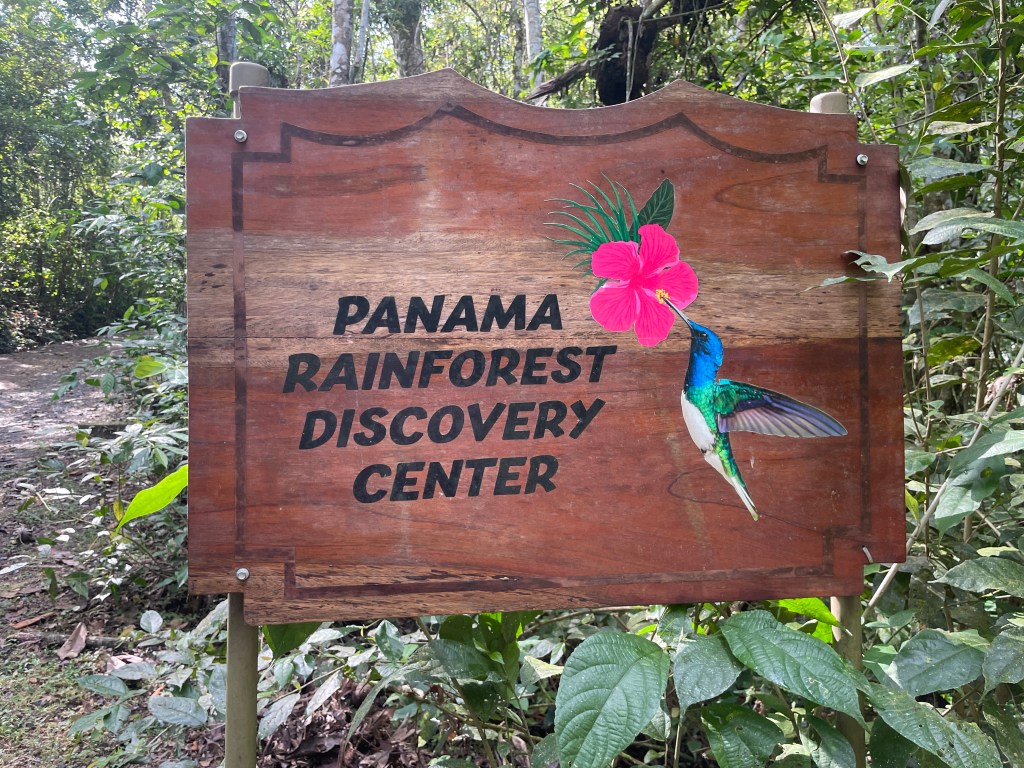
Yesterday I went on a group adventure to the Panama Rainforest Discovery Center which is located approximately 45 minutes outside Panama City near Gamboa. Built as an educational center, it allows people to experience jungle life with the numerous birds, insects and animals who survive and thrive within its boundaries.
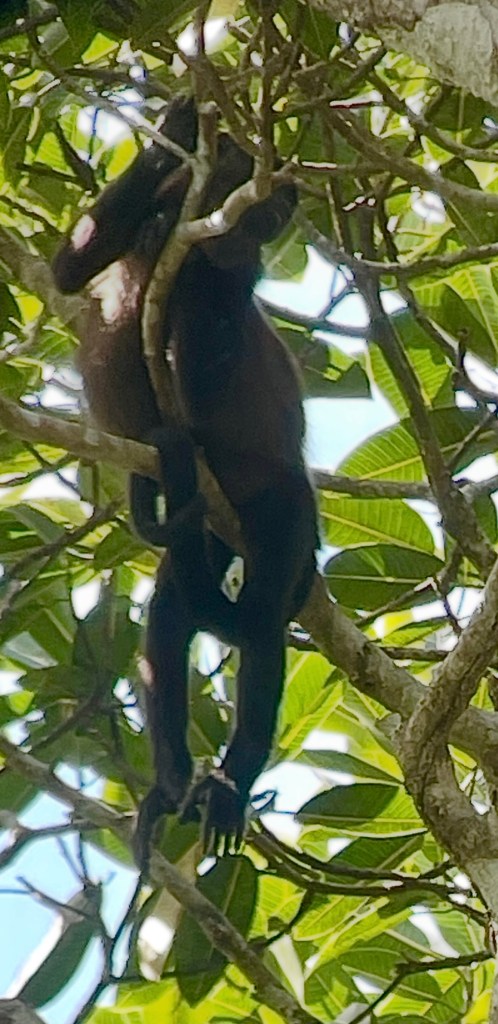
Within minutes of our arrival we heard the howler monkeys (monos aulladores) voices echoing from the treetops. It is hard to believe that an animal of such a small stature can make such a big noise! Later on one of the many hiking trails, we spied them sleeping as a group in the trees.
The Panama Rainforest Discovery Center is known as one of the premier bird watching locations in the world. In fact, in 1985 the Audubon Society held a bird count and an amazing 385 different species of were spotted…a new record for the greatest variety of birds seen within a 24 hour period. Birdwatchers advise getting to the center at opening time (6 am) to get the most out of your birdwatching experience.
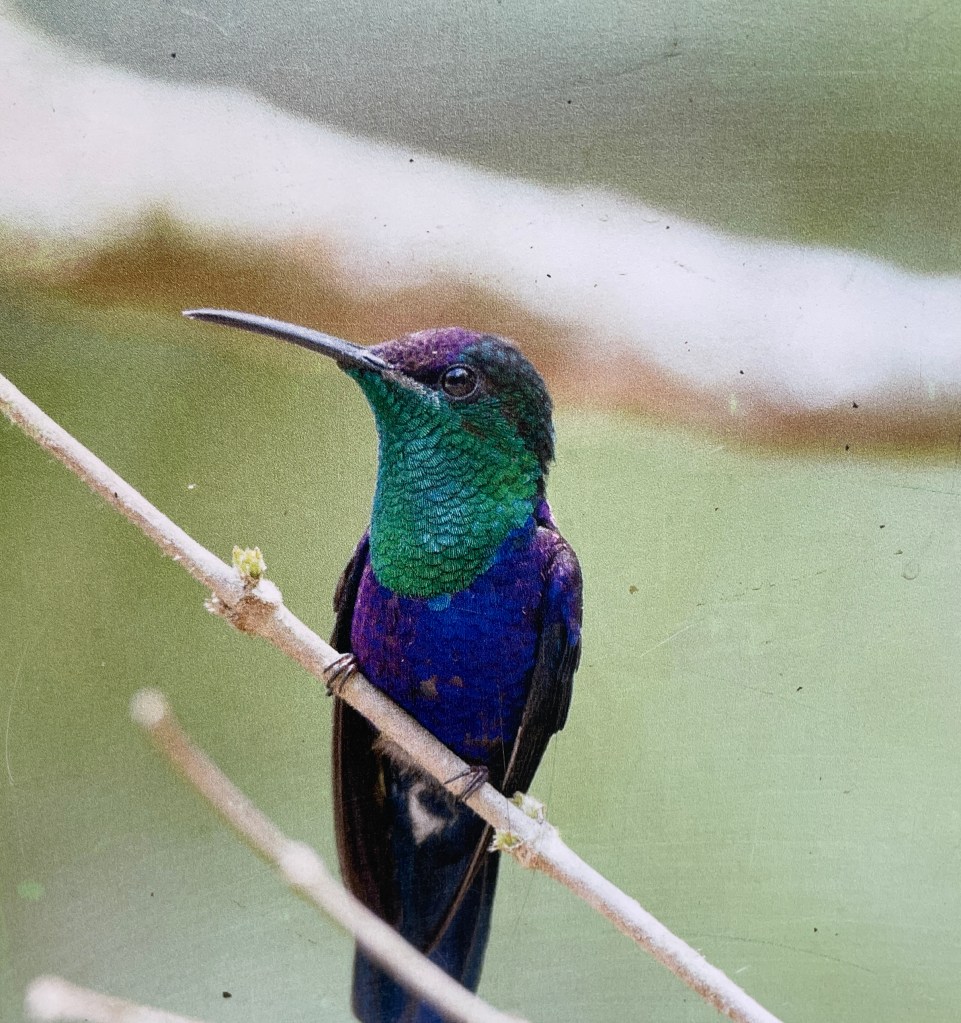
One of the educational offerings is the hummingbird observation area at which you can see numerous different types of hummingbirds. Unfortunately, when we were there we only saw a few which I believe was a result of the size of our group and the time of day. Because my photos did not turn out very good so I am posting a picture that is found at the center which shows the types of hummingbirds that you can observe in the area.
The Discovery Center has numerous groomed hiking trails throughout its boarders and they range from easy to slightly more difficult. As you hike along you will hear bird songs which range from soft and sweet to slightly jarring. There is nothing like a good bird song to delight the ears! Click the picture below to hear one very happy bird.
Click to hear the birds
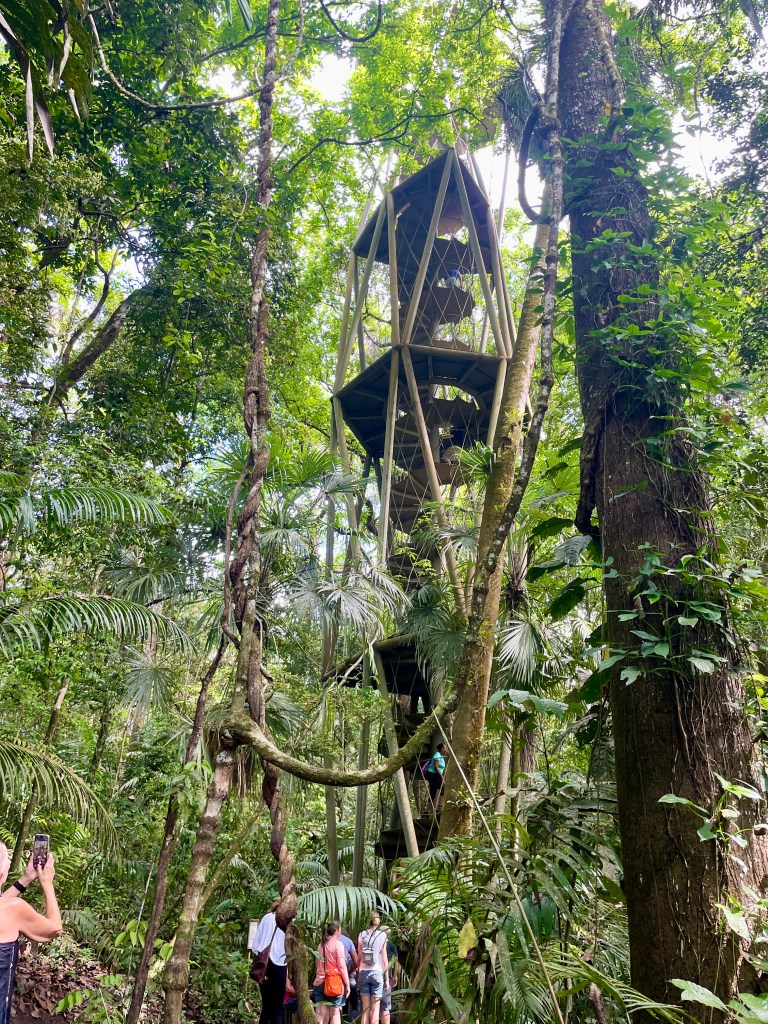
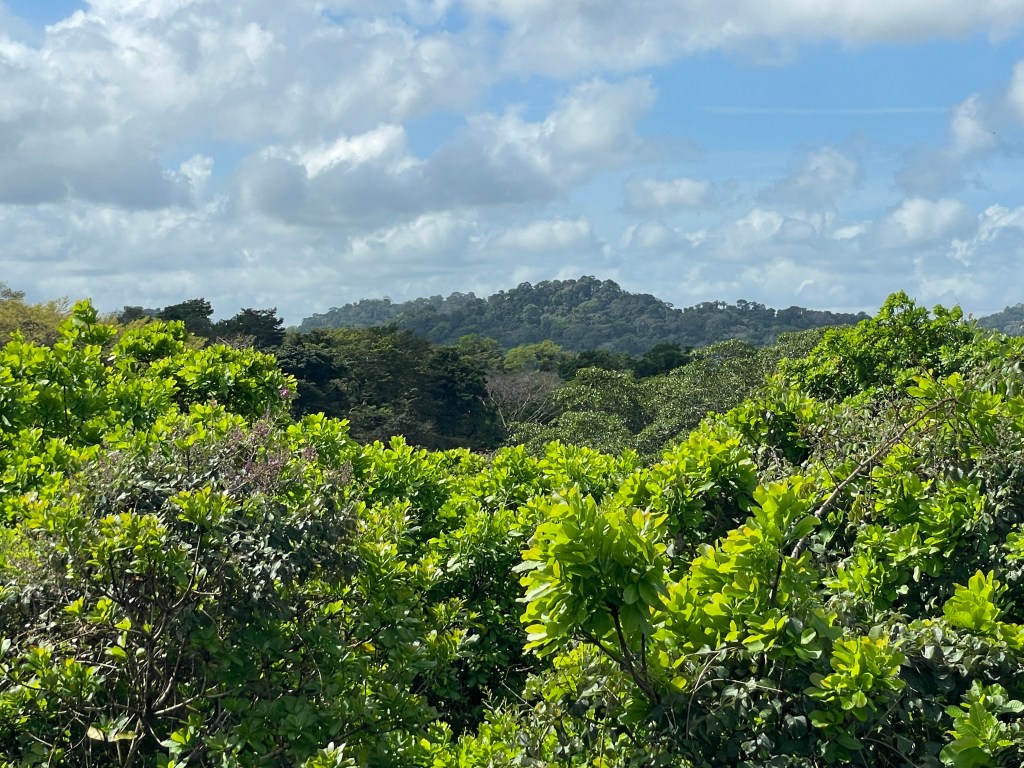
Another interesting feature of the park is the Observation Tower which takes you high above the jungle canopy. There are numerous steps to the top but it is a relatively easy climb and you are well rewarded by the incredible vistas. There is a slight sway to the tower but don’t worry it is a completely normal.
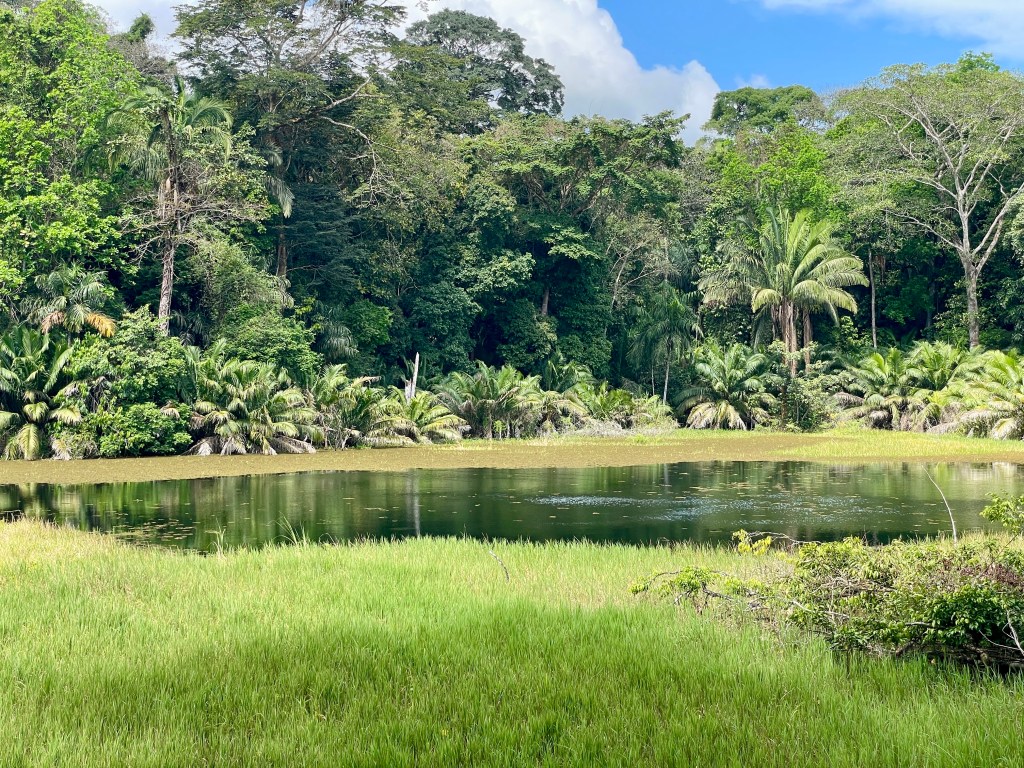
There is also a small lake named Largo Calamita with benches to sit and enjoy local waterfowl such as jacanas and egrets. Park rangers say you might even spy a crocodile or two.
If you are a tourist there is a rather hefty entrance fee to get into the park but between the possible encounters with monkeys, birds, sloths and anteaters I think it is worth it. In addition, to get to the Discovery Center you have to pass on the other side of the Panama Canal which gives you an up close view of the boats passing through. That alone is worth it in my opinion.
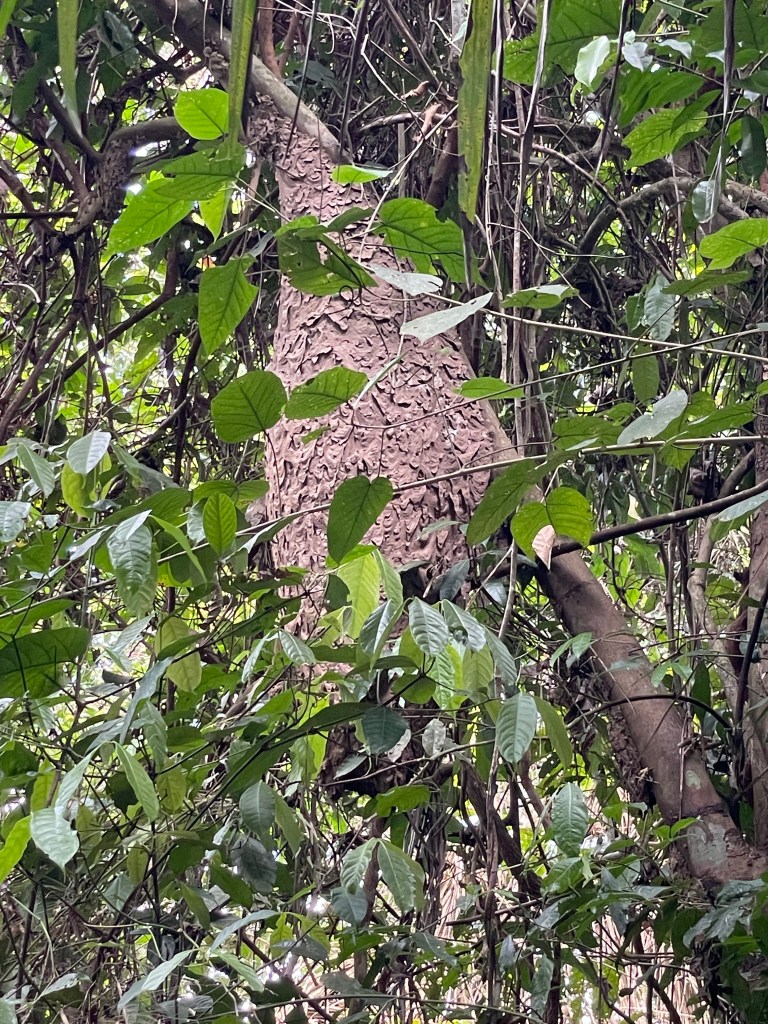
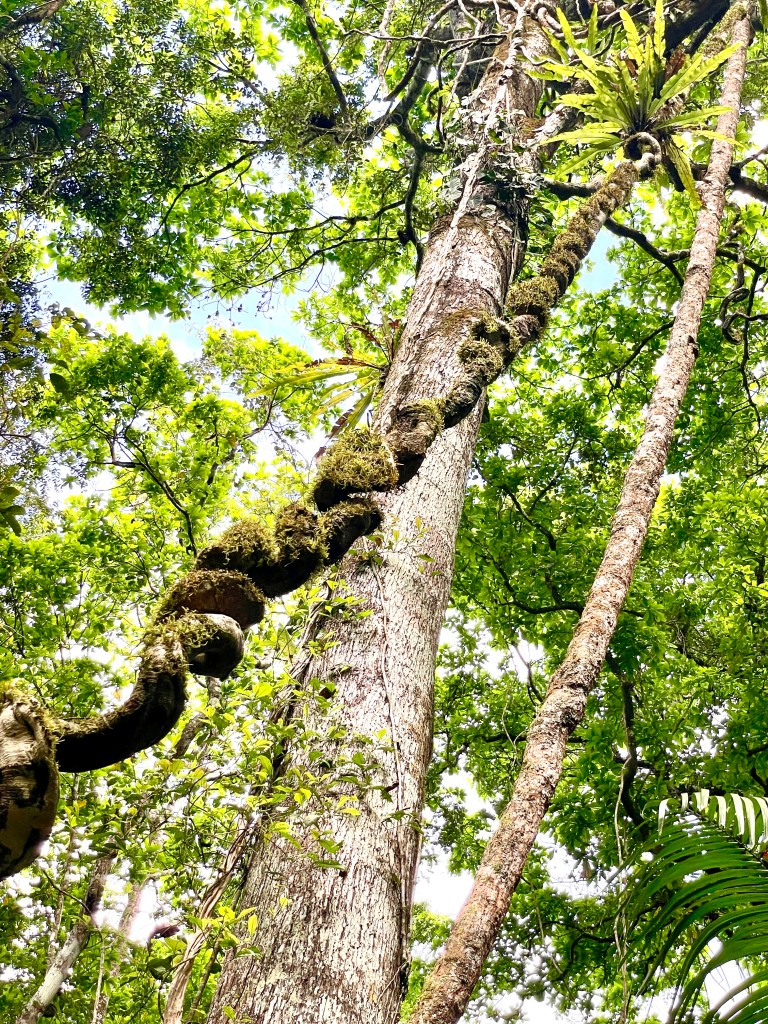
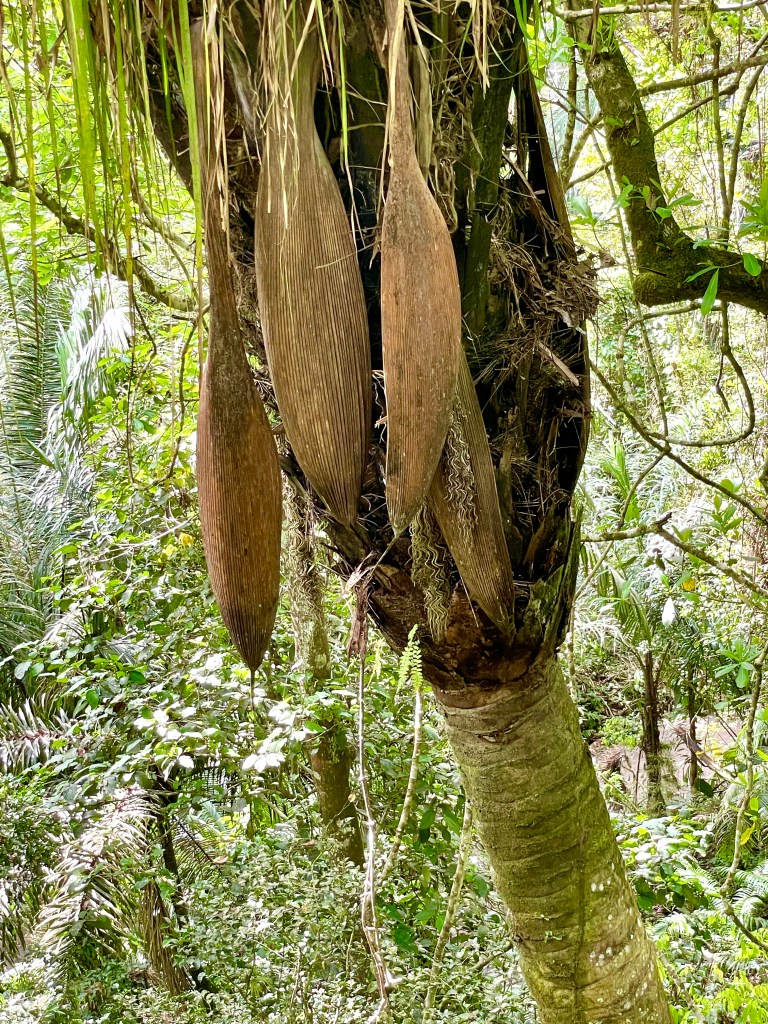
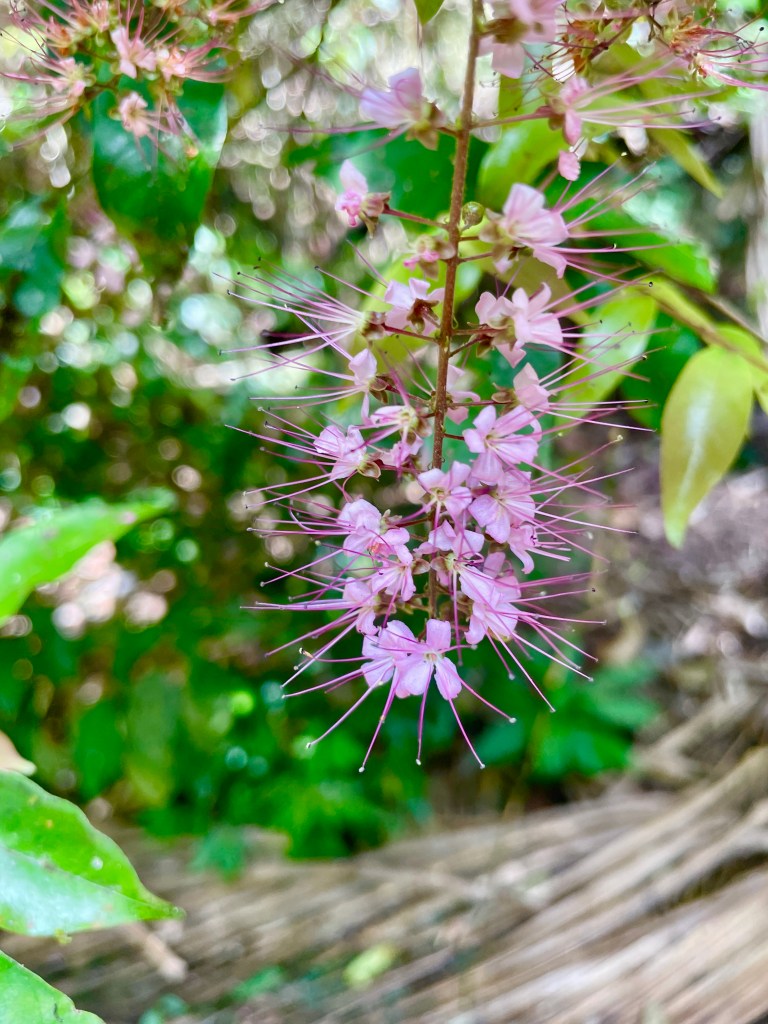
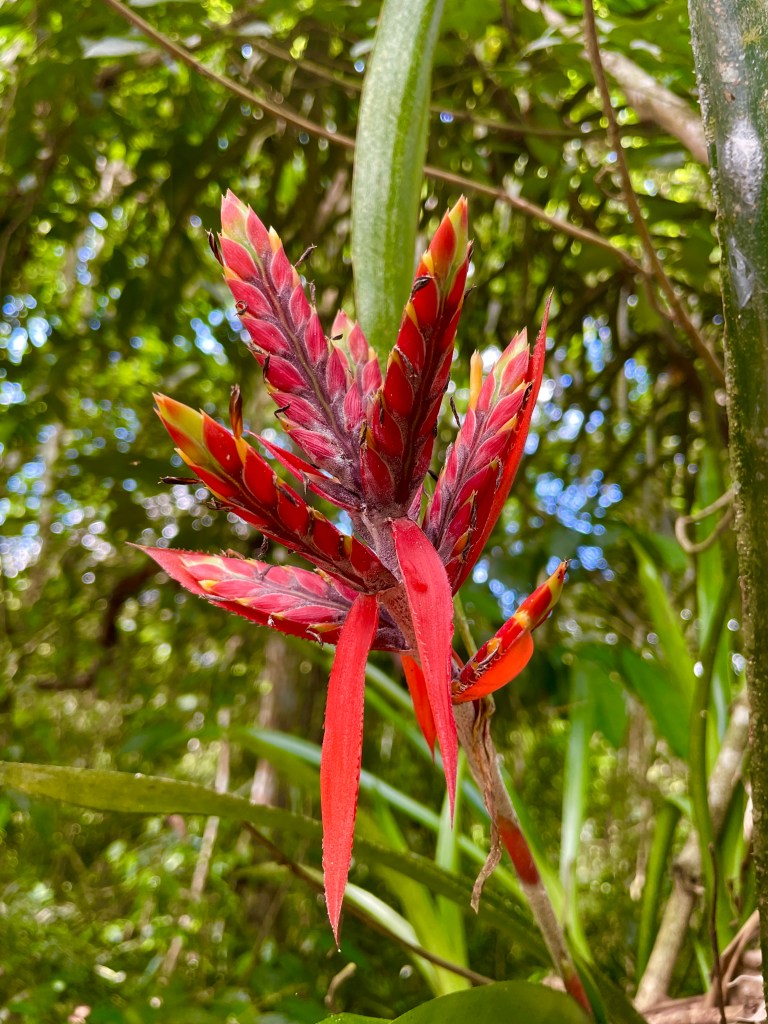
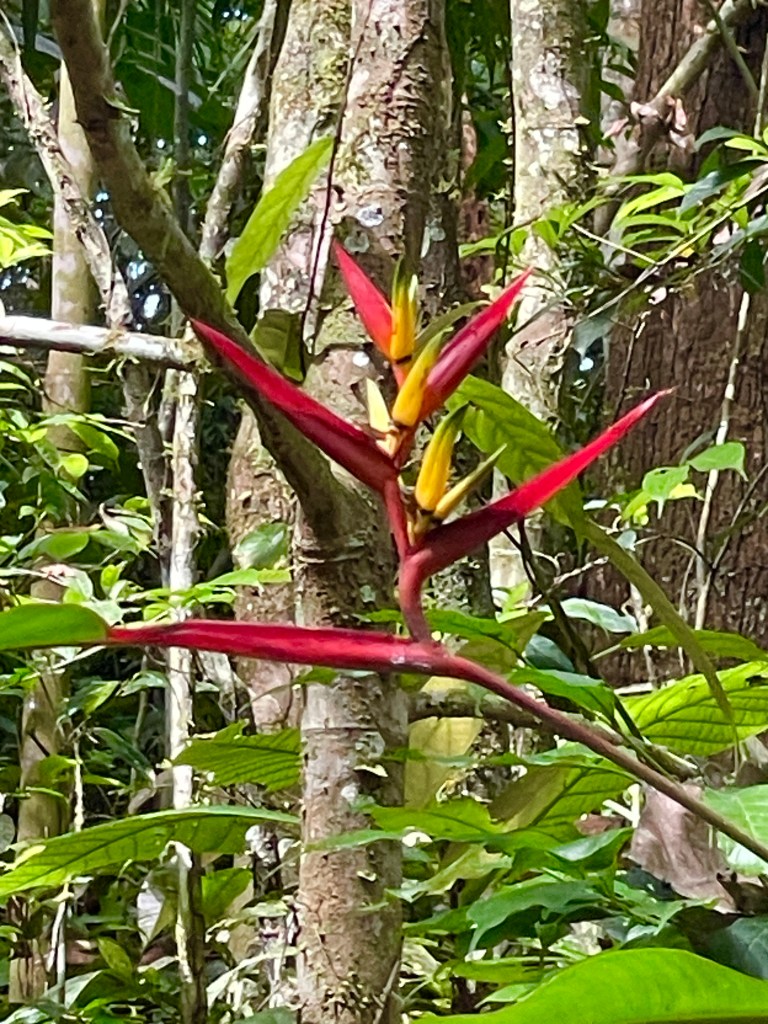
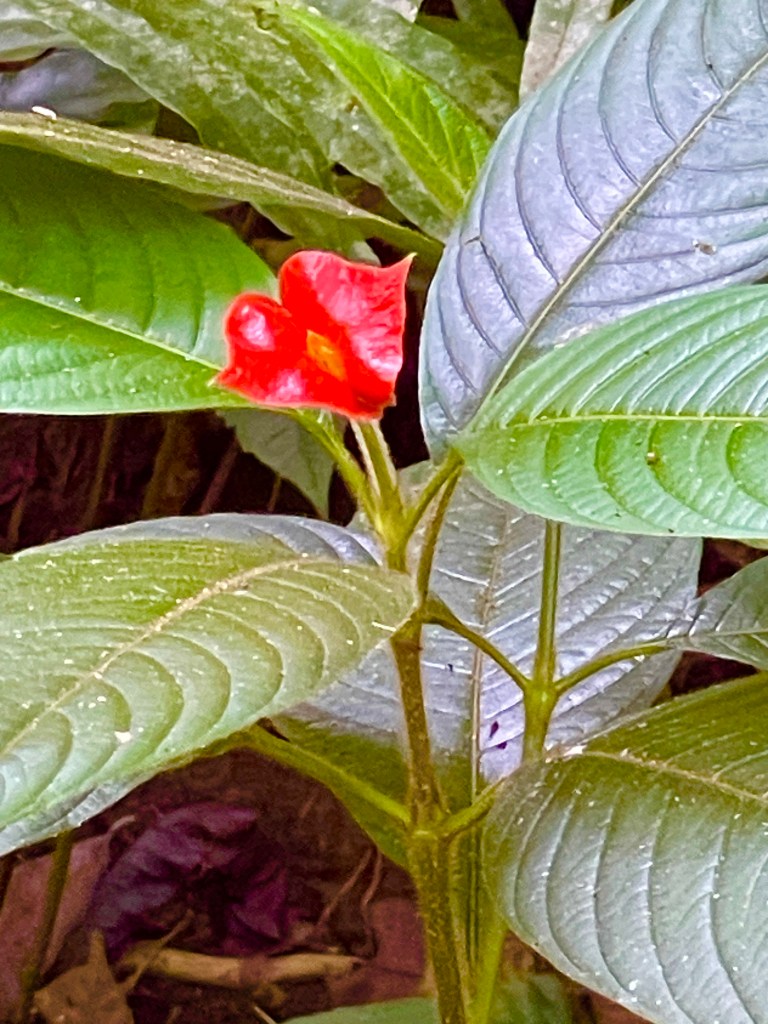
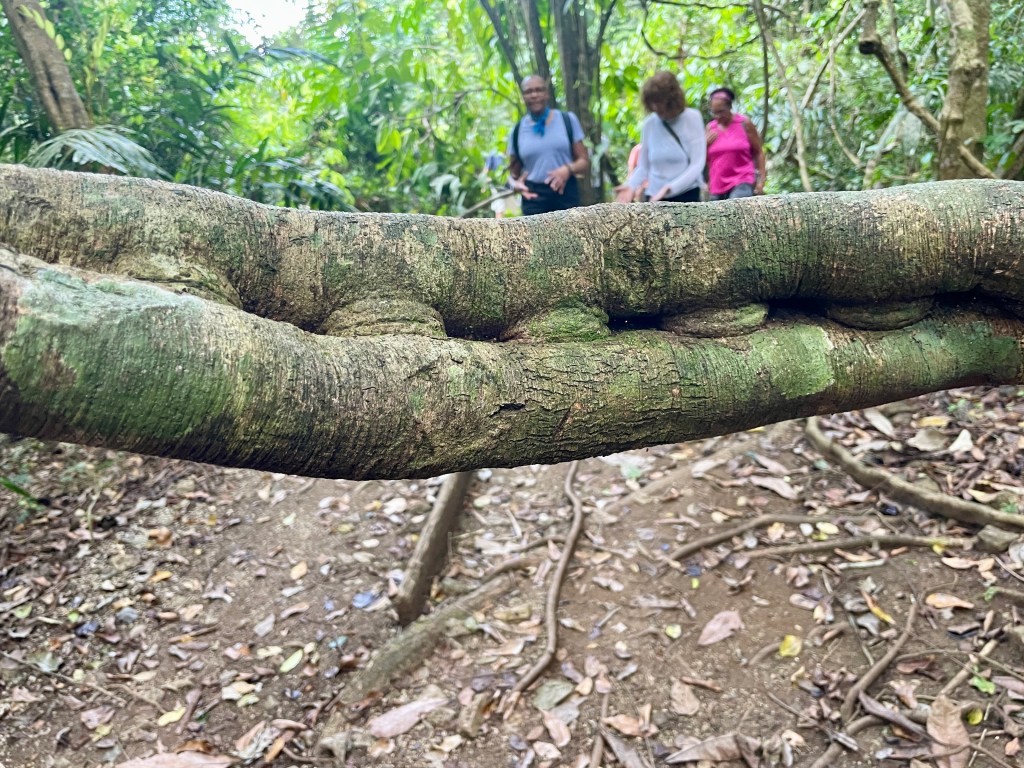
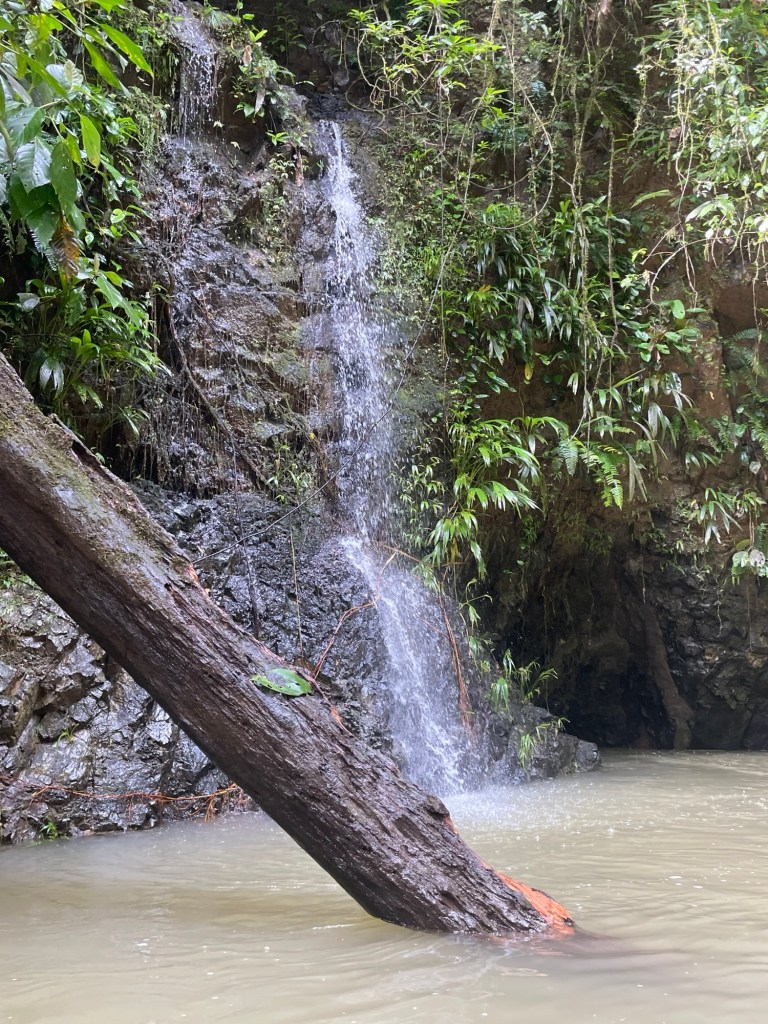
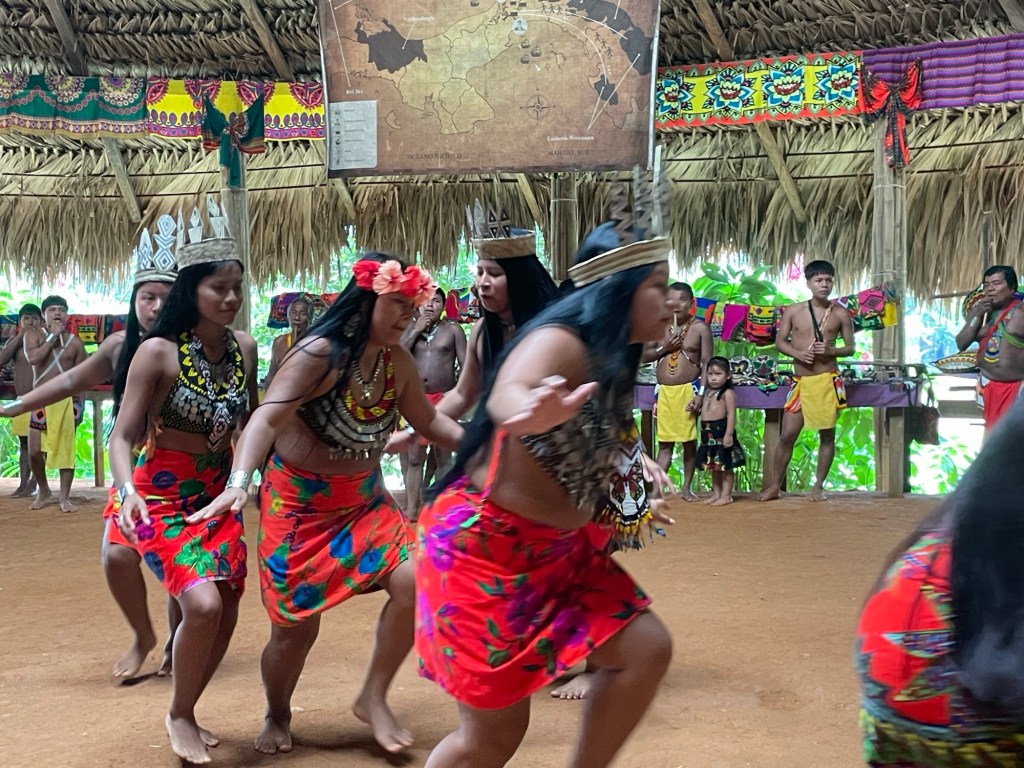
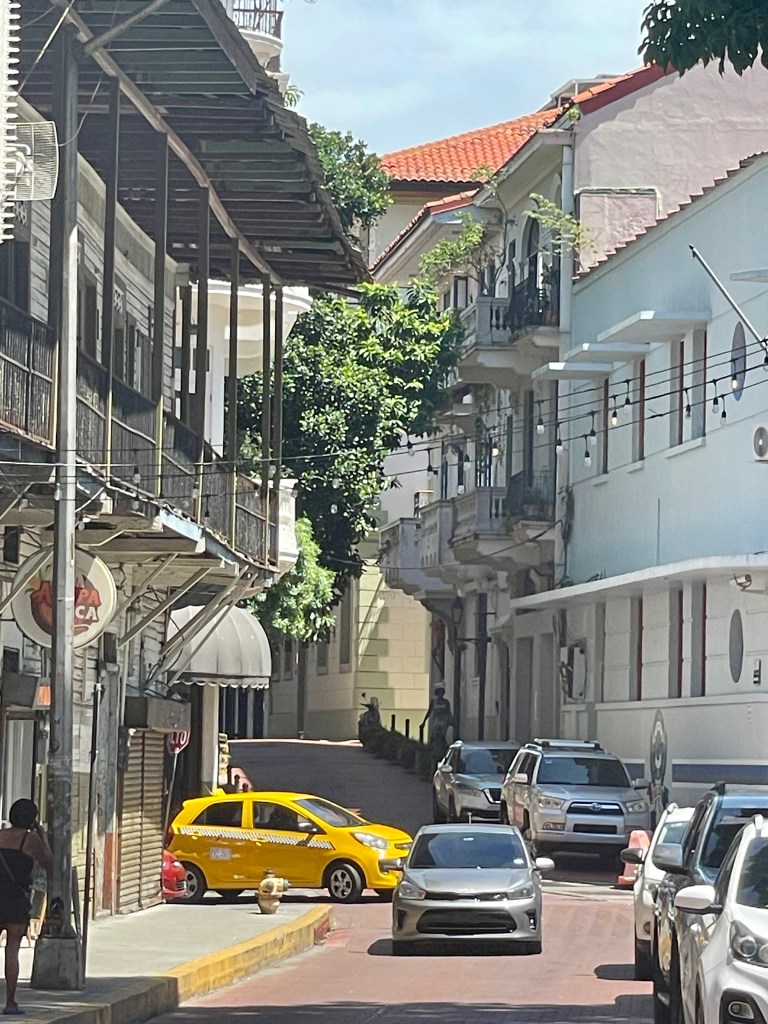
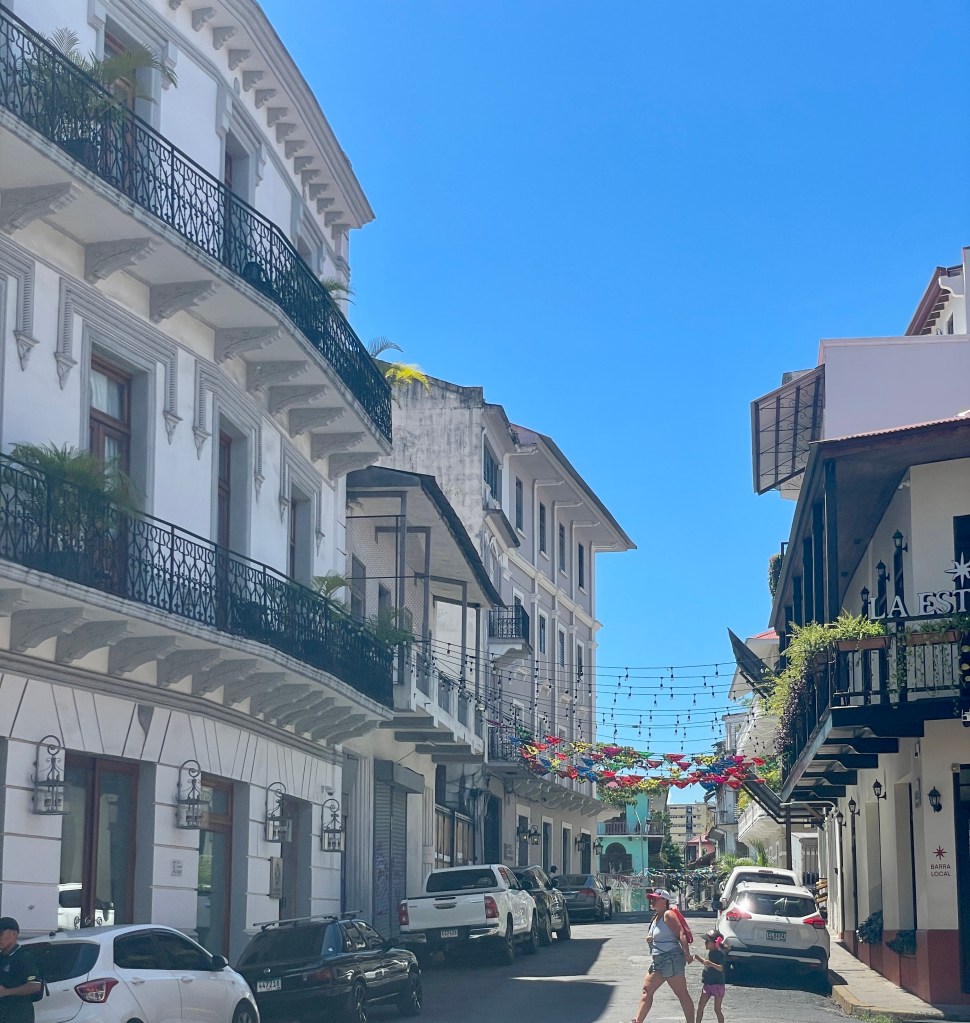
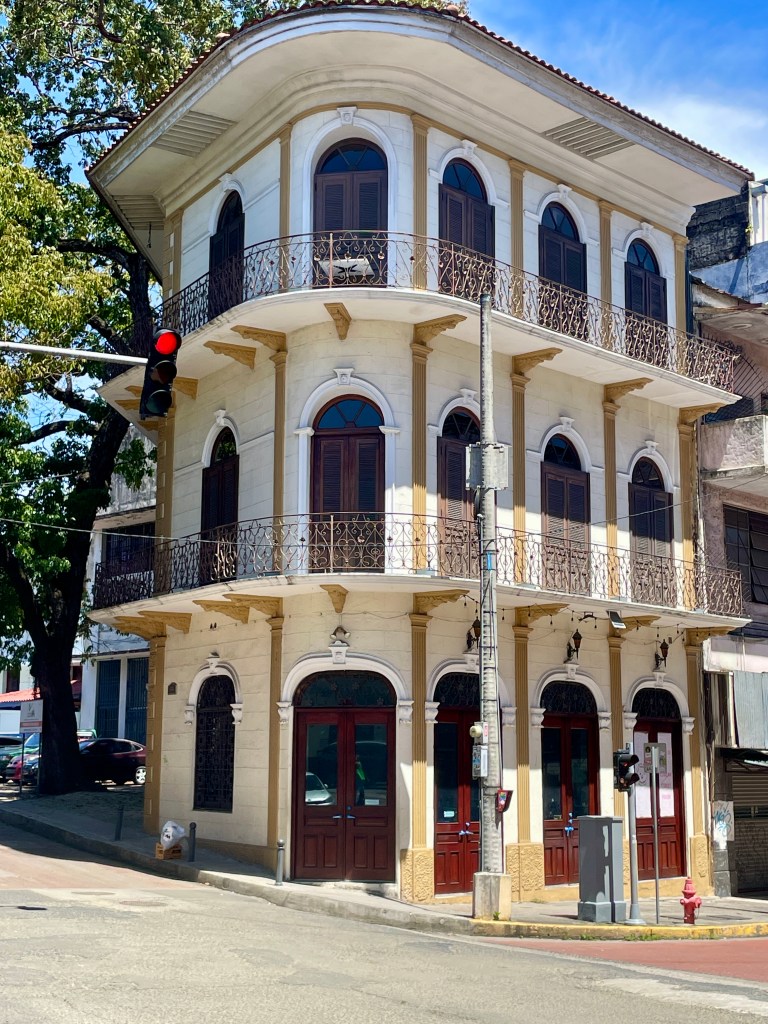
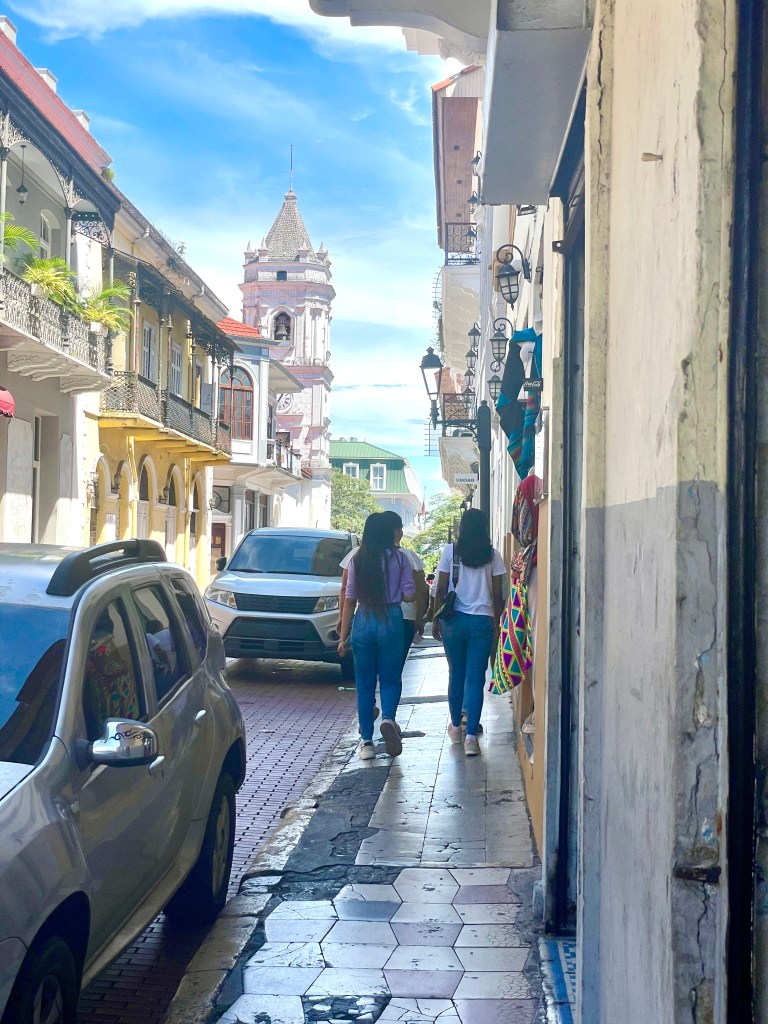
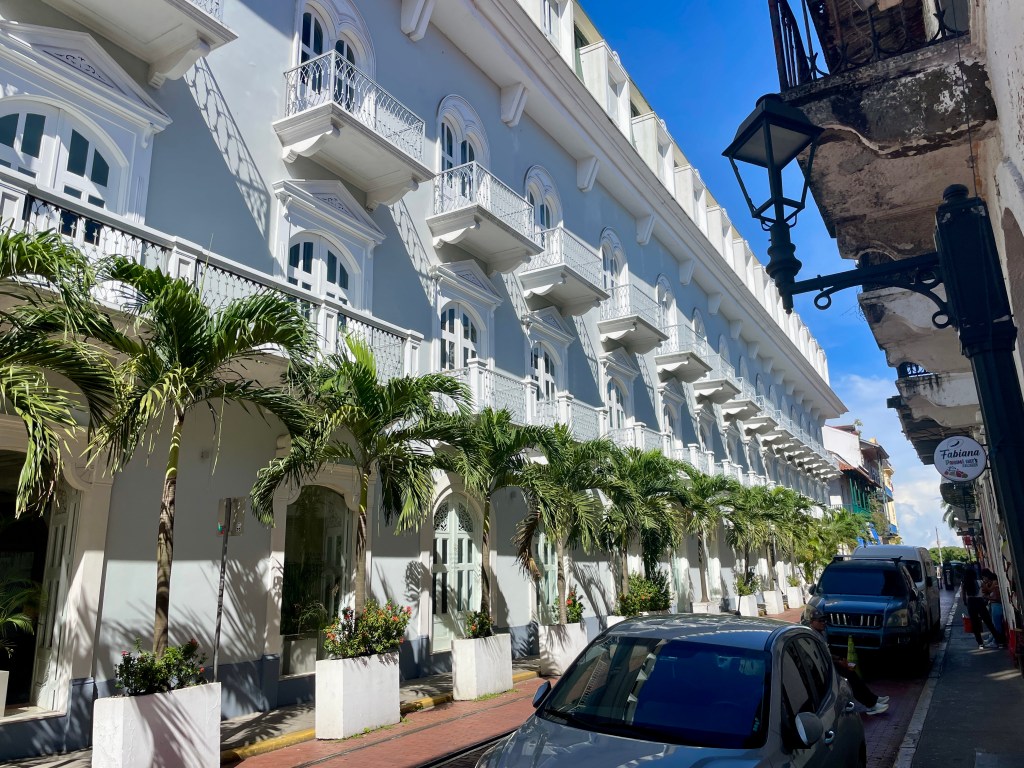
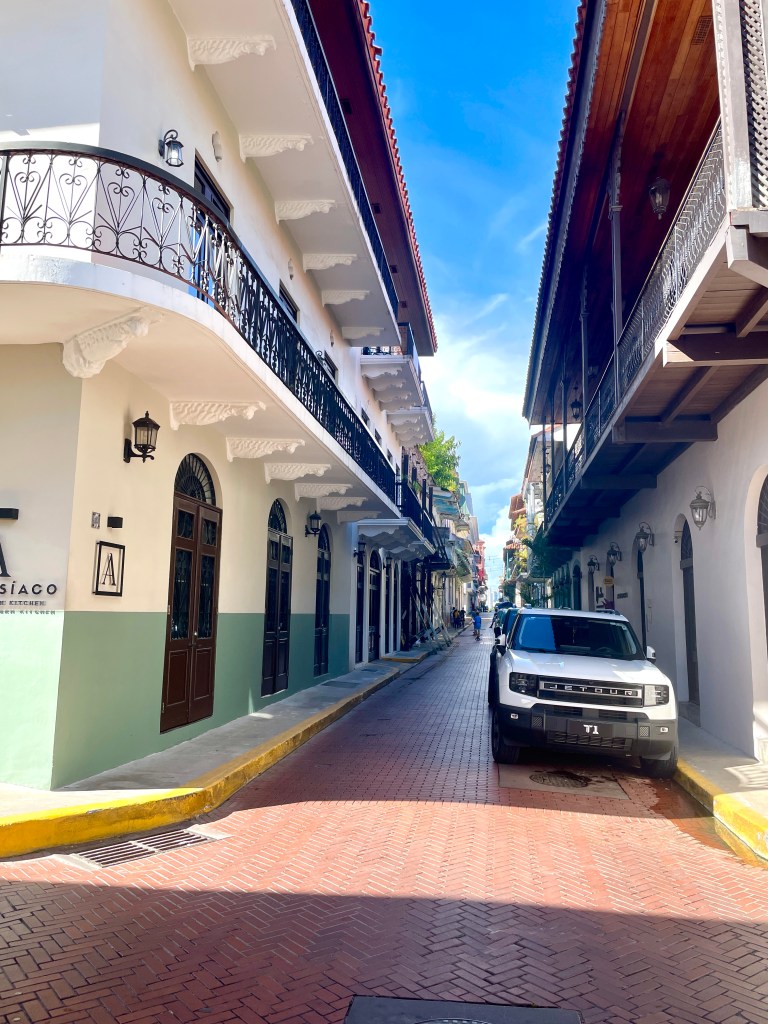
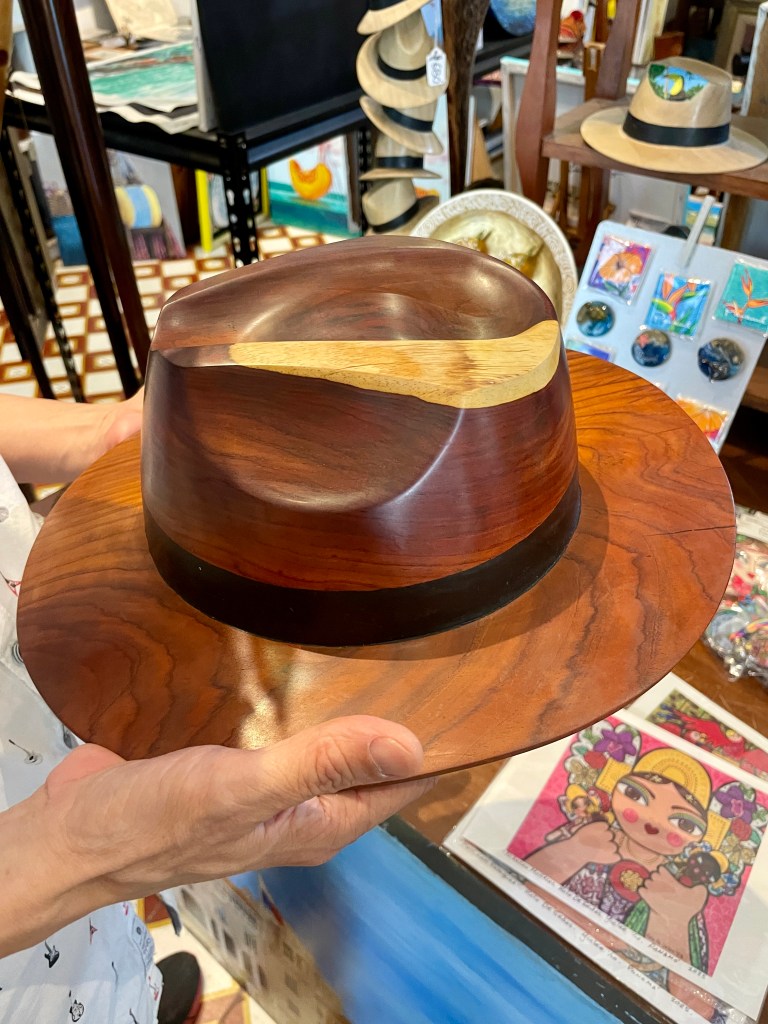
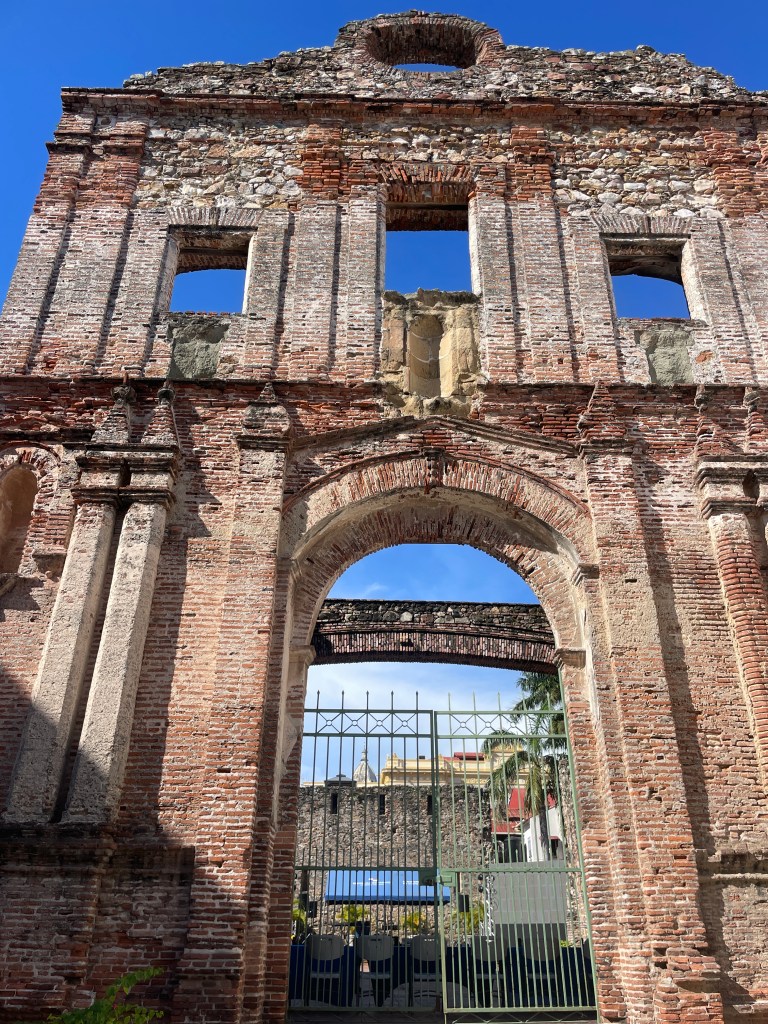
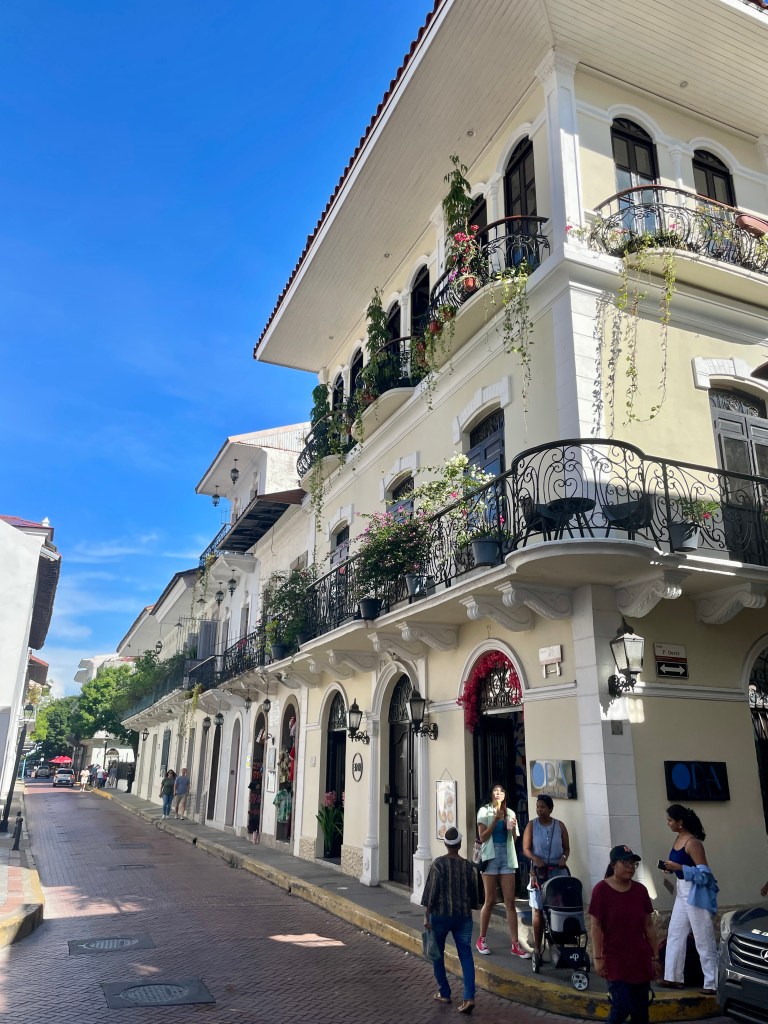
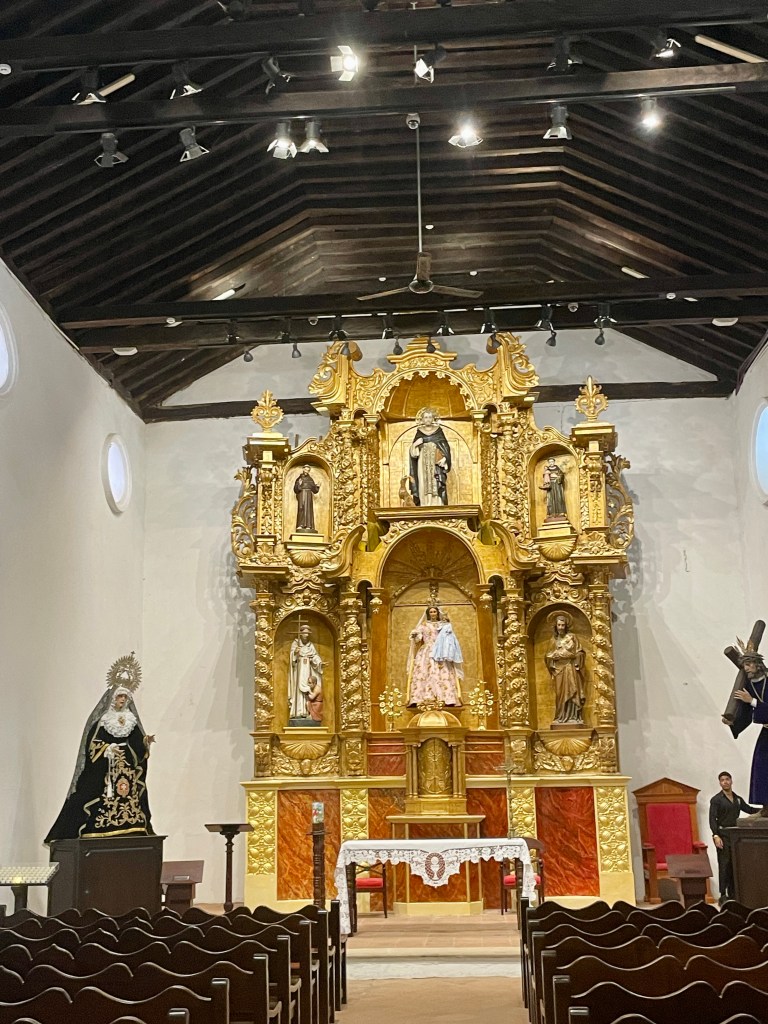
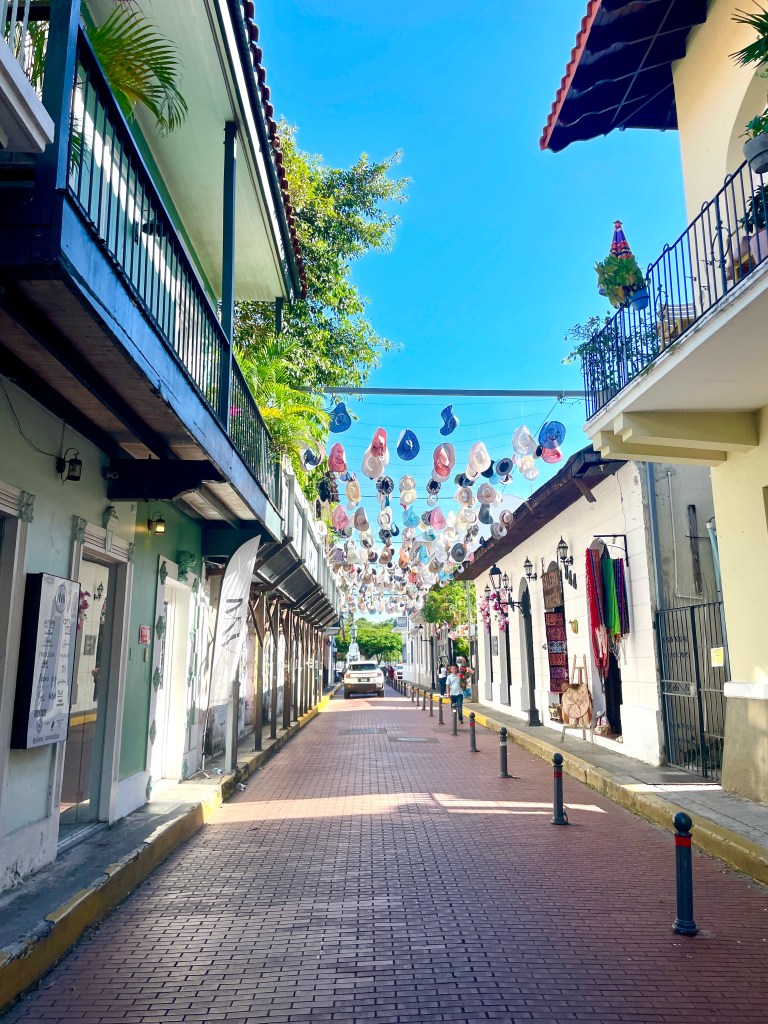
For now, I leave you with more photos of the day which I hope leaves you wanting to visit the incredible nation of Panama and its many forms of diversity.



























 You Should Be A Traveling Fool2.com