The Embera’ of Panamá

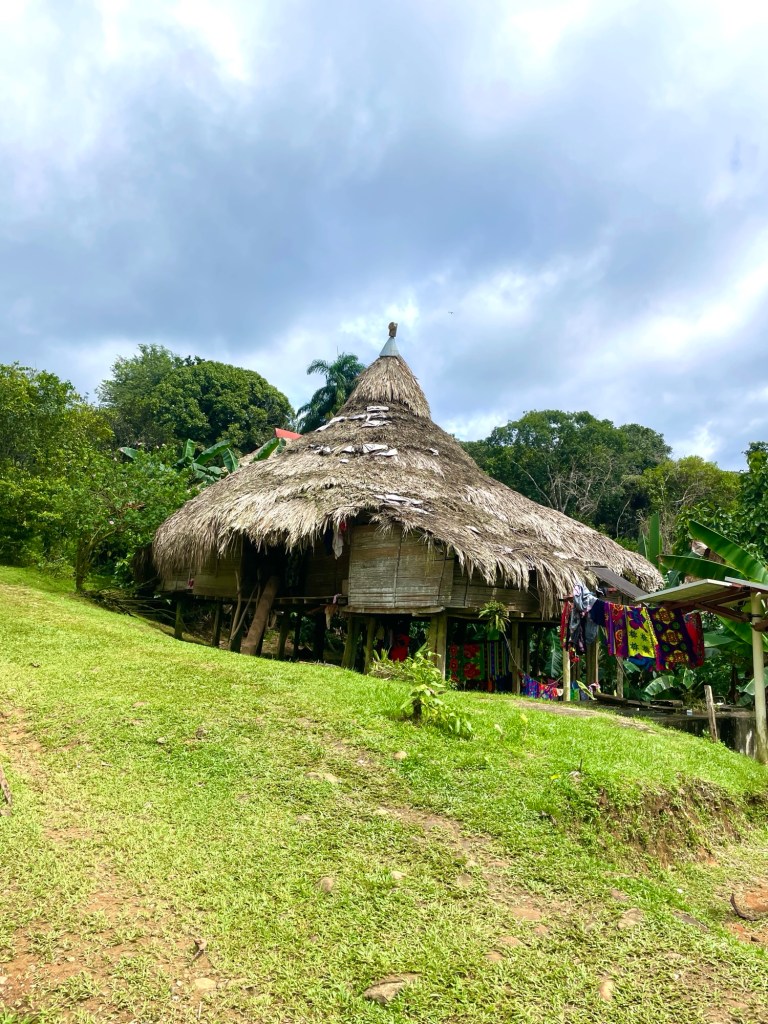
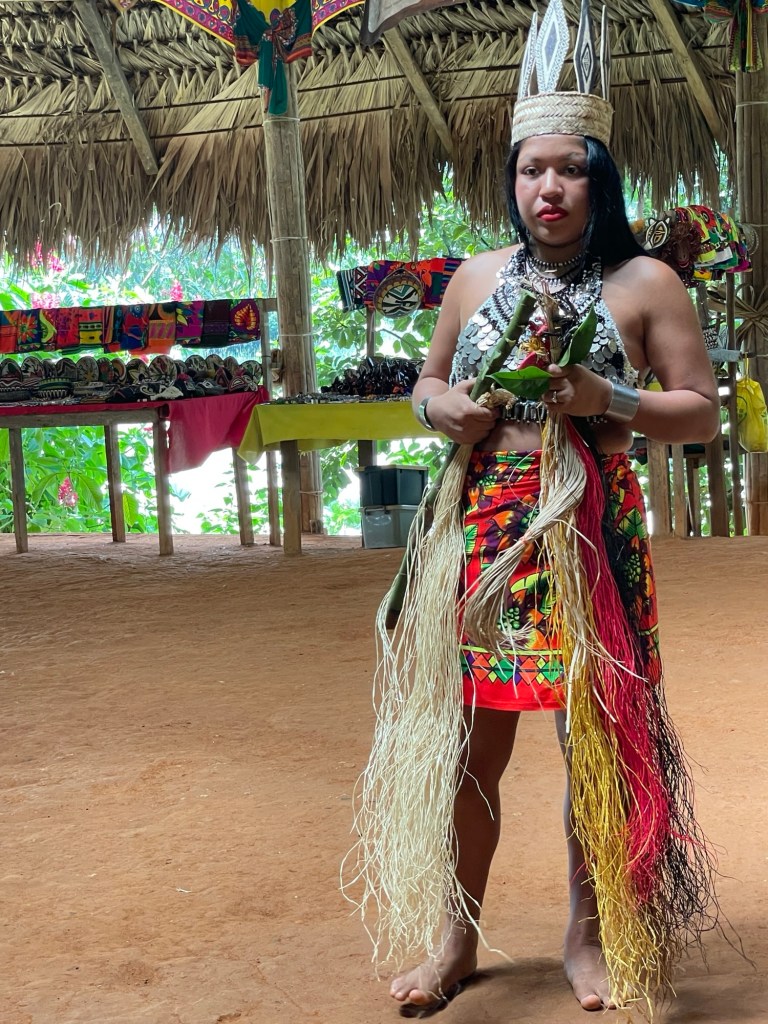
Today I visited the indigenous people known as the Embera, who have lived within the forest of Eastern Panama for thousands of years. Surviving primarily through fishing and growing various crops; the Embera’ now earn a living by educating tourists as to their way of life over many millennia.

Arriving at the river we were greeted by men in traditional clothing and ushered into dugout canoes for our journey up the waterways.

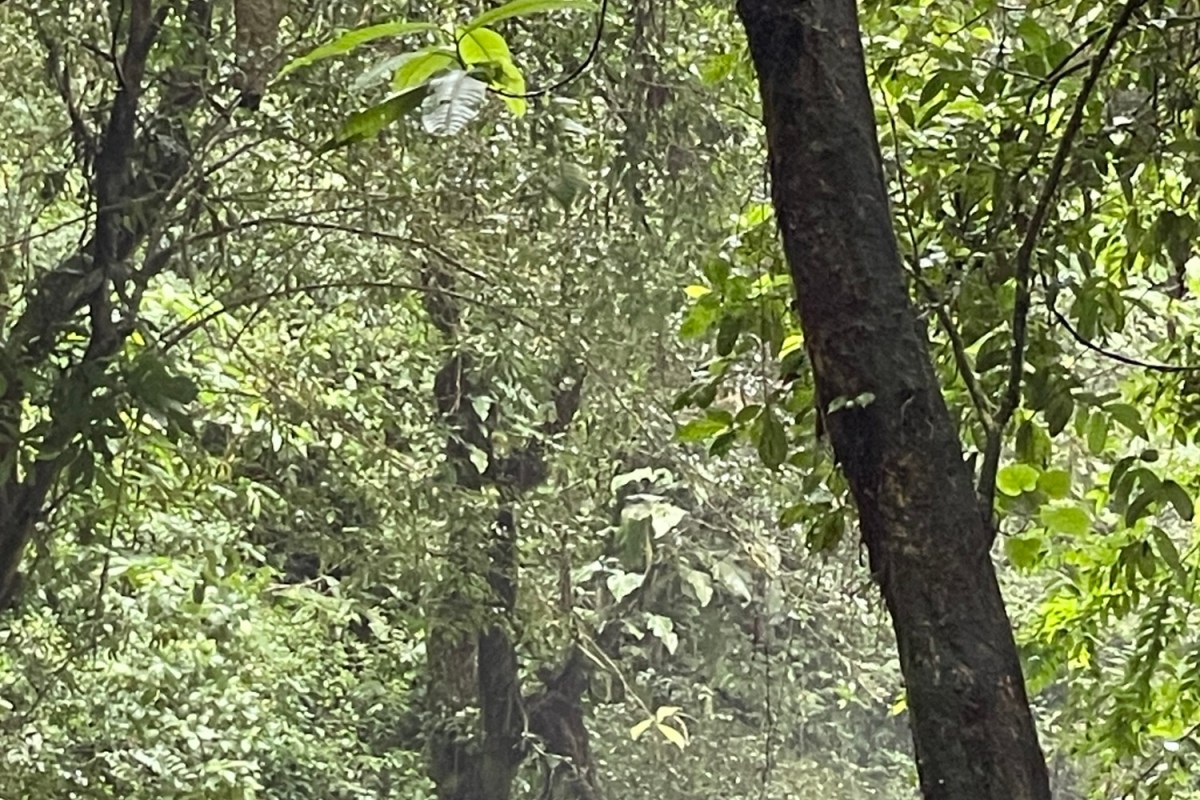
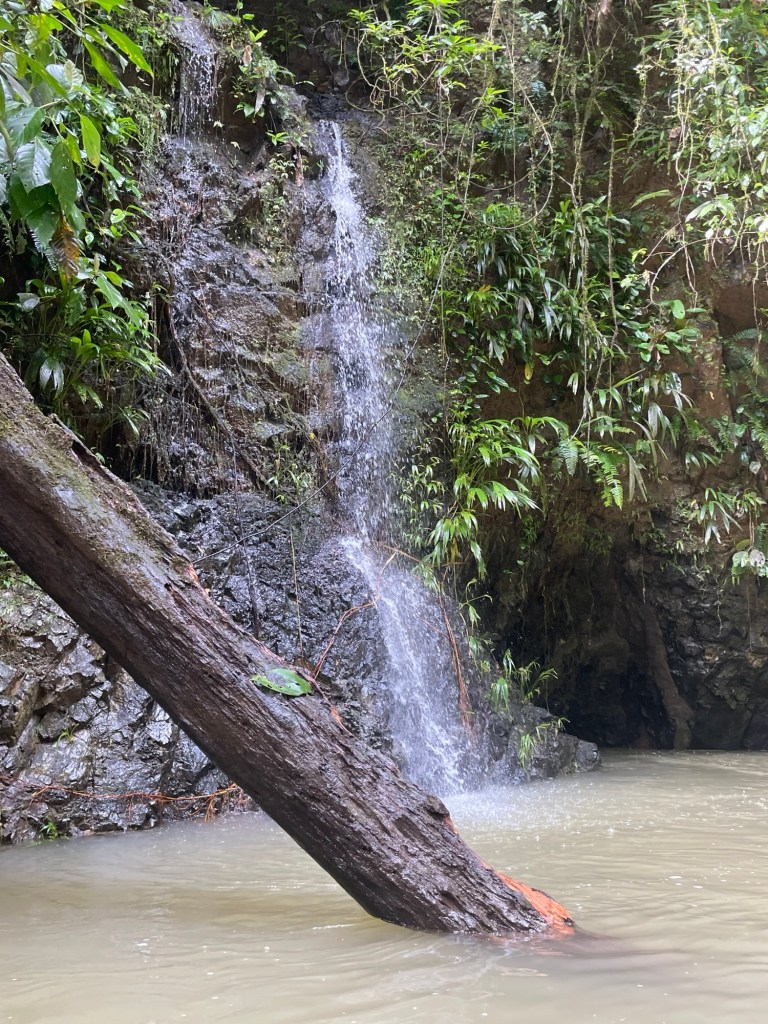
Our adventure really began as we ventured onto the river’s tributaries spying huge neon blue butterflies drifting along the banks, blue herons standing on their tall skinny legs around the waters edge, and small waterfalls sliding down the hills. Finally, we arrived at the biggest waterfall in the area where we had to clamber along slippery rocks in order to enjoy its fine mist and thundering show. The sacredness of this beautiful place was not lost on anybody.
After experiencing the earth’s natural tranquilities we headed to the Embera’ village where we listened to an educational program about the tribe, learned about how baskets and made through naturally dyed chunga palm fibers and heard the story of how tribal justice is delivered using interlocking foot boards, honey, and any insects that decide to make their way to the disgraced person via that sweet honey treat.

The Embera’ are also known for their use of kipara which decorates their bodies and unlike a permanent tattoo only lasts for several weeks. The color is derived from the Jangua fruit and the art of kipara has been shown to repel mosquitoes as well as other kinds of insects.

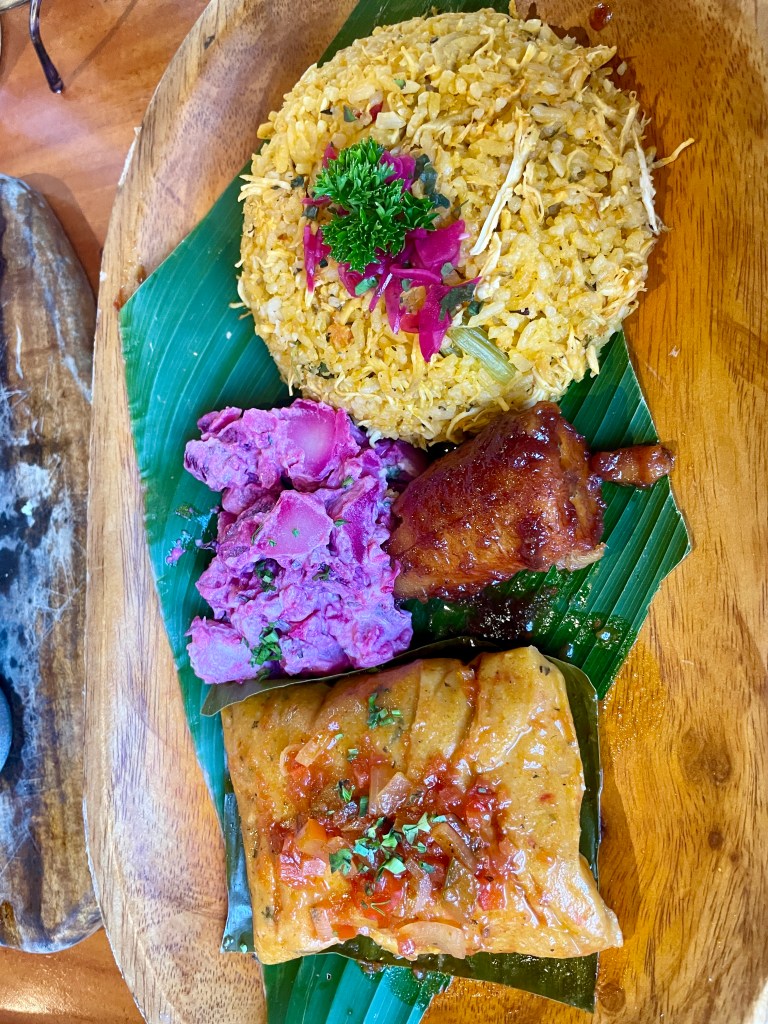
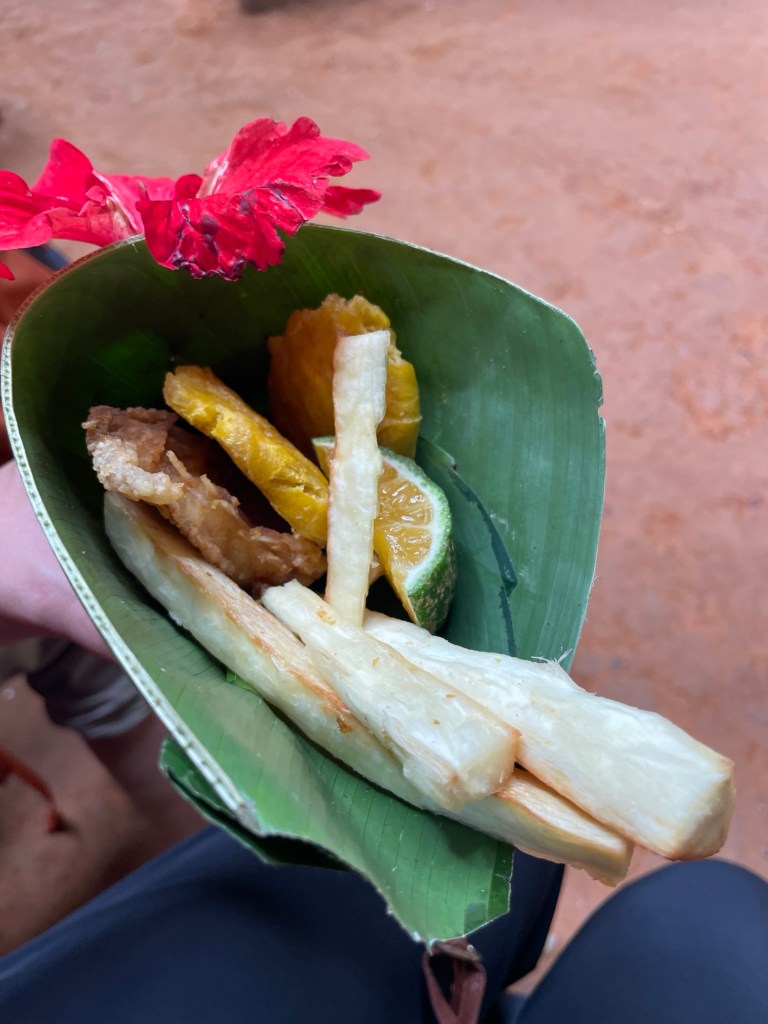
After the program we feasted on a lunch of taro, fresh-caught fish, and various fruits. It was delicious!
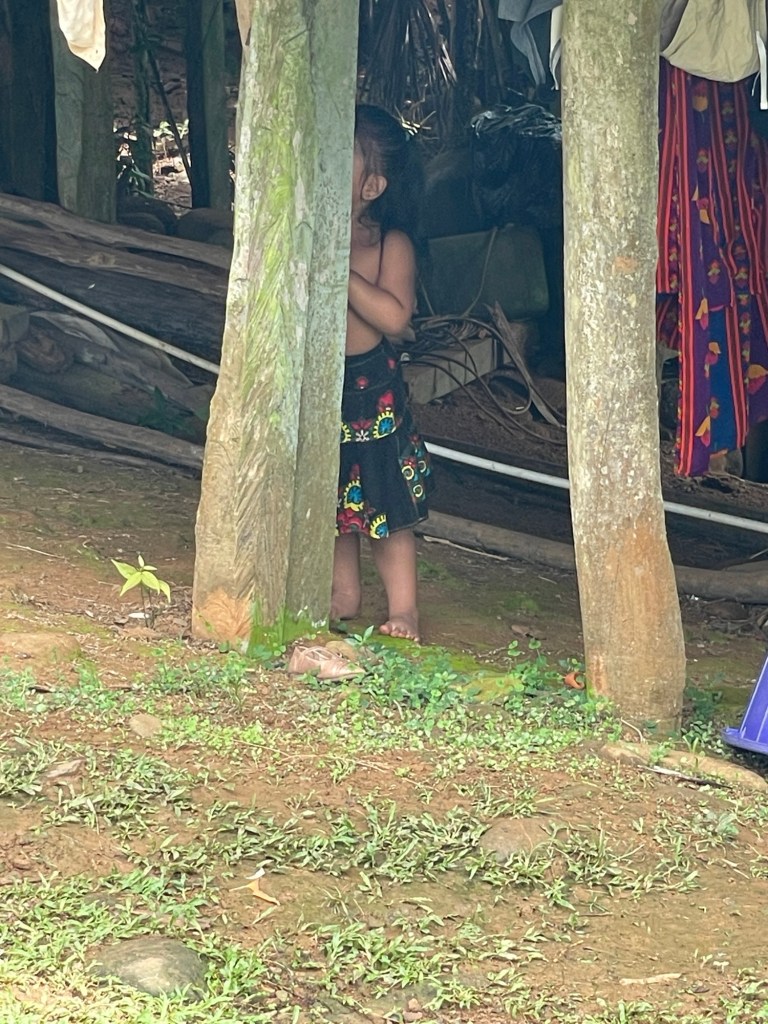
One of the things I enjoyed the most was a little girl who climbed down the steps of her home and hightailed it under the house in order to hide from her mother. She looked at me and put her finger to her lips to let me know in no uncertain terms that I was not to inform her mother as to her whereabouts as she scampered away!
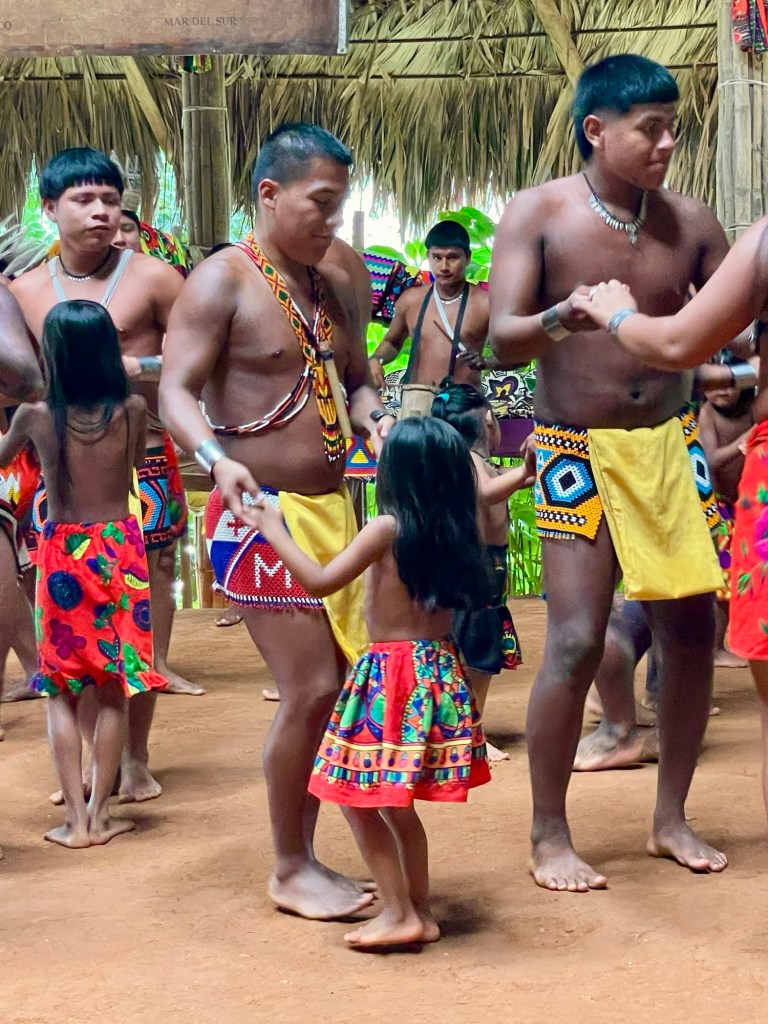
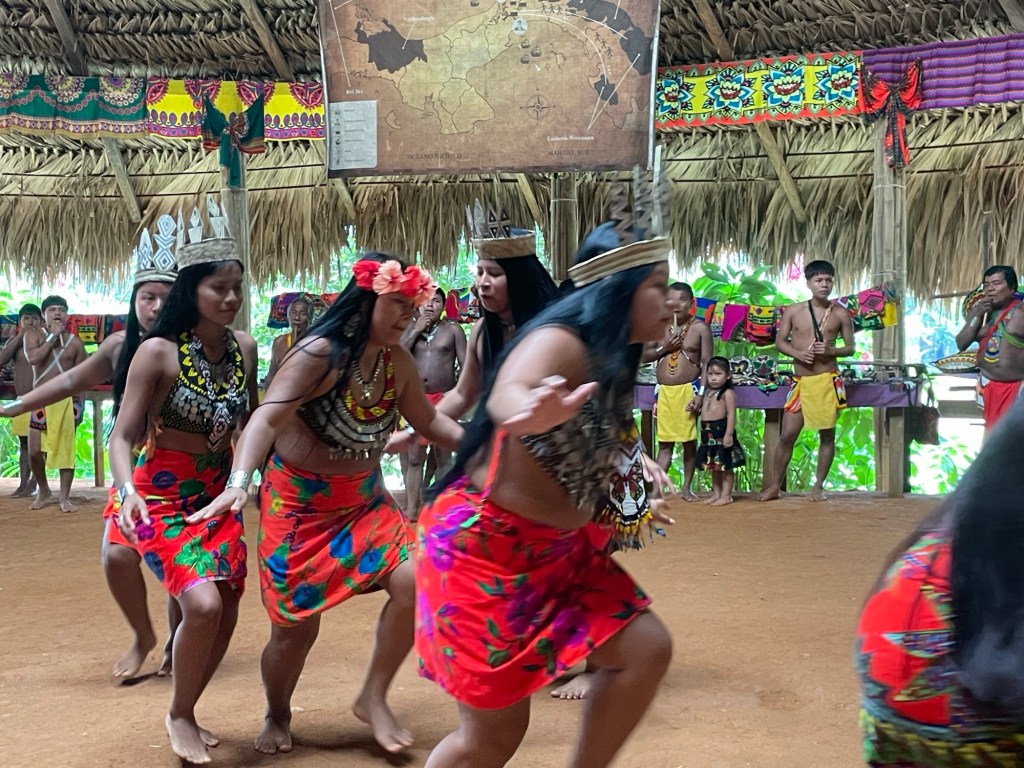
After lunch we were entertained by the traditional dances of the Embera’ people and asked to participate after a demonstration. Let’s just say my partner was lucky that I only stepped on his barefoot toes once with my two left feet!
All too soon it was time to head back to “civilization” after shopping for traditional artwork made by the villagers. All in all a great and well orchestrated experience which was fun and educational too.

My new basket! Isn’t it amazing!

Panama City, Panama

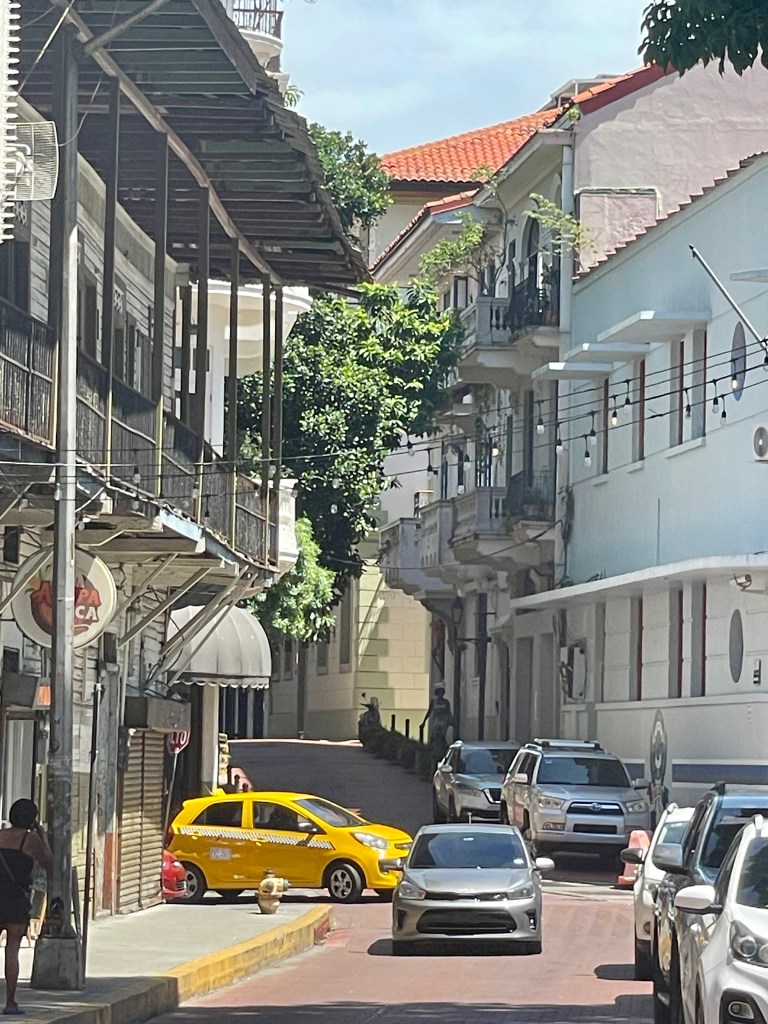
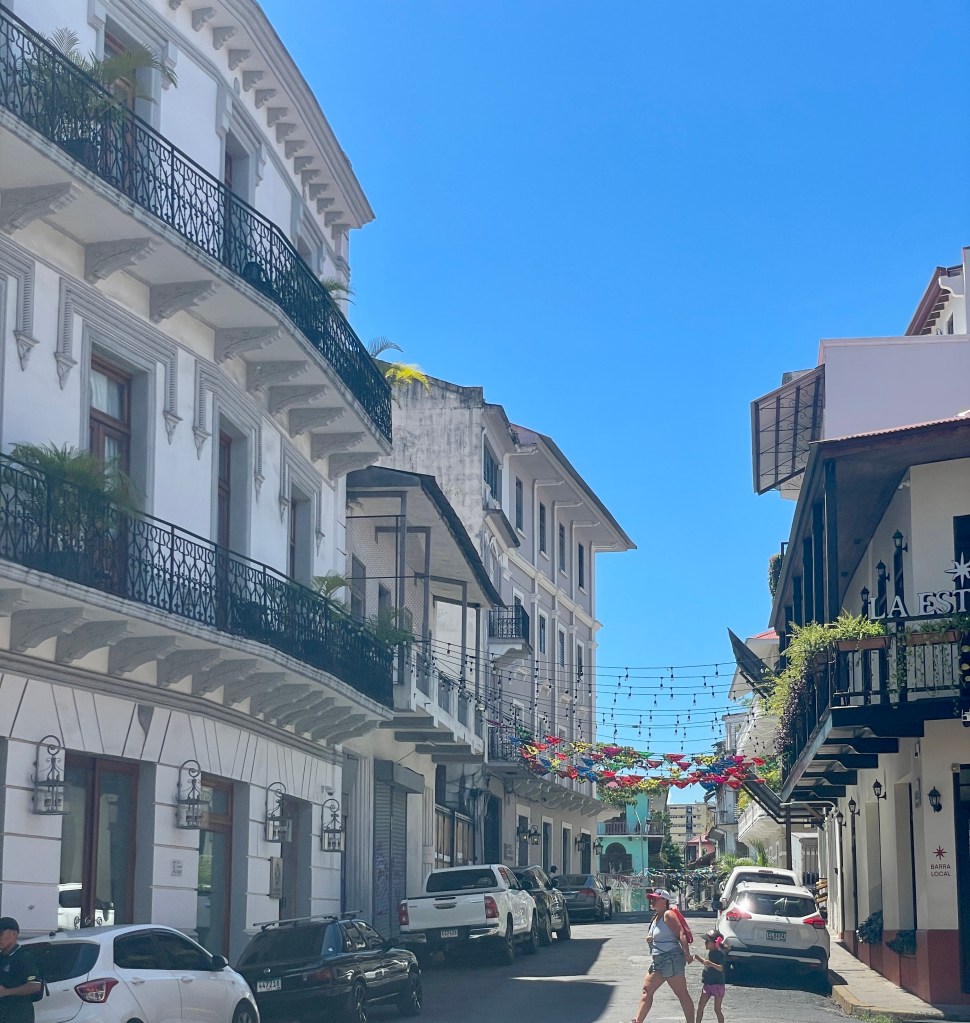
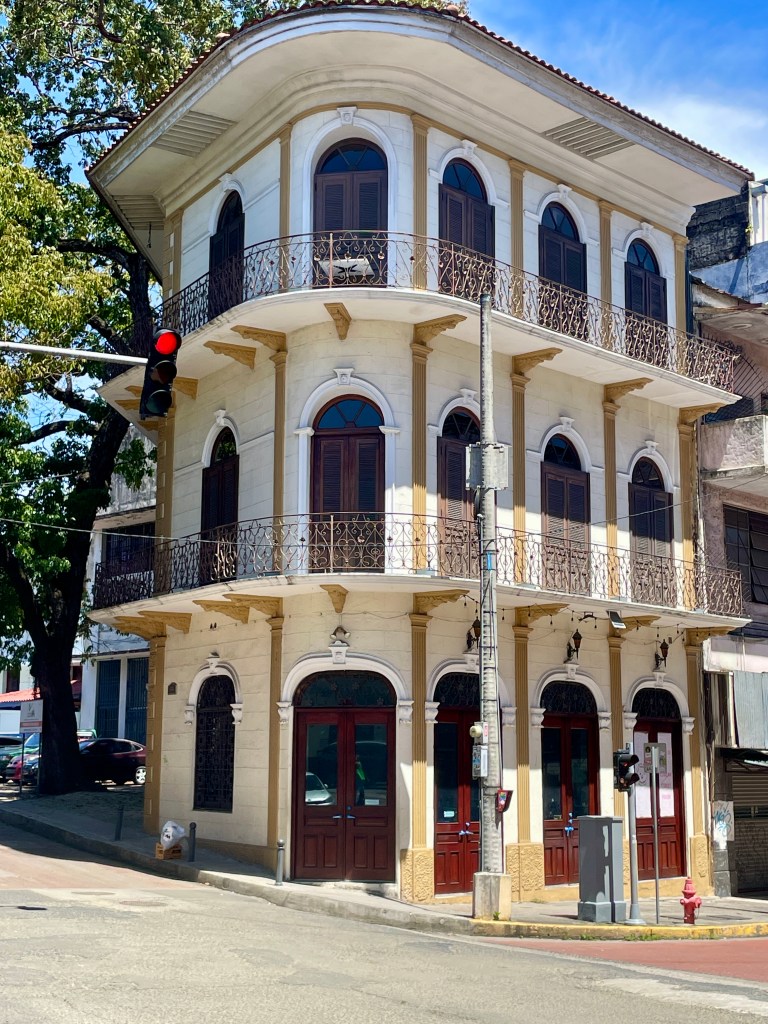
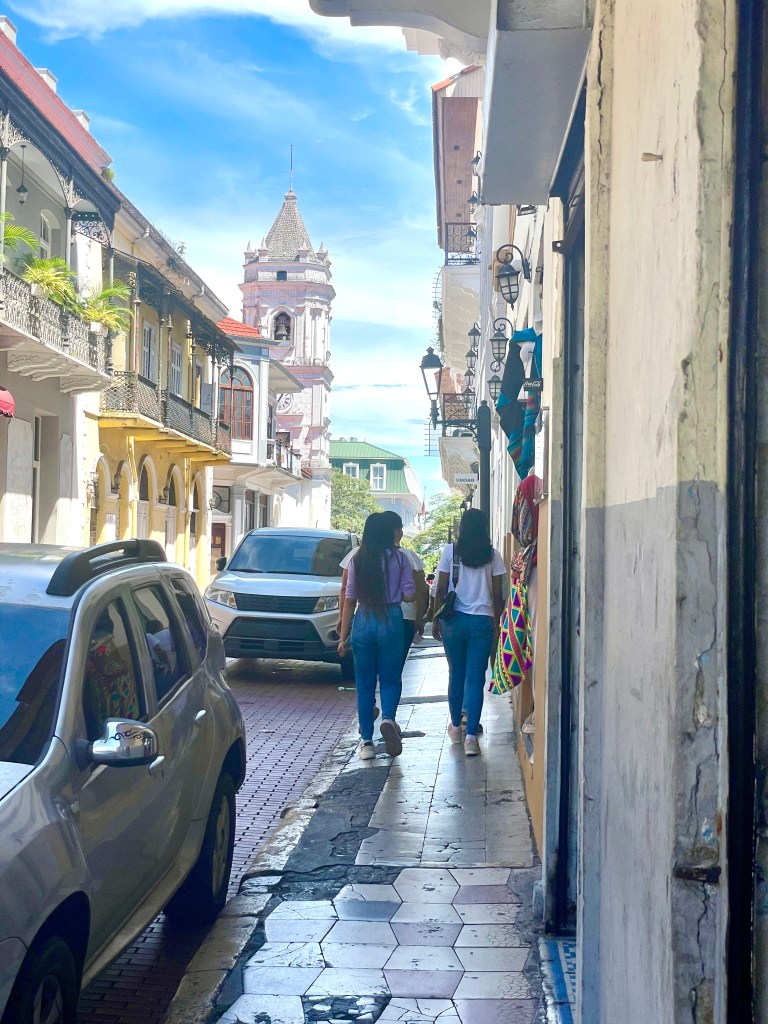
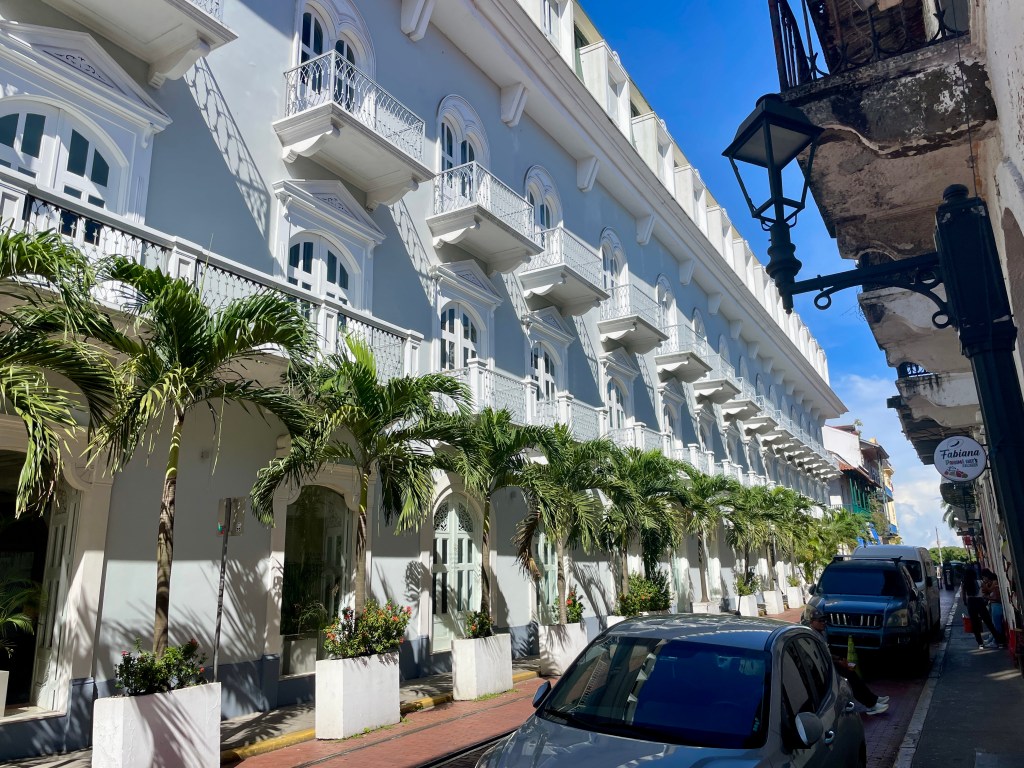
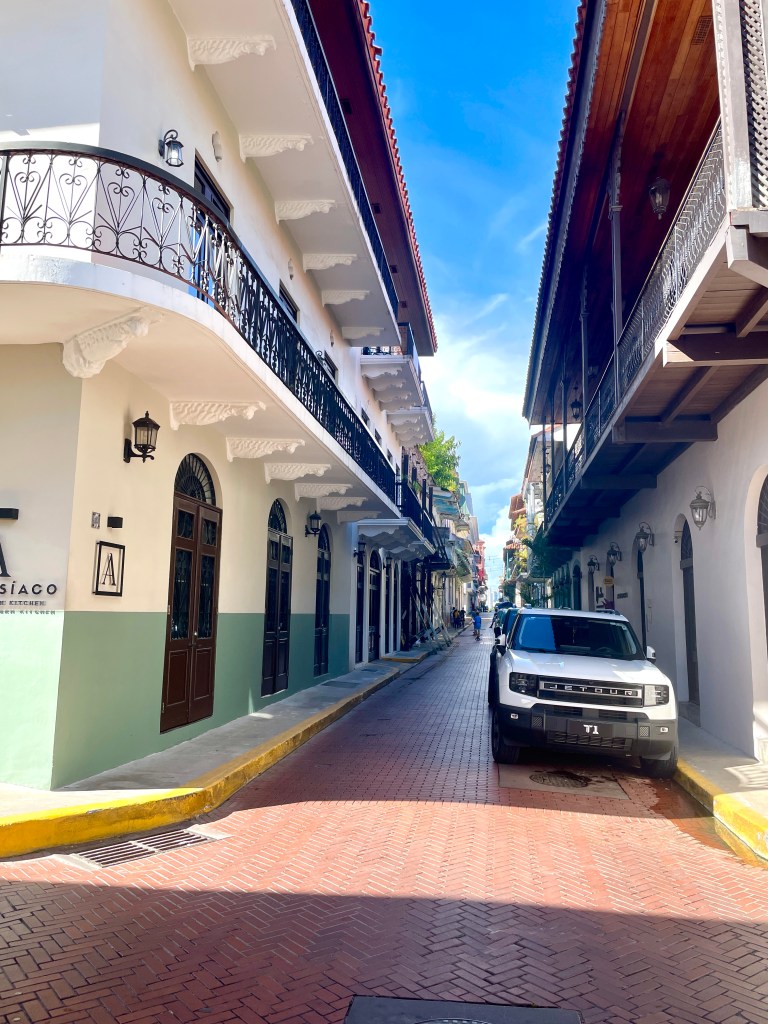
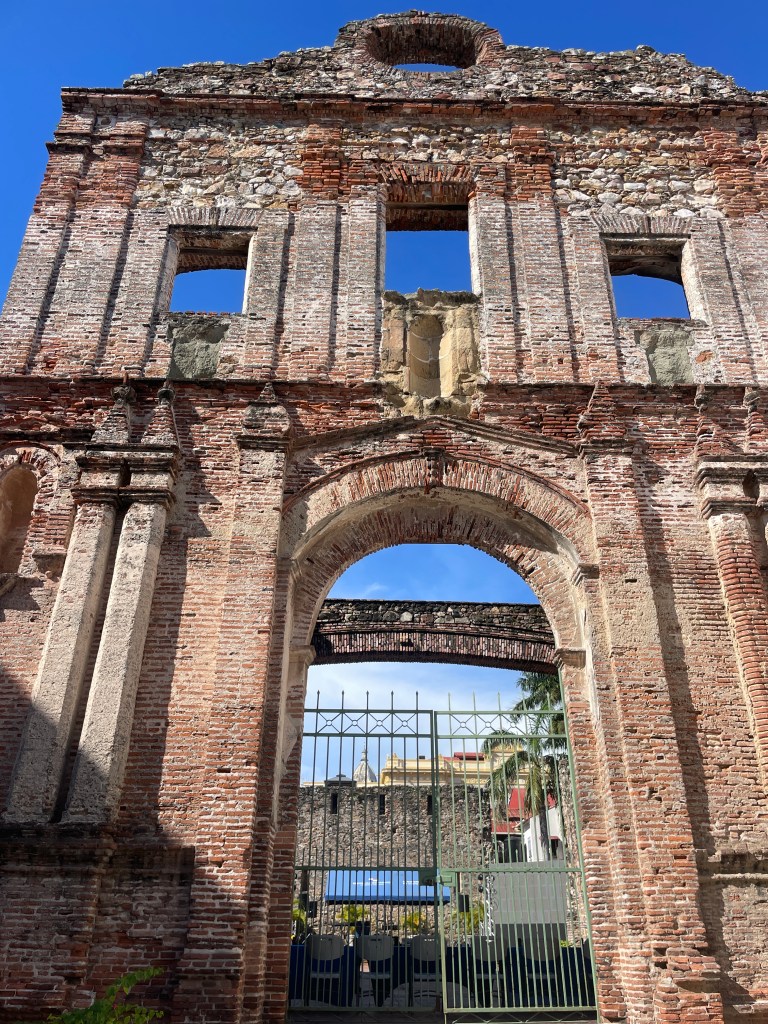
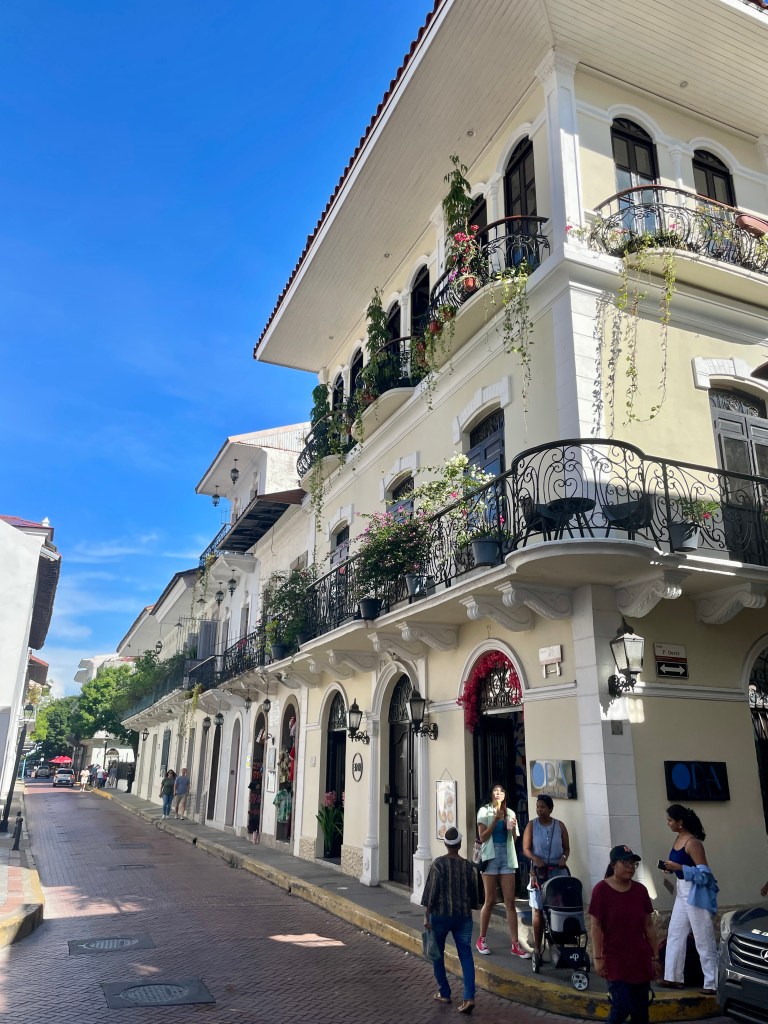
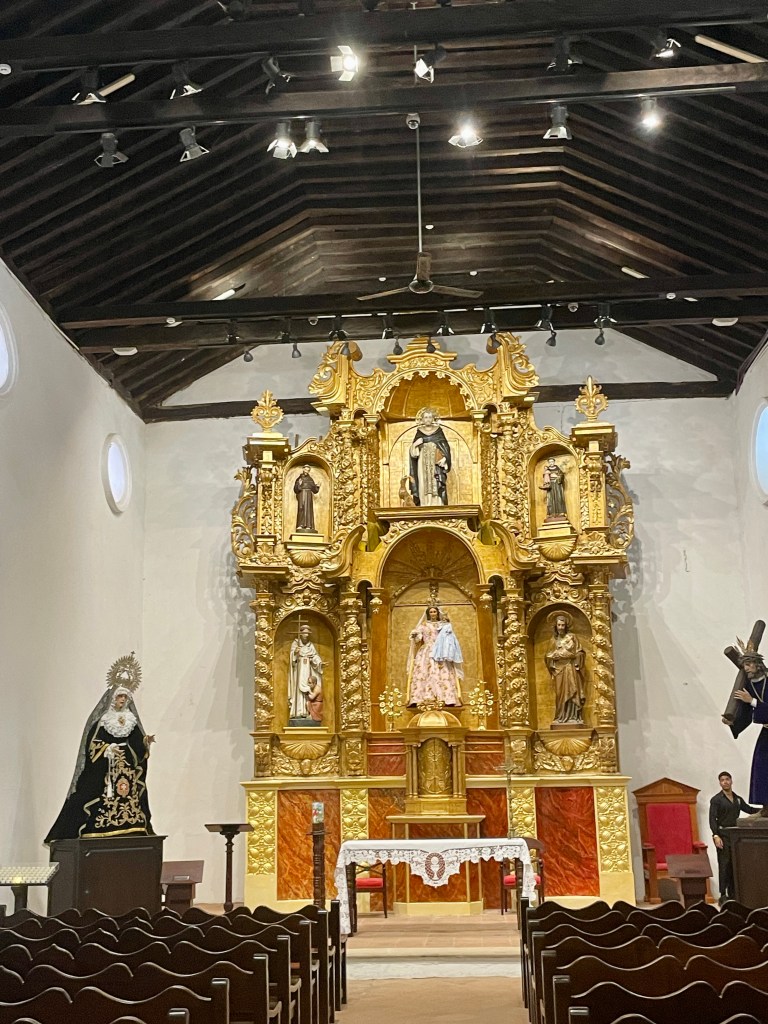
Casco Viejo (or Old Town) is an amazingly beautiful part of Panama City. French and Spanish Colonial architecture combine to create a section of the city that is living its best life. Once known as Panama Viejo, the waterside port was established in 1519 but was destroyed in 1671 by the pirate Henry Morgan. Today is area is being revitalized and features old churches, great restaurants, and small shops. Best of all the ocean water belts cool breezes which flow like a gentle mists throughout the ancient streets. Frankly, the town reminds me a little of New Orleans with a lot more punch.

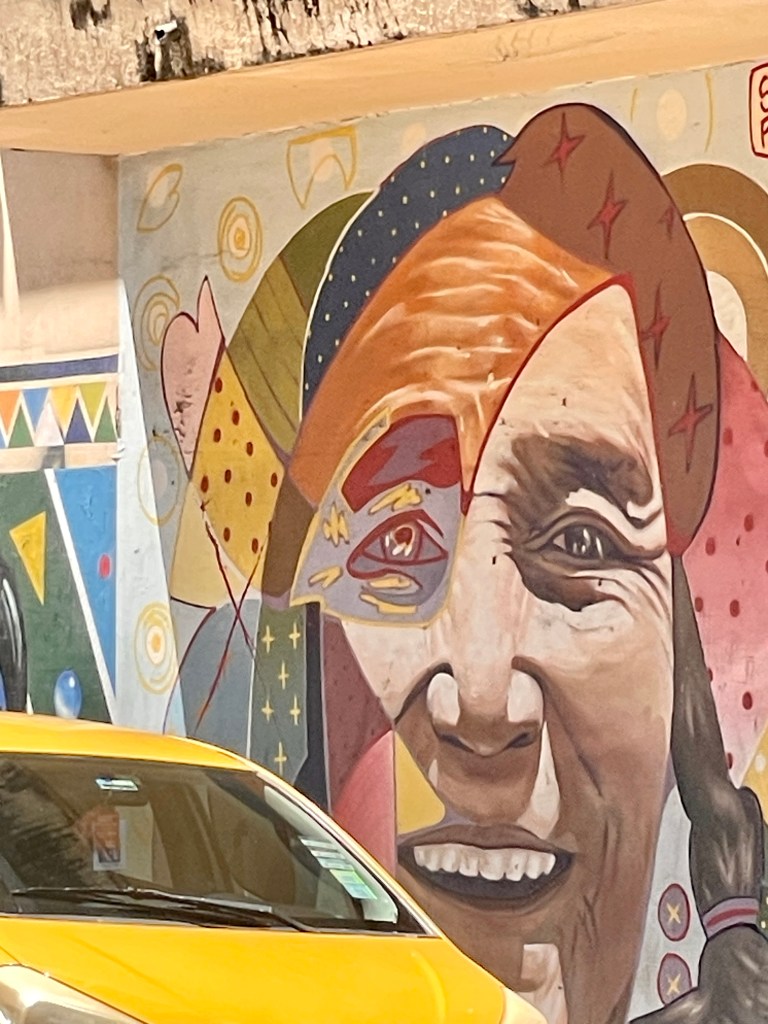
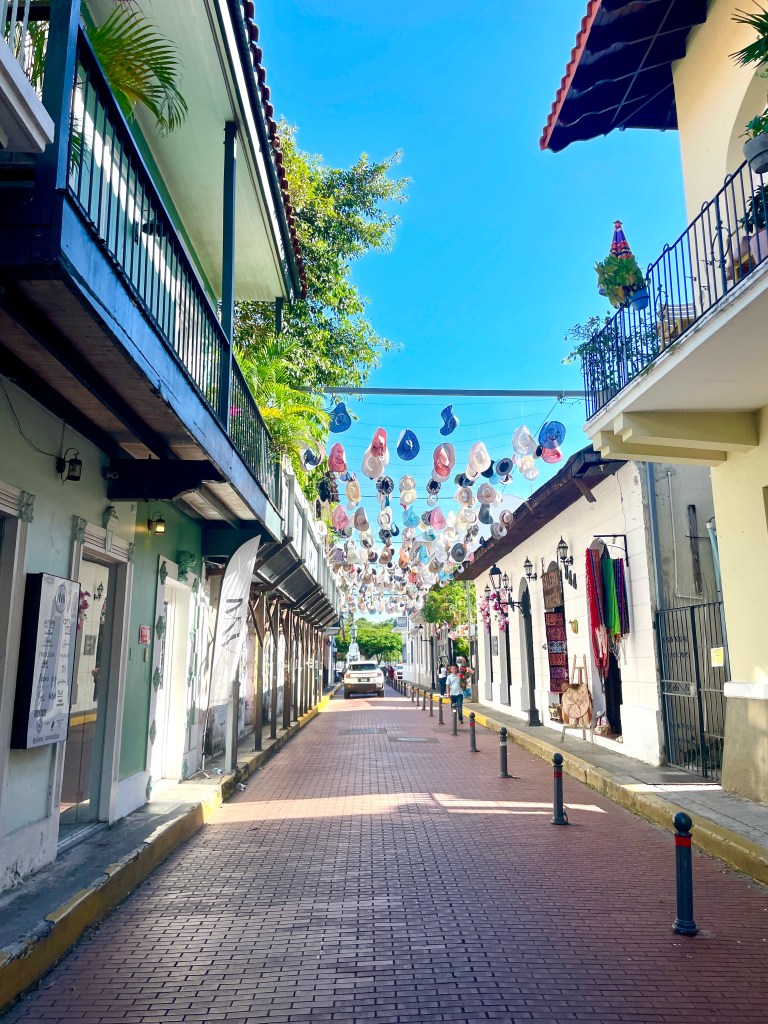
One of the things I loved about Old Town was the alleyways with hats, or flags, or copies of ancient embroidery hanging from upper window to upper window on both sides of the street. This part of Panama City always has something to be enchanted by and it makes your heart skip a beat when you turn a corner and find something unexpected and charming.

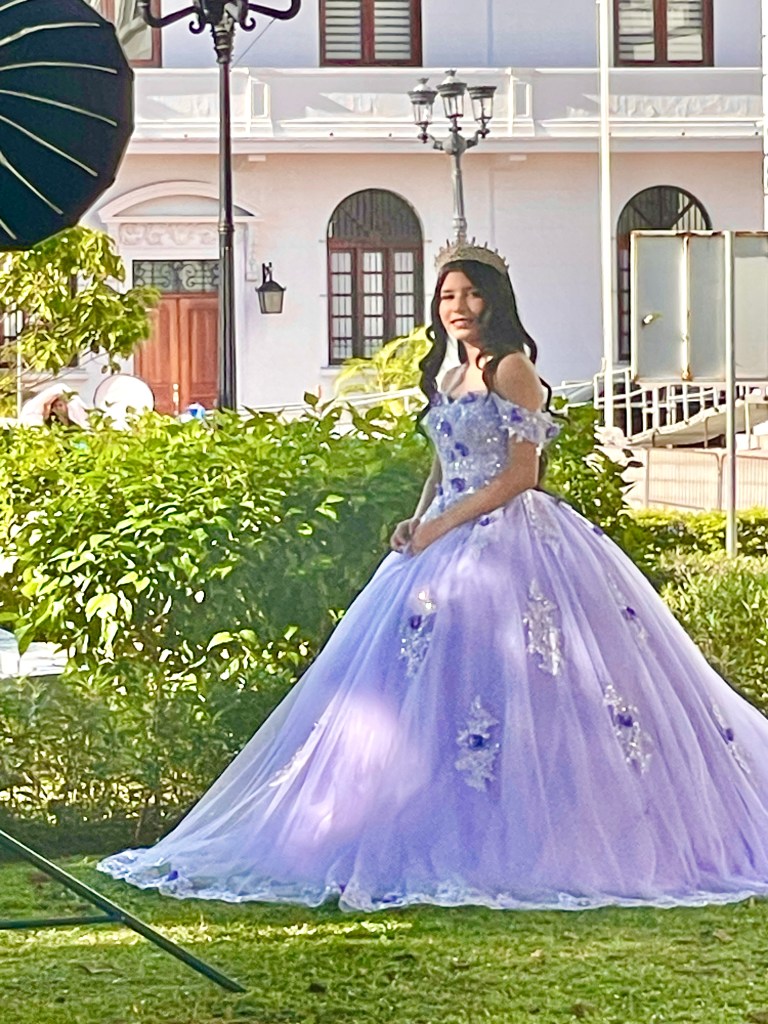
Since I am still having computer issues I am doing a computer dump of some of my pictures so you can get your own idea of the city. Enjoy!

Nisga’a Museum-Laxgalt, ap BC Canada

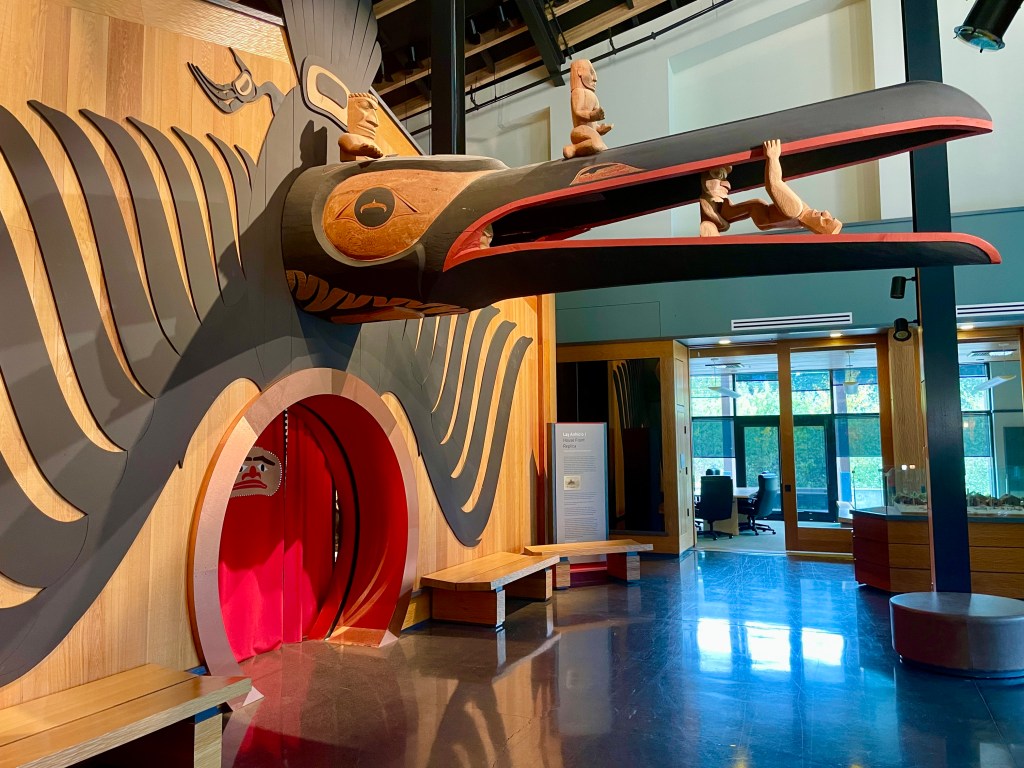
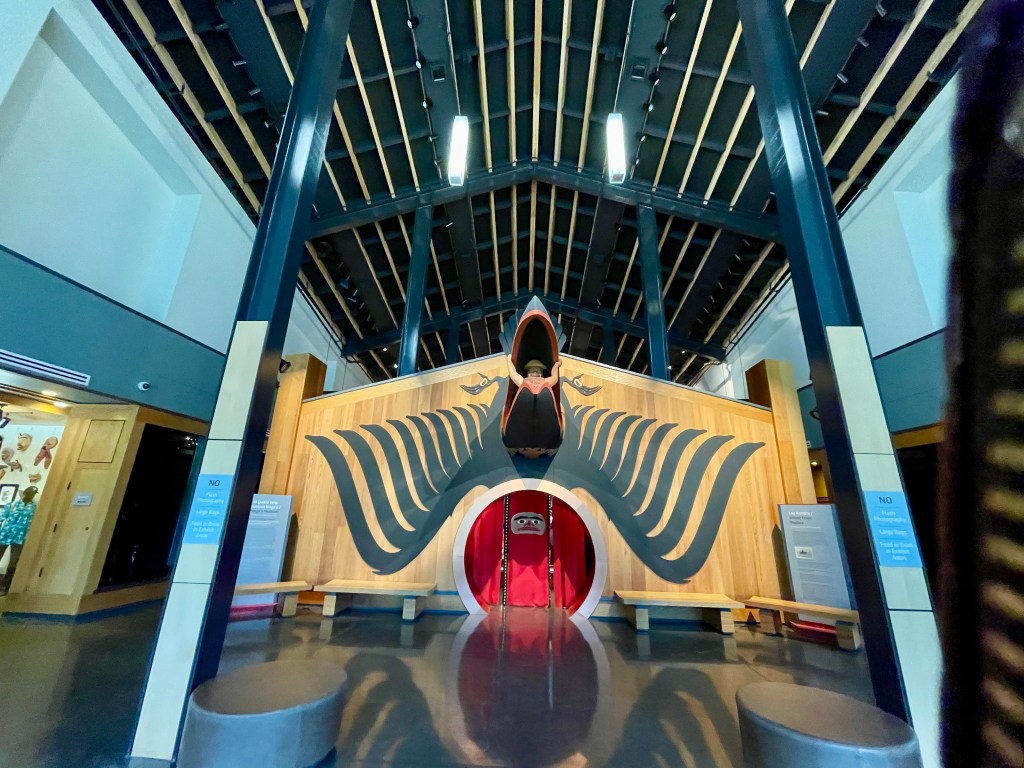
One of the best small museums I have ever visited is the Nisga’a in British Columbia. The architecture of the building which highlights the natural beauty of traditional tribal lands along with the highly curated and informative exhibits will surely take your breath away and give you a new sense of appreciation for traditional First Nation history and practices.

To get to the multiple galleries one enters through a replica of a longhouse. I suggest entering more than once to really get a feeling of what is being conveyed and to be able to experience the feast for your eyes that surrounds you.

The first gallery is known as the Transformation Gallery. Here you will find a huge collection of spirit masks (naxnok) and costumes that were used to the tell the stories of spirits and their role in society.

After exiting this colorful gallery you are directed to the Shaman’s Gallery (Halayt Gallery) which emphasizes the role of the Shaman in society and displays items used to call and direct the supernatural.

The Museum also contains several more galleries which discuss the history of the Nisga’a, the possessions of the people, laws and customs, as well as showcasing daily life of the tribe and individuals roles within it. Headdresses, bentwood boxes and rattles are just a few of the exquisite things that will be seen as you meander through. Be sure to take some time to explore as this is not an educational center to rush through.

One of the best things about this museum is the kindness of staff who will patiently answer or will find the answer to any question you might have. These are individuals who are immensely proud of their culture/heritage and want to be sure that everyone who leaves takes a bit of that appreciation with them.

Finally, be sure to check out the gift shop where local artists have their works on display and where you can also find further information about the indigenous people throughout the region.

There is a small entrance fee. Families pay $22, adults, $8 and children $5. The museum is open from Early May through the end of October on Wednesdays through Sundays from 10 am until 5 pm. It is located at: 810 Highway Drive, Lax̱g̱altsʼapBritish Columbia, Canada. For further information call 1 (250) 633- 3050.