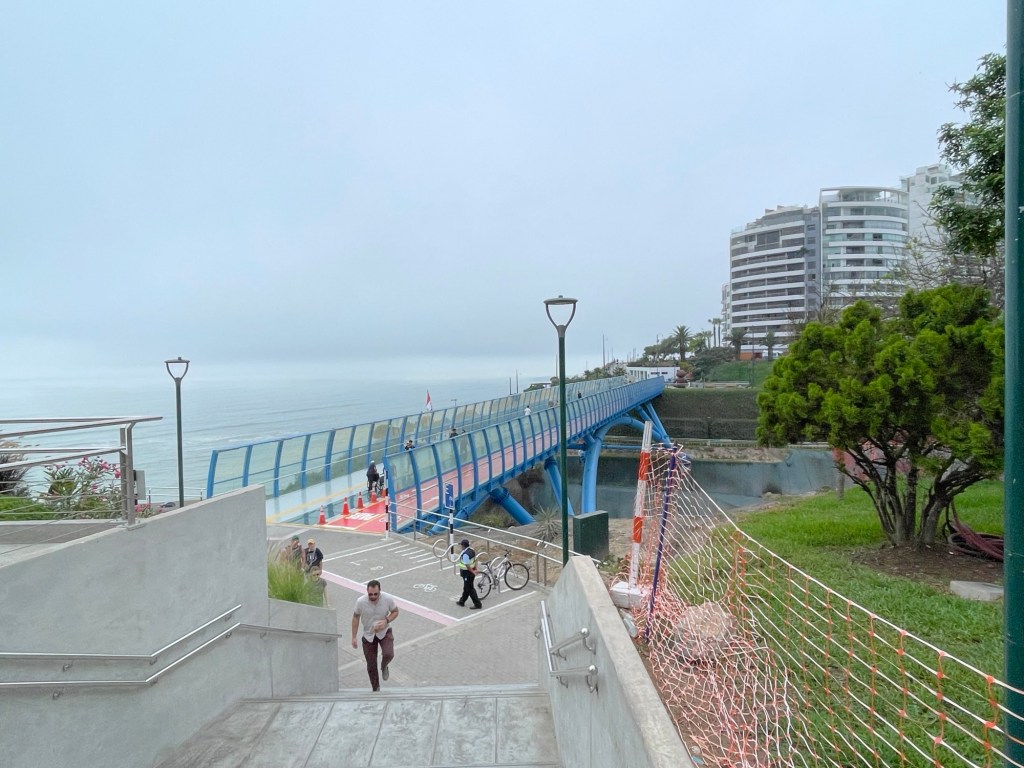
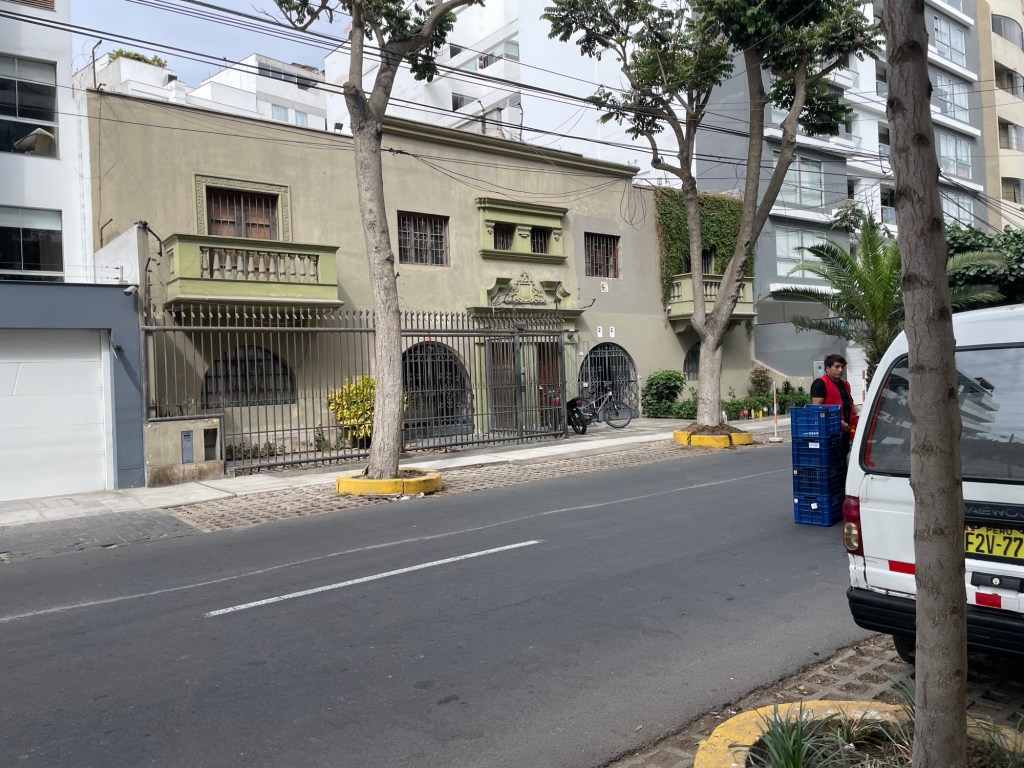
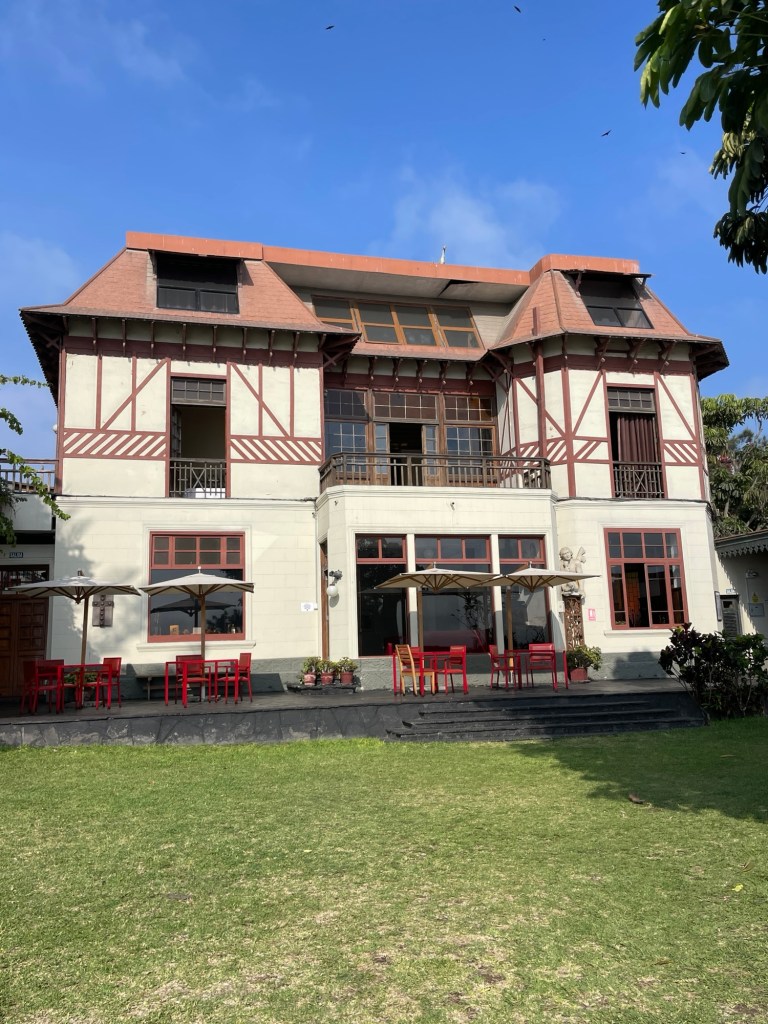
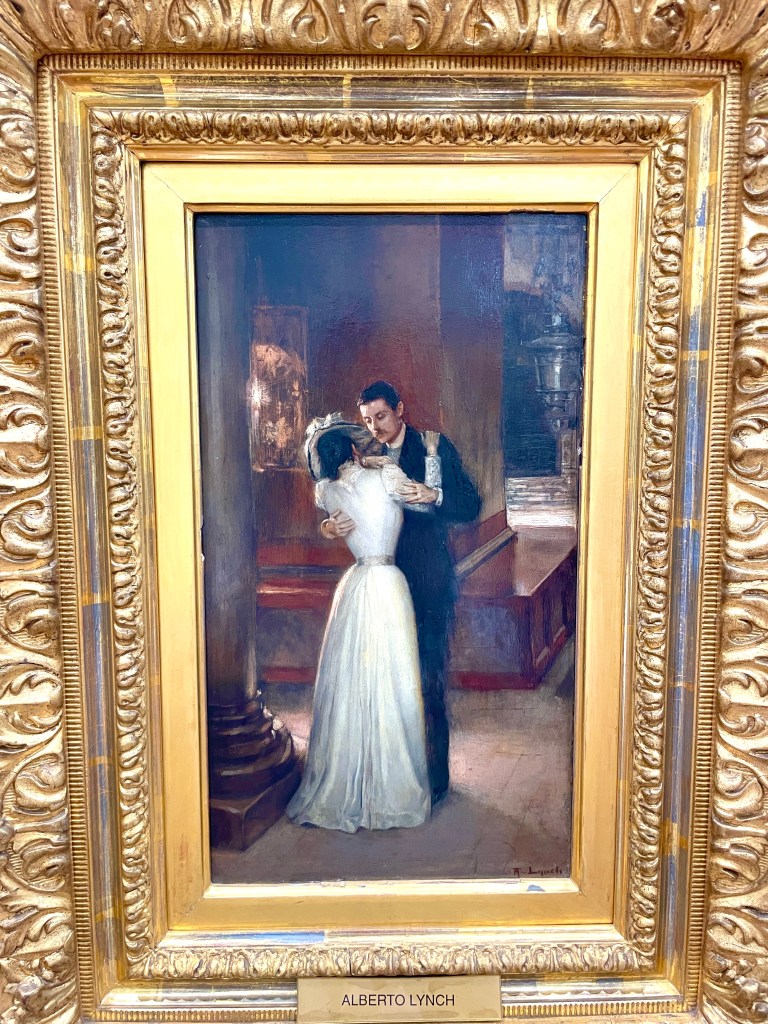
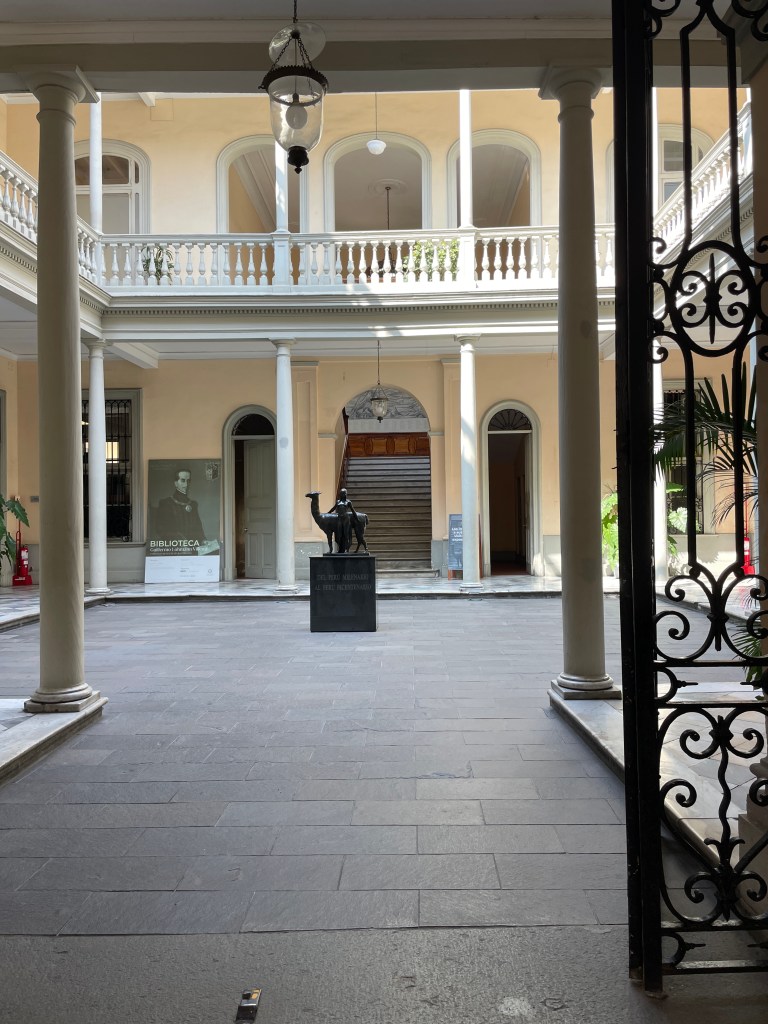
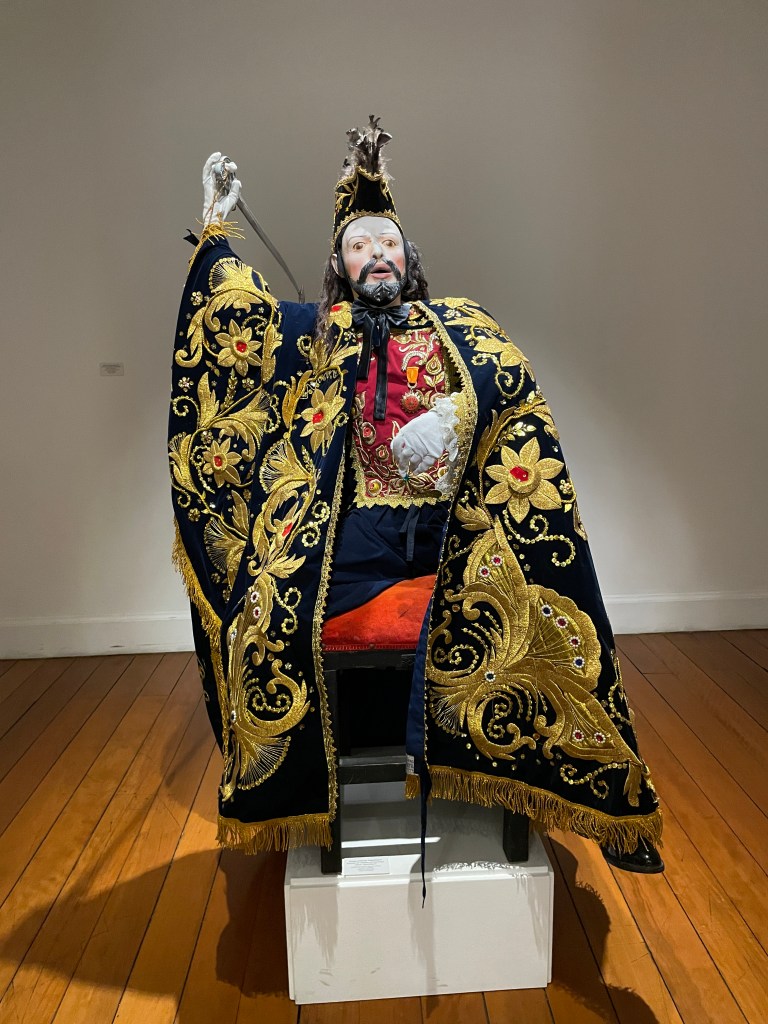
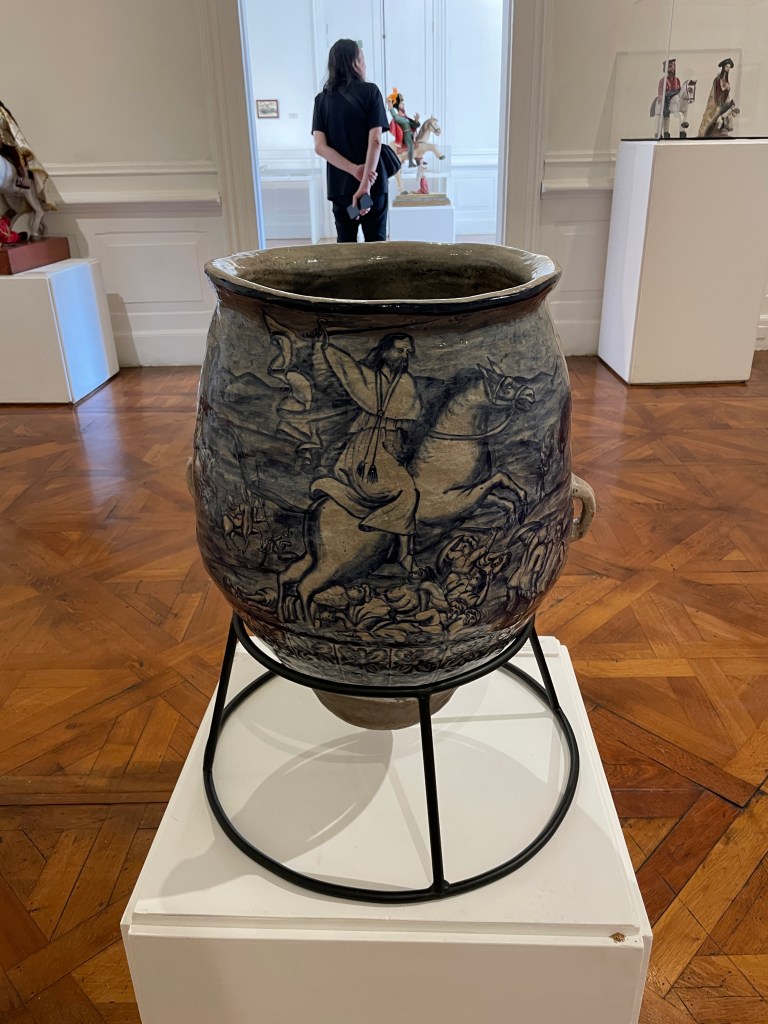
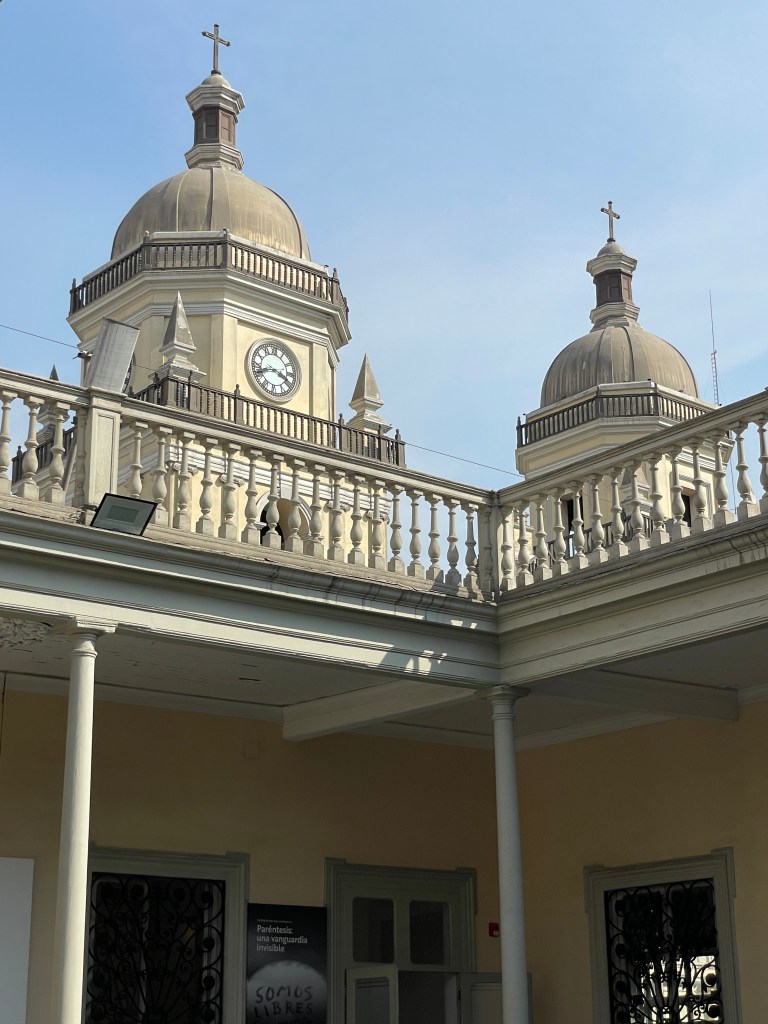
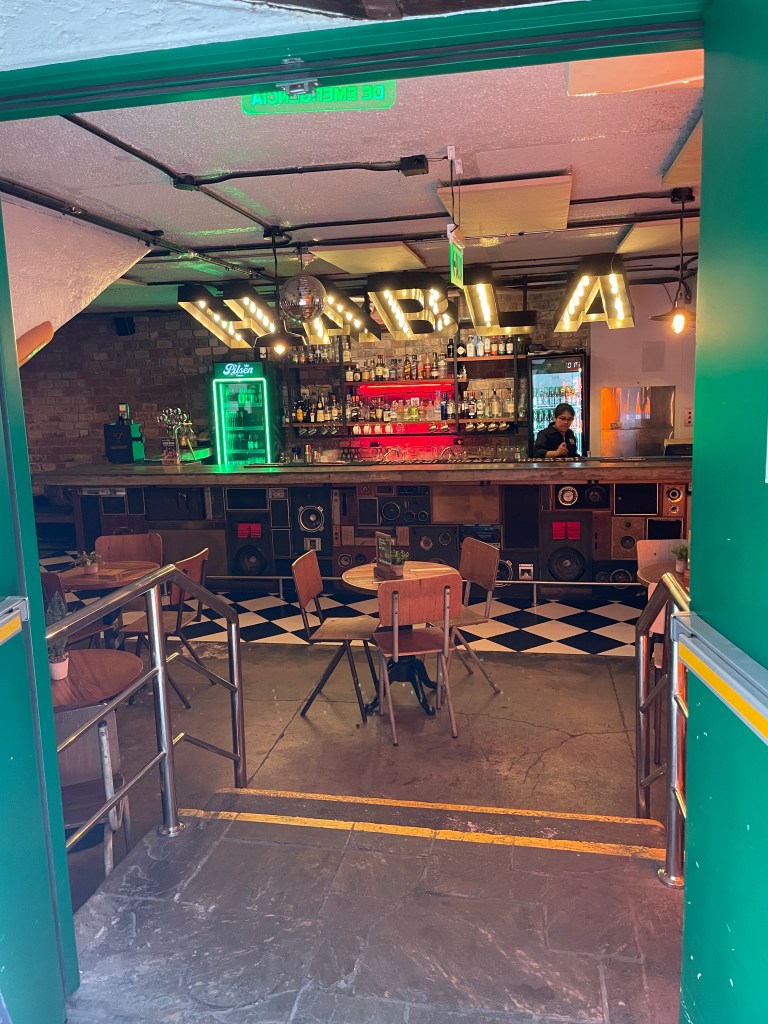
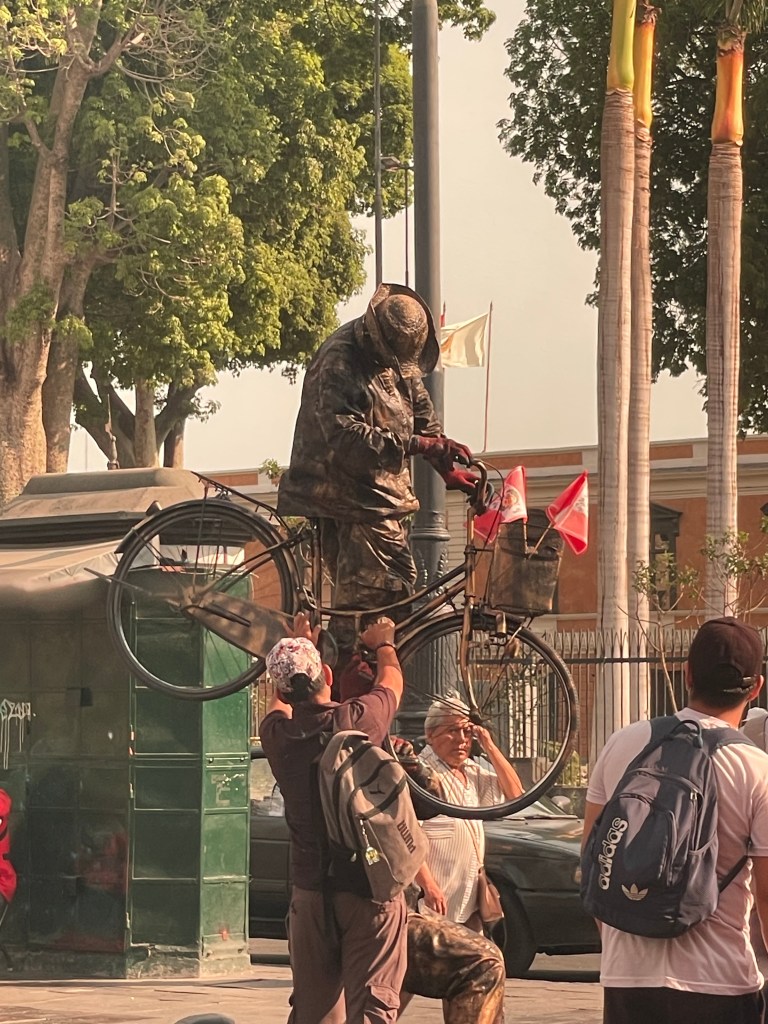
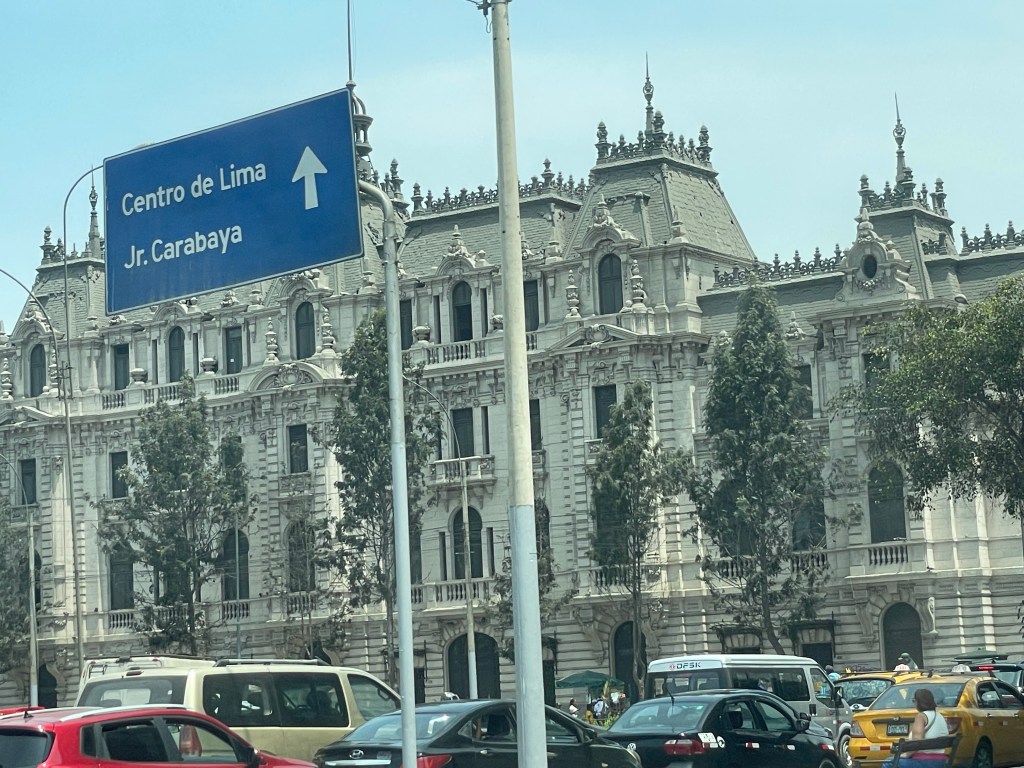
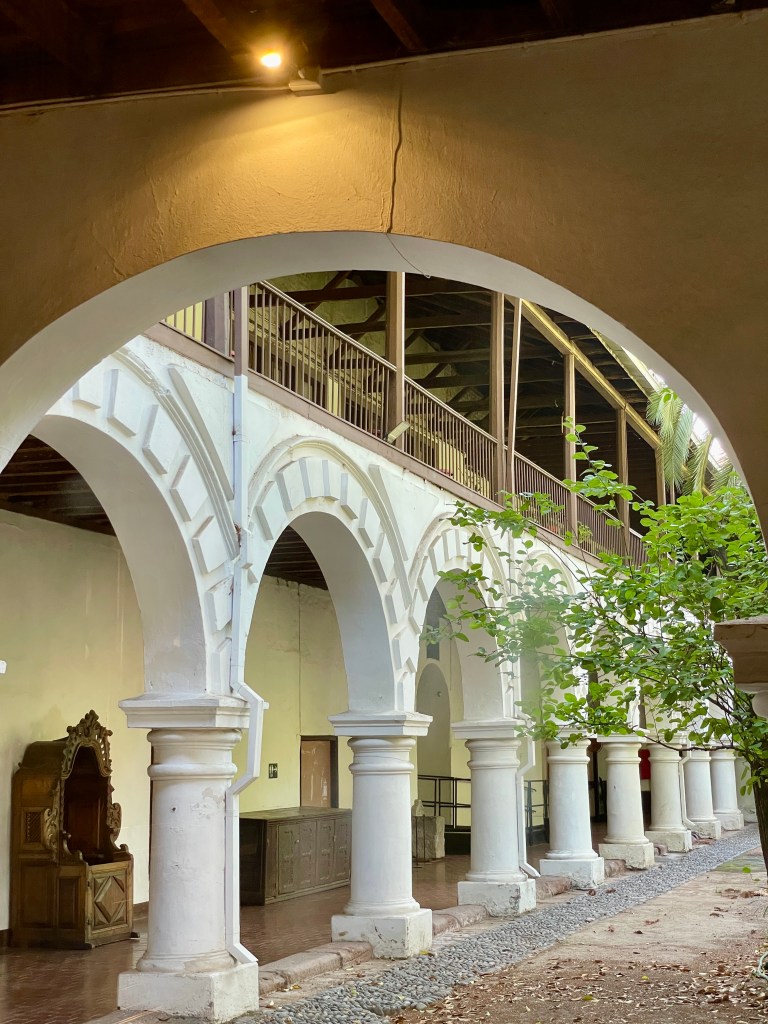
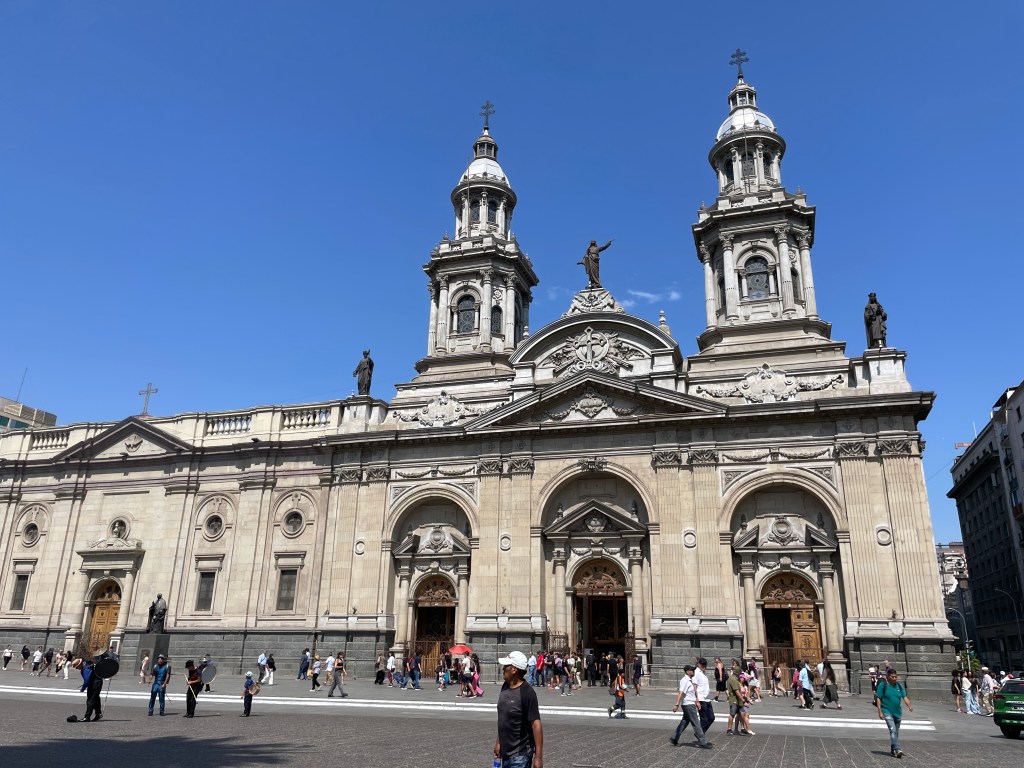
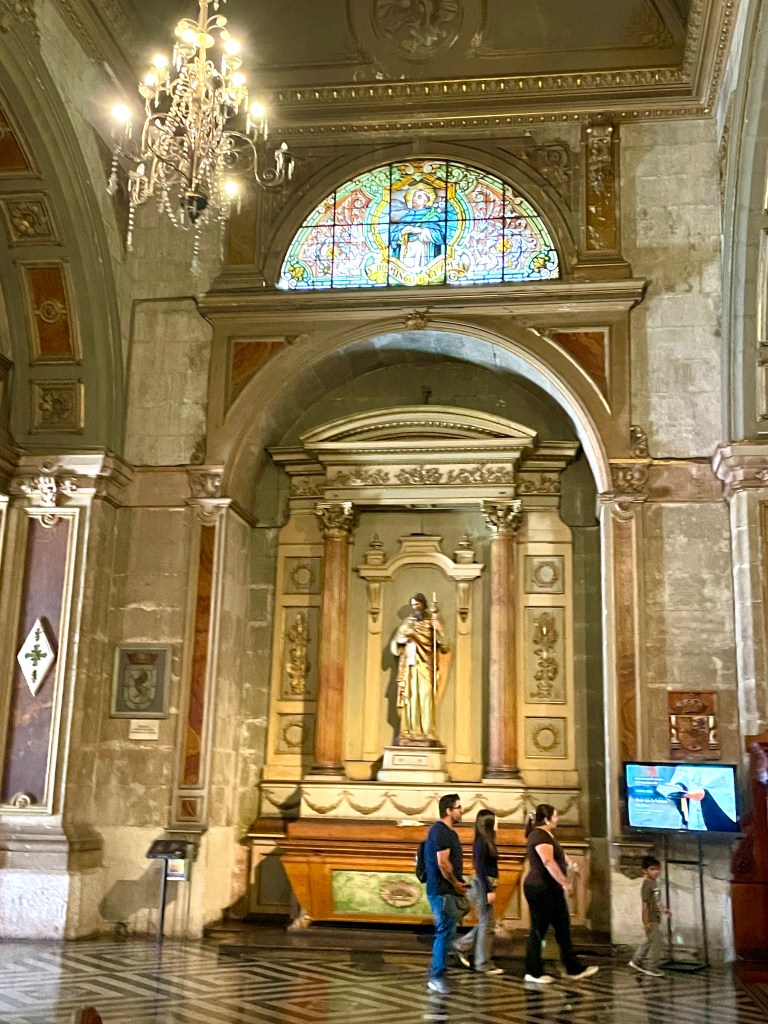
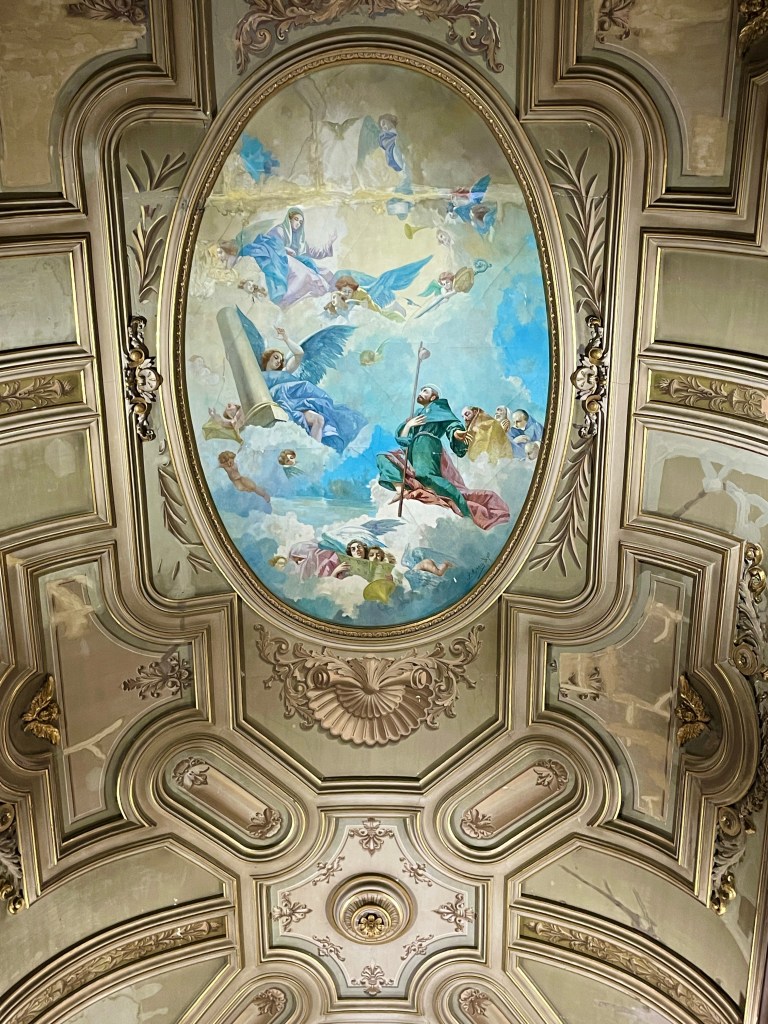
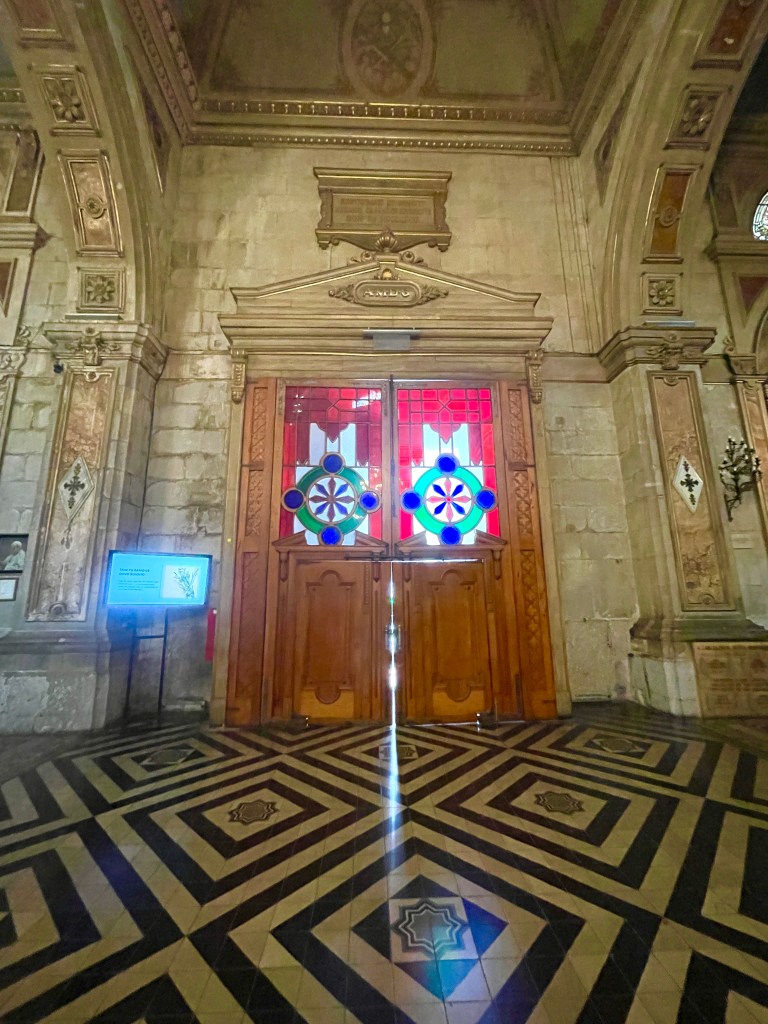
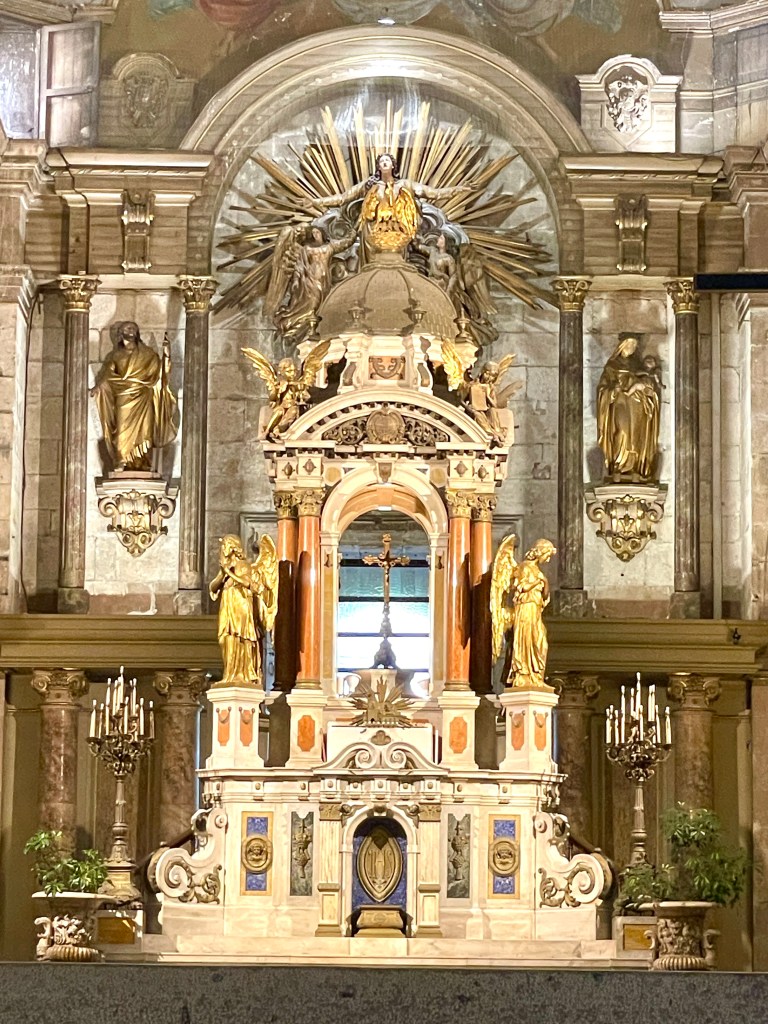
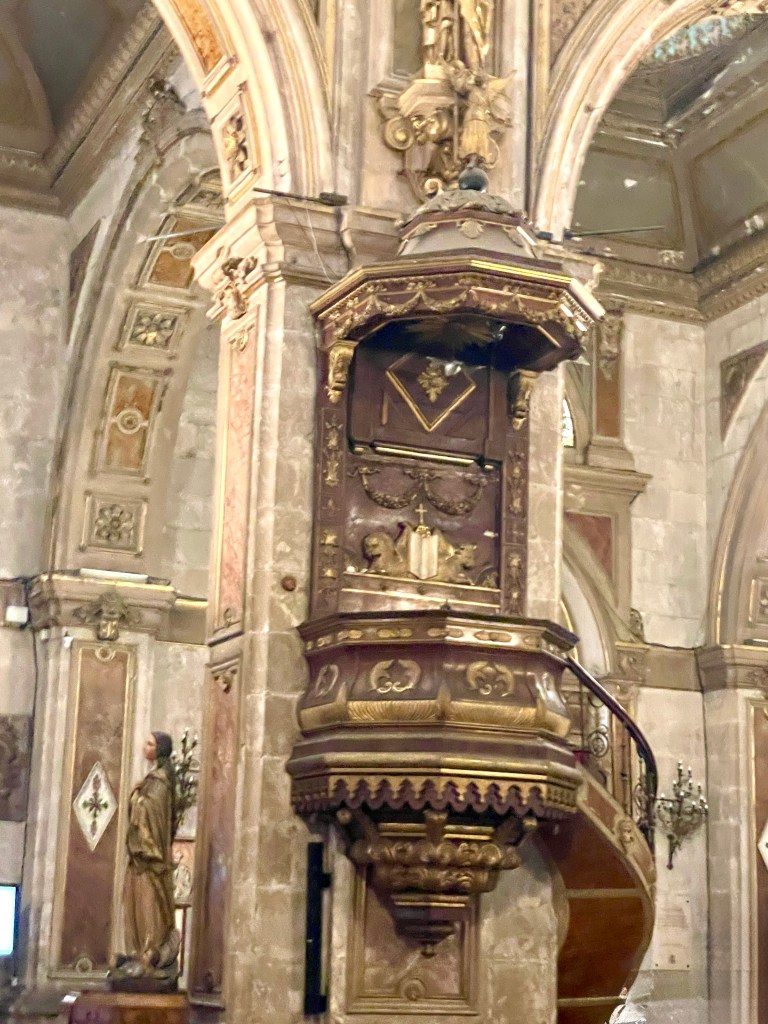
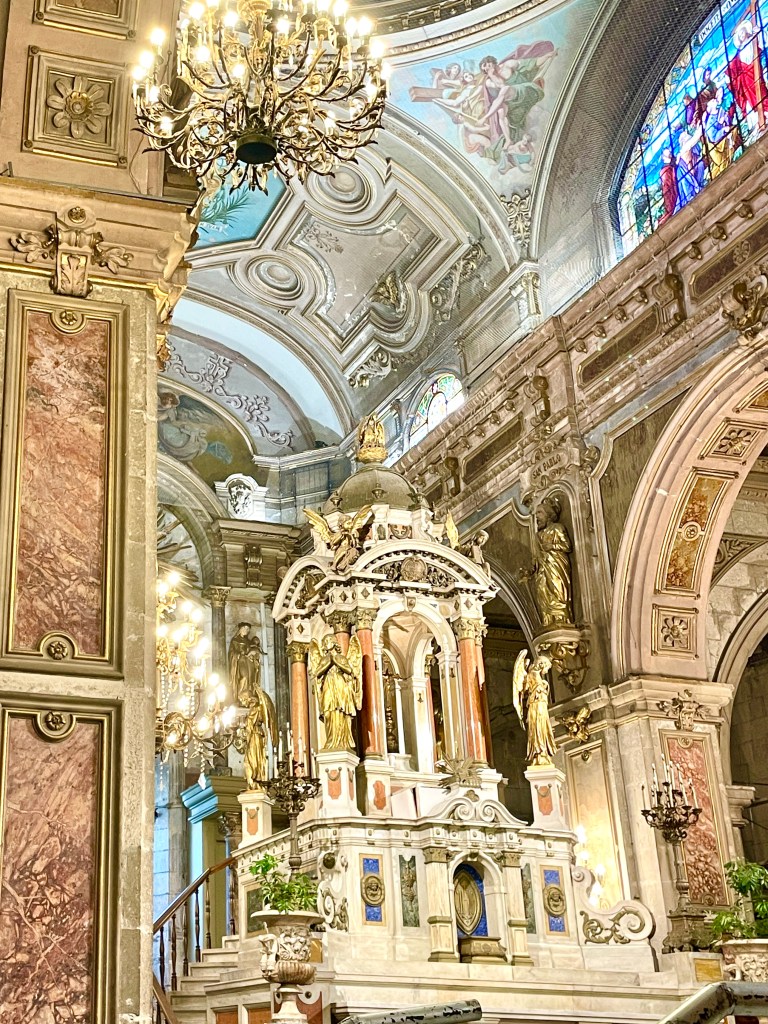
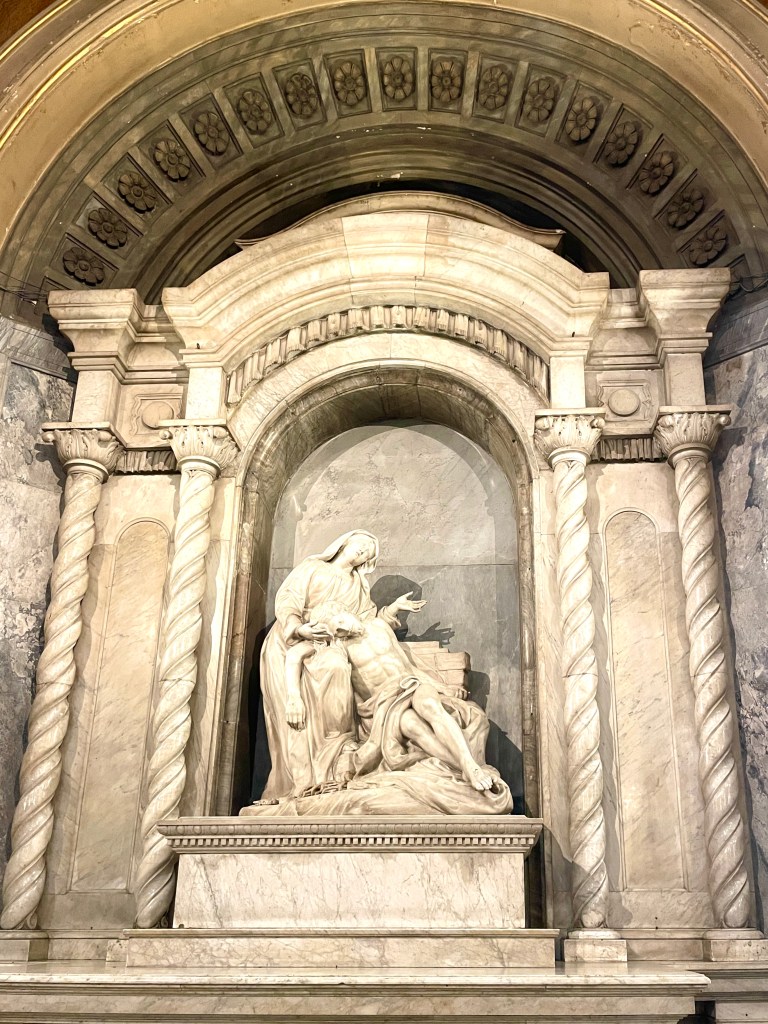
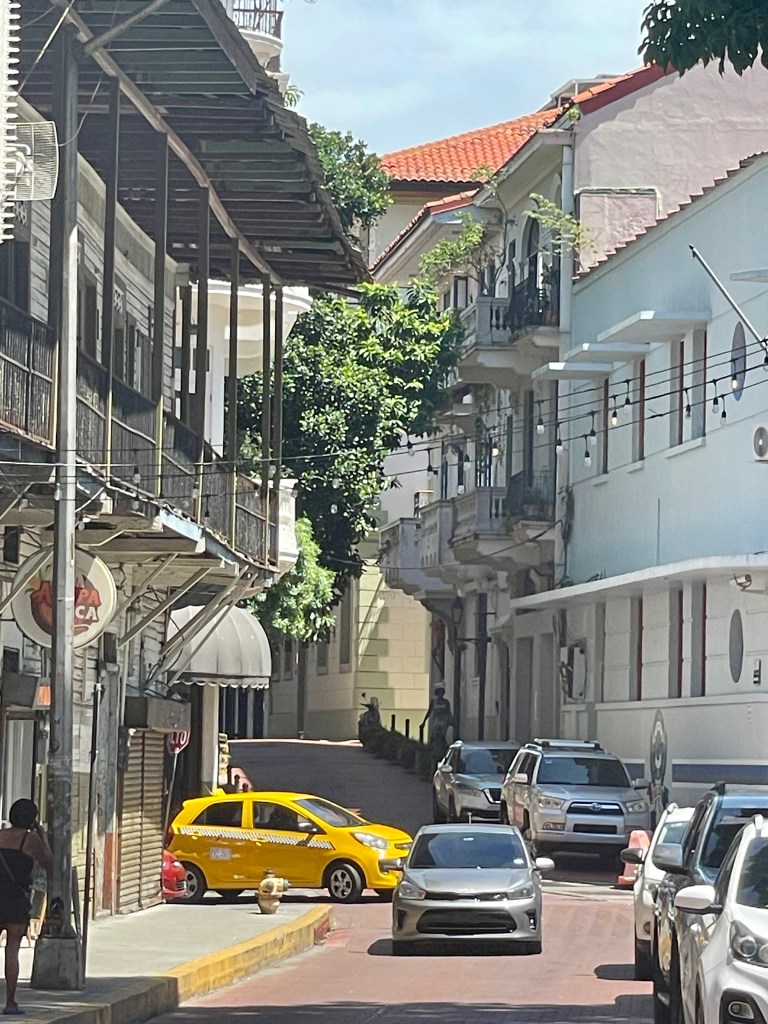
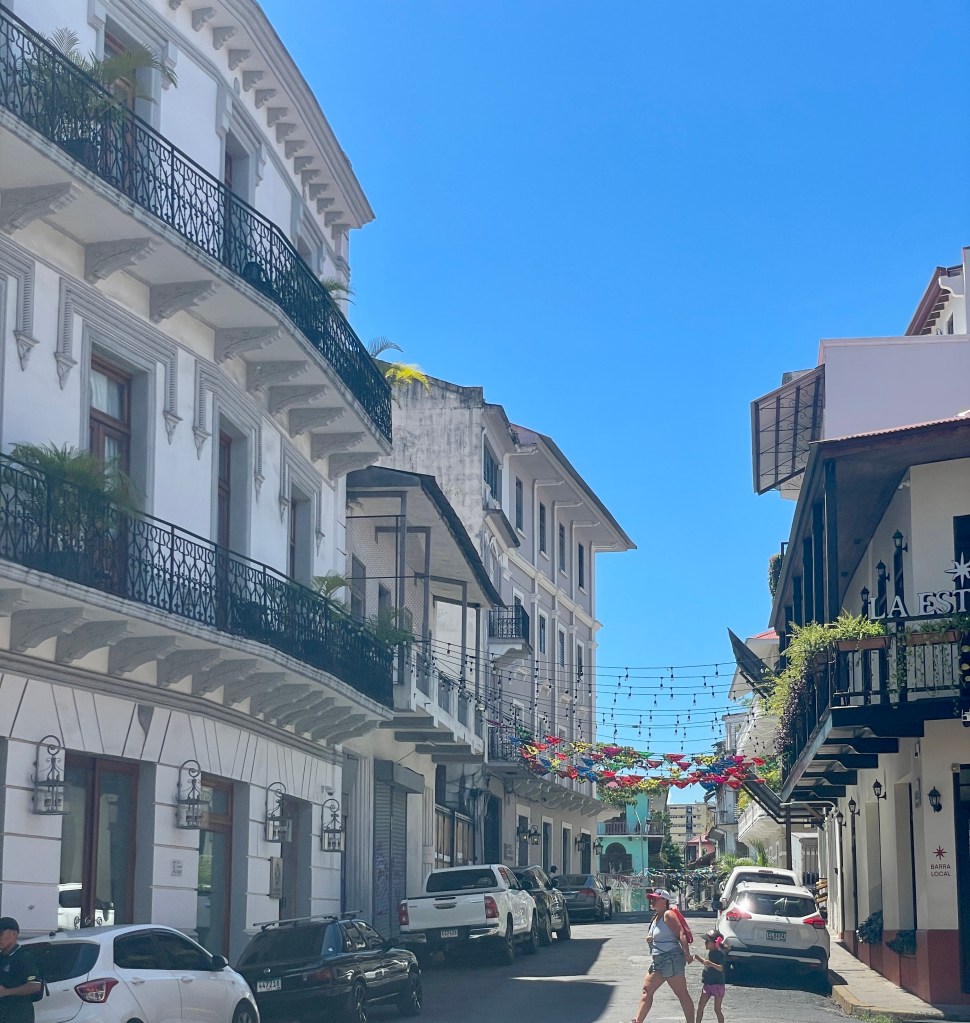
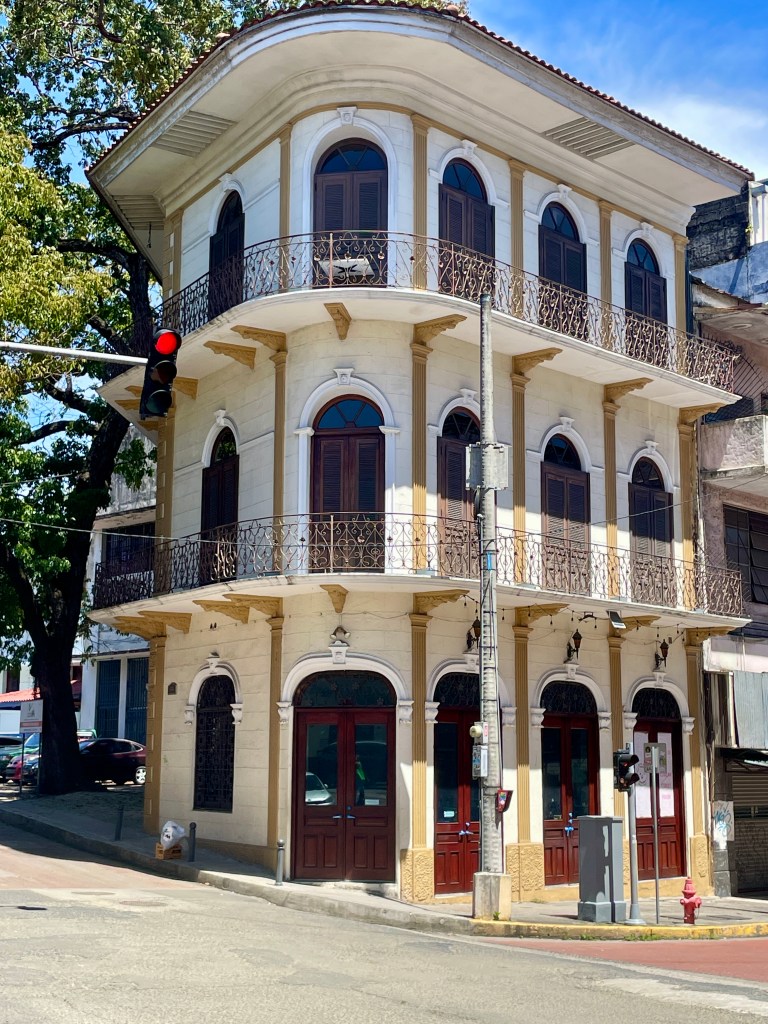
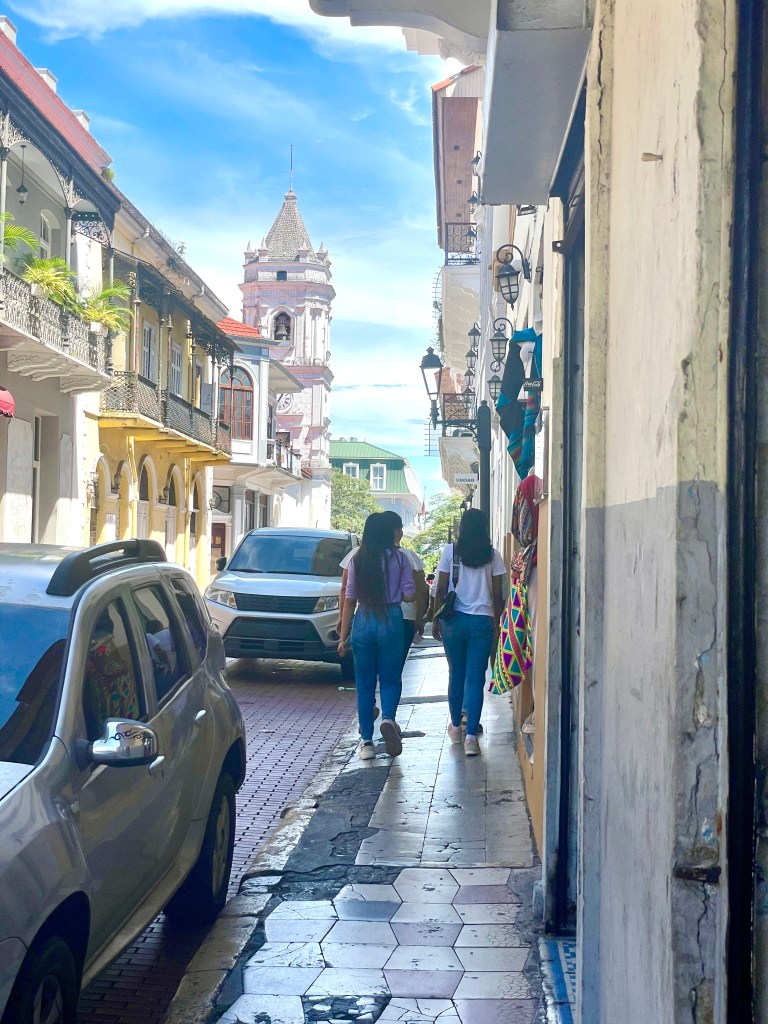
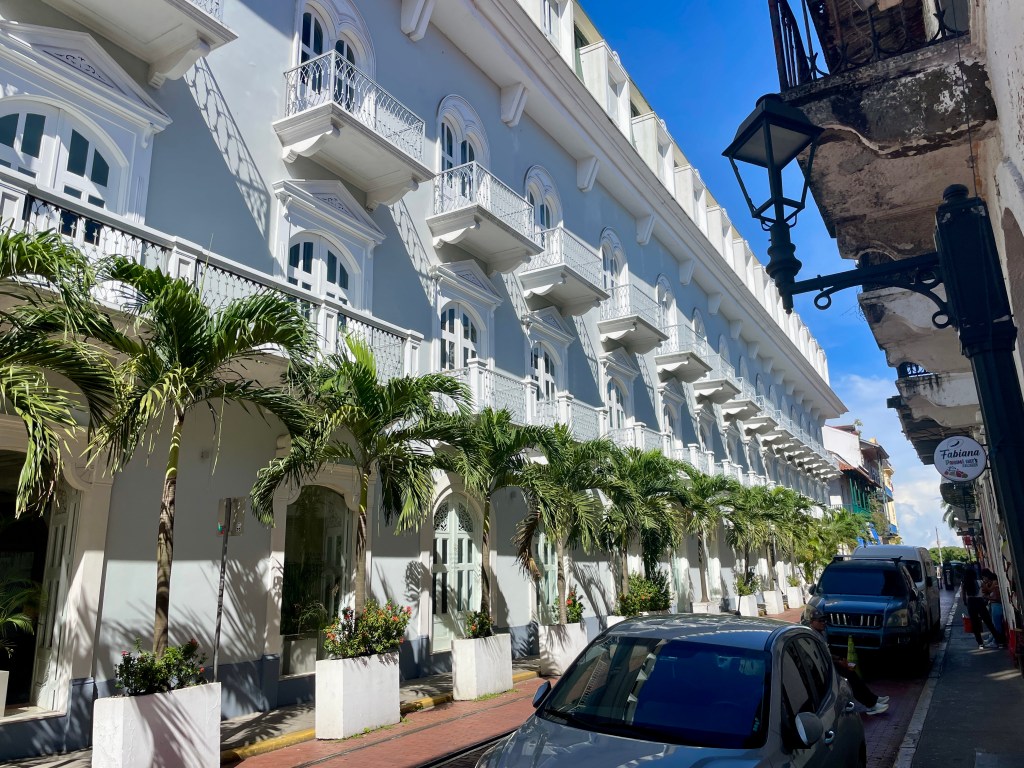
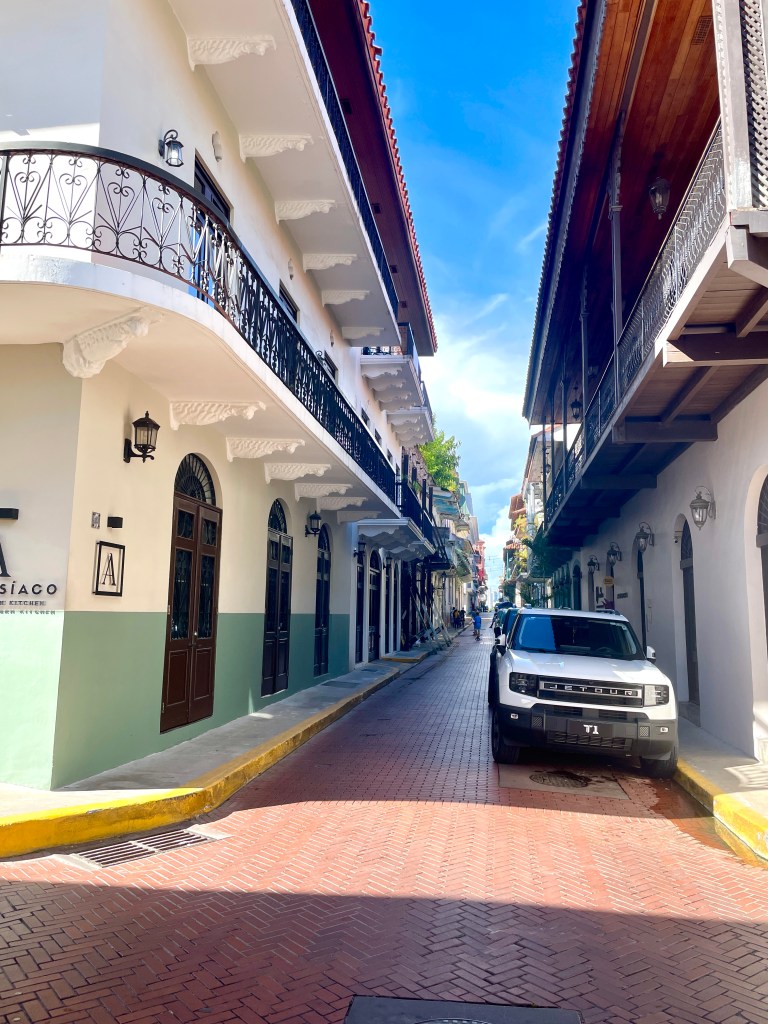
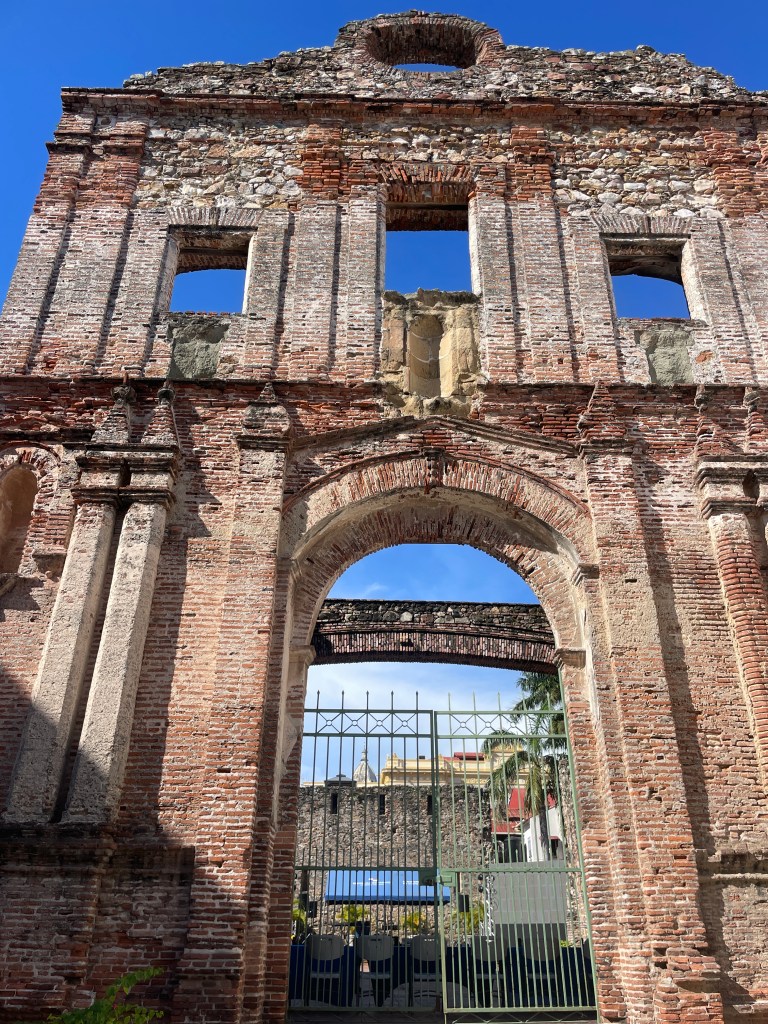
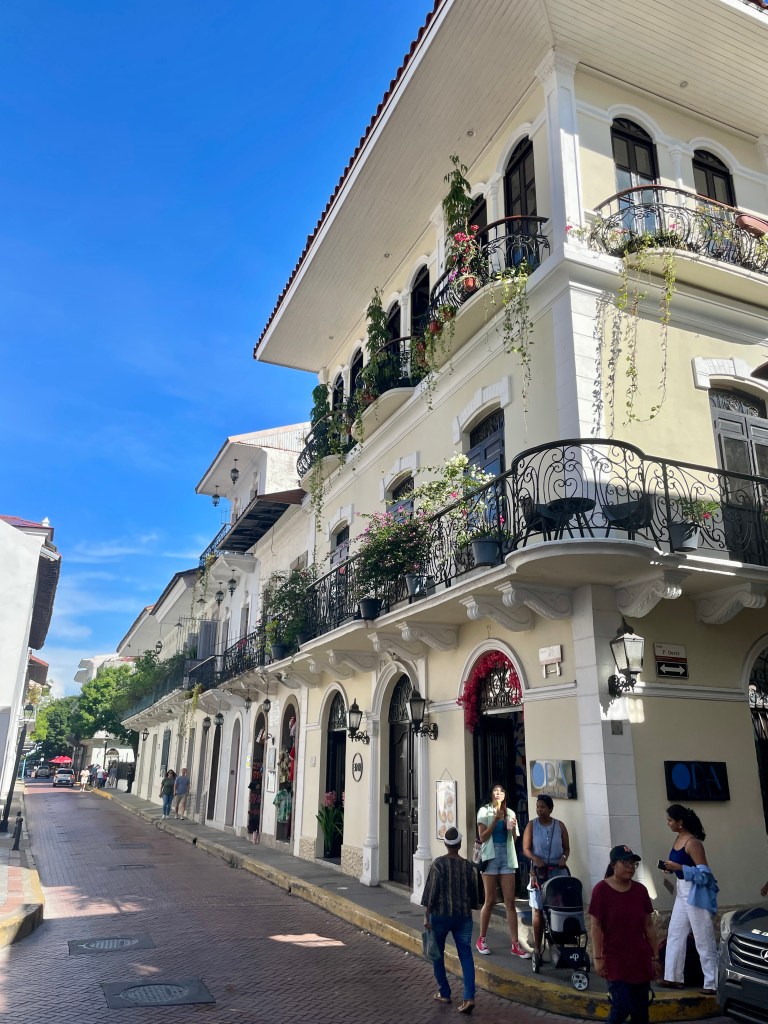
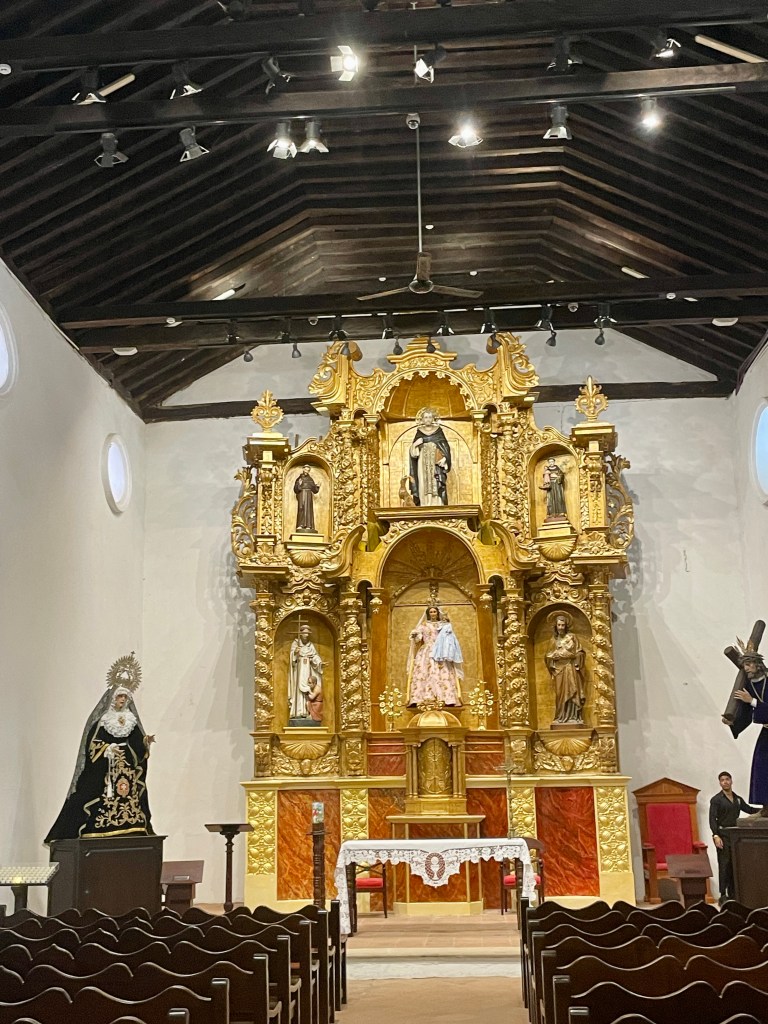
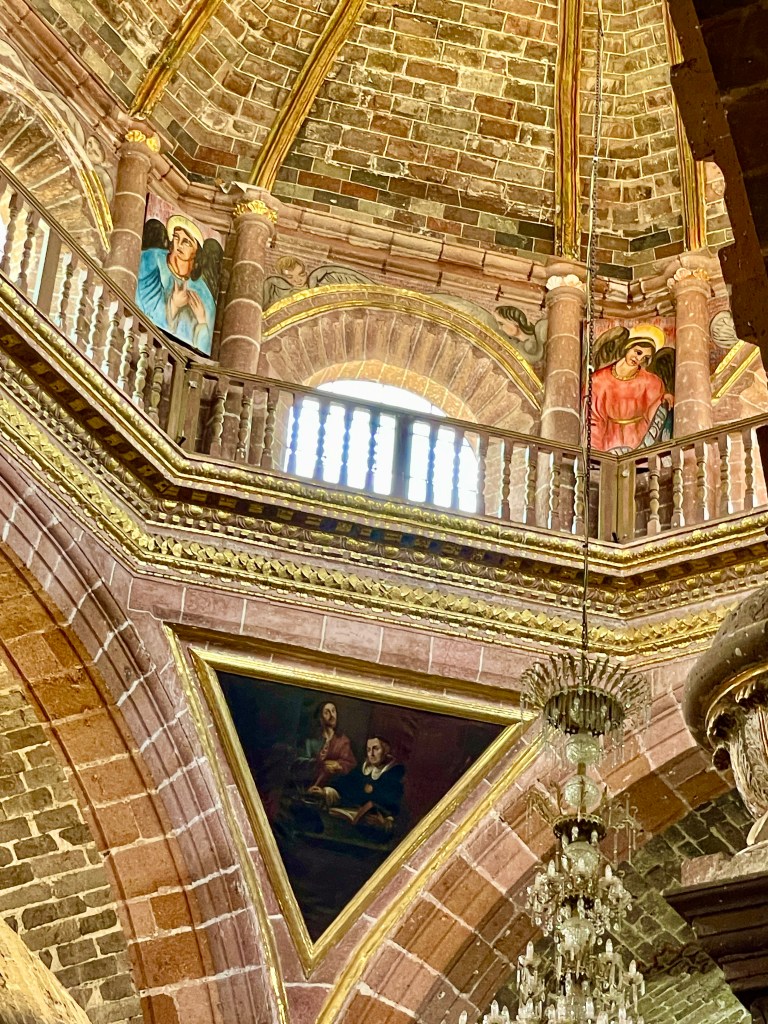
Casco Viejo (or Old Town) is an amazingly beautiful part of Panama City. French and Spanish Colonial architecture combine to create a section of the city that is living its best life. Once known as Panama Viejo, the waterside port was established in 1519 but was destroyed in 1671 by the pirate Henry Morgan. Today is area is being revitalized and features old churches, great restaurants, and small shops. Best of all the ocean water belts cool breezes which flow like a gentle mists throughout the ancient streets. Frankly, the town reminds me a little of New Orleans with a lot more punch.
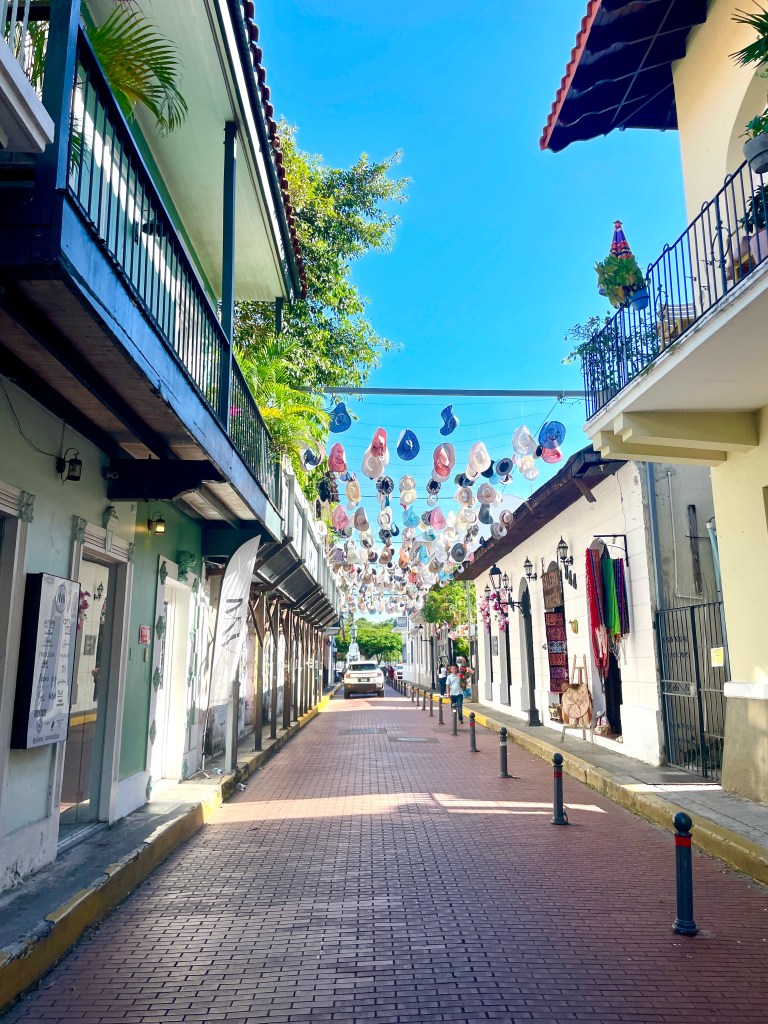
One of the things I loved about Old Town was the alleyways with hats, or flags, or copies of ancient embroidery hanging from upper window to upper window on both sides of the street. This part of Panama City always has something to be enchanted by and it makes your heart skip a beat when you turn a corner and find something unexpected and charming.
Since I am still having computer issues I am doing a computer dump of some of my pictures so you can get your own idea of the city. Enjoy!
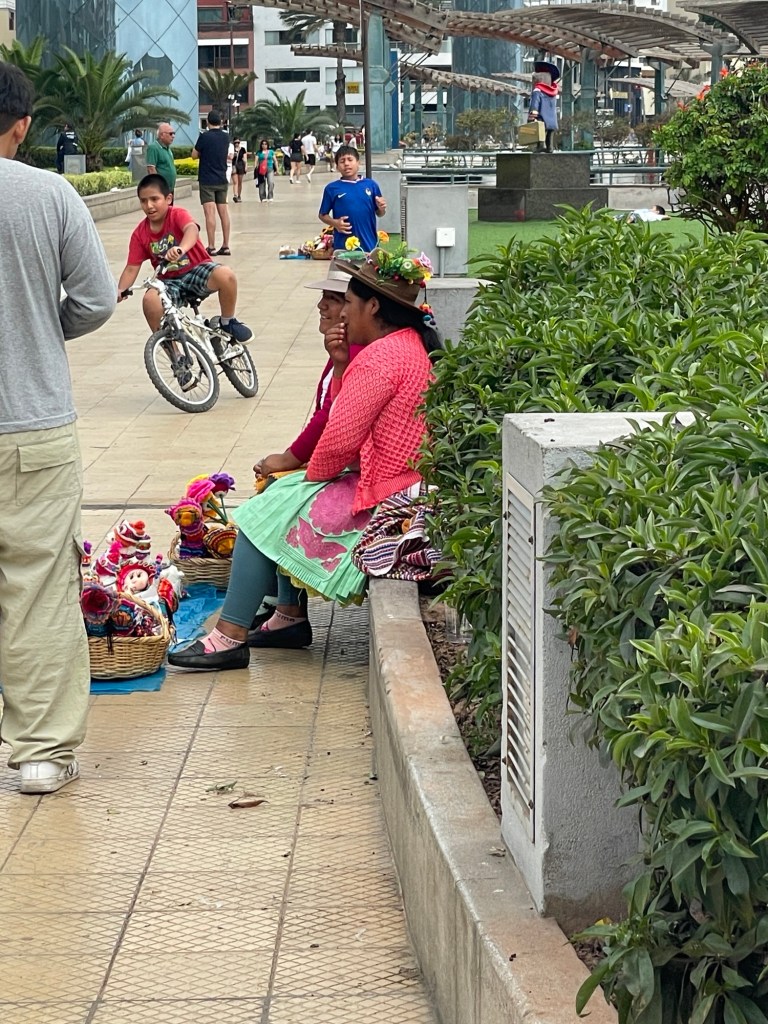
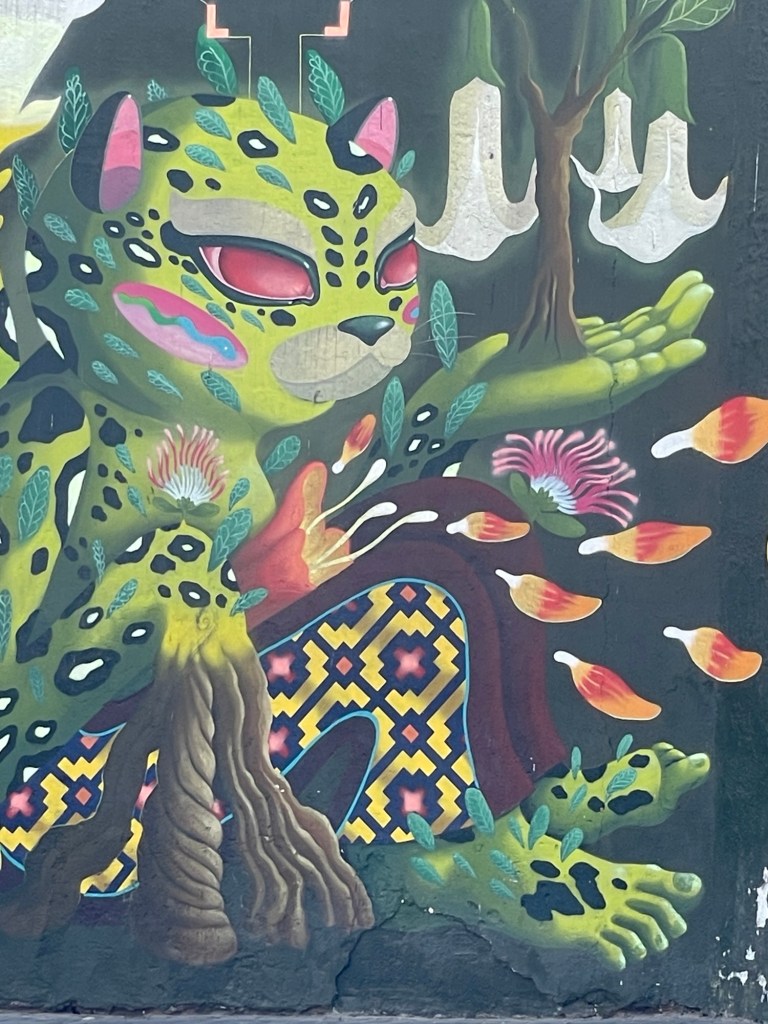
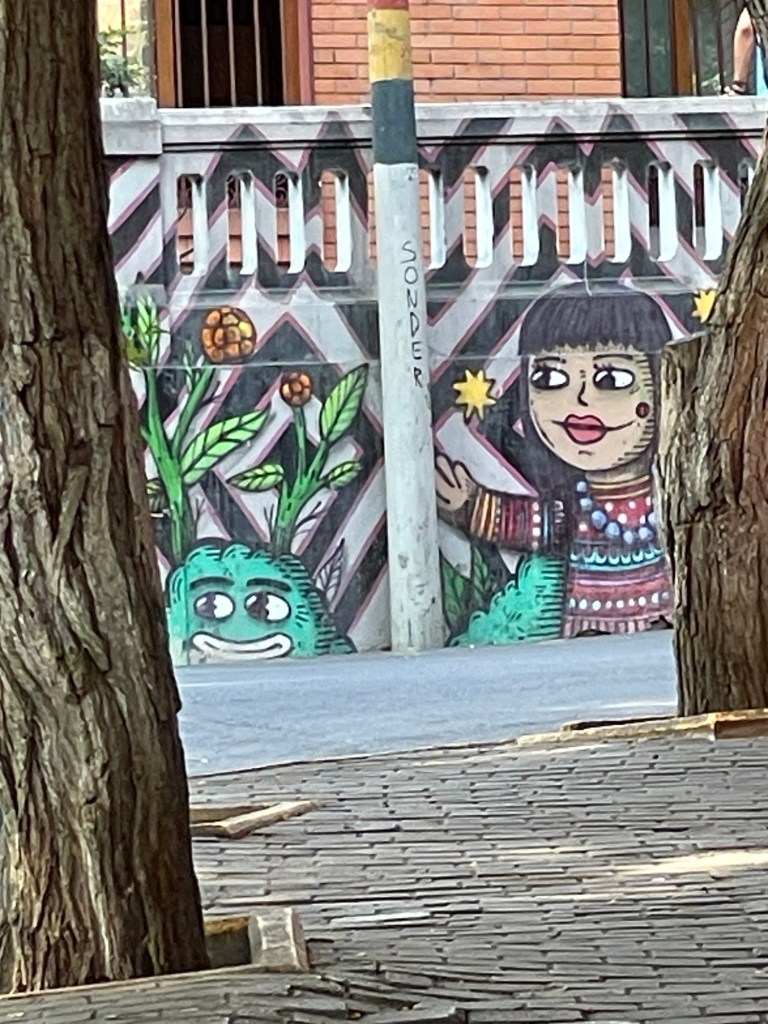
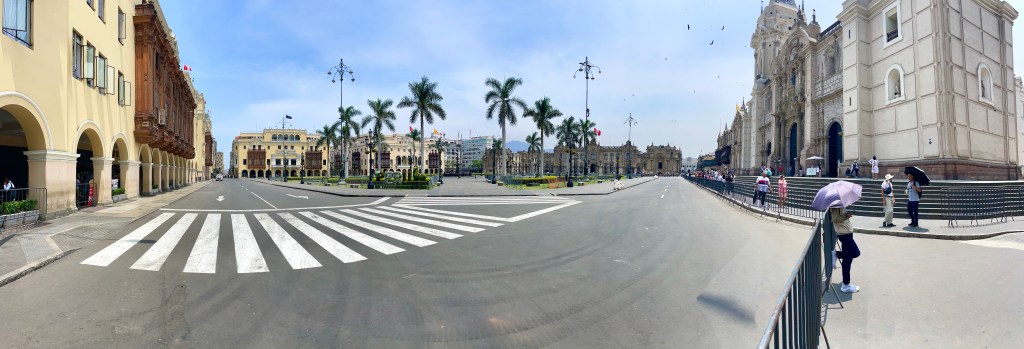
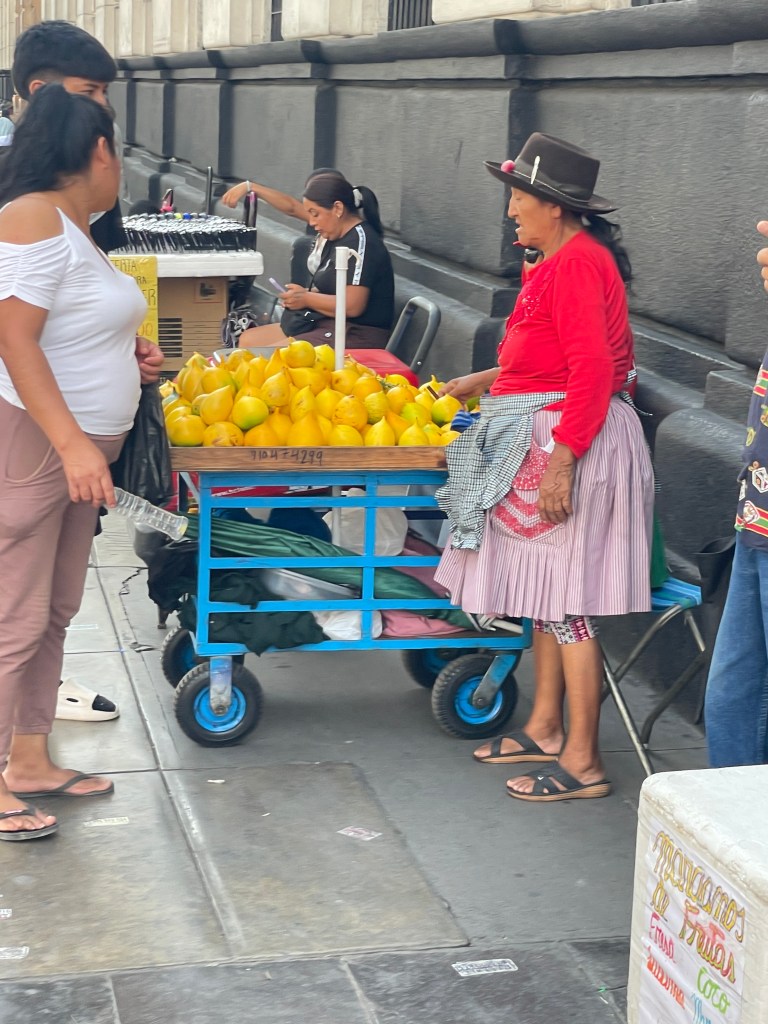
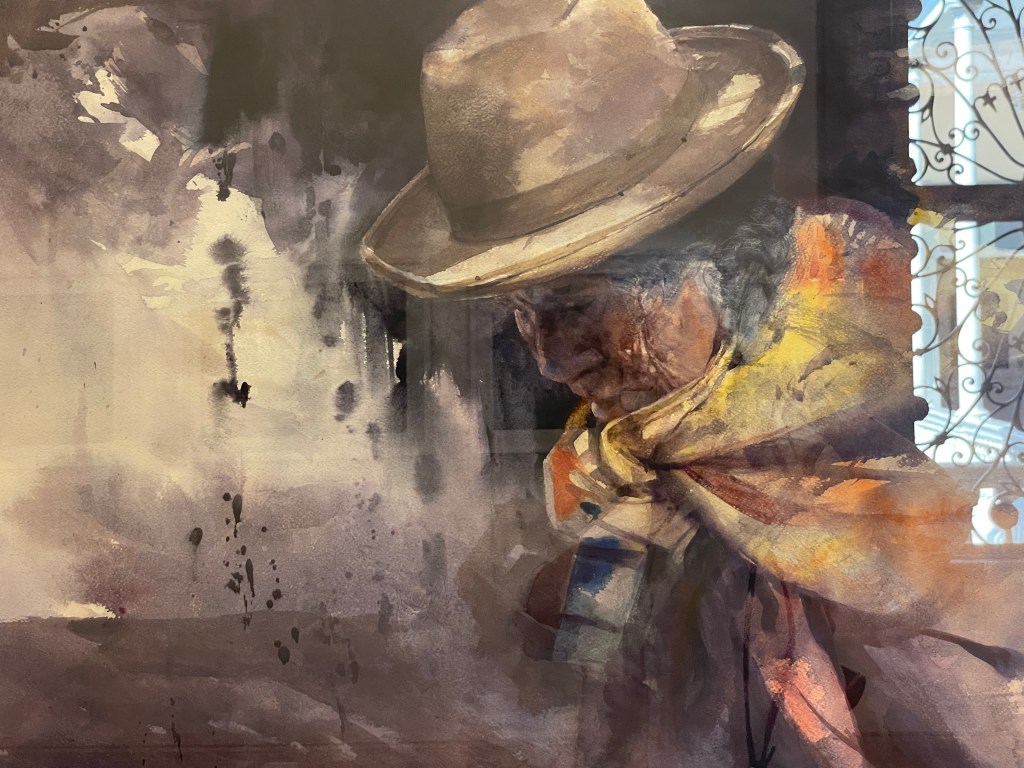
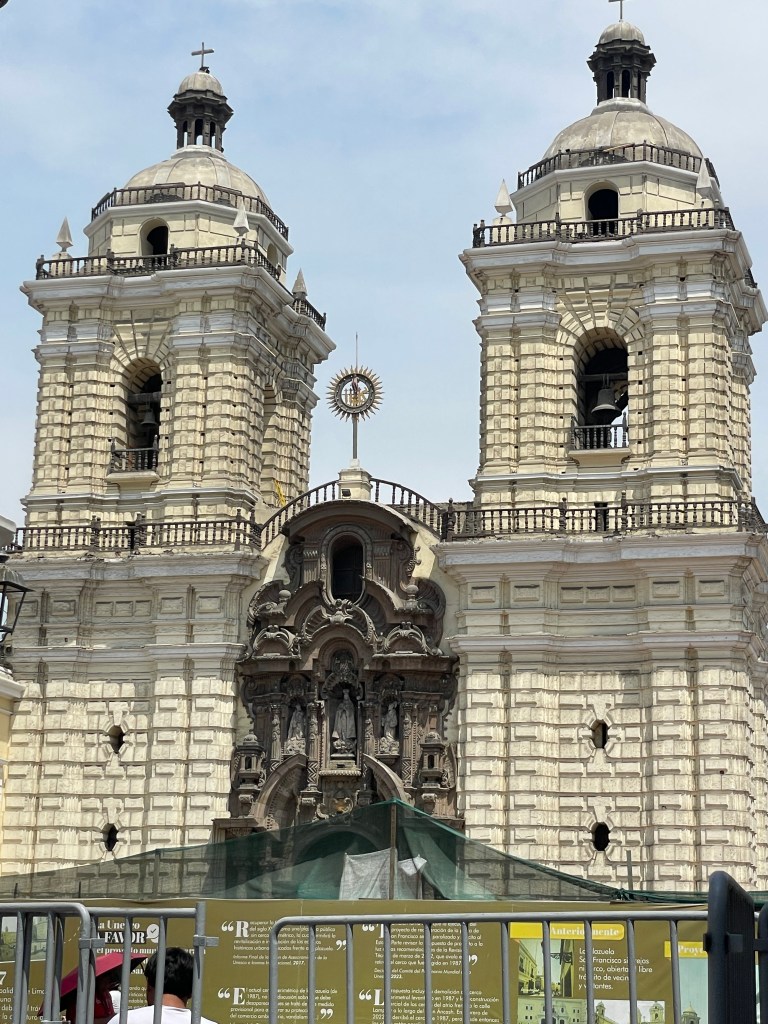
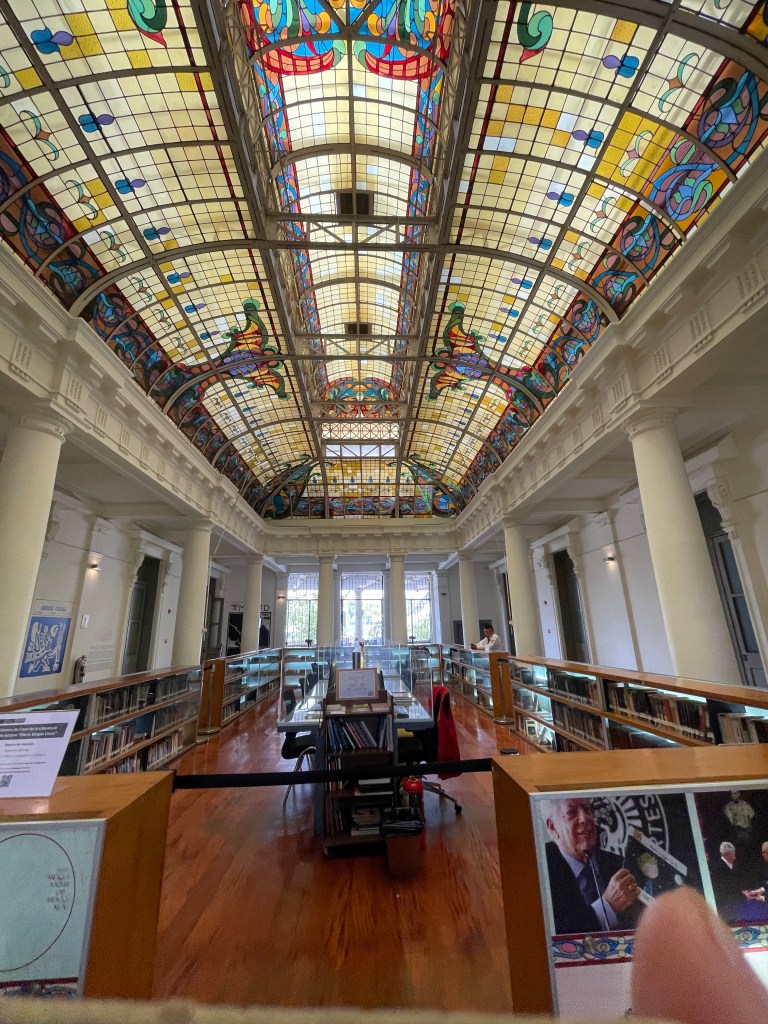
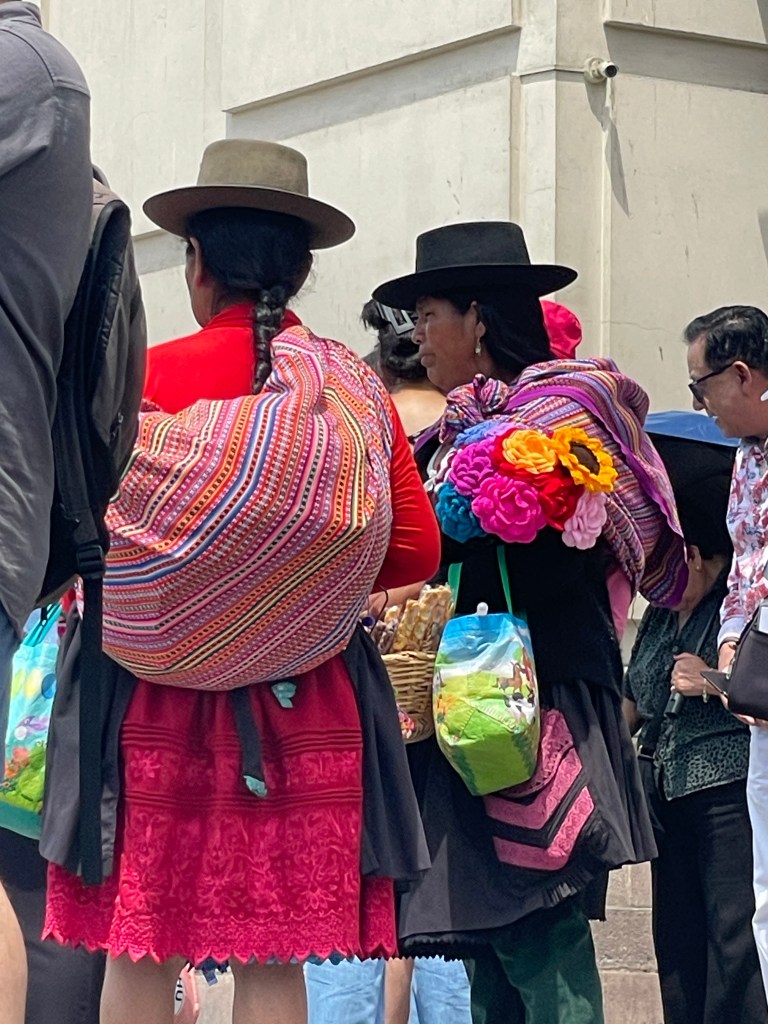
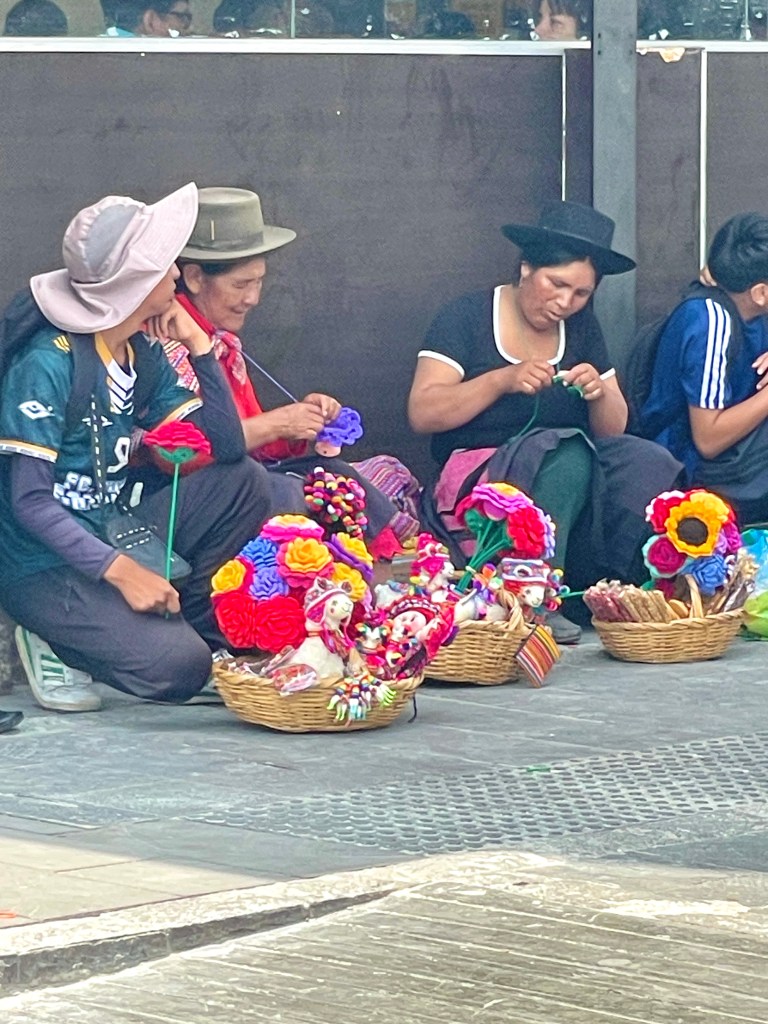
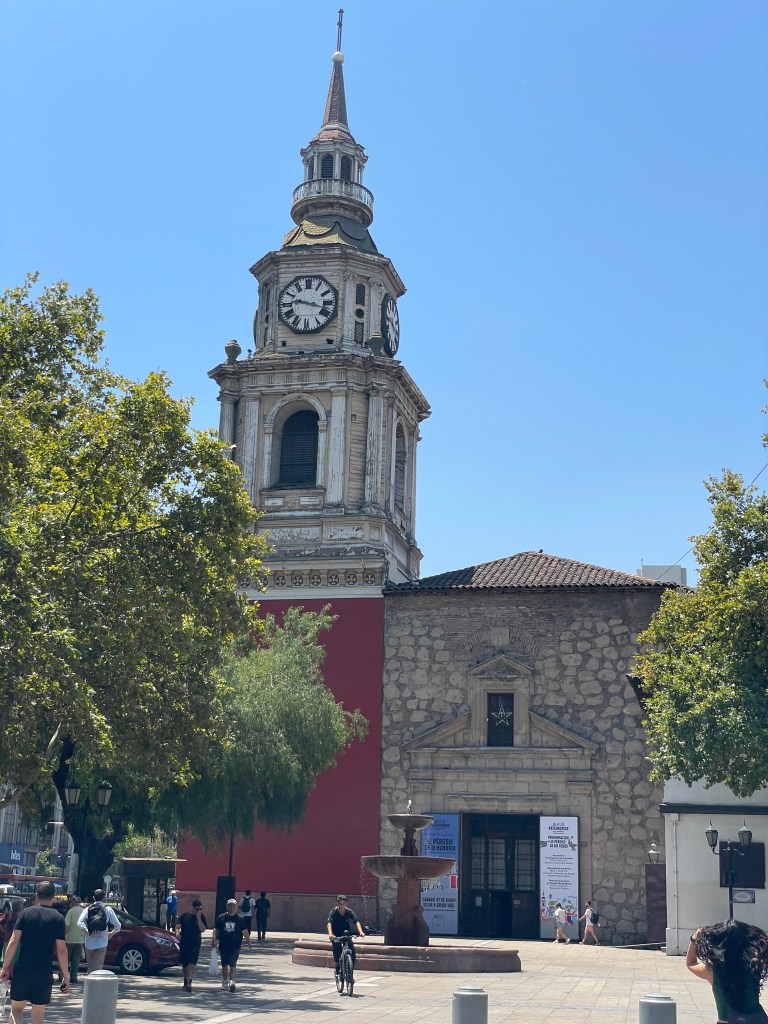
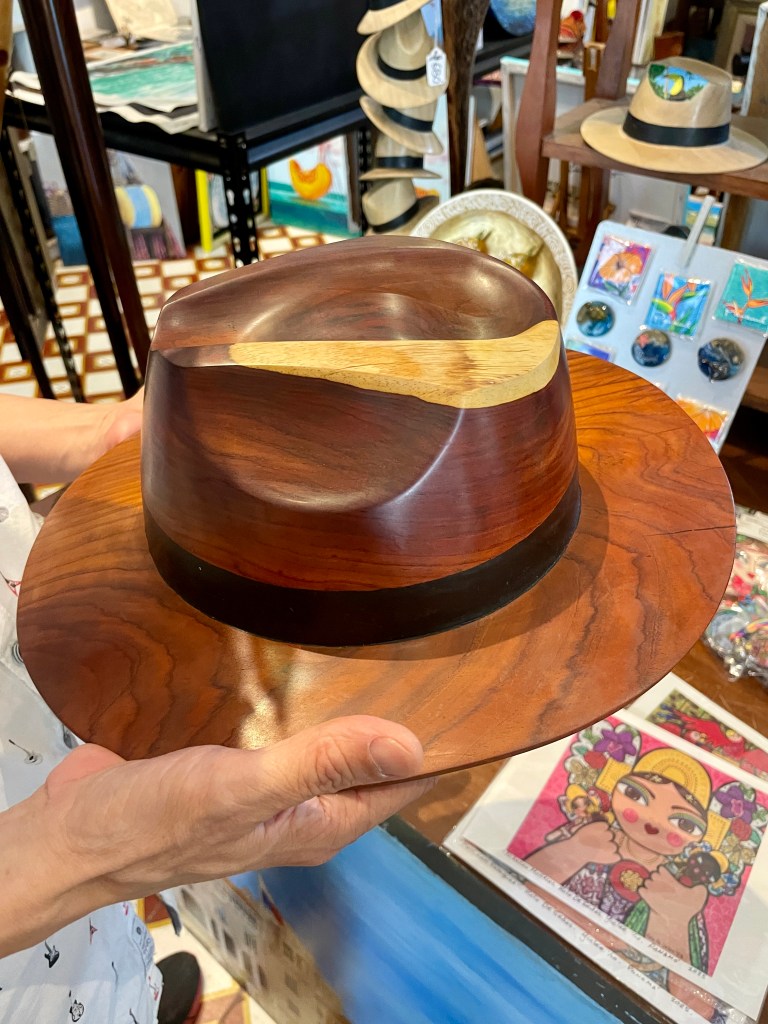
Flags hanging cross the streetCatedral MetropolitanaCatedral MetropolitanaStreet of Native FlagsIndigenous Women Selling Their CraftsStreet of HatsOld Time Cigar Shop
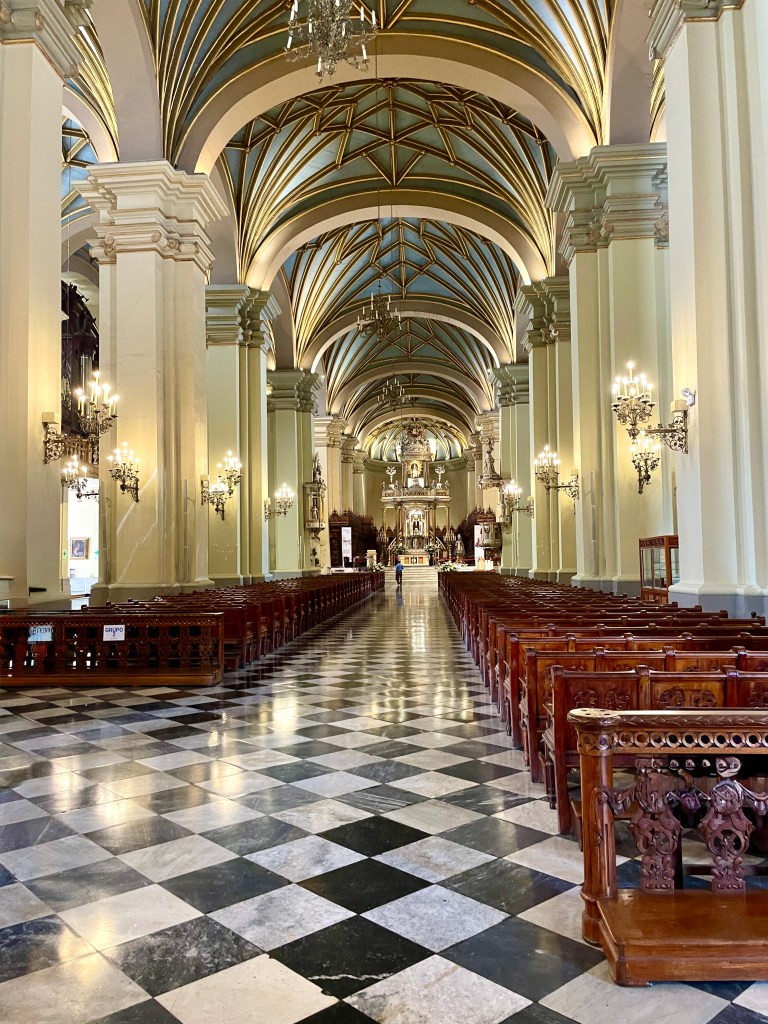
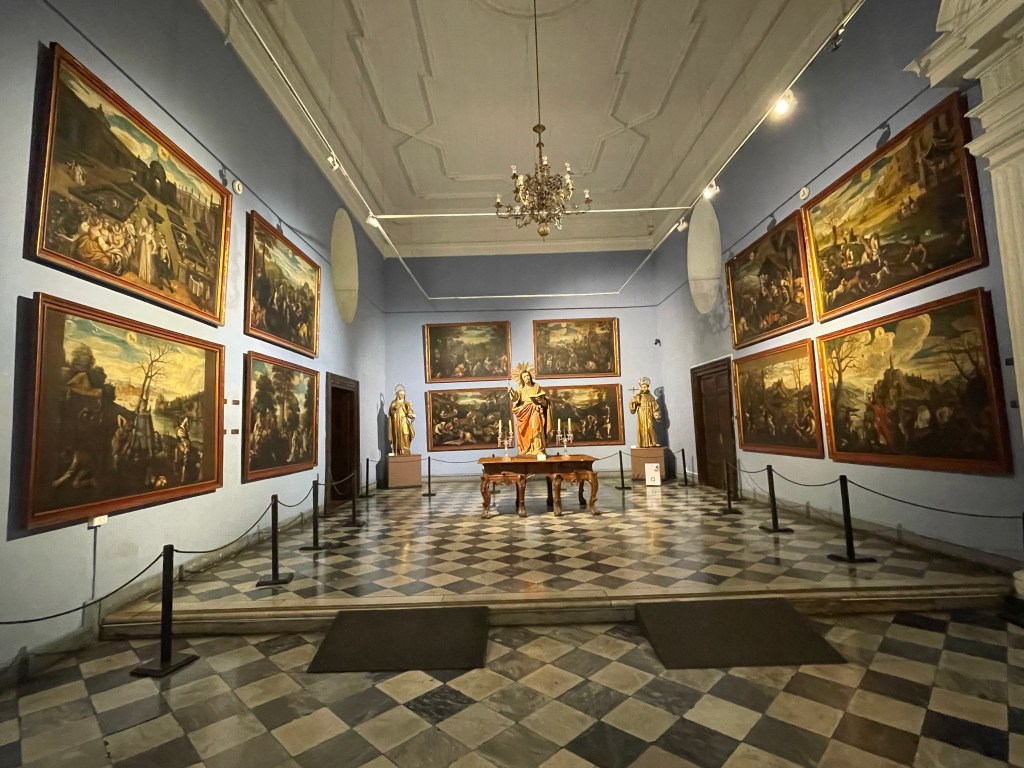
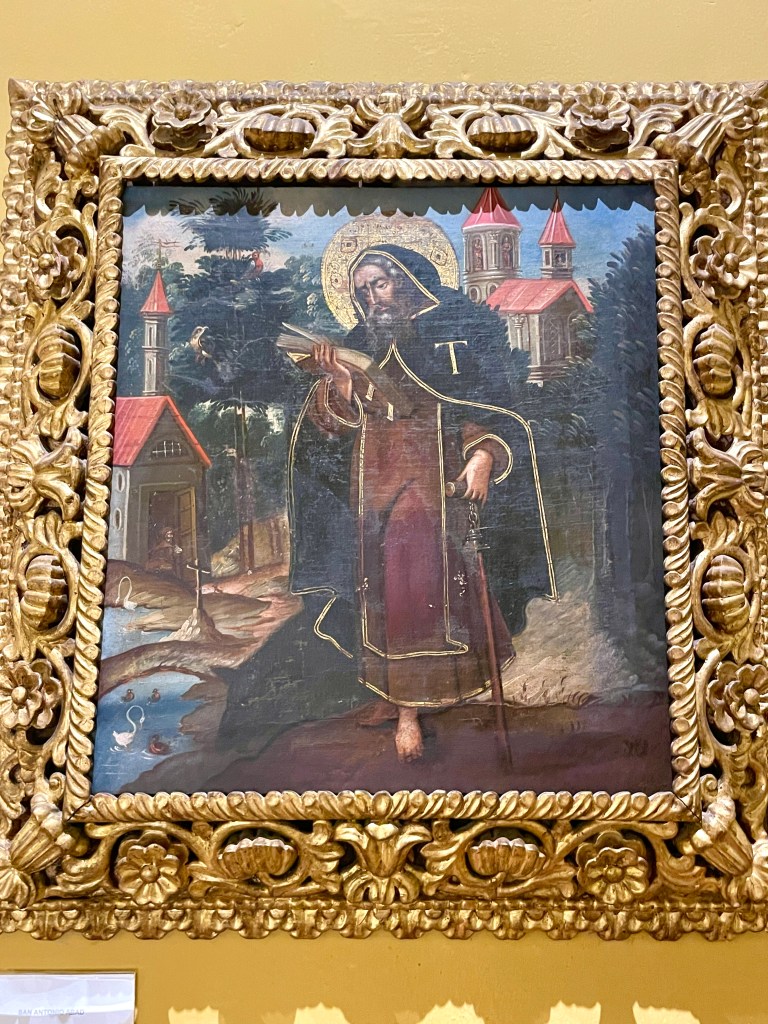
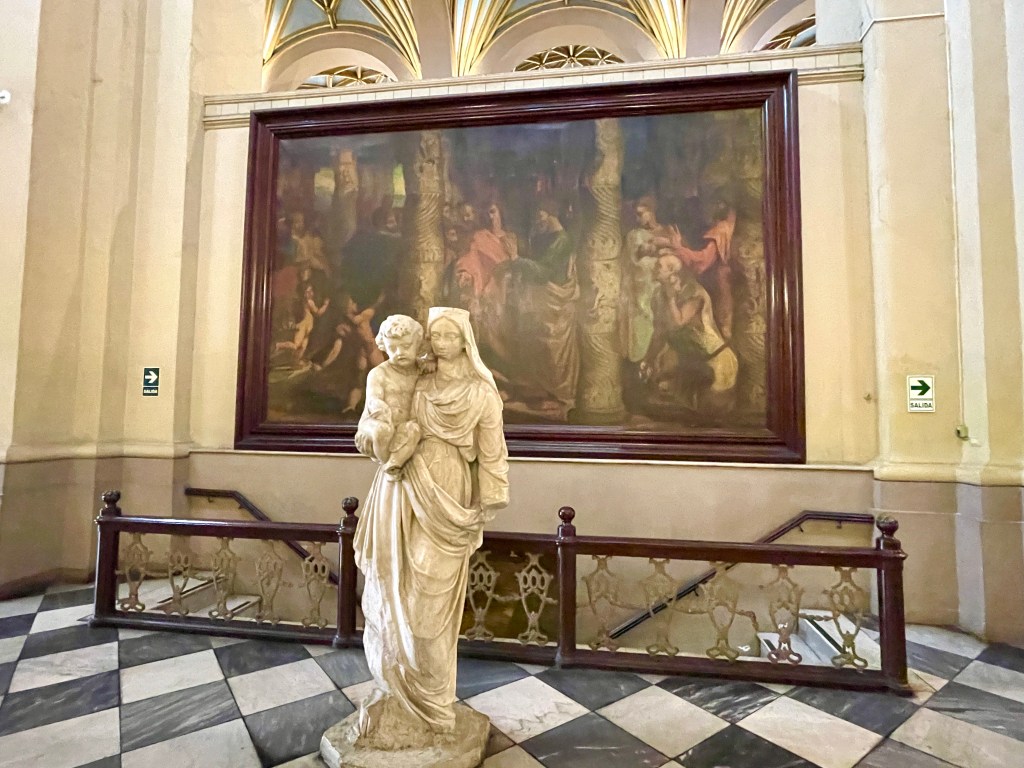
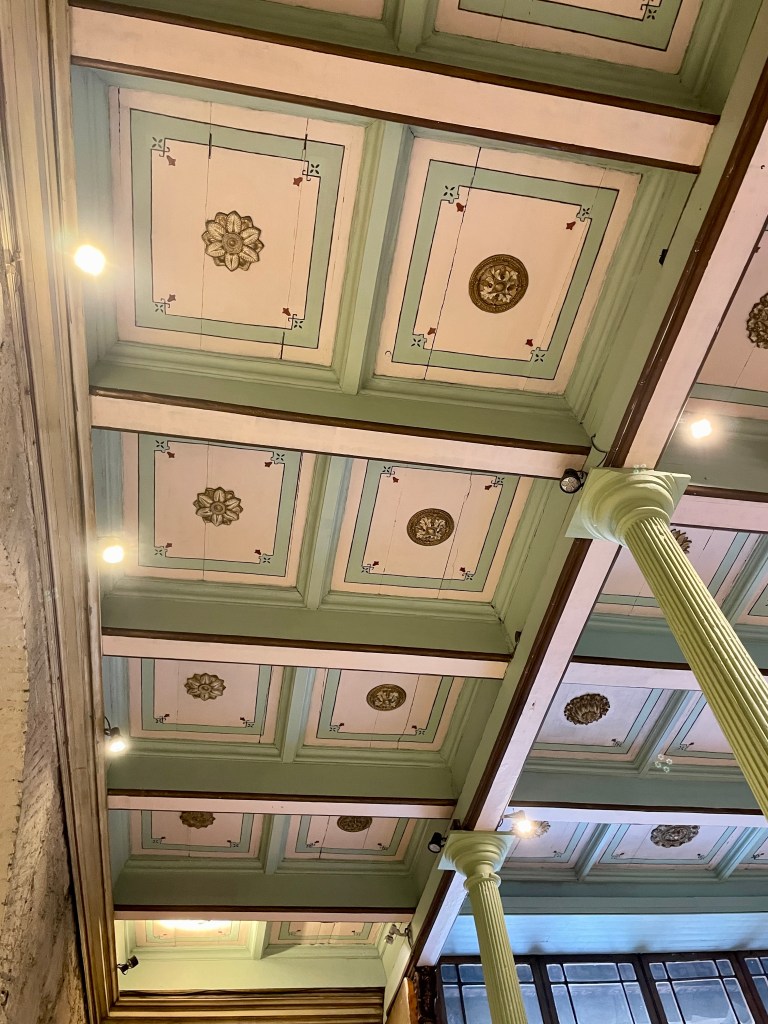
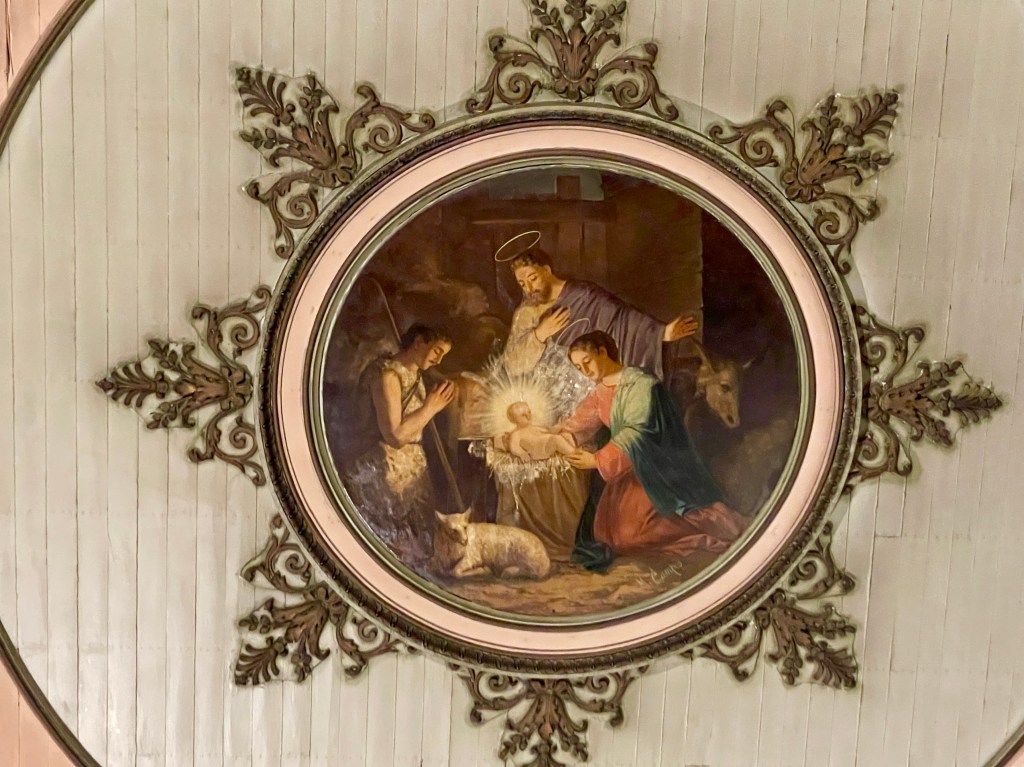
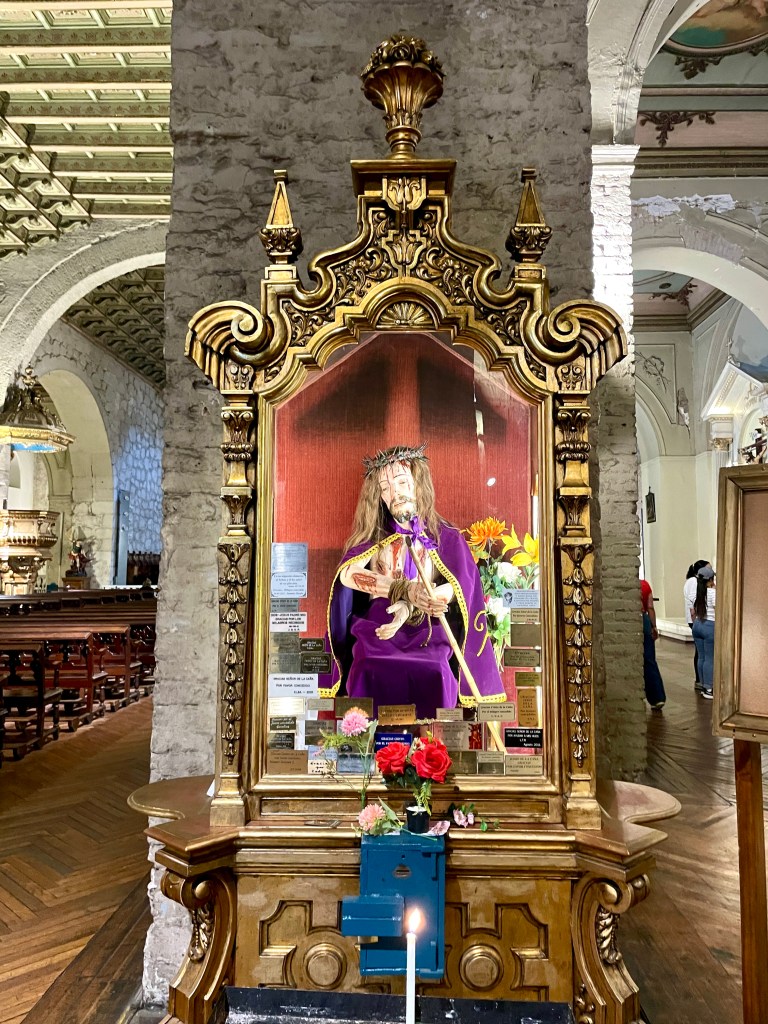
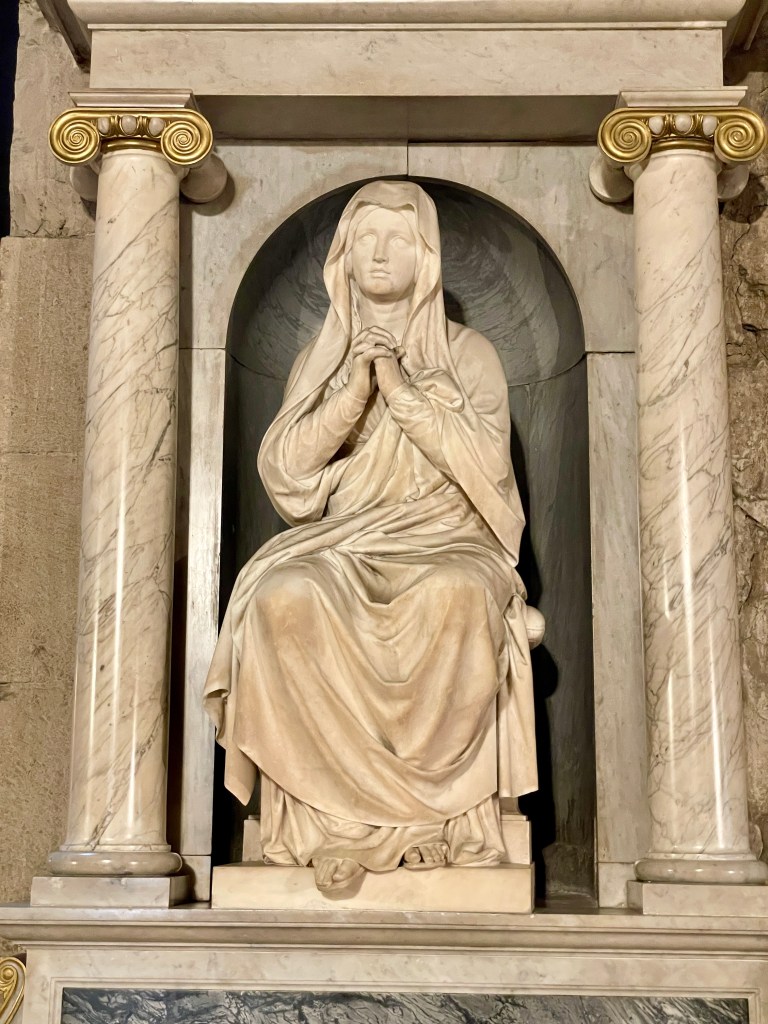
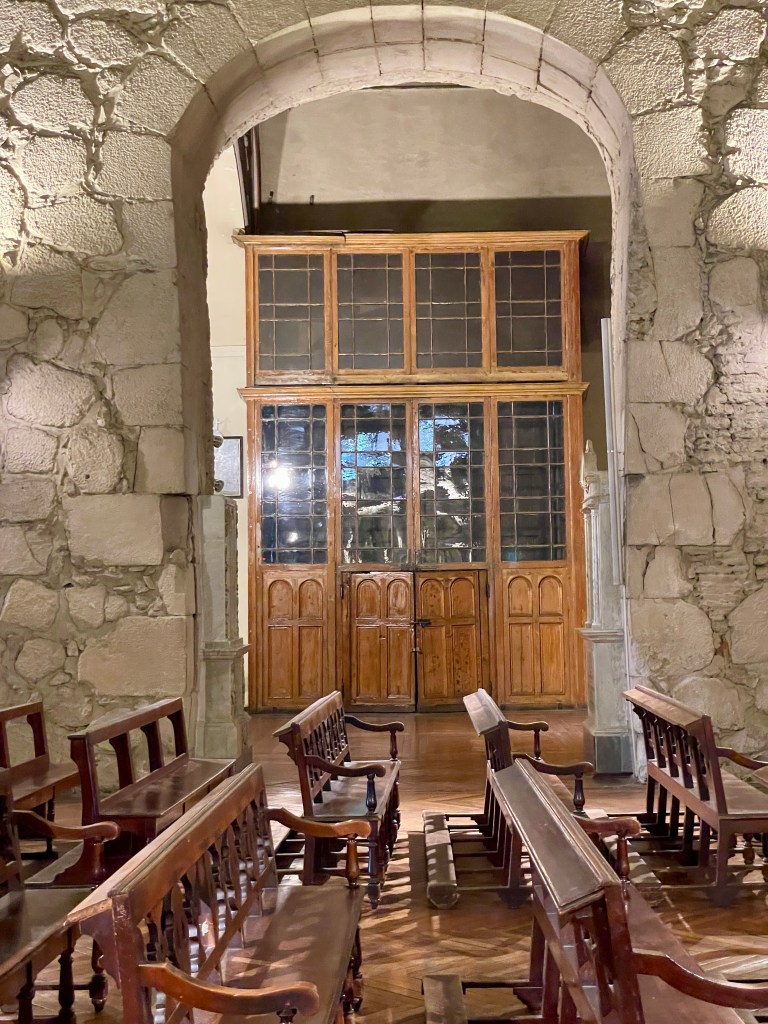
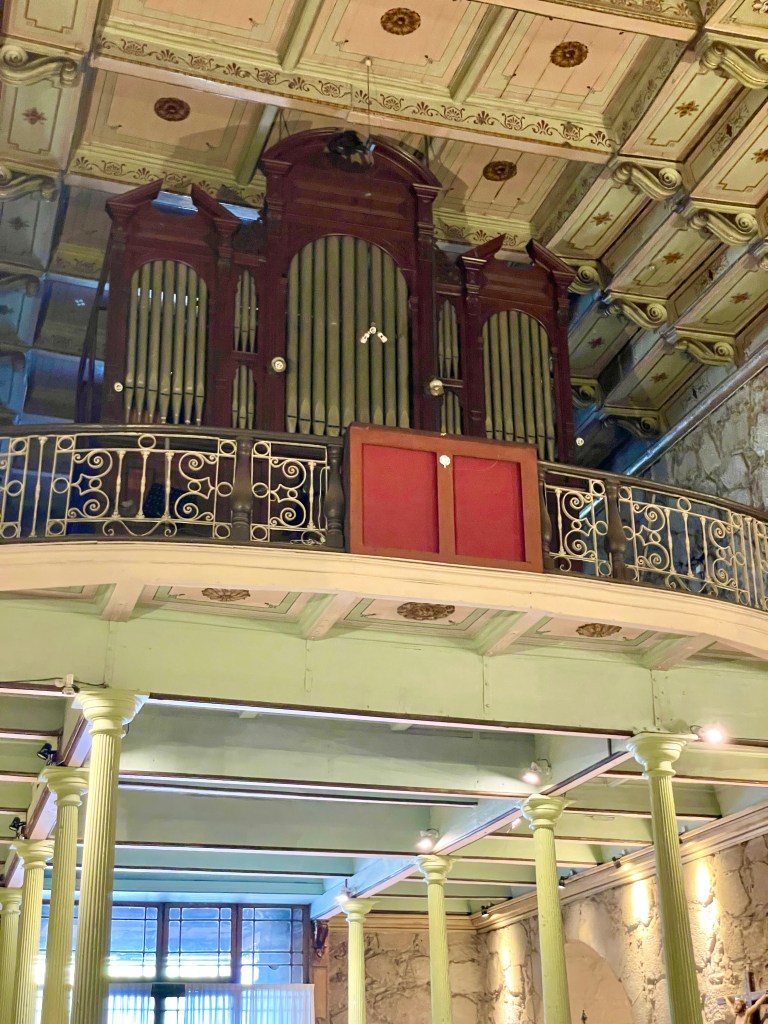
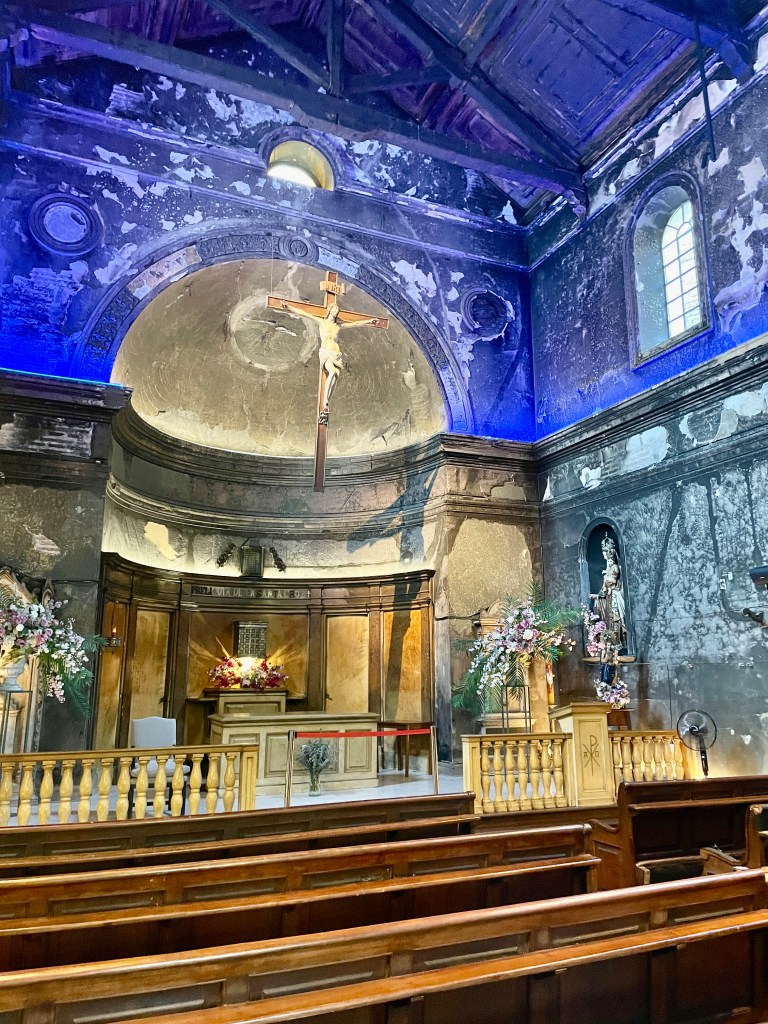
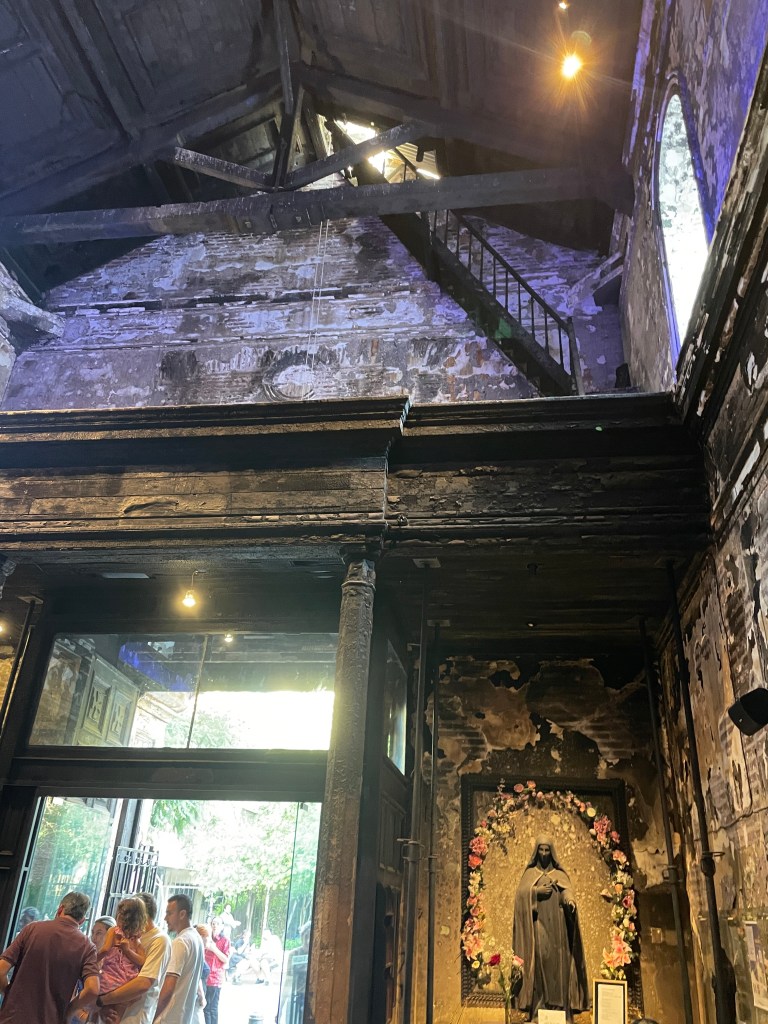
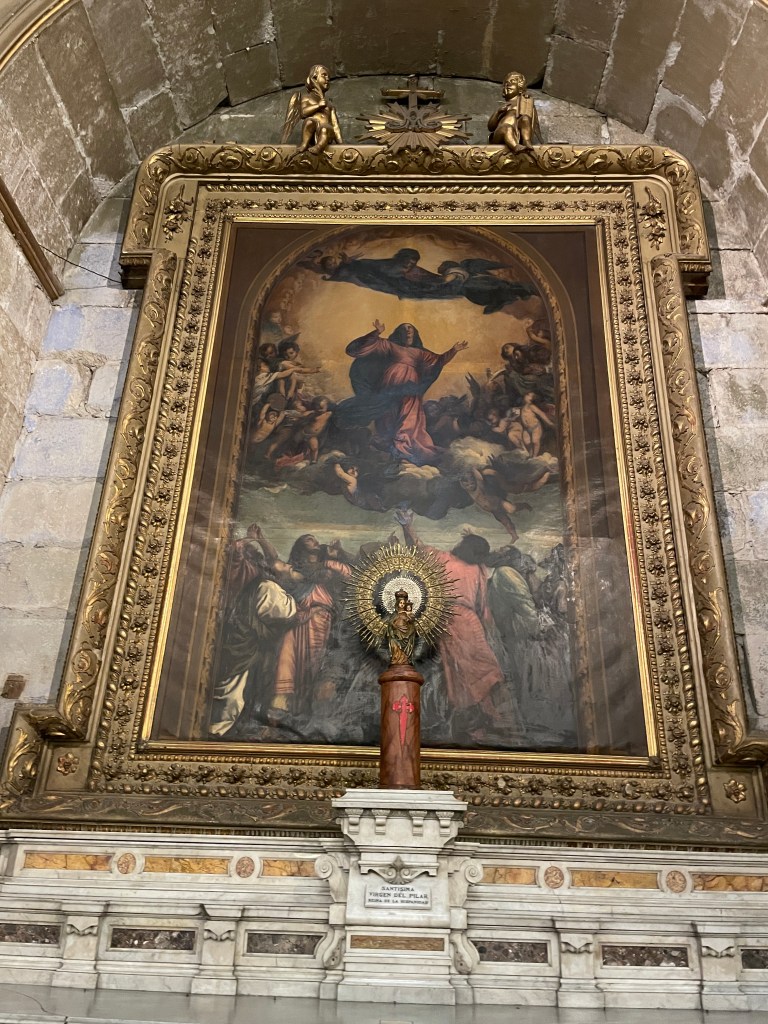
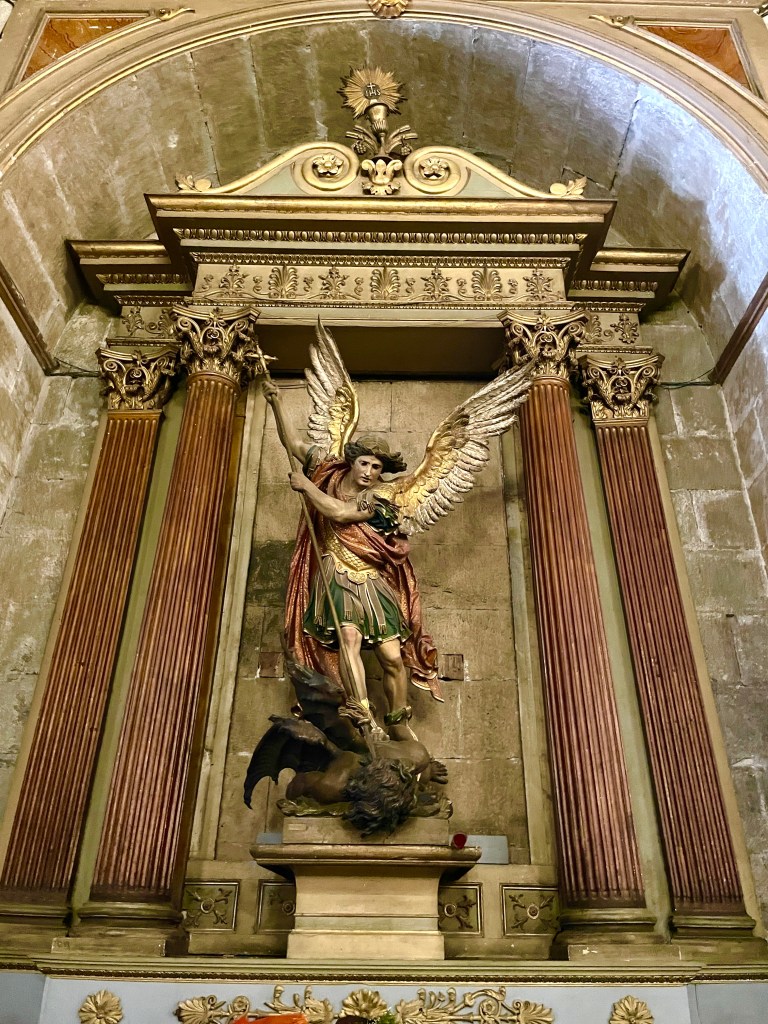
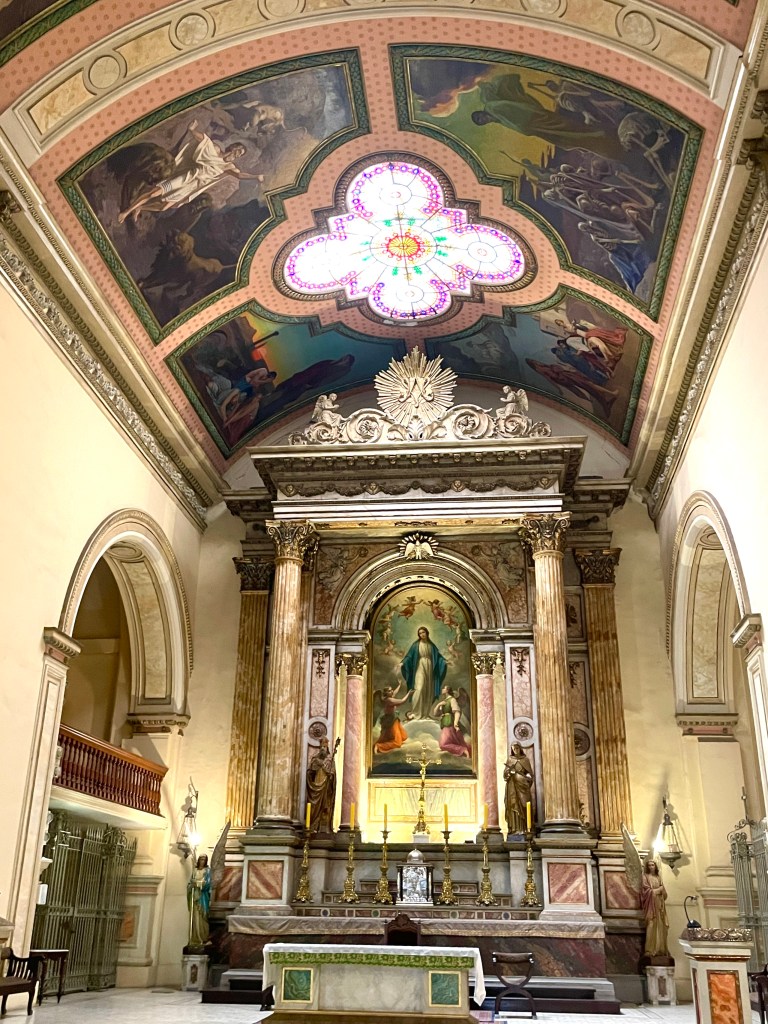
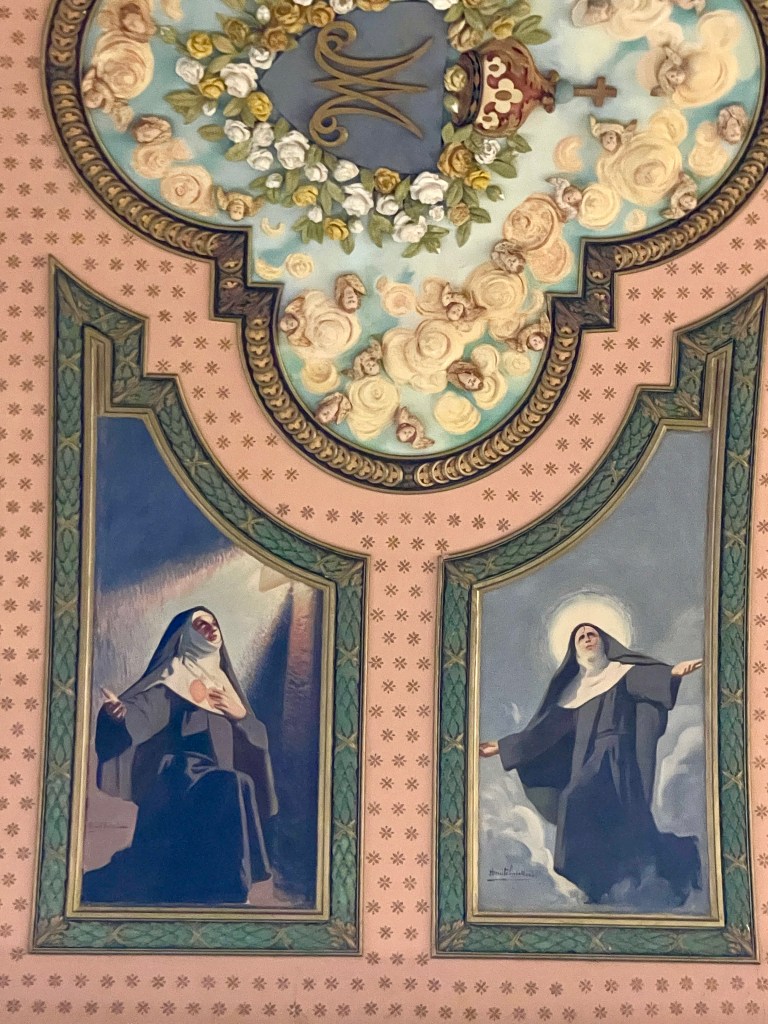
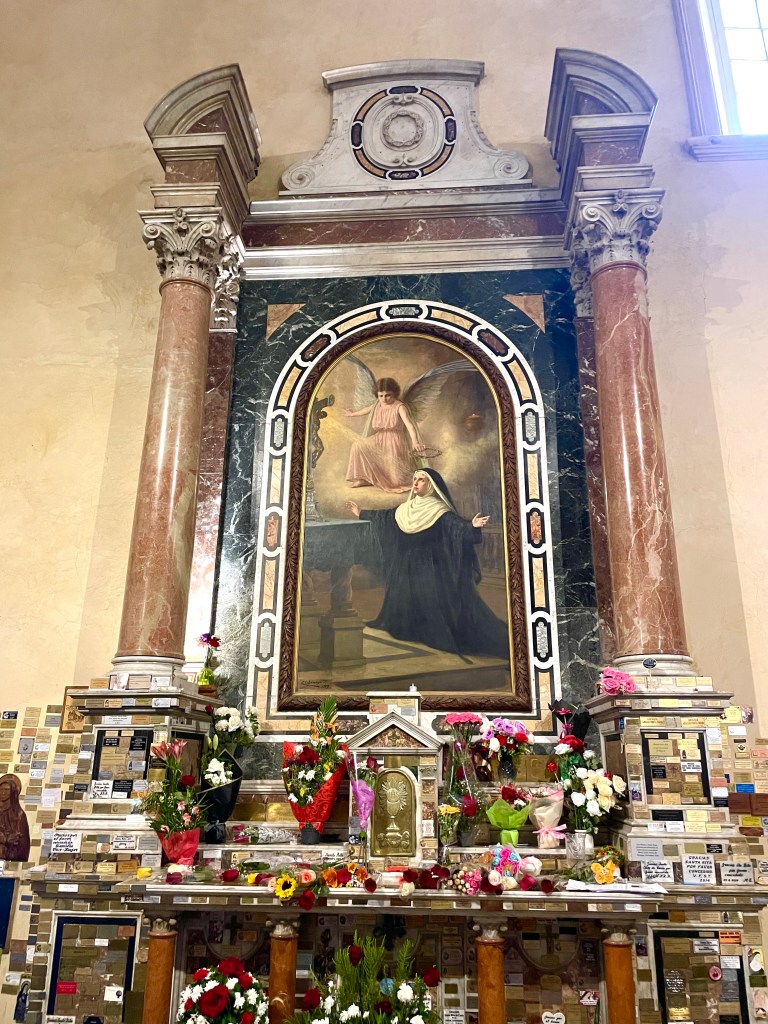
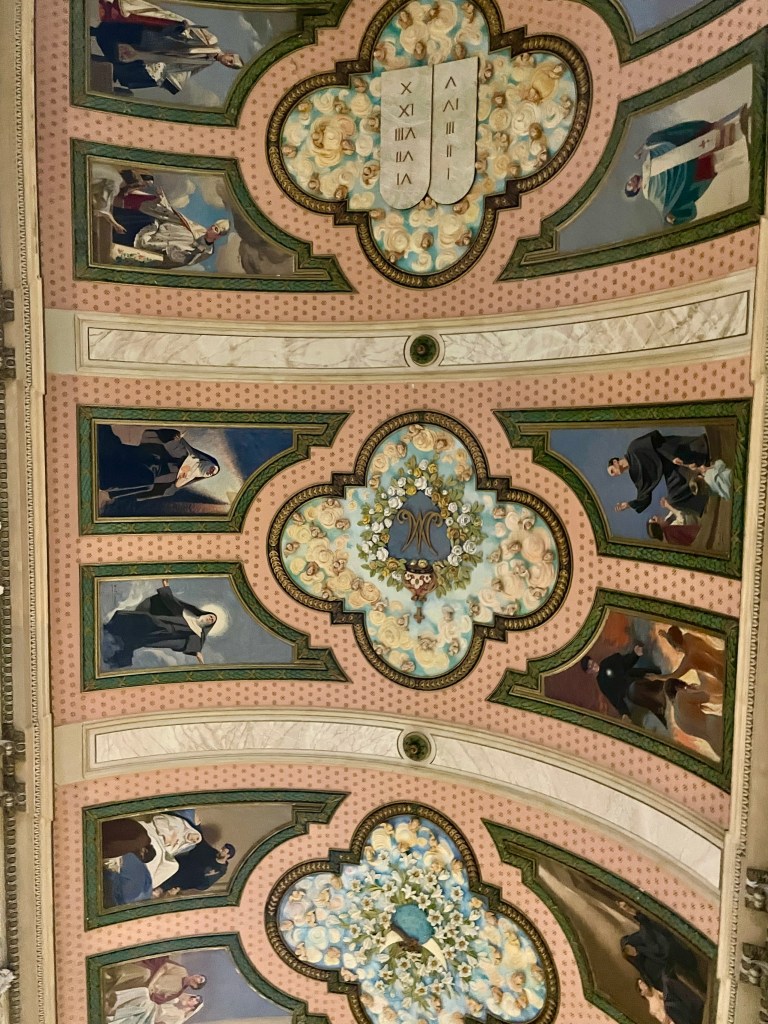
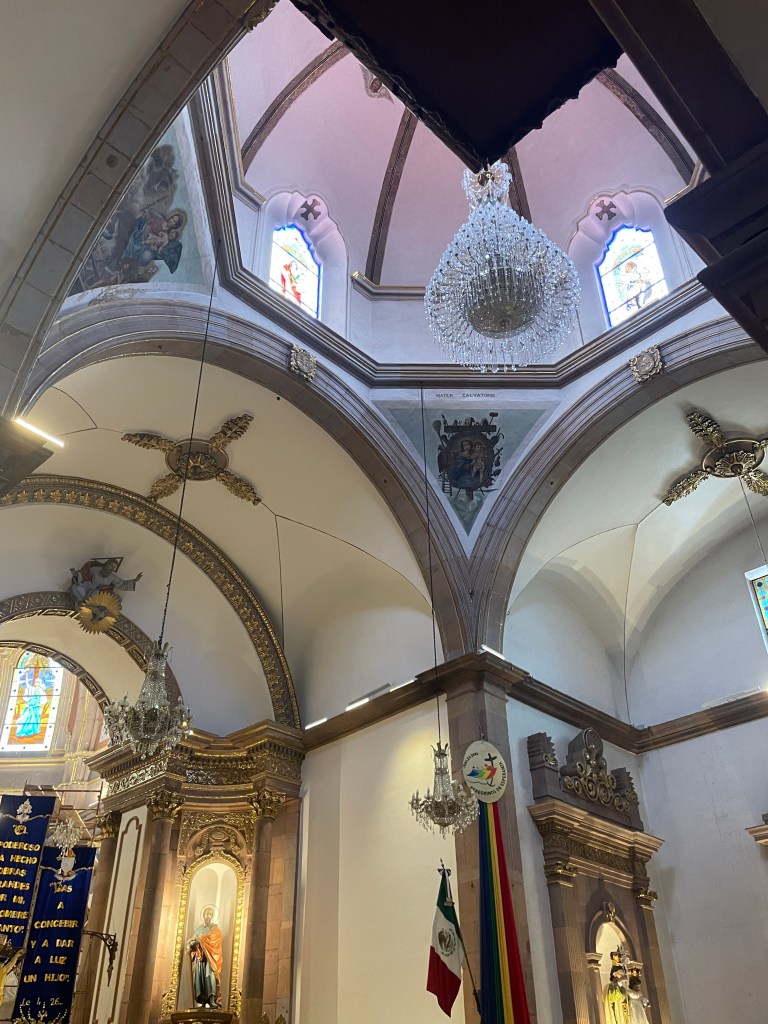
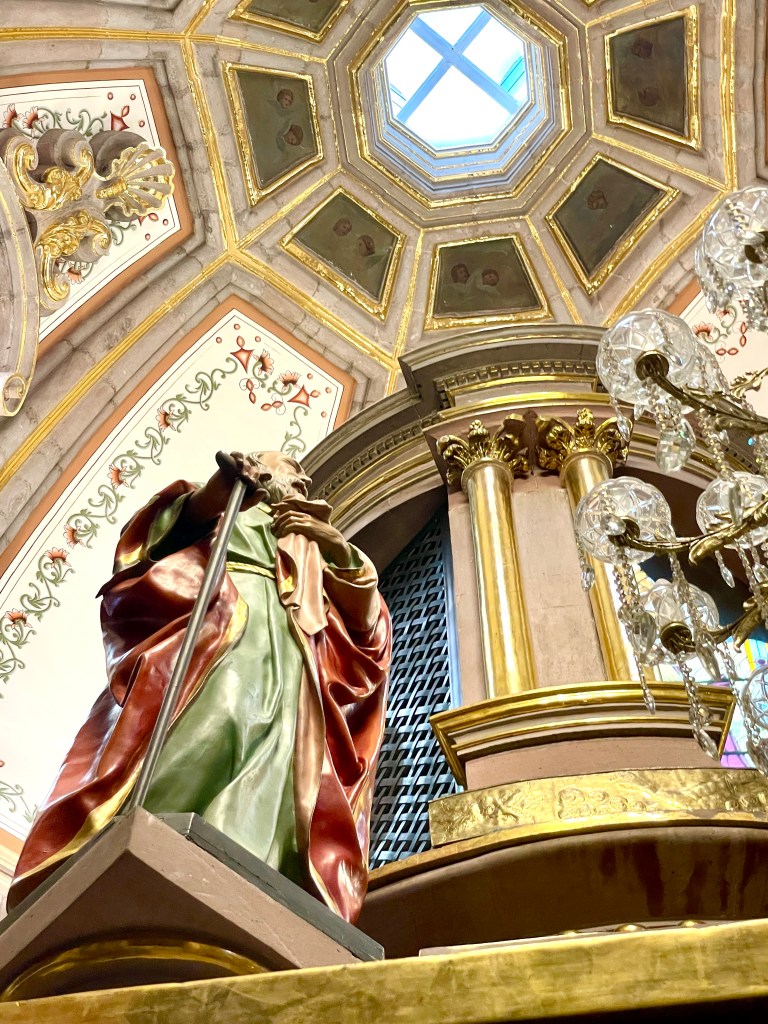
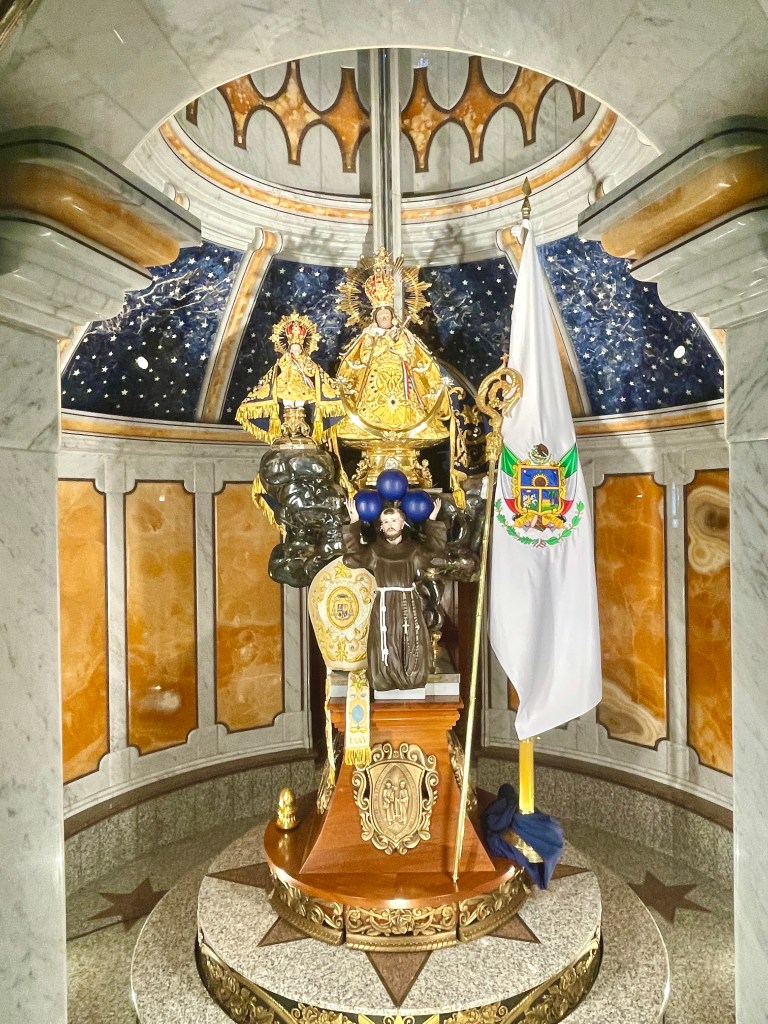
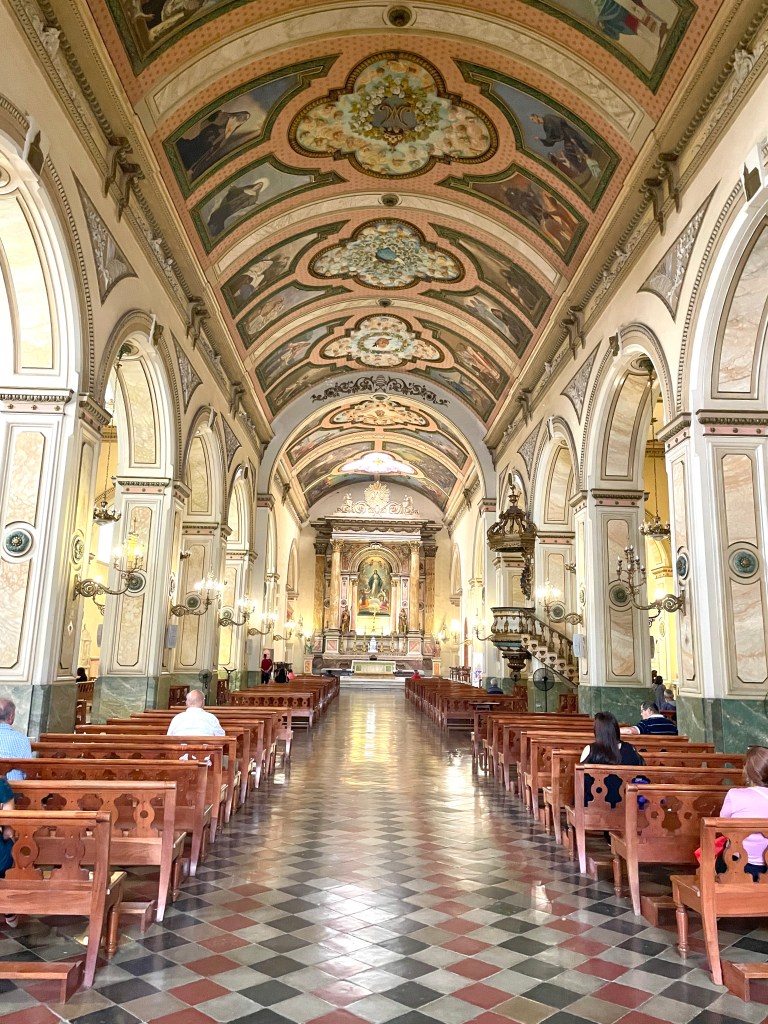
I have been to so many churches since I arrived here. I love the architecture that these old buildings possess. The artwork, murals, painted ceilings, and biblical depictions are all inspiring (okay, a few are frightening) and help us have an insight to those things that drew people to the Catholic Church in earlier times. The thick walls of the church also provide a respite from the heat and also from life’s troubles. Perhaps what I enjoy the most though is just walking in, sitting down, and listening to the music and the chants echo off the walls of the sanctuary. It gives me a sense of peace and serenity that I can carry with me the entire day.
Parroquia de San Miguel Arcangel- San Miguel Allende
With over 40 churches in San Miguel it is difficult to choose a favorite but Parroquia de San Miguel Arcángel is definitely the most well known and perhaps the most beloved of area residents. Towering over the city, the construction of the church began in the 1600’s under the auspices of the Franciscan Friars, after a smaller church from the 1500’s was demolished. The building is a surprising blend of different Neo-Gothic European influences and the resulting Spanish colonization that swept over these lands. This immense church was completed in stages at various points in history but it was when a local master stone mason, Zeferino Gutierrez, began construction of the current facade in 1880 that the Neo-Gothic architecture was put into place. Gutierrez had no drawings to guide him and he designed Parroquia de San Miguel Arcángel after seeing pictures of the great cathedrals in Europe. To think that one man had such vision as to be able to change the entire feel of a city just amazes me.
The interior of the main building is vast. Yet, there are several different less imposing chapels including the Chapel of the Third Order with frescoes throughout which depict the life of St. Francis of Assisi.
The Chapel of the Third Order
Across from Parroquia de San Miguel Arcángel is a city plaza with tall shade trees and park benches. It is here that you can truly feel the vibe of San Miguel and absorb the influence of the city and the locals who surround you. So take a load off…sit…listen to the church bells ring across the valley…and let yourself sink into a nation that still reveres its history and the people who still help to influence it today.
Basílica de Nuestra Señora del Pueblito
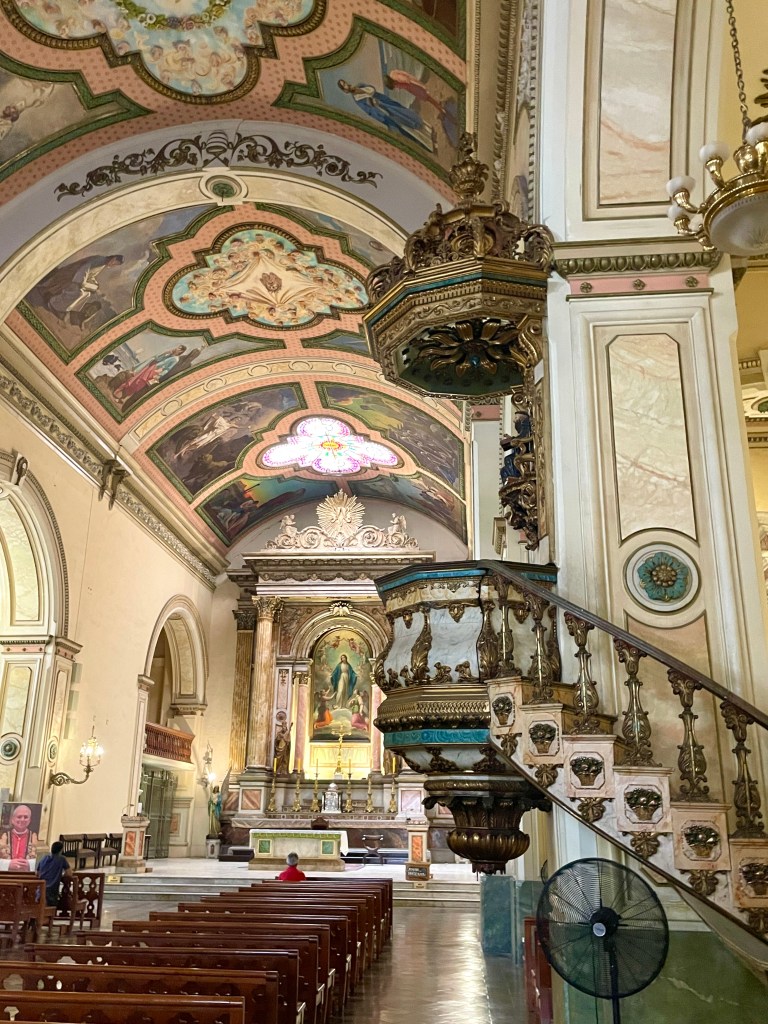
Another Church that I fell in love with was located in the town of Pueblito and is known as the Basílica de Nuestra Señora del Pueblito. It is the church that I mentioned in my post about El Cerrito, The Pyramid of Pueblito, and it is the one that you are suppose to be able to hear the sermon from the pulpit all the way up the hill.
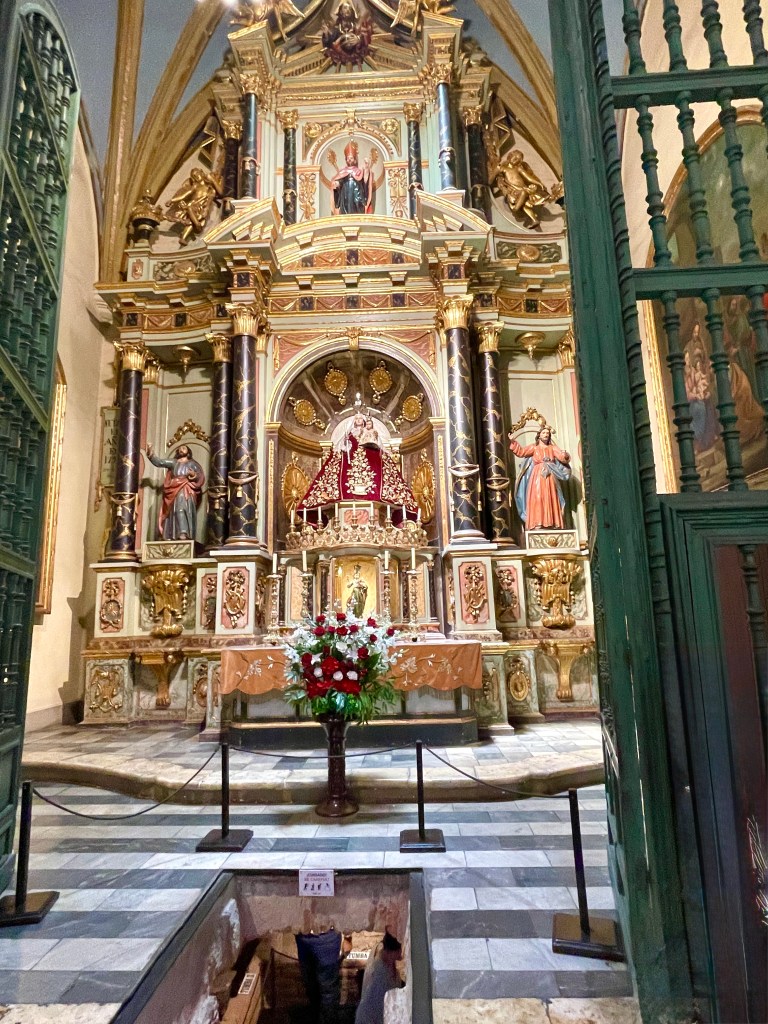
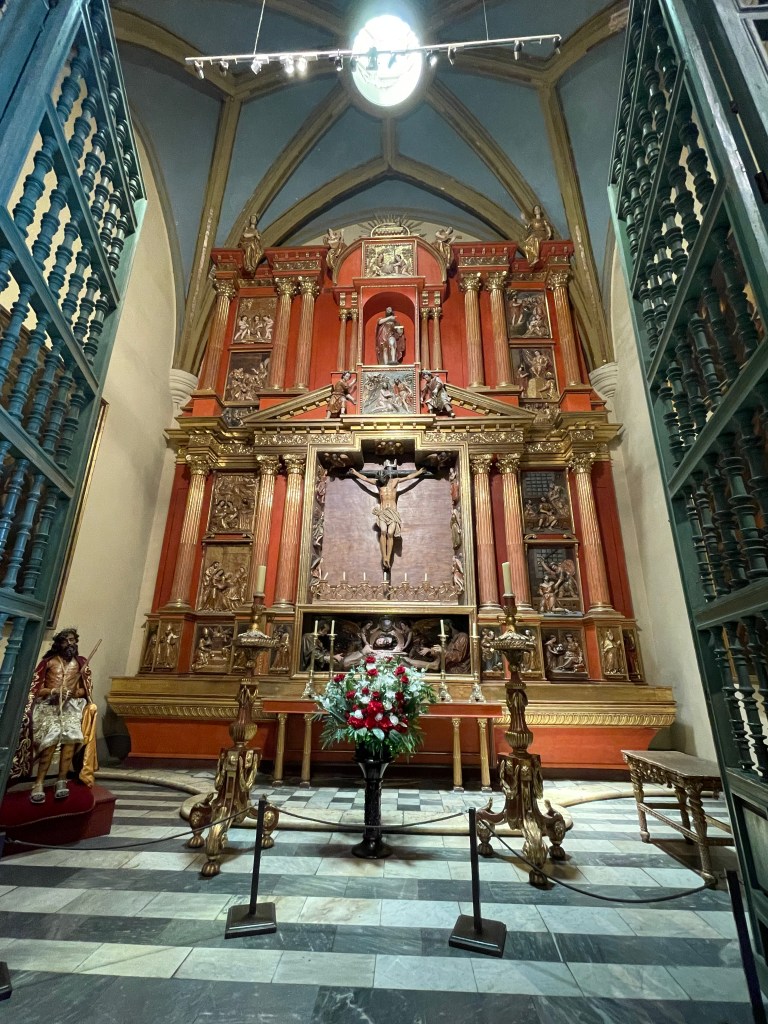
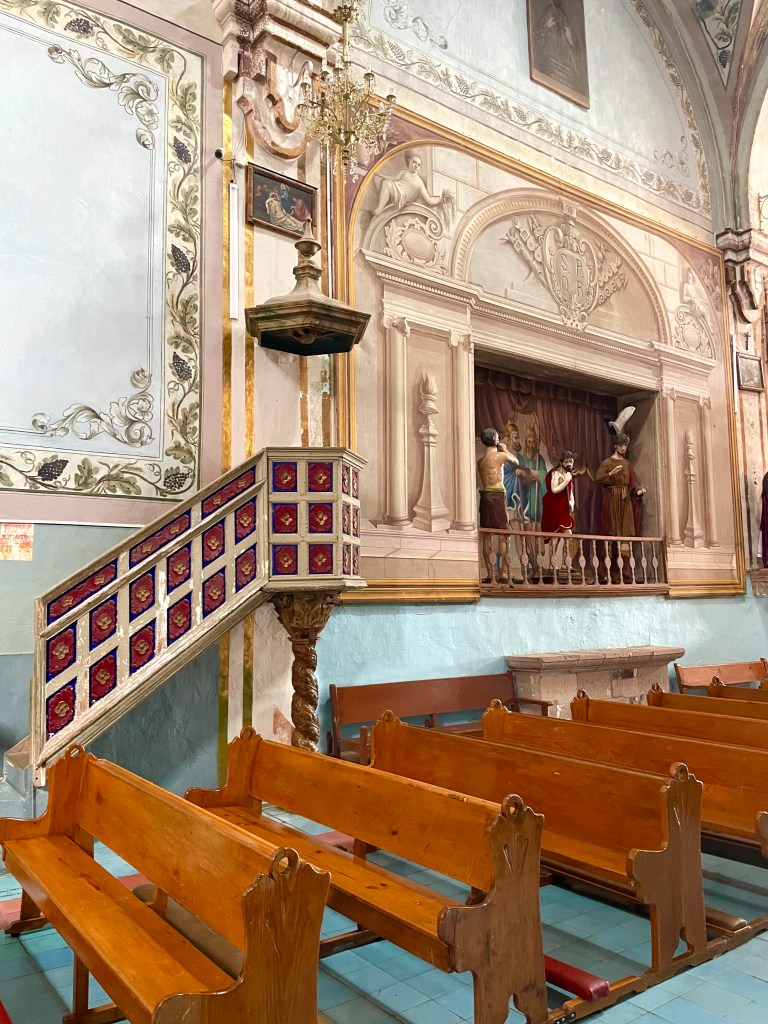
This church is much smaller then the one mentioned in San Miguel and it has it’s own special kind of charm that is quaint yet powerful which is evidenced by the faithful who attend daily mass.
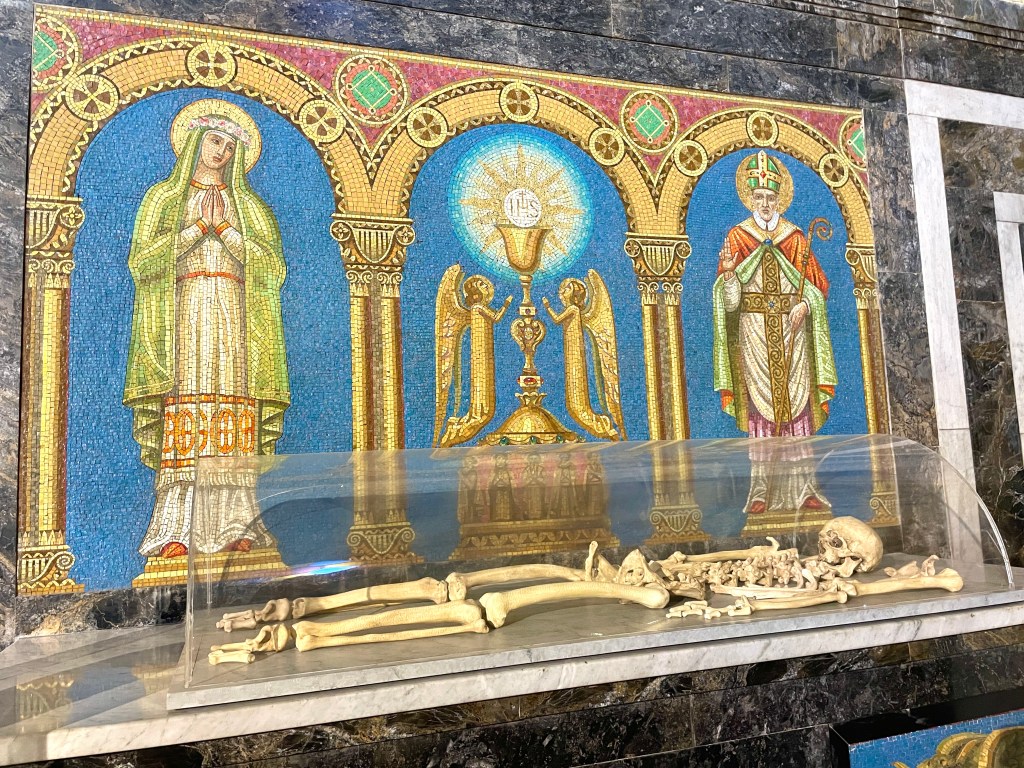
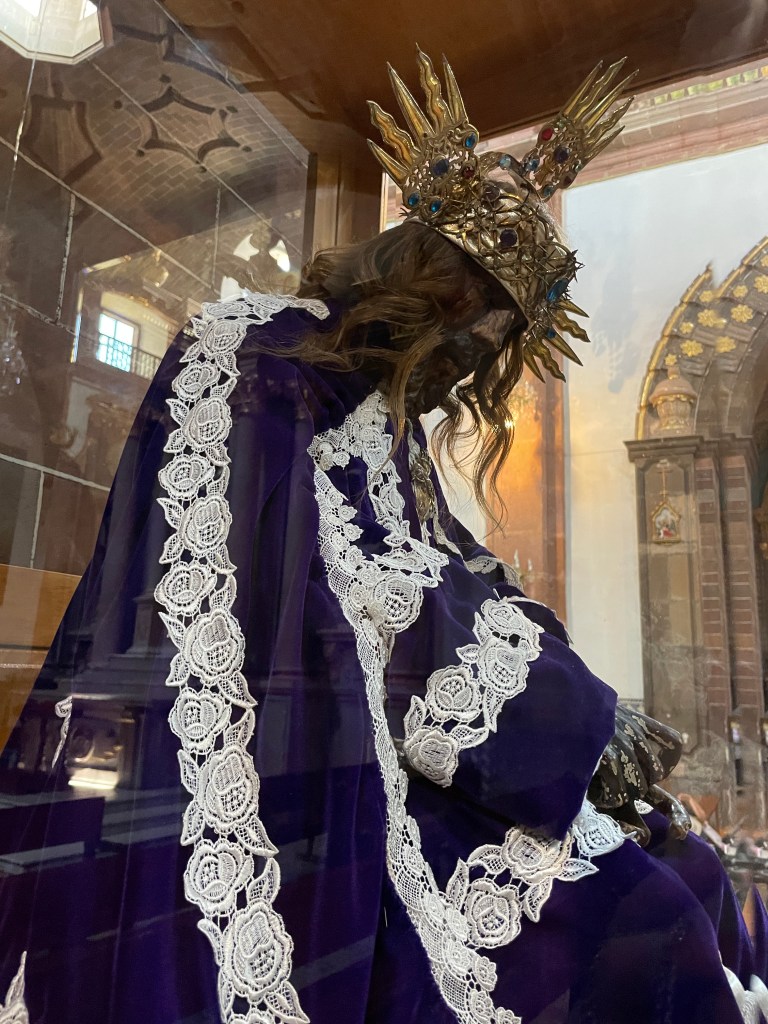
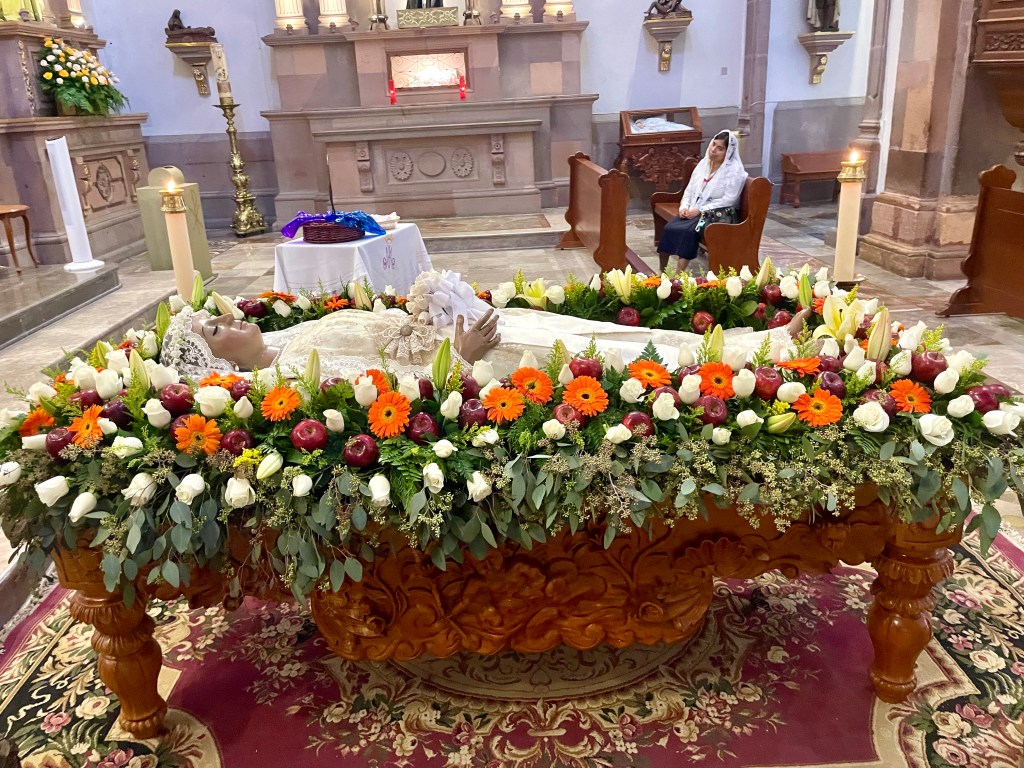
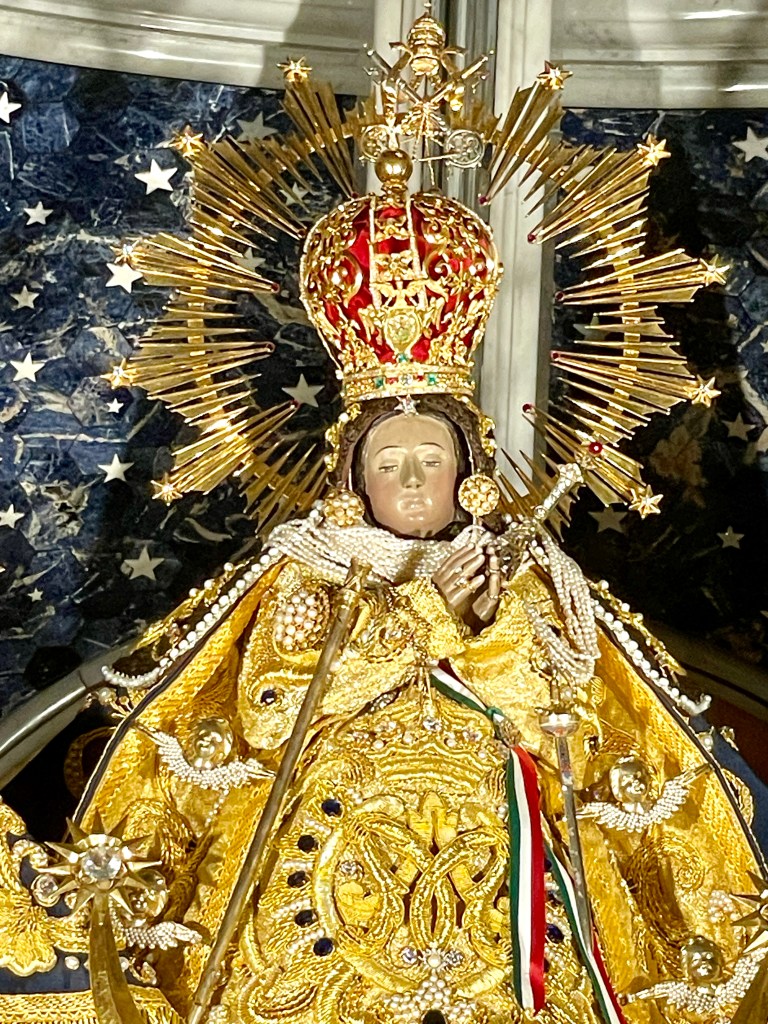
Basílica de Nuestra Señora del Pueblito had its beginnings in 1632 when Friar Nicolas Zamora placed the image of Immaculate Conception near the temple where he built the first adobe structure to house her. Approval for the present day building was granted in 1720 and construction was completed in 1750. Religious festivals for Mary are mainly celebrated in mid-February when the town comes alive. However, when we were there last week, the life-size body of the Virgin, was displayed below the altar where the faithful believed that the next day she would be lifted up to heaven.
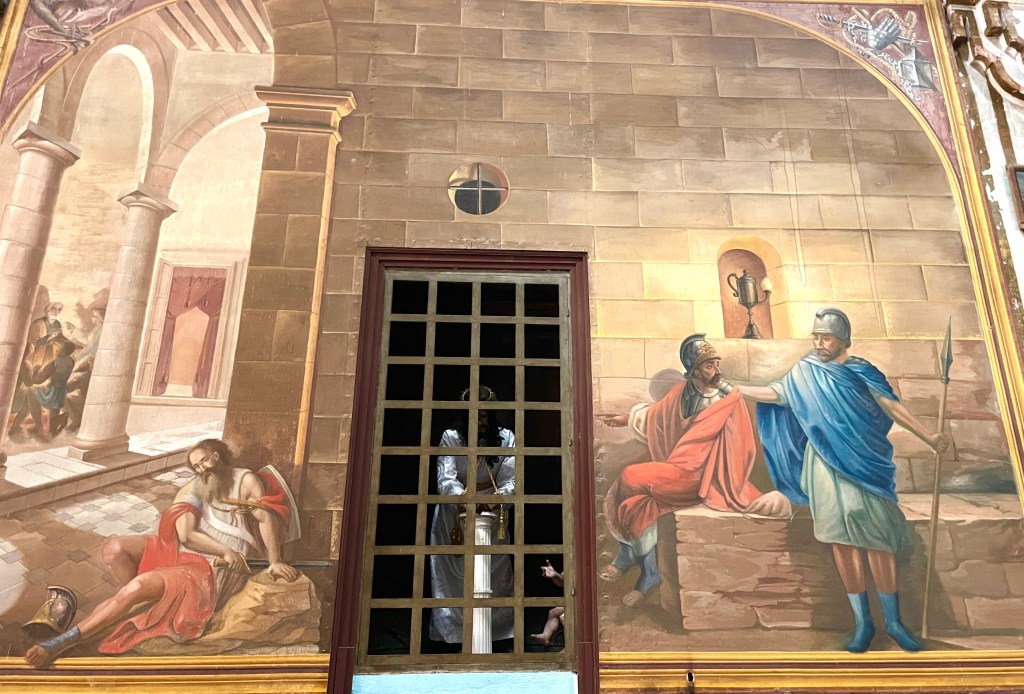
While small this church has so much to see and admire its the people whose dedication impressed me. When we were there a painter was hanging off a ladder busy painting the nave while services for the Virgin were ongoing during this week of celebration and the church was being cleaned top to bottom.
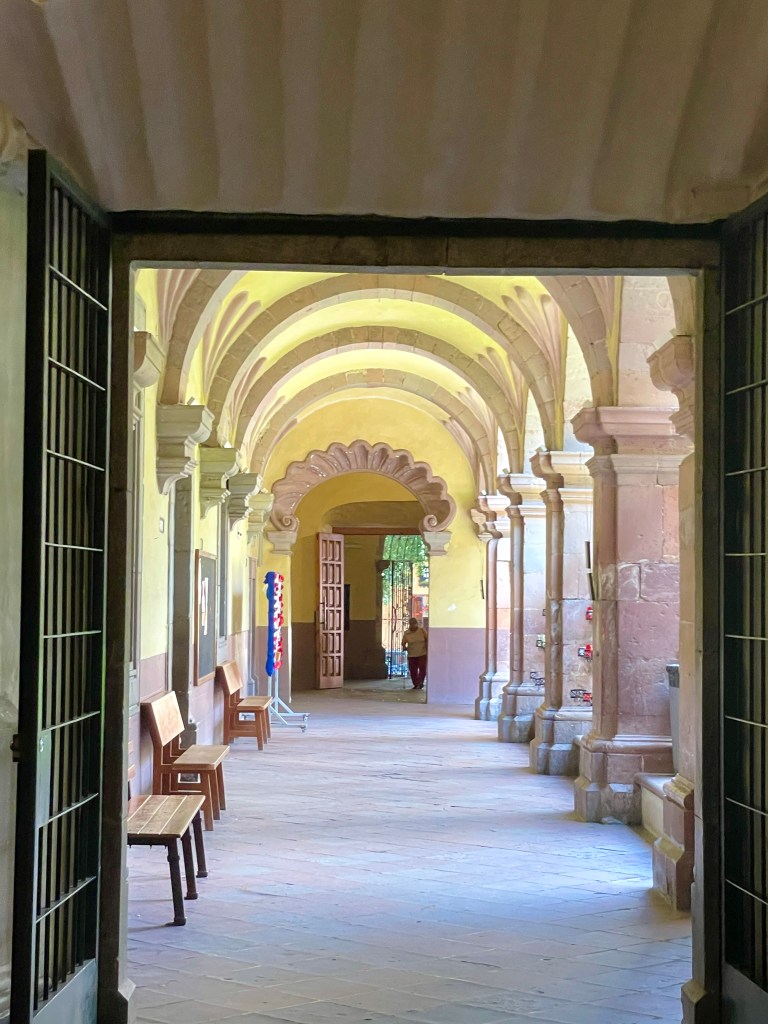
I think one of the things that made me aware of the dichotomy of past times and the modern demands of today was this sign I spied within the inner courtyard of the church. I will admit I chuckled out loud. I hope you enjoy it and a smile graces your face too.
One of the few temples to survive within a major city is El Cerrito or the Pyramid of Pueblito. Built over 3,300 years ago it is a testament to the wisdom and knowledge of the ancient people of this area. I was lucky enough to visit it early this week.
El Cerrito has a long history as a religious site and complete with altars and various ceremonial buildings. It is believed that a female deity was worshipped here. One of the plazas on the site, known as the Sculptures Plaza, had two alters one on the west and one on the east sides. Human skulls were found here along with pottery from ancient sites located throughout Mexico. Believe it or not, this was once a very colorful place decorated with highly pigmented colors of red (roja), yellow (amarillo), and blue (azul).
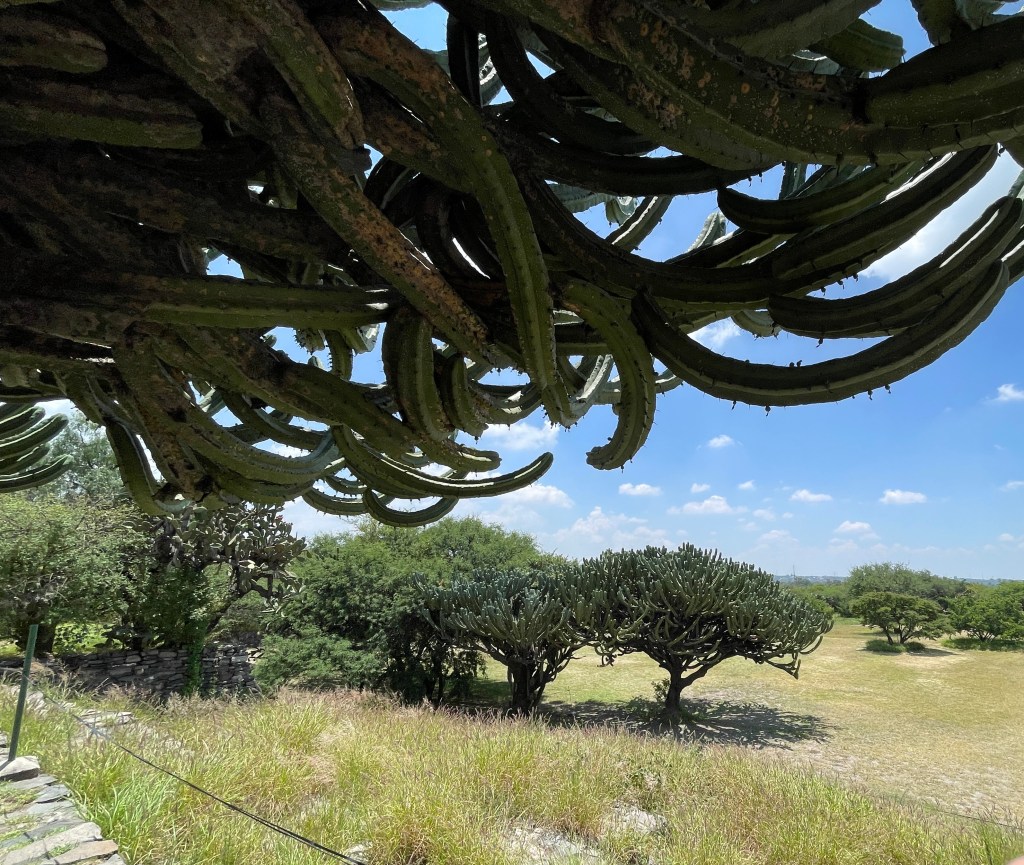
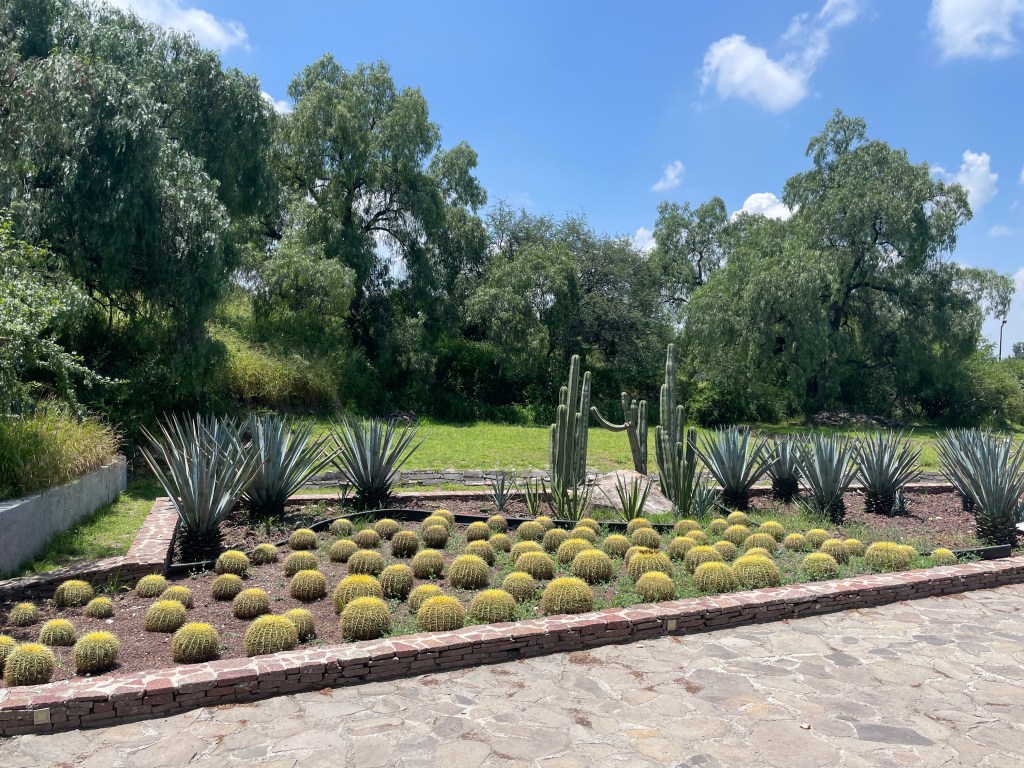
El Cerrito itself was constructed as a step pyramid and was built to resemble a mountain. Unfortunately, it will never be known how tall the temple originally was because in 1887 the Fernandez family built a house at the top of a “hill” shaving at least 2 meters off of the temple. The house was named El Fortin and it remains abandoned at the top of the structure to this day. One cannot blame the Fernandez family for building on top of this important archeological site; for El Cerrito was buried under tons of dirt and covered by trees for centuries until 1941 when the main walls were discovered and work began to preserve the pyramid and try to understand it’s historical importance. And with the very old immense cactus trees that can be found all over the property it is understandable why the temple was hidden for so many years.
For me one of the most amazing things is how the temple is strategically located in order to take advantage of solar alignments and the acoustics of the valley. For instance, as the sun moves across the horizon a beam of sunlight reaching the basement creates a visible sundial on the wall while an analemma pattern is created on the floor which dictates the sun’s seasonal and everyday paths. In spring the equinox creates a time and place where the sun’s beam goes past the vertical sundial and reaches a boundary that lies between the blue and orange tiles on the wall announcing the arrival of the equinox. Further, sound travels directly from and to the temple from the small hamlet of El Pueblito and it is said that you can hear the Catholic priests recite mass.
The Mexican and local government have worked hard to preserve this ancient treasure and there are beautiful walkways and an amazing visitor center on the grounds. The entrance fee is minimal and there is inexpensive parking nearby. This is definitely a great day trip and I would recommend hiring one of the guides whose knowledge of El Cerrito is vast as well as entertaining. Here he is demonstrating to us the echoes of our clapping as they disperse into town.
I recently had the pleasure of being introduced to the Steamboat Inn which sits along one of Oregon’s most beautiful waterways and one of the most famous fly fishing rivers in the world. Unfortunately, the Umpqua recently suffered catastrophic damage due to fire and it will be years until it truly rises from the ash; yet it still is a wondrous site to behold. Luckily, the Steamboat Inn still stands and it is one sure way to enjoy this amazing and scenic river.
The Steamboat was once “true old-time fishing lodge.” which featured infamous “Fisherman’s Dinners” for years but today it is an updated and modern inn that still retains its historic charm.. Pictures of fly fishermen and massive steelhead dot the walls and stories of the Inn’s famous guest like Jack Hemingway and Zane Grey still abound as told by the area old-timers. Former Steamboat owner, Frank Moore was a dedicated fly fisherman and he soon became a much loved guide and conservationist after taking over the inn at the beginning 1957. His love of the sport is attributed to creating “flier” enthusiasts out of mere fisherfolk for many decades.
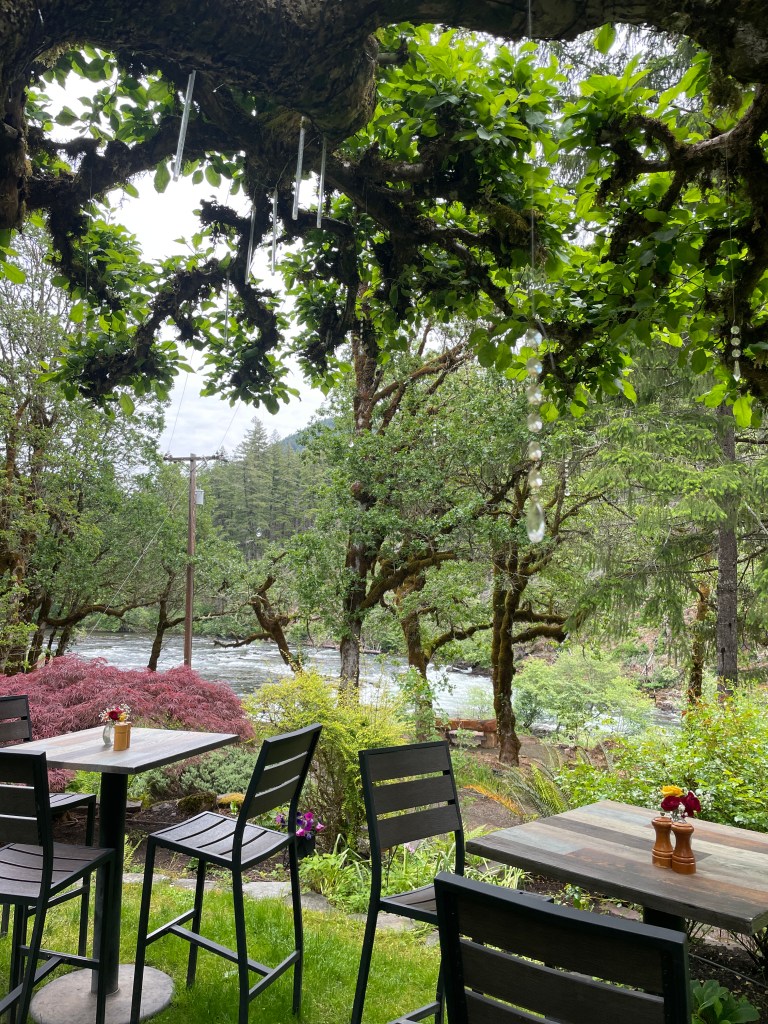
The gardens at the Inn are beautiful and poetic. I was there in May 2025 while columbine, azaleas, rhododendrons, ferns and mountain flowers lined the pathways to the guest rooms and outdoor patio. Stunning Japanese Maples and manicured grasses also made their presence known as the Umpqua roared past showering the rock outcroppings with a fine mist. While the Steamboat’s enchanting grounds, library and menu are enough to keep its visitors sated; the abundance of nearby waterfalls and hiking trails also beckon the Inn’s guests to come and explore as do the white water rafting rapids nearby. The area is definitely a nature lover’s paradise.
While the Steamboat has historically known as “the place for those addicted to fishing” it is also the perfect place to host weddings, second honeymoons and small conferences.
Located about 40 miles from Roseburg it is easy to grab a bottle of wine produced in the Umpqua Valley wine region as you meander towards the Inn located off the North Umpqua Highway.
The Steamboat is open for breakfast from 8 am-11 am, lunch from 11 am-3 pm and dinner from 5 pm-8 pm. The food is robust and the prices are reasonable. For further information call (541) 498-2230 or visit their website at thesteamboatinn.com
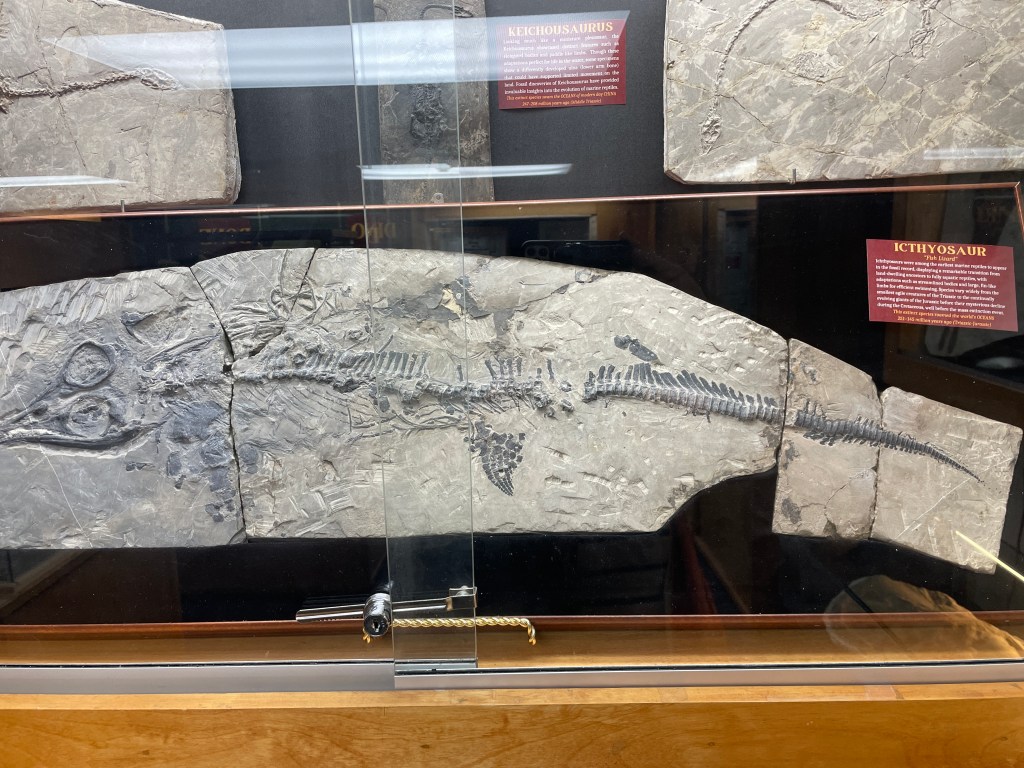
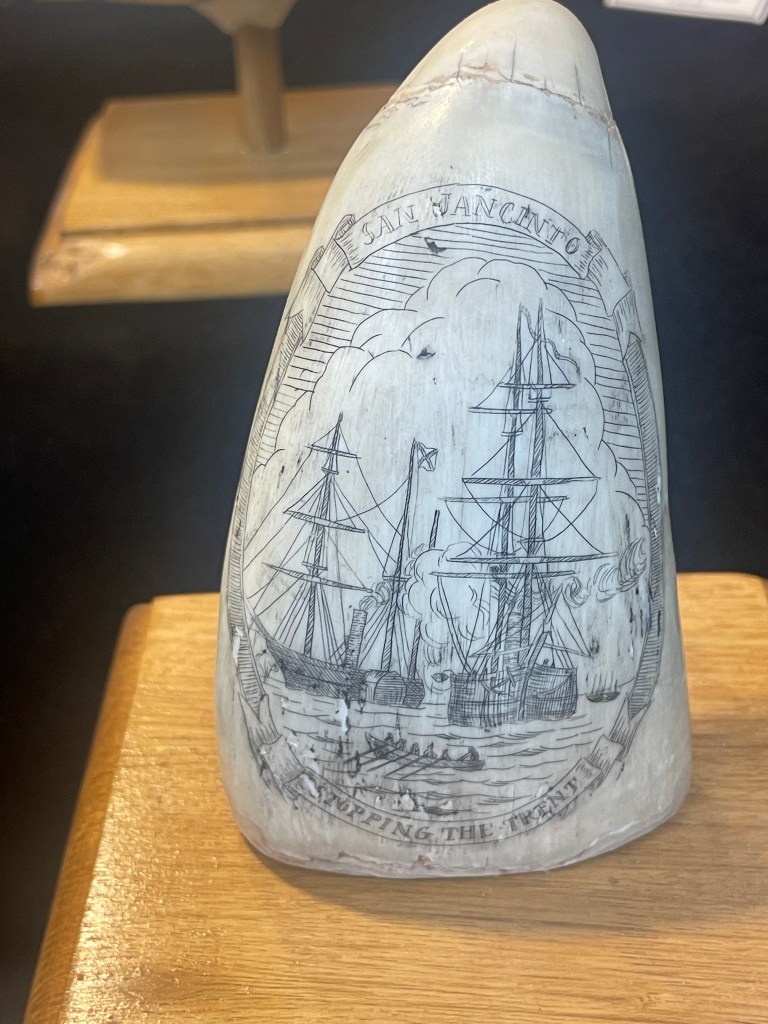
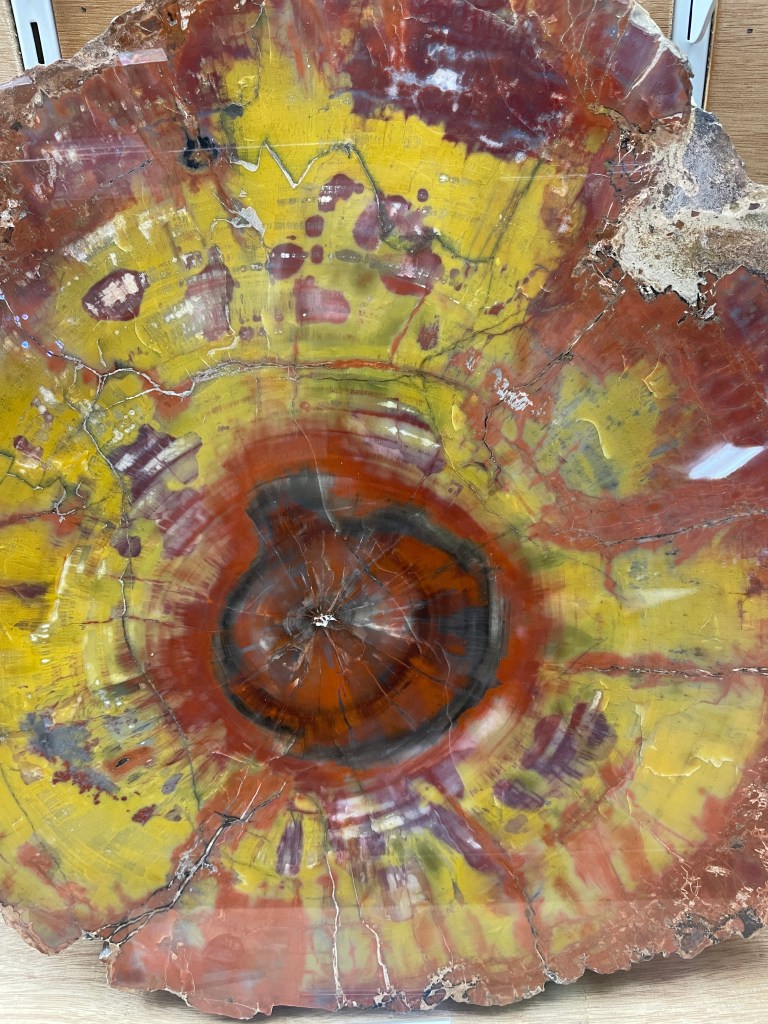
Going to a rock museum often elicits cries of “How boring. Who wants to look at a bunch of rocks?” This response can often be heard from just about everyone involved. But if you can just corral everyone into the car; after visiting Crater Rock Museum it will become a favorite pastime for your family to just to meander about. And best of all the price for admission is minimal.
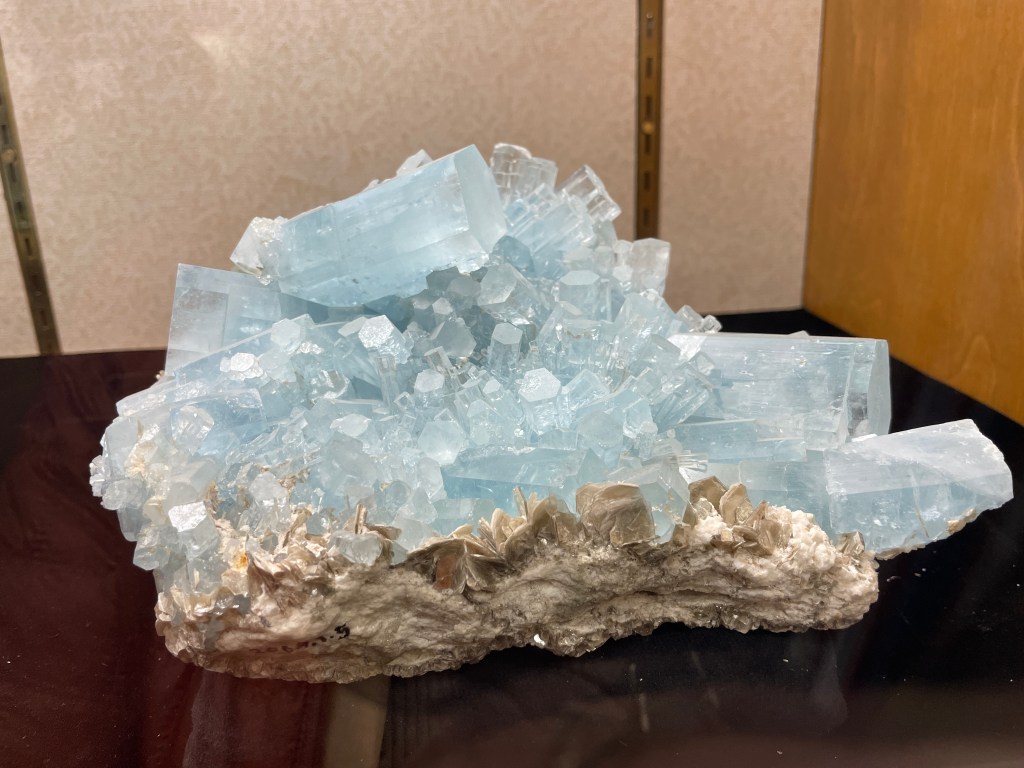
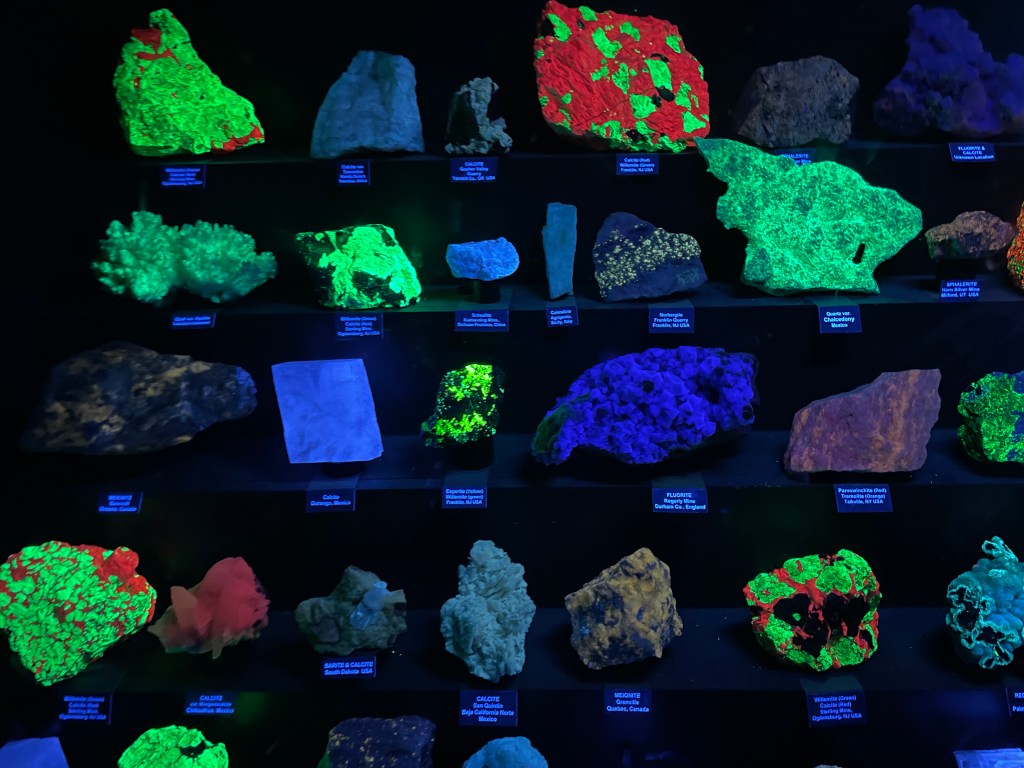
You enter the museum through a gift shop full of rocks, books and other items typical of such places. In fact, the room is so large that at first I thought it was the museum itself. But was I wrong. This collection of rocks, fossils, artwork and gems travels from one exhibit hall to the next. It is a seemingly unending labyrinth that is stuffed to the brim. From local rocks to geology curated from around the world, the species are spectacular and the variety of colors explosive! There is even a black light room which contains a fluorescent mineral display that kept the kids enthralled.
My explanation about this incredible gem of a museum really can’t to it justice so you will just have to look for yourself.
Even more impressive is the museum offers a variety of classes and workshops on such topics as geology, wire wrapping, lapidary, and cabochon. Perhaps one of these hands-on learning opportunities might just be the perfect Christmas gift for someone on Santa’s list!.
The Crater Rock Museum is located at 2002 Scenic Road, Central Point, Oregon.
Phone: (541) 664-6081.
The museum is closed on Sundays and is open a variety of hours throughout the week but mostly between 10 am – 3 pm.
If I had a few hours to kill I certainly wouldn’ miss the finest rock collection on the West Coast. I guarantee that you won’t be disappointed that you made the trip!
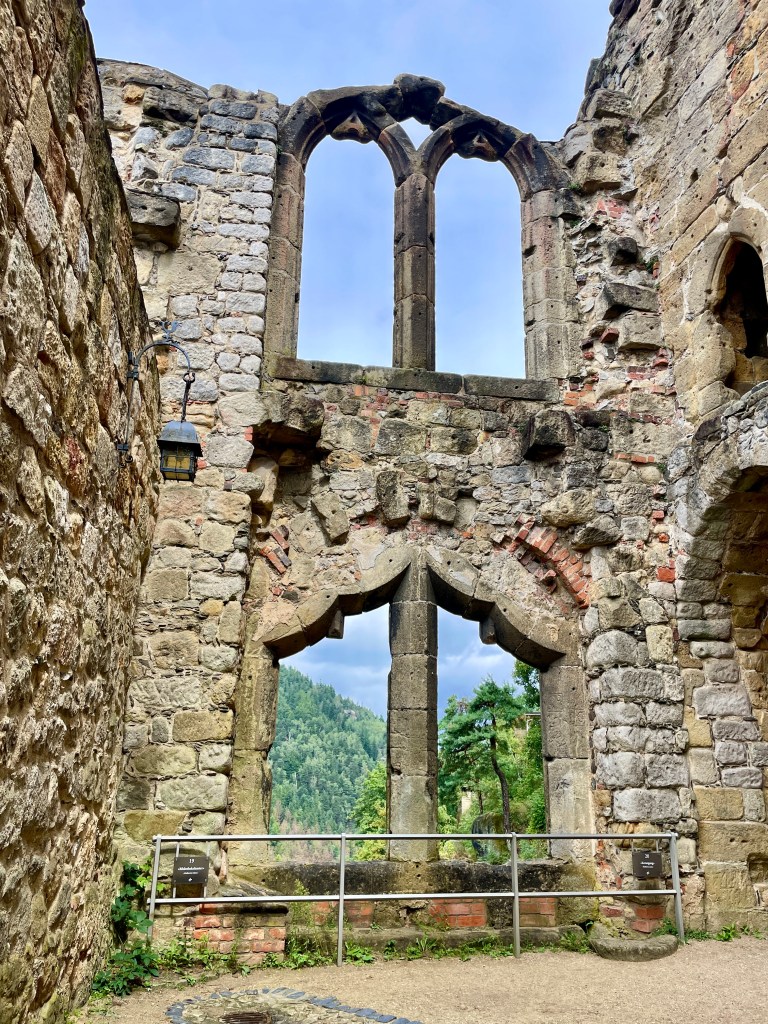
I have been extremely fortunate to have had many ethereal experiences during my lifetime. The “best” ones arrive as a complete and utter surprise, a supreme blessing if you will. This is exactly what happened when Mark and I visited Oybin Castle and Monastery this past August. This stunning complex is located in the state of Saxony in Germany just a short distance from the boarder of the Czech Republic.
Mark straddling the border
The town of Oybin is charming and one of its claims to fame is that Napoleon stopped in the town.
The castle itself sits atop a huge sandstone cliff and was thought to have been established in the 13th century as a way station. It grew under the auspices of George of Lipe’ during the 14th century. Sometime in the middle of that century, Charles IV, King of Bohemia, expanded the castle and established the Celestine Monastery. The castle was struck by lightening in 1577 and fell into disarray until 1990 when the entire complex underwent extensive rennovation.
To get to the romantic ruin you can either take a high steep trail or a small pull along train that can be caught in the parking lots below the castle. It costs a few bucks for both the parking and the train. There is also a small entrance fee at when you reach the castle gate of 5-8 euros.
Views of the castle
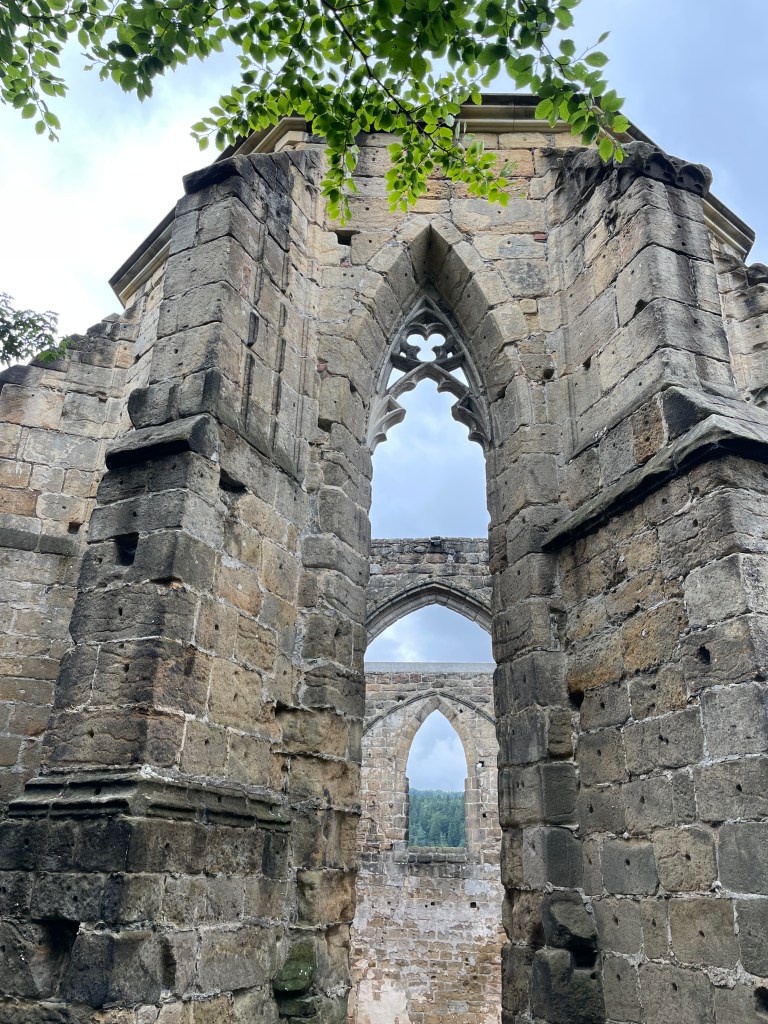
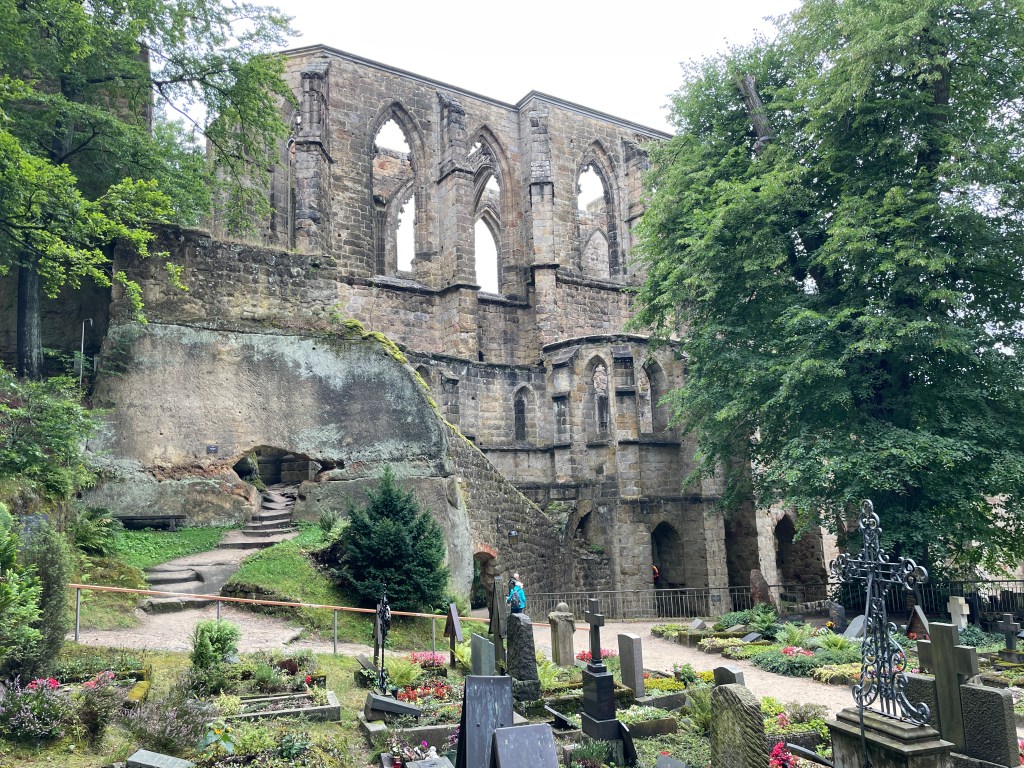
The Gothic monastery is a few steps from the castle. It is a masterpiece with soaring “windows” which frame the “far-as-the-eye-can-see” vistas surrounding it. It is thought that a small number of very forward thinking monks lived in monastery at a time who installed under floor heating during the construction of their home.
View of the Monastery
While we were strolling through the back of the Monastery (as pictured above) we began to hear the soft and lovely strains of a violin. Upon climbing the stairs we were drawn deeper into the ruins and the beautiful acoustics that can only be heard in a building such as this. And so I leave you will a video of the magnificent surprise that greeted us that day and which we hold as a sacred memory in our hearts.
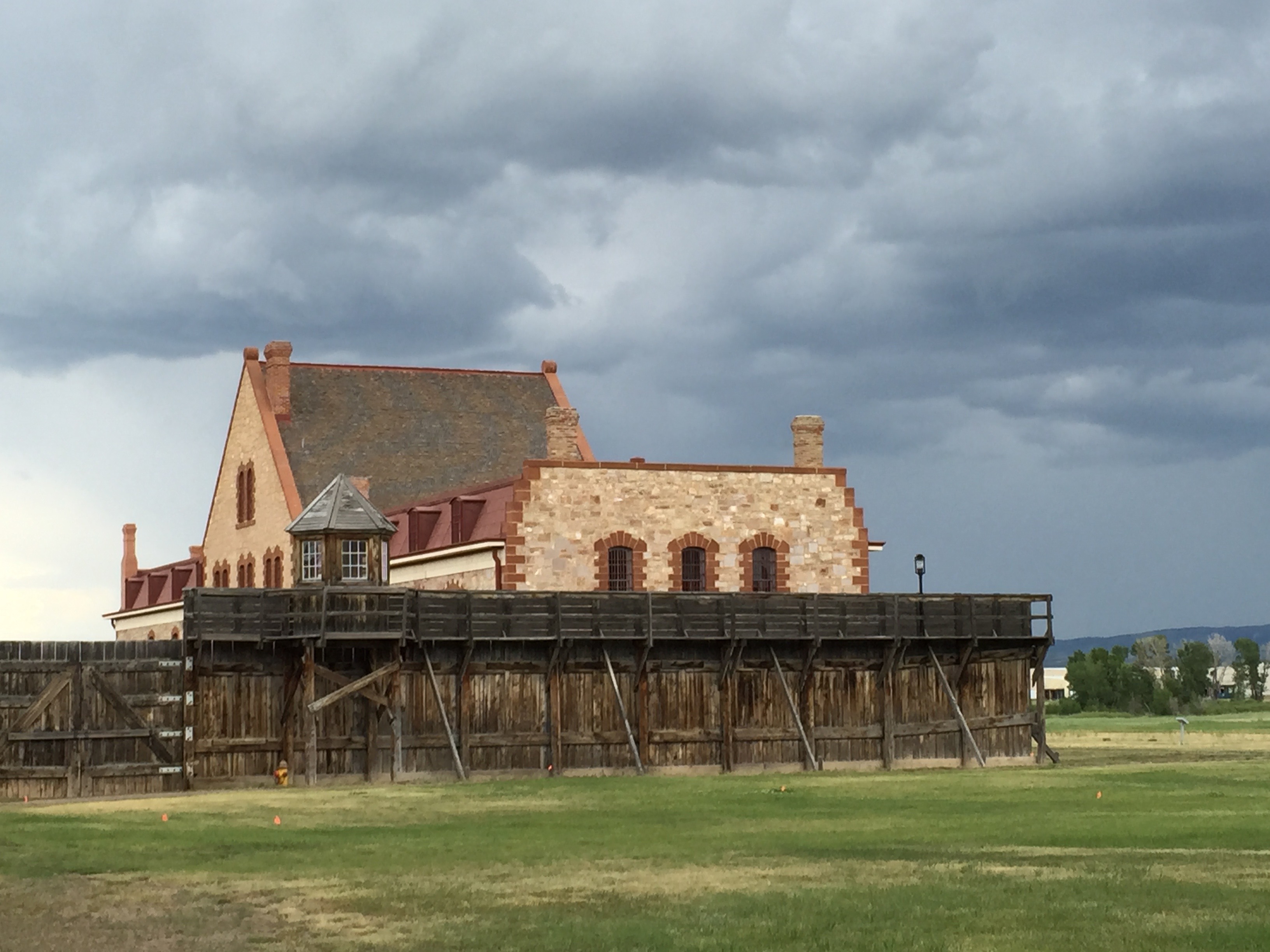
One of the more interesting and kid friendly places we visited this summer was the Wyoming Territorial Prison outside Laramie, Wyoming. Totally restored and sitting on 197 acres, it was built in 1872 as a federal prison and operated as such until 1890 when it became a Wyoming State Prison (1890-1903). It is one of the three territorial penitentiaries that still exist in the West and the only one that has survived intact. The most infamous convict to grace it’s interior was Butch Cassidy who served a sentence here for two years.
After arriving at the Visitors Center where friendly Wyoming Folk answer all your questions with smiles upon their faces you exit out a side door onto the immense grounds. After a short walk you arrive at the Warden’s House which was built by the convicts in 1875. Restored to that era there is a lot of the past for the kids to see and experience. including the clothes worn during that time period and how houses were set up.
The prison itself is amazing. Clean, fresh and fully restored; visitors can enter the cells, see the kitchen, and visit a very informative museum. My children learned a lot about the Old West and how people were treated while incarcerated back in the “Good Old Days” and each child was given a convict to look for and learn about. Murderers, horse rustlers, forgers, and con artists (both men and women) were all housed within the prison’s massive stone walls. The clanging shut of the old iron doors is one sound I won’t soon forget.
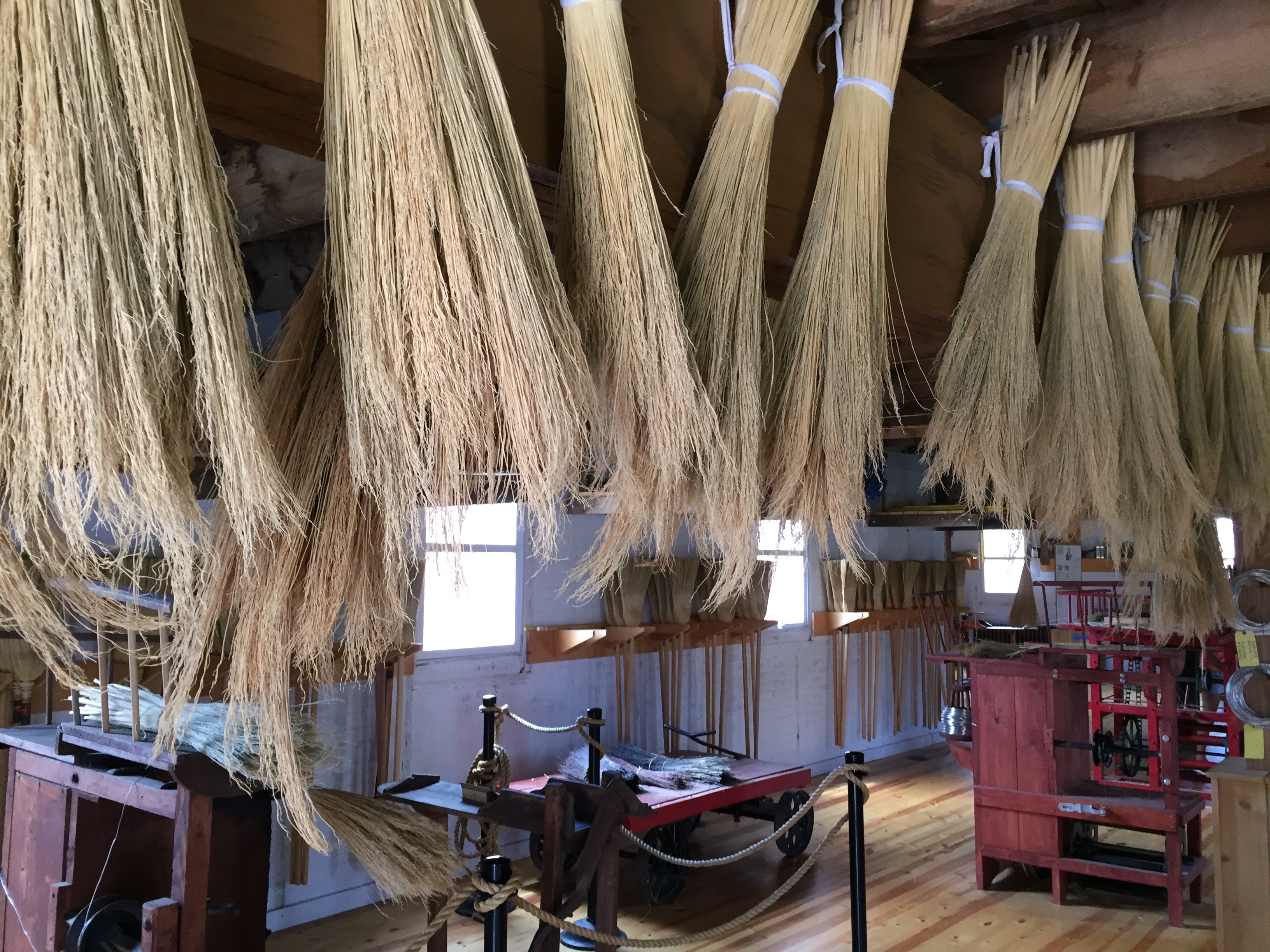
My kids loved the Broom Factory which served as an industry for prison labor. Began in 1872 it supplied broom throughout the United States and had an amazing output of some 720 brooms per day. The machinery inside is interesting and you can even doing some making of your own.
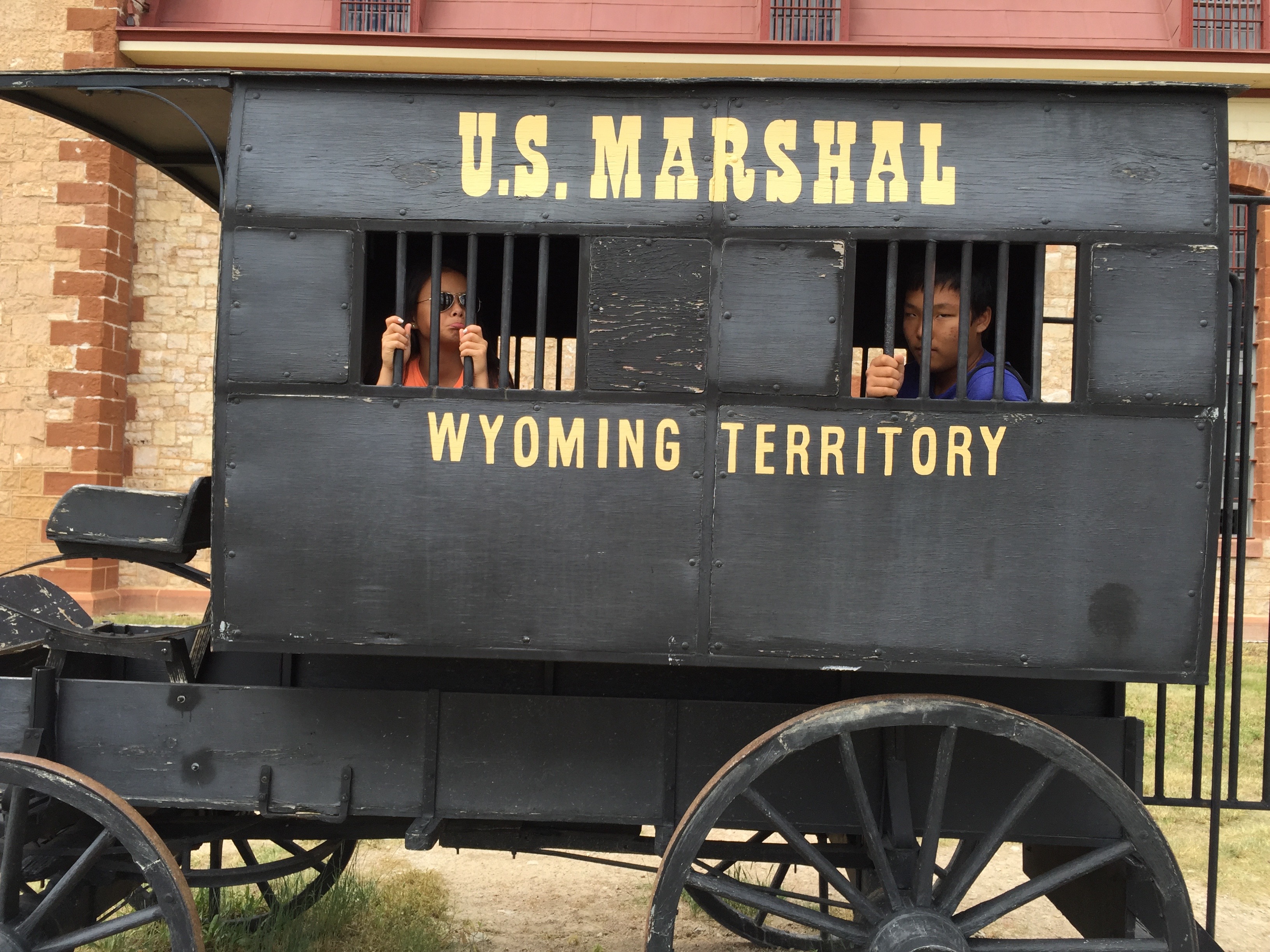
Throughout the grounds there are coaches and prison paddy wagons for kids to climb over and on. For youngsters who have been cooped up in a car it is the perfect way to burn up some energy. There is also an 1880s Ranch Building display with lovingly interprets ranching during that time in the Wyoming Territories. A huge nature preserve with walking trail can also be found on the grounds.
This is one place you and your family will love. It’s worth the ride!