The Embera’ of Panamá

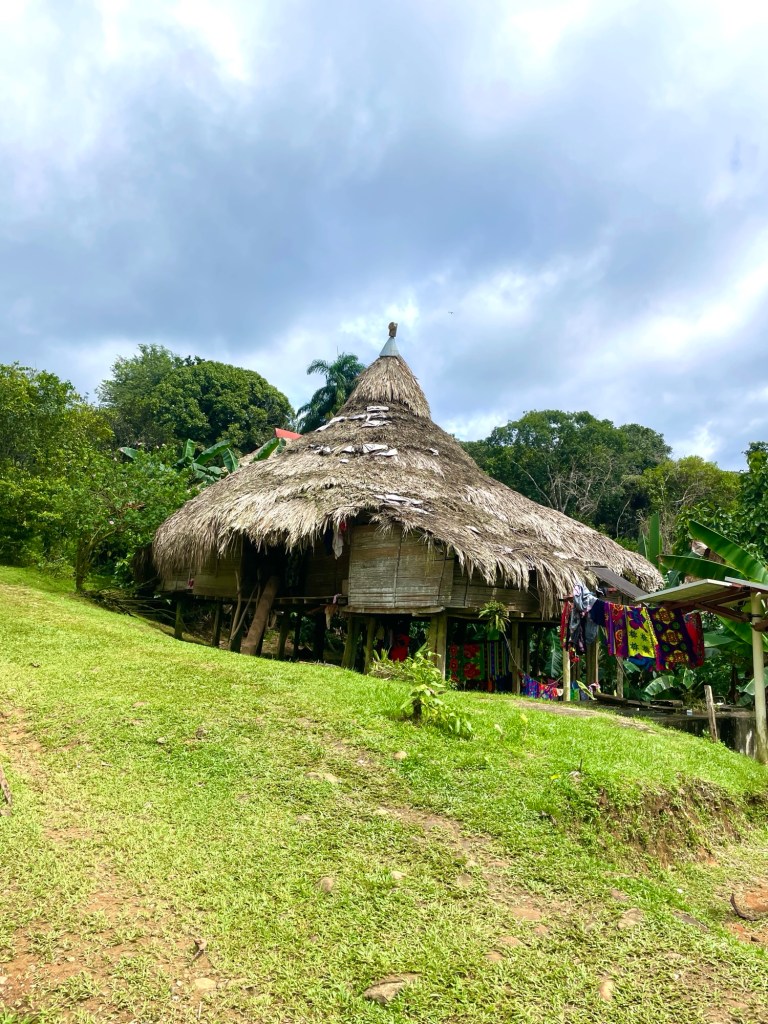
Today I visited the indigenous people known as the Embera, who have lived within the forest of Eastern Panama for thousands of years. Surviving primarily through fishing and growing various crops; the Embera’ now earn a living by educating tourists as to their way of life over many millennia.

Arriving at the river we were greeted by men in traditional clothing and ushered into dugout canoes for our journey up the waterways.

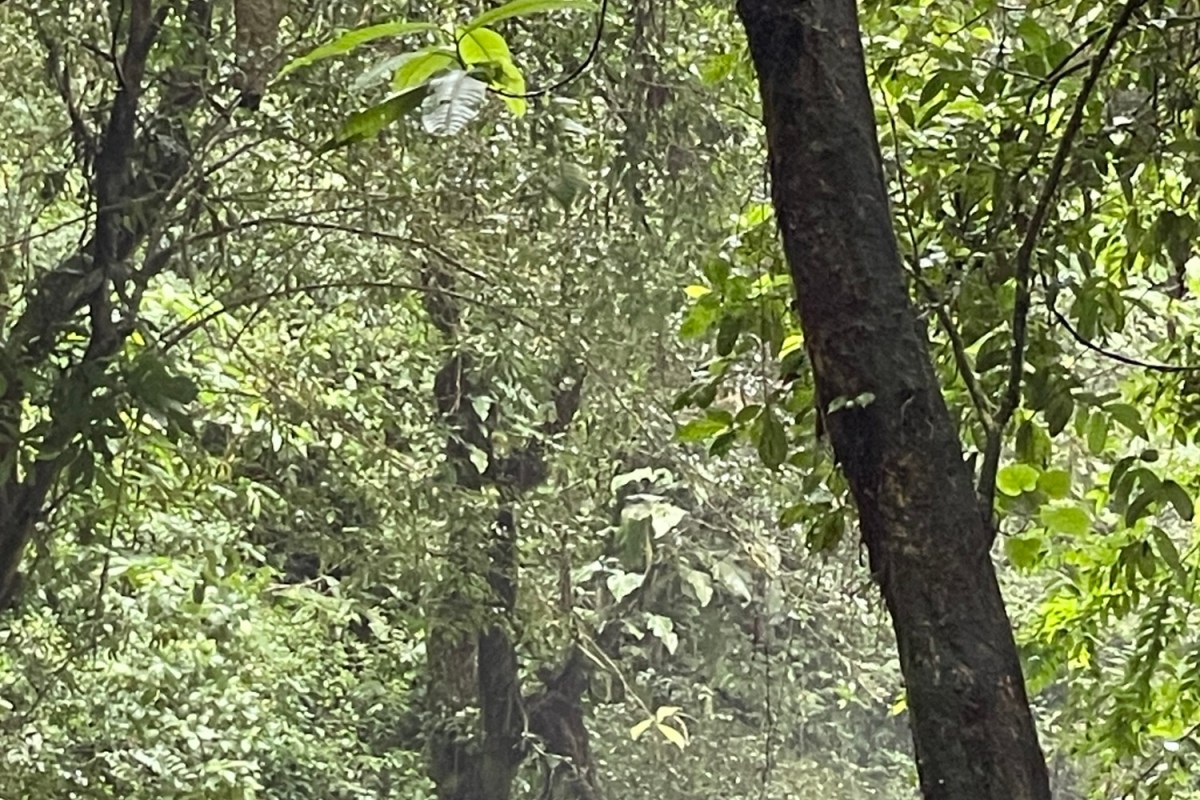
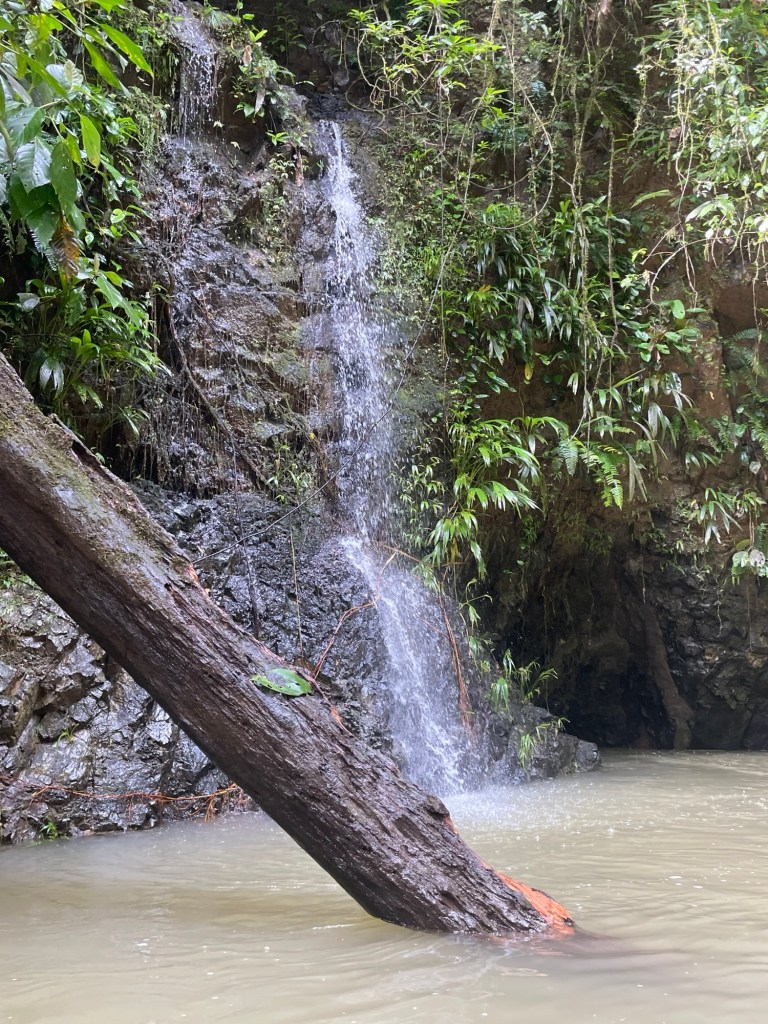
Our adventure really began as we ventured onto the river’s tributaries spying huge neon blue butterflies drifting along the banks, blue herons standing on their tall skinny legs around the waters edge, and small waterfalls sliding down the hills. Finally, we arrived at the biggest waterfall in the area where we had to clamber along slippery rocks in order to enjoy its fine mist and thundering show. The sacredness of this beautiful place was not lost on anybody.
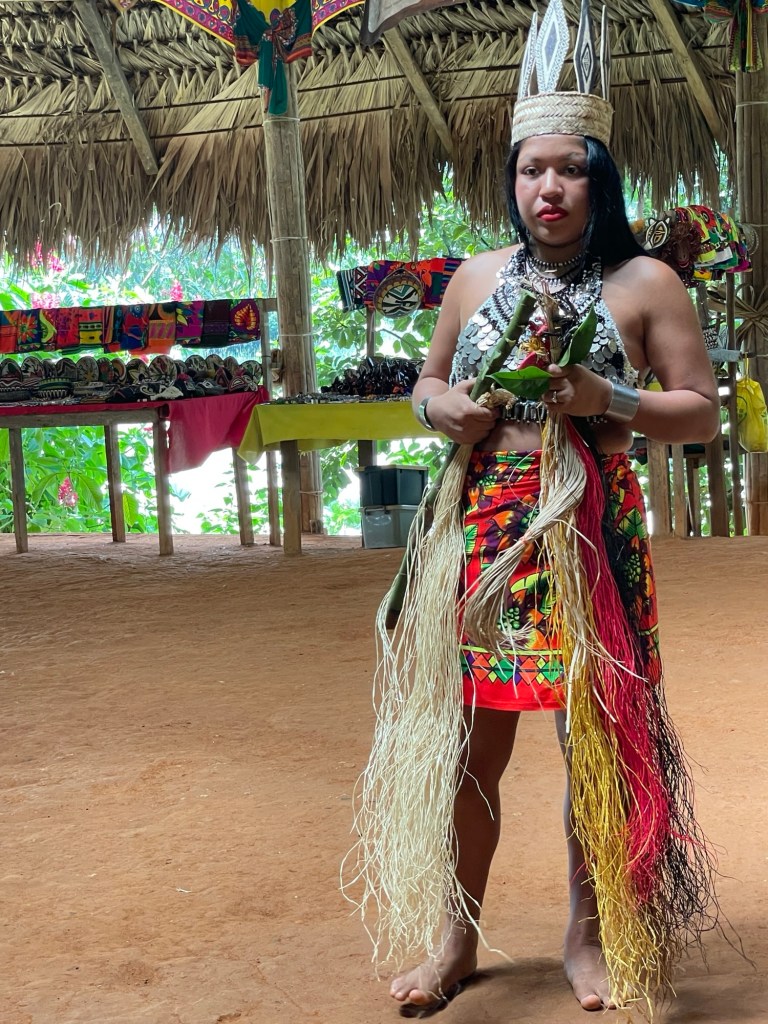
After experiencing the earth’s natural tranquilities we headed to the Embera’ village where we listened to an educational program about the tribe, learned about how baskets and made through naturally dyed chunga palm fibers and heard the story of how tribal justice is delivered using interlocking foot boards, honey, and any insects that decide to make their way to the disgraced person via that sweet honey treat.

The Embera’ are also known for their use of kipara which decorates their bodies and unlike a permanent tattoo only lasts for several weeks. The color is derived from the Jangua fruit and the art of kipara has been shown to repel mosquitoes as well as other kinds of insects.

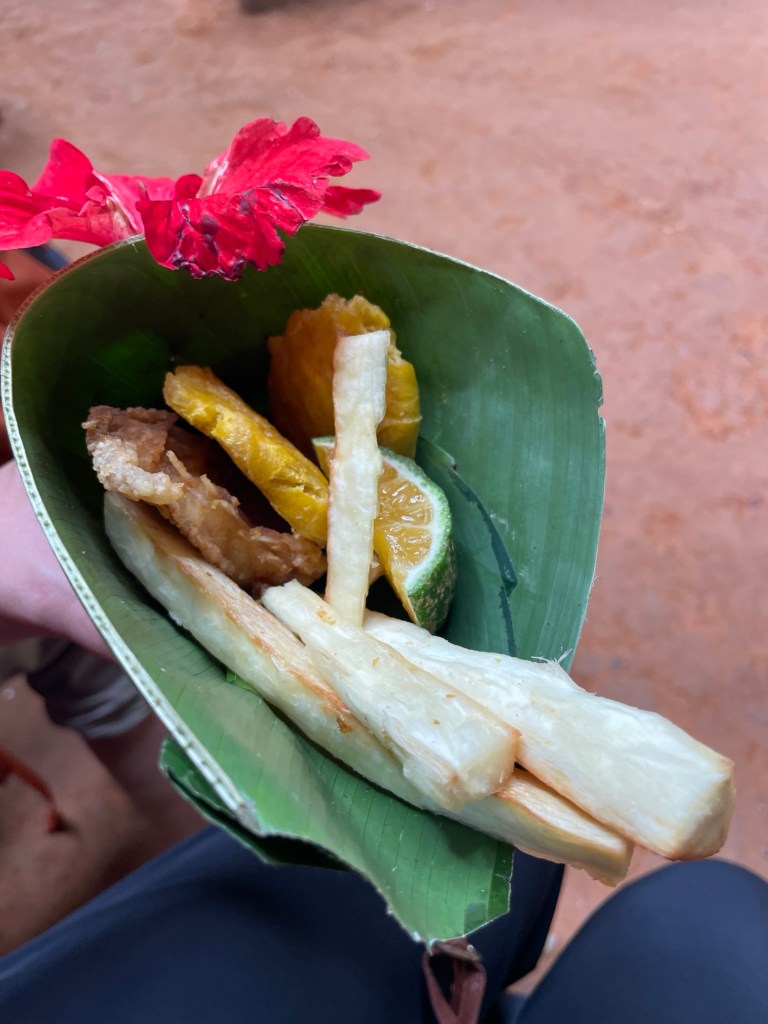
After the program we feasted on a lunch of taro, fresh-caught fish, and various fruits. It was delicious!
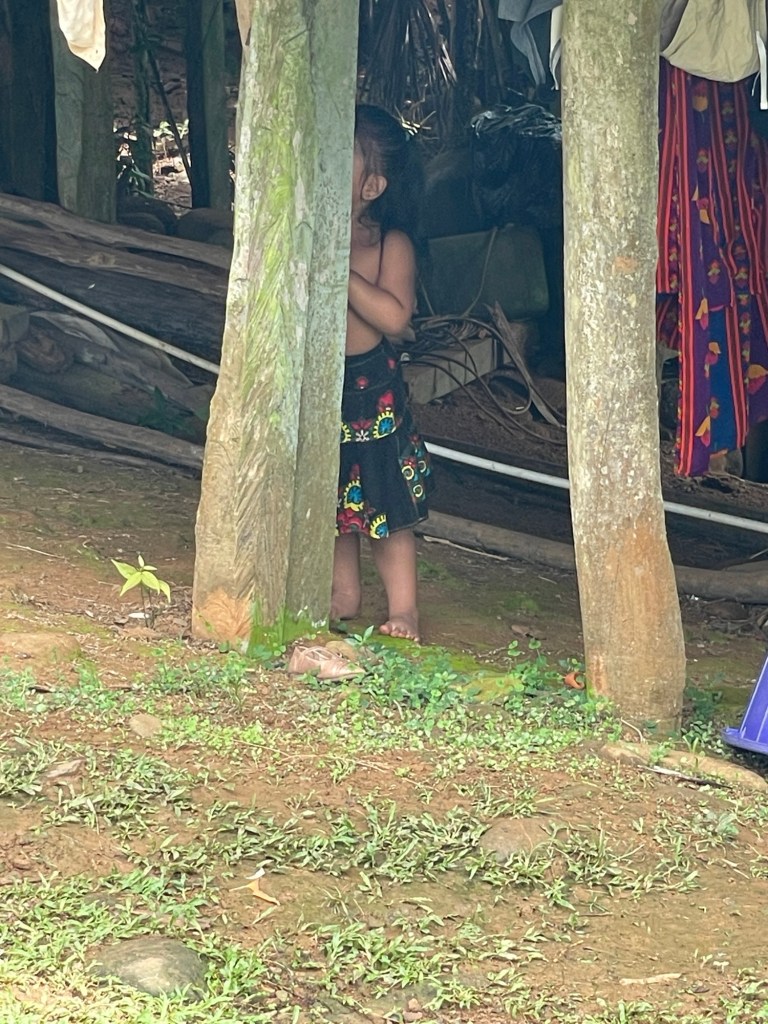
One of the things I enjoyed the most was a little girl who climbed down the steps of her home and hightailed it under the house in order to hide from her mother. She looked at me and put her finger to her lips to let me know in no uncertain terms that I was not to inform her mother as to her whereabouts as she scampered away!
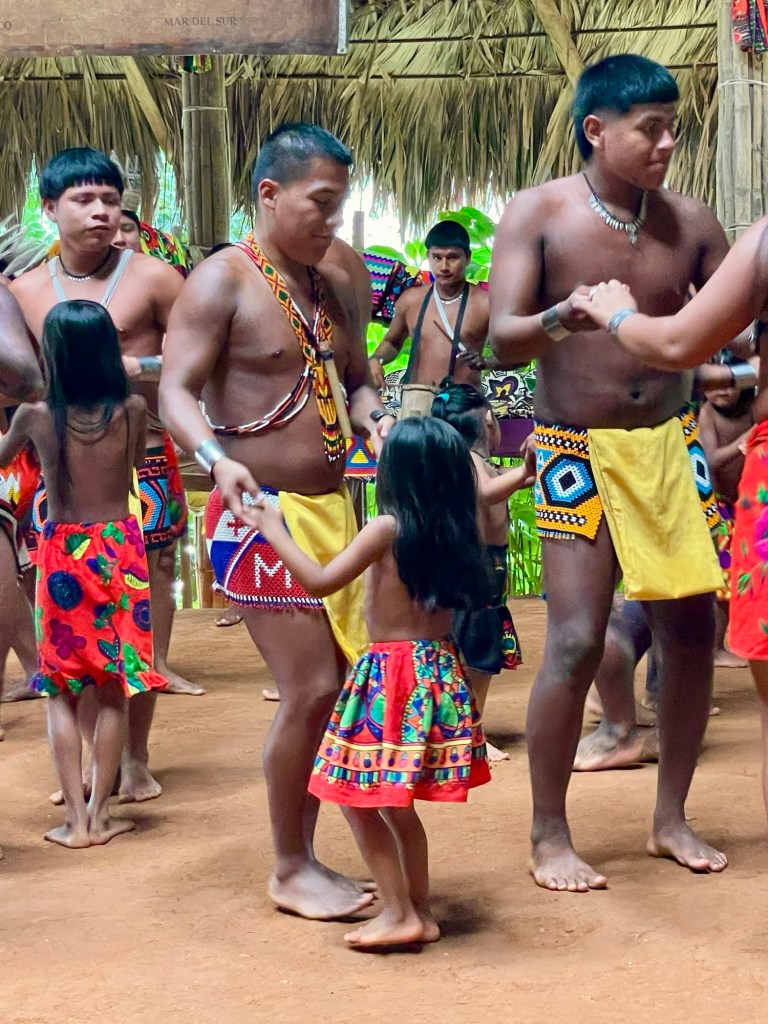
After lunch we were entertained by the traditional dances of the Embera’ people and asked to participate after a demonstration. Let’s just say my partner was lucky that I only stepped on his barefoot toes once with my two left feet!
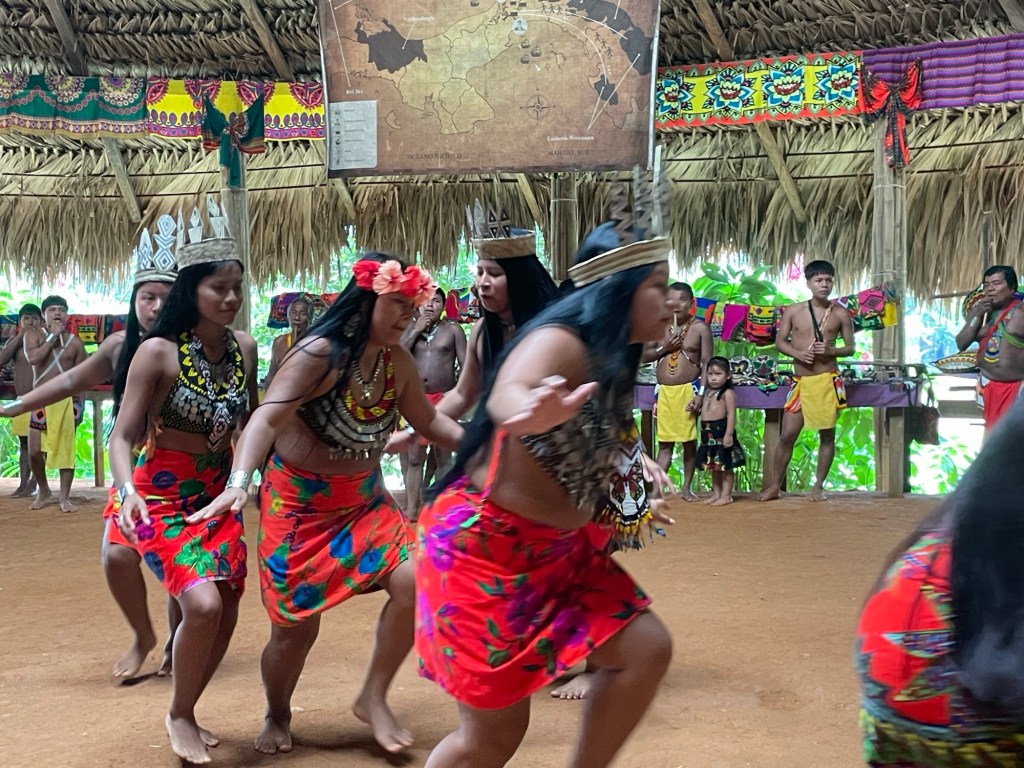
All too soon it was time to head back to “civilization” after shopping for traditional artwork made by the villagers. All in all a great and well orchestrated experience which was fun and educational too.

My new basket! Isn’t it amazing!

THE CHURCHES-LIFE OF THE CITY

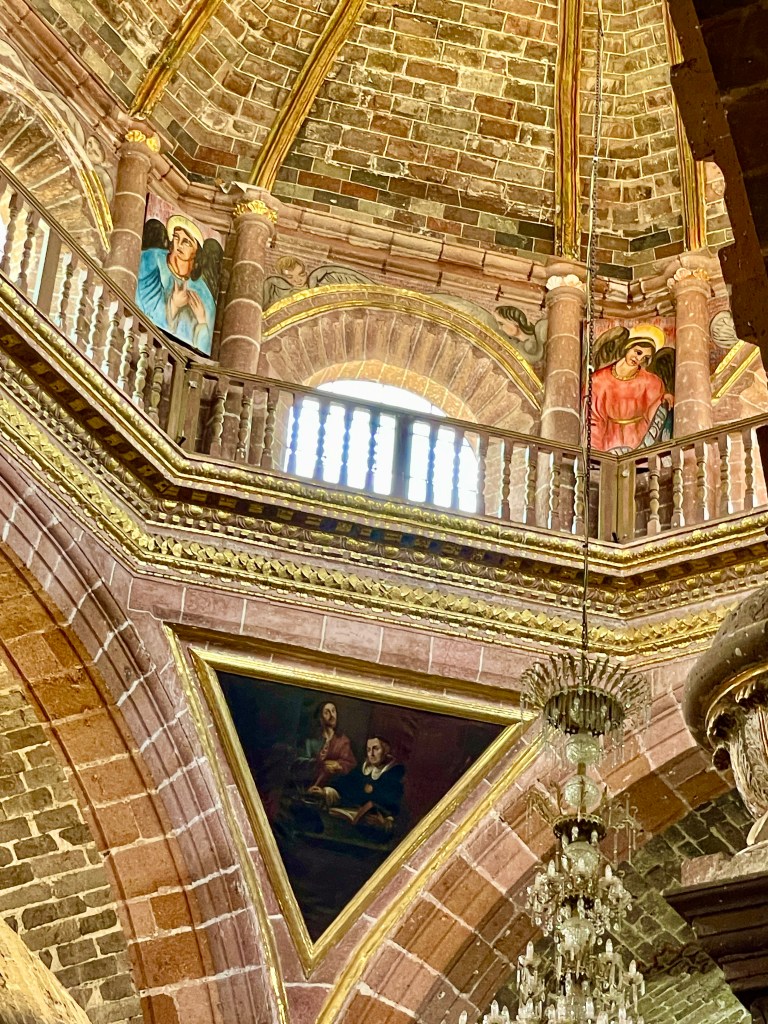
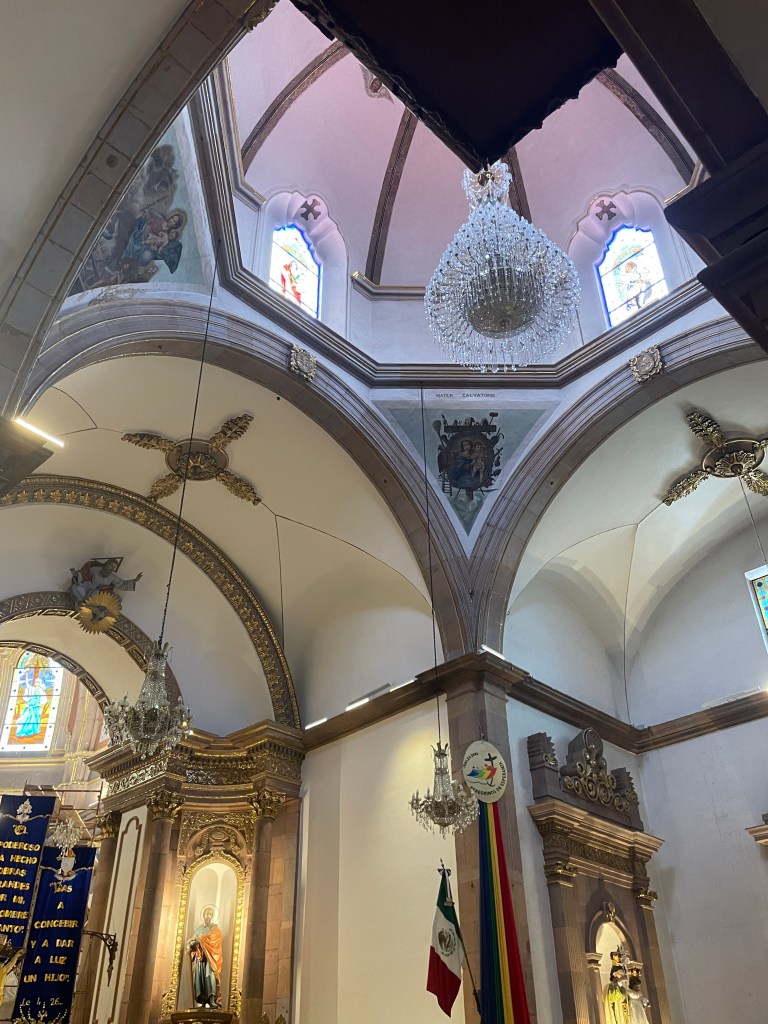
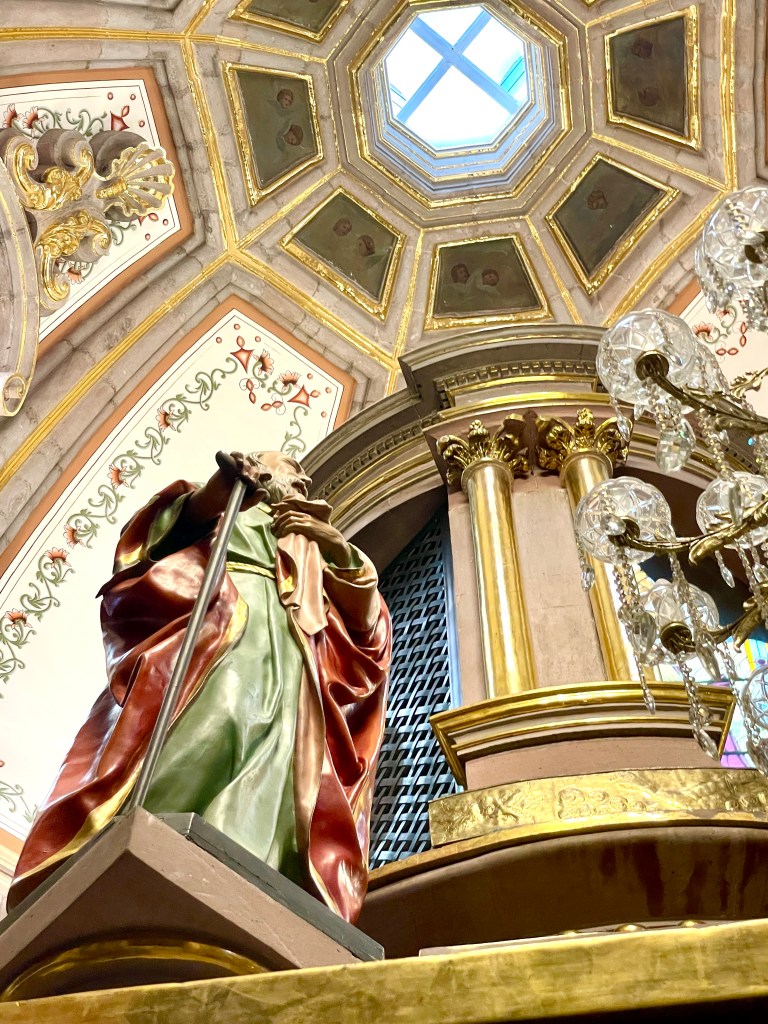
I have been to so many churches since I arrived here. I love the architecture that these old buildings possess. The artwork, murals, painted ceilings, and biblical depictions are all inspiring (okay, a few are frightening) and help us have an insight to those things that drew people to the Catholic Church in earlier times. The thick walls of the church also provide a respite from the heat and also from life’s troubles. Perhaps what I enjoy the most though is just walking in, sitting down, and listening to the music and the chants echo off the walls of the sanctuary. It gives me a sense of peace and serenity that I can carry with me the entire day.

Parroquia de San Miguel Arcangel- San Miguel Allende

With over 40 churches in San Miguel it is difficult to choose a favorite but Parroquia de San Miguel Arcángel is definitely the most well known and perhaps the most beloved of area residents. Towering over the city, the construction of the church began in the 1600’s under the auspices of the Franciscan Friars, after a smaller church from the 1500’s was demolished. The building is a surprising blend of different Neo-Gothic European influences and the resulting Spanish colonization that swept over these lands. This immense church was completed in stages at various points in history but it was when a local master stone mason, Zeferino Gutierrez, began construction of the current facade in 1880 that the Neo-Gothic architecture was put into place. Gutierrez had no drawings to guide him and he designed Parroquia de San Miguel Arcángel after seeing pictures of the great cathedrals in Europe. To think that one man had such vision as to be able to change the entire feel of a city just amazes me.

The interior of the main building is vast. Yet, there are several different less imposing chapels including the Chapel of the Third Order with frescoes throughout which depict the life of St. Francis of Assisi.

The Chapel of the Third Order

Across from Parroquia de San Miguel Arcángel is a city plaza with tall shade trees and park benches. It is here that you can truly feel the vibe of San Miguel and absorb the influence of the city and the locals who surround you. So take a load off…sit…listen to the church bells ring across the valley…and let yourself sink into a nation that still reveres its history and the people who still help to influence it today.

Basílica de Nuestra Señora del Pueblito

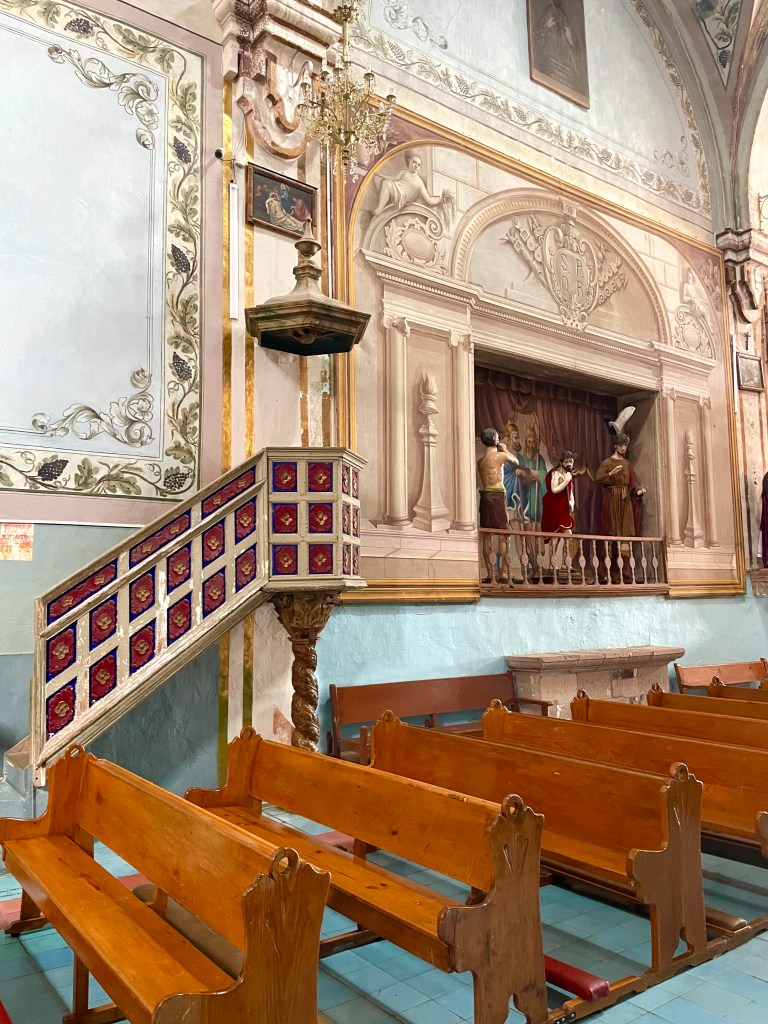
Another Church that I fell in love with was located in the town of Pueblito and is known as the Basílica de Nuestra Señora del Pueblito. It is the church that I mentioned in my post about El Cerrito, The Pyramid of Pueblito, and it is the one that you are suppose to be able to hear the sermon from the pulpit all the way up the hill.

This church is much smaller then the one mentioned in San Miguel and it has it’s own special kind of charm that is quaint yet powerful which is evidenced by the faithful who attend daily mass.

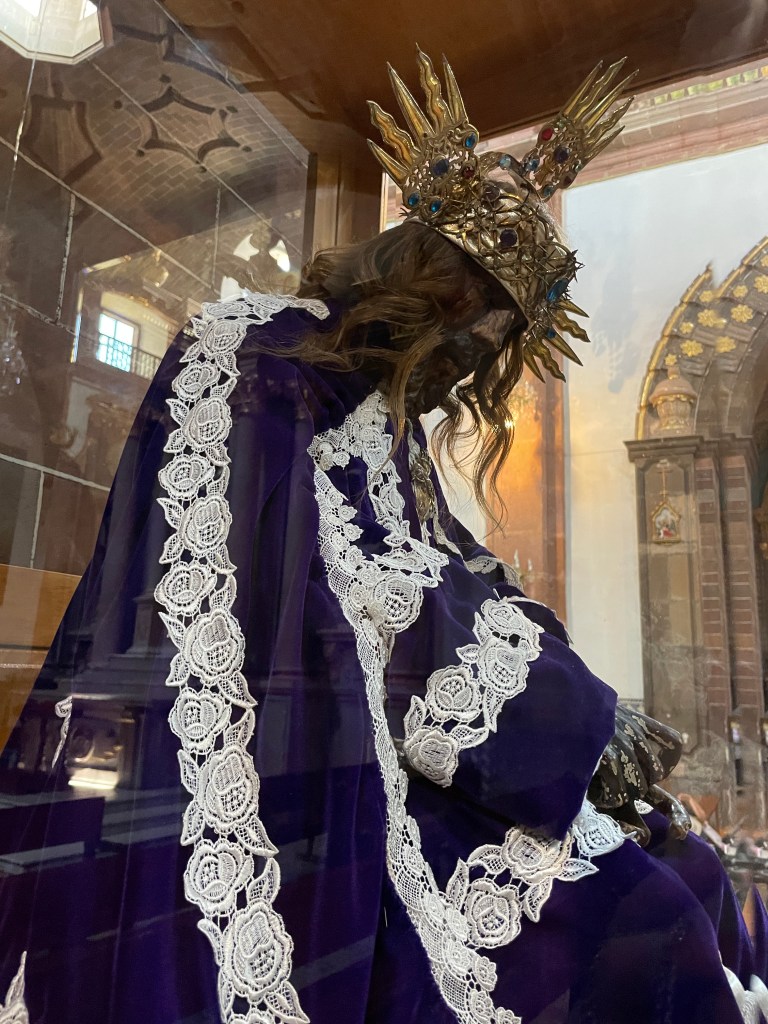
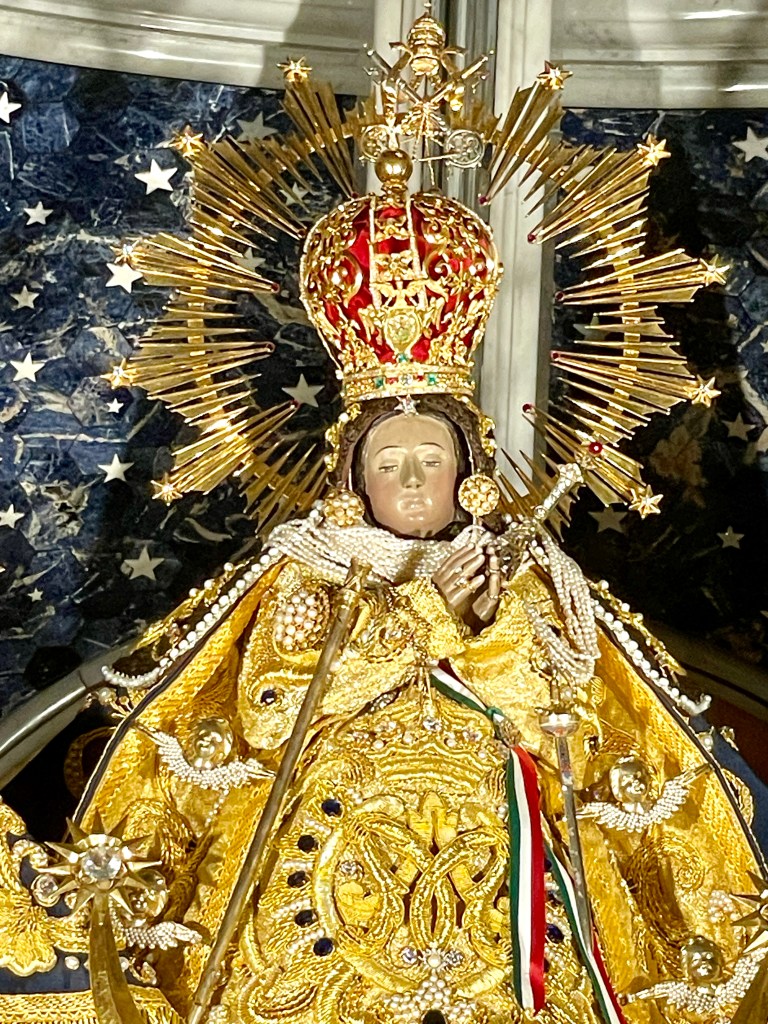
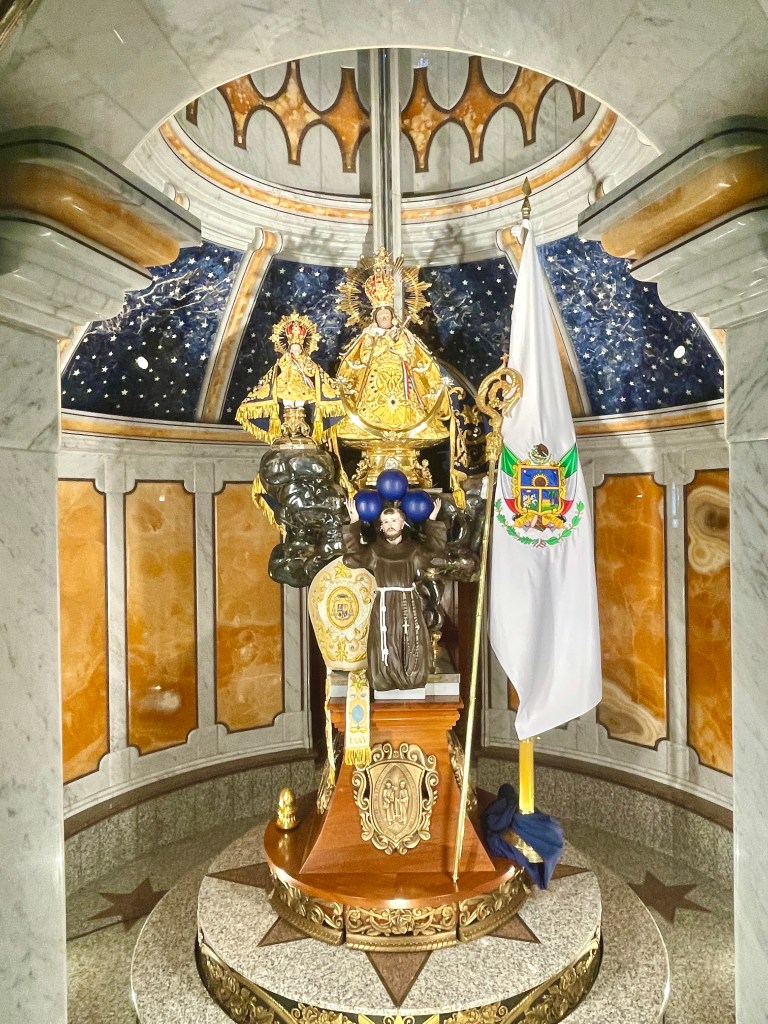
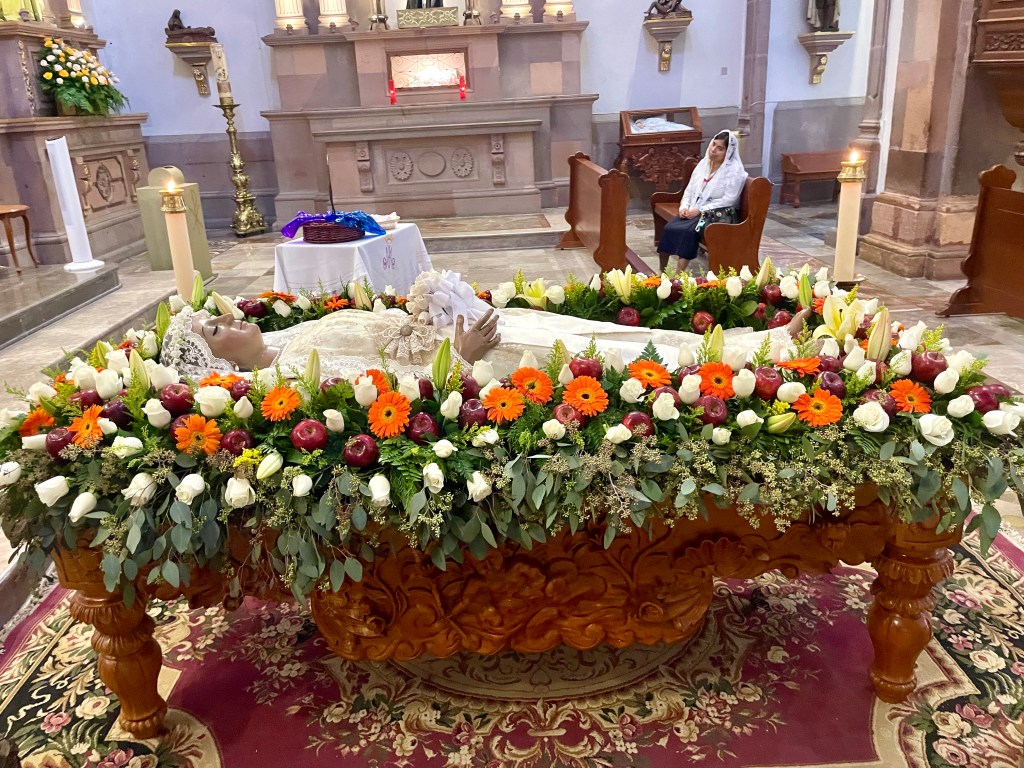
Basílica de Nuestra Señora del Pueblito had its beginnings in 1632 when Friar Nicolas Zamora placed the image of Immaculate Conception near the temple where he built the first adobe structure to house her. Approval for the present day building was granted in 1720 and construction was completed in 1750. Religious festivals for Mary are mainly celebrated in mid-February when the town comes alive. However, when we were there last week, the life-size body of the Virgin, was displayed below the altar where the faithful believed that the next day she would be lifted up to heaven.

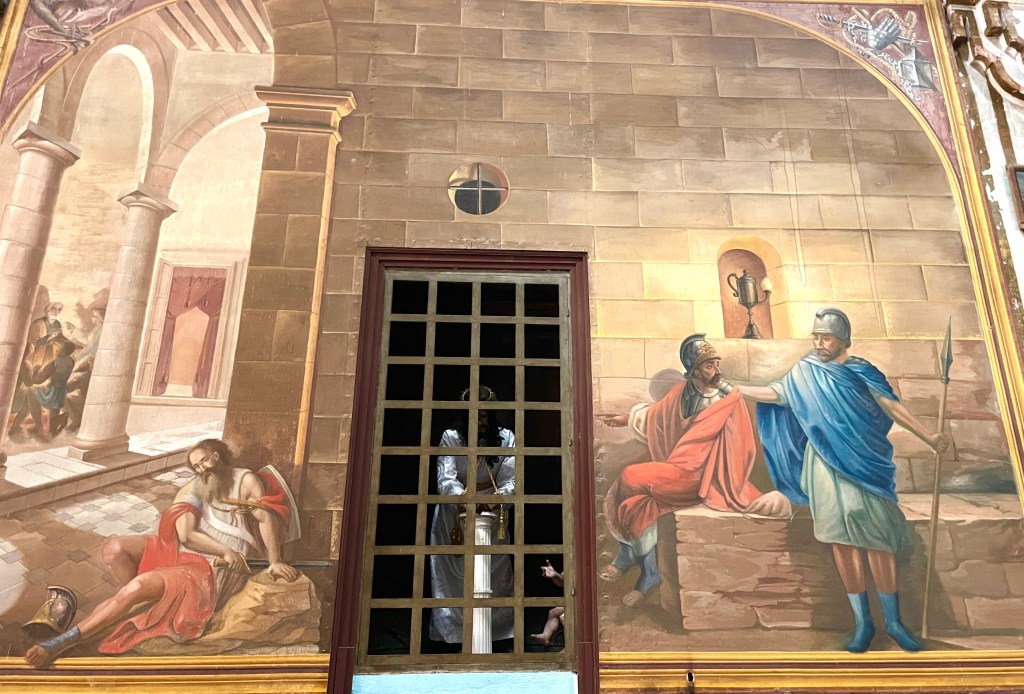
While small this church has so much to see and admire its the people whose dedication impressed me. When we were there a painter was hanging off a ladder busy painting the nave while services for the Virgin were ongoing during this week of celebration and the church was being cleaned top to bottom.

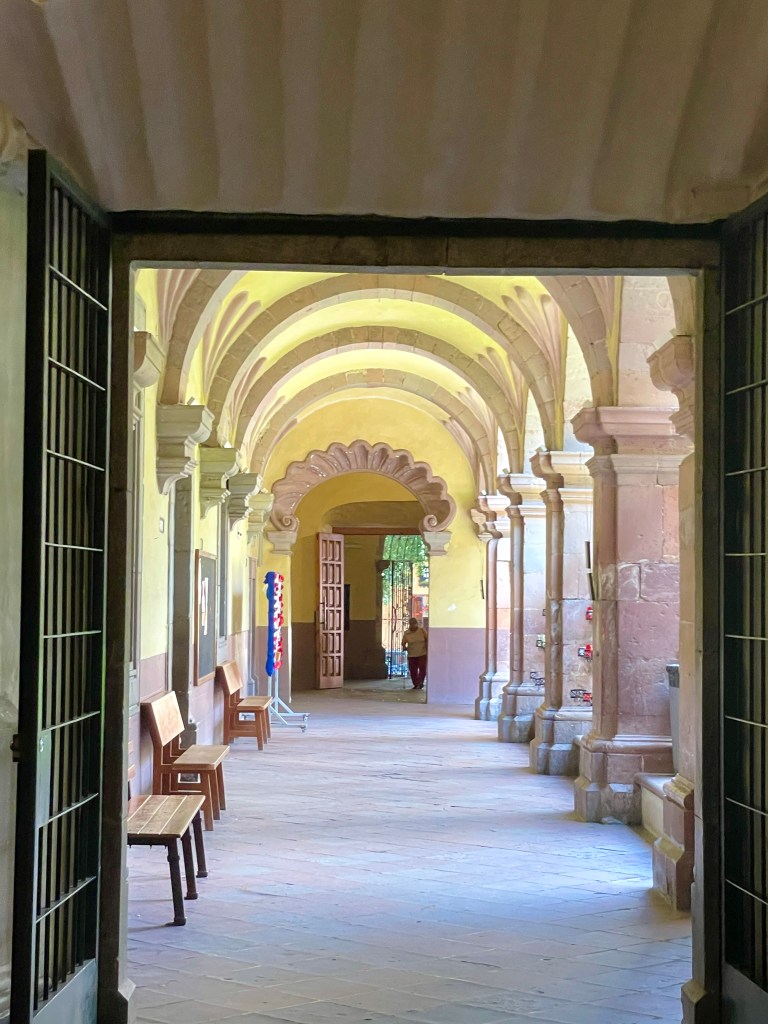
I think one of the things that made me aware of the dichotomy of past times and the modern demands of today was this sign I spied within the inner courtyard of the church. I will admit I chuckled out loud. I hope you enjoy it and a smile graces your face too.
The Haciendas-Oh My!

Historically, a hacienda is a huge estate brought to this area through the effort of Spanish Colonization. These vast tracks of land covered entire valleys and were responsible for agricultural enterprises and often the forced servitude of indigenous peoples. Today, many of buildings have been turned into upscale hotels and restaurants which are amazing to visit. I have been to a couple since I arrived and today I am going to share them with you.

Hacienda Laborcilla

Nested in the heart of the city of Queretaro; Laborcilla literally took my breath away. Built in the 18th century the hacienda once served as a main house for the family, a school, and even an event hall over the years. Now open to the public as a grand restaurant, the food and the atmosphere are simply magnificent. The gardens are drop dead gorgeous and the menu is divine.

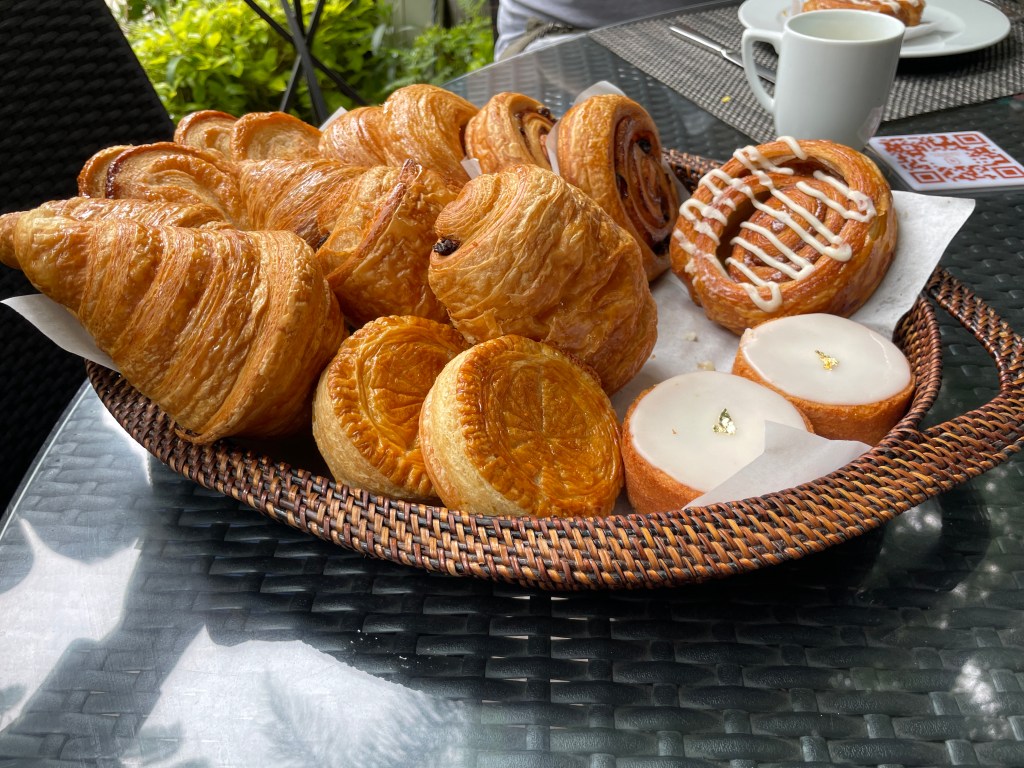
I have to tell you that coffee here in Mexico is truly remarkable and when you order juice is it always fresh squeezed. It is an amazing way to start your day… combined with the basket of fresh pastries that was brought our table almost immediately upon being seated.

For breakfast I had enchiladas suiza which were filled with chicken breast and cheese topped with bacon. It was an amazing desayuno.

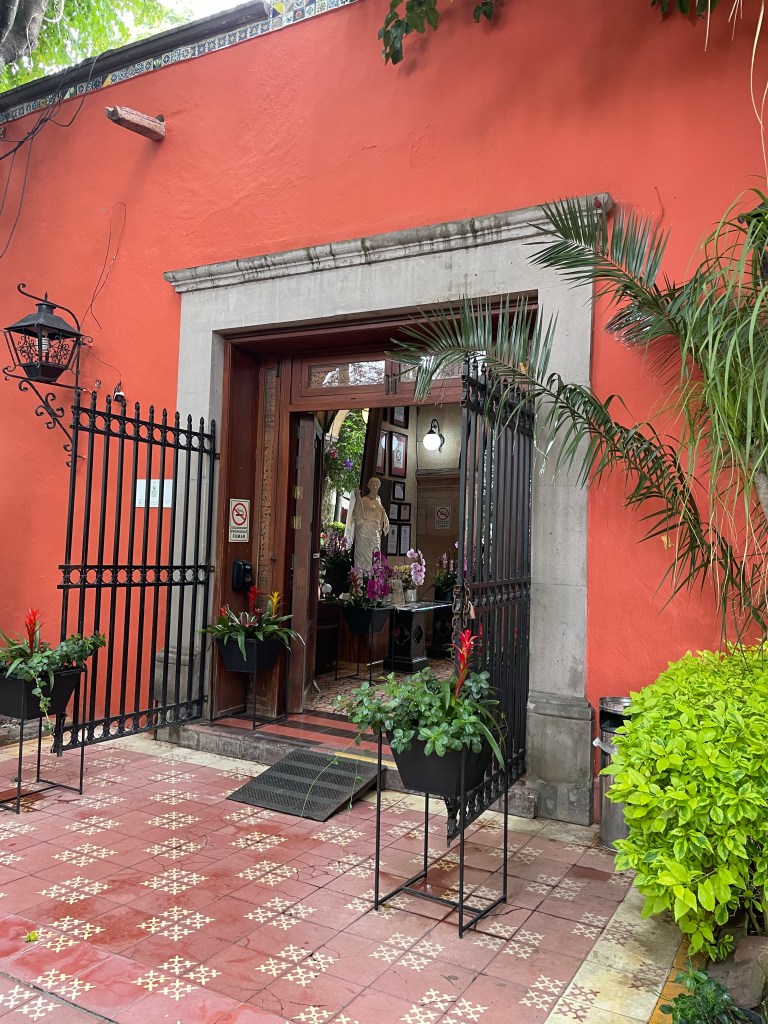
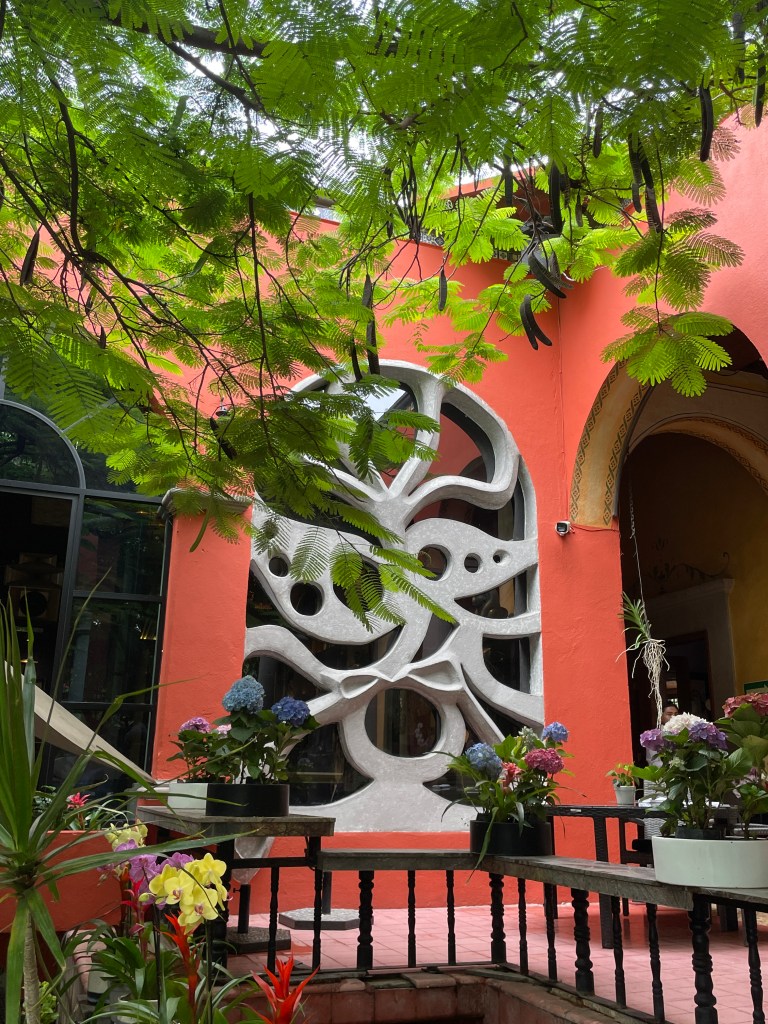
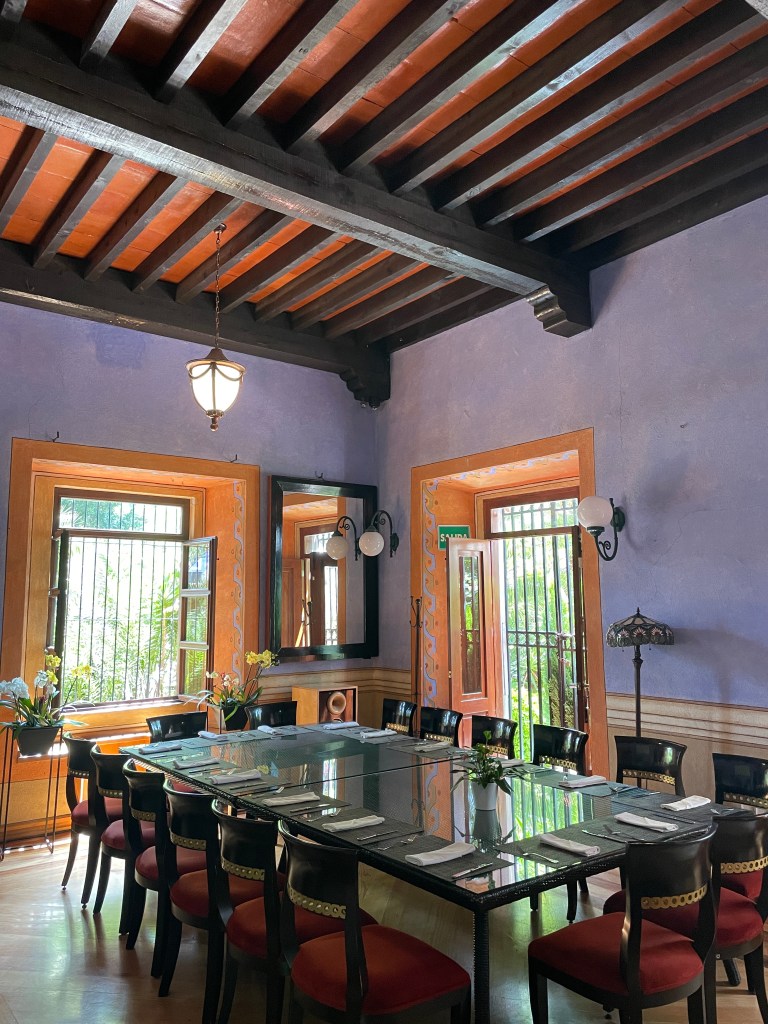
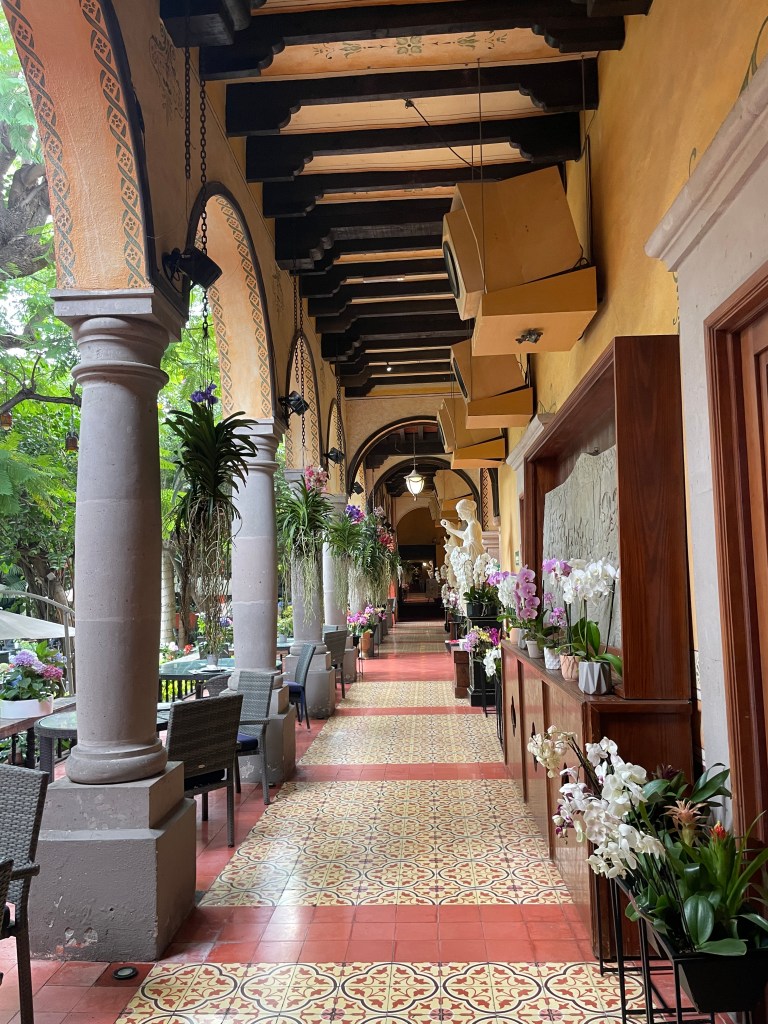
But while the food was excellent I will have to say that it is the atmosphere that people come here for. It is a place you will never forget and stunning doesn’t begin to describe it. There are orchids everywhere and butterflies float around your table as your eat. Here is the first impression upon entering.

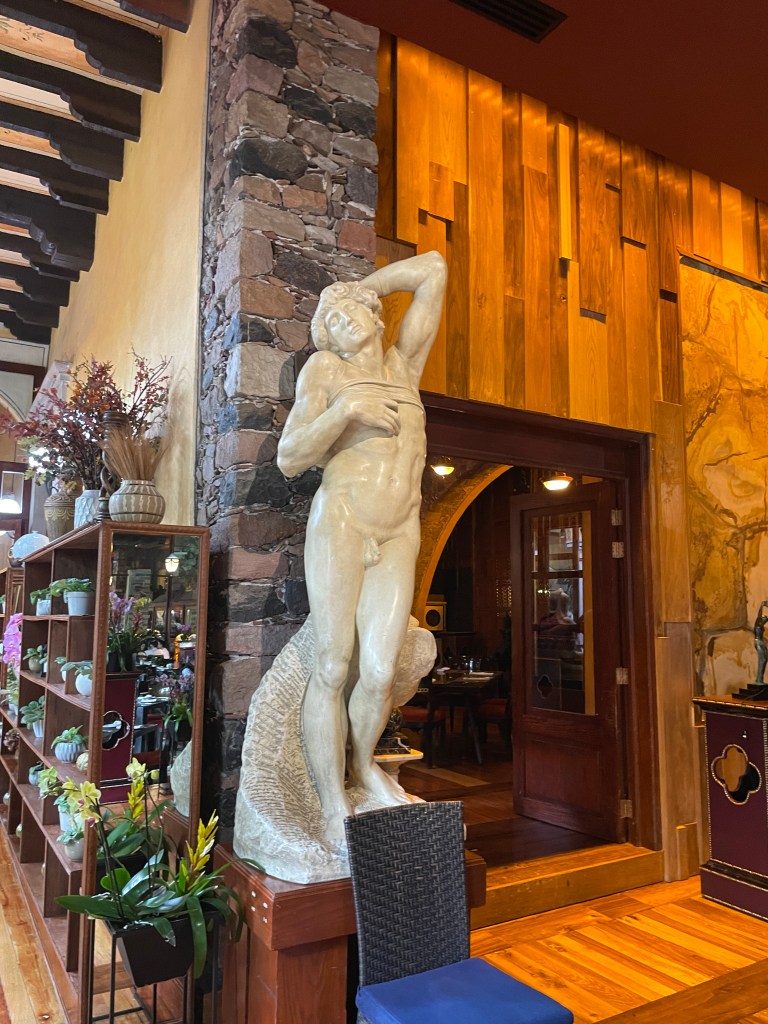
There were many themed dining rooms throughout Laborcilla and all were amazing to step into with gorgeous Asian, Egyptian and Greek Antiques, as well as reproductions, in every nook and cranny. Just so much to feast on with the eyes and not enough time.

Here is a short video of the Club Room

What I learned from this experience is always say !!!!YES!!!! when someone invites you to breakfast in Mexico because you never know what wonderful things await you.

THE HOTEL MISION GRAND JURIQUILLA

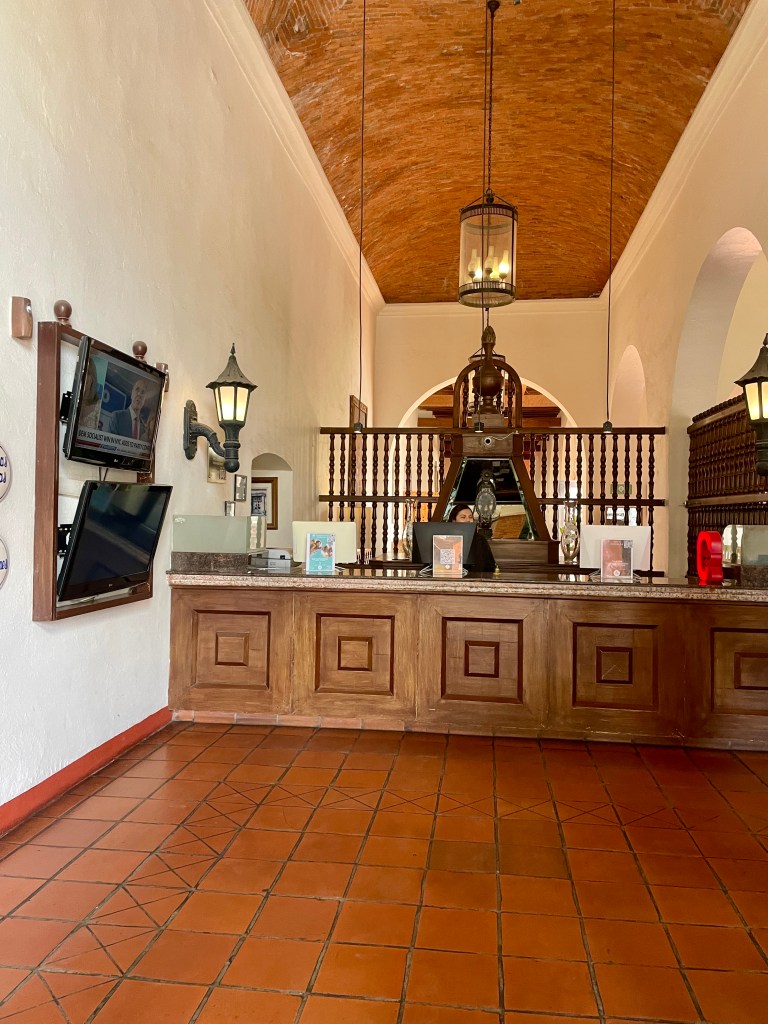
The first former hacienda I visited is now a grand hotel called the Hotel Mision Grand Juriquilla. It’s another 18th century hacienda which has been beautifully restored and now houses a hotel and restaurant. With a historic church on the grounds and landscaping that makes you want to hire their head gardener, Hotel Mision is a place that you can easily call home when traveling. Take a look for yourself.

I have been told that there are so many beautiful historical haciendas throughout the country that I am thinking that I might just make it a goal of mine to visit each and every one. With so much charm and the fact that these amazing buildings just ooze history; visiting a hacienda today is like a trip back in time combined with the elegance of today, which, makes visiting these historic sites land at the top of my bucket list while in Mexico.

Plaza De Armus in Queretaro

I love this plaza. Besides being surrounded by great restaurants, beautiful historical buildings, and cute little shops; it is the place where the locals come to sit a spell and to dance to the live music. And anytime you can dance on the street or at an open air plaza you know you are in for a memorable time. How I wished at that moment I had someone to dance with! I spent a good half-hour people watching and it was a great way to pass the time under the shade of the beautiful old trees which fill the plaza. I thought I would try something new and throw in a couple of videos.

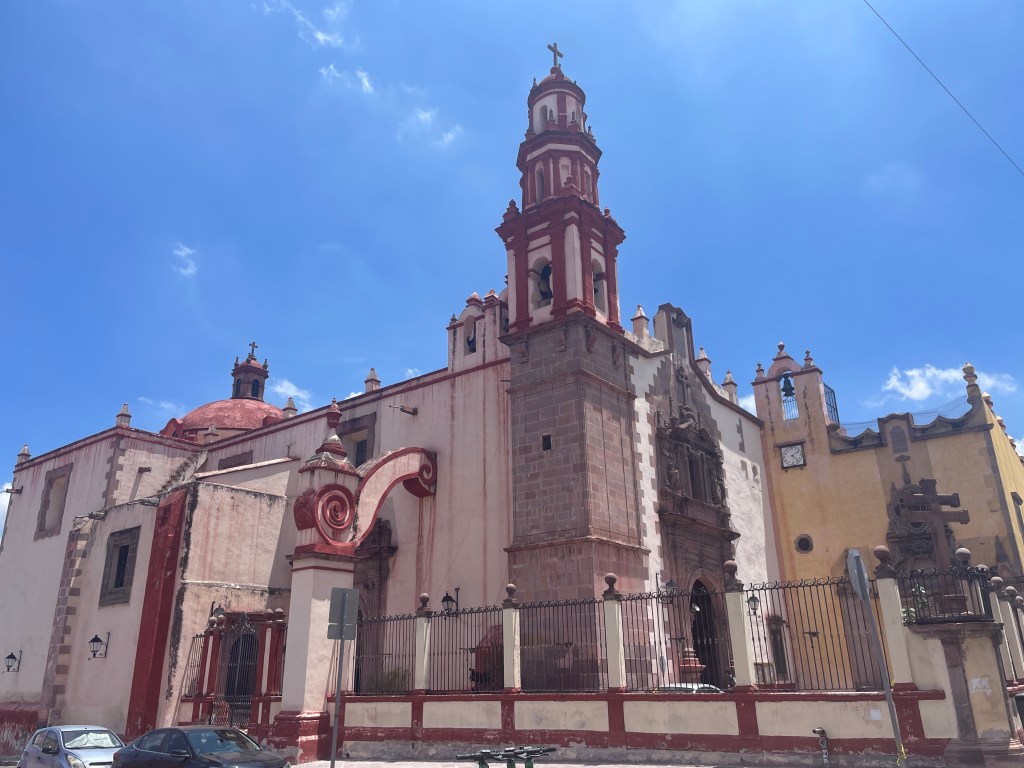
From there I was lured by the bells ringing at the Parish of Santiago calling the faithful into its doors. I slipped into the church and spent some time reflecting before heading out into the town again.

Eventually I ended up at Plaza De Armus again and just soaked up the culture of the place. What a marvelous way to spend a Sunday!