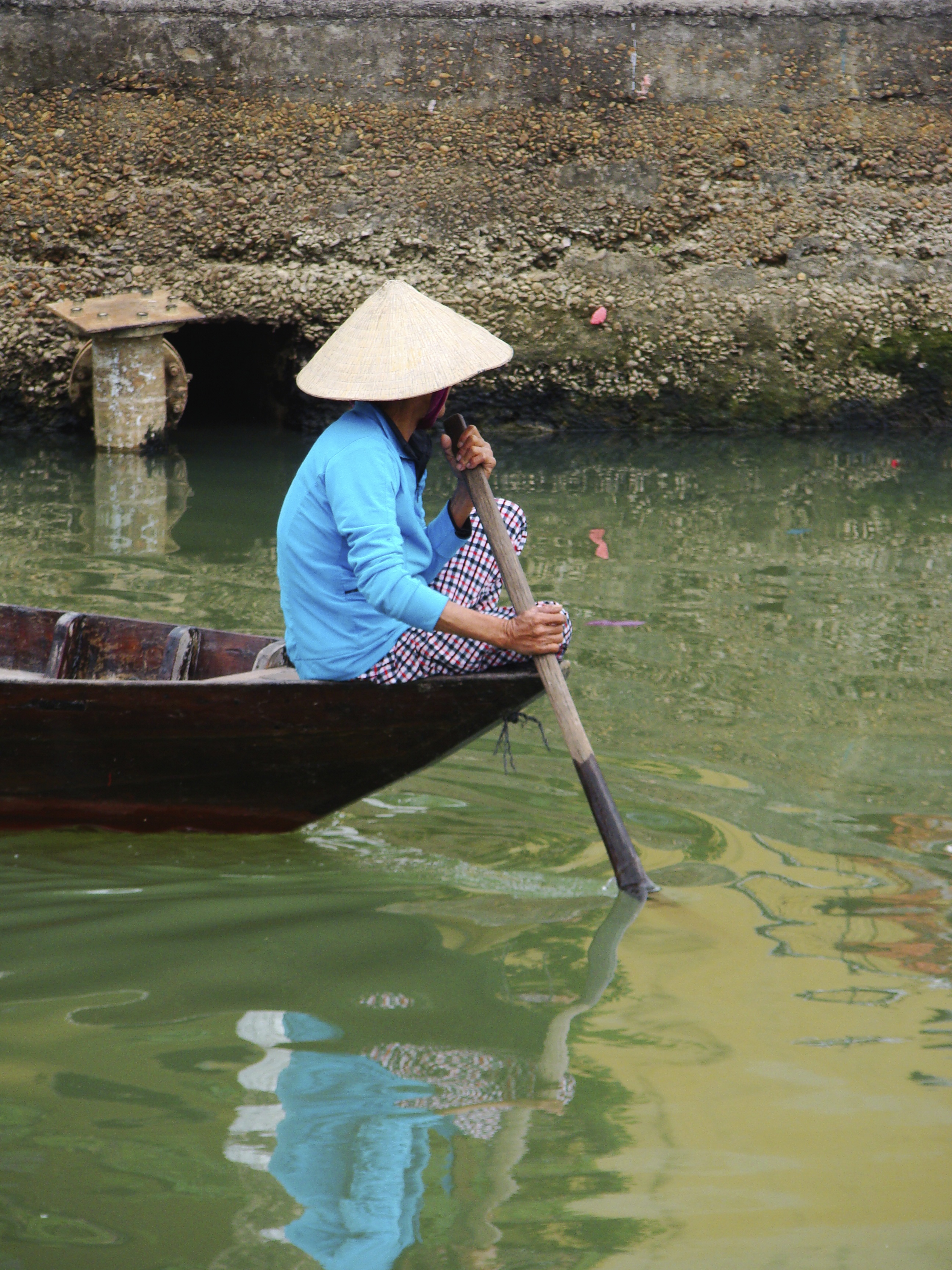
Great Food From Around The World

I have to say that I have had some very good food in my travels. Most were fairly inexpensive food choices but a few came at quite a cost. I have found that I usually prefer the cheap eats except when it comes to anything YAK….YUCK!

The best meal that comes to mind was had in a small village in Thailand. We had been treking when I lost the lubricating fluid in my knees. Every step that I took ground bone on bone and it was excruciating. I walked one step at a time with tears rolling down my face. It got so bad that the guide, Boone, had his other guide take everyone else up ahead to the small village we would be staying in that night. Meanwhile, Boone, carried my pack and stayed with me as I hobbled along. Finally, when we arrived there was an amazing dinner awaiting. It was fresh vegetables and tofu. Yep, that is it. My best meal ever. I don’t know if it was because I was so relieved to get to the huts that I was intensely grateful for everything or if I was just starving but never had a plate looked so inviting.

While we were in Thailand this past April I visited another restaurant and also took a cooking class from them. The name of the place is the Blue Elephant and the restaurant is located in the former governors mansion. We had a multi-course dinner that was fit for kings. It consisted of Avocado Black Diamond Scallops, Red Curry, Tiger Prawns and Eggplant Salad and some other memorable taste marvels. And the decor was just beautiful.
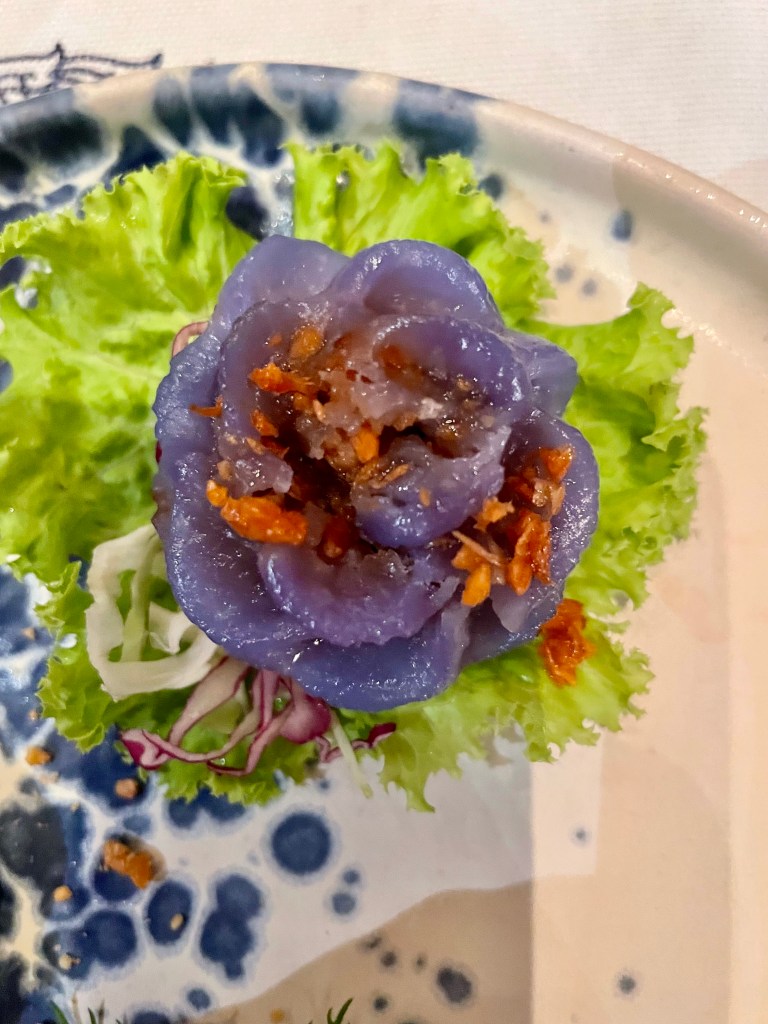
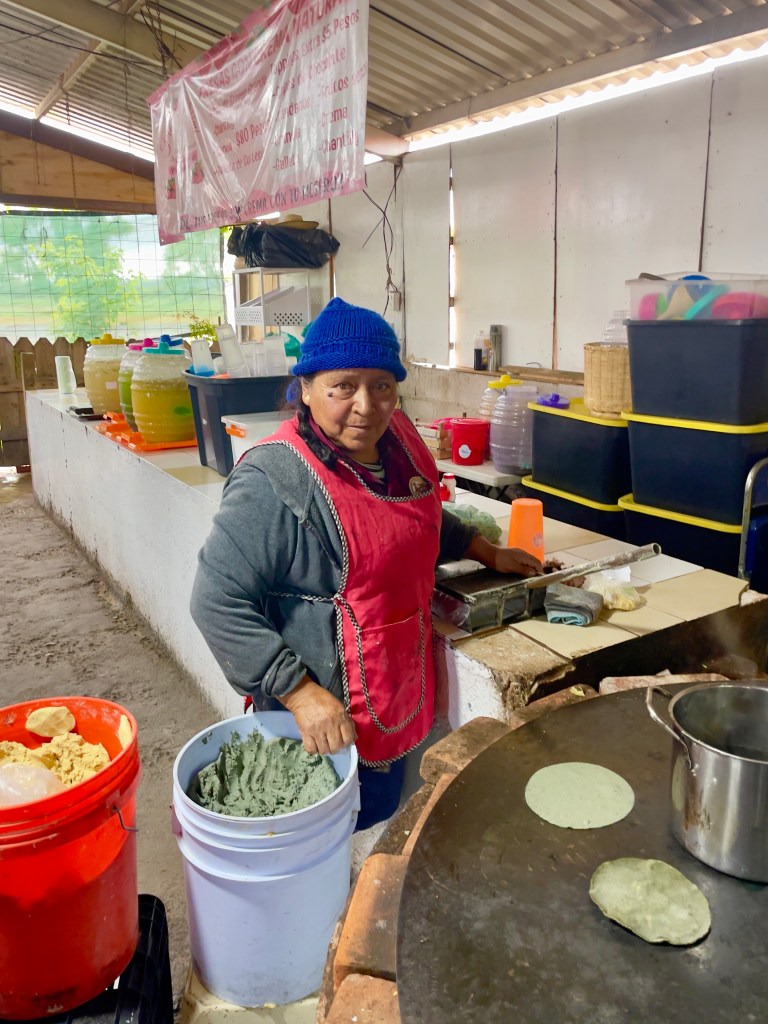
The best Enchiladas I have ever eaten was in The Netherlands. The place was on the coast of the country in the town of Scheveningen. I have long ago forgotten the name of the place but I can still remember their cream cheese enchiladas like it was yesterday. It was a gastronomic highlight to my trip. However, today I was taken to a place that the people I am housesitting love and I can say without a doubt best Mexican food I have ever eaten. The roadside restaurant is called Tacos Vias and it’s on the road to Bernal. You choose whether you want blue (Azul) tacos or blanco (white) masa. The lady scoops a bit of dough, pats it into shape and then throws it on the grill. You then take the plate have them put the topping on. I had beans and cheese. Then added meat, potatoes, and carrots cooked in a sauce and then laid on a nice bit of mango and cucumber salsa. Here’s a look:

A big surprise to me in my food experiences was when I ate at the Pingvinen in Bergen, Norway. Reindeer stew with salted lamb, sausage and root veggies was a new taste that my palate was not sure about while their cured reindeer marinated in lingonberries and gin was a real treat. One thing I can say was that I believed the food that was served was traditional and could be found in the coldest and smallest of villages throughout the country.
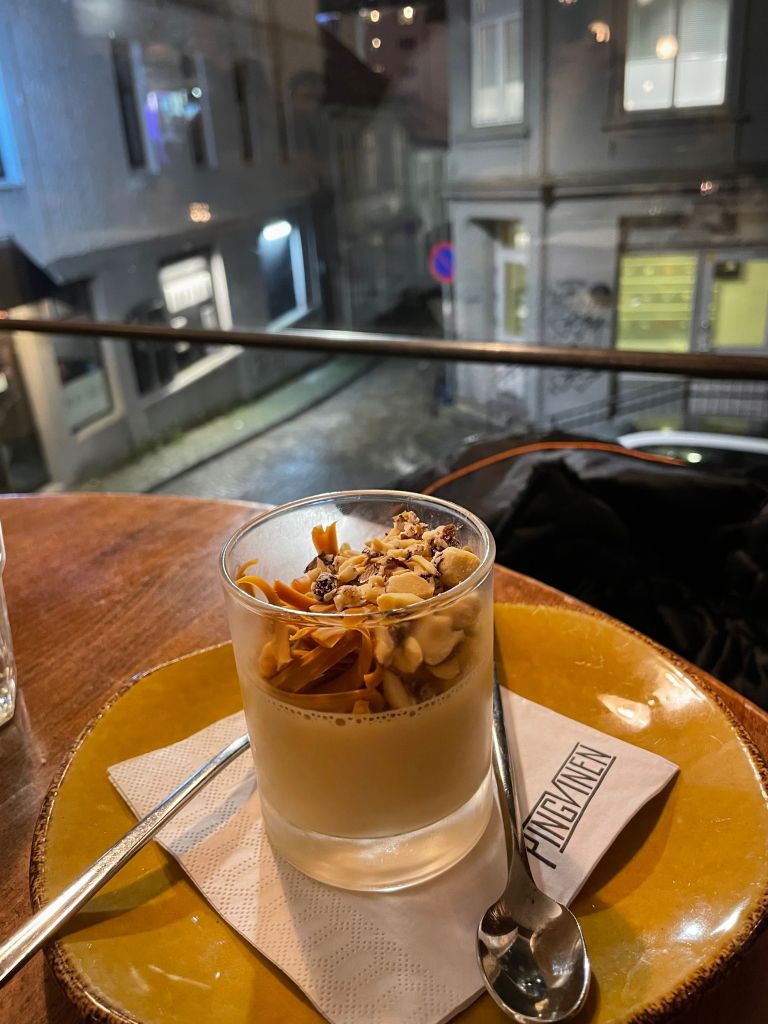
Bergen had a surprising number of fantastic places to eat including Kogi which I can honestly say had the best Korean food I have ever eaten including what I ate in Korea. The bulgogi was stupendous as was the pa-jeon. The owner was extremely friendly and gave me the recipe for her secret sauce and the dishes I sampled were divine. There was also a Burmese restaurant that we stumbled upon called Mandalay Sushi and Burmese. (Pics- Brown Cheese Dessert, Cured Reindeer, Lapskaus Stew; along with Pajeon from Kogi in bottom left corner, the menu from Pingvinen.

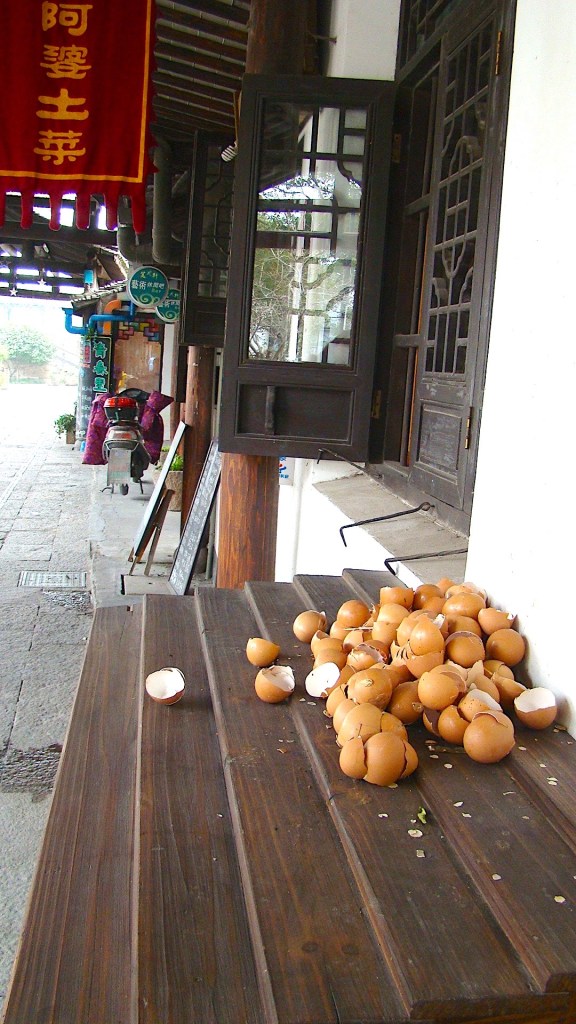
Places I have eaten have given me inspiration for my own cooking but nothing as much as street food in various countries. I love the corn on the cob in 12 different flavors that you find in China. This man peddling his food in the water town of  Zhouzhuang pulled the best sweet potato I have ever had off of his cart and handed it to me all hot and steamy. I also contributed to that pile of eggs sitting outside the two seater hole-in-the-wall that we ate at. 

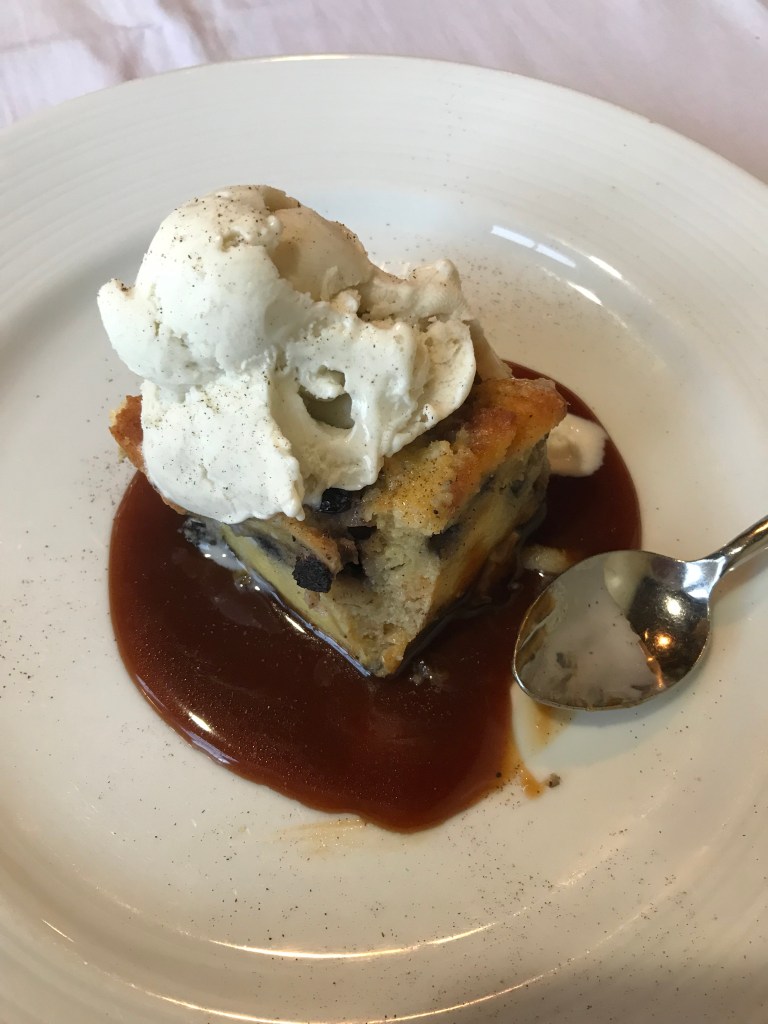
The best desserts I ever ate were in Prague and for the life of me I cannot tell you the name of of the place but it was in the historic downtown about two blocks from the Clocktower. Maybe if you are lucky you can read the napkin which I cannot. The last picture is the fabulous bread pudding served at St. Orres on the California coast up by Gualala. This Russian inspired restaurant is one of the most beautiful on the coast and the food is always great. Look at these delights and just drool. 

Some of the drinks that stand out in mind include a particular blueberry cream smash found at the Bergens Tidende but for great drinks AND spectacular scenery I still believe that you can’t beat Nepenthe Restaurant off Highway One at Big Sir, California. Taking in the view with a lovely drink in your hand makes you believe that all is well with the world.

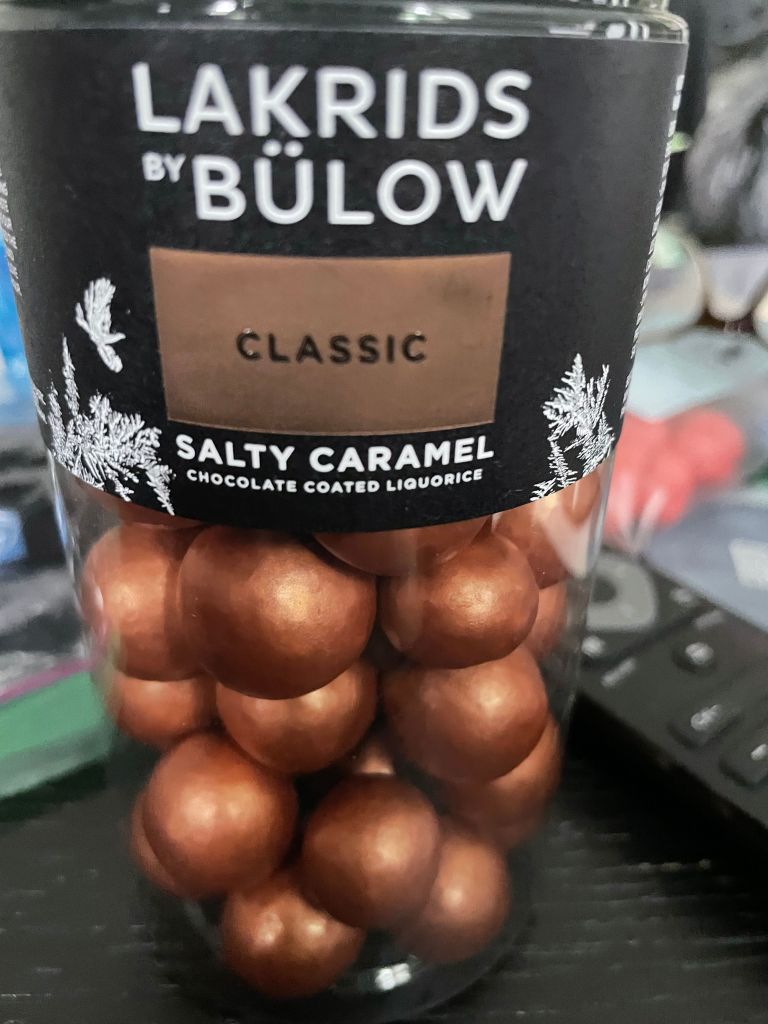
Oh and I guess this would not be complete with chocolate. Ethel M in Las Vegas is hands down my favorite chocolatier but a close second has got to Lakrids by Bulow Salty Caramel Chocolate Coated Licorice. I never particularly liked licorice until I tasted these dolls! Their Passion Fruit White Chocolate Coated Licorice is even better! (You can order Lakrids on Amazon!)

So there you have it. Some of my most memorable places I have eaten. I hope while I am here in Mexico to be able to add to this list. My plan is to take a cooking class while I am here in order to learn a bit more about what makes this country so spicy and delicioso.

Nisga’a Museum-Laxgalt, ap BC Canada

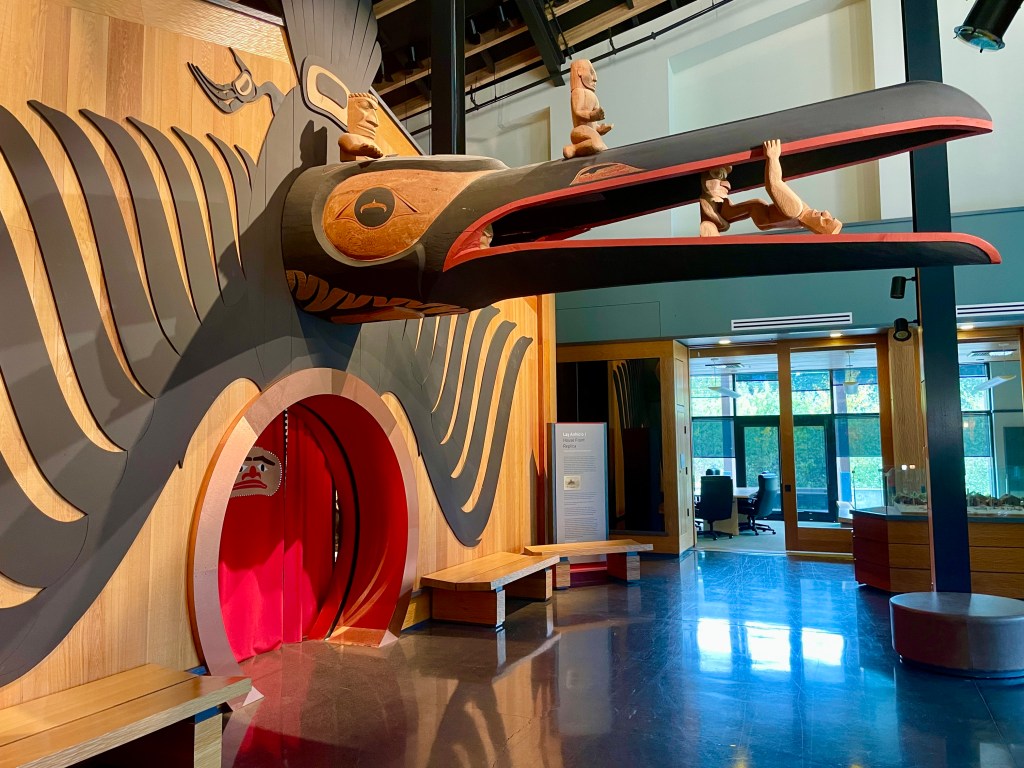
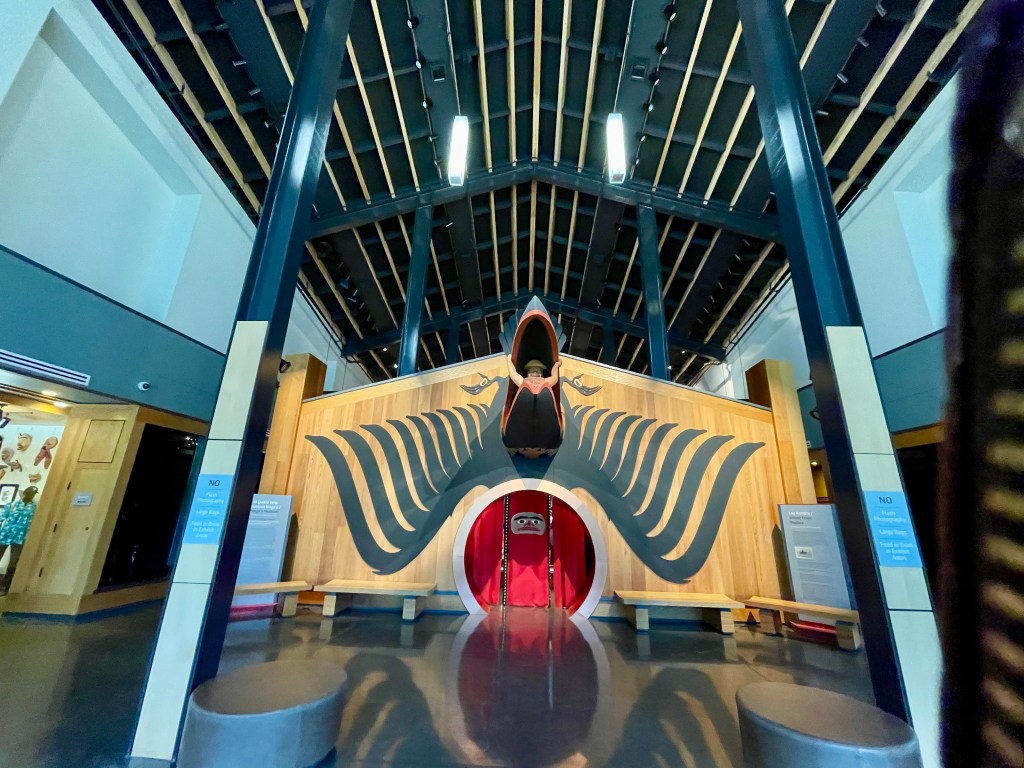
One of the best small museums I have ever visited is the Nisga’a in British Columbia. The architecture of the building which highlights the natural beauty of traditional tribal lands along with the highly curated and informative exhibits will surely take your breath away and give you a new sense of appreciation for traditional First Nation history and practices.

To get to the multiple galleries one enters through a replica of a longhouse. I suggest entering more than once to really get a feeling of what is being conveyed and to be able to experience the feast for your eyes that surrounds you.

The first gallery is known as the Transformation Gallery. Here you will find a huge collection of spirit masks (naxnok) and costumes that were used to the tell the stories of spirits and their role in society.

After exiting this colorful gallery you are directed to the Shaman’s Gallery (Halayt Gallery) which emphasizes the role of the Shaman in society and displays items used to call and direct the supernatural.

The Museum also contains several more galleries which discuss the history of the Nisga’a, the possessions of the people, laws and customs, as well as showcasing daily life of the tribe and individuals roles within it. Headdresses, bentwood boxes and rattles are just a few of the exquisite things that will be seen as you meander through. Be sure to take some time to explore as this is not an educational center to rush through.

One of the best things about this museum is the kindness of staff who will patiently answer or will find the answer to any question you might have. These are individuals who are immensely proud of their culture/heritage and want to be sure that everyone who leaves takes a bit of that appreciation with them.

Finally, be sure to check out the gift shop where local artists have their works on display and where you can also find further information about the indigenous people throughout the region.

There is a small entrance fee. Families pay $22, adults, $8 and children $5. The museum is open from Early May through the end of October on Wednesdays through Sundays from 10 am until 5 pm. It is located at: 810 Highway Drive, Lax̱g̱altsʼapBritish Columbia, Canada. For further information call 1 (250) 633- 3050.

Steamboat Inn-North Umpqua River, Oregon

I recently had the pleasure of being introduced to the Steamboat Inn which sits along one of Oregon’s most beautiful waterways and one of the most famous fly fishing rivers in the world. Unfortunately, the Umpqua recently suffered catastrophic damage due to fire and it will be years until it truly rises from the ash; yet it still is a wondrous site to behold. Luckily, the Steamboat Inn still stands and it is one sure way to enjoy this amazing and scenic river.

The Steamboat was once “true old-time fishing lodge.” which featured infamous “Fisherman’s Dinners” for years but today it is an updated and modern inn that still retains its historic charm.. Pictures of fly fishermen and massive steelhead dot the walls and stories of the Inn’s famous guest like Jack Hemingway and Zane Grey still abound as told by the area old-timers. Former Steamboat owner, Frank Moore was a dedicated fly fisherman and he soon became a much loved guide and conservationist after taking over the inn at the beginning 1957. His love of the sport is attributed to creating “flier” enthusiasts out of mere fisherfolk for many decades.

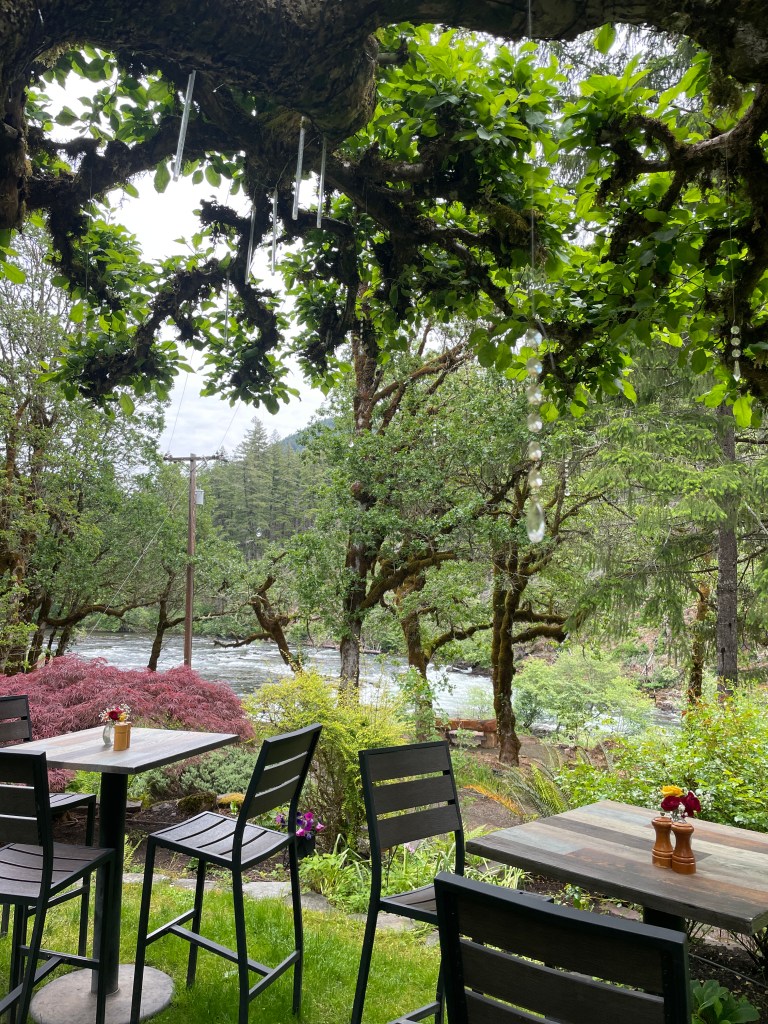
The gardens at the Inn are beautiful and poetic. I was there in May 2025 while columbine, azaleas, rhododendrons, ferns and mountain flowers lined the pathways to the guest rooms and outdoor patio. Stunning Japanese Maples and manicured grasses also made their presence known as the Umpqua roared past showering the rock outcroppings with a fine mist. While the Steamboat’s enchanting grounds, library and menu are enough to keep its visitors sated; the abundance of nearby waterfalls and hiking trails also beckon the Inn’s guests to come and explore as do the white water rafting rapids nearby. The area is definitely a nature lover’s paradise.

While the Steamboat has historically known as “the place for those addicted to fishing” it is also the perfect place to host weddings, second honeymoons and small conferences.

Located about 40 miles from Roseburg it is easy to grab a bottle of wine produced in the Umpqua Valley wine region as you meander towards the Inn located off the North Umpqua Highway.

The Steamboat is open for breakfast from 8 am-11 am, lunch from 11 am-3 pm and dinner from 5 pm-8 pm. The food is robust and the prices are reasonable. For further information call (541) 498-2230 or visit their website at thesteamboatinn.com

Elephant Peace Project-Chiang Rai, Thailand

Last month I had the privilege of meeting Meta the Elephant. She lives at the Elephant Peace Project in Chiang Rai, Thailand along with two other elephants. This organization is run by DADA who is an indigenous Karen tribal member and who advocates for the humane treatment and care of elephants as traditionally practiced by her ancestors. DADA has lived with elephants all her life as have numerous generations of her family. Living with elephants is a tradition and way of life of the Karen.

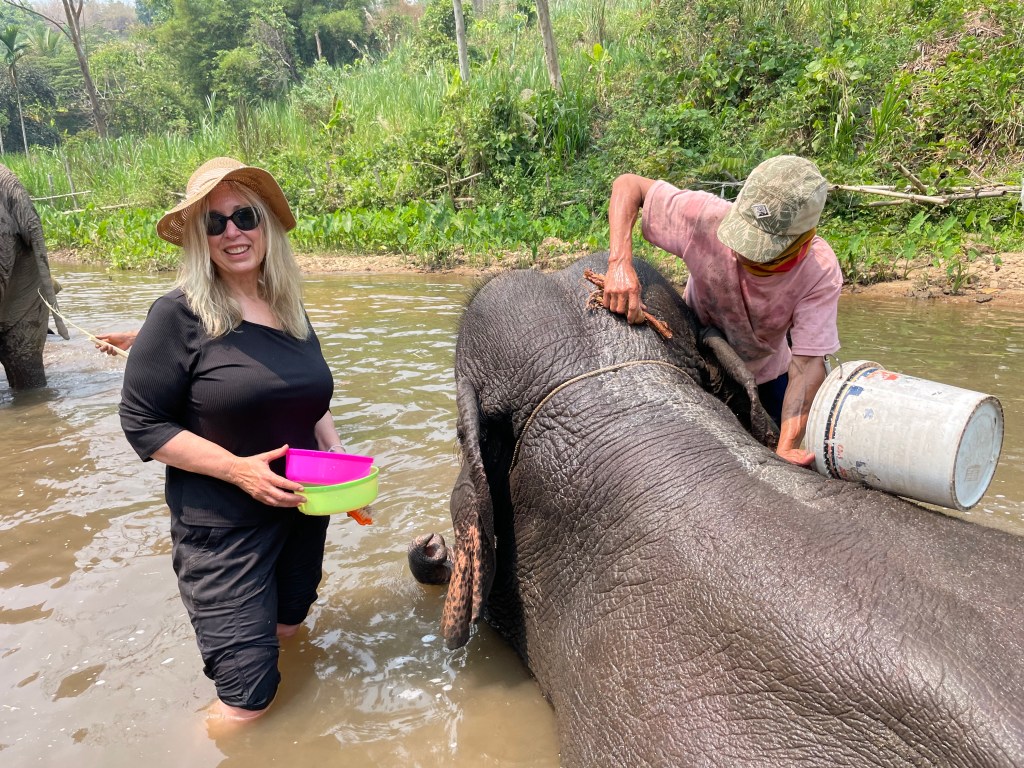
The elephants are allowed to roam untethered throughout the property and they do not engage in work or hard labor for a living. They are lovingly cared for, bathed, and fed throughout the day. The amount of food that they eat per day is massive and they are destructive as they go about gathering their own food. As a result their diets have to be supplemented with food that is bought by the organization.

The feel of the trunk of an elephant as she removed food from my hand is nothing like anything I have ever felt before. The trunk is a powerful life force onto itself and the work that it can do by gripping and pulling is amazing. I was in complete awe. But perhaps the most surprising thing to me about the elephant was their skin. It felt leathery and rough from all the mud that they threw on themselves until we bathed them. Then, with all the dirt and mud removed, their skin felt as smooth as a newborn baby’s butt! Oh, and did you know, that elephant’s store water at the top of their trunk basically between their eyes!

Elephants are intelligent creatures and their command of the language used by the Mahout is astounding. Here are just a few of the words that an elephant knows as sounded out in English:

Word Meaning

How Stop

Pei Pei Come with me

Bun Bun Eat

Buuuun Drink

Chol Sigh Go to the left

Chol Qwa Go to the right

Chol Toy Backup

Hwe Hwe Walk Forward

Lupe Stand Up

We had a great day hiking with the elephants, being educated about them and feeding them different foods throughout the day. We urge you to support the Elephant Peace Project to help feed these gentle giant eating machines. Contributions can be made via the Elephant Peace Project website. Here is the link:

http://www.elephantpeaceproject.org

Oybin Castle and Monastery

By Cheryl L. Hosman Dieter

I have been extremely fortunate to have had many ethereal experiences during my lifetime. The “best” ones arrive as a complete and utter surprise, a supreme blessing if you will. This is exactly what happened when Mark and I visited Oybin Castle and Monastery this past August. This stunning complex is located in the state of Saxony in Germany just a short distance from the boarder of the Czech Republic.

Mark straddling the border

The town of Oybin is charming and one of its claims to fame is that Napoleon stopped in the town.

The castle itself sits atop a huge sandstone cliff and was thought to have been established in the 13th century as a way station. It grew under the auspices of George of Lipe’ during the 14th century. Sometime in the middle of that century, Charles IV, King of Bohemia, expanded the castle and established the Celestine Monastery. The castle was struck by lightening in 1577 and fell into disarray until 1990 when the entire complex underwent extensive rennovation.

To get to the romantic ruin you can either take a high steep trail or a small pull along train that can be caught in the parking lots below the castle. It costs a few bucks for both the parking and the train. There is also a small entrance fee at when you reach the castle gate of 5-8 euros.

Views of the castle

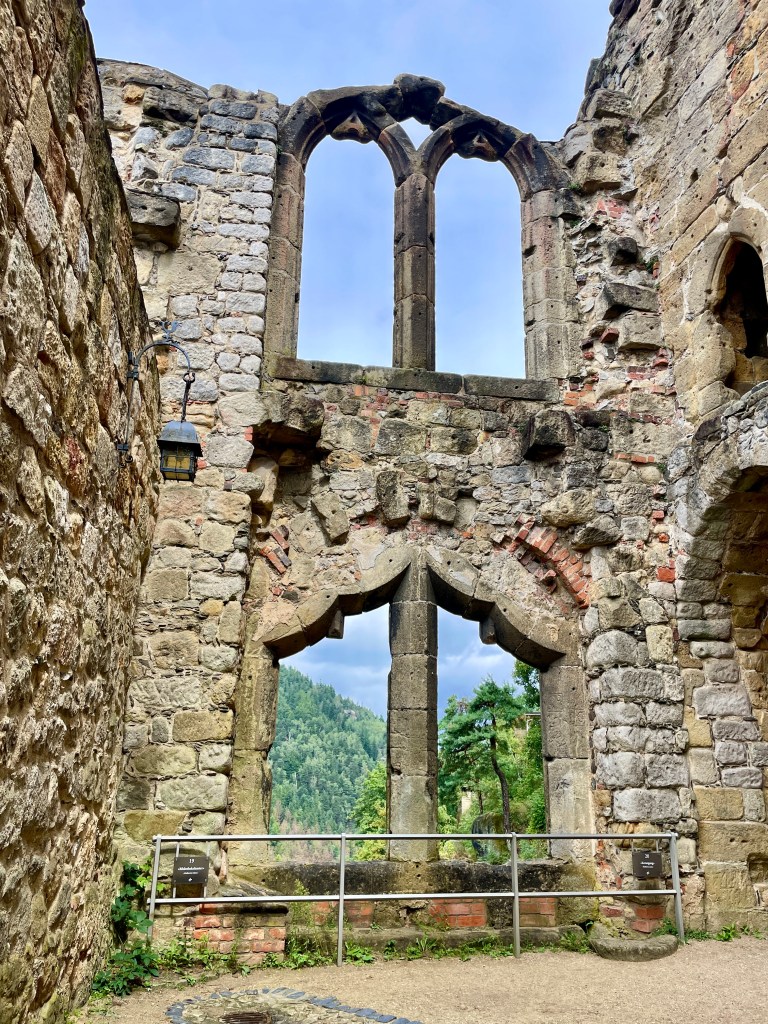
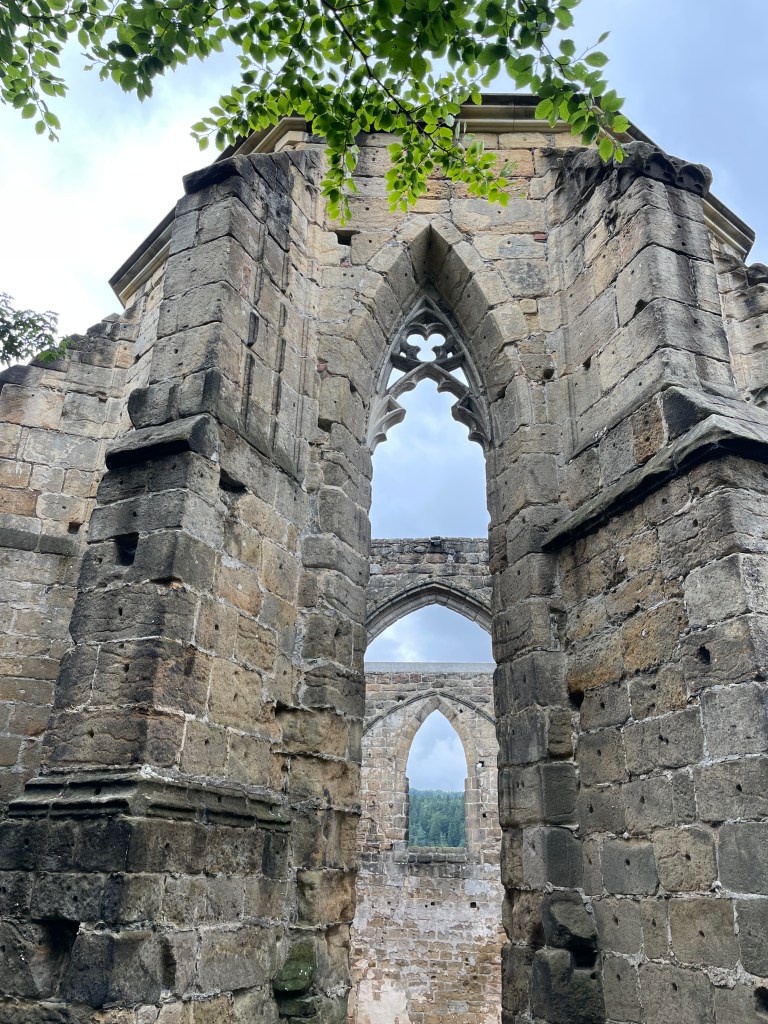
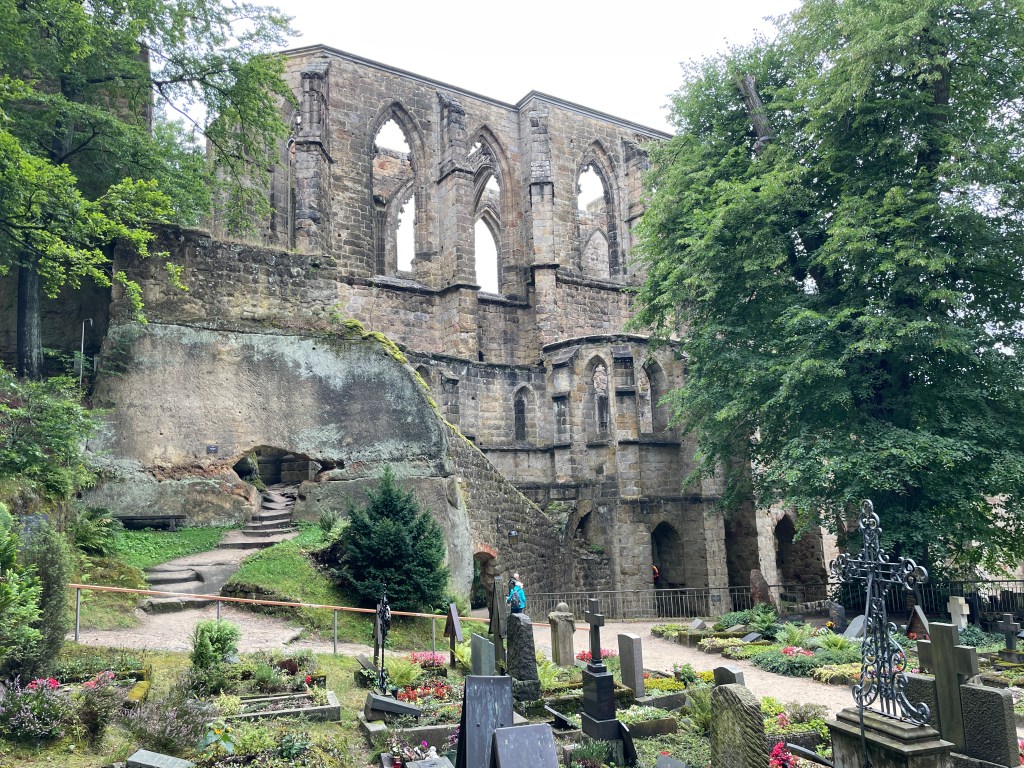
The Gothic monastery is a few steps from the castle. It is a masterpiece with soaring “windows” which frame the “far-as-the-eye-can-see” vistas surrounding it. It is thought that a small number of very forward thinking monks lived in monastery at a time who installed under floor heating during the construction of their home.

View of the Monastery

While we were strolling through the back of the Monastery (as pictured above) we began to hear the soft and lovely strains of a violin. Upon climbing the stairs we were drawn deeper into the ruins and the beautiful acoustics that can only be heard in a building such as this. And so I leave you will a video of the magnificent surprise that greeted us that day and which we hold as a sacred memory in our hearts.

Video by Mark Boys

The Flåm Railway – Norway

By Cheryl L Hosman Dieter

One of the day trips you will not want to miss while in Norway is a ride on the Flåm Railway. Trips can begin/end in Oslo or Bergen with train transfers.

Train on the way to Myrdal Station to catch the Flåmbana

Most tourists take the Flåmbana to reach the town of Aurlandsfjord where they will board a ferry for a trip down the Sognefjord, one of Norways most famous fjords. This is an easy trip from the main train station in Bergen, past rolling hills and lakes galore straight into the town of Voss. From there the train will climb high into the mountains until you reach the Myrdal Station. Here you will exit the train and take a short jaunt over to the Flåm Railway. Keep in mind that this is one of the world’s steepest standard gauge lines in the entire world and with that comes some of the most spectacular scenery you will ever witness.

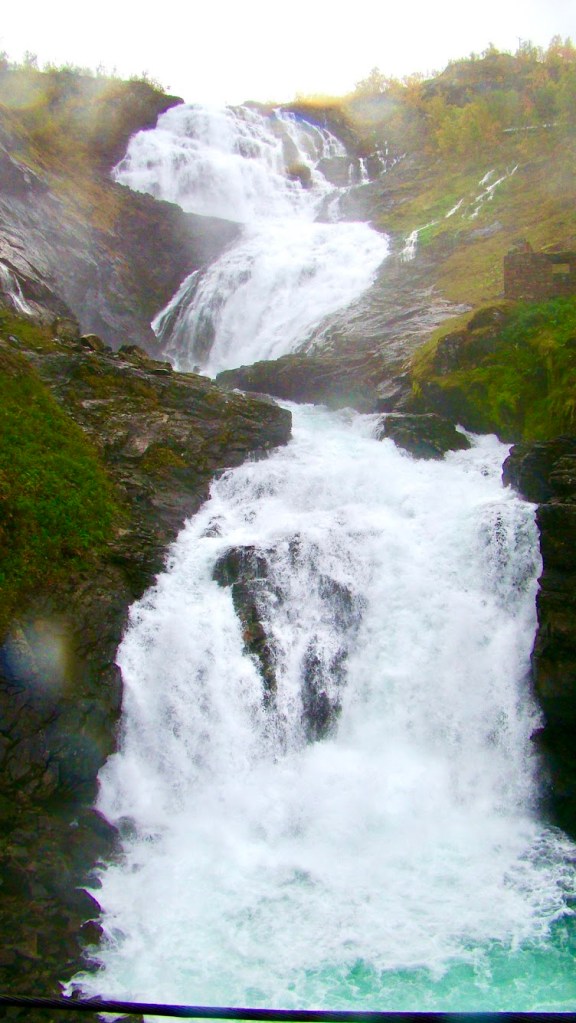
Entering the train you will be transported back to the golden days of train travel consisting of fine wooden interiors and seats reminiscent of the 1940’s. As you journey towards Aurlandsfjord you will pass through pristine valleys, climb majestic mountaintops, spy quaint villages, pass through twenty tunnels and witness stunning waterfalls too numerous to count. The train makes a short stop at the Kjosfossen Waterfall so the passengers can experience the thundering falls and see the fairy dancer magically appear.

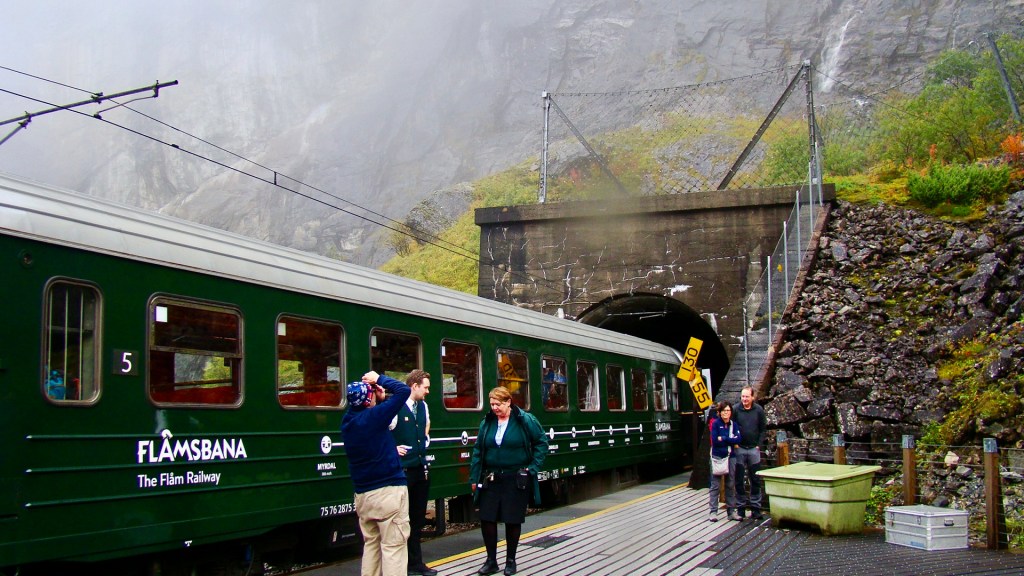
The Flamsbana stopped at Kjosfossen Waterfall. When viewing the waterfall do not leave your personal items aboard the train as there are those who will rifle through your belongings.

Kjosfossen Waterfall

After arriving in Arslandsfjord you will have a chance to visit the Flam Railway Museum. Full of fun facts about the line and those who built it; you can expect to spend about 20 minutes viewing the exhibits. From there you can amble through one of the small tourist shops or catch a bite to eat before either returning the way you came or boarding the ferry for your trip down the fjord.

Aurlandsfjord Train Station

Flam Railway Museum… where there is never an entrance fee

A typical Norwegian lunch at Aurslandfjord

Boat houses at the start of the fjord in Aurslandfjord

The inky waters of the fjord

The guidebooks all recommended the Flam Railway paired with the trip down Sognefjord and I would have to agree that this is one of the best day trips for this part of Norway. Plan to shell out quite a bit of bread on a self-guided combo tour, but hey, it’s a small price for being a tourist in one of the prettiest places in the world.

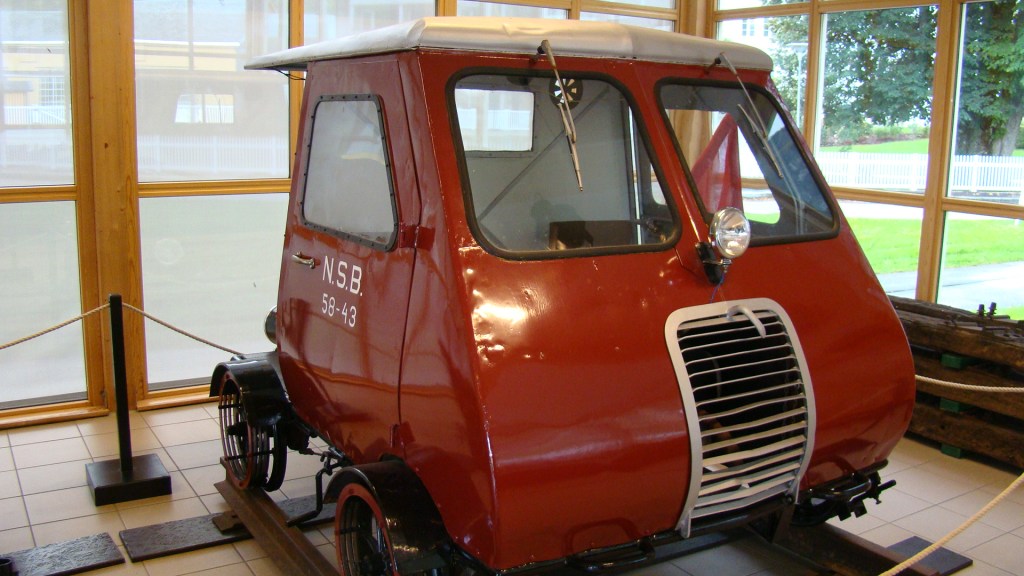
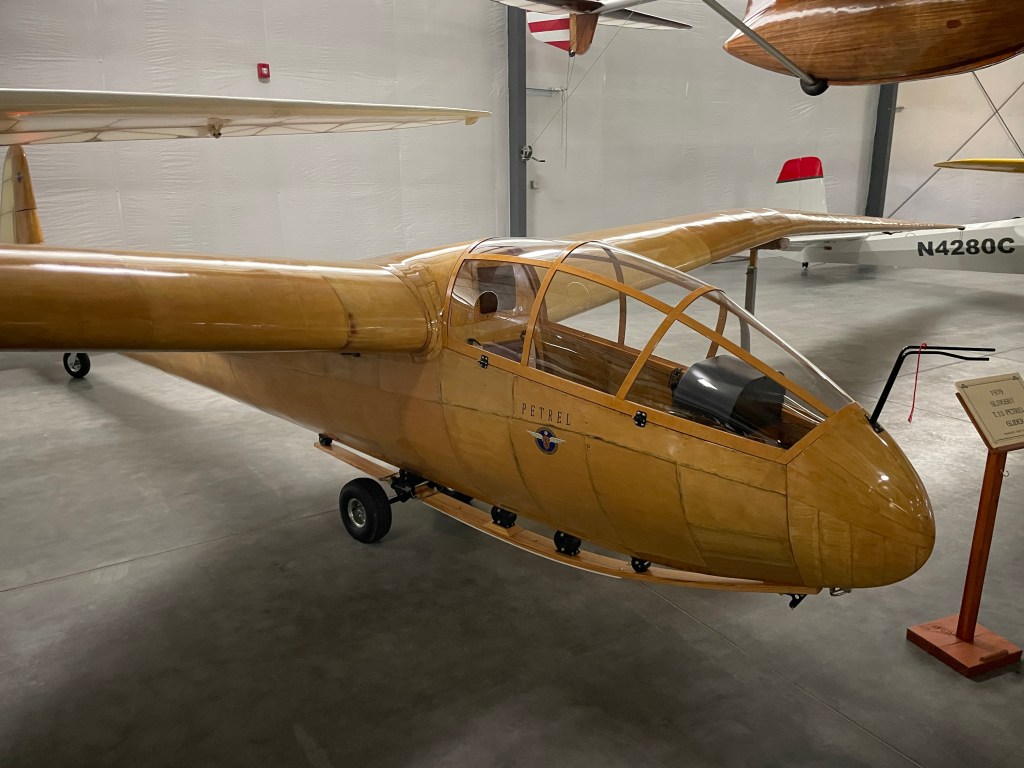
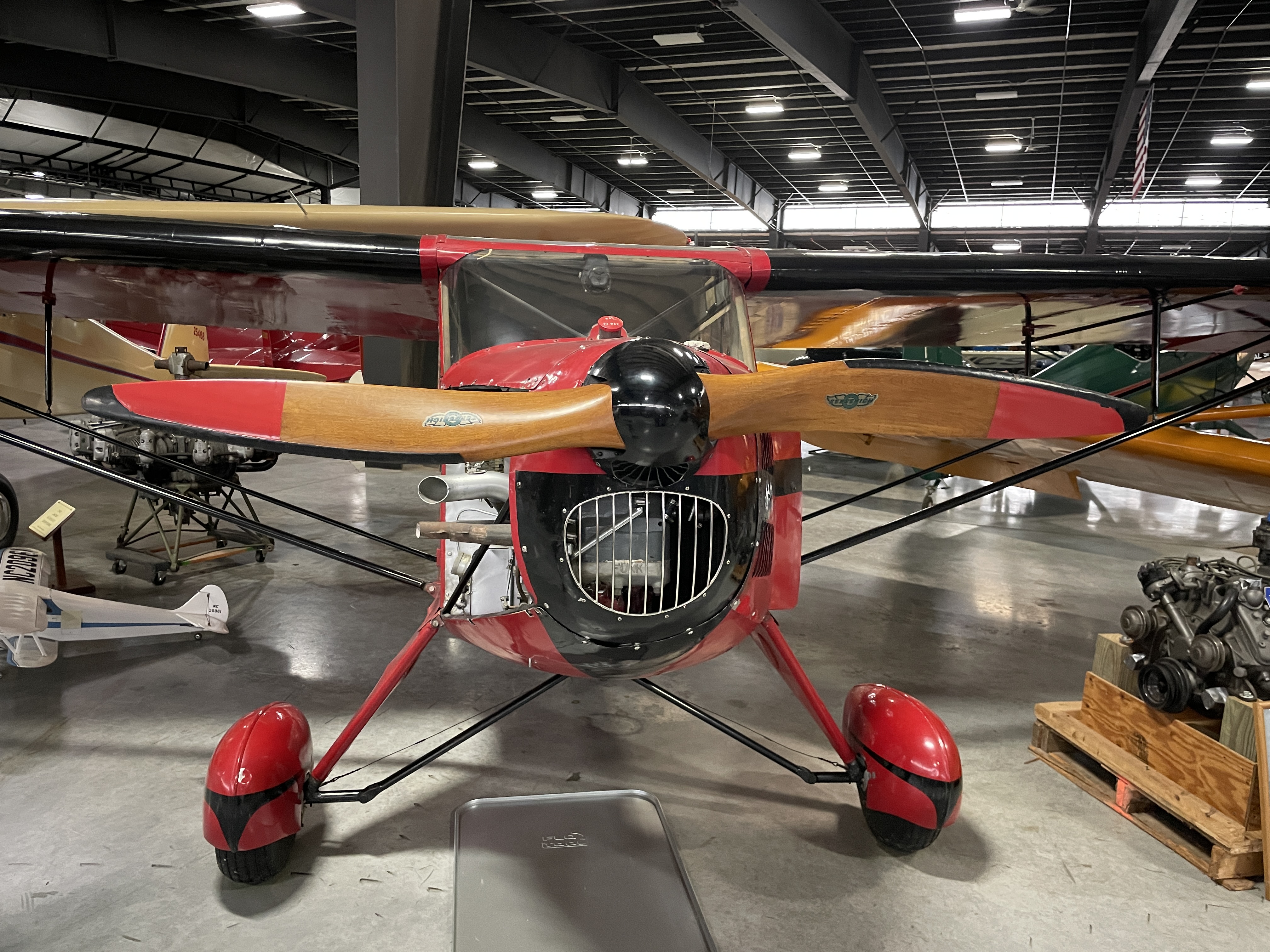
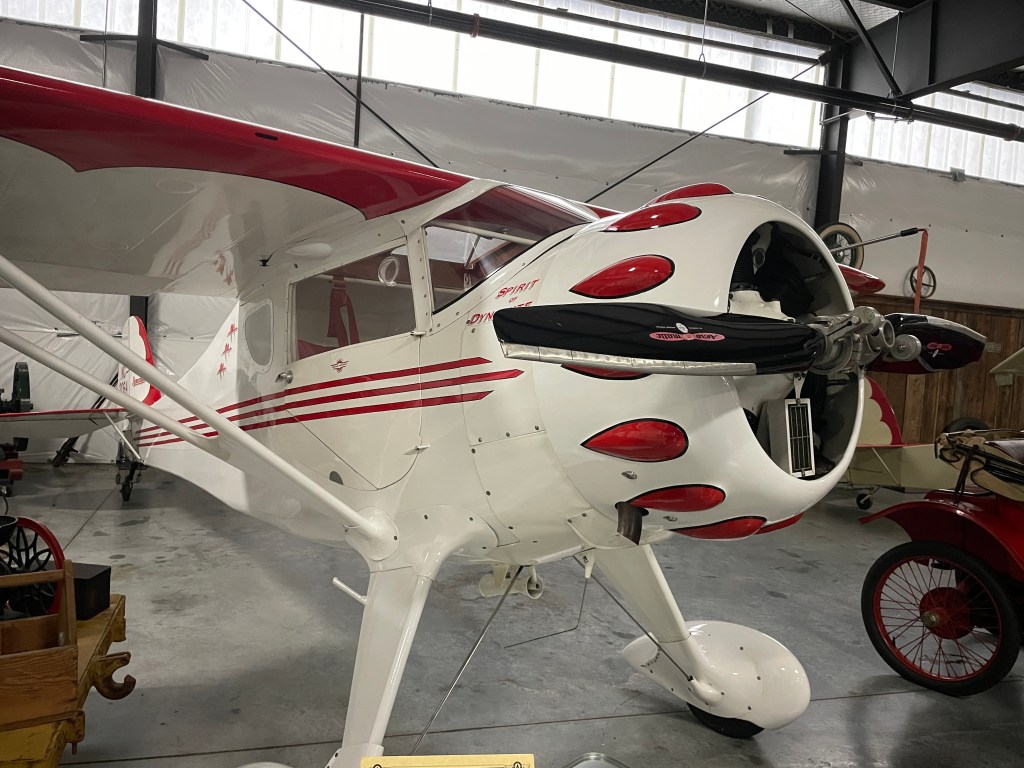
Western Antique Airplane & Automobile Museum (WAAAM)

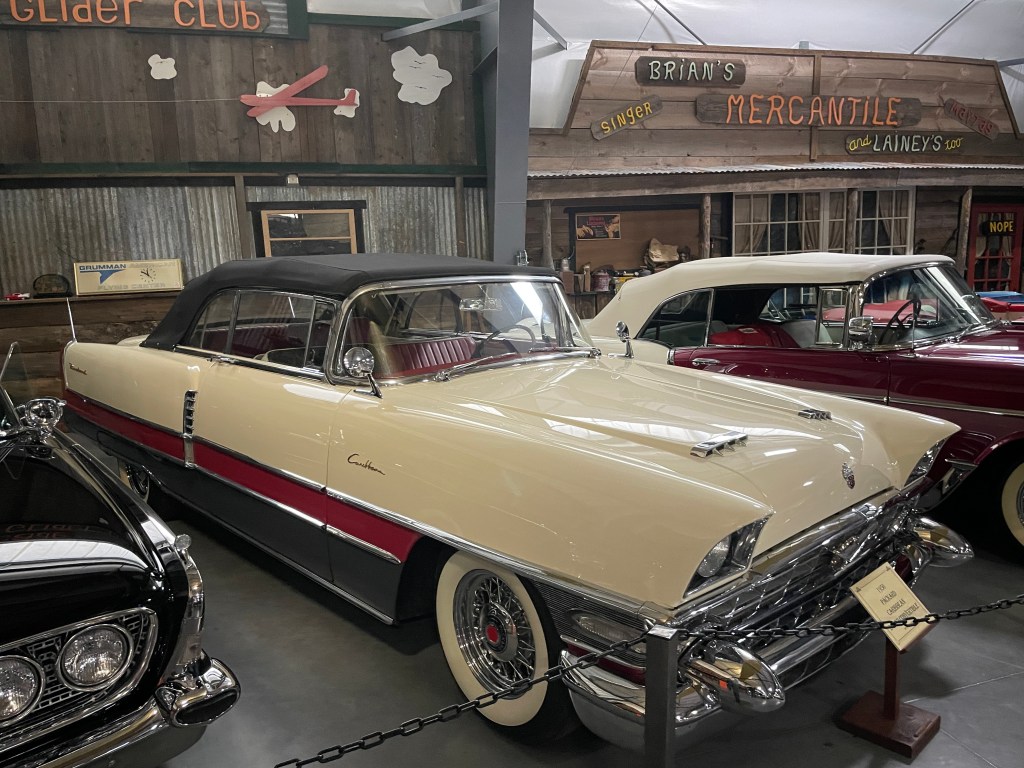
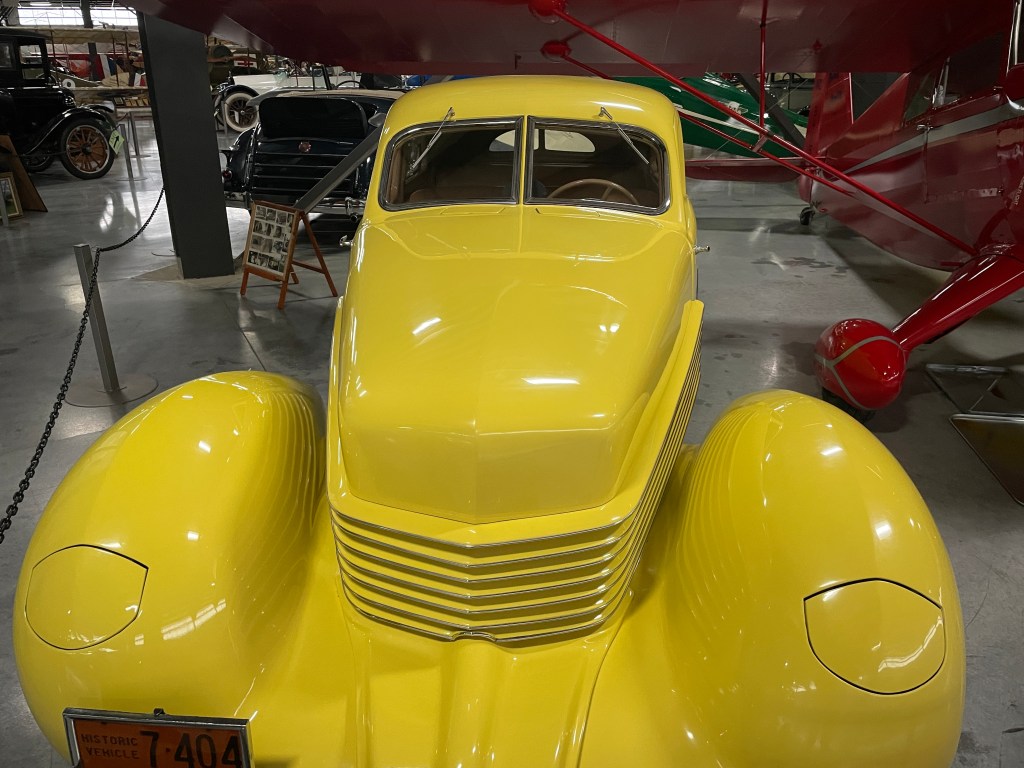
Hidden outside the historic and charming town of Hood River, Oregon, is one of the most interesting museums I have been to in a long time. Consisting of over 3.5 indoor acres of automobiles, airplanes, motorcycles and military equipment; it is easy to spend a couple of hours looking at some of America’s most beloved machines. All the exhibits are in pristine shape and several times a year the doors open so that the autos can hit the road while the planes fly high. With volunteer docents who know all about each and every last vehicle and whom always have plenty of interesting and funny stories to tell; this place is a treasure looking to shine bright on the rainiest of Oregon days. Open 9am-5pm daily. Closed New Year’s Day, Thanksgiving and Christmas. WAAAM is located at 1600 Air Museum Road, Hood River, Oregon. Telephone (541) 308-1600.

WAAAM…This Mighty Museum Will Hit

You Right Between The Eyes

HAE DONG YONG GUNG TEMPLE

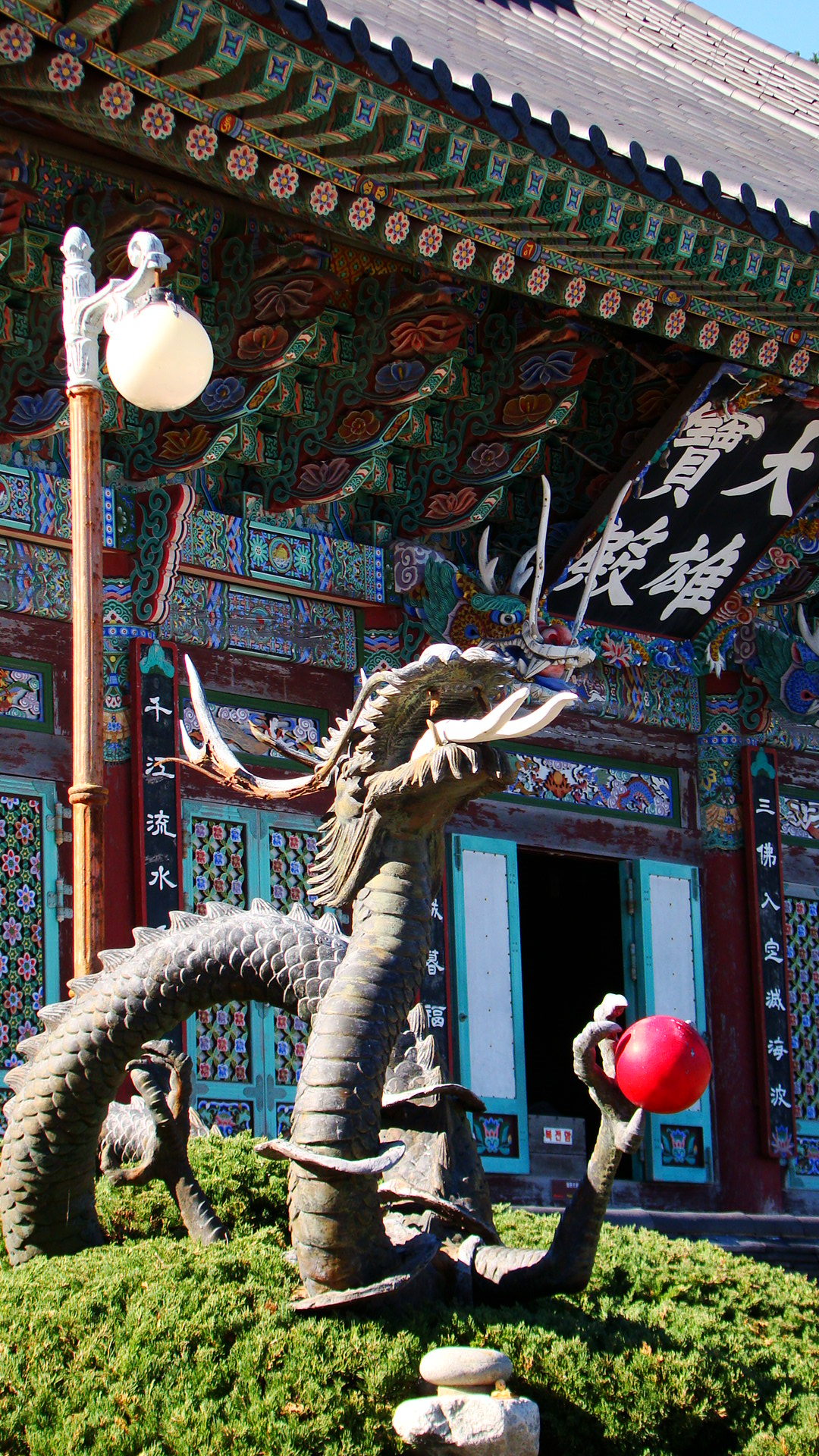
Serenity is elusive. We search for it but often come up empty-handed. Some climb mountains. Some listen to the birds. And some search the word over never understanding that they hold it in the palm of their own hand. BUT…let’s face it there are some places that just make it easier to feel that overall peace that we are so desperately looking for. One of those places where it is within reach is Hae Dong Yong Gung Temple in Busan which is also known as the Dragon Temple. After traveling with three children overseas for a week… peace… was what I was seeking.

This temple first came into existence in the mid 1300’s. You can read a little about it. It was destroyed during the Japanese occupation but was rebuilt in 1970. Yes, fairly new but still spectacular.

dsc08311

Our trip started when we took the #9 bus from the subway station. We were dropped off about a 10 minute walk from the temple. This Hae Dong Yong Gong is known as the Zodiac temple and upon entering you see huge marble carvings of each of the astrological signs behind which stands a huge pagoda.

dsc08304

dsc08321

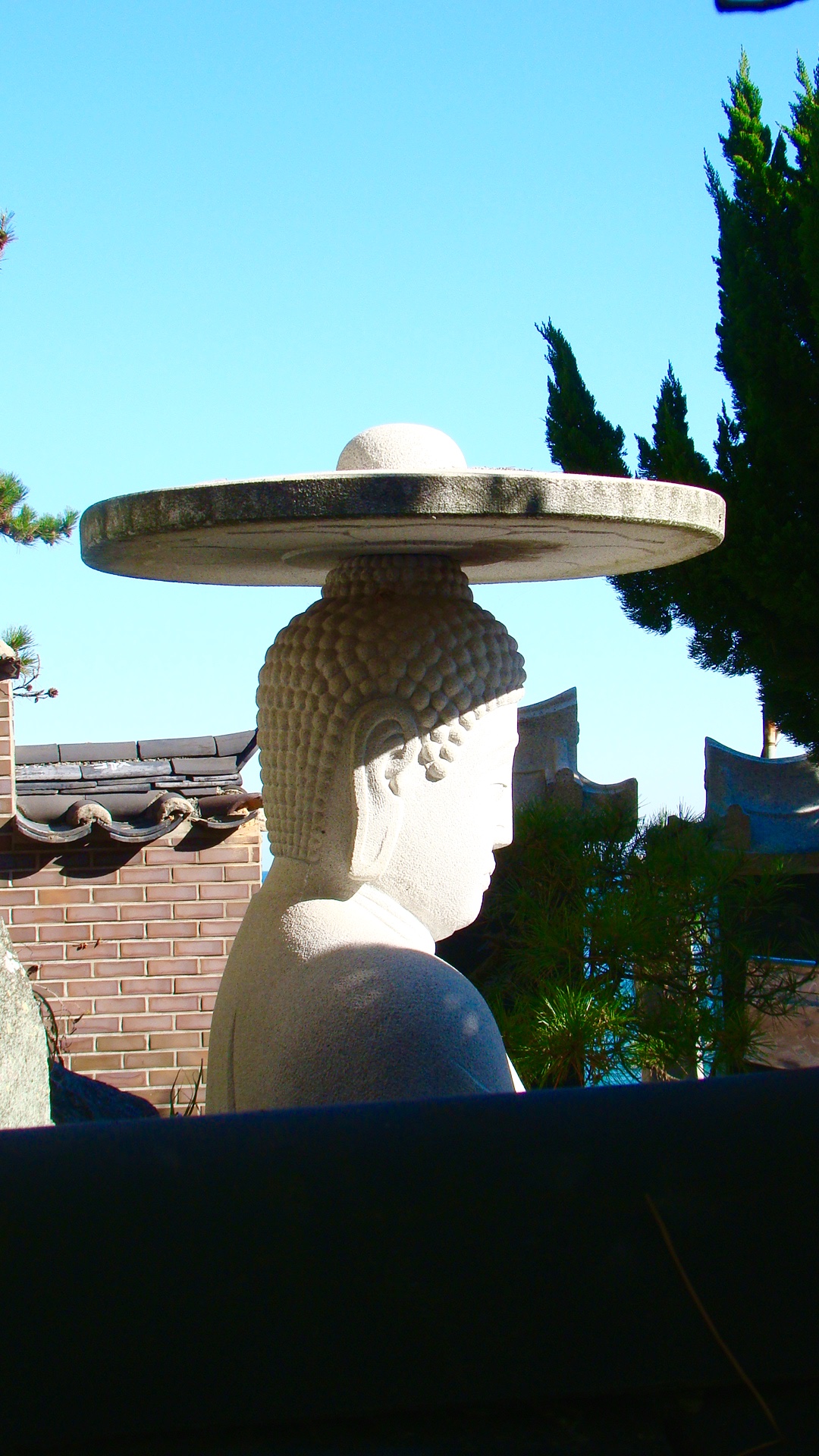
Then comes the interesting trek down smoldering granite stairs where you pass several buddhas. The belief of those who trek here is that “at least one of your wishes will be answered here through your heartfelt prayers.”

dsc08332

dsc08334

We crossed over the bridge where the sea rode waves to just below the cliff. It was amazing.  But frankly I don’t have time to write anymore as I head to Mokpo tomorrow. So instead I will leave you with pictures.

dsc08446


dsc08413

The Monks Debate-Sera Monastery, Tibet

dsc01371

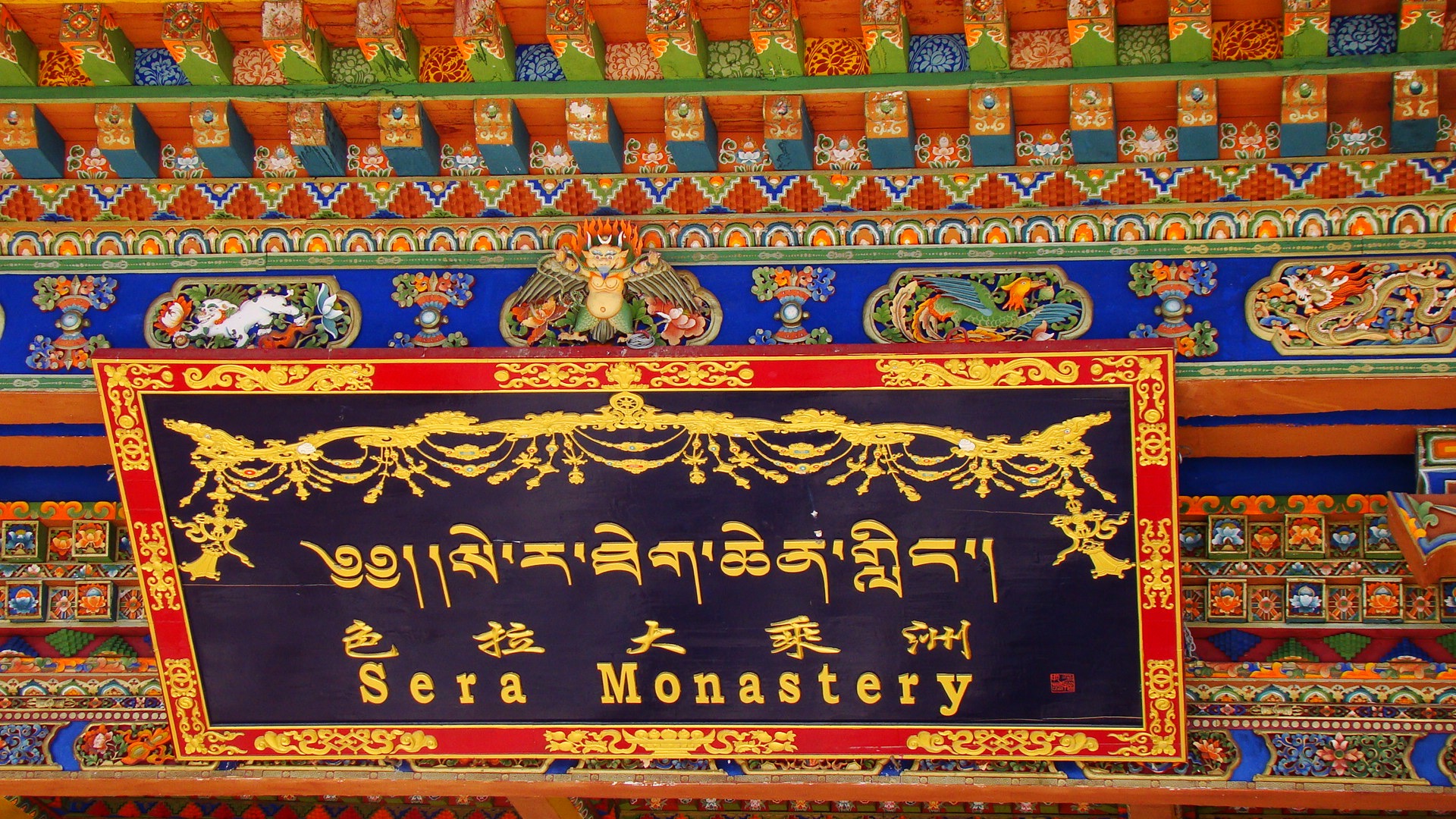
One of the most interesting things I witnessed in Tibet occurred at the Sera Monastery. Sera sits just outside of the city of Lhasa. It is considered to be one of the three great monasteries of the Gelug University Monasteries in the country. Founded in 1419 it was once a huge complex at which over 6,000 monks resided but during the 1959 revolt much of it was destroyed and hundreds of monks were killed.

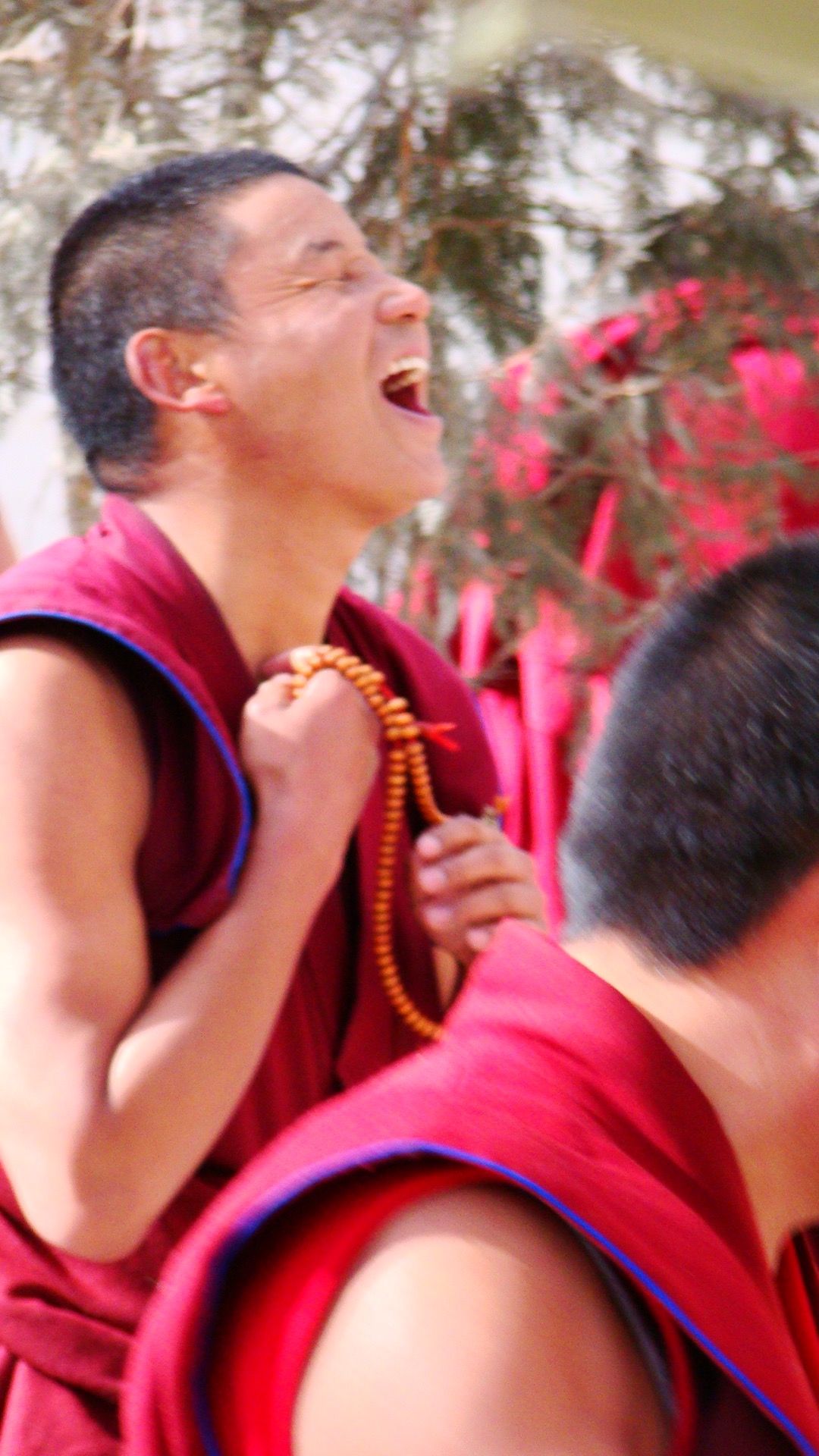
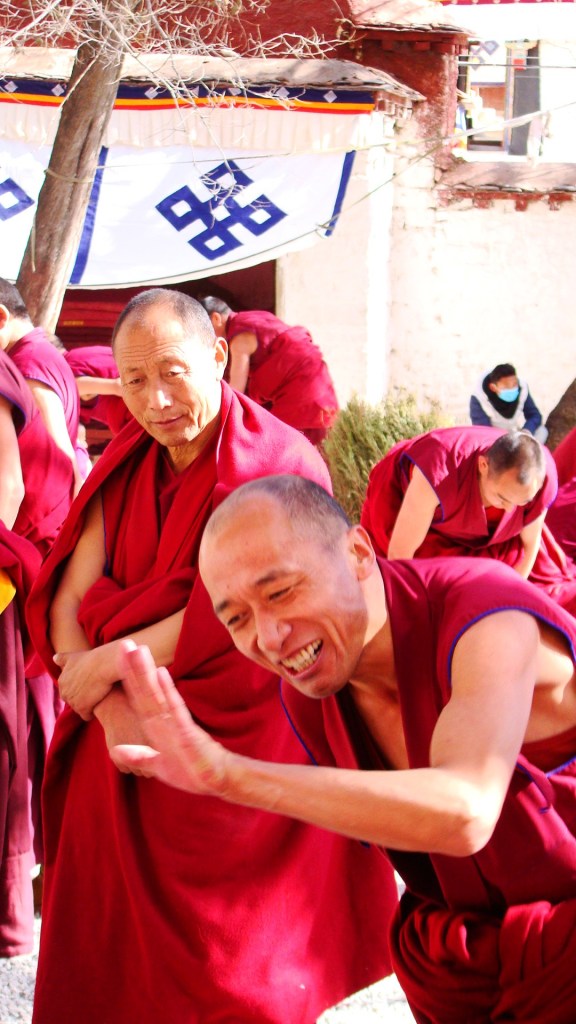
One of the things that this particular monastery is well-known for is the monk debates. The debates occur between the monks and their teachers with a prescribed set of rules. The defender(student) is asked a question regarding Buddhist philosophy by the teacher. His job is make and defend his argument. Meanwhile, the teachers attempt to trap a student into following the wrong line of the argument by creating places in the argument which can confuse the defender. The students sit on the ground, wrapped in their red robes, while asked question after question for hours. The brain power that has to be used is immense and it drained my few working brain cells rather quickly.

This is a startling place because when a question is asked of the student a loud clap is made with the teacher striking his left palm with that of his right. When the question is answered correctly the teachers brings his right hand to his left palm while sliding it down with a slap. With an incorrect answer the palm goes down and slides into the air near the student encouraging him to try again. And all of this isn’t done in a stagnant manner. The teachers arch, sway, jump and make grand body movements as they question the student in an attempt to rattle him. The noise is incredible with the slapping sounds reverberating against the walls of the courtyard and the gravel crunching under kicking feet.

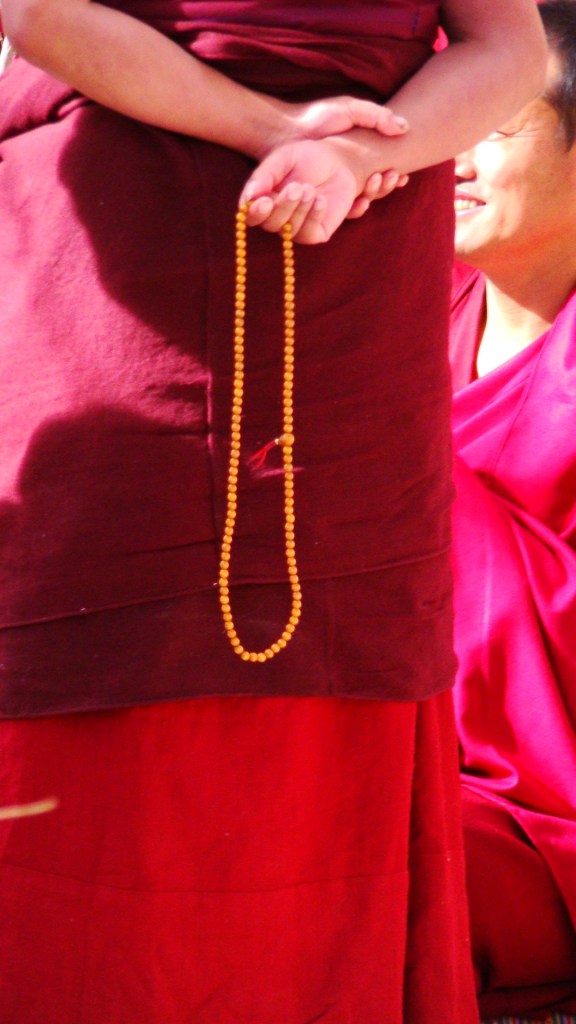
Here are my favorite pictures of our afternoon spent at Sera. This is one of those times that I think I should upgrade so I could show the video I made of this amazing debate. It was one of those once in a lifetime events that makes you happily question the meaning of life for yourself while being thankful that there is no one intimidating you by the slap of a hand.

dsc01481

dsc01457

The Monk’s Debate

Hoi An-Vietnam