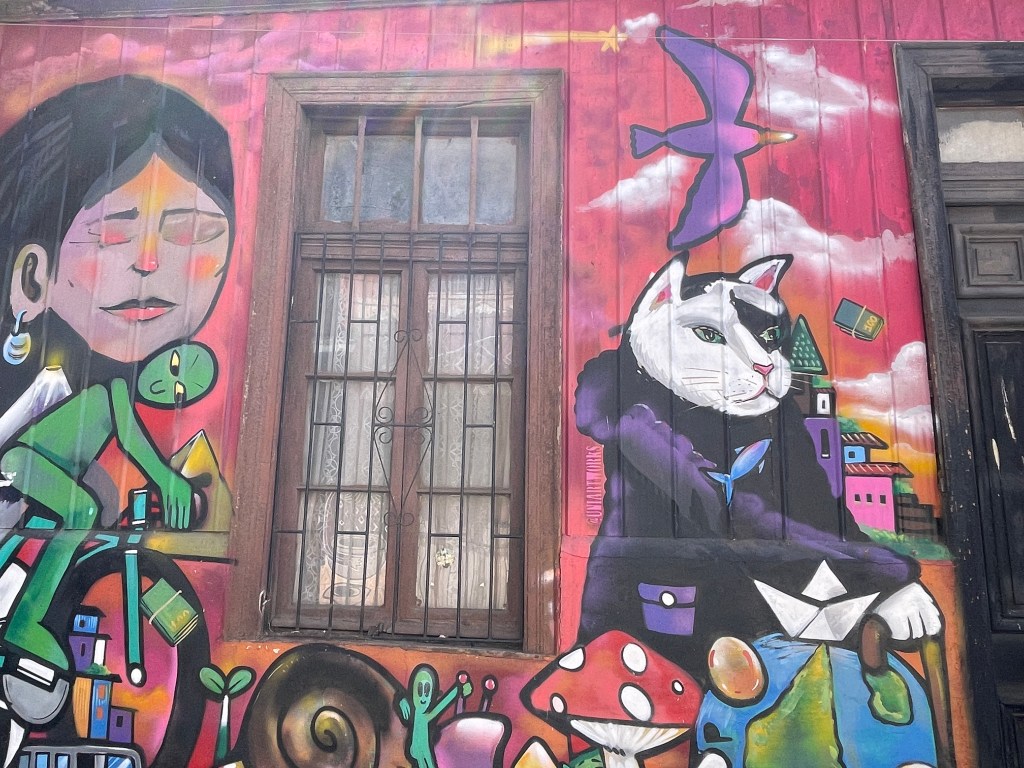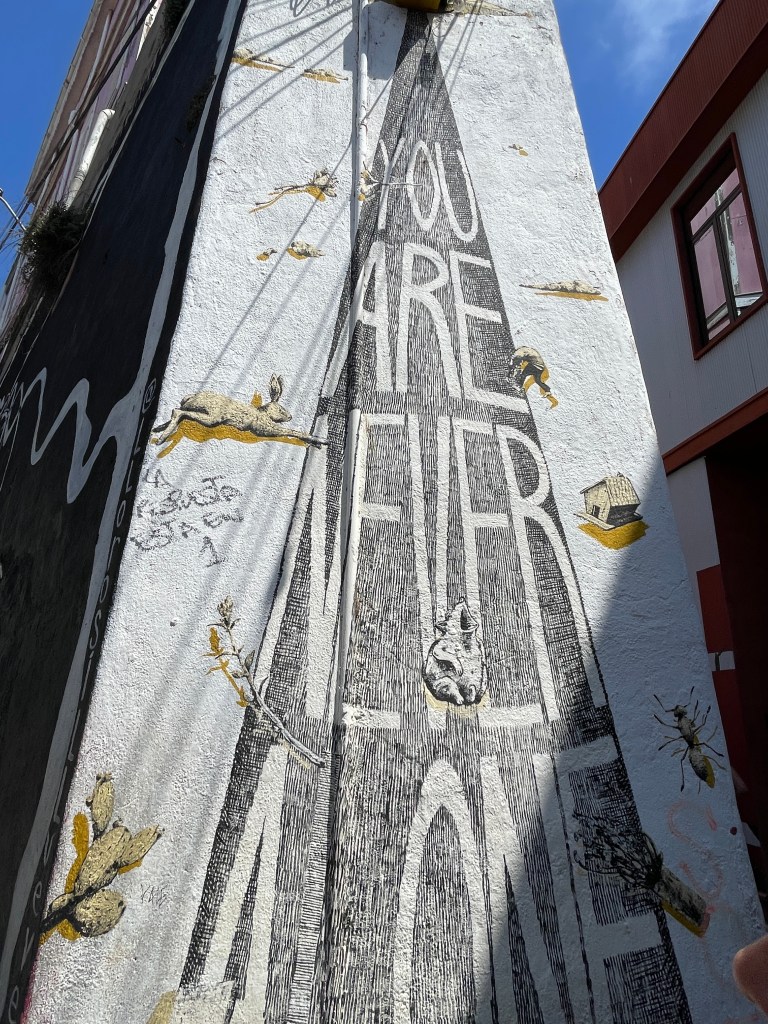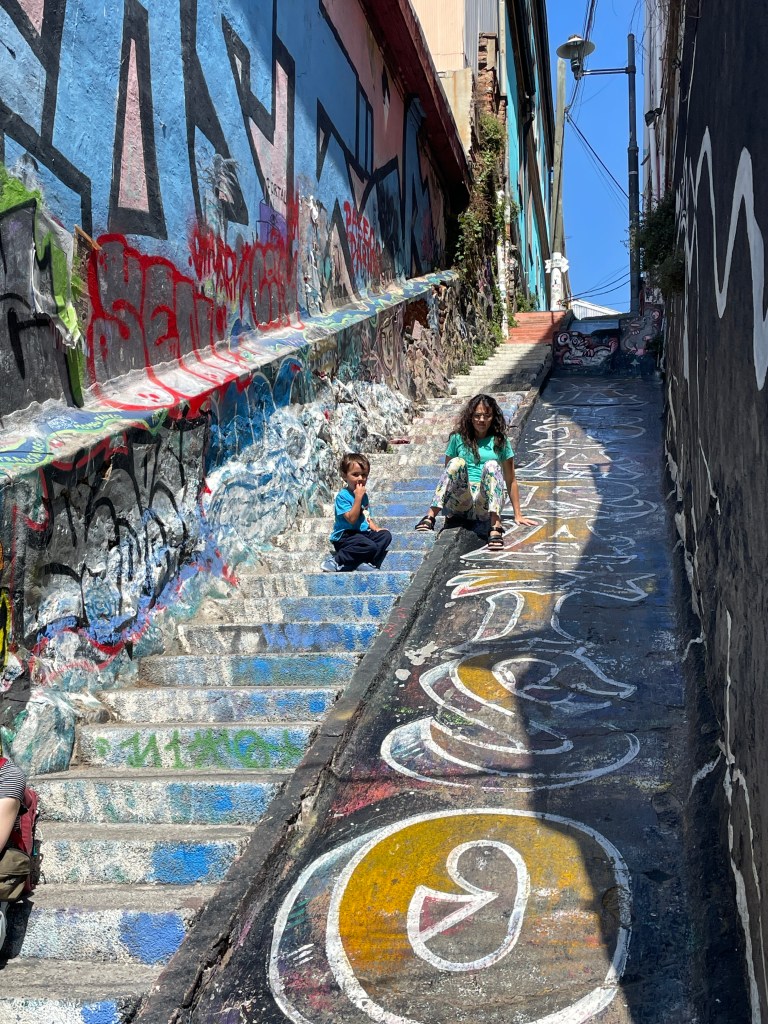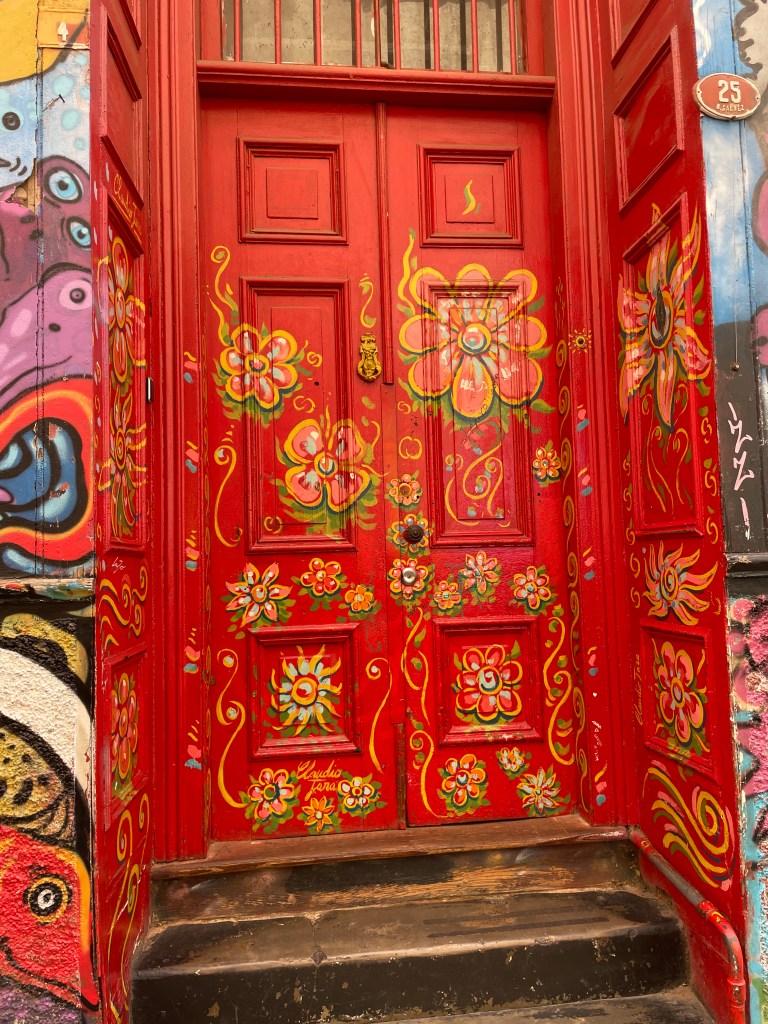
“The City Of Murals” …. Valparaiso, Chile

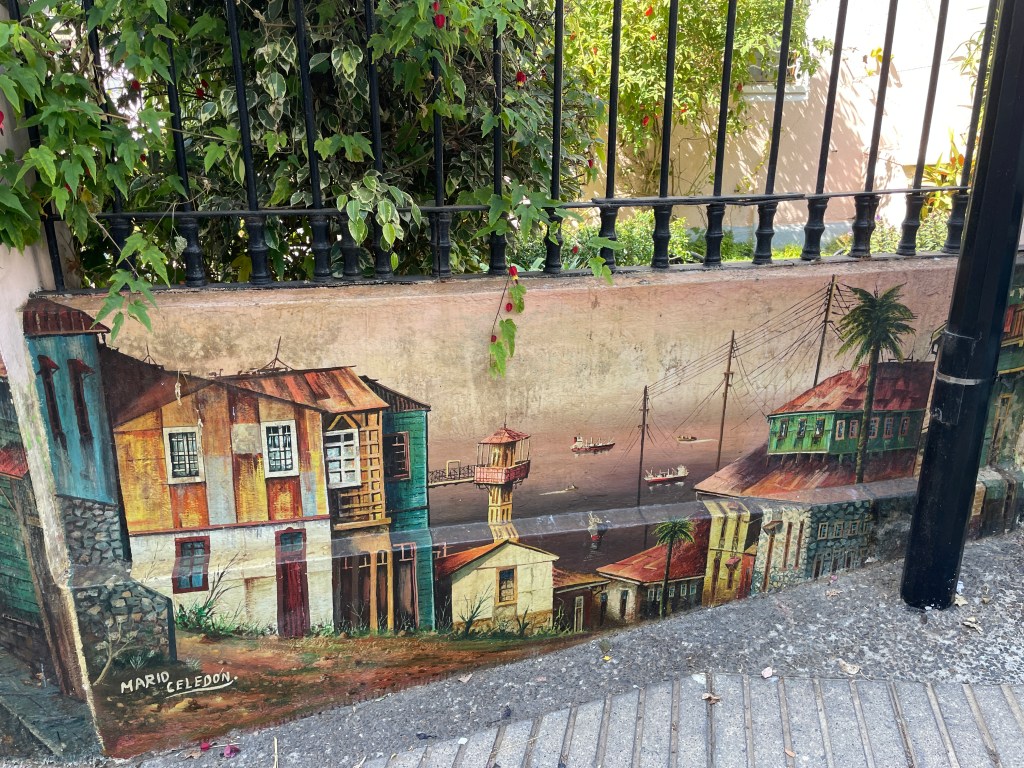
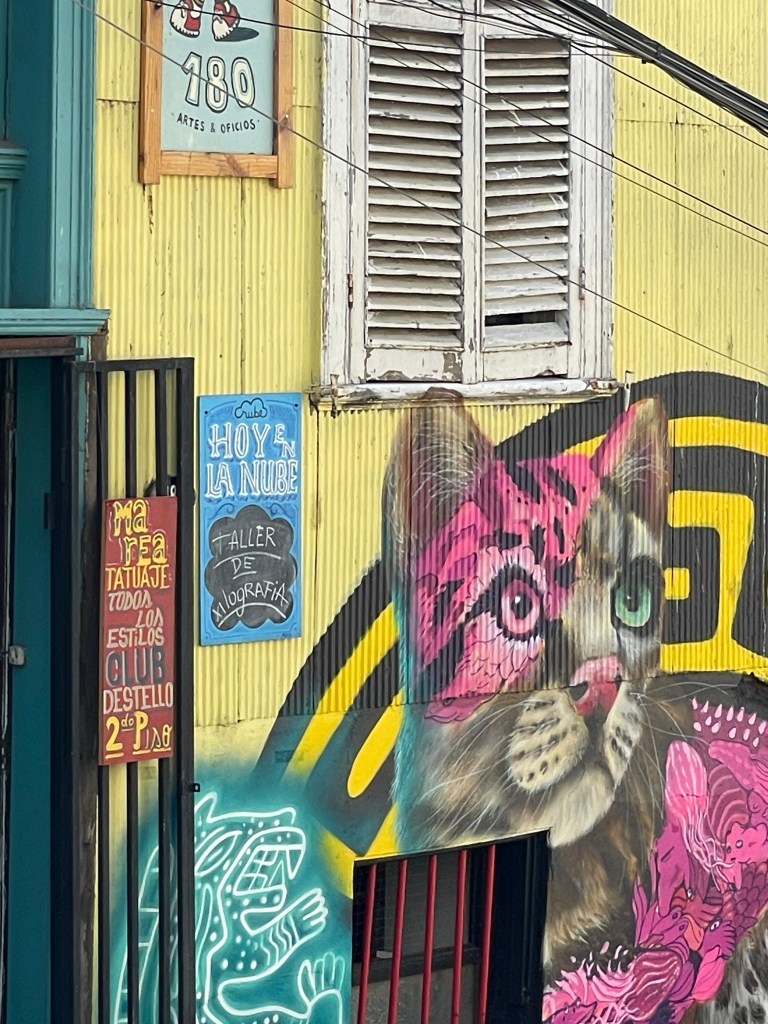
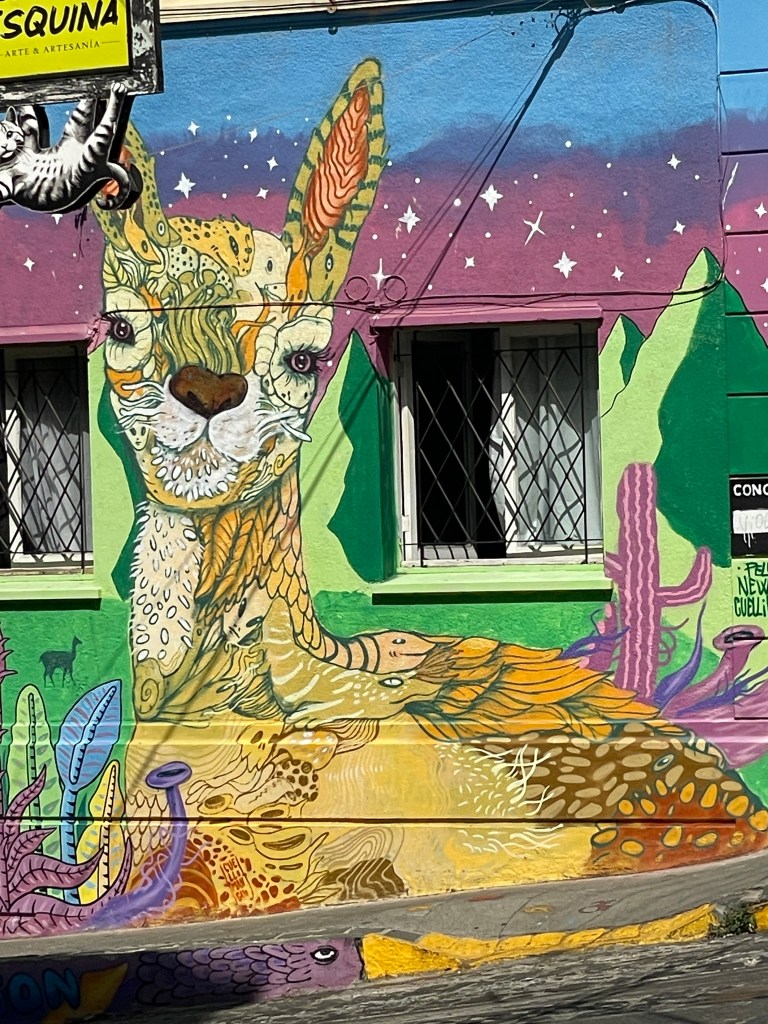
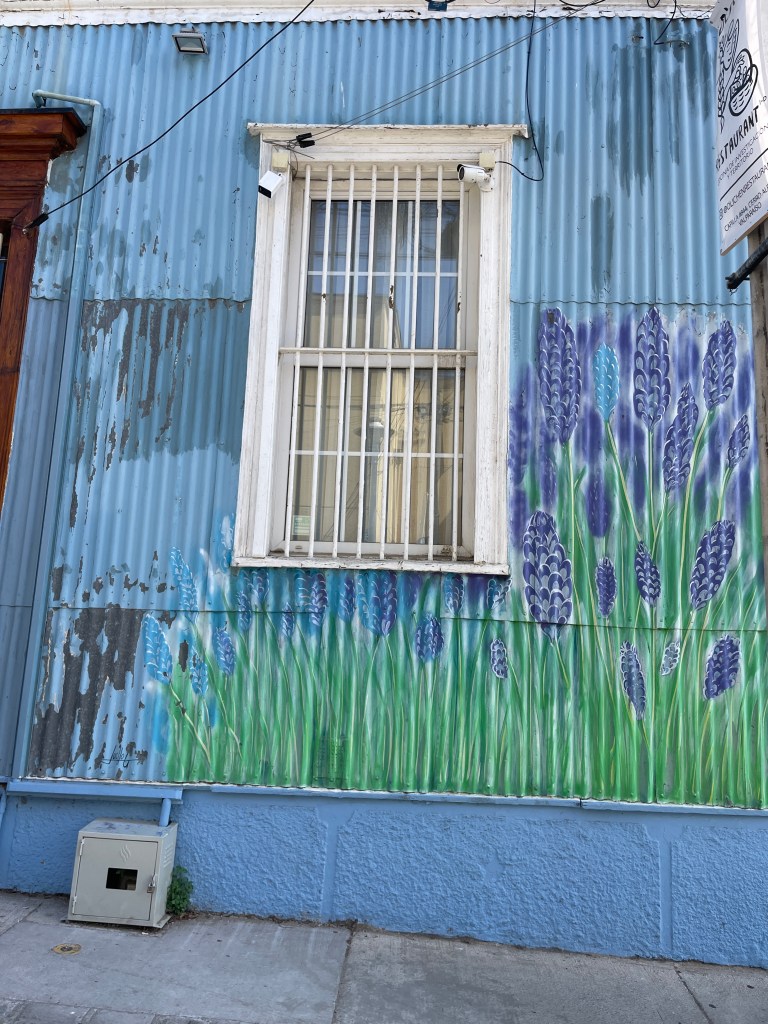
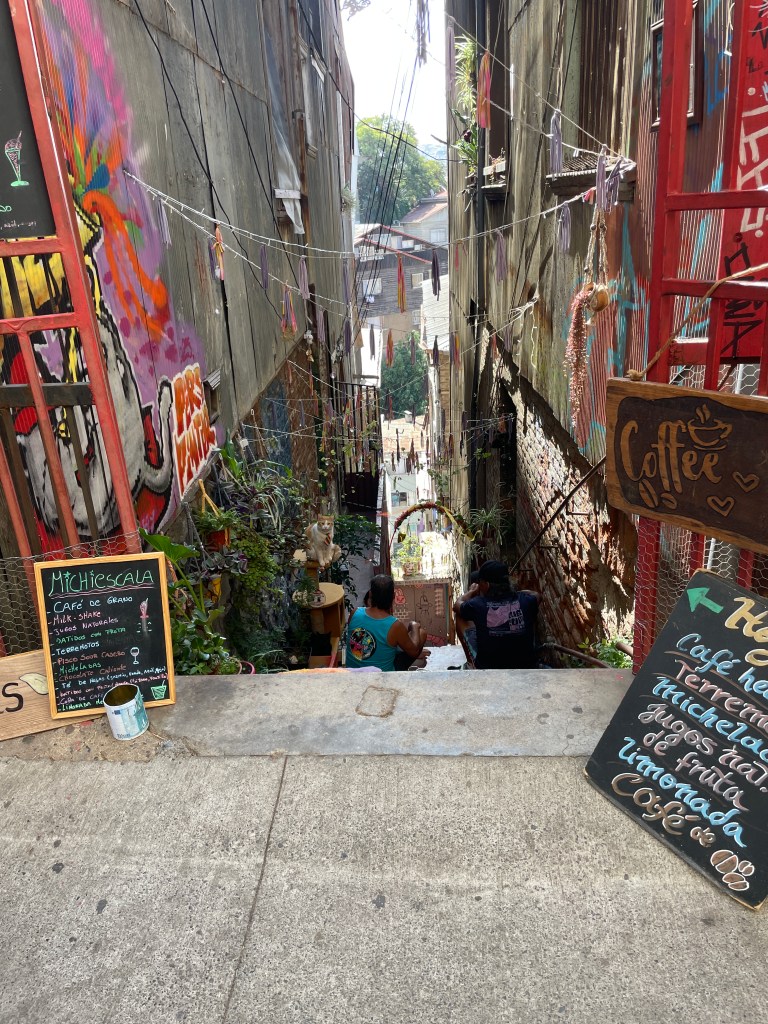
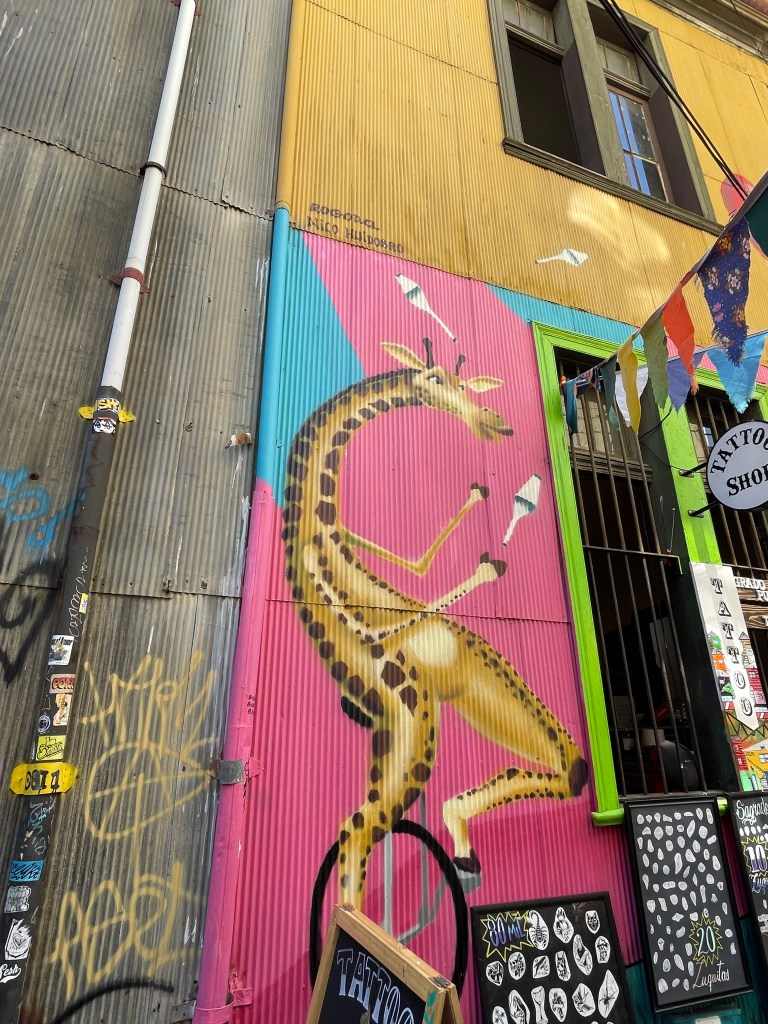
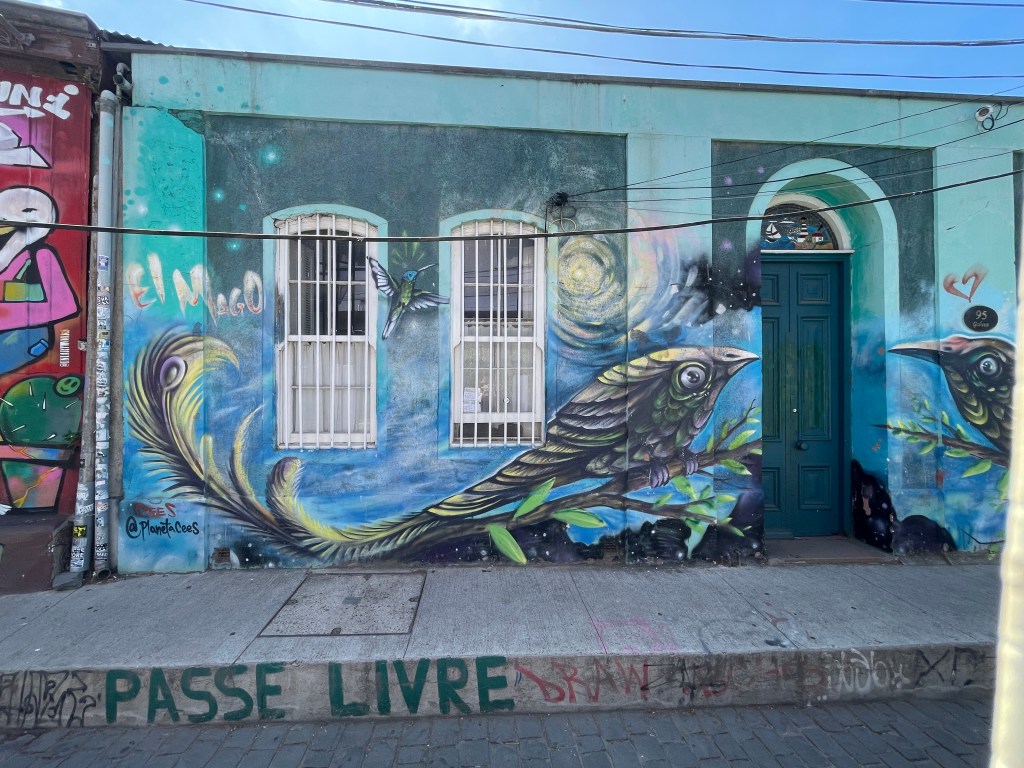
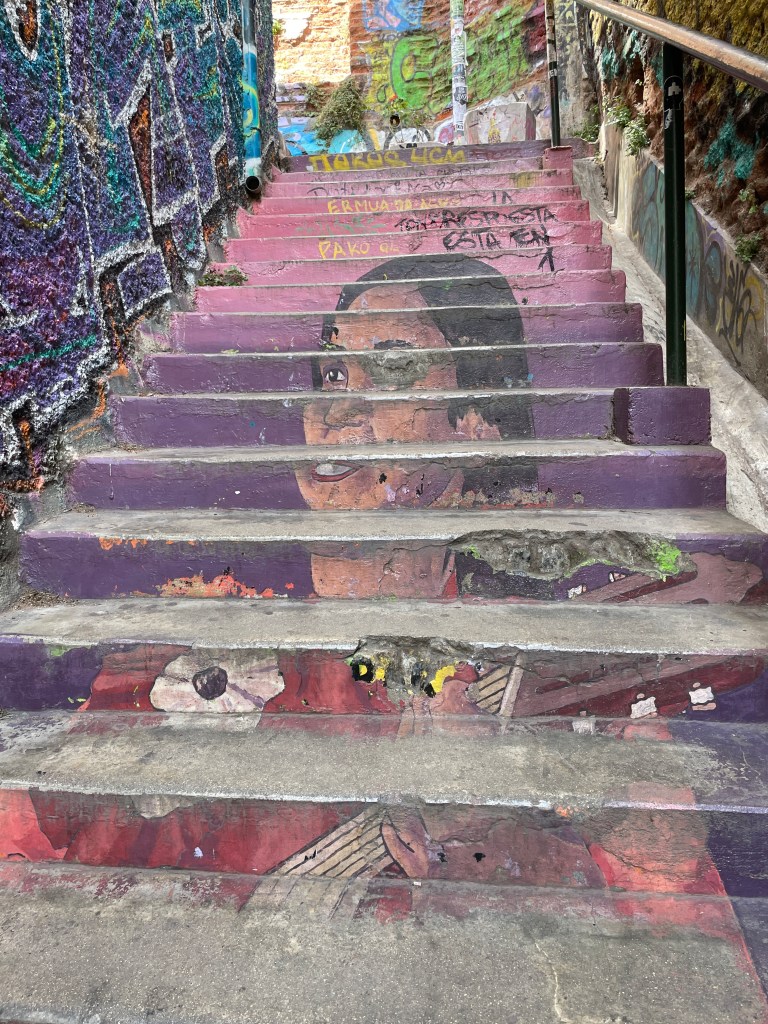
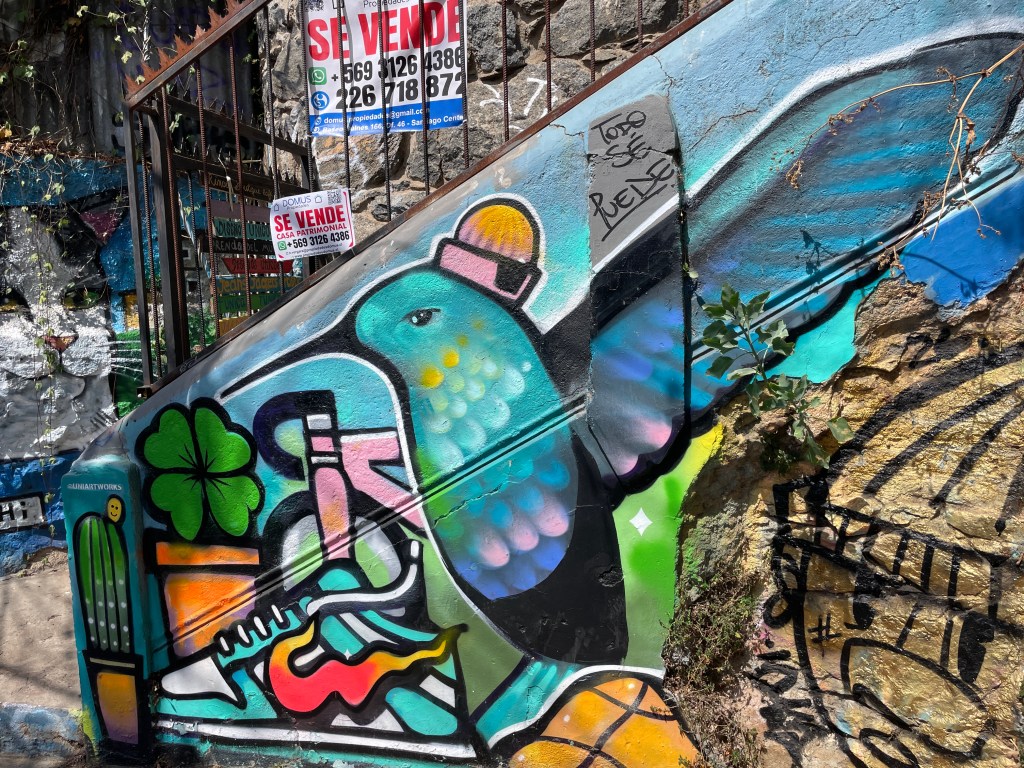
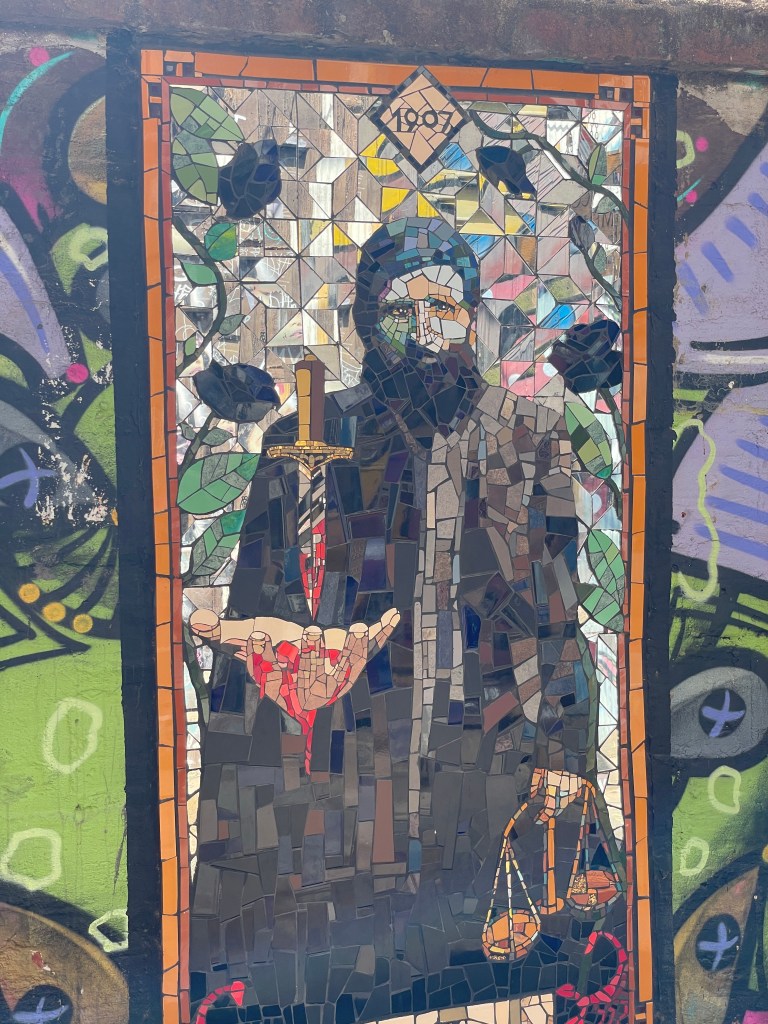
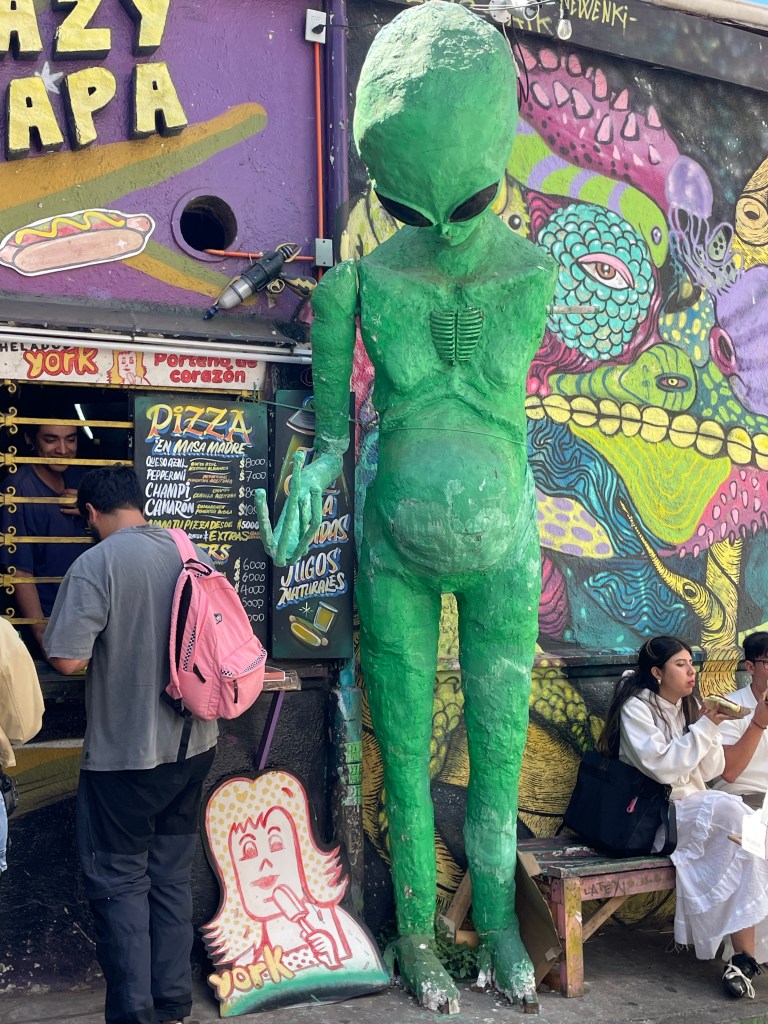
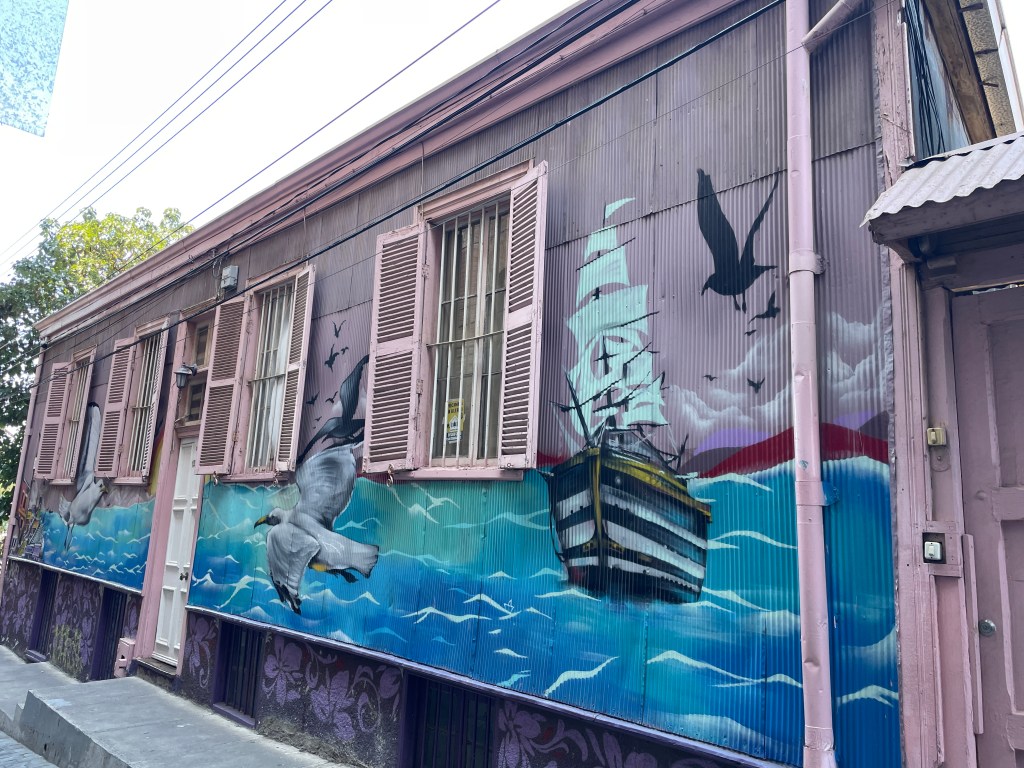
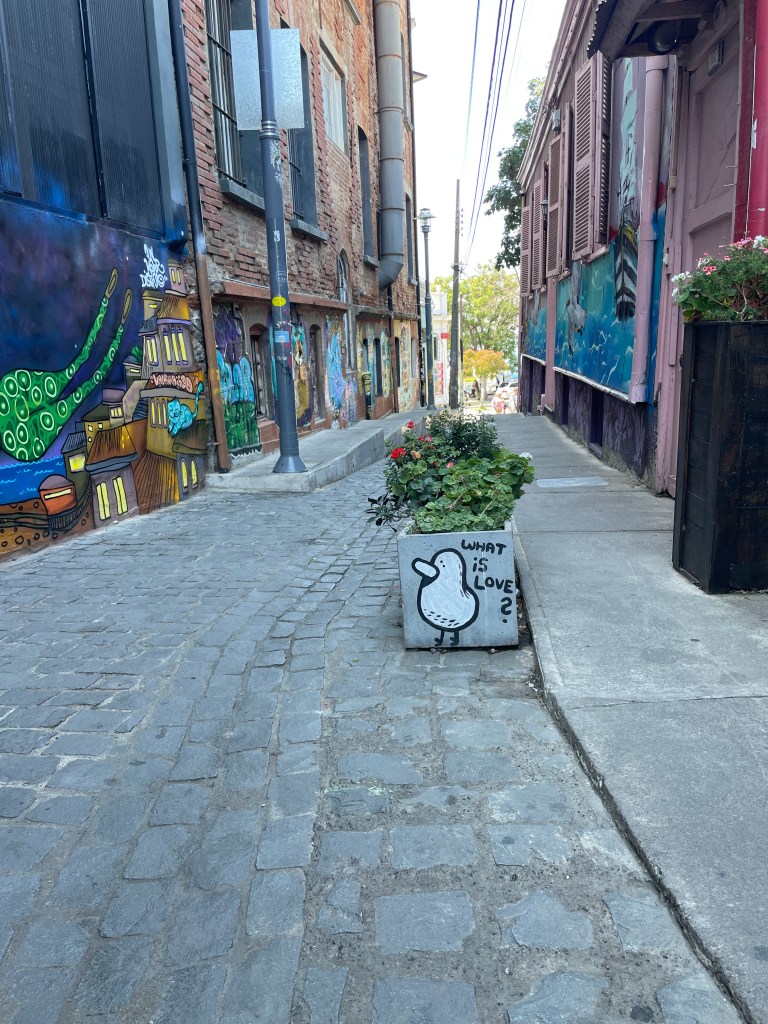
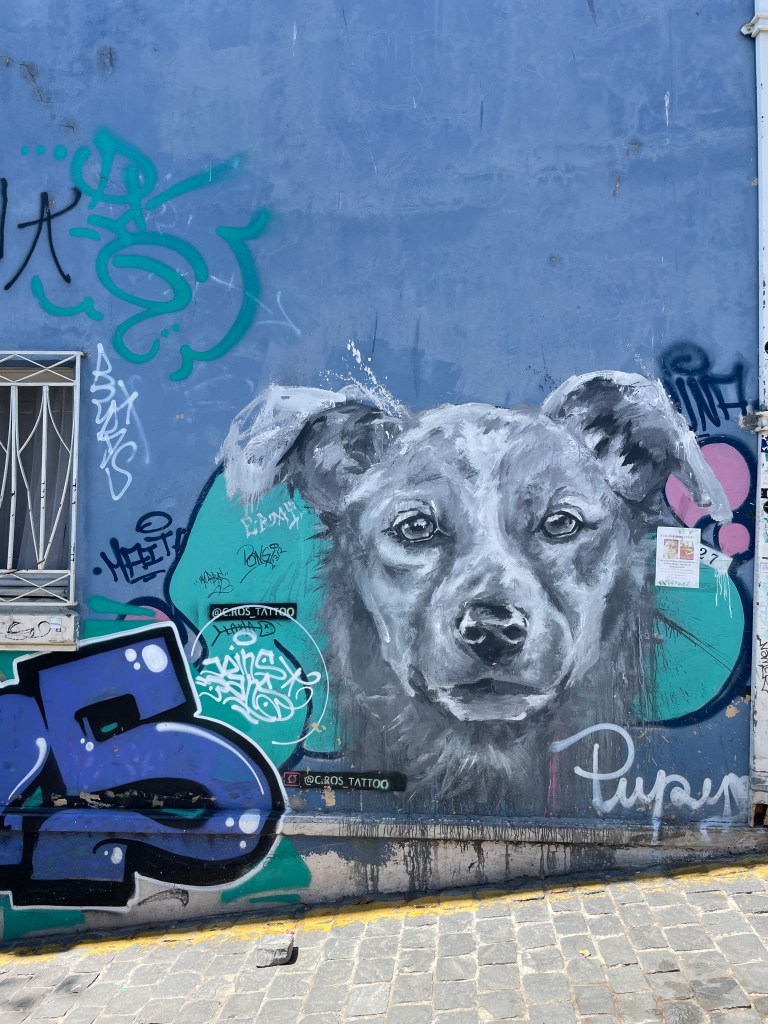
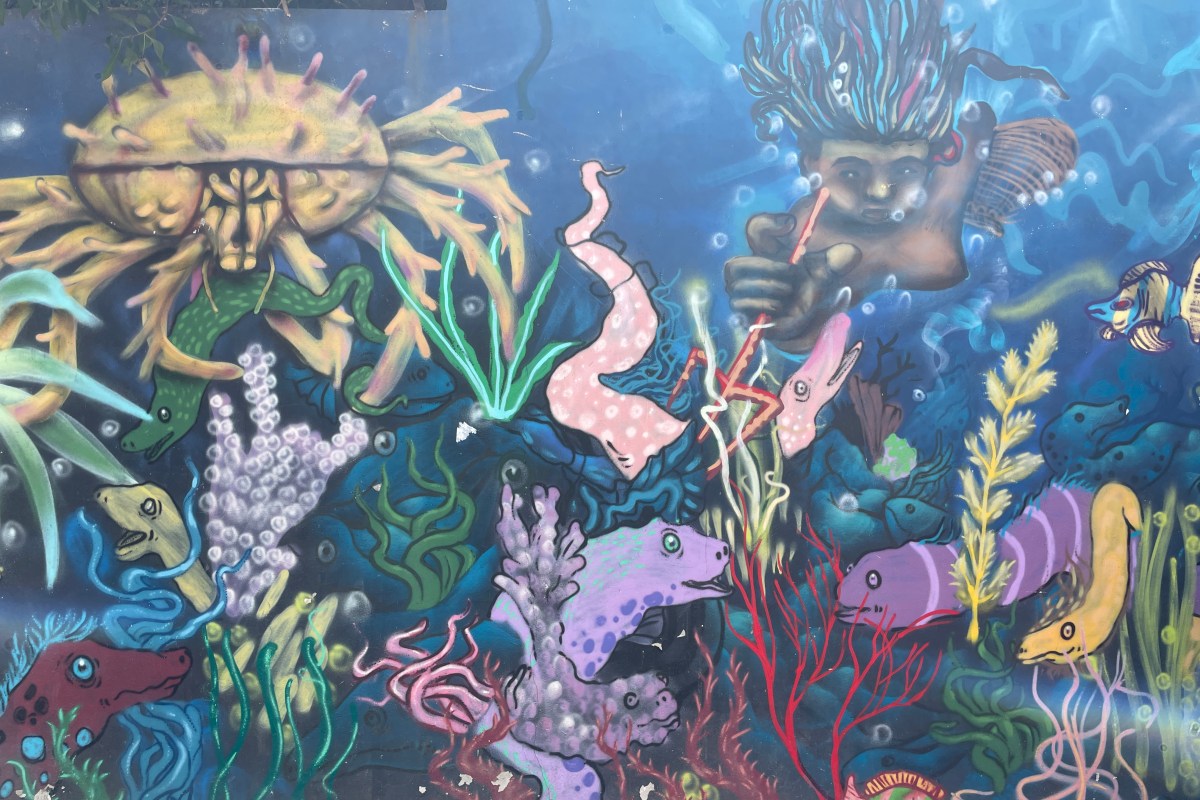
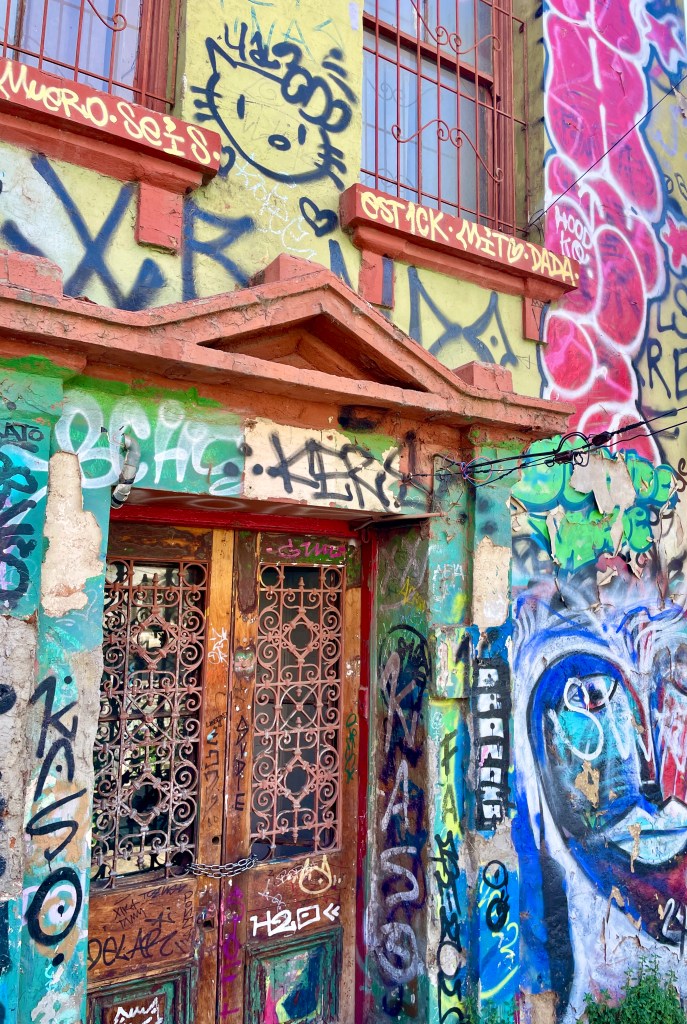
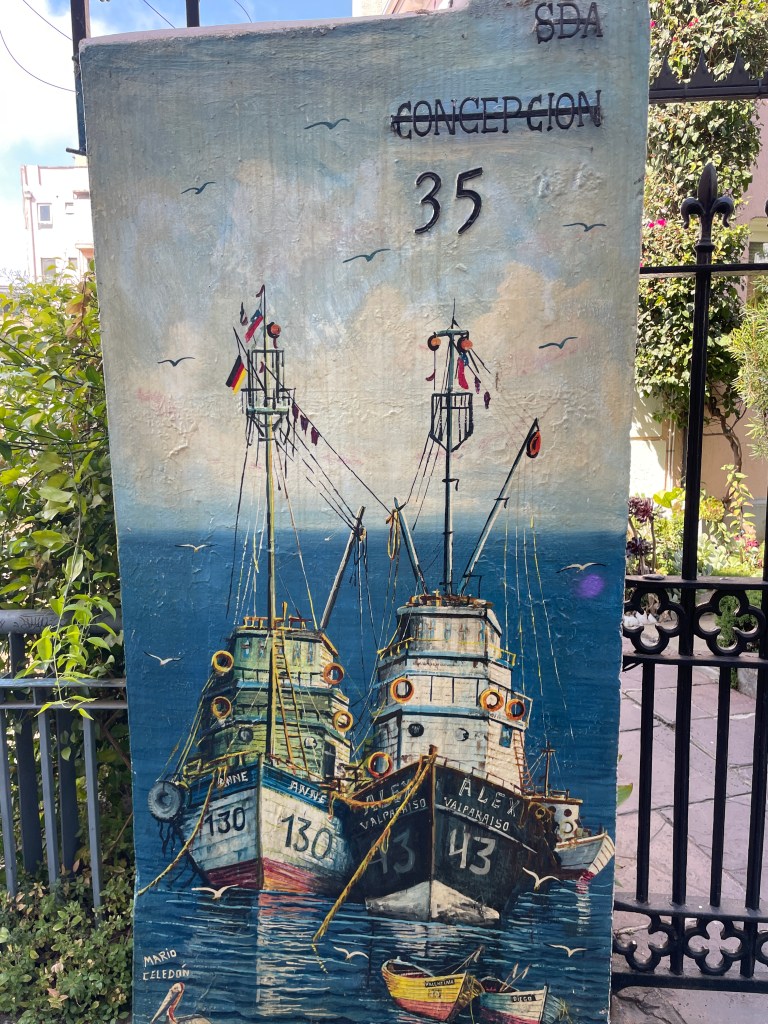
The coastal city of Valparaiso is known as an excellent day trip destination from Santiago so why did we hesitate to take the plunge? I suspect it was because Santiago was such a disappointment compared to other places we had traveled in the region. But sometimes listening to “the experts” pays off and in the case of Valparaiso it did. Known as the “City of Murals” it once served as busy seaport off-loading ships traveling between the Atlantic and Pacific Oceans through the Straits of Magellan. While still an important port its glory days were numbered when the Panama Canal came into existence. Today it is known as a bohemian town, rich in a variety of festivals and artistic folk who paint, sculpt, and indulge in interesting and dynamic forms of modern art.

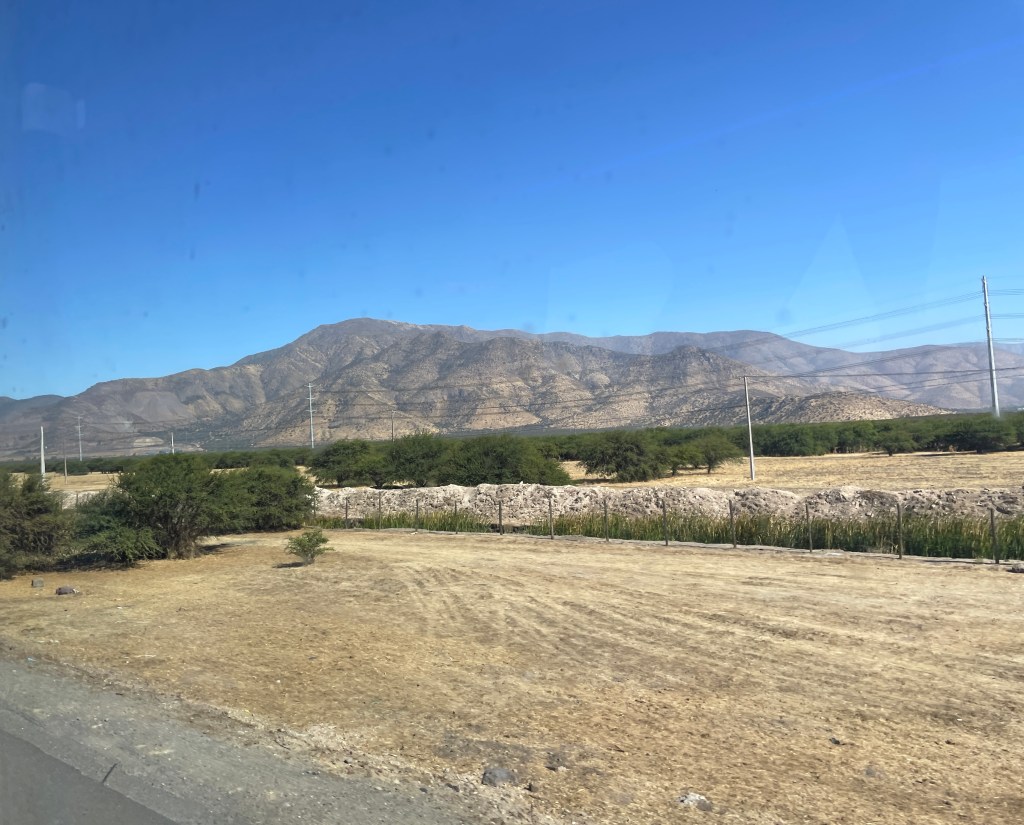
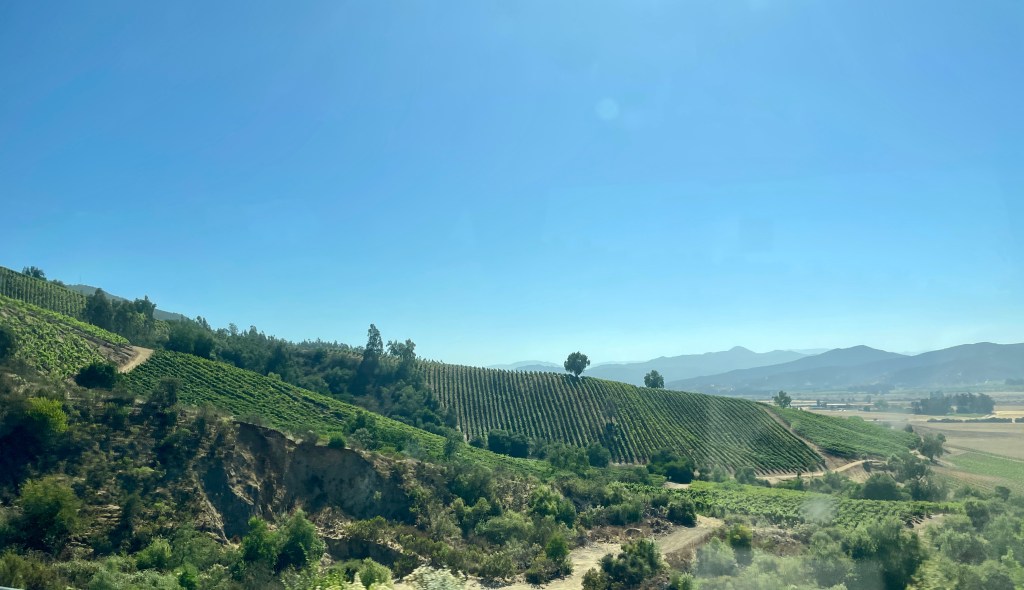
We hopped a bus at one of the stations which offered regular routes between Santiago and the coast. Buses run about every half-hour to hour depending on what bus company you choose. Ticket prices run between $7-20 US dollars depending on the company and the departing time. The hour and 45 minute trip took us through mountains that reminded me of Southern California passes and Central Valley vineyards.
After arriving at the bus station we picked up an Uber and headed to the port for some lunch. We ate at an ancient sea food restaurant which I wish I could say was fantastic but it wasn’t. Part of the issue was in the translation of the menu. Crab cake = hot crab dip in a bowl. Seafood stew turned out to be cheese over scallops. Disappointing, yes, but while we were there the place grew crowded with locals so perhaps knowing local dishes could have been helpful.

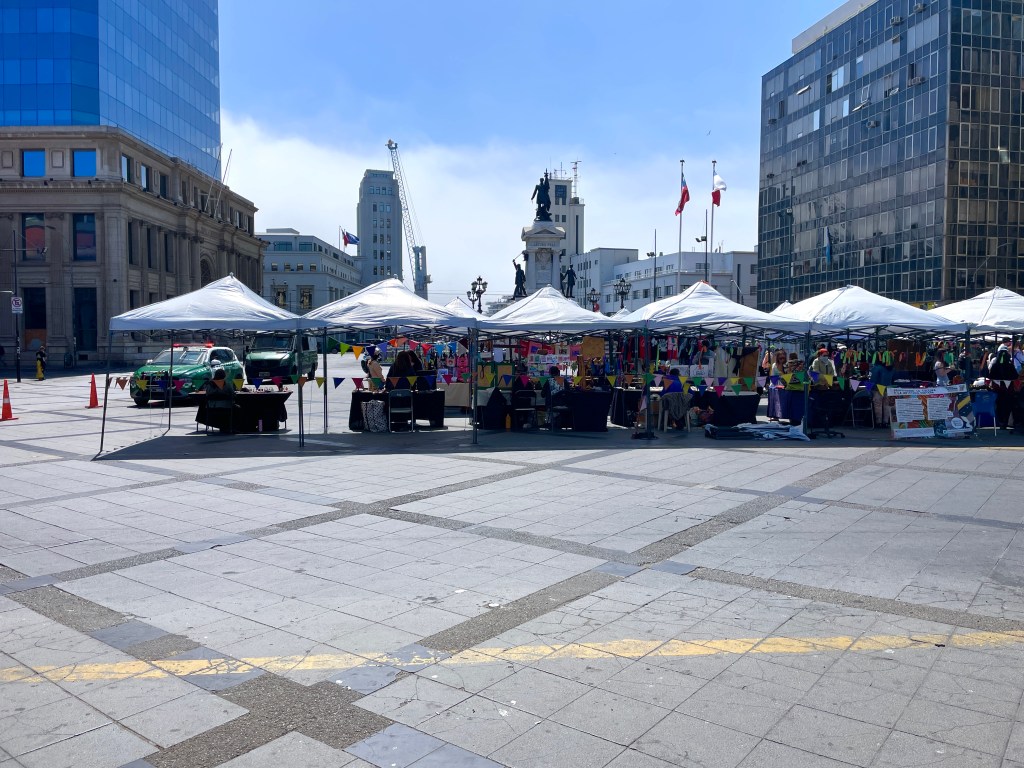
Luckily, we chose to go on a Saturday and the artisan market located in the square was bustling with a large variety of artists selling all sorts of wares. I bought a beautiful multi-colored metal bracelet for about $10.
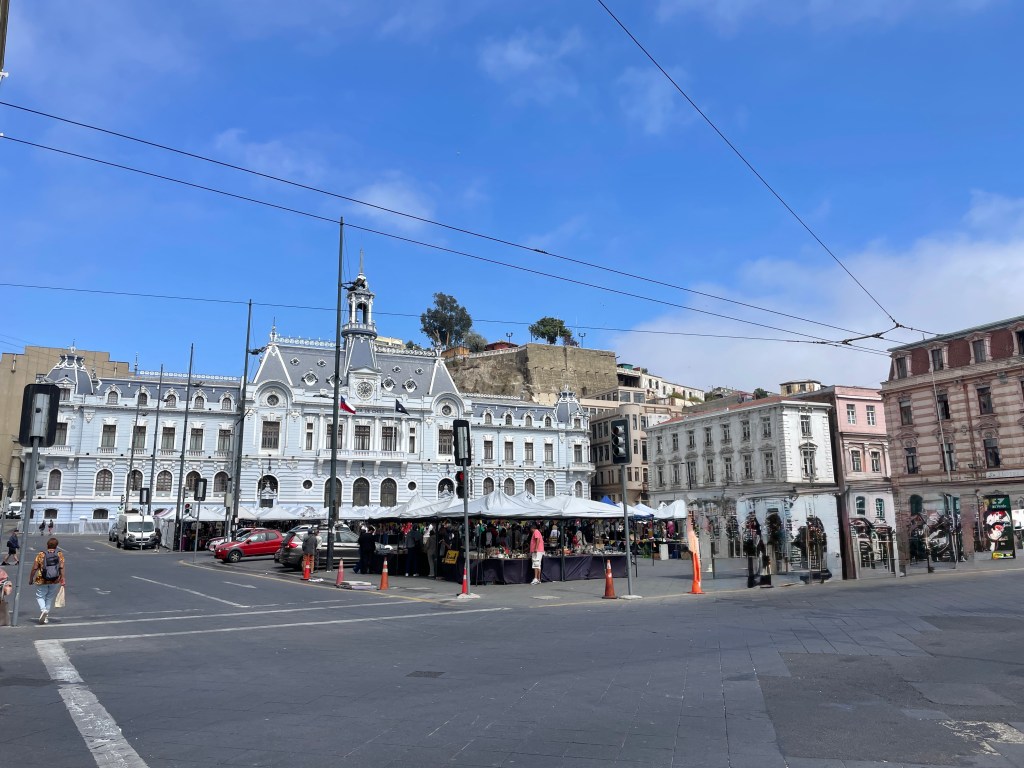
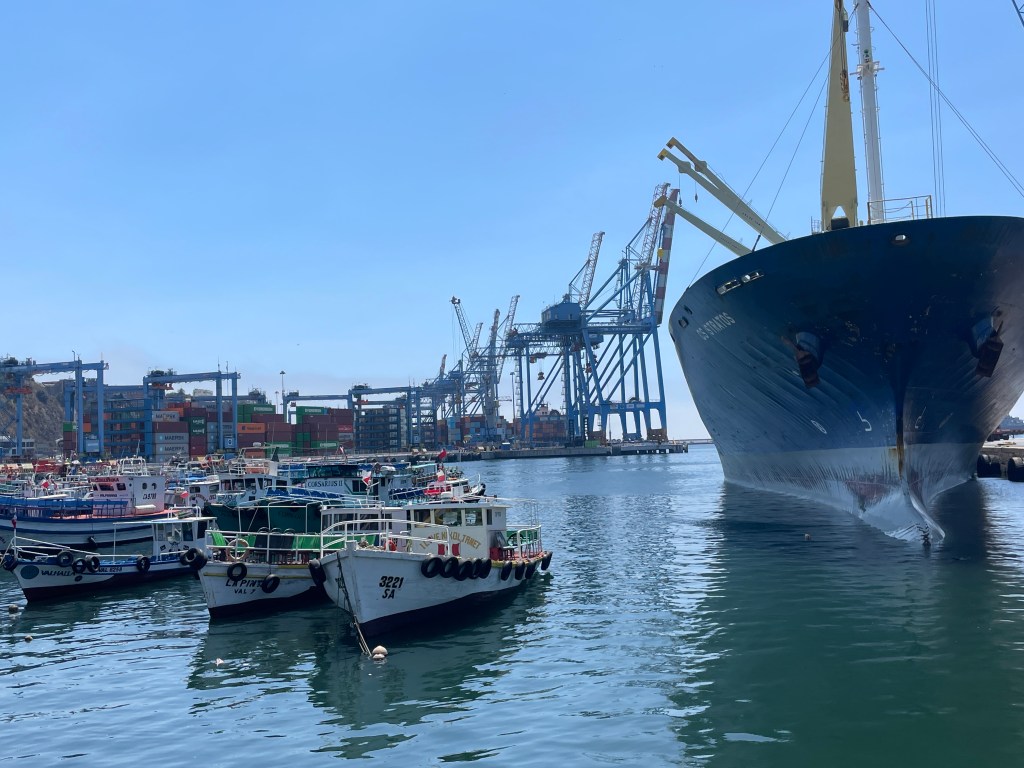
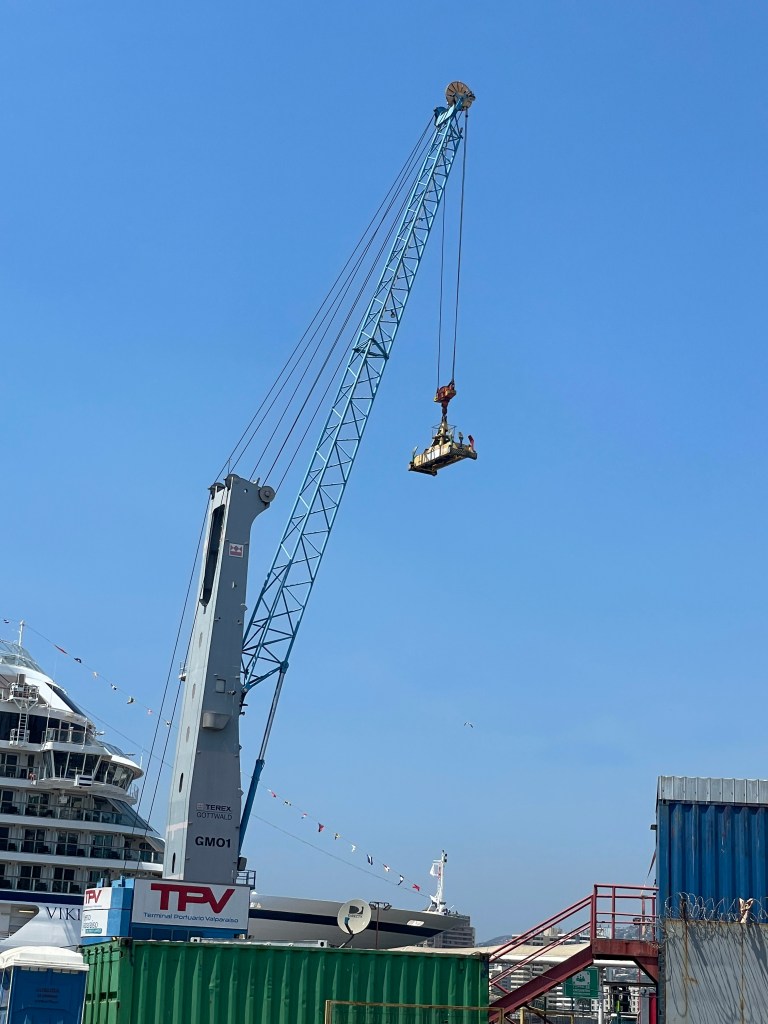
From there we headed over to the port to watch the unloading of huge cargo ships. The boats are so big and the number of shipping containers stacked upon the decks is mind blowing. It was an interesting stop within the city. From here you can also catch boats which take you out on various fishing excursions.
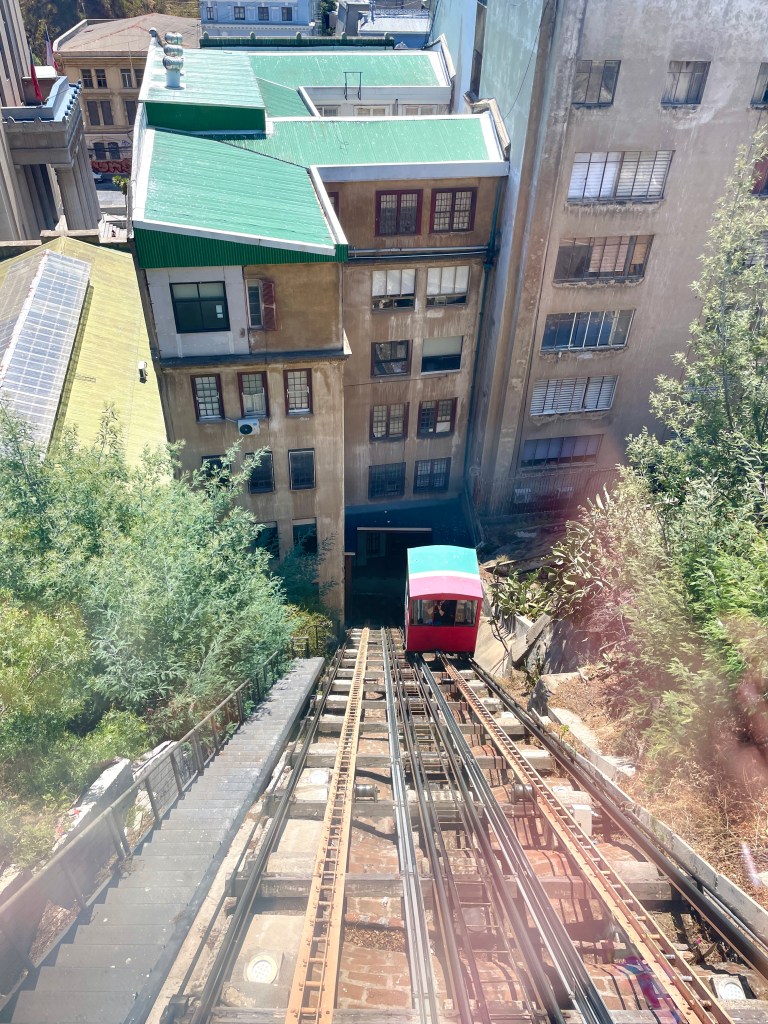
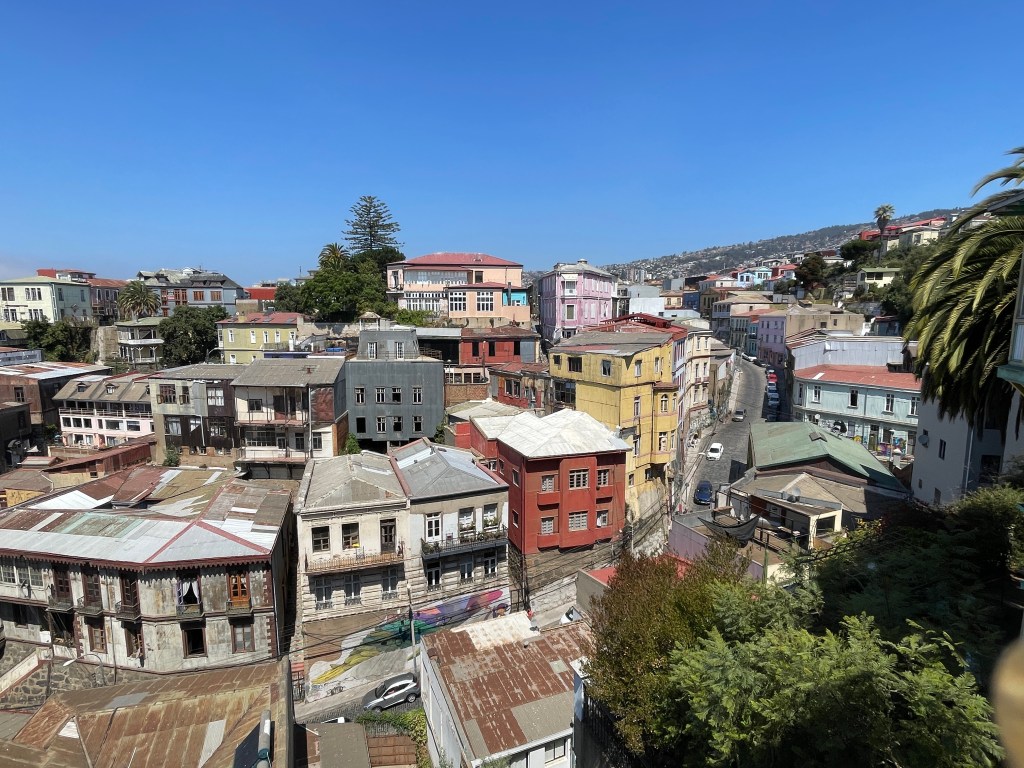
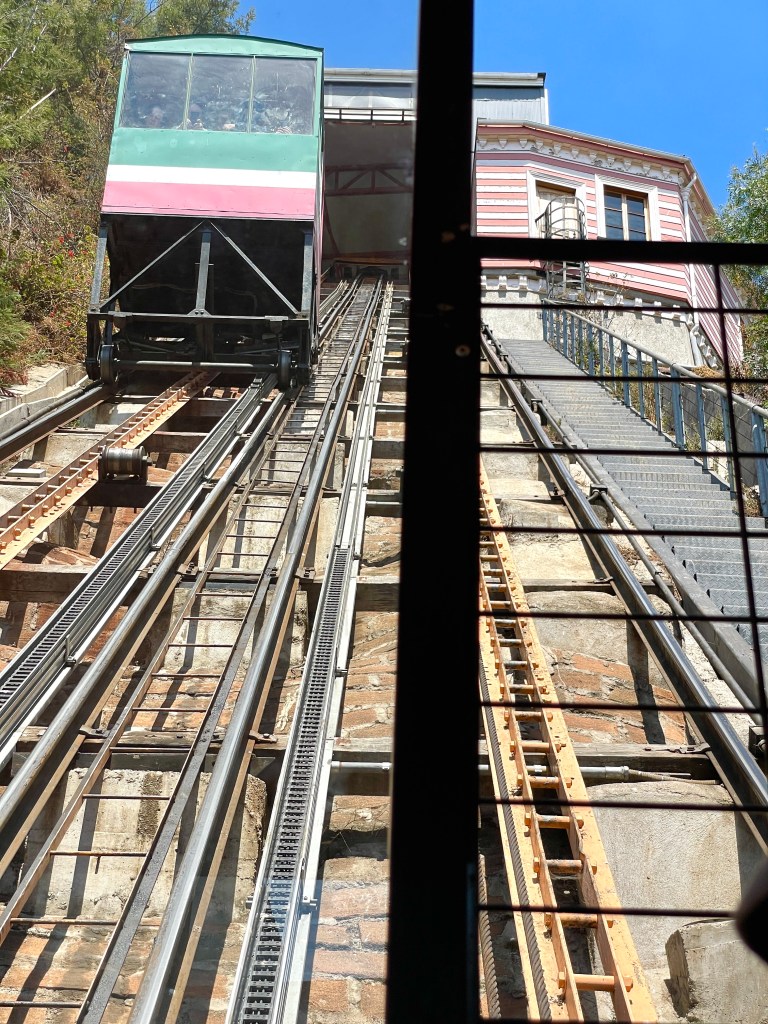
Then it was on to what we had come to see…the famous street art of the town. Since Valparaiso is surrounded by hills reminiscent of San Francisco the city has always had issues with moving its citizens about. However, a hundred years ago there was an extensive number of funiculars which were installed just for that purpose. Today, the town has sixteen working funiculars which climb the steep hills and can be found on the UNESCO World Heritage List. I can’t remember exactly how much they cost to ride but it is cheap and the toll is worth it if it saves your knees for the many curves and slopes which await you on the cobblestone streets ahead.

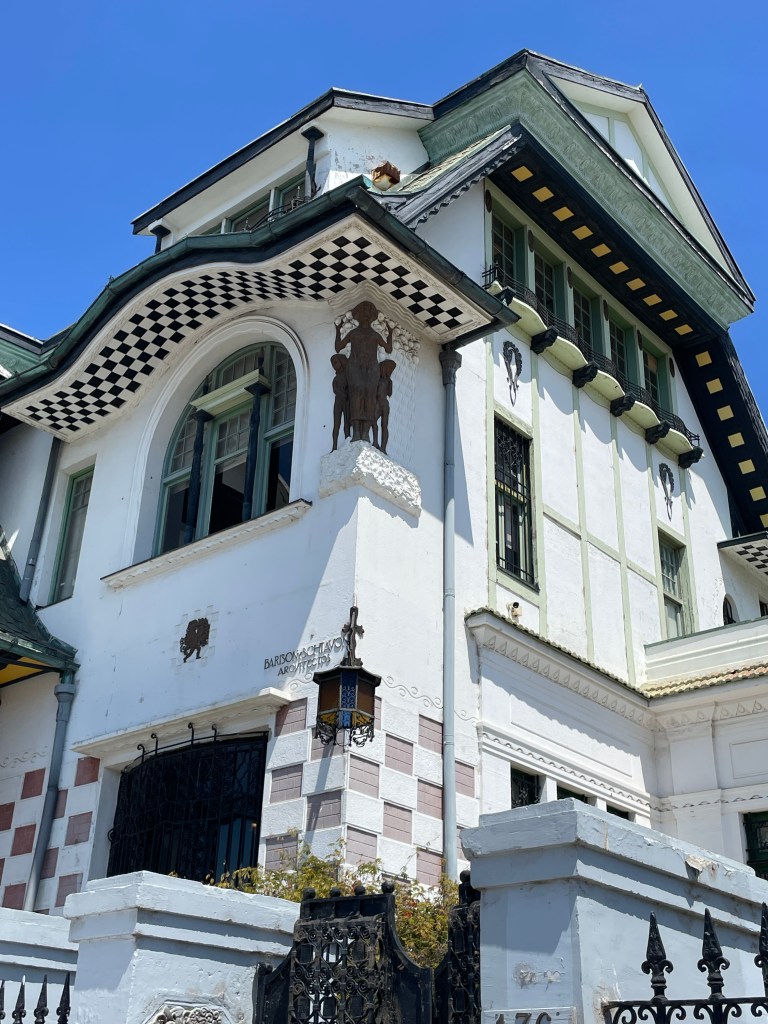
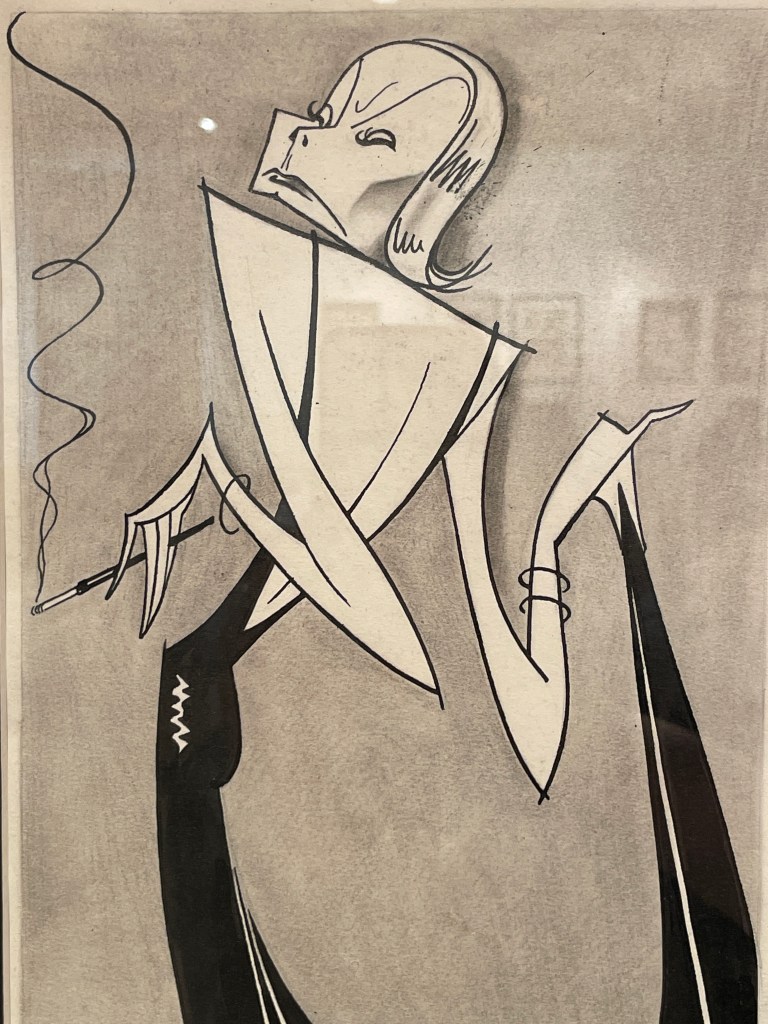
The vistas from the top of the hills are amazing and outside the Museo Palacio Barurizza. The museum is closed for lunch but a small free exhibition of the works of cartoonist Rene Rios a/k/a Pepo, creator of Condorito, a much loved Chilean condor, was available for viewing in the basement.
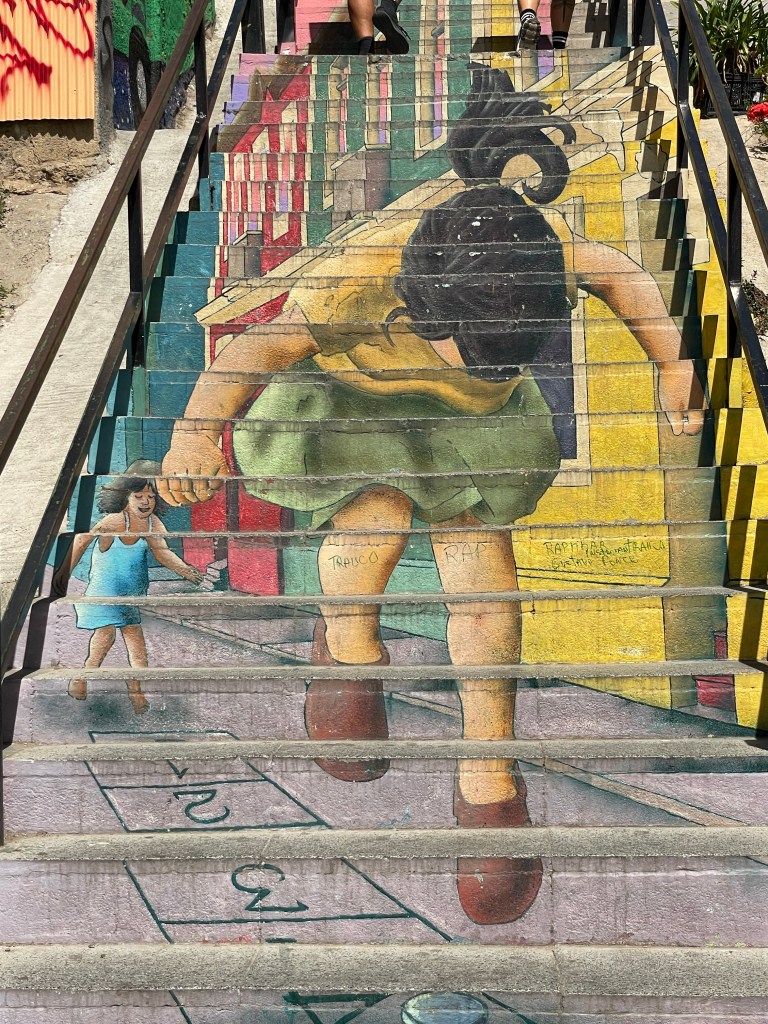
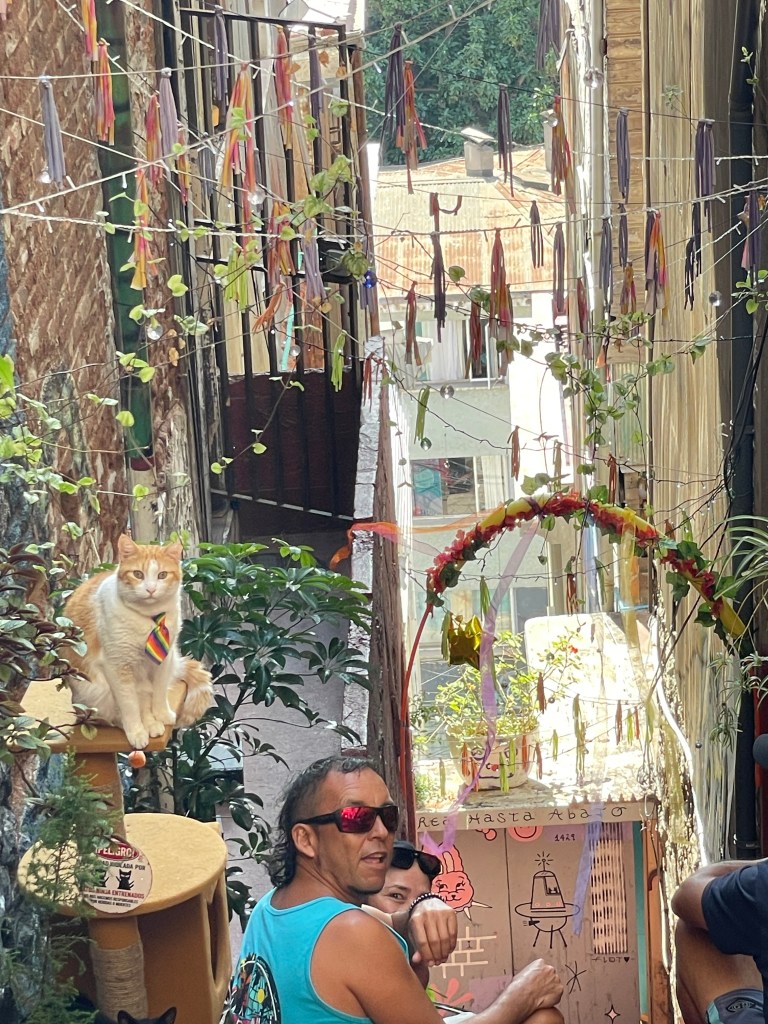
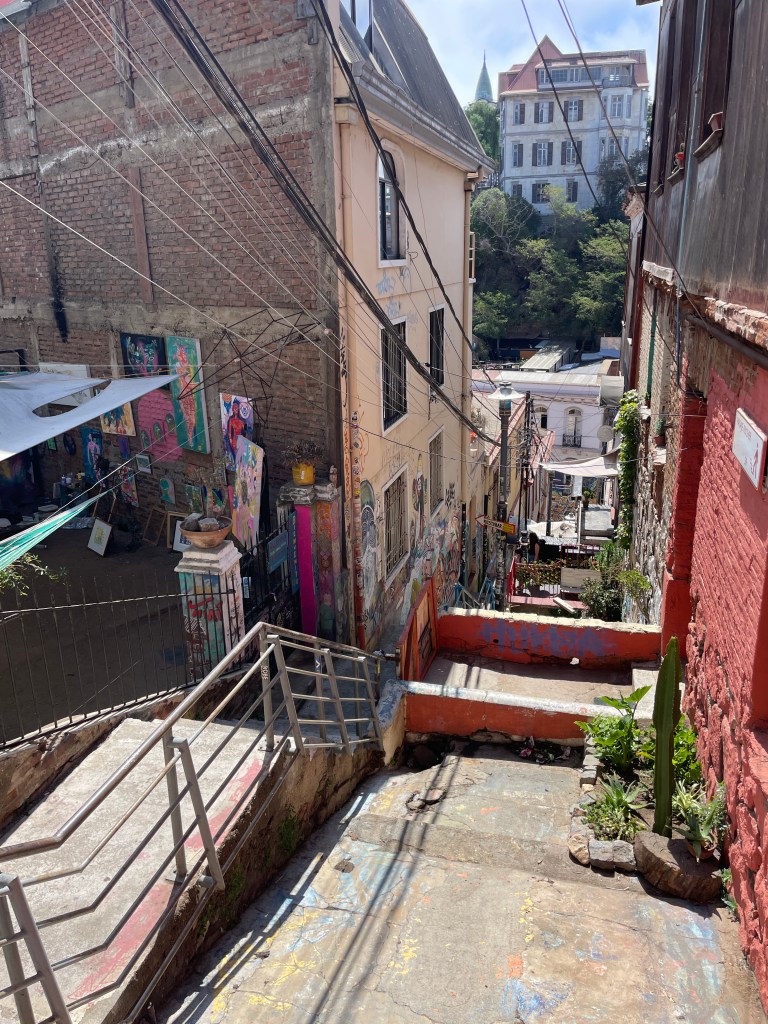
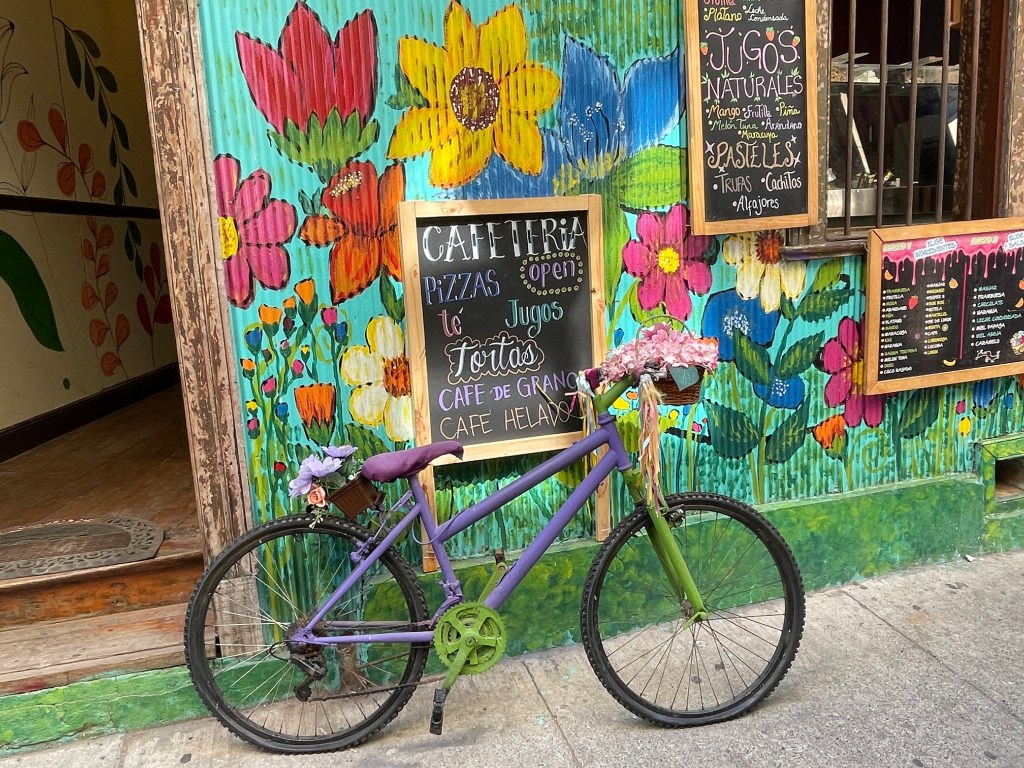
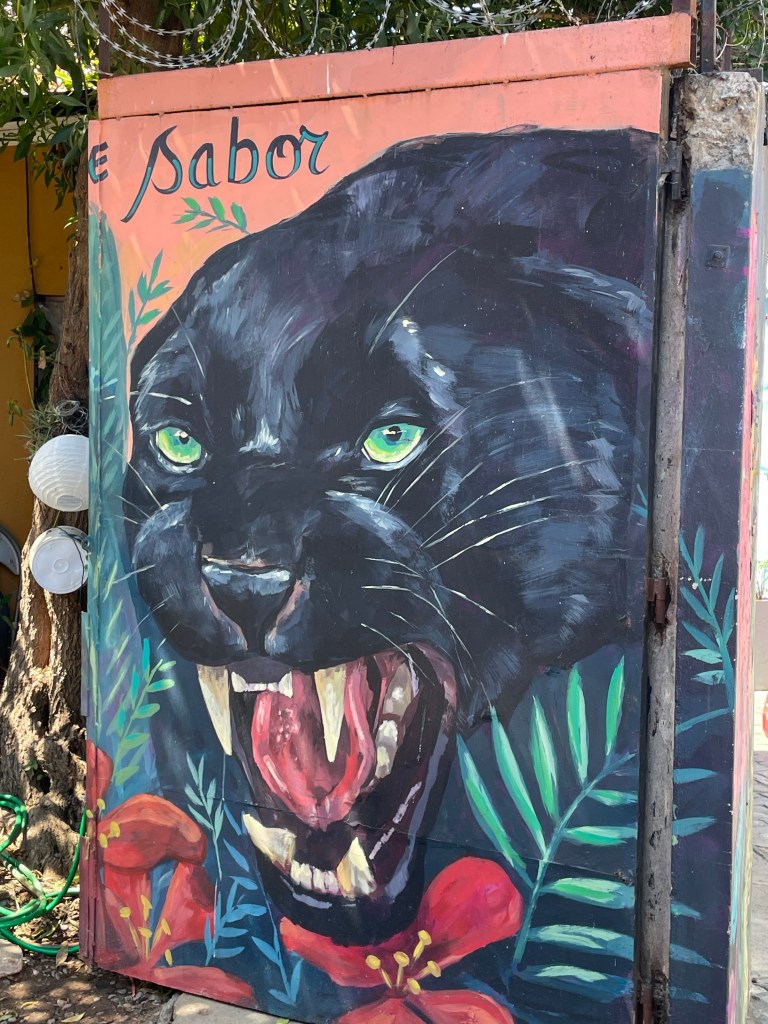
From the museum we wandered alleys and hidden staircases, ducking into small shops and artist studios, while enjoying the street art that Valparasio is so famous for. Hope you enjoy this very small taste of the murals of this interesting coastal city!
The Embera’ of Panamá

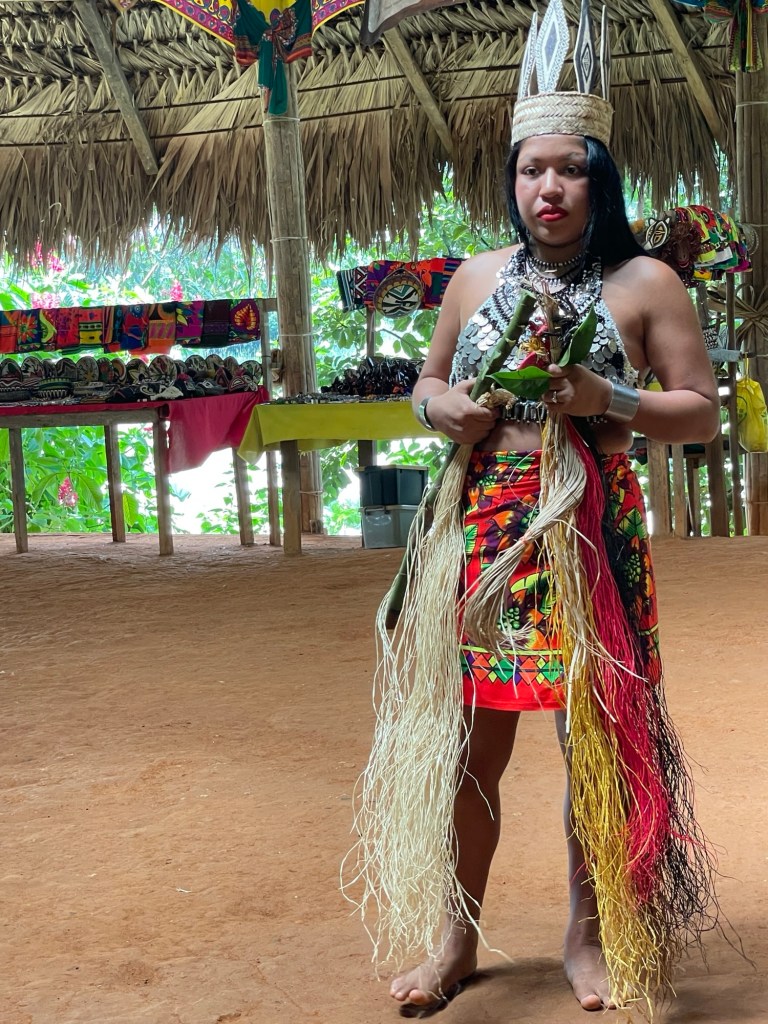
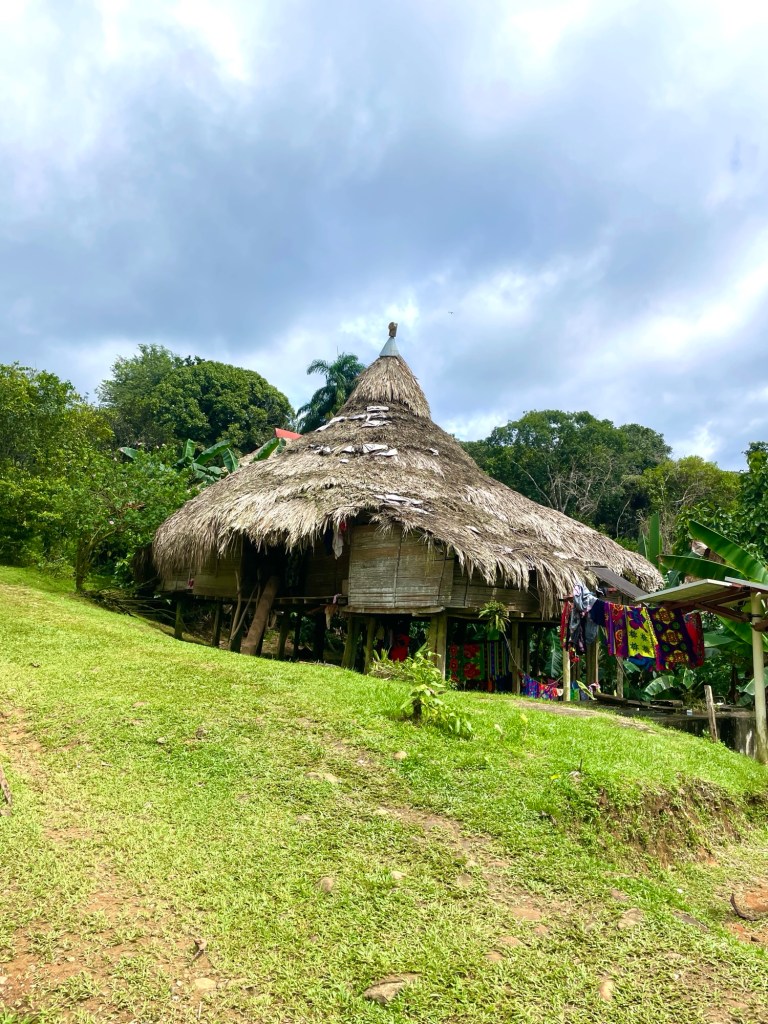
Today I visited the indigenous people known as the Embera, who have lived within the forest of Eastern Panama for thousands of years. Surviving primarily through fishing and growing various crops; the Embera’ now earn a living by educating tourists as to their way of life over many millennia.

Arriving at the river we were greeted by men in traditional clothing and ushered into dugout canoes for our journey up the waterways.

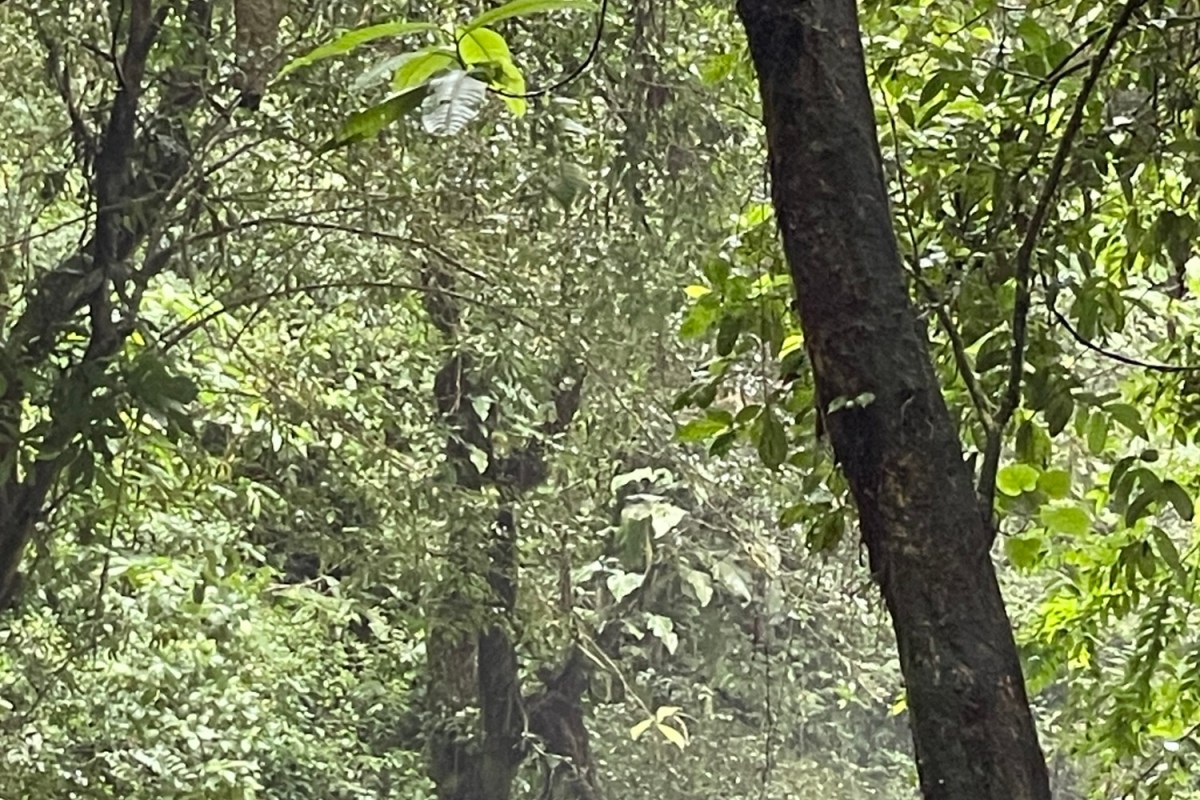
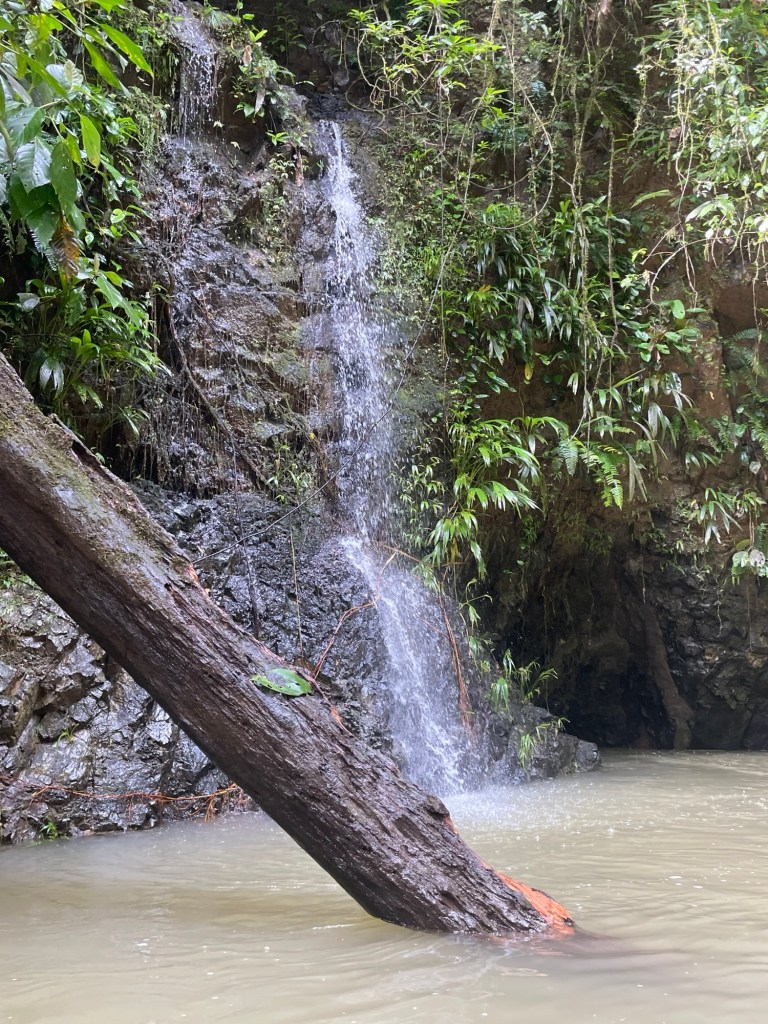
Our adventure really began as we ventured onto the river’s tributaries spying huge neon blue butterflies drifting along the banks, blue herons standing on their tall skinny legs around the waters edge, and small waterfalls sliding down the hills. Finally, we arrived at the biggest waterfall in the area where we had to clamber along slippery rocks in order to enjoy its fine mist and thundering show. The sacredness of this beautiful place was not lost on anybody.

After experiencing the earth’s natural tranquilities we headed to the Embera’ village where we listened to an educational program about the tribe, learned about how baskets and made through naturally dyed chunga palm fibers and heard the story of how tribal justice is delivered using interlocking foot boards, honey, and any insects that decide to make their way to the disgraced person via that sweet honey treat.

The Embera’ are also known for their use of kipara which decorates their bodies and unlike a permanent tattoo only lasts for several weeks. The color is derived from the Jangua fruit and the art of kipara has been shown to repel mosquitoes as well as other kinds of insects.

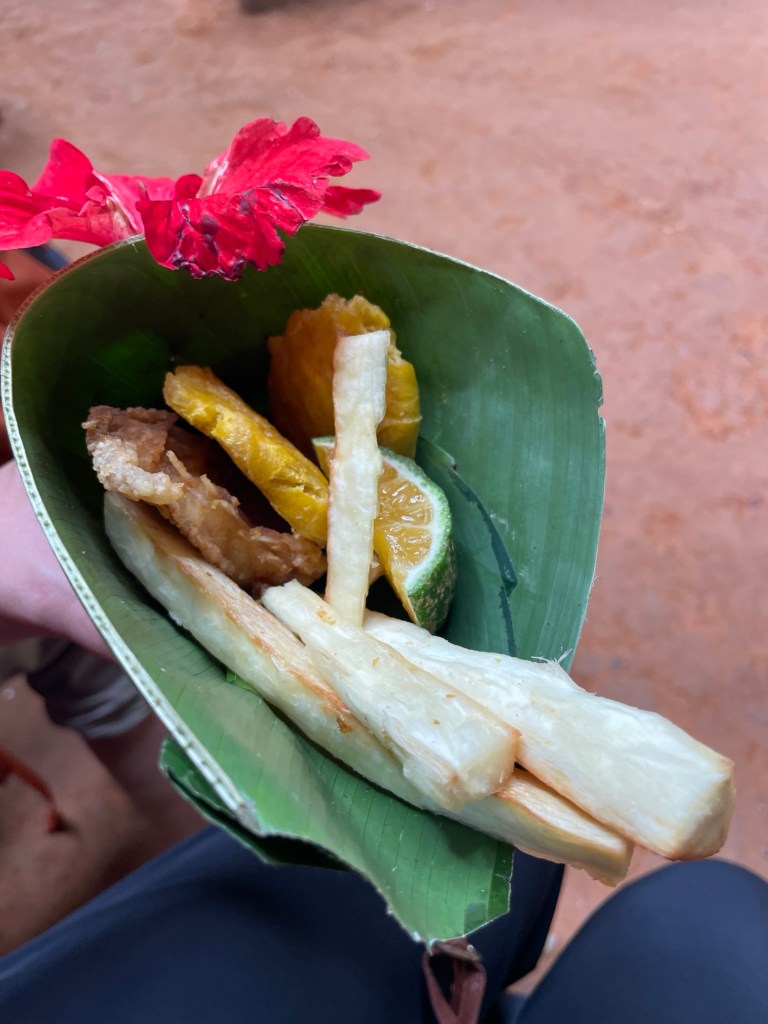
After the program we feasted on a lunch of taro, fresh-caught fish, and various fruits. It was delicious!

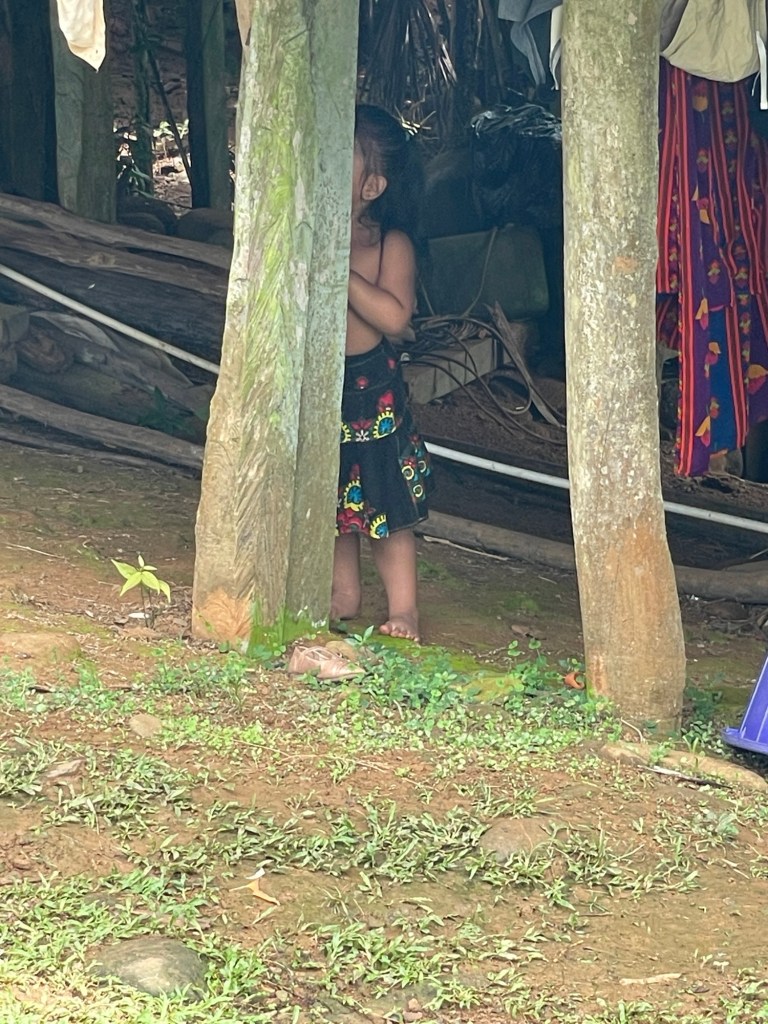
One of the things I enjoyed the most was a little girl who climbed down the steps of her home and hightailed it under the house in order to hide from her mother. She looked at me and put her finger to her lips to let me know in no uncertain terms that I was not to inform her mother as to her whereabouts as she scampered away!
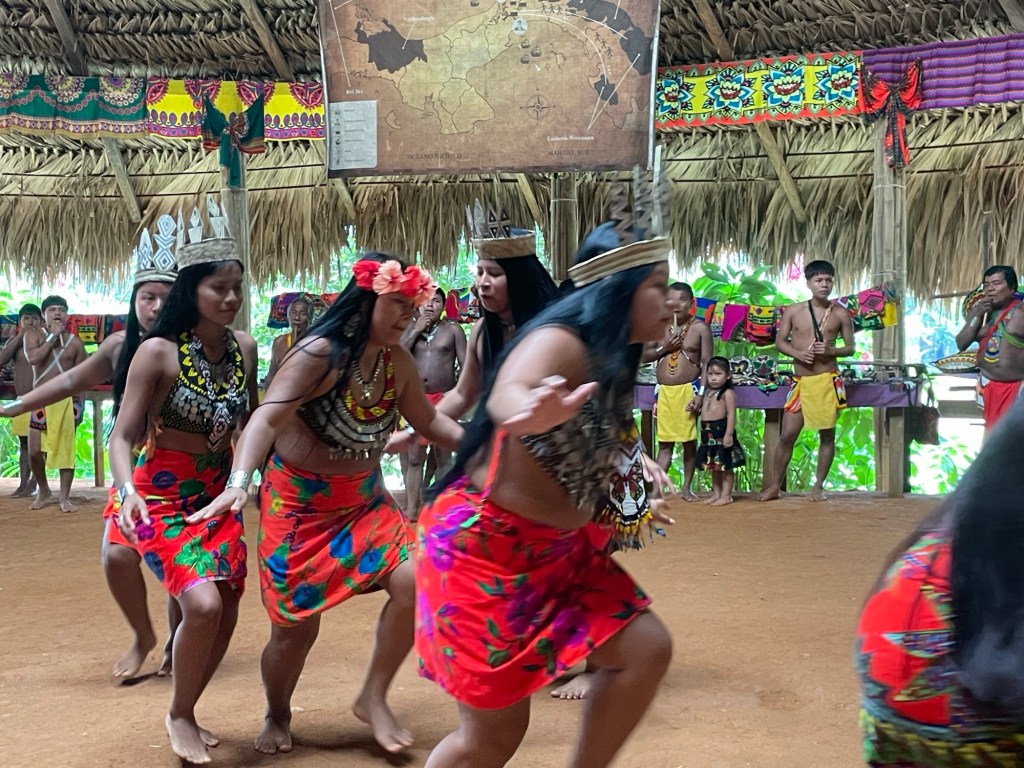
After lunch we were entertained by the traditional dances of the Embera’ people and asked to participate after a demonstration. Let’s just say my partner was lucky that I only stepped on his barefoot toes once with my two left feet!

All too soon it was time to head back to “civilization” after shopping for traditional artwork made by the villagers. All in all a great and well orchestrated experience which was fun and educational too.

My new basket! Isn’t it amazing!

The Town Of Oatlands In Central Tasmania

One of the most beautiful towns we accidentally discovered in Tasmania was the town of Oatlands. Sitting about 50 miles north of Hobart it is a spectacular place to stop and explore.

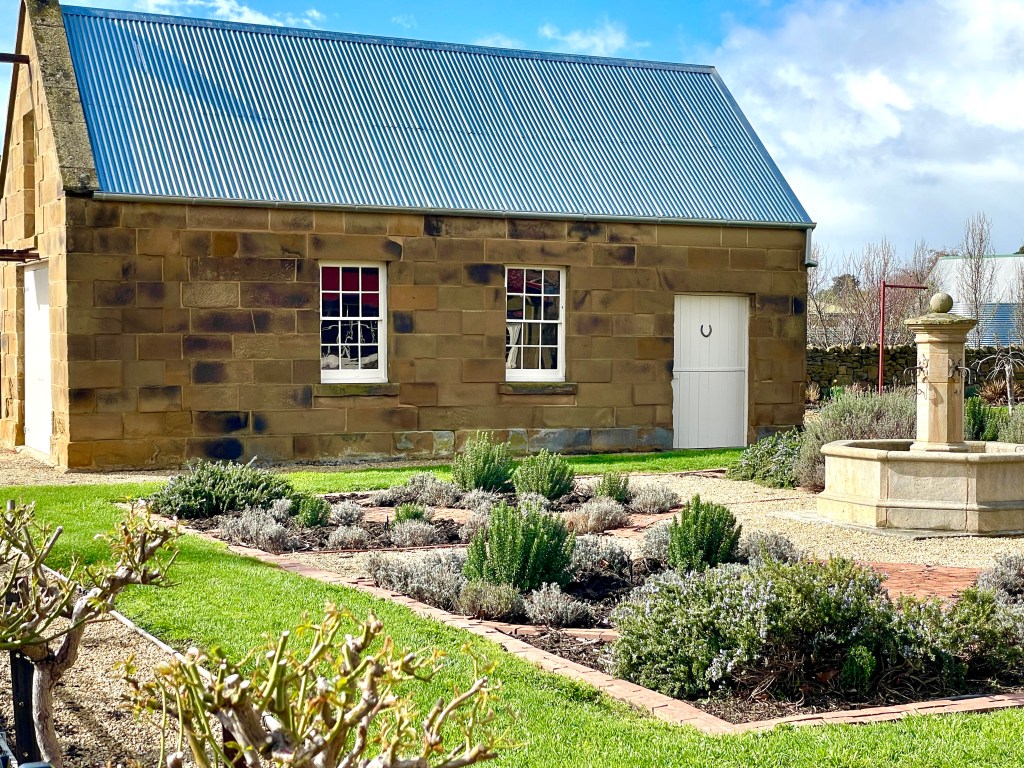
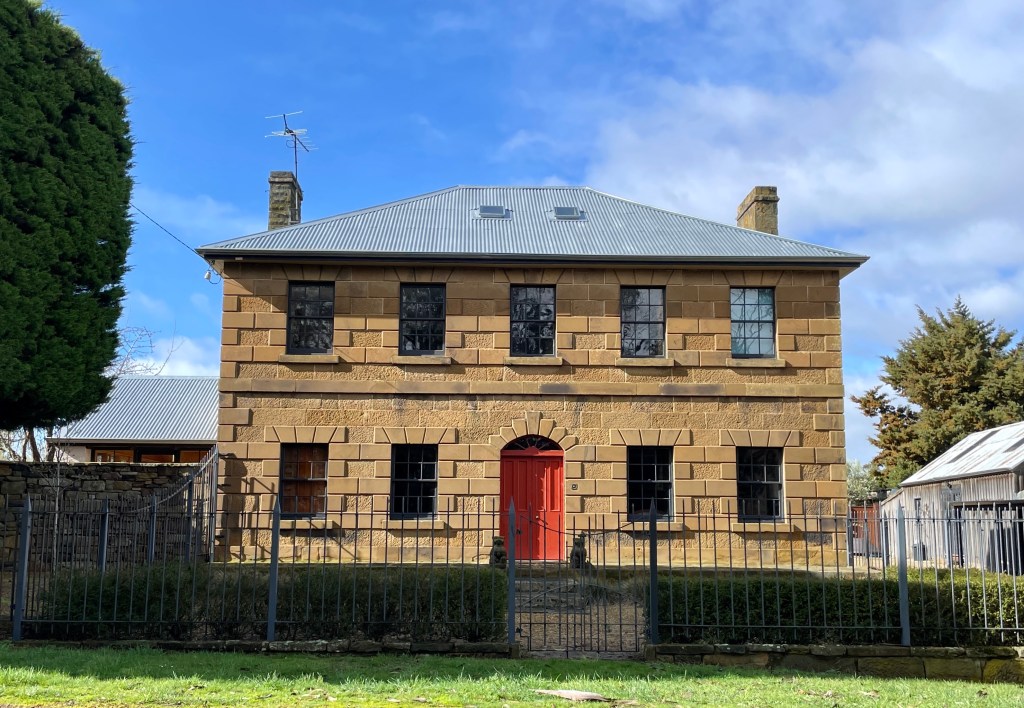
One of merits of his town is its vast collection of colonial sandstone buildings which number over one hundred fifty. Largely built by convict labor in the early 19th century; it was also considered a significant outpost during the Black War which was fought between the Indigenous First Nation People of the area and white settlers.

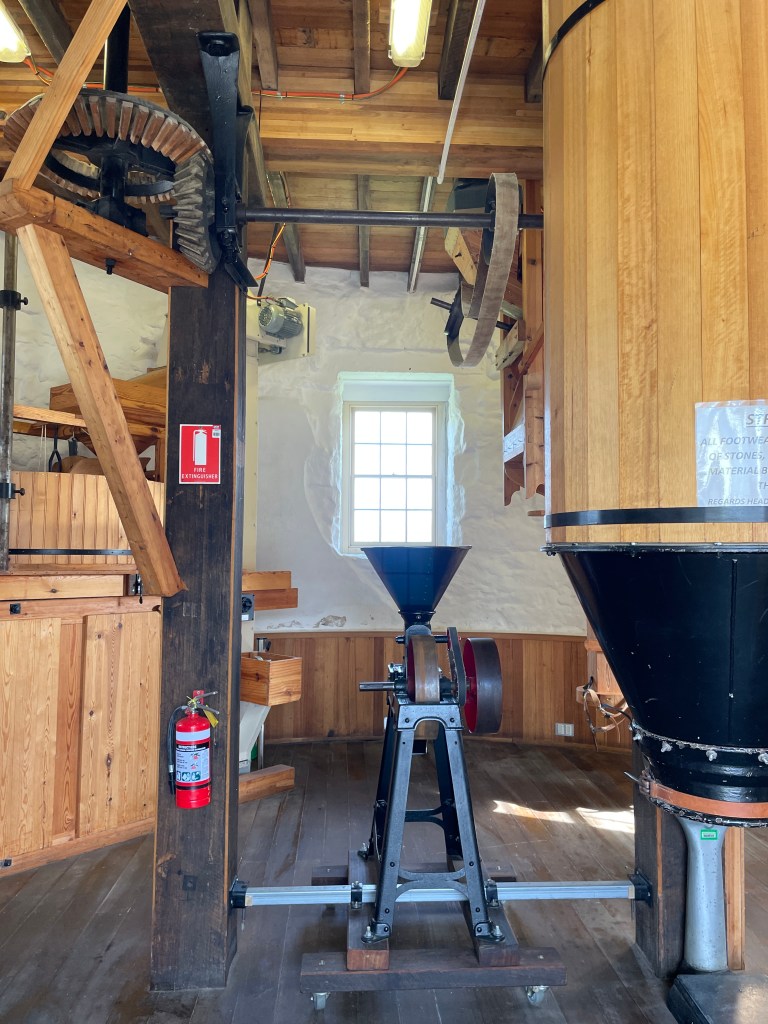
But if you have already heard of Oatlands it is probably due to Callington Mill, the only Lincolnshire style windmill in the whole of Australia. Built in 1837 this mill is a beaut and has been restored to its glory days.

Lake Dulverton, which borders Oatlands is well known for its many hiking paths which criss-cross in various directions. Fishing is another great pastime here and anglers can catch both rainbow and brown trout. The lake is also a bird watchers paradise where you can spot herons, ducks, and watch as black swans glide alongside the “cows” that inhabit the lake.

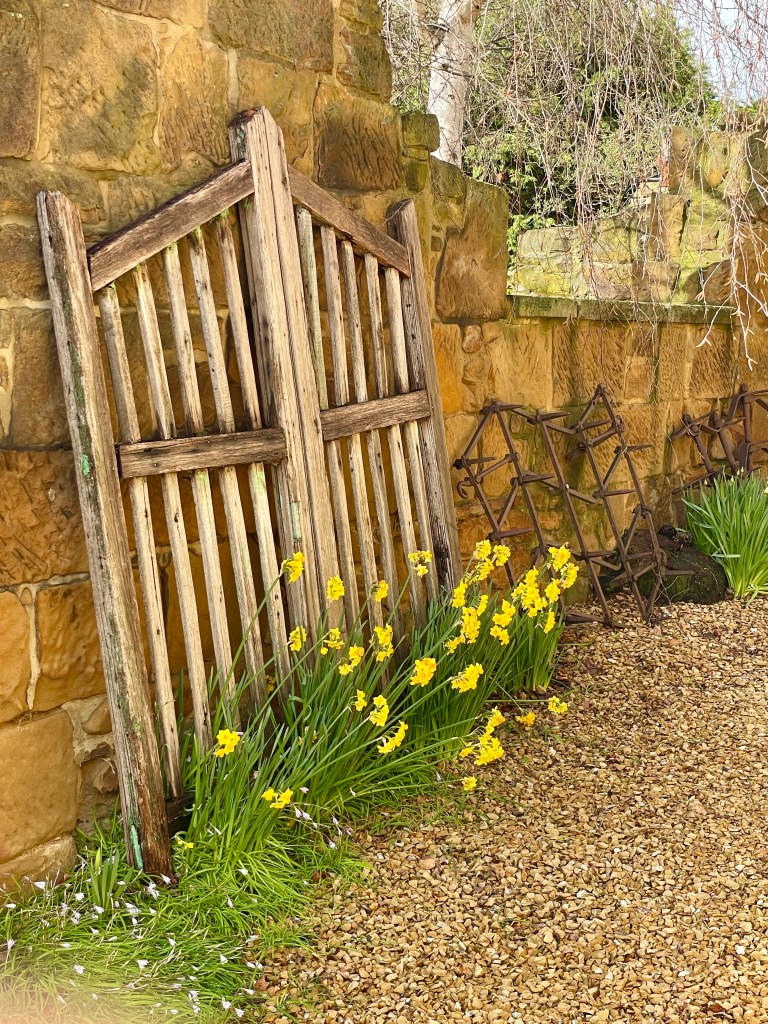
Oatlands also offers visitors a treasure trove of gardens and topiaries from one end of the town to the other. I was amazed at the different sizes and shapes of living sculptures that dotted the town.

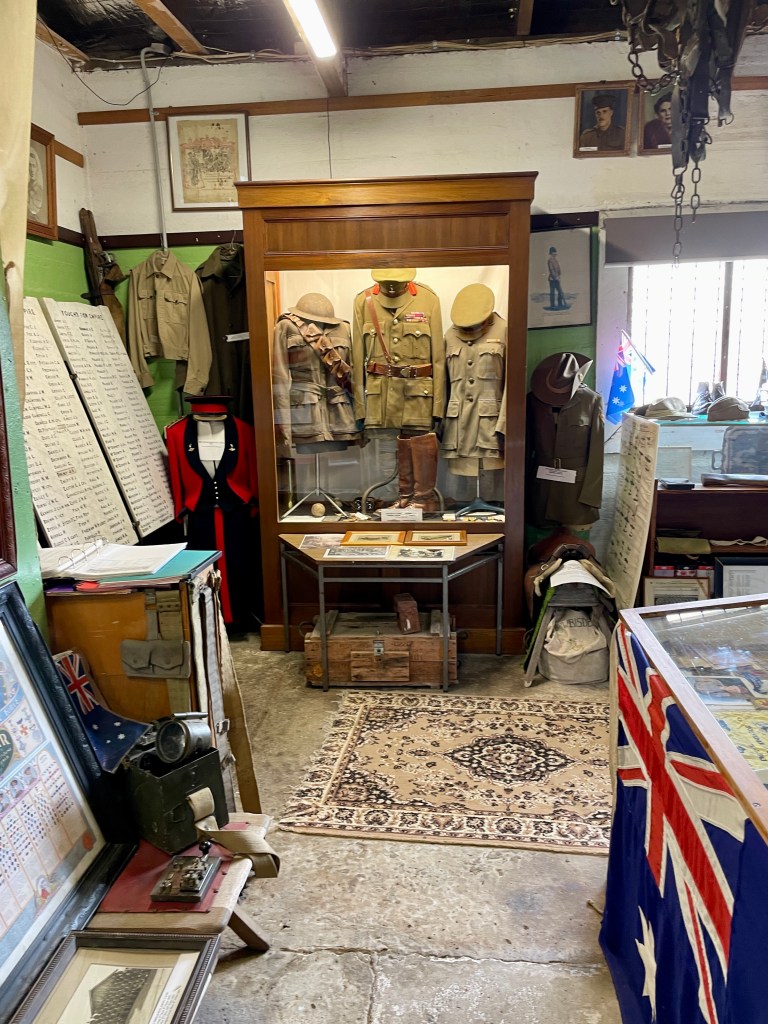
While there we also visited the Oatlands District Historical Museum featuring local memorabilia from the town’s early history to the present. There is also a rather substantial bird egg collection housed within its walls and the docents are eager to share their vast knowledge of the area.

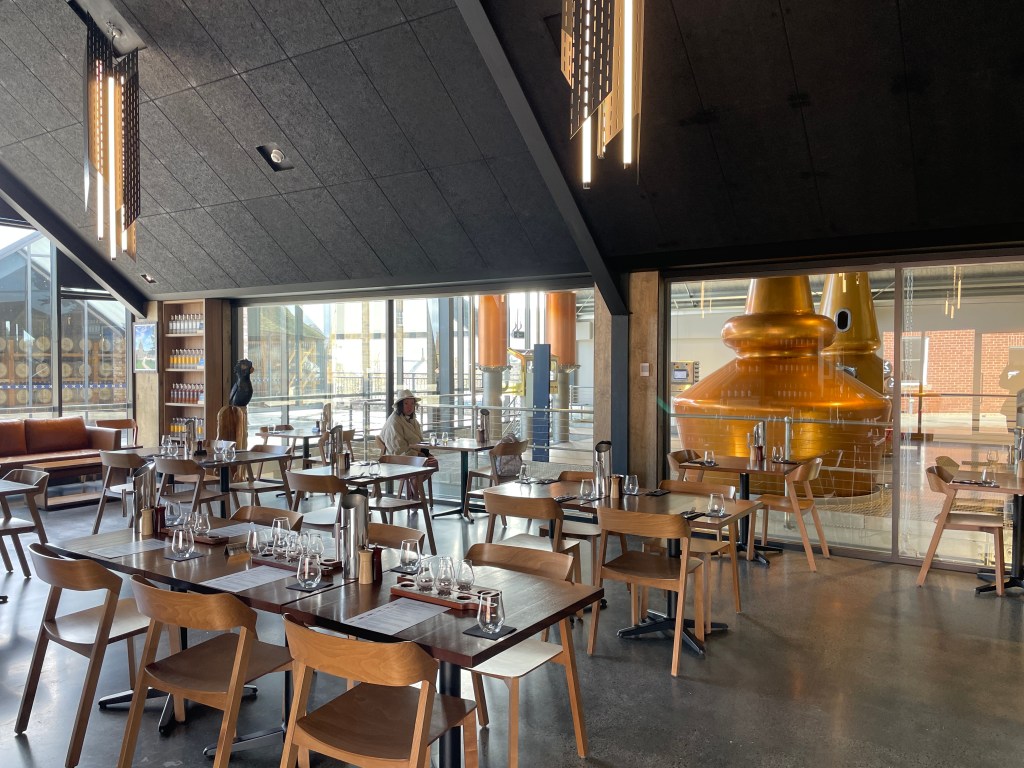
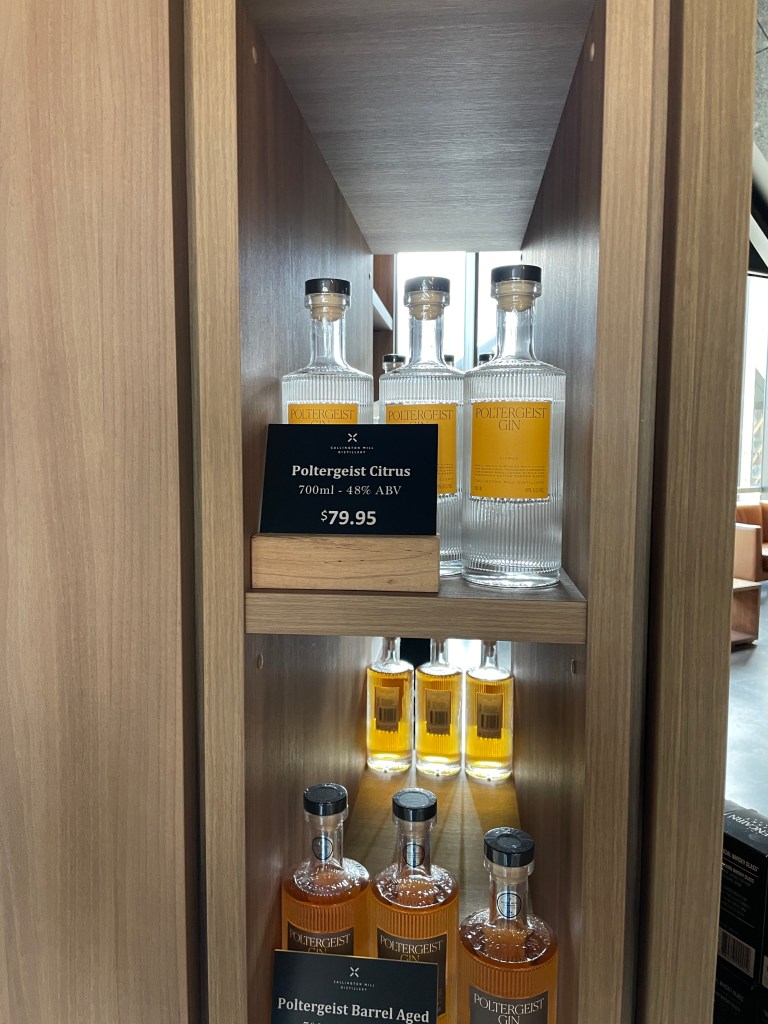
Finally, the Callington Mill Distillery offers an experience that few will forget. Producing both award winning gins and whiskeys; your senses will explode as you indulge in your first taste of Poltergeist Citrus known for its hints of candied fruit, orange, and key lime pie. Yummm. Better yet sit down and enjoy and lunch at their restaurant, The Cellar Door, which serves a variety of farm-to-table meats and produce. After lunch your next course of action is to order a flight of whiskey tastings followed by a self guided tour to learn more about what goes into making these bodacious spirits. Better yet, the facility also offers its own whiskey guides who help guests craft their own unique single malt whiskey complete with an original label.

Oatlands is the type of town that magically draws you in and keeps your enchanted. In short, it is one of the rare places that once you get there you don’t want to leave and its the kind of village where you suddenly find yourself searching for the nearest real estate office with sudden fantasies of finding a place of your own in this idyllic hideaway. Oatlands….is one of Tasmania’s gems… don’t miss it!