Pikes Peak-Colorado

images-4

Ever since Zebulon Pike failed to summit Pikes Peak in 1806, mountaineers have come to this grand spot in the Rocky Mountains to have their own go of it. At 14,110 ft this is one of 53 mountains that are greater than 14,000 feet in Colorado and a challenge to climb.

There are several ways to reach the summit of Pikes. The first is just plain old hoofing it up the mountain via Barr Trail which is considered a Class 1 trail. It is a 13 mile climb to the top with an 8,ooo ft elevation difference from start to finish.

Another way to reach the summit is The Manitou and Pikes Peak Railway which operates out of Manitou Springs weather permitting. It is a cog railway and is the highest railway in North America. This is an expensive way to summit at $38 per adult but the views are stunning and it is an unforgettable experience.

Since 2011 Pikes Peak Highway has been opened to the top. It is a 19 mile drive from Ute Pass and is maintained as a toll road so there is a fee to use it. At the top you will find a Visitors Center and gift shop but it is the things you will see along the way that you will long remember…the alpine woods, three magnificent lakes and the historic Glen Cove Inn. These are the things that come to mind when I think of Pikes Peak.

As always when you are at these altitudes be sure to bring along plenty of water so you keep hydrated. Altitude sickness with its attending headache is often experienced by visitors who do not take the time to acclimate. And remember it is COLD at the top so dress accordingly.  At Pikes the scenery is vast and the climb is one of those once-in-a- lifetime things you must do. So go and enjoy Pikes no matter how you get there!

1990colorado601*

Dave climbing near Pikes Peak in Colorado


Free Entrance Days

Almost all National, State and local Parks have annual free or reduced price entrance days. Museums usually do to0. Here is a list of some of my favorite free admission places to visit this year.


Because it is the 100th birthday of  National Park Service there are several days this year where no admission is charged. These include:

  • April 16 through 24: National Park Day
  • August 25 through 28: National Park Service Birthday
  • September 24: National Public Lands Day
  • November 11: Veterans Day
  • images-6

CHICAGO

Art Institute of Chicago: Free for all Illinois residents from 5-8 p.m. Thursdays. Kids 13 and under are always free.

Chicago Children’s Museum: Free 5-8 p.m. every Thursday and the first Sunday of every month for kids 15 and under. Always free to children under 1.

The Field Museum: Several days have already come and gone this year but June 21-23 remains

Museum of Science and Industry: The following days in 2016 remain

June: 1-3, 6-8; September: 6-9, 12-16, 19-23, 26-30; October: 4-6; November: 3,10 December: 1

Several other Chicago attractions also have free days.

NEW YORK CITY

New York Aquarium: Friday 3 pm-closing (pay what you wish)

Whitney Museum of American Art: Friday 7-9:30 pm

Bronx Zoo: Wednesday (pay what you wish)

Metropolitan Museum of Art (always free or pay what you wish)

There are plenty more attractions in and around NYC that offer these deals.

SAN FRANCISCO

Asian Art Museum: First Sunday of every month

de Young: First Tuesday of every month, first full weekend of every month for Bank of America Card Holders

San Francisco Railway Museum: Always free

Bat Area Discovery Museum: Great for kids. First Wednesday of every month.

BALTIMORE

The Walters Art Museum: General admission is free

National Aquarium: Dollar Days are December 3 and 4 this year. Admission is just $1. 1/2 Price Nights after 5 p.m. on Fridays. There is also a Pay What You Want Day every year.

DENVER

Denver Museum of Nature and Science: April 23, May 9, June 5, August 29, September 11, October 24, November 13, December 12

Denver Art Museum: May 7, June 4 and other days throughout the year

Children’s Museum of Denver:May 3 4-8 p.m., June 7 4-8 p.m.

SEATTLE

Seattle Symphony: Various dates. Check schedule.

Museum Of Flight: Free 5p.m.-9 p.m. the first Thursday of the month

Museum of History and Industry: First Thursdays are free and have extended hours (10 a.m. to 8 p.m.).

Washington State Parks: May 8: Sunday Spring Day, June 4: National Trails Day, June 11: National Get Outdoors Day, Aug. 25: National Park Service Birthday, Sept. 24: National Public Lands Day, Nov. 11: Veterans Day

ST. LOUIS

St. Louis Zoo: There is no entrance fee. It is FREE. There are some charges for special events like the sea lion show.

Contemporary Art Museum: is free for all visitors on Wednesdays and Saturdays.

________________________________________________________________

As you can see there are plenty of free things to do in and around where you live. Just google FREE DAYS in your area for a list of adventures.

*All information provided is subject to change. Verify details before going.


Montezuma Castle-Camp Verde, Arizona

anastazi

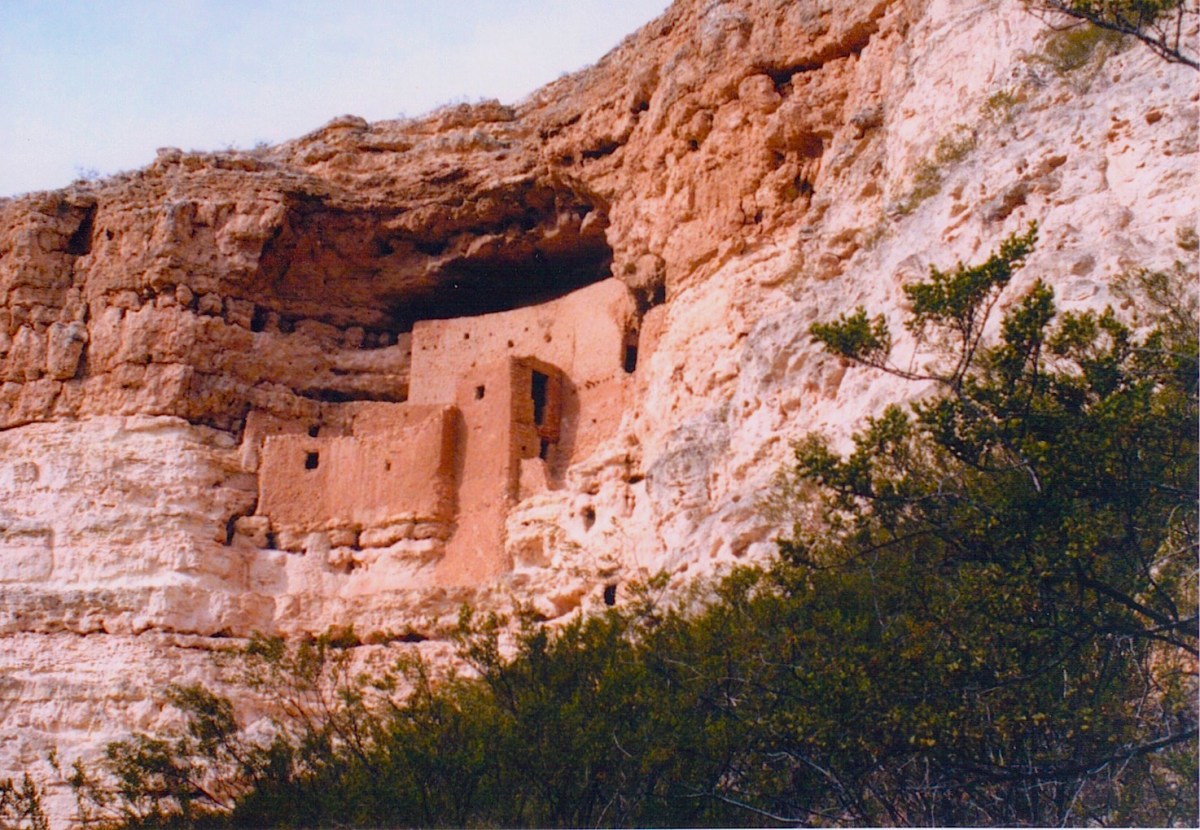
Let’s get one thing straight right from the get-go. Even though this is referred to as Montezuma Castle, the great Aztec chief himself never lived in this settlement nor contributed to its development; as this Pueblo was built over centuries and then abandoned at least 40 years prior to his birth.

It has been years since I have been to this sacred place that was once home to the Sinagua people but is now the home of  the National Monument that honors them. I still remember the raw feelings of the life force that still swirls throughout the canyon as well as a sense of awe that these native people, who lived so long ago, could design buildings and pottery that were so impressive and long lasting. Descendants of these ancient people live on in the Hopi and other native peoples of the Southwest.

The Castle sits about 90 ft up a sheer limestone cliff and was built over time and occupied from about 1100-1450 AD. though there is archaeological evidence that the Sinagua were in the area since 700 AD.  The main building contains about 20 rooms and is approximately five stories high. It was built within an alcove which allowed it to remain protected from the elements and was placed high enough to avoid the seasonal flooding that occurred on Beaver Creek which lay directly below this village. It is constructed from huge chunks of limestone and from clay obtained from the creek bed beneath the Pueblo. The ceilings were made of thatch that was procured from the Arizona sycamore.

One of the more interesting facts about Montezuma Castle was that it was abandoned for some time due to volcanic eruption of Sunset Crater but was later re-occupied and agricultural production was resumed after the effects of the eruption diminished.

The dwellings and the 860 acres that surround them were declared a United States National Monument in 1906 with the signing of the American Antiquities Act. Early visitors were allowed to climb ladders into the buildings but due to damage from these well meaning visitors the practiced was halted in 1951. Today you can only see Montezuma Castle from viewing platforms or along the 1/3 mile loop trail that winds below the pueblo. However,  it is easy to learn about Sinagua culture and see artifacts from the area at the Visitor Center.

This National Park is located near Camp Verde, Arizona off Interstate 17. It is open from 8 a.m. until 5 p.m. everyday except Christmas.

There is a $10 fee to enter Montezuma Castle and the Tuzigoot National Monument which is valid for 7 days. Children under 15 are free.

HINT: Buy a National Park Pass ($80) which allows access to all National Parks and Federal Recreation Lands for a year for the pass holder + 2 adults. And if you are 62 years of age or older A Senior Pass can be purchased for $10 which allows you and three adults into all the National Parks without incurring additional entrance fees.


Sometimes Pictures Say It All-Sierra Mountains of California

California has been hit with a massive drought for many years. Dry reservoirs, dry creek beds and my dry dead lawn are just a few of the things that were immediately apparent last year. Less so were the towns whose wells had run dry so people were having to truck in water for basic needs. Huge sinkholes began appearing due to the disappearing underground aquifers. Entire lakes almost vanished.

Where I live we depend on the snow pack of the Sierra Mountains to supply us with water year round. Water for trees, fruits and vegetables, human beings and swimming pools. We live in the high desert but grow food to feed the world. It is insane.

Last year the snowpack  was 5% of normal. About 20% the year before.  Nothing grew except the massive fire danger from the dead and dying trees. This year the snowpack was 90% of normal…a huge improvement and everyone is smiling again. For now. Because usually after an El Nino we are followed by years of further drought. We can only hope it doesn’t play out this way next winter.

Today I thought I would share pictures we took while up hiking in the mountains today where wild flowers are growing in huge swaths of bouquets over entire mountainsides. It’s a place where the sound of water is once again pounding down the ravines… LOUD, crisp, and clear. And its where the bears are disappearing (hopefully) up into the back country where they belong. Because in these parts, where bears break into cabins and destroy everything in site including the entire building; bears are referred to as giant rats and some folk shoot them for doing what they do best…getting in to everything and everywhere.

So today I hope you enjoy these pictures of my part of the country.

IMG_5953

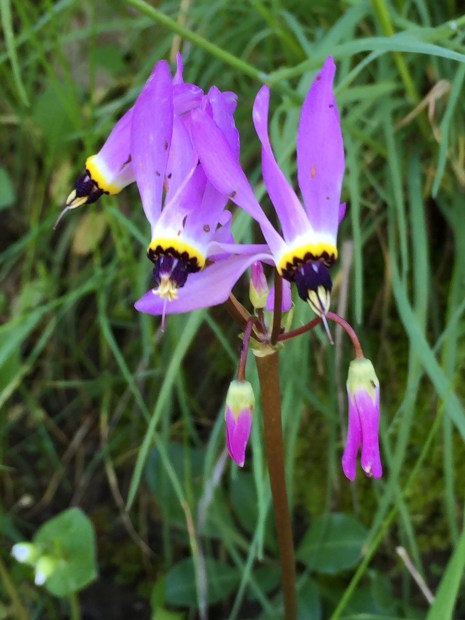
Henderson’s Shooting Stars

Red flowers-unsure of name     California Poppies and Lupine

IMG_5958

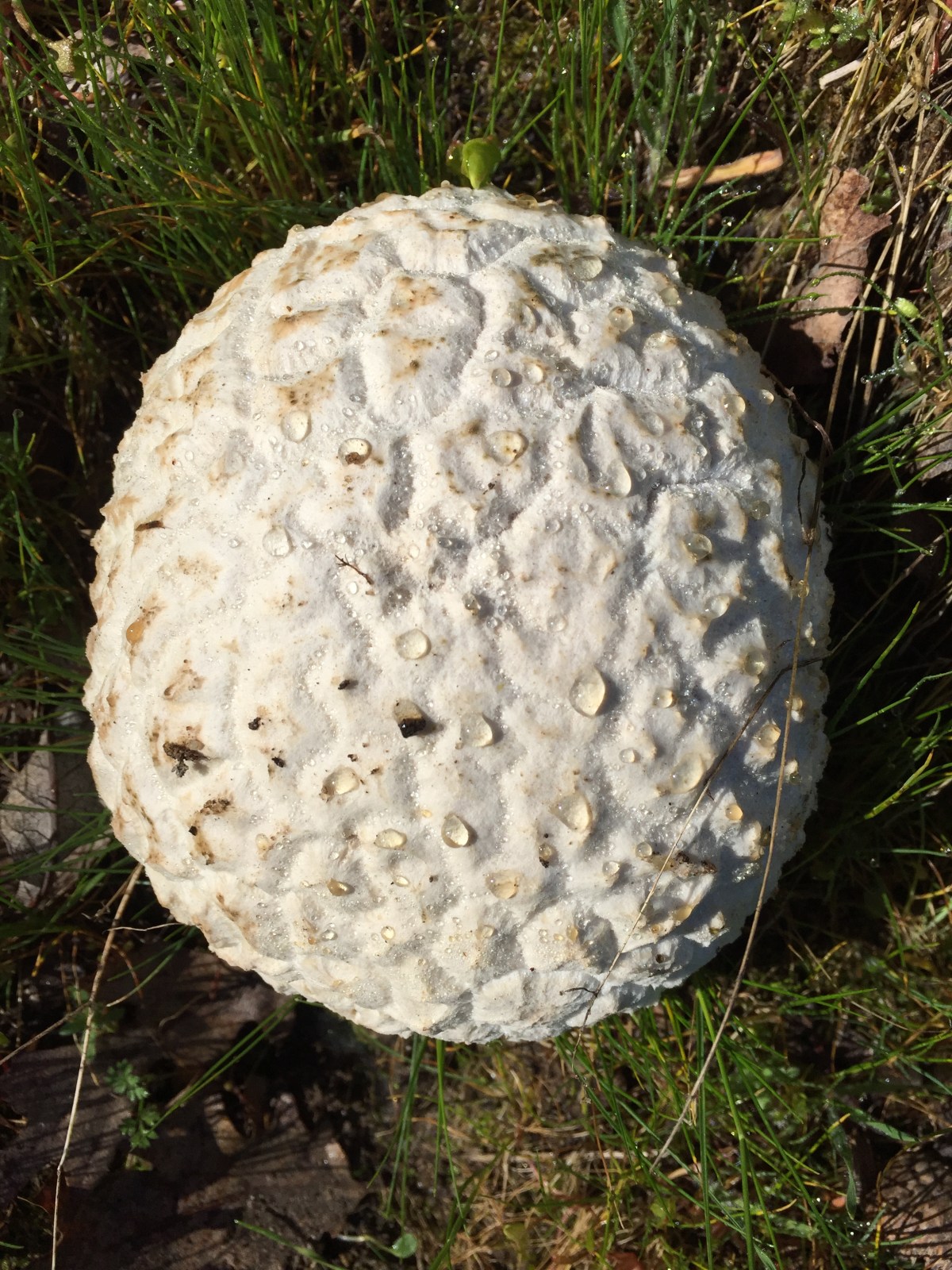
A Brain Mushroom

Ancient Native American site

IMG_5948

Tree visited by too many woodpeckers

IMG_5967

Yep, it was a beautiful day in the neighborhood today. Thank goodness for the snows of the winter!


.

Kepaniwai Heritage Gardens-Maui, Hawaii

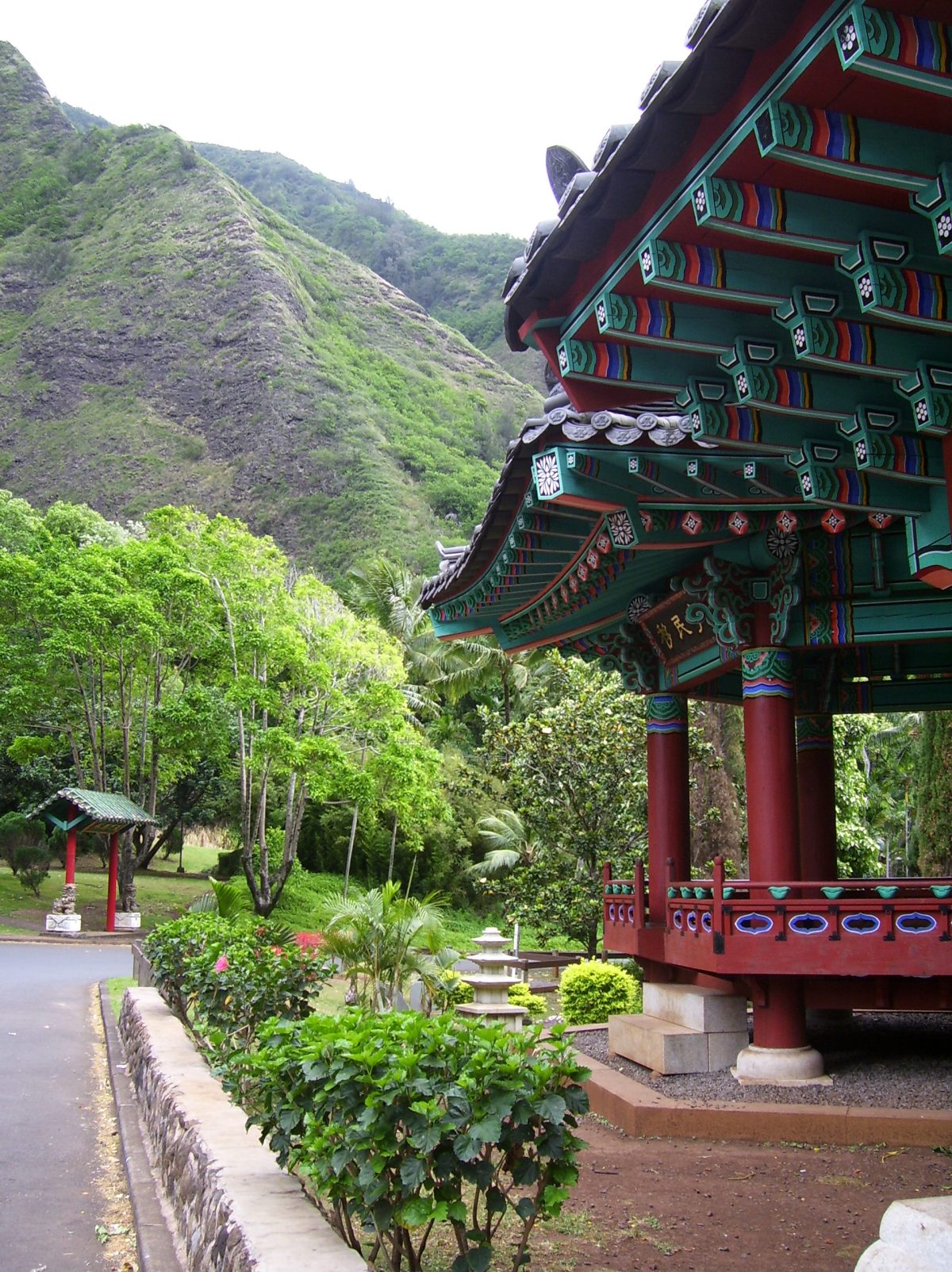
Nestled in the Iao Valley on the island of Maui is a park dedicated to the native people of this Polynesian island and the immigrants who settled within her arms. It is a peaceful hamlet of lush tropical plants contained within the memorial gardens and traditional homes/buildings of the Koreans, Portuguese, Chinese, New Englanders, Japanese and native Hawaiians.

100_0948

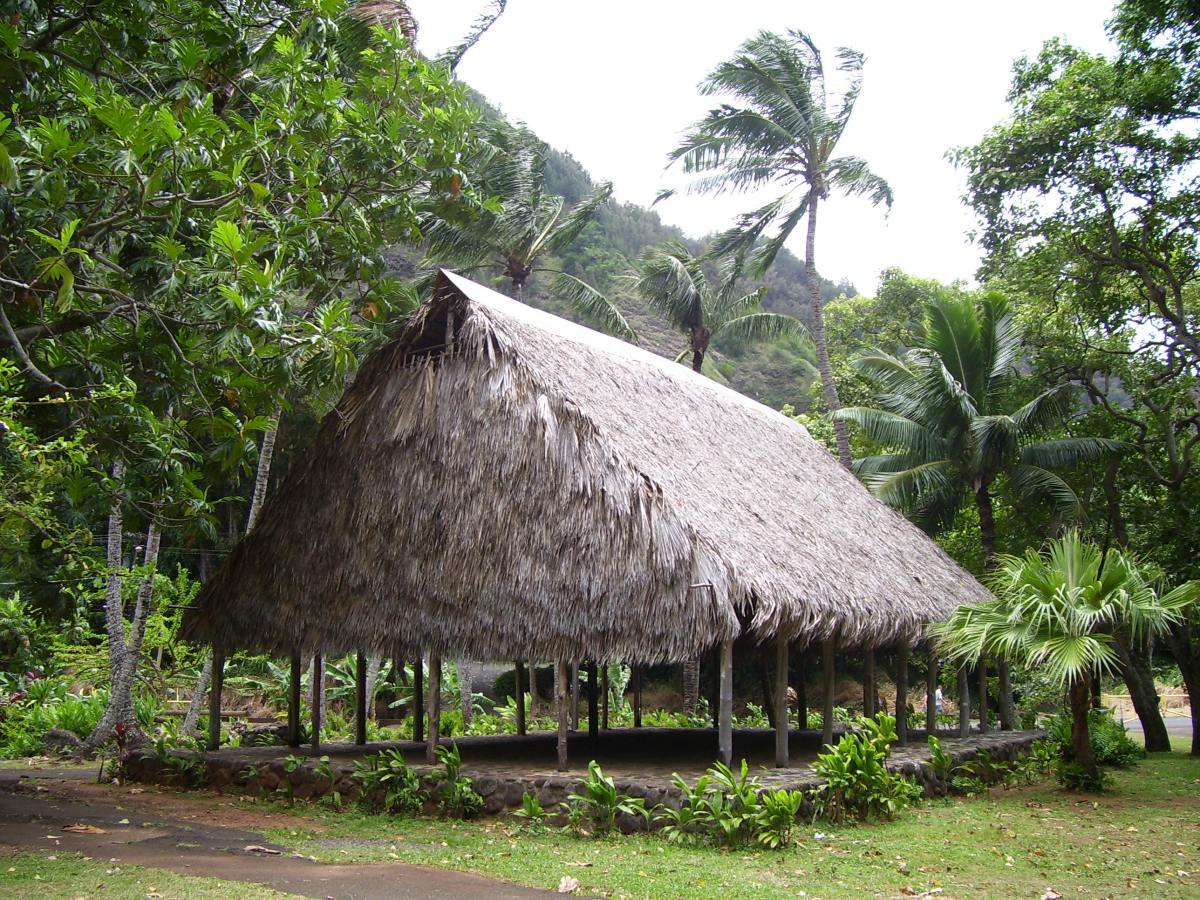
This beautiful park was established in 1952 and within you will find such items as a New England Salt Box, a Hawaiian grass hut, a beautiful Chinese moon gate and many other treasures as diverse as the people who settled here.

100_0972

You will also find small waterfalls and ponds that are fed by the Iao stream which meanders through this county park.  This is the perfect place to picnic, cook a few burgers and just chill out from the “stress” of a Hawaiian vacation. While not maintained to the high caliber you would expect of such a unique and national treasure, nevertheless it is a place to relax and learn a little more about the peoples who grew this island to what it is today. Hopefully in the near future Maui will step up and give this park the attention and showcase it deserves.

100_0959

100_0964

Best Time To See Mt. Rushmore-Keystone, South Dakota

With the day crowds being what they are at our nations National Parks it often makes the park experience less than desirable. Too many people in too small of a space =grumpy, shoving, tired and hot adults who are in desperate need of deodorant. Not exactly what one thinks of when they envision a trip of a life time. That is why the Evening Lighting Ceremony at Mt. Rushmore is the perfect time to visit one of our most beloved parks.

The first time I visited Mt. Rushmore was when I was about 8 years old. I didn’t remember much about it because the only thing an 7 year-old would take away from the experience is wondering how much kleenex it would take to blow Washington’s nose. So this year as we caravanned across the country we sought activities that would be enjoyable for our children. Now Mt. Rushmore is questionable at best for kids (they look for all of 1 minute and then want to spend the next 20 minutes in the gift shop) but what better way to see it than at night when the sizzling sun has disappeared and temperature has dropped a good 25 degrees. Yes, this is the perfect time to visit.

DSC05289

From the end of May until Near the end of May until the end of September Mt. Rushmore comes alive at night. At 8 or 9 p.m., depending on the month, your first glimpse of the area is the Avenue of Flags and it is a sight to behold when its lit up. The 56 flags are arranged in alphabetical order which include the 50 states, one district, three territories and two commonwealths of the United States of America. Bold colors with interesting stories line the promenade which will enthrall even the youngest child.

From there you proceed to the outside theatre where visitors watch a 20 minute film about the presidents whose faces grace the granite…George Washington, Thomas Jefferson, Abraham Lincoln, and Theodore Roosevelt. Their faces are a remarkable 60 ft high and a combined 185 ft long. Begun in 1927 by sculptor Gutzon Borglum his Shrine of Democracy Sculpture shines as a beacon for democracy throughout the world since its completion in 1941.

After the film, visitors join in the singing of a patriotic song and veterans are invited to the stage where they give their name and their branch of service. If you are into military patriotism this is a treat as you see the last of the WWII vets slowly make their way forward… frail but proud. Spend some time with them after the show and ask them about their experiences. You will be glad that you did.

DSC05223

Then, finally, when things just couldn’t get anymore emotional the mountain is illuminated and a hush falls over the crowd. The beauty and the enormity of the sculpture fills the dark as the lights shine into every nook and cranny so you see items which escape you in the daylight and all of a sudden everyone lets out a collective sigh of delight and awe. It really is just that magical!

So if you are planning a trip to Mt. Rushmore remember the best part of the day to visit the monument is really at night!

For more information visit the park service website at:

http://www.nps.gov/moru/index.htm

Shoshone Falls-Idaho


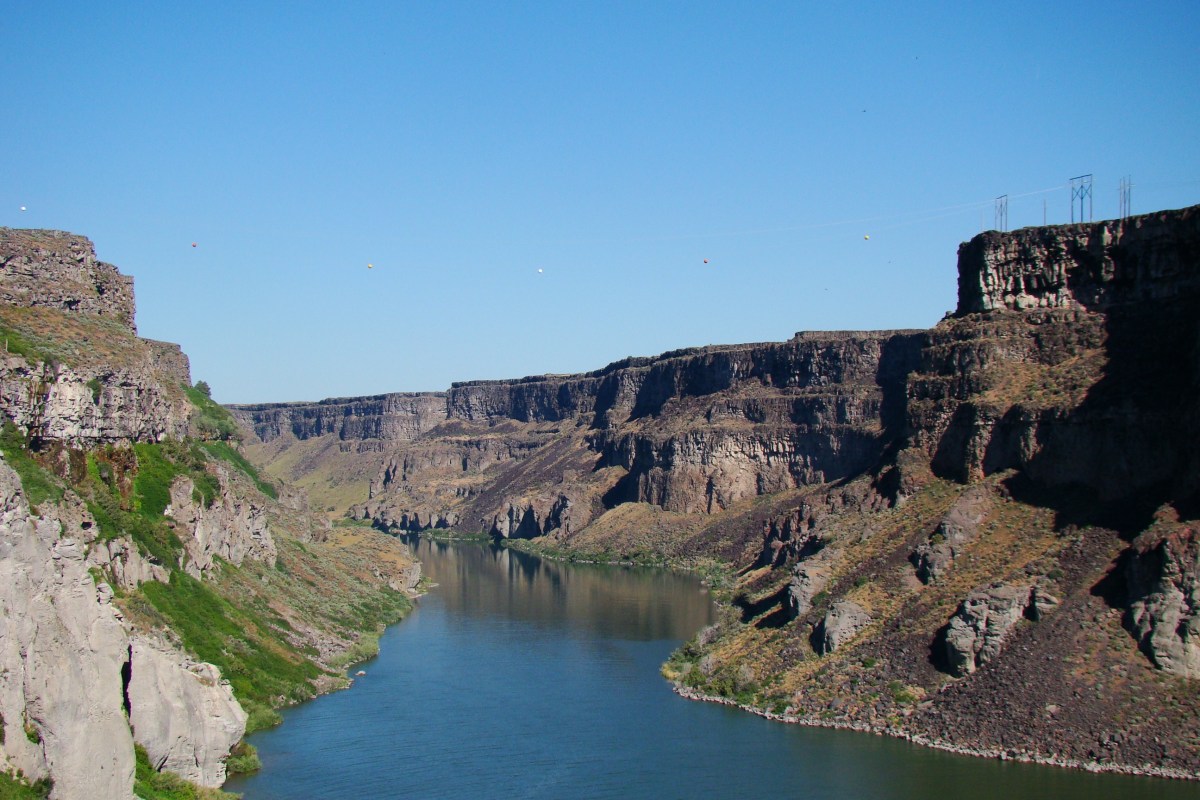
Often referred to as the “Niagara Falls of the West,” Shoshone Falls is located on the Snake River a few miles east of Twin Falls. While locals would like to compare it to Niagara Falls, don’t be fooled…it just isn’t, but that doesn’t mean that it isn’t stunning in its own right. Higher than Niagara by 45 feet it is amazing to see the power of the water as it pushes itself over the 1,000 foot rim and into the Snake River Canyon.


With hiking trails, look outs, and picnic areas this is a good place to stop for 20 minutes to an hour to unwind. There are also areas for boating and swimming for longer stays.

We visited in the summer when water levels were down due to drought and irrigation. We were told that the best time to visit was in the spring when water levels are at their peak.

Cost is $3 per car.