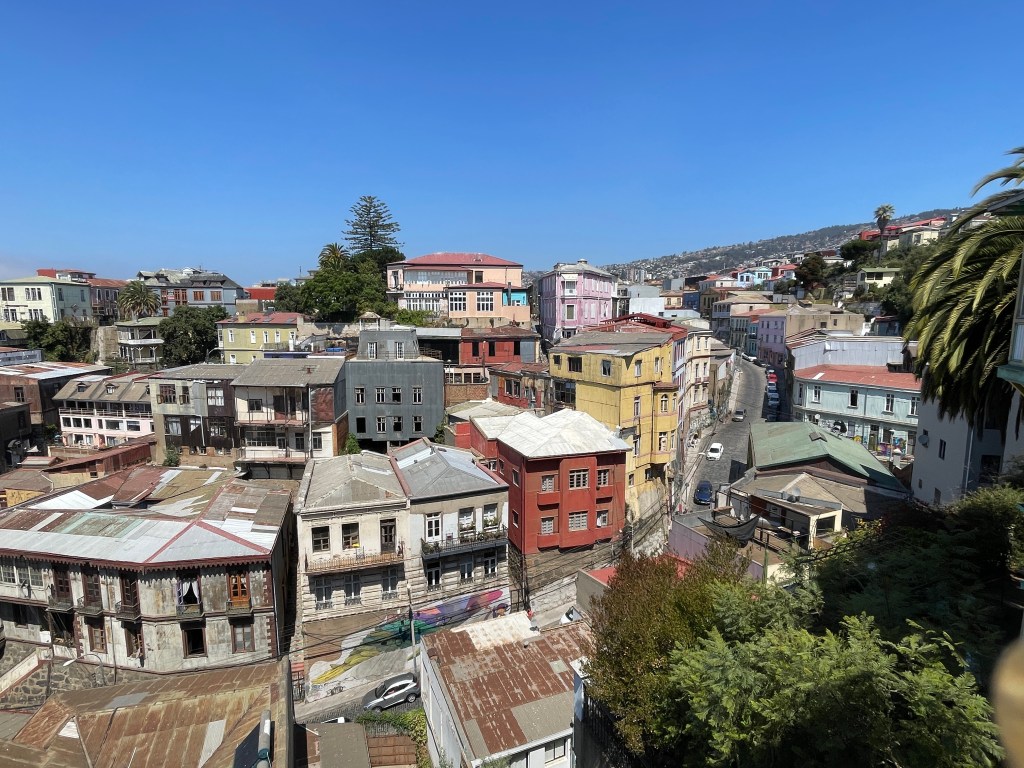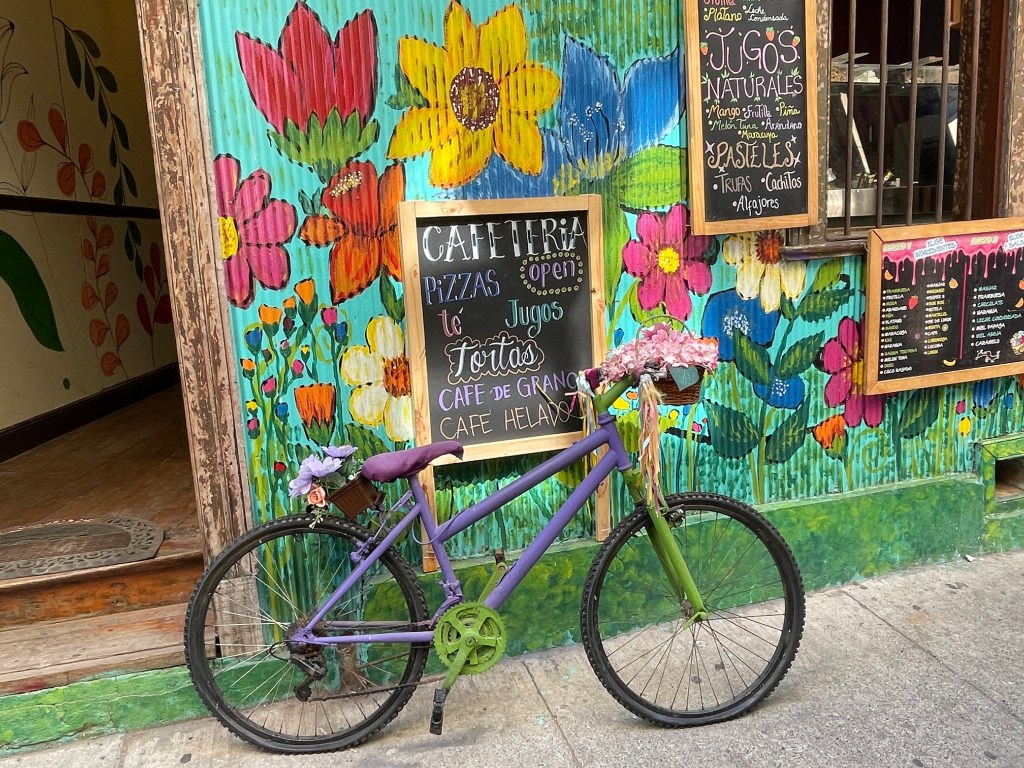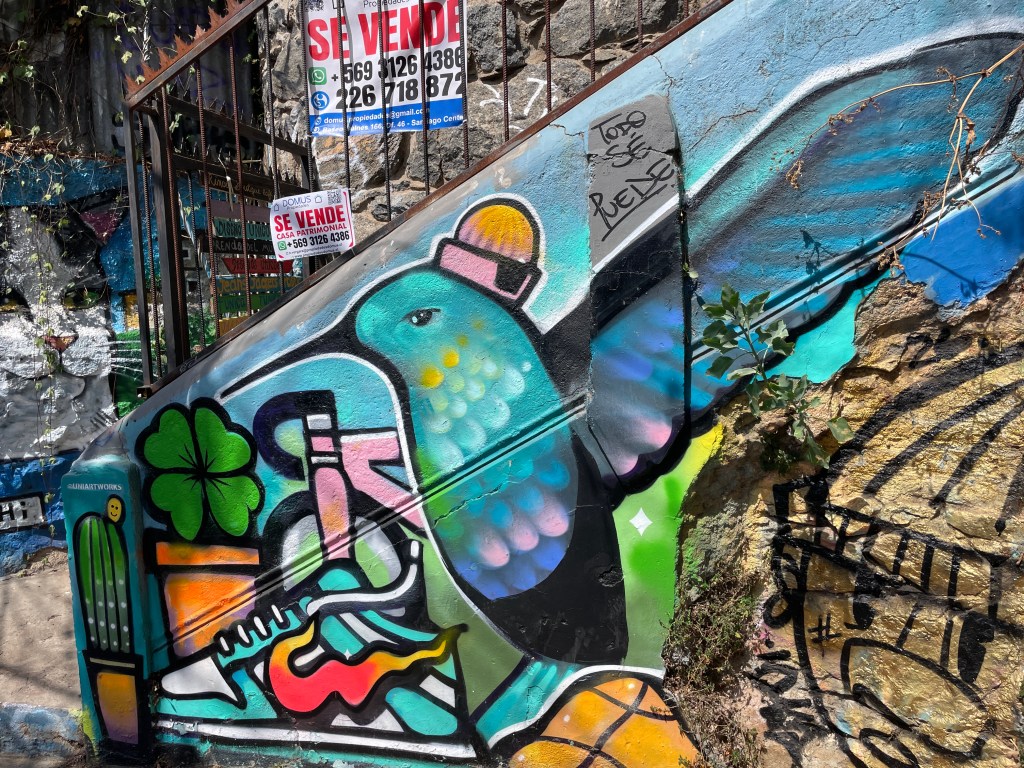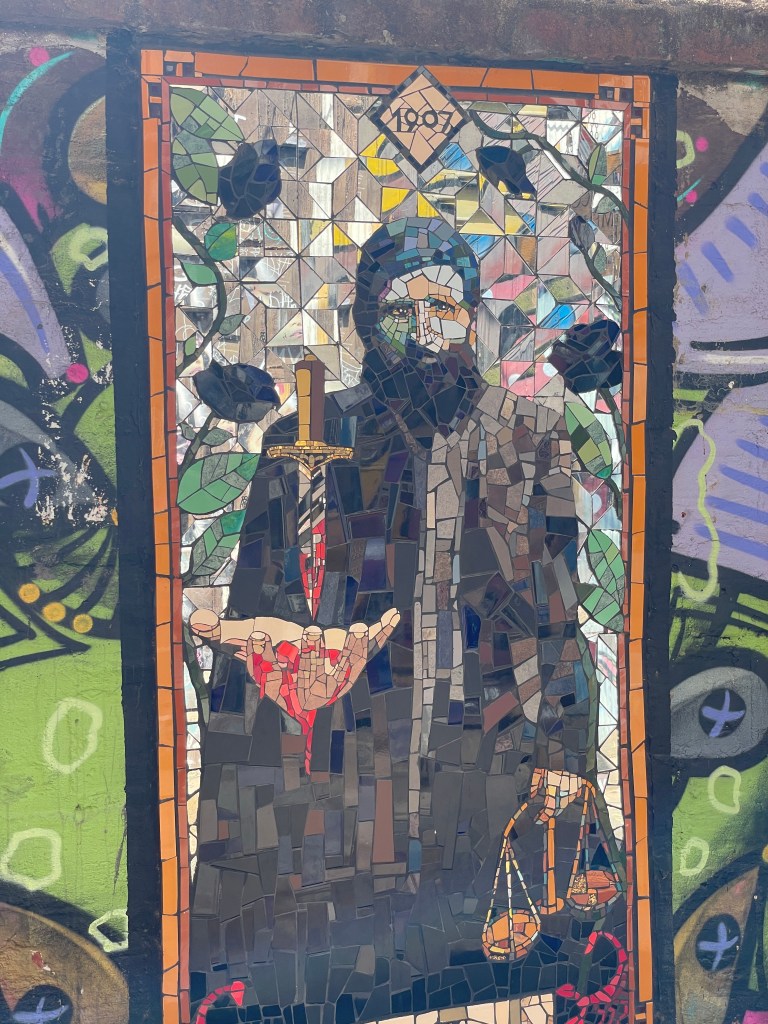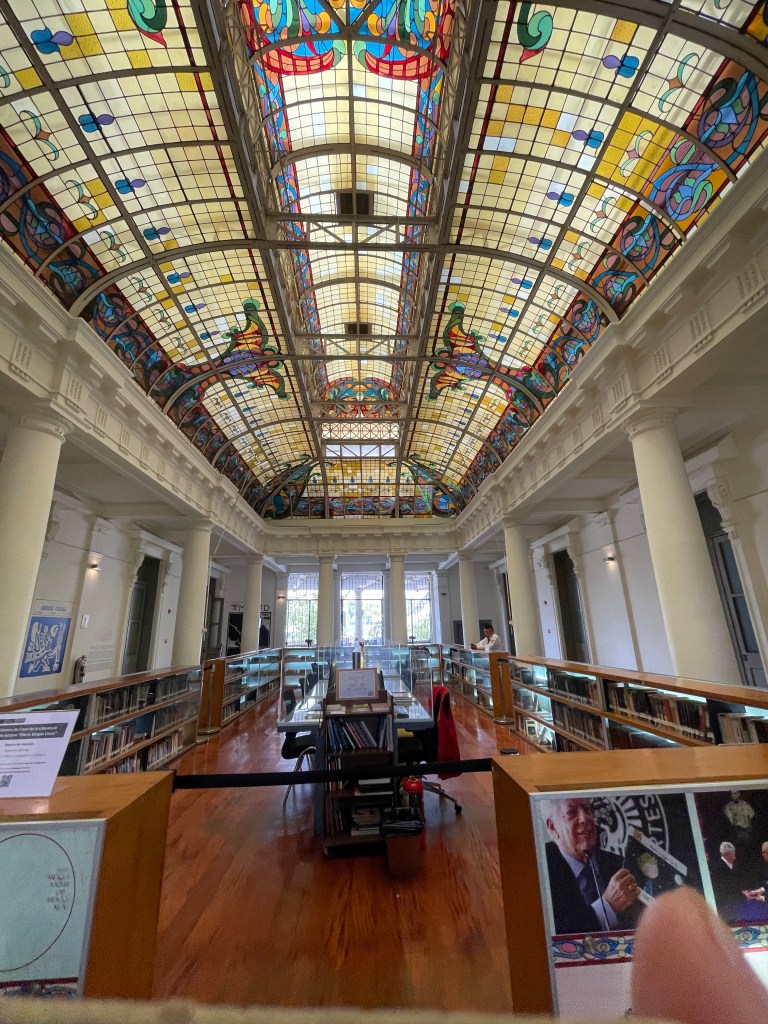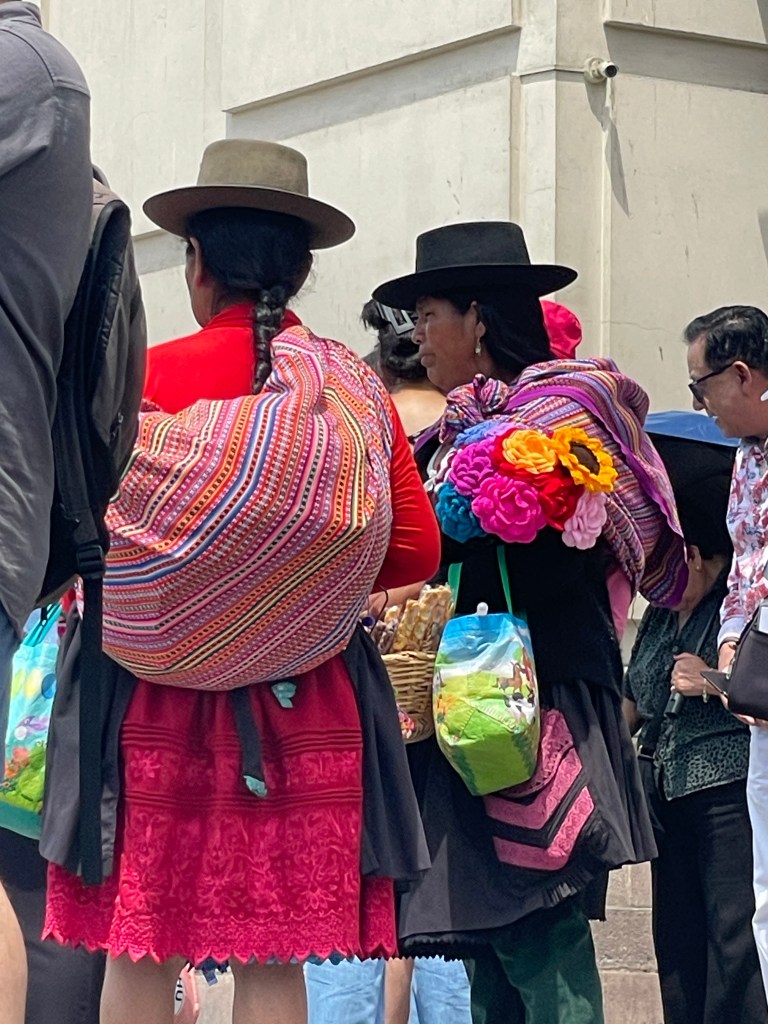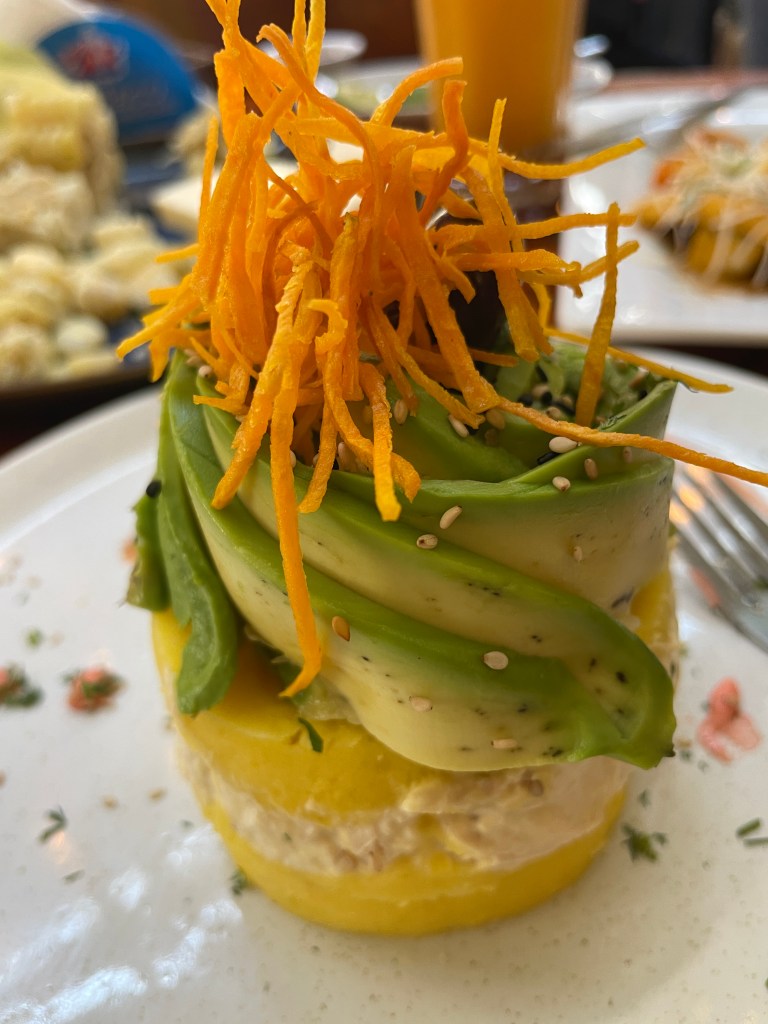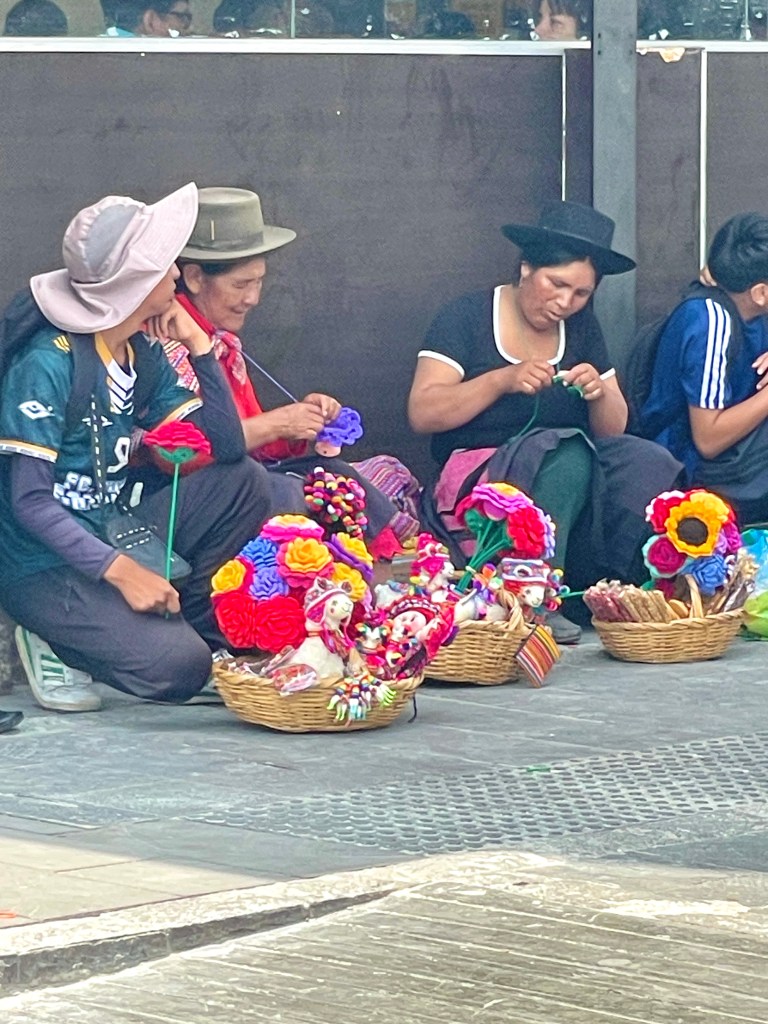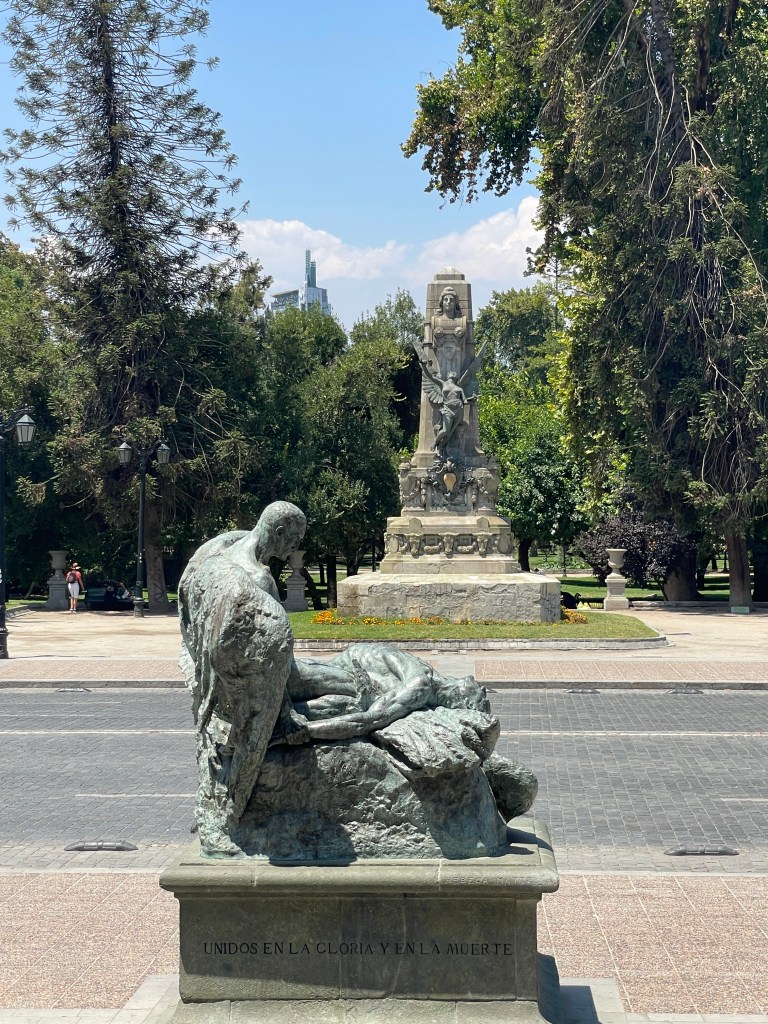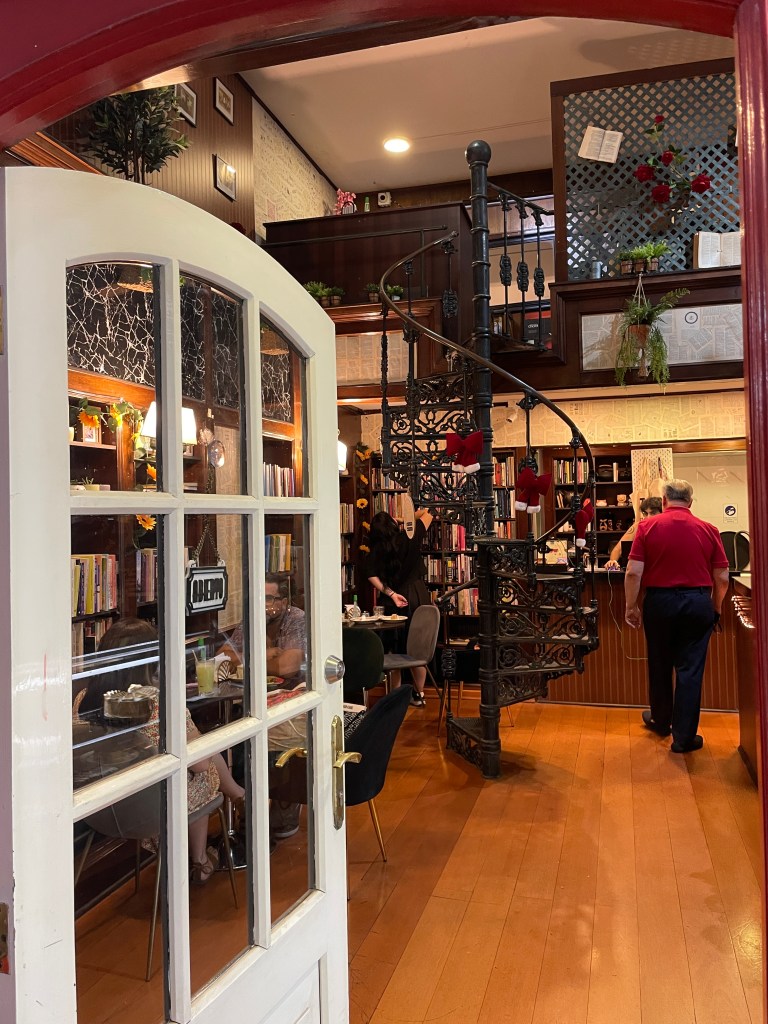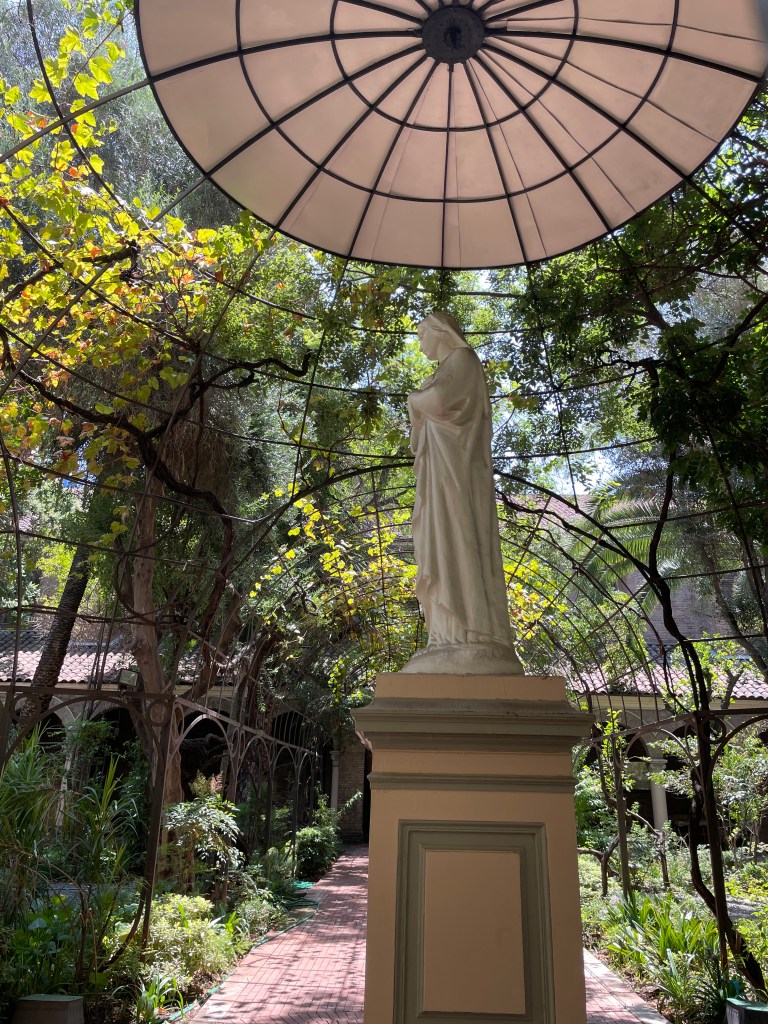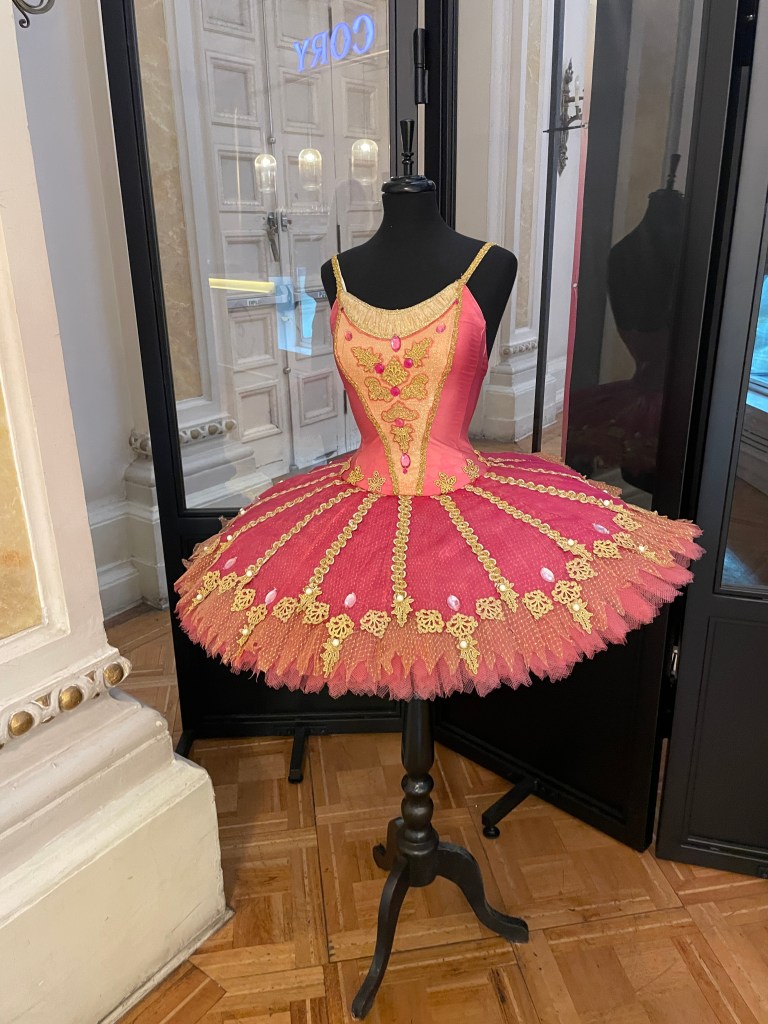
Lima Peru…One Of The Most Beautiful Cities In The World

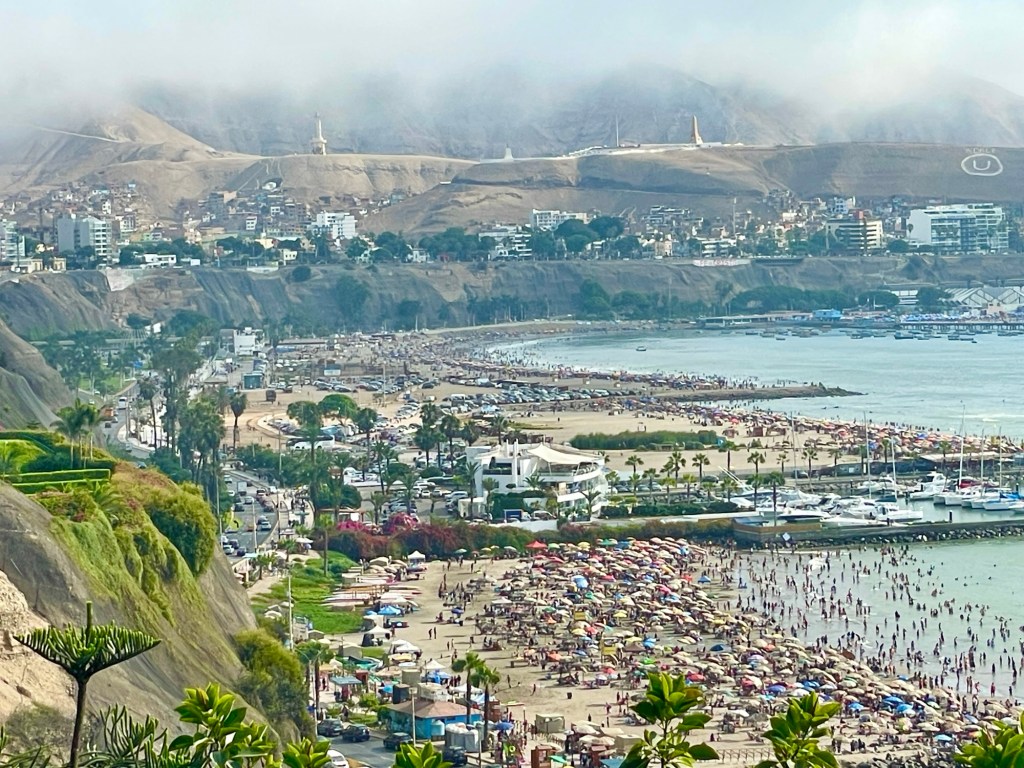
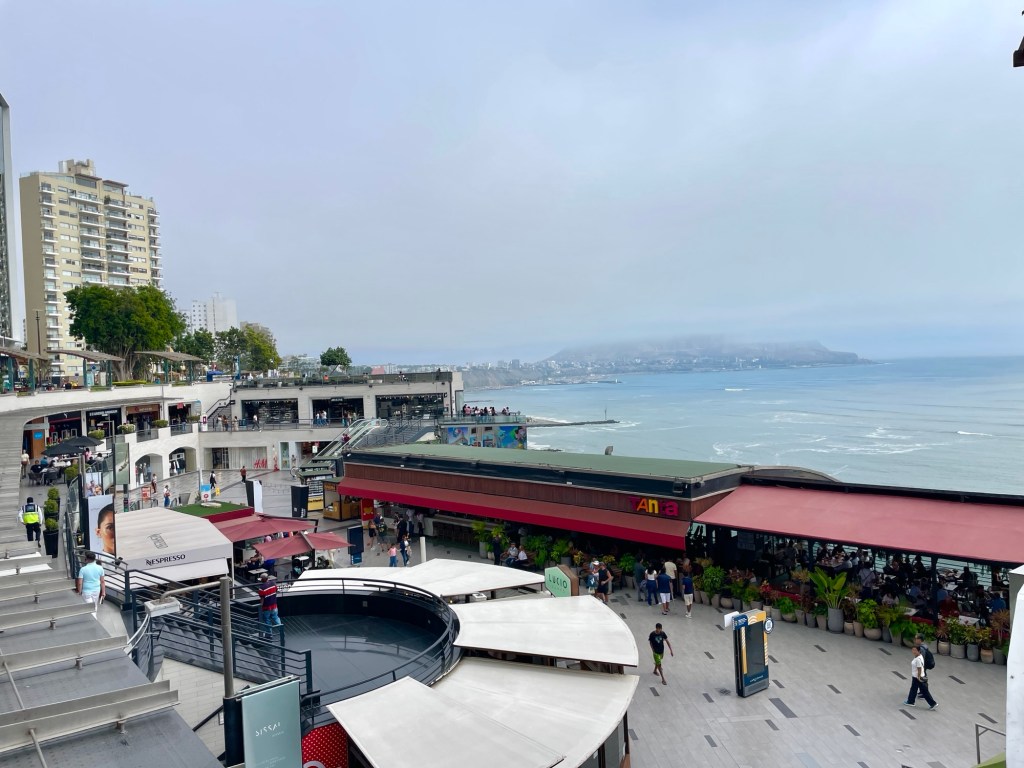
When we decided to visit Lima Pera it came quite a shock to us that it was one of the premier gastronomy delights in the world. After residing here for five days we have also discovered that it is one of the most interesting and beautiful cities in the world blessed with incredible weather and amazing views.

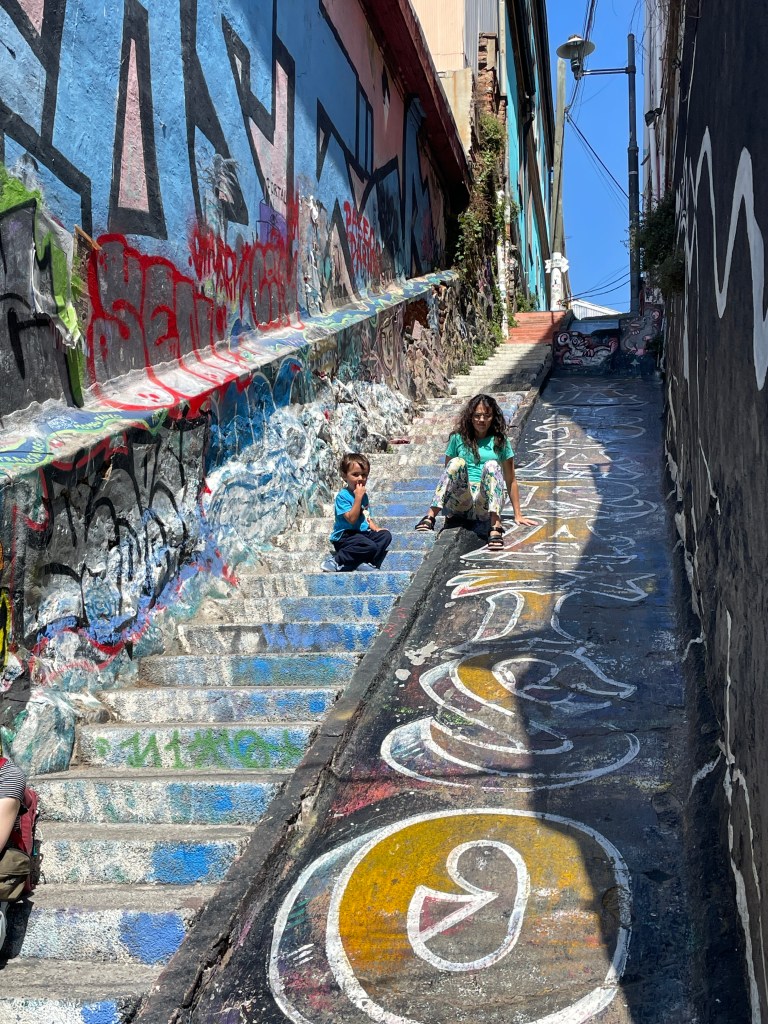
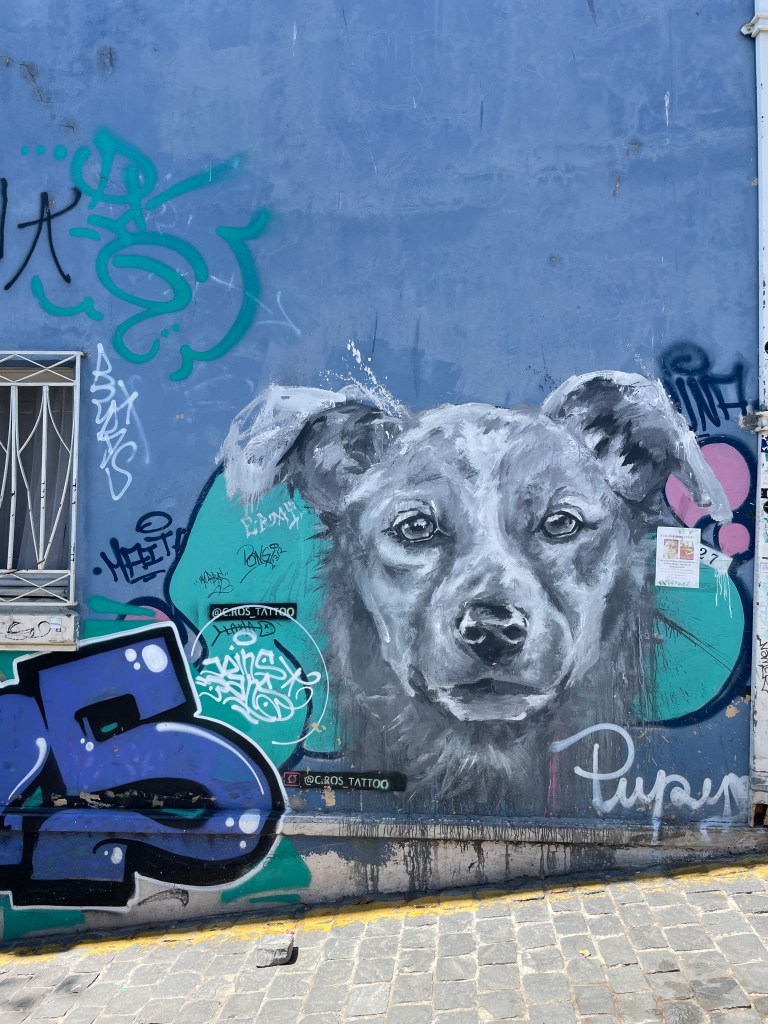
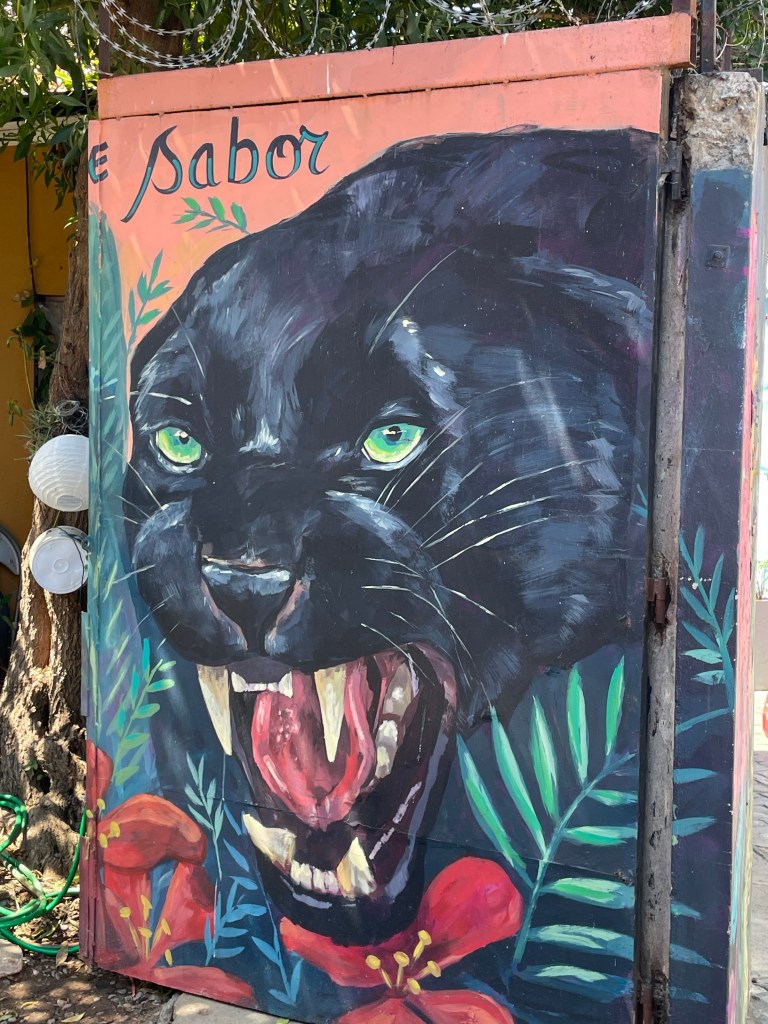
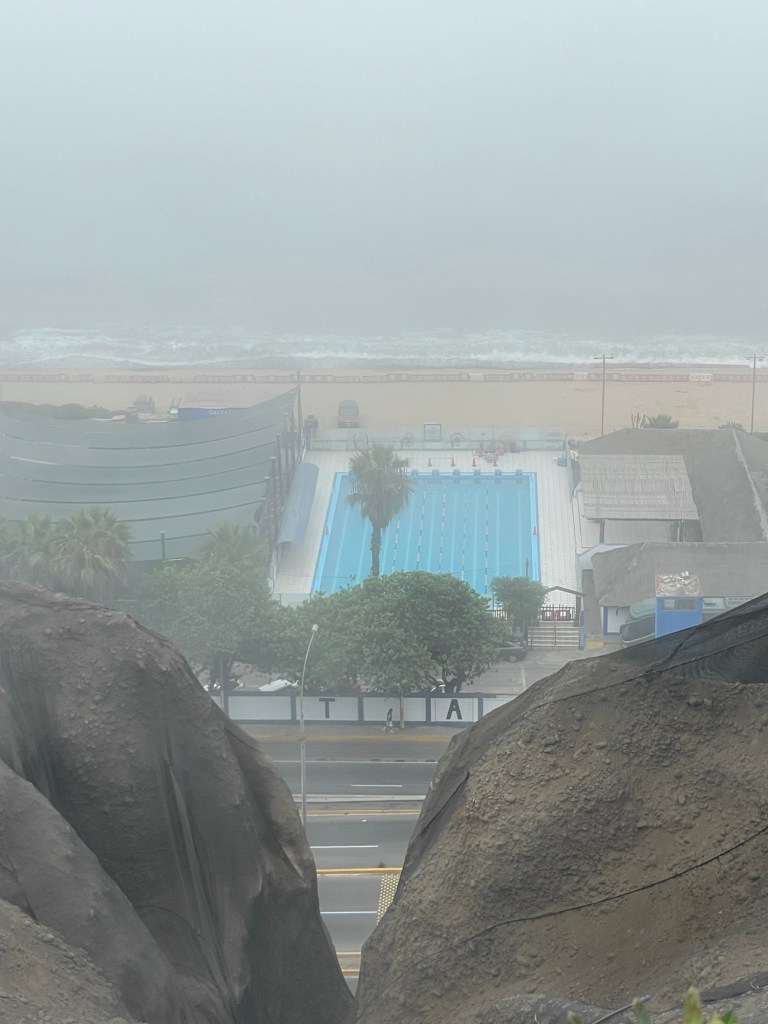
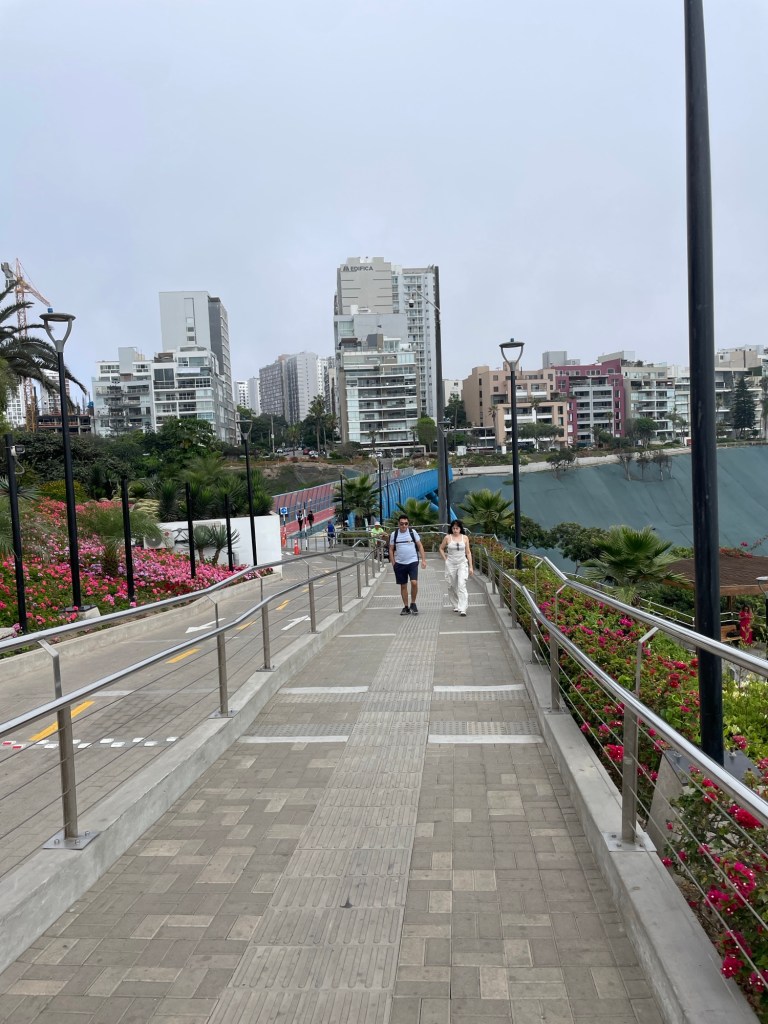
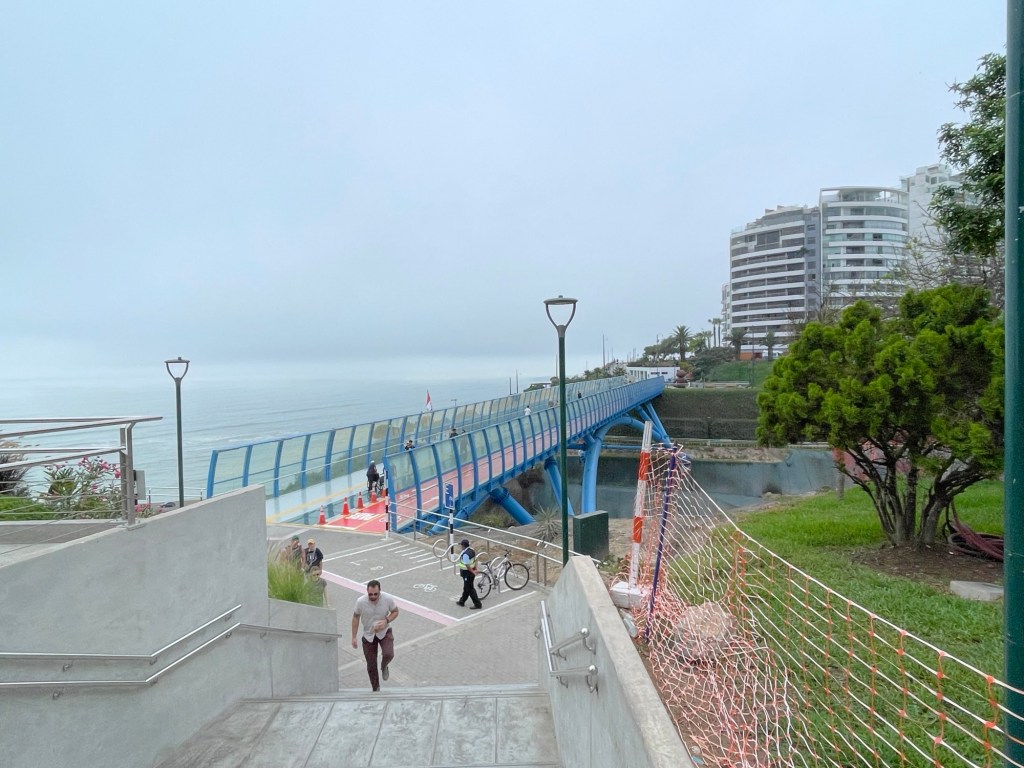
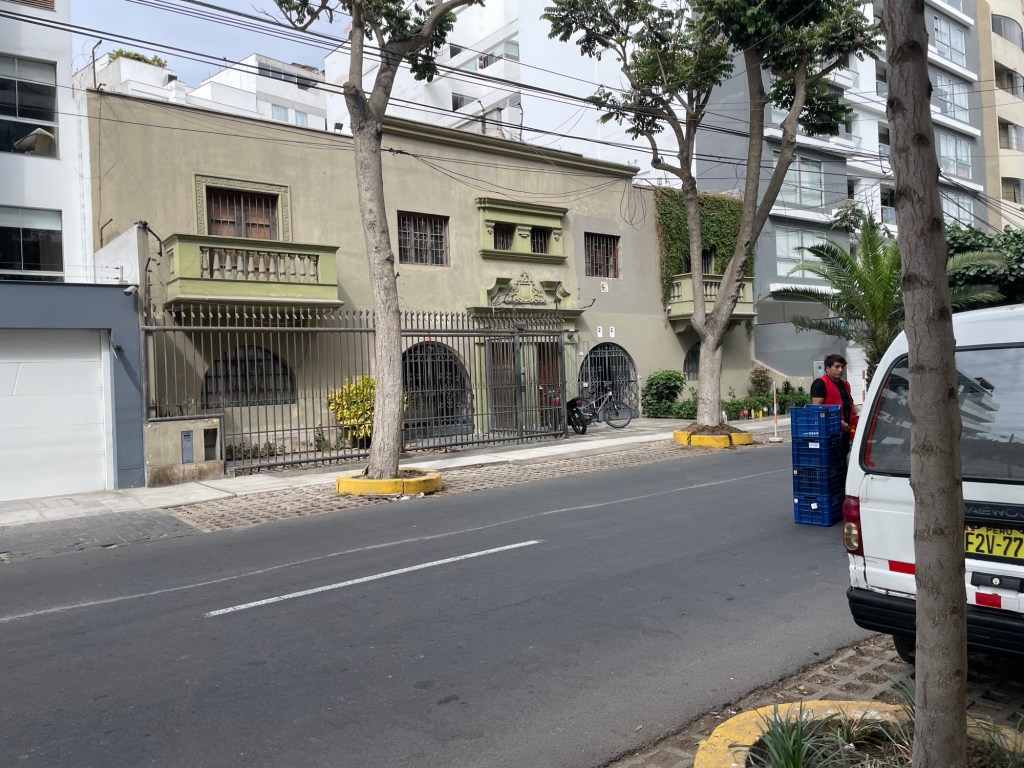
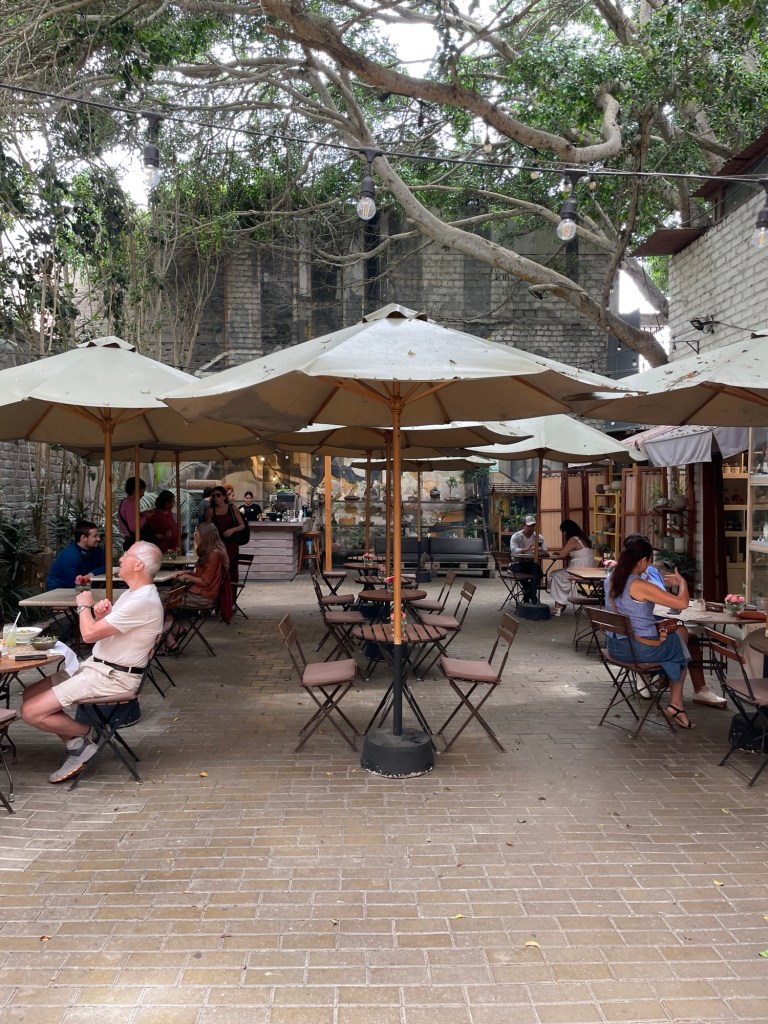
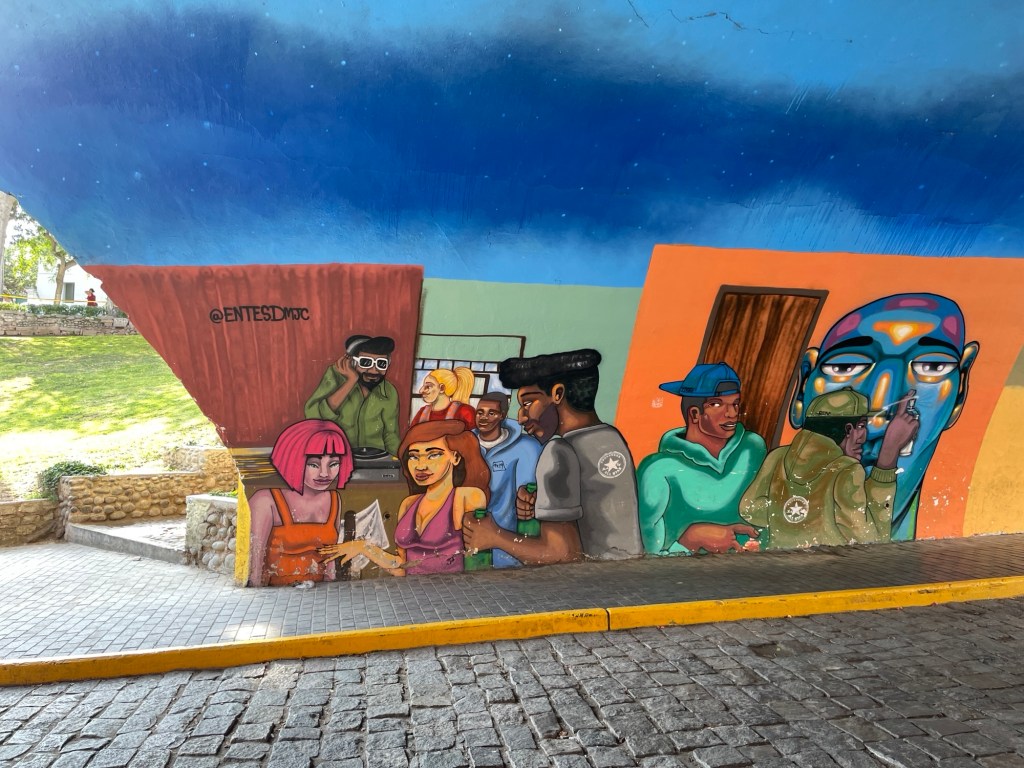
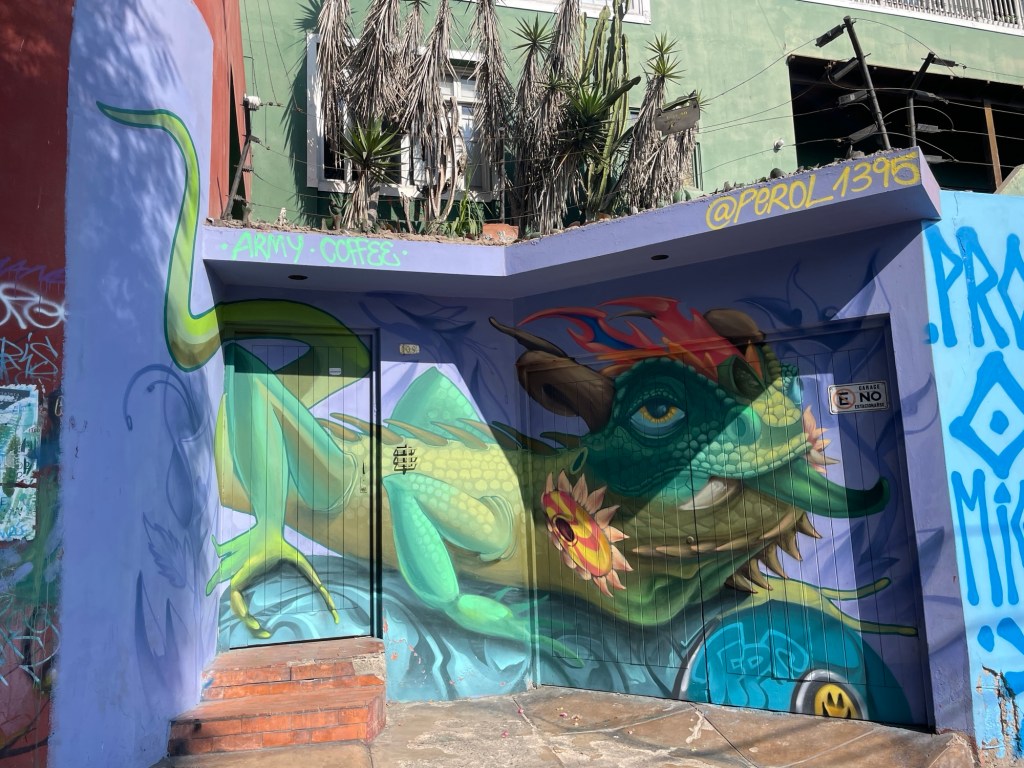
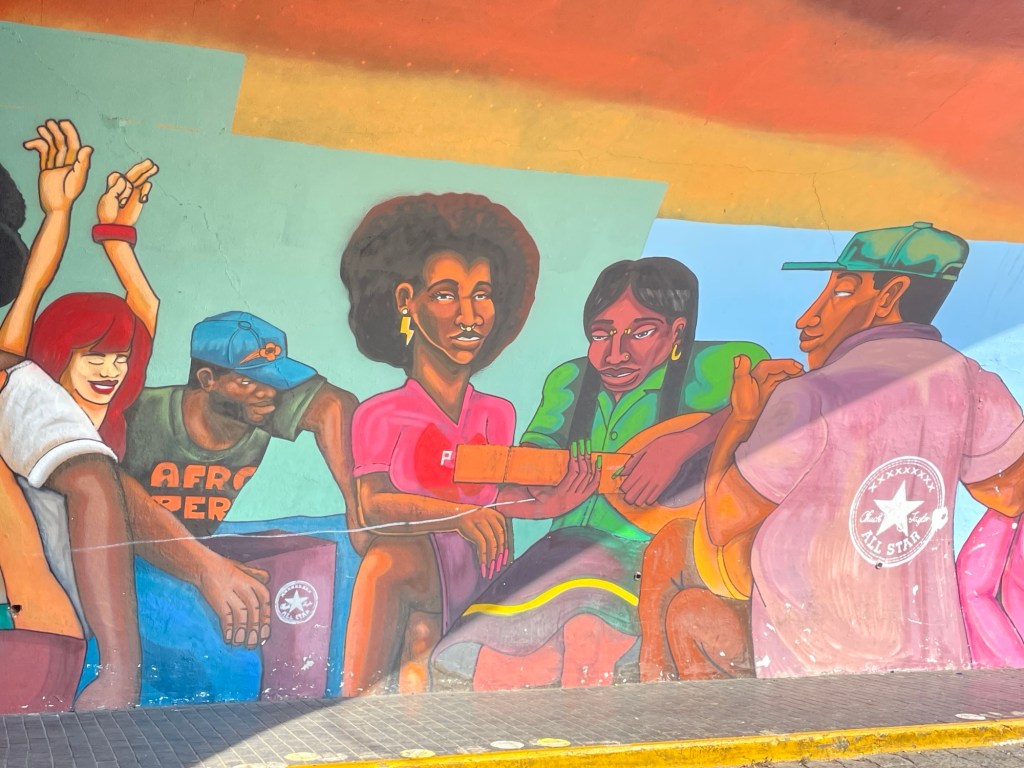
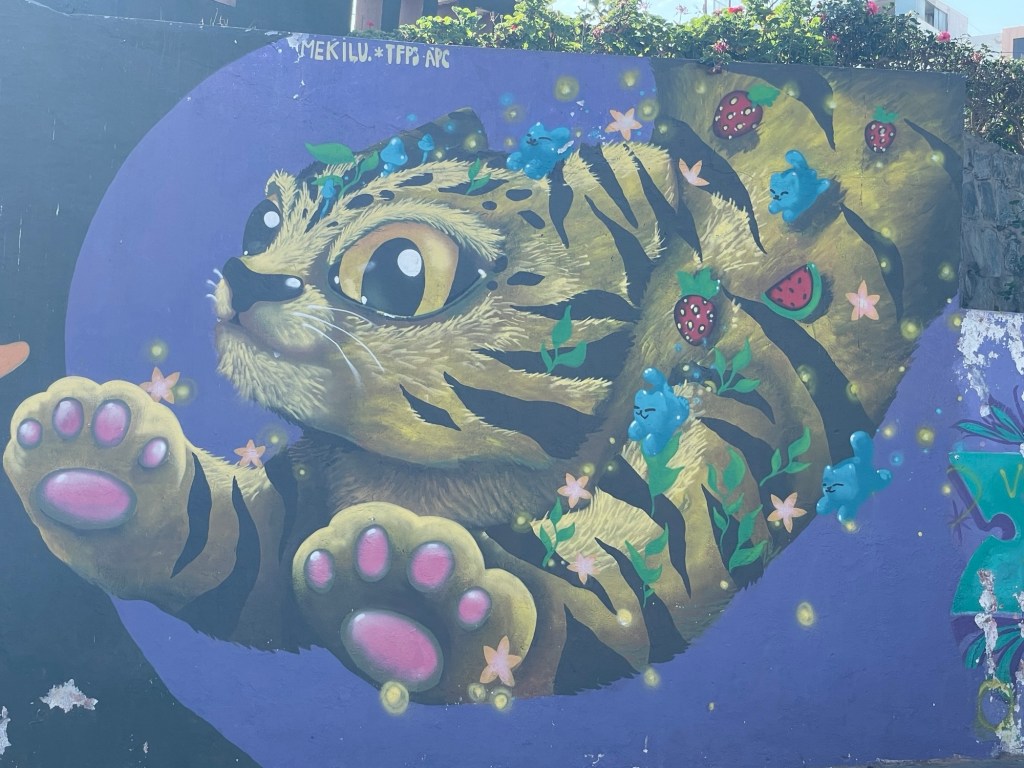
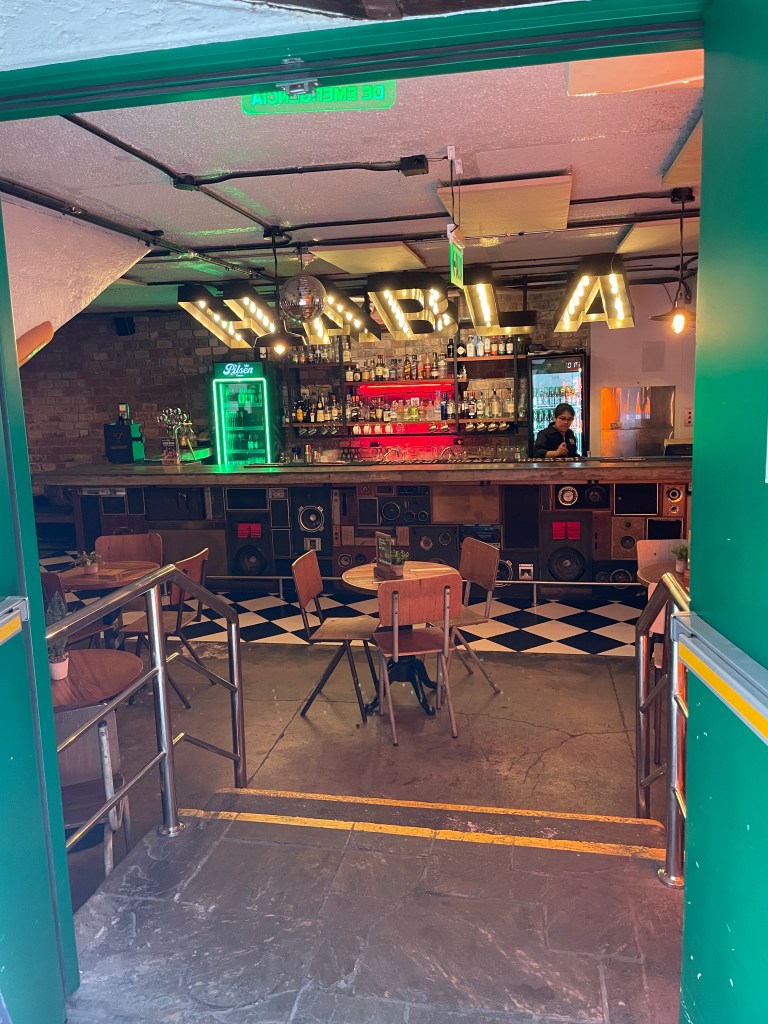
Lima is built high on a cliff and below it runs something akin to the Pacific Coast Highway of California. The city is putting a lot of time and money into this area and while driving you will see all sorts of activities available to locals and tourists alike. From sand volleyball courts, to an Olympic-sized pool, skateboard park, and basketball courts; Lima is working hard to re-make itself into a city for all ages and all interests. Meanwhile, up on the cliffs there are miles of walking trails looking down on the Pacific Ocean, pocket parks, and plenty of new high-rise apartments. Mom and Pop restaurants are everywhere as are local shops. You won’t find the big box stores in these neighborhoods. We are in staying in artsy-artsy neighborhood of Barranco and walk over to Barrio Miraflores everyday utilizing the giant overpass that stretches from one part of one city to the other.

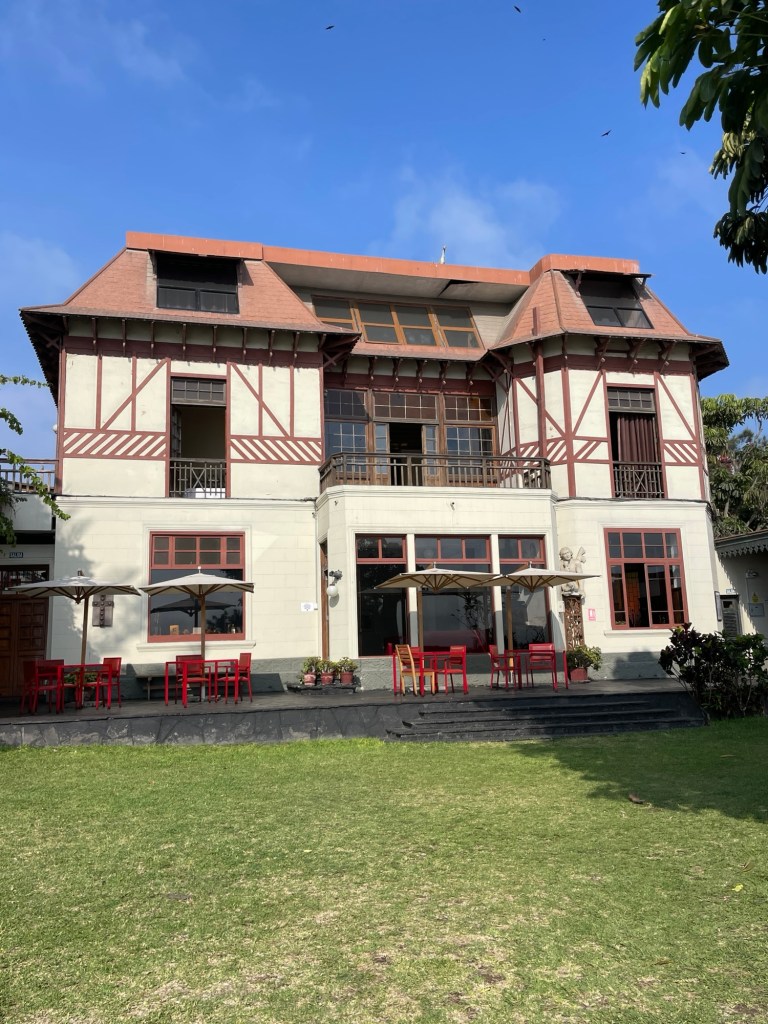
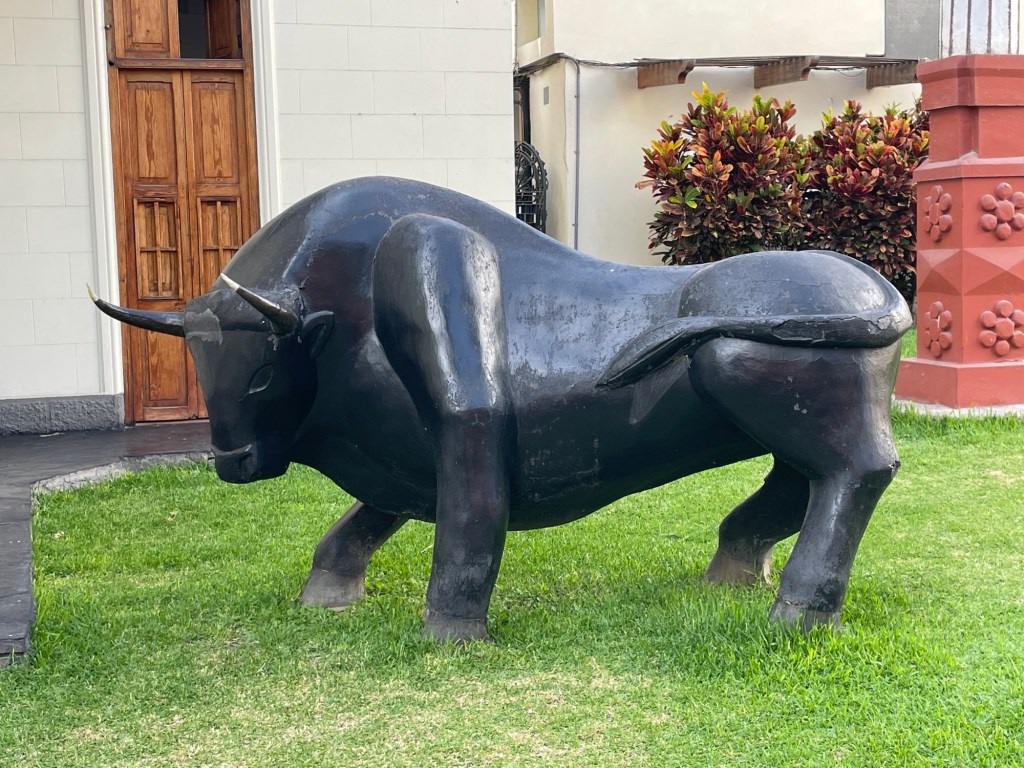
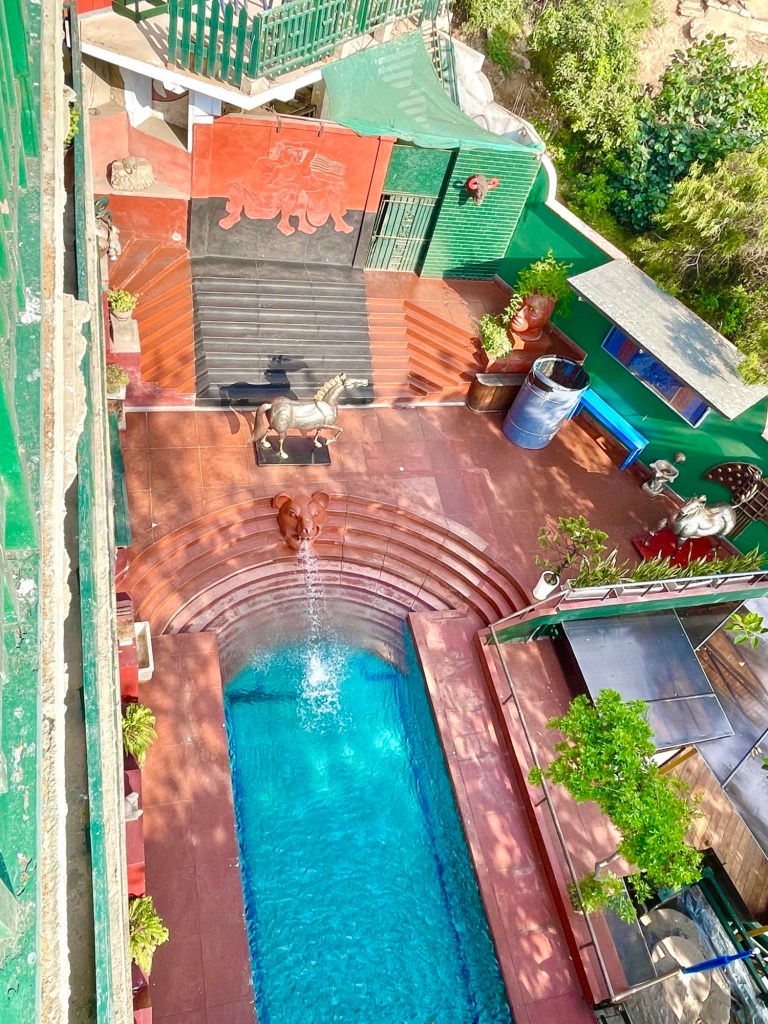
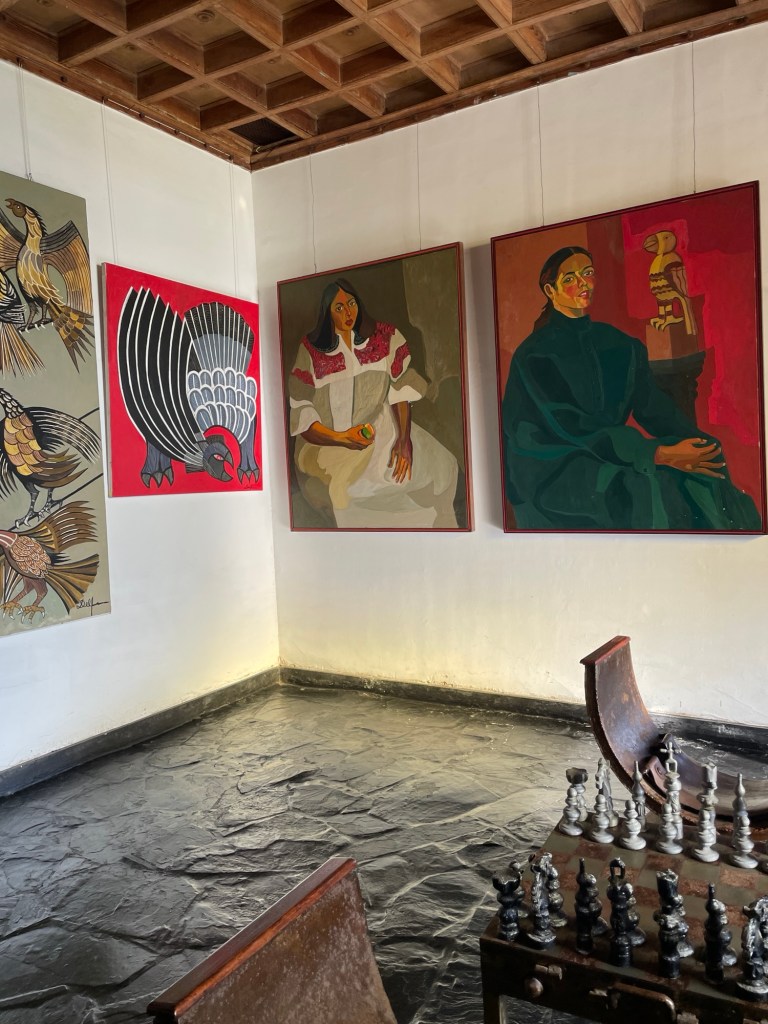
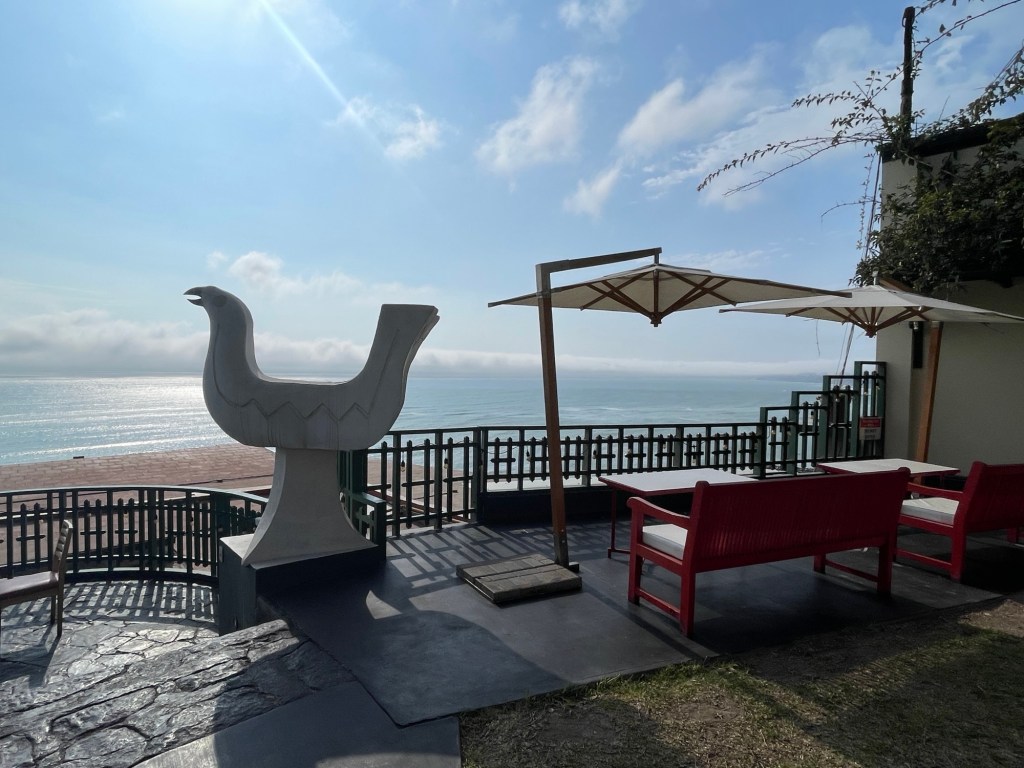
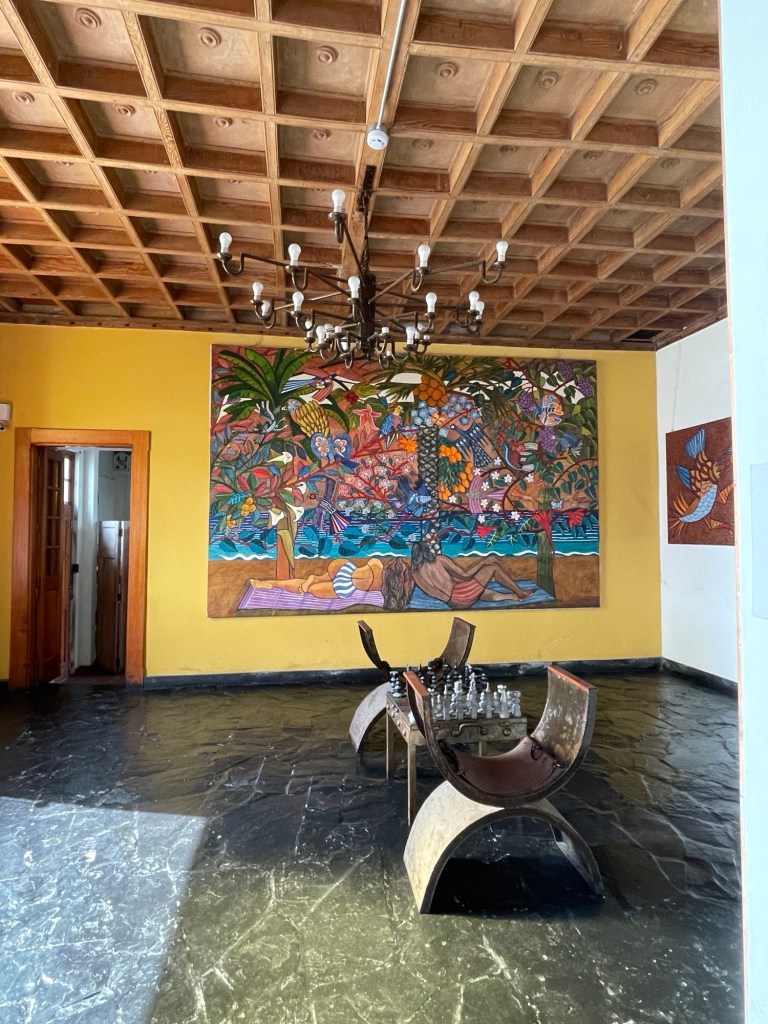
Walking through Barranco the other day we found several gems. One was the Second Home Peru Guesthouse. Once owned by Peruvian sculptor, Victor Delfin, the hotel features his artwork throughout the grounds and has a quaint public bar with outdoor seating overlooking the ocean. It really is a place to get away and relax for an hour or two as you explore the barrio.

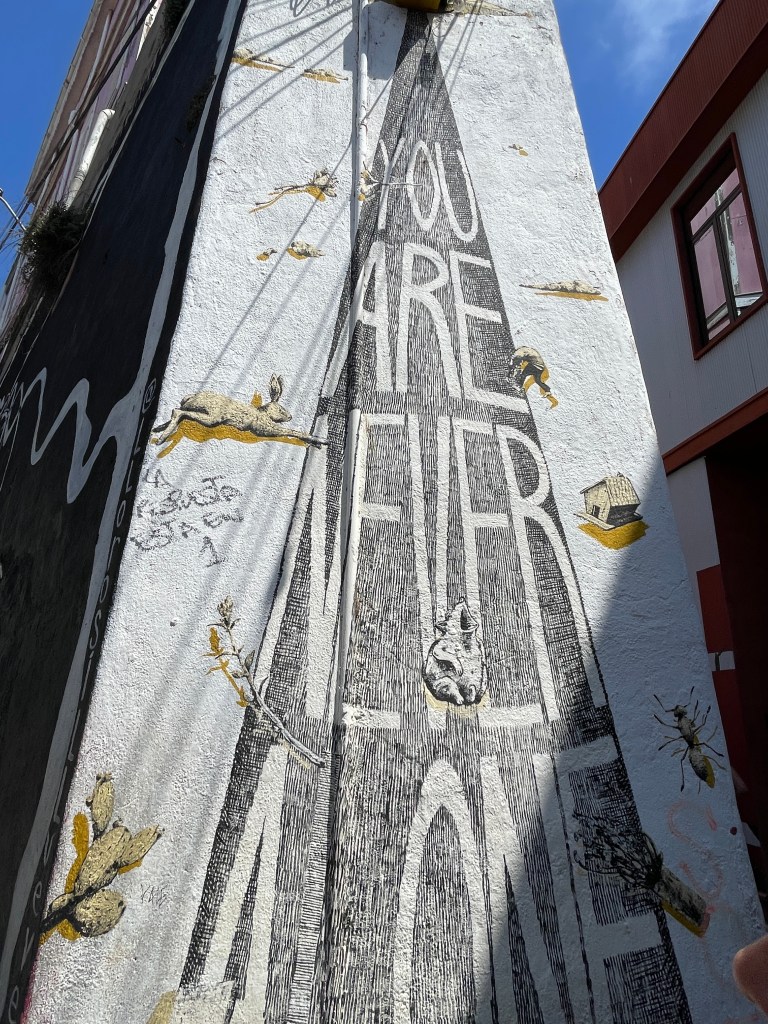
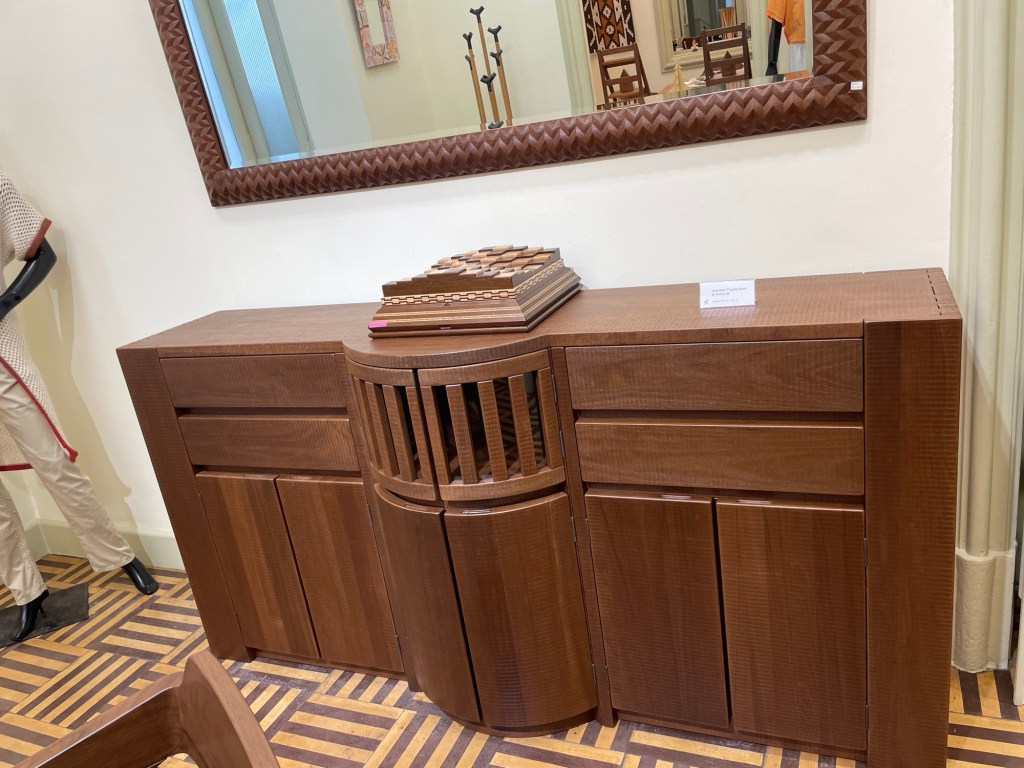
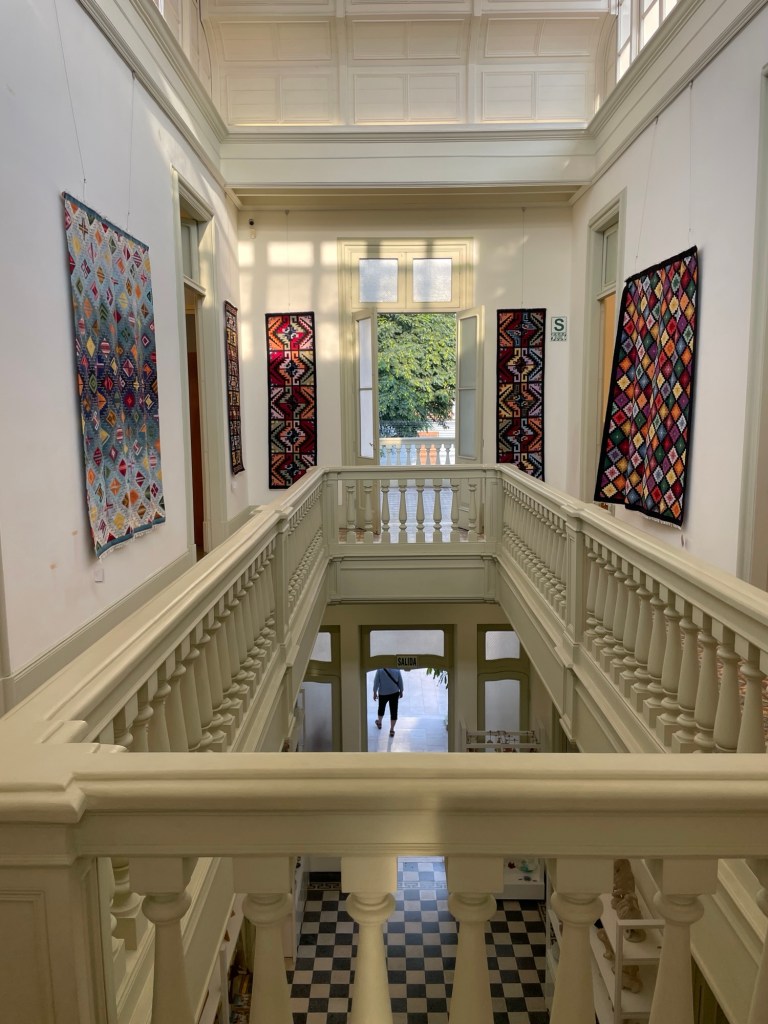
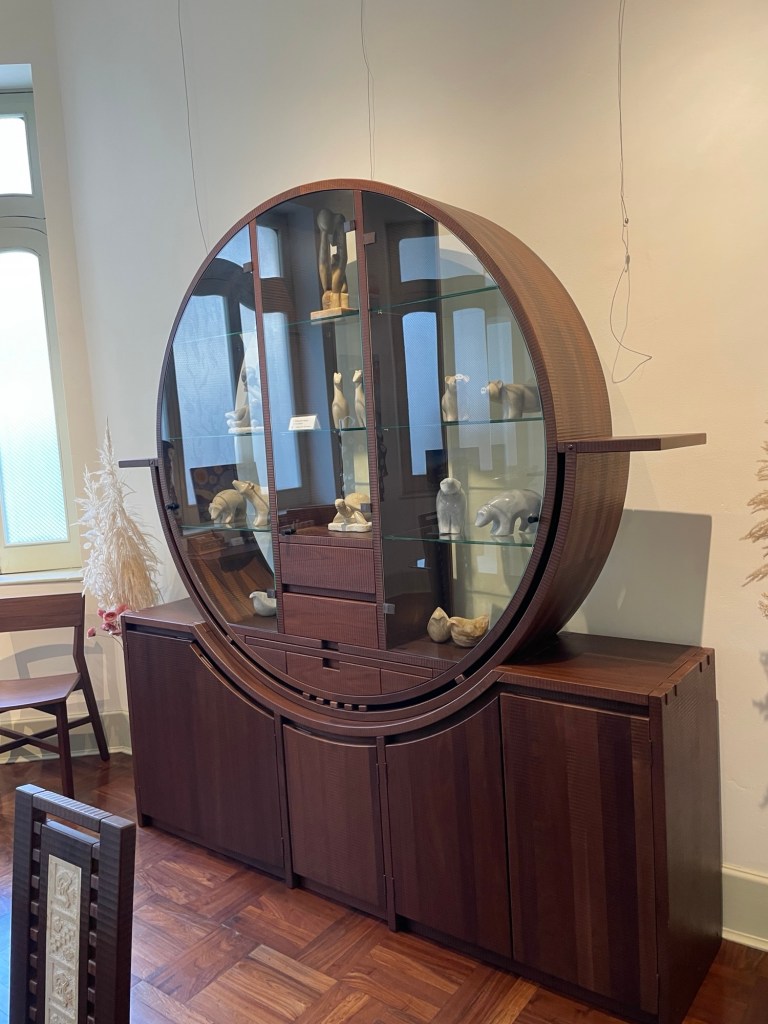
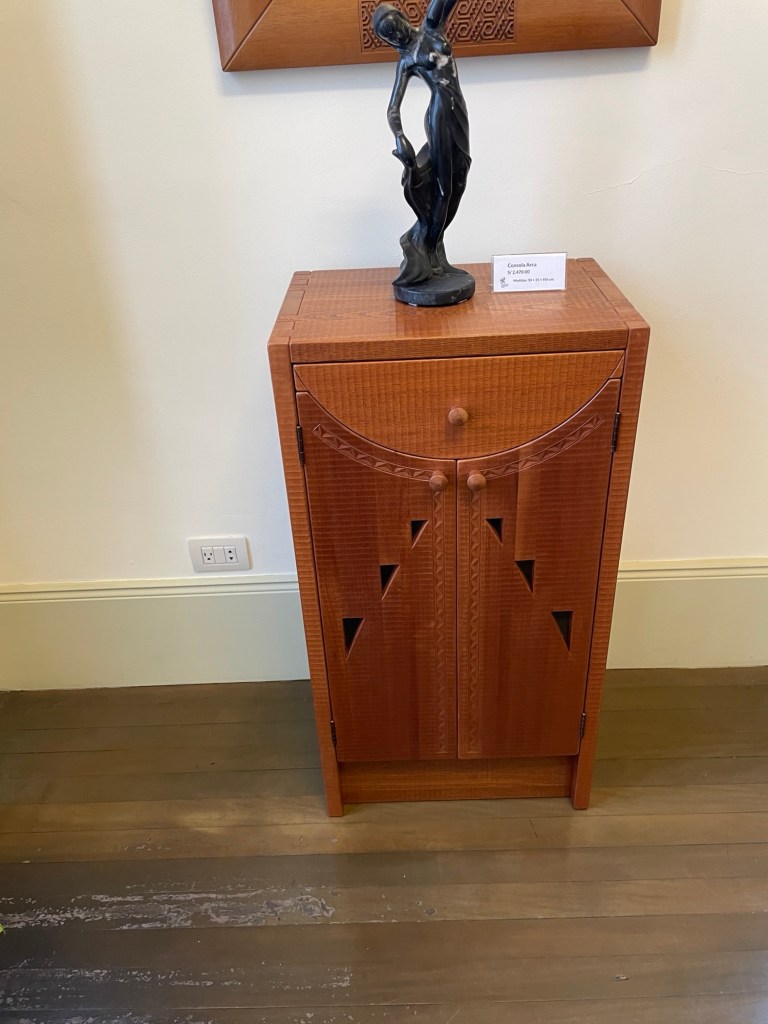
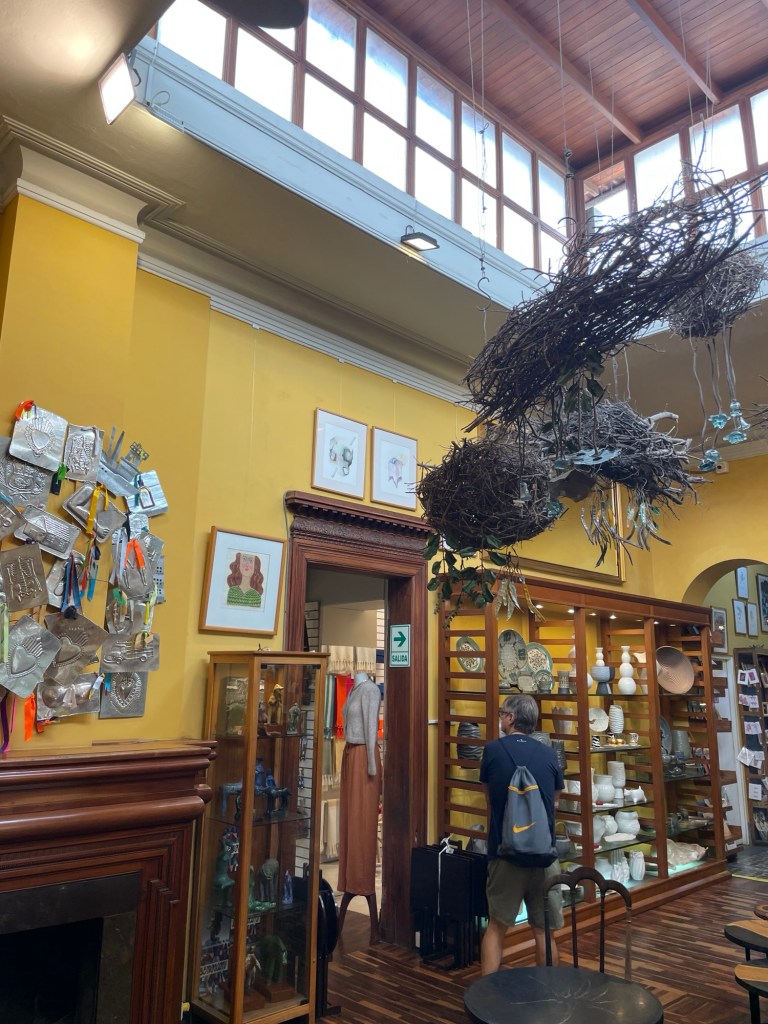
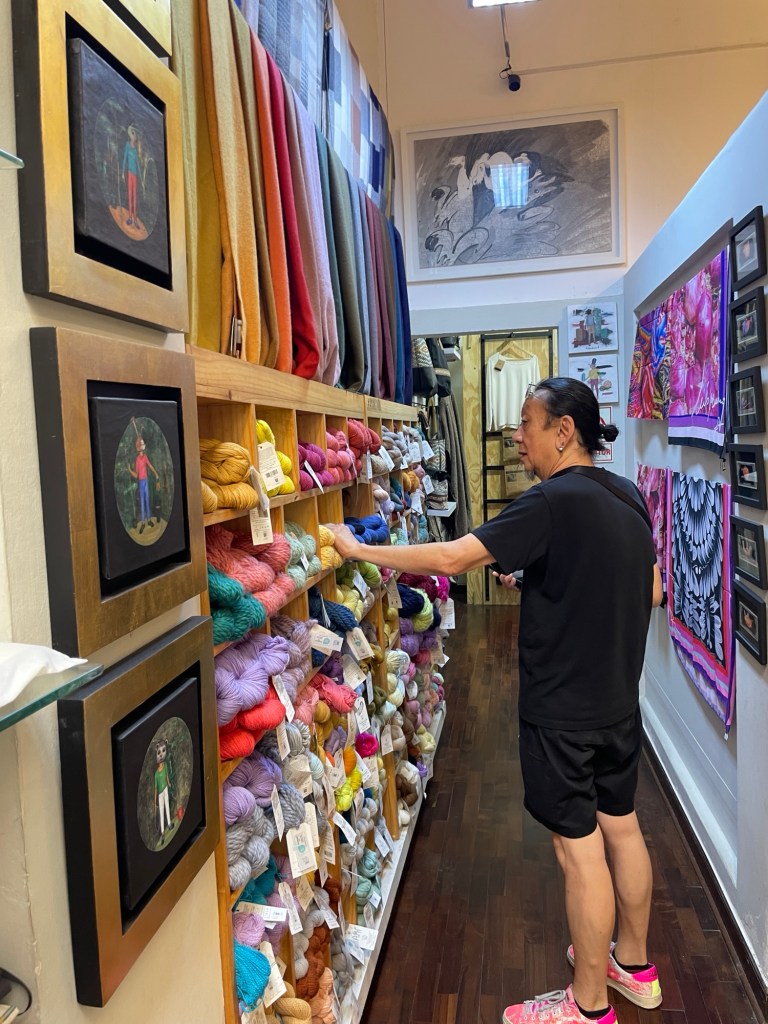
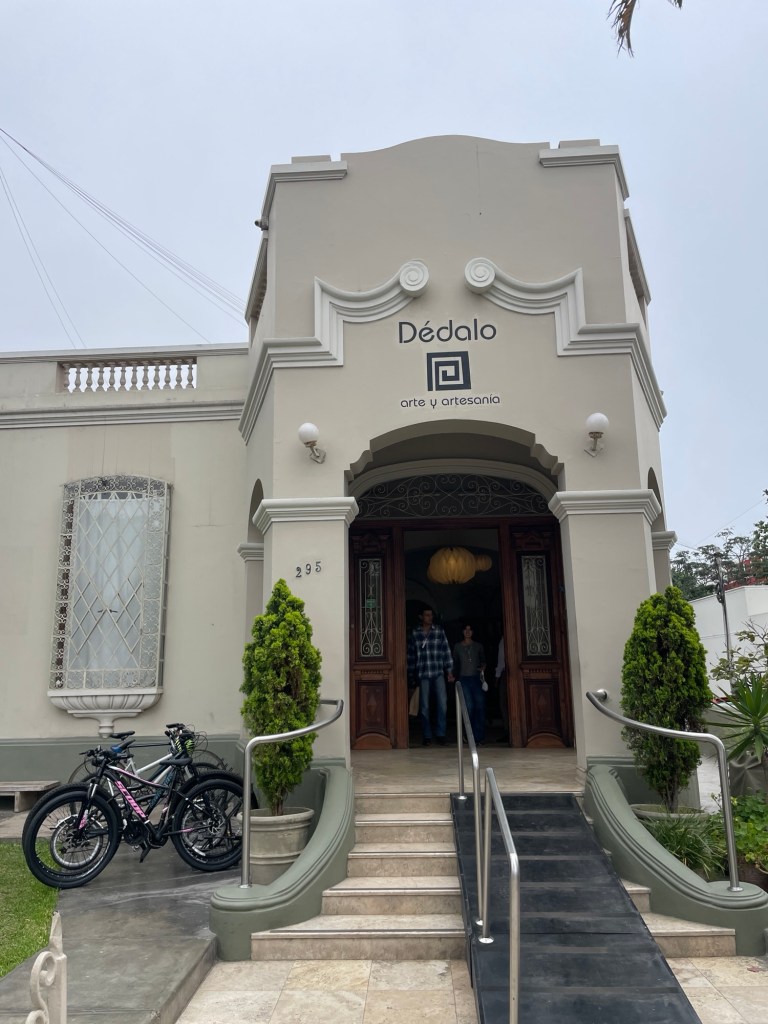
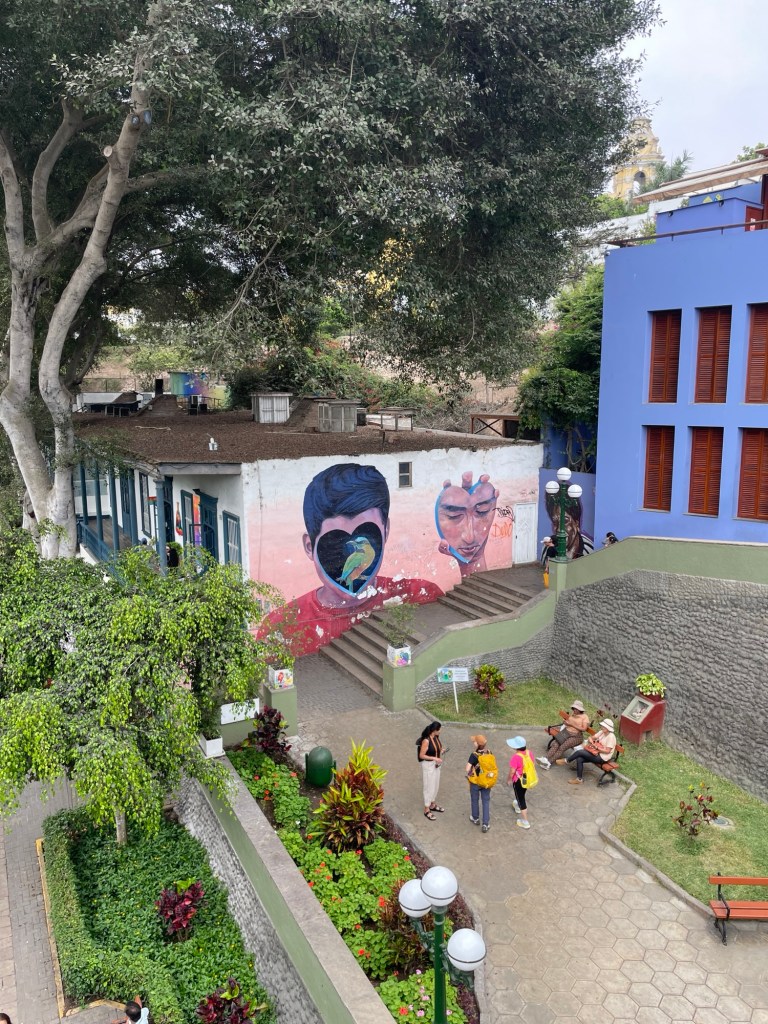
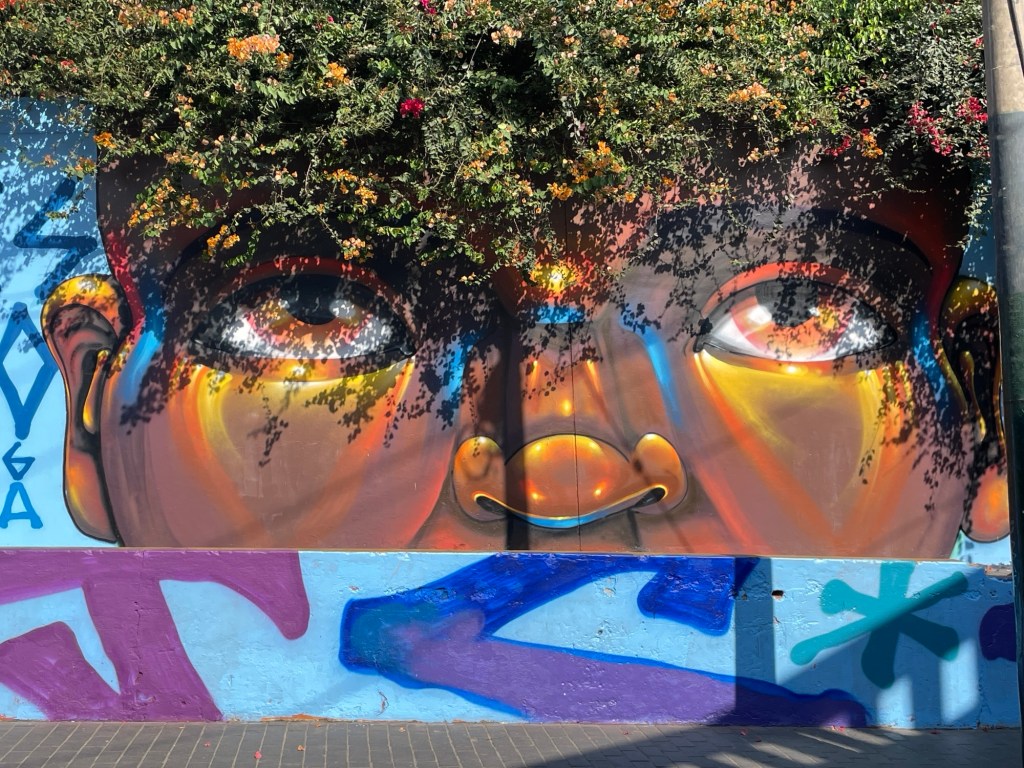
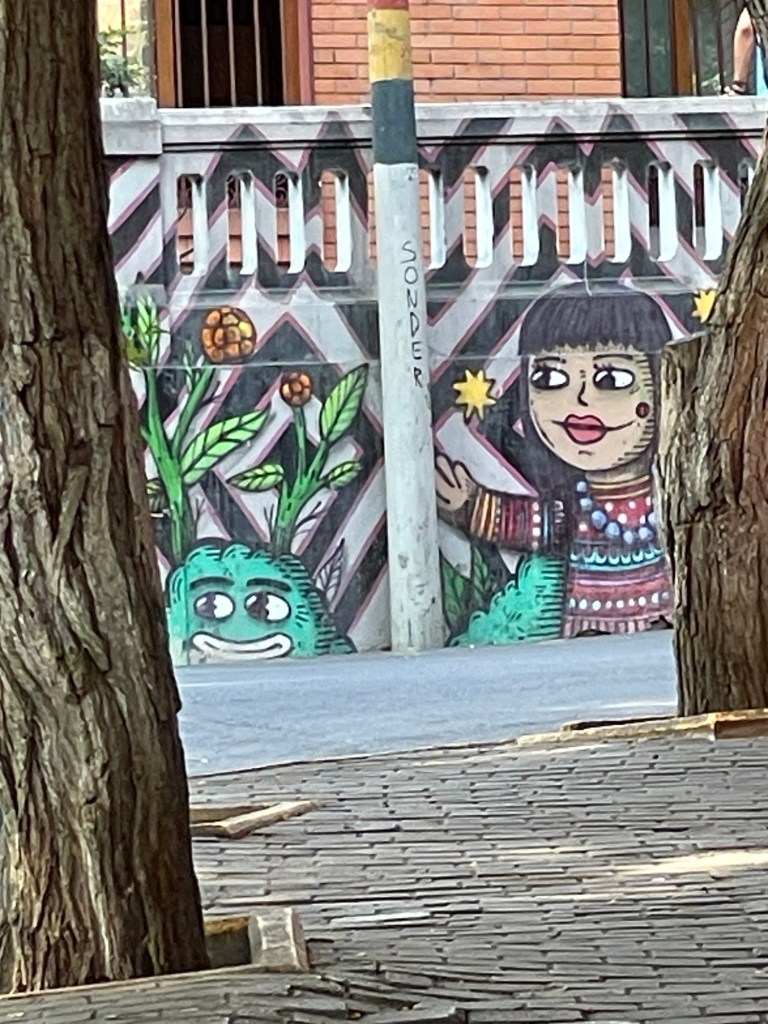
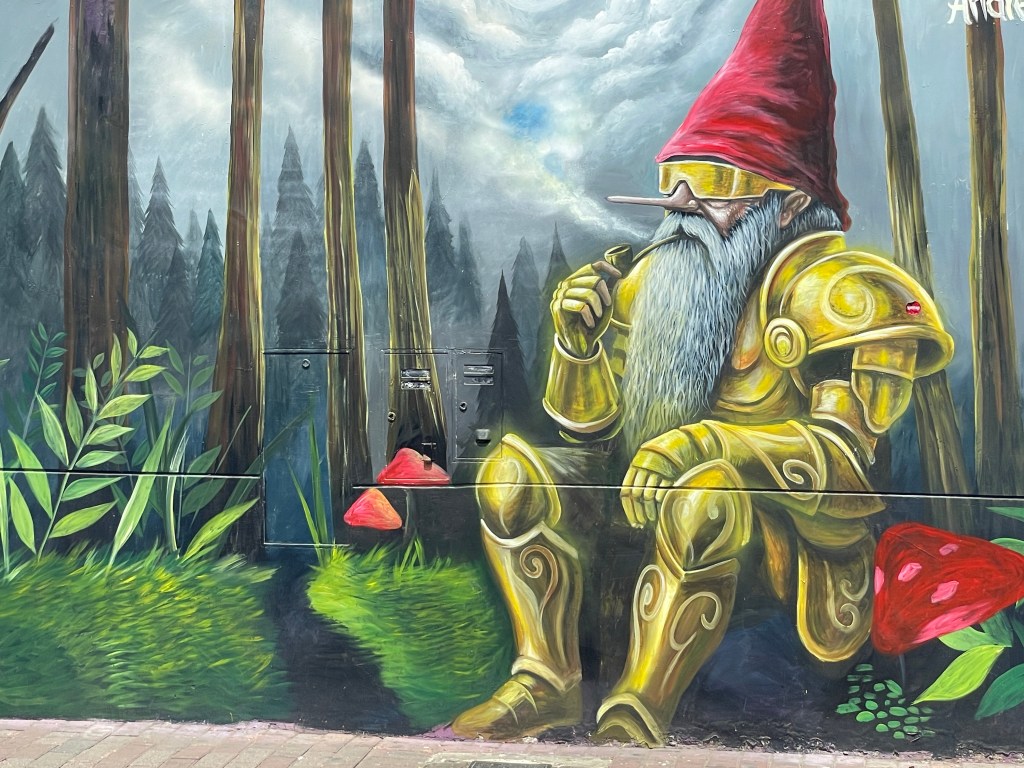
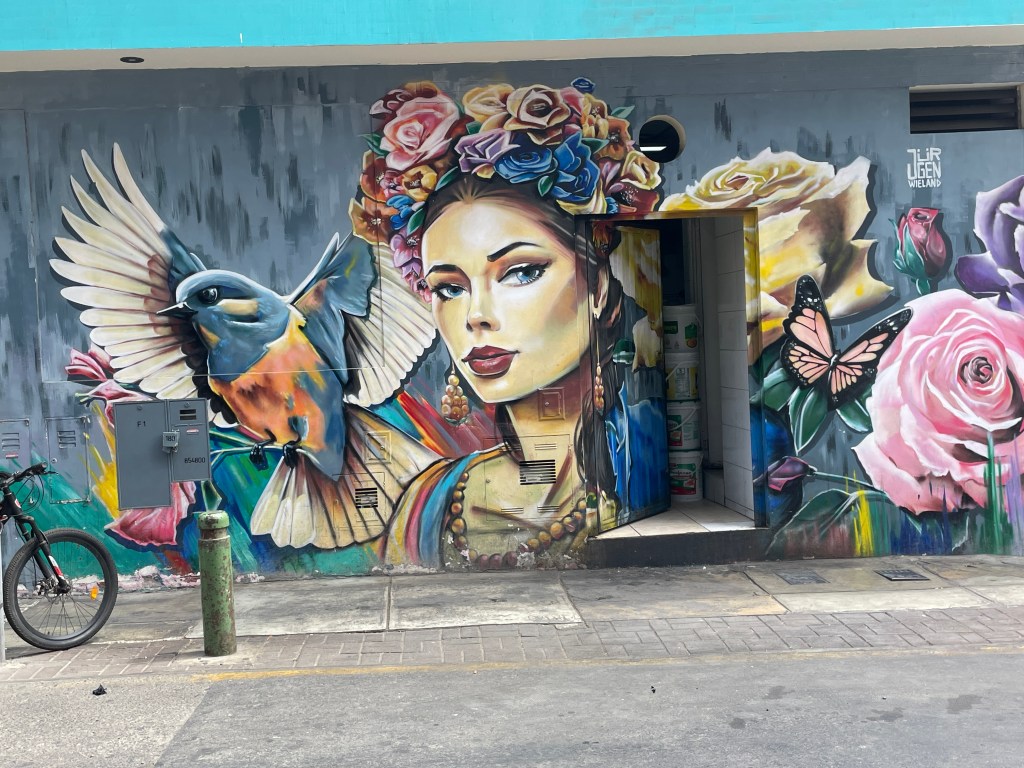
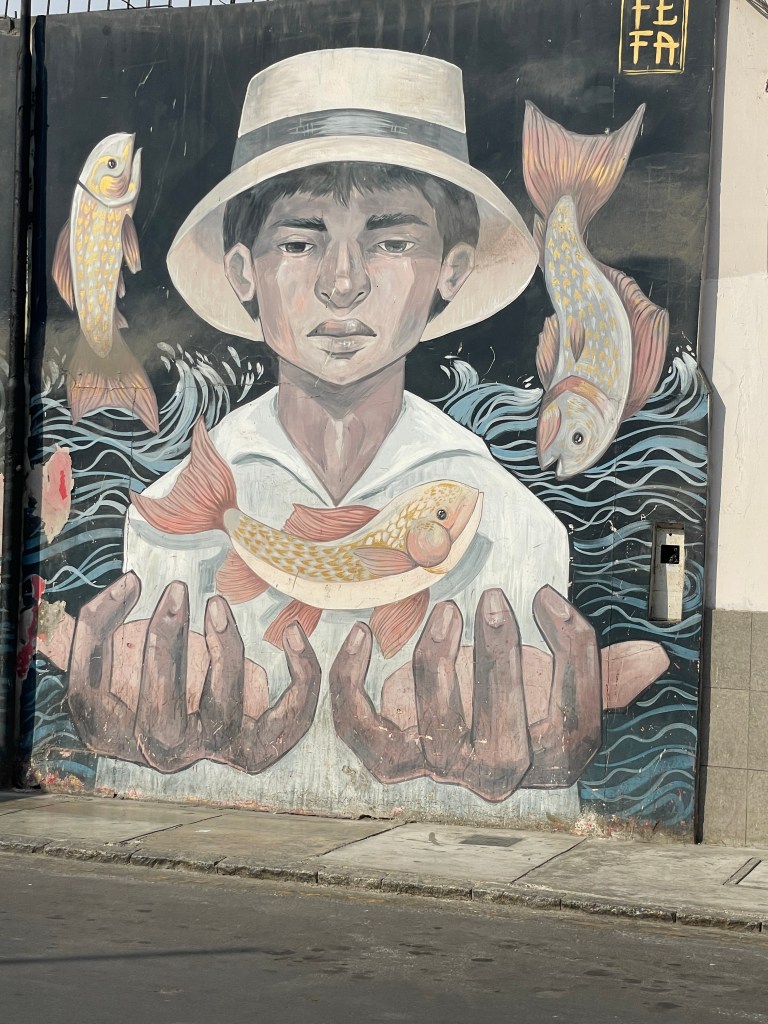
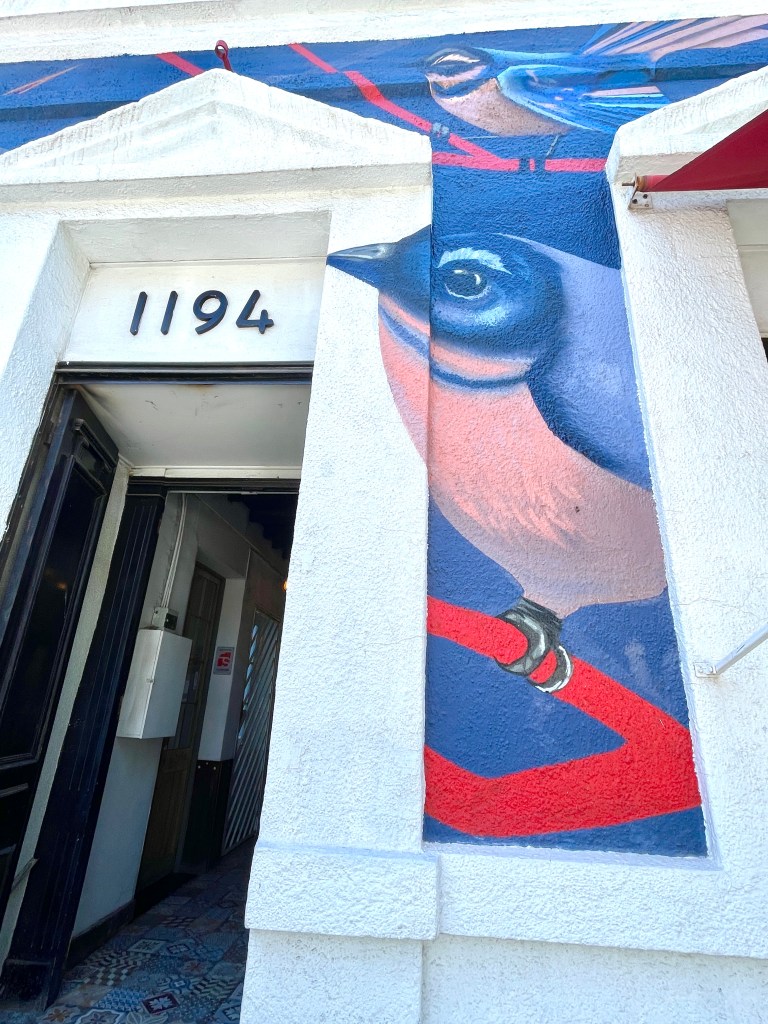
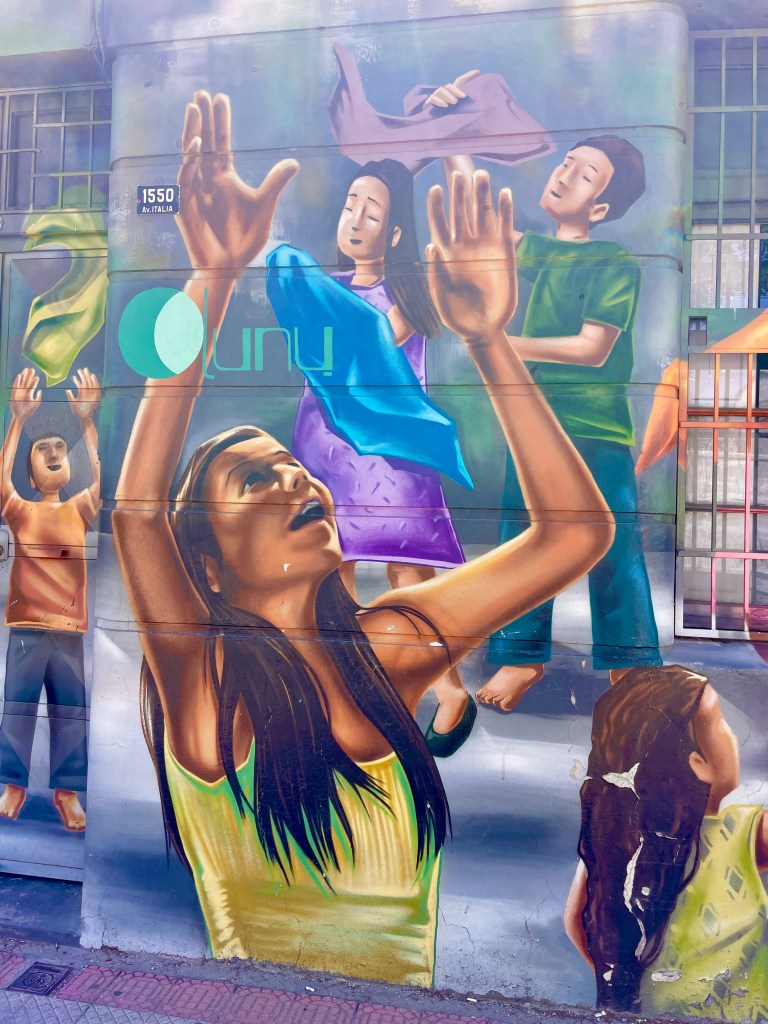
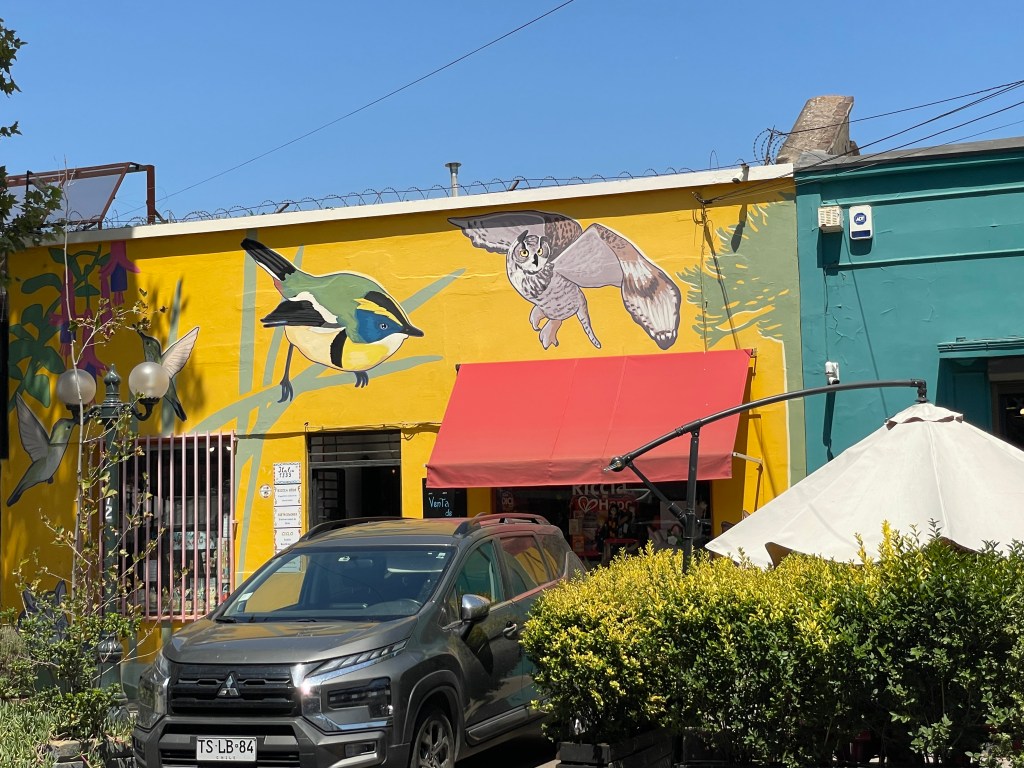
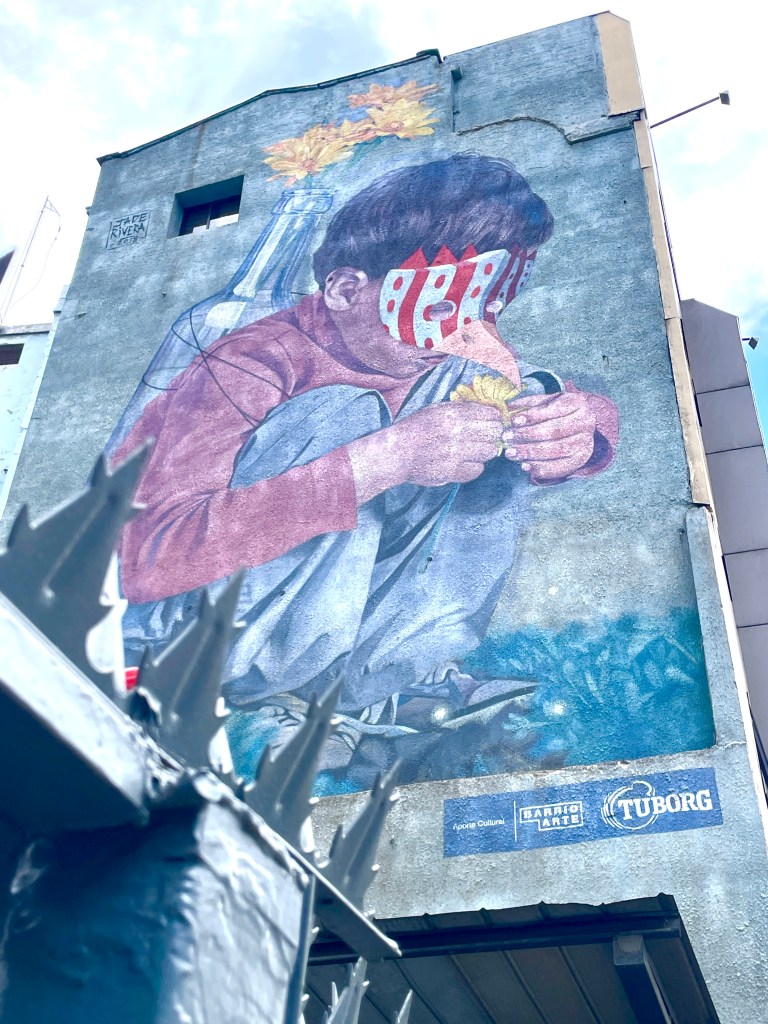
We also found three incredible stores which feature artisans from Peru. It was difficult to take my hands off the smooth beauty of the fine furniture which one can preview at Arteanos Don Bosco. While at tienda Dedalo the ceramics and textiles were a feast for the eyes. Street artist Jade Rivera’s gallery was an explosion of colors and abstract meanings which make those viewing his work stop and contemplate the known and consider what may previously been the unknown. What surprised me the most was that I saw on of his giant murals in Santiago and photographed it only to find postcard copies in the gallery. Walk a little further down the block and you will come to the Mural Bridge….it is truly stunning.

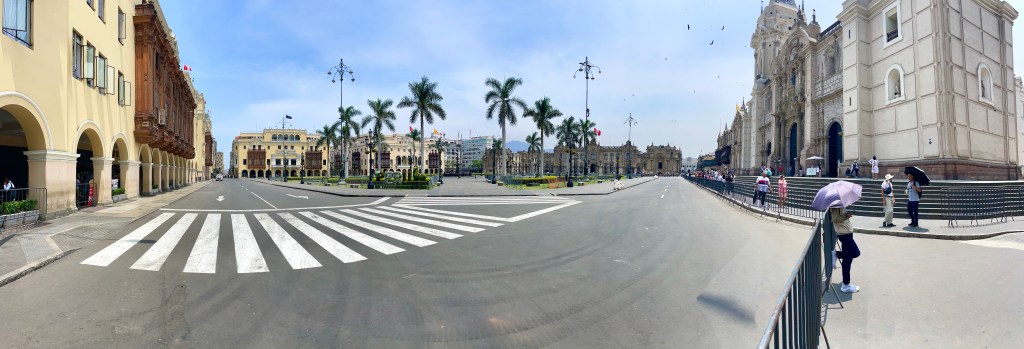
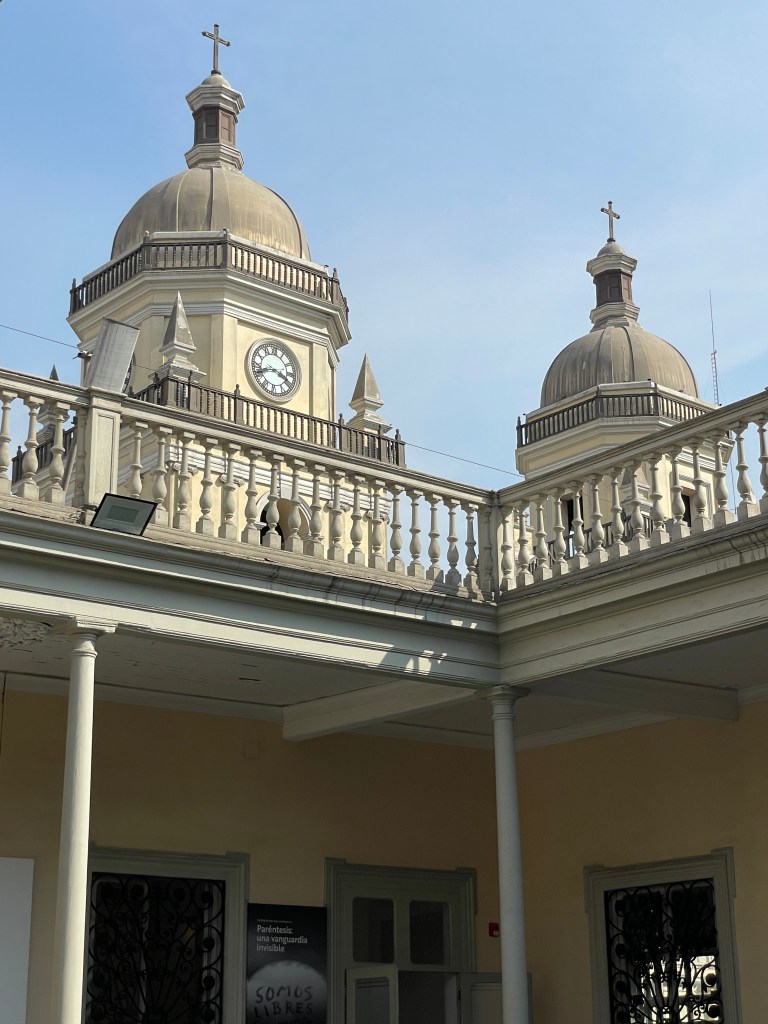
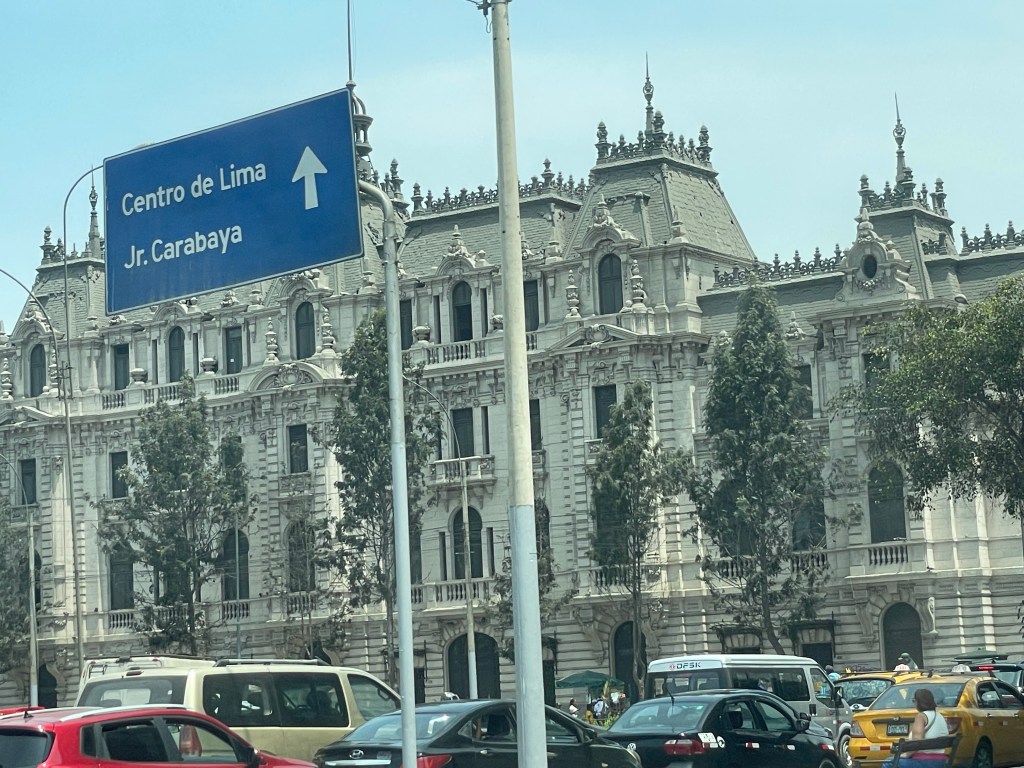
The next day we ubered to the Plaza Mayor which sits in the center of the historic district. Here you can find the Basilica Cathedral of Lima, the Palace. and many more smaller churches and museums within a couple of blocks.

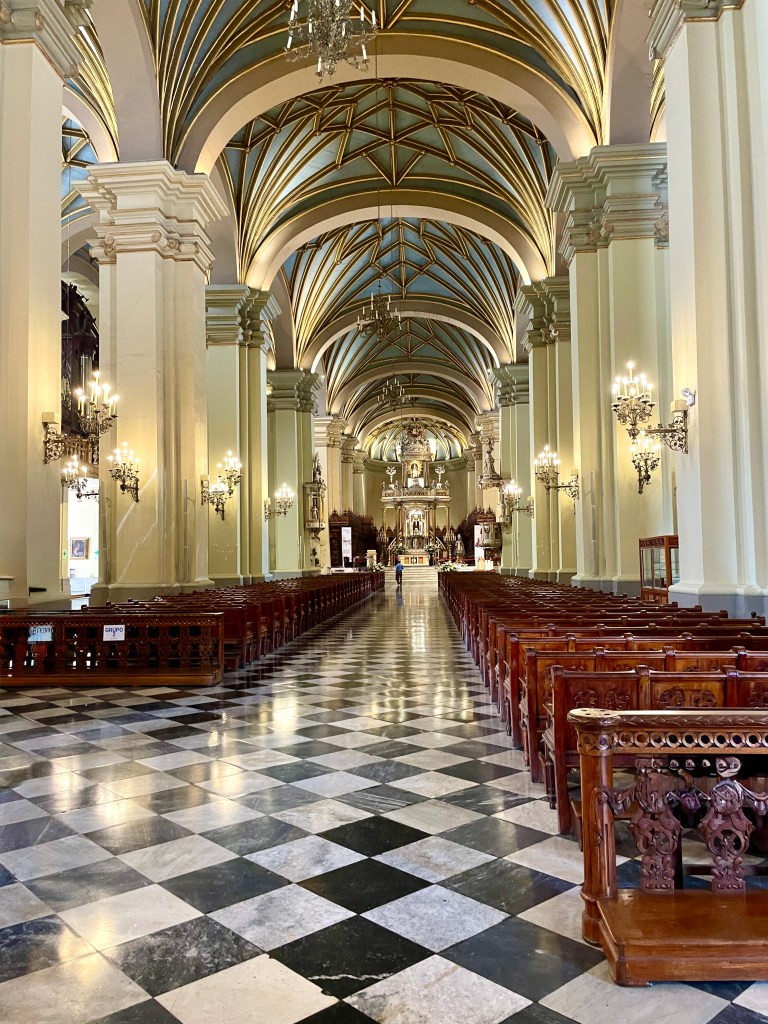
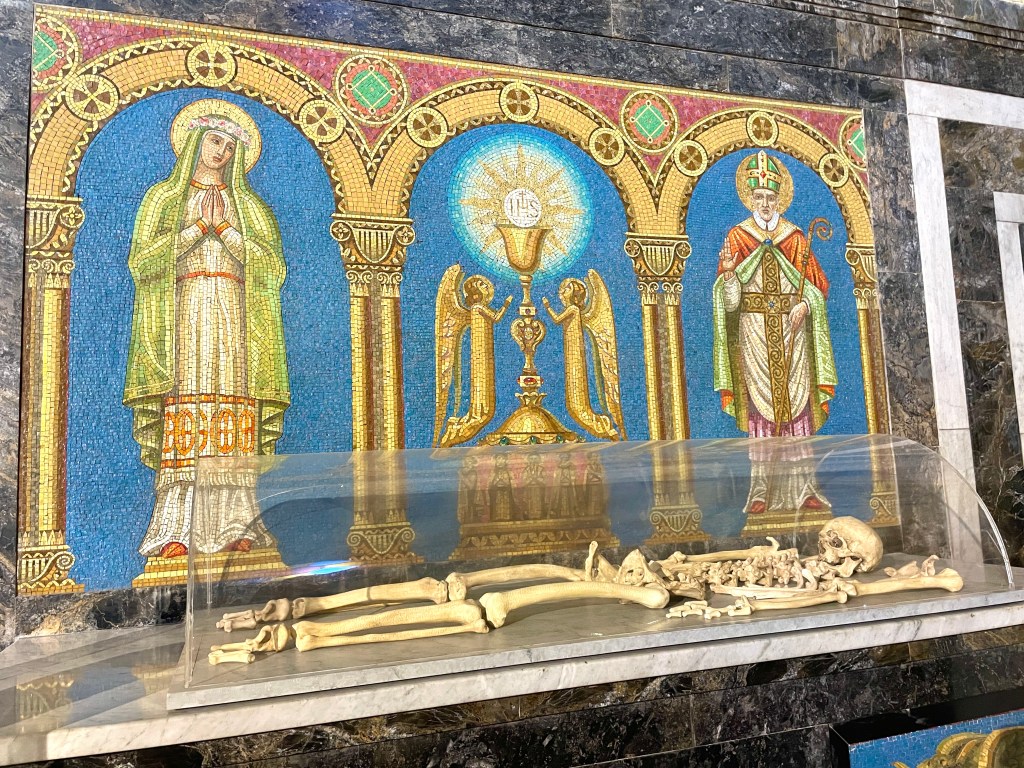
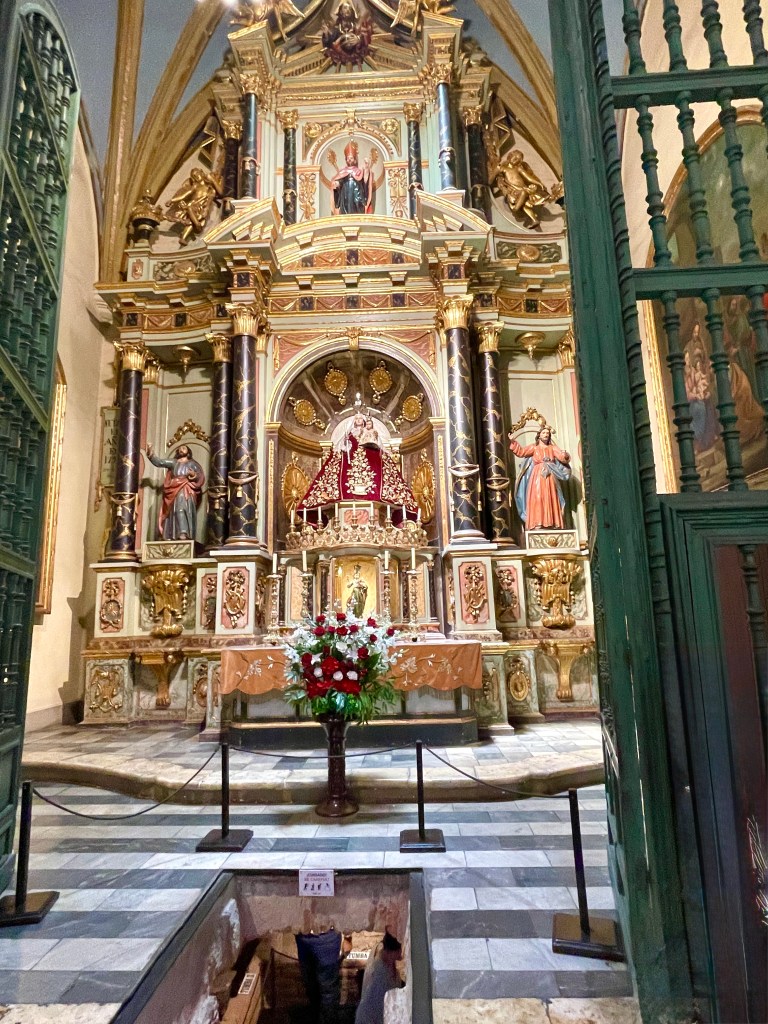
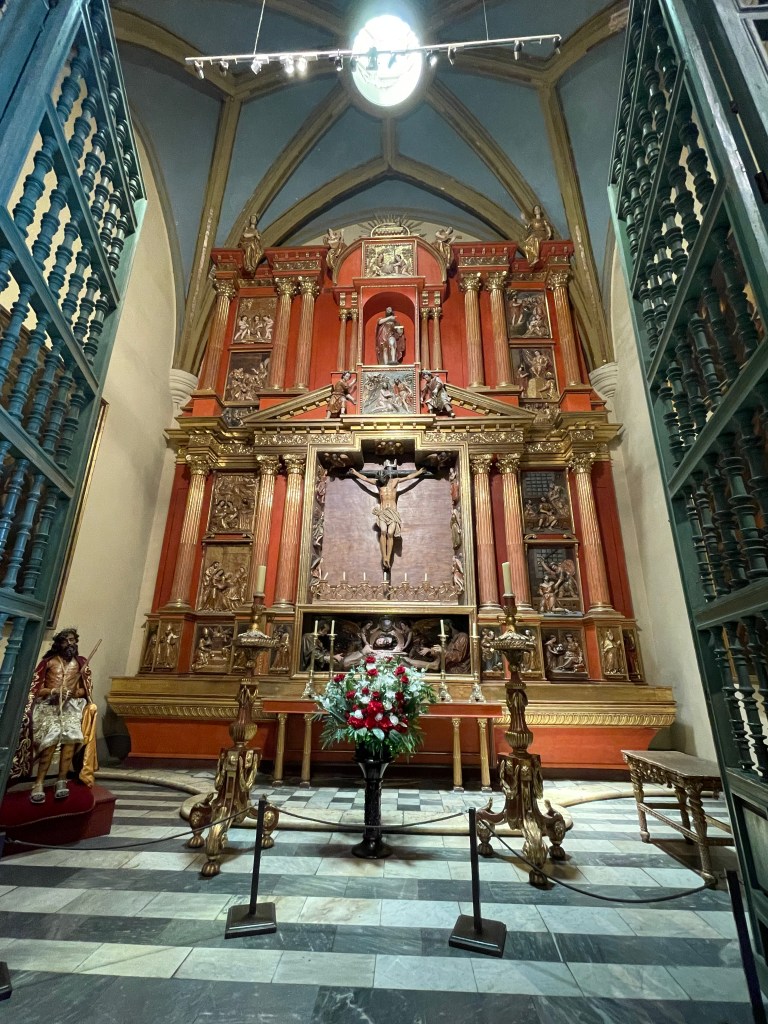
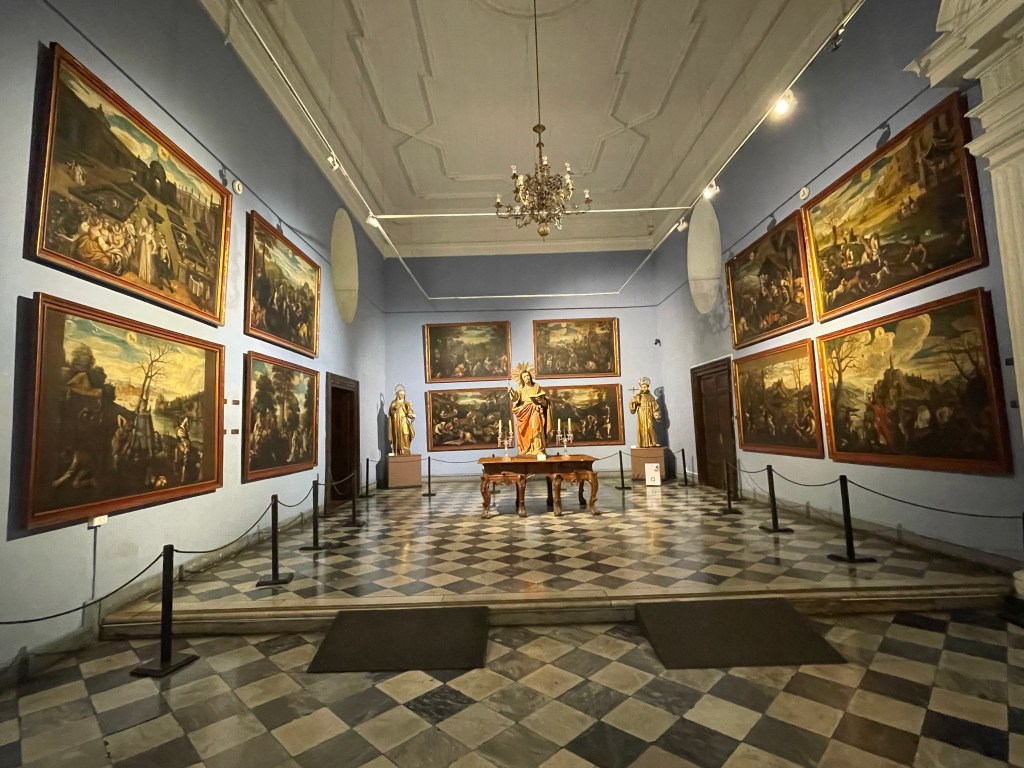
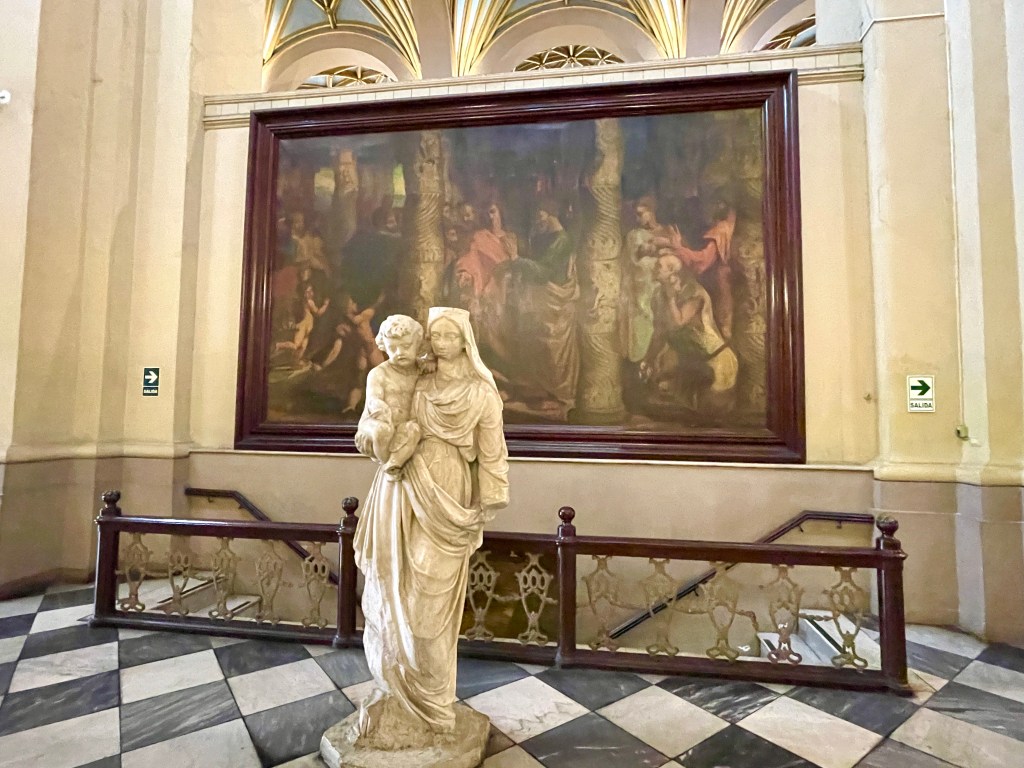
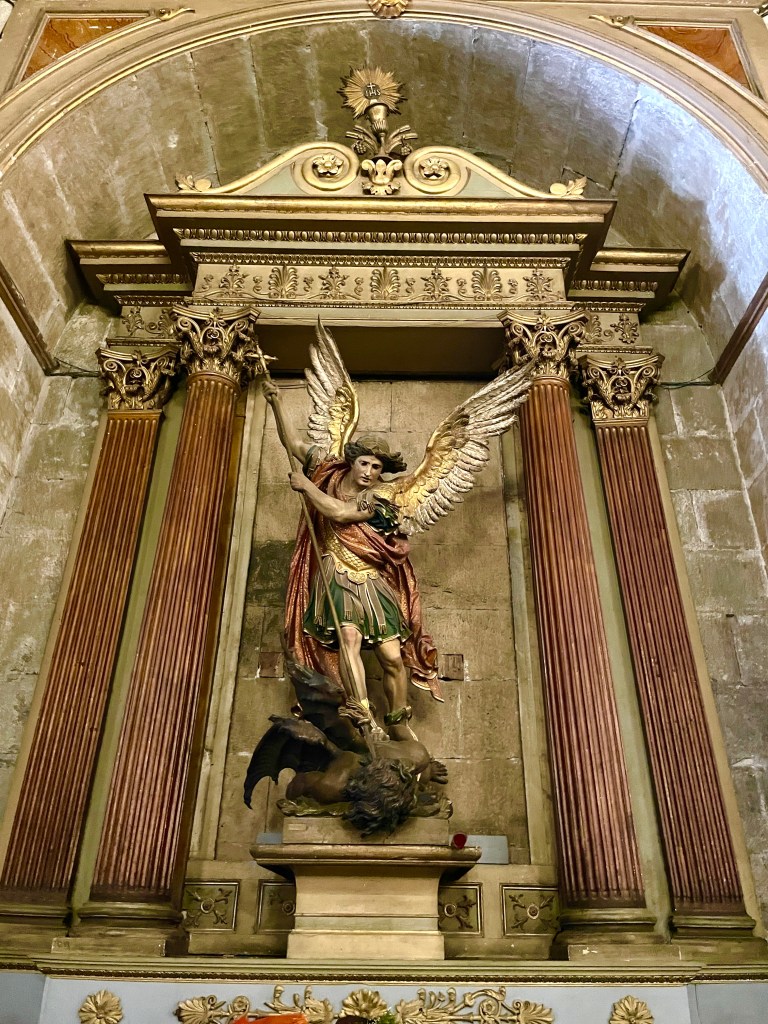
The Cathedral was founded in 1535 but has undergone many renovations since due to earthquakes which damaged the building many times over the years. Inside, there are creepy crypts, thirteen chapels and rooms which house sacred religious art.

Sepulcher Room of Don Francisco Pizarro

After leaving the Cathedral we heard some marching band music and headed over to the Palace where it so happened that the changing go the guard was taking place! What a delightful stumble as I have always tried to attend these and I had no clue that they did such a thing in Lima.

We then headed to lunch and if I can give a piece of advice…don’t eat around the Plaza Mayor. The food is expensive and not particularly good but I have to confess I like the free Pisco sours they had out to get you into a restaurant!

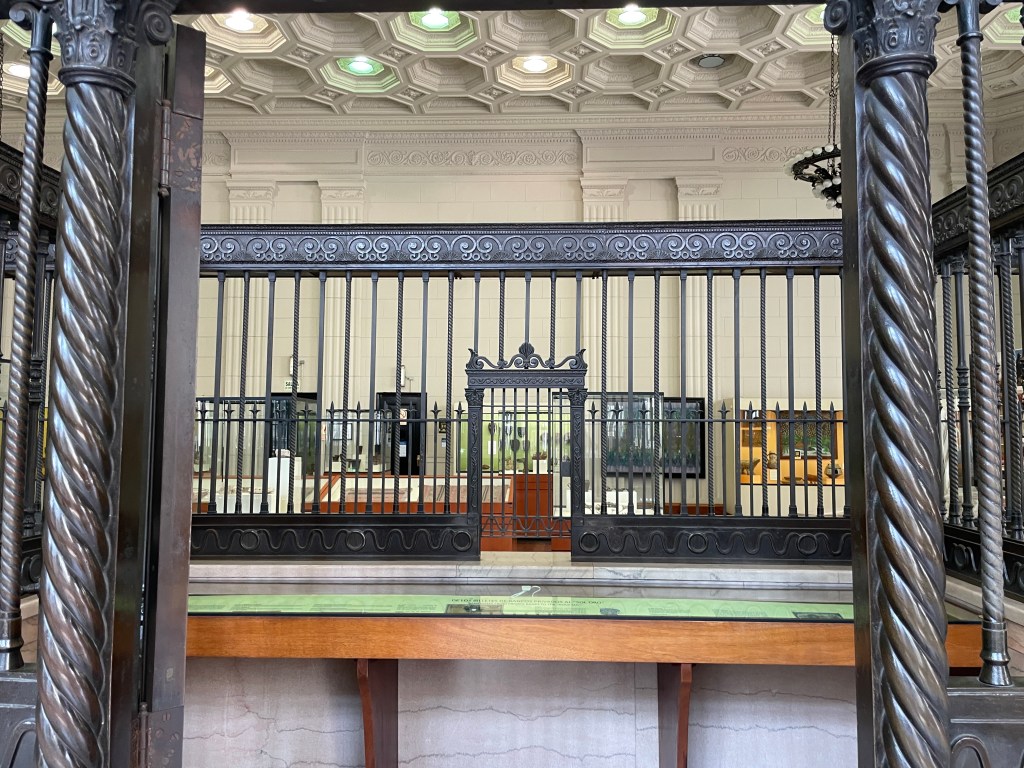
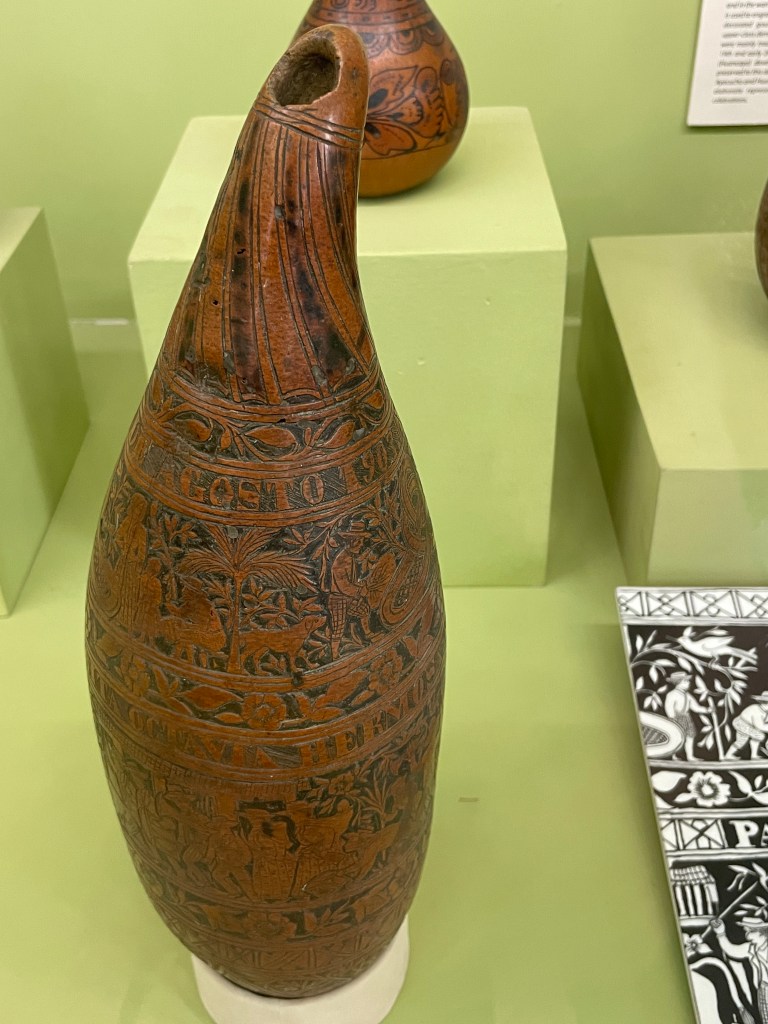
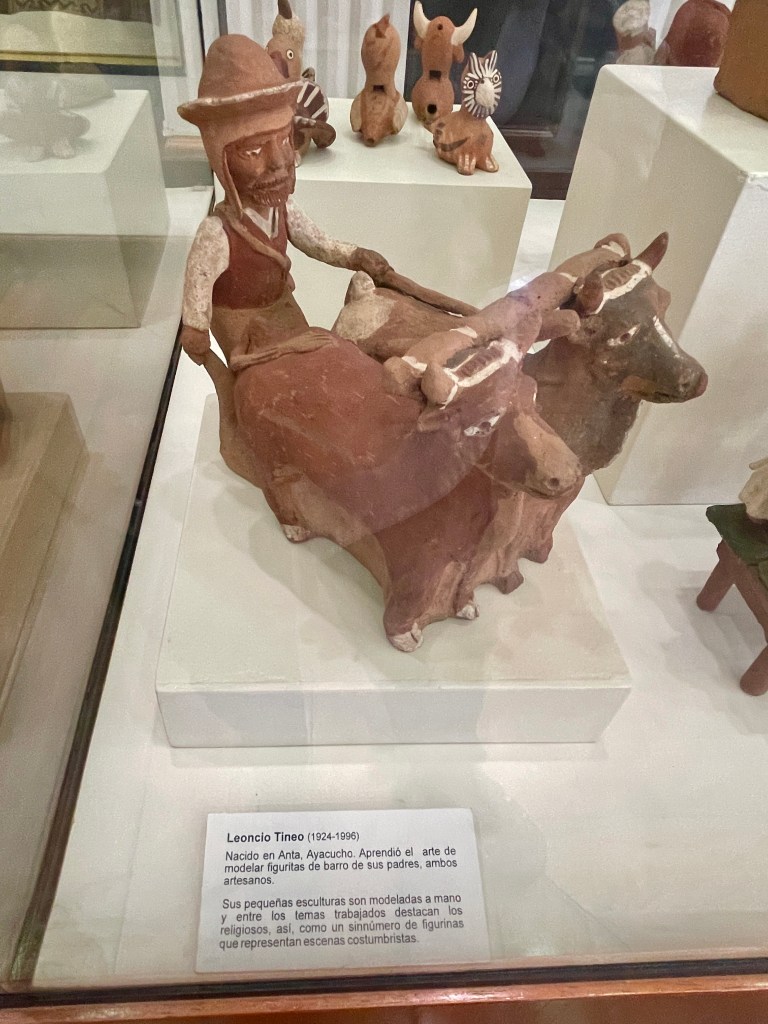
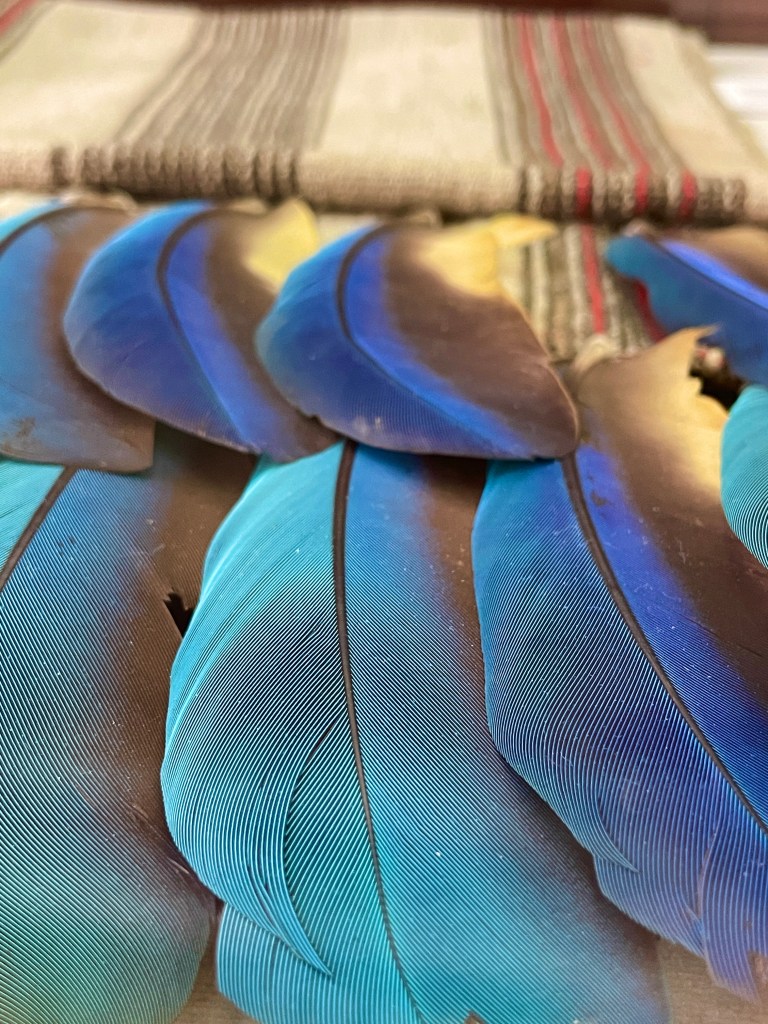
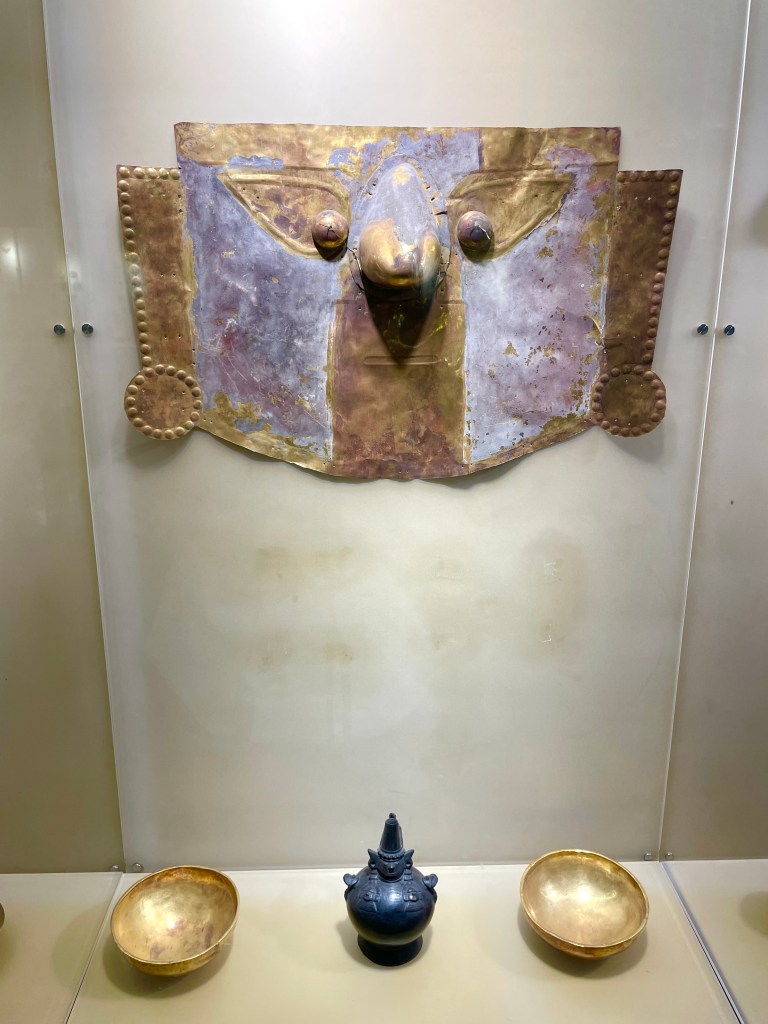
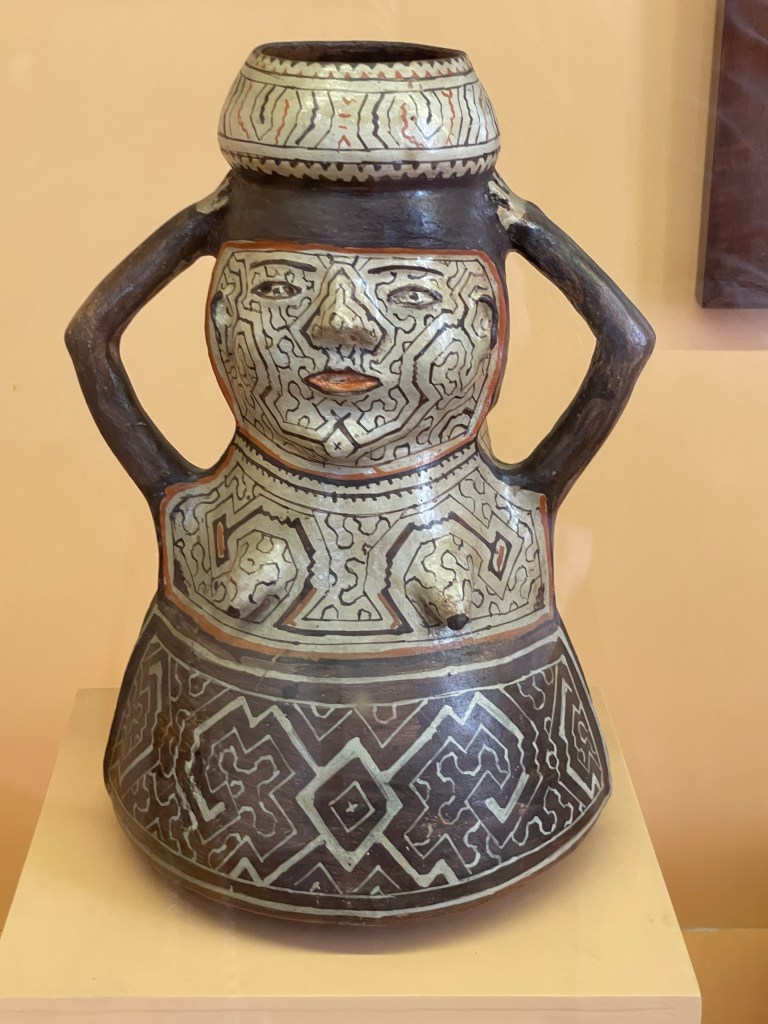
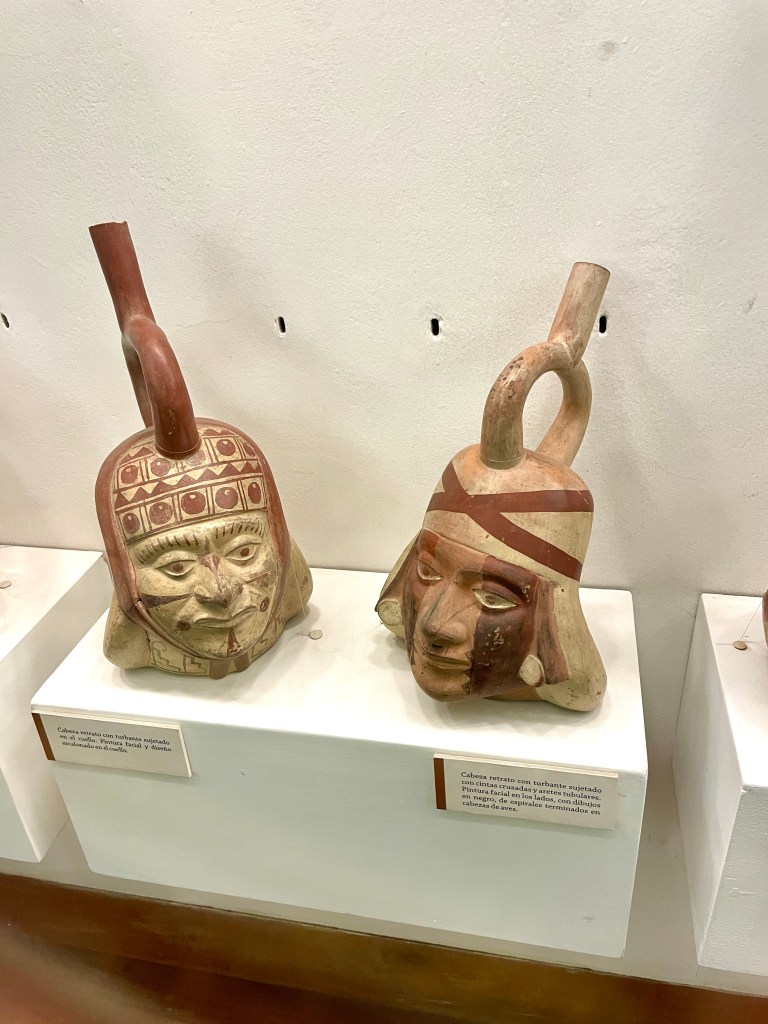
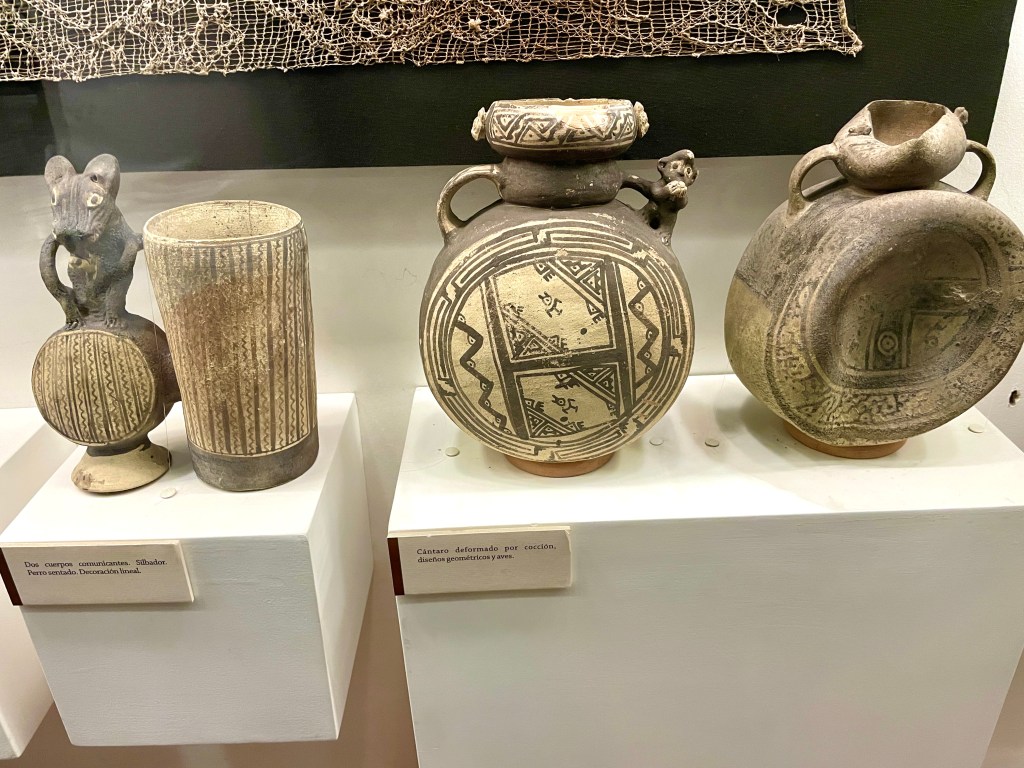
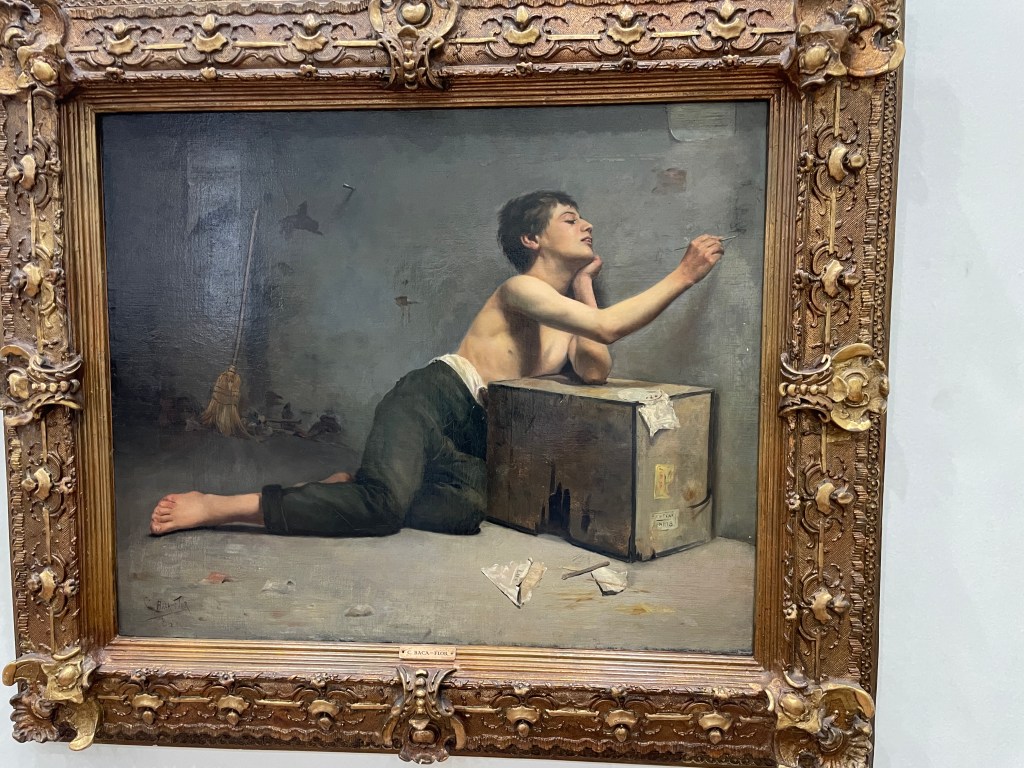
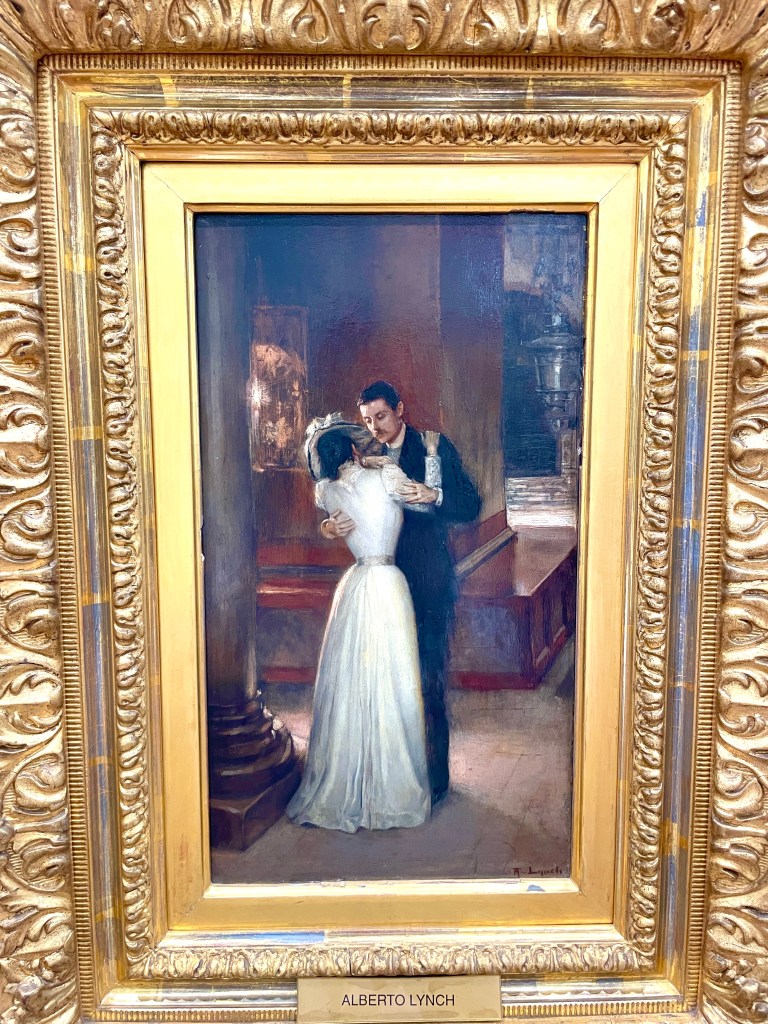
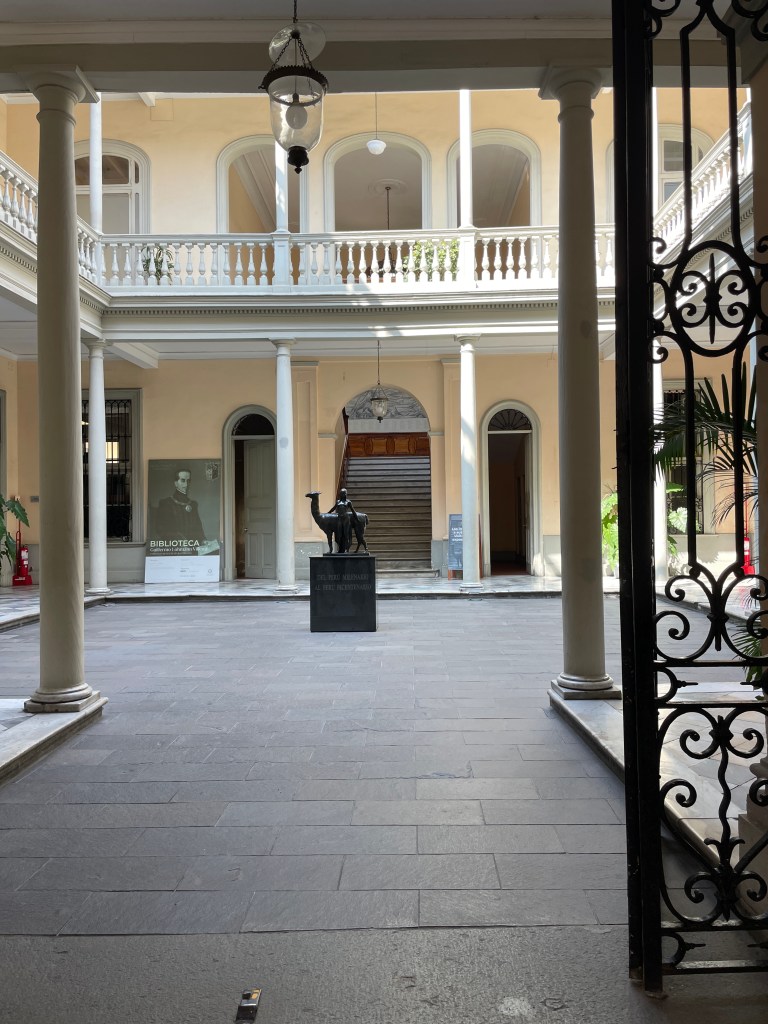
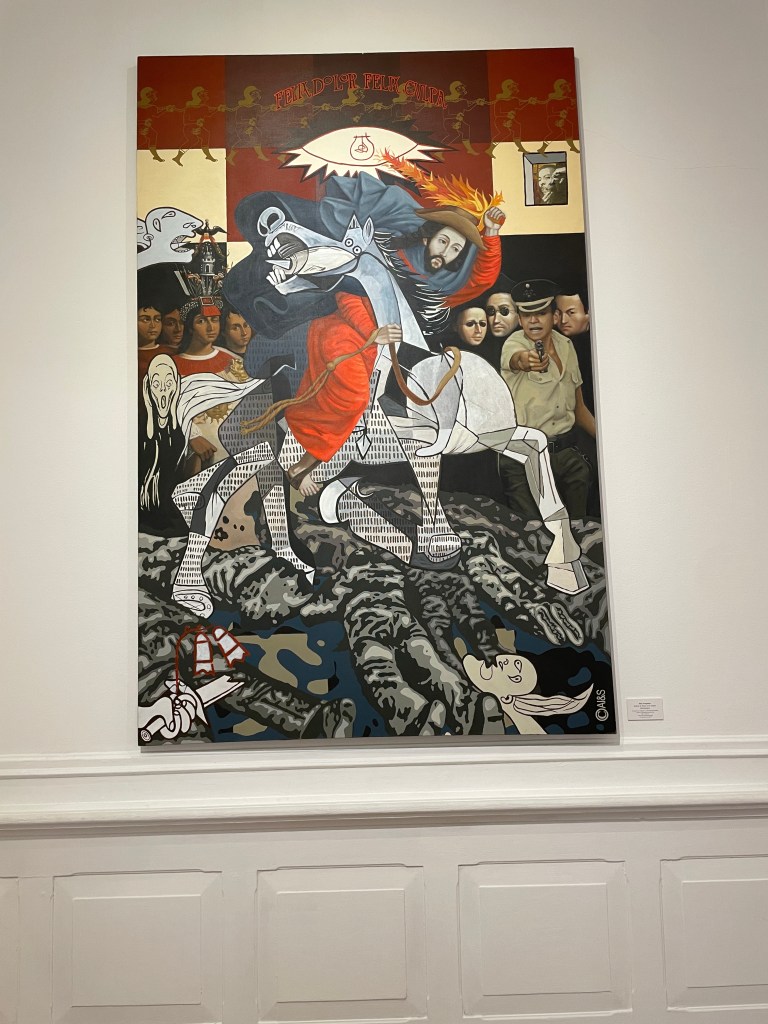
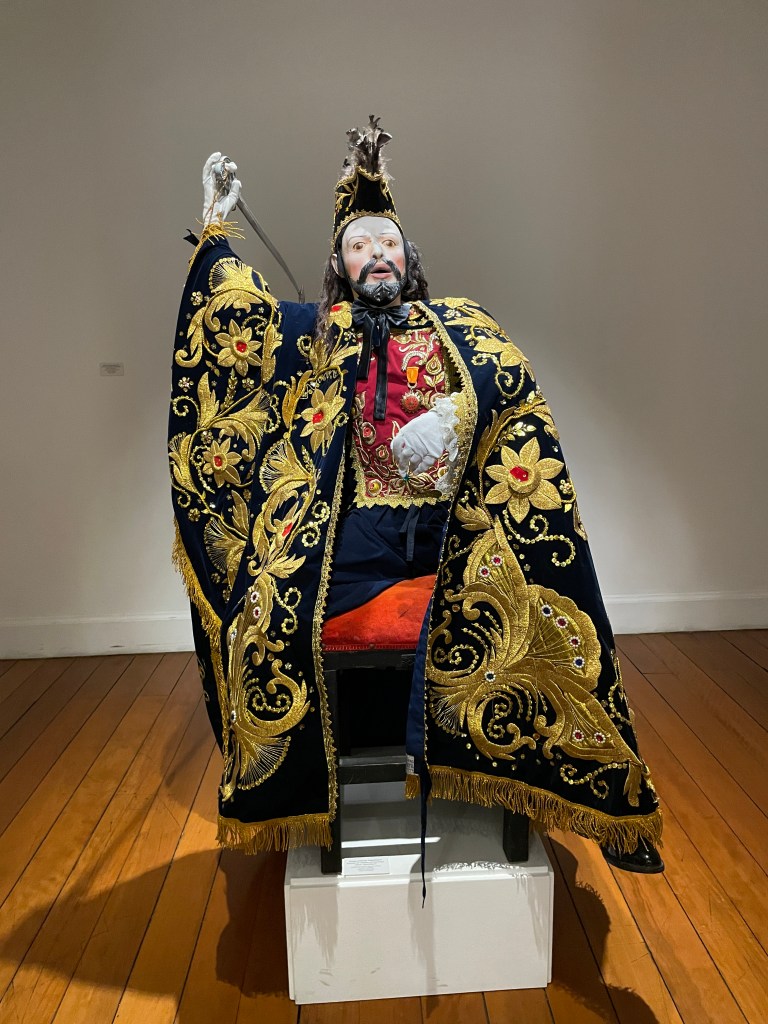
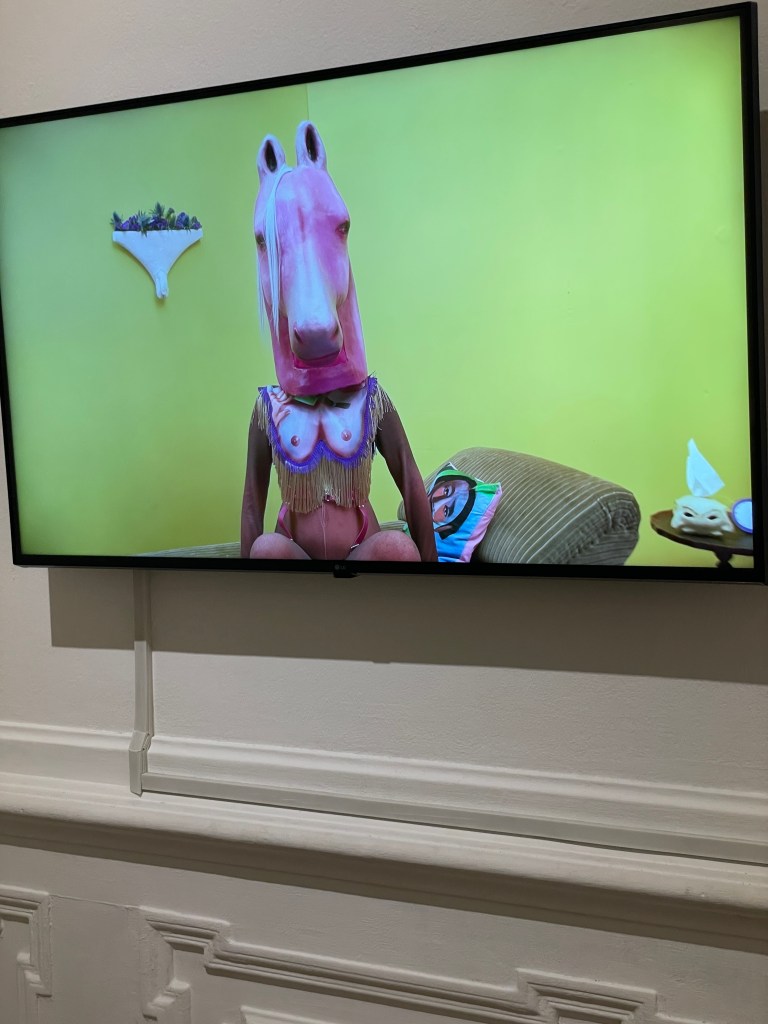
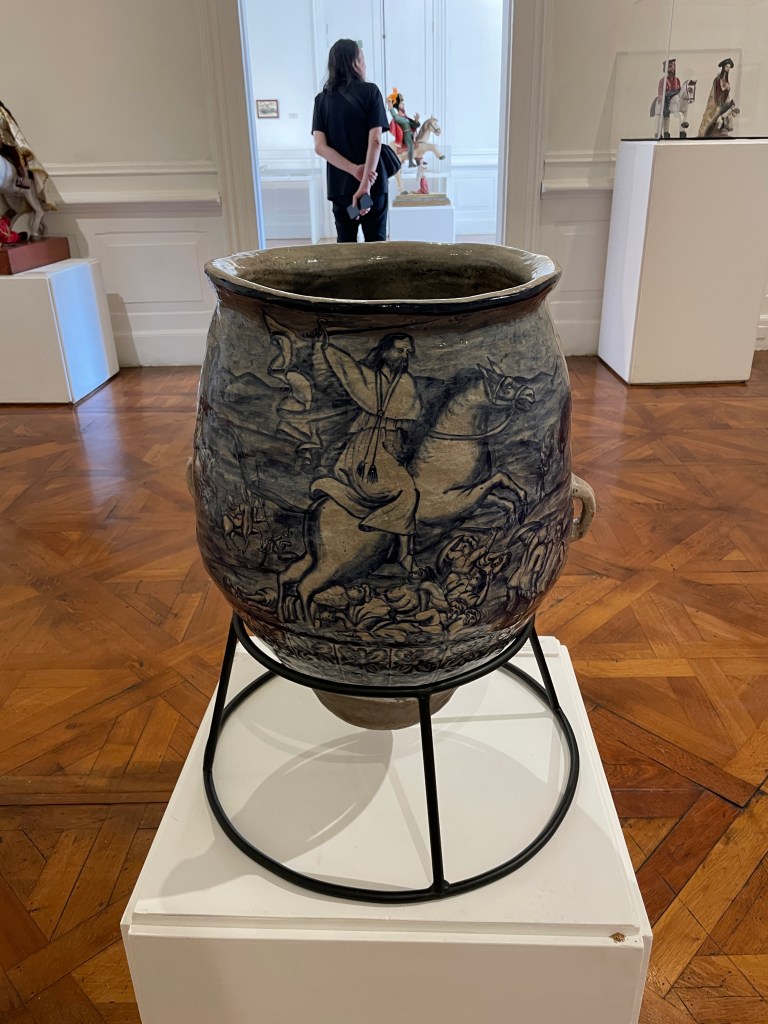
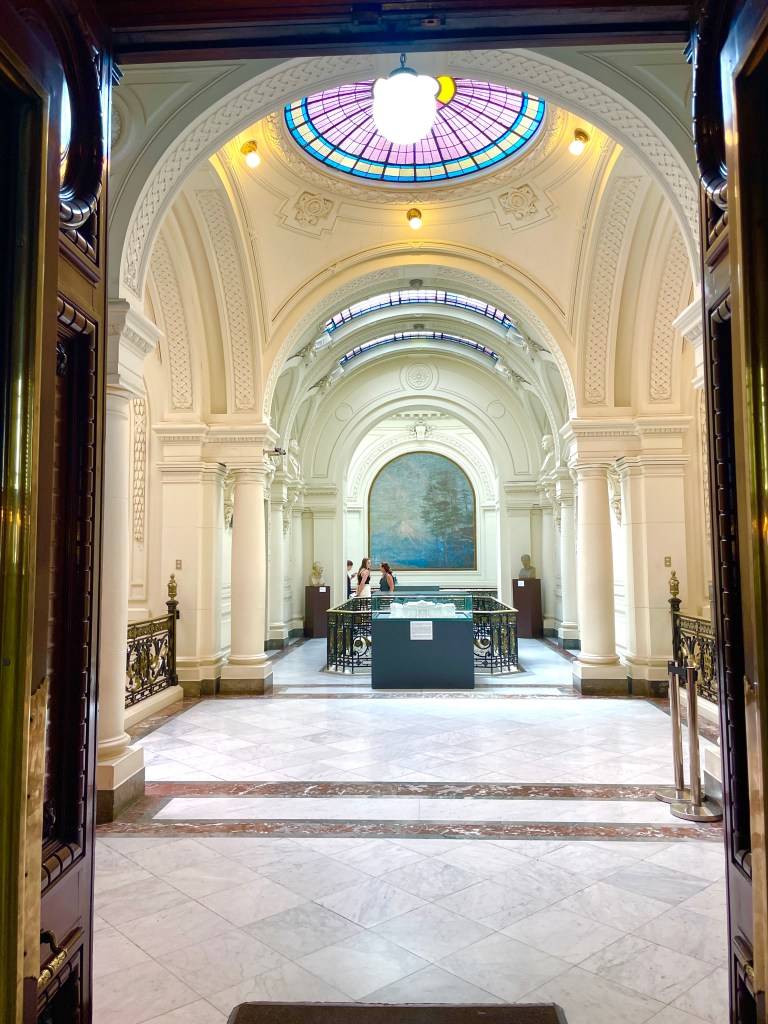
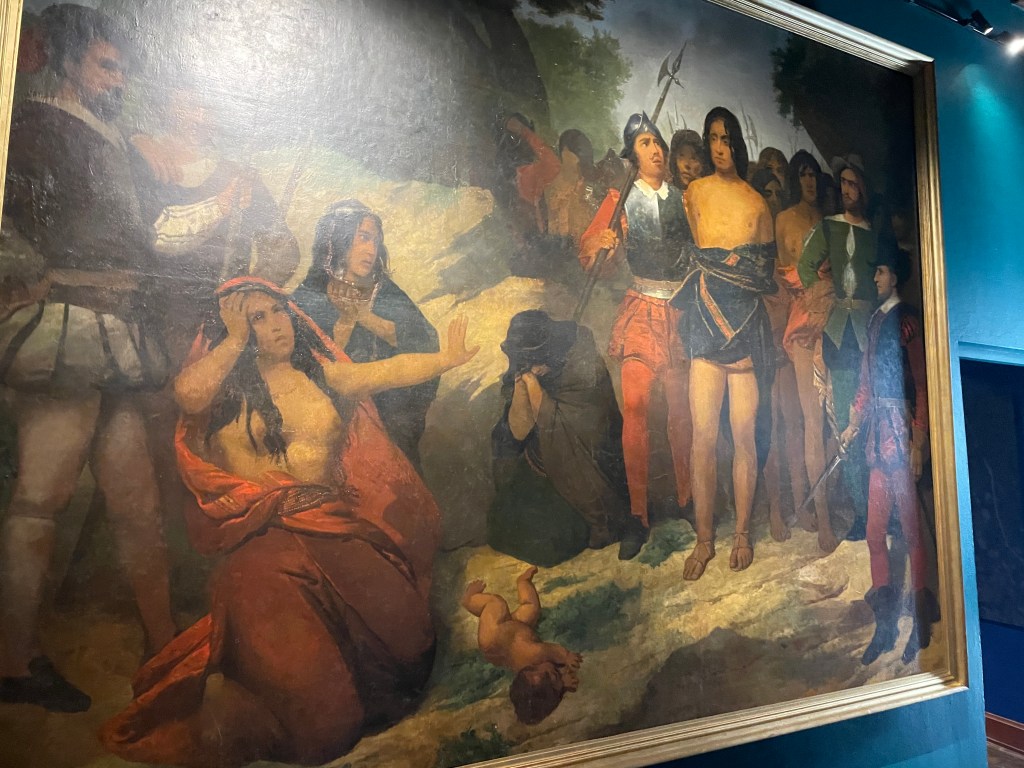
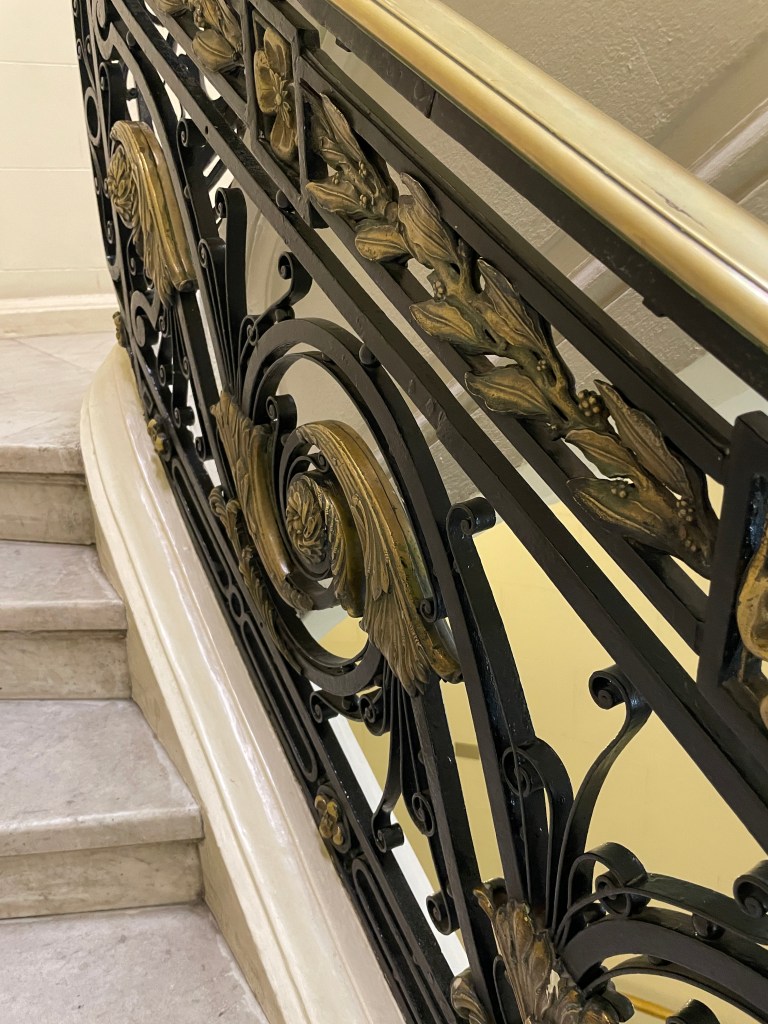
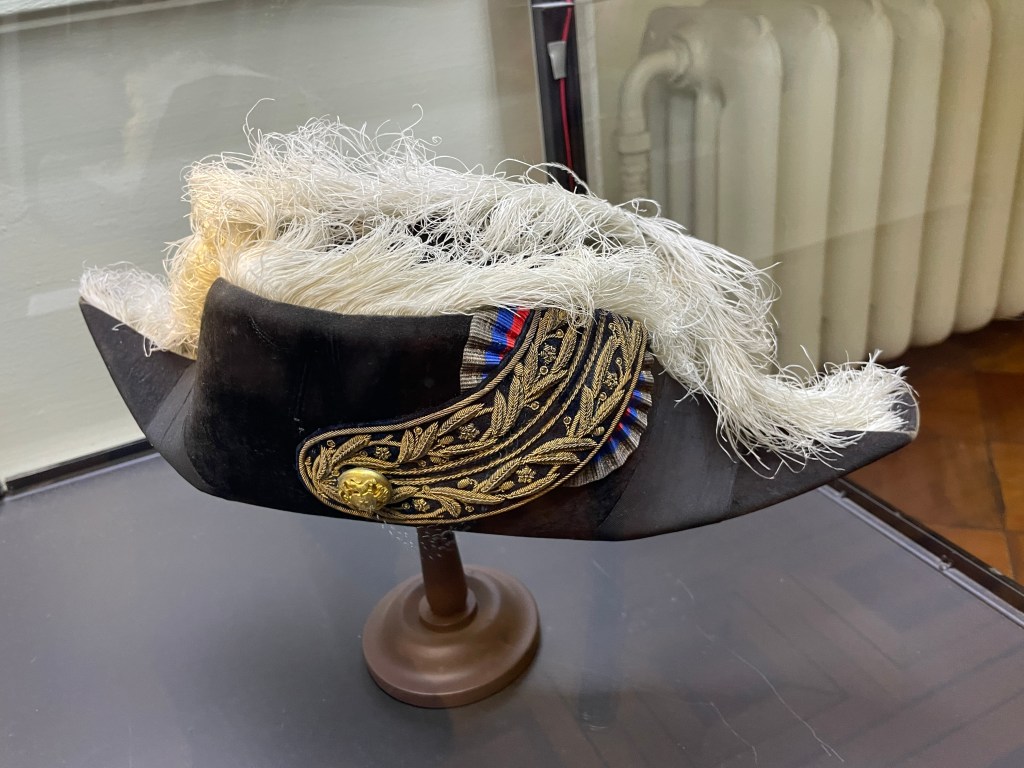
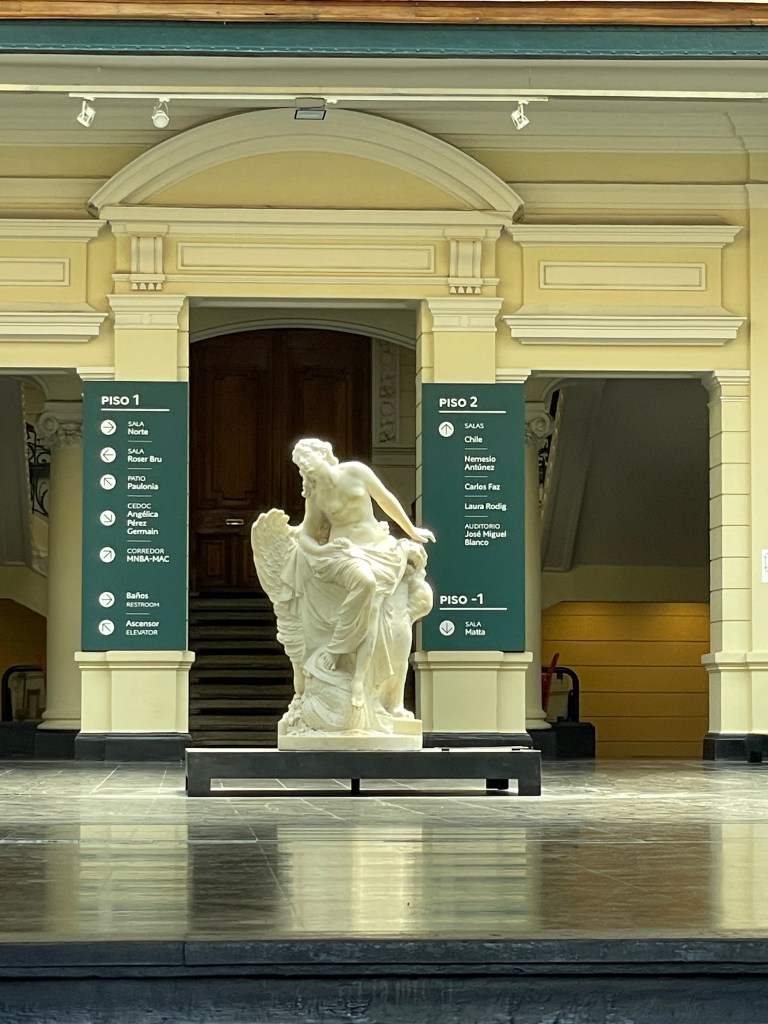
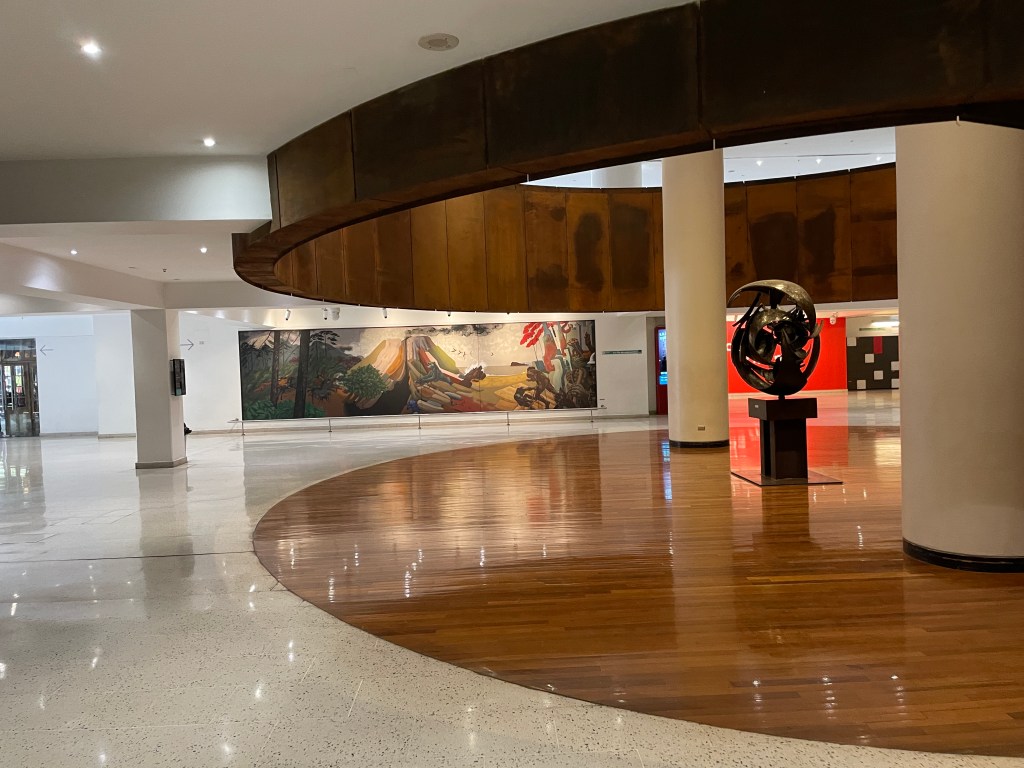
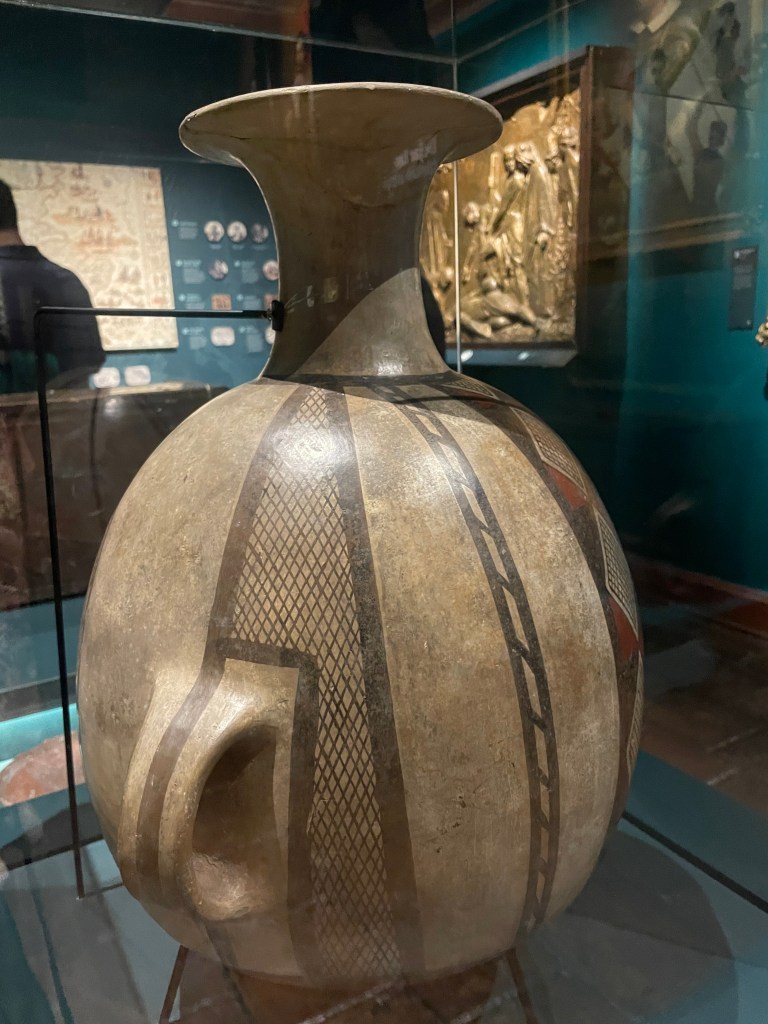
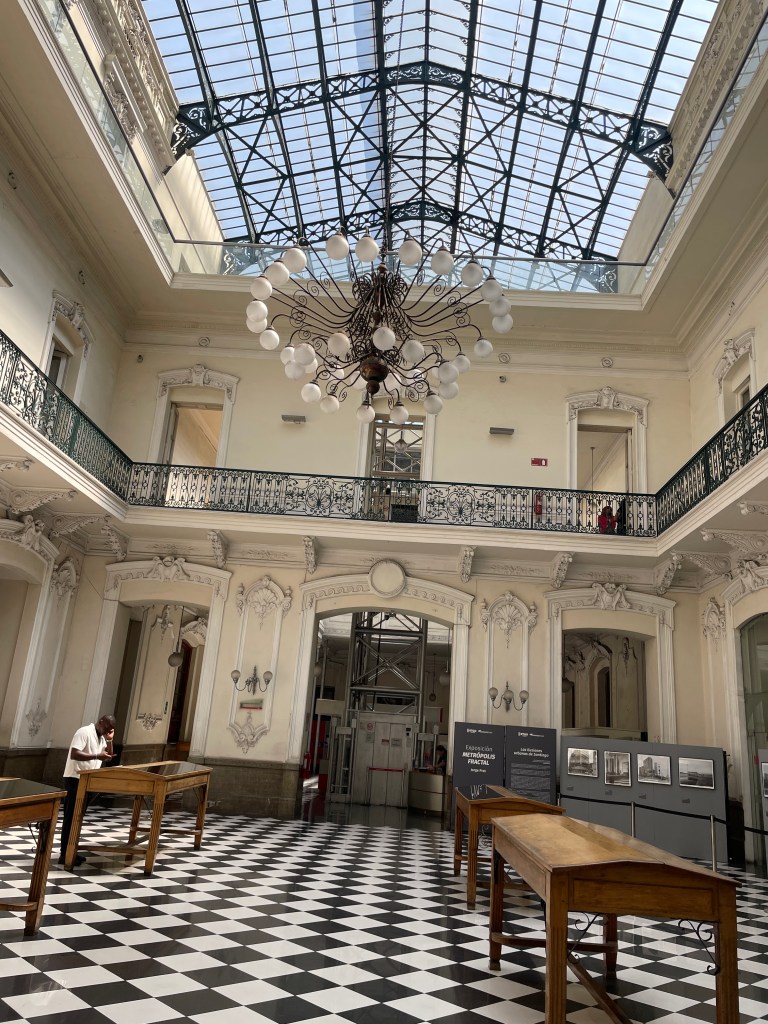
We then stumbled upon the MUCEN also known as the Banco Central De Reserva Del Peru. Housed in an old bank building this museum offers up contemporary art, traditional artwork of the Pre-Columbian peoples of the area and paintings from the 1600-1800’s. It is a great little museum and just perusing the building is worth it. There is no entrance fee.

From there we happened up the Centro Cultural Inca Garcilaso another small museum.

I think it is important to let you know that the smaller ancient churches downtown have limited hours usually from 9-12 and from 5-8 pm. We were disappointed to miss some of these gems and think it is worth the time spent to visit them if you can.

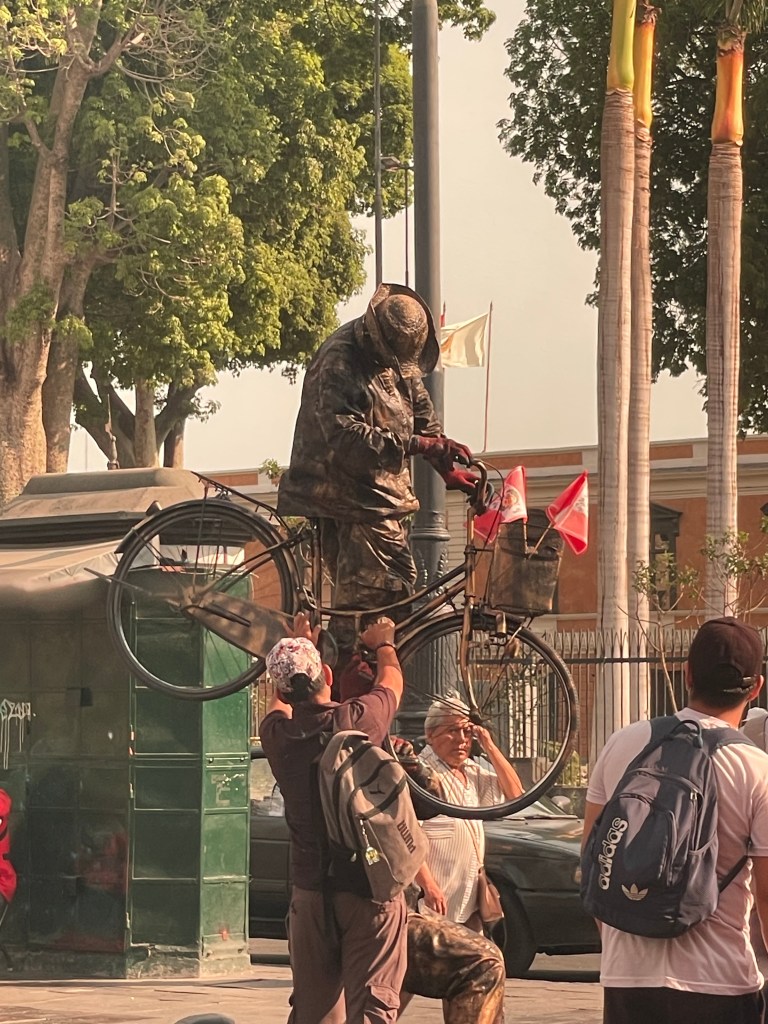
At this point I am just going to dump some photos that I hope you will enjoy. Lima really is an incredible city and it’s a place I will probably return to again and again. Moderate weather, beautiful scenery, a fascinating history, easy walking neighborhoods, and a feeling of safety makes this an ideal place to spend time and explore until your heart is content.

The Most Marvelous Day-Cusco, Peru

The morning started with a massive headache. But what do you expect when you are at 11,100 feet above sea level and altitude sickness is knocking on your door? A few Tylenol later and Michael and I were heading through an ancient wooden door and stepping out into the unknown.

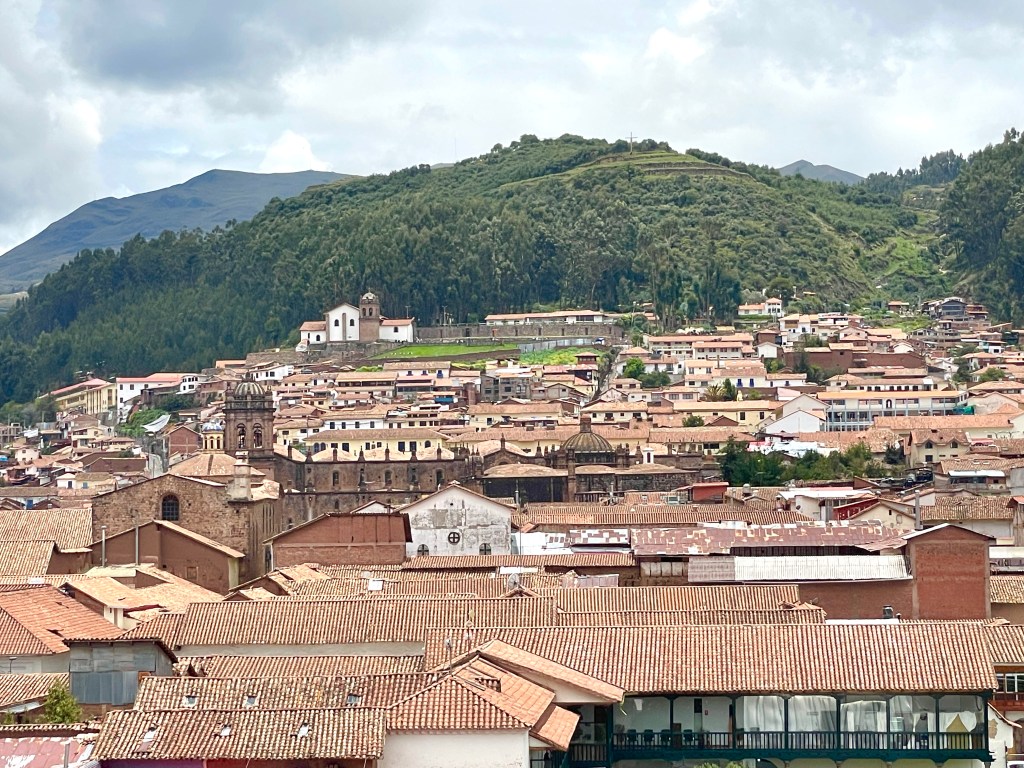
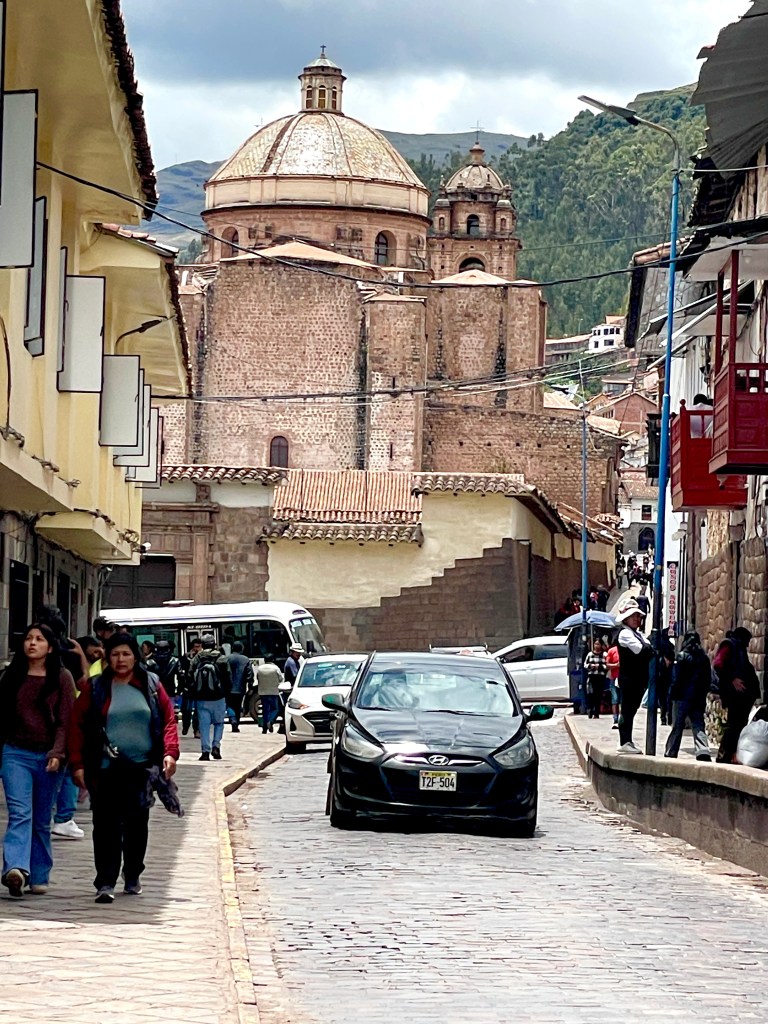
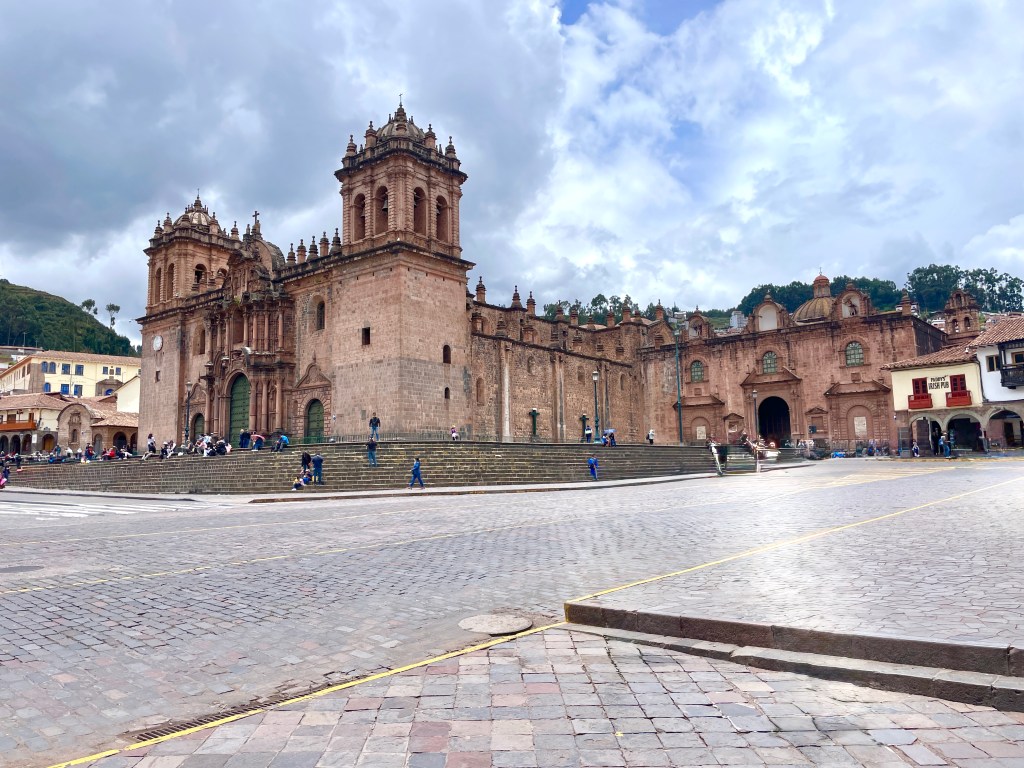
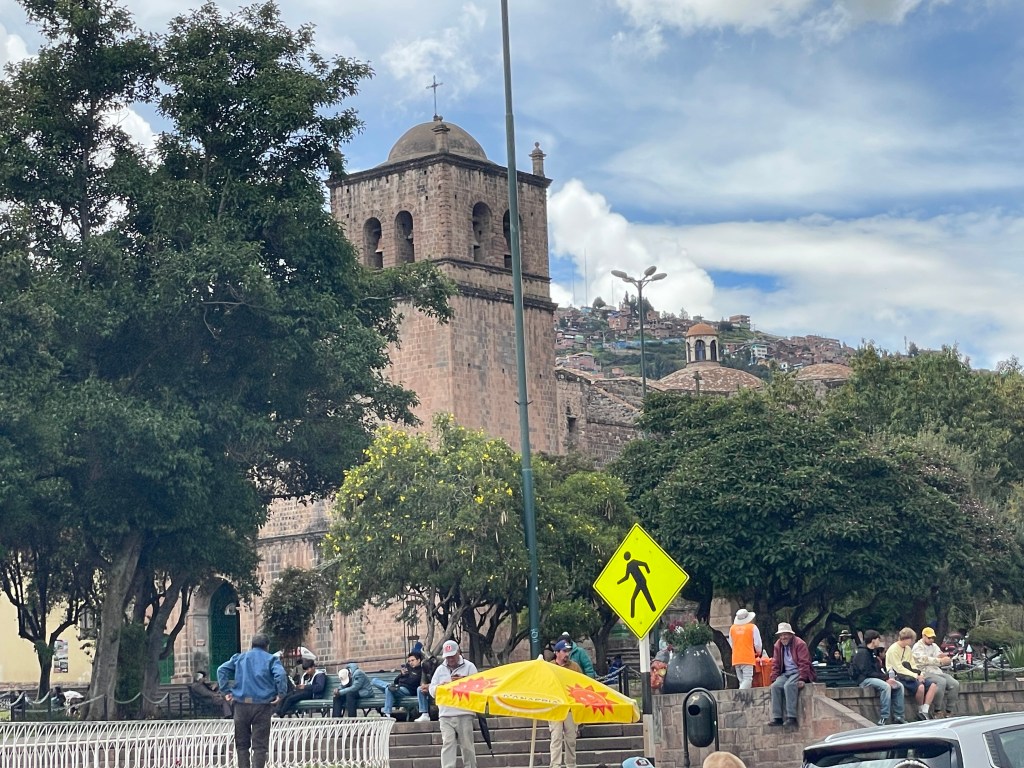
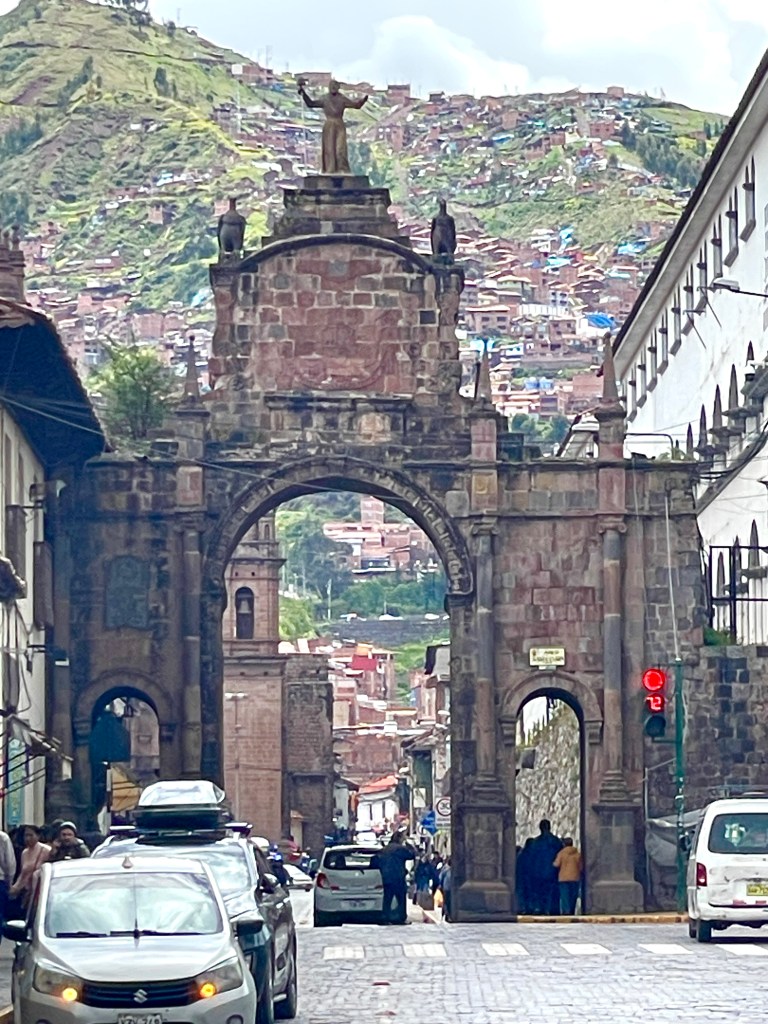
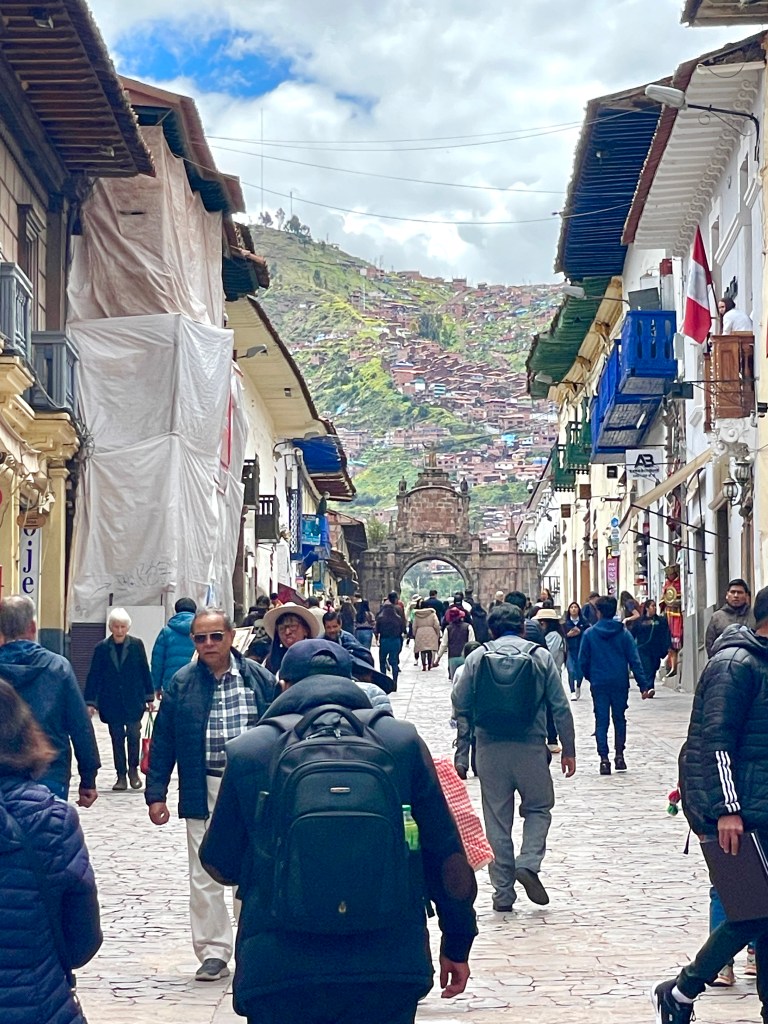
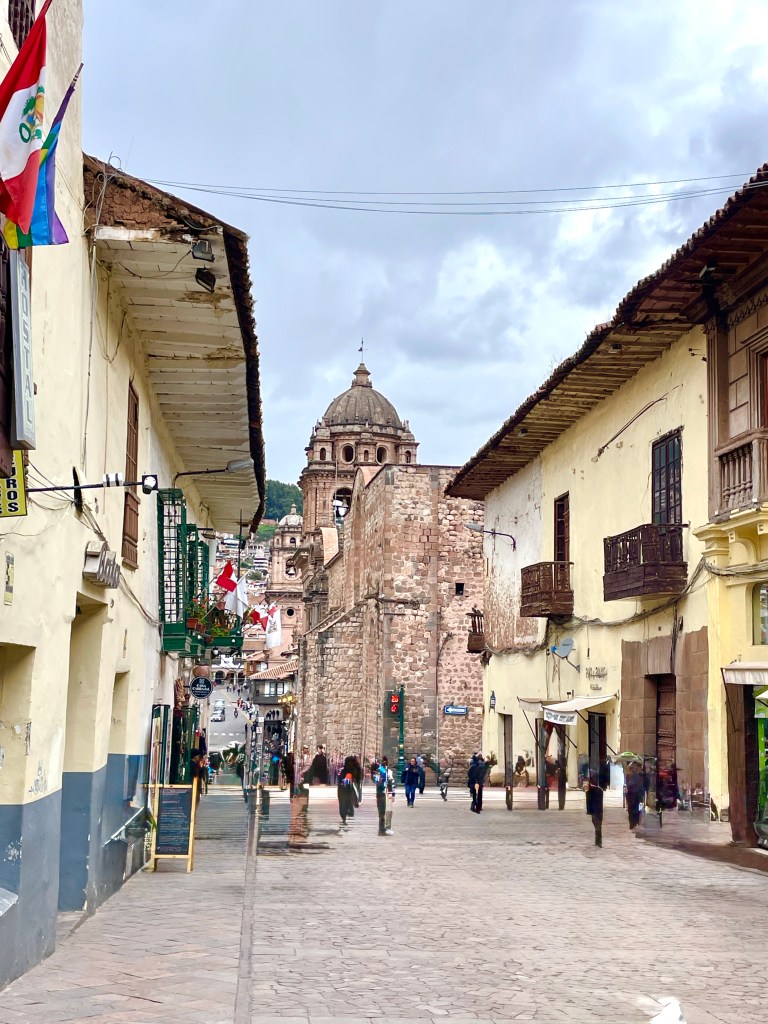
Cusco, Peru is one of the most scenic and authentic towns I have been to in South America. In only five minutes time while walking through the squares it was easy to determine that I absolutely love it here! History seeps from its pores and every corner turned is a new adventure. Yes, it is true that Cusco is a tourist town where all the foreigners hang out before heading to Machu Picchu but despite it all it’s historic center is amazing with small cafes, ancient churches, and coffee houses dotting the area. I only wished I had been around to see its untouched and unspoiled beauty fifty years ago.

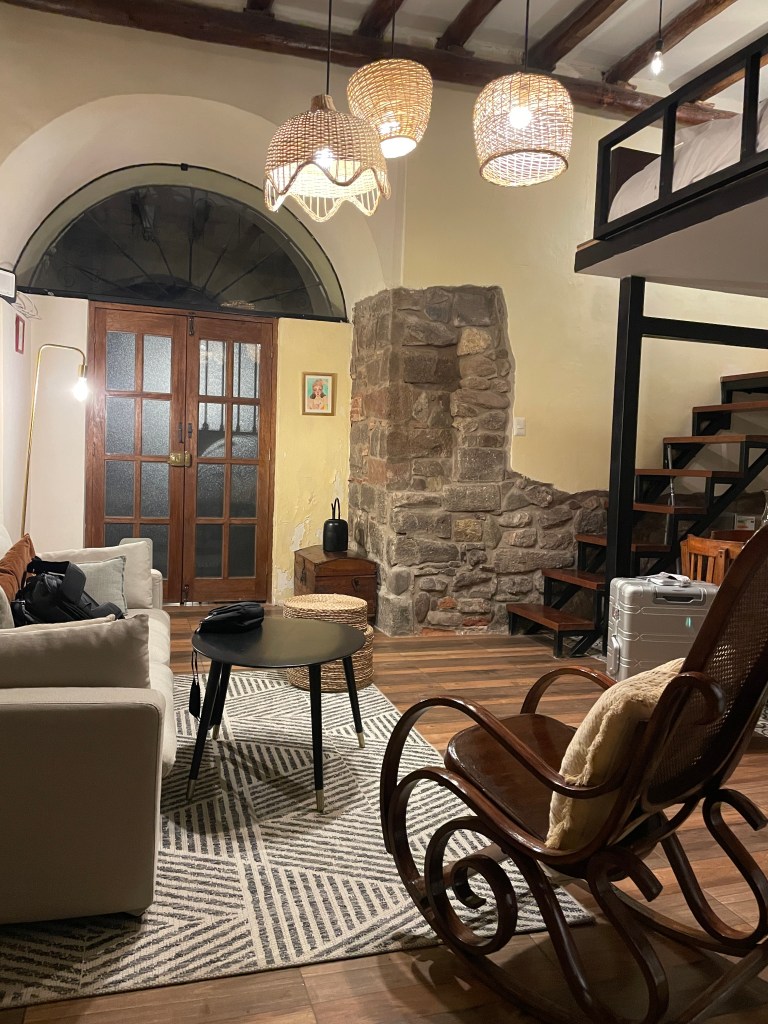
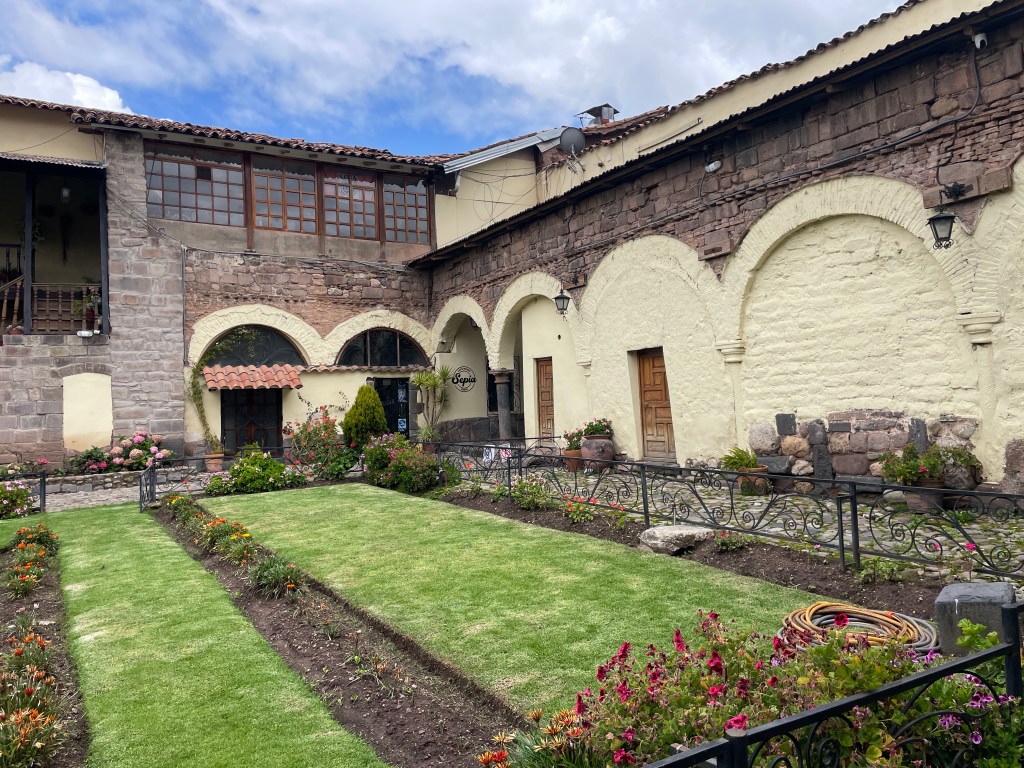
We are staying at an Air b&b called Secret Garden and except for being a bit chilly at night it is everything you could ask for. Set in an historic building it looks like a “typical” hacienda found in Mexico. We were told that for altitude sickness we should drink some coca leave tea which we conveniently located in a kitchen canister. The tea is slightly bitter and I cannot tell you if it helps or not but hey….sometimes you just have to follow the traditions of the area.

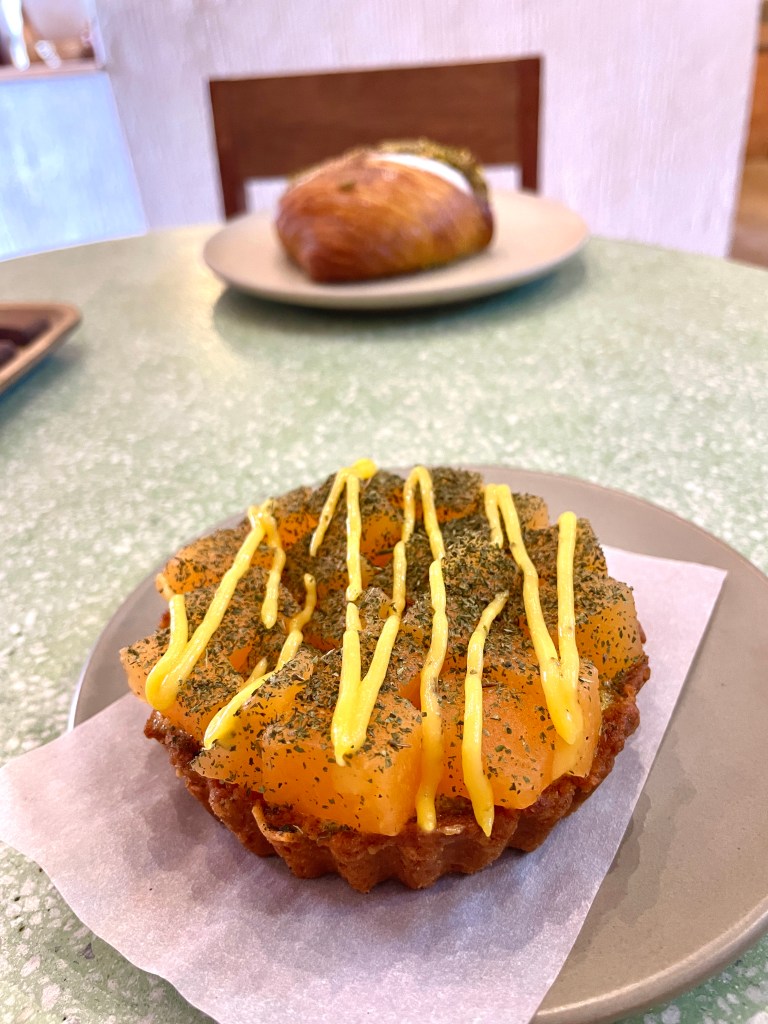
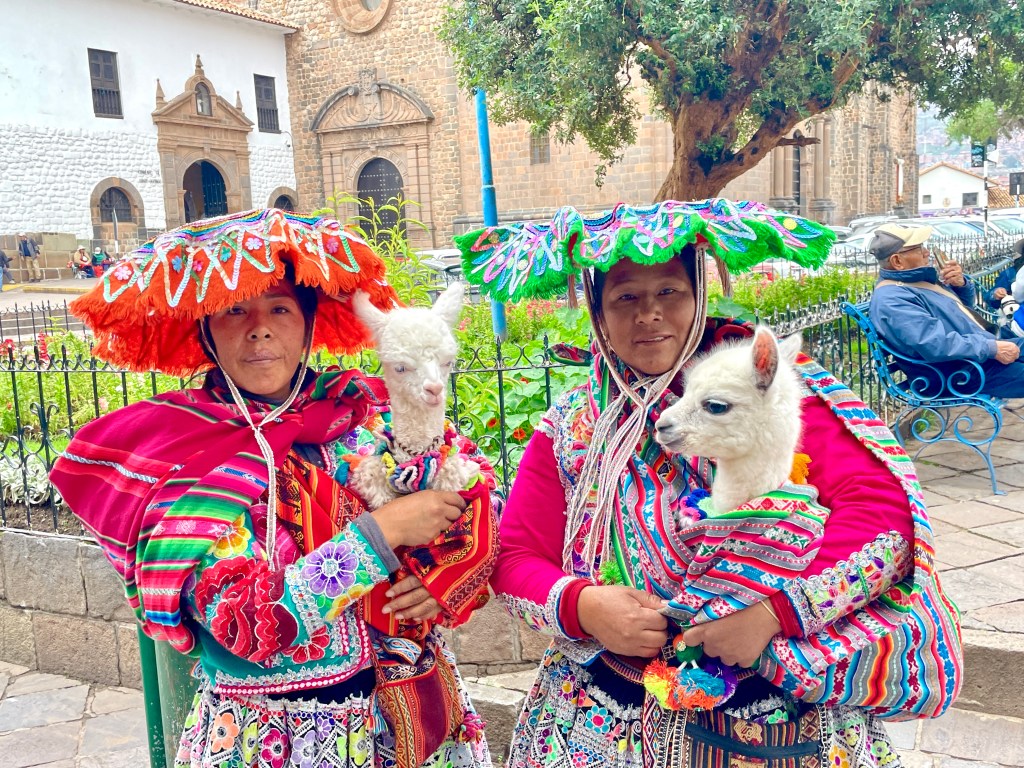
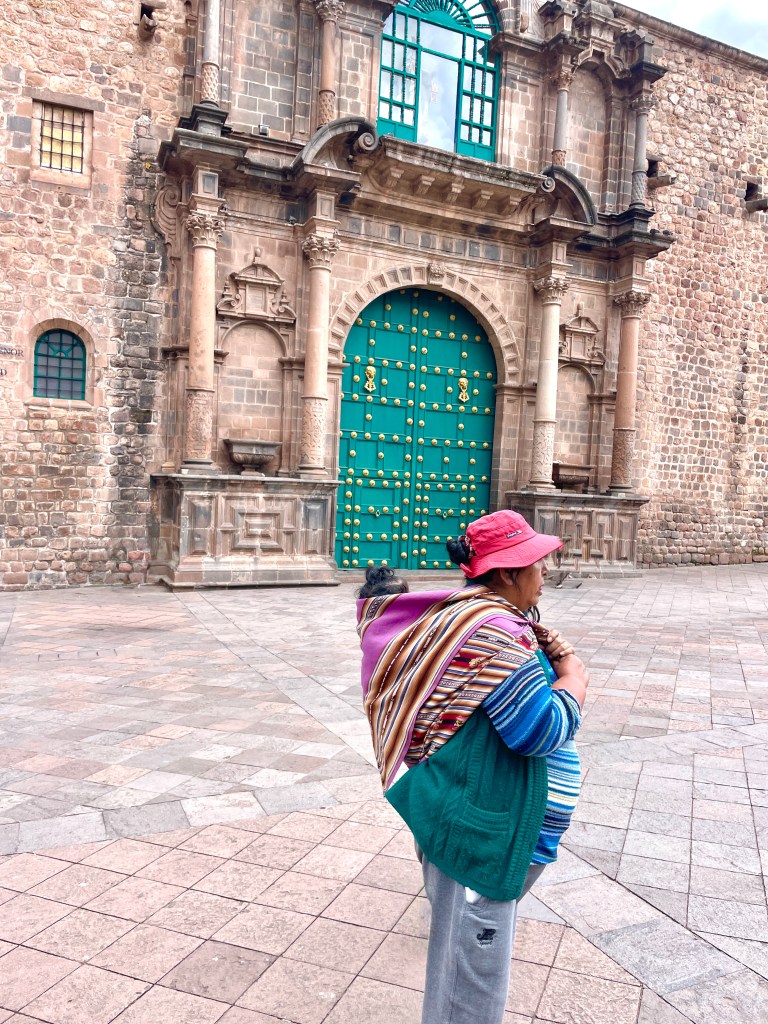
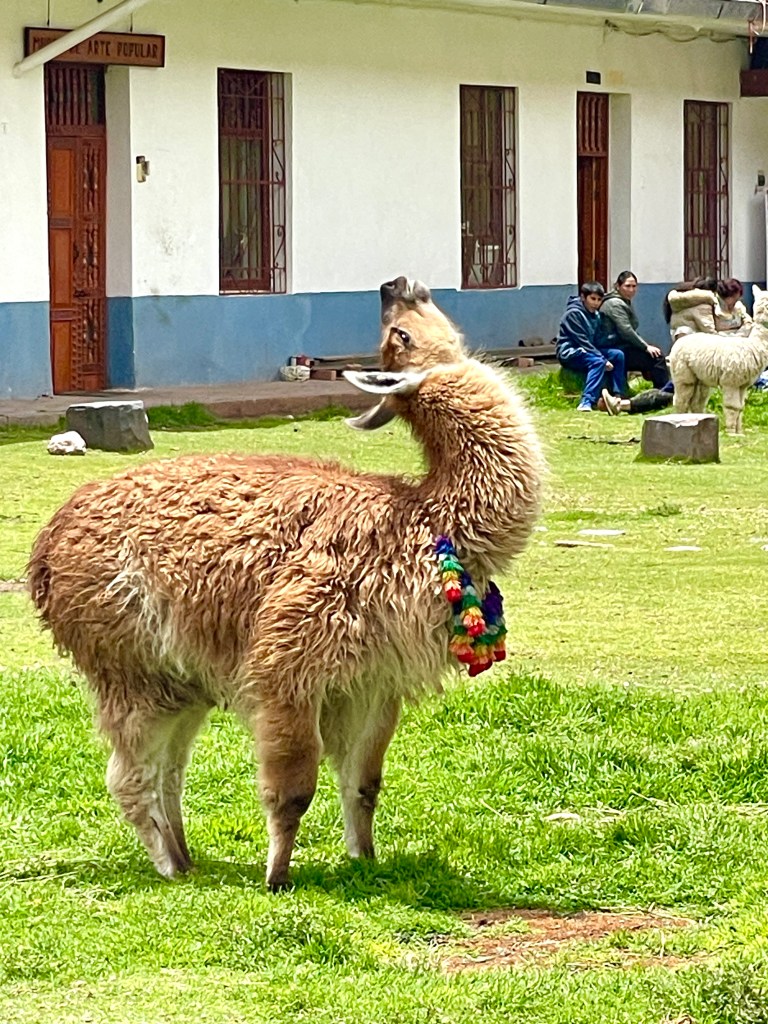
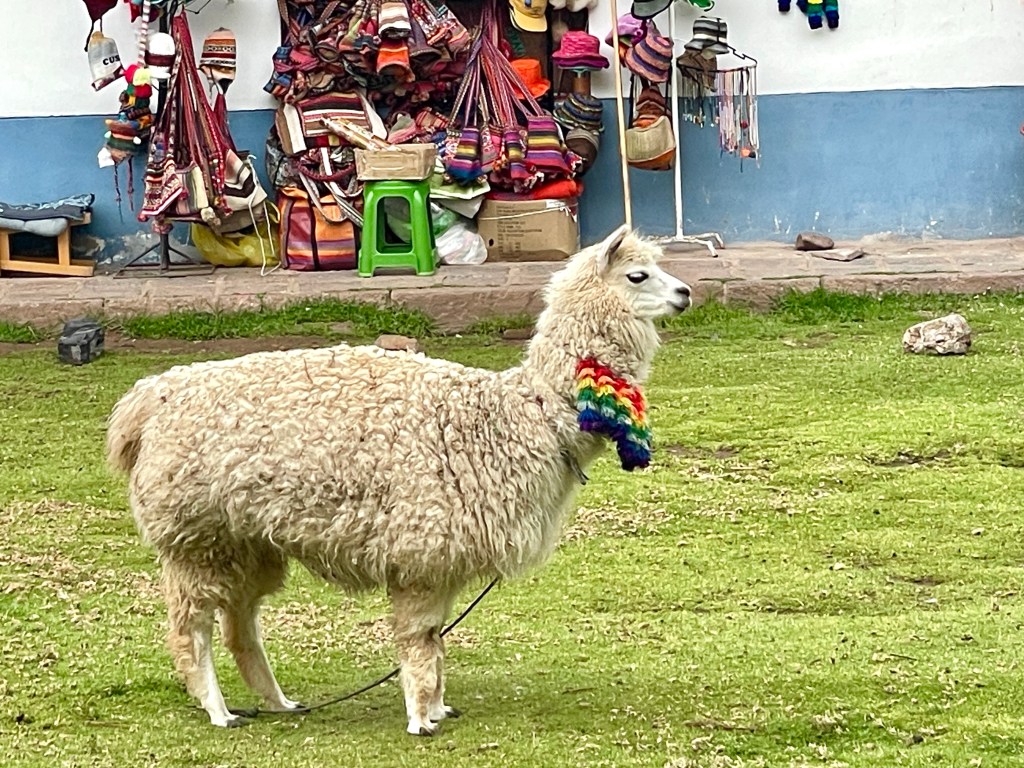
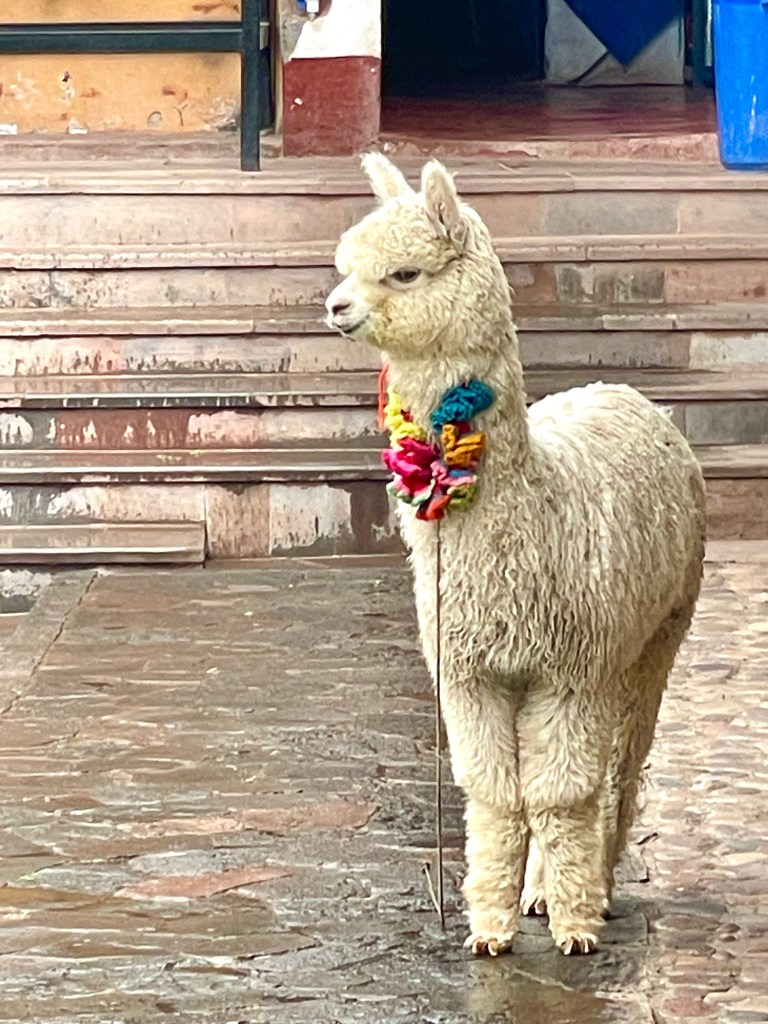
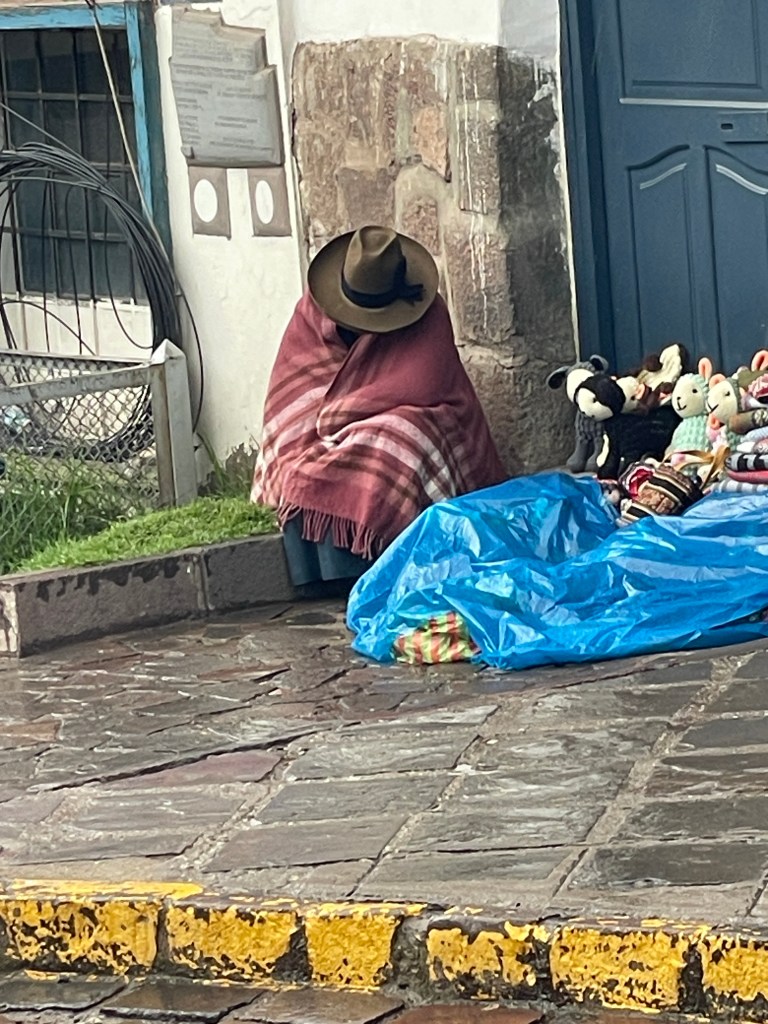
Upon exiting a hoary wooden door we were immediately thrust into the one of the city squares. People, busses and cars hugged the narrow streets as we walked to a small coffee house. I had an amazing gluten free tart made of tumbo fruit which is native to the area. Right outside of the door we saw these ladies and their baby alpacas.

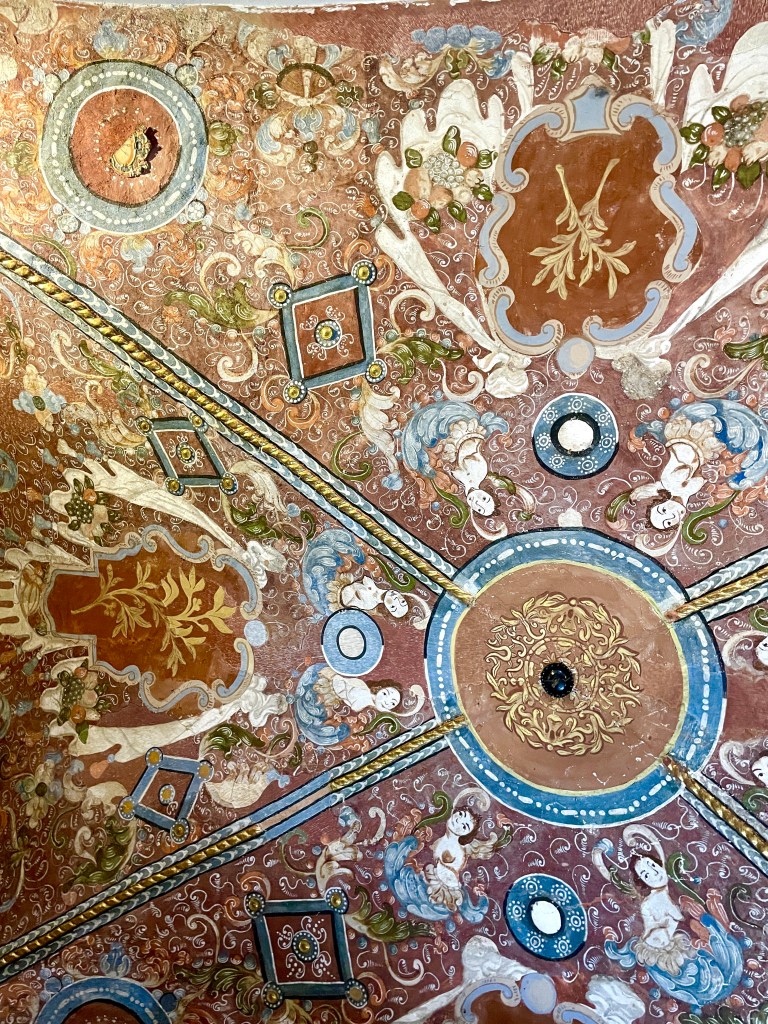
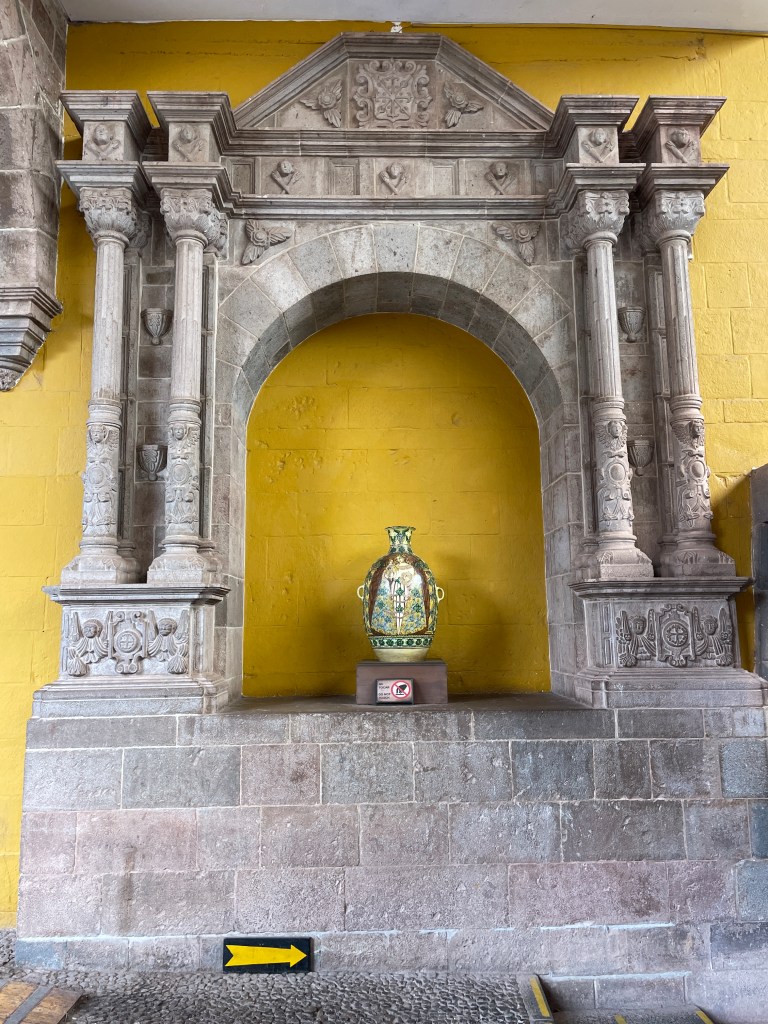
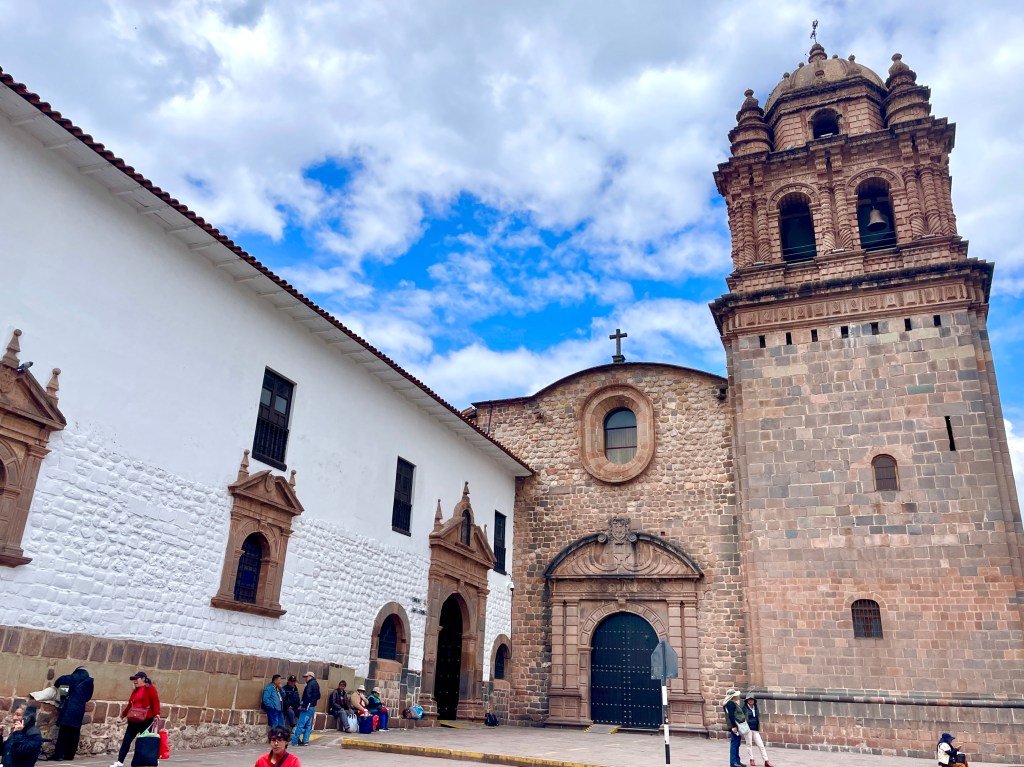
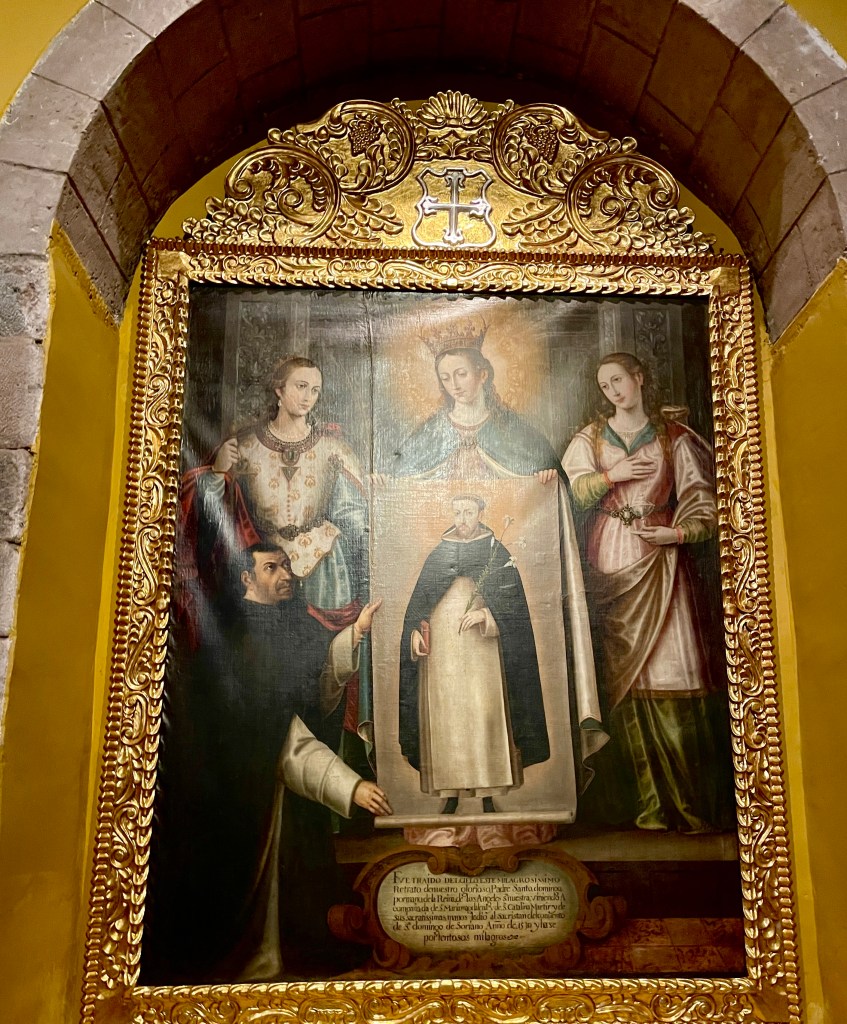
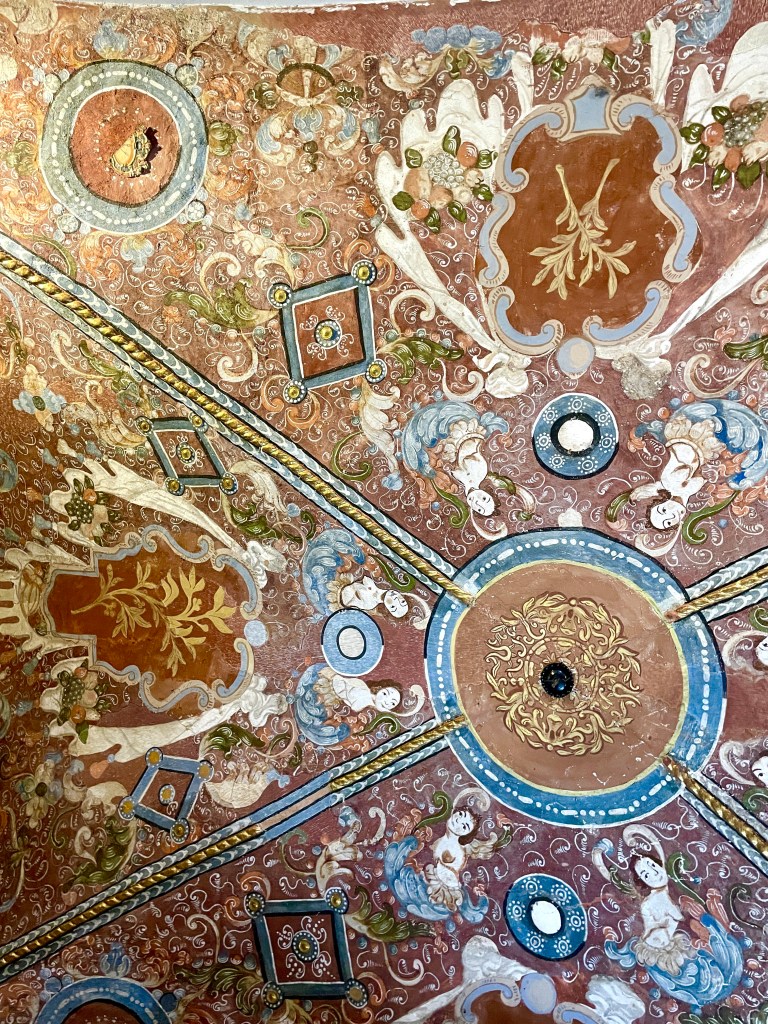
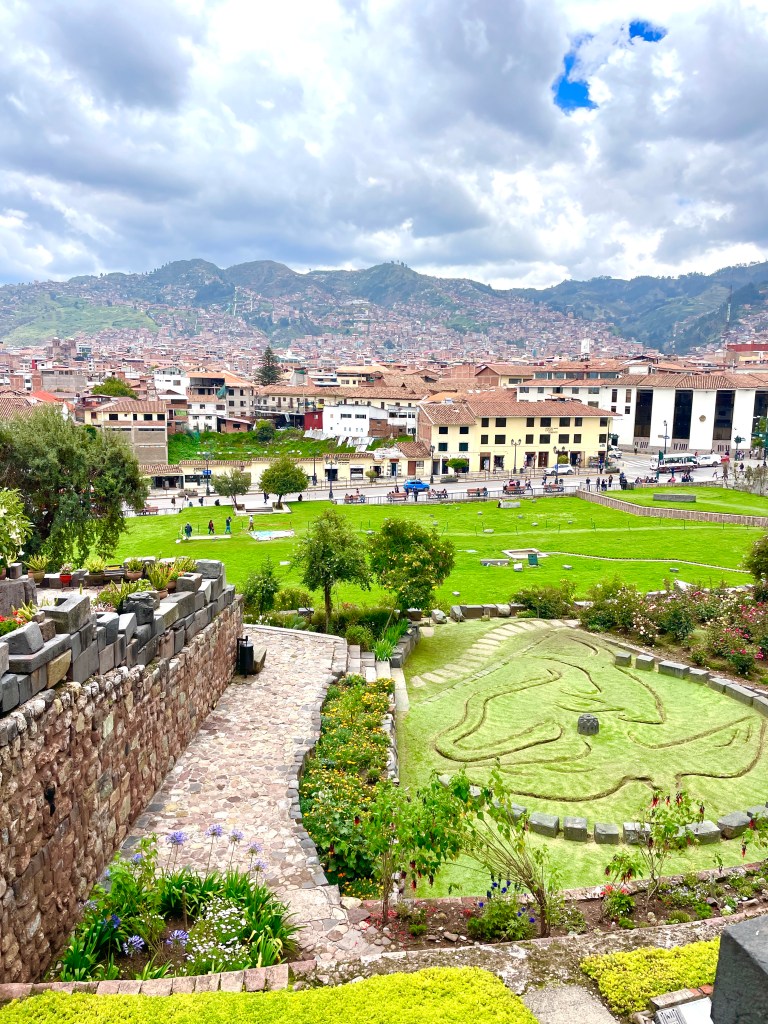
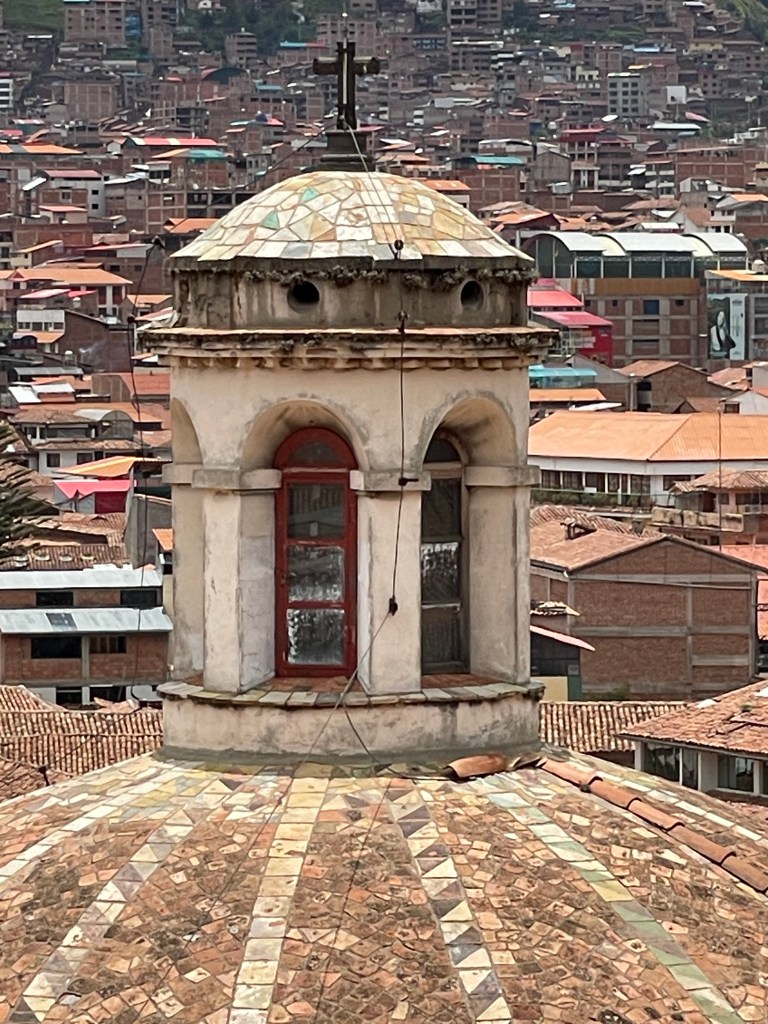
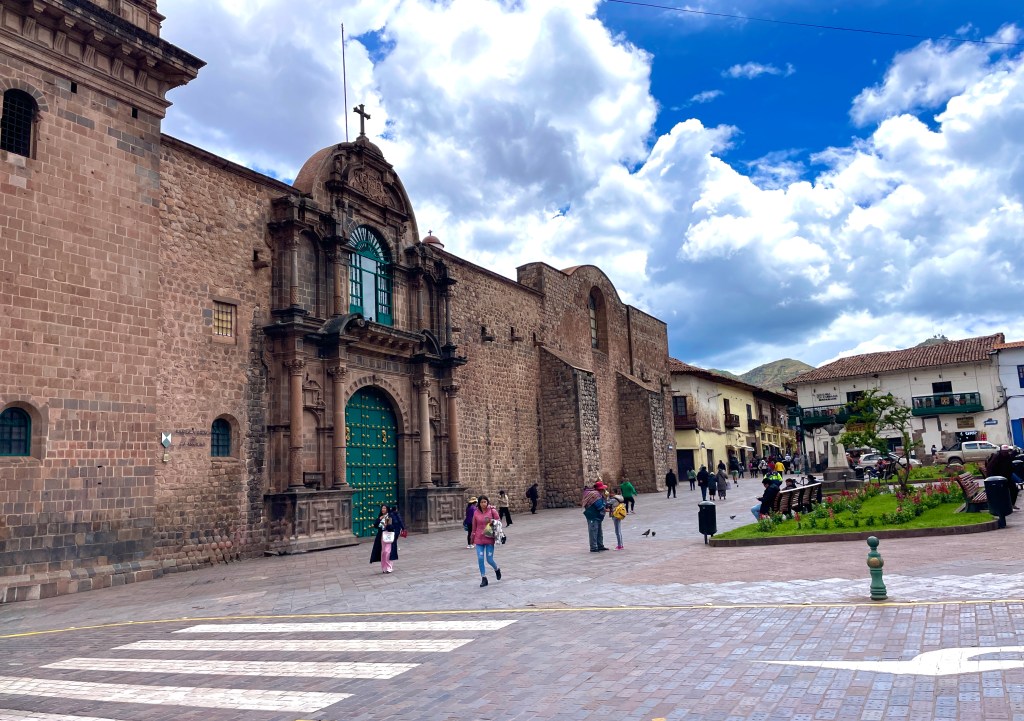
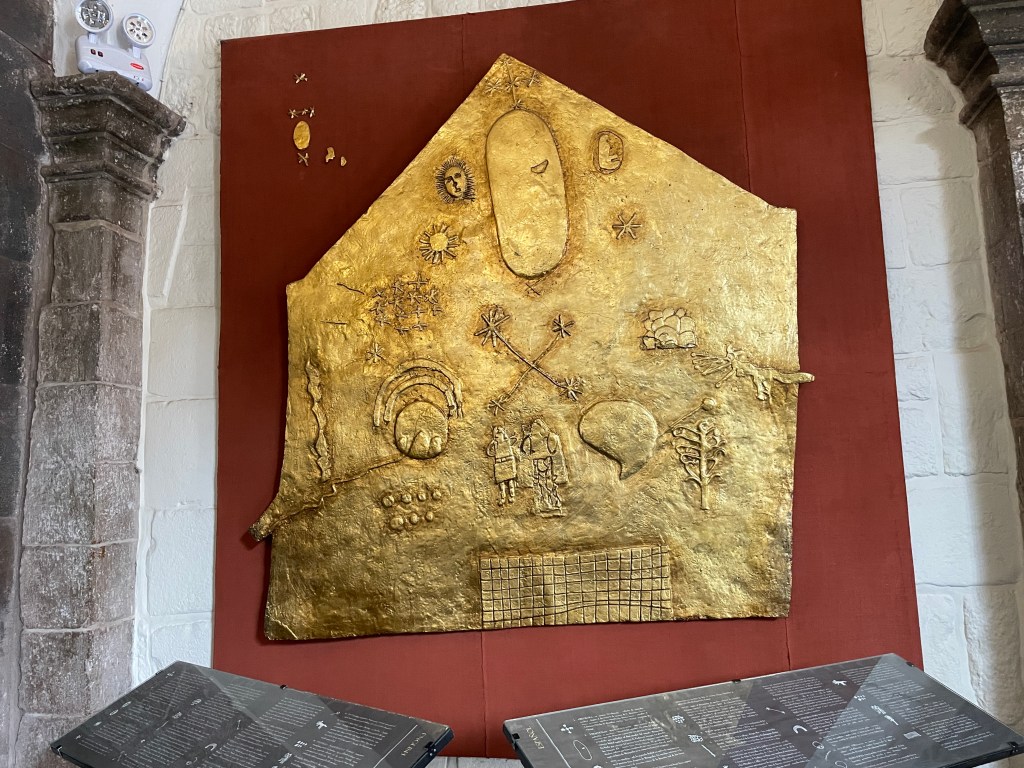
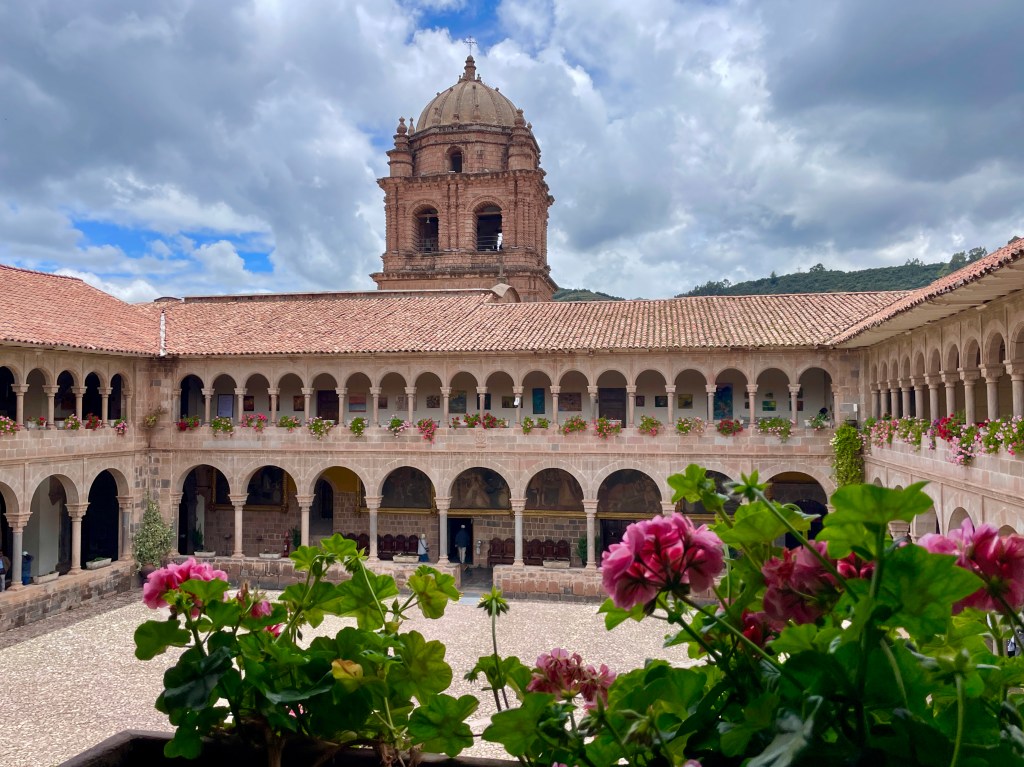
Across the street we paid $20 Sol to enter a museum known as the Qorikancha Archeological Site and Museum; which was once the main temple of the vast Inca Empire built around 1200 AD. The Inca Empire was largest territory in the New World before European conquests began. Qorikancha or the House of the Sun was constructed and according to the Spanish was filled with golden treasures. Eventually, Colonial buildings were added to the Inca land while most of the original buildings were destroyed. The land was given to the Dominican order and the Church and Covent of Santo Domingo. The property has undergone many transformations due to many large earthquakes that have occurred over the past four-hundred years.

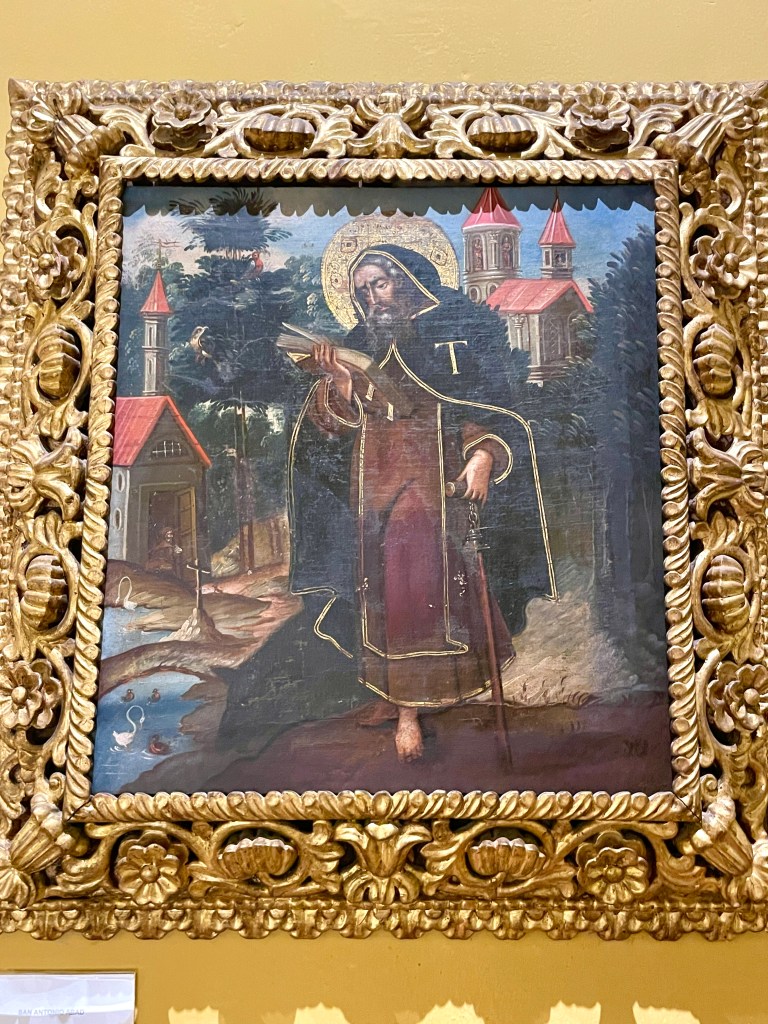
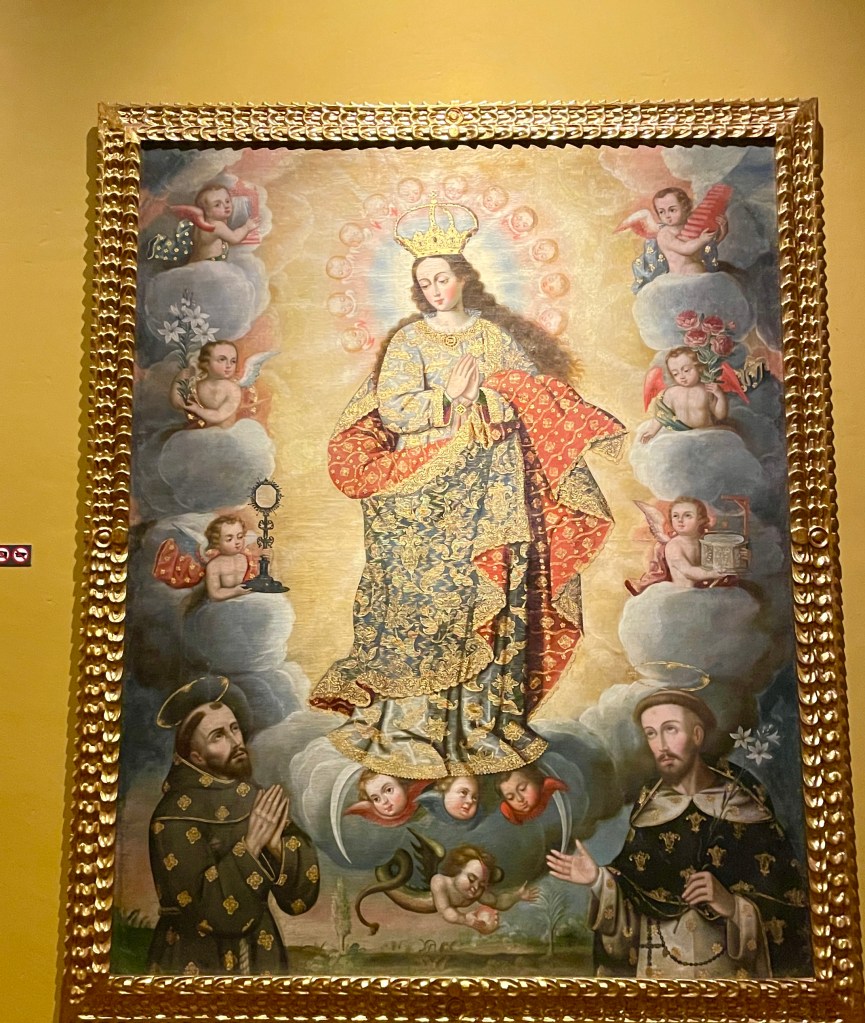
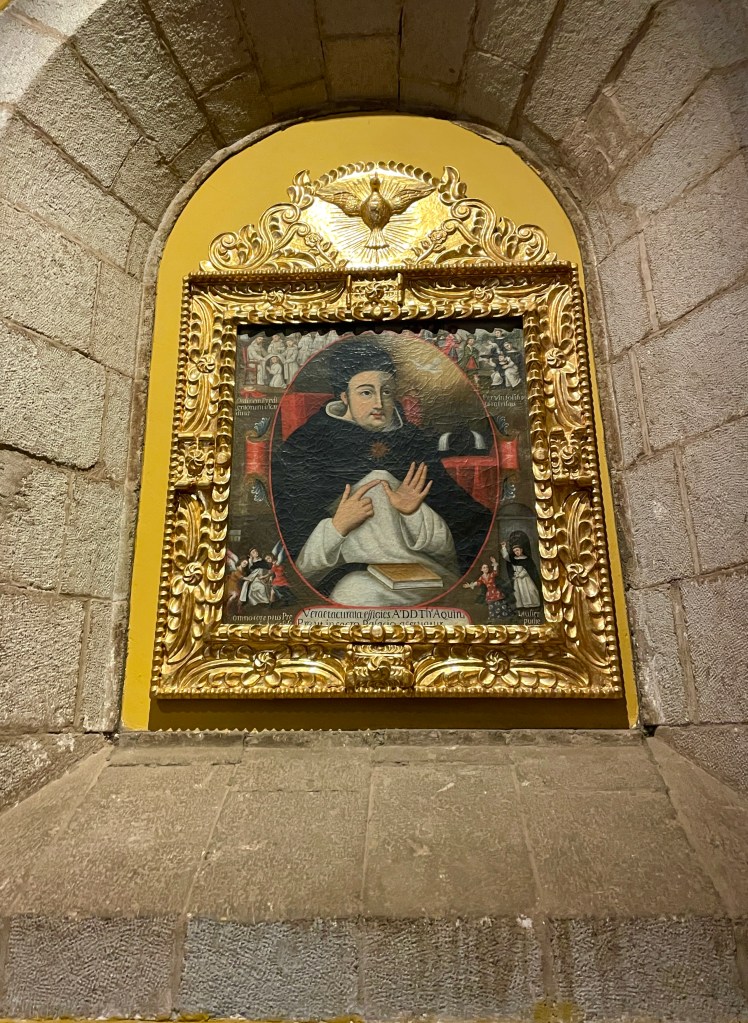
Paintings line the walls of the museum many of which were created by the Cusco School of Colonial Art which employed native traditions of art developed by mostly Indian or mixed race artisans.

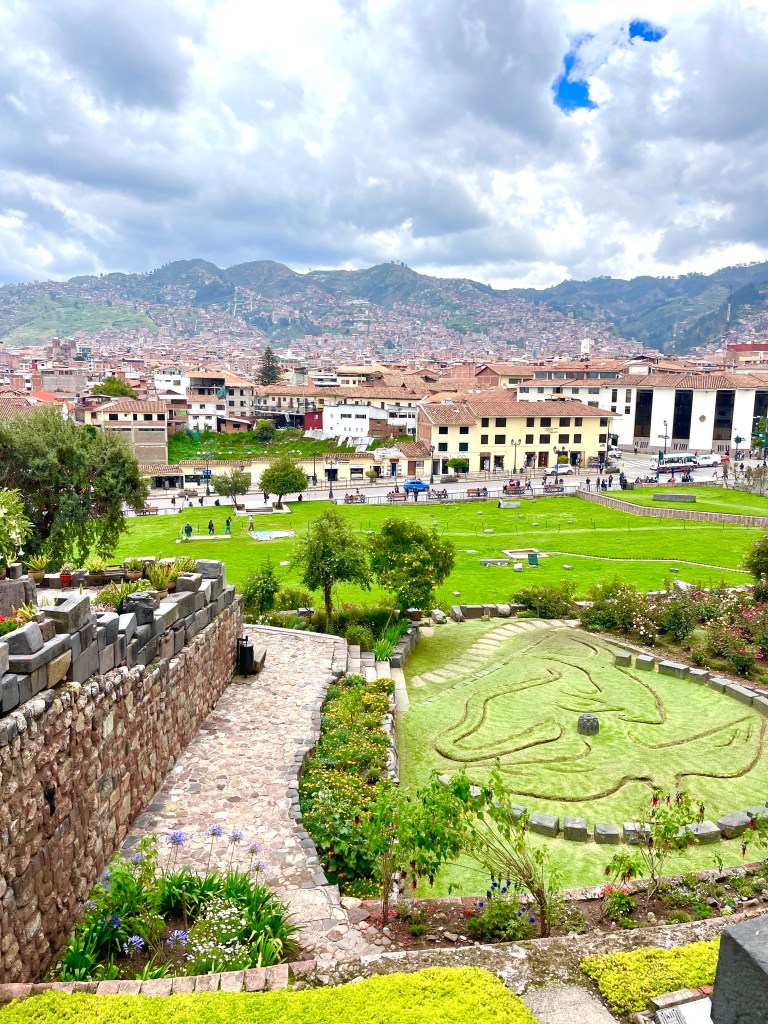
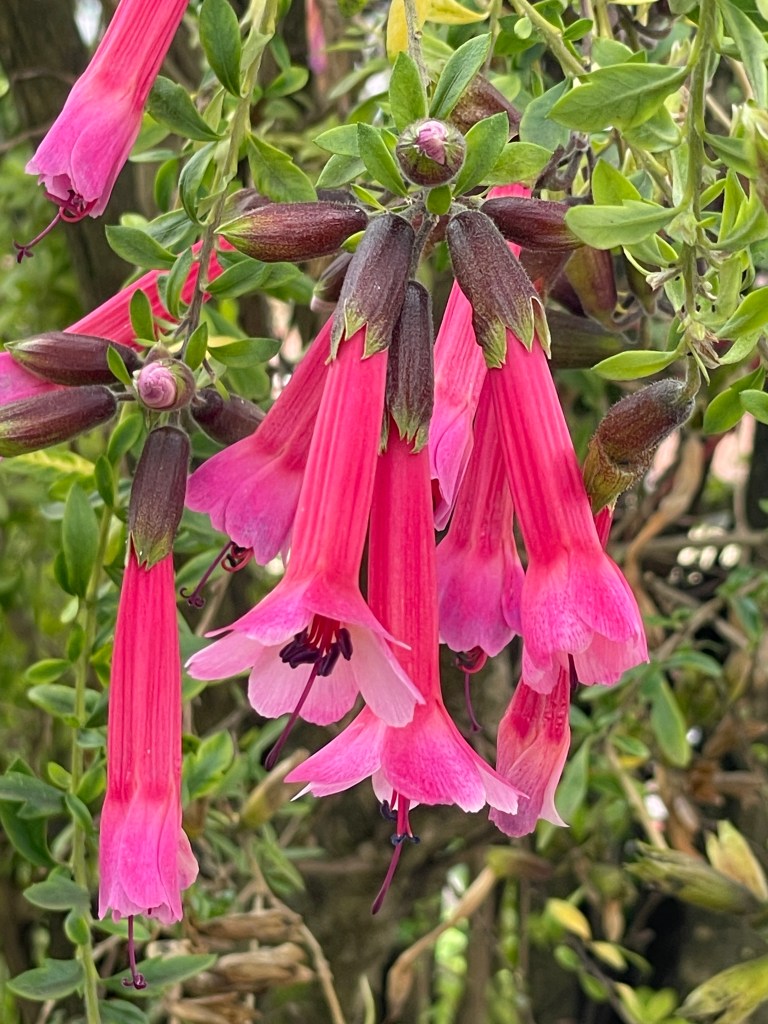
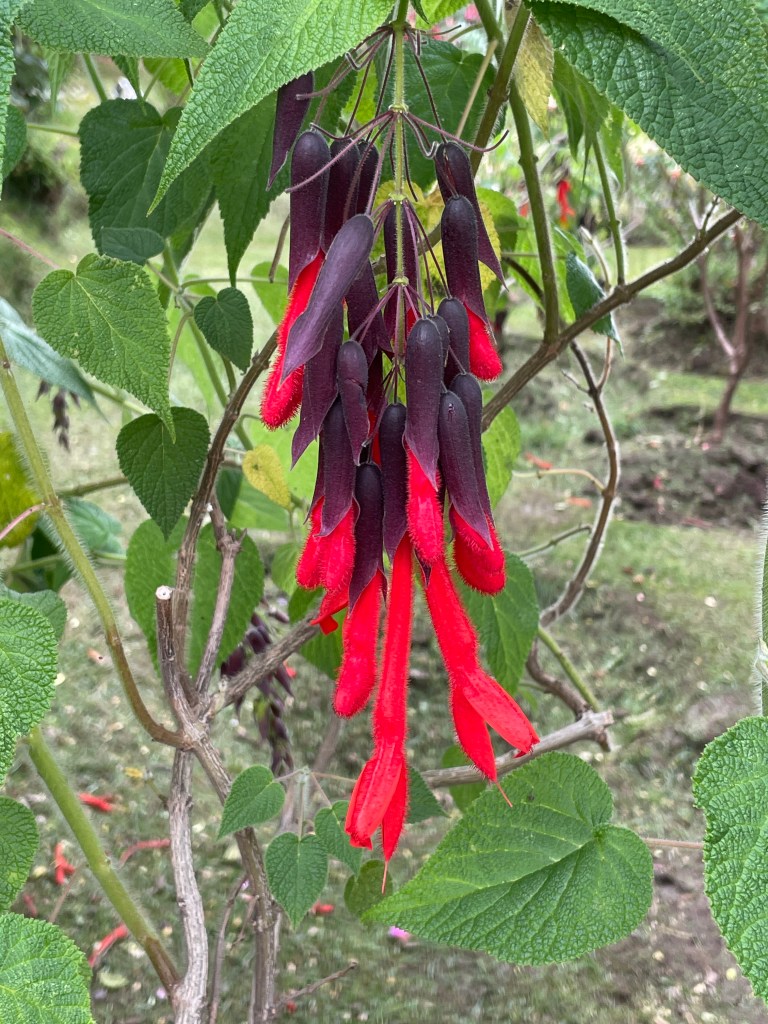
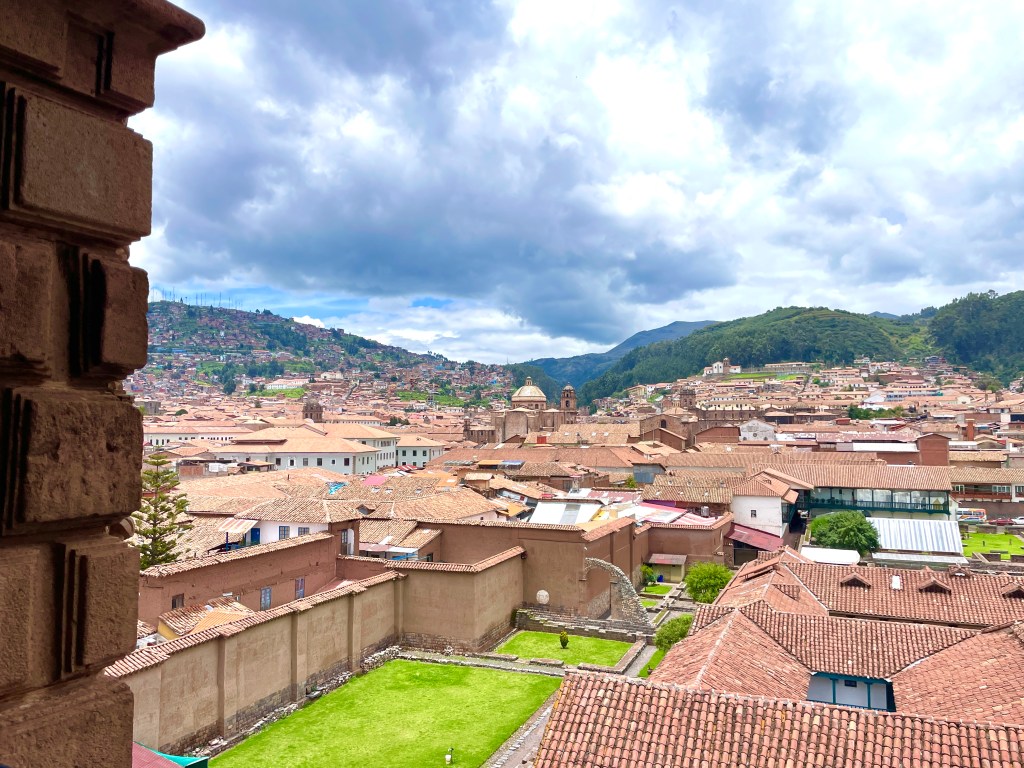
The gardens are spectacular featuring many types of fuschia, trumpet trees, and various native flowers.

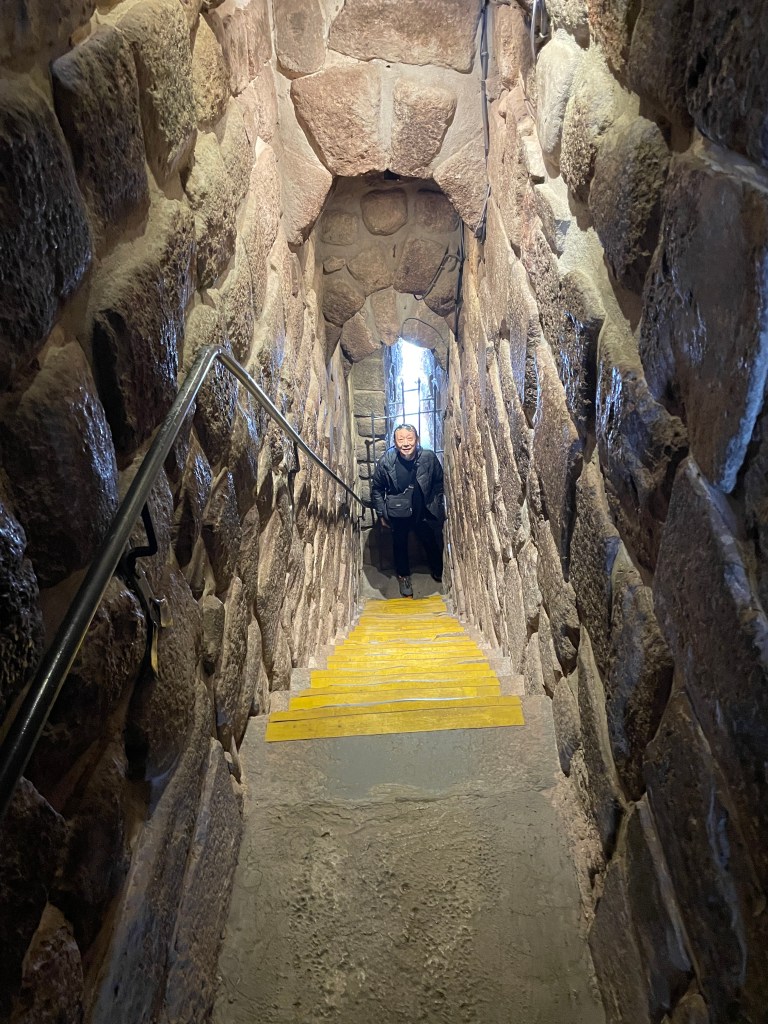
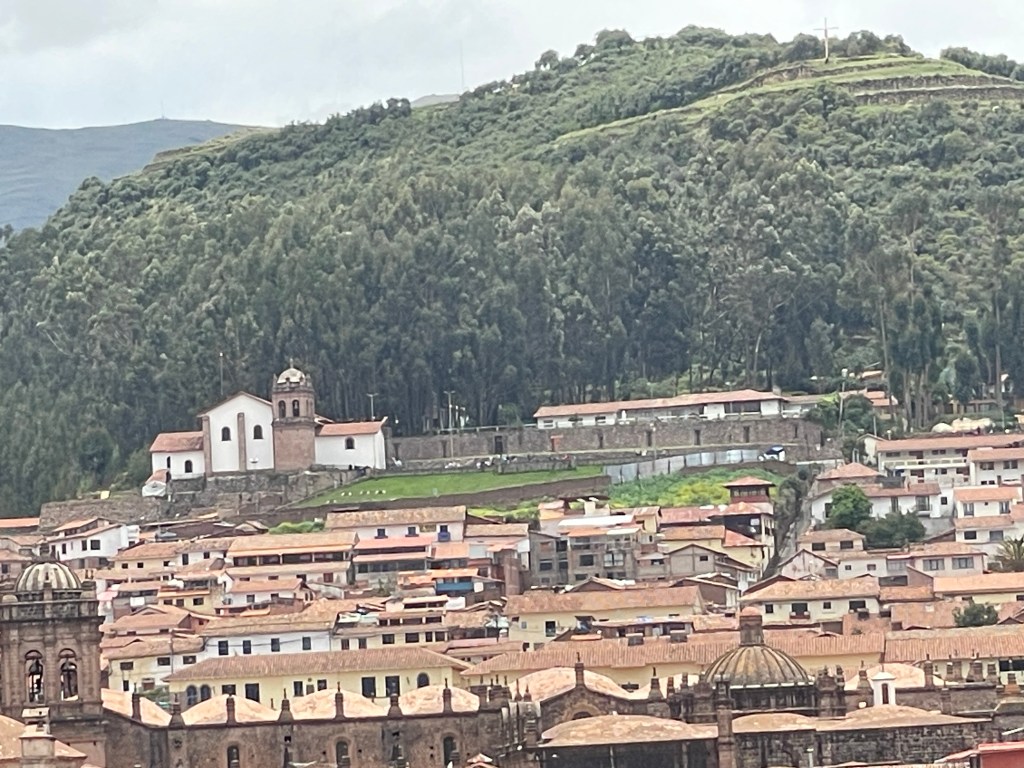
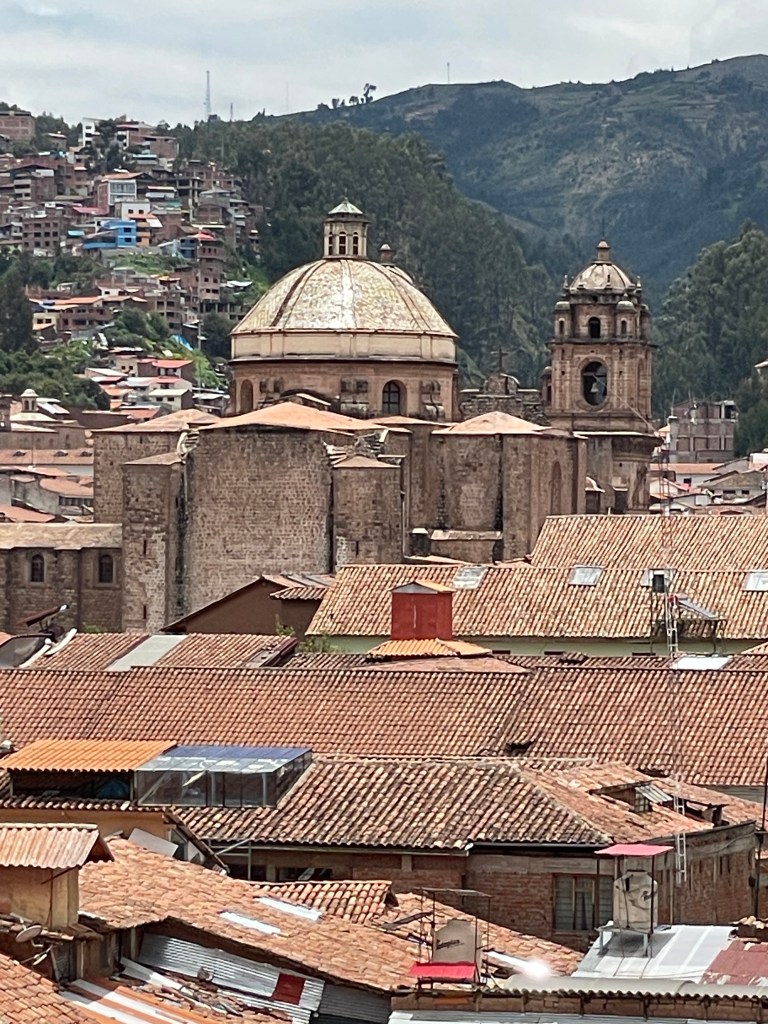
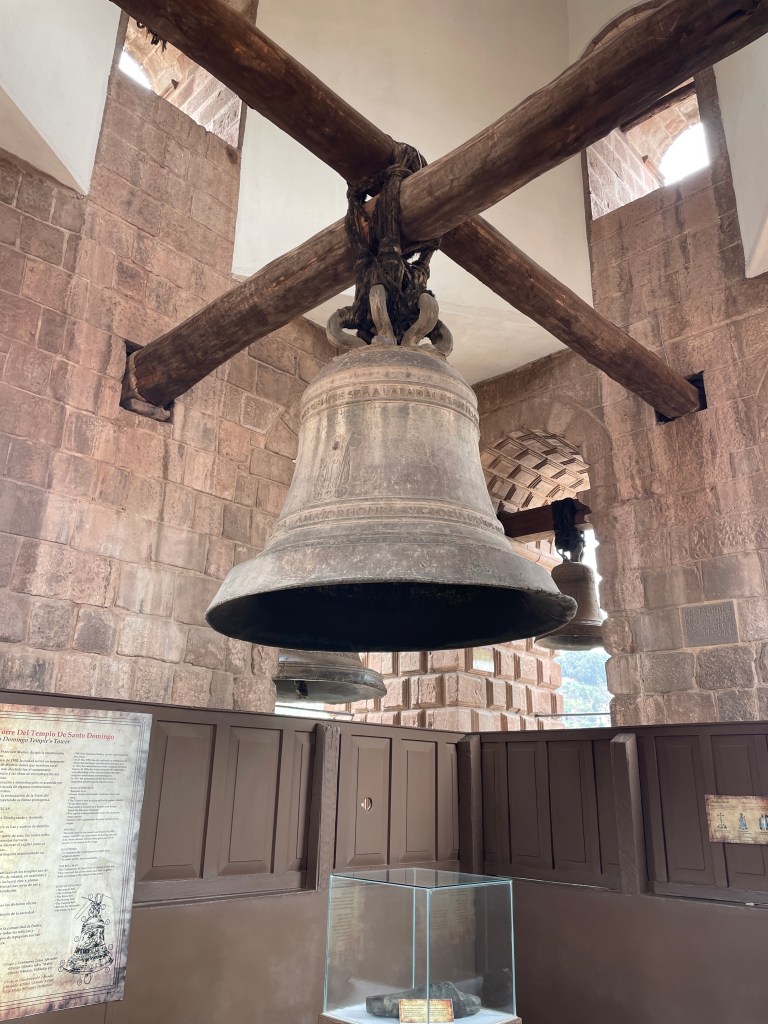
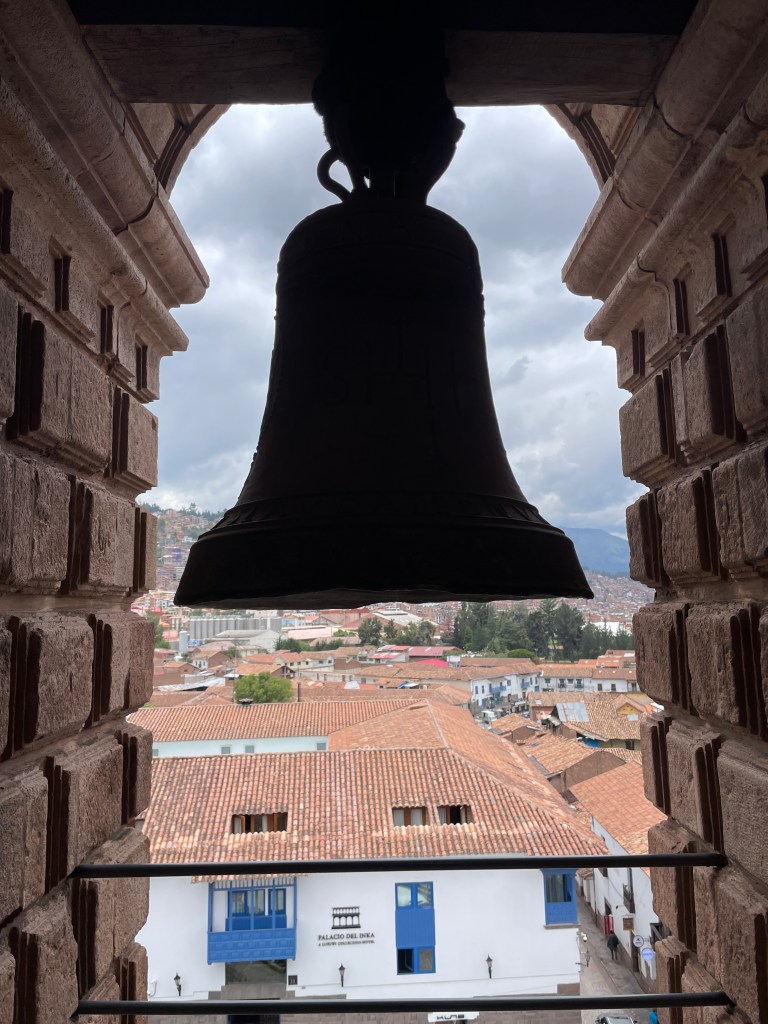
It will cost another $5 Sol (about $1.65 USD) to climb the bell tower but it is something you must do. The passageways are reminiscent of European castles with arrowslits. But the biggest reward is the view that encompasses the entire valley with its many churches and a magnificent convent sitting hillside.

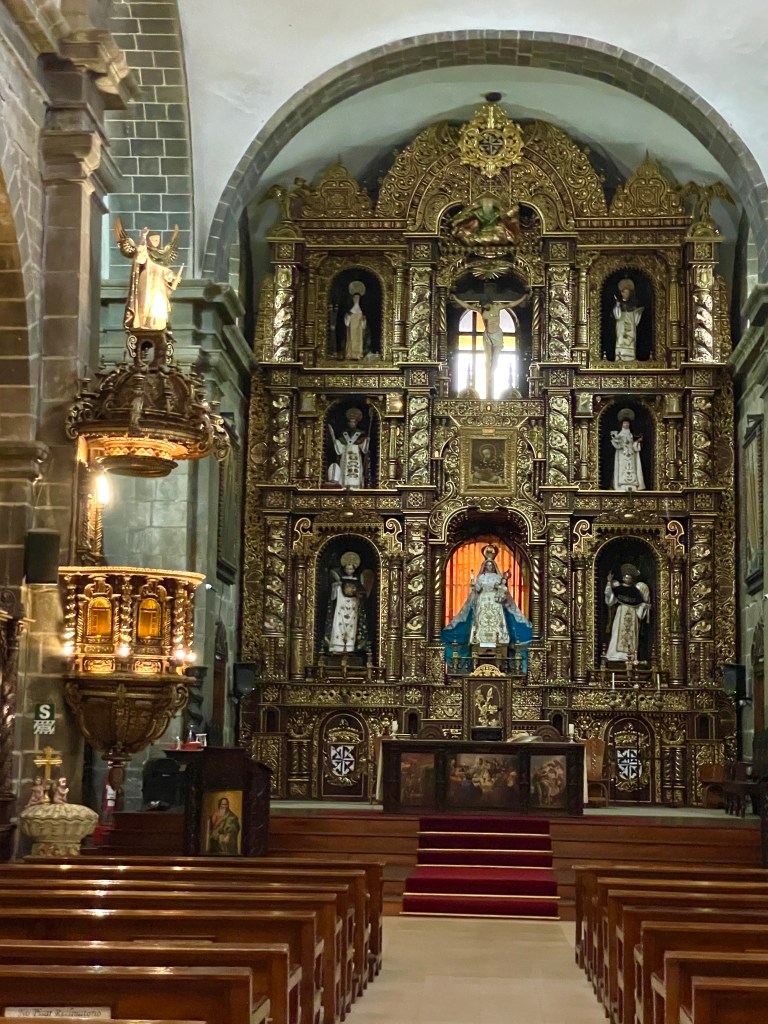
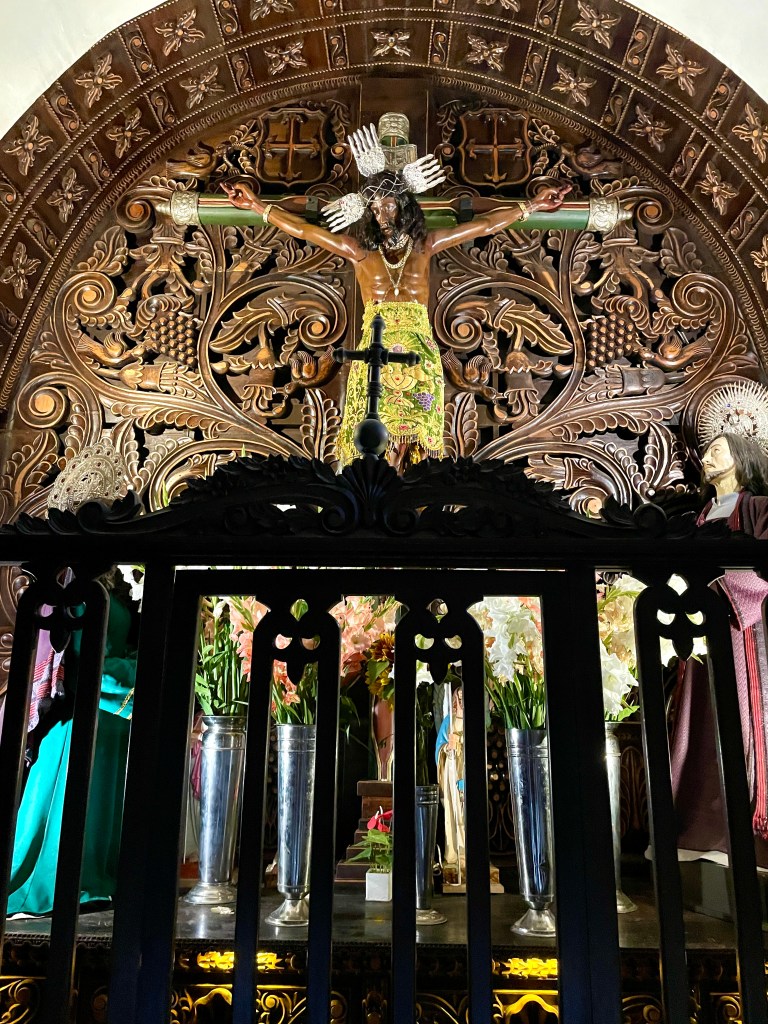
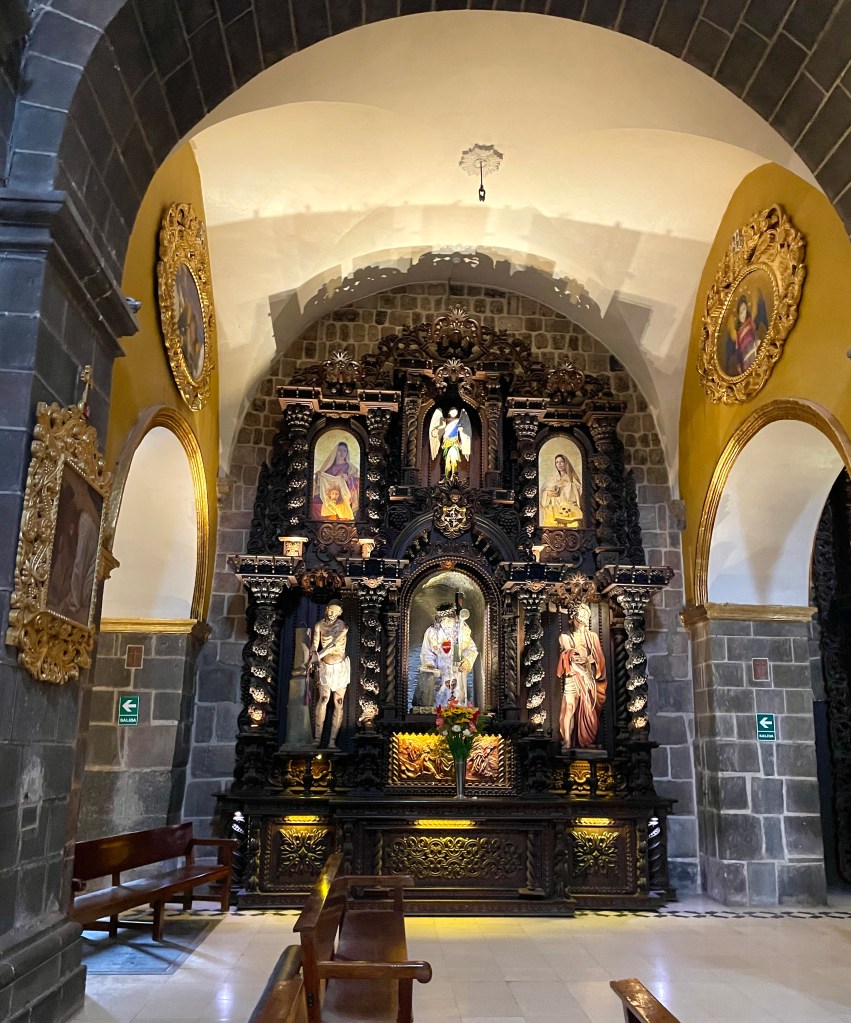
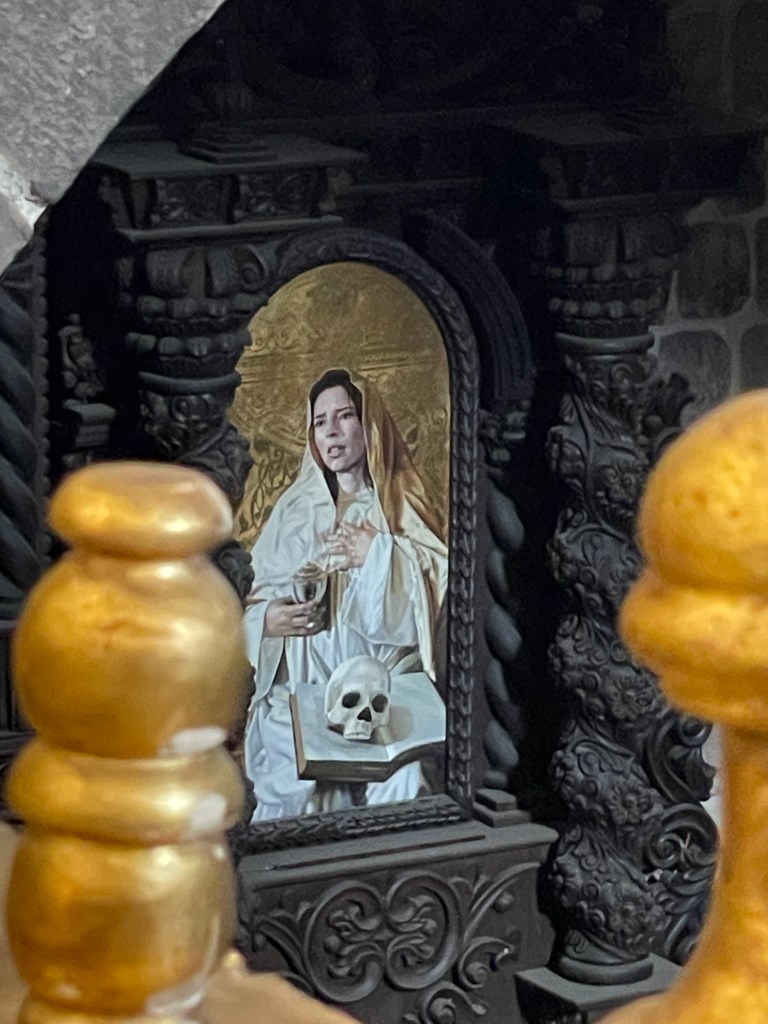
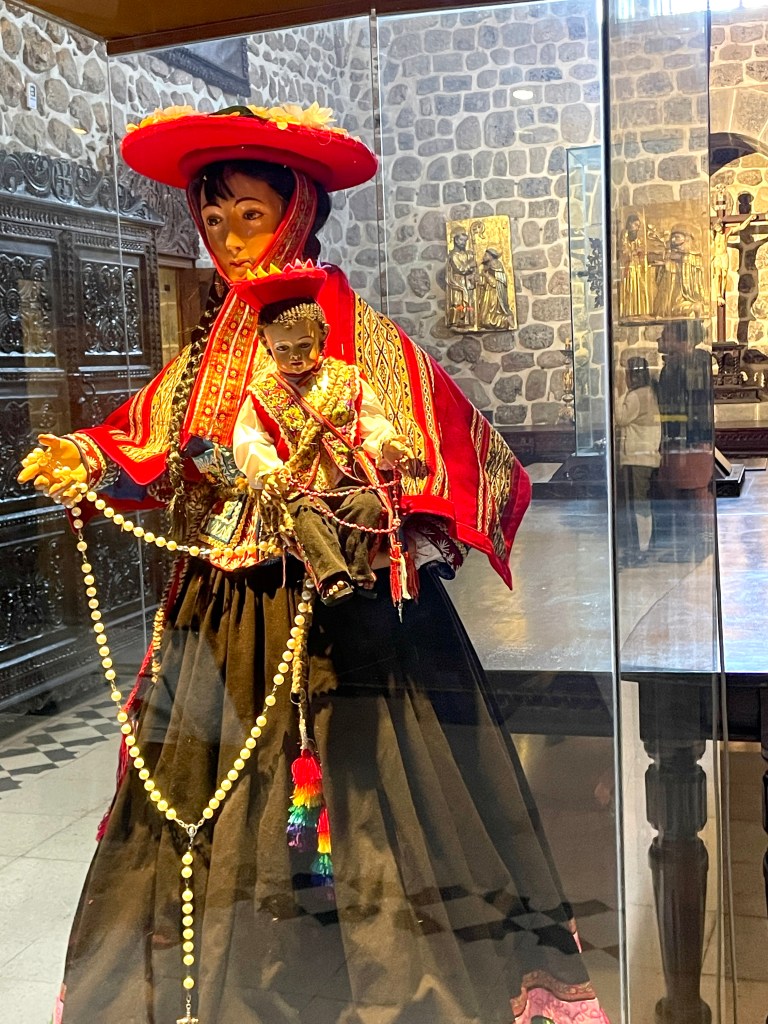
Finally, there is the Colonial Church of Santo Domingo. Built in the 17tht century, its a fusion of Inca masonry and Baroque architecture. It houses various paintings and treasures from the Dominicans.

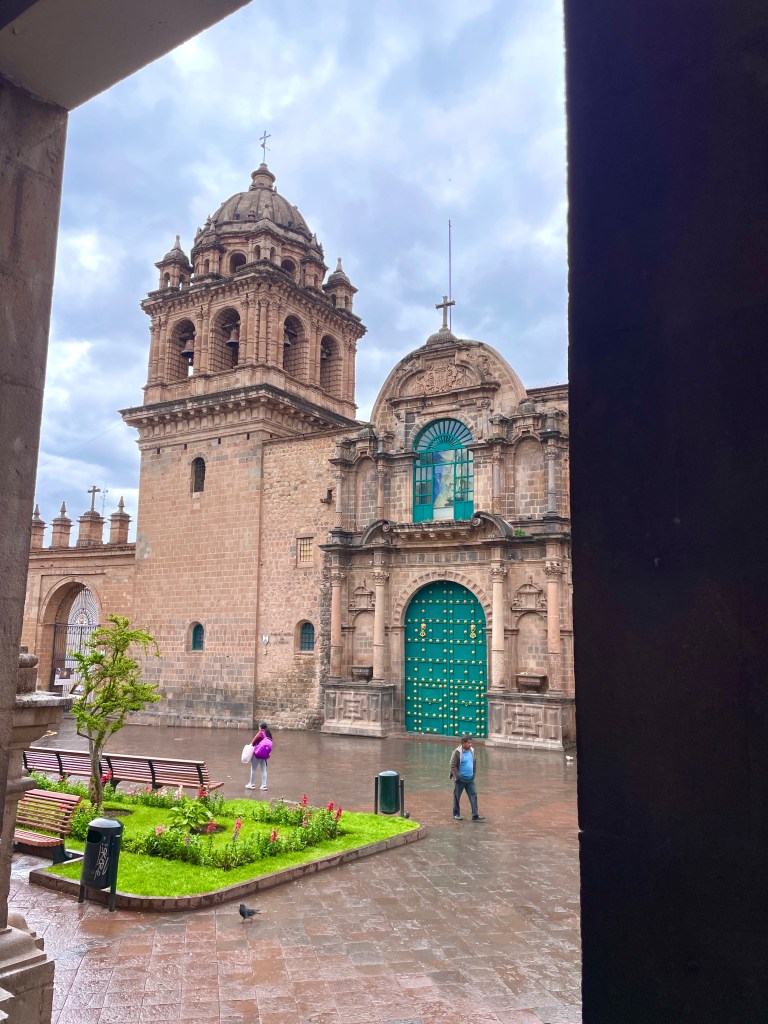
From here we walked the city just enjoying whatever it was we stumbled upon including the Church of the Society of Jesus, Church of La Merced and the Loreto Church. And behind the Church of the Society we encountered a whole different type of animal.

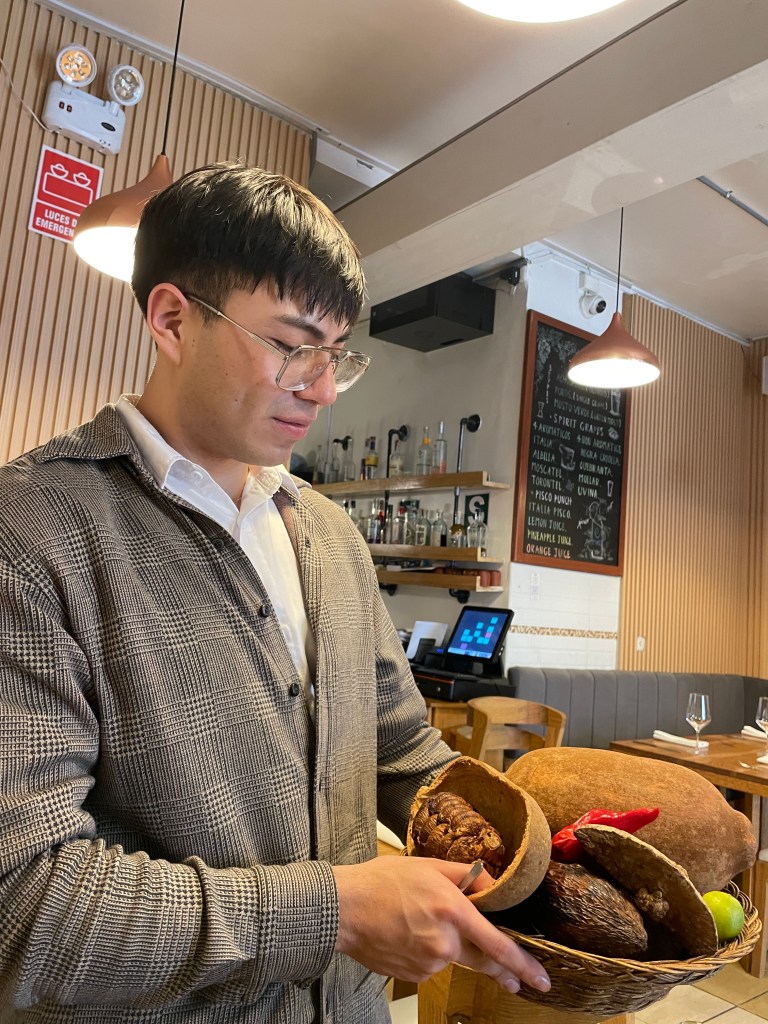
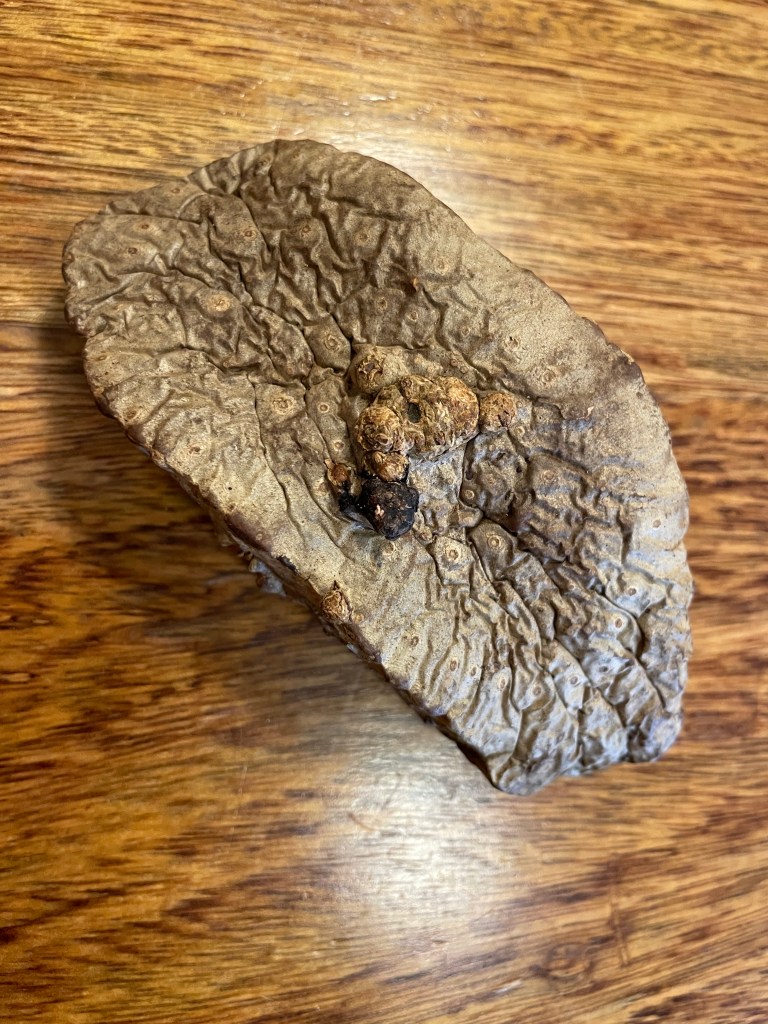
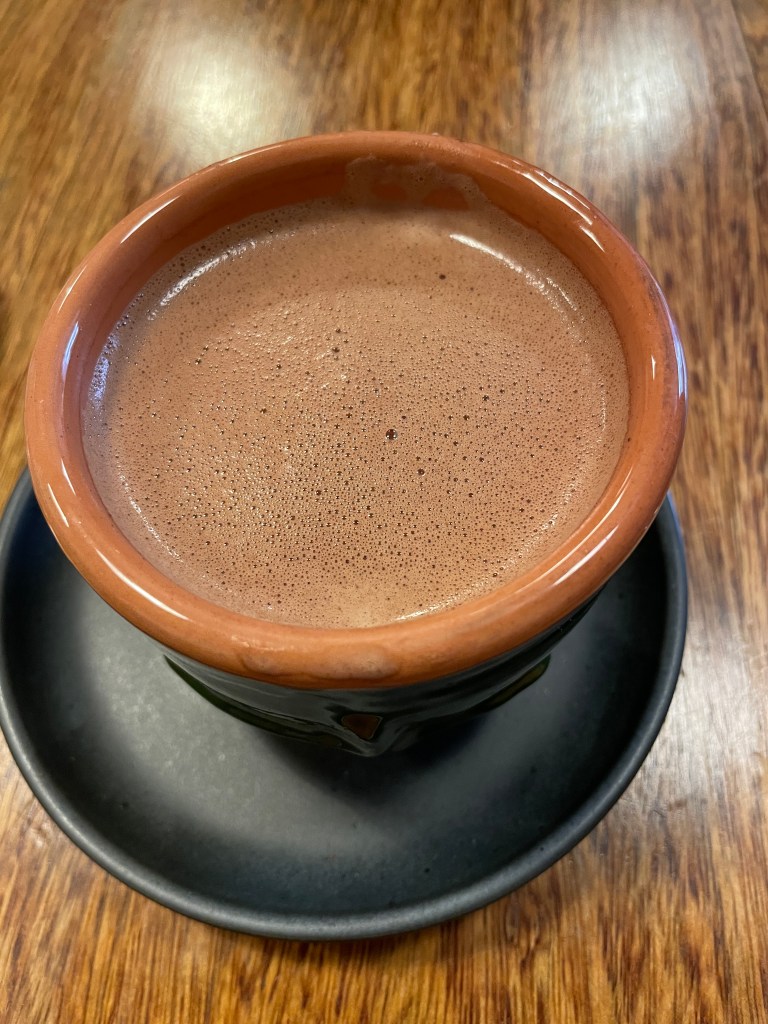
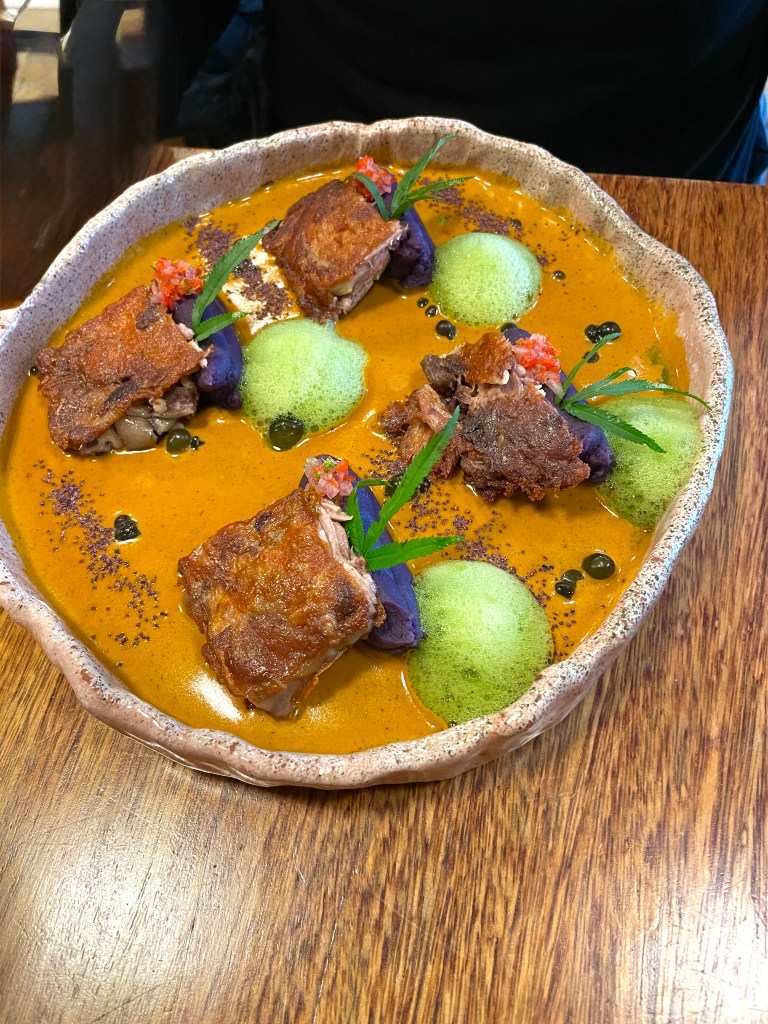
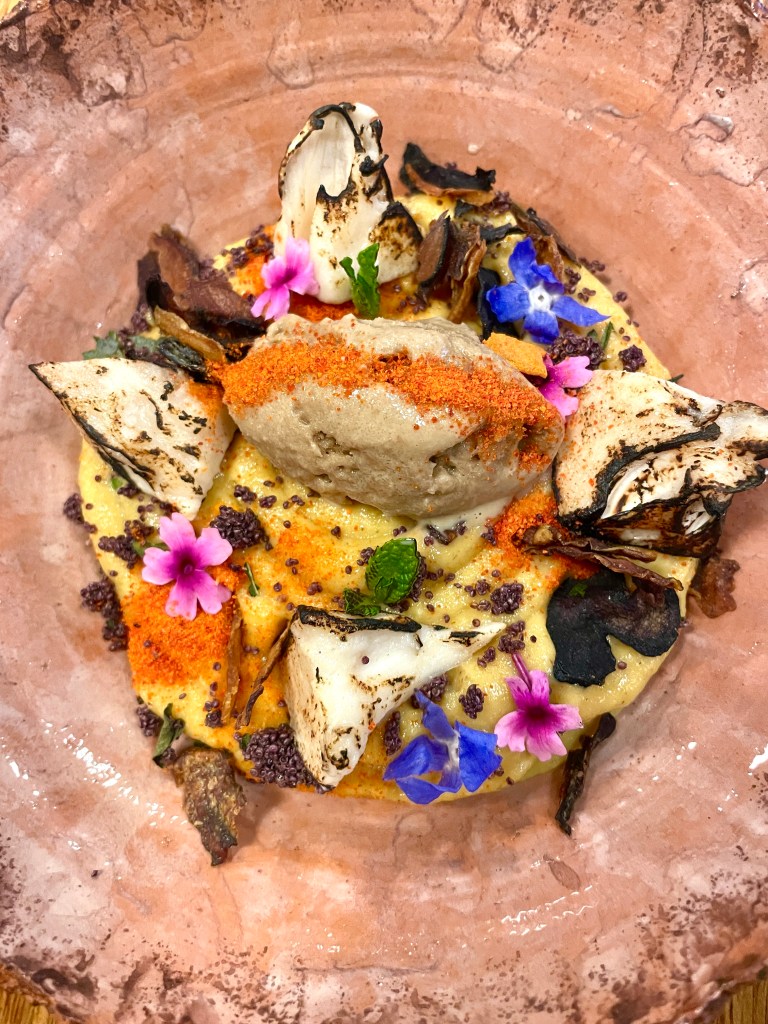
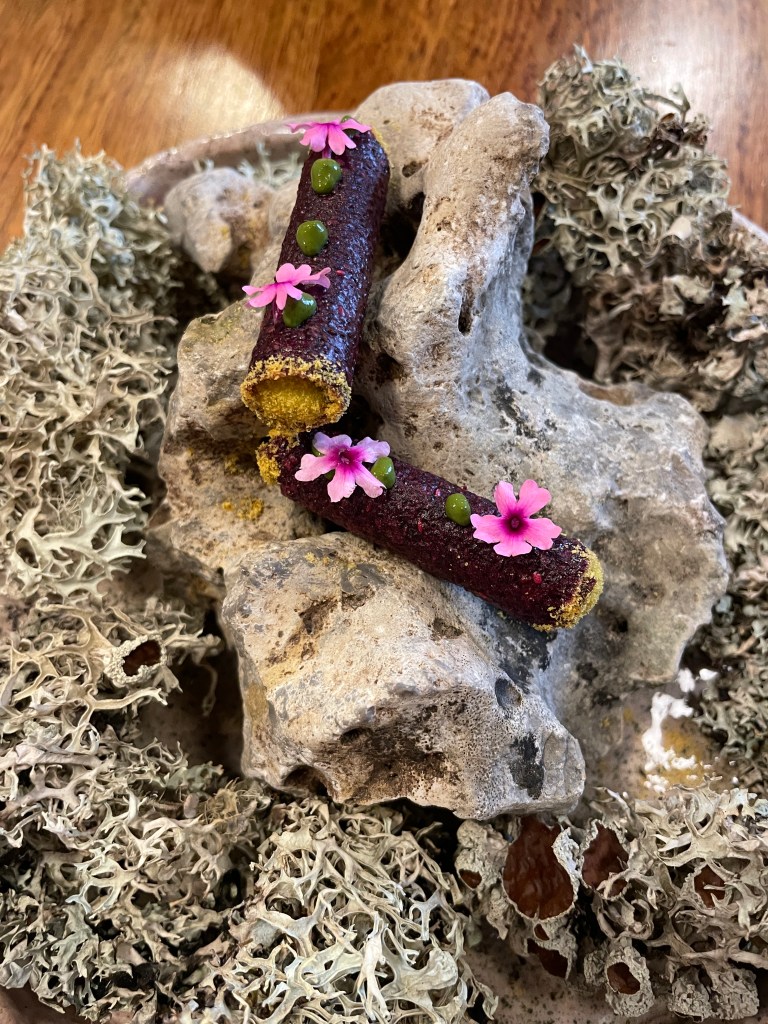
One thing that we didn’t know before arriving in South America is that Peru is one of the world’s best loved and appreciated gastronomy regions in the world. And it hasn’t disappointed. We went to an amazing restaurant called Mare. The waiter did several presentations of the different ingredients that were used in our meal. We dined on Guinea Pig (a very usual flavor but wonderful) and for desert we had almost a custard of Chimoya and passion fruit with chili oxicala chips capped off by homemade coffee ice cream. It was by far the most interesting and yummy desert that I have ever eaten.

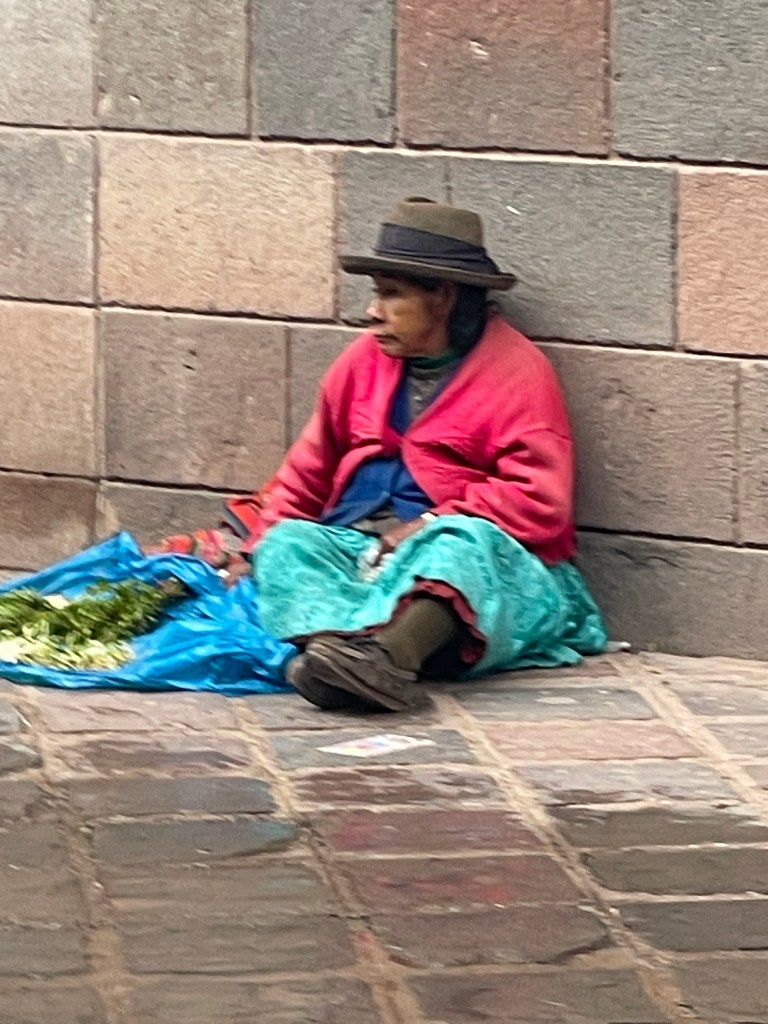
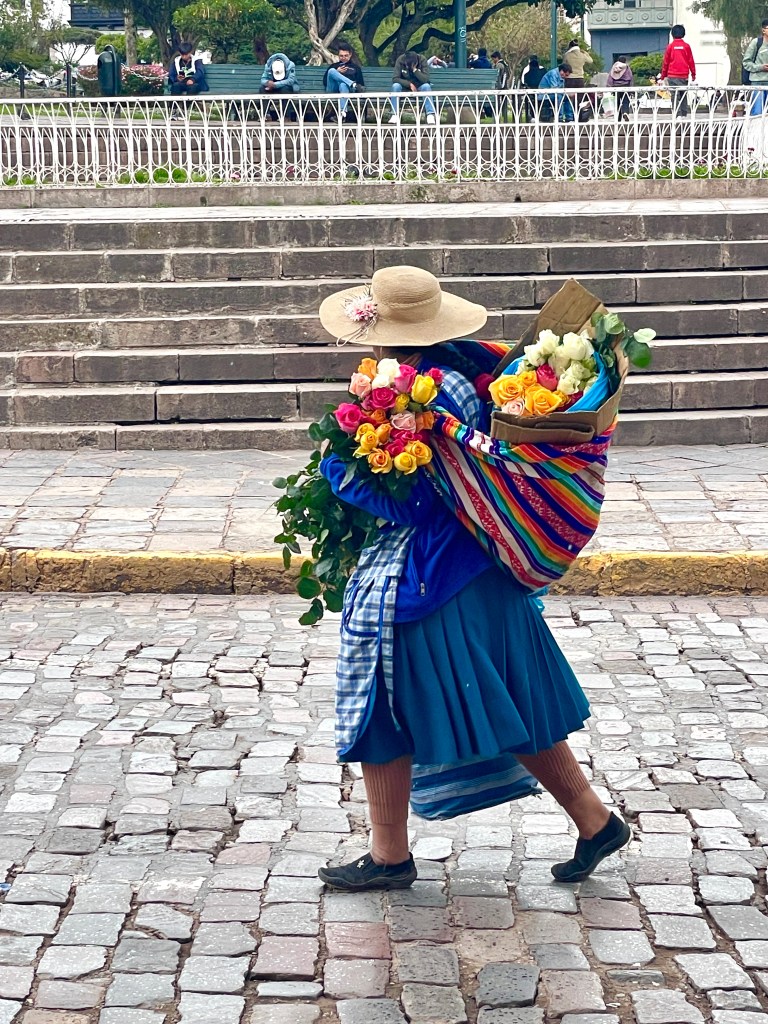
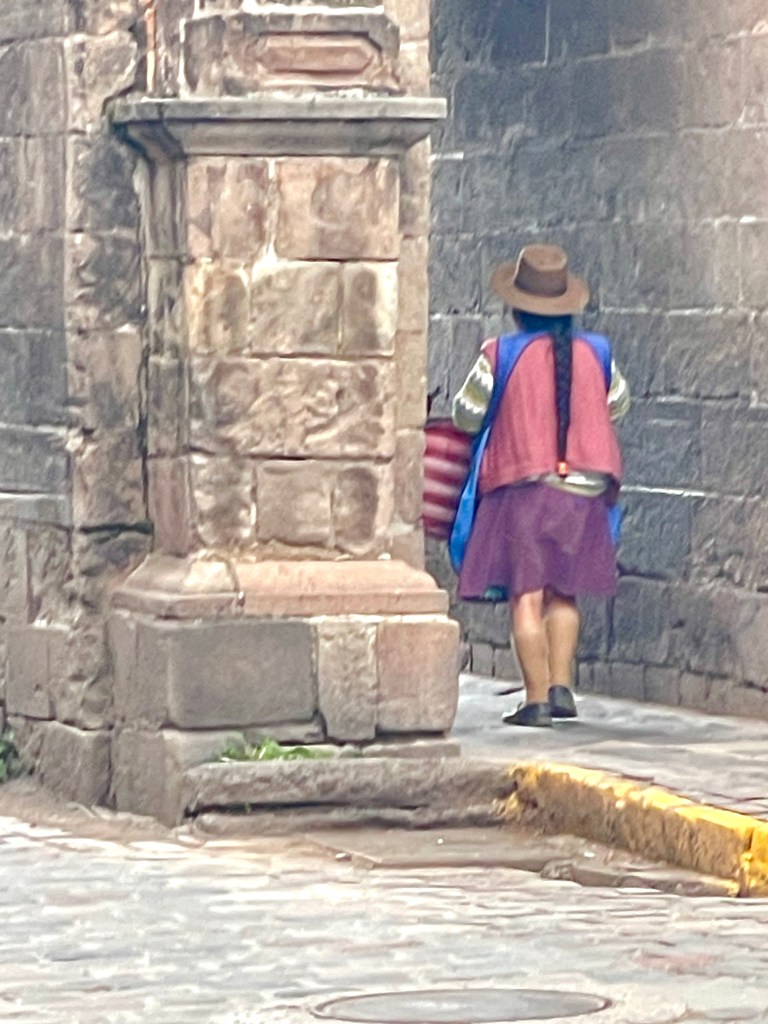
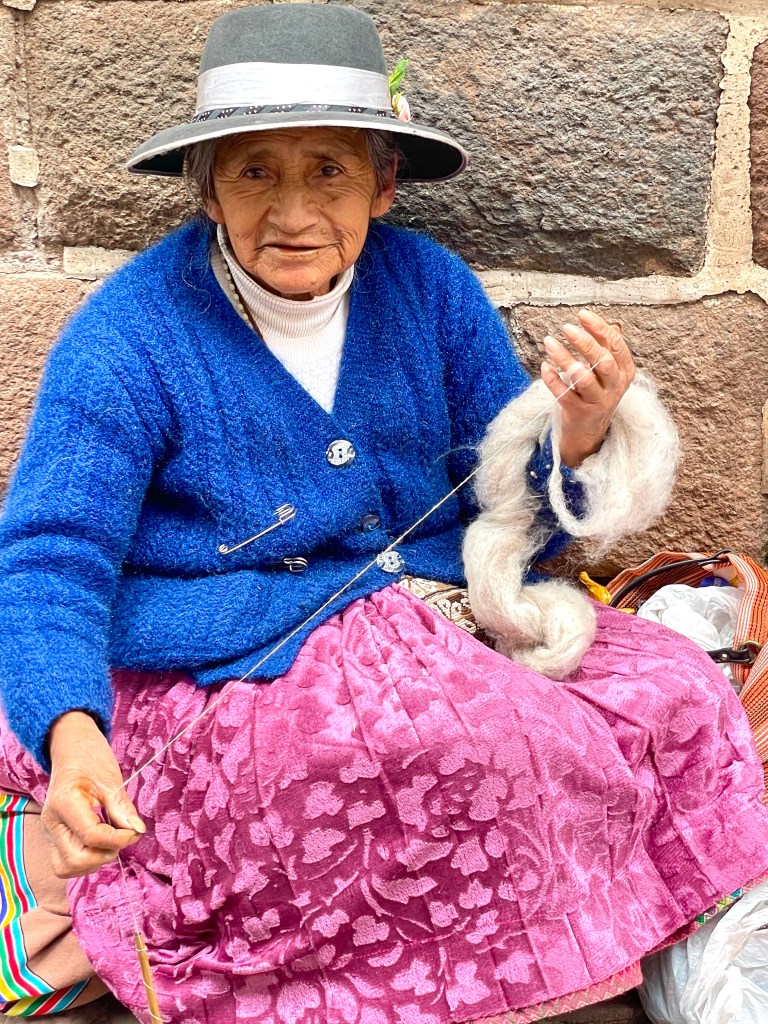
I love the vibrant colors and music of the city. Women in traditional Peruvian dress can still be found everywhere and fireworks shoot off at all times of the day and night in celebration of the saints that are beloved by the town.

Now I leave you with a multitude of pictures that I took throughout the day. Best of all, I can hardly wait for tomorrow so that I can discover all that awaits around each and every corner.

What I Like And Dislike About Santiago

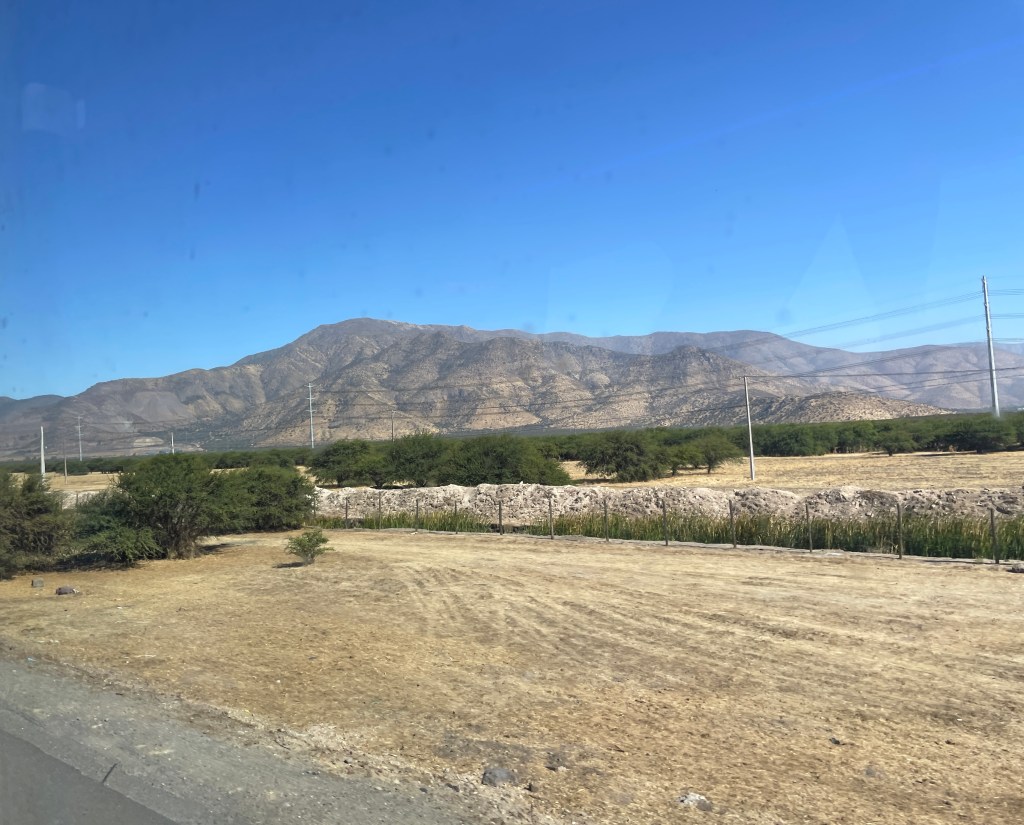
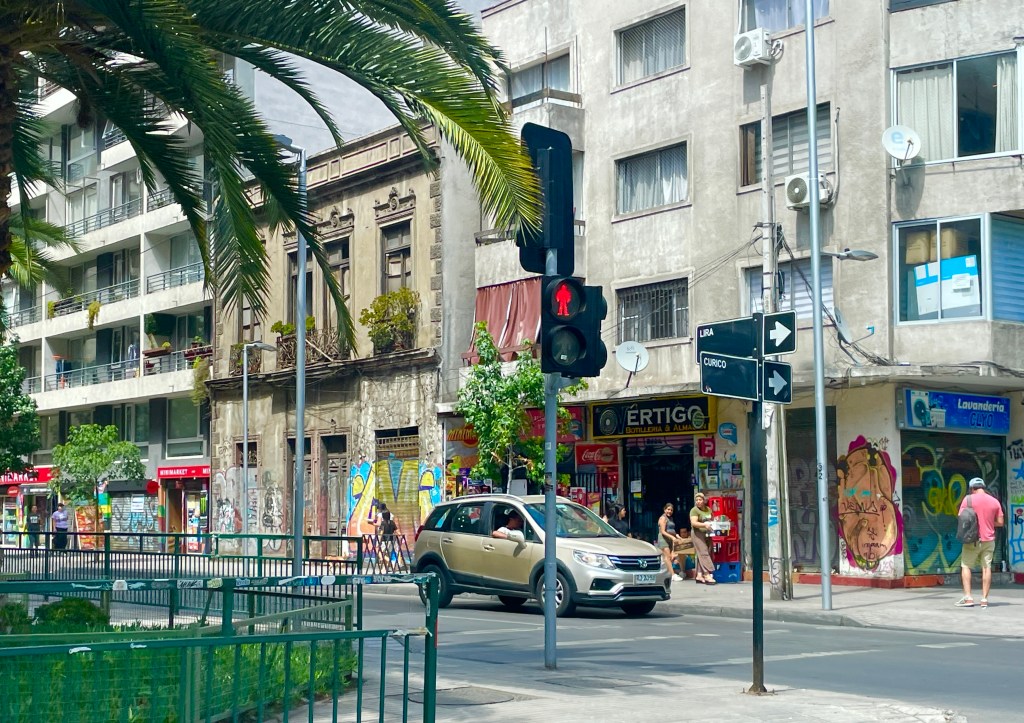
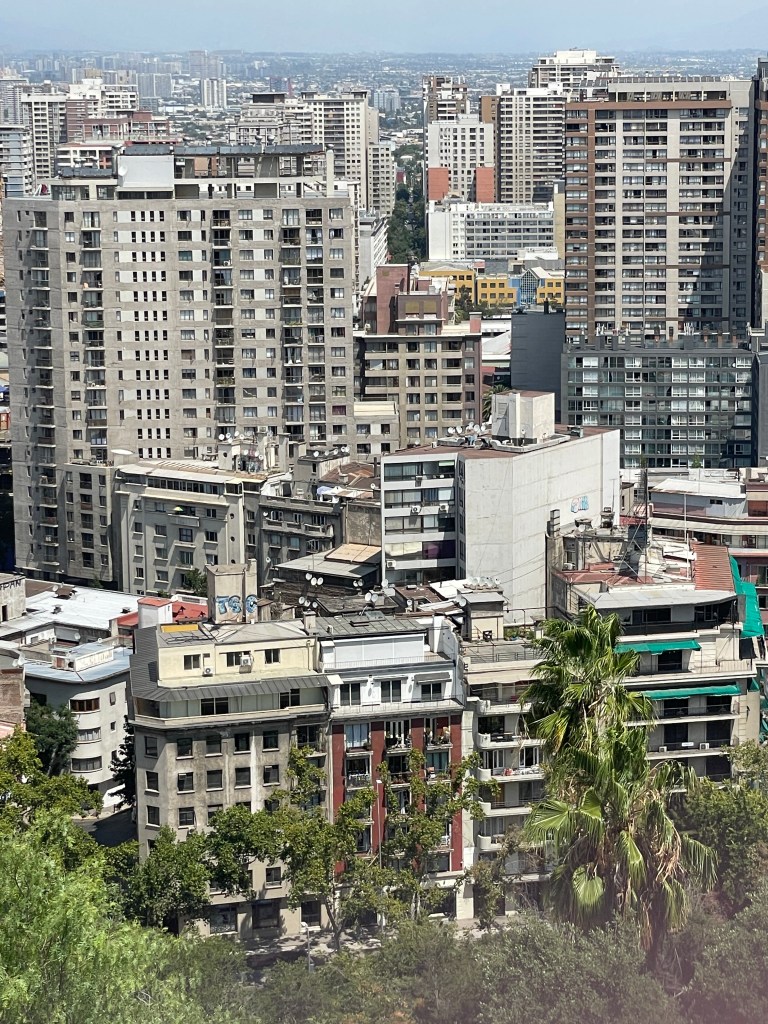
I have to confess I have found little to be charmed about in this city which has suffered misery and depravity for many years. Apartment buildings that look like Soviet cement gulags and mountains that just look thirsty and hot AND worn out surround the area. It is not a place to which I will return and that is a shame. A shame because years of authoritarianism left the city behind the eight ball of the rest of the world and it doesn’t appear that it will ever catch up. Put a government in control in which people are snatched off the street, unrest is a steady diet of the masses, and people are forced to live in a state of constant fear …well, its no wonder that economic and emotional chaos follows for years to come. I suspect that for however long an authoritarian regime holds power that it takes at least triple that number of years to restore a sense of belonging to the city itself. Either that or until everyone who has experienced its atrocities has passed. No matter, it is not good for the soul of the place. For authoritarian governments do not die with the death or removal of the despot but continue in a thousand insidious ways after they are gone.

Yet, while I have to believe things are improving for the average person here I wonder if this place will ever be what it could have been. I have a list of my likes and dislikes of Santiago that I hope can be a road map to change however long that takes.

LIKES:

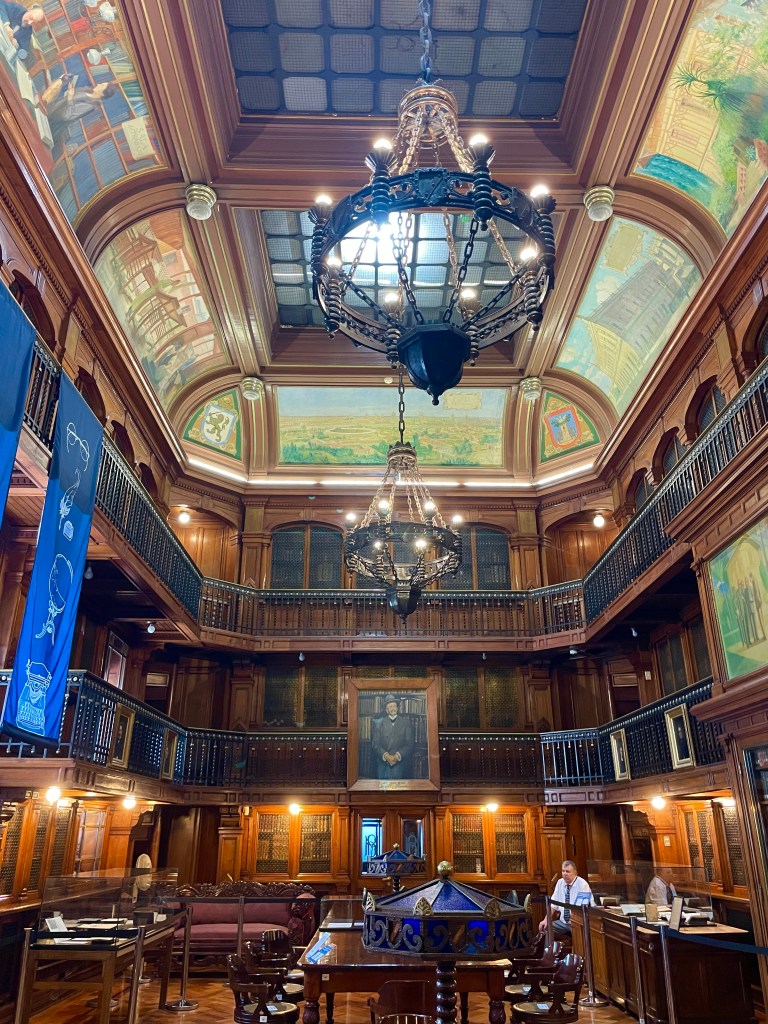
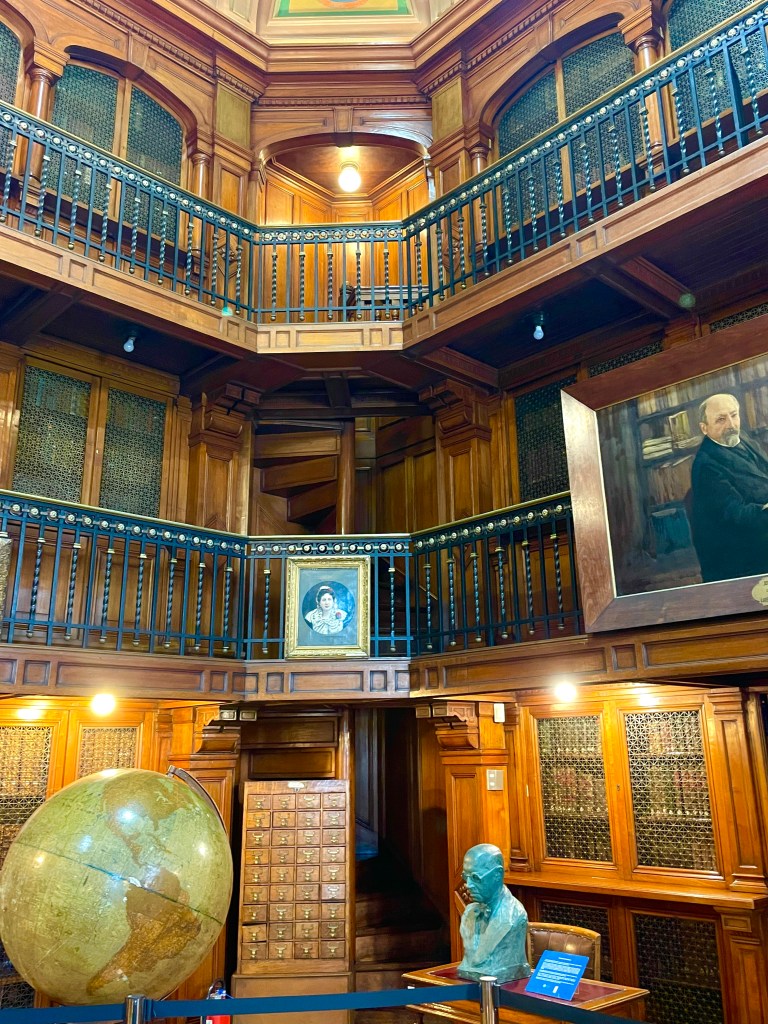
  1. The National Library is a treasure. Take a trip to the second floor and lose yourself in the sense of magic that the library holds. Think Hogwarts on a much smaller scale. The circular staircases and wood paneling are exquisite!

  1. Public transportation here is incredible. Never have I seen so many buses in one city. The Metro is fantastic too.
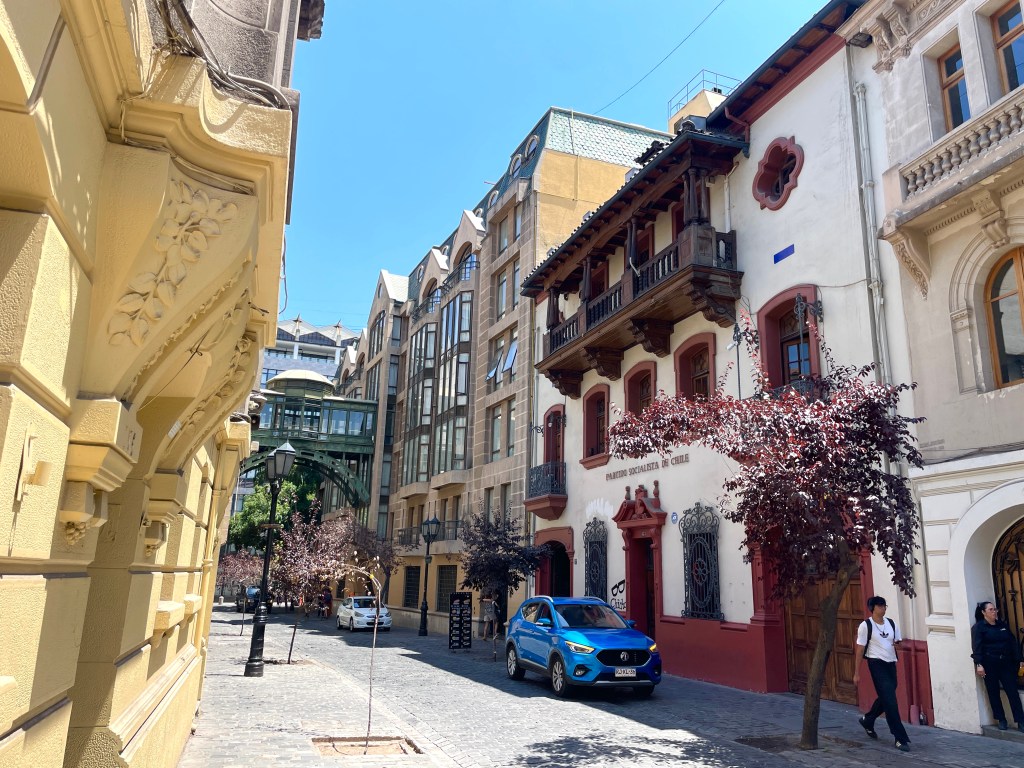
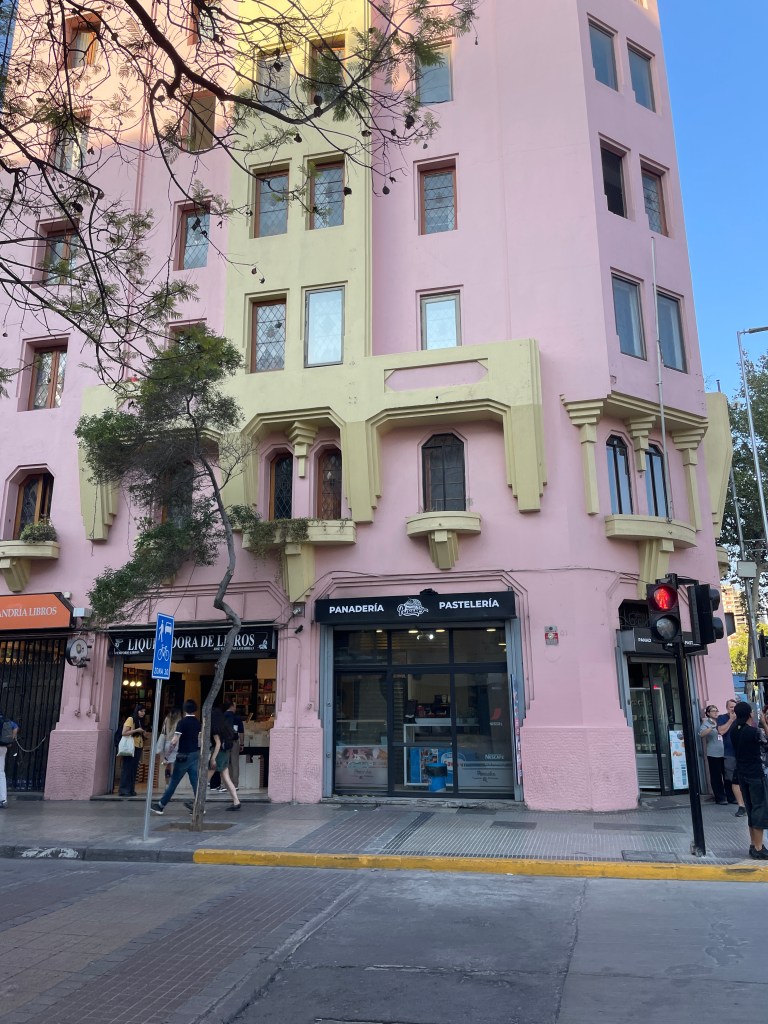
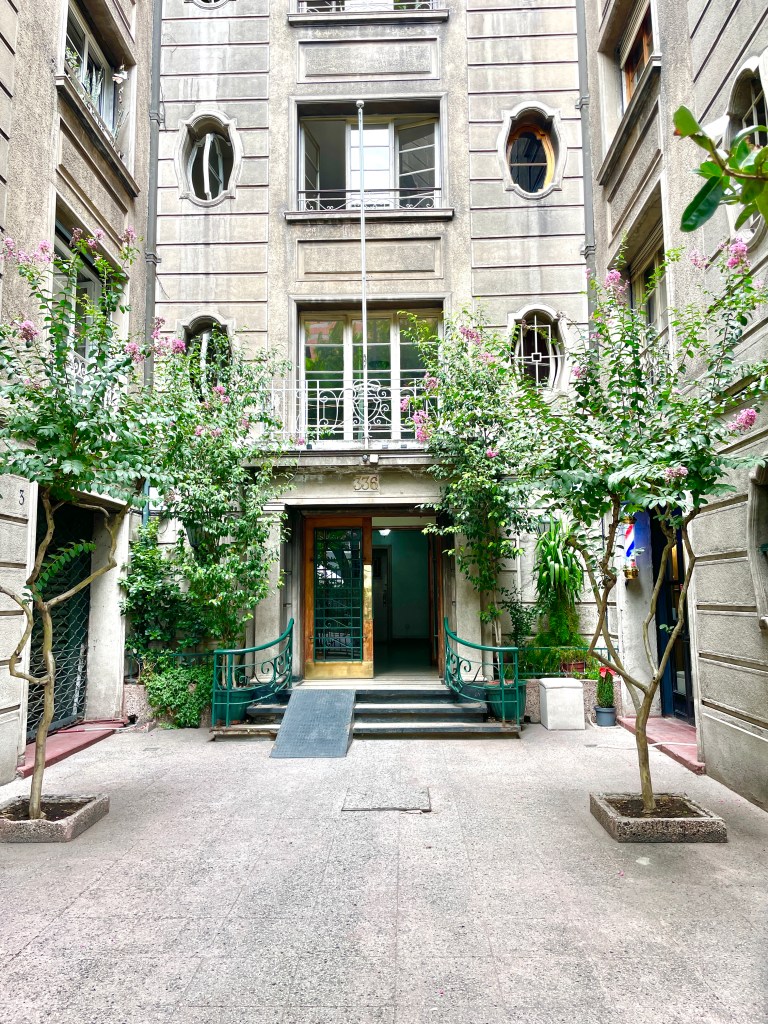
  2. The old-style European and the art deco buildings give you a small sense of what life was like 100 years ago.
  1. Great wines are available at decent prices.
  2. Many of the parks and museums have no entrance fees.
  3. The historic churches are the crown jewels of the city and give it a small sense of grandeur.
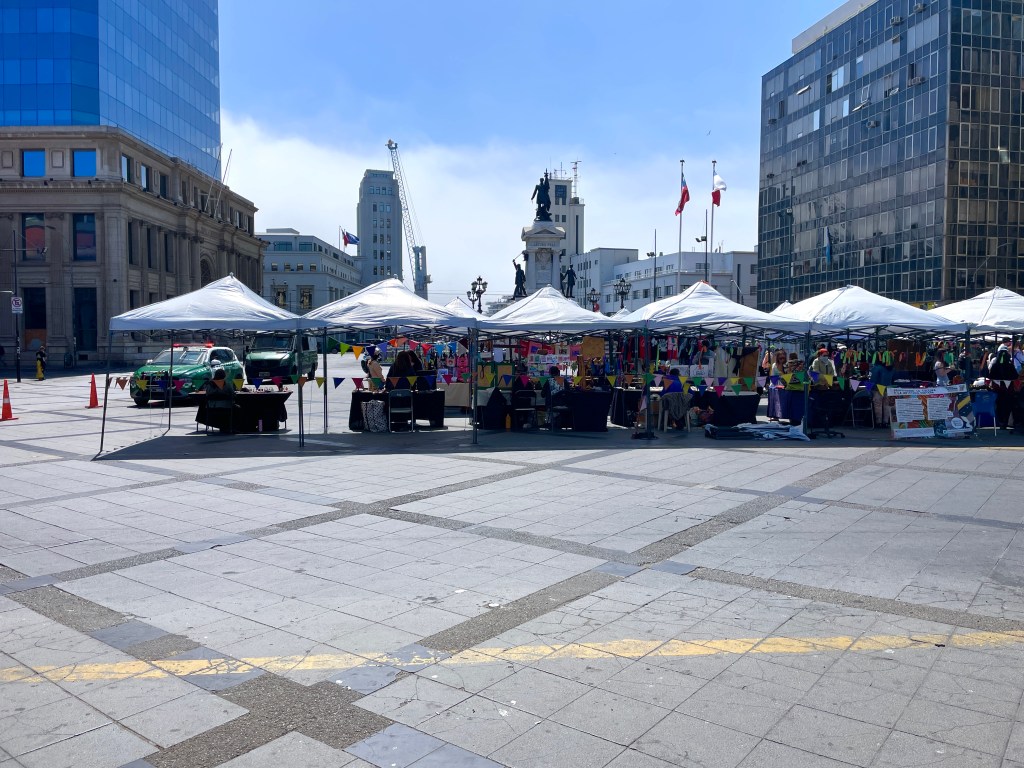
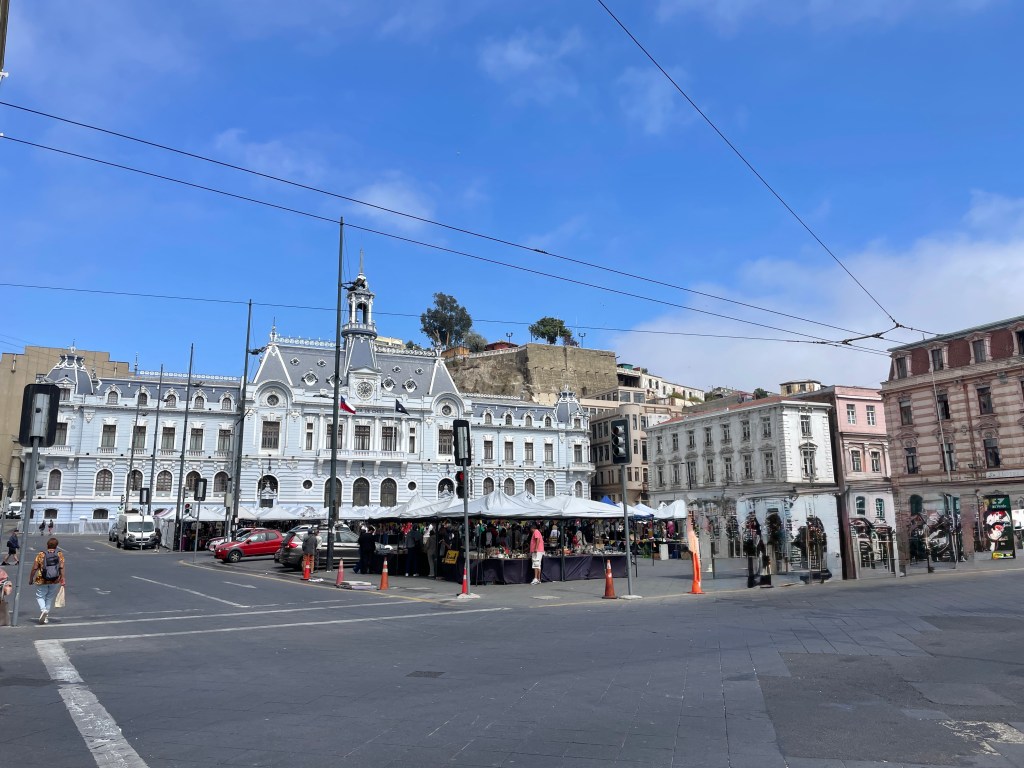
  1. Instant markets where people set up shop on the street selling their wares.
  2. The numerous curves streets and apartment buildings. It adds a sense of appreciation for things created with interest and drama.
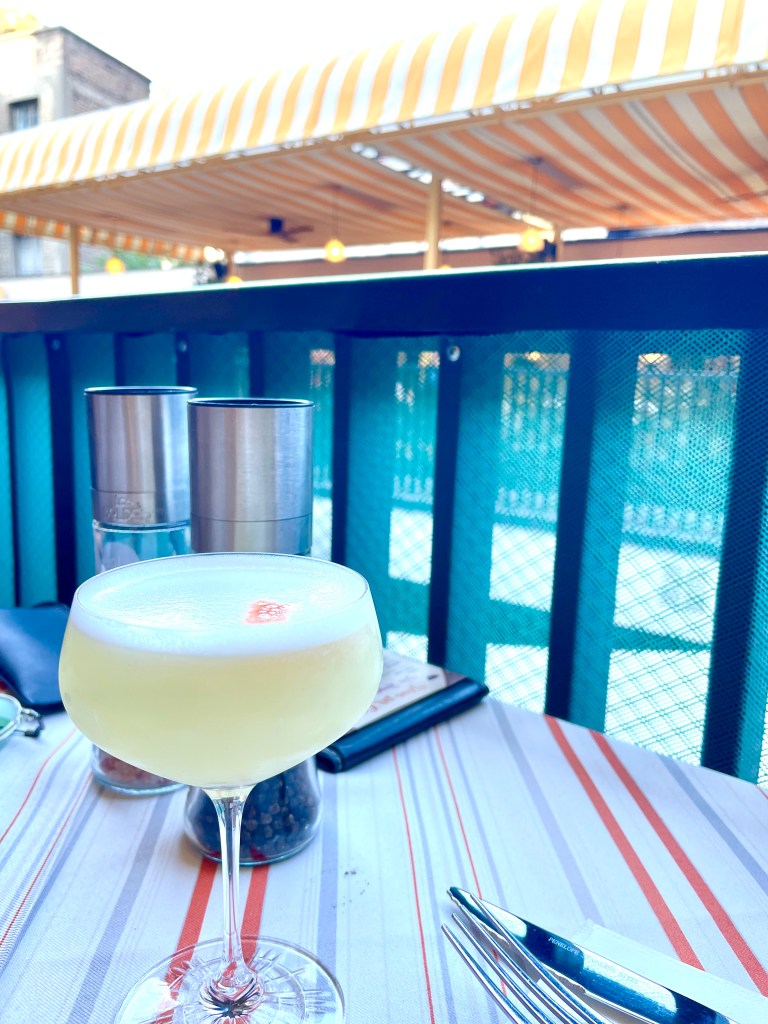
  3. Pesco Sours. The national drink which is cool and refreshing.
  1. Round windows that open and pivot.
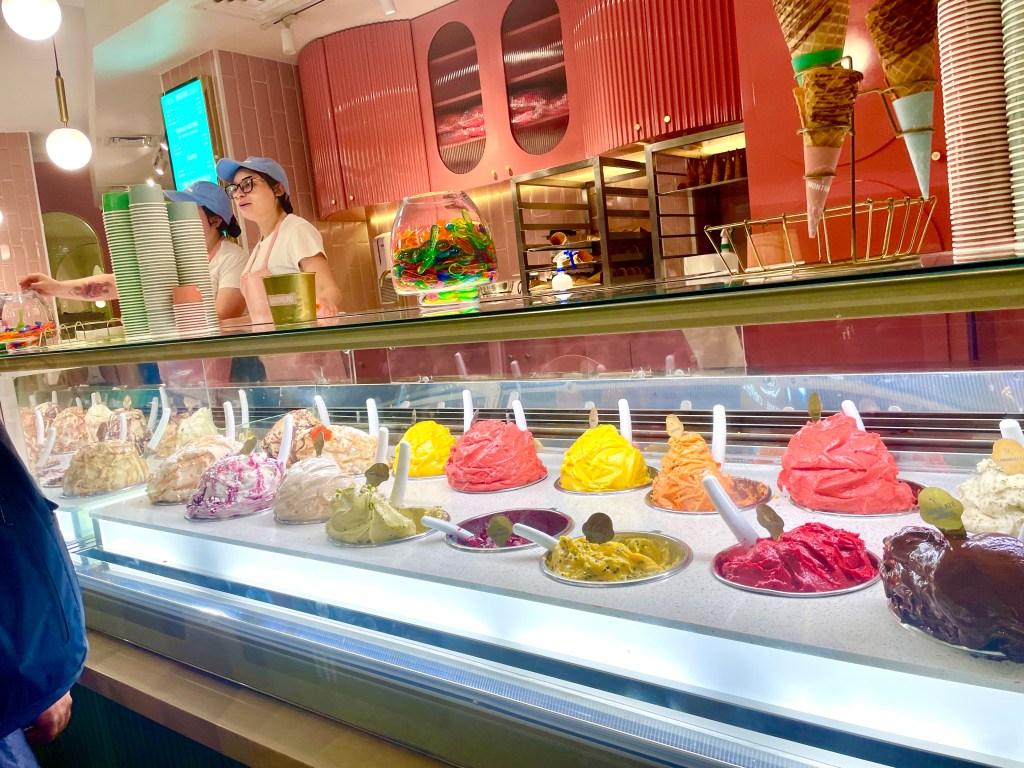
  1. The gelato is everywhere and its amazing.
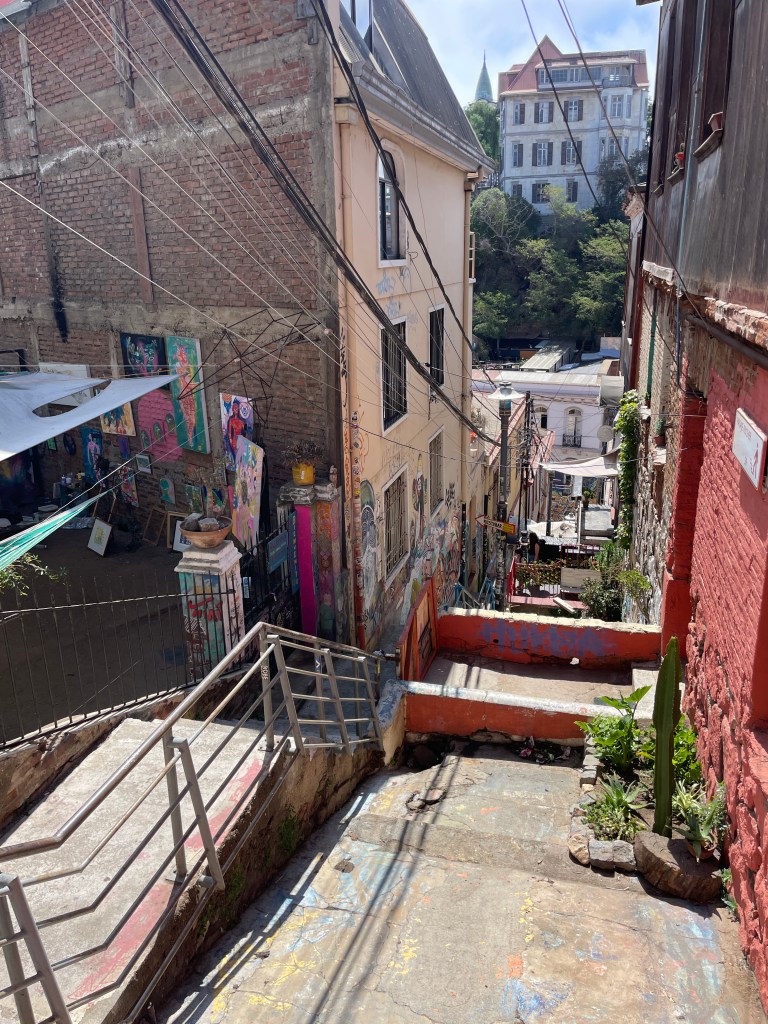
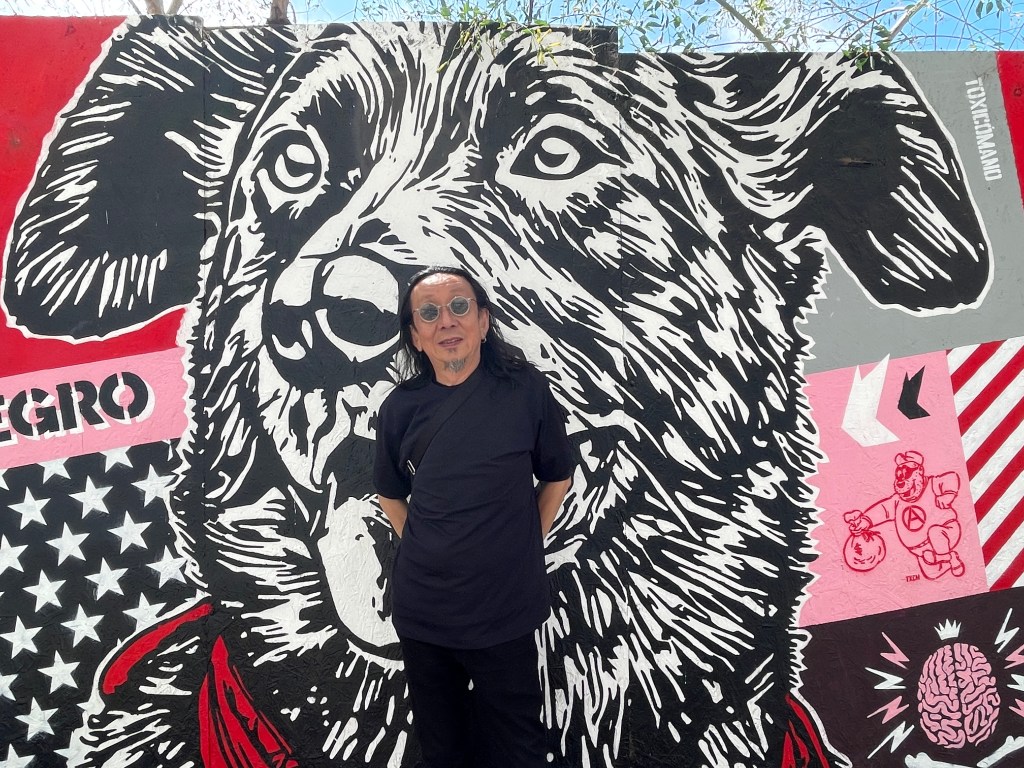
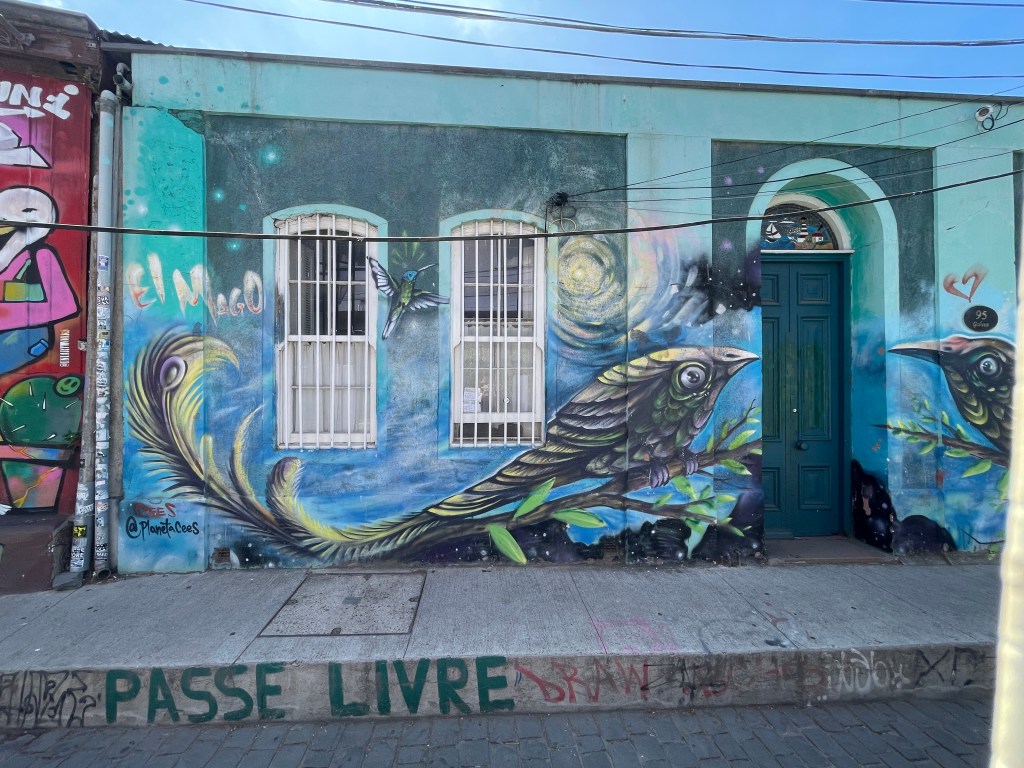
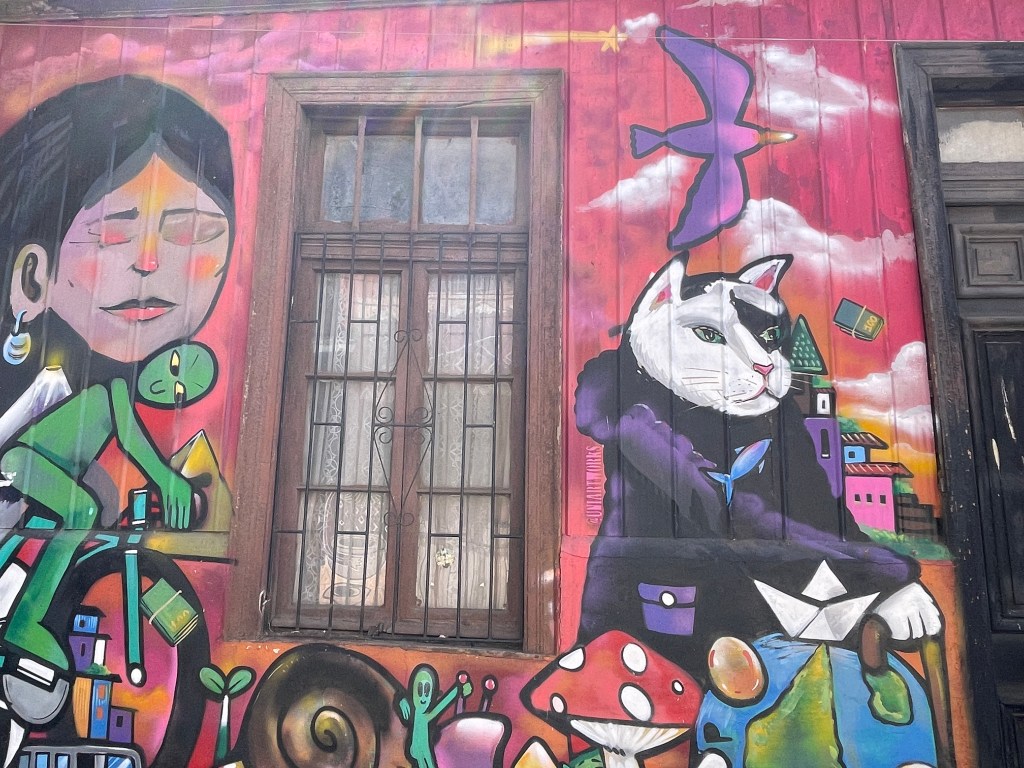
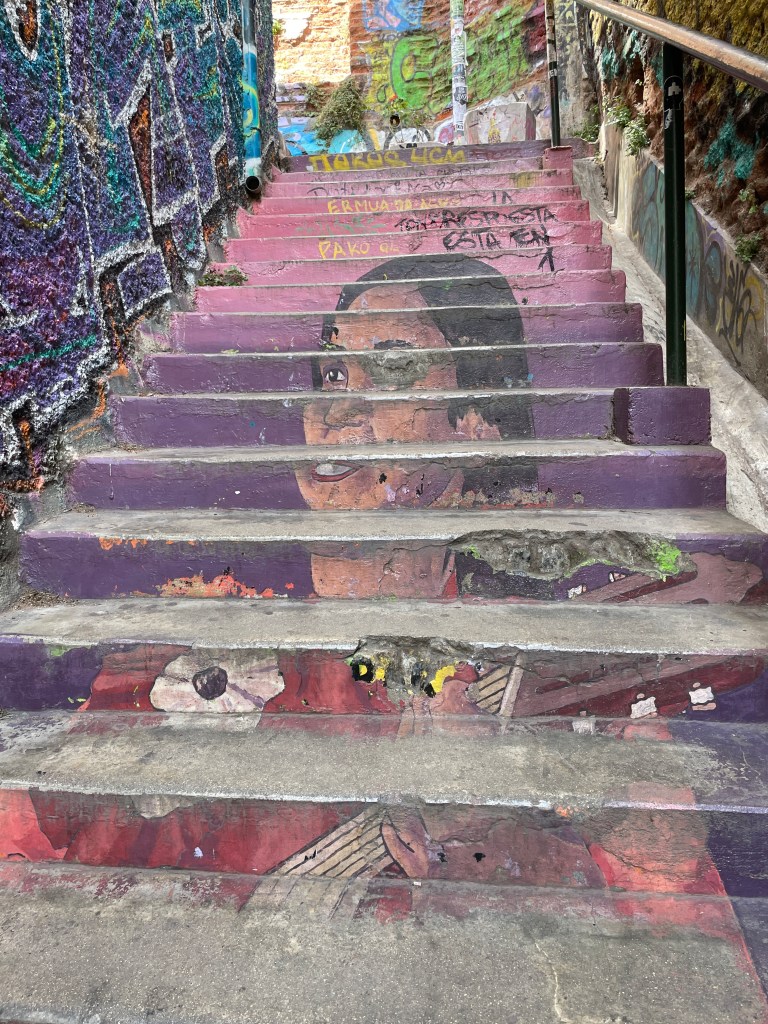
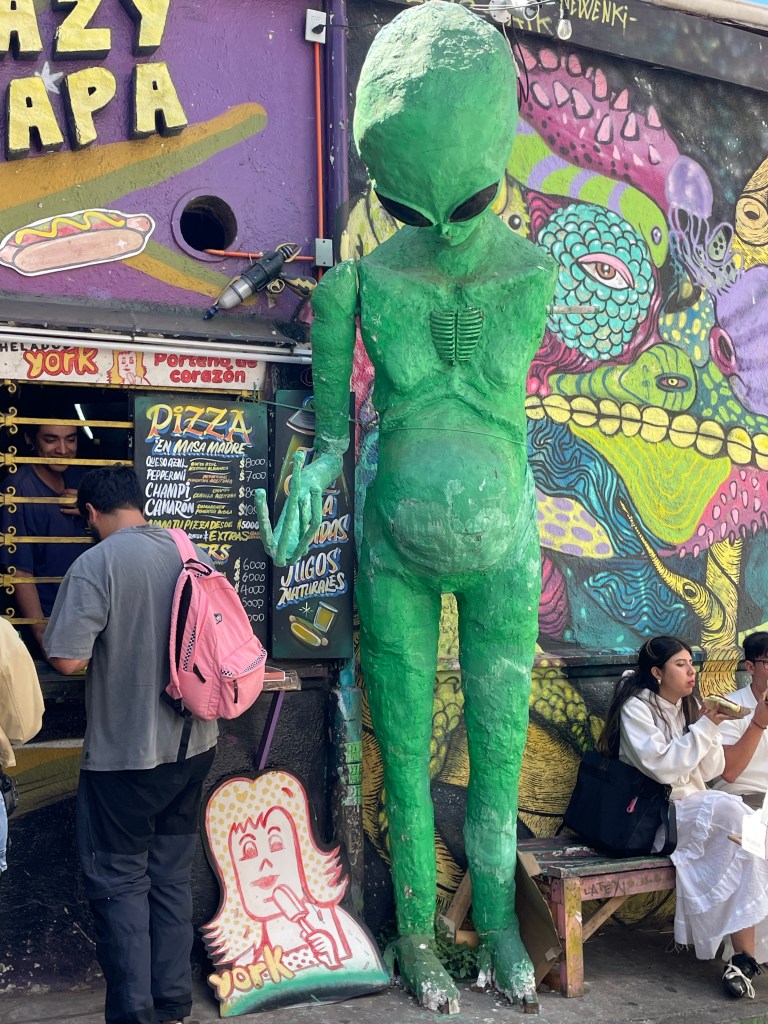
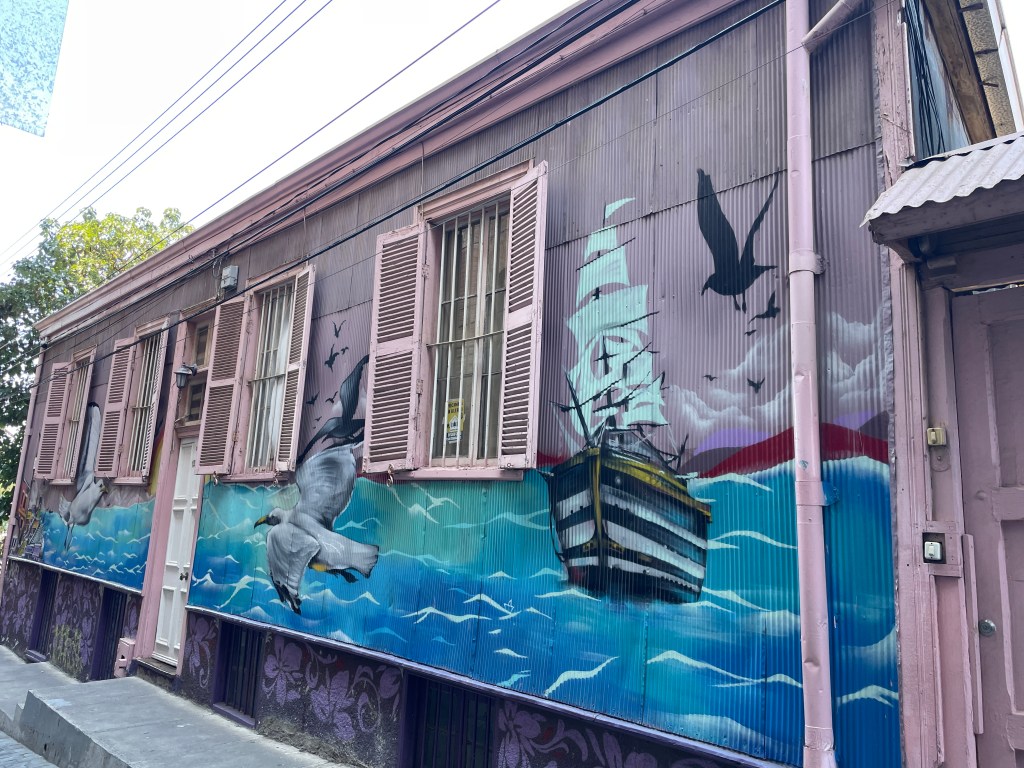
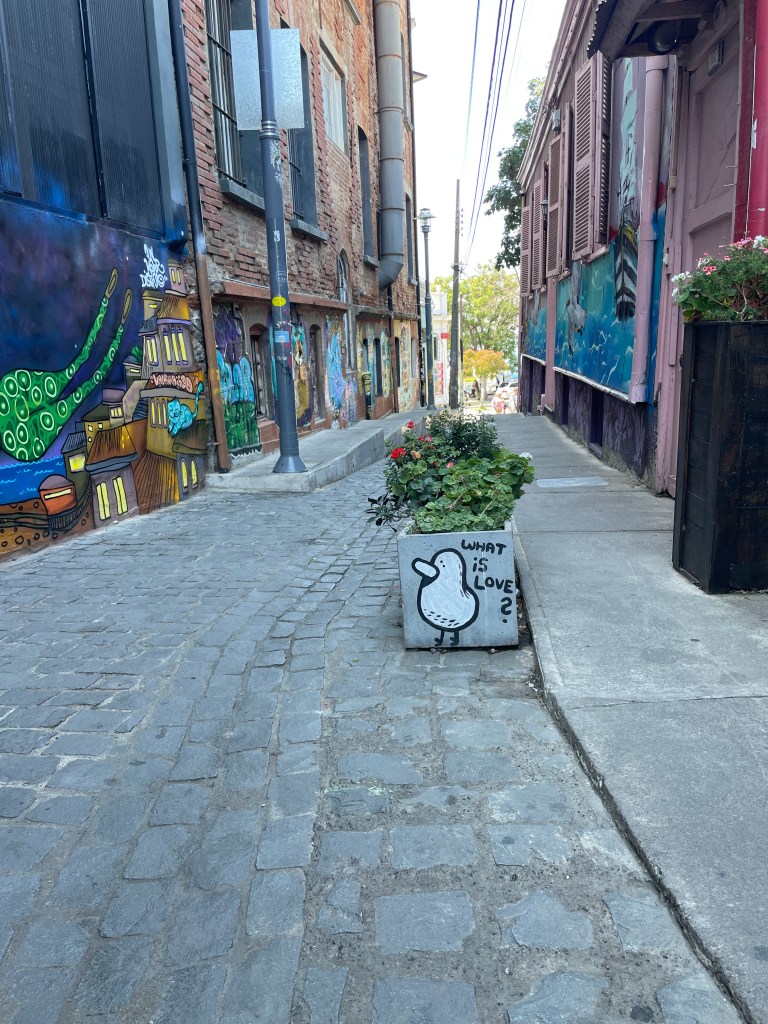
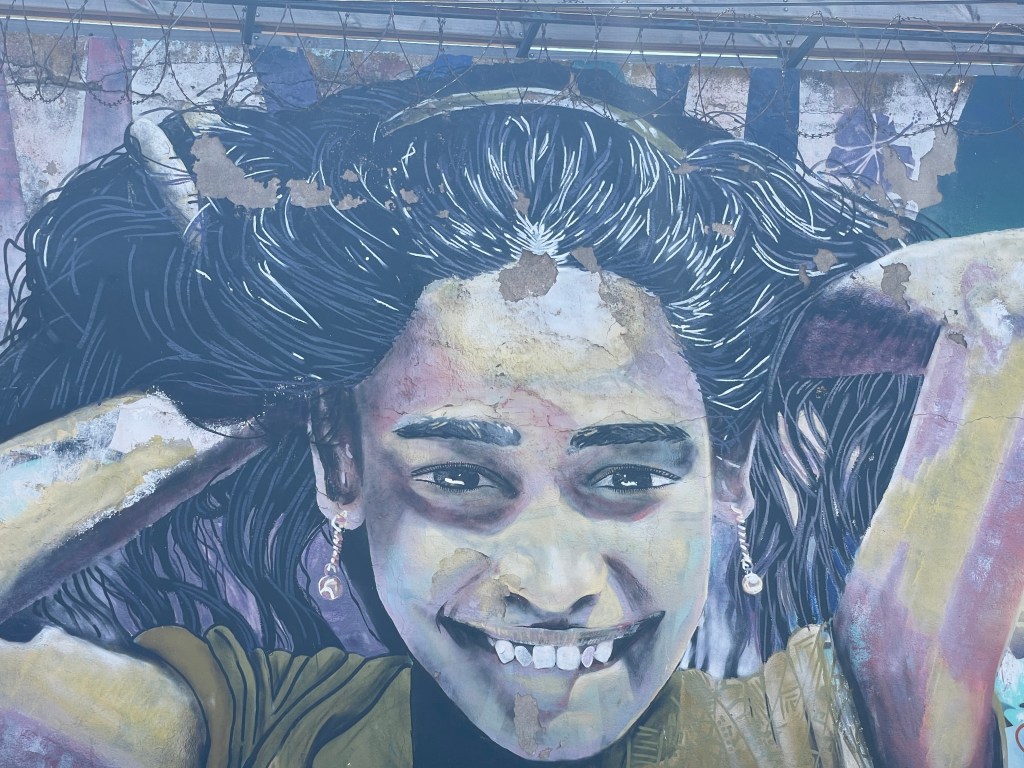
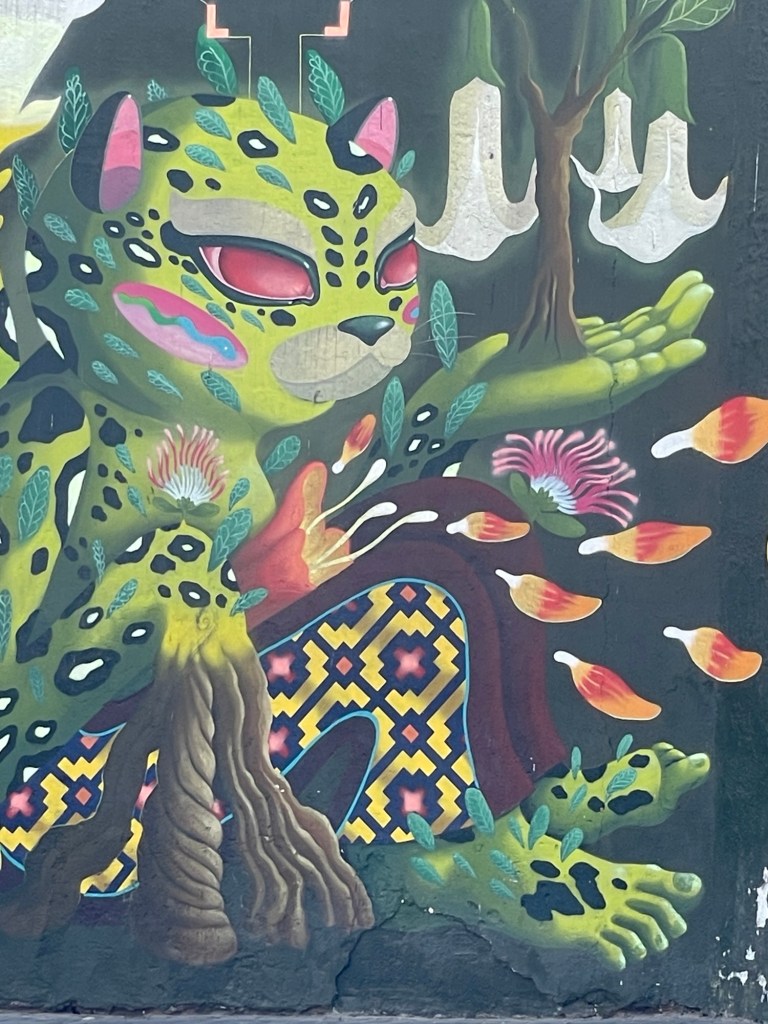
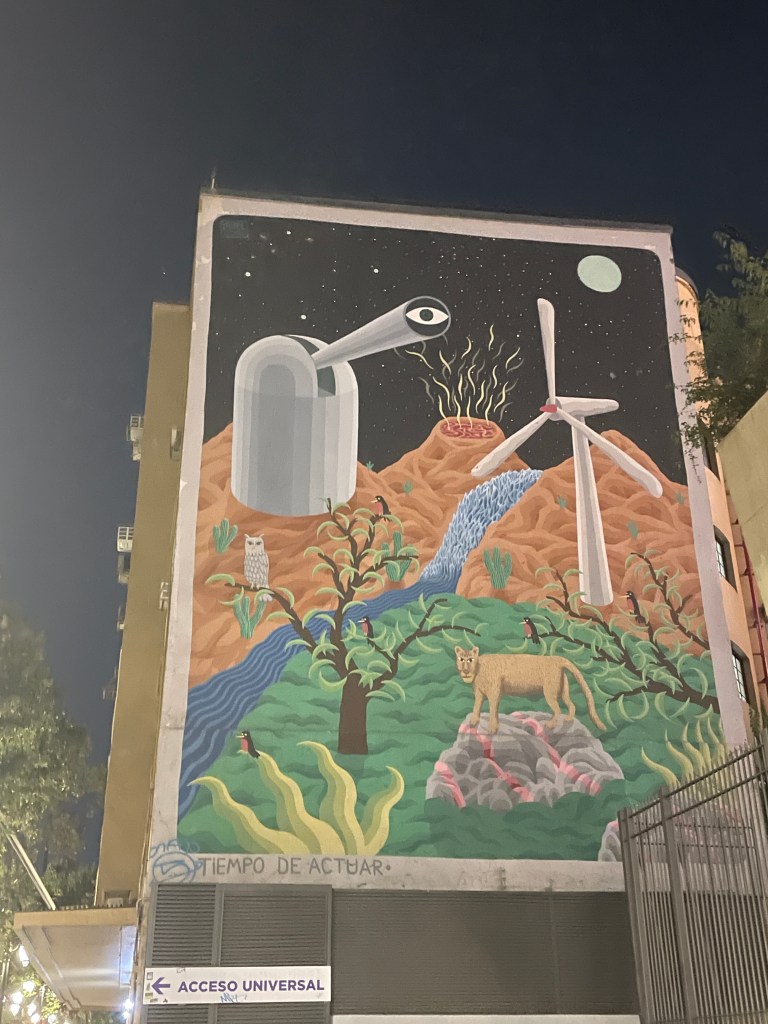
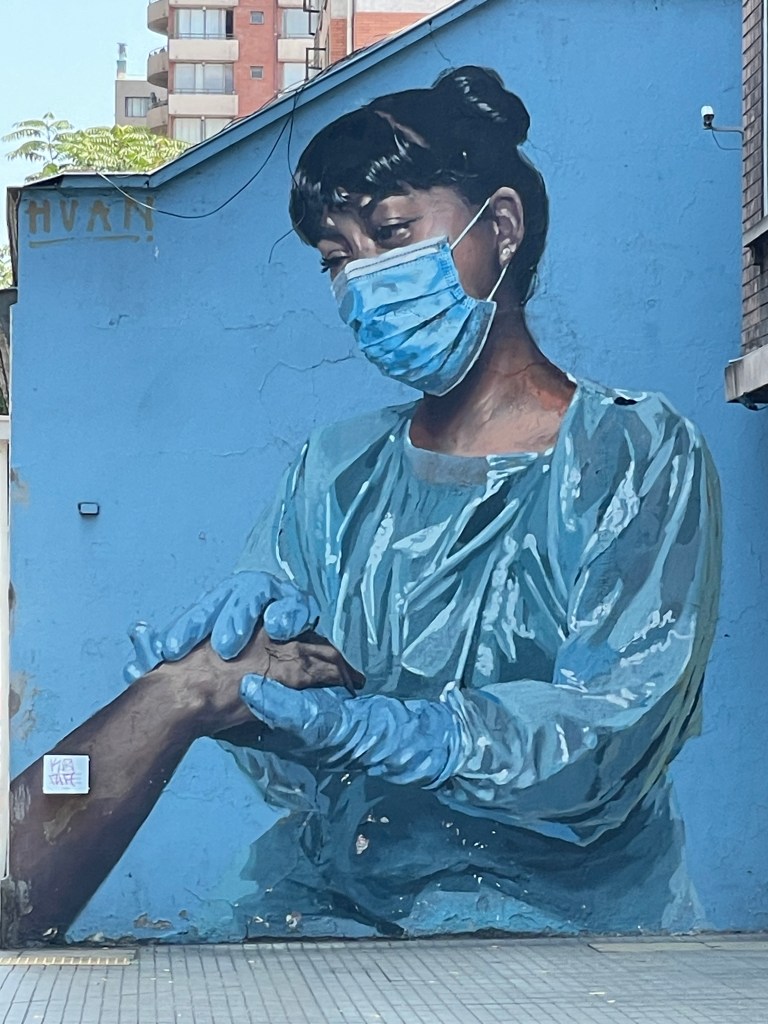
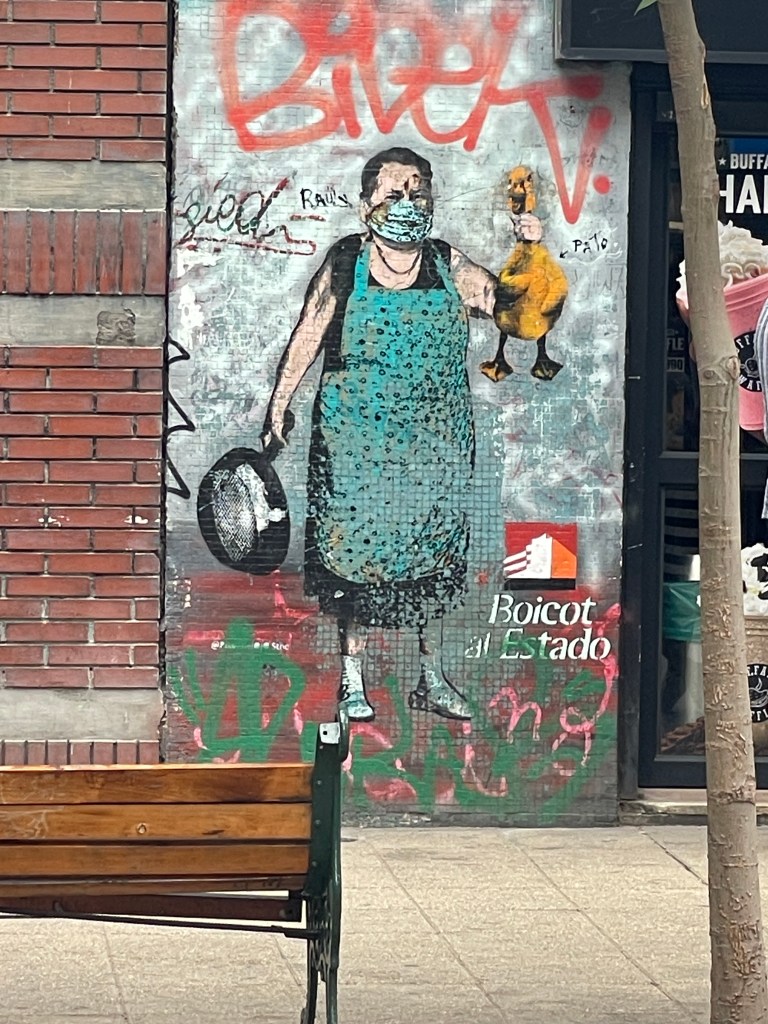
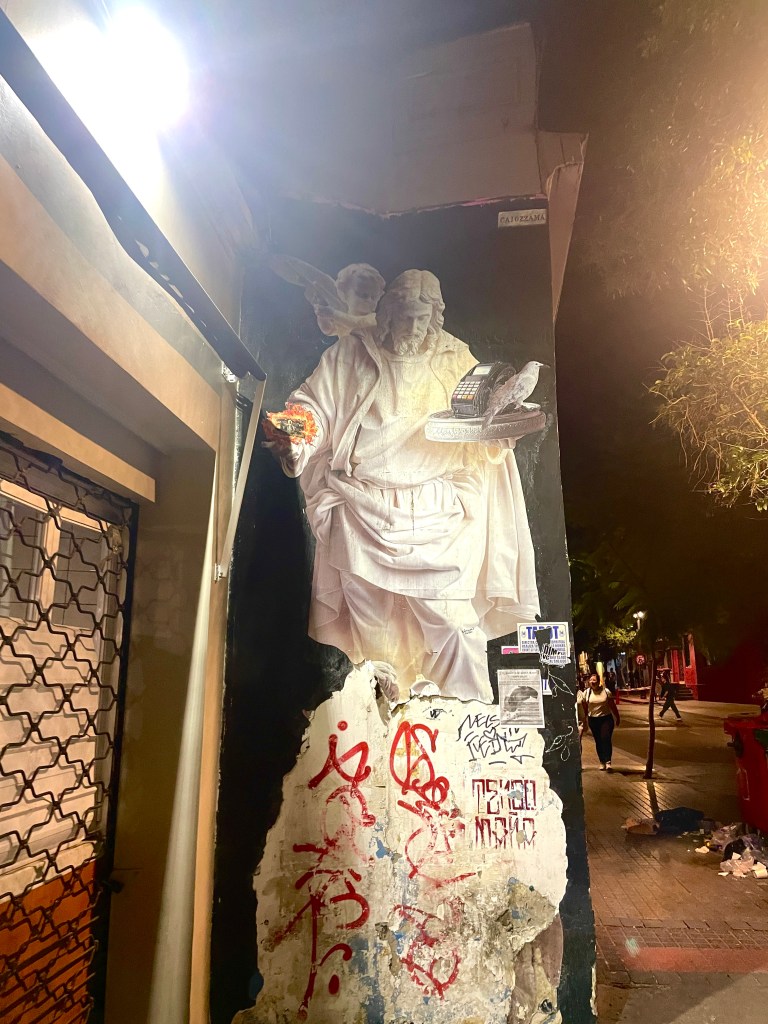
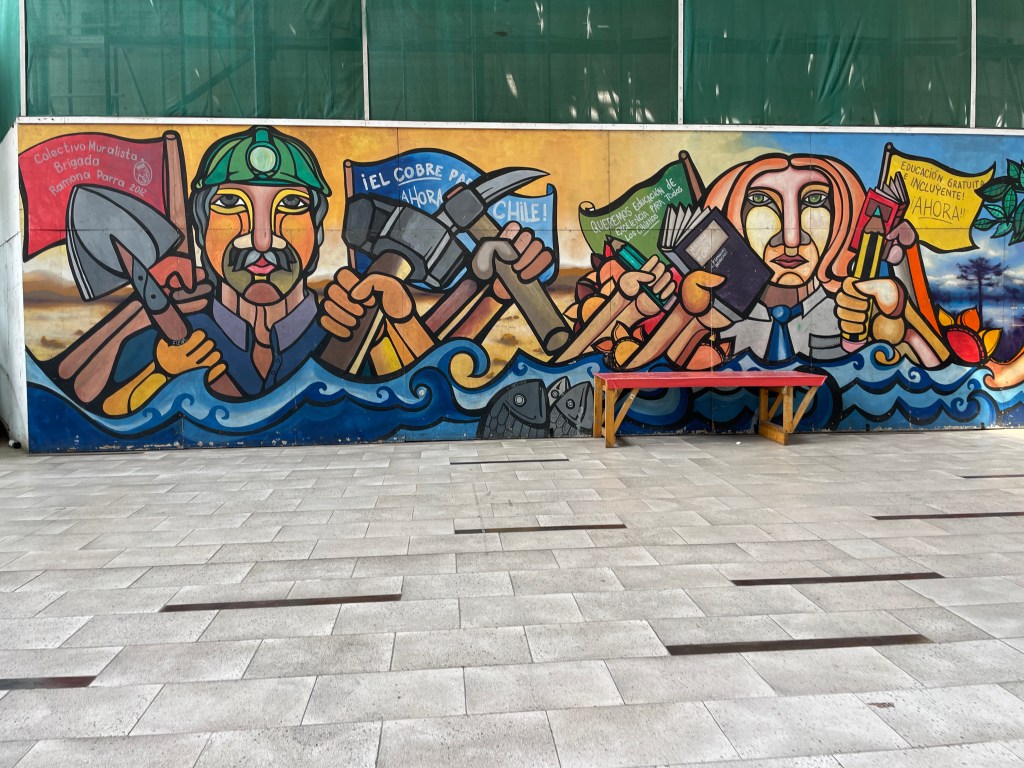
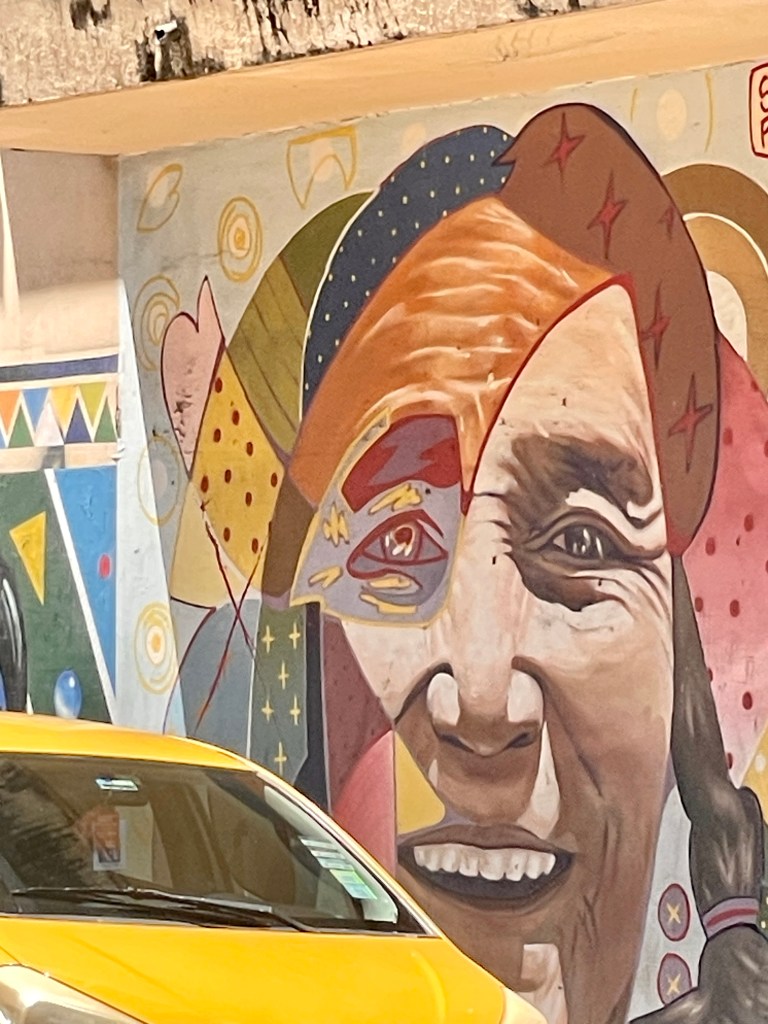
  1. There are some really wonderful murals throughout the city.

DISLIKES:

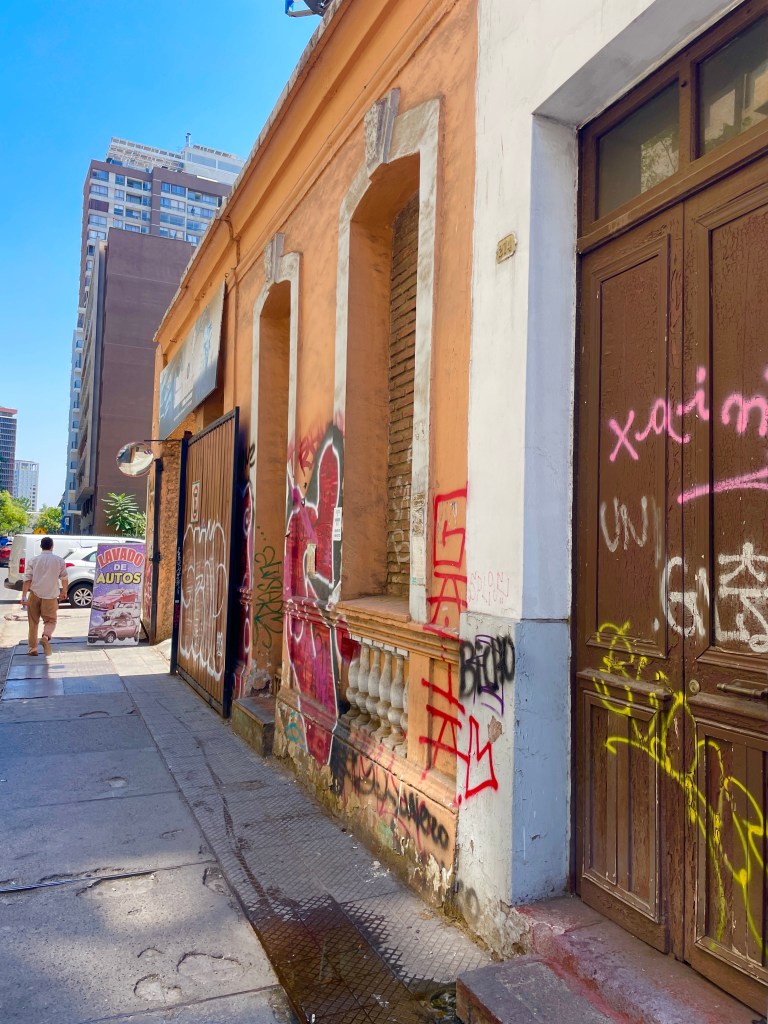
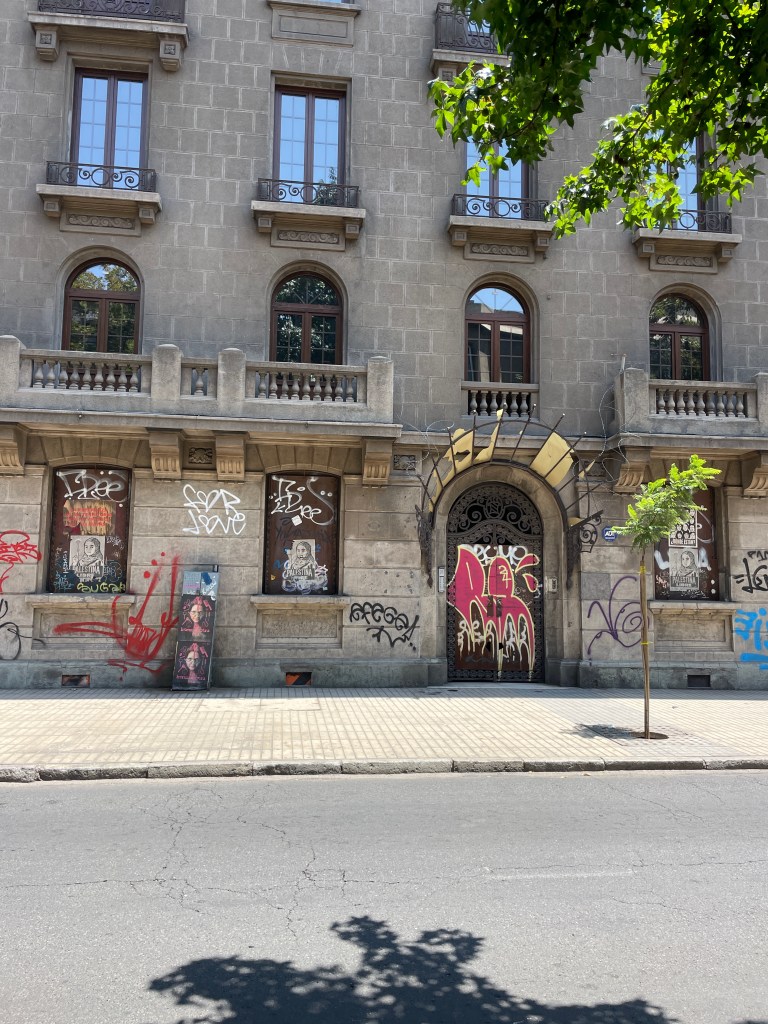
  1. The graffiti. It is everywhere with few buildings untouched. No matter the height of the building you can find the words and drawings top to bottom. Every one we talked to who didn’t live here commented on the vastness of it all. Let’s face it is gives people a sense that no one cares enough to take pride and care of their living spaces.

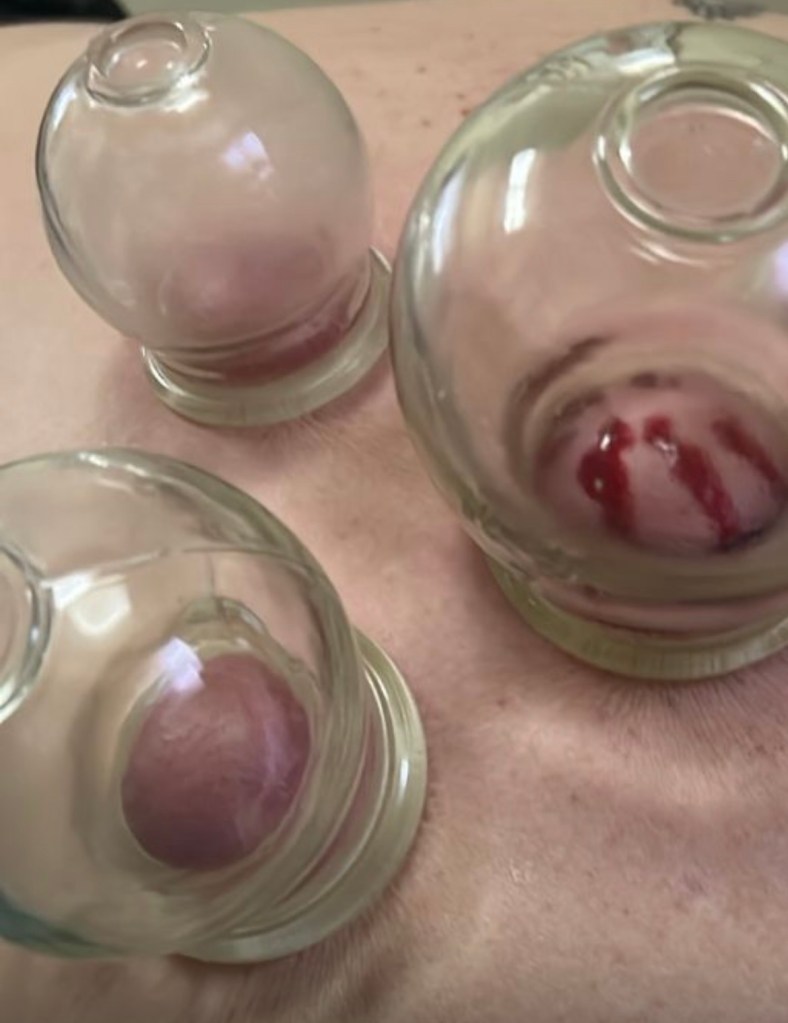
2. Chile is expensive. Prices are high for most things except acupuncture for which I paid about the equivalent of $35 for massage, cupping, and the needles which lasted 1 1/2 hours. Luckily, I feel better after 10 days of severe neck pain.

Screenshot

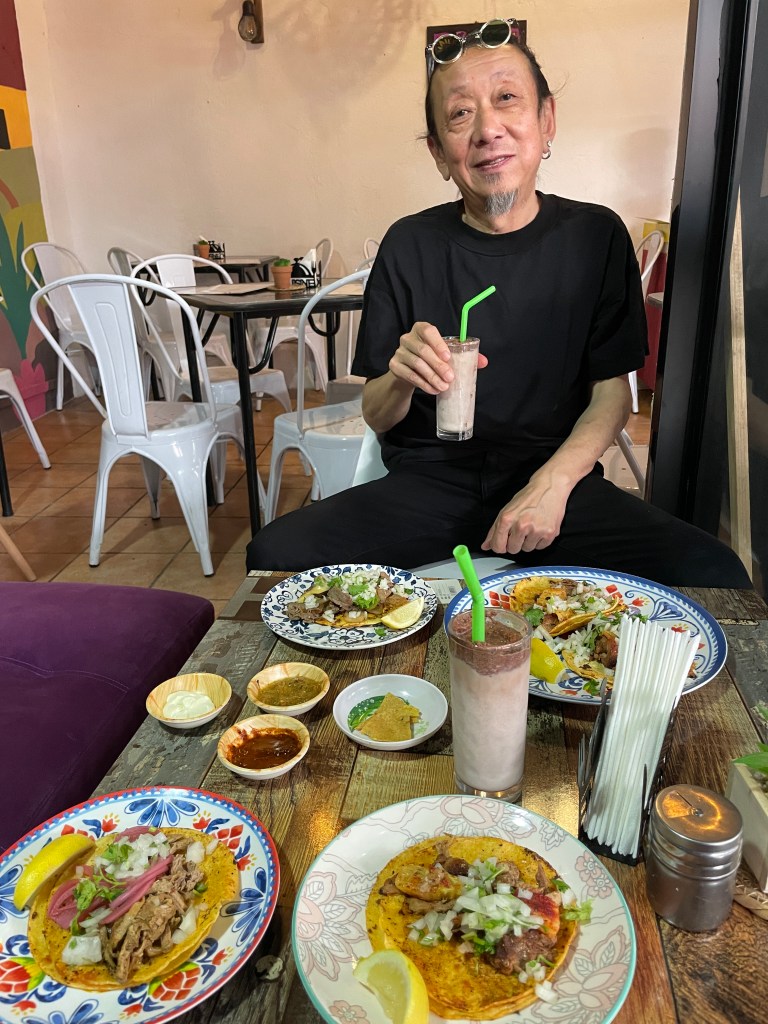
3. The food is bland and not particularly good. It is also pretty expensive. That said, one of our best meals was a taco place in a flea market… spicy food bursting with flavor! While you will have no problem finding greasy fried food’ typical menu fare the restaurants offer little more than the usual pizza, burgers, and empanadas.

4. No matter where we were people gave me advice to put away my phone because thieves would ride by and snatch them out of your hand. This makes taking photos next to impossible and contributes to a sense of an over-all lack to safety.

5. Like places and people everywhere that have been oppressed, even if hundreds of years ago, that sense of oppression remains. While history cannot and should not be erased, this land is full of memorials, artwork, and statues of the conquerors which appears to contribute to an undertow of negative vibrations that can be seen in its indigenous people’s faces and can be felt within its borders.

While I come away with a not so favorable impression of Santiago; I am reminded that there is good and beauty wherever you go. Sometimes you just have to seek it out. And so I leave you with this mixed bag of photos :

Historic Churches of Santiago Chile

It’s summer here in the Southern Equator but one of the coolest places in the county is Santiago’s historic churches. While not as old as those found in Europe, nevertheless, their history and designs often mimic those found from Latin America’s conquering nations.

IGLESIA DE SAN FRANCISCO

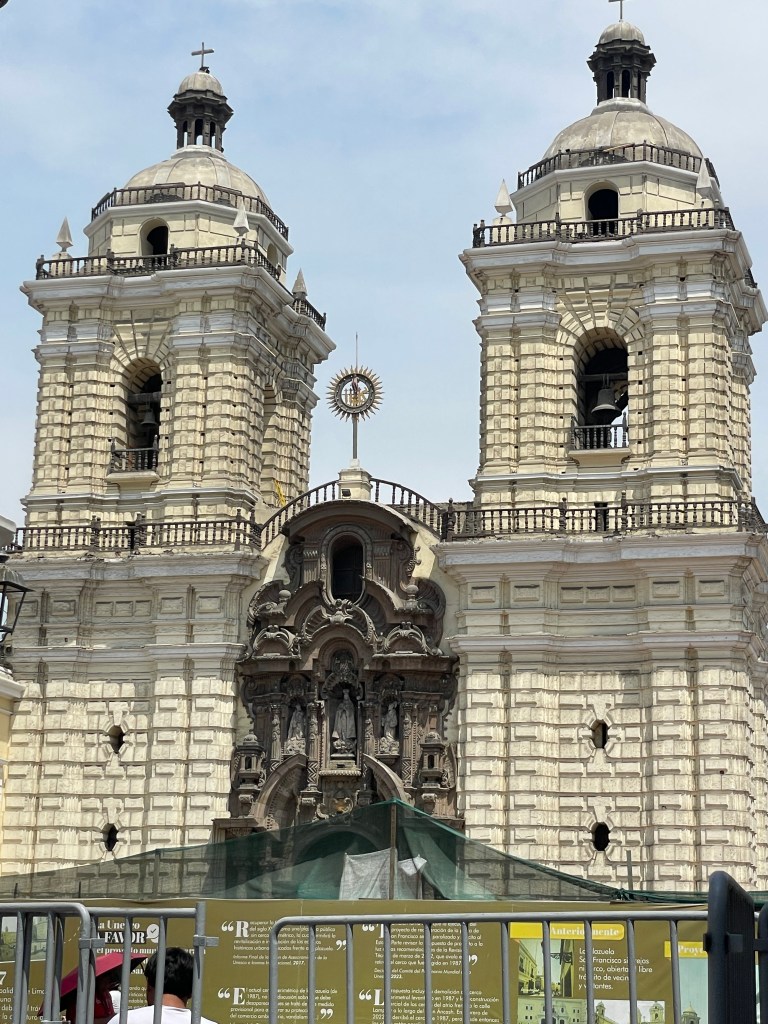
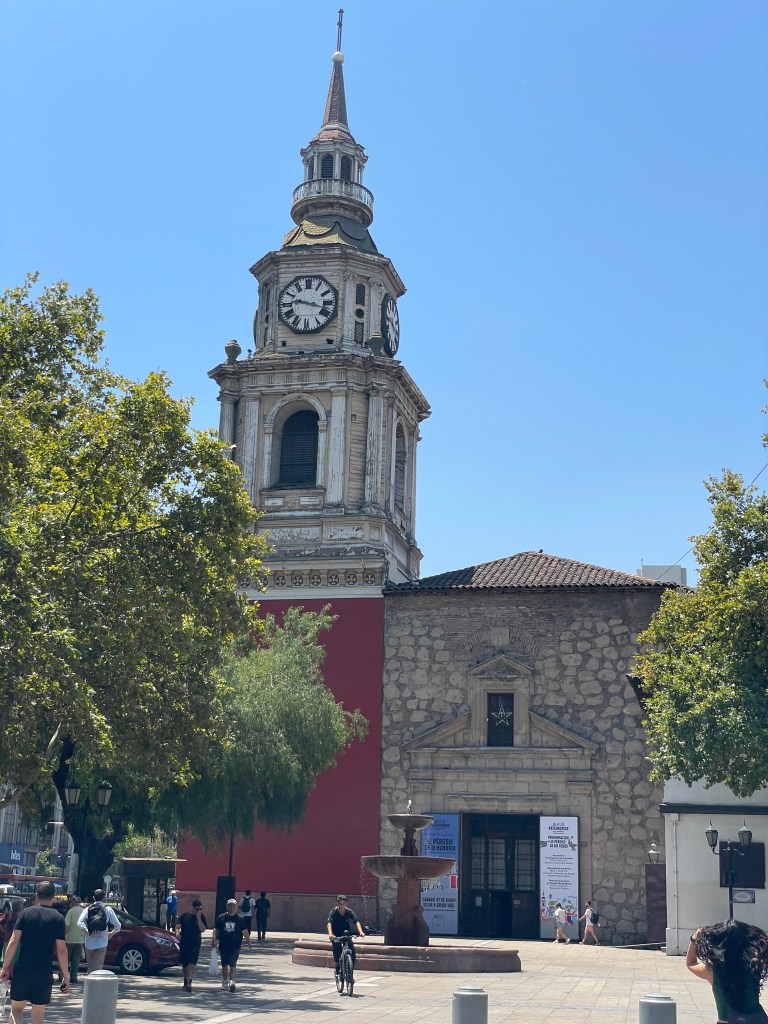
With its red exterior and unusual bell tower, Iglesia De San Francisco looks newer than other churches in the area, but don’t be fooled, as this one of the oldest buildings in the country. What is even more amazing is that it has withstood over 15 earthquakes with a shake value of over 7.0 each time the earth moved.

According to church history, five Franciscans arrived from Peru in 1553 but it was not until 1572 that construction began on the church. Consecrated in 1597 the building was completed in 1618. It lost its bell tower in 1647 and 1730 due to quakes. The current one was constructed in the middle of the 1800’s.

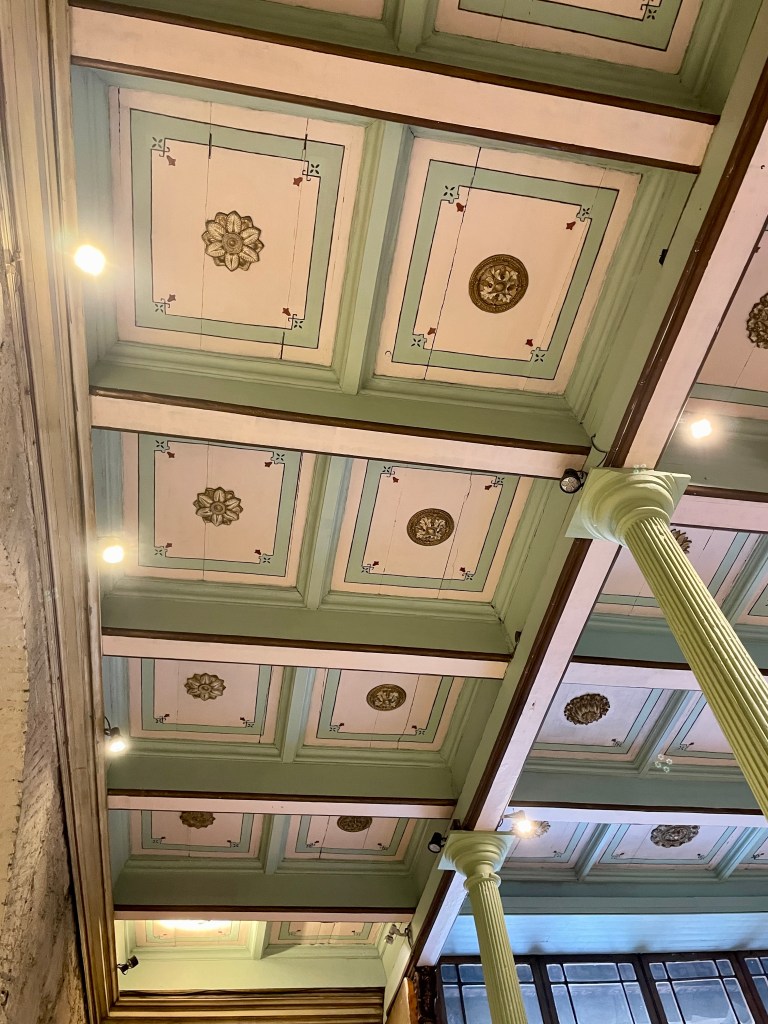
The ceiling of this magnificent building was constructed using a coffered Mudejar style beginning in 1615. You will definitely get a kink in your neck as you look upward.

Iglesia De la Vera Cruz

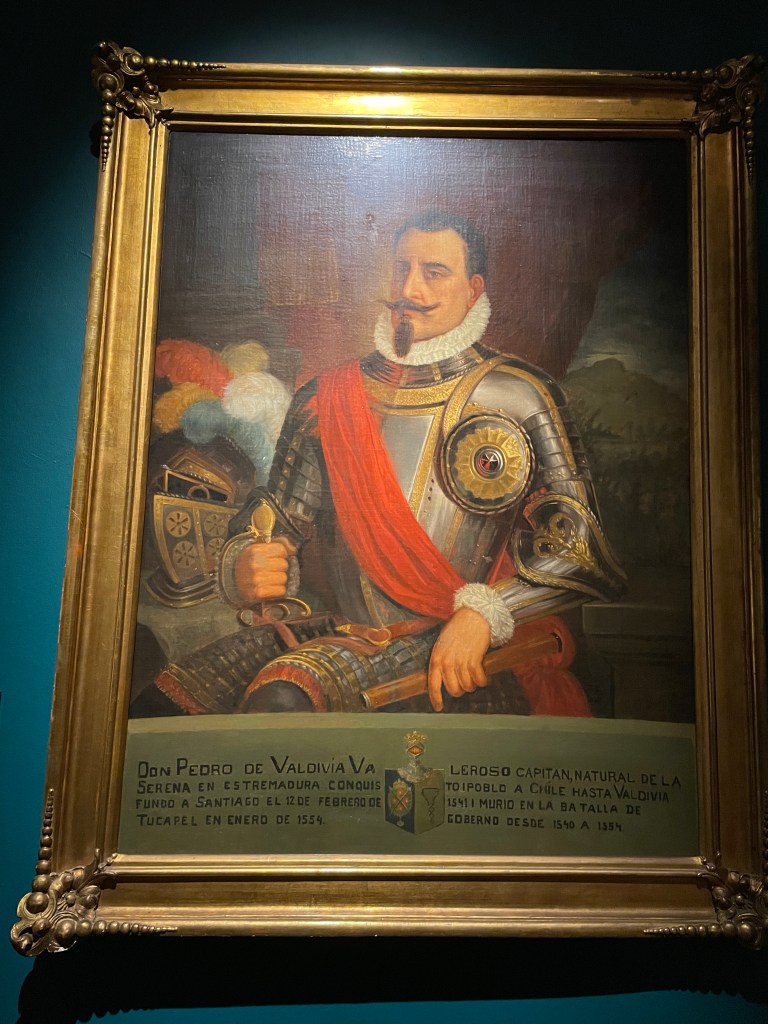
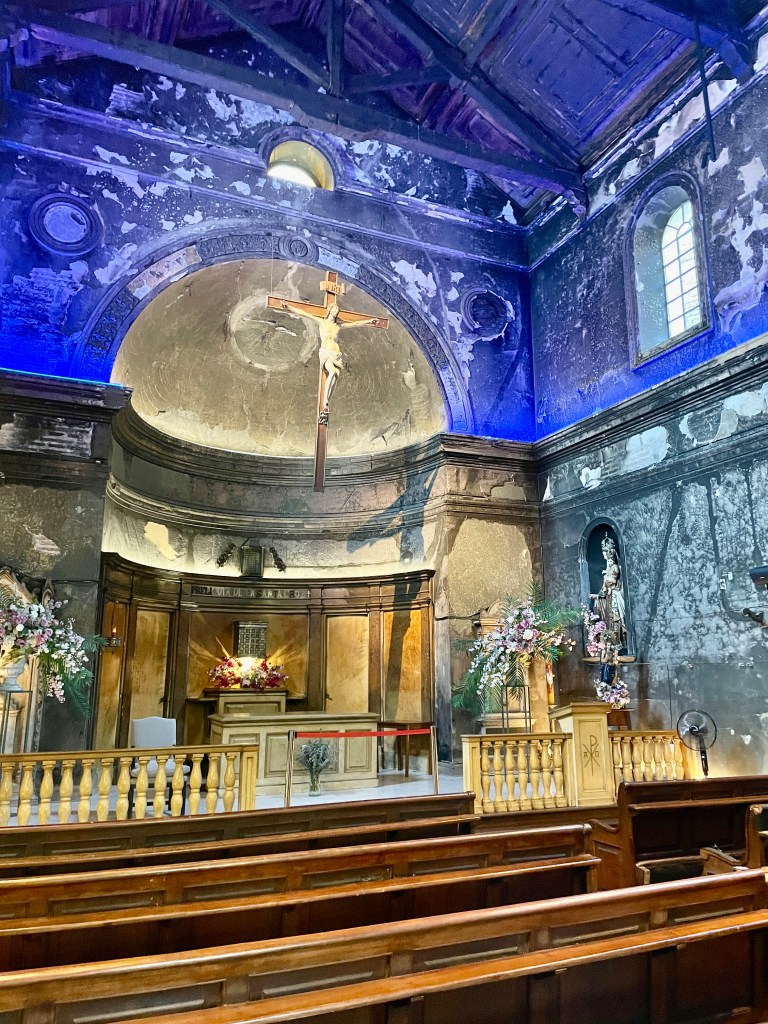
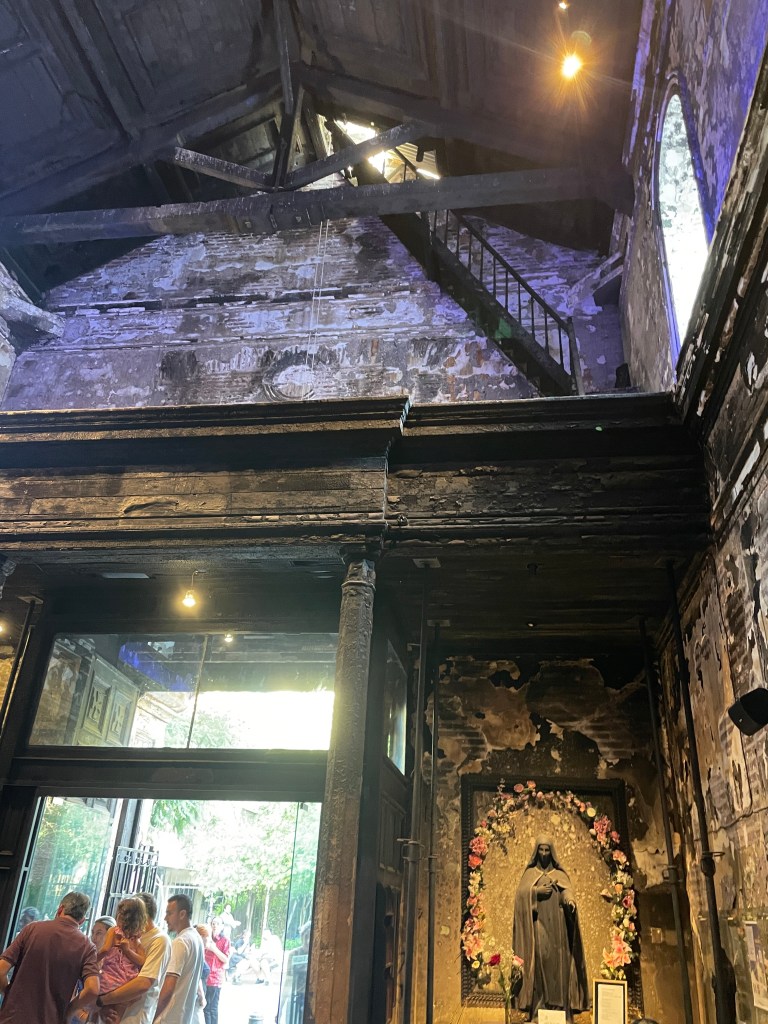
Located in Barrio Lastarria, work on this church began in 1852 and was completed in 1857. The church was suppose to have been built on the site where conquistador Pedro de Valdivia had lived in order to honor his memory but it appears that this location is most likely a myth. This building is a very weird, almost spooky place visit as the inside was burnt out in November 2019 during local riots.

Santiago Metropolitan Cathedral

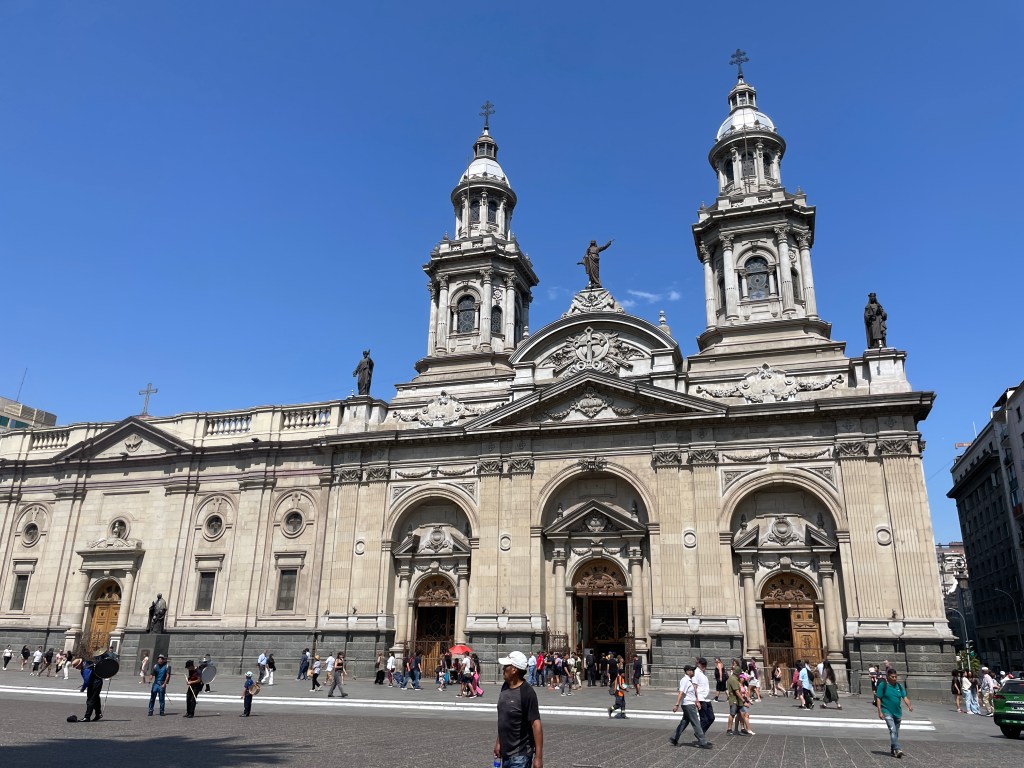
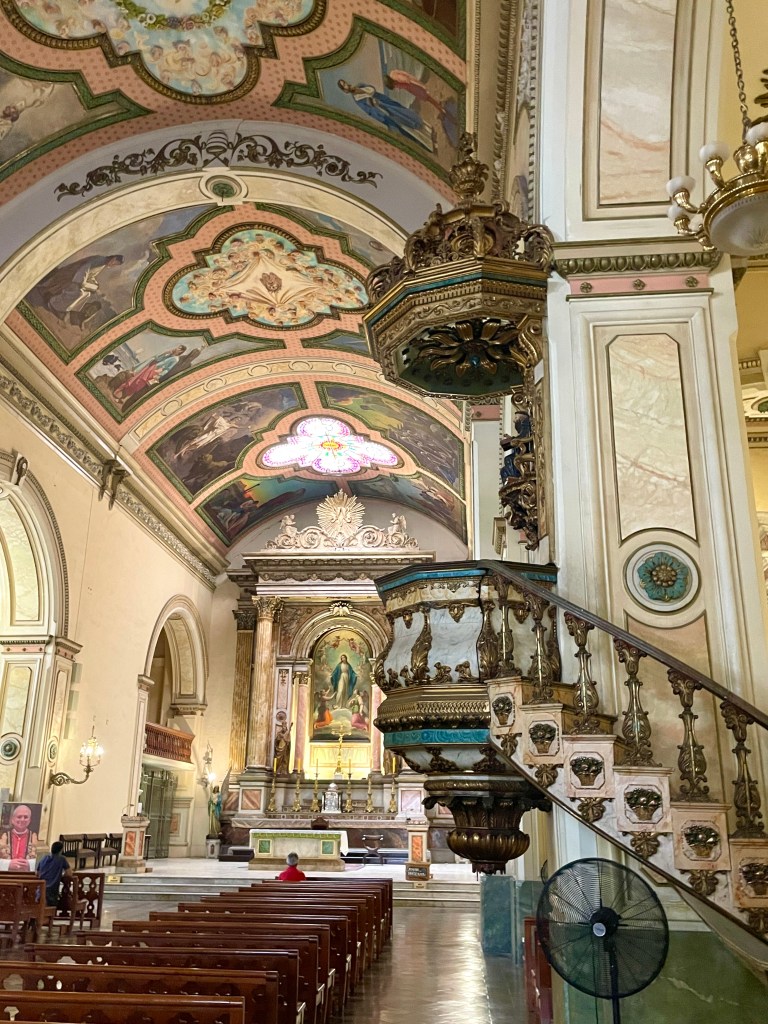
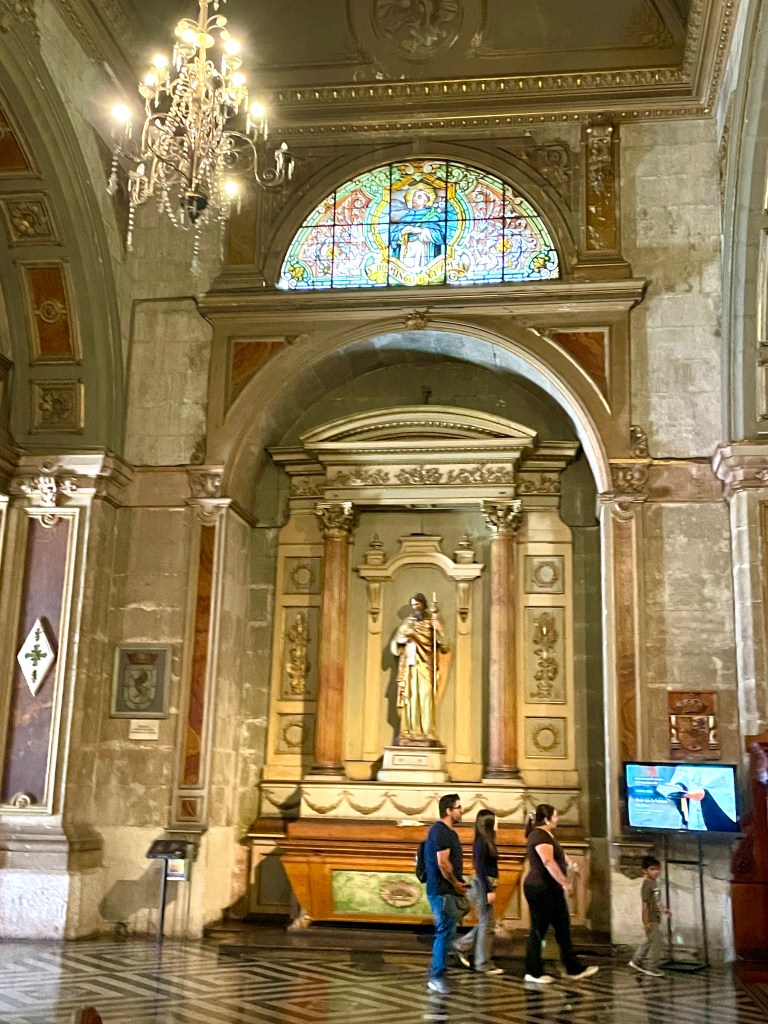
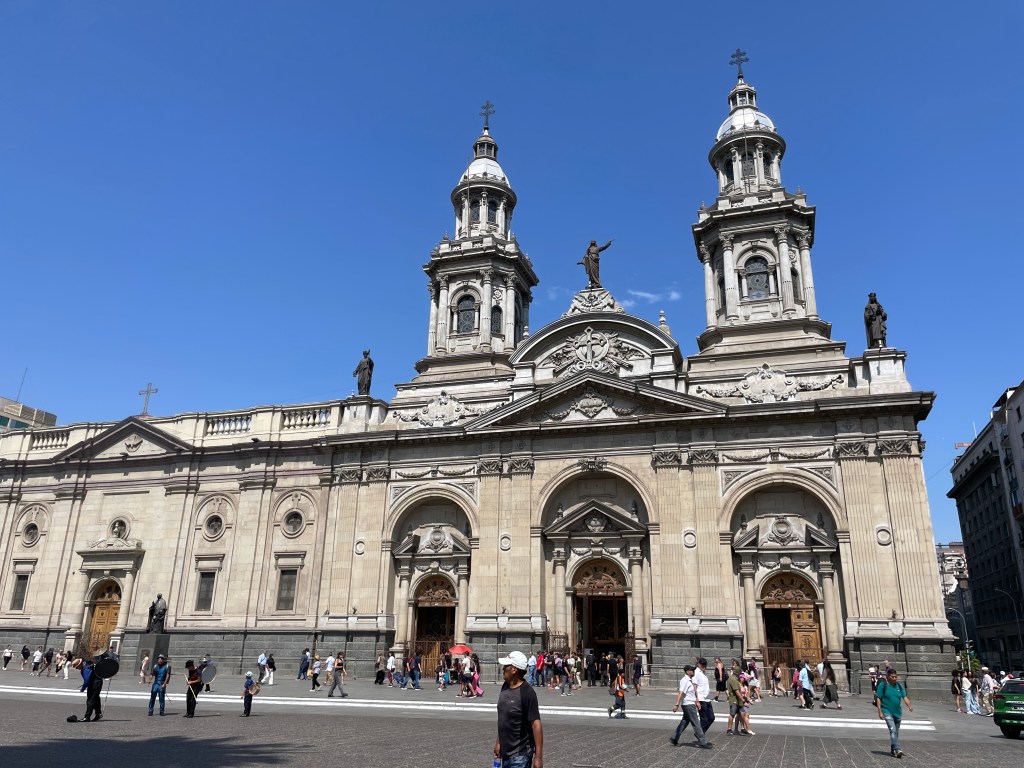
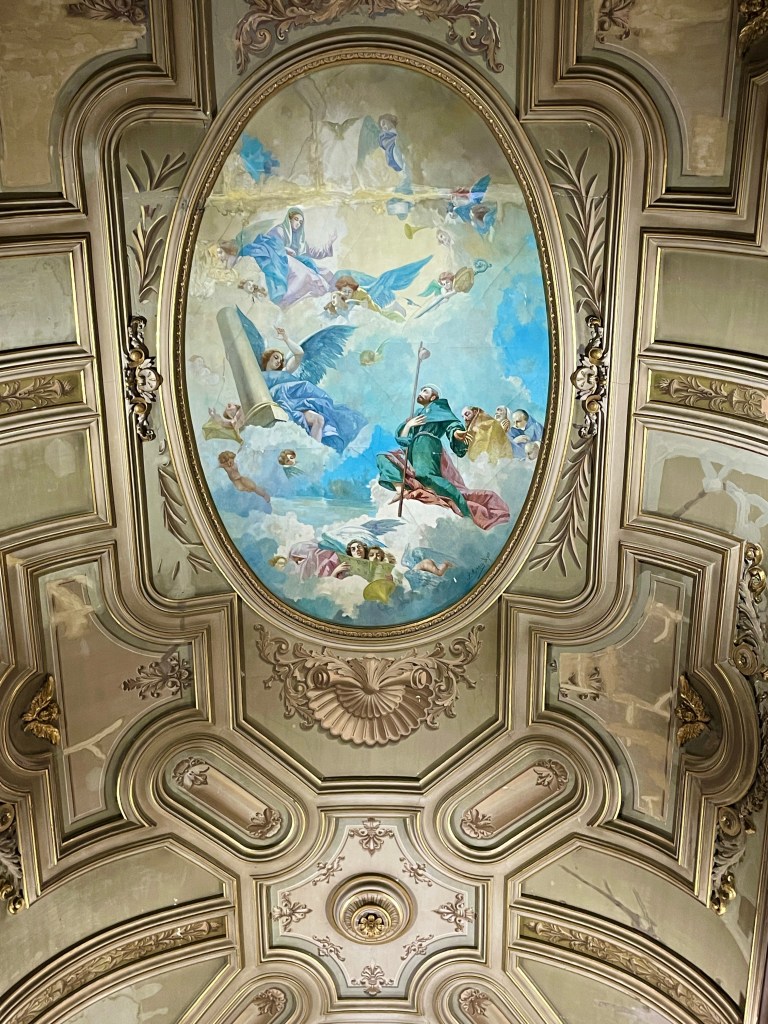
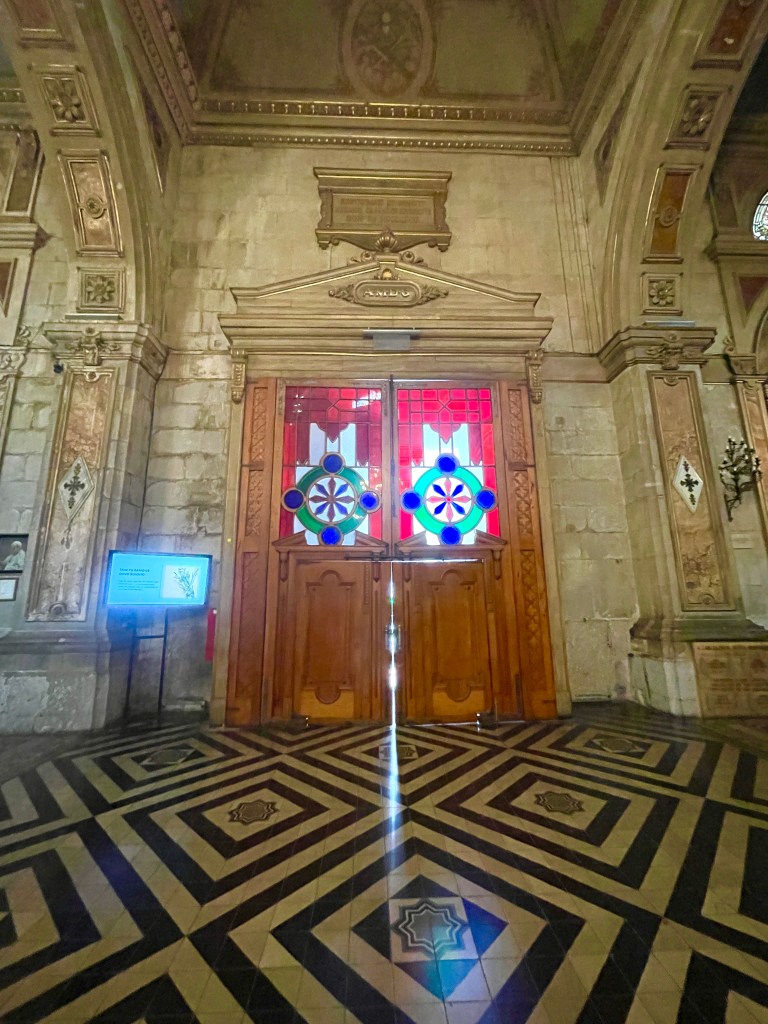
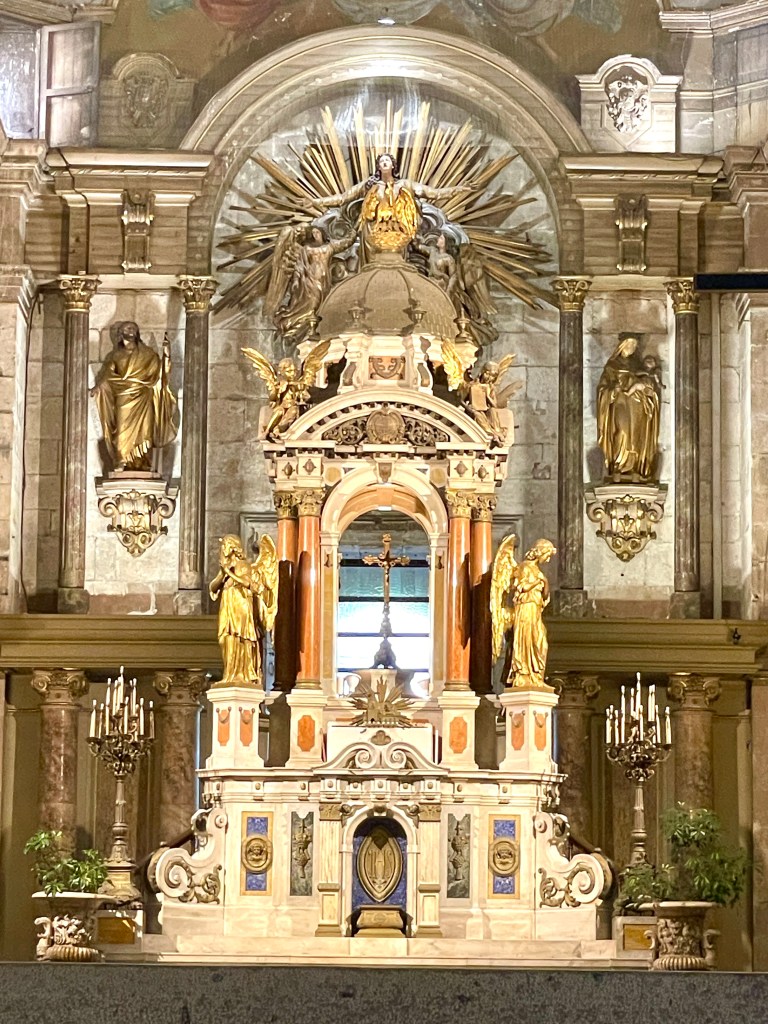
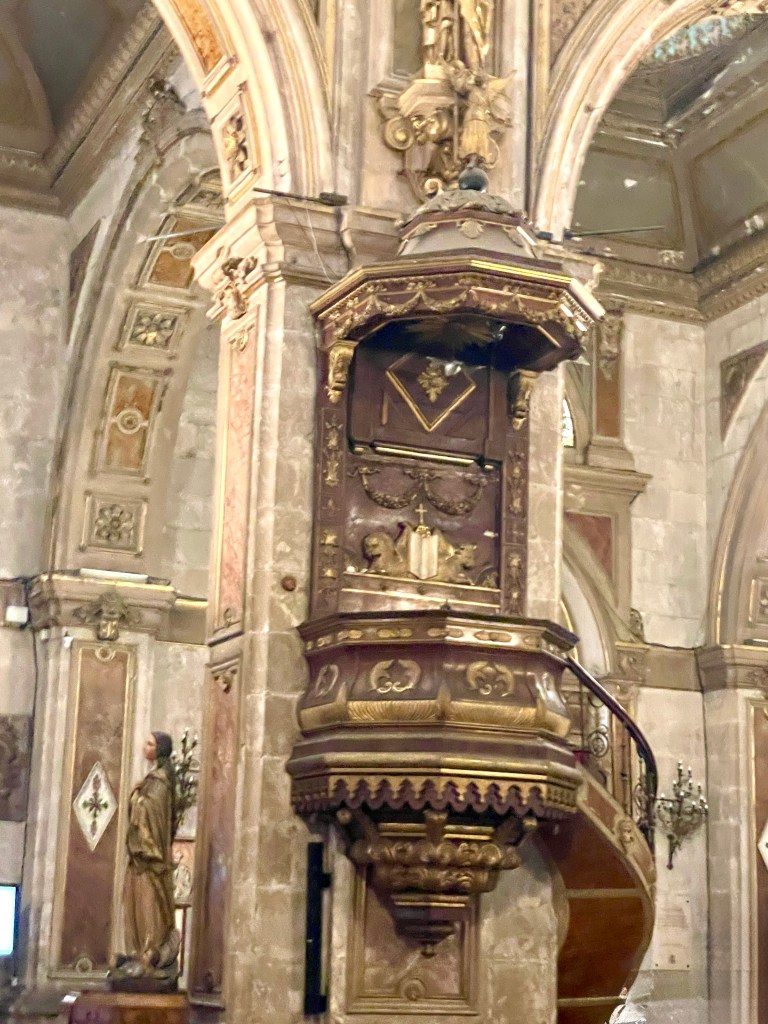
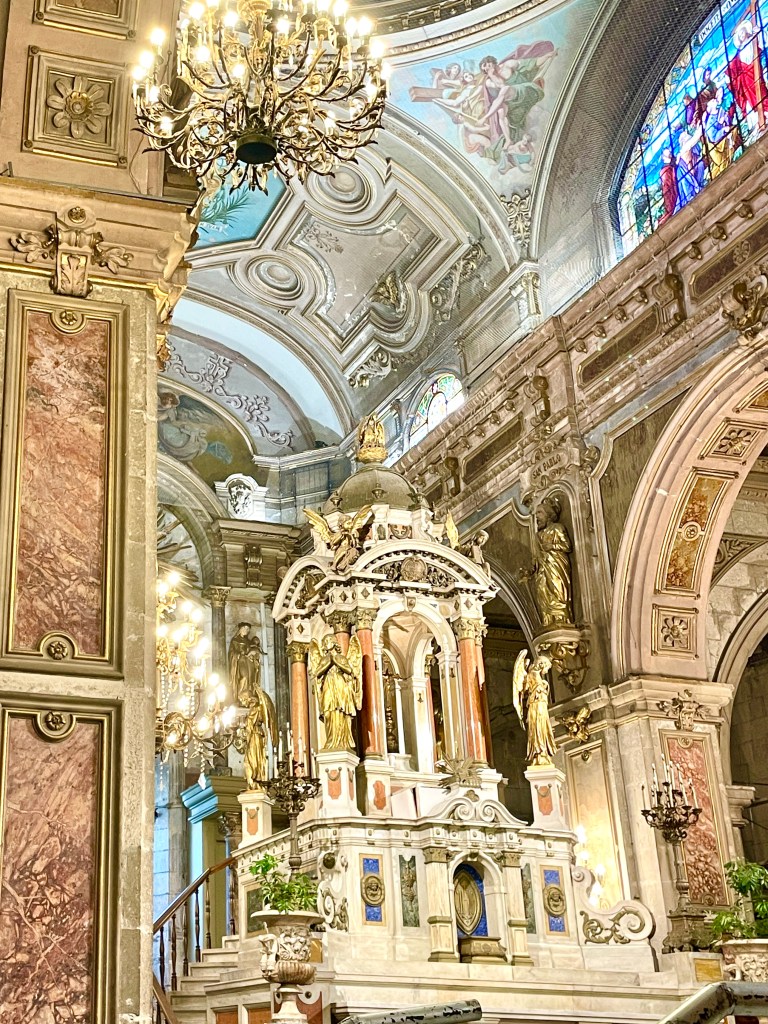
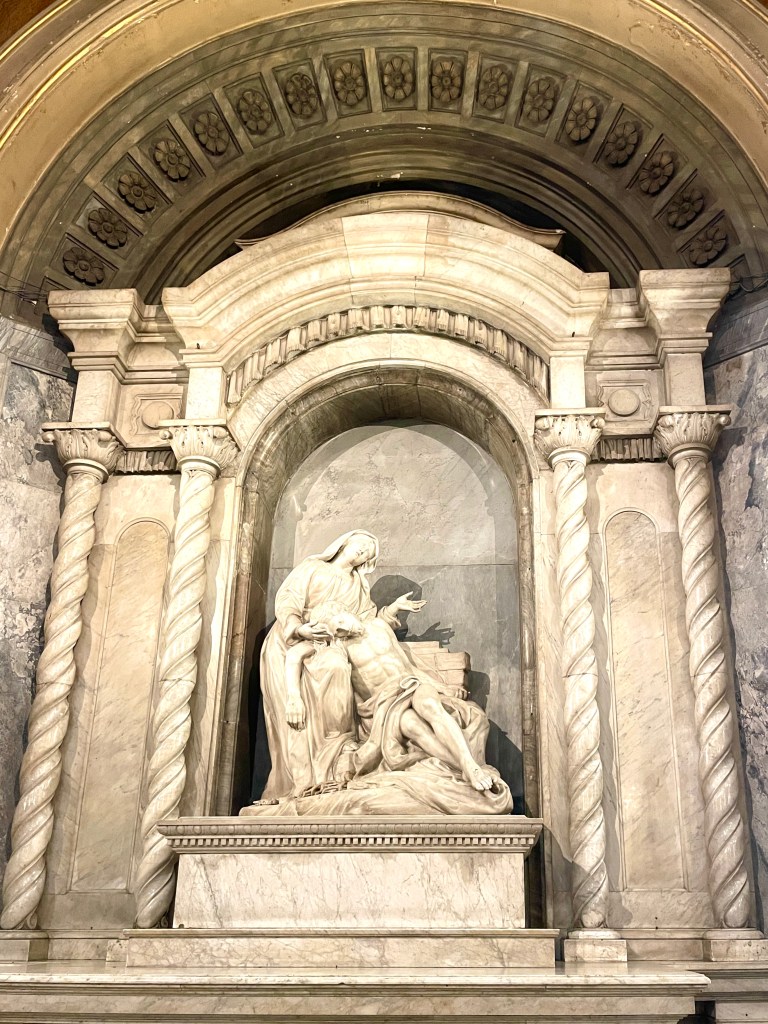
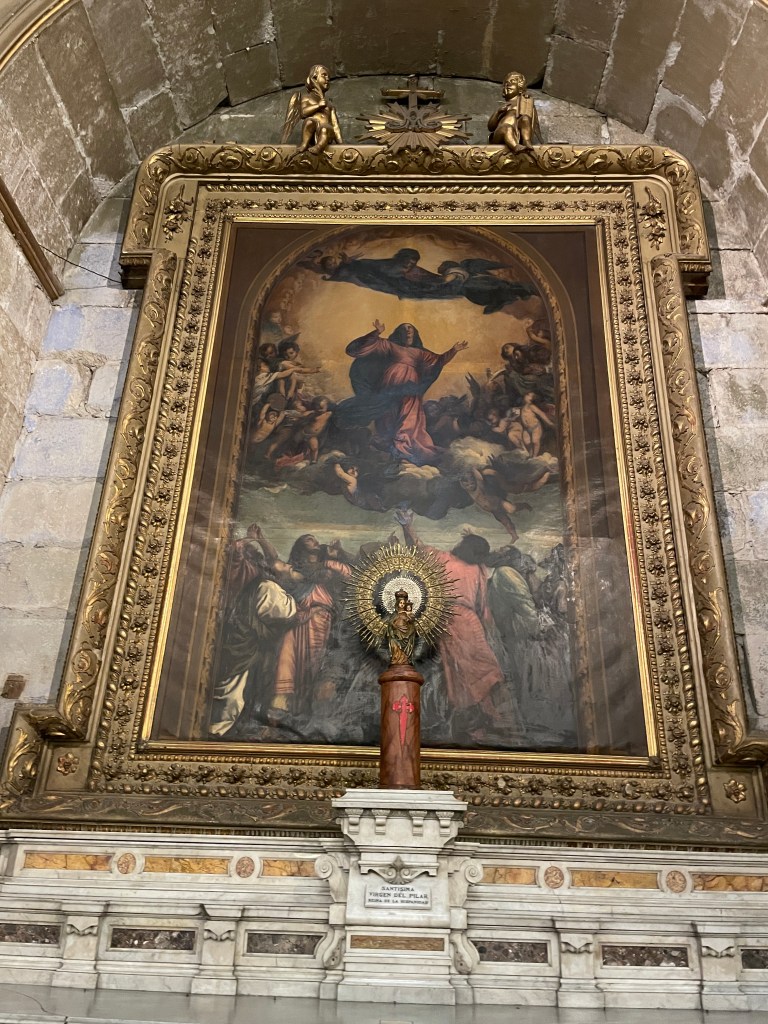
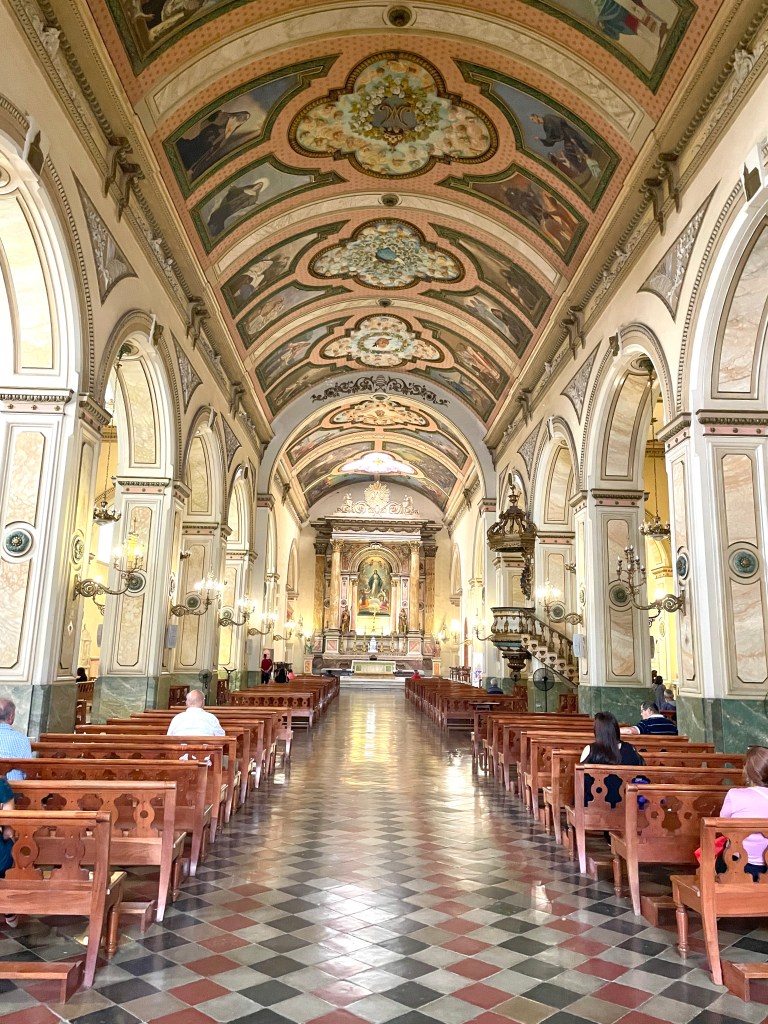
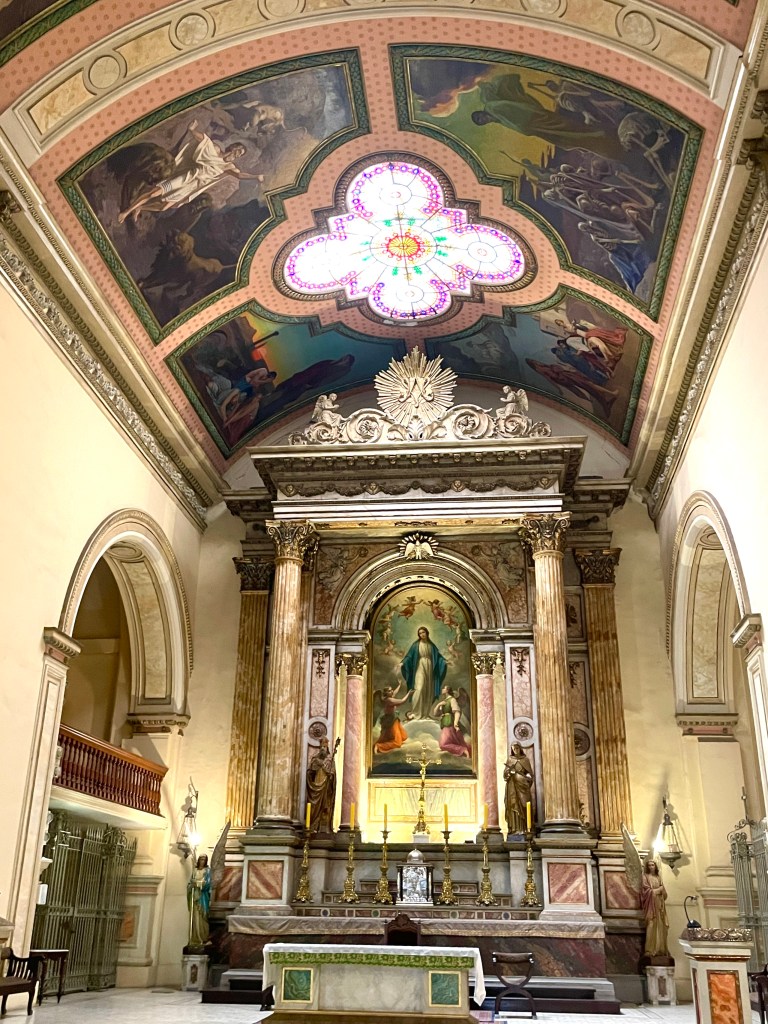
Located in the Plaza de Armas of Santiago the Cathedral is the home of the Archdiocese and the Archbishop of Santiago. This imposing building was built between 1748 – 1906; its present incarnation being the fifth church to have been built on the site… previous ones being lost to earthquakes and a fire. The Cathedral is dedicated to Assumption of the Virgin Mary and is the main church of the city.

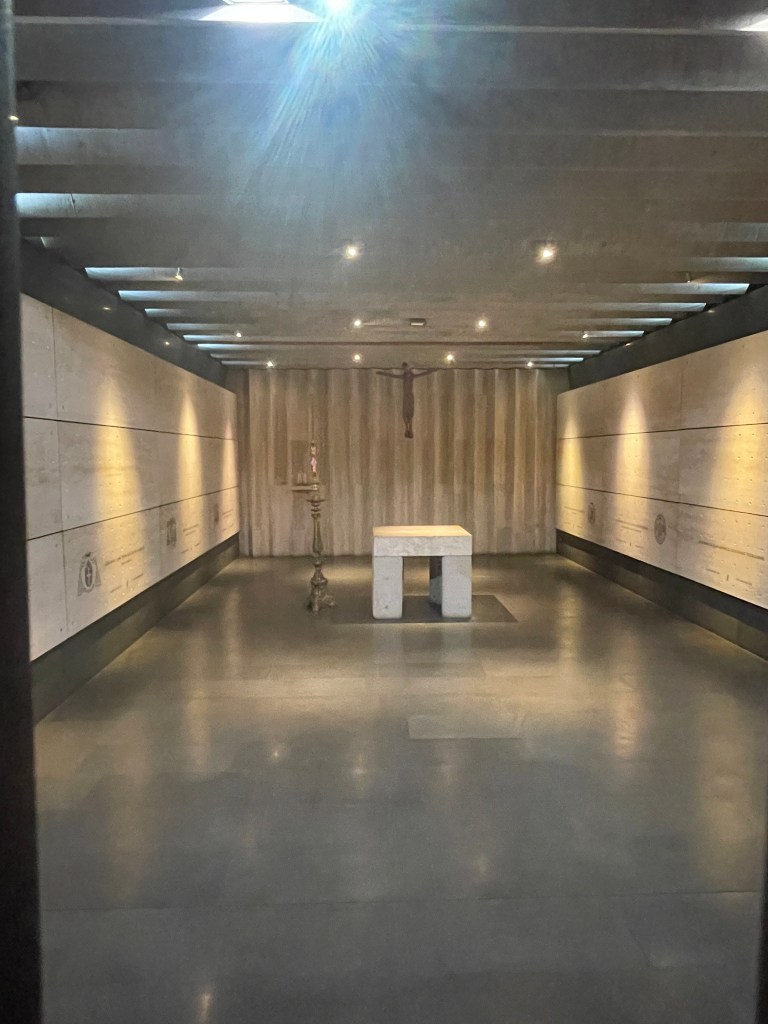
One interesting aspect to the Cathedral is Archiepiscopal crypt which was remodeled recently adding light and depth to the place where most of the Archbishops of Santiago are buried.

Templo De San AugstinOur Lady of Grace

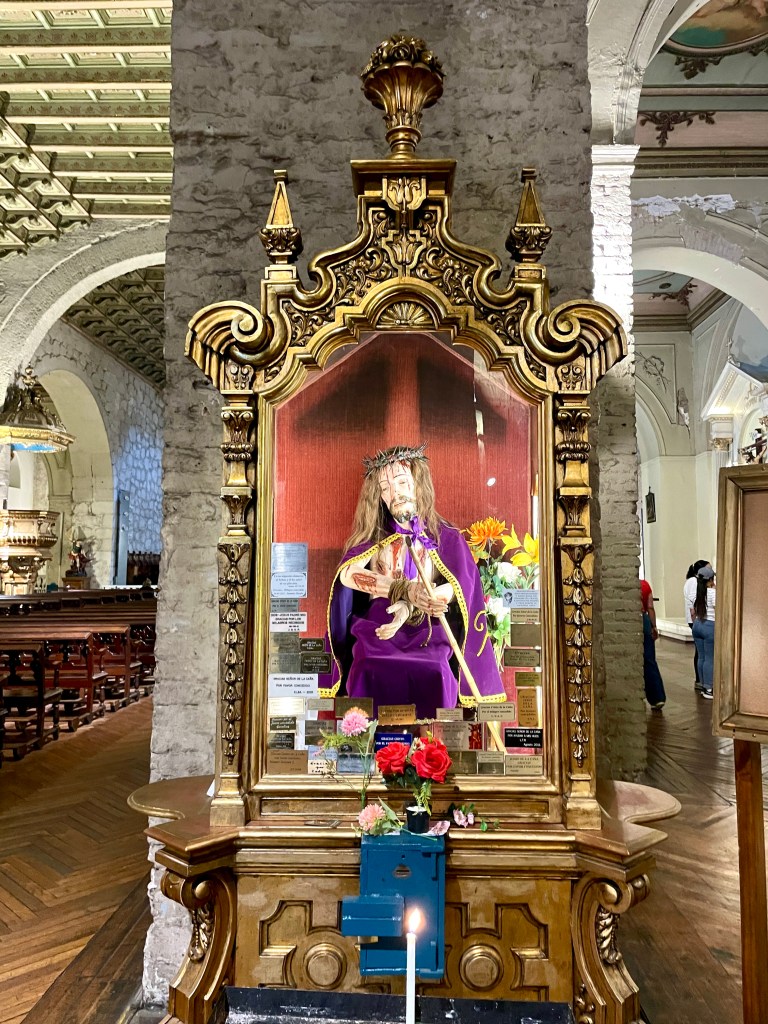
Built in 1625 this beautiful church was the favorite of those that I visited. There is a beautiful wooden carving of Jesus that holds special significance to the area. Until the earthquake of 1647 Jesus wore a crown of thorns upon his head. During the quake it is said that the crown of thorns fell from the head of Jesus and slipped around his neck. When someone tried to put the crown back upon his head it is said that the statue’s face began to bleed and the ground began shaking violently. For this reason the crown remains around the neck of the beloved.

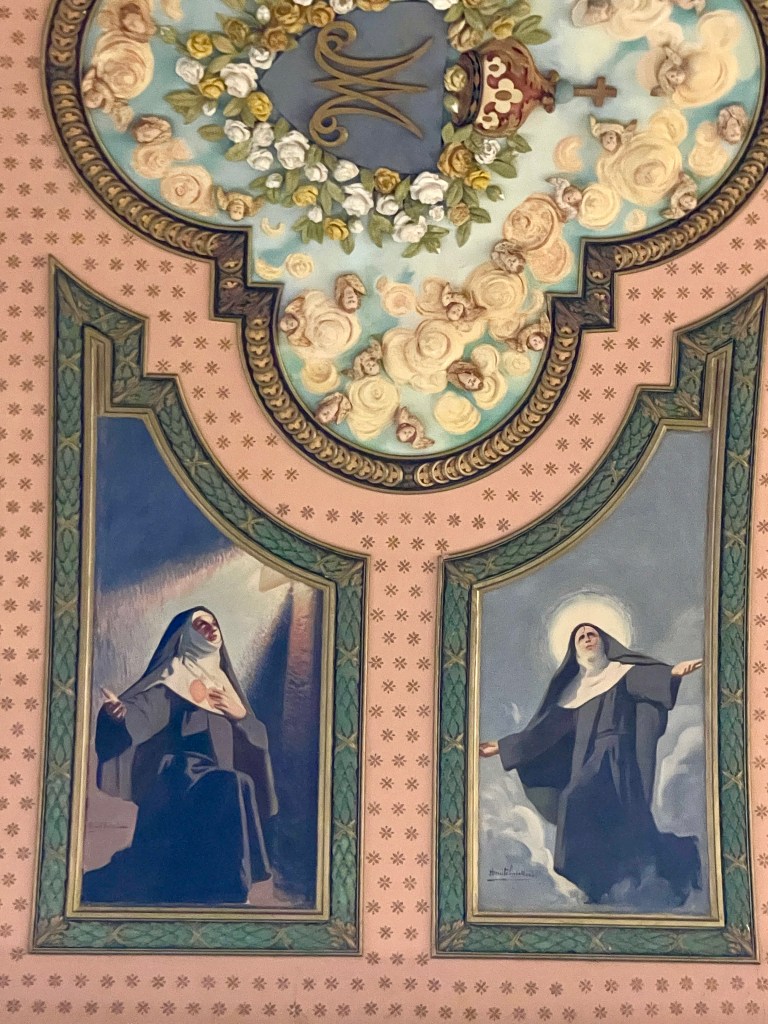
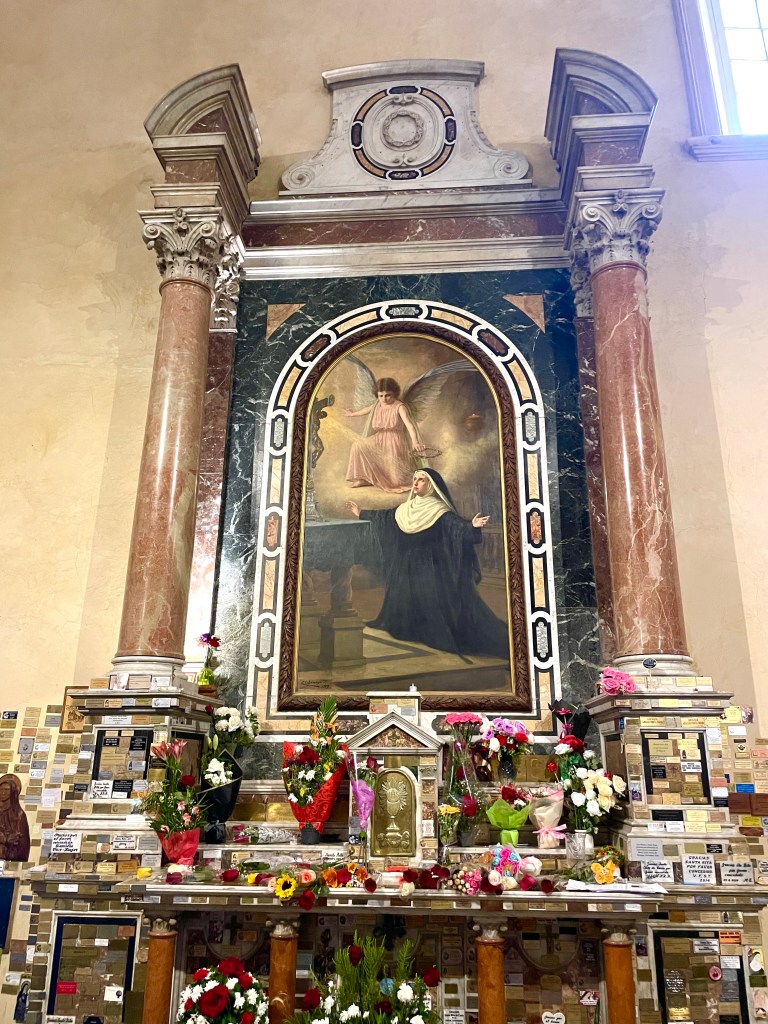
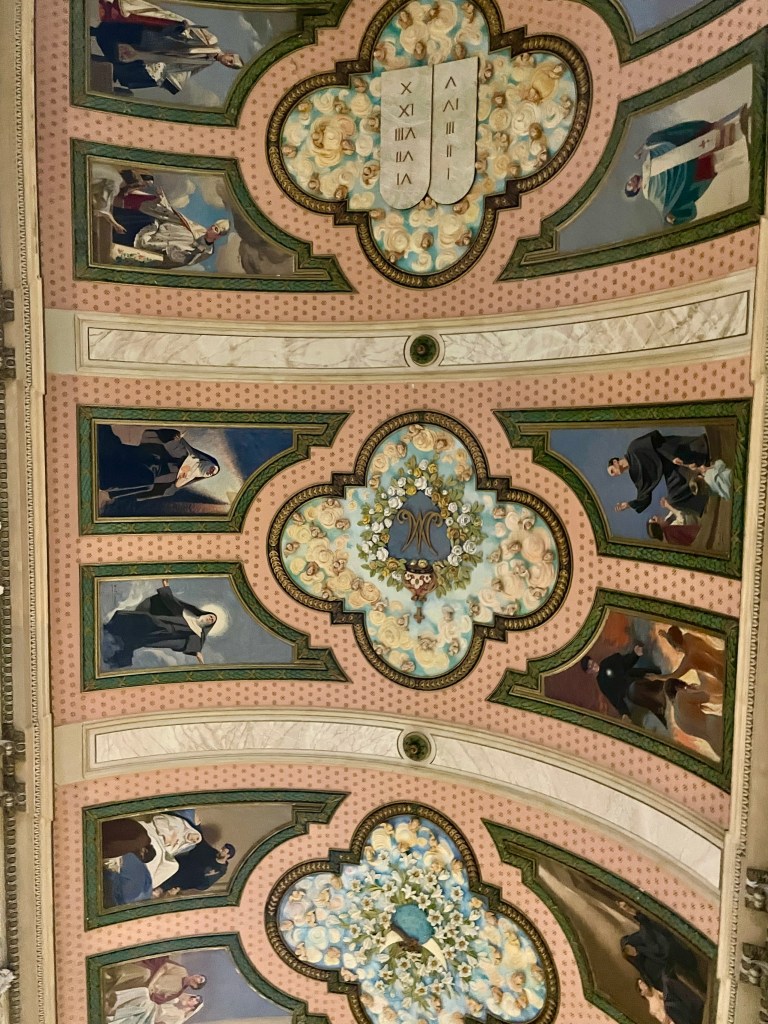
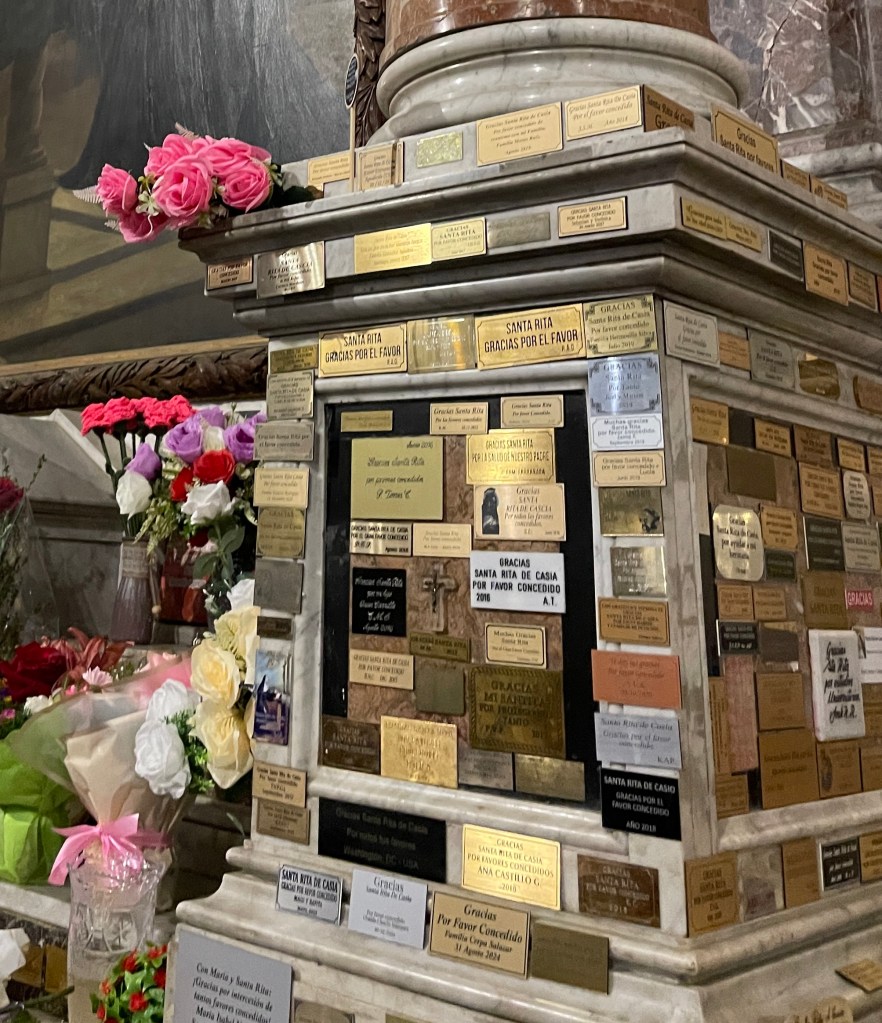
But the thing that I loved most about the church was its congregants devotion to Saint Rita of Cascia whose face graces parts of the ceiling and a wall of the church. Rita was born in the late 1300’s in Italy. She was married young to a man who was known to be a rich adulterer with a sharp tongue and quick temper. Rita endured his physical and mental abuse for the 18 years that they were married while with gentleness and humility taught her husband to be a better man. After her husband died (he was murdered as a result of a long-time feud) she joined a sisterhood of nuns who later became the Augustinains. She was known for her belief in and participation of mortification of the flesh.

Rita is known as the saint of impossible causes. In addition, she is the patron saint of the sick, loneliness, sterility, abuse victims, couple and marriage difficulties, widows, parenthood, bodily ills, and wounds. It was wonderful to see a woman glorified in a religion that often saves glorification and adoration for men. Yeah Rita!

Philadelphia Murals And Some Special Pieces Of Art

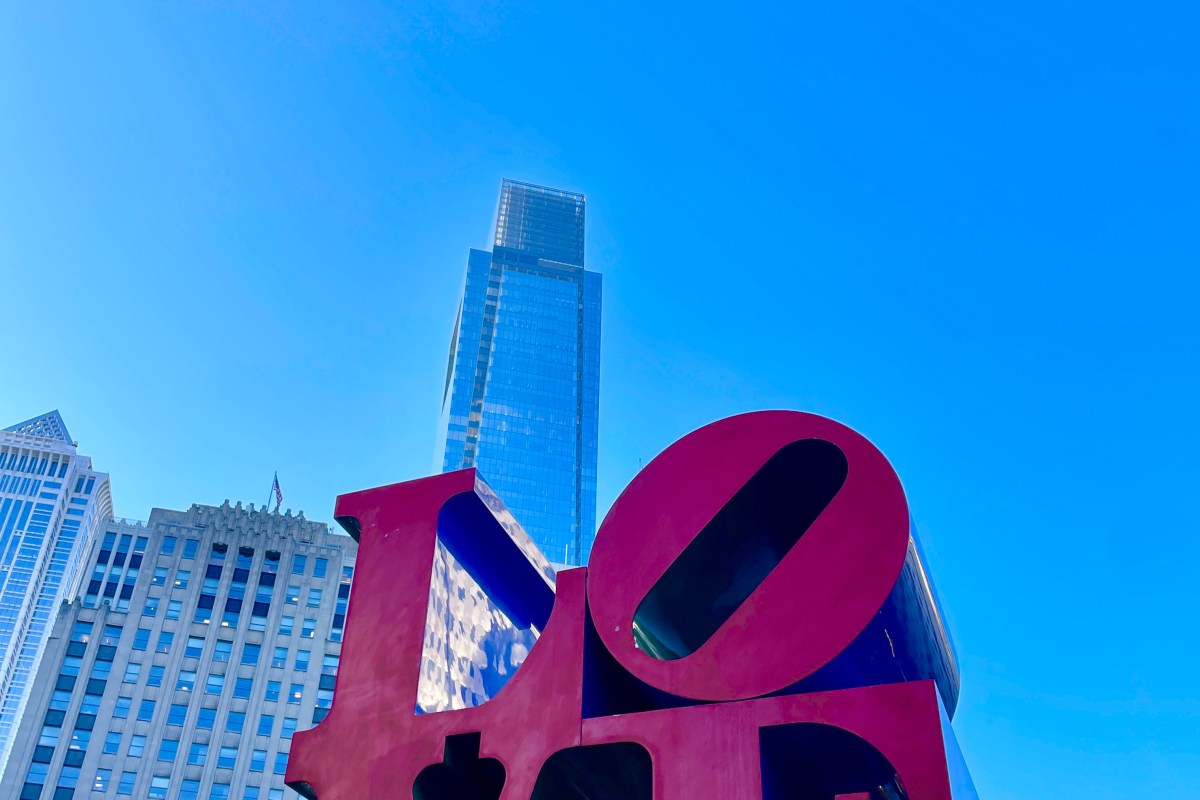
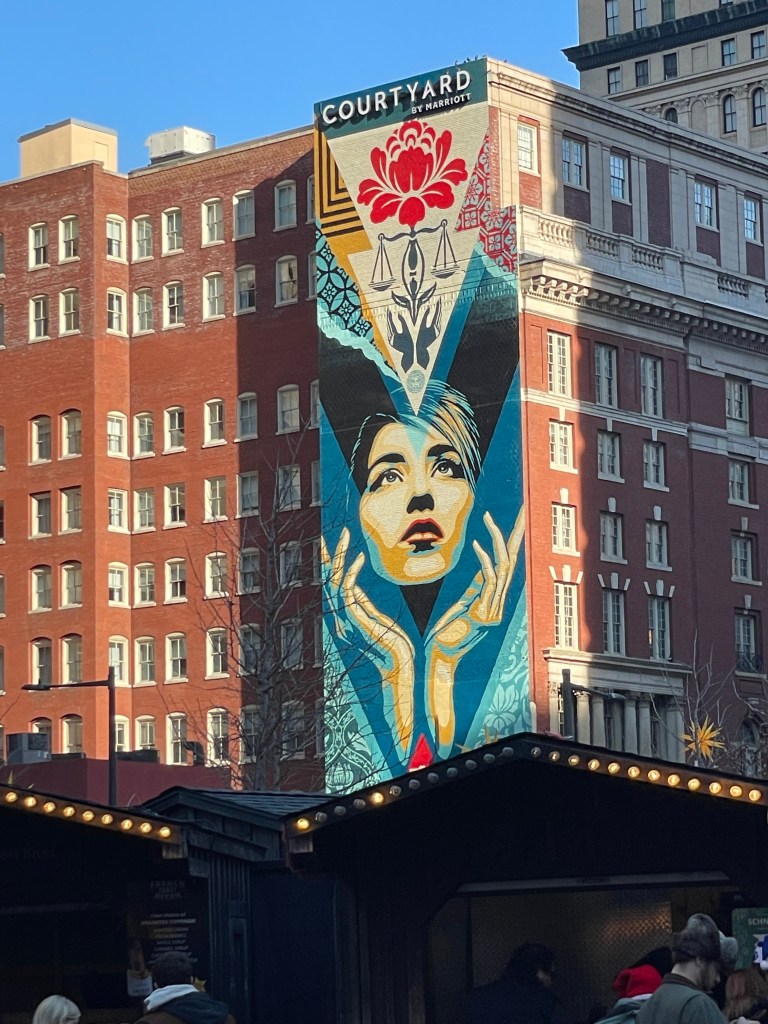
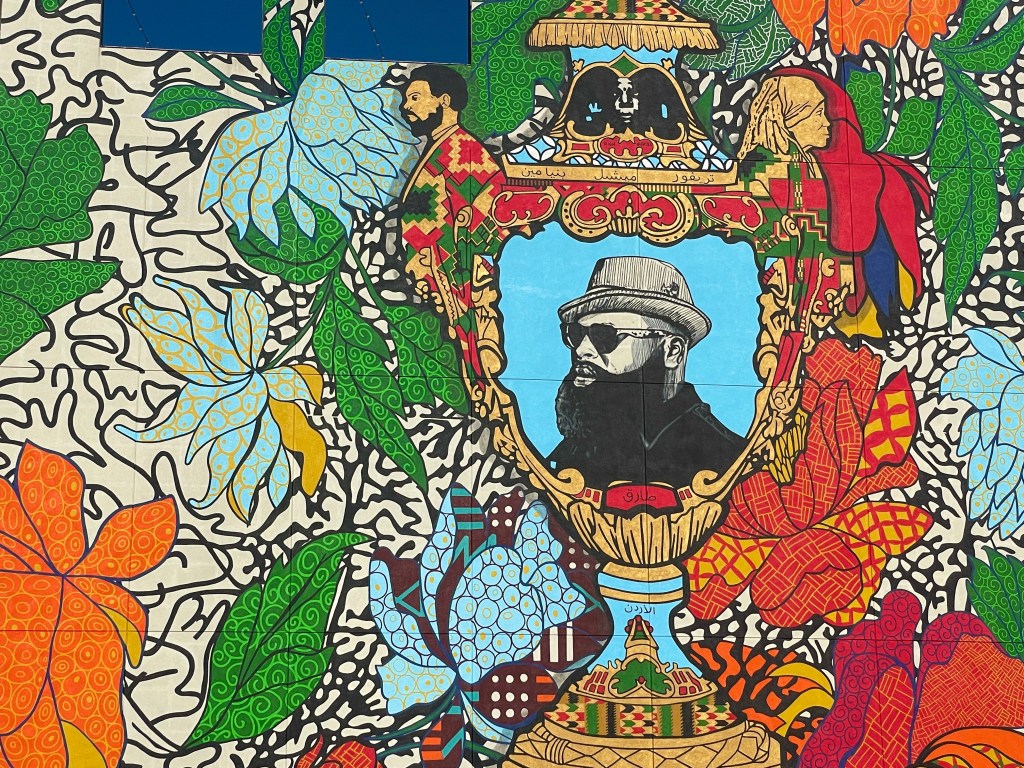
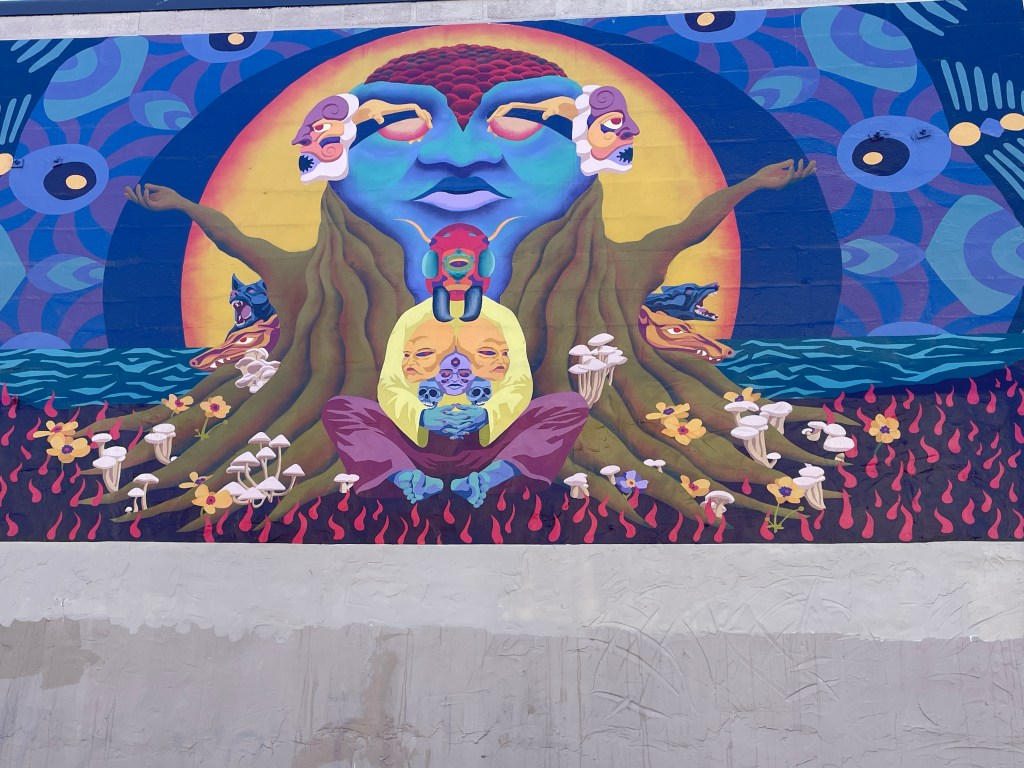
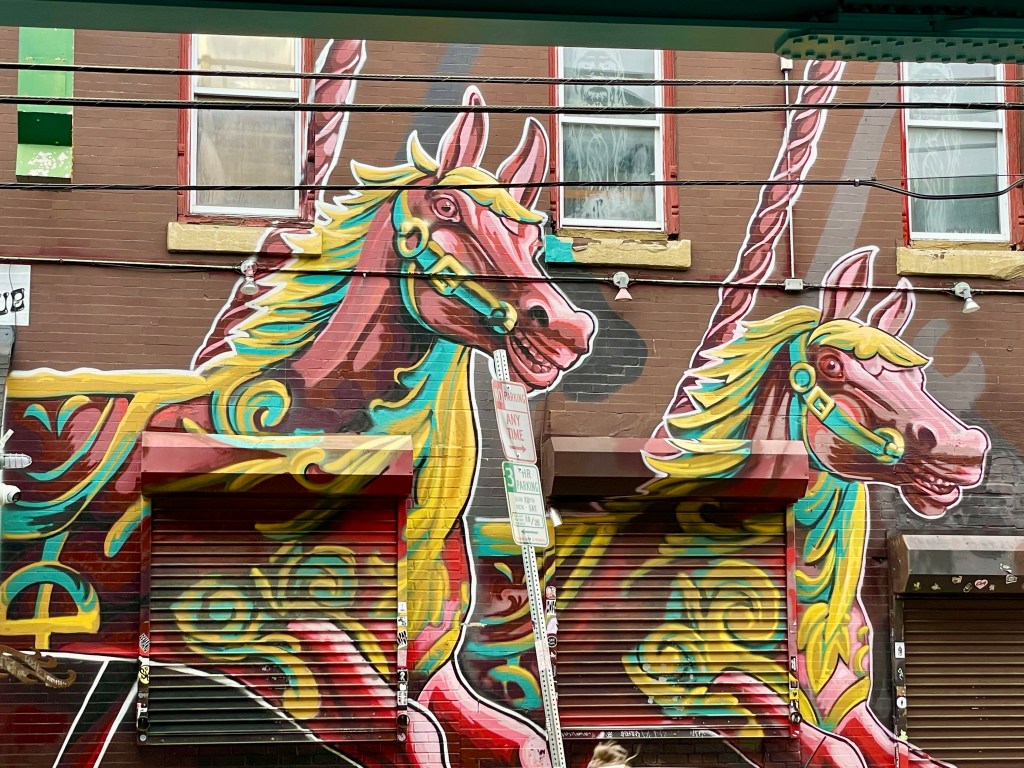
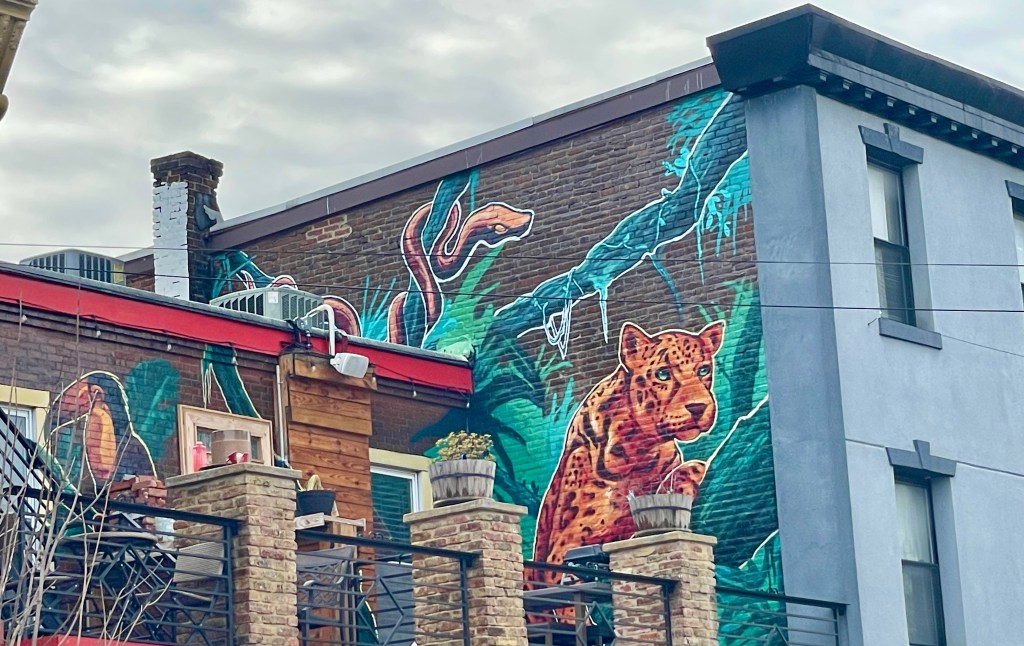
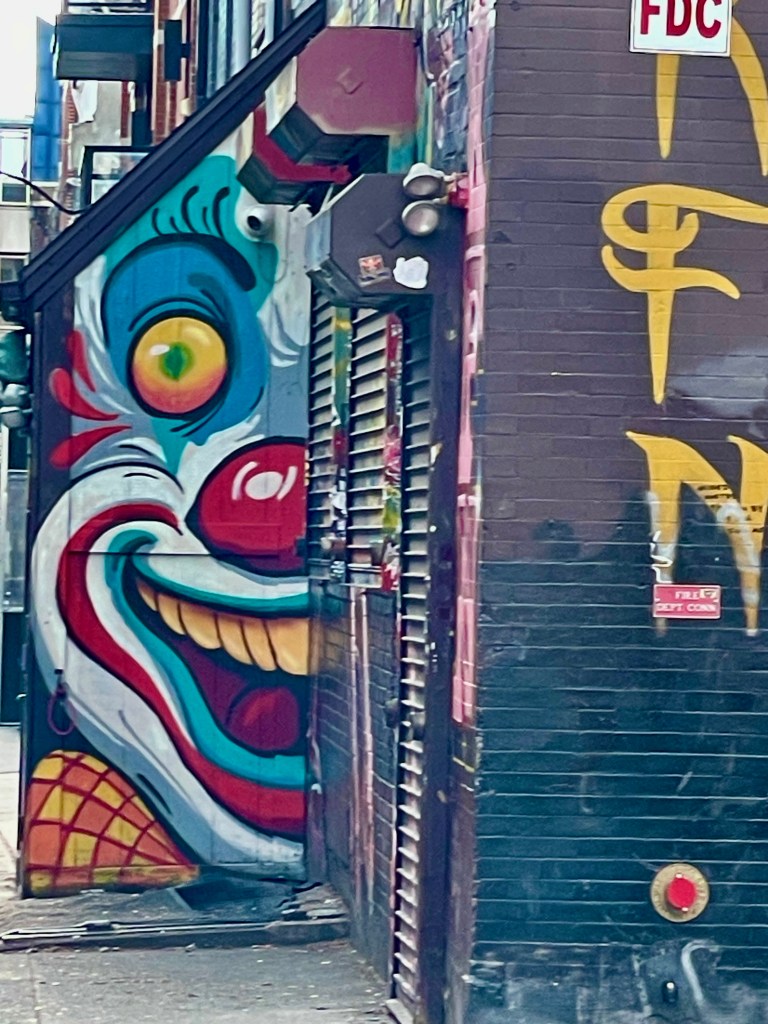
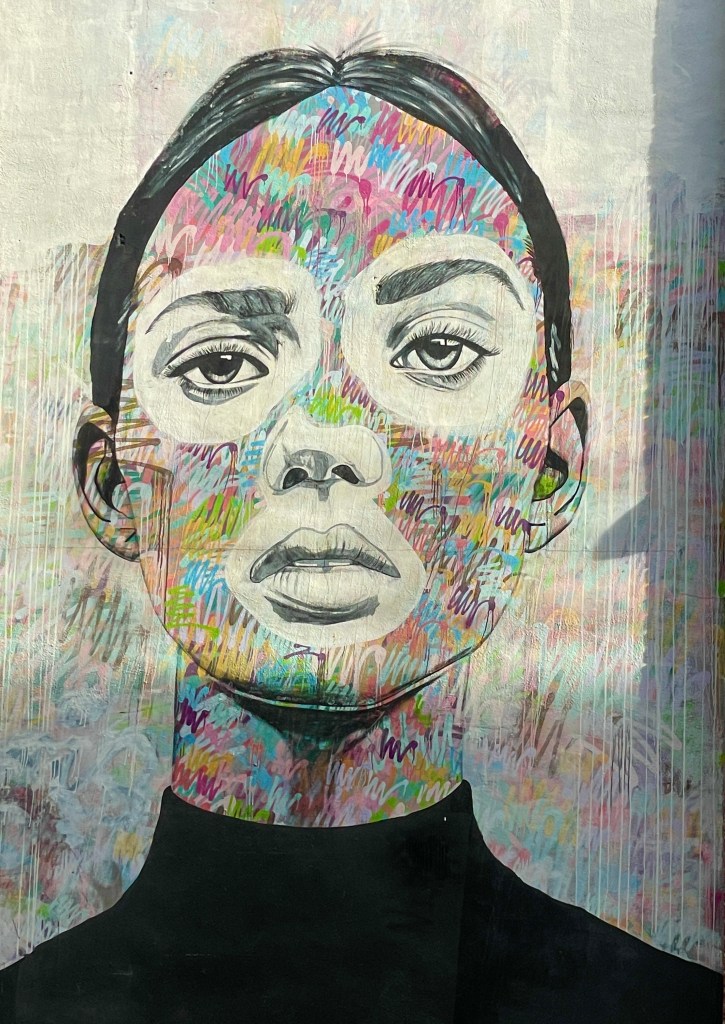
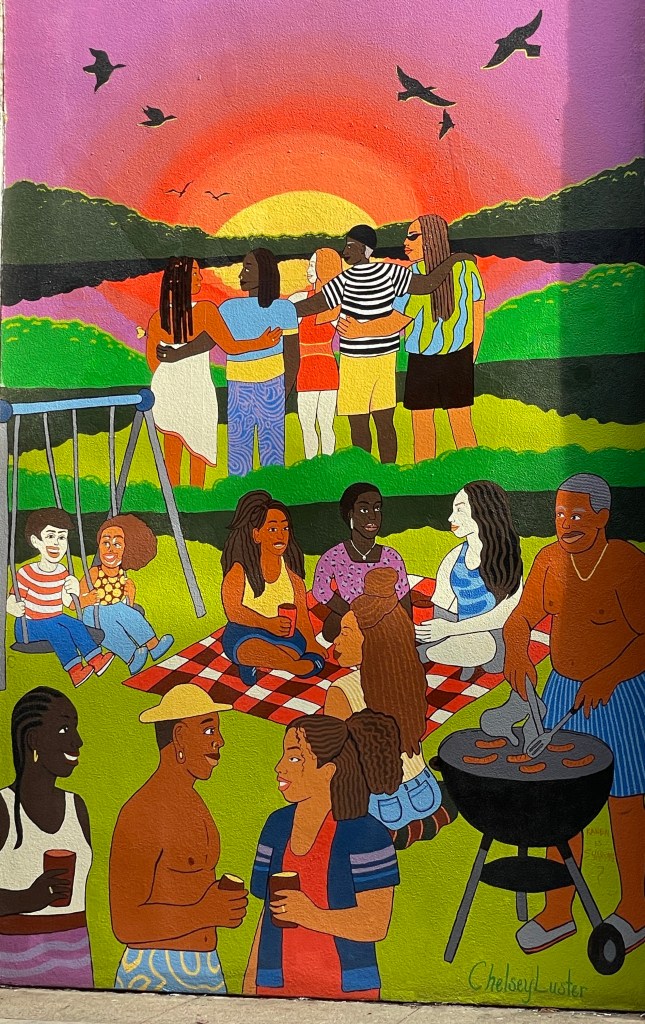
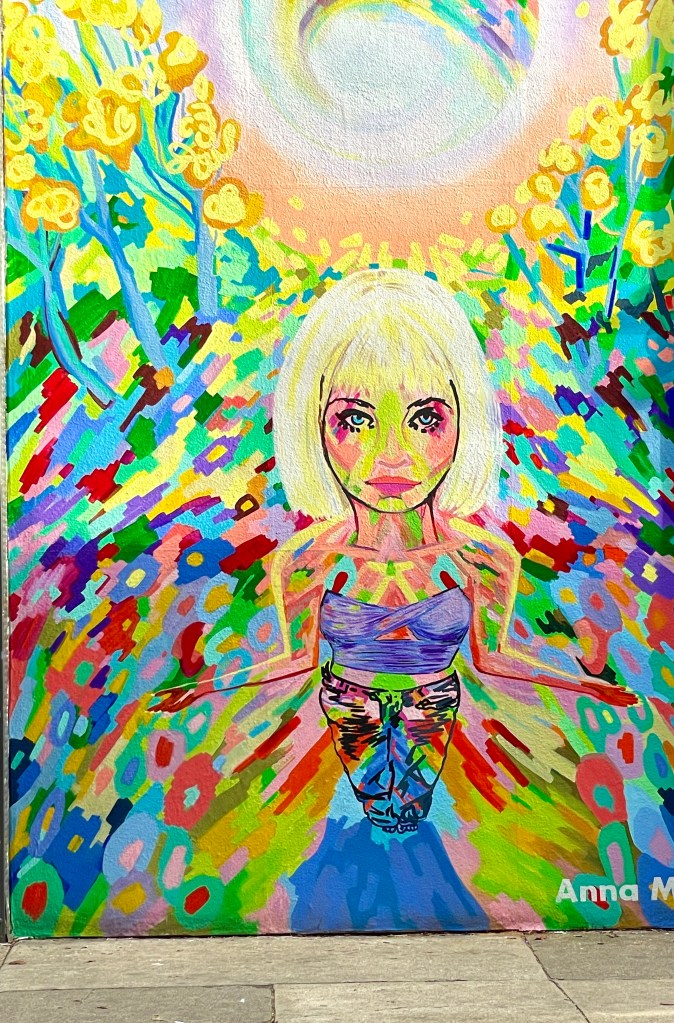
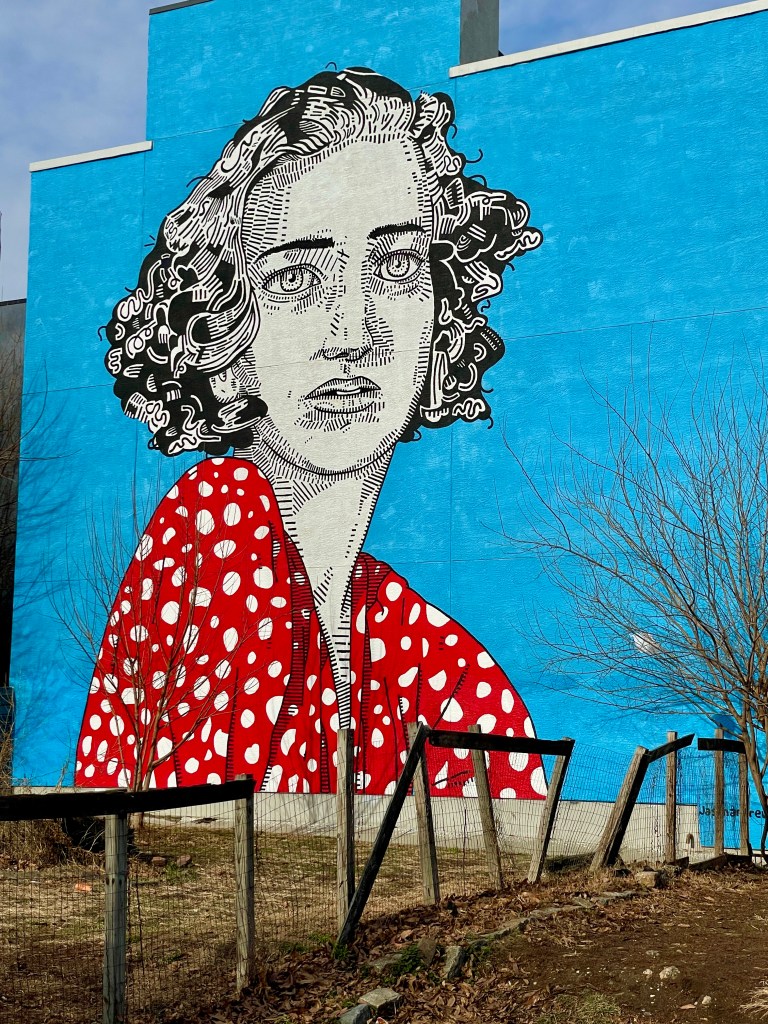
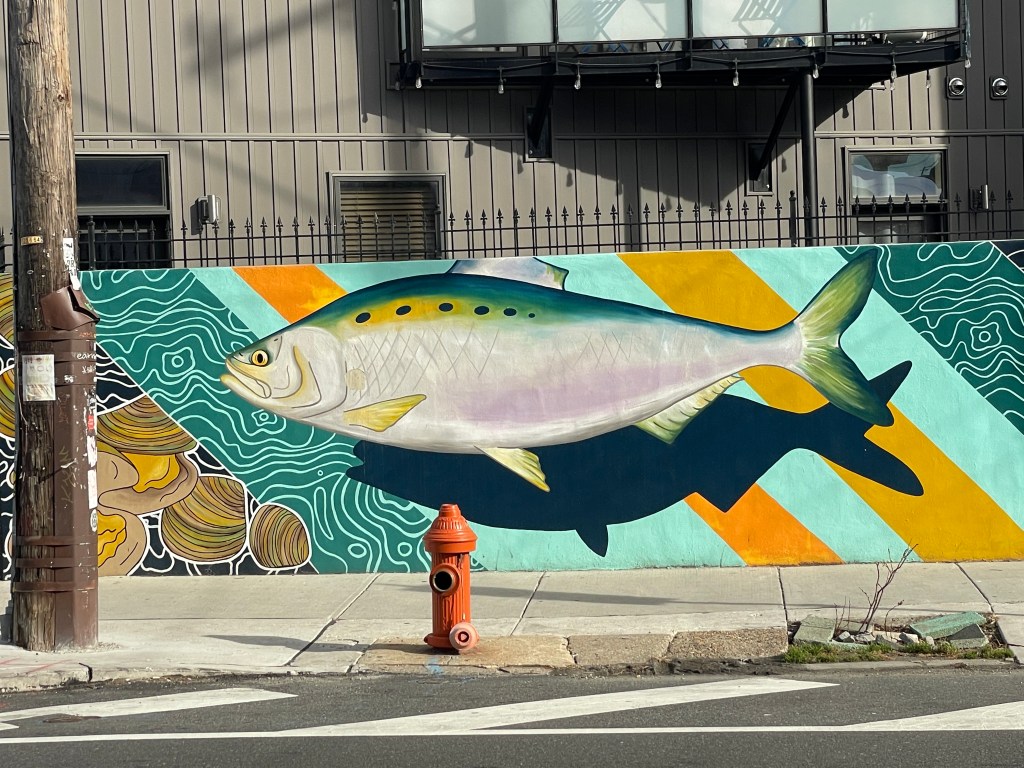
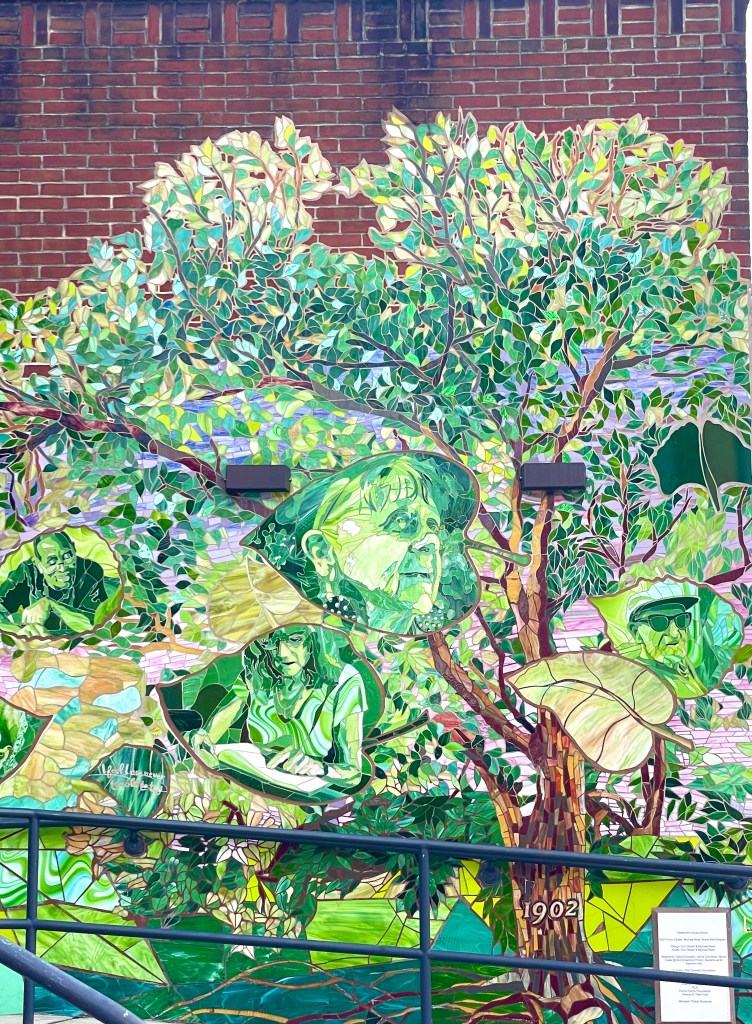
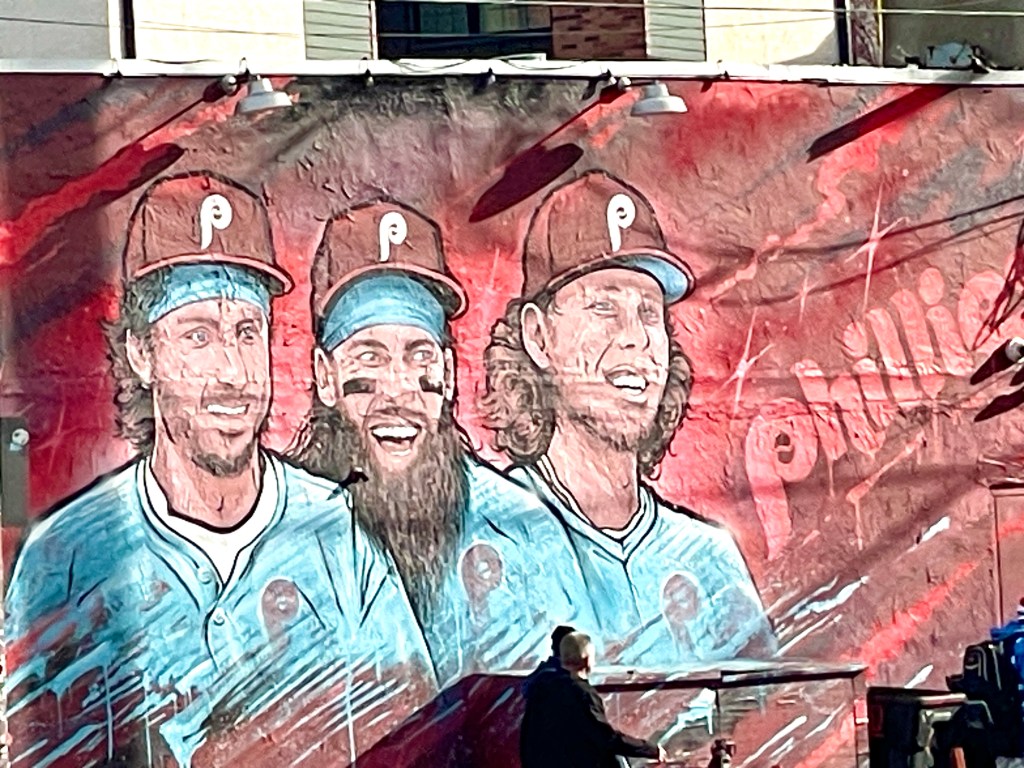
I recently returned from Central America and went straight to Philly to spend time with MC. It was a lovely month long visit to a city I had not been in since I was about twelve-years-old. With so much history that the city has to offer, you might wonder why this isn’t a post about the Liberty Bell. Let’s just say that I have decided to leave that for others for the time being. With the state of the nation these days I decided that I would concentrate on the vibrant street art of the city which gives Philly it’s own beat and brings color to a word that seems to be somewhat void of that these days. I have no idea who most of these talented artists are but I confess I am in awe. I can’t even draw something legible on a (peace) of paper much less an entire building with correct proportions! So here are a few of my favorites with a special surprise at the end. Enjoy!
Fishtown

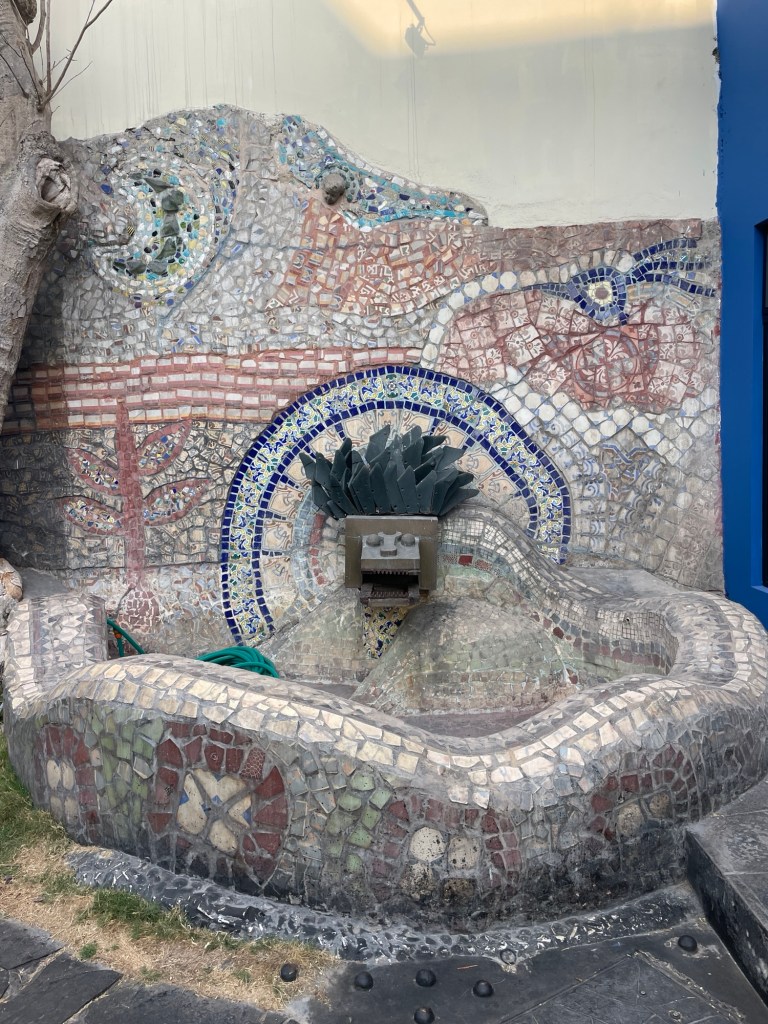
A Beautiful Glass Tile Mural

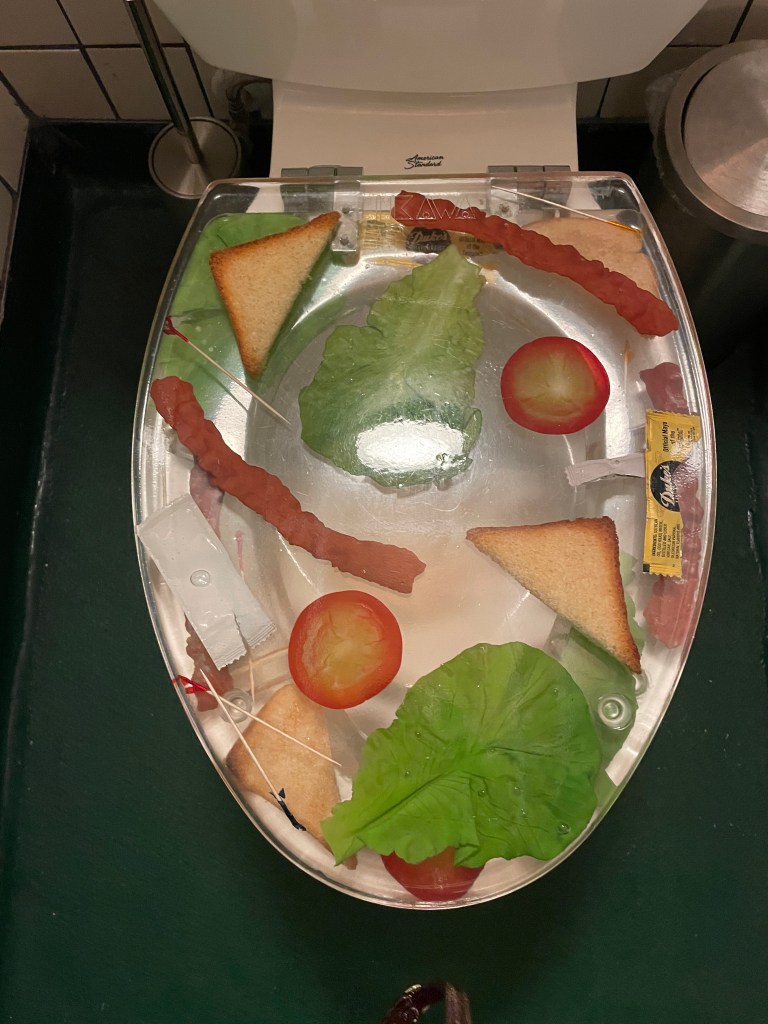
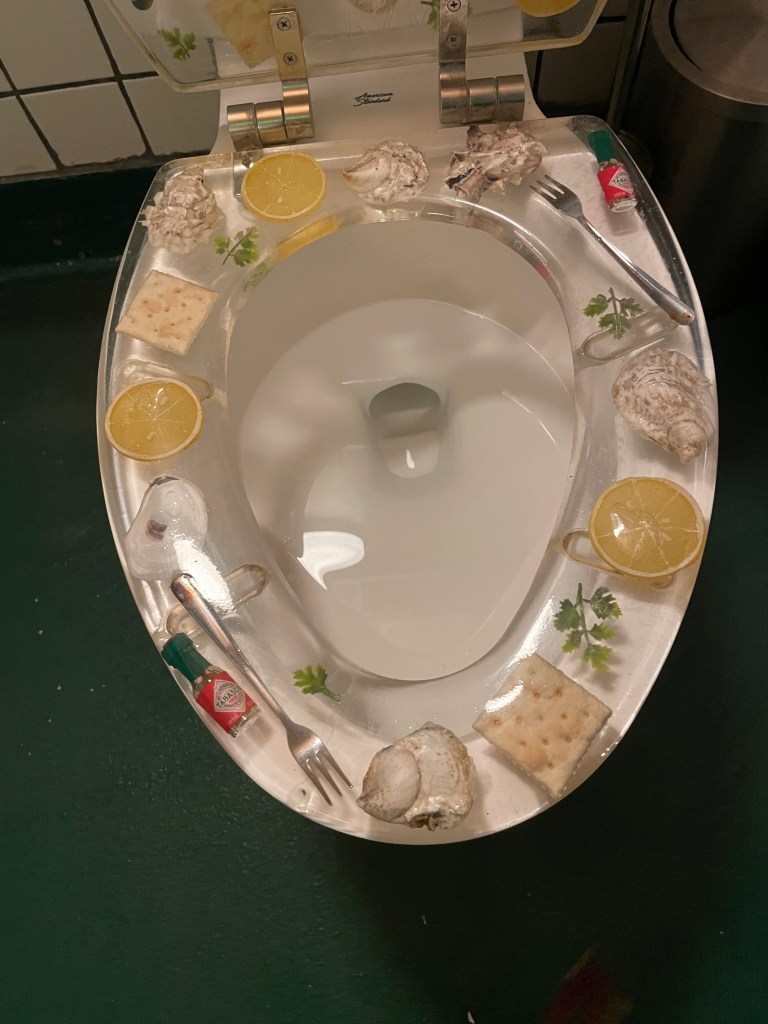
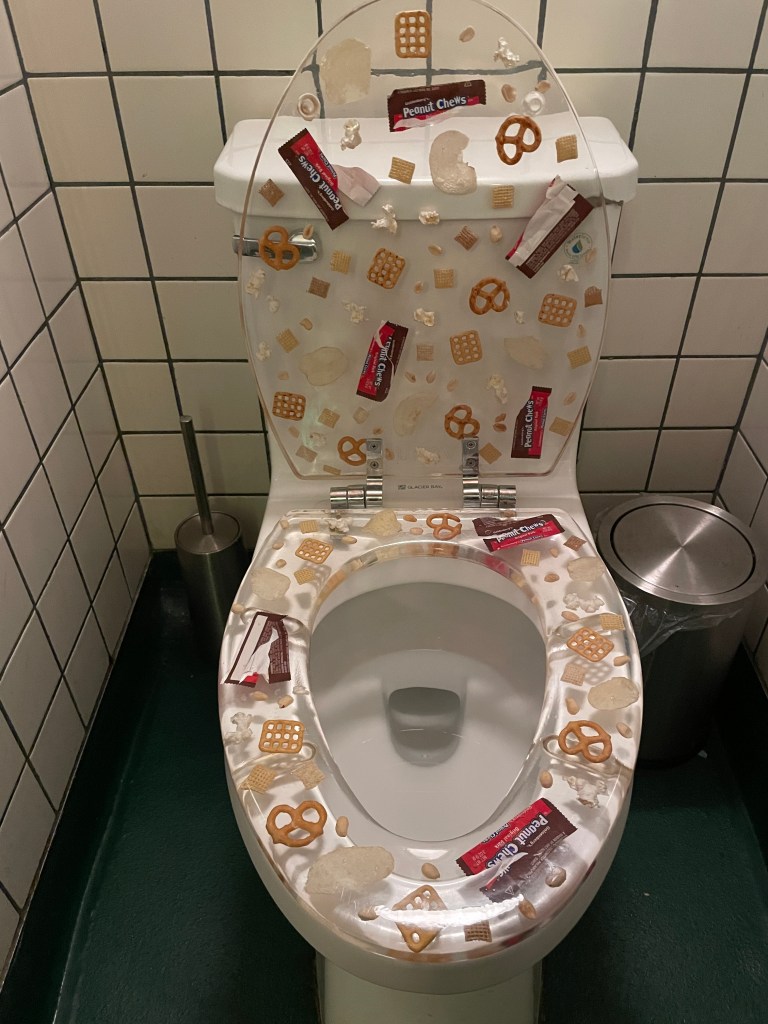
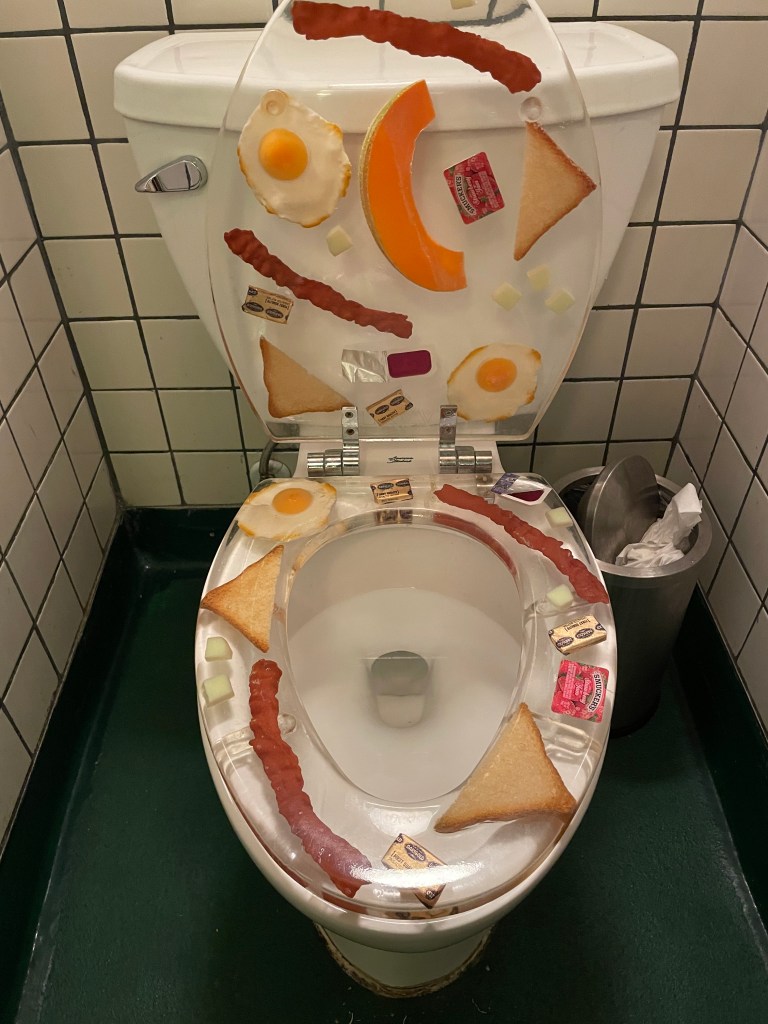
Now for the surprise. I went into a restaurant while there and stumbled onto these which I thought were absolutely ingenious…who knew such a thing could be done!
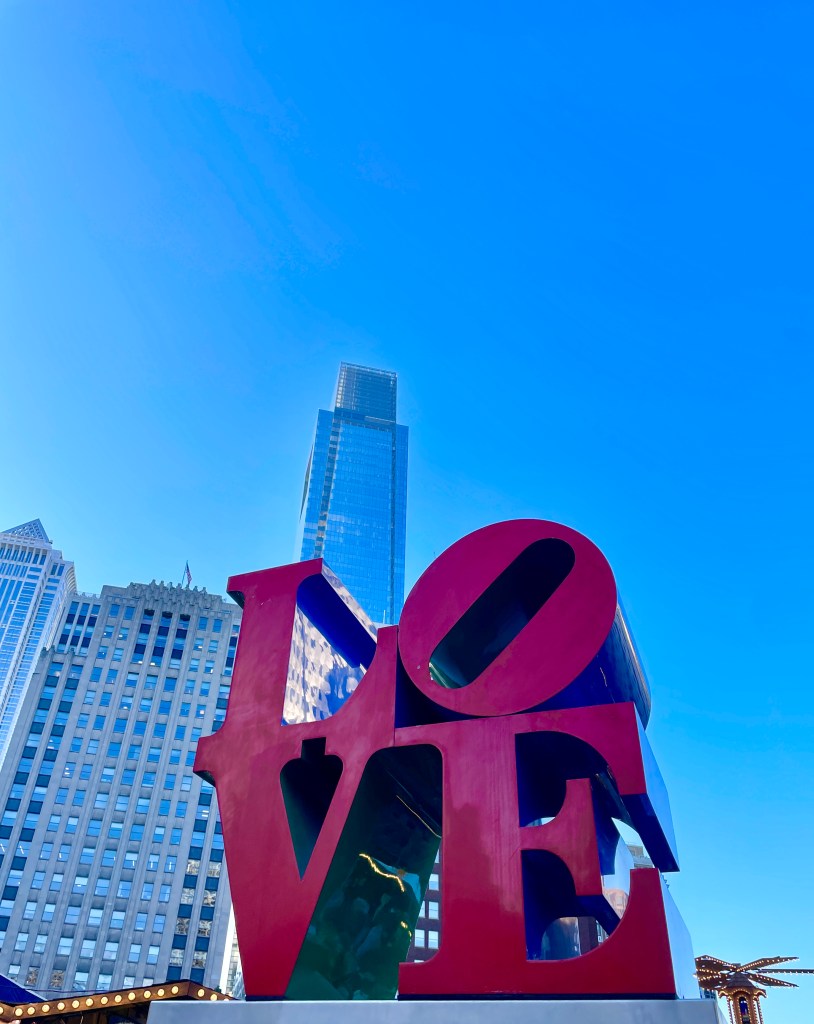
I am back in Panama now but I leave you with this from the City of Brotherly Love:

Cuernavaca, Mexico

One of my favorite adventures in Mexico was our visit to Cuernavaca. While I loved the one-hour drive through the mountains from Mexico City, parts of which reminded me of Colorado or Flagstaff; I did not enjoy my first experience driving in Mexico City. On the one hand, you have to be Mario Andretti and push the peddle to the metal to squeeze into spaces the size of a dime in front of the one hundred cars whose drivers have the same idea as you, but on the other hand, you have to have the patience of a saint to know when to be cautious as you fight twenty-three million city dwellers for your right to be on the road when no one follows what should be common sense traffic rules. Seriously, it’s like being in intense labor ready to deliver while driving…everything is just coming at you at once! But enough of that…let’s head to Cuernavaca.

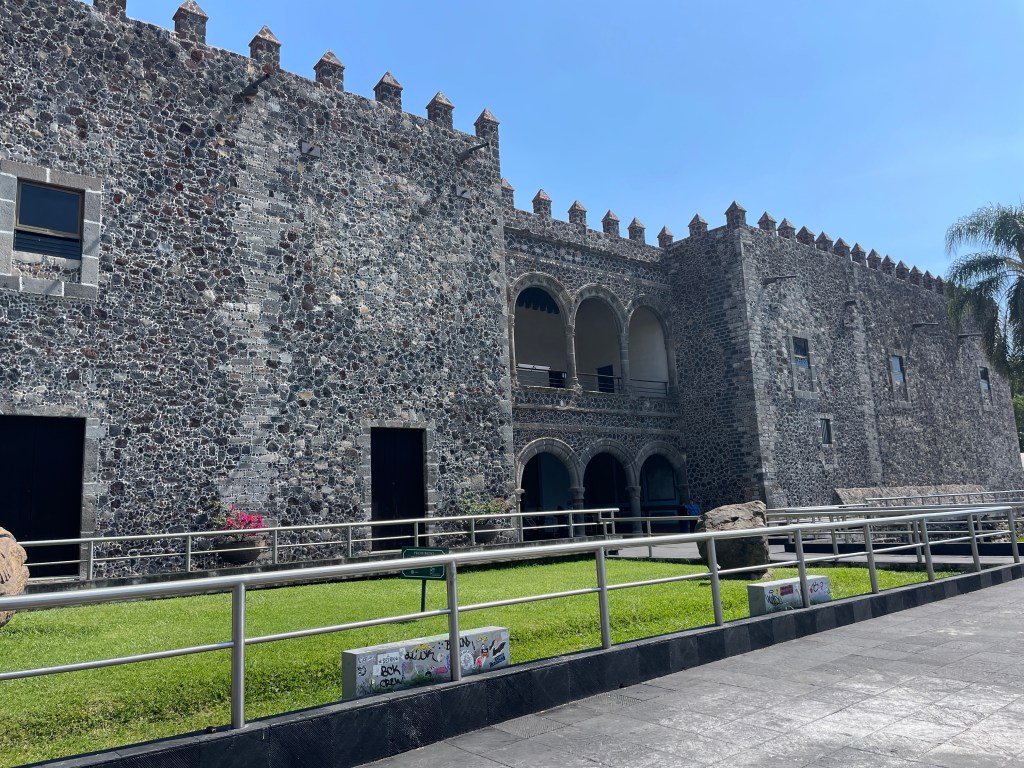
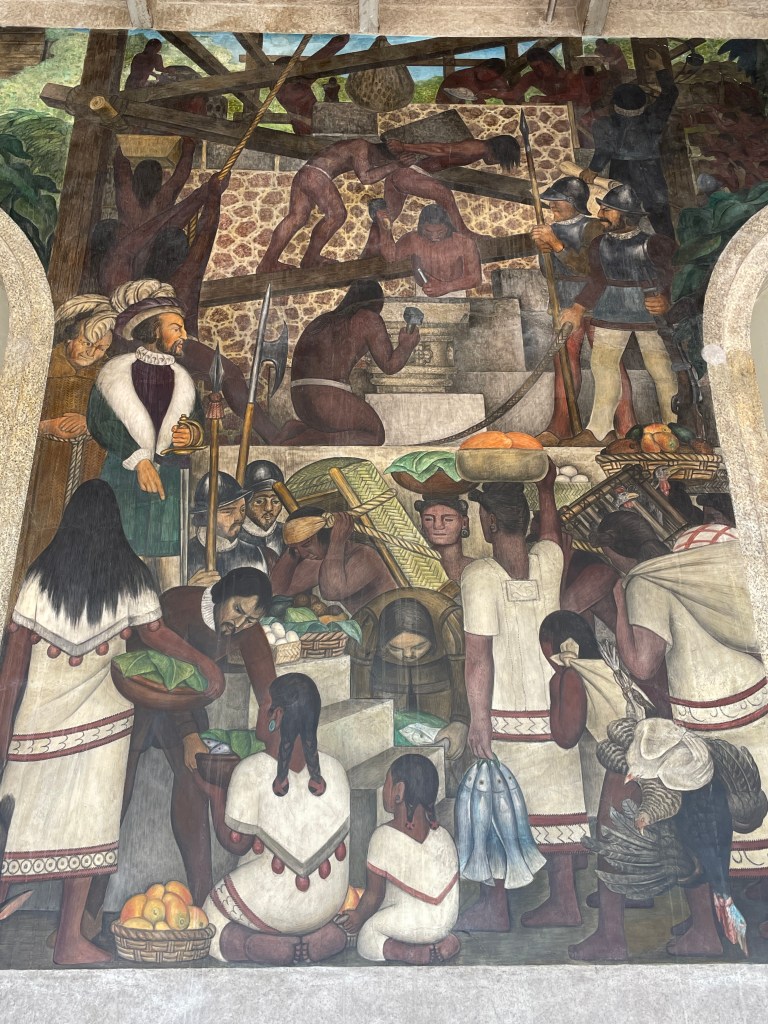
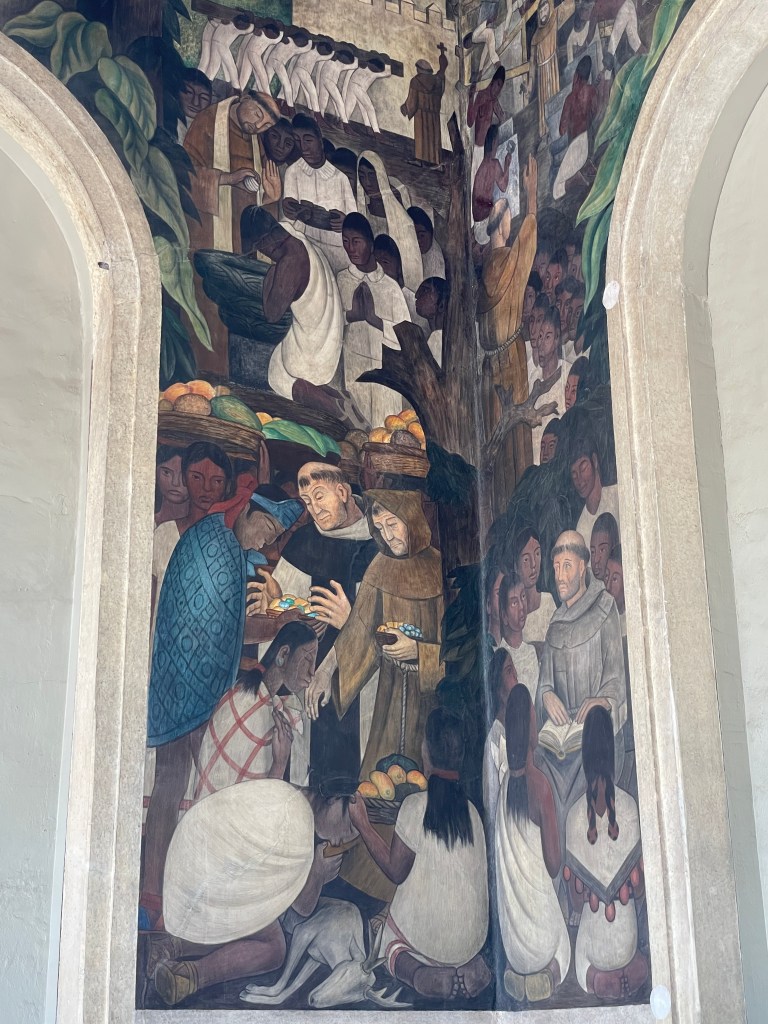
Cuernavaca is the capital of the state of Morelos. What brought us to this place was the Palace of Cortez but what we found was so much more than we ever imagined. Built somewhere between 1523-1528 by the conqueror Hernan Cortez, the palace is the oldest conserved colonial era civil complex within the Americas. And while all that information is interesting what really brought Michael and I here were the Diego Rivera murals that decorate the upstairs floors. Little did we know there was a museum connected to the property which housed more than just the magnificent wall art.

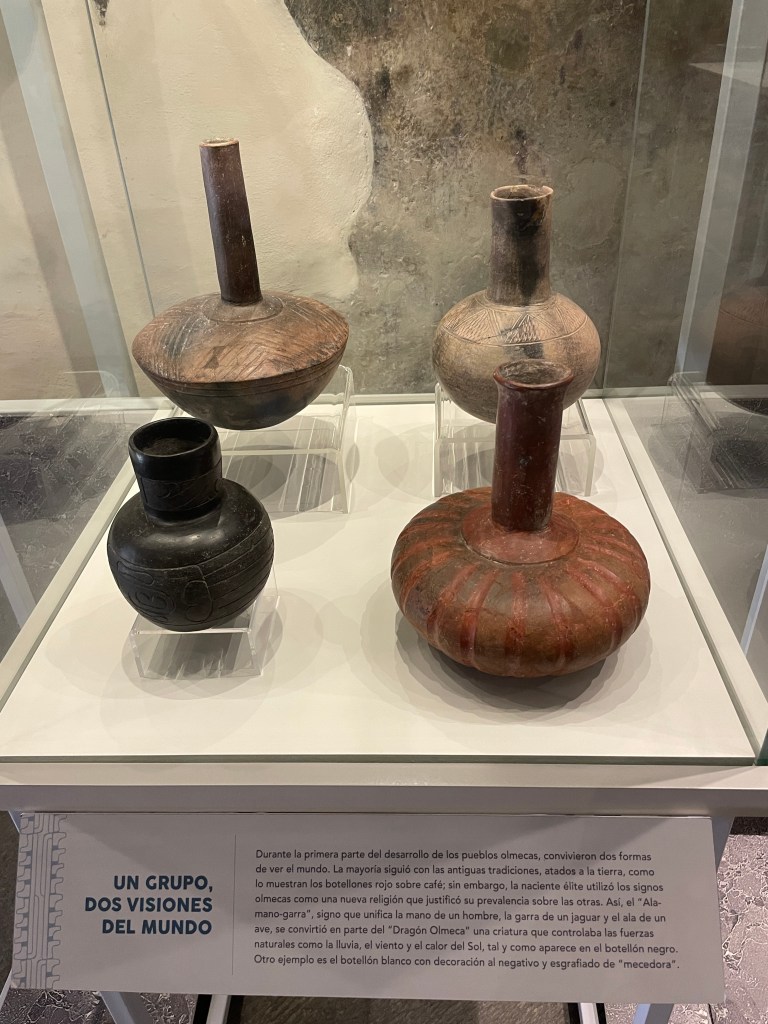
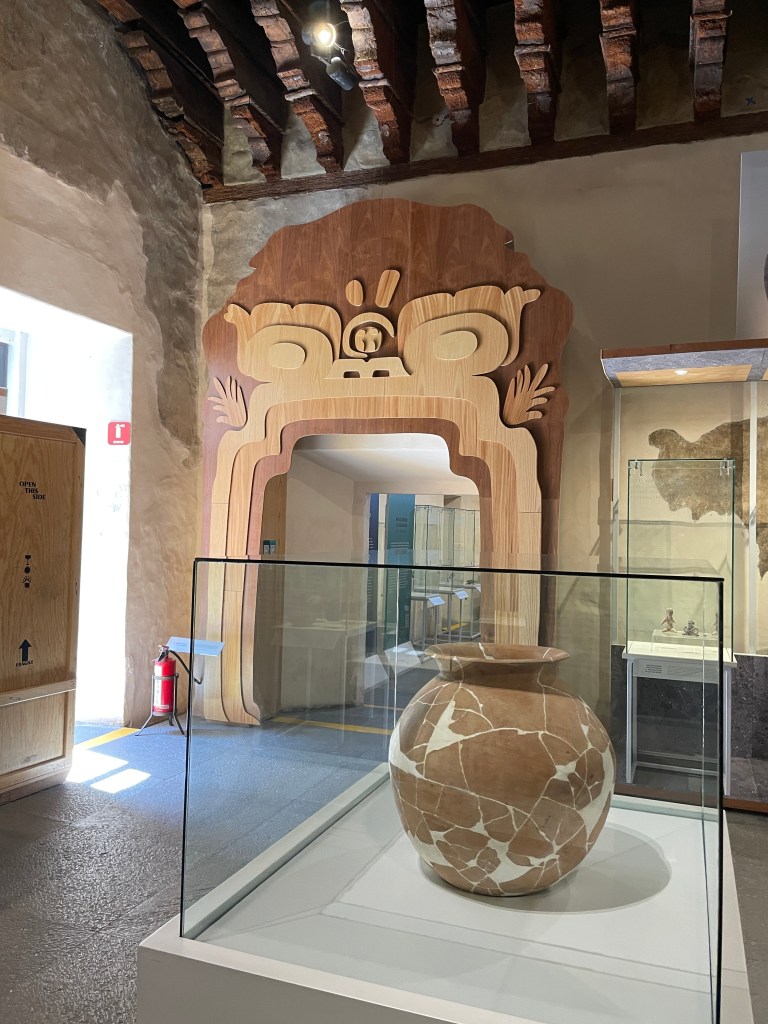
With an entrance fee of about $5 USD it is certainly a bargain in this day of $10-20 fees in the USA. The first floor contains artifacts from the ancient civilizations that flourished in this land. It’s a nice collection for a museum of this size.

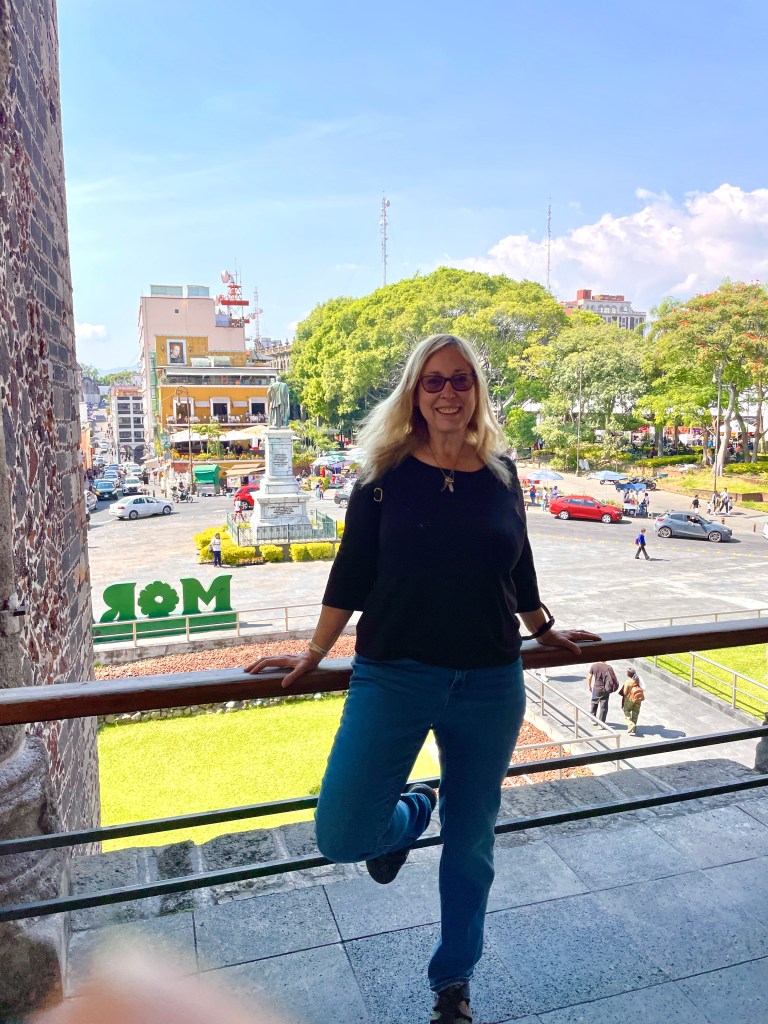
But what we had really come to see involved climbing quite a few steps to the balcony level which includes a magnificent view of the city and the countryside which surrounds it. That alone was almost worth the climb.

But the piece de resistance were the murals and when we turned the corner our breaths were literally taken away and not just from the stair climb! Commissioned by the US Ambassador to Mexico, Dwight Murrow, Rivera himself chose the subject. of the murals…the history of the invasion of Mexico by the Spanish…and he holds nothing back. They are truly spectacular!

If you are a Diego Rivera fan this is one place you need to check out!

From the Palace of Cortez we walked down the cobble streets, ducking into an alley and surprised ourselves by finding an incredible taco place. I wish I could remember the name but here is the view from the upstairs of the eatery.

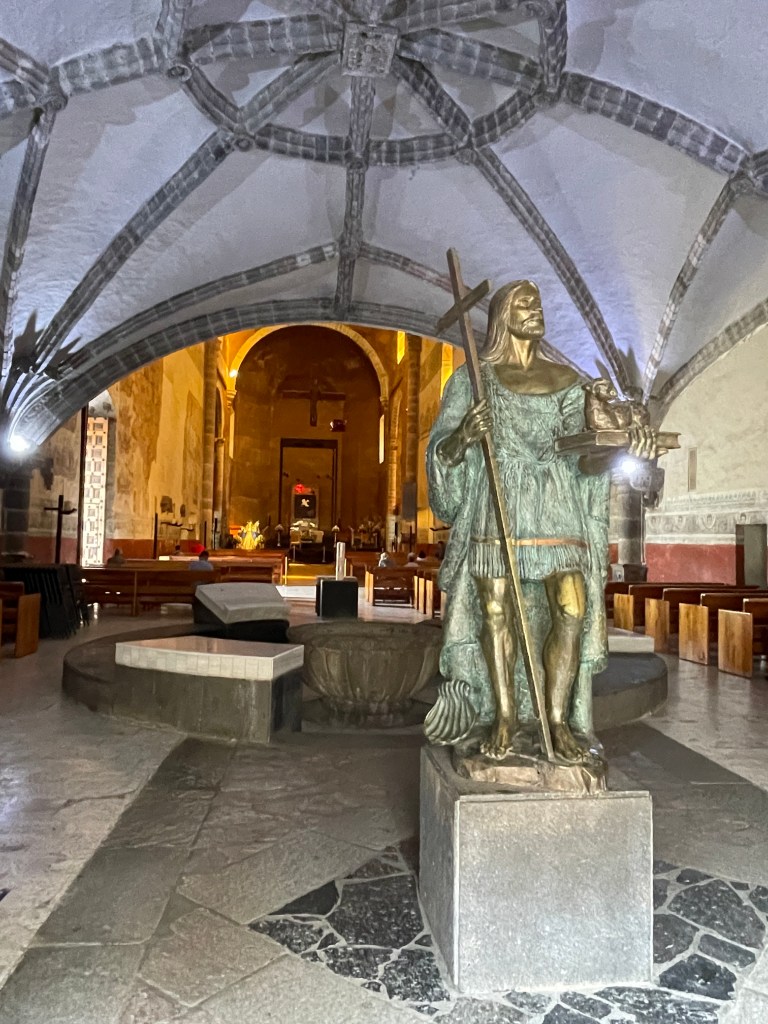
From there we meandered the streets arriving at the Catedral de Cuernavaca also known as the Templo de la Asuncion de Maria. Work was started by the Franciscans using indigenous forced labor in 1526 and the religious complex also houses the Templo de la Tercera Orden de San Francisco (pink) and the Capilla del Carmen (yellow) . At the left side of the Catedral is the Museo de Arte Sacro which showcases close to 100 paintings, sculptures, and religious artifacts from the 16th to 20th centuries.

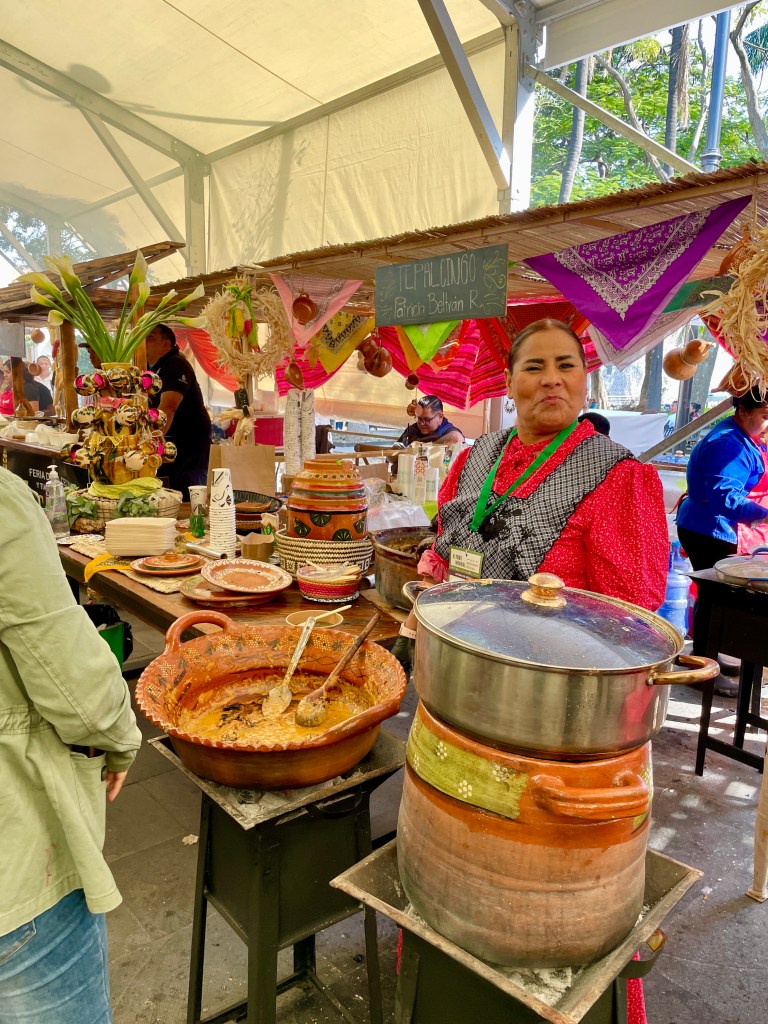
From here we wandered further… passing the theatre and library until we arrived at a food festival in the middle of the historic square. It was fantastic and we enjoyed seeing various regional foods from all over the country. Unfortunately, due to time constraints we missed the UNESCO World Heritage Site known as the Archaeological Zone of Xochicalco

Being drawn further in by all the spices and herbs wafting as we passed by booth after booth was the perfect way to end our day in Cuernavaca. I hope someday you will get to walk the streets of this enchanting city yourself to experience small city charm in a very big way.

Panama City, Panama

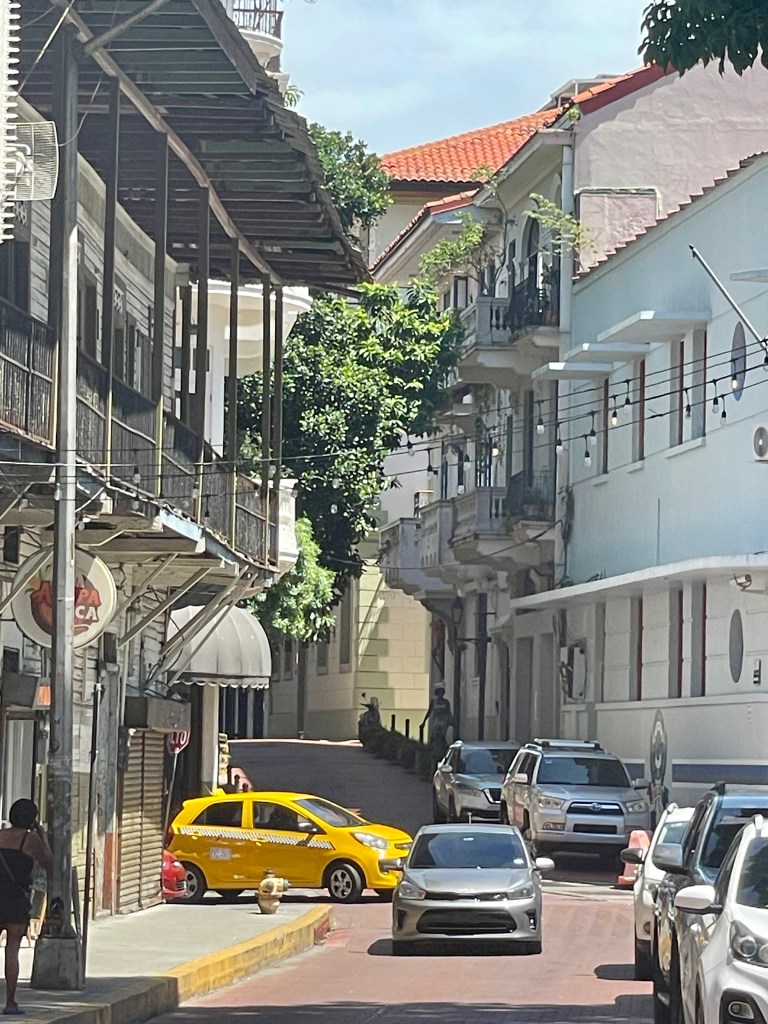
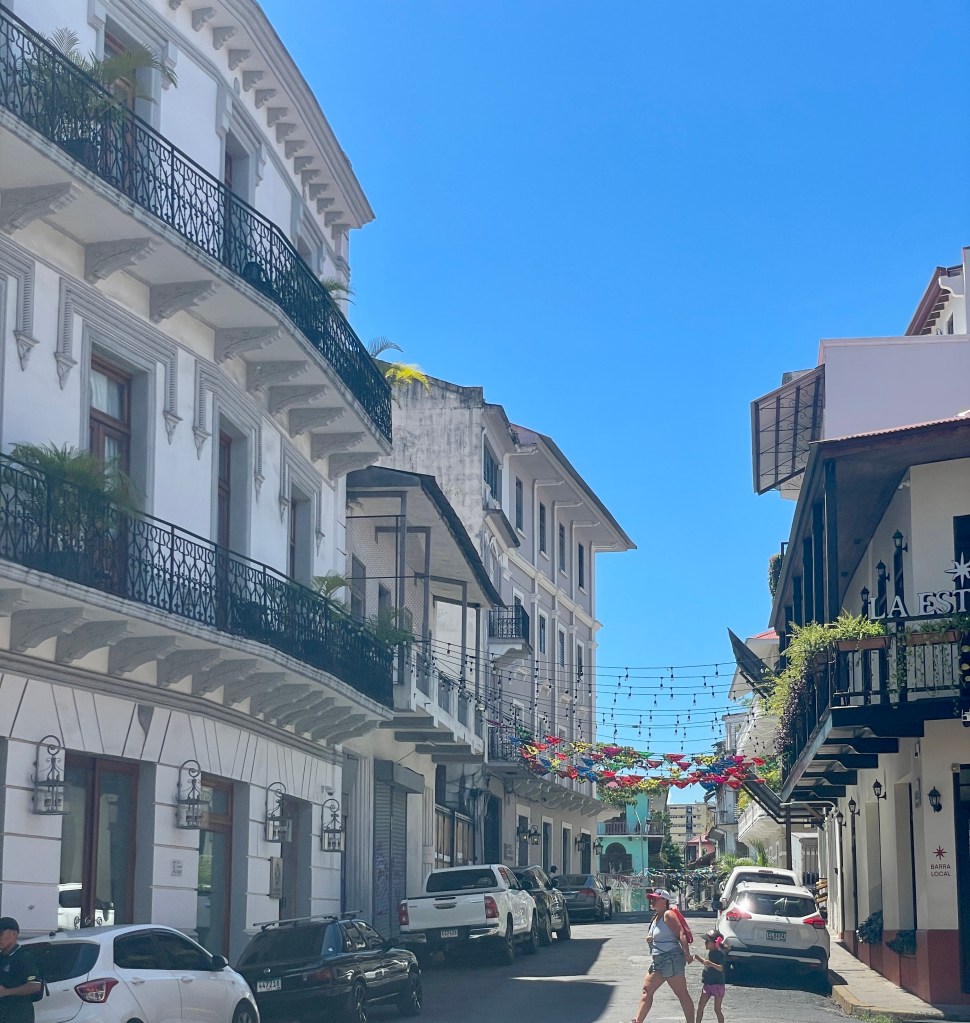
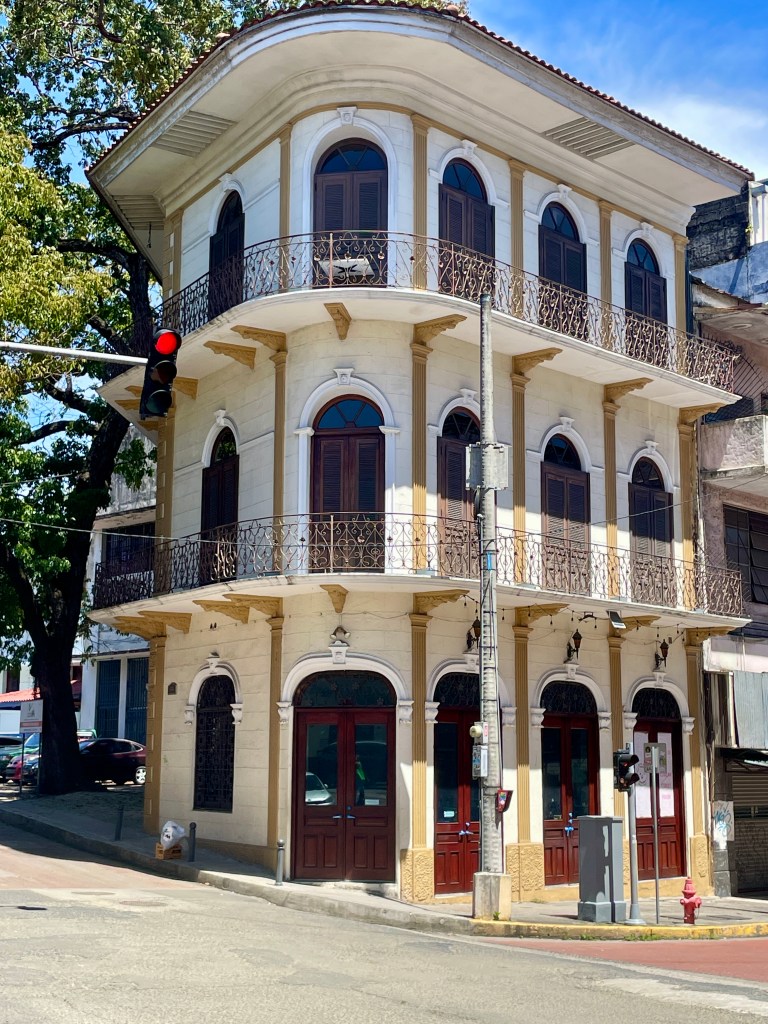
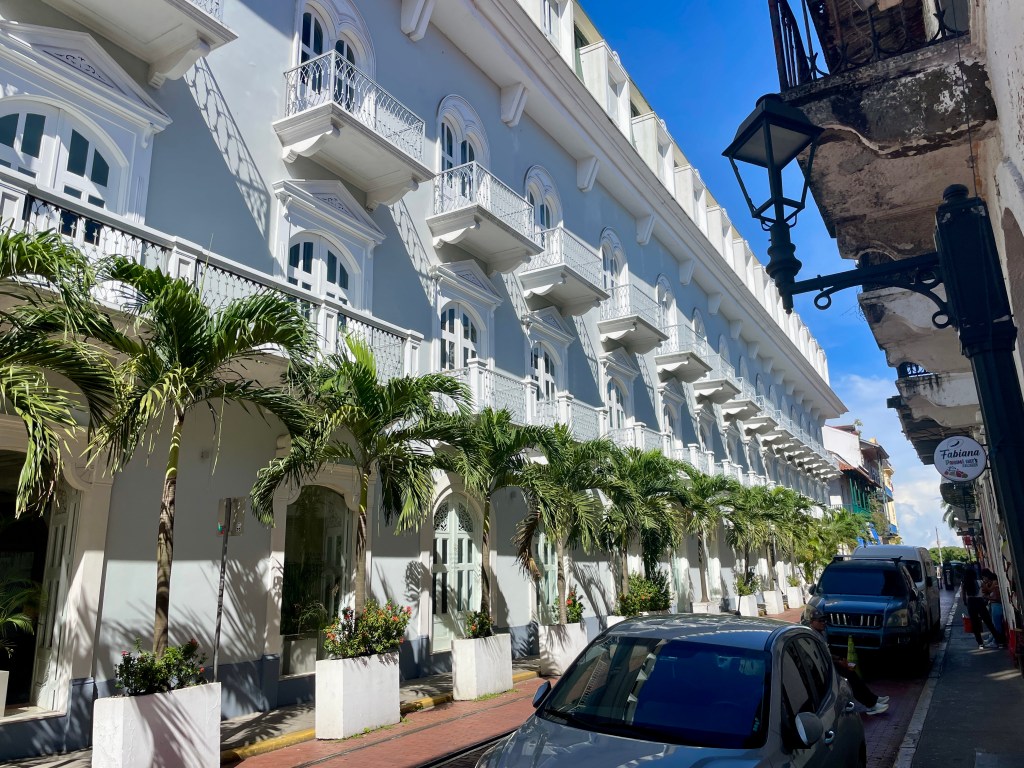
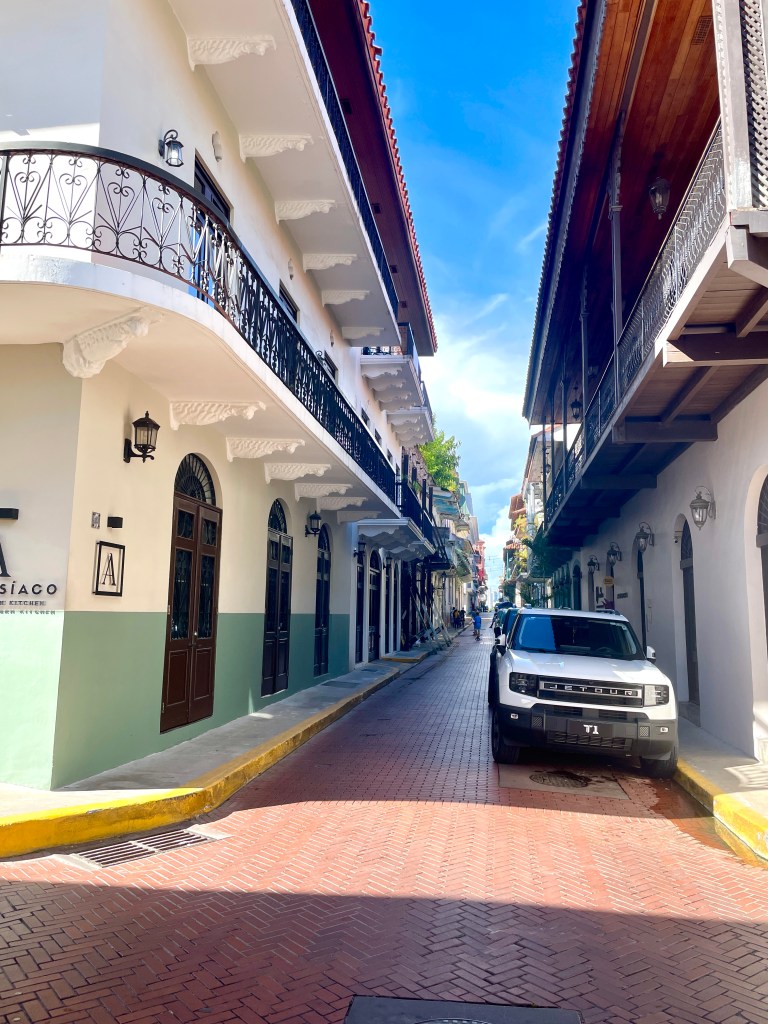
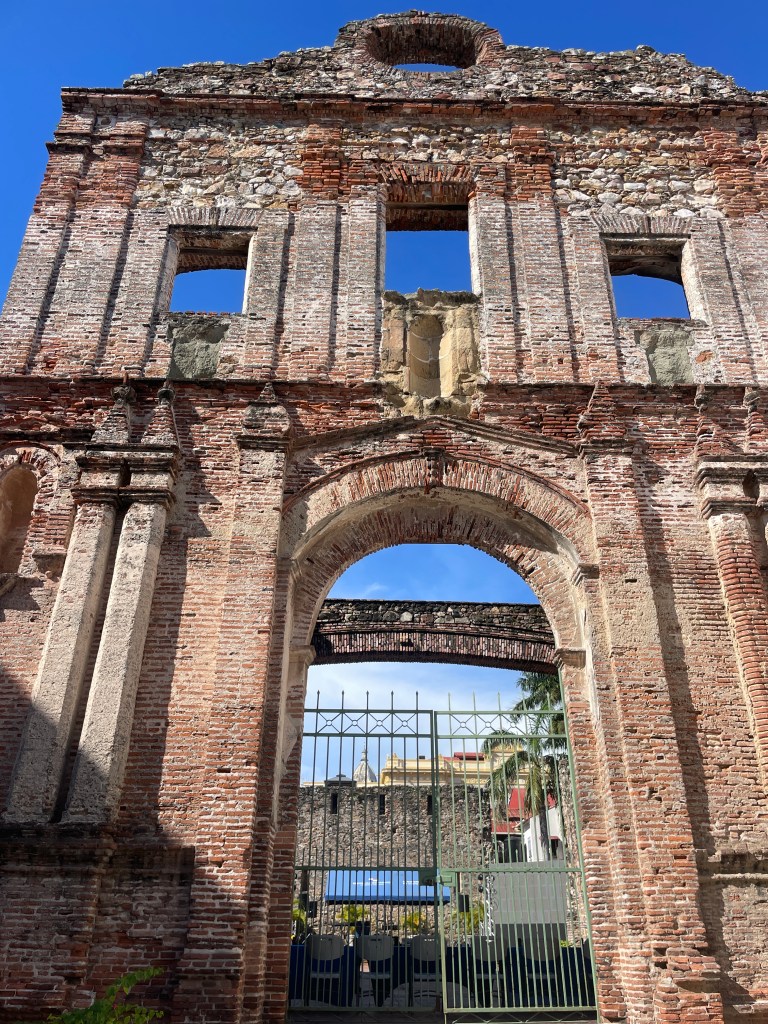
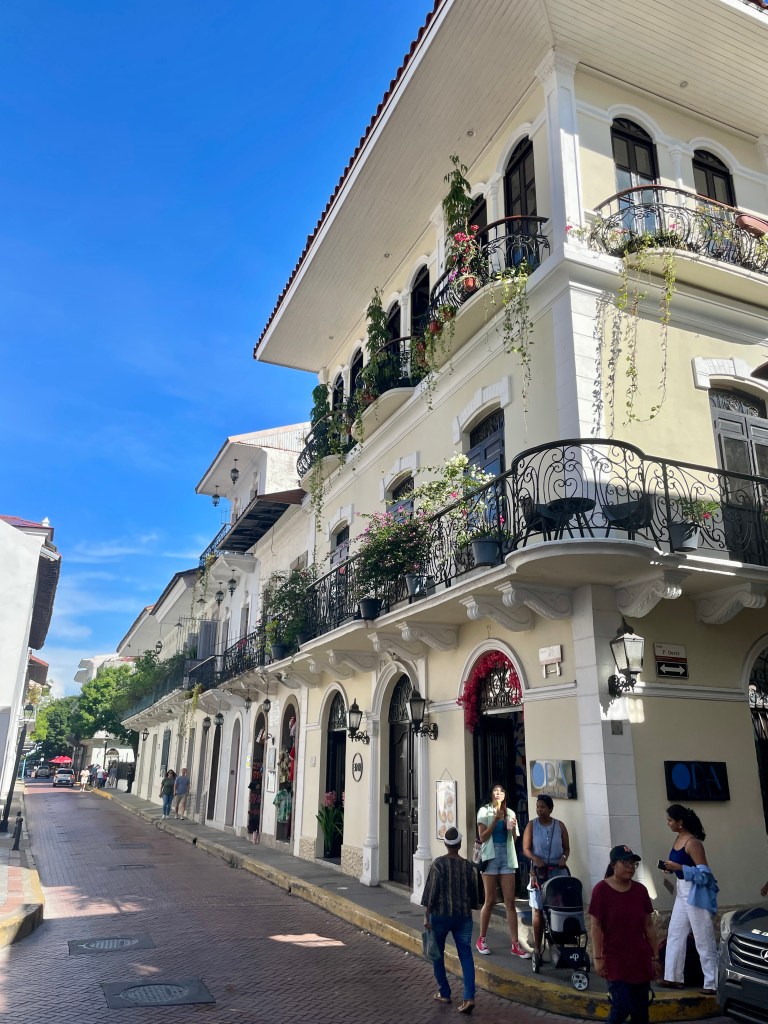
Casco Viejo (or Old Town) is an amazingly beautiful part of Panama City. French and Spanish Colonial architecture combine to create a section of the city that is living its best life. Once known as Panama Viejo, the waterside port was established in 1519 but was destroyed in 1671 by the pirate Henry Morgan. Today is area is being revitalized and features old churches, great restaurants, and small shops. Best of all the ocean water belts cool breezes which flow like a gentle mists throughout the ancient streets. Frankly, the town reminds me a little of New Orleans with a lot more punch.

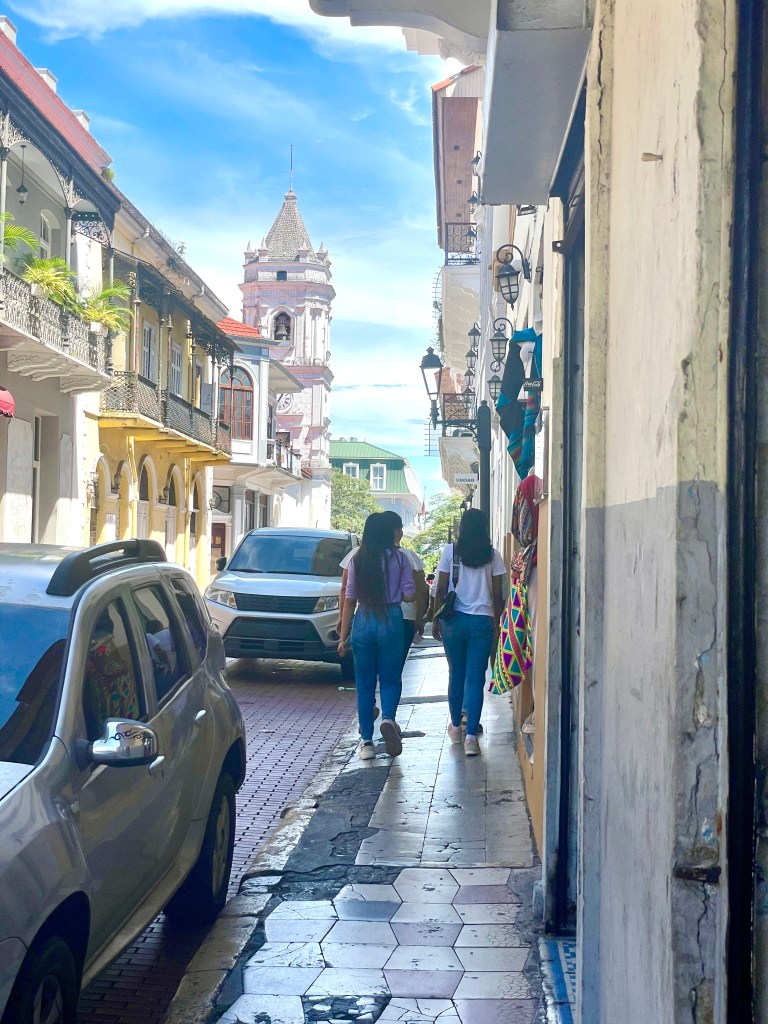
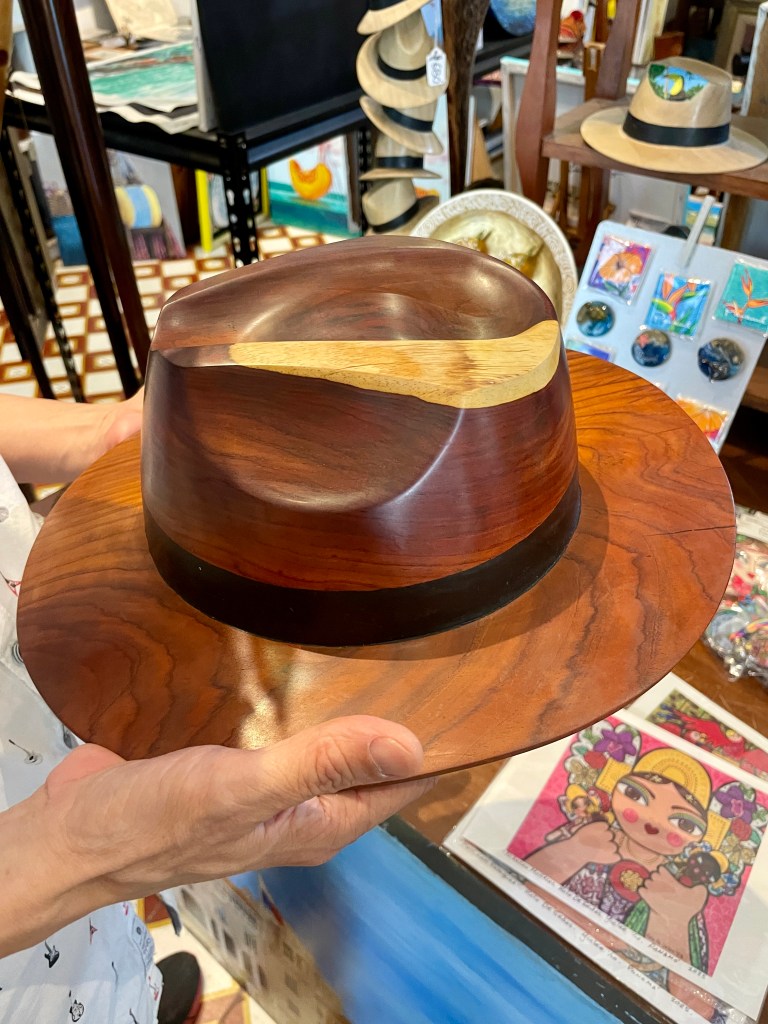
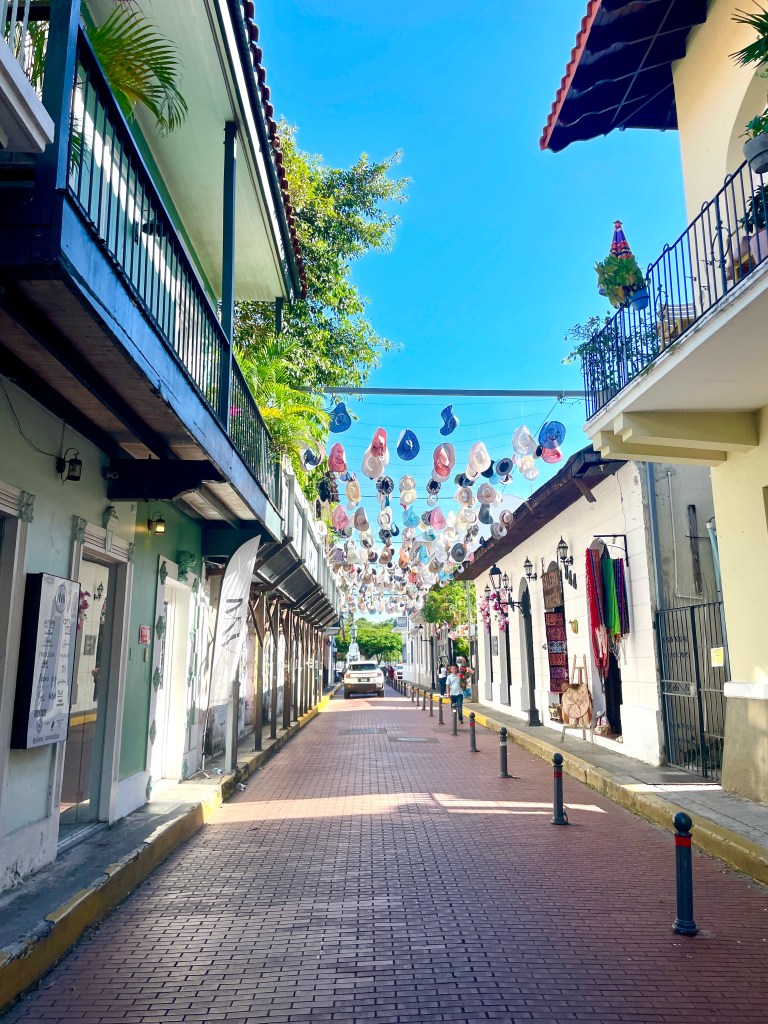
One of the things I loved about Old Town was the alleyways with hats, or flags, or copies of ancient embroidery hanging from upper window to upper window on both sides of the street. This part of Panama City always has something to be enchanted by and it makes your heart skip a beat when you turn a corner and find something unexpected and charming.

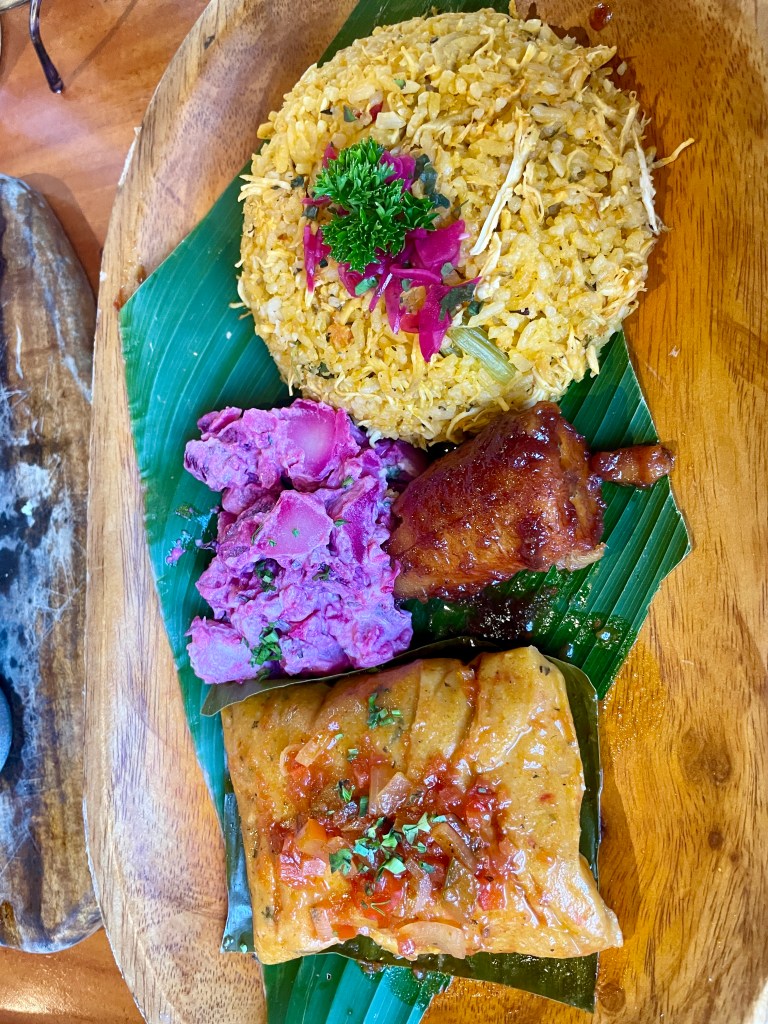
Since I am still having computer issues I am doing a computer dump of some of my pictures so you can get your own idea of the city. Enjoy!
A Few Of My Favorite Things

As my time in Queretaro ends ( I’ll be heading to Costa Rica on Sunday) I decided to post about the things I have come to love about Mexico. I am fortunate. I have been able to spend 10 weeks here so I have been able to soak up some of the culture that I would have missed had I only been here for 10 days. I have met people and have been shown various forms of kindness that have touched my life and that I will always remember. I have talked to Mexicans who have been kidnapped by ICE and sent back to Mexico after being handcuffed and detained for long periods of time. And I have spent time in ancient churches and have been exposed to antiquities that have made me truly appreciate the history and the people of Central Mexico. I am happy to say that I feel that I received the cultural experience I was hoping for and I feel extremely blessed.

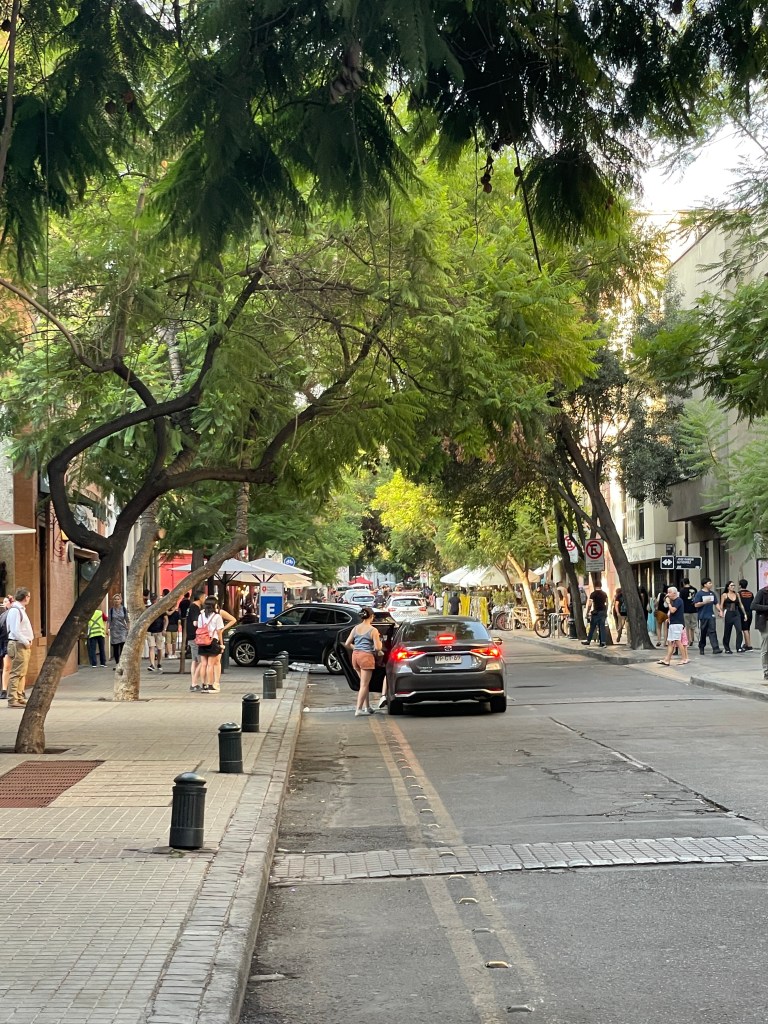
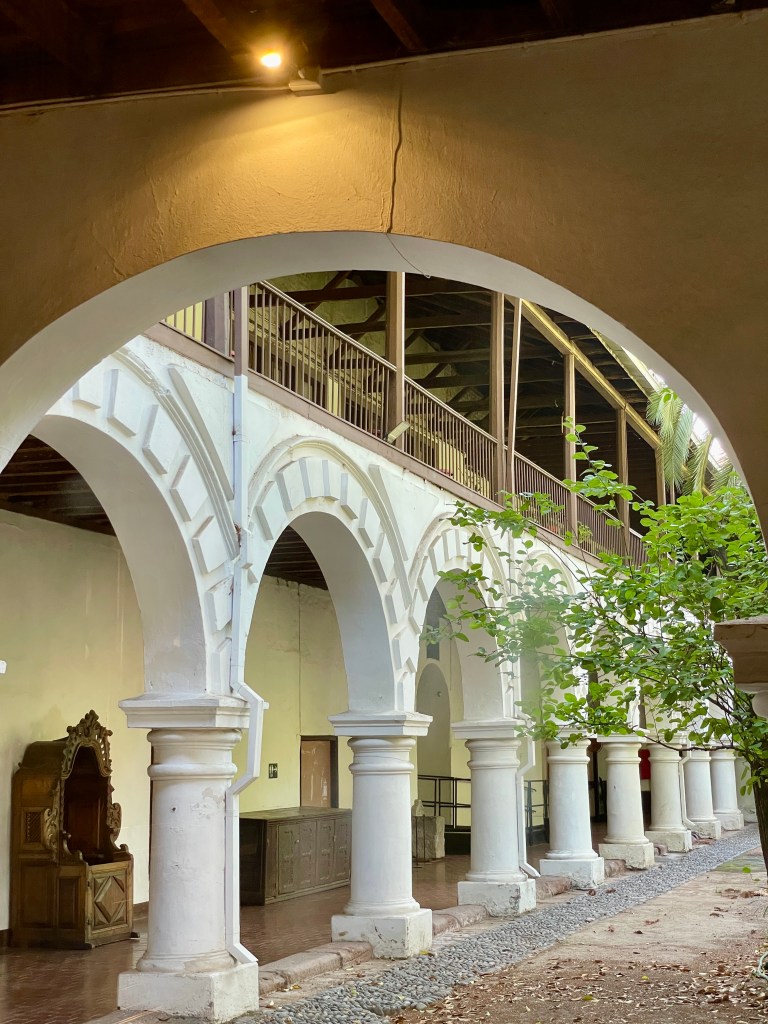
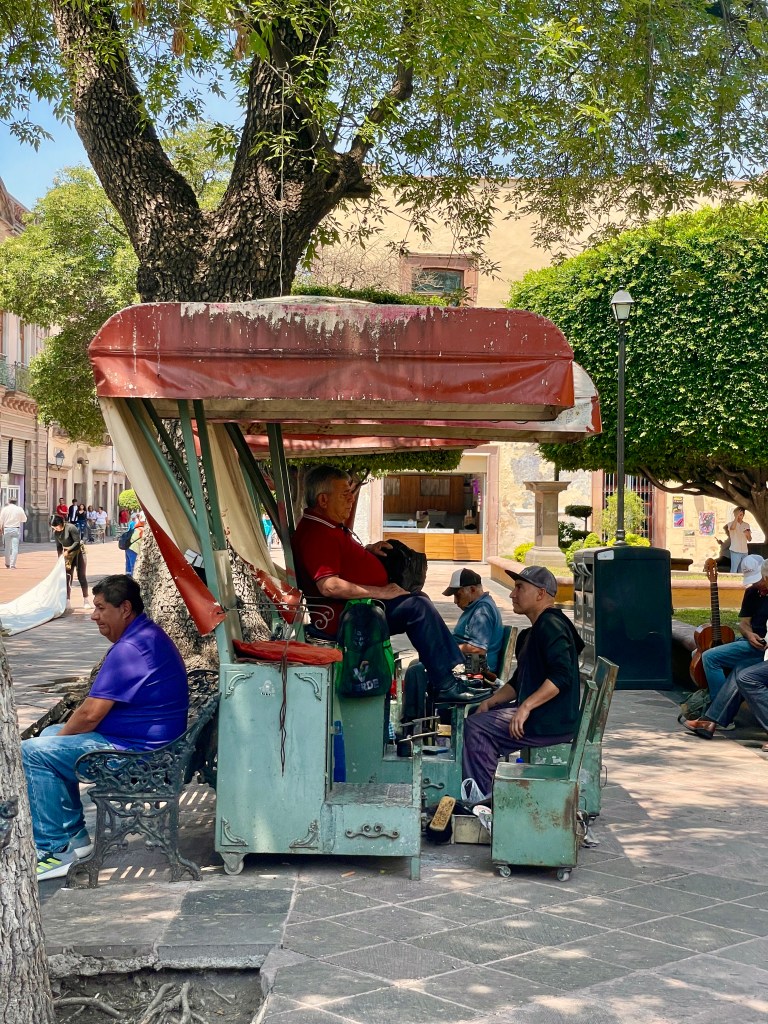
COURTYARDS– I love the courtyards and plazas that grace the cities providing a meeting place for all. The trees that line these places serve an important function by keeping the populace/city cooler. We should have many more of these gathering centers in the USA.

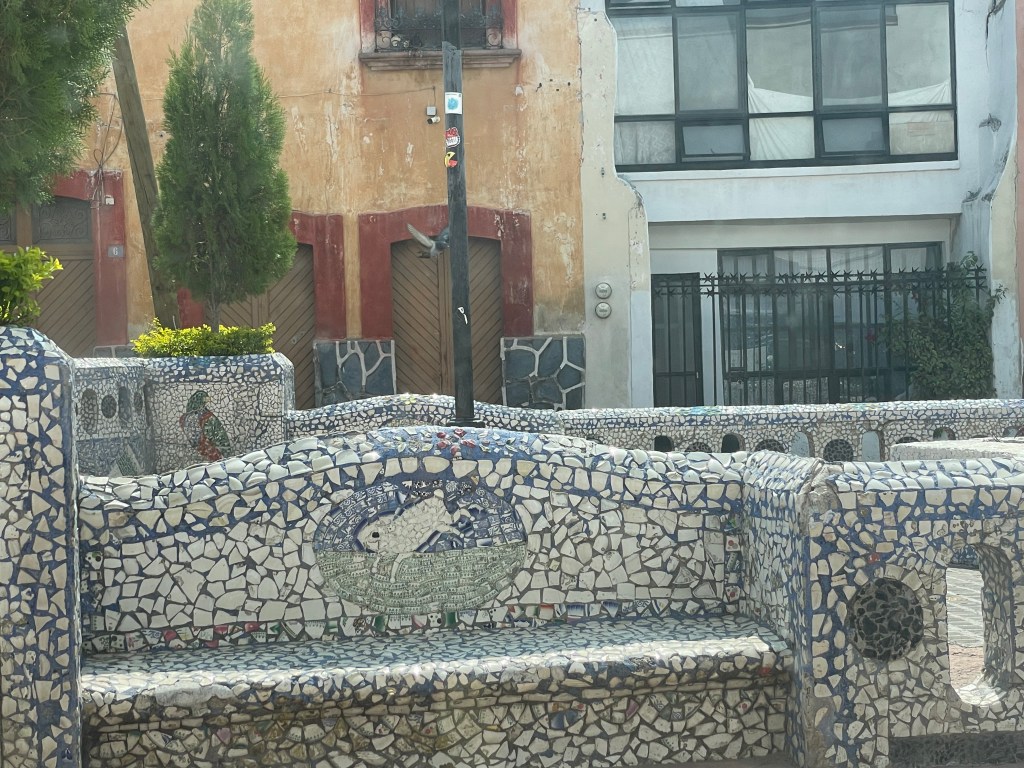
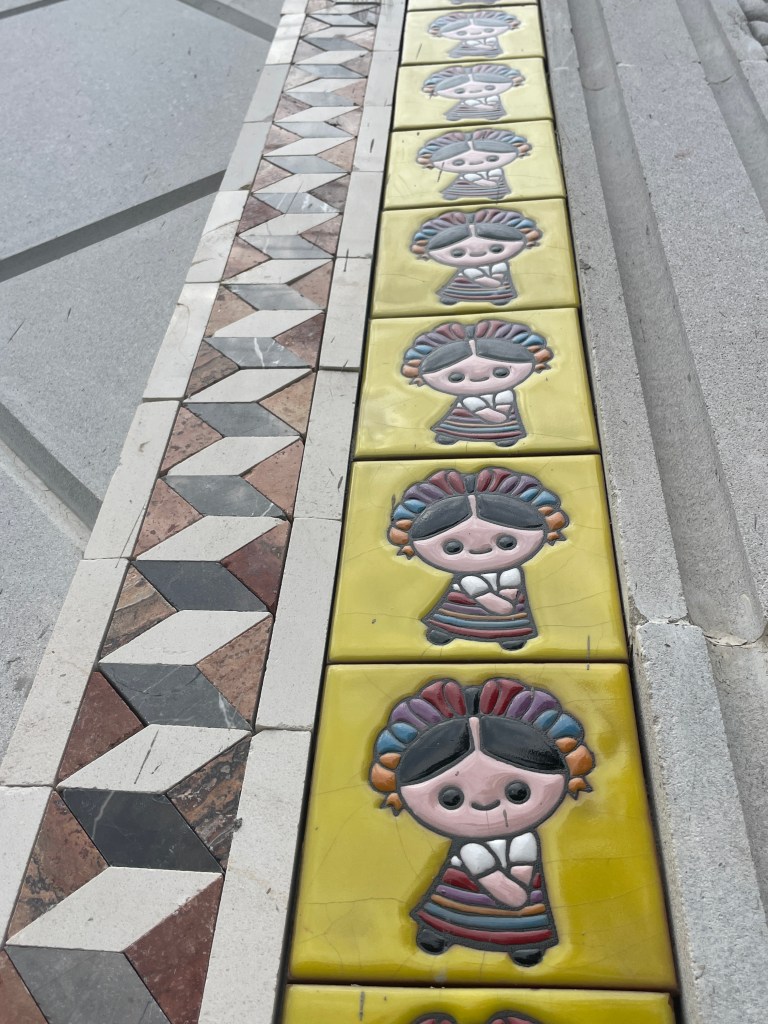
THE TILES– The tile work around here is amazing and you can find it just about everywhere. It beautifies the city while at the same time glorifies the artwork of local craftspersons.

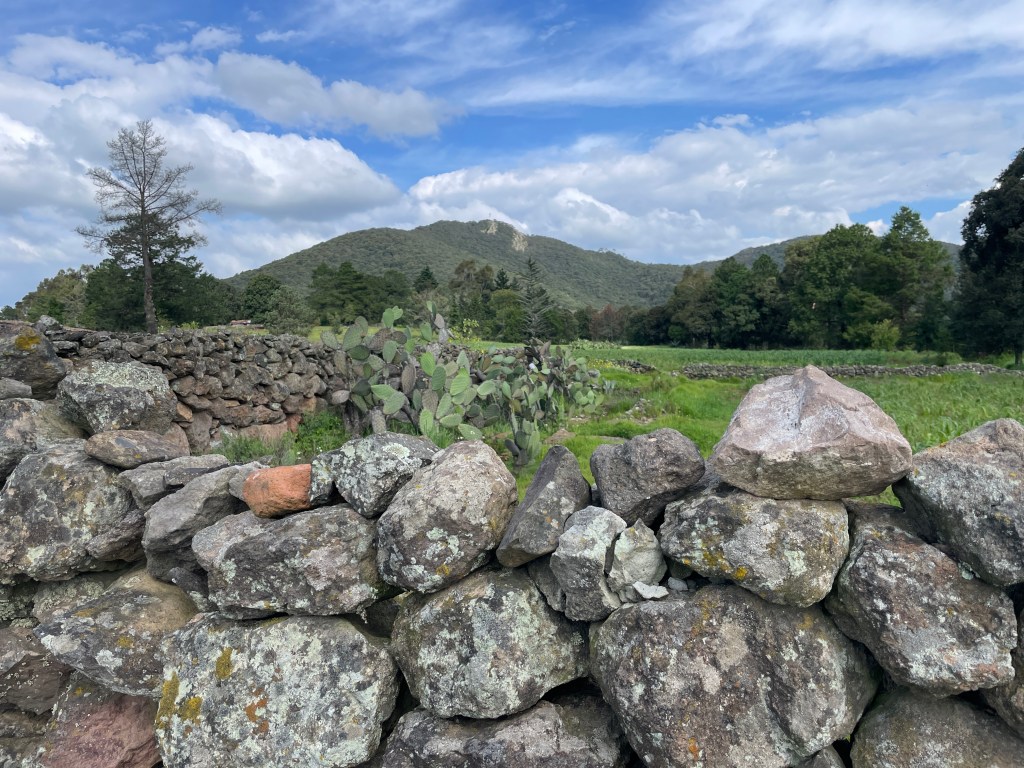
THE MOUNTAINS AND THE STONE WALLS– There are few things as beautiful as stone walls in which each stone has been lifted, chosen, and meticulously put in place by hands over the ages. The work that goes into these is back breaking and they are a testament to those trying to create a better life for themselves.

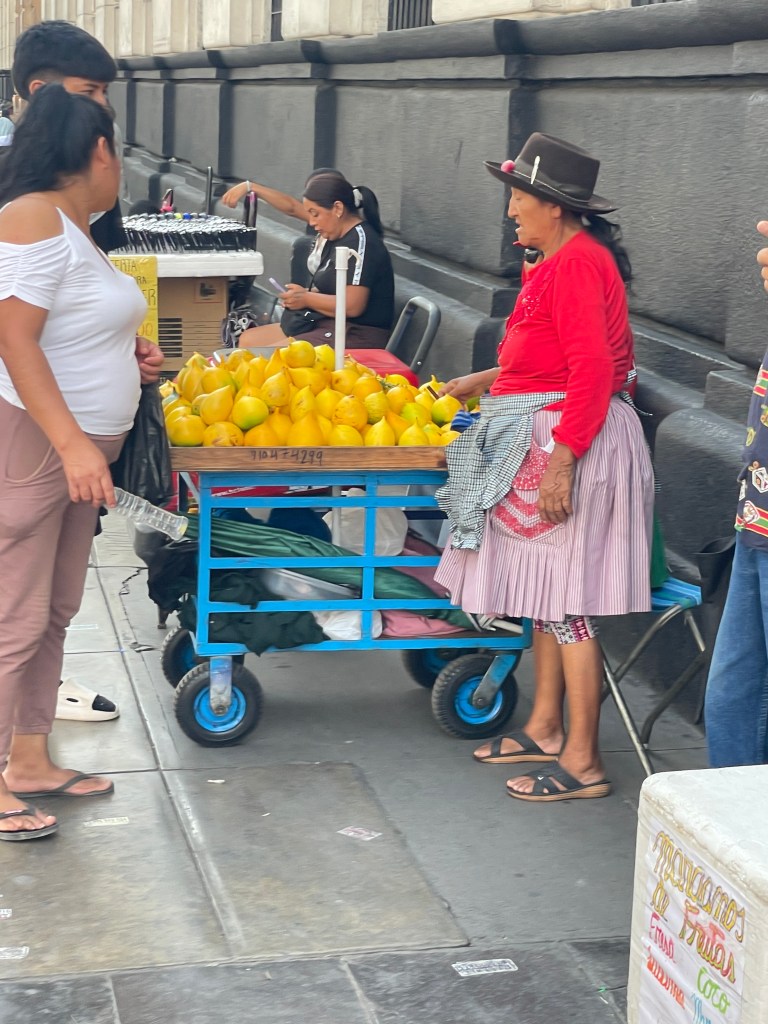
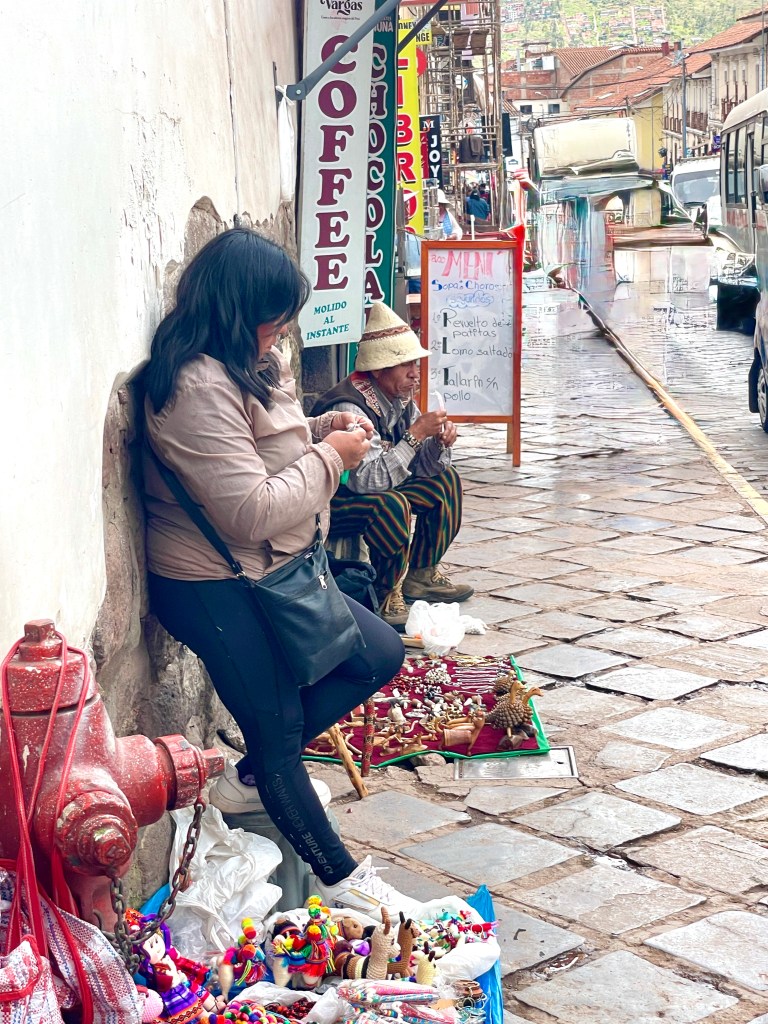
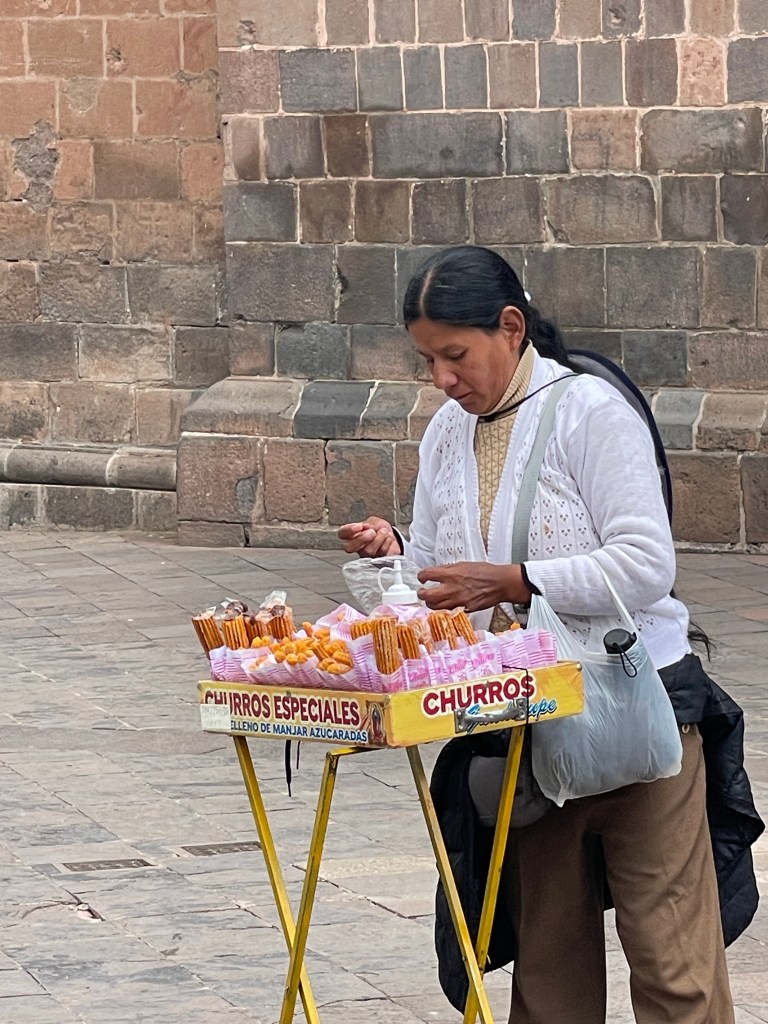
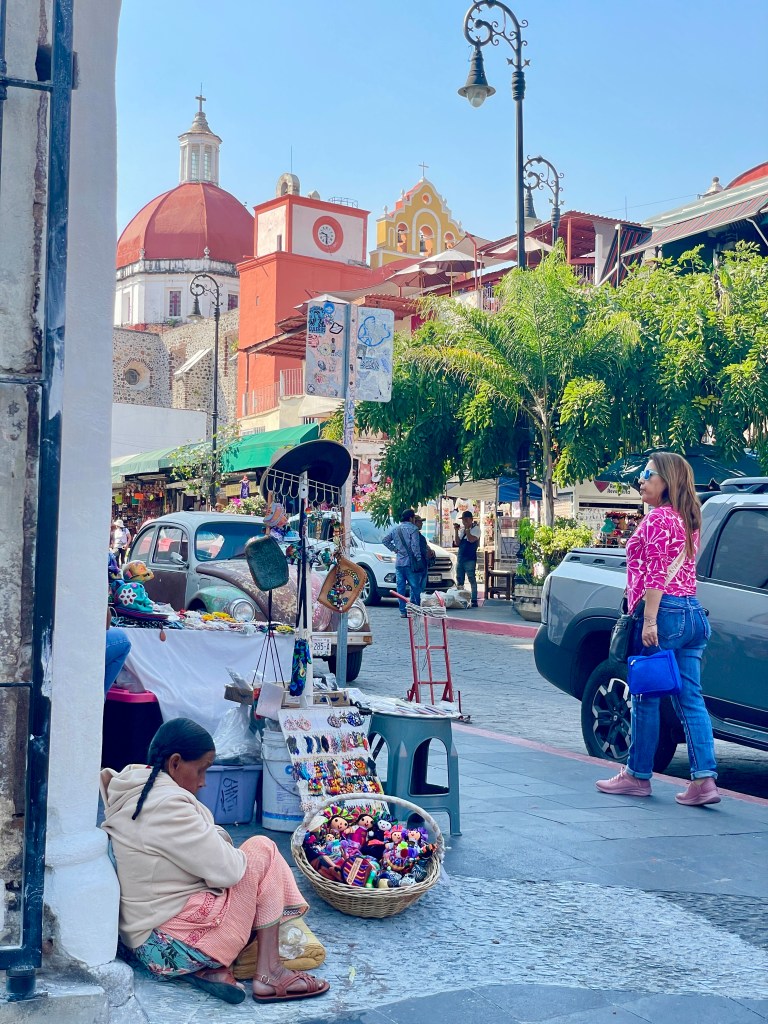
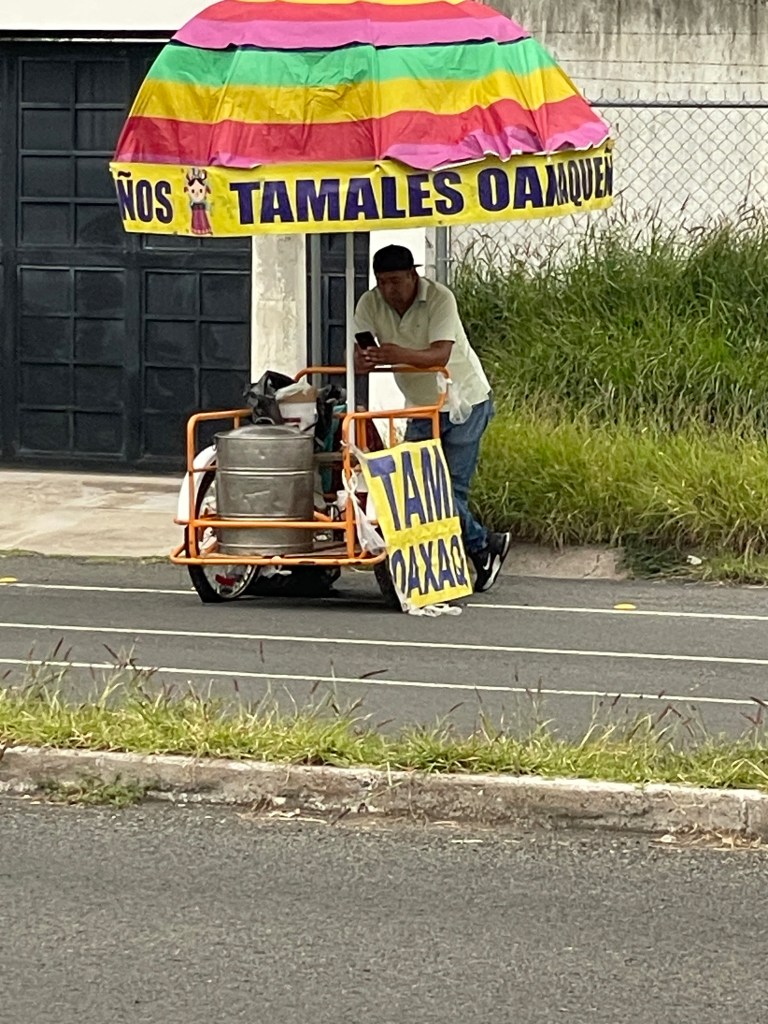
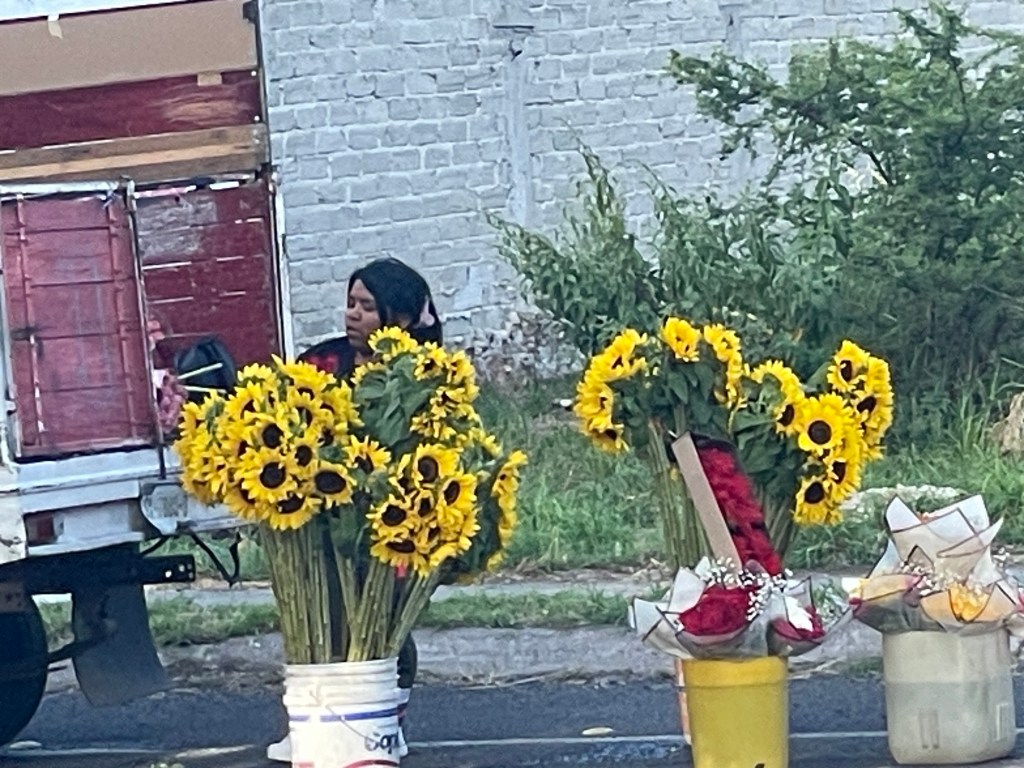
THE STREET VENDORS-Never have I seen such hard-working people. Day and night they are out peddling their wares. Here, I have never found them to be pushy… only kind as they do everything they can to provide for their families. I cannot imagine trying to earn a living this way but somehow they do and almost always with a smile on their faces.

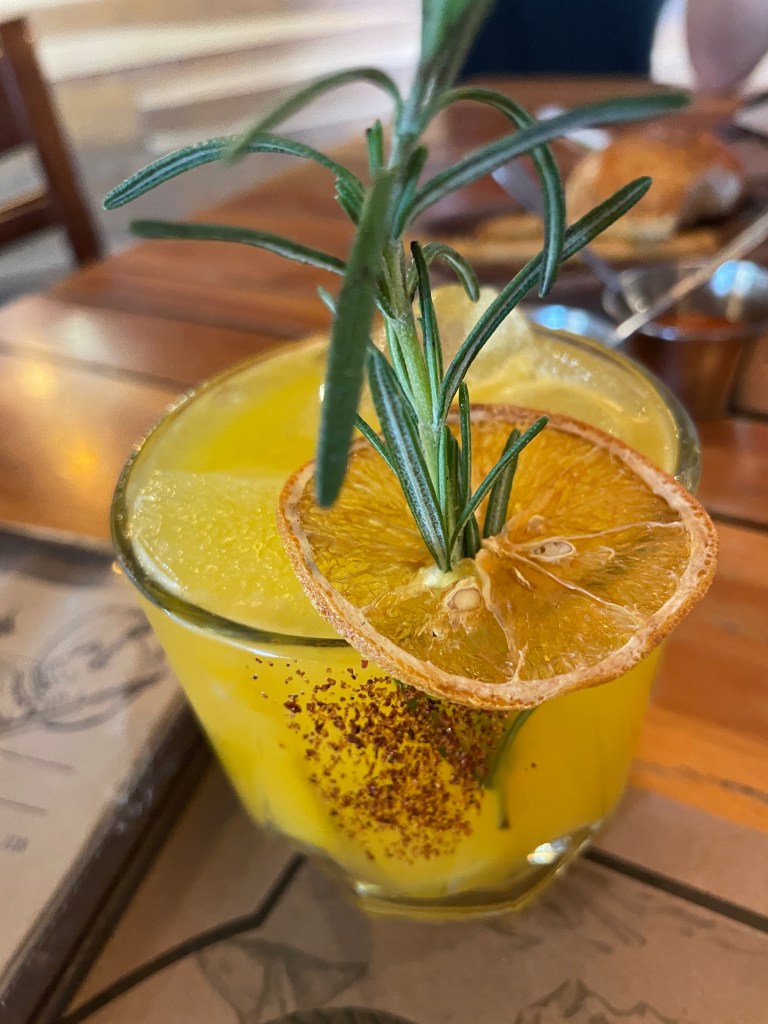
THE DRINKS– Okay a confession. I have discovered I like a good smokey mezcal and on a hot day. It beats a beer any day.

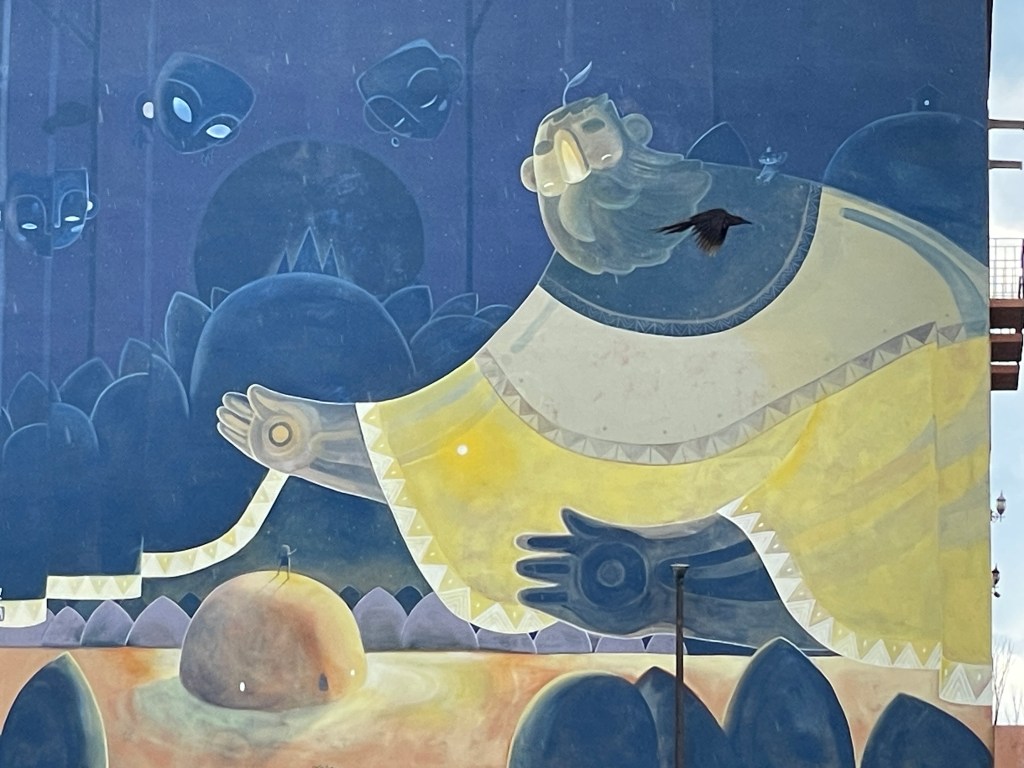
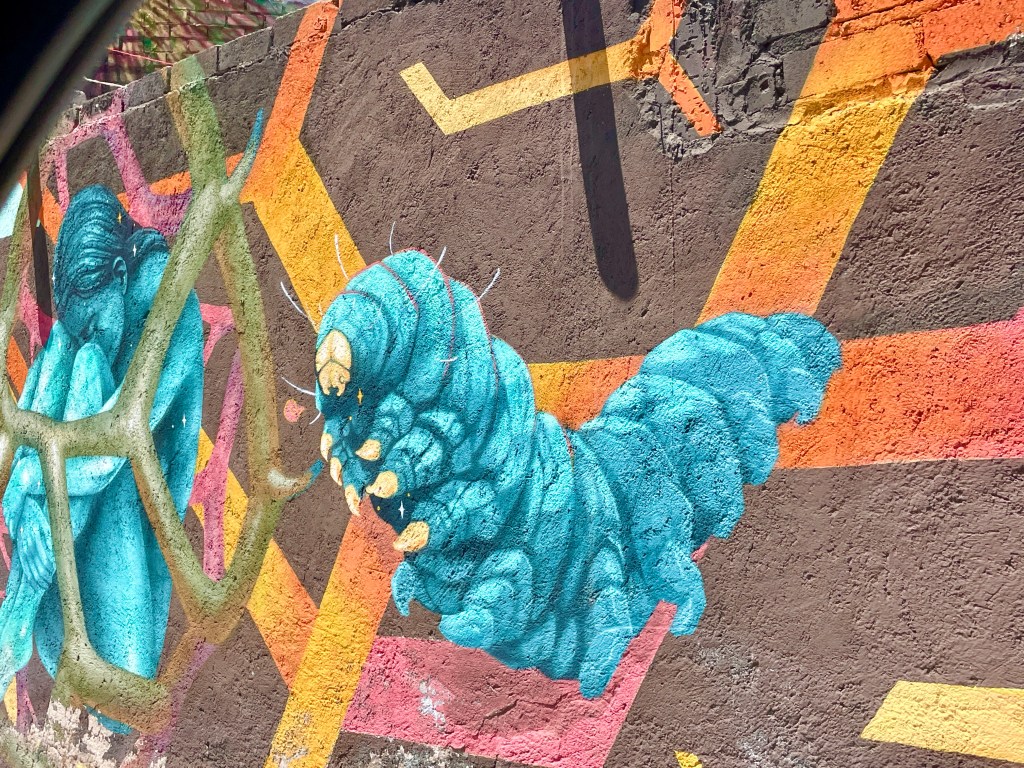
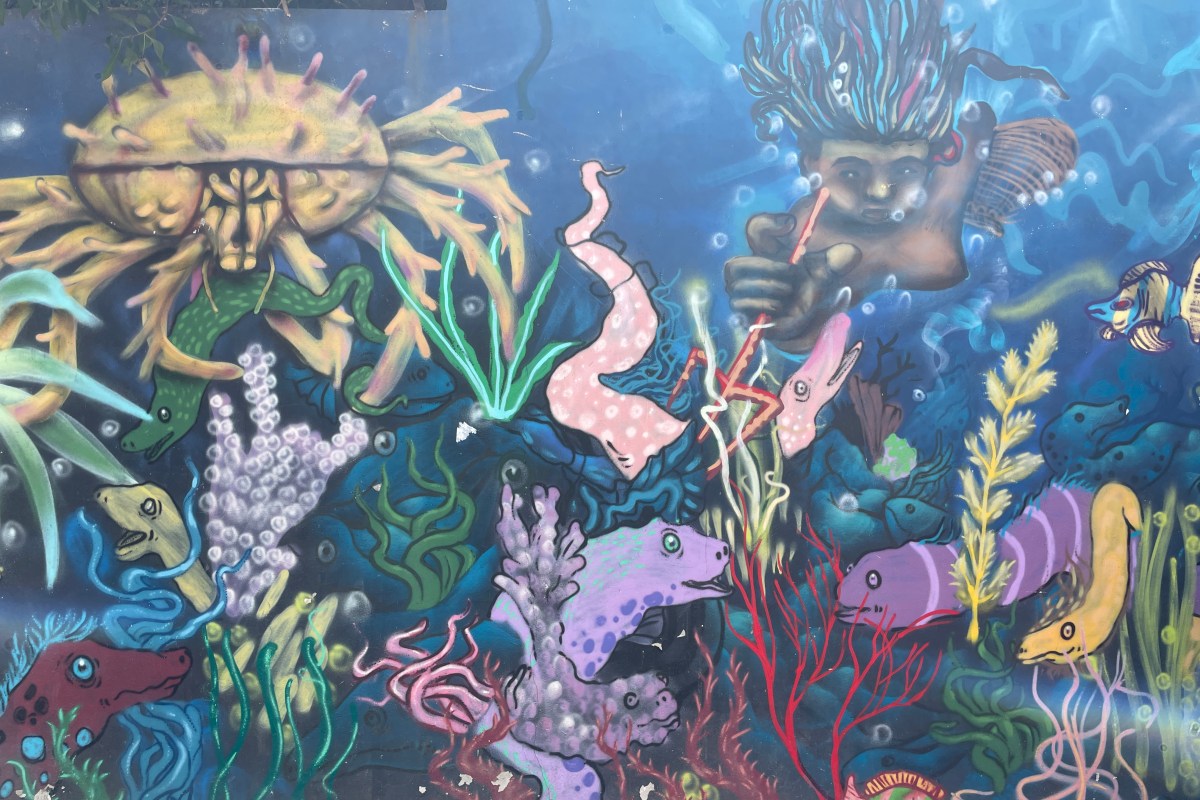
THE MURALS– I did a whole blog on the murals because they are vibrant, so imaginative and they are an excellent way to showcase the talents and beliefs of the local people. Here are a few more to enjoy.

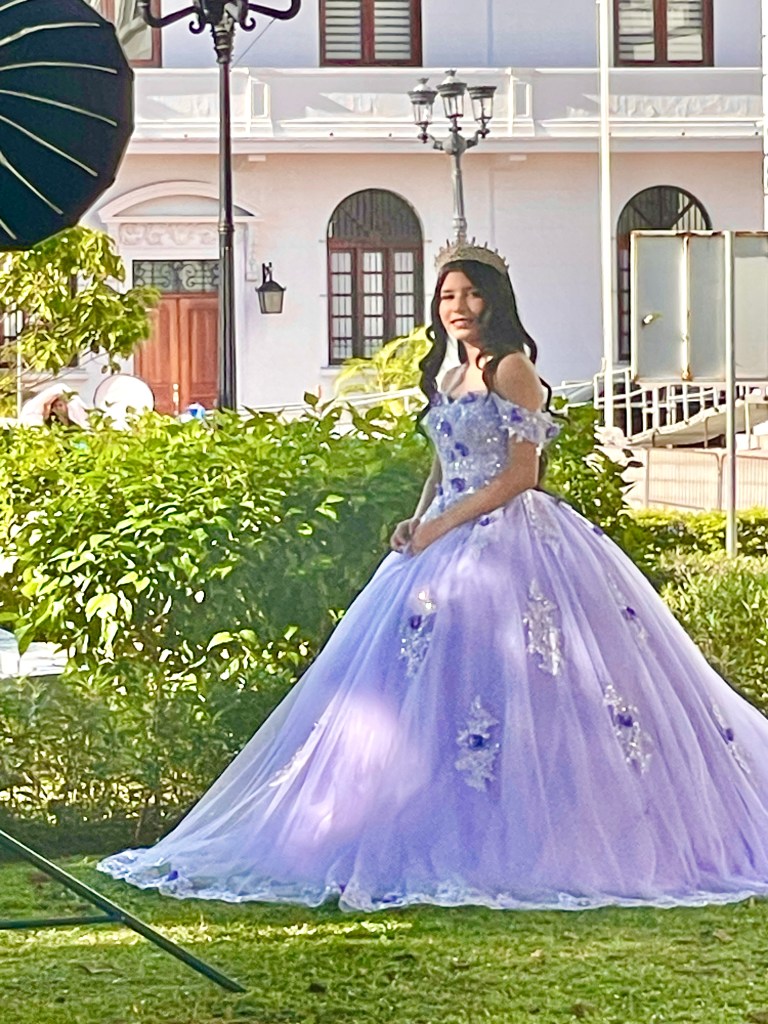
THE DRESSES– Here is Mexico the Quinceañera is a really big deal. It is held to mark a girl’s 15th birthday which signifies her entry into womanhood and the responsibilities that she inherits as a result. The dresses are fabulous. In addition, the major department stores rents these dresses or prom dresses which I thought was a wonderful way to allow those with less money to attend these events looking absolutely stunning.

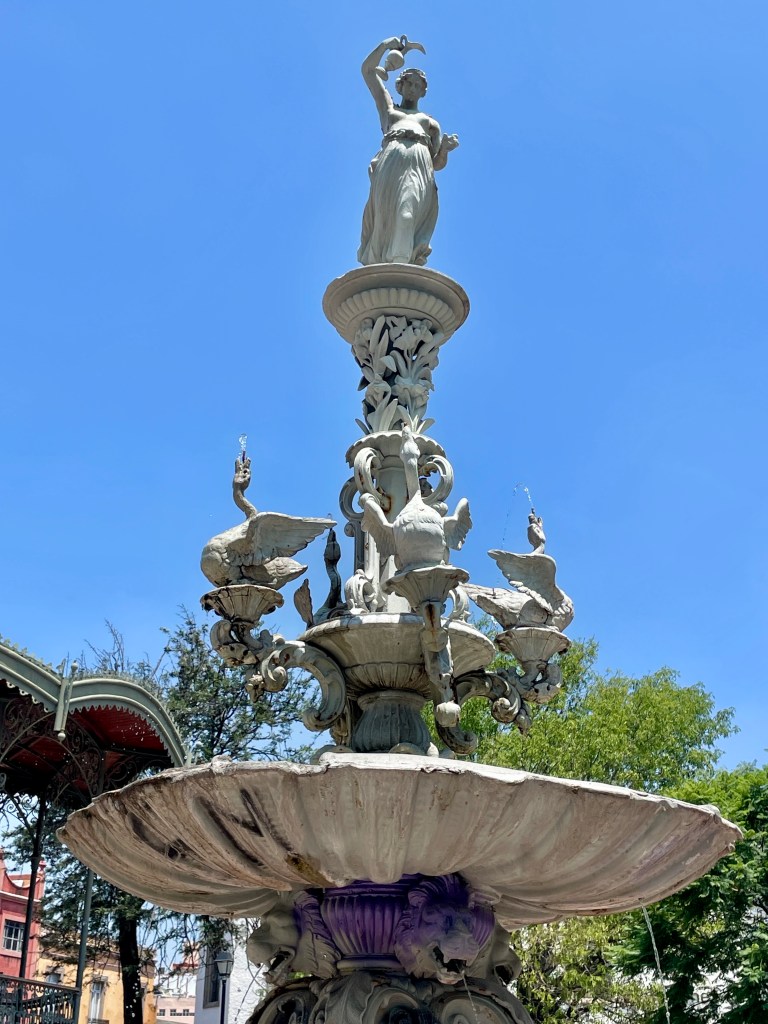
THE FOUNTAINS– They are everywhere and each is different with various meanings or honoring local history.

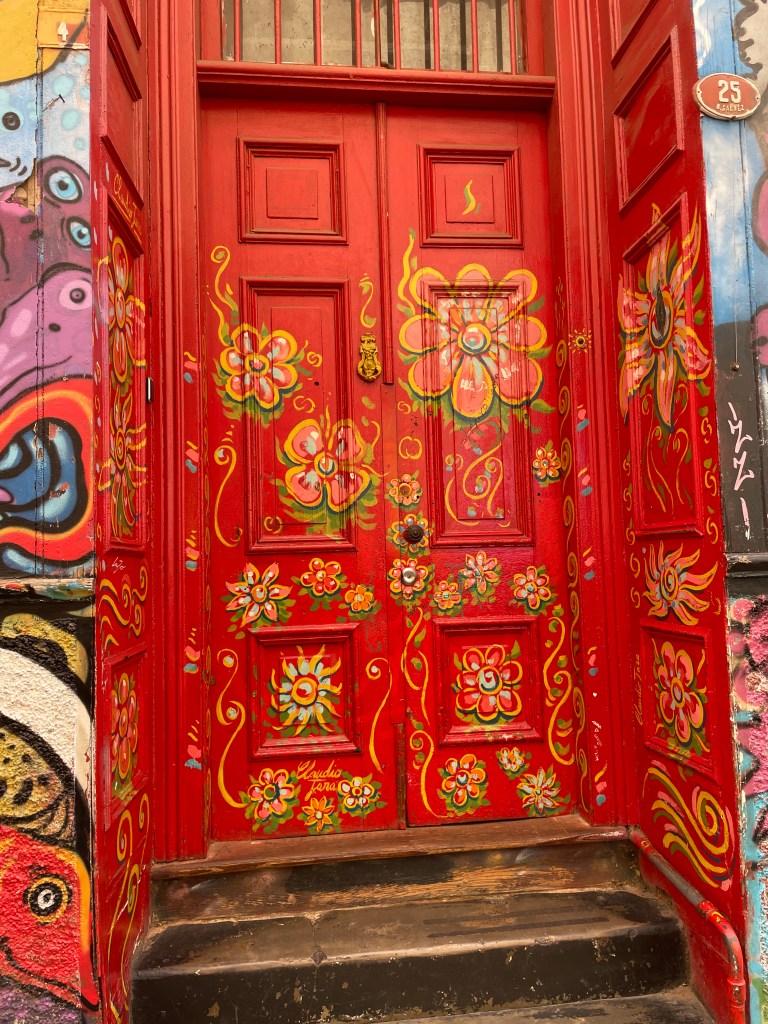
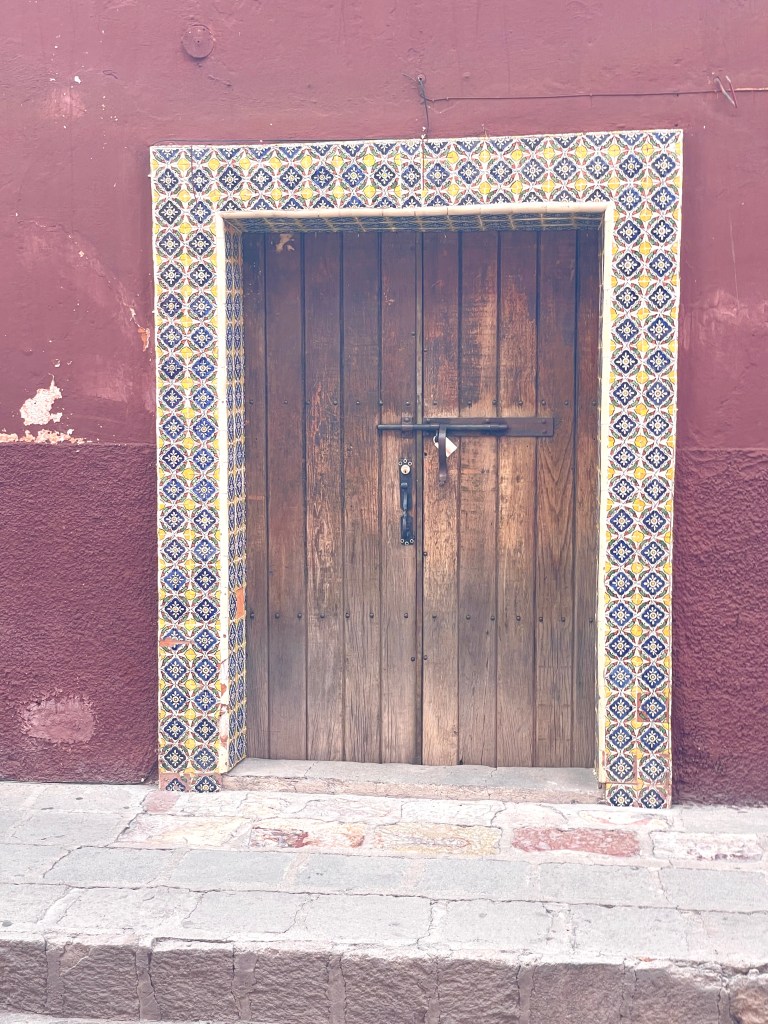
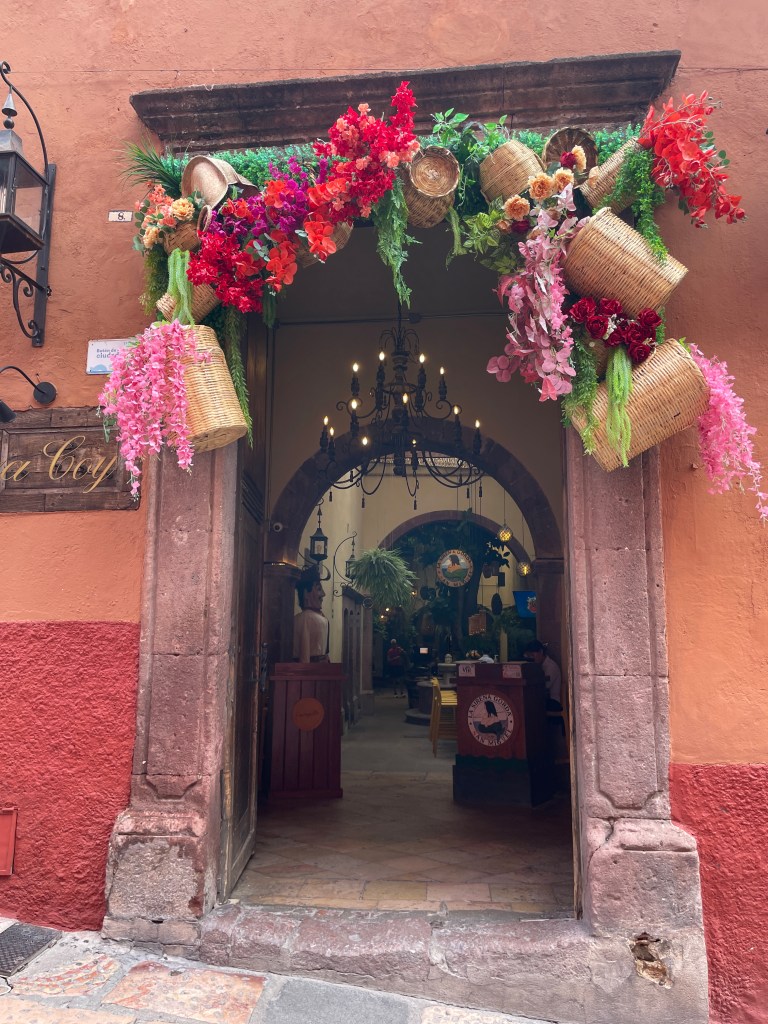
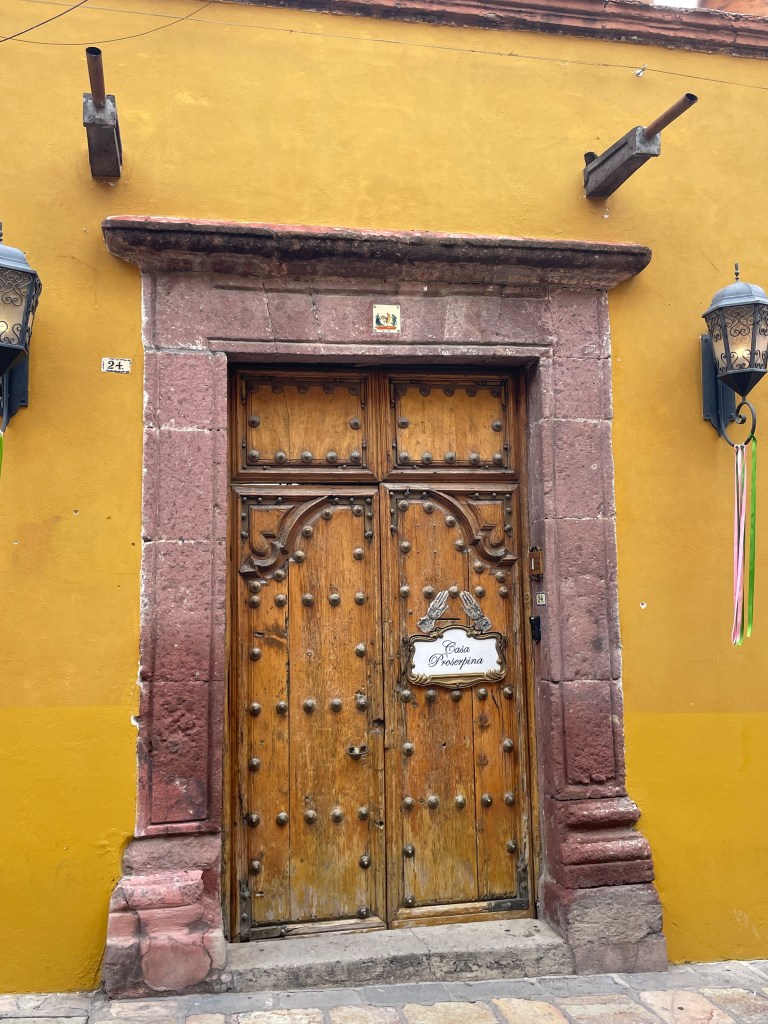
THE DOORS– Anyone who really knows me knows that I LOVE doors and have taken pictures of them during all of my travels. Mexico’s doors are by far some of the most beautiful I have ever seen and the decorated doors come in all kinds of designs. In San Miguel you are not allowed to replace a historic door without permission and I can understand why. Many of these doors are hundreds of years old and have come to represent the city’s fascinating past.

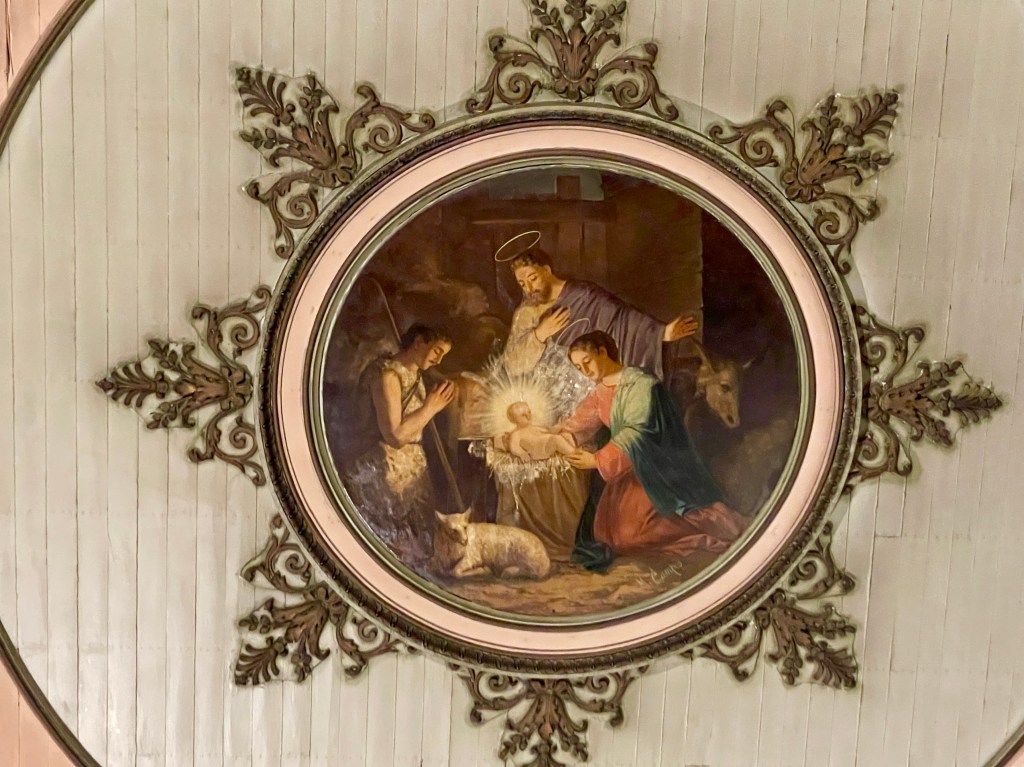
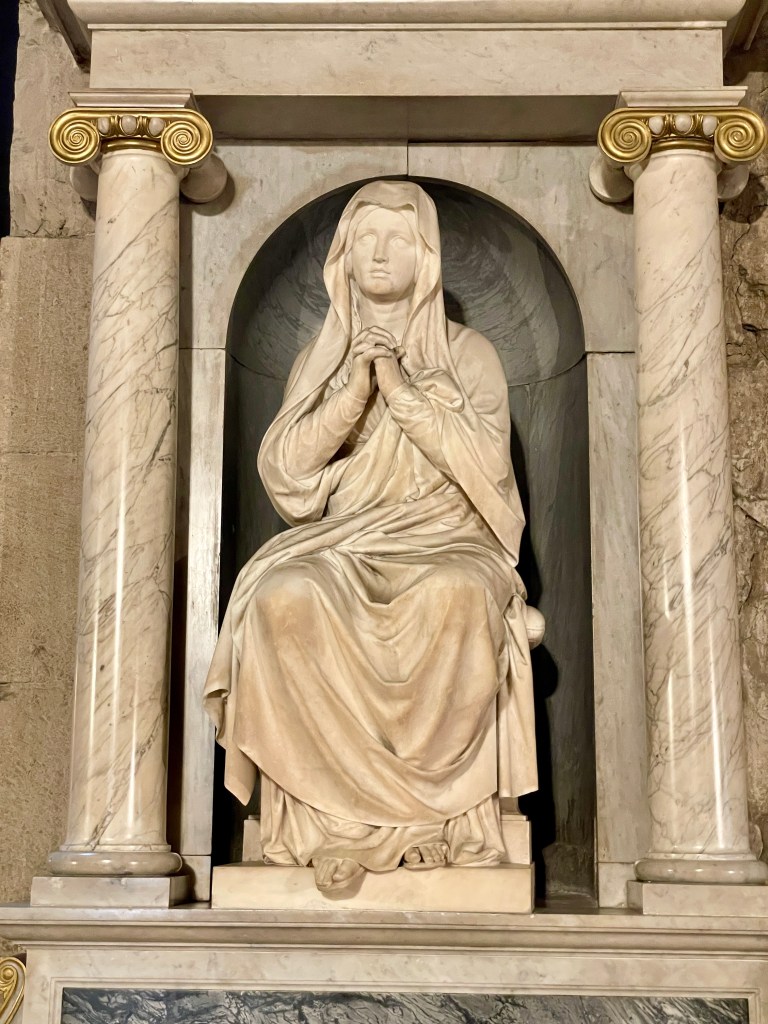
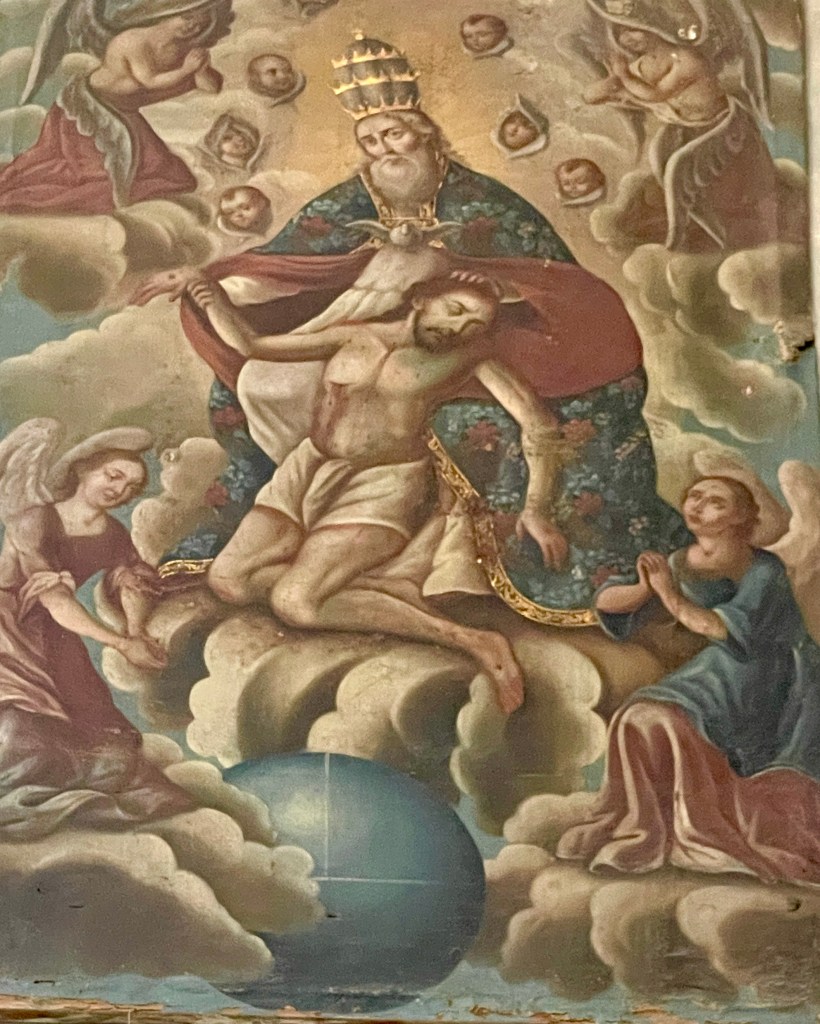
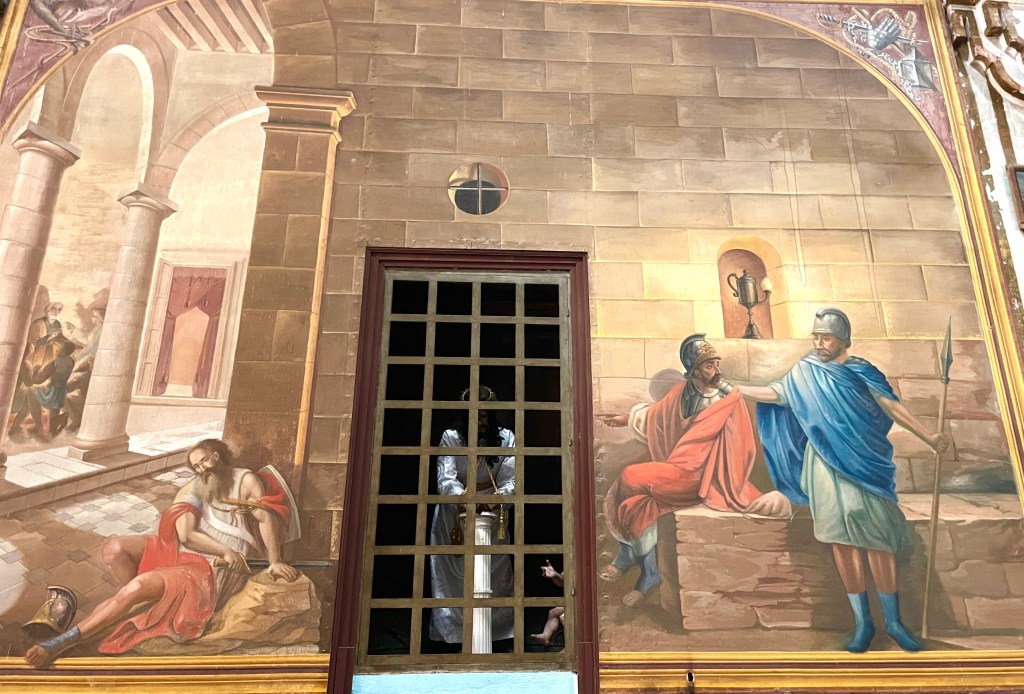
RELIGIOUS WORKS OF ART– I find religious artwork fascinating because besides the feelings that viewing them invoke; the paintings often depict the lives of everyday normal people.

PIANOS ON THE STREETS– I find this aspect of city life to be the most charming. So many people just plop down and play, usually just one song, and then get up and leave. From chopsticks to piano players who sound concert hall worthy; listening to someone who has the guts to perform in front of strangers is a delightful way to pass some time. I also love just listening to various street musicians doing what they do best.

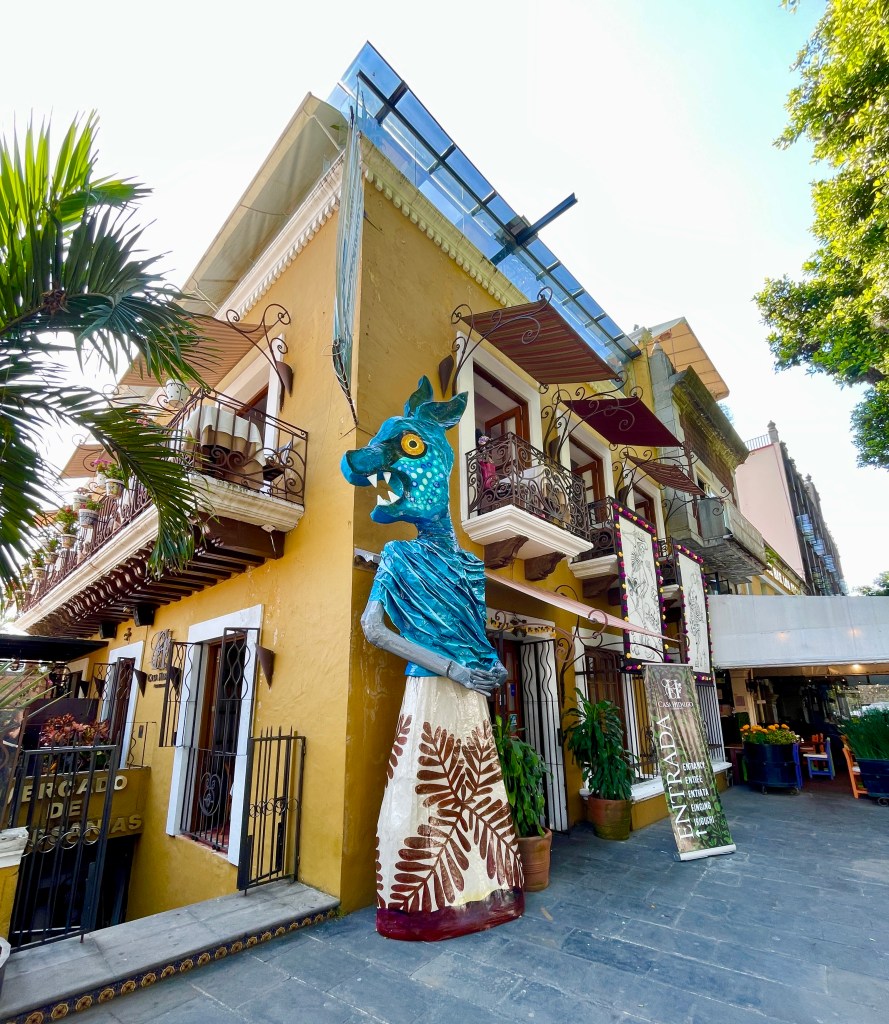
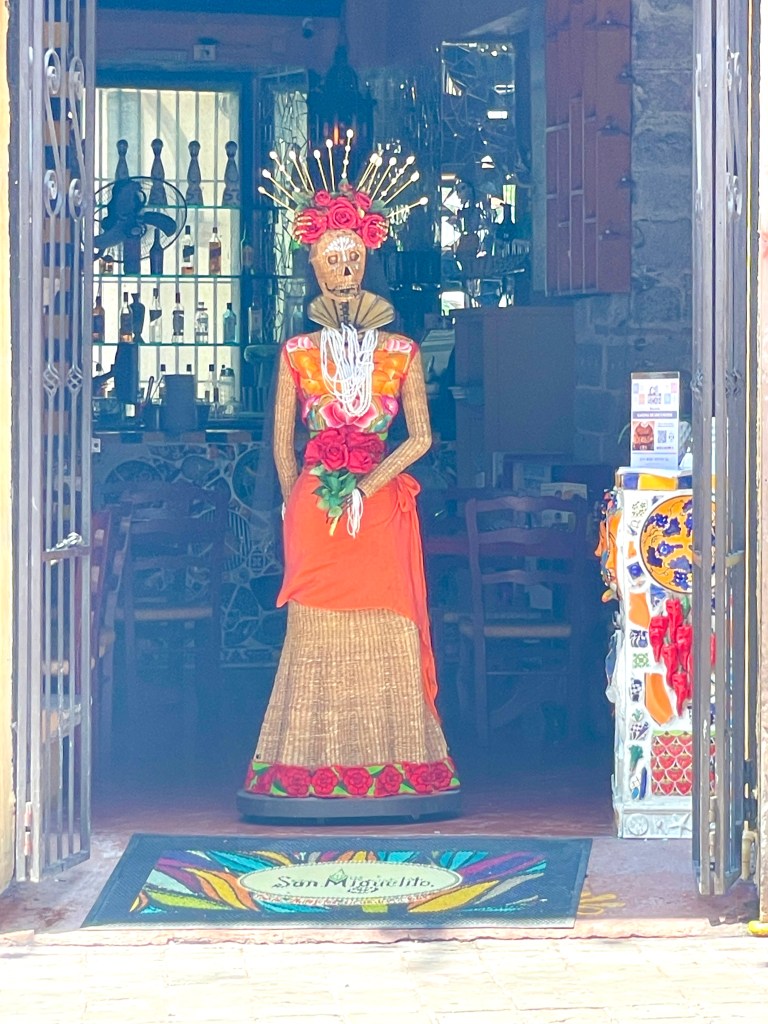
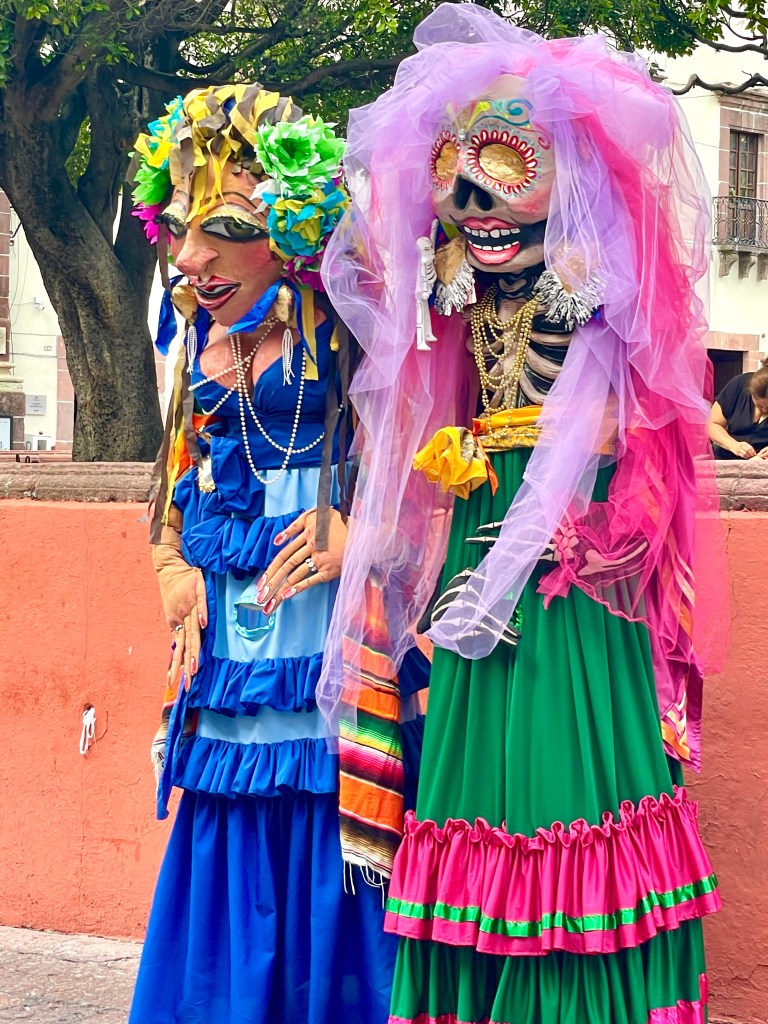
DAY OF THE DEAD– So everyone tells me I have to come back to witness for myself the Day of the Dead celebrations and I probably will. In the meantime there are all sorts of reminders of this beloved holiday of the Mexican people.

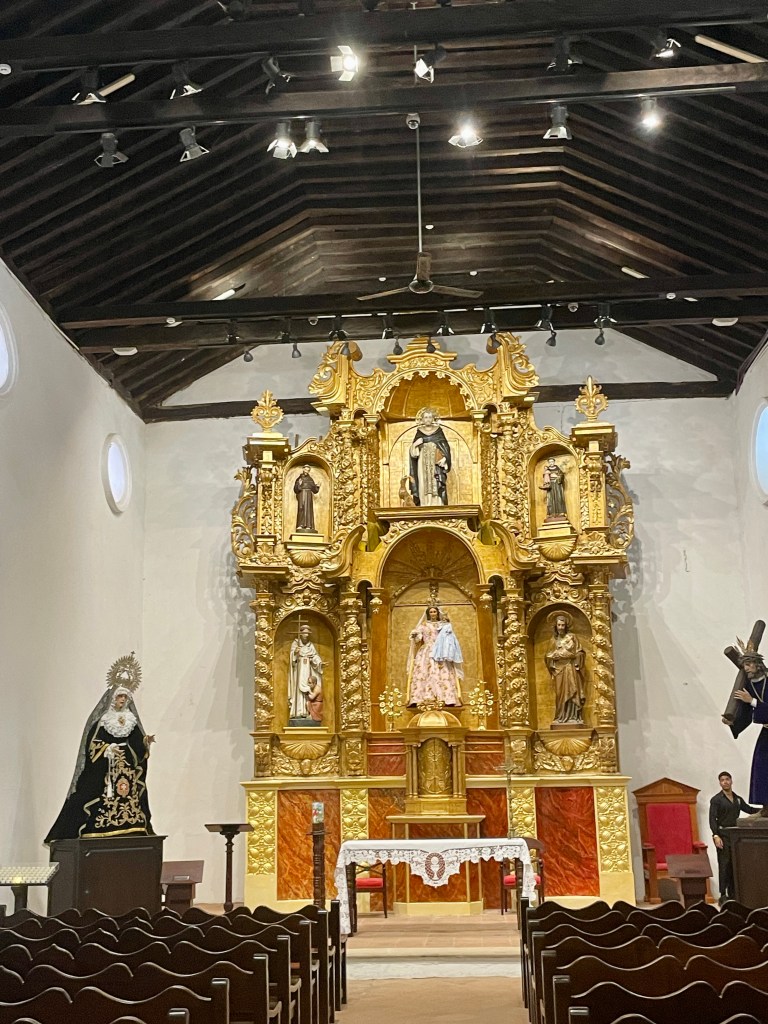
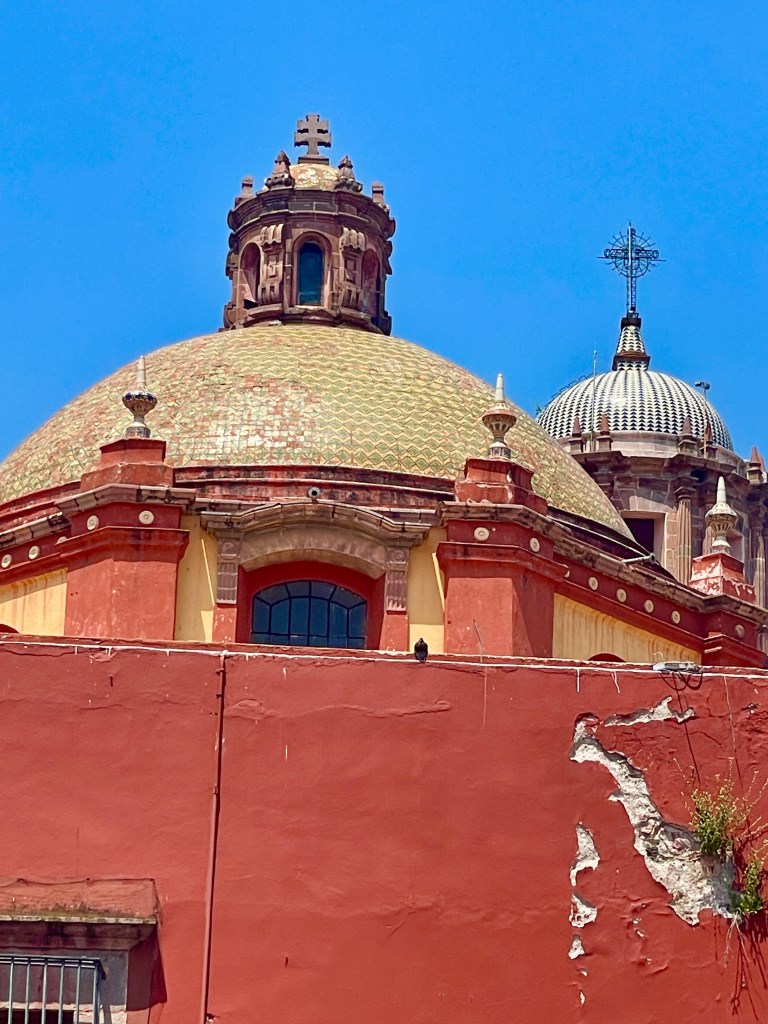
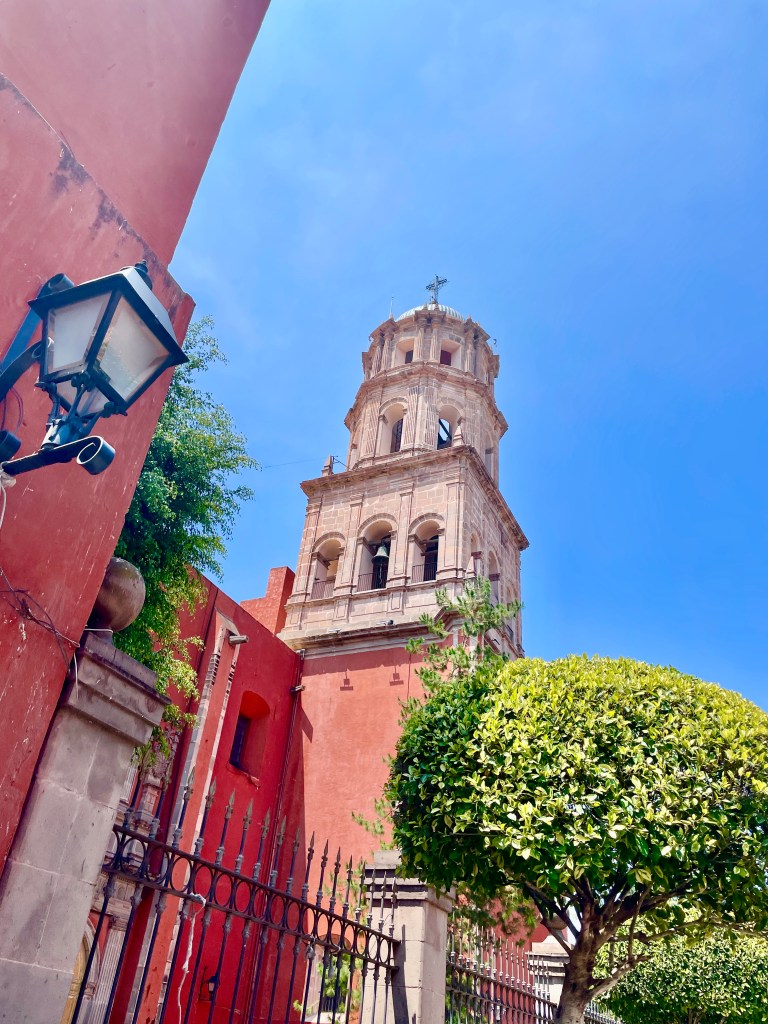
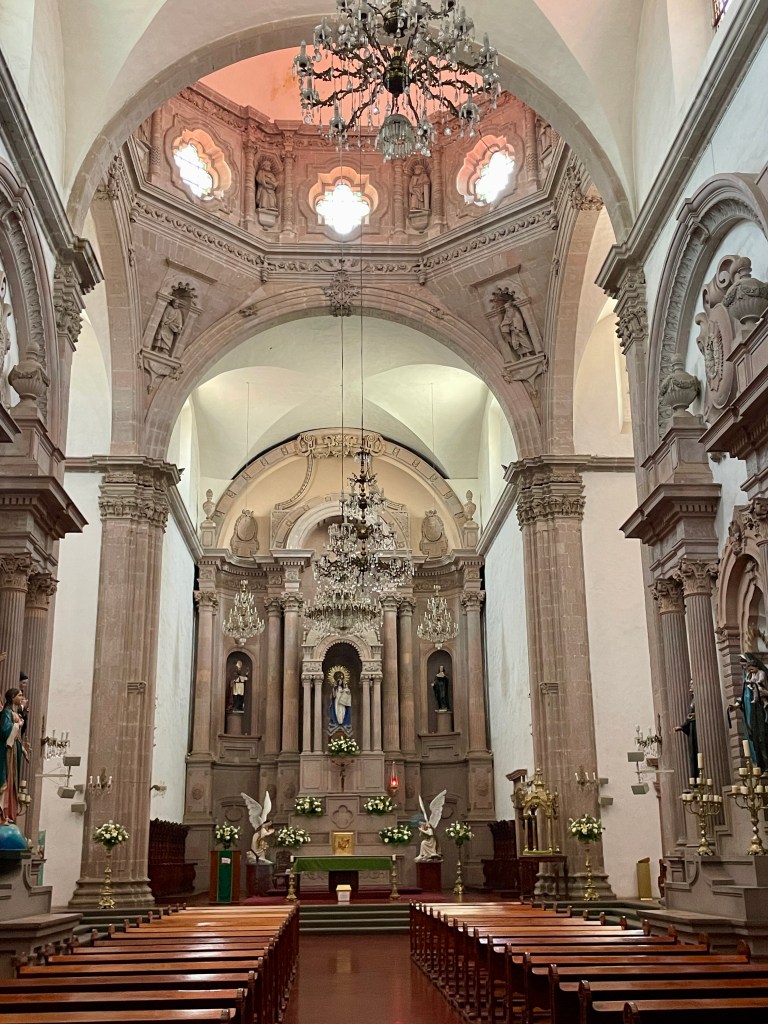
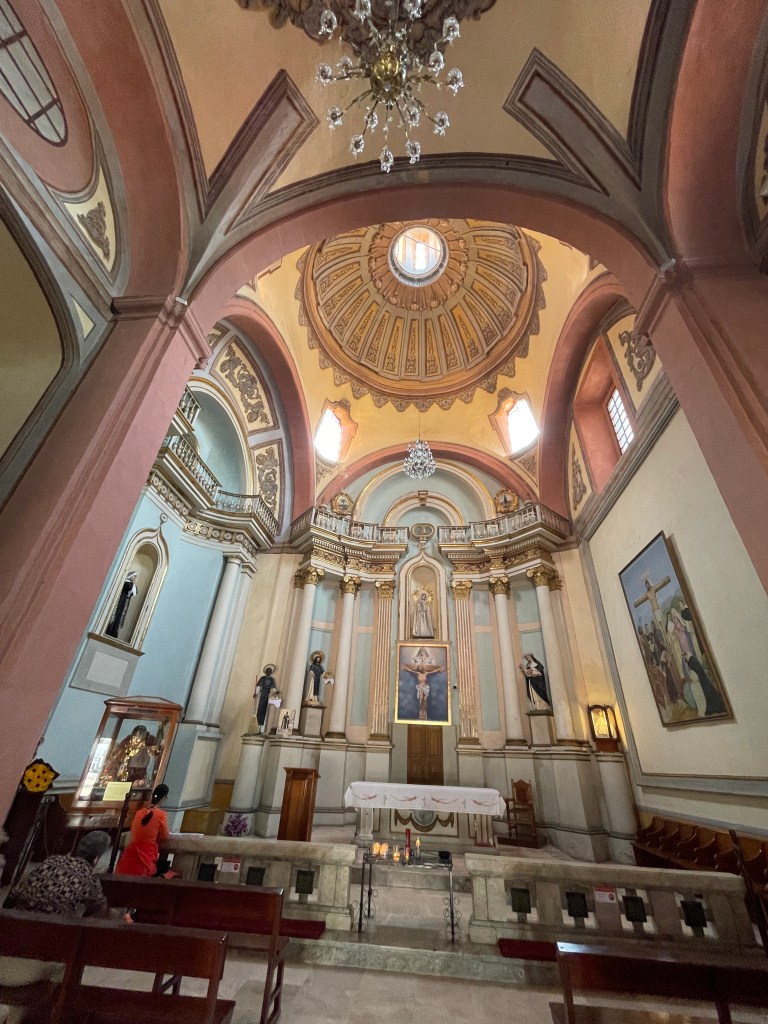
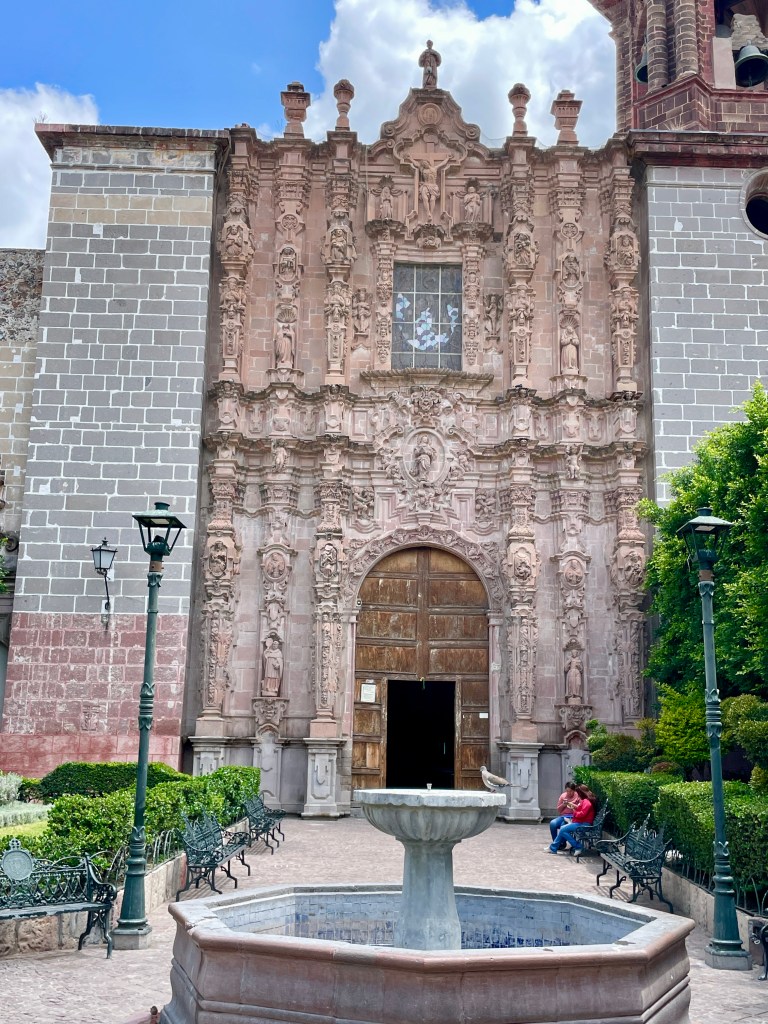
THE CHURCHES– While not a traditional religious person; I have spent my fair share of time sitting in the churches listening to the bells, choirs and priests. I feel at peace when in these churches taking in all the art and beautiful sounds of people as they come to pray. Something about the churches in Mexico are special. While I can’t quite put my finger on what makes them stand out all I know is that they do….you’ll just have to take my word on it.

Templo de Santo Domingo
Santa Iglesia Cathedral

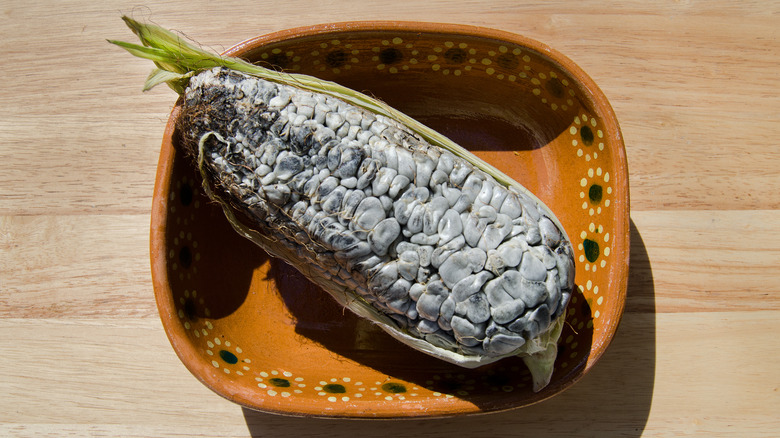
THE FOOD– The food here is great. Besides the “traditional” Mexican food that we know and love there are fantastic fusions and ancient food items like Huitlacoche which I talked about previously.

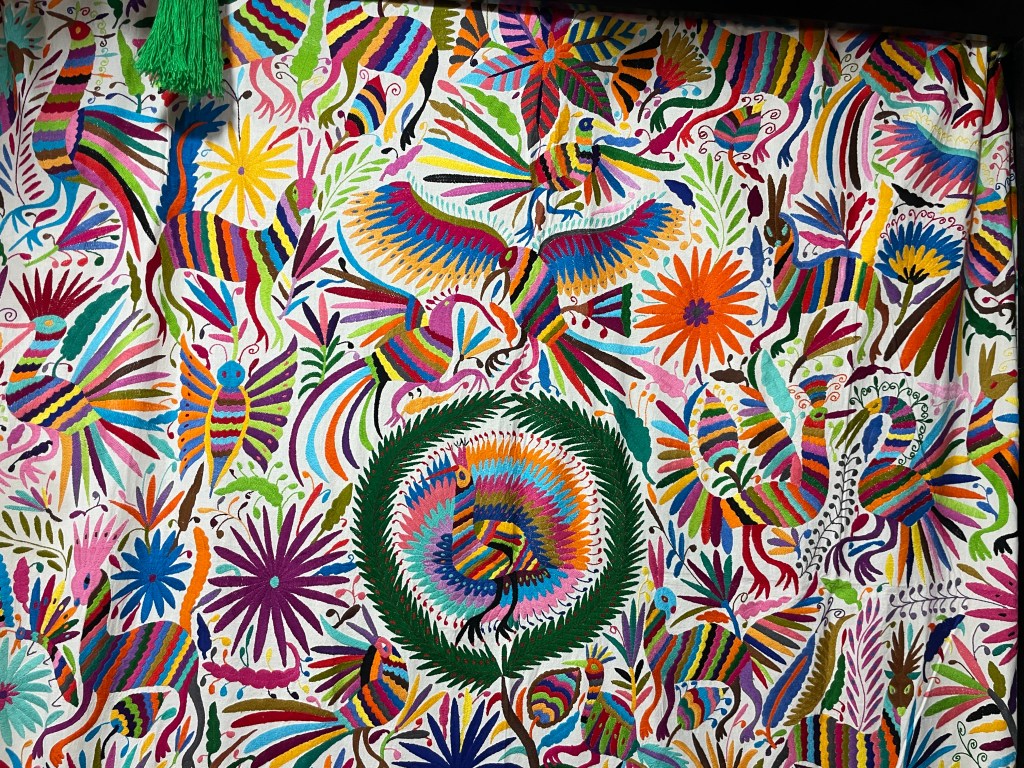
TRADITIONAL FOLK ART– Most folk art here is choke full of vibrant colors often depicting dreams or wishes of the artists. The embroidery is unbelievable and the rugs are reminiscent of ancient patterns used throughout the country. Browse the artisan markets or just buy off the street corner. Either way you will come home with treasures that will remind you of this colorful area,

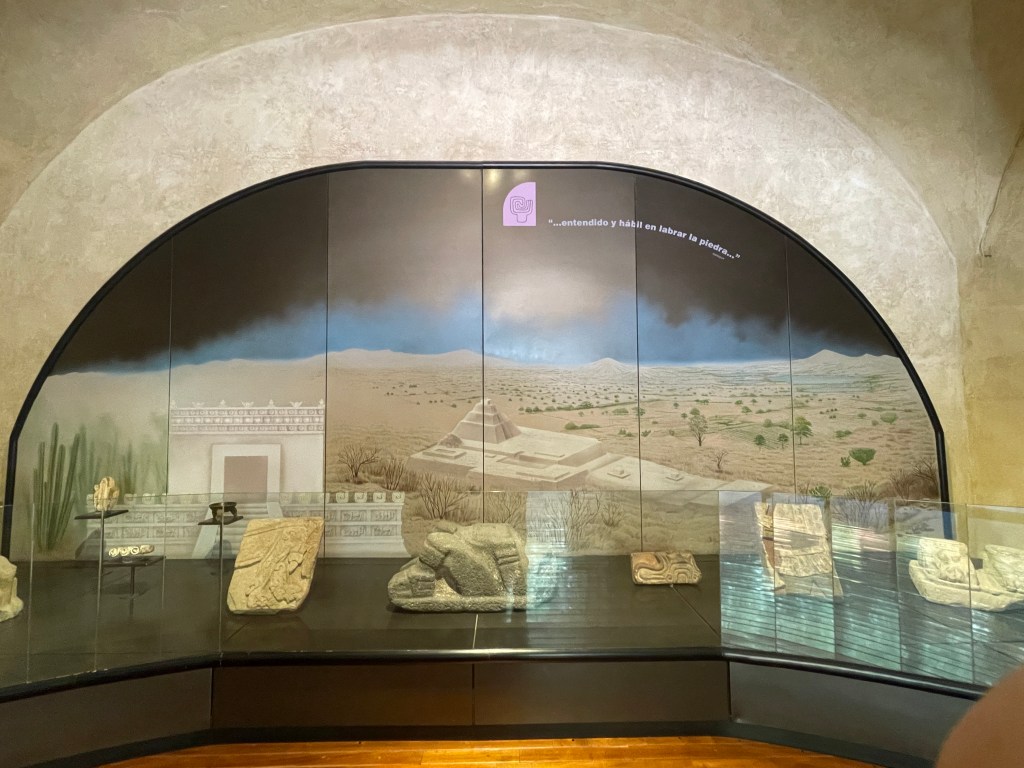
HISTORY– While I only made it to one temple, Queretaro, has the most of any state in Mexico. They are everywhere. Because of this, the archeological treasures are immense and museums throughout the country are filled with the treasures of this area.

Since living here I have come to believe that this area is the cultural Mecca of Mexico. And while I understand the desire to frolic on the beach; I now know that there is so much more to Mexico than sand, sea and surf. Central Mexico is a place that will spark your imagination and will instill a sense of appreciation for the past. It is definitely a part of the country that must be seen to be appreciated. Getting here is easy just hop a flight for Queretaro. I guarantee you will not regret it.

My Neighborhood

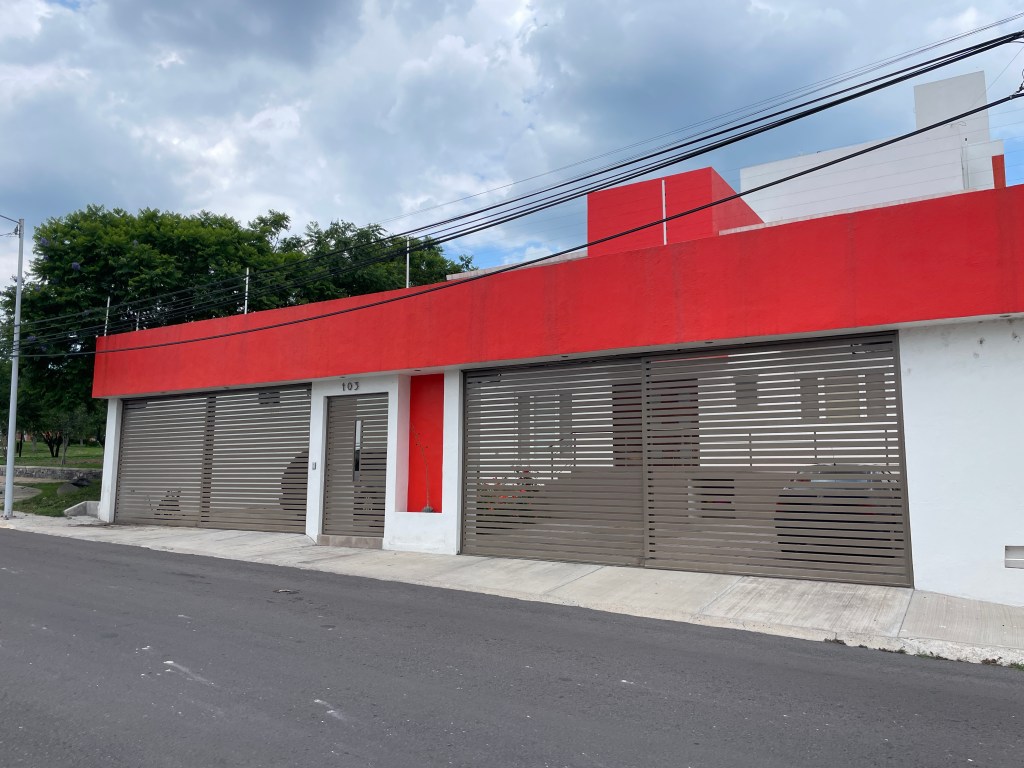
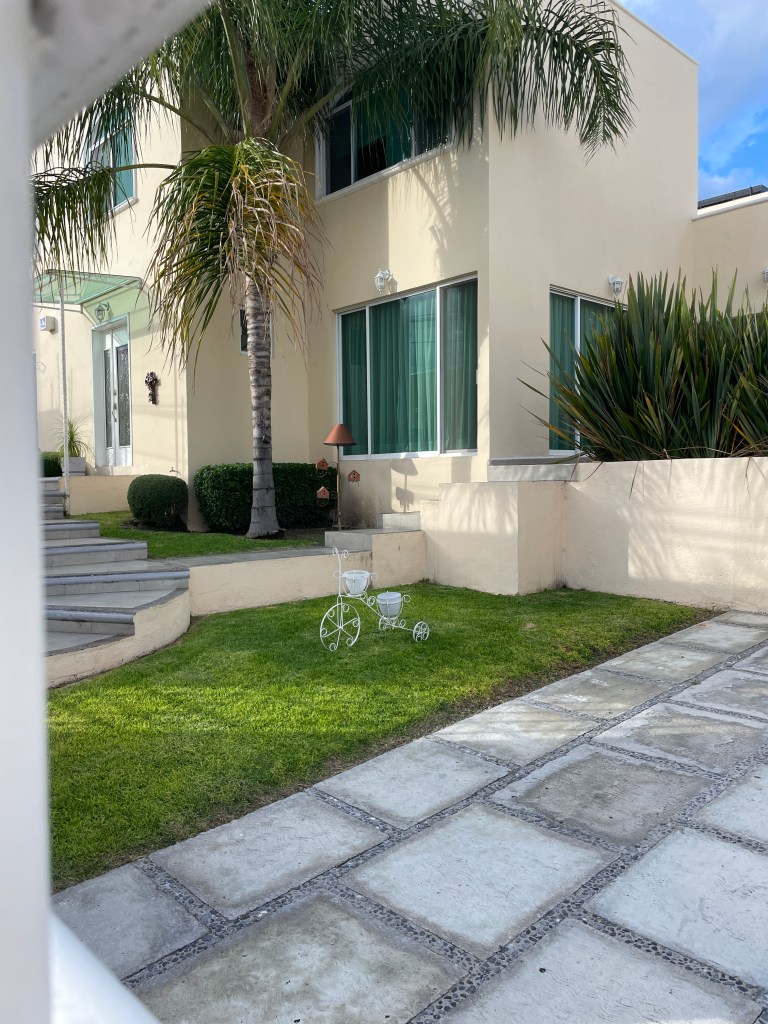
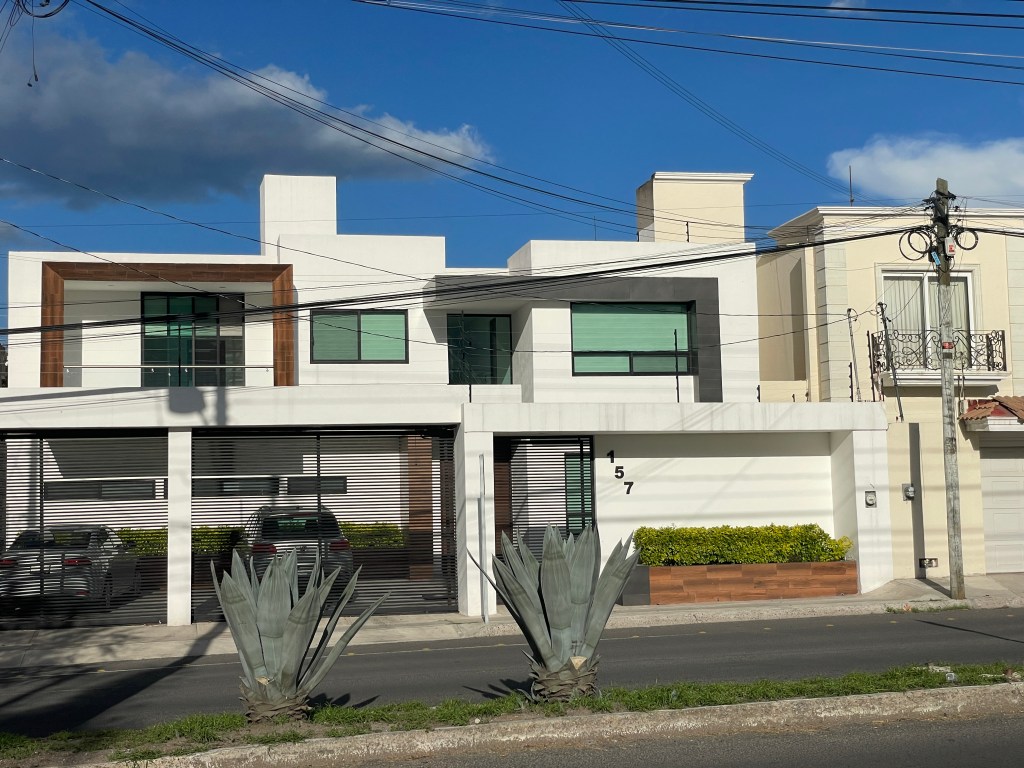
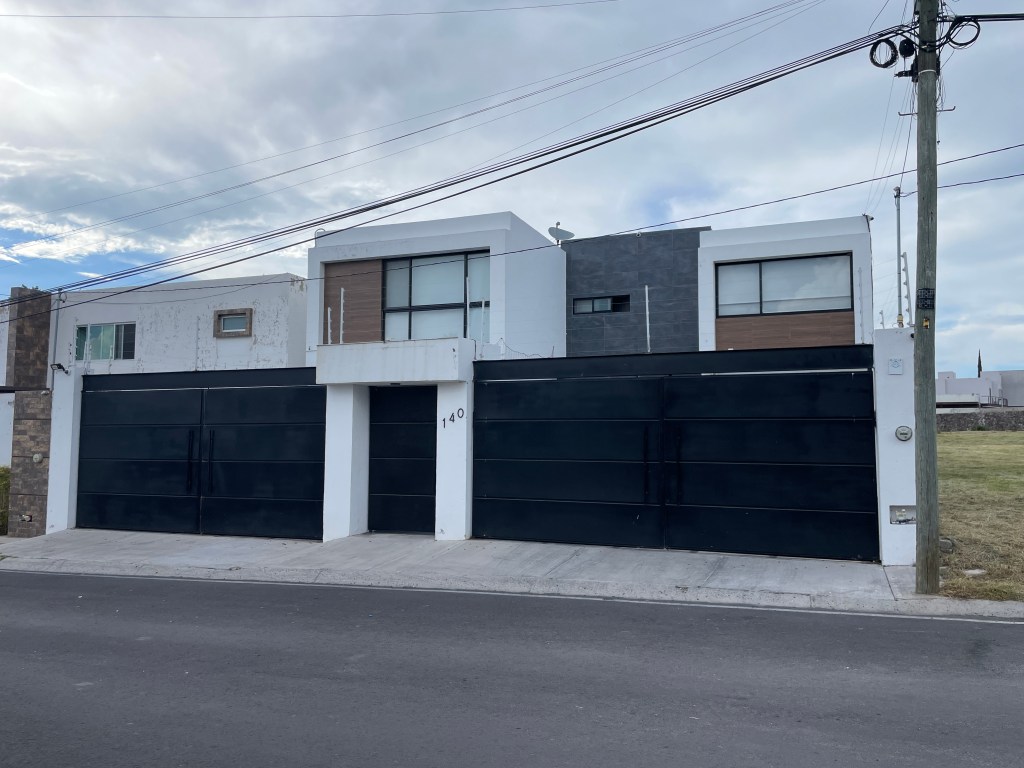
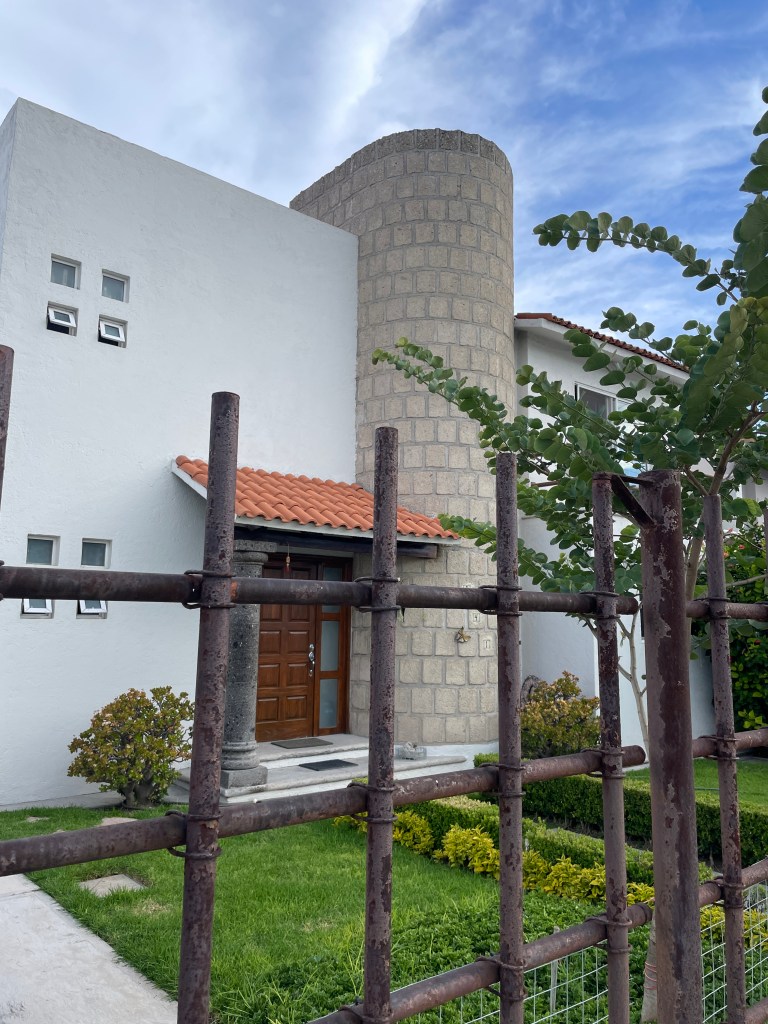
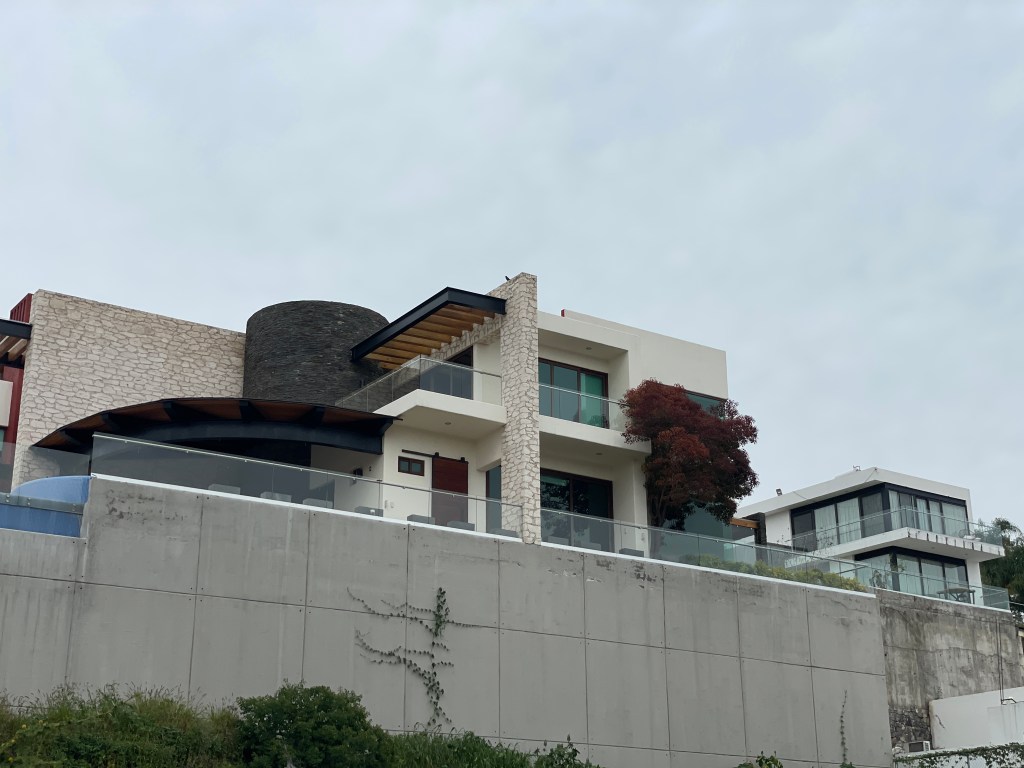
One of the things that surprised me when I moved here was the very modern architecture where I am living and the high standard of living. I had only visited Tijuana before where I visited neighborhoods with Barbarita which were composed of houses created by old garage doors so I wasn’t sure what to expect but I can guarantee you that this wasn’t it. Of course, Juriquilla is a suburb of Queretaro and most of it is shiny and new. Parks and plazas are everywhere. This doesn’t mean that there are not places in the city where housing is not in dire straits but since I believe many people think that Mexico only consists of sub-standard housing I wanted you to see the other side. So here are some pictures of the area and a few houses in different parts of the state too. I will miss this place. I will miss my neighborhood strolls. It is almost time to leave and I will leave a piece of my heart here. Enjoy!

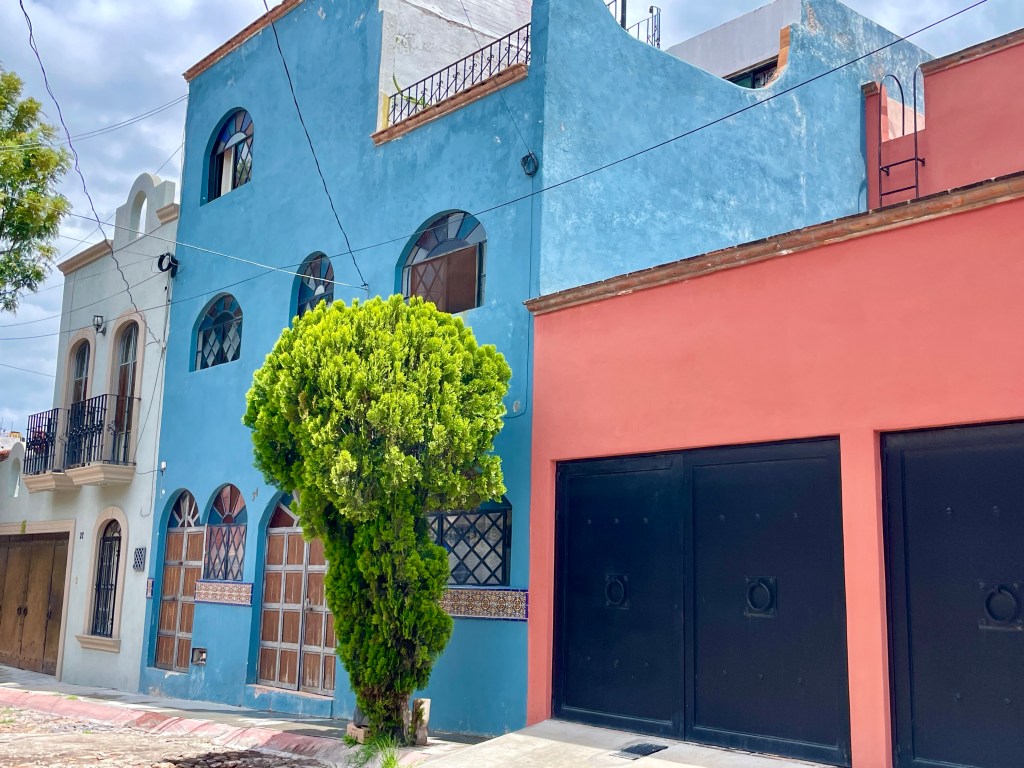
Here are some other houses located in the State of Queretaro

And here is the local dog walker in the local park with his charges….

Plaza De Armus in Queretaro

I love this plaza. Besides being surrounded by great restaurants, beautiful historical buildings, and cute little shops; it is the place where the locals come to sit a spell and to dance to the live music. And anytime you can dance on the street or at an open air plaza you know you are in for a memorable time. How I wished at that moment I had someone to dance with! I spent a good half-hour people watching and it was a great way to pass the time under the shade of the beautiful old trees which fill the plaza. I thought I would try something new and throw in a couple of videos.

From there I was lured by the bells ringing at the Parish of Santiago calling the faithful into its doors. I slipped into the church and spent some time reflecting before heading out into the town again.

Eventually I ended up at Plaza De Armus again and just soaked up the culture of the place. What a marvelous way to spend a Sunday!