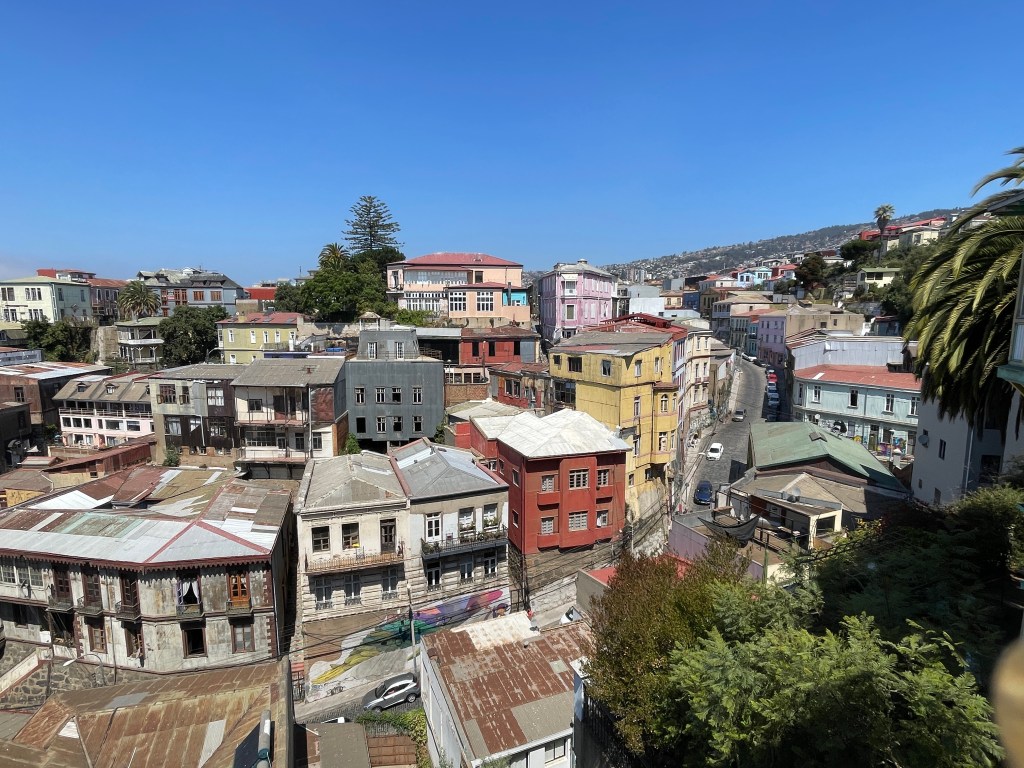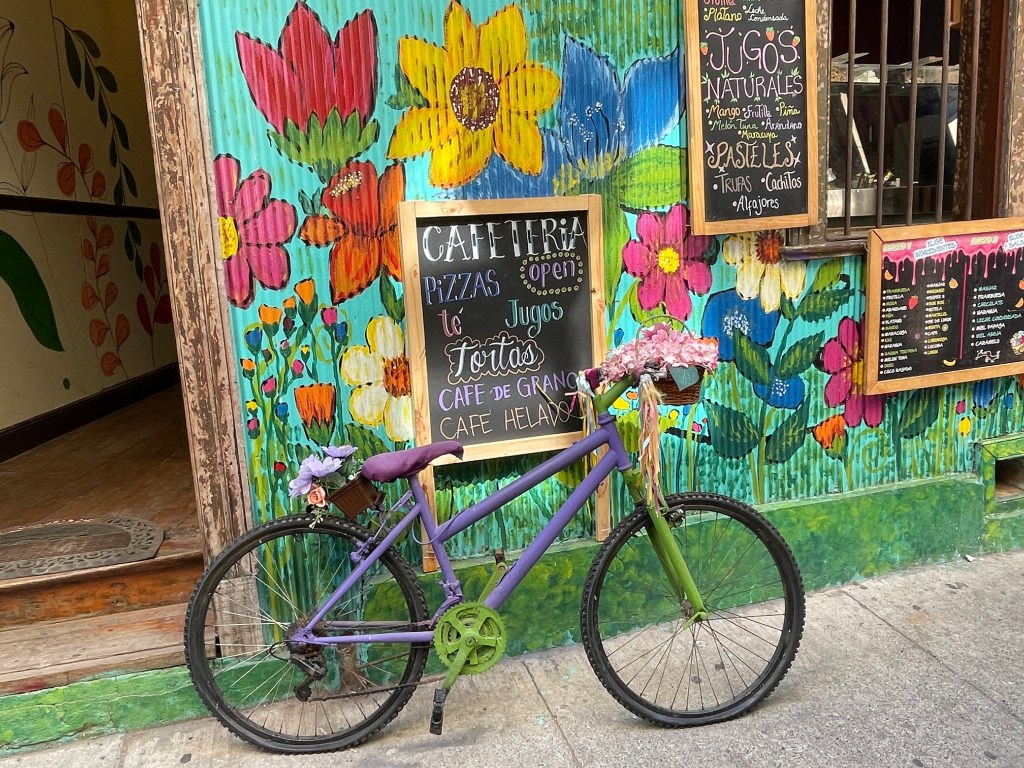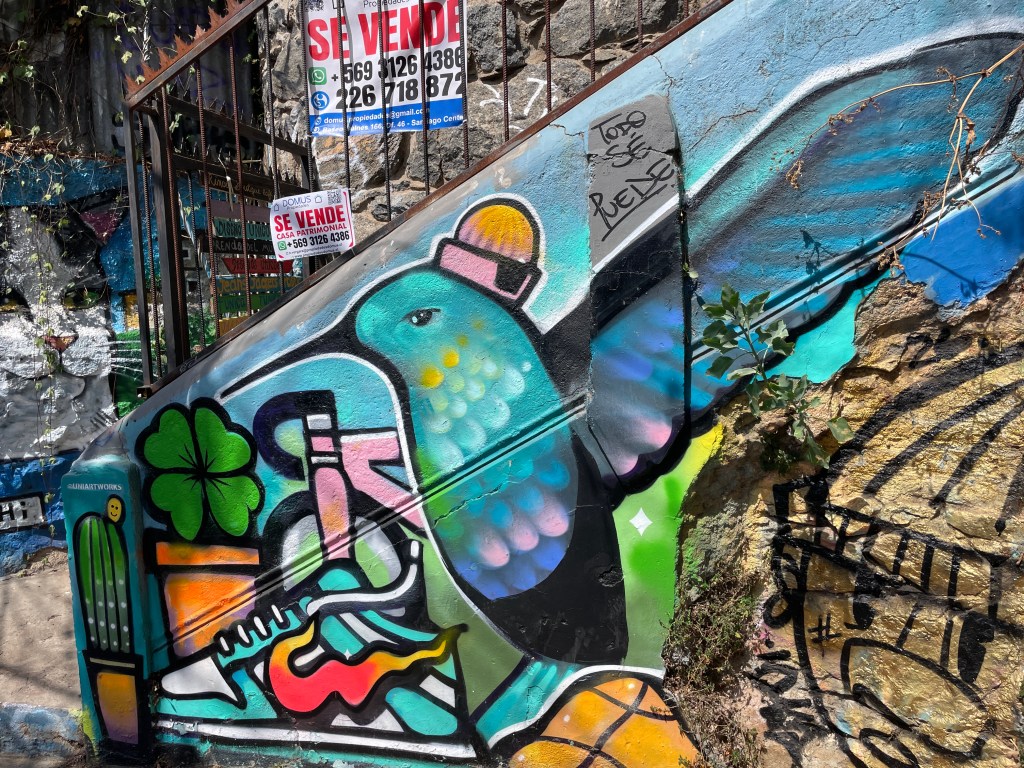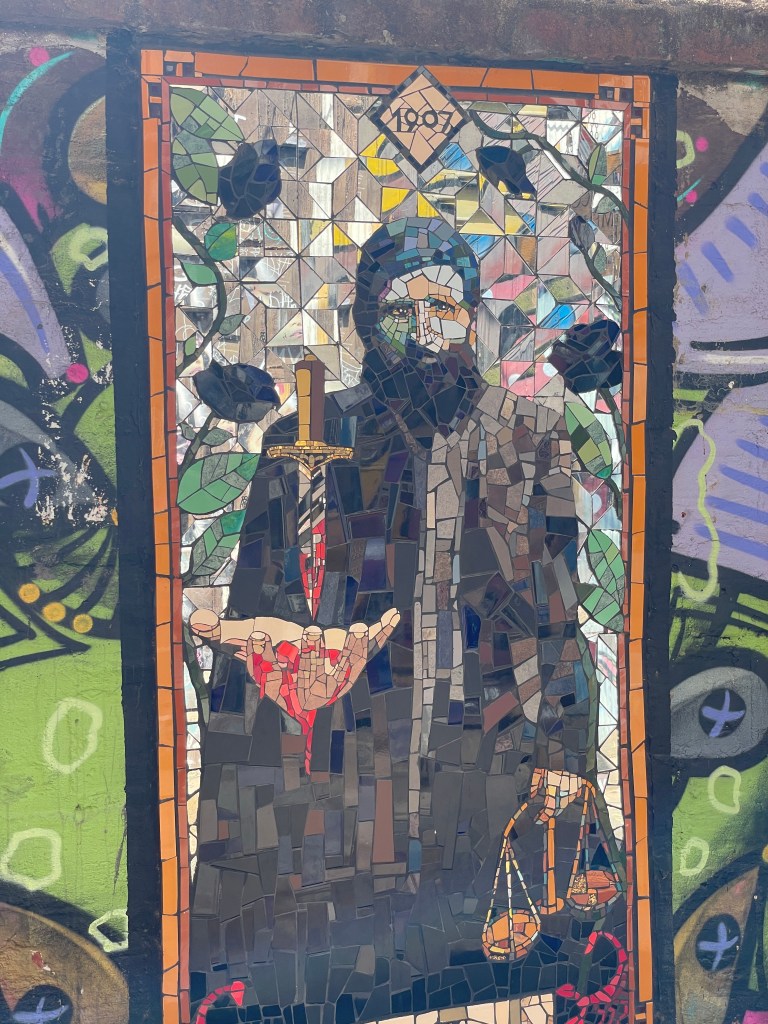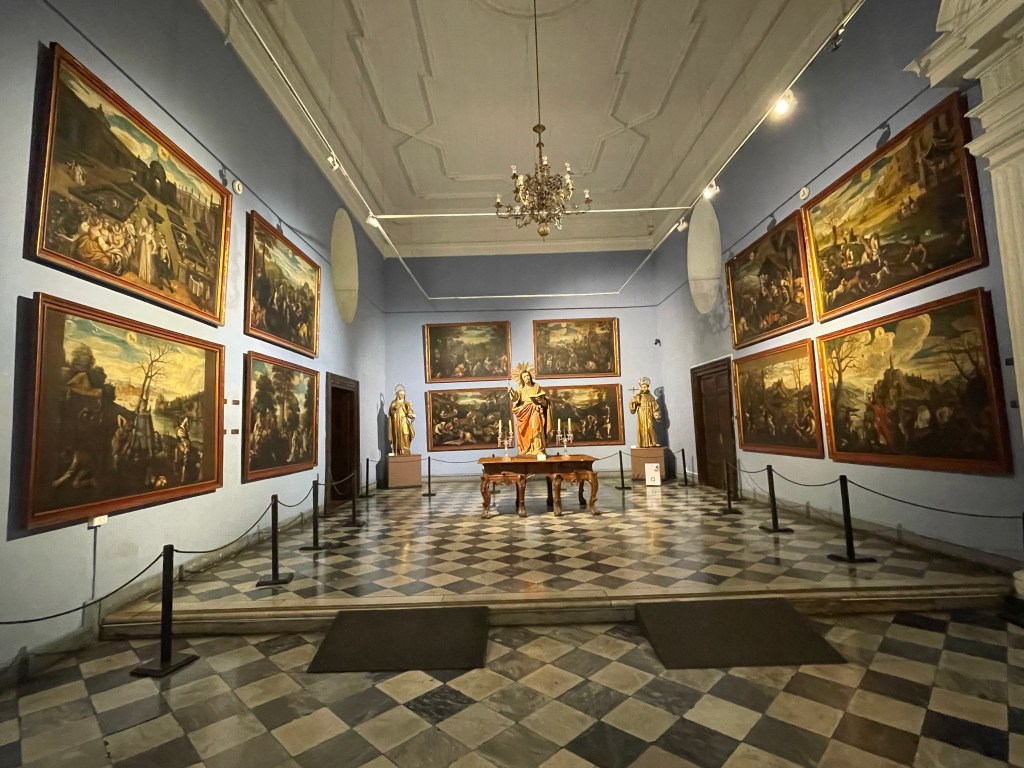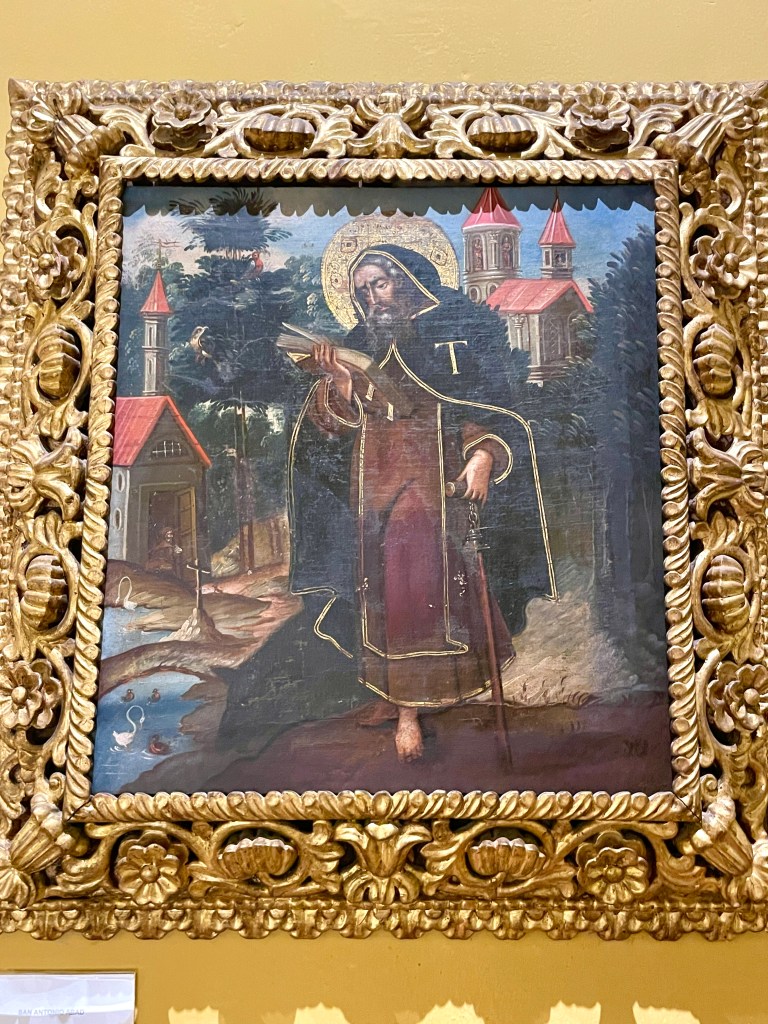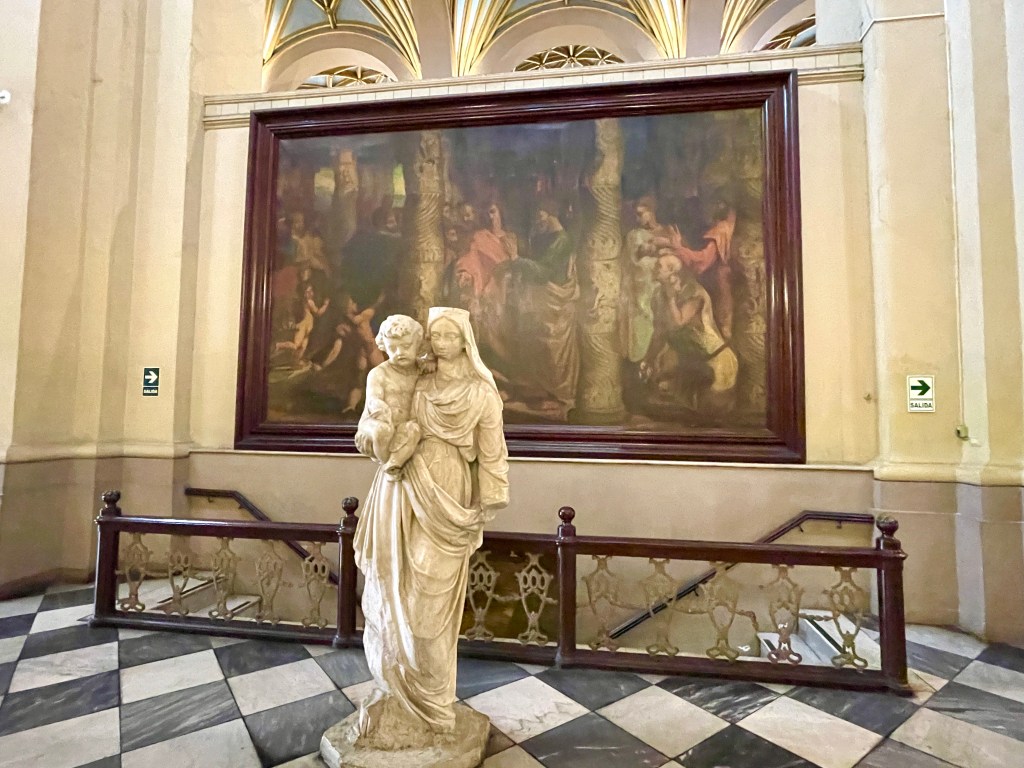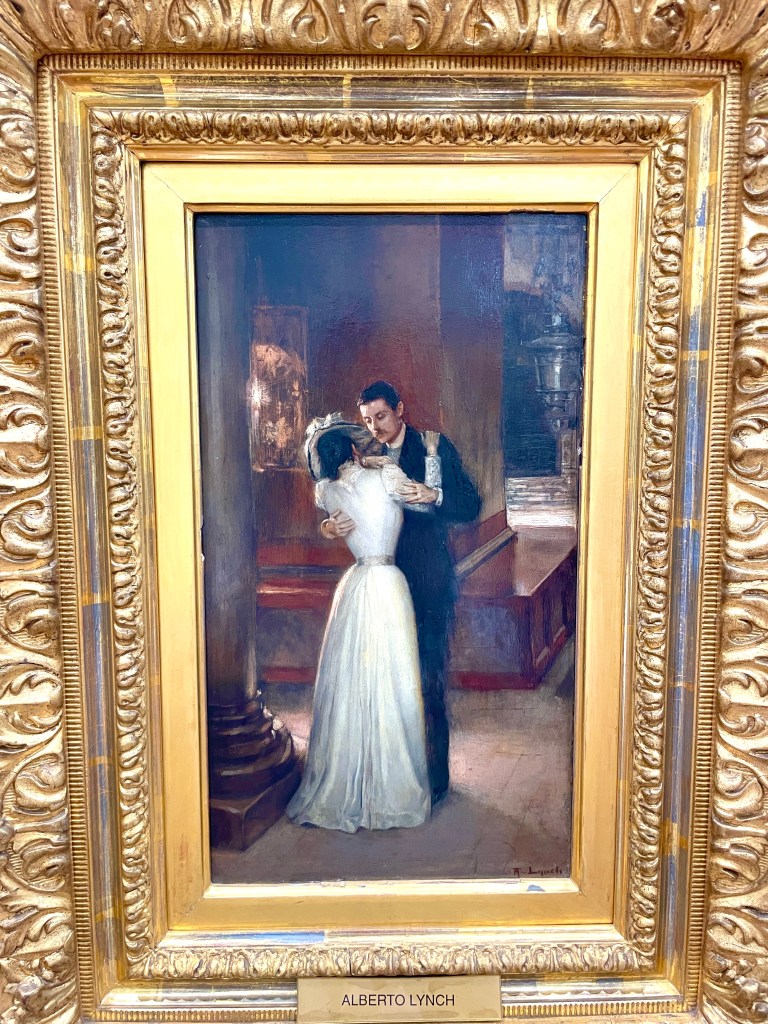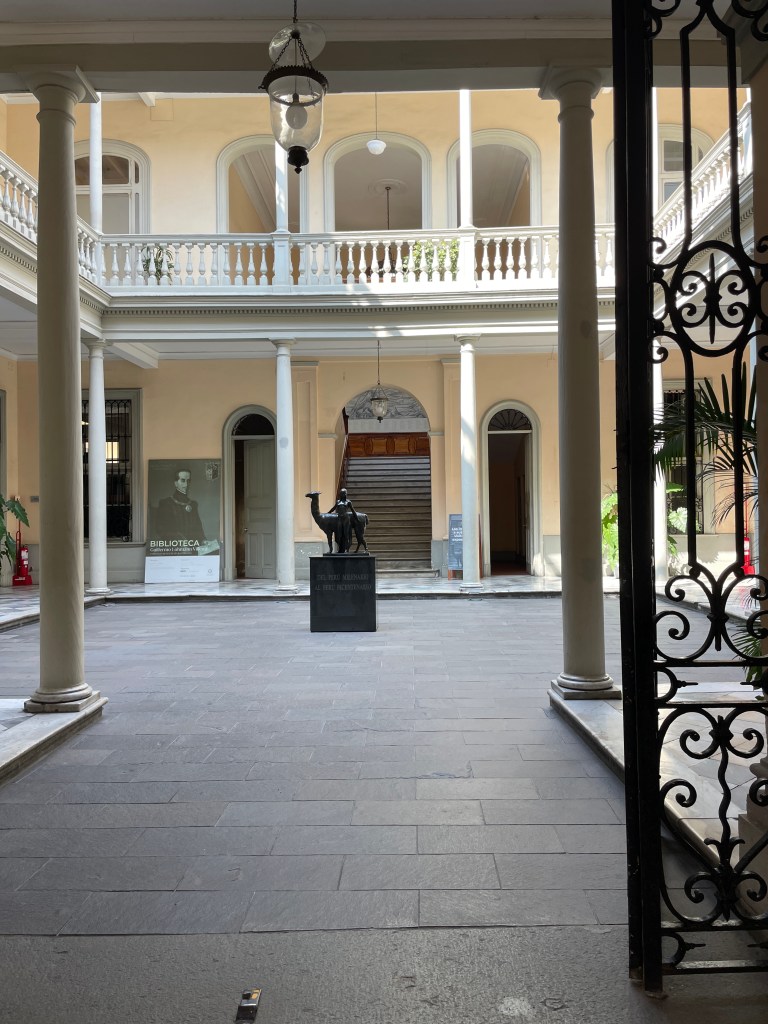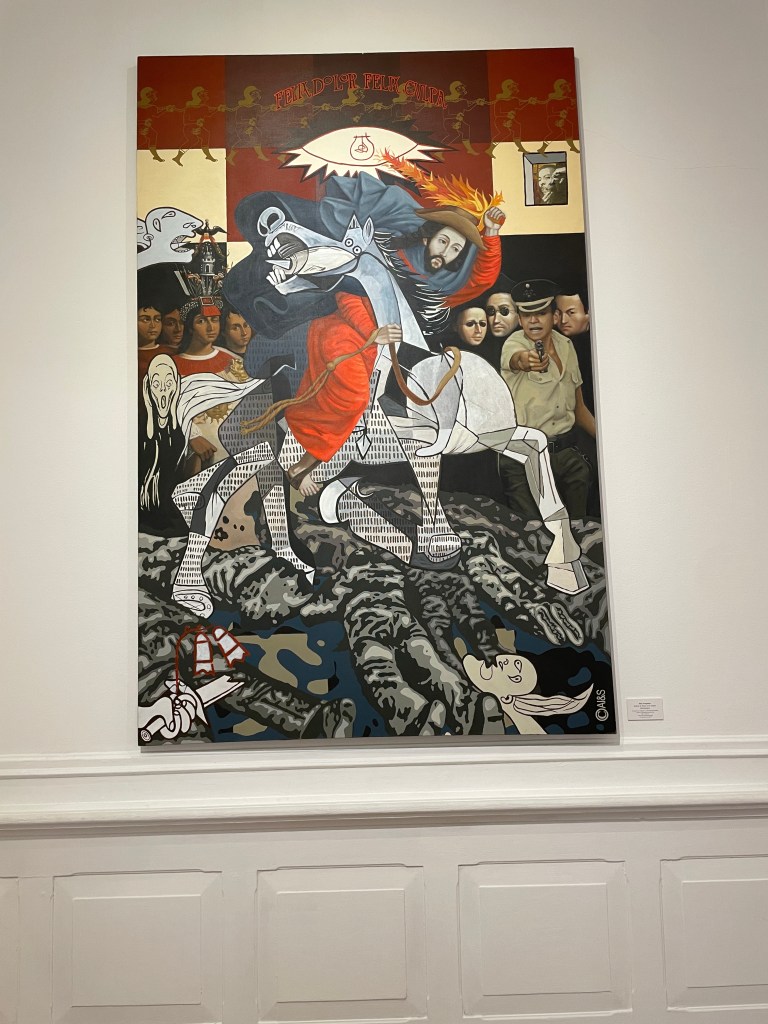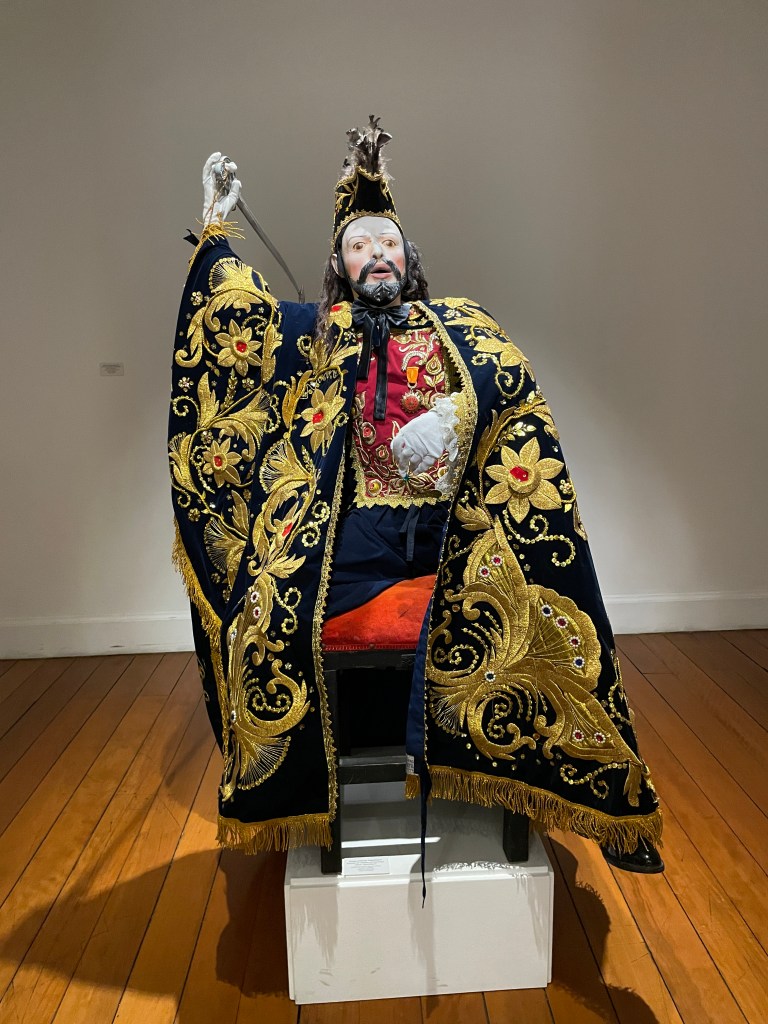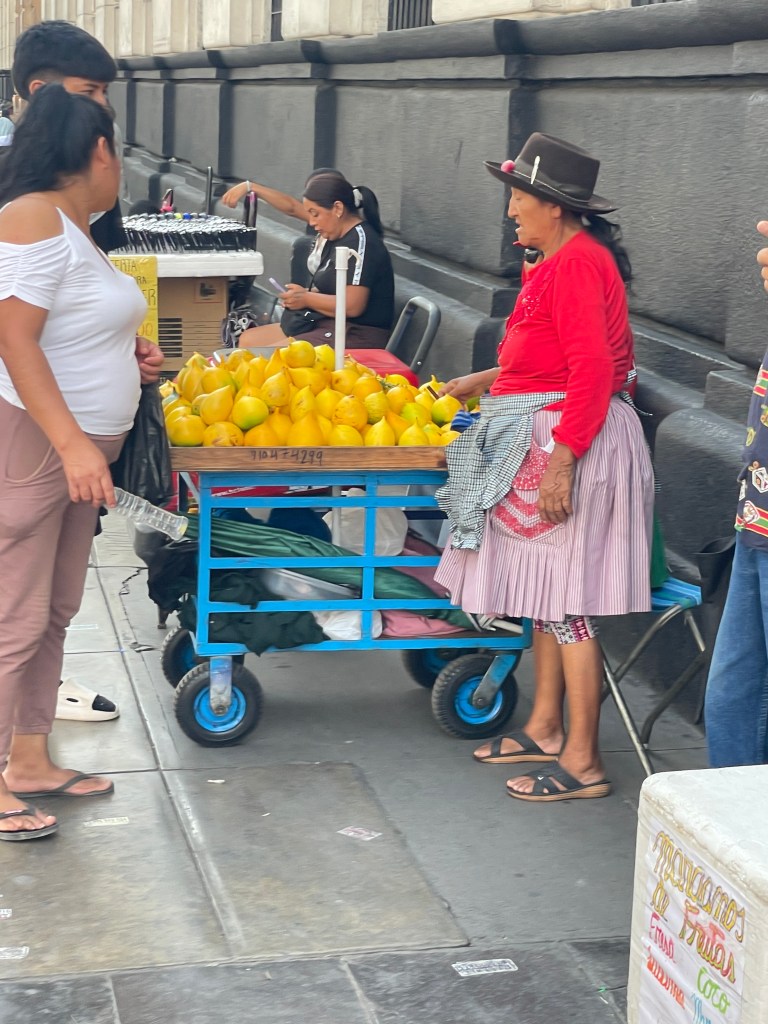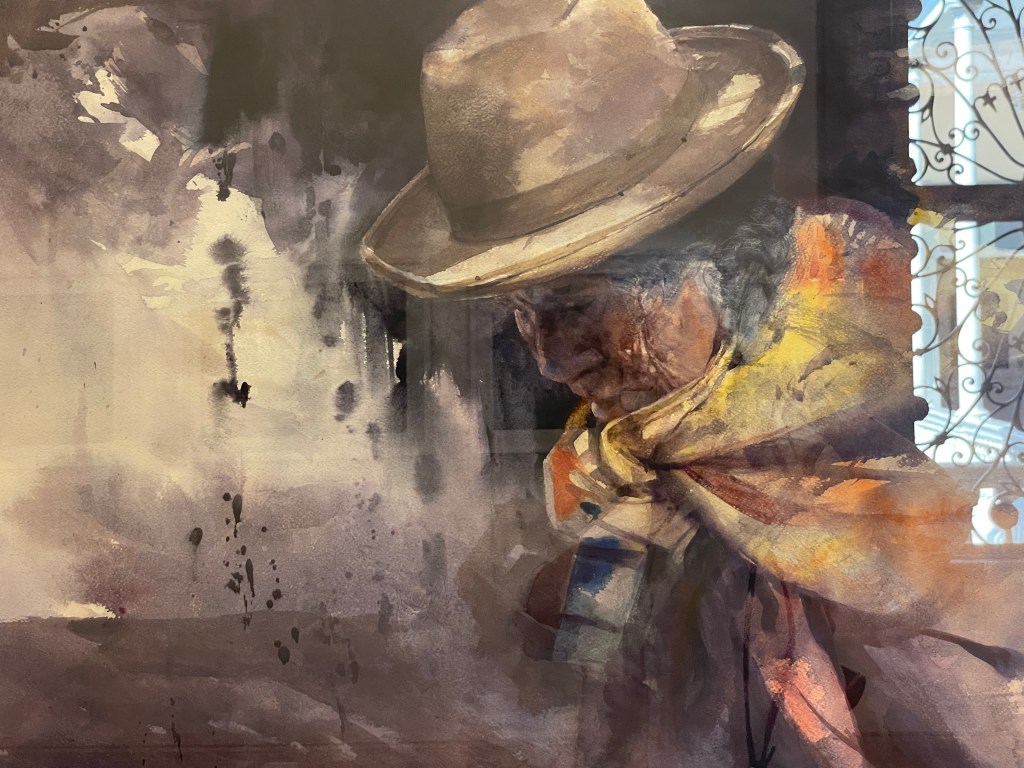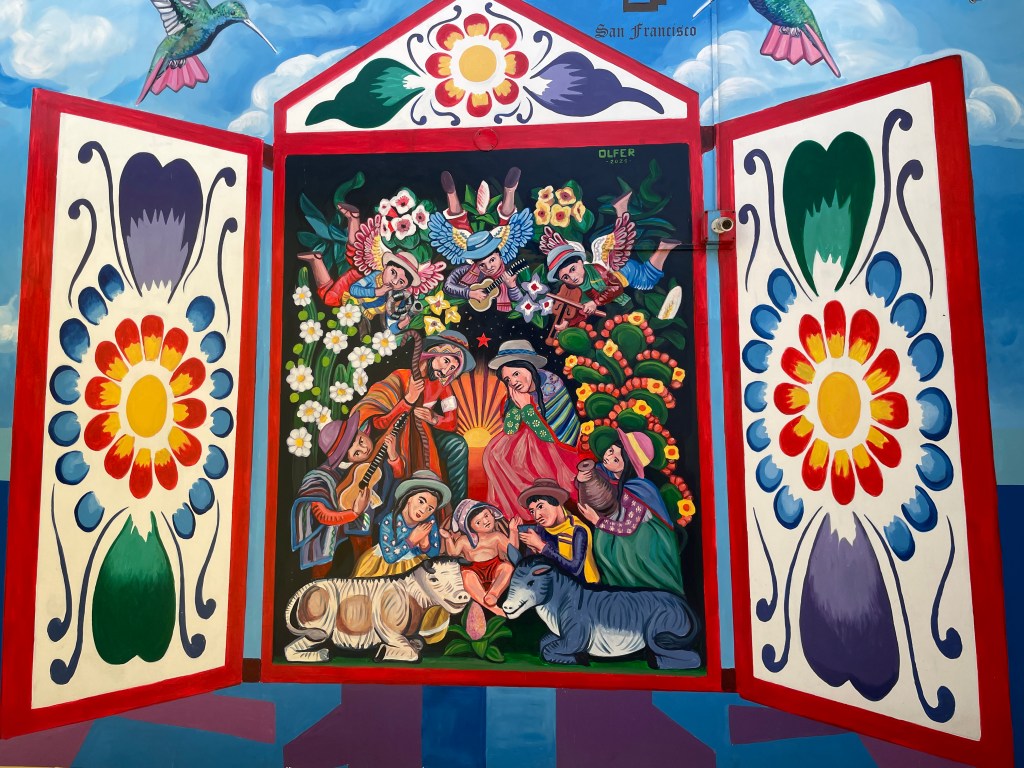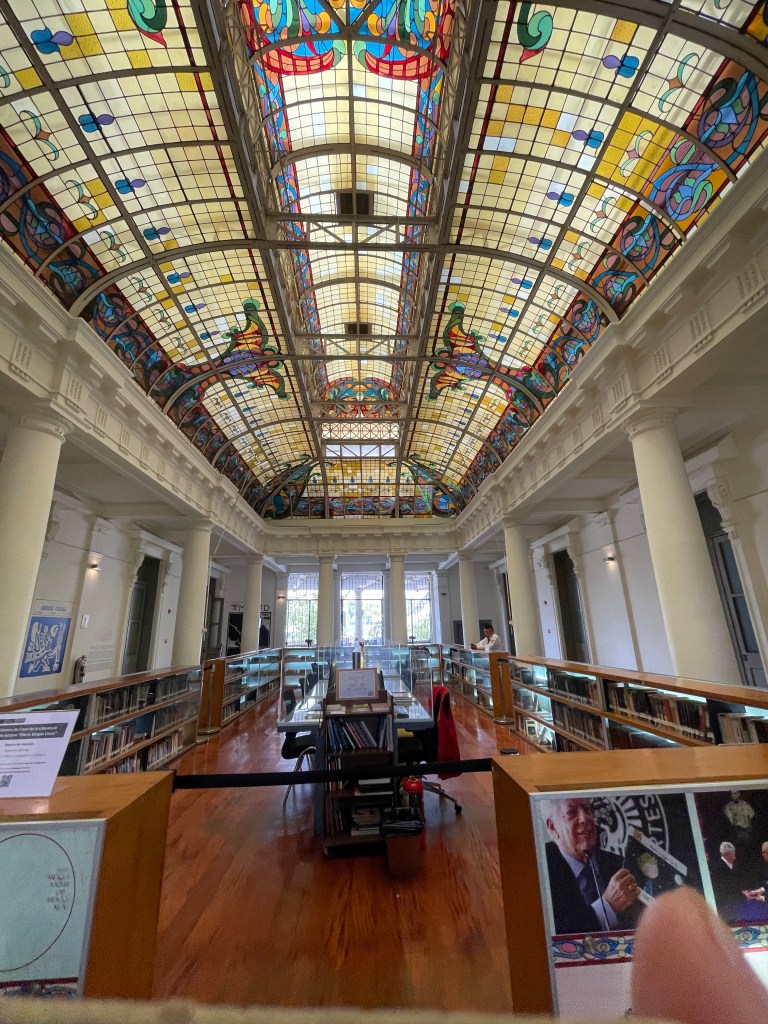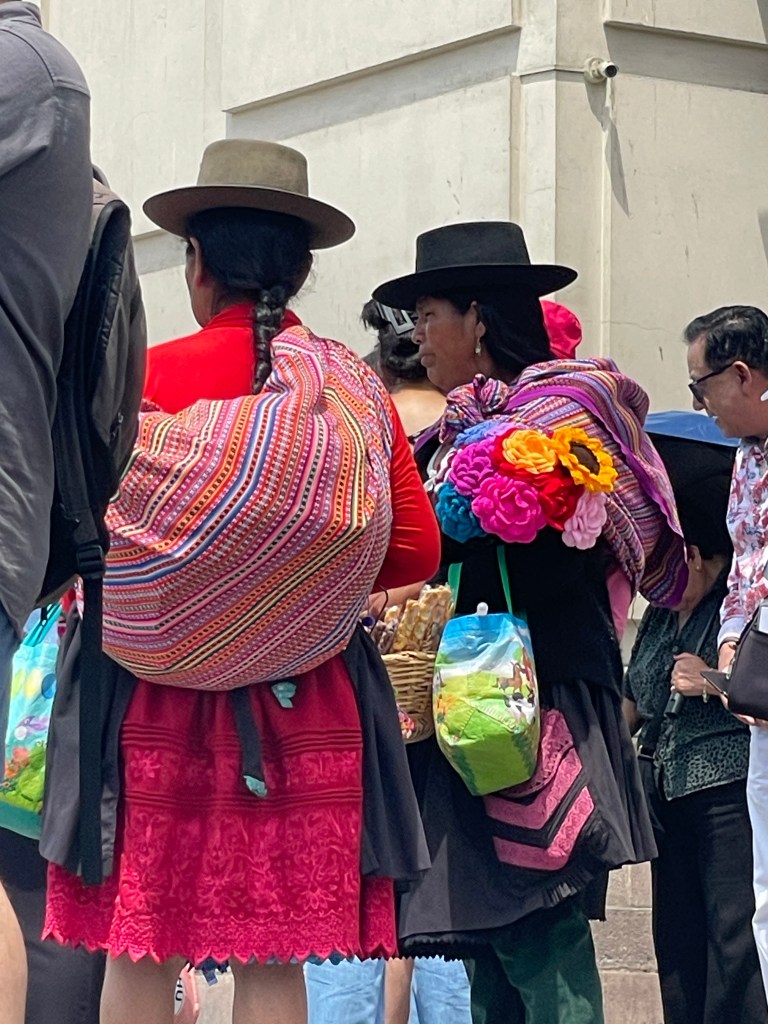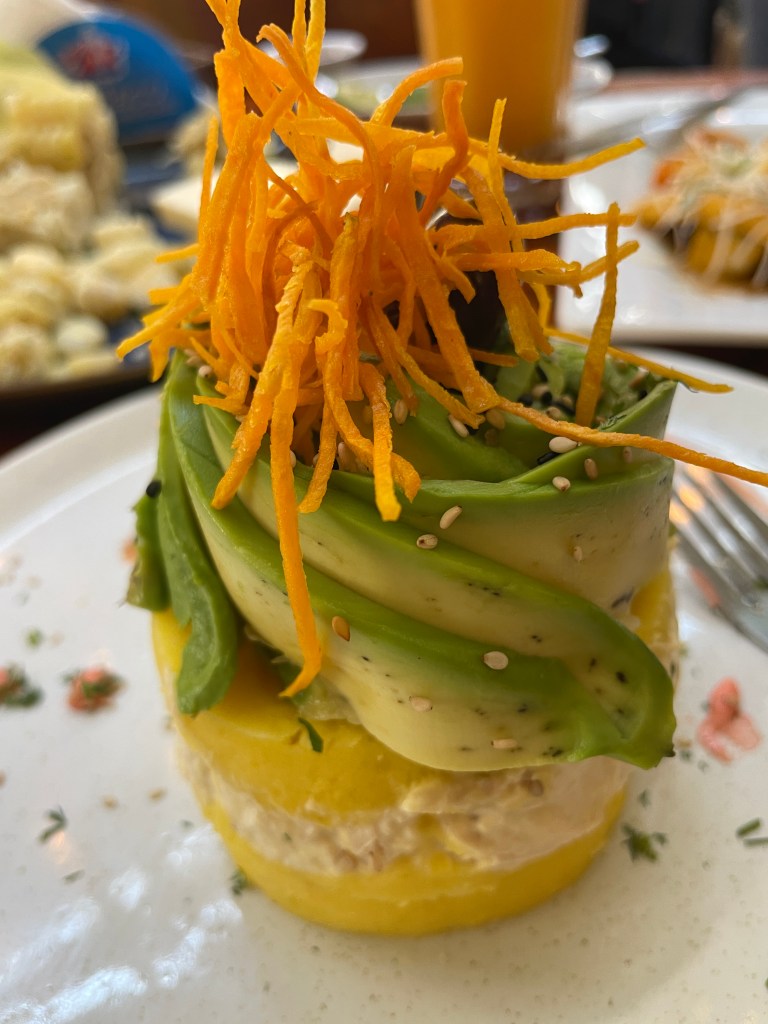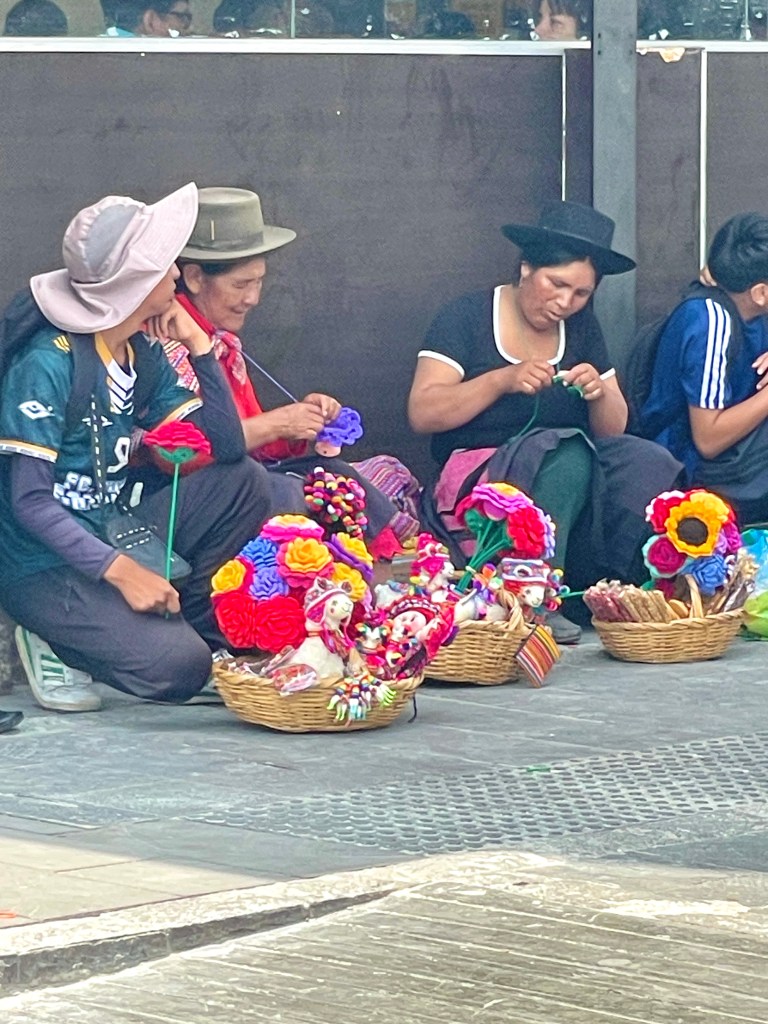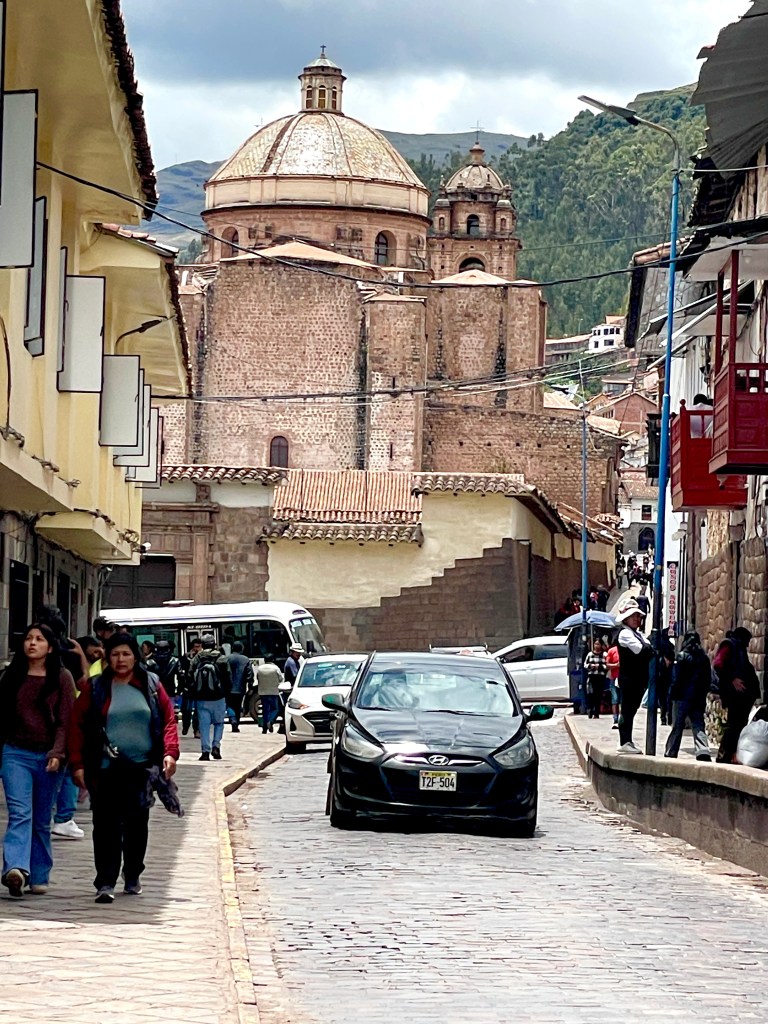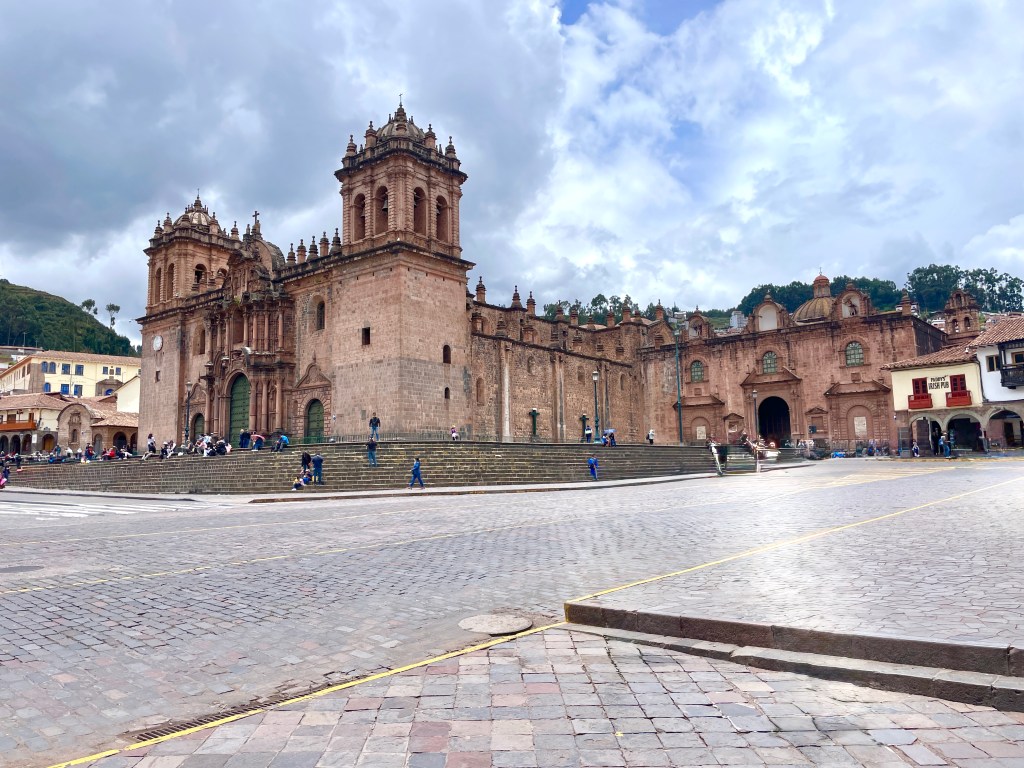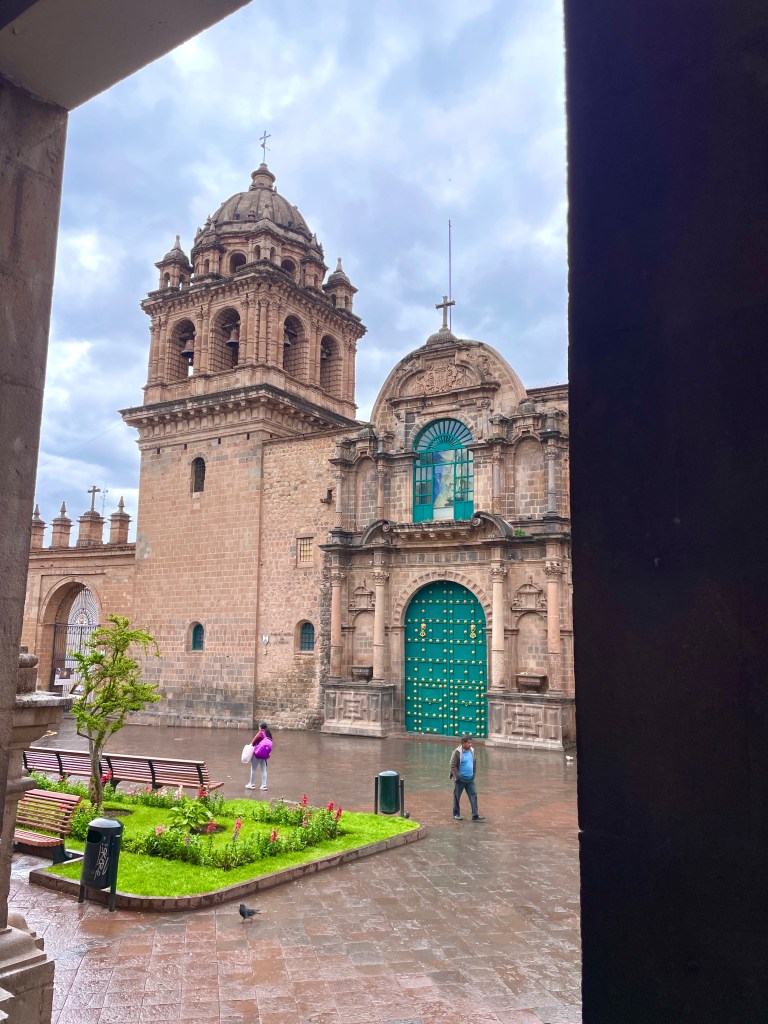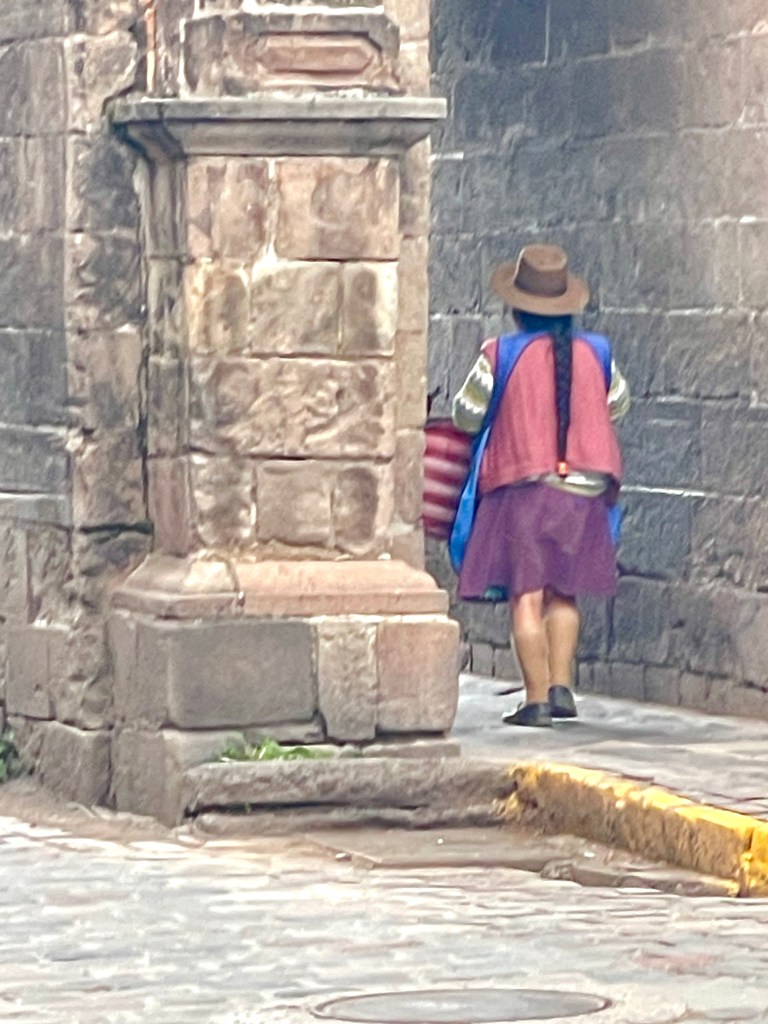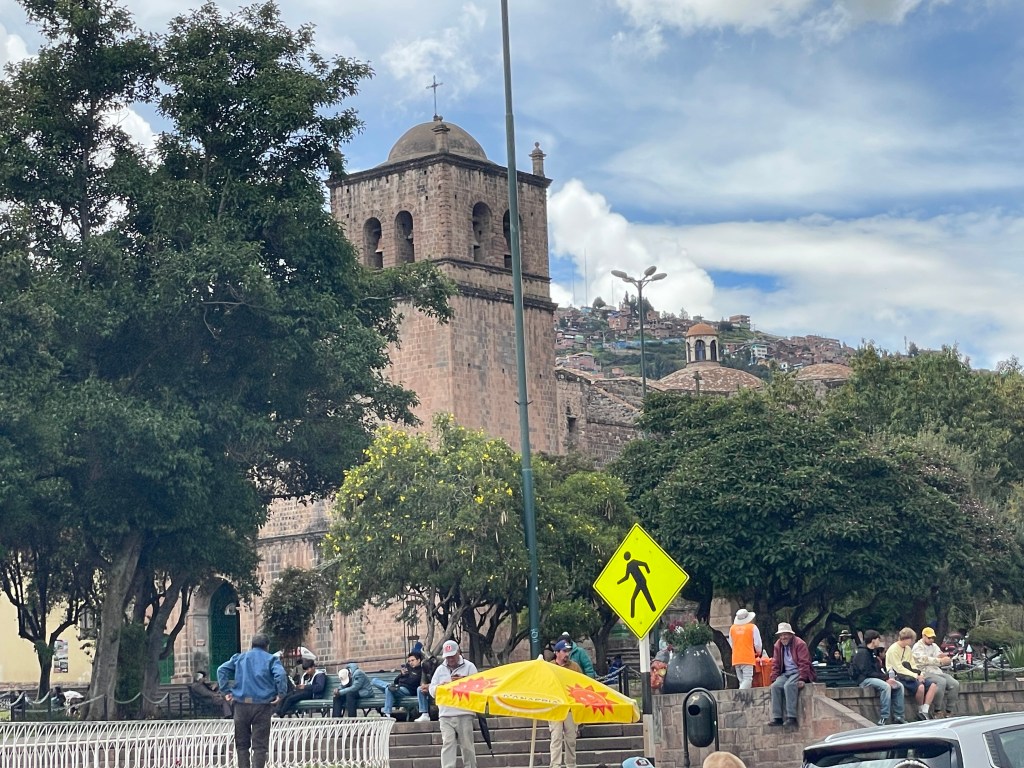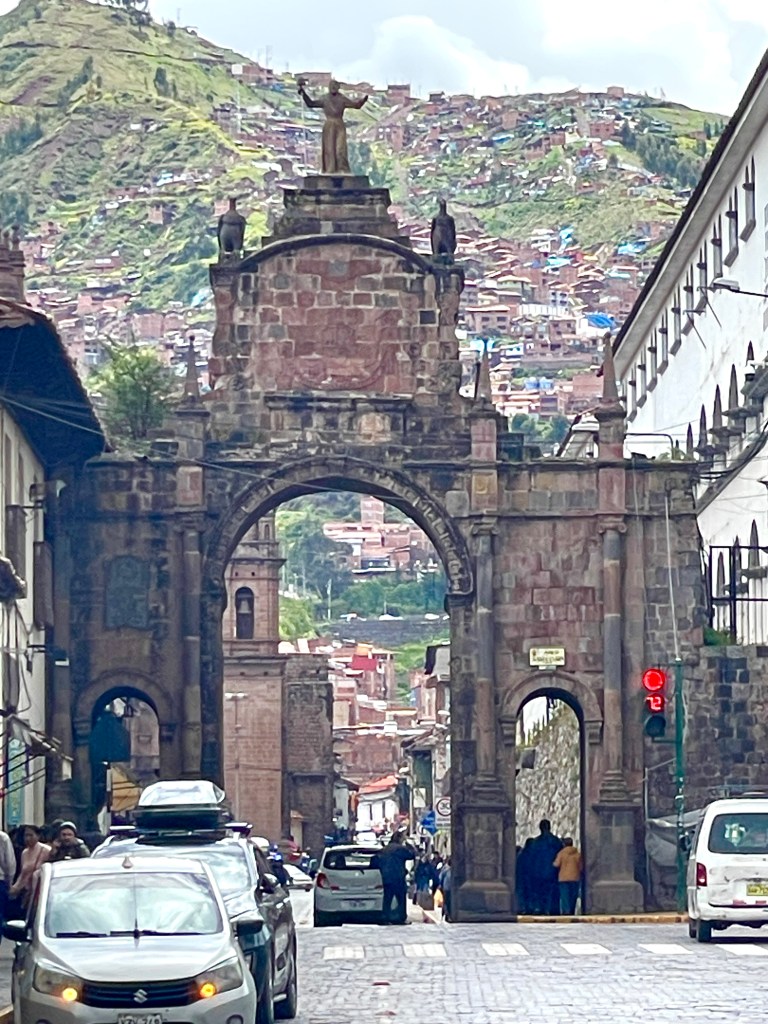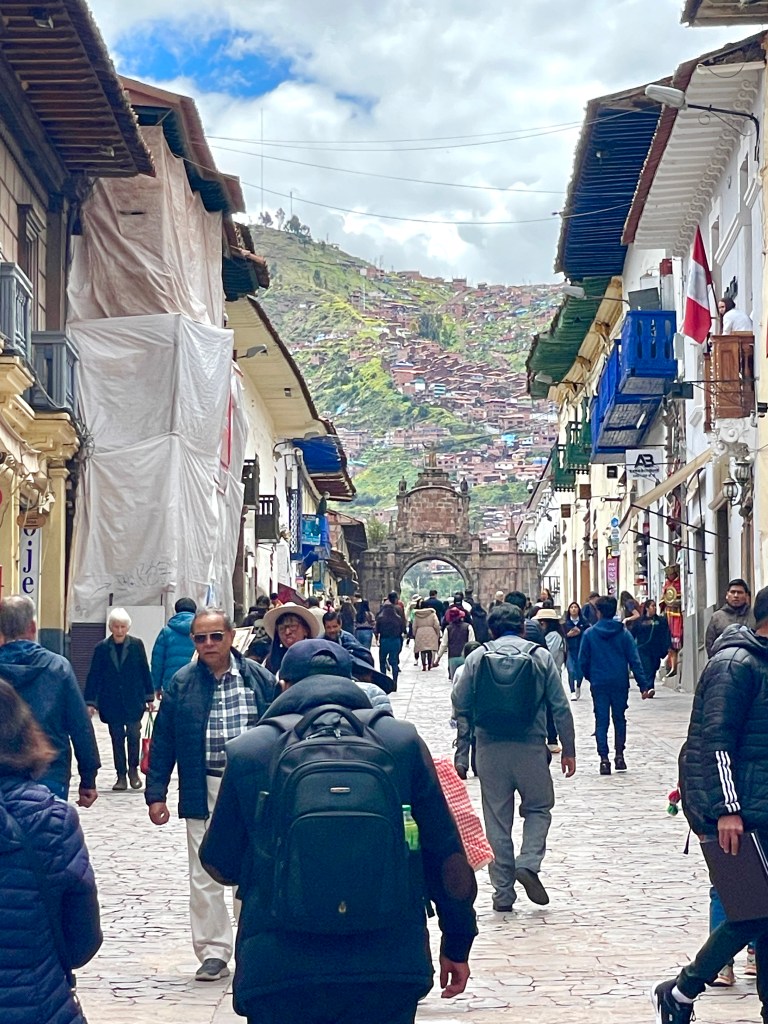
Historic Churches of Santiago Chile

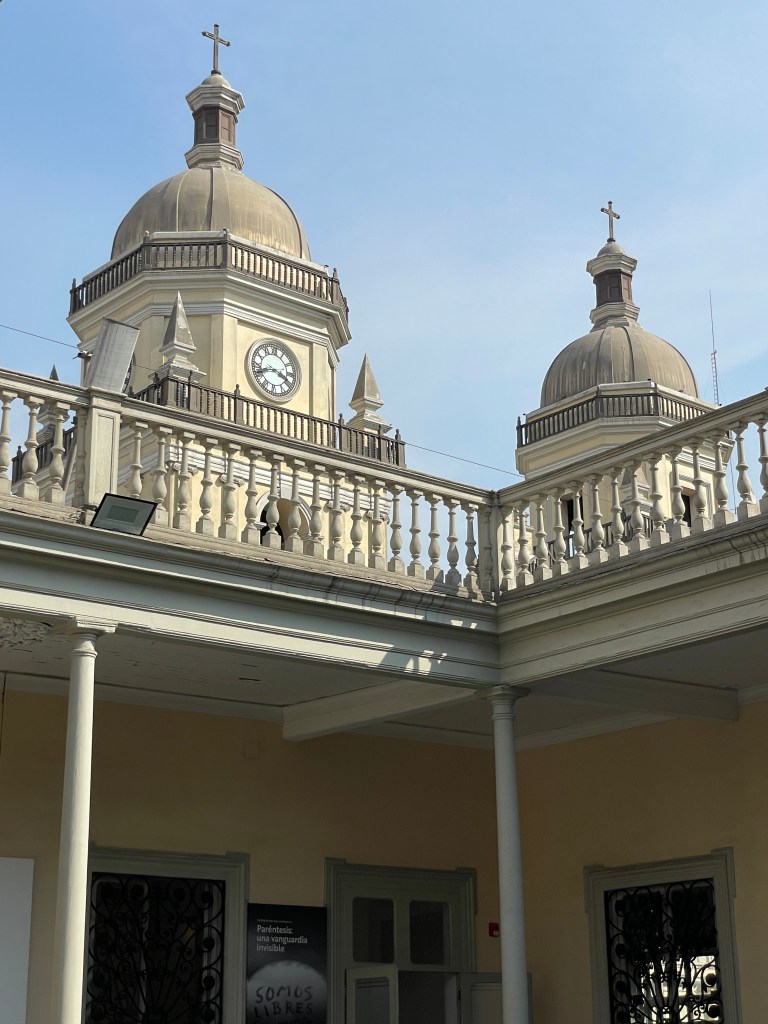
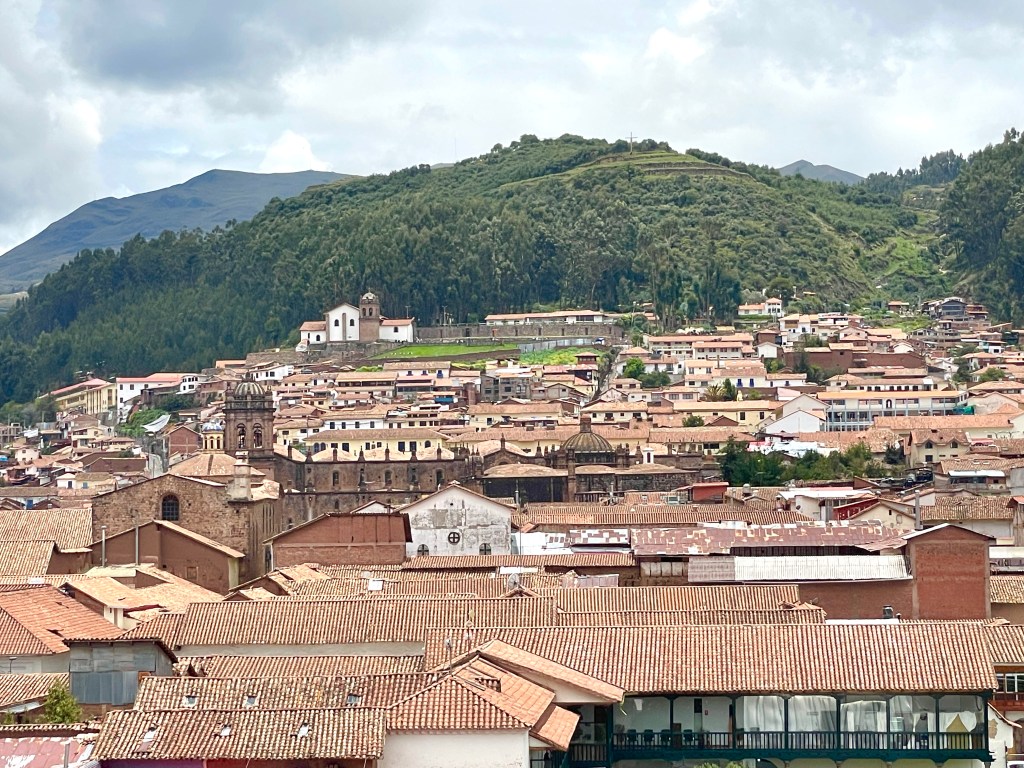
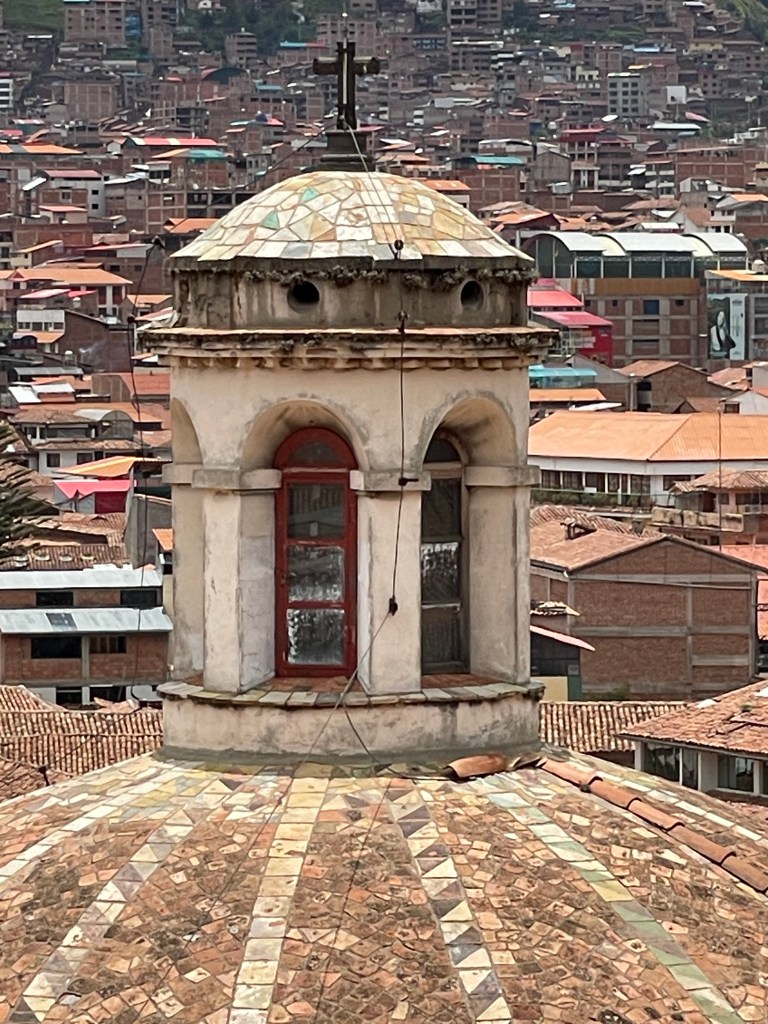
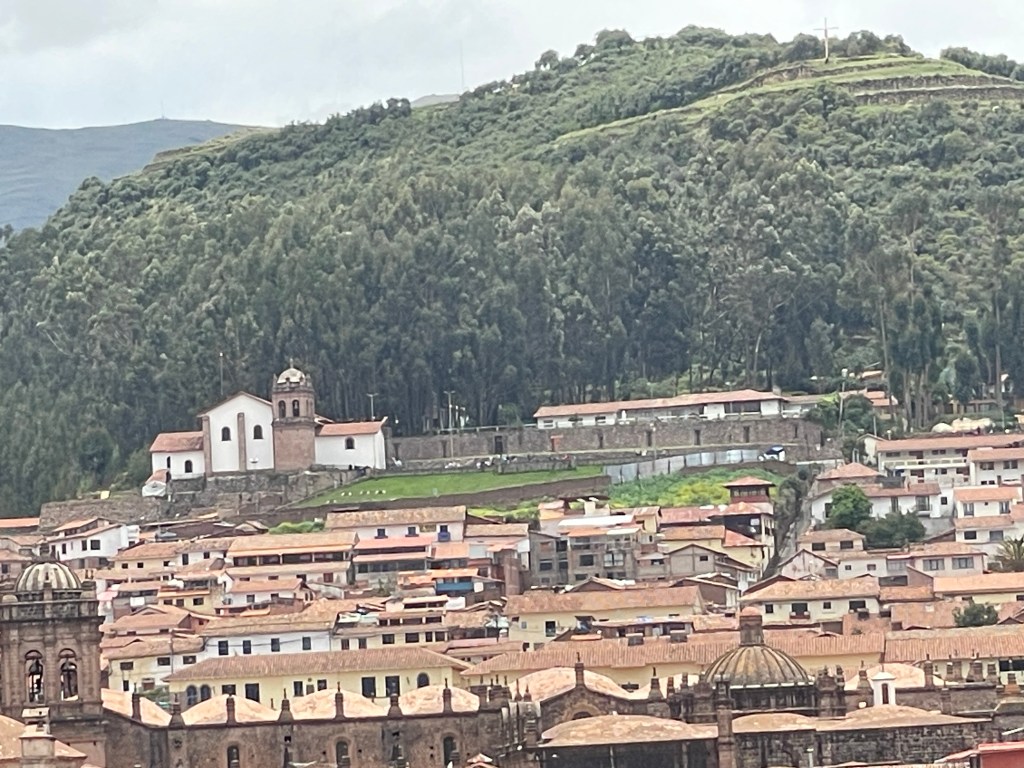
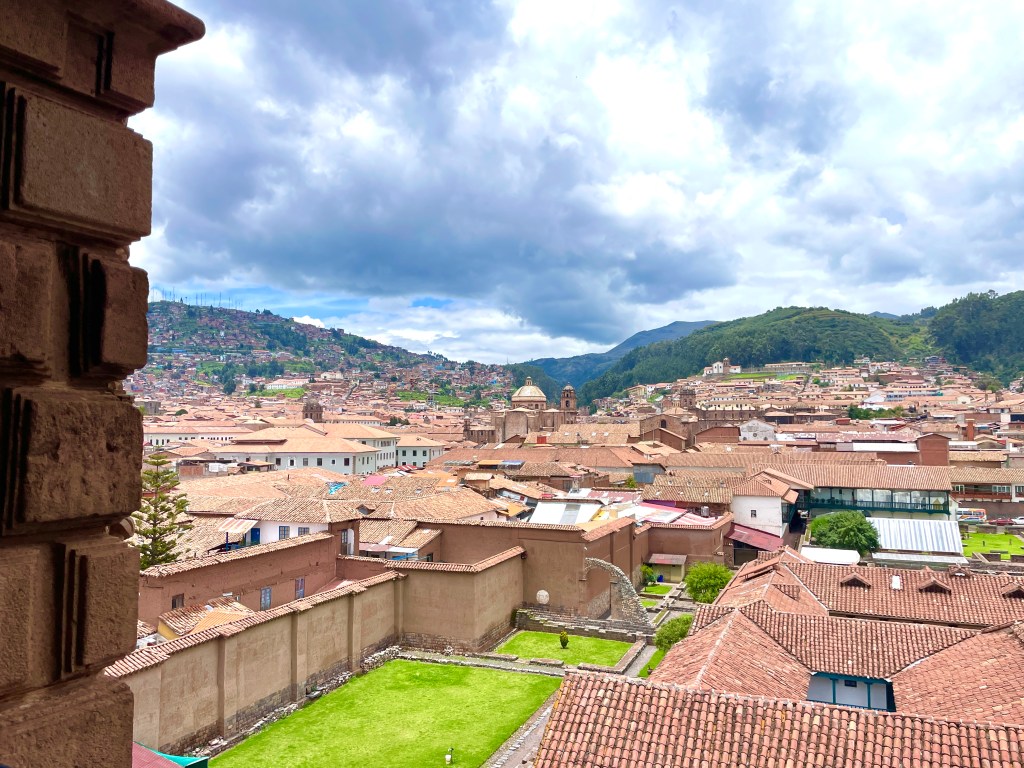
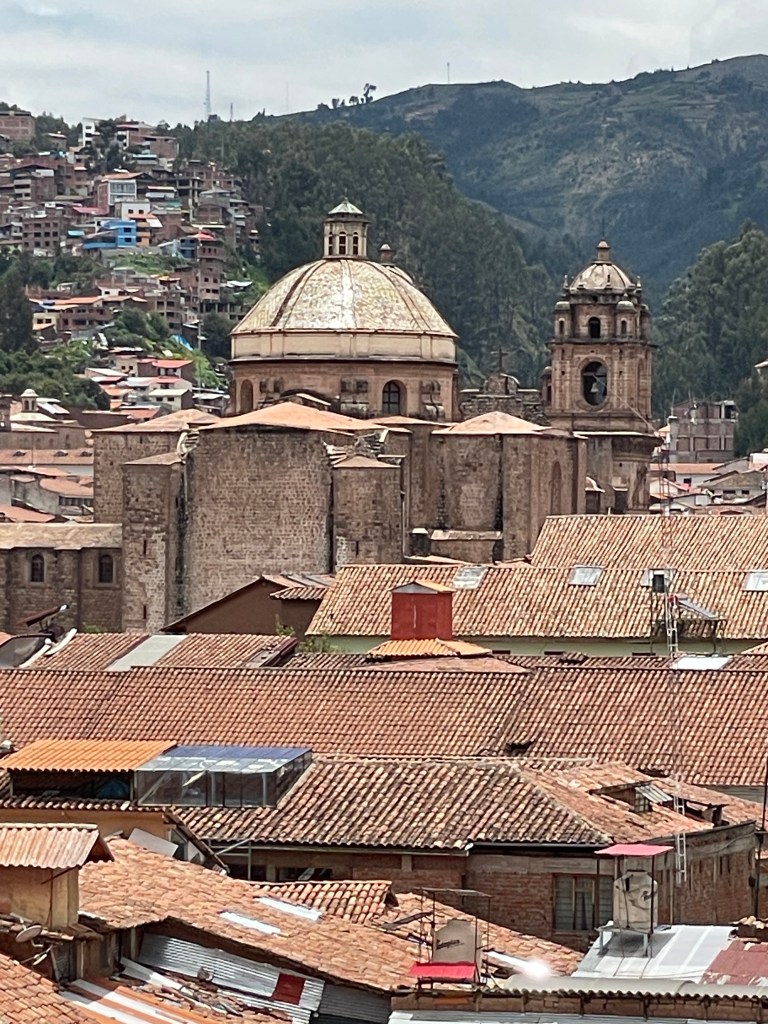
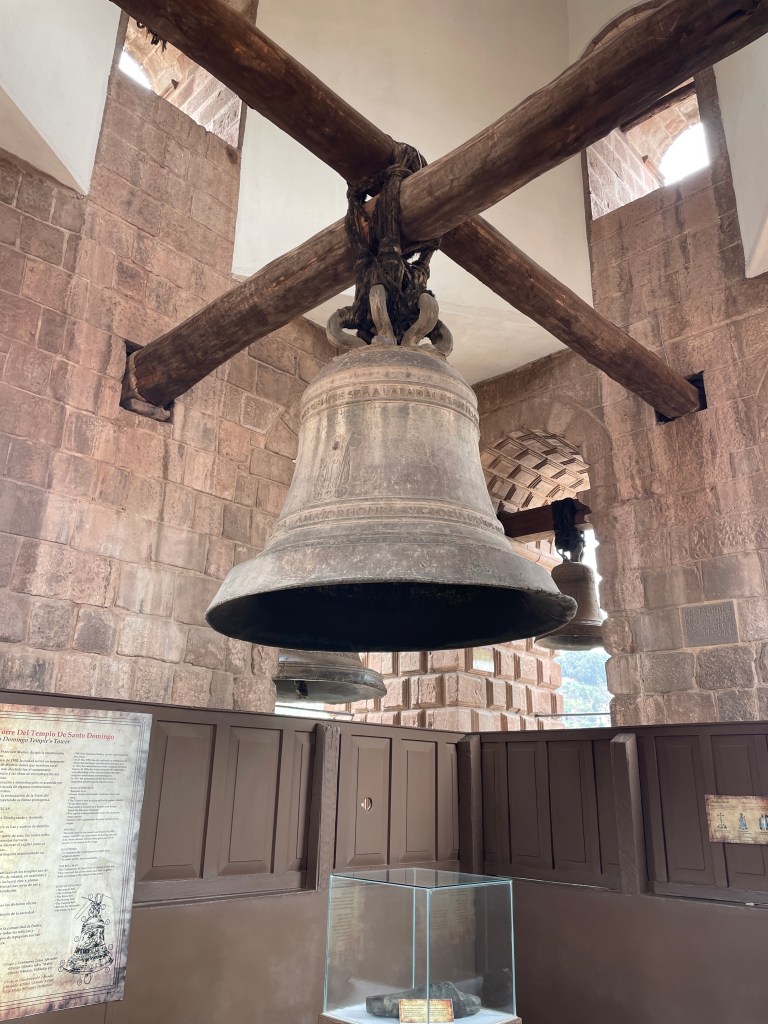
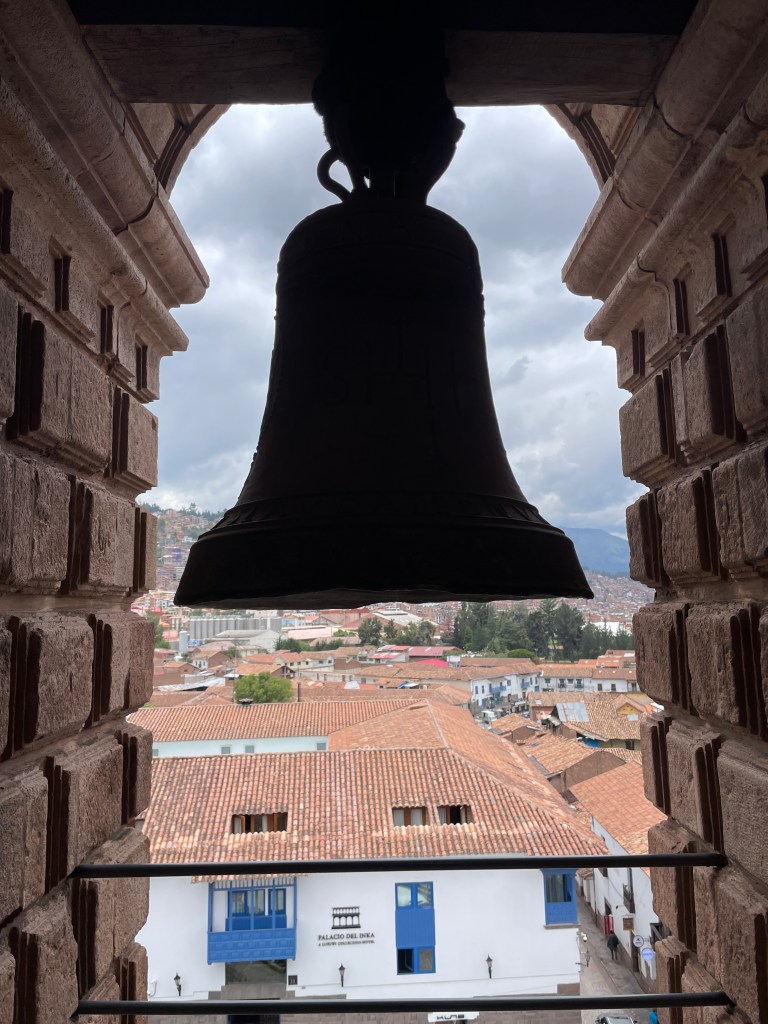
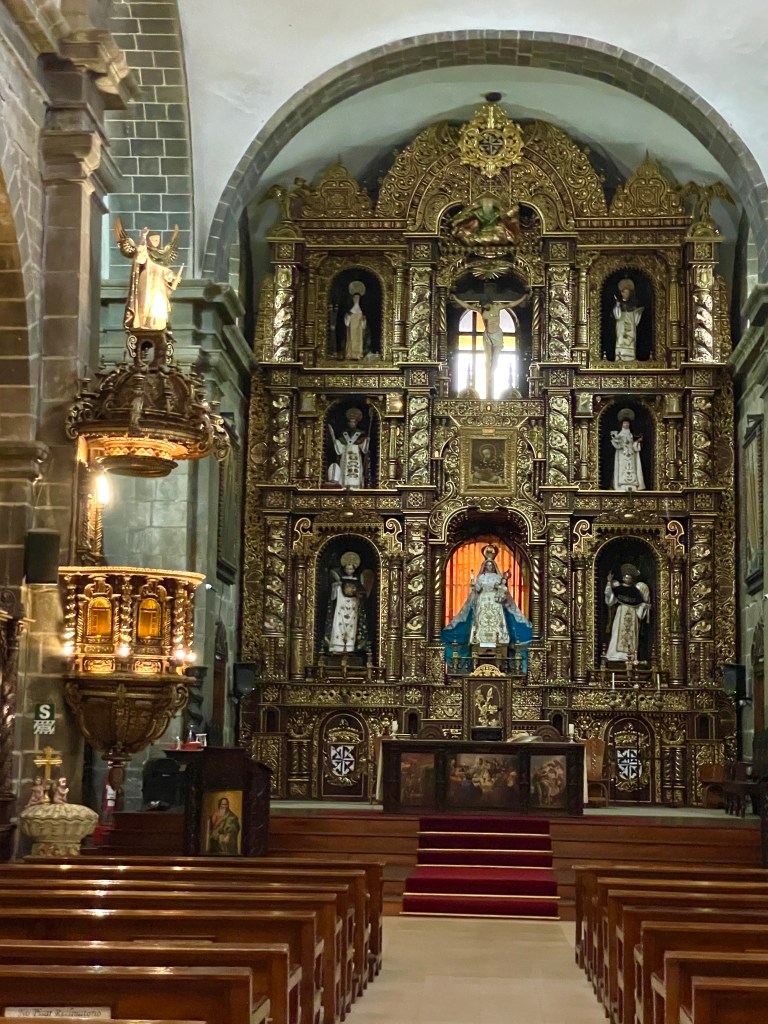
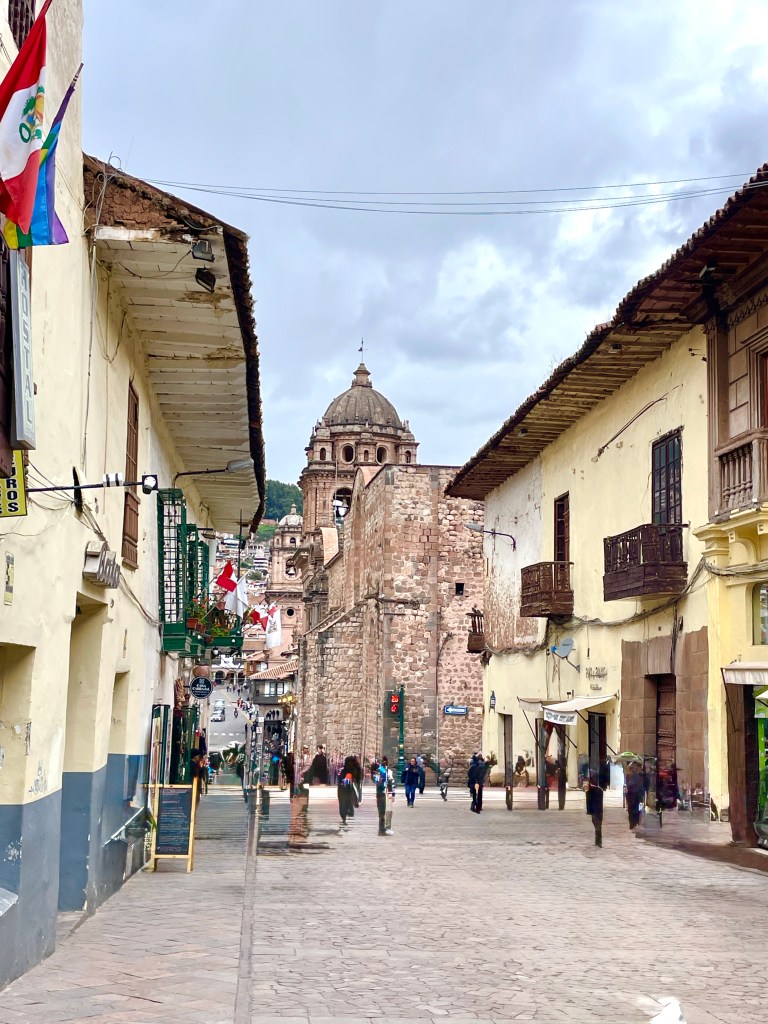
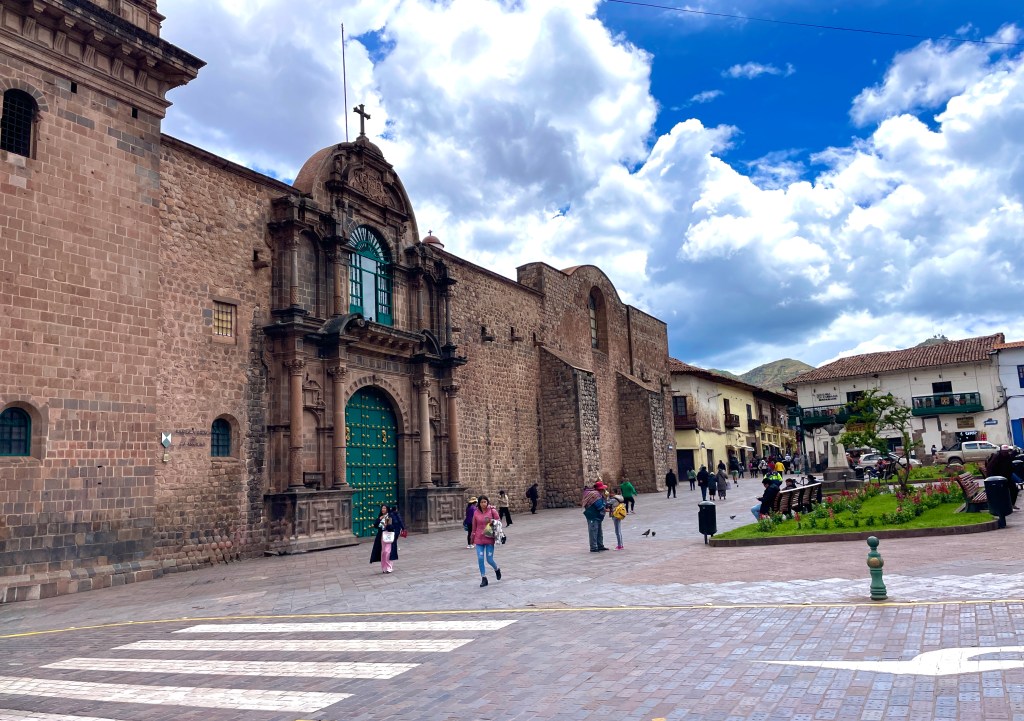
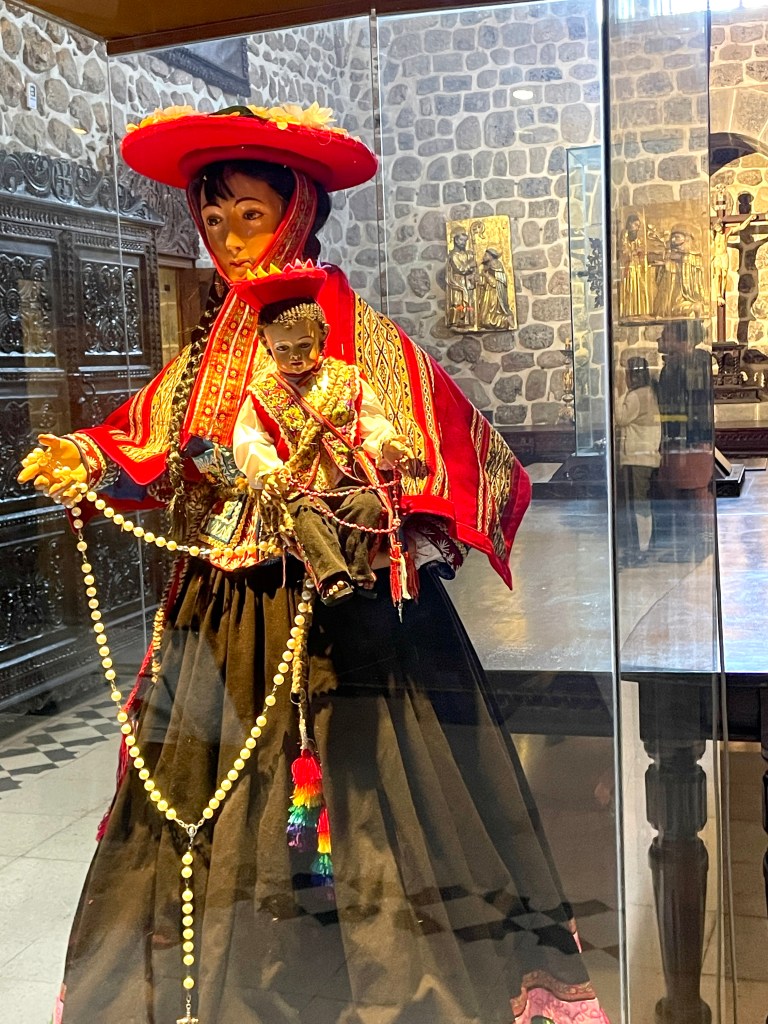
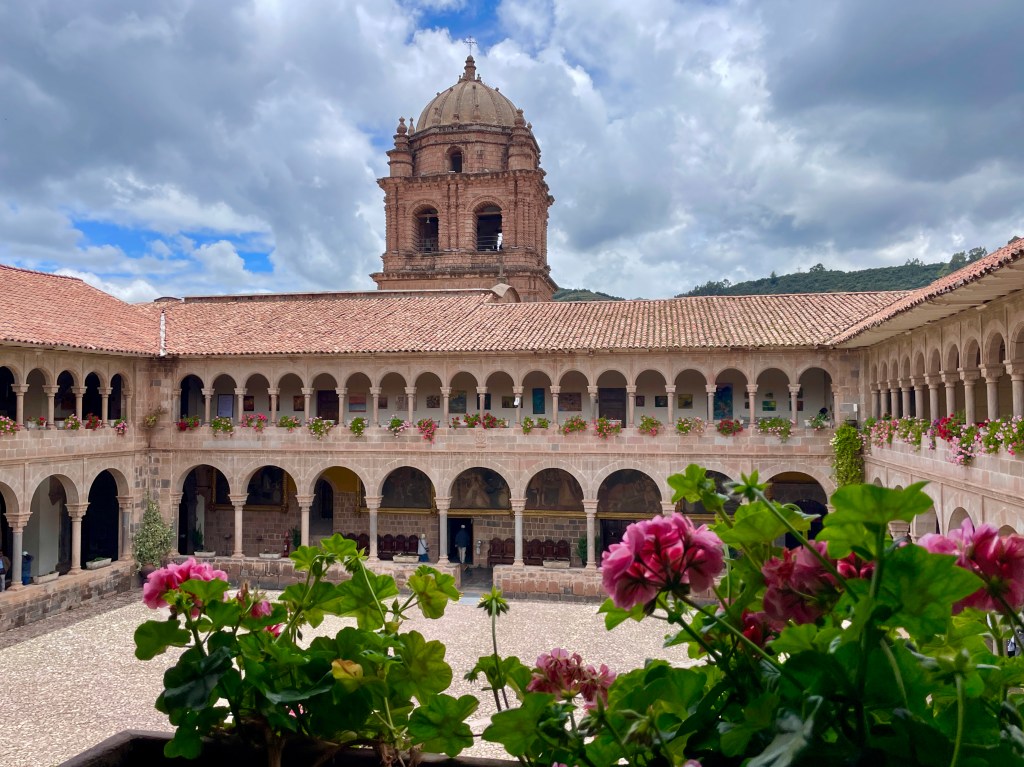
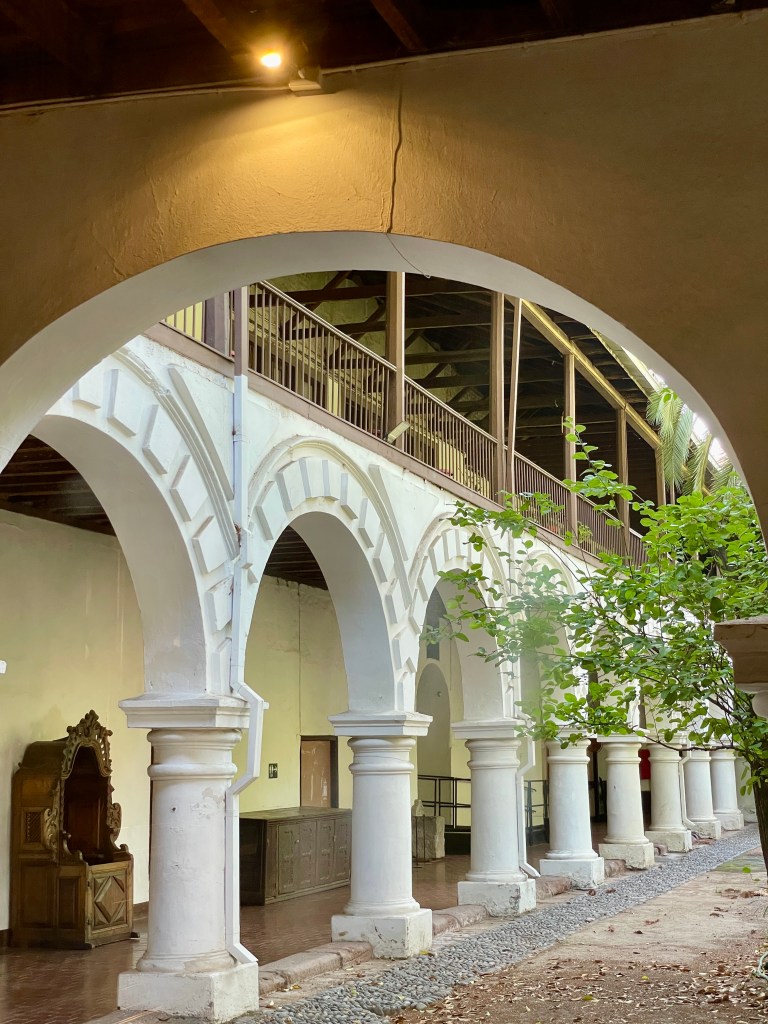
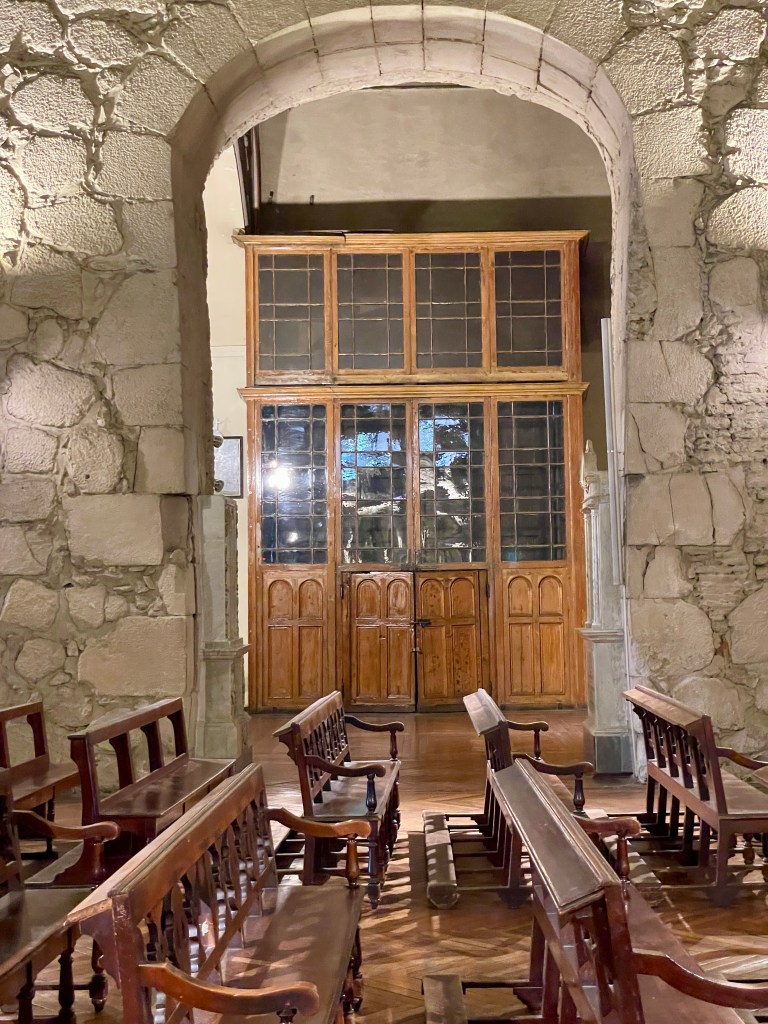
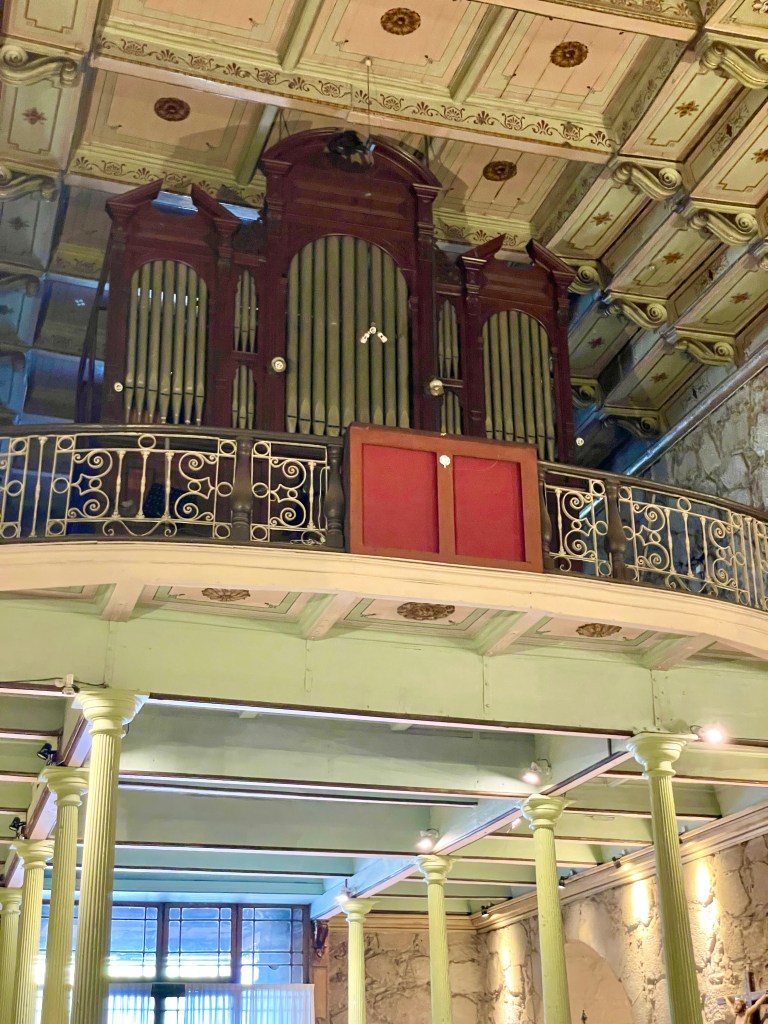
It’s summer here in the Southern Equator but one of the coolest places in the county is Santiago’s historic churches. While not as old as those found in Europe, nevertheless, their history and designs often mimic those found from Latin America’s conquering nations.

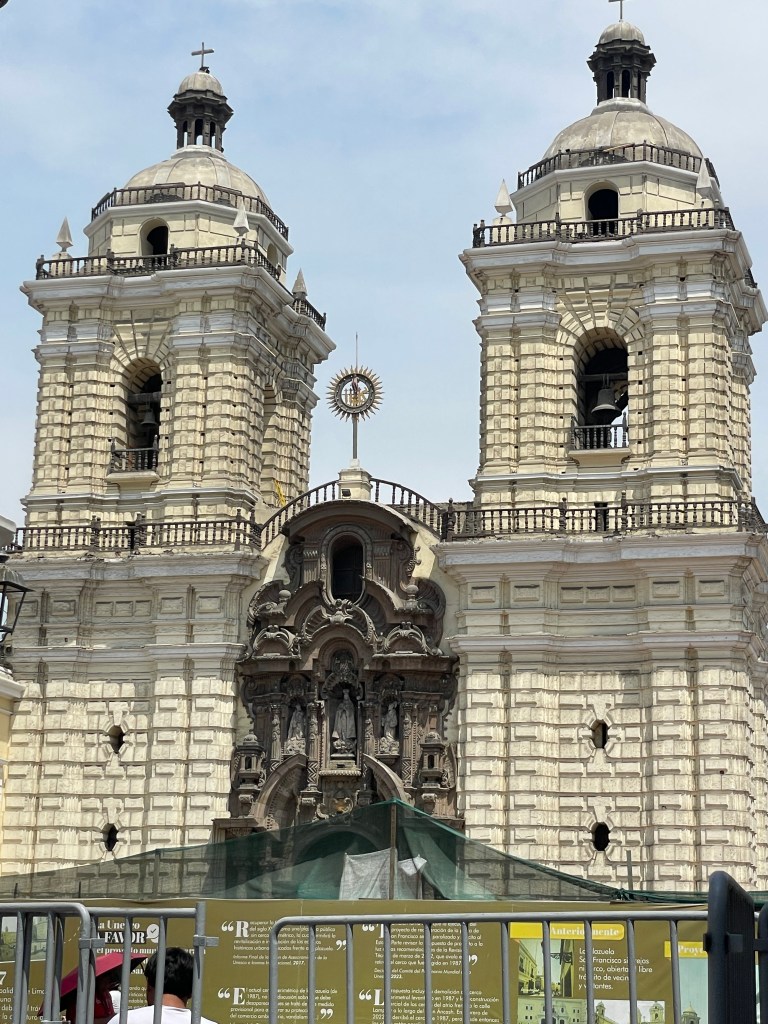
IGLESIA DE SAN FRANCISCO

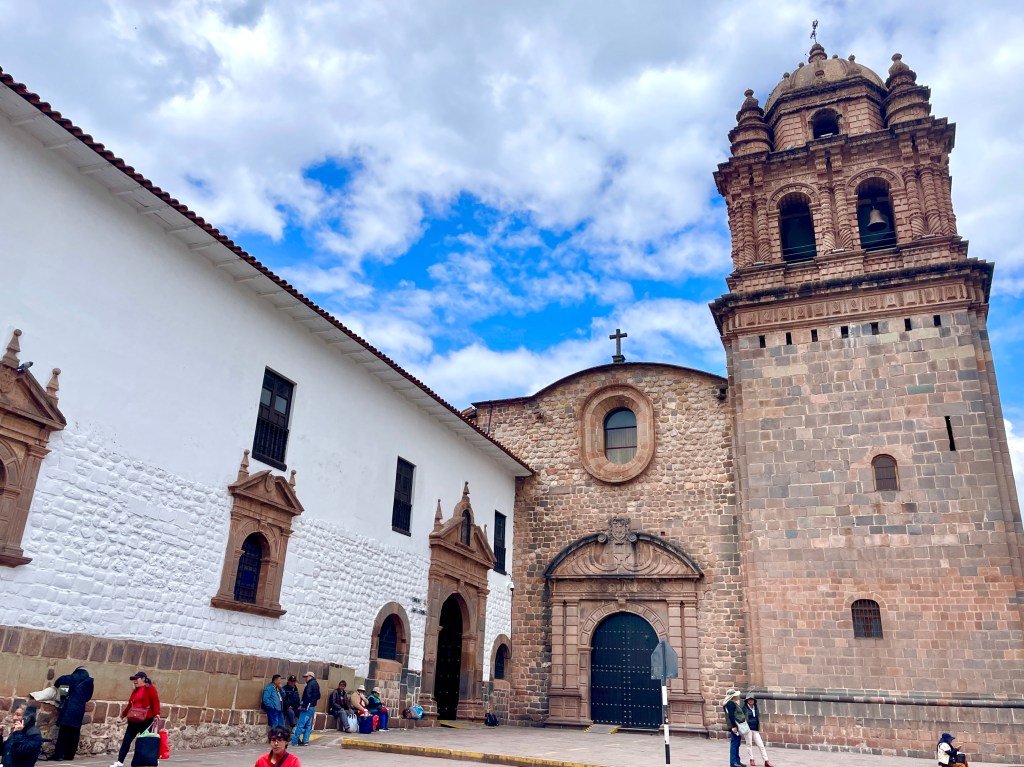
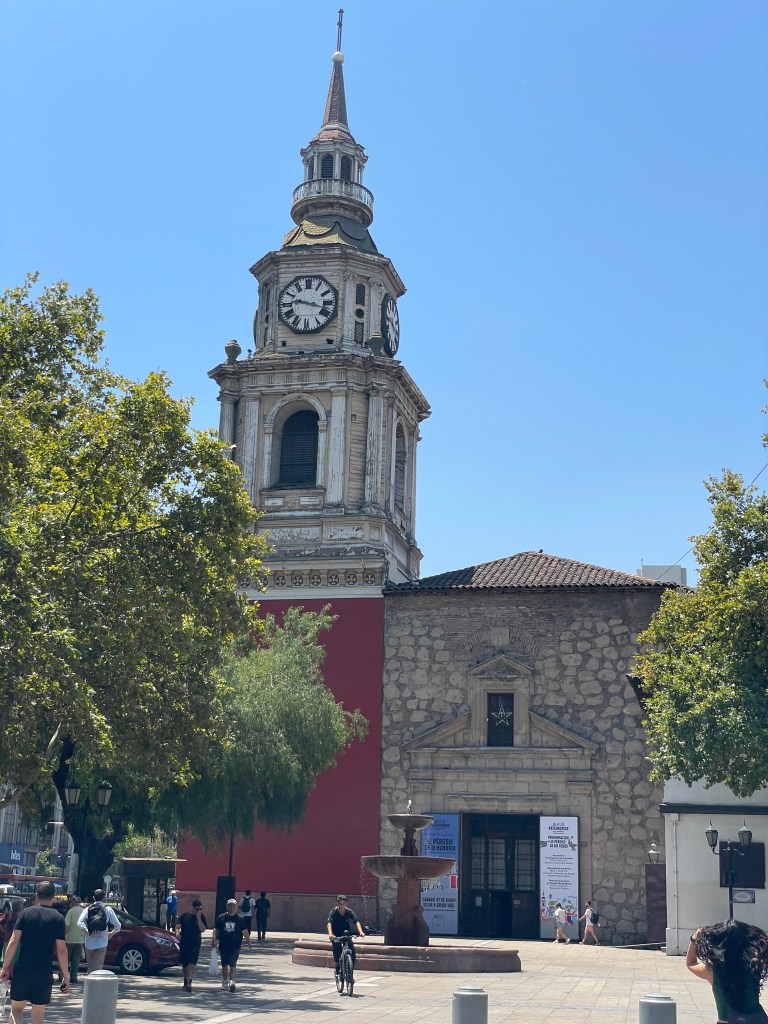
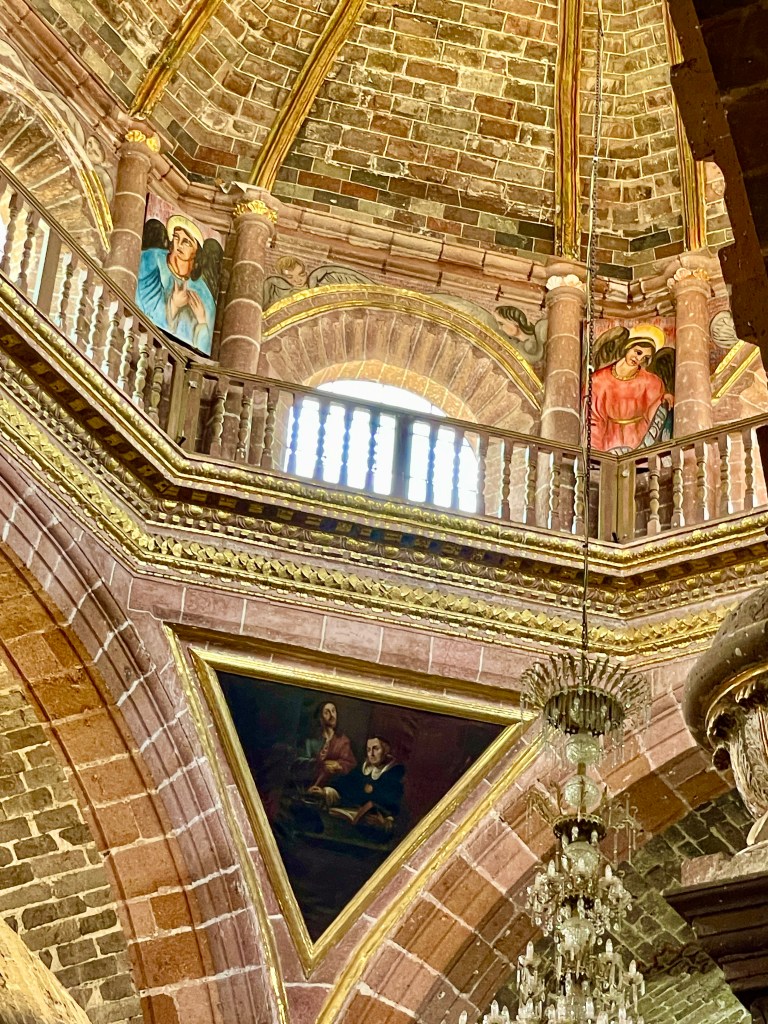
With its red exterior and unusual bell tower, Iglesia De San Francisco looks newer than other churches in the area, but don’t be fooled, as this one of the oldest buildings in the country. What is even more amazing is that it has withstood over 15 earthquakes with a shake value of over 7.0 each time the earth moved.

According to church history, five Franciscans arrived from Peru in 1553 but it was not until 1572 that construction began on the church. Consecrated in 1597 the building was completed in 1618. It lost its bell tower in 1647 and 1730 due to quakes. The current one was constructed in the middle of the 1800’s.

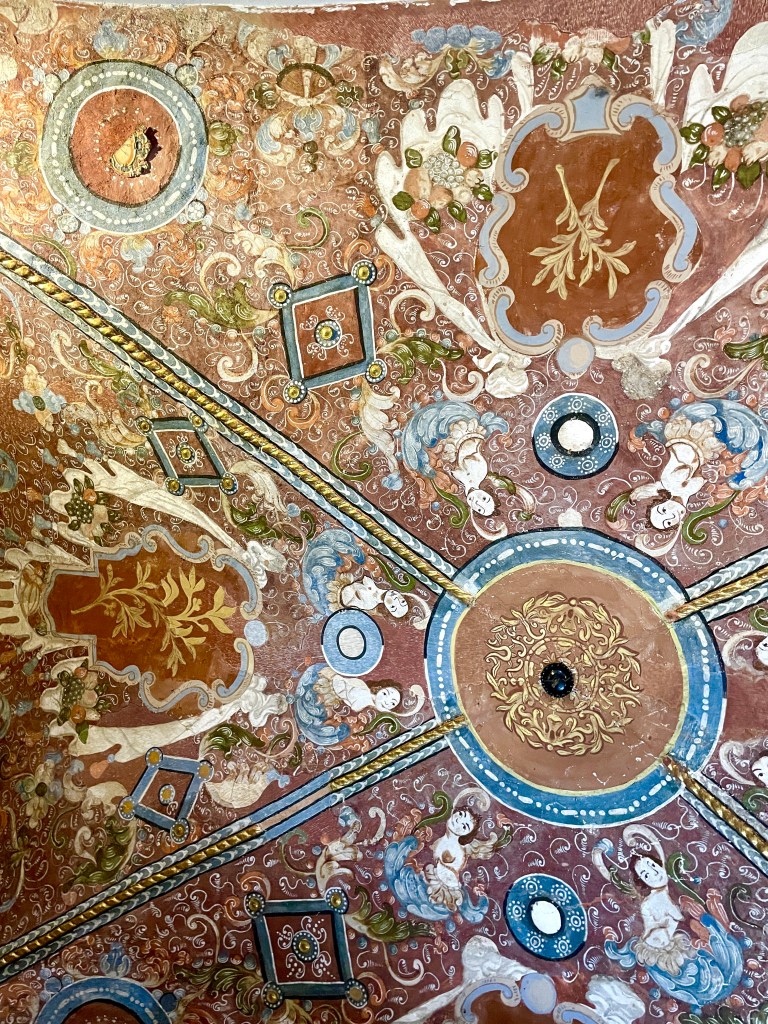
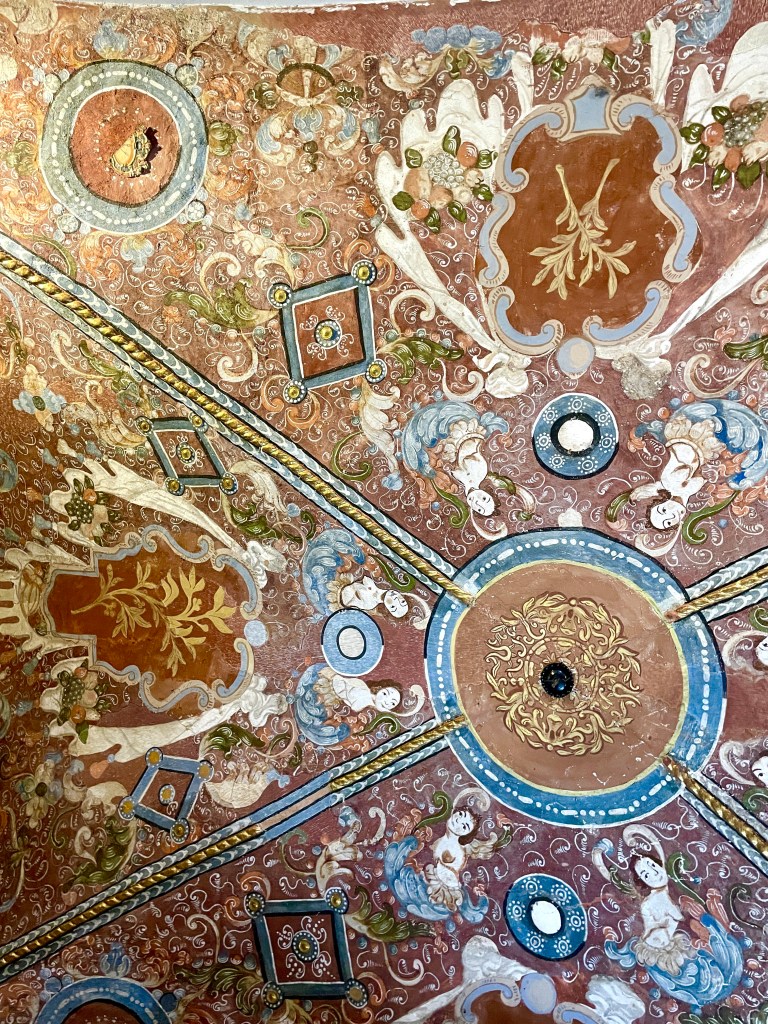
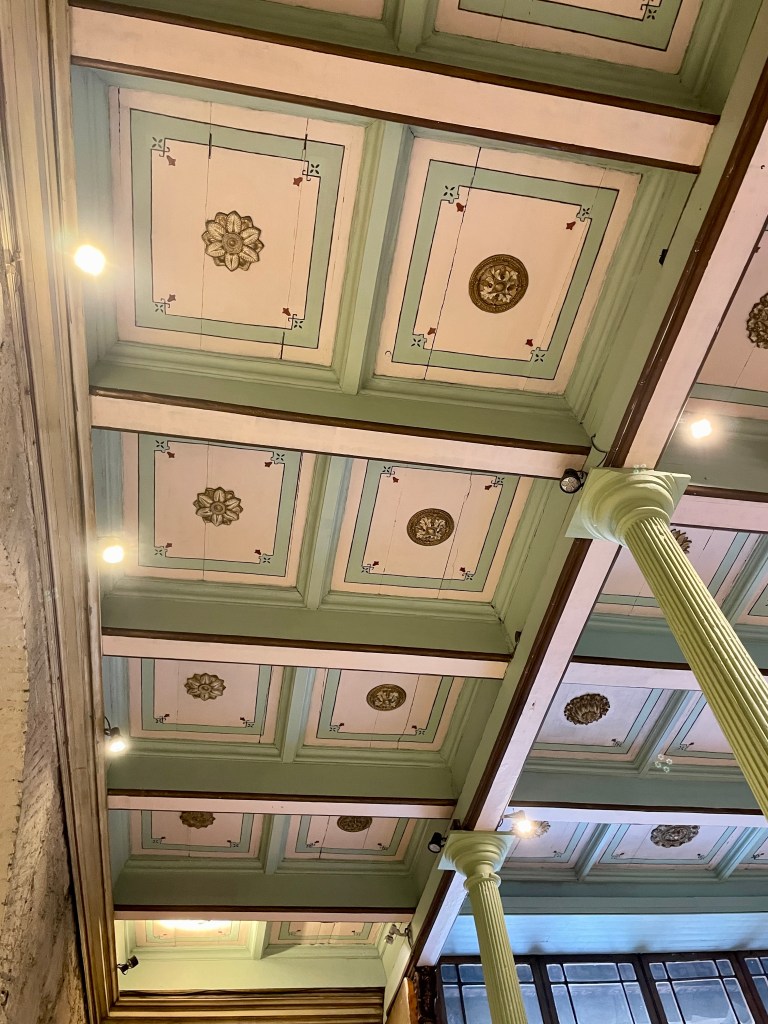
The ceiling of this magnificent building was constructed using a coffered Mudejar style beginning in 1615. You will definitely get a kink in your neck as you look upward.

Iglesia De la Vera Cruz

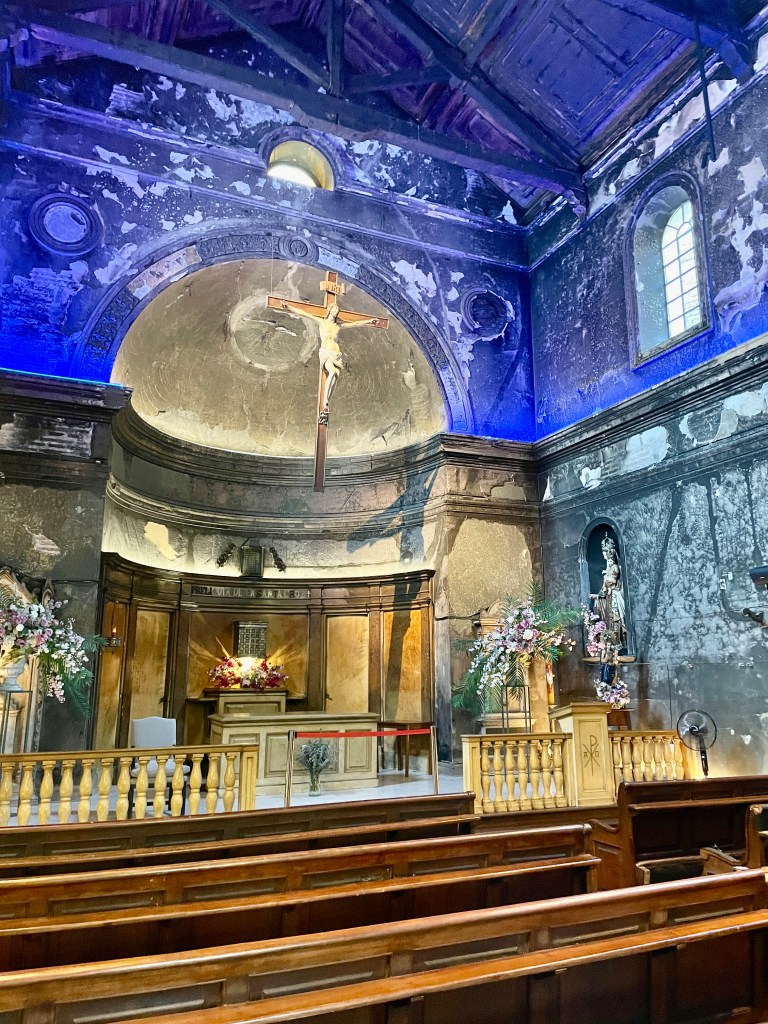
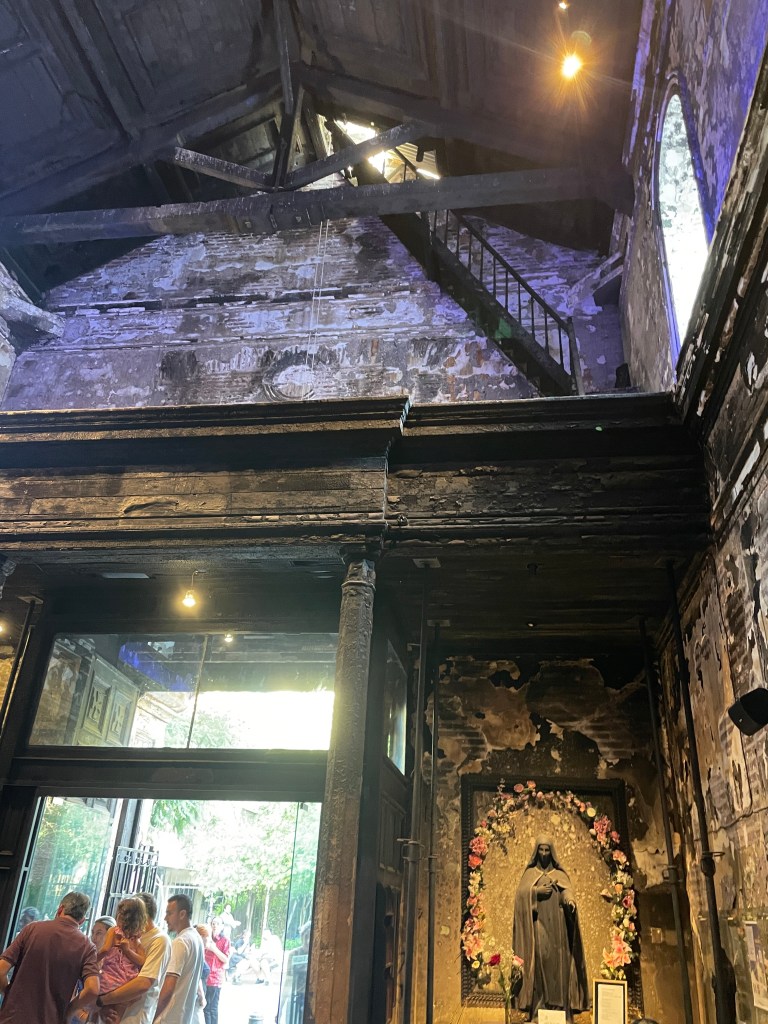
Located in Barrio Lastarria, work on this church began in 1852 and was completed in 1857. The church was suppose to have been built on the site where conquistador Pedro de Valdivia had lived in order to honor his memory but it appears that this location is most likely a myth. This building is a very weird, almost spooky place visit as the inside was burnt out in November 2019 during local riots.

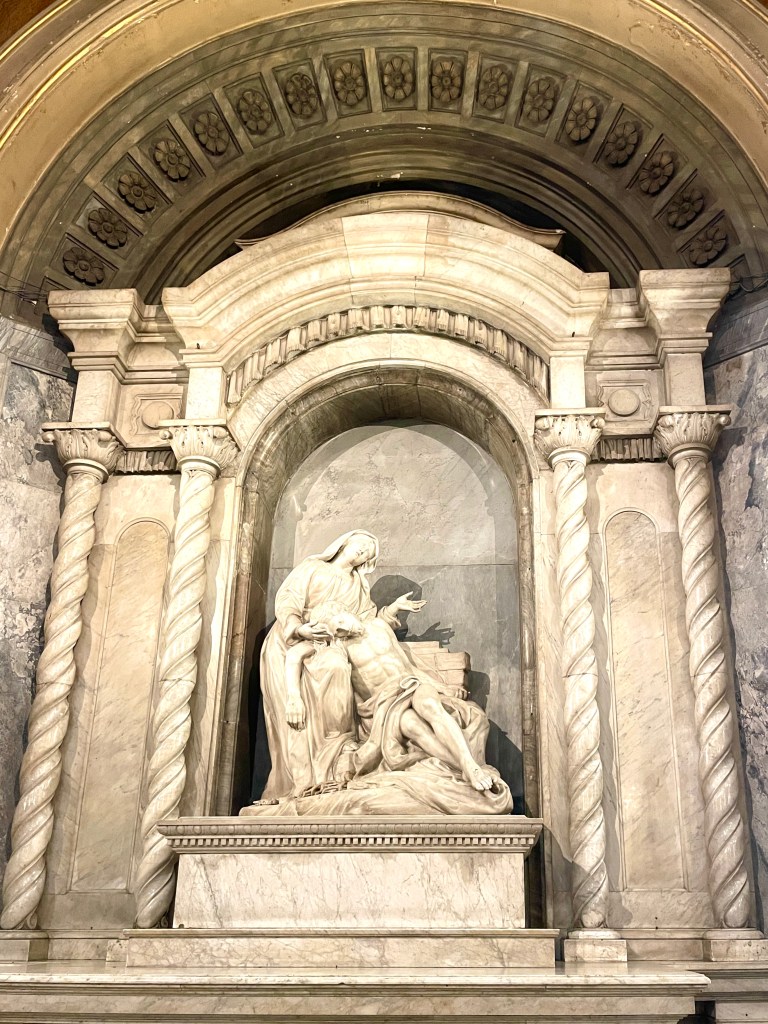
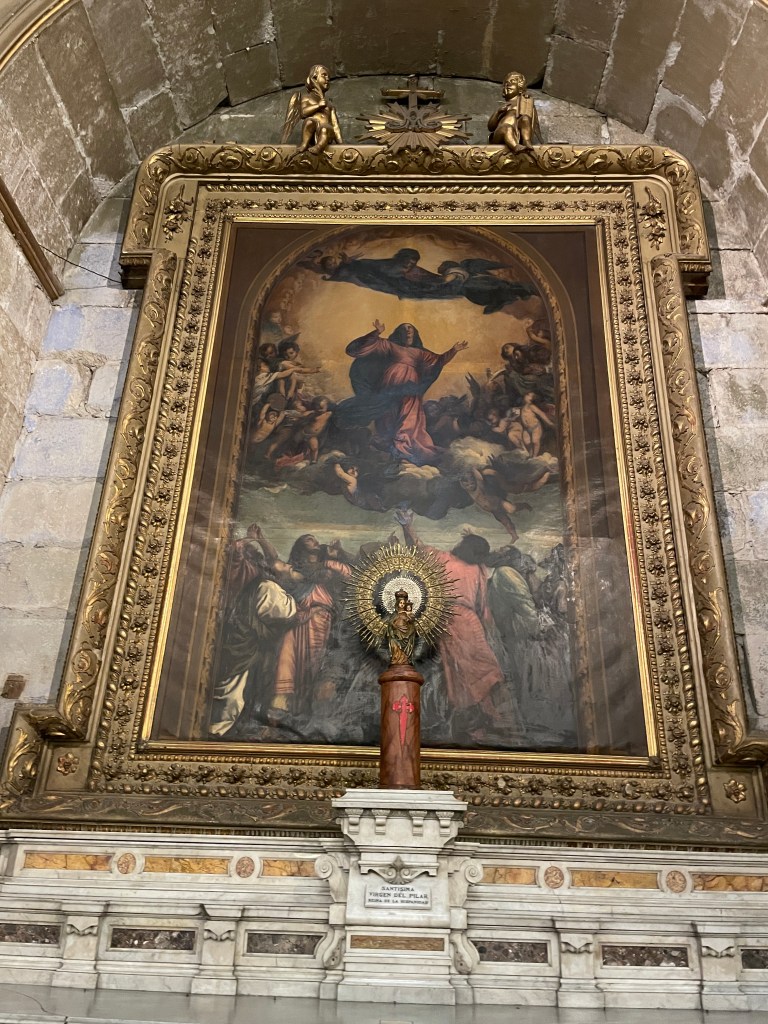
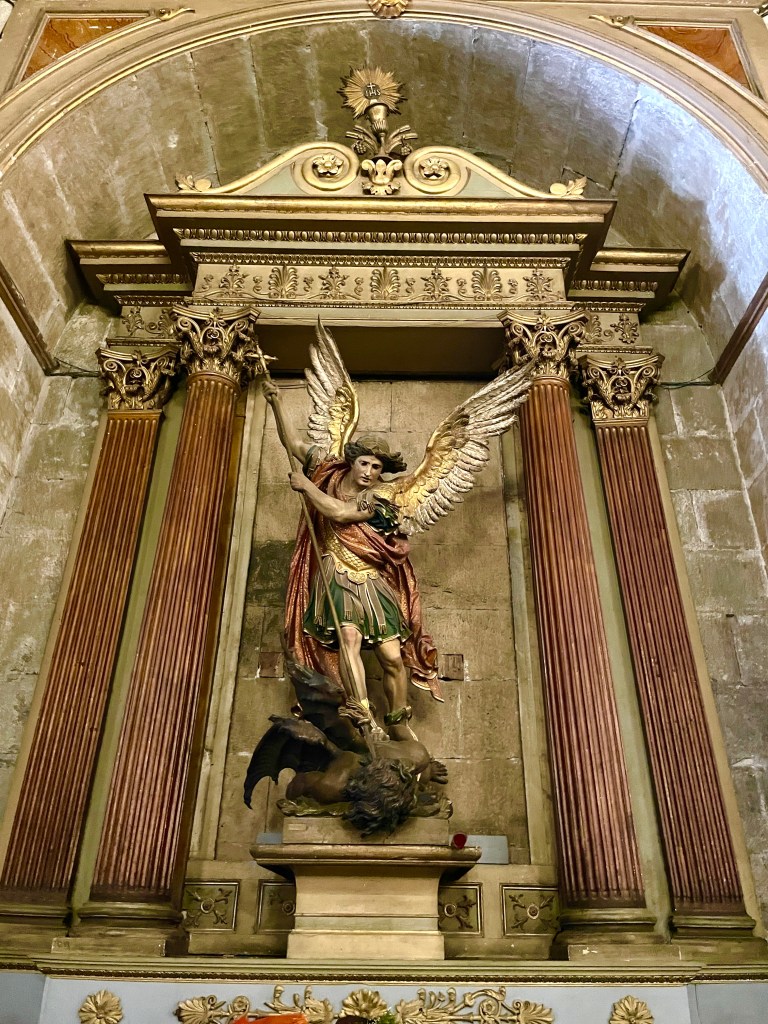
Santiago Metropolitan Cathedral

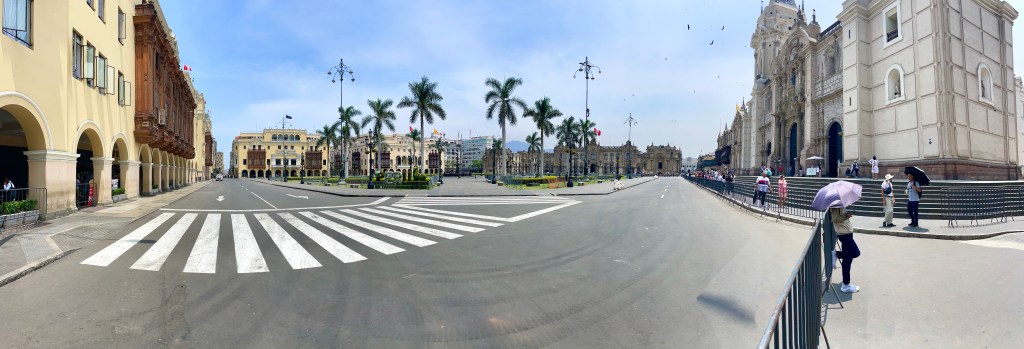
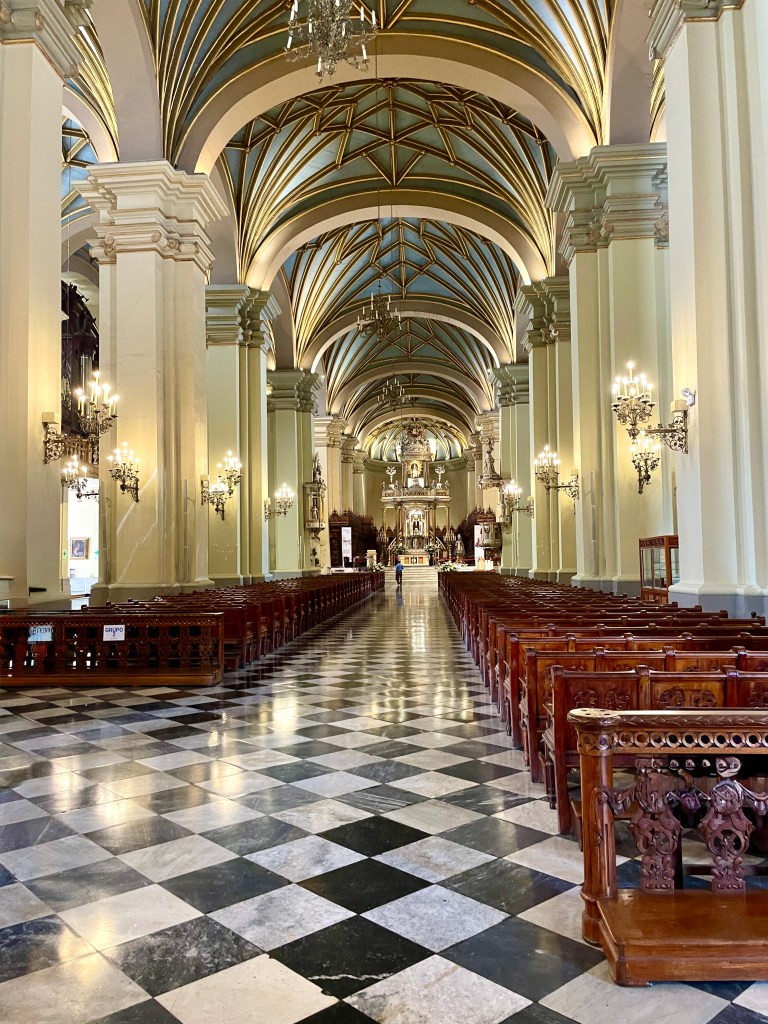
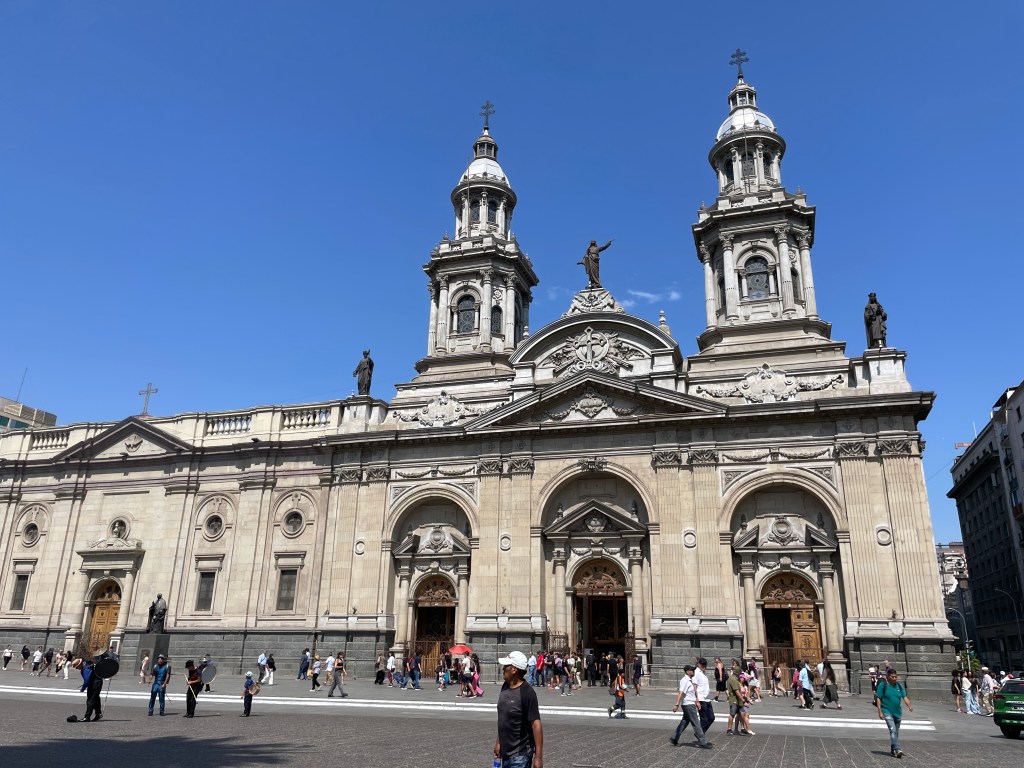
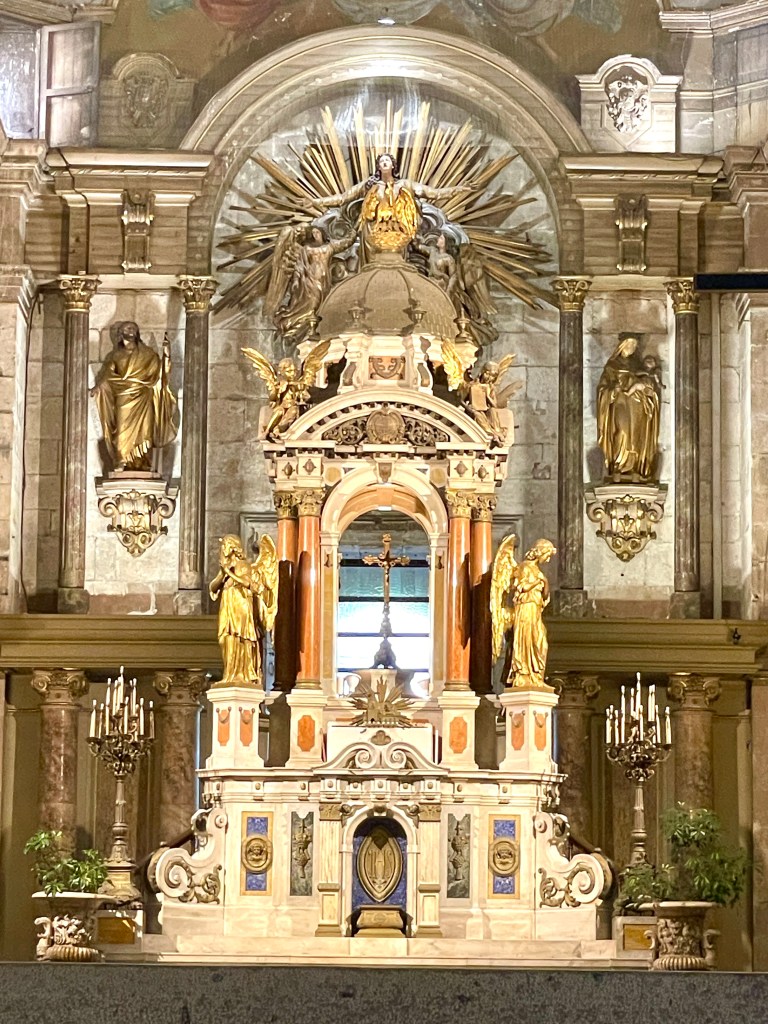
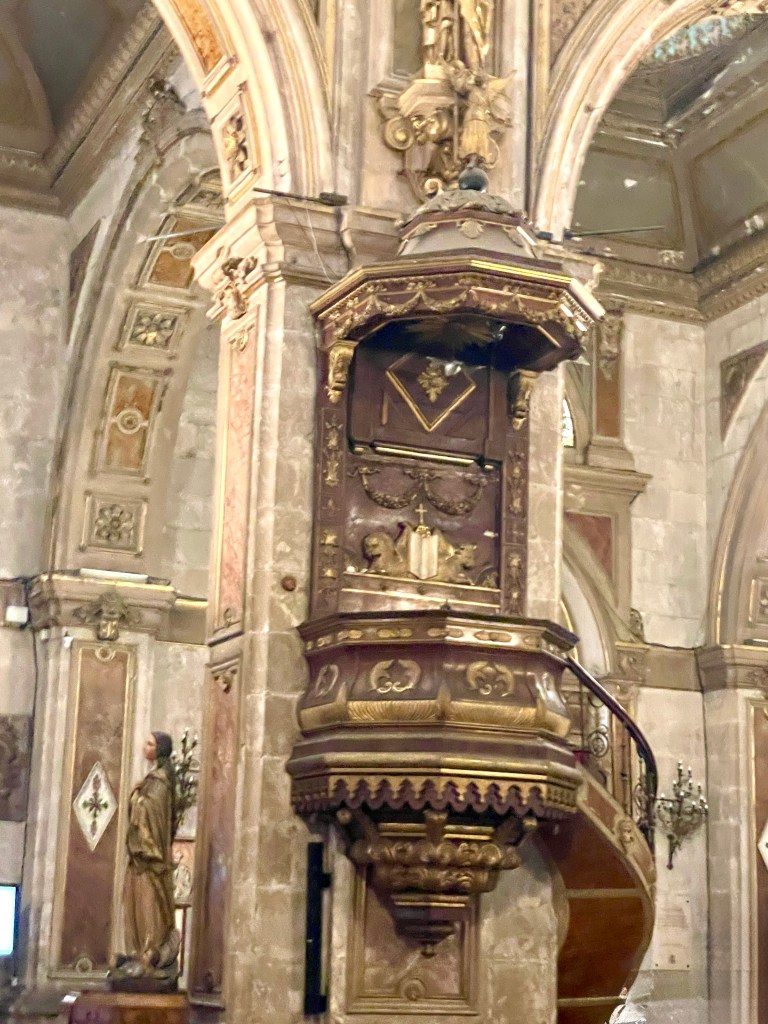
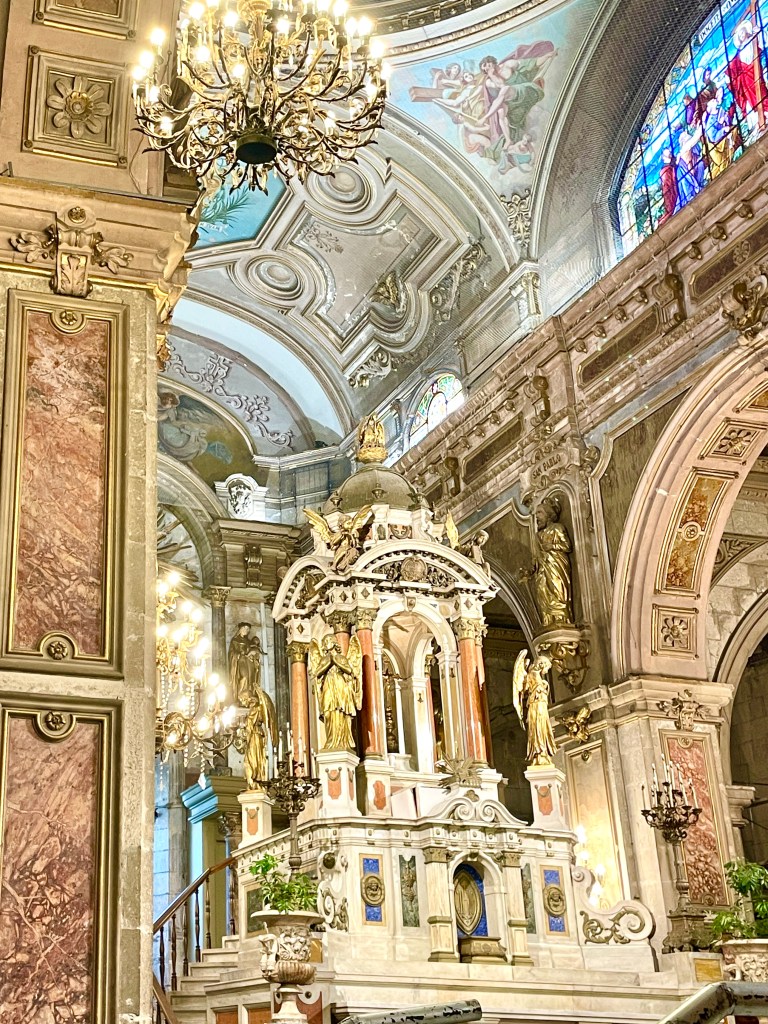
Located in the Plaza de Armas of Santiago the Cathedral is the home of the Archdiocese and the Archbishop of Santiago. This imposing building was built between 1748 – 1906; its present incarnation being the fifth church to have been built on the site… previous ones being lost to earthquakes and a fire. The Cathedral is dedicated to Assumption of the Virgin Mary and is the main church of the city.

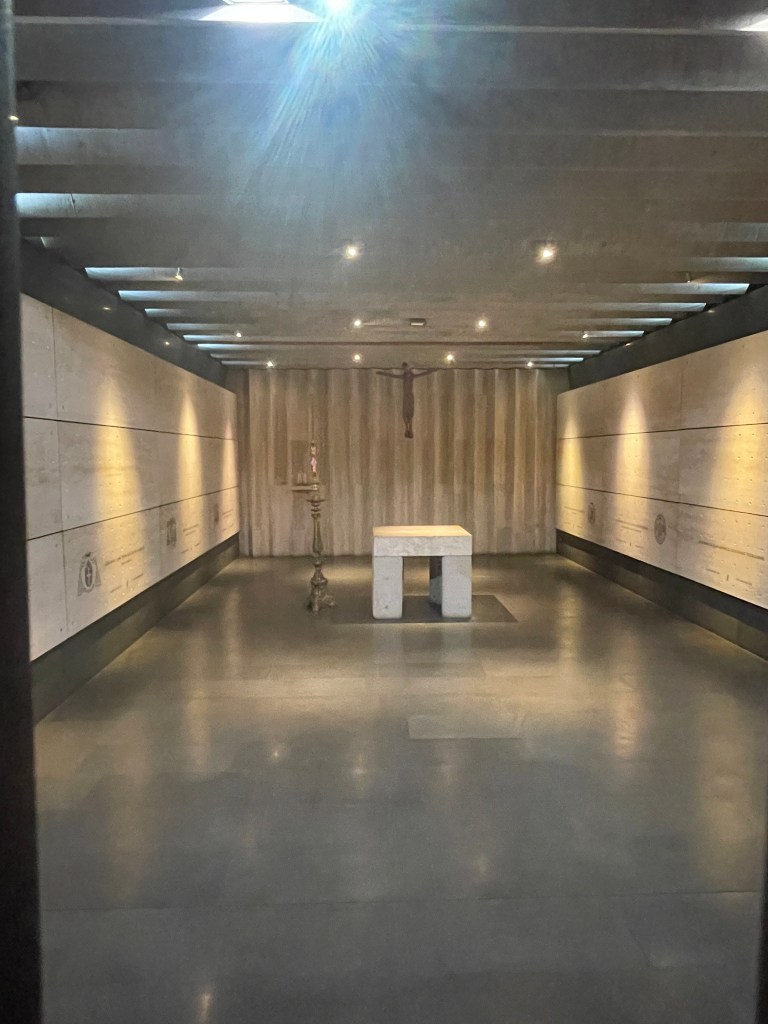
One interesting aspect to the Cathedral is Archiepiscopal crypt which was remodeled recently adding light and depth to the place where most of the Archbishops of Santiago are buried.

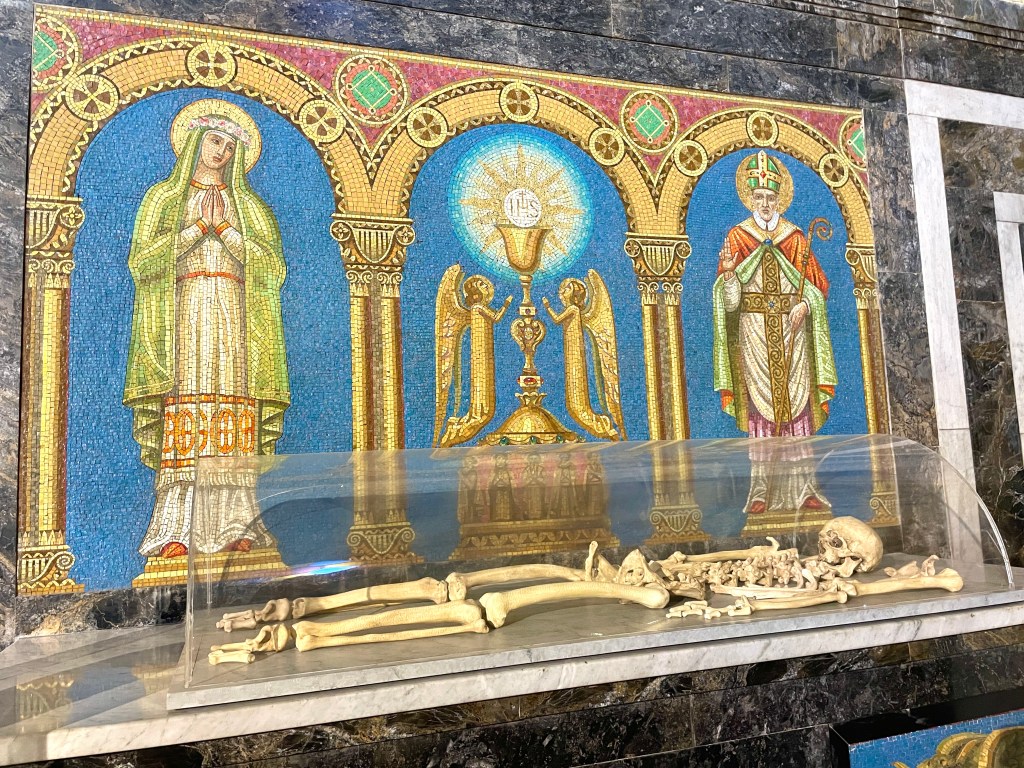
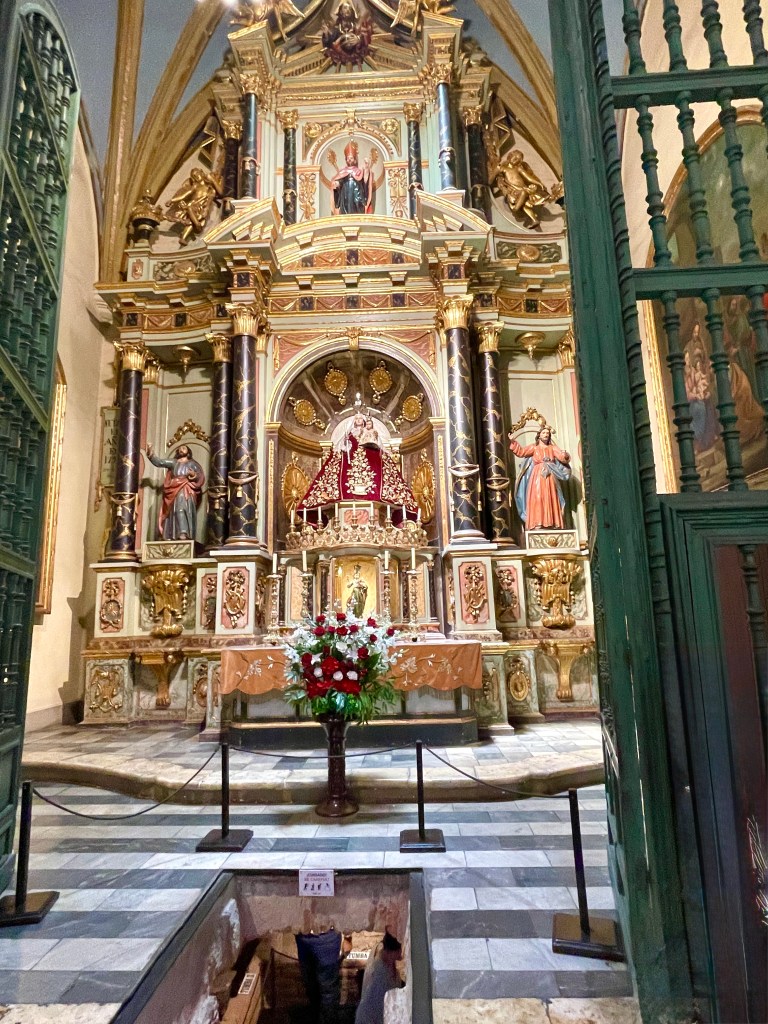
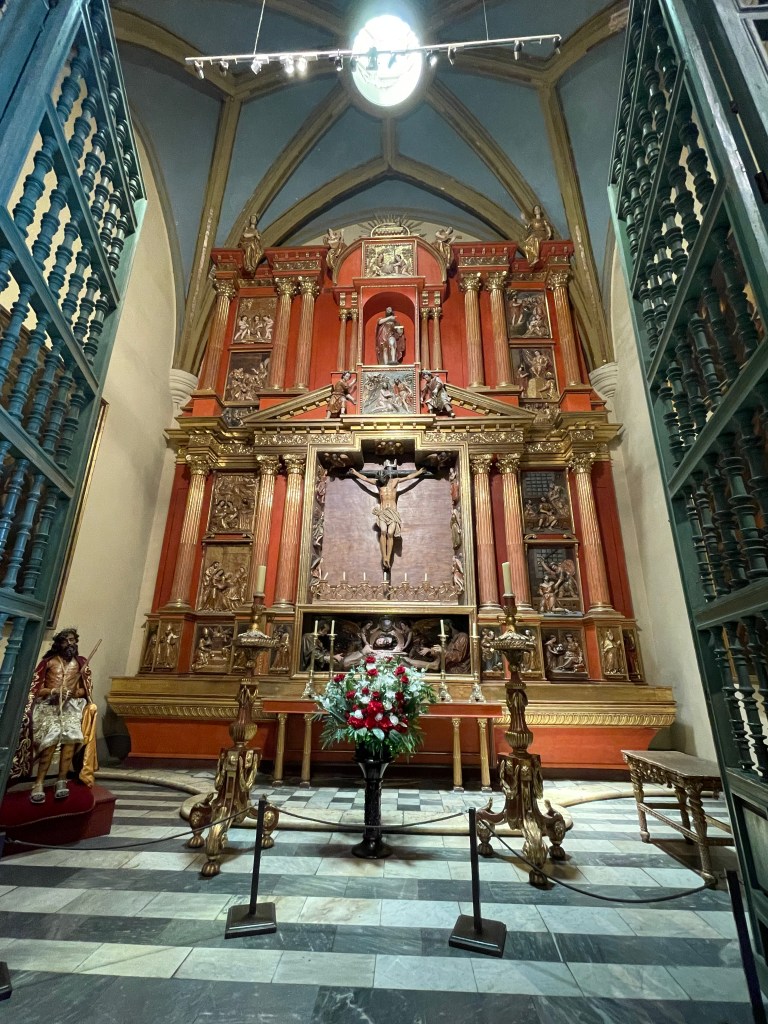
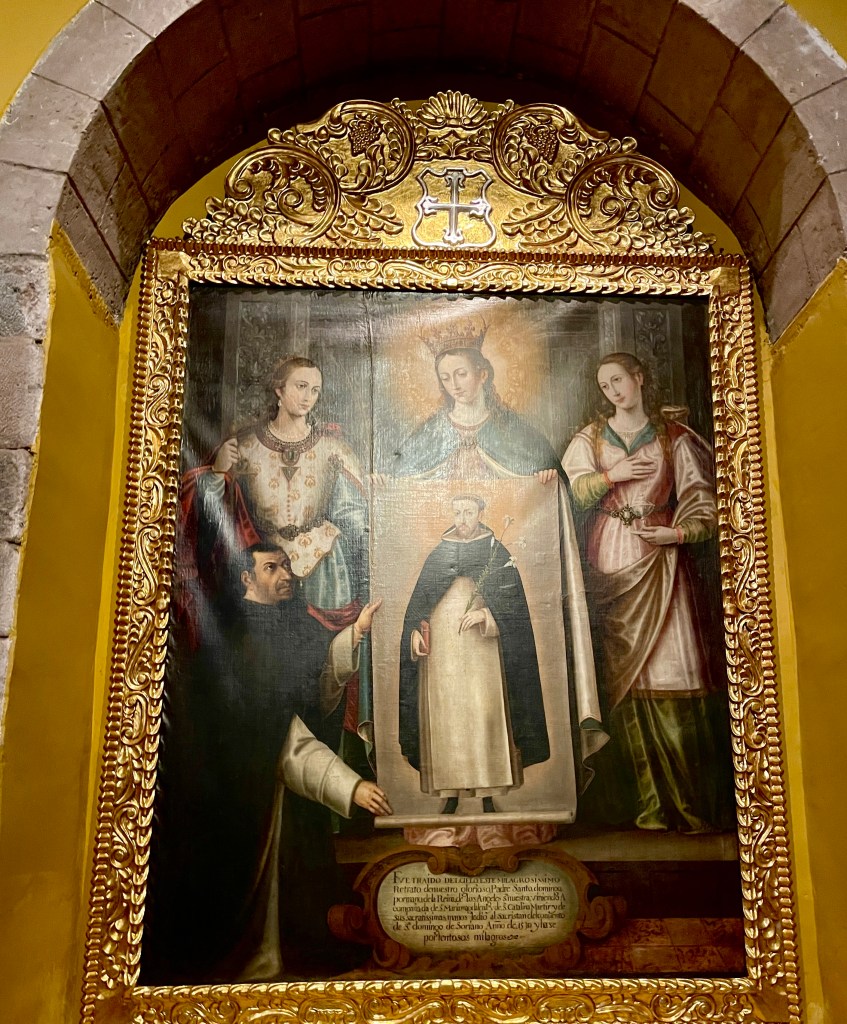
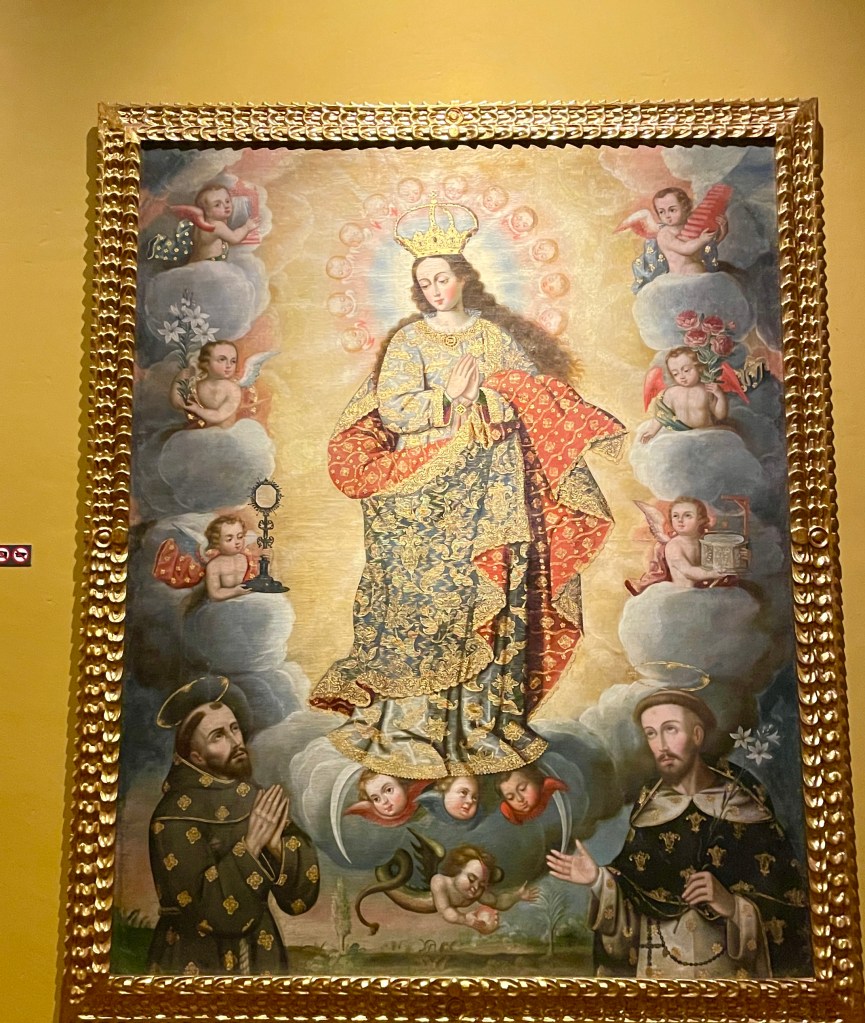
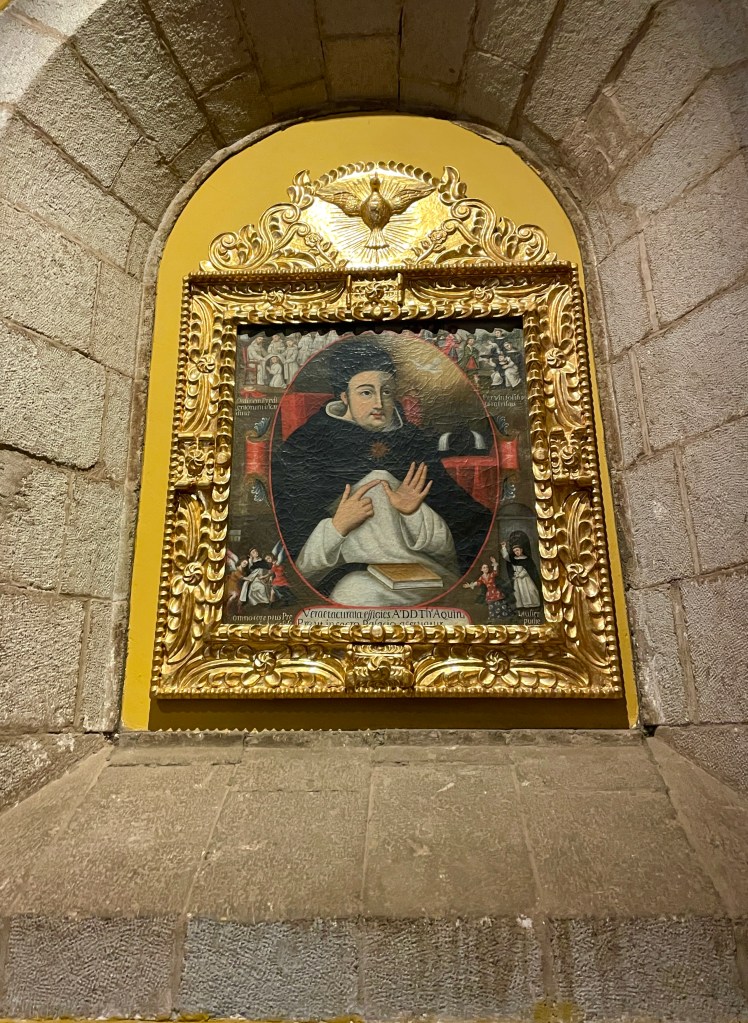
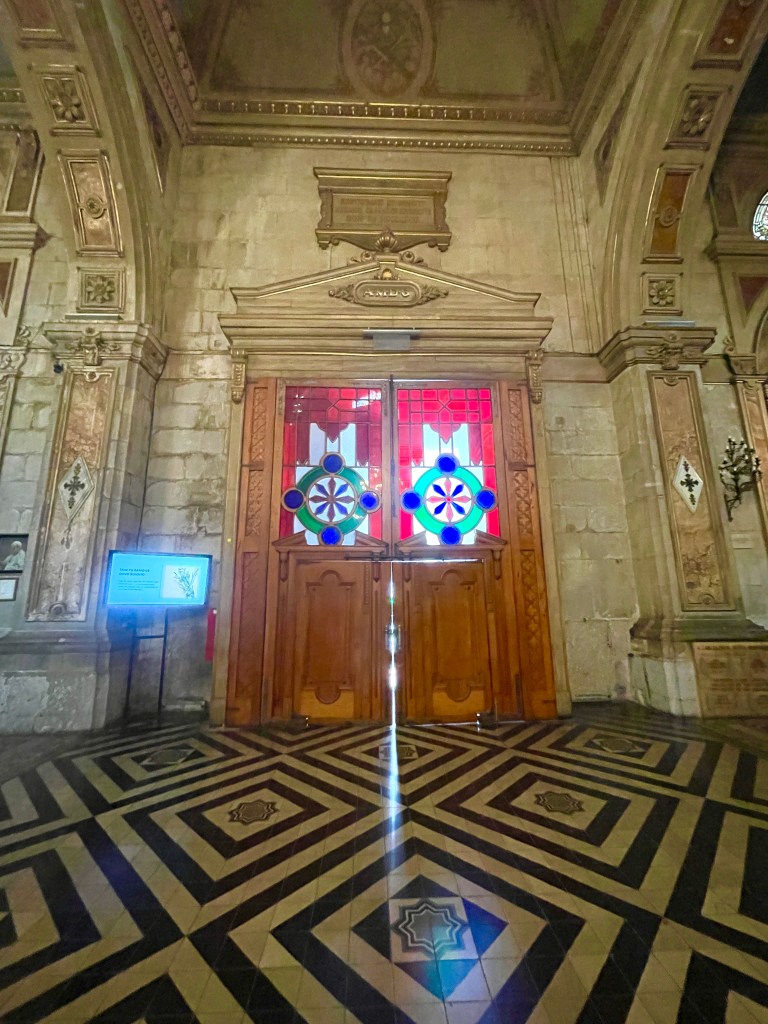
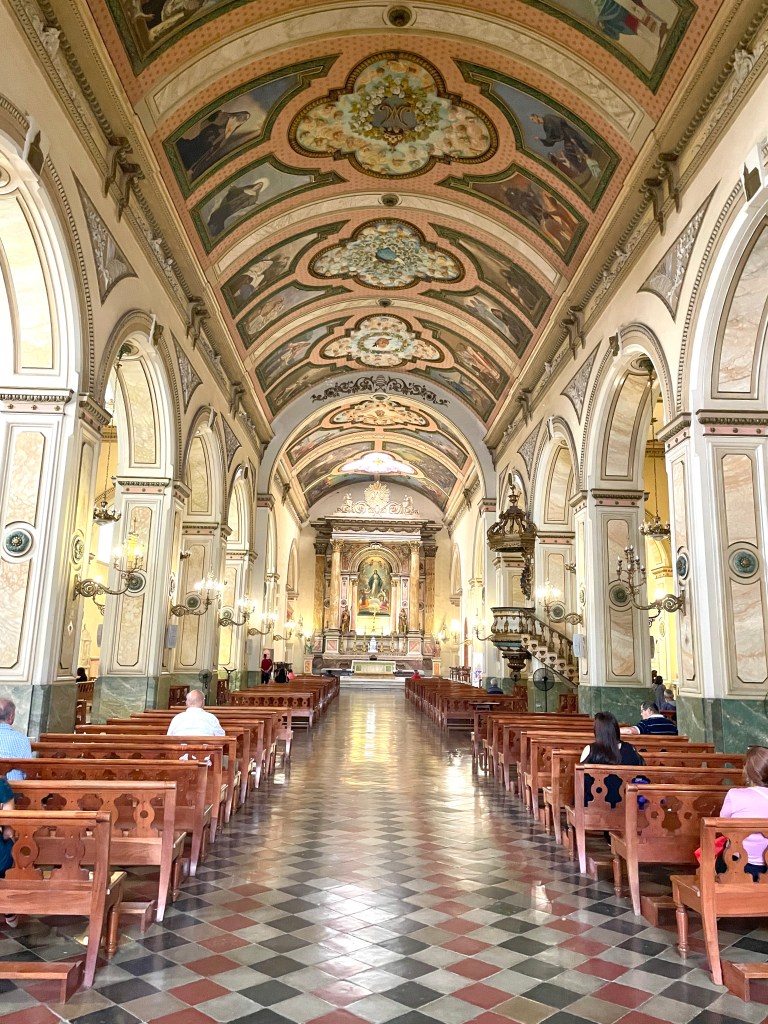
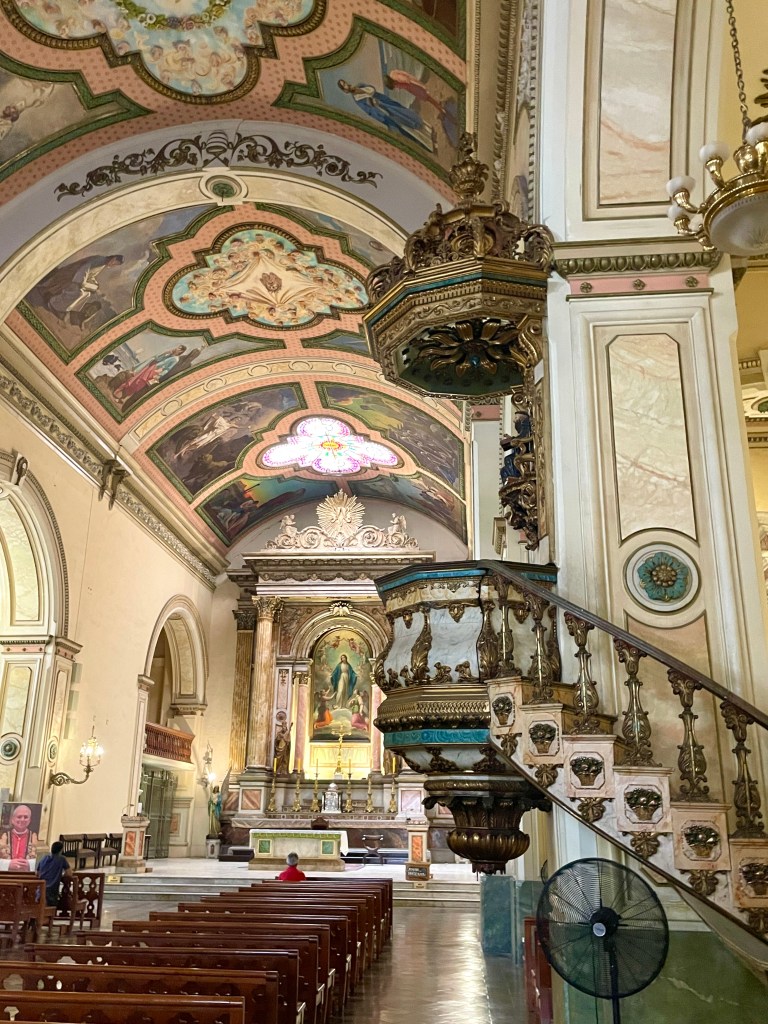
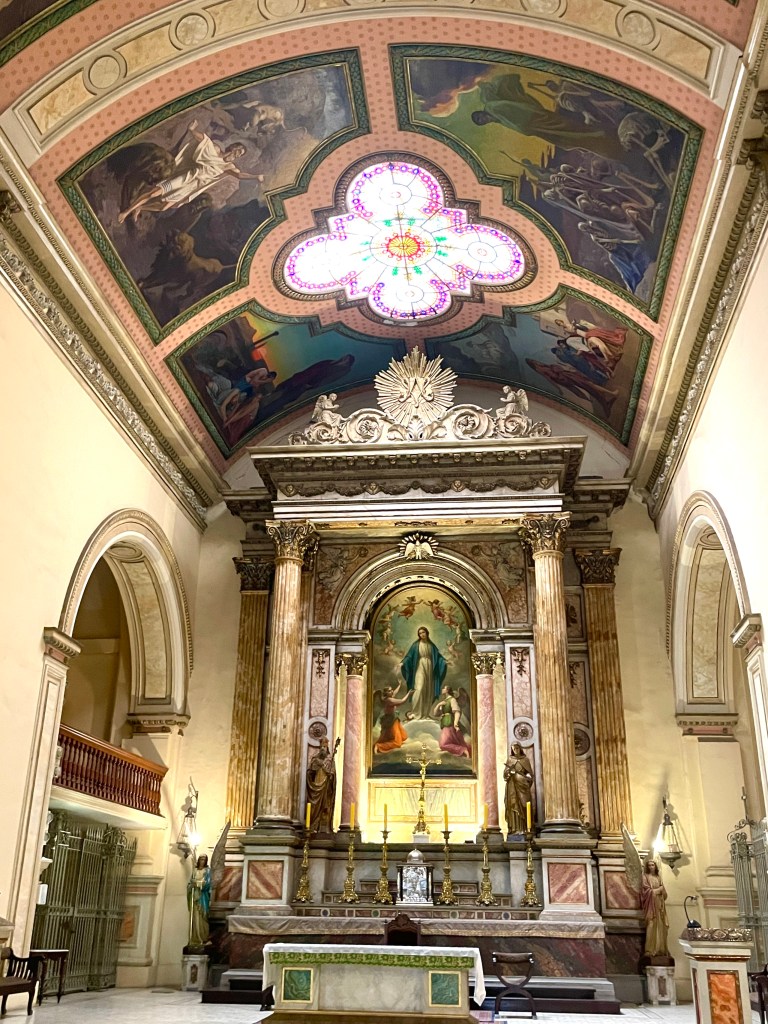
Templo De San AugstinOur Lady of Grace

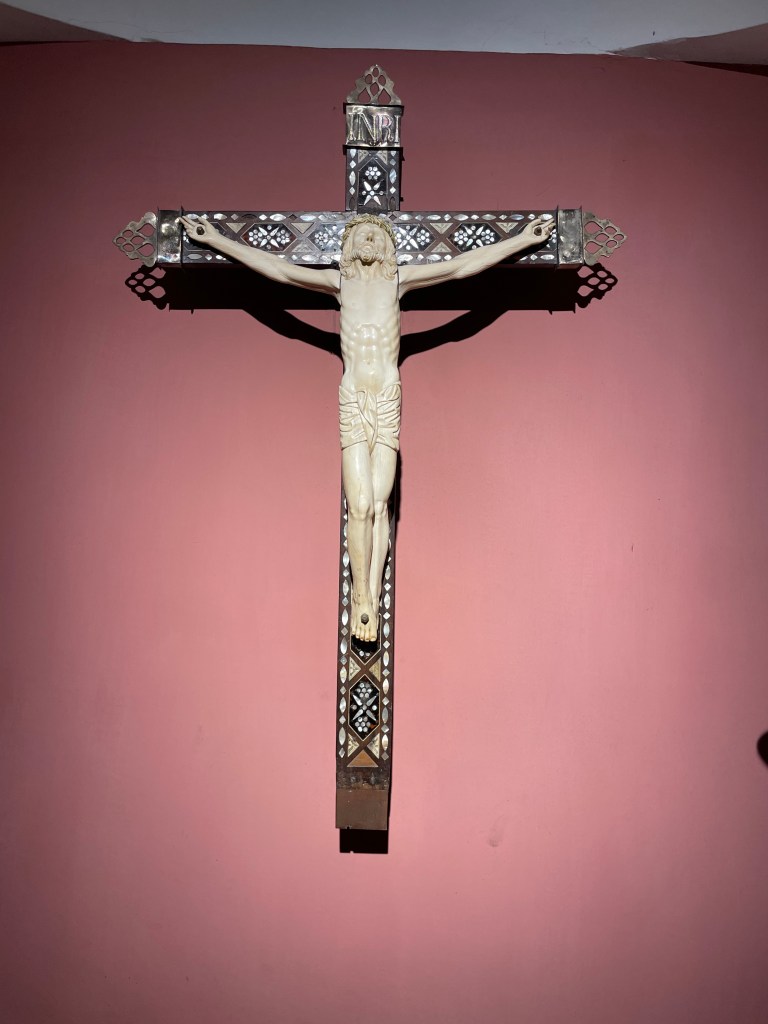
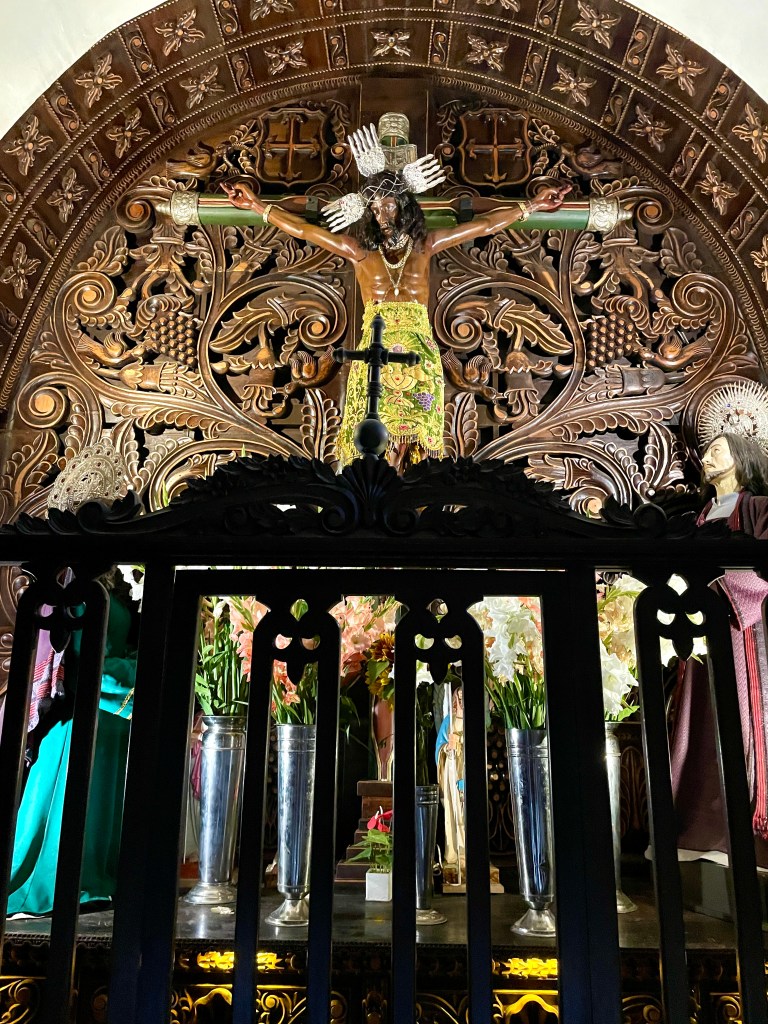
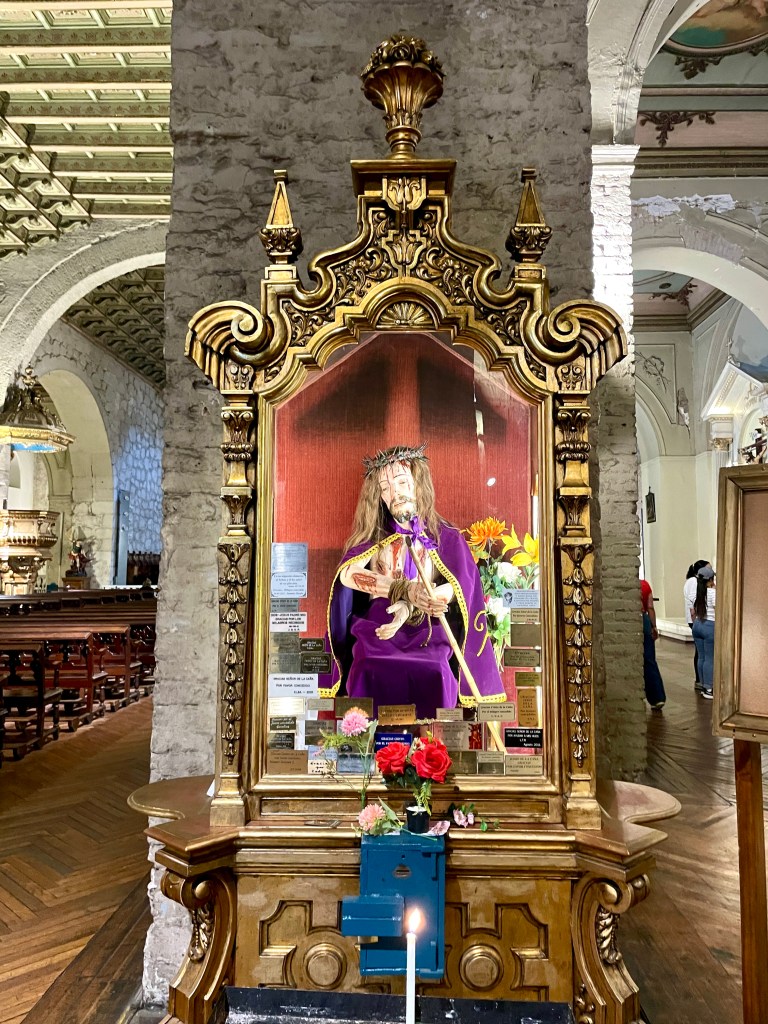
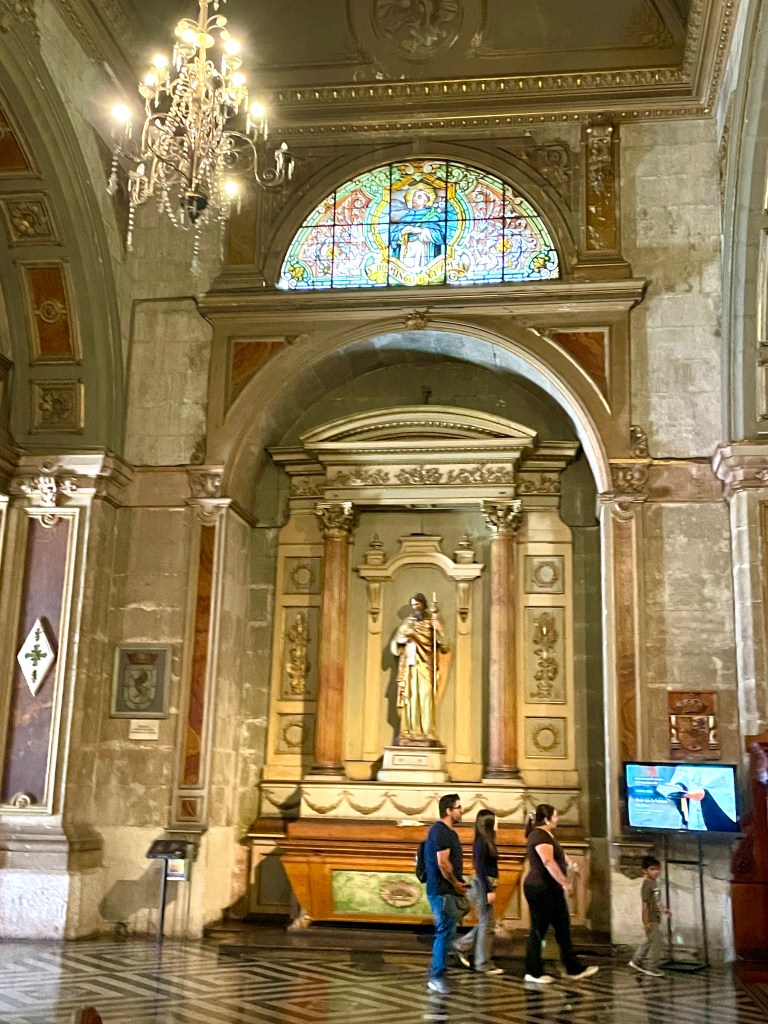
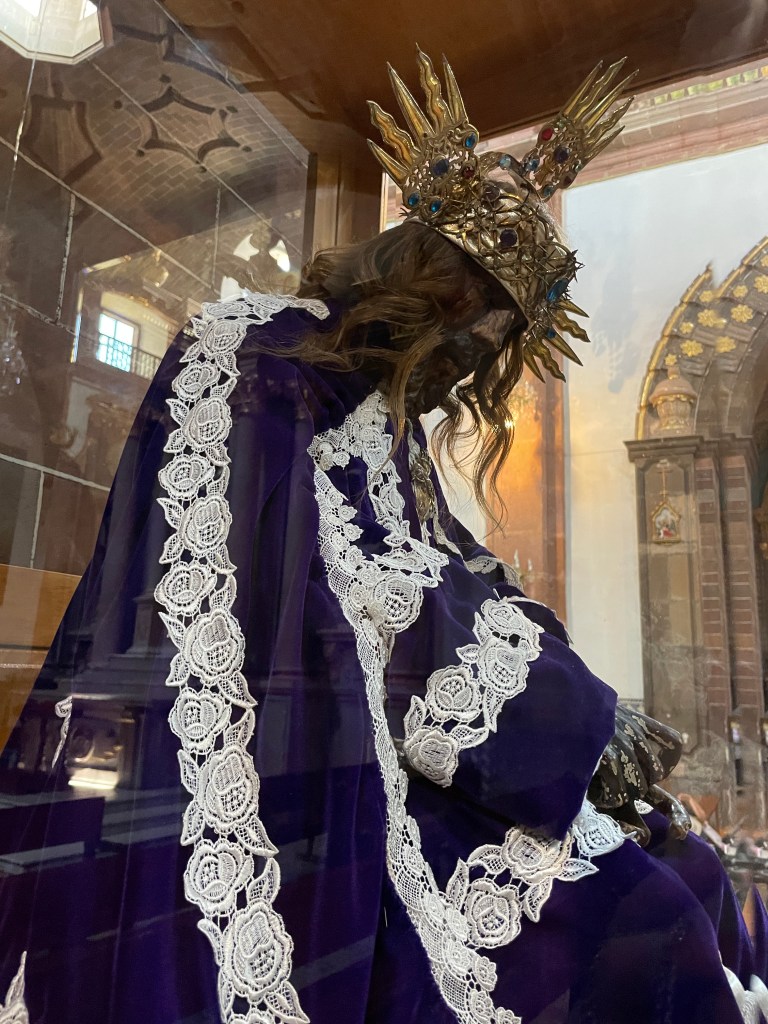
Built in 1625 this beautiful church was the favorite of those that I visited. There is a beautiful wooden carving of Jesus that holds special significance to the area. Until the earthquake of 1647 Jesus wore a crown of thorns upon his head. During the quake it is said that the crown of thorns fell from the head of Jesus and slipped around his neck. When someone tried to put the crown back upon his head it is said that the statue’s face began to bleed and the ground began shaking violently. For this reason the crown remains around the neck of the beloved.

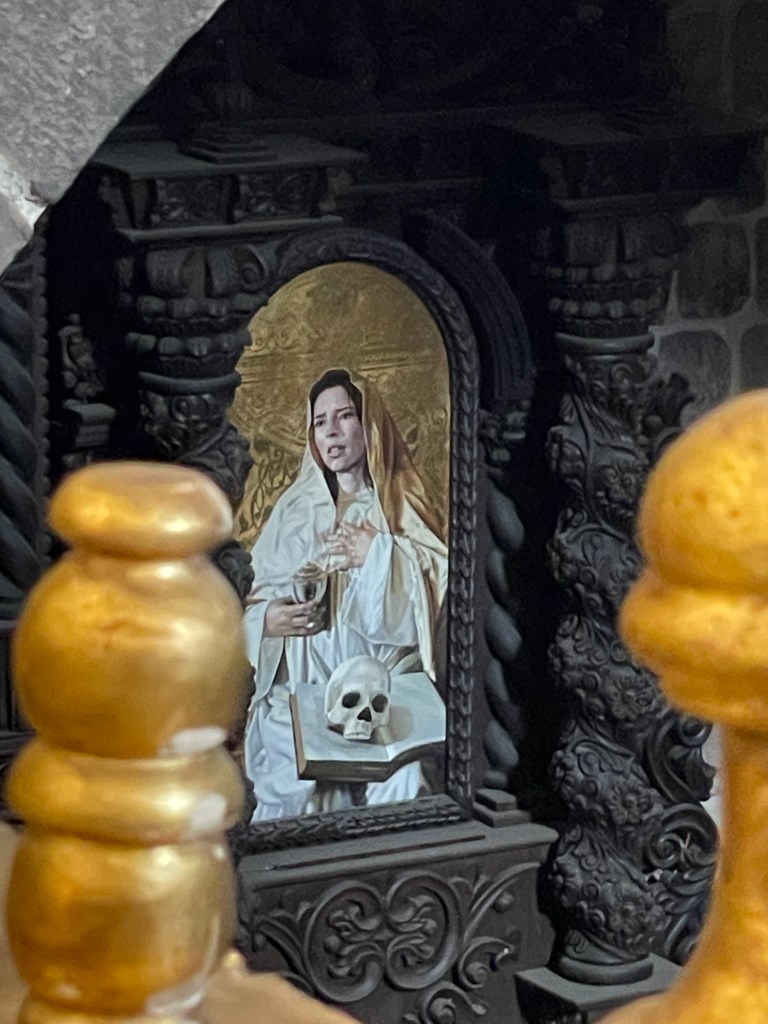
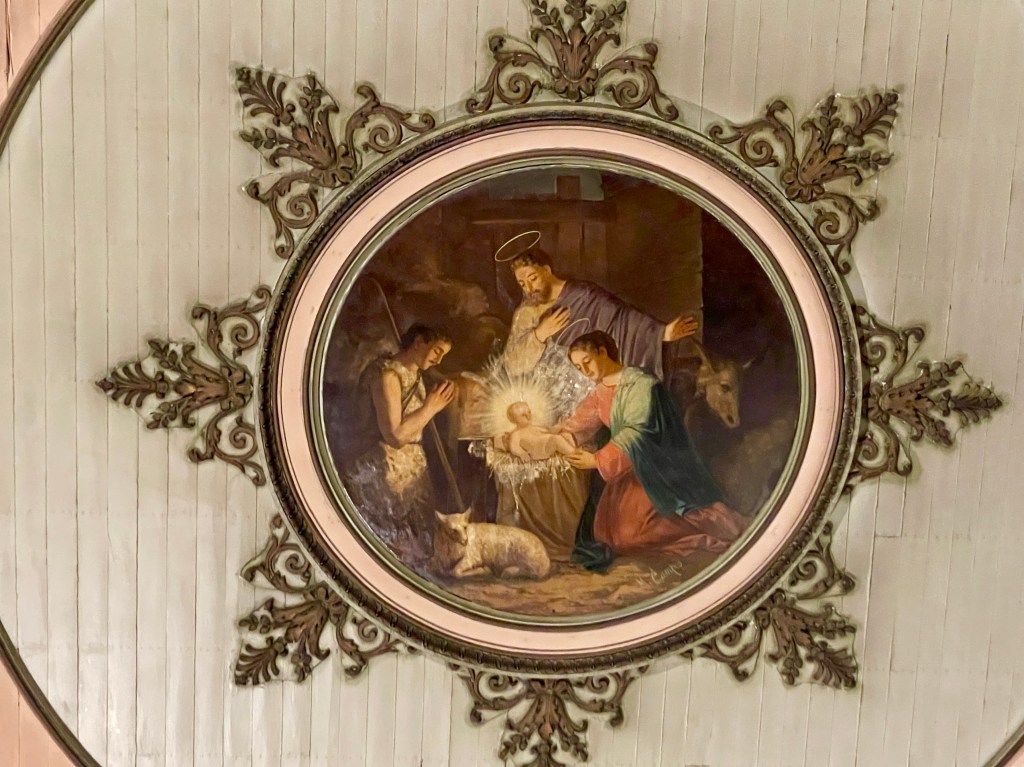
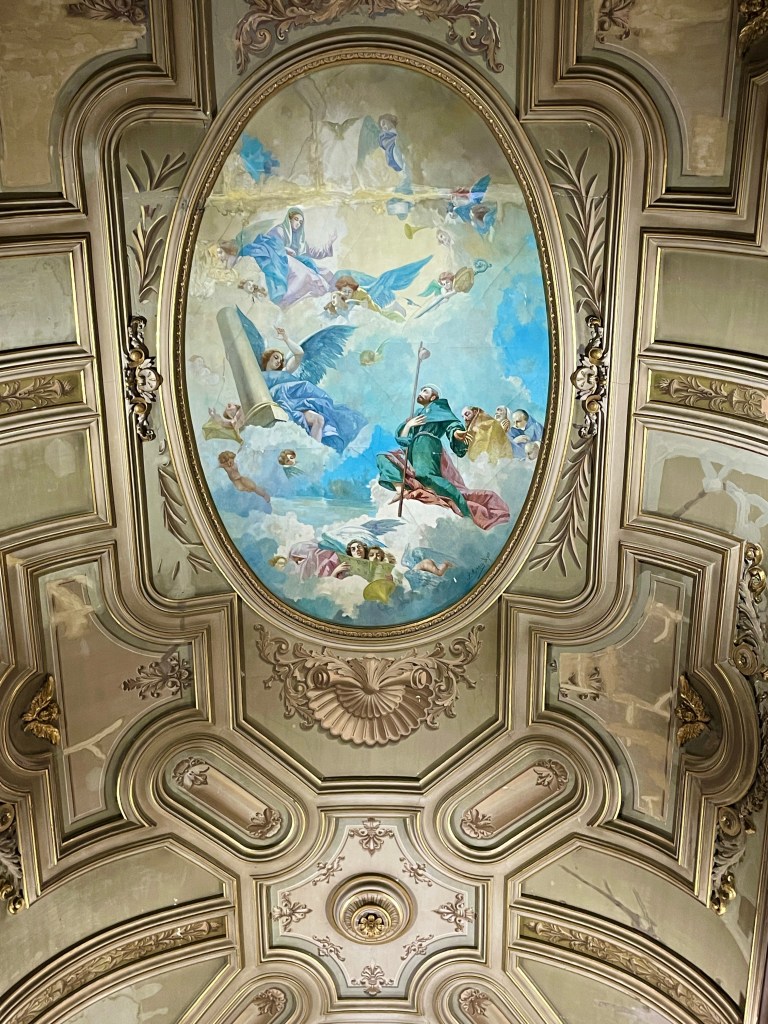
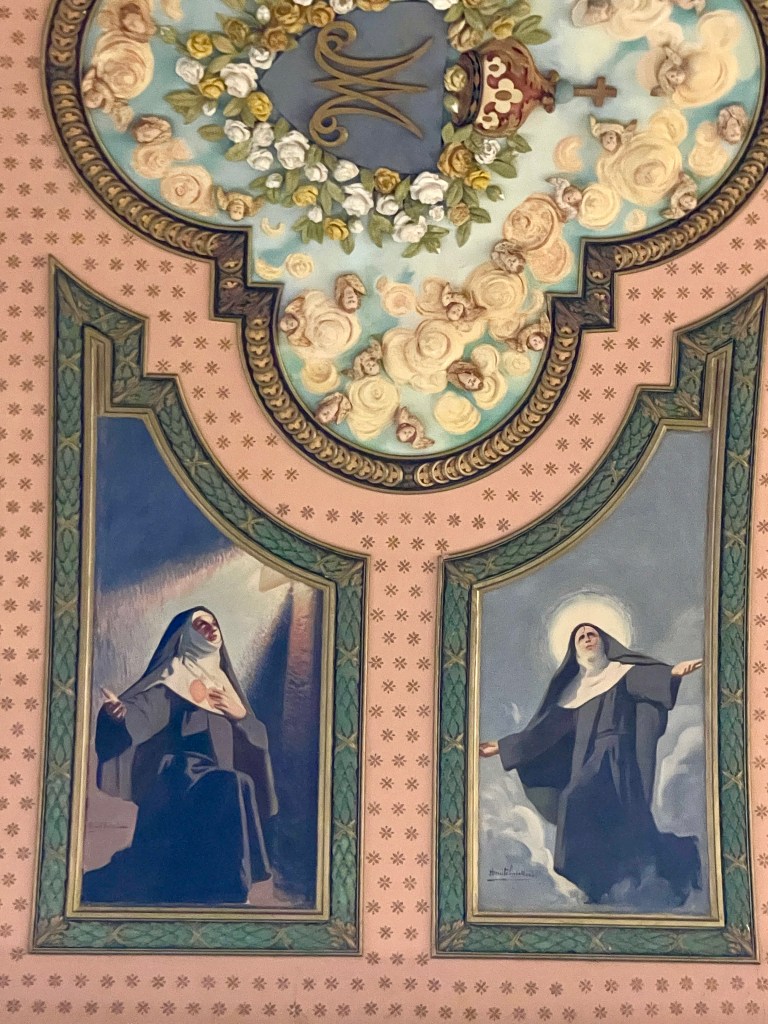
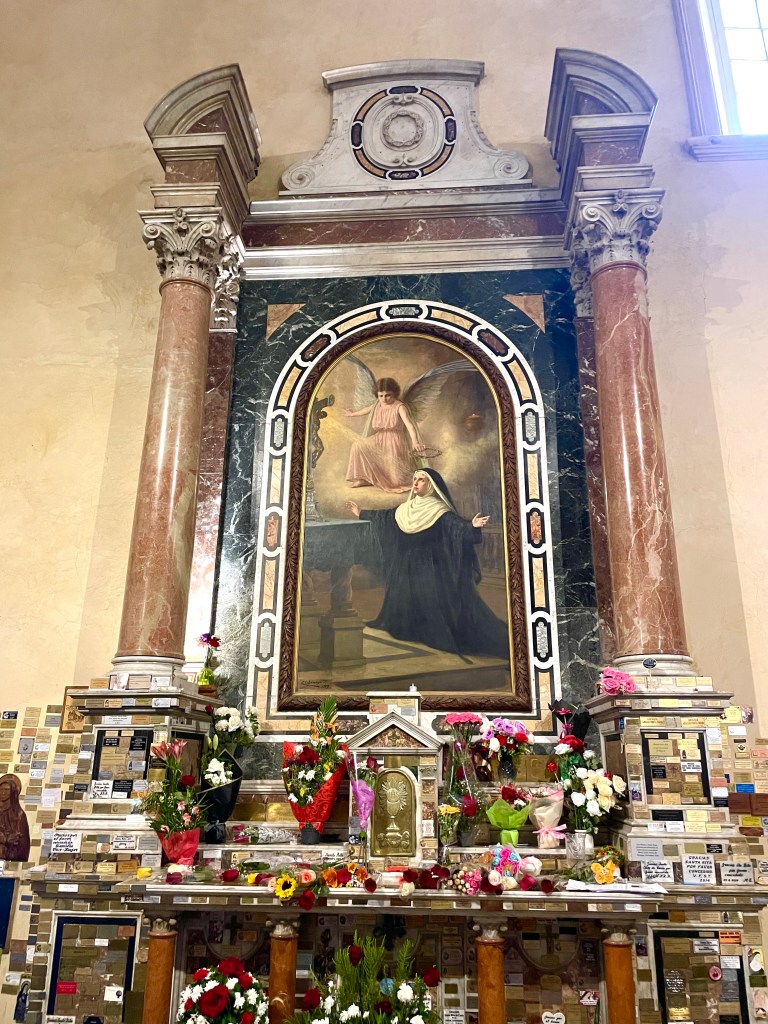
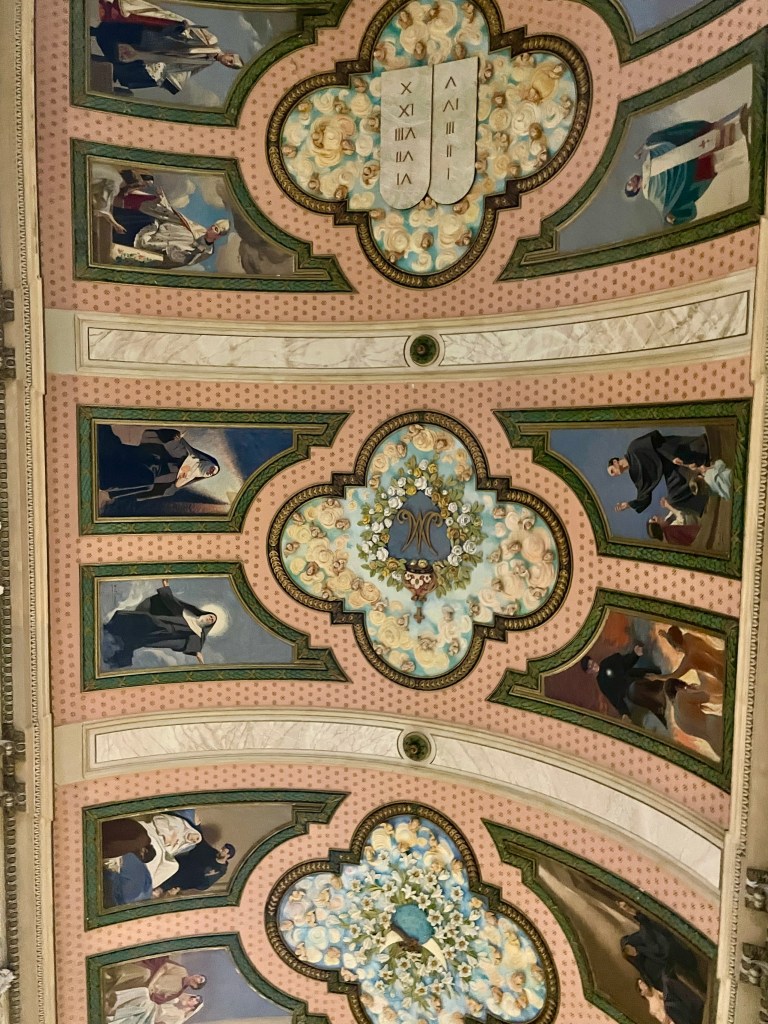
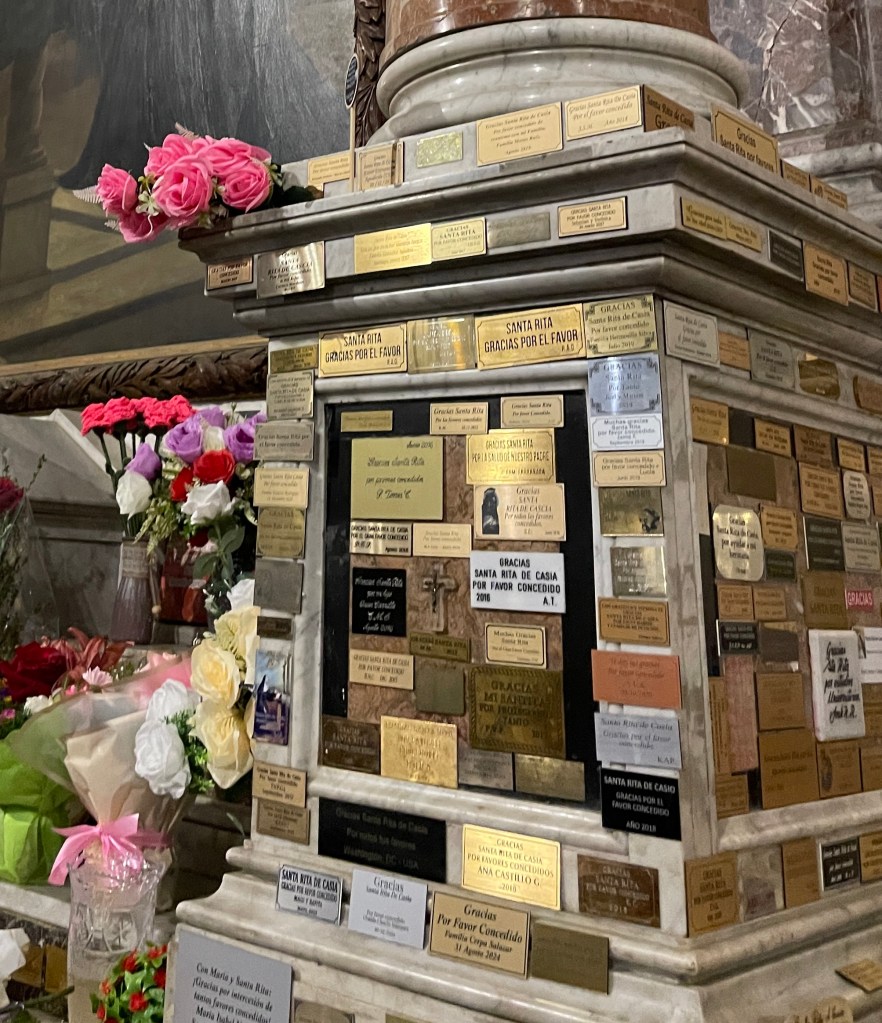
But the thing that I loved most about the church was its congregants devotion to Saint Rita of Cascia whose face graces parts of the ceiling and a wall of the church. Rita was born in the late 1300’s in Italy. She was married young to a man who was known to be a rich adulterer with a sharp tongue and quick temper. Rita endured his physical and mental abuse for the 18 years that they were married while with gentleness and humility taught her husband to be a better man. After her husband died (he was murdered as a result of a long-time feud) she joined a sisterhood of nuns who later became the Augustinains. She was known for her belief in and participation of mortification of the flesh.

Rita is known as the saint of impossible causes. In addition, she is the patron saint of the sick, loneliness, sterility, abuse victims, couple and marriage difficulties, widows, parenthood, bodily ills, and wounds. It was wonderful to see a woman glorified in a religion that often saves glorification and adoration for men. Yeah Rita!

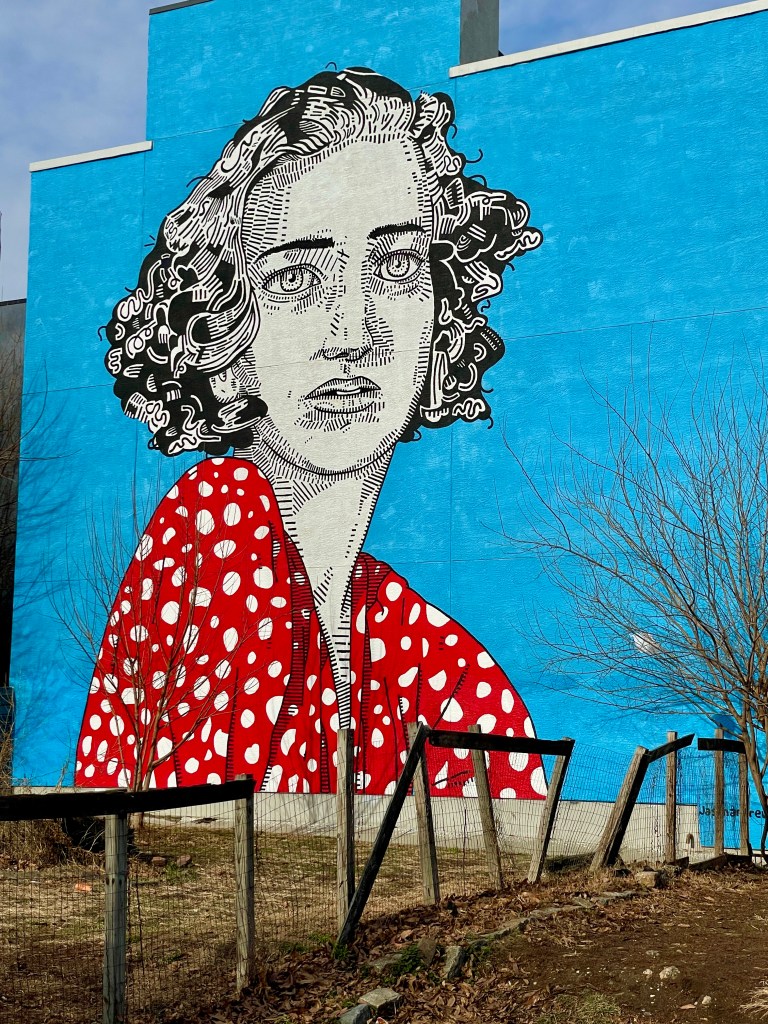
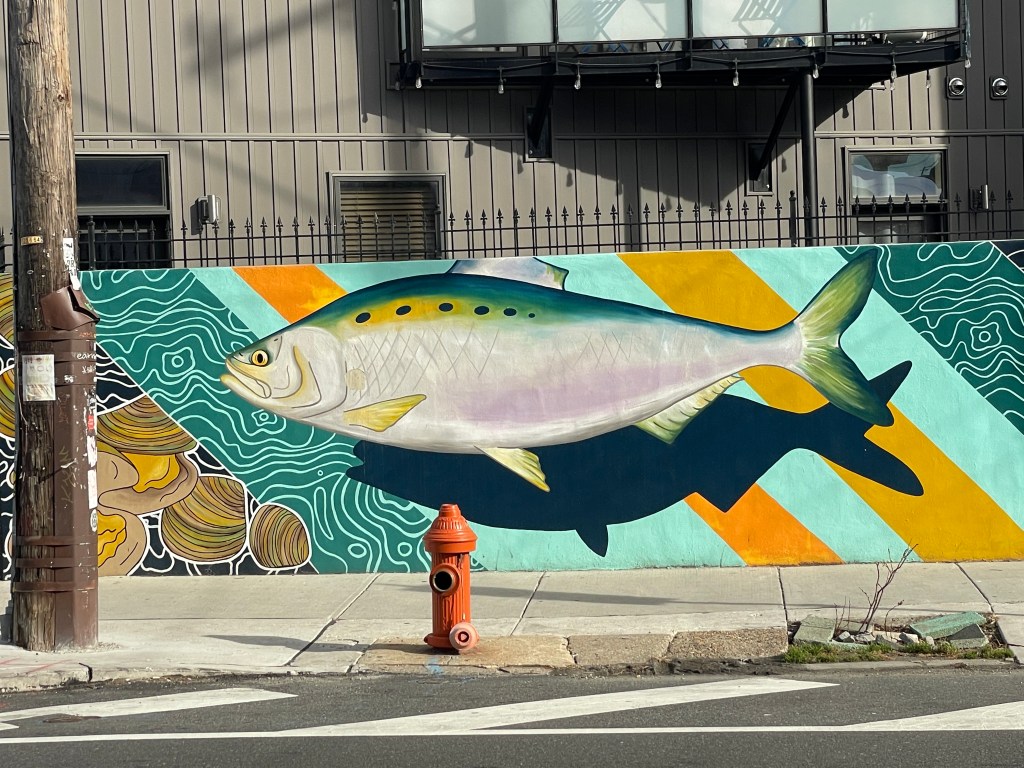
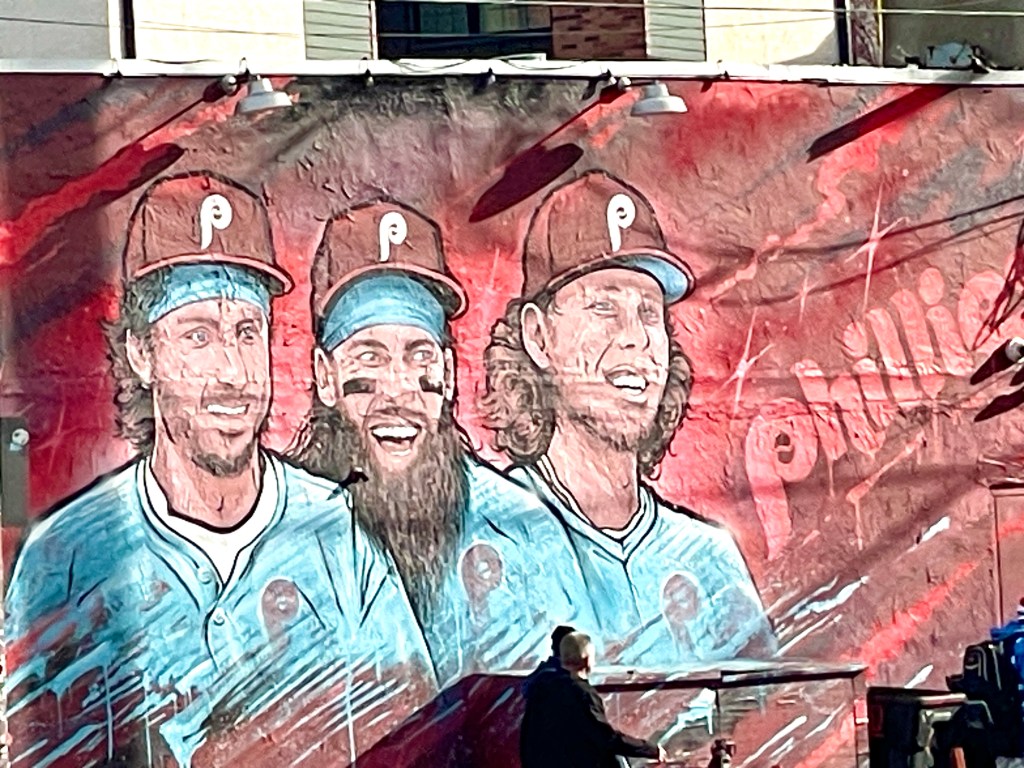
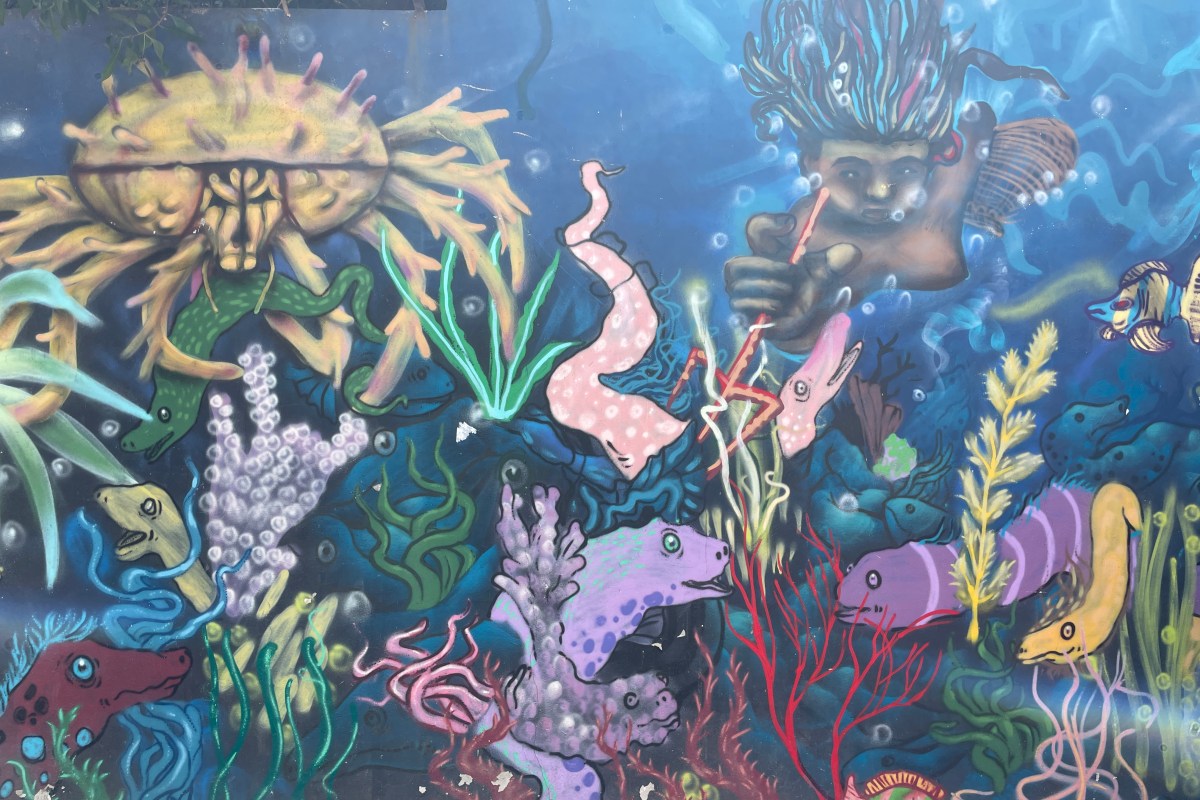
Philadelphia Murals And Some Special Pieces Of Art

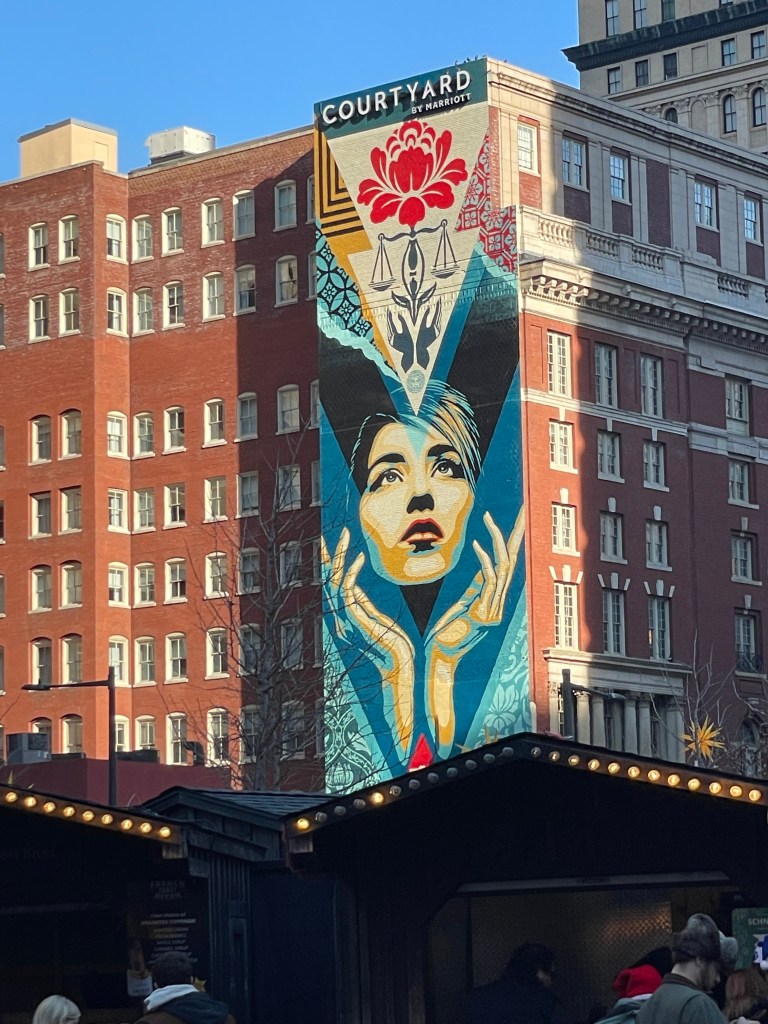
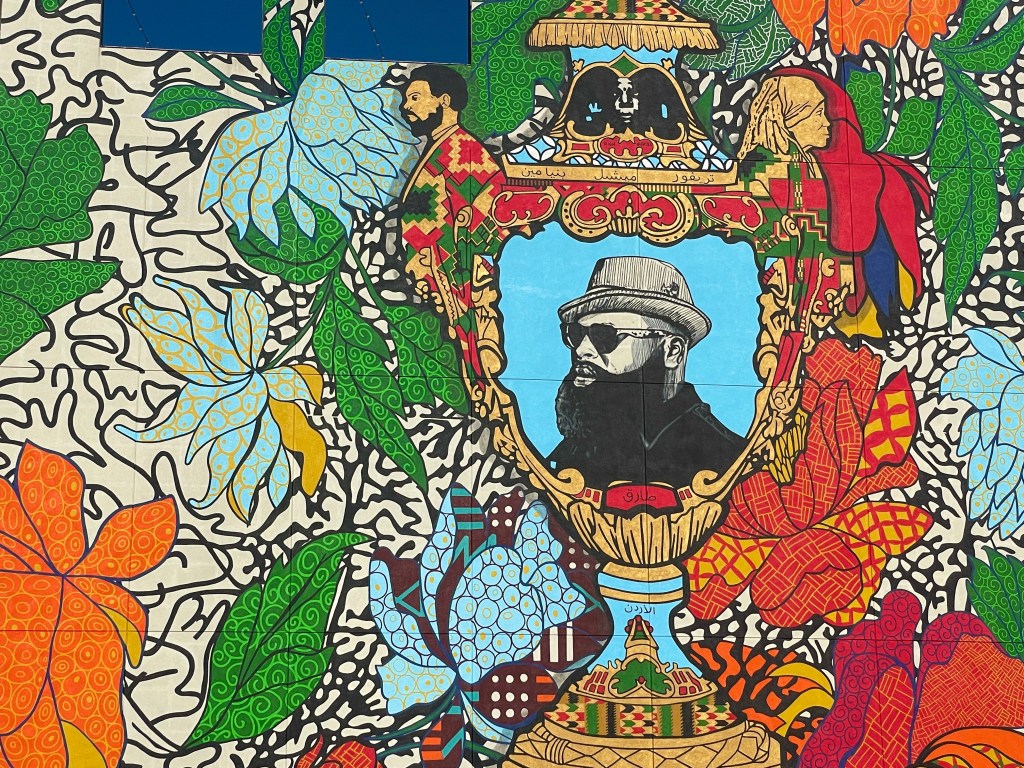
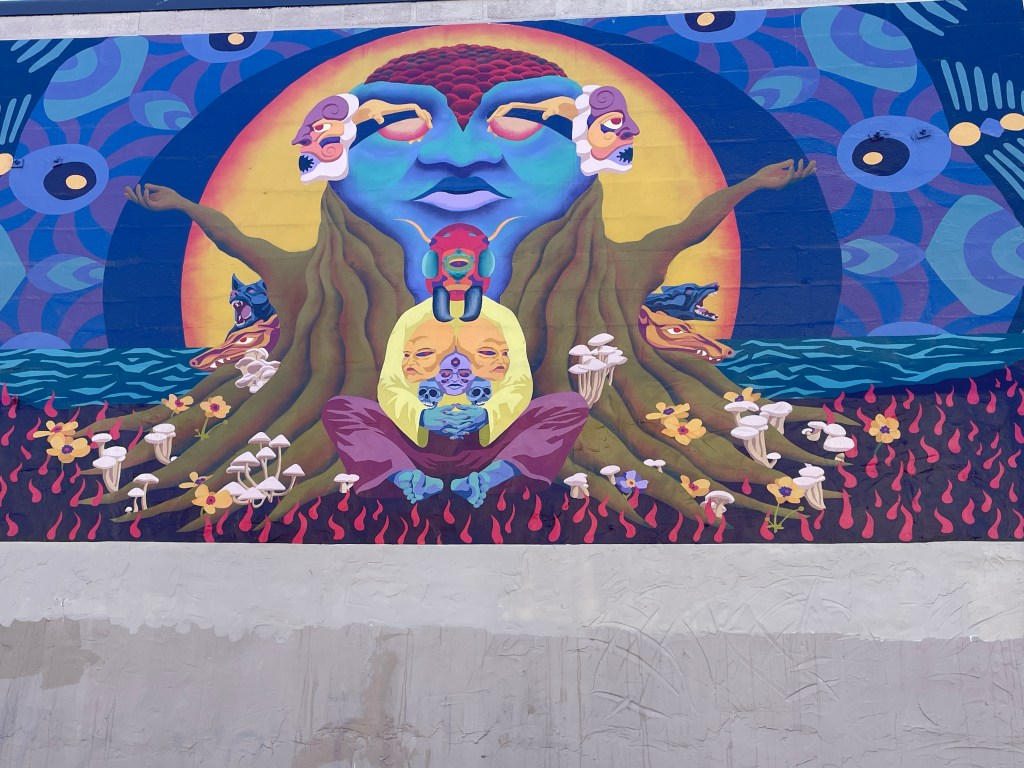
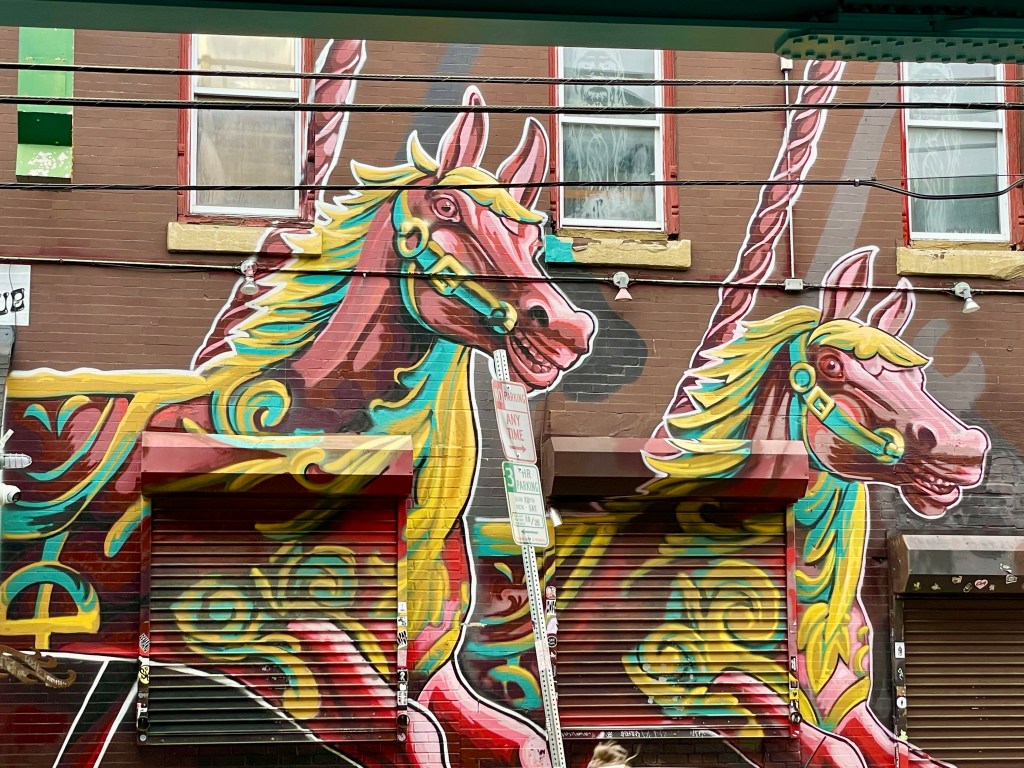
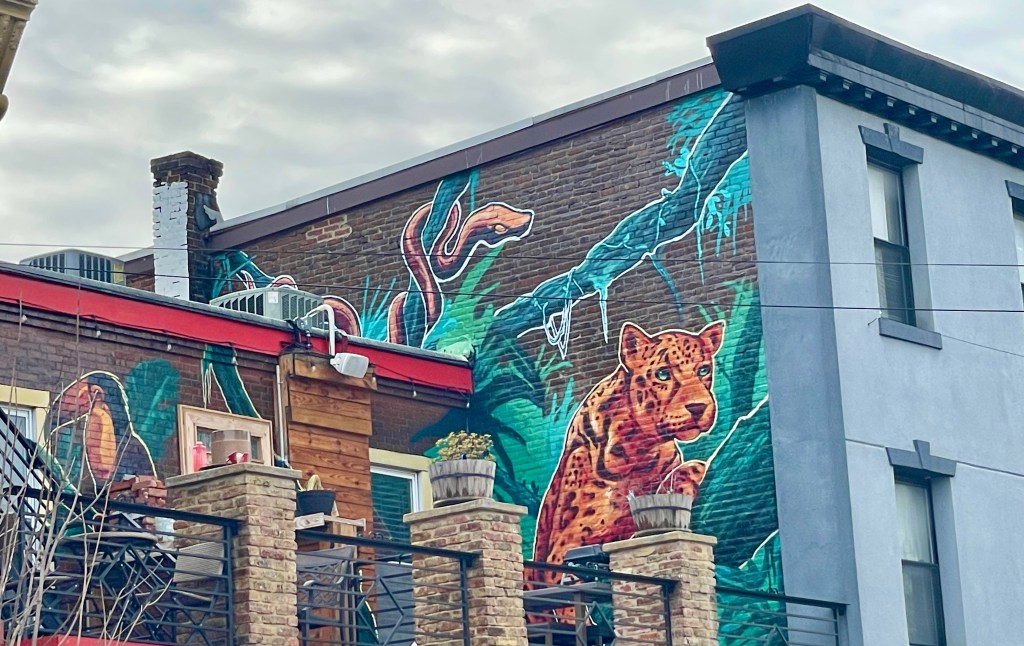
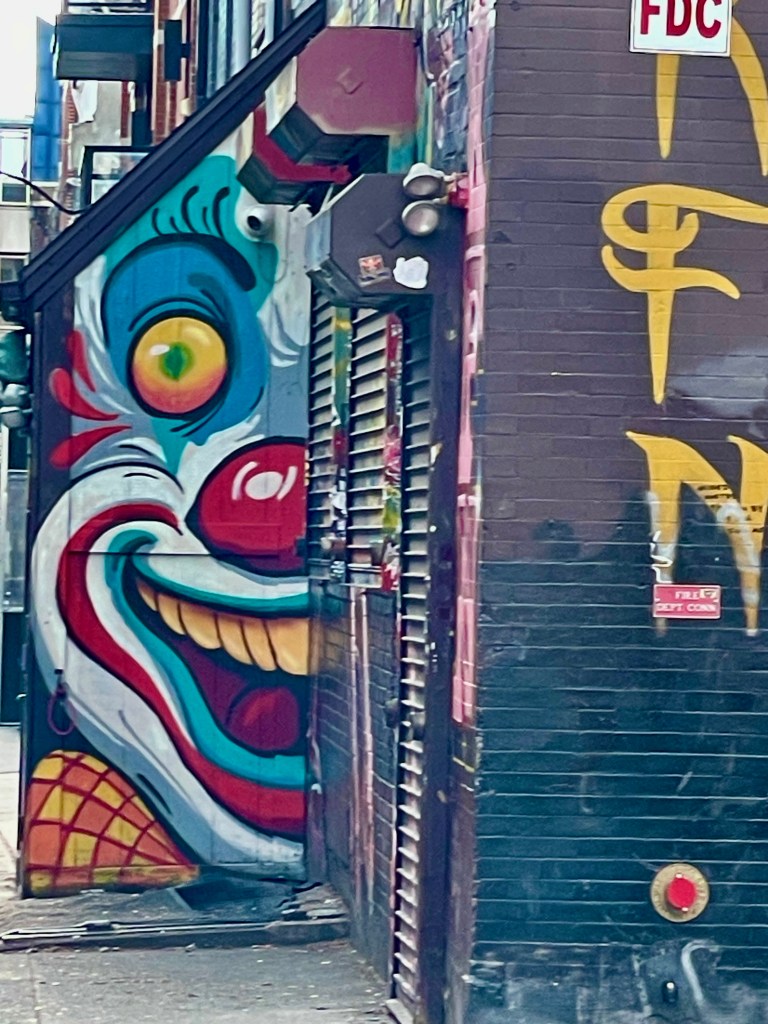
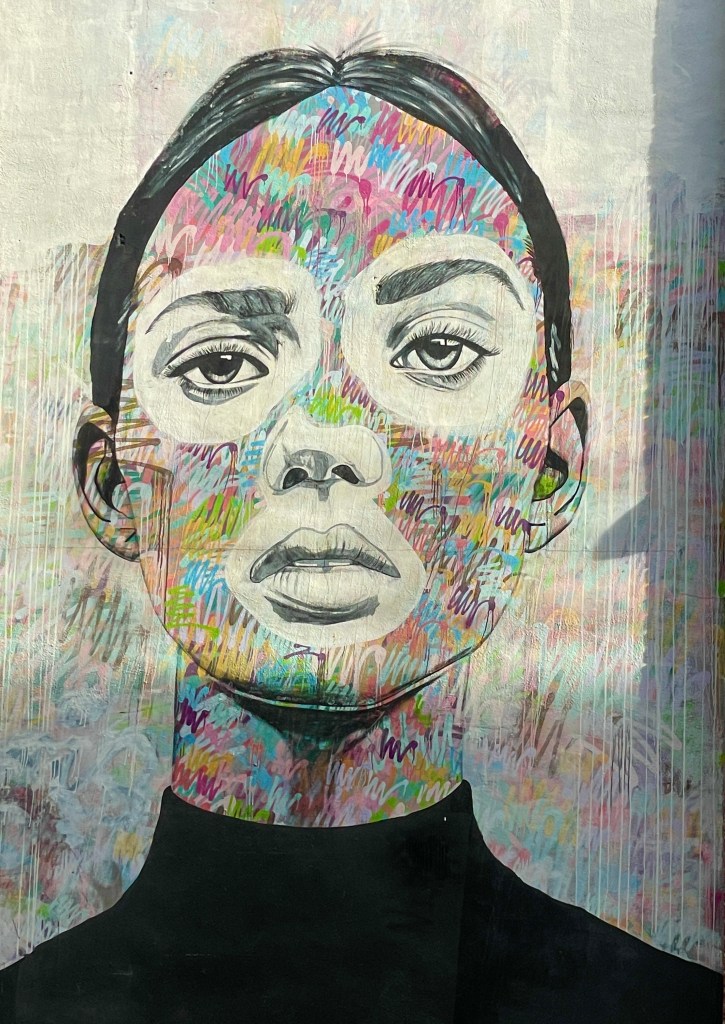
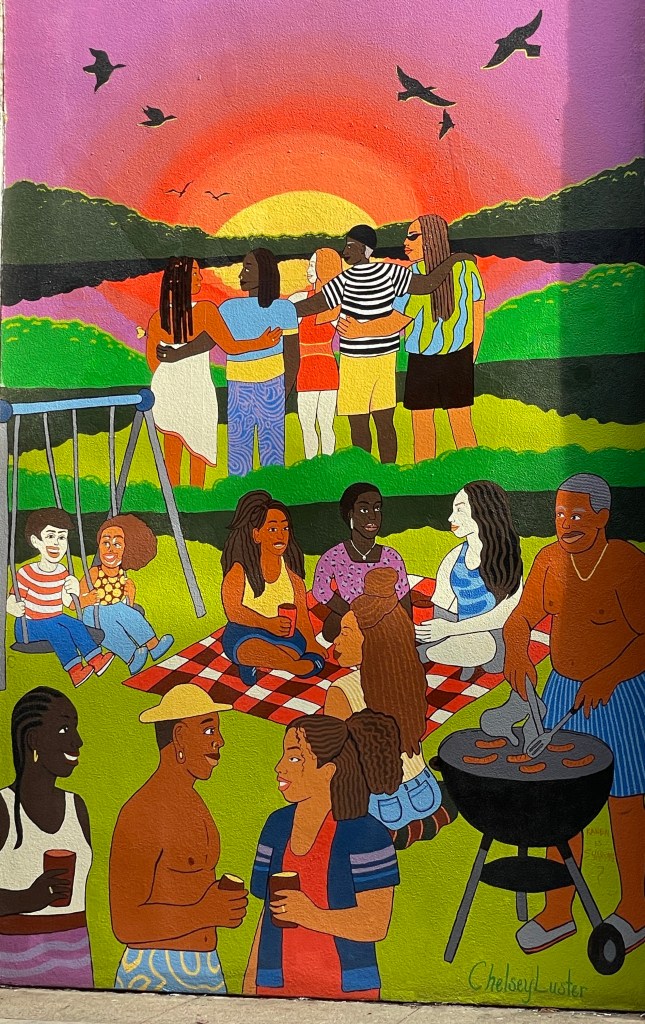
I recently returned from Central America and went straight to Philly to spend time with MC. It was a lovely month long visit to a city I had not been in since I was about twelve-years-old. With so much history that the city has to offer, you might wonder why this isn’t a post about the Liberty Bell. Let’s just say that I have decided to leave that for others for the time being. With the state of the nation these days I decided that I would concentrate on the vibrant street art of the city which gives Philly it’s own beat and brings color to a word that seems to be somewhat void of that these days. I have no idea who most of these talented artists are but I confess I am in awe. I can’t even draw something legible on a (peace) of paper much less an entire building with correct proportions! So here are a few of my favorites with a special surprise at the end. Enjoy!
Fishtown

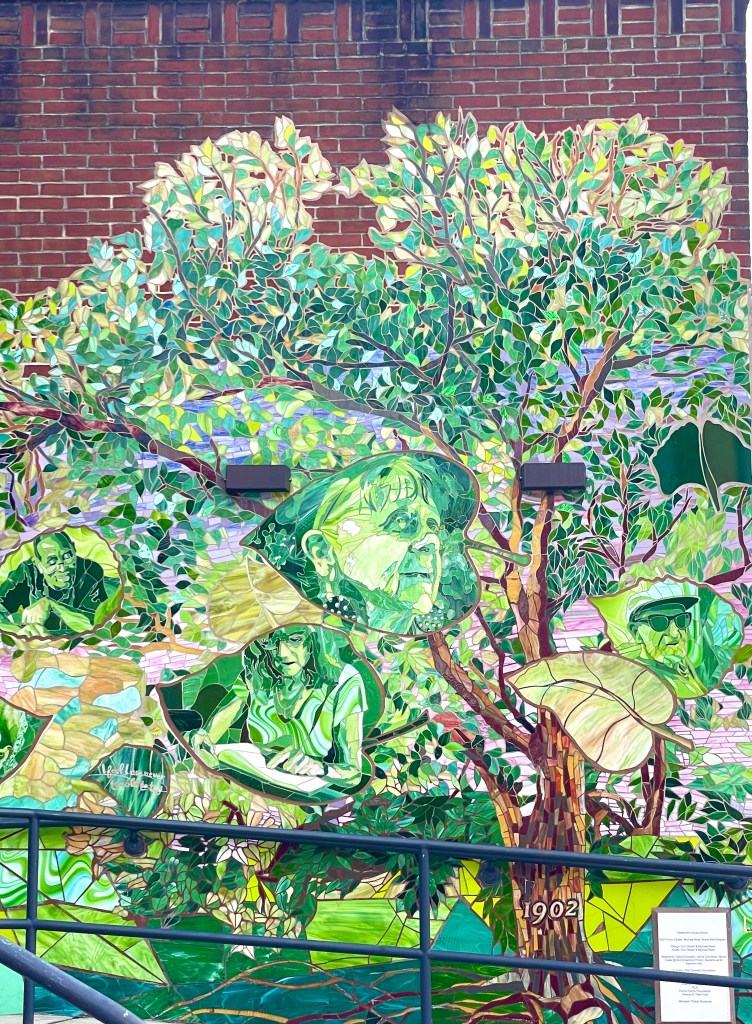
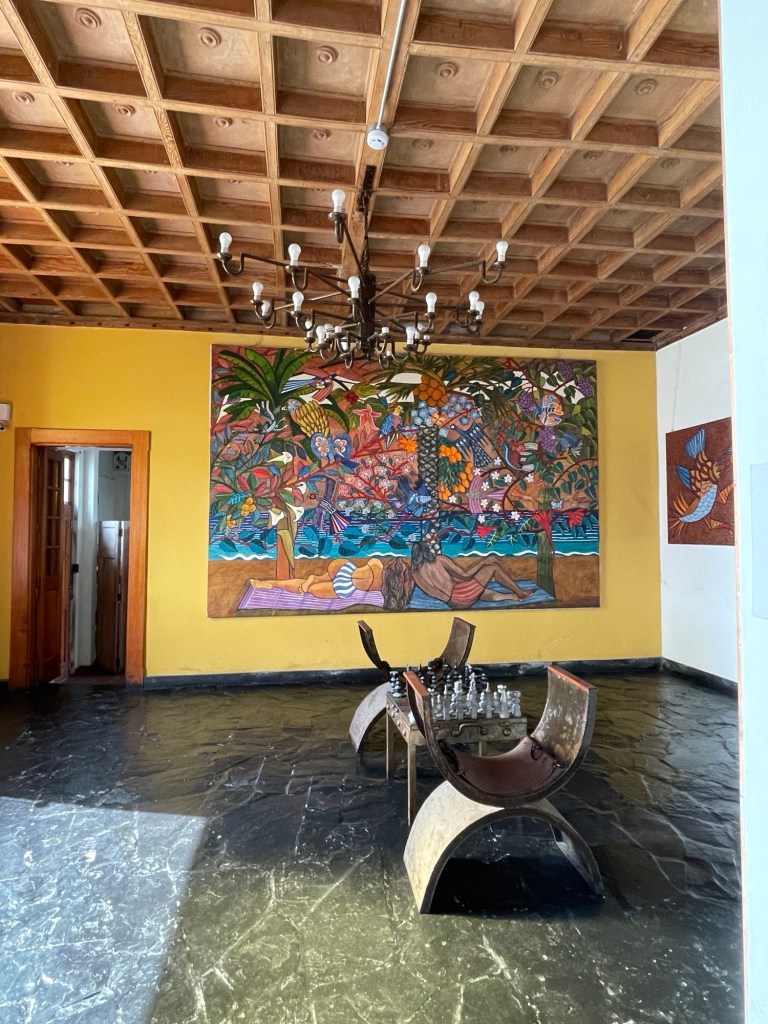
A Beautiful Glass Tile Mural

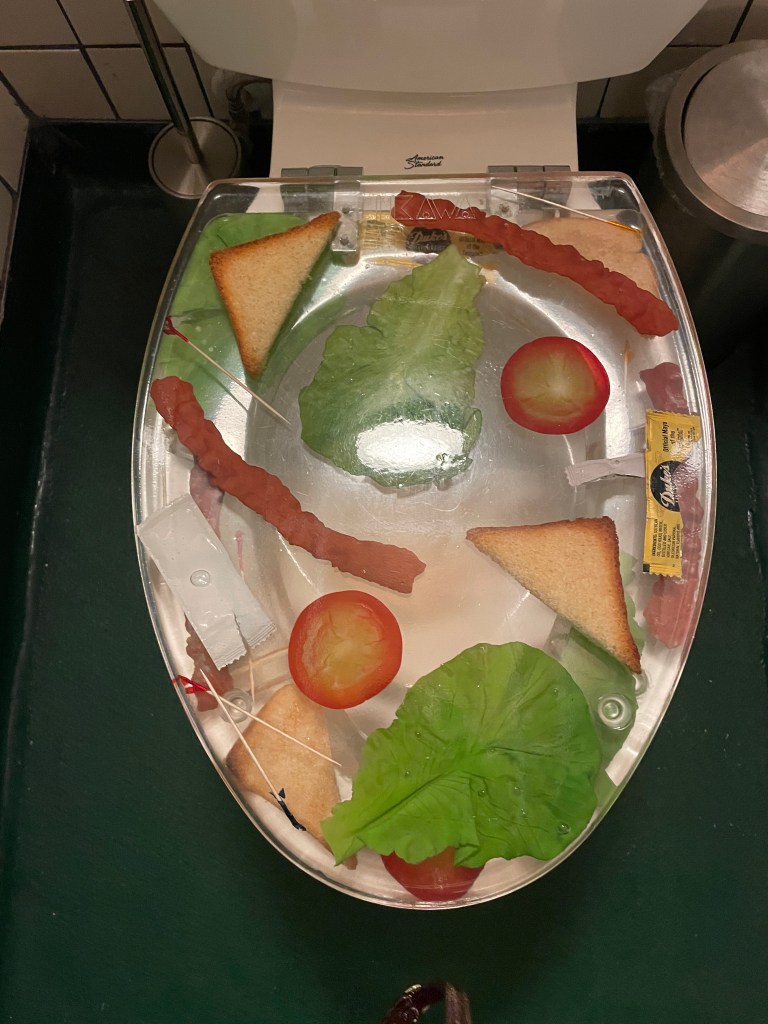
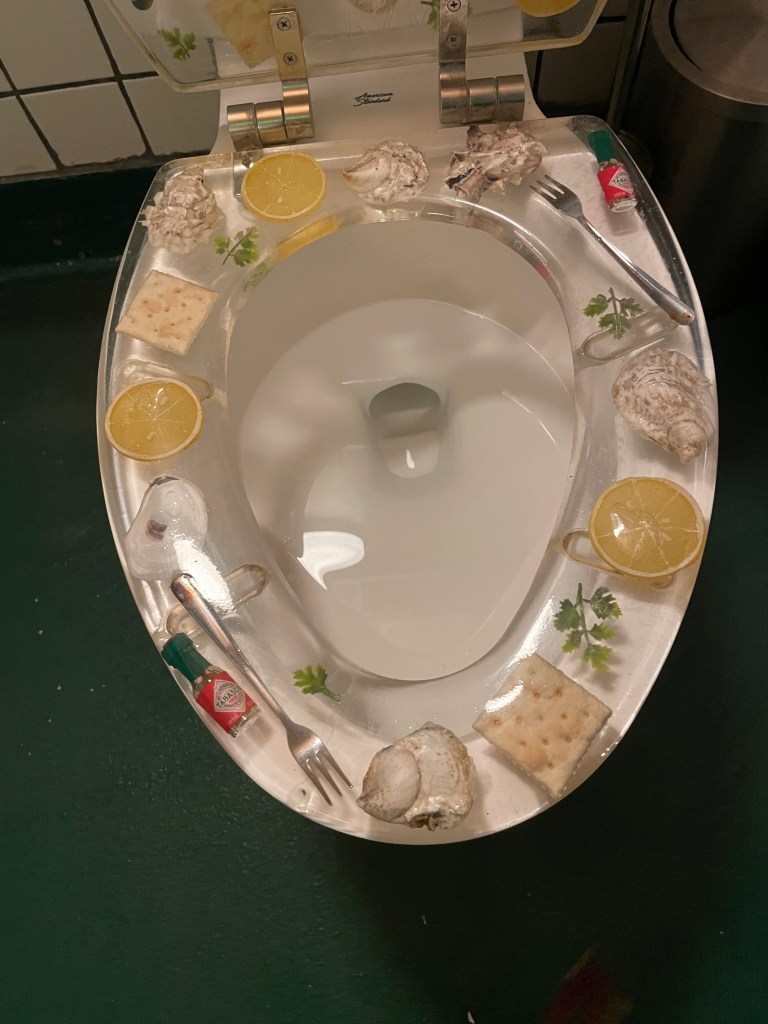
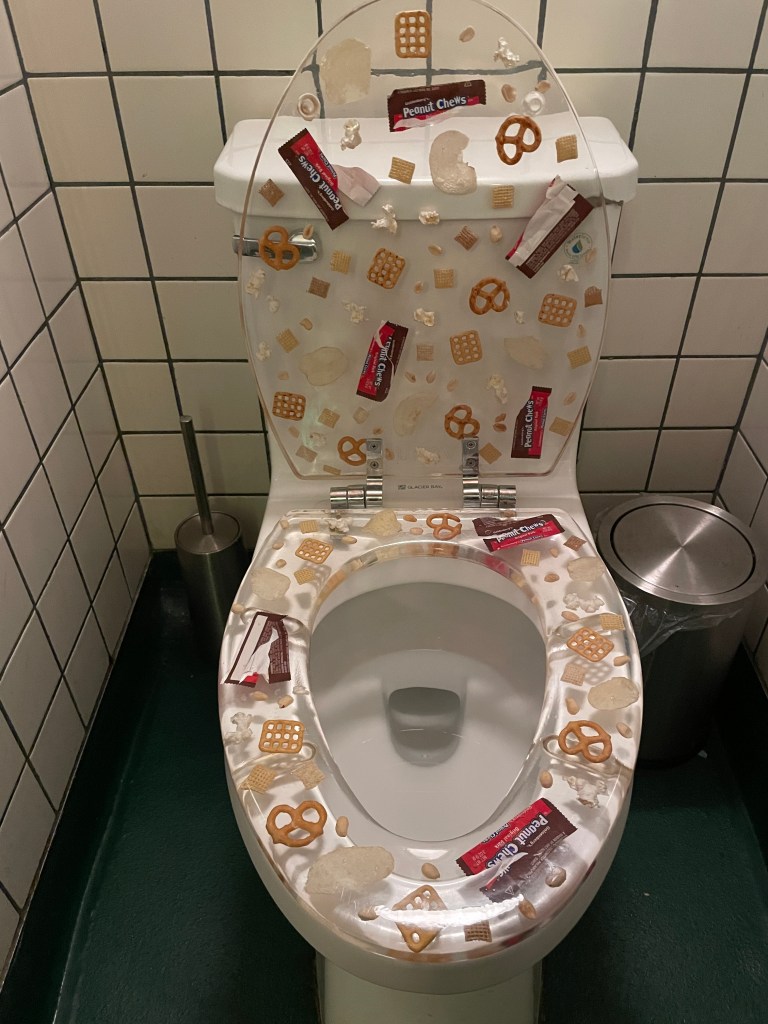
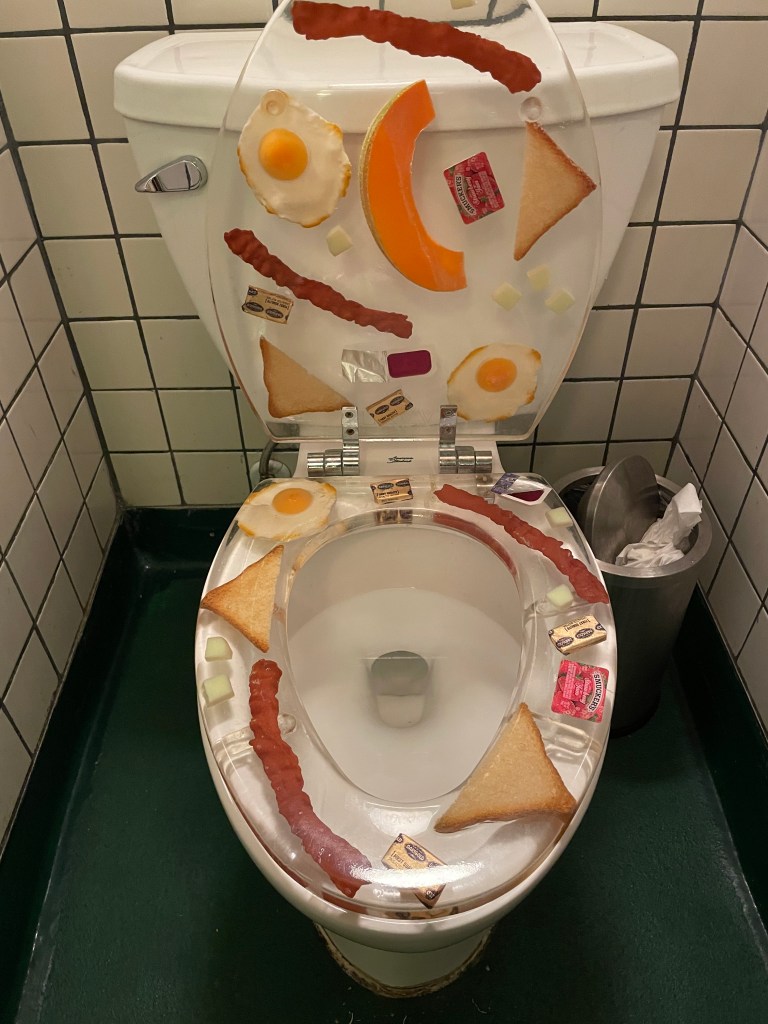
Now for the surprise. I went into a restaurant while there and stumbled onto these which I thought were absolutely ingenious…who knew such a thing could be done!
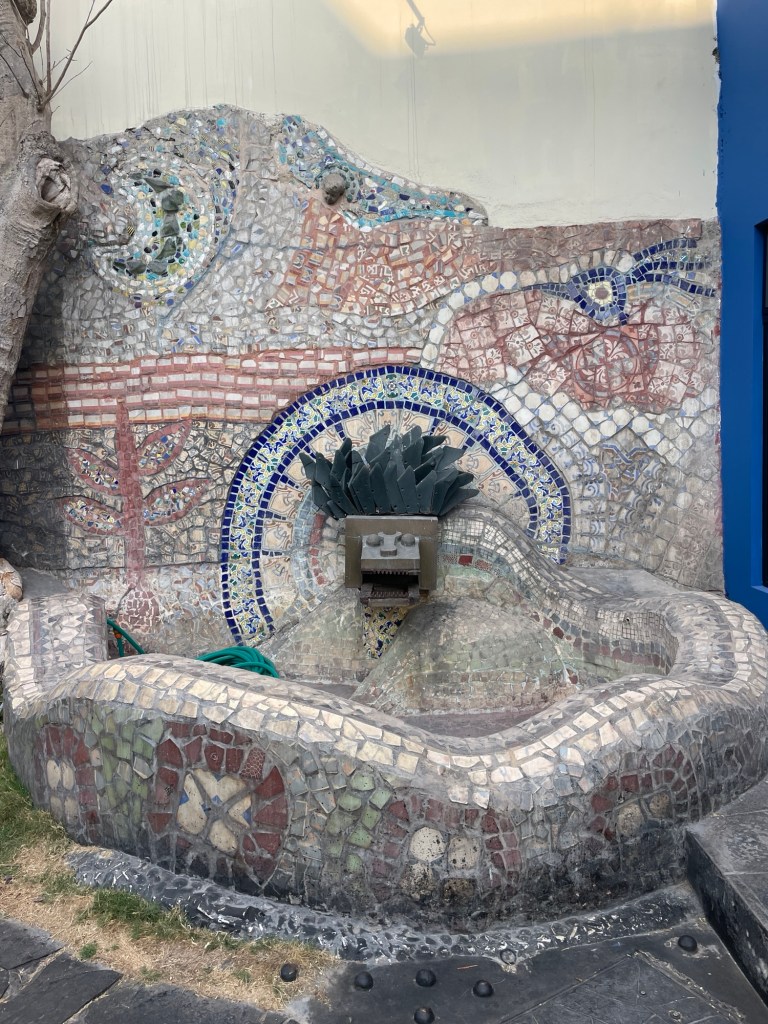
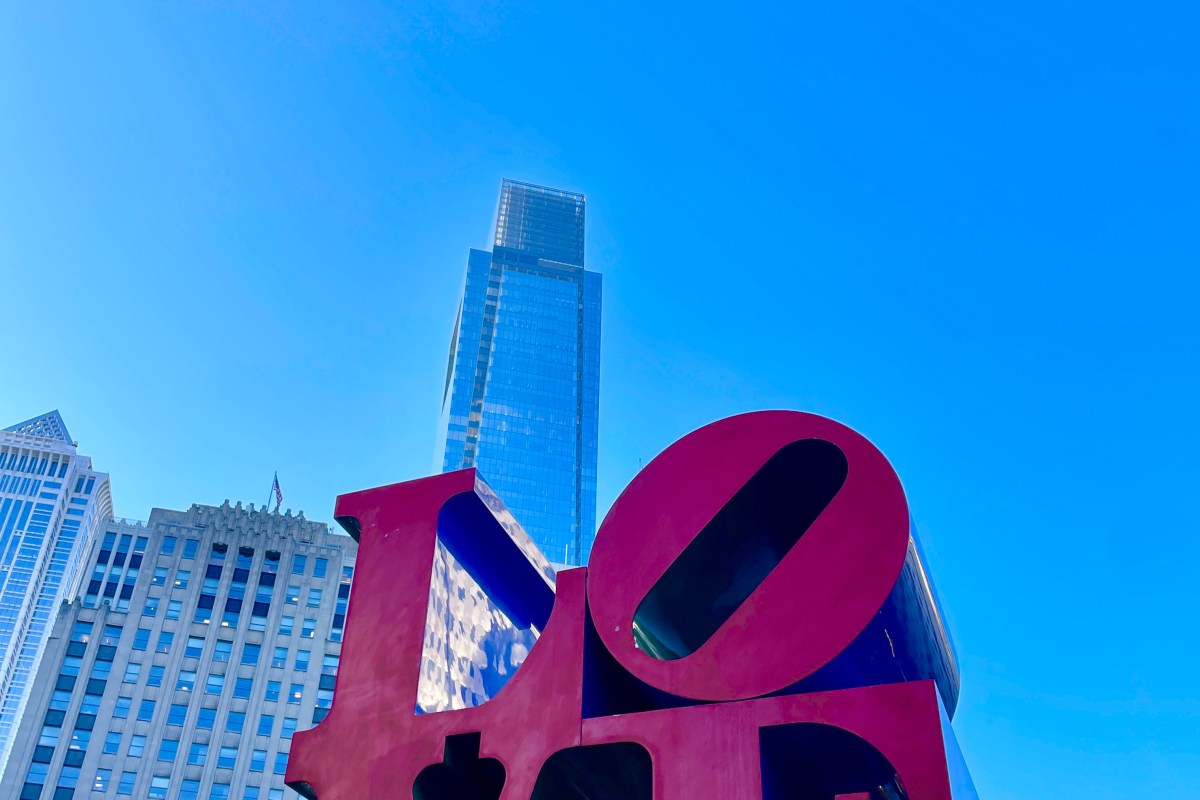
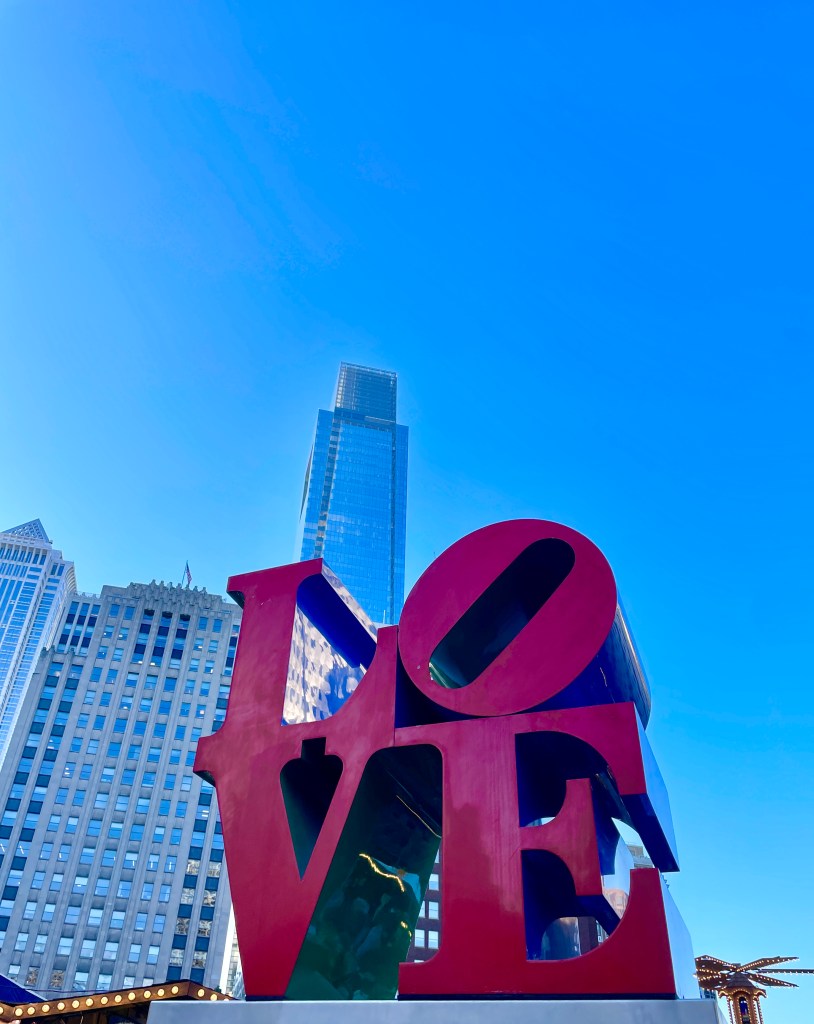
I am back in Panama now but I leave you with this from the City of Brotherly Love:

Cuernavaca, Mexico

One of my favorite adventures in Mexico was our visit to Cuernavaca. While I loved the one-hour drive through the mountains from Mexico City, parts of which reminded me of Colorado or Flagstaff; I did not enjoy my first experience driving in Mexico City. On the one hand, you have to be Mario Andretti and push the peddle to the metal to squeeze into spaces the size of a dime in front of the one hundred cars whose drivers have the same idea as you, but on the other hand, you have to have the patience of a saint to know when to be cautious as you fight twenty-three million city dwellers for your right to be on the road when no one follows what should be common sense traffic rules. Seriously, it’s like being in intense labor ready to deliver while driving…everything is just coming at you at once! But enough of that…let’s head to Cuernavaca.

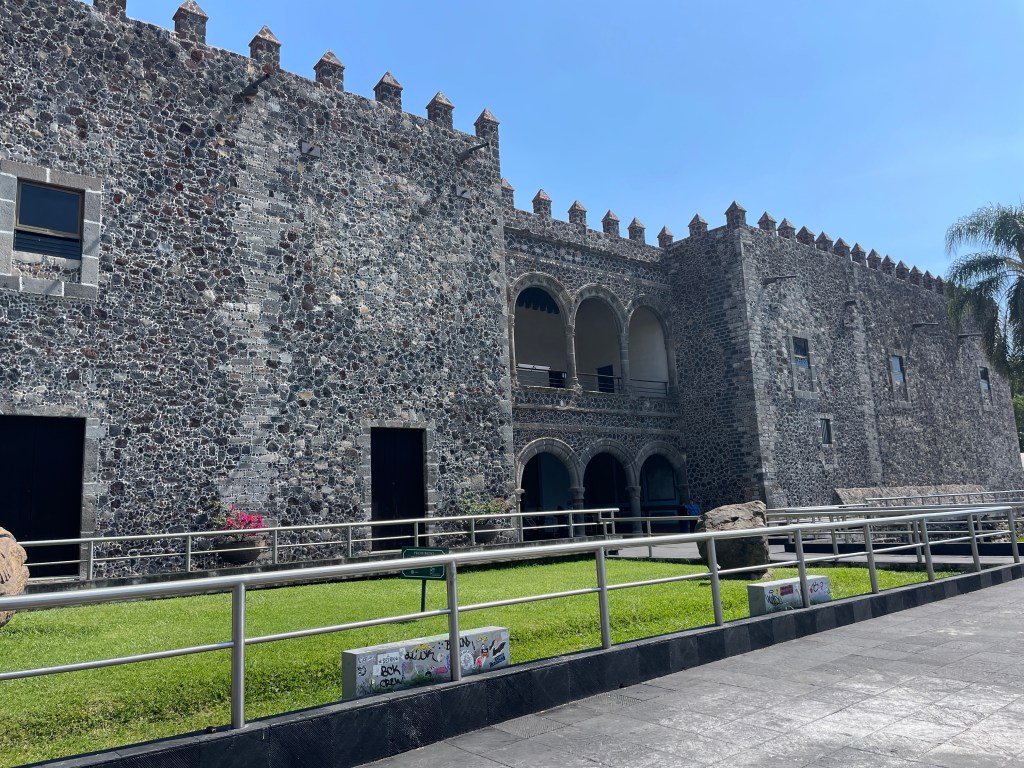
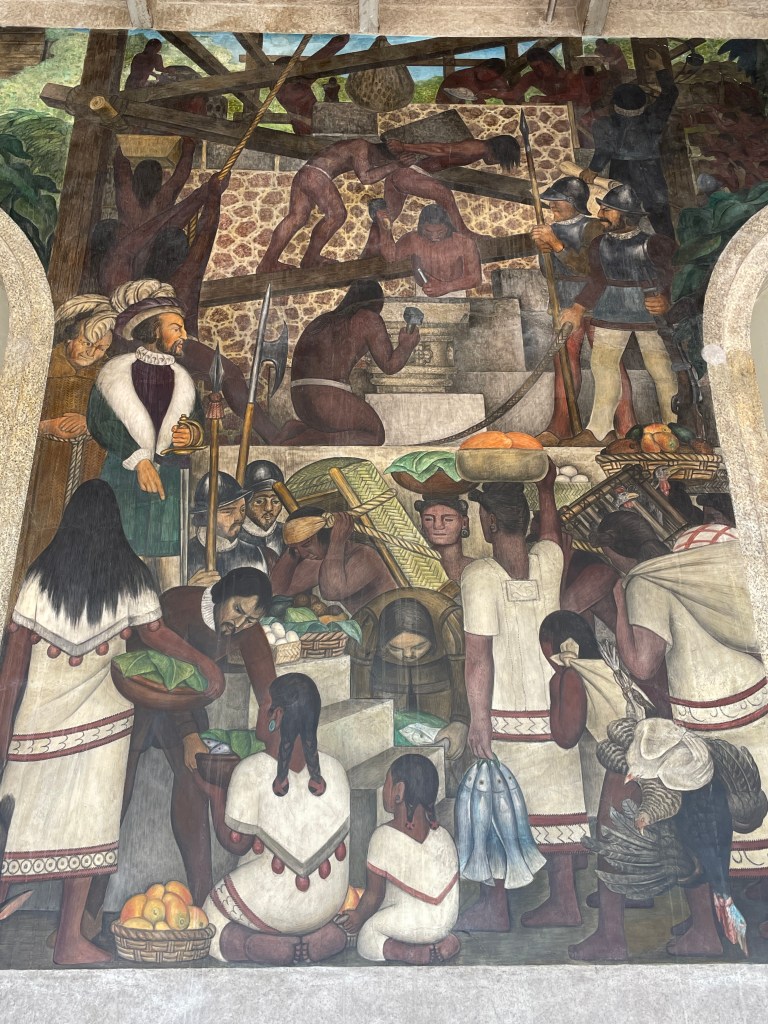
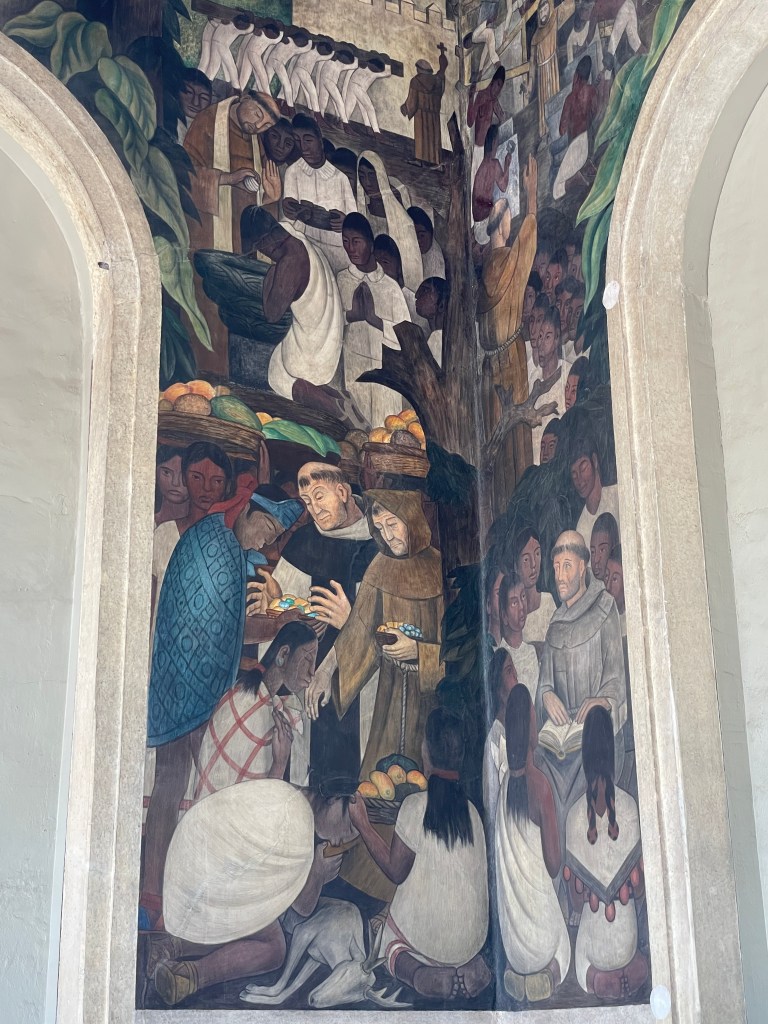
Cuernavaca is the capital of the state of Morelos. What brought us to this place was the Palace of Cortez but what we found was so much more than we ever imagined. Built somewhere between 1523-1528 by the conqueror Hernan Cortez, the palace is the oldest conserved colonial era civil complex within the Americas. And while all that information is interesting what really brought Michael and I here were the Diego Rivera murals that decorate the upstairs floors. Little did we know there was a museum connected to the property which housed more than just the magnificent wall art.

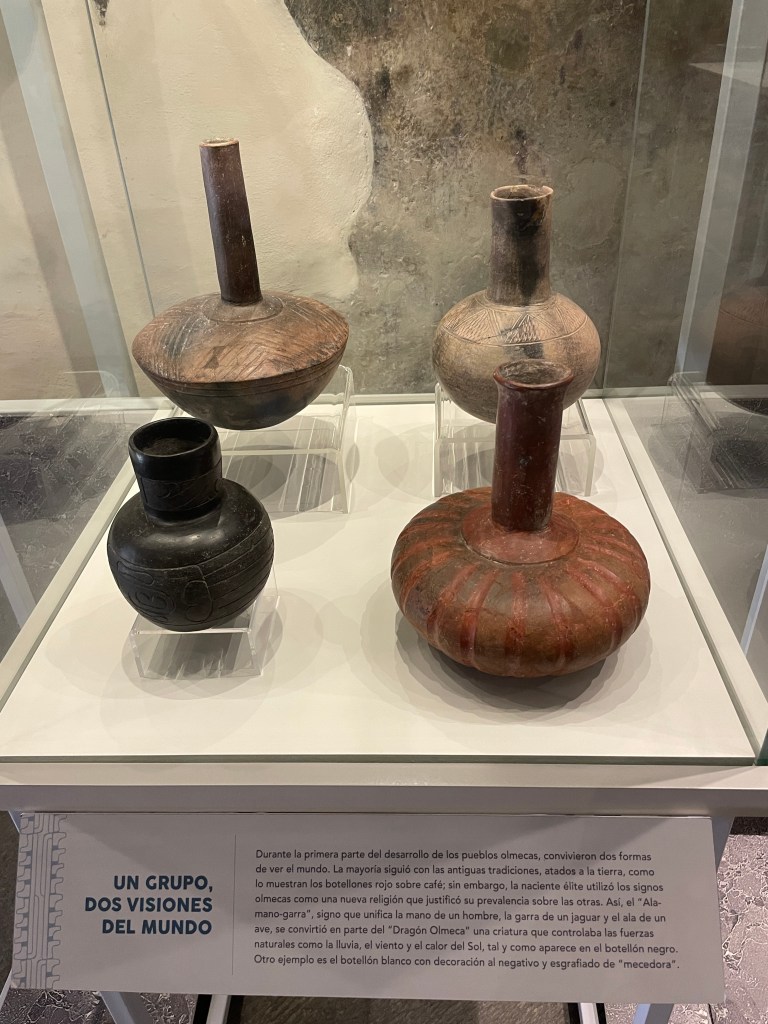
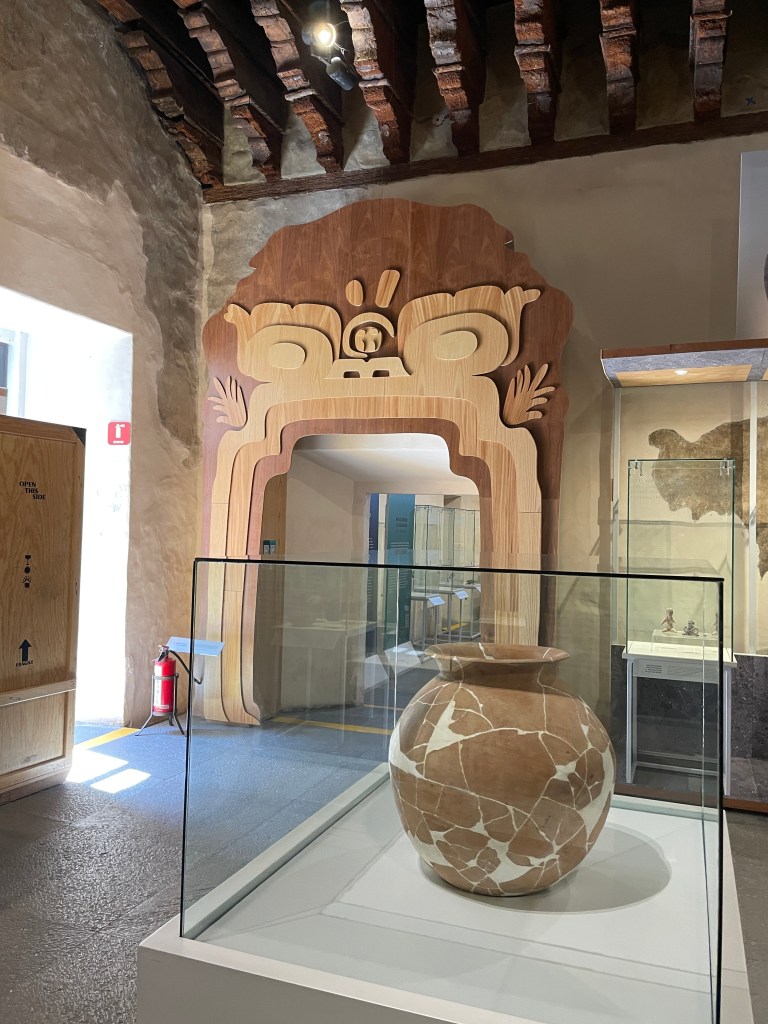
With an entrance fee of about $5 USD it is certainly a bargain in this day of $10-20 fees in the USA. The first floor contains artifacts from the ancient civilizations that flourished in this land. It’s a nice collection for a museum of this size.

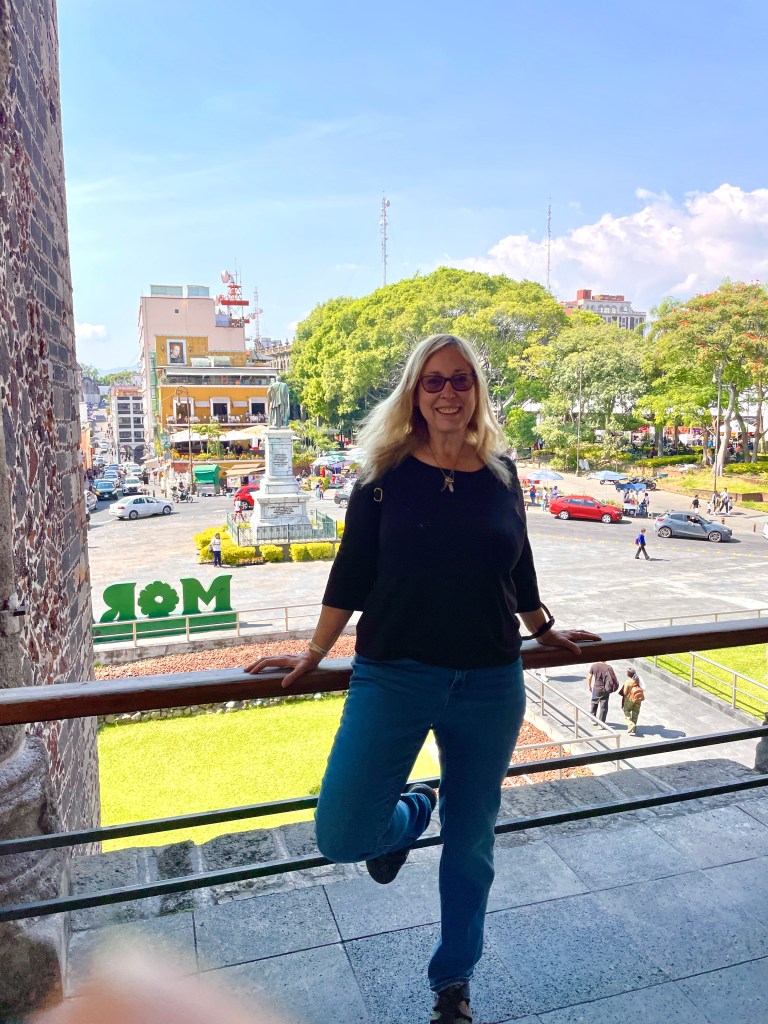
But what we had really come to see involved climbing quite a few steps to the balcony level which includes a magnificent view of the city and the countryside which surrounds it. That alone was almost worth the climb.

But the piece de resistance were the murals and when we turned the corner our breaths were literally taken away and not just from the stair climb! Commissioned by the US Ambassador to Mexico, Dwight Murrow, Rivera himself chose the subject. of the murals…the history of the invasion of Mexico by the Spanish…and he holds nothing back. They are truly spectacular!

If you are a Diego Rivera fan this is one place you need to check out!

From the Palace of Cortez we walked down the cobble streets, ducking into an alley and surprised ourselves by finding an incredible taco place. I wish I could remember the name but here is the view from the upstairs of the eatery.

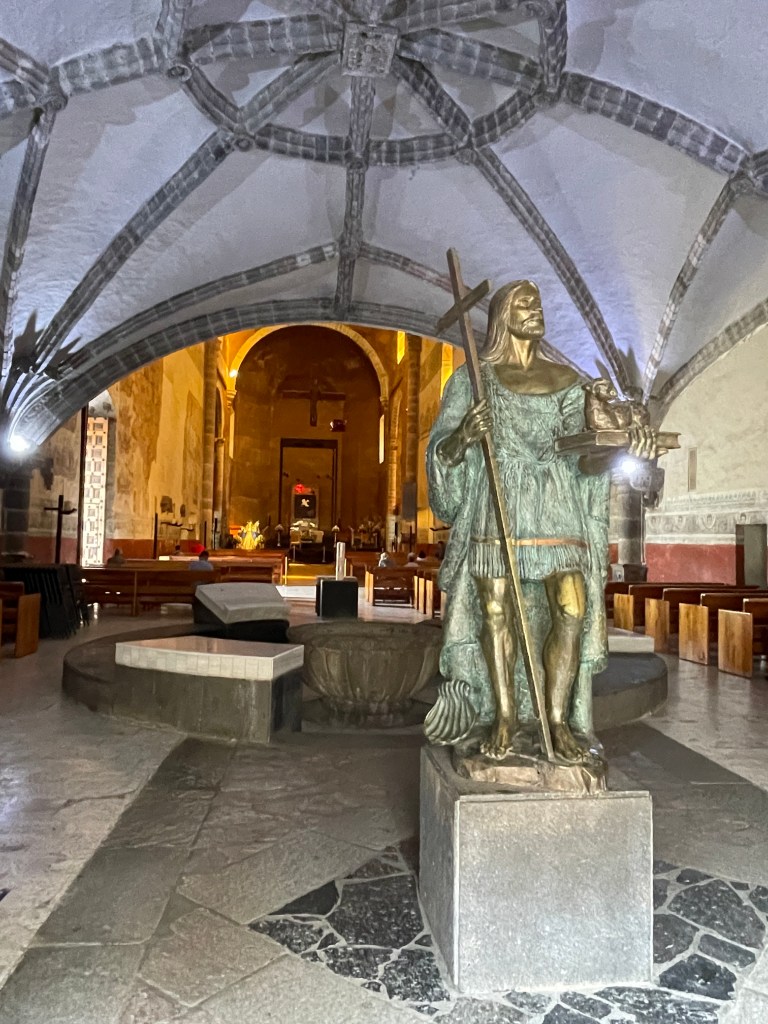
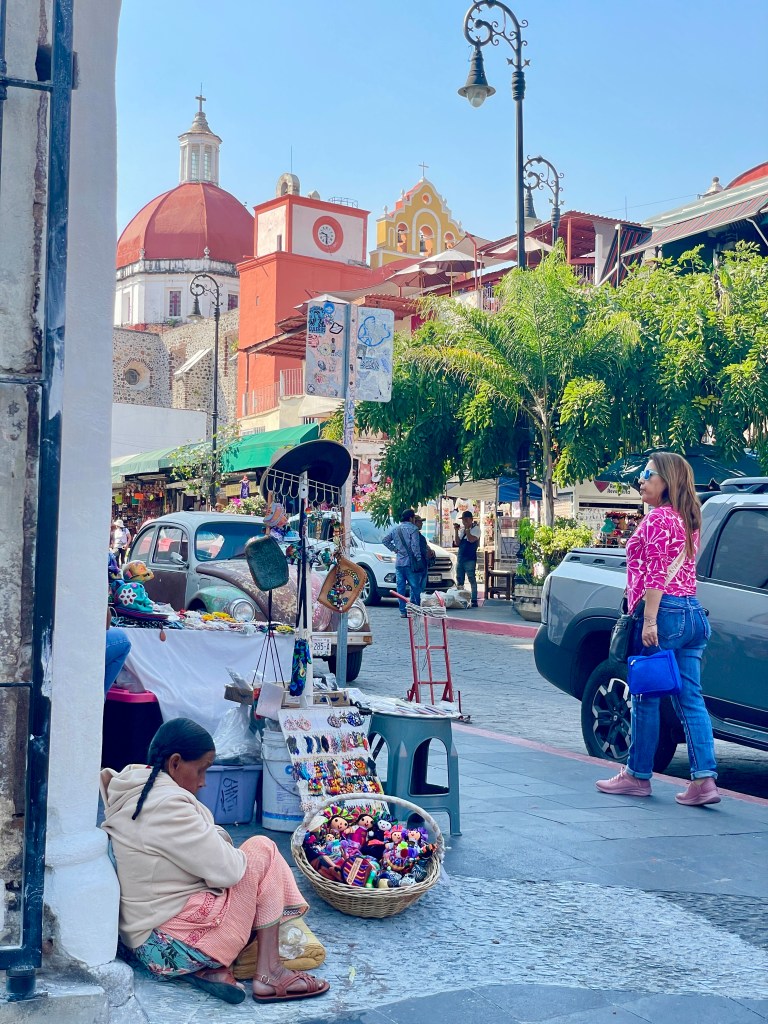
From there we meandered the streets arriving at the Catedral de Cuernavaca also known as the Templo de la Asuncion de Maria. Work was started by the Franciscans using indigenous forced labor in 1526 and the religious complex also houses the Templo de la Tercera Orden de San Francisco (pink) and the Capilla del Carmen (yellow) . At the left side of the Catedral is the Museo de Arte Sacro which showcases close to 100 paintings, sculptures, and religious artifacts from the 16th to 20th centuries.

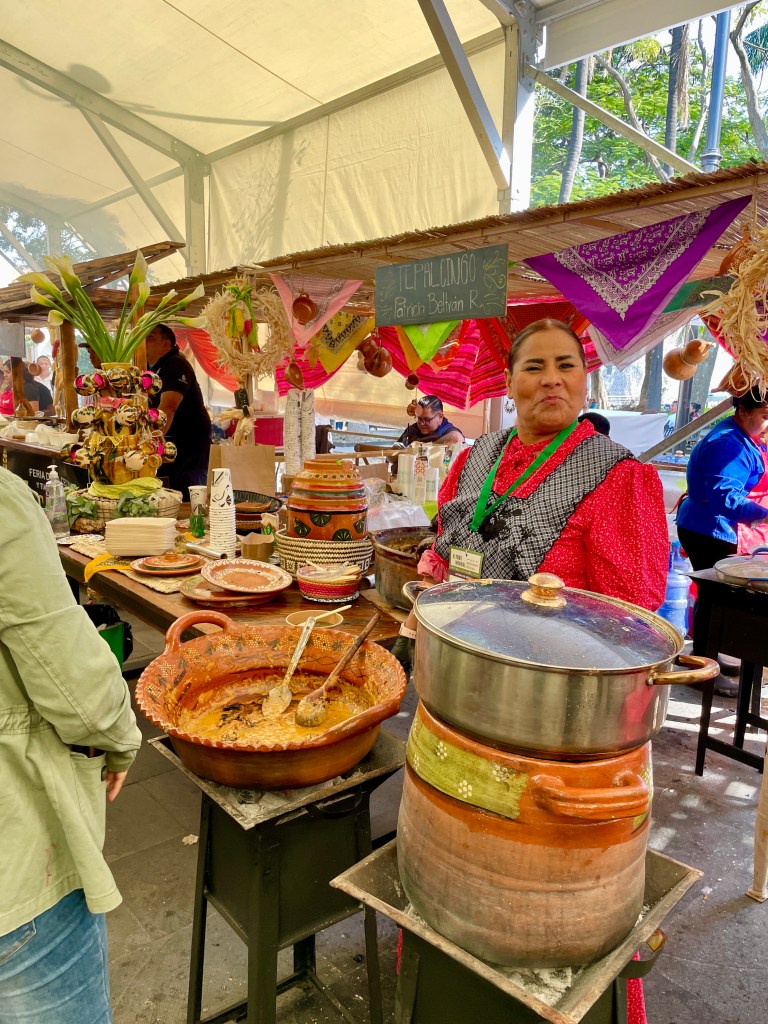
From here we wandered further… passing the theatre and library until we arrived at a food festival in the middle of the historic square. It was fantastic and we enjoyed seeing various regional foods from all over the country. Unfortunately, due to time constraints we missed the UNESCO World Heritage Site known as the Archaeological Zone of Xochicalco

Being drawn further in by all the spices and herbs wafting as we passed by booth after booth was the perfect way to end our day in Cuernavaca. I hope someday you will get to walk the streets of this enchanting city yourself to experience small city charm in a very big way.

The Embera’ of Panamá

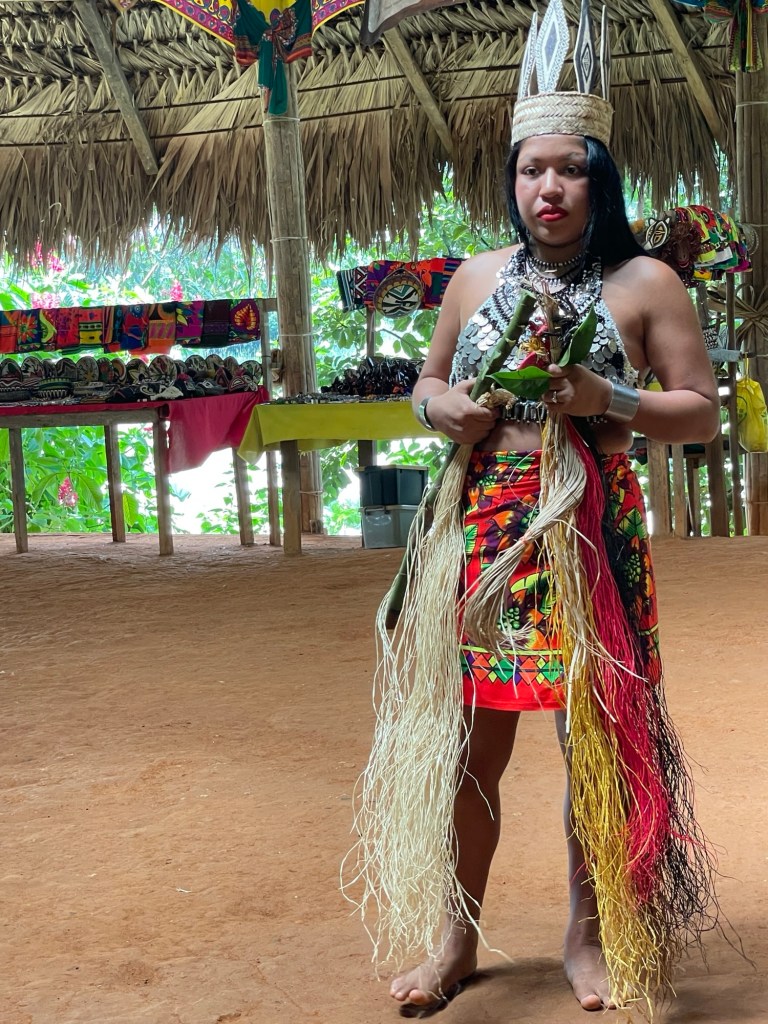
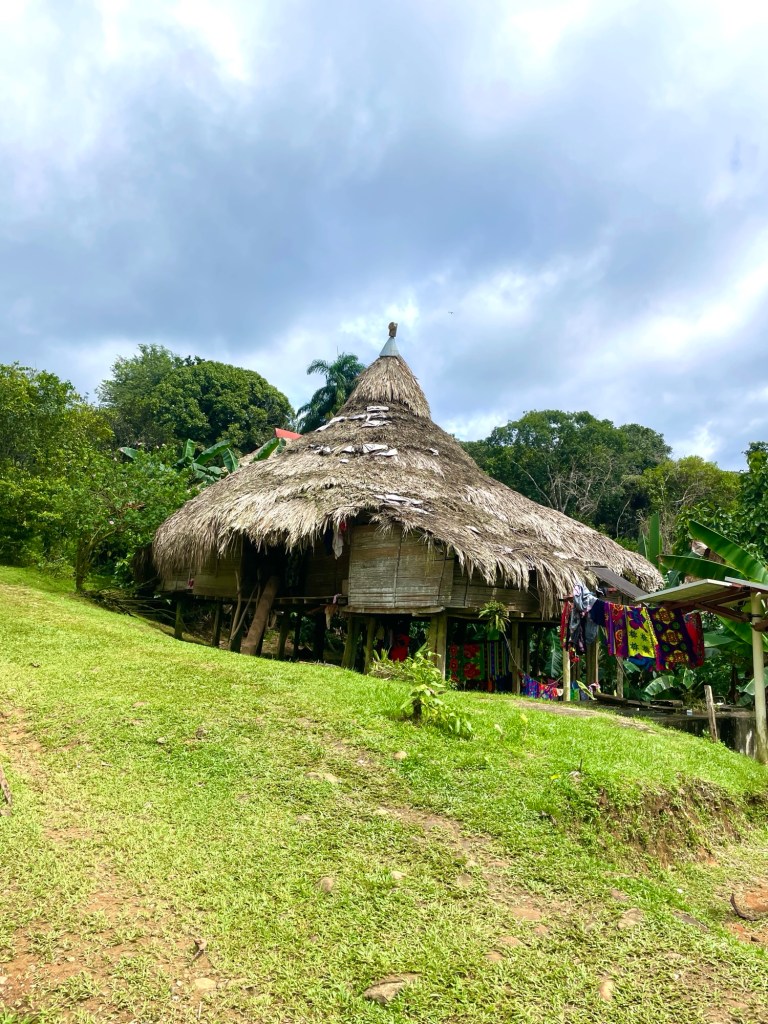
Today I visited the indigenous people known as the Embera, who have lived within the forest of Eastern Panama for thousands of years. Surviving primarily through fishing and growing various crops; the Embera’ now earn a living by educating tourists as to their way of life over many millennia.

Arriving at the river we were greeted by men in traditional clothing and ushered into dugout canoes for our journey up the waterways.

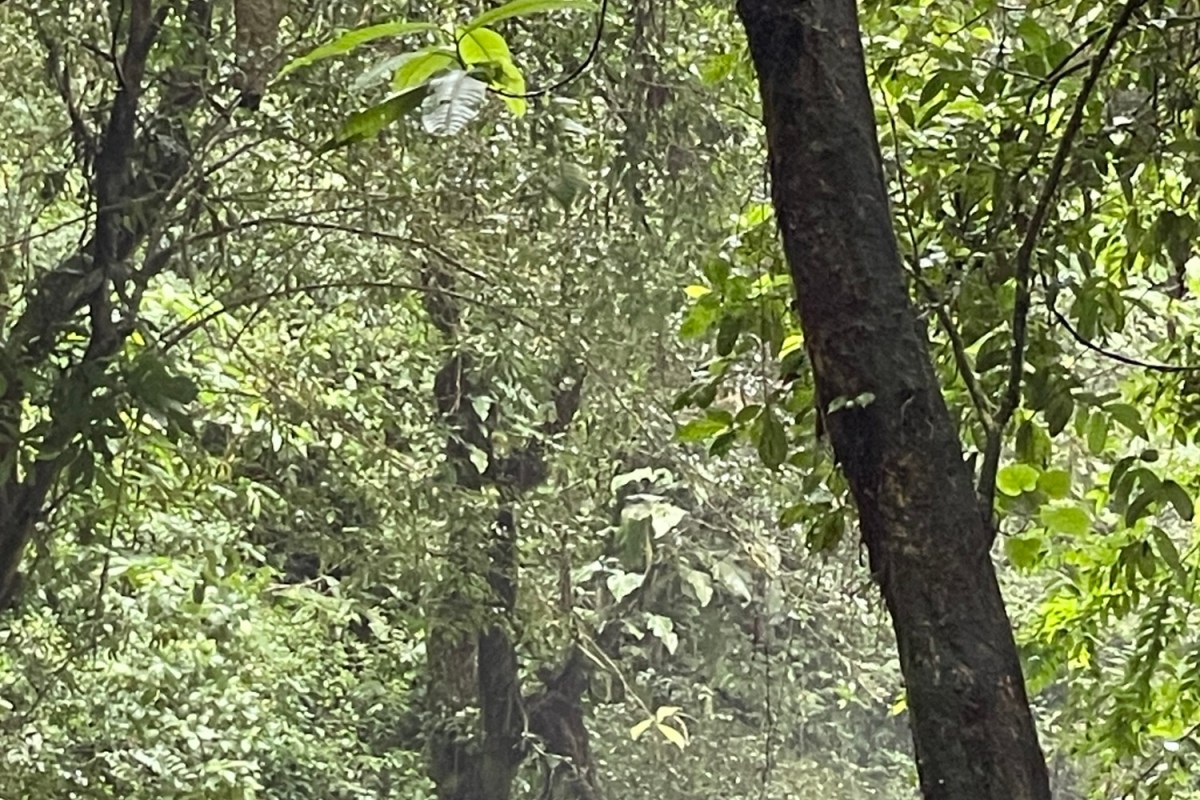
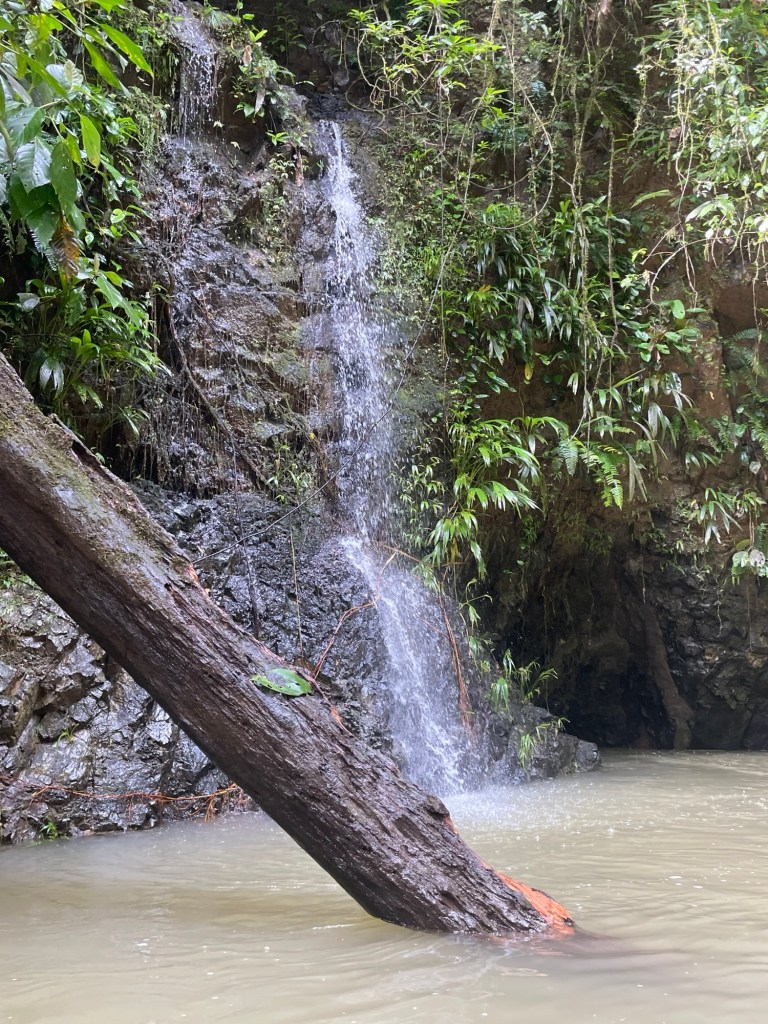
Our adventure really began as we ventured onto the river’s tributaries spying huge neon blue butterflies drifting along the banks, blue herons standing on their tall skinny legs around the waters edge, and small waterfalls sliding down the hills. Finally, we arrived at the biggest waterfall in the area where we had to clamber along slippery rocks in order to enjoy its fine mist and thundering show. The sacredness of this beautiful place was not lost on anybody.

After experiencing the earth’s natural tranquilities we headed to the Embera’ village where we listened to an educational program about the tribe, learned about how baskets and made through naturally dyed chunga palm fibers and heard the story of how tribal justice is delivered using interlocking foot boards, honey, and any insects that decide to make their way to the disgraced person via that sweet honey treat.

The Embera’ are also known for their use of kipara which decorates their bodies and unlike a permanent tattoo only lasts for several weeks. The color is derived from the Jangua fruit and the art of kipara has been shown to repel mosquitoes as well as other kinds of insects.

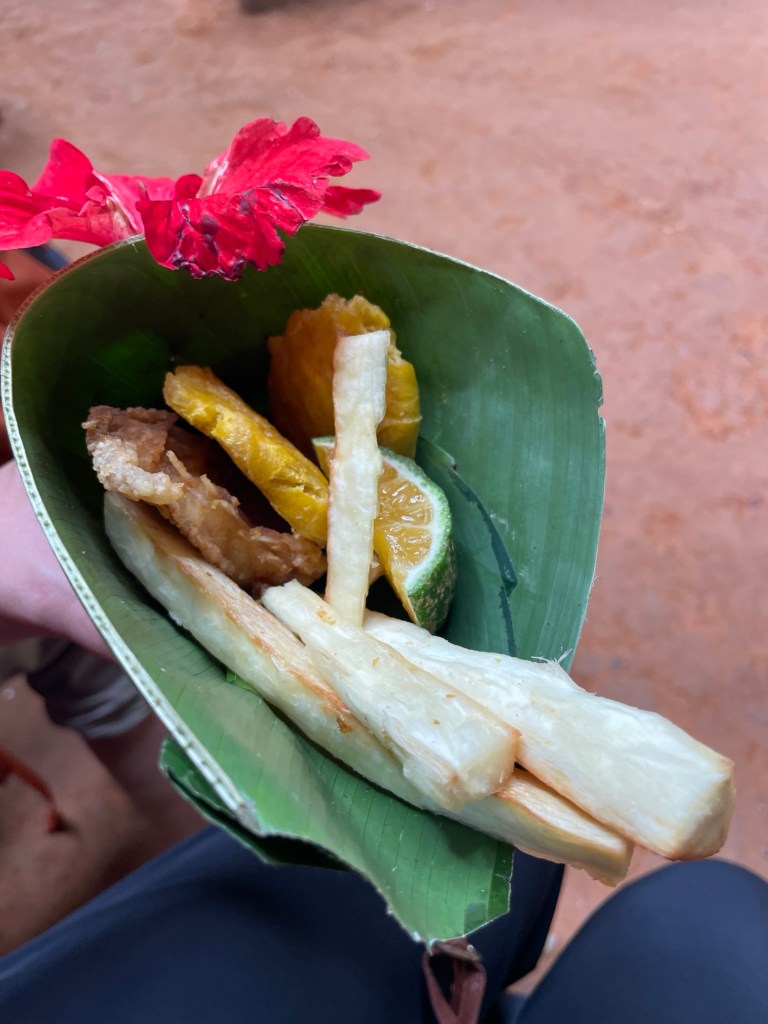
After the program we feasted on a lunch of taro, fresh-caught fish, and various fruits. It was delicious!

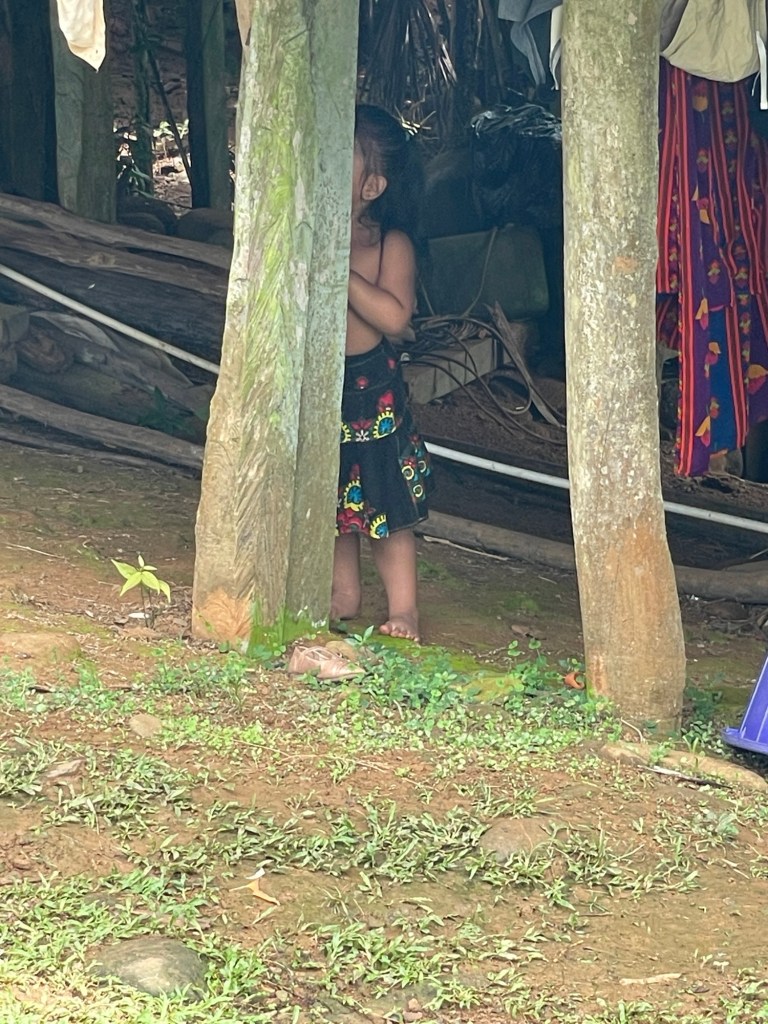
One of the things I enjoyed the most was a little girl who climbed down the steps of her home and hightailed it under the house in order to hide from her mother. She looked at me and put her finger to her lips to let me know in no uncertain terms that I was not to inform her mother as to her whereabouts as she scampered away!
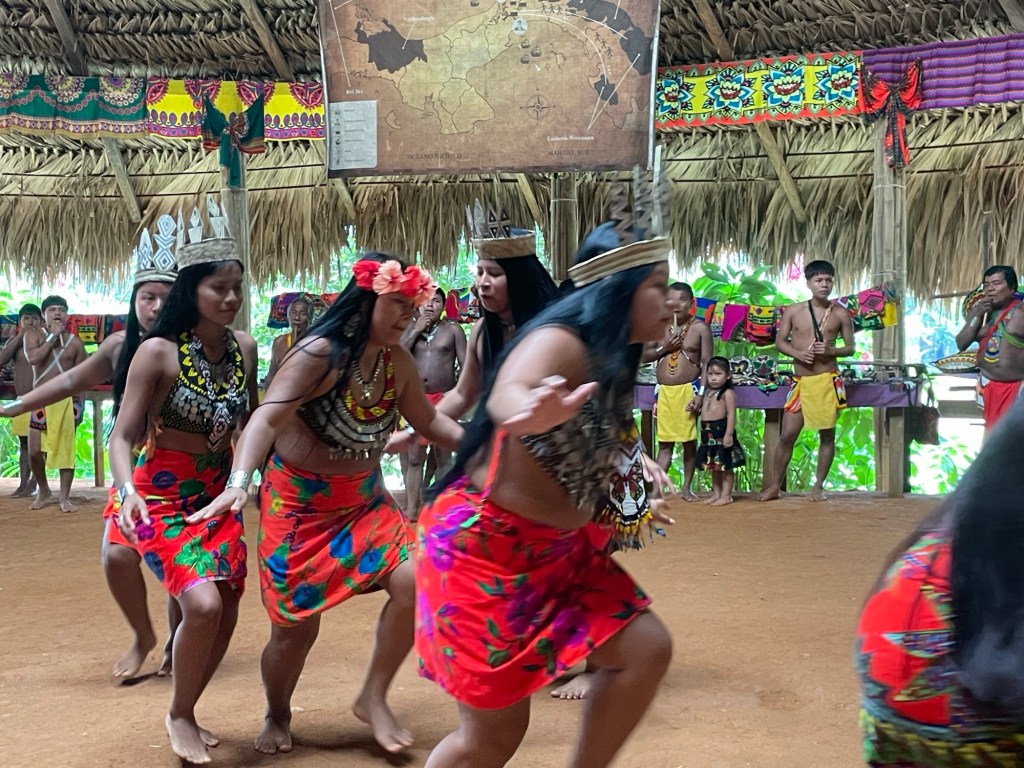
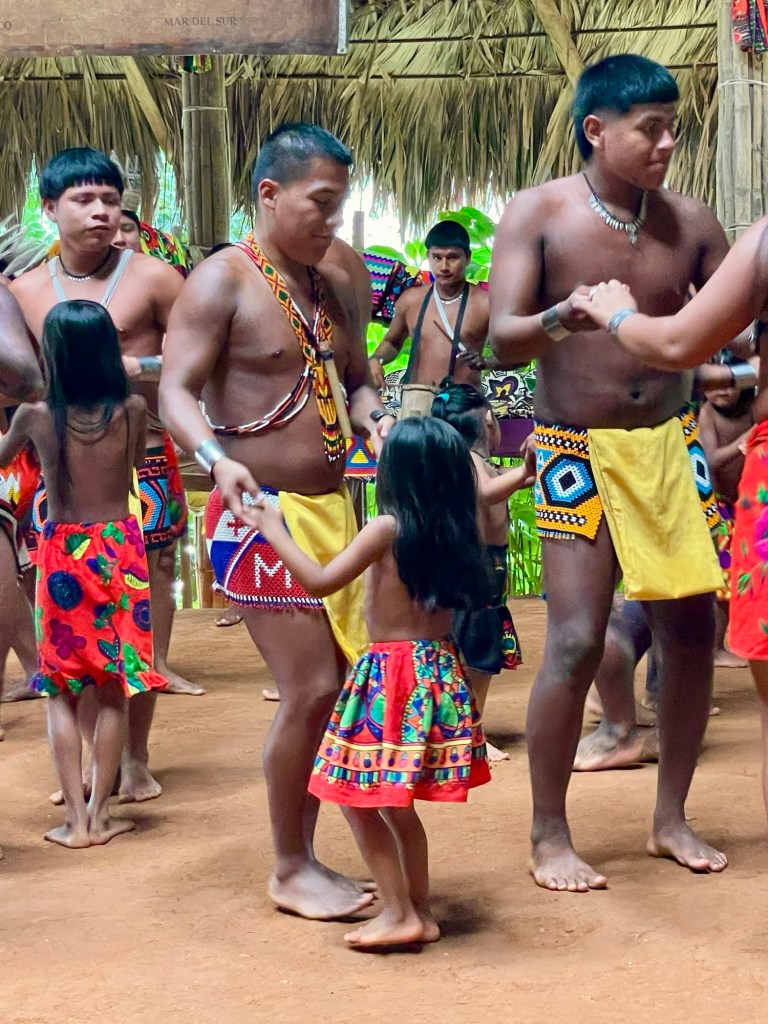
After lunch we were entertained by the traditional dances of the Embera’ people and asked to participate after a demonstration. Let’s just say my partner was lucky that I only stepped on his barefoot toes once with my two left feet!

All too soon it was time to head back to “civilization” after shopping for traditional artwork made by the villagers. All in all a great and well orchestrated experience which was fun and educational too.

My new basket! Isn’t it amazing!

Museo de Arte Moderno-Mexico City

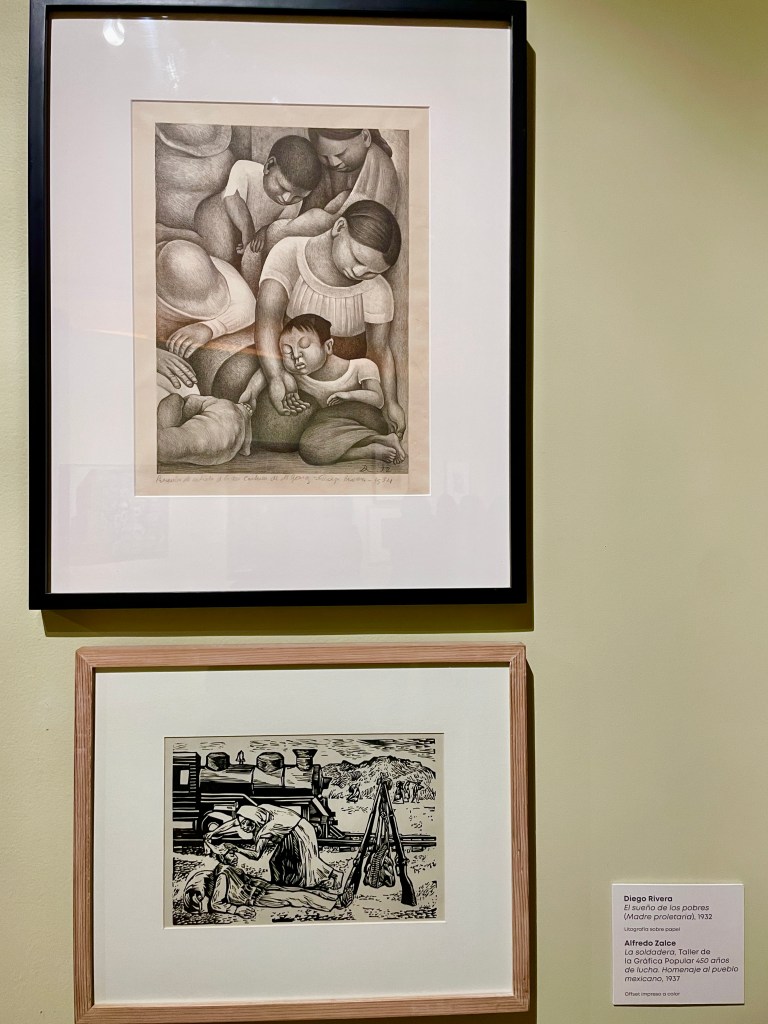
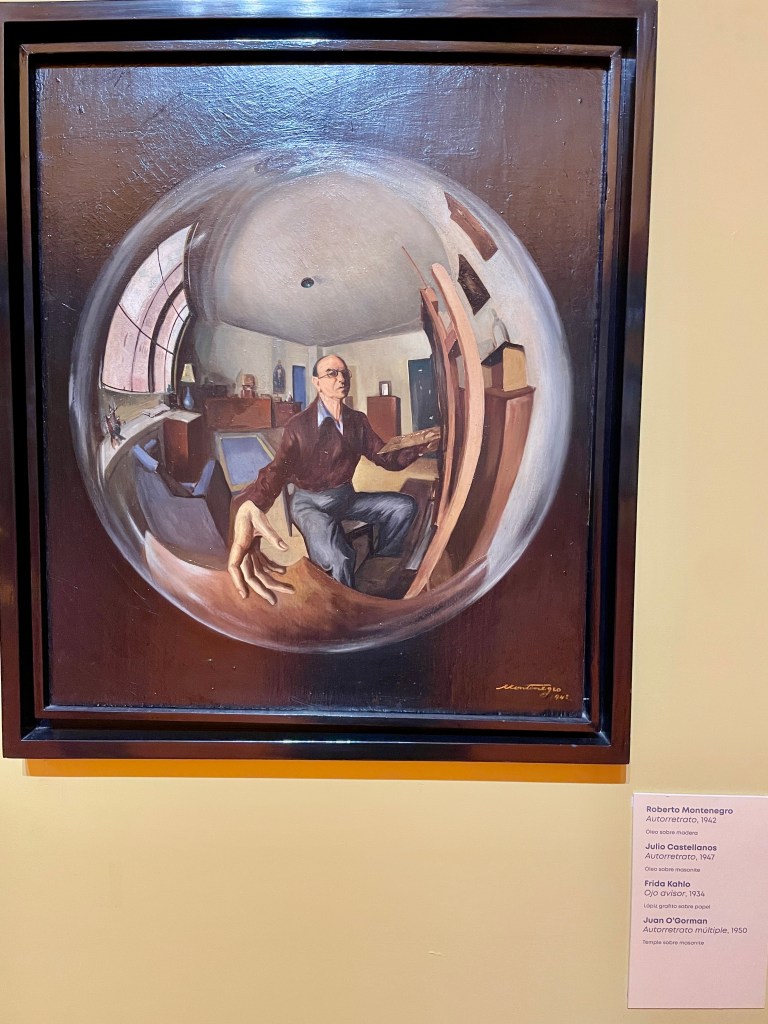
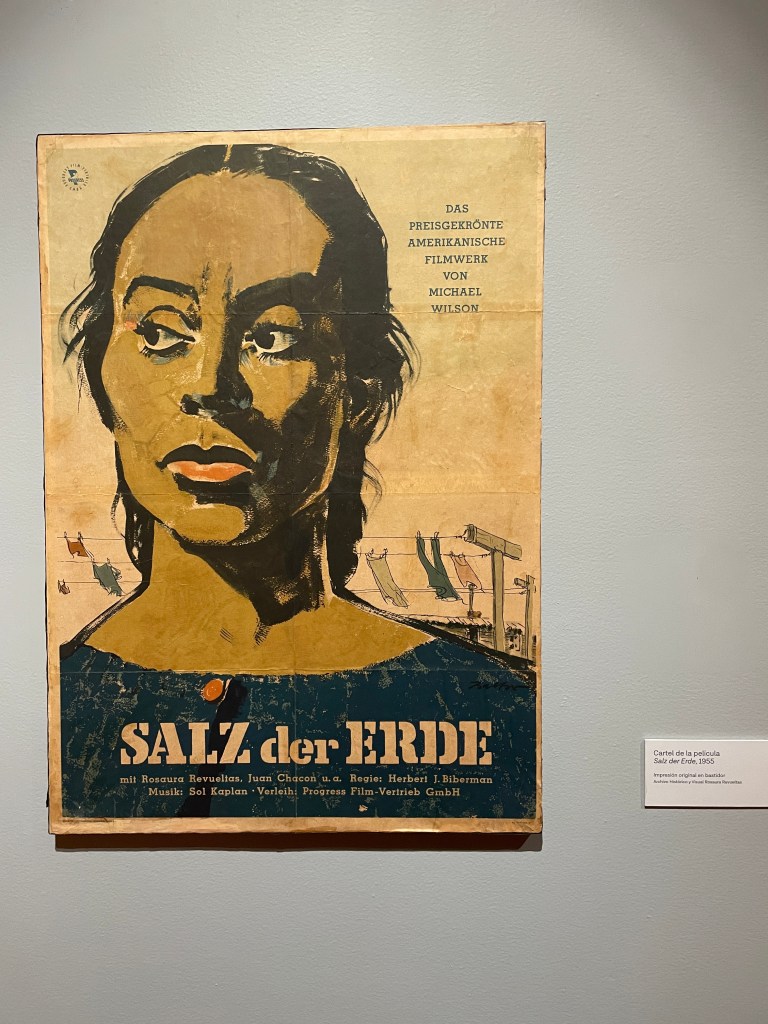
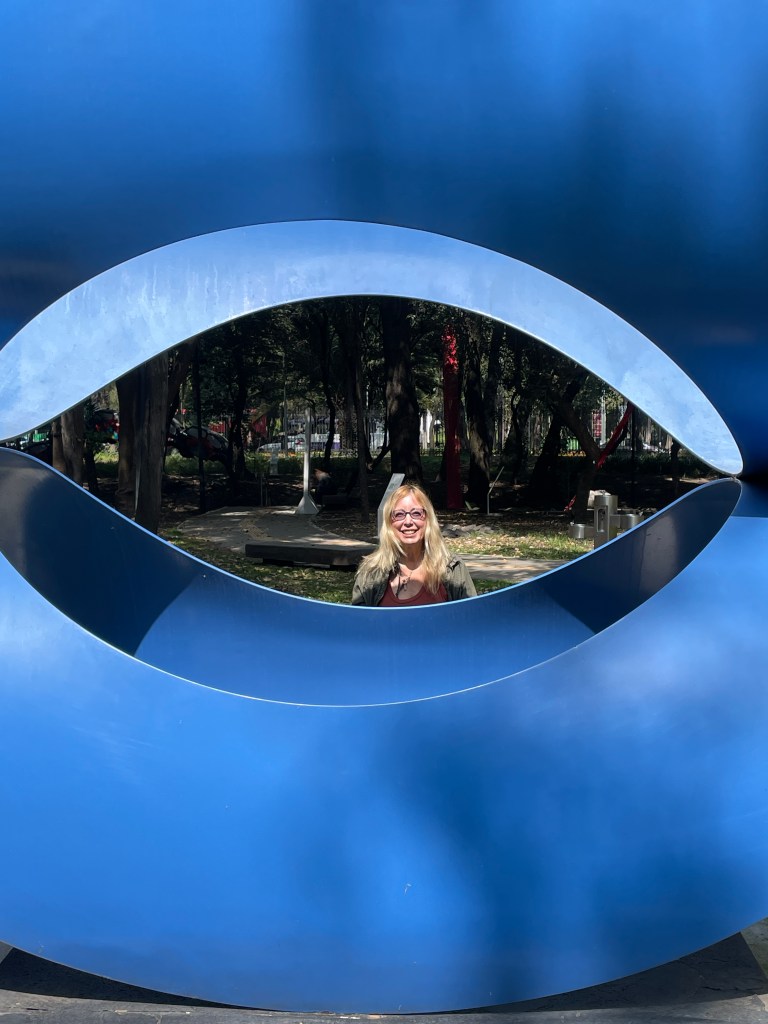
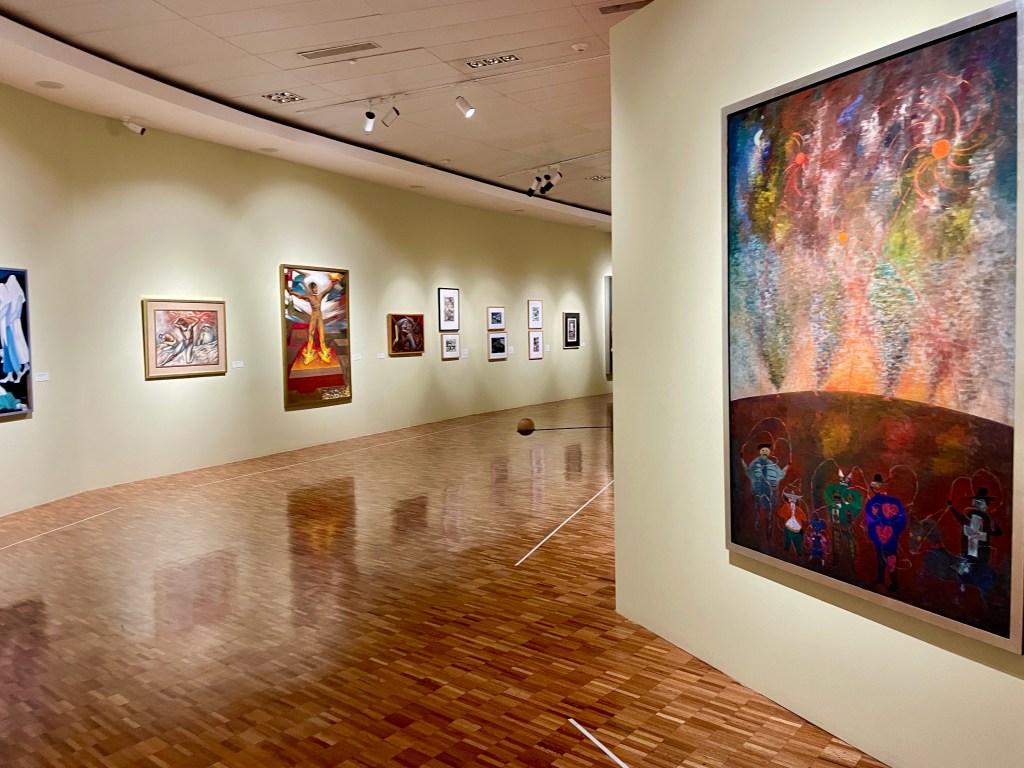
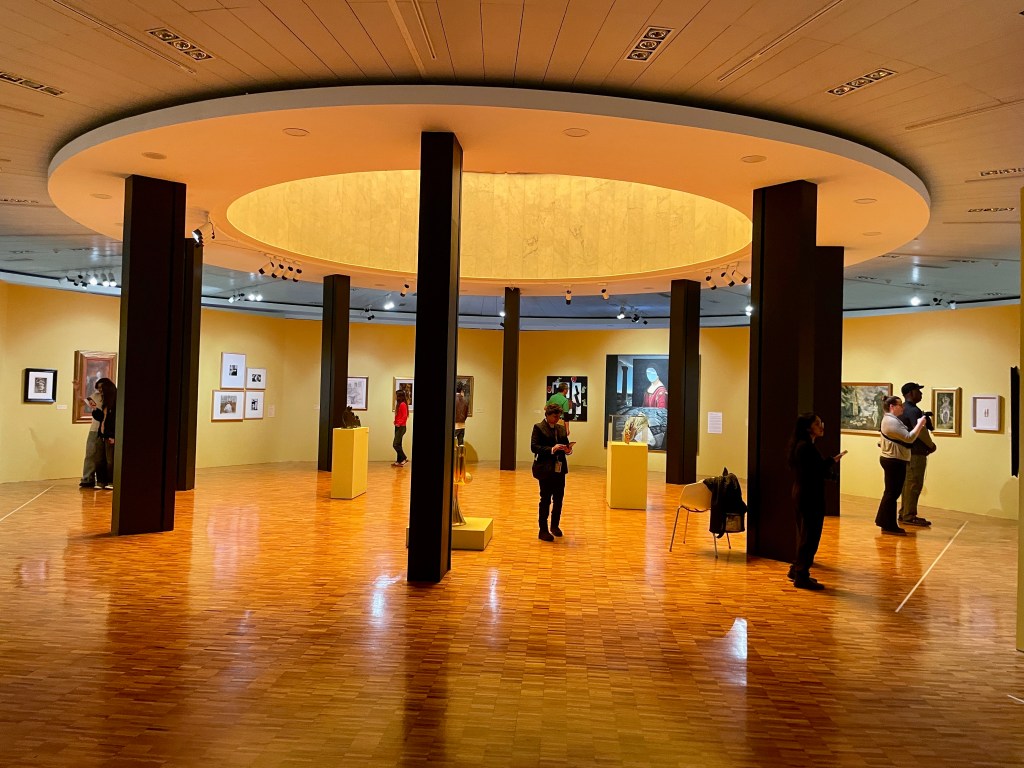
Mexico City has some of the best collection of museums in the world and the Museo de Arte Moderno certainly didn’t dissappoint. It was established in 1964 designed by architests Vazquez, Alcerreca and Salcido. With a focus on Mexican art ,permanent exhibition artists include Kahlo, Jair, Montenegro, Rivera, Loza; just to name a few and features works from 1930 until the present day. With basically four wings and an incredibly beautiful outdoor sculpture garden you will want to give yourself plenty of time to experience the flow between outdoor and in that the building encourages.

The day we got there they were installing a new sculpture and it was amazing to watch the process

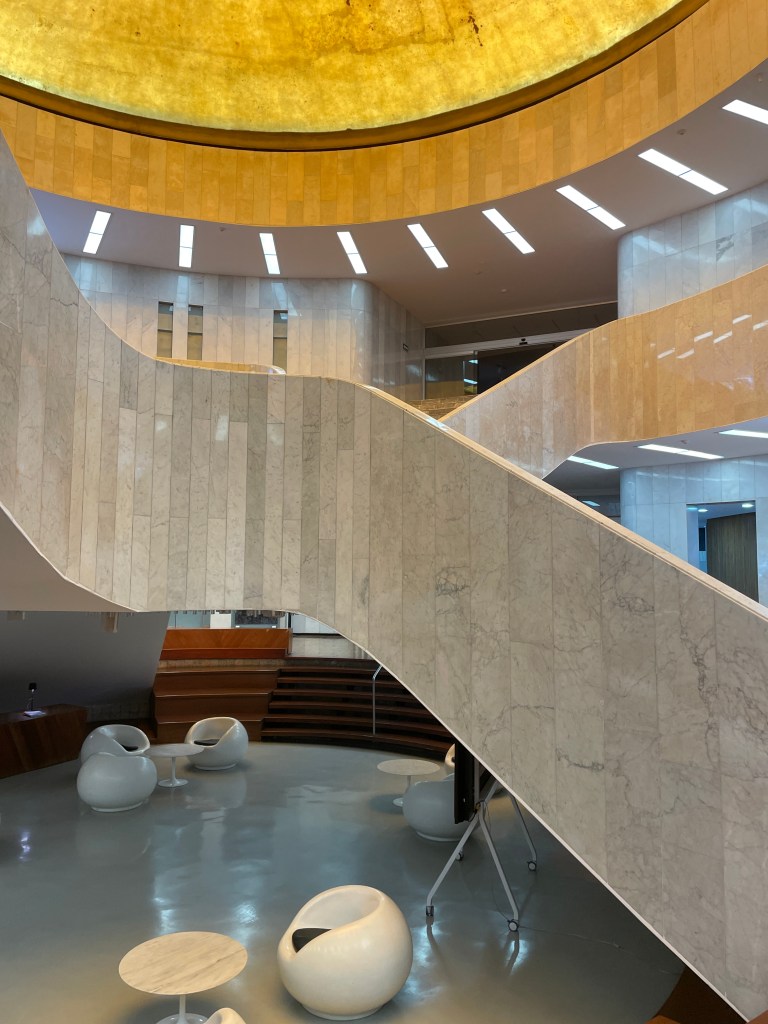
As you enter the Museum you are met with gathering areas on both the first and second floors. They are beautifully designed and meant to allow to to view glimpses of all areas of the interior and grounds.

Here are a few of the more famous paintings on display and/or some of my favorites.

The gardens and sulptures just can’t be missed and there is a small outdoor cafe at which you can sip your coffee and view the magnificence all around you.

Just a few more pics but I guarantee you that there is so much more to see. As a person who has never been much impressed with “modern art” I can say that I have changed my perception of the genre. It has elements that I can readily identify with as a woman born in the 1960’s and allows for a glance at past history that will hopefully influence the future.

Open Tuesday-Sunday from 10a.-6pm. The cost about 70 pecos with no fees for the disabled and young children. Afterwards, walk throughout the large city park to which many of the museums are connected.

San Juan Del Sur – Nicaragua

Going to Nicaragua is a different experience. We had to leave the truck behind, pay exit fees at the Costa Rican border, walk a distance in the ” NO MAN’S LAND” which lies between Costa Rica and Nicaragua, pay $1 outside of the Nicaragua customs building, stand in line for about 20 minutes to get to see a customs official, pay another $13 (I think), have our luggage scanned and then exit the building walk about 300 meters to the Alamo Car Rental.

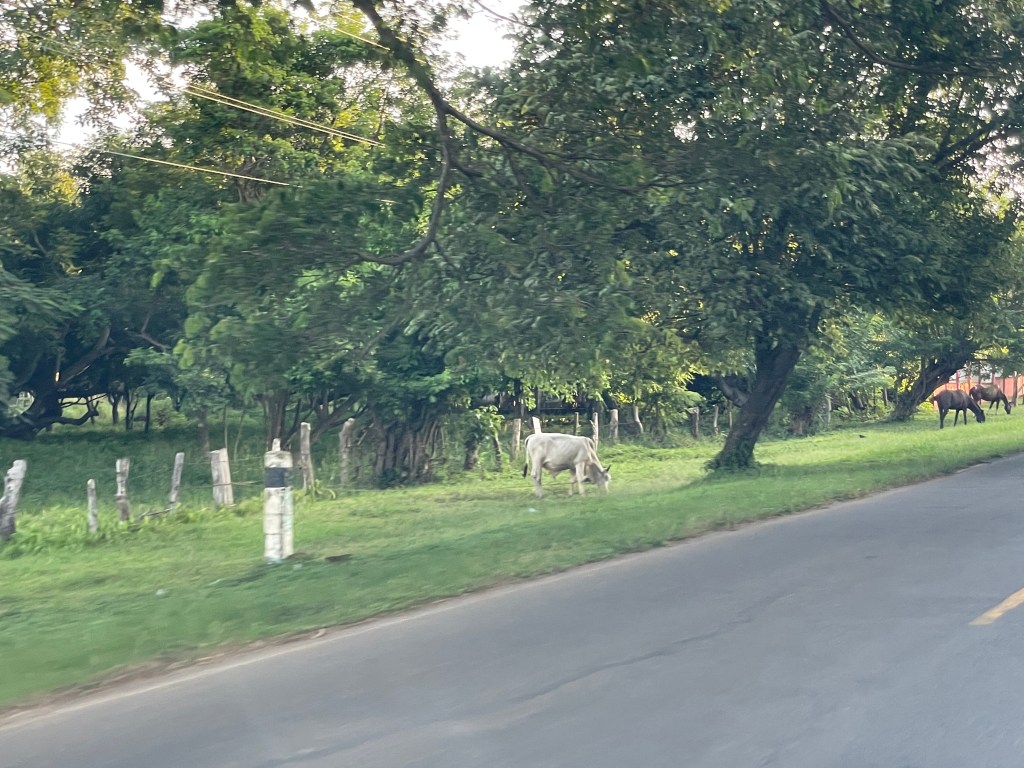
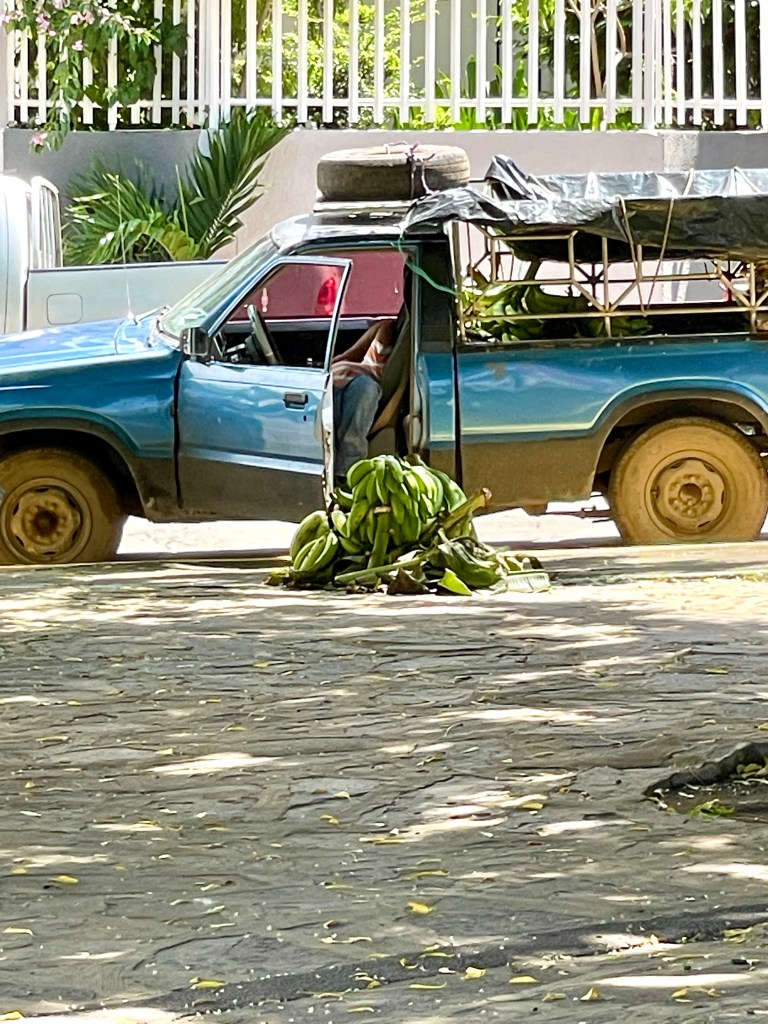
Driving is easy as they drive on the same side of the road as in the USA but what struck me first were two things: beautiful trees on both sides of the road created a beautiful green canopy as we drove. It was gorgeous and reminded me of the East Coast. The second thing that I found interesting is as we traveled down the main highway (NO POTHOLES!!! unlike Costa Rica) there were cows and horses tied up to the fences all a long the road. It was amazing.

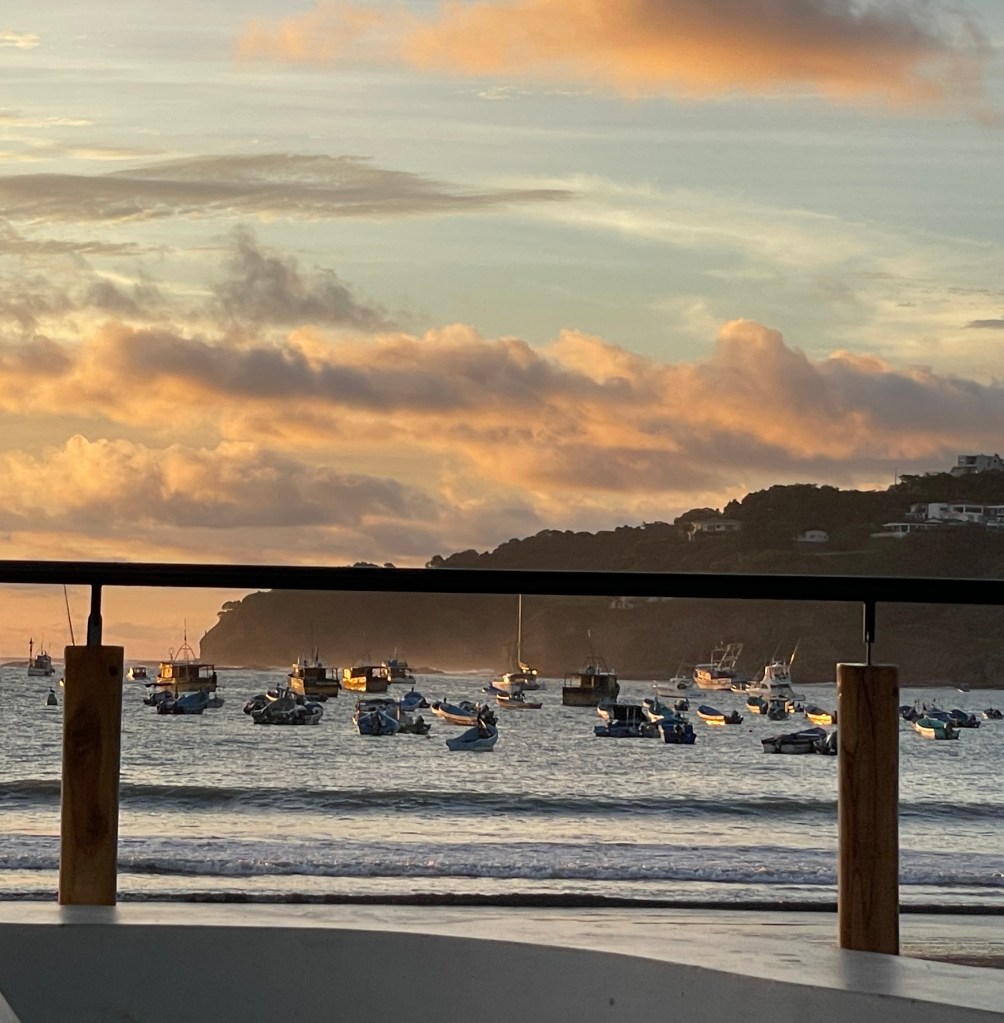
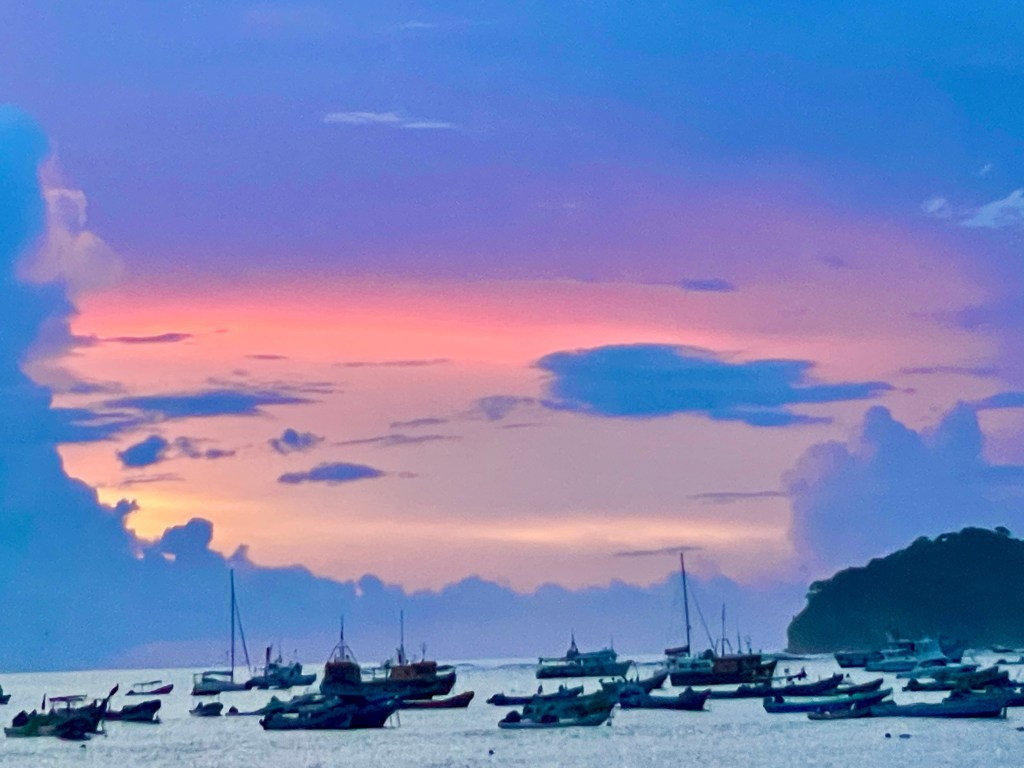
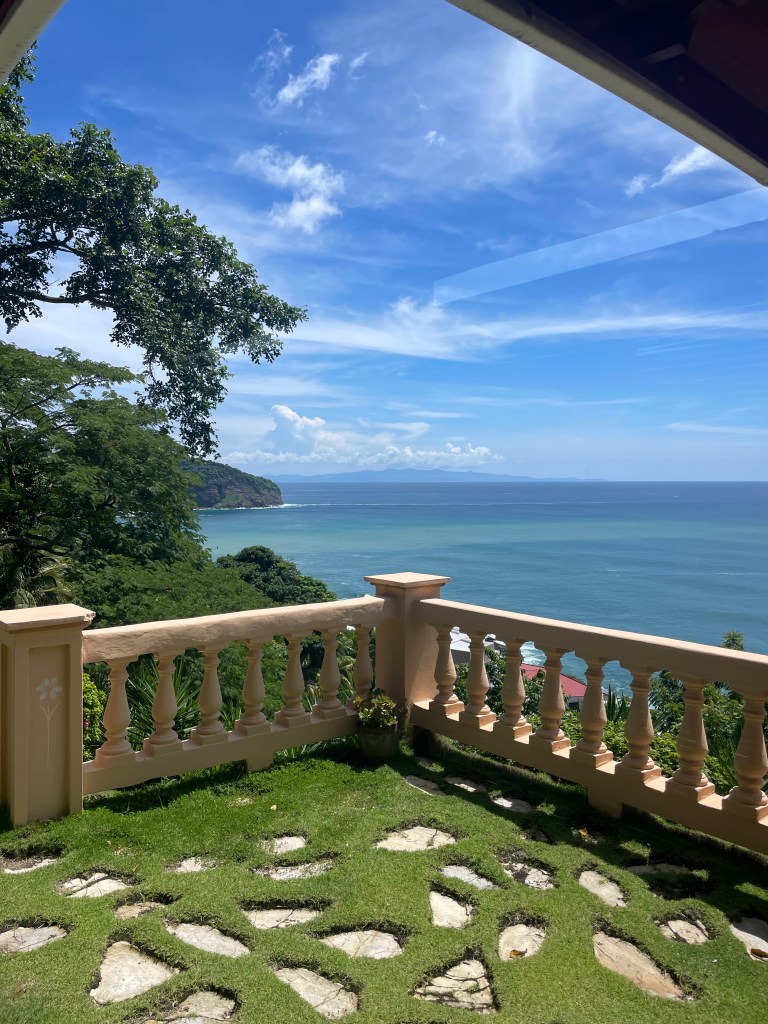
It is only about a 45 minute drive from the border to San Juan Del Sur. It is an old beach town that is slowly getting discovered by tourists but retains its gritty but sweet character from years gone by. We were located at the bay but there are beautiful beaches all around the area. We arrived just as the sun was setting and what a gorgeous sunset it was. This is a real fishing town so watching the boats head out to sea and return with family waiting for them is a reminder of that “waiting history” that fishing hubs around the world have experienced for eons.

Night time is interesting here as there are beach volleyball games with families watching the kids do their thing. Horses meander along side the water and parrots squawk in the trees. The town basically rolls up the sidewalk at 8 pm as families walking hand-in-hand head back to home.

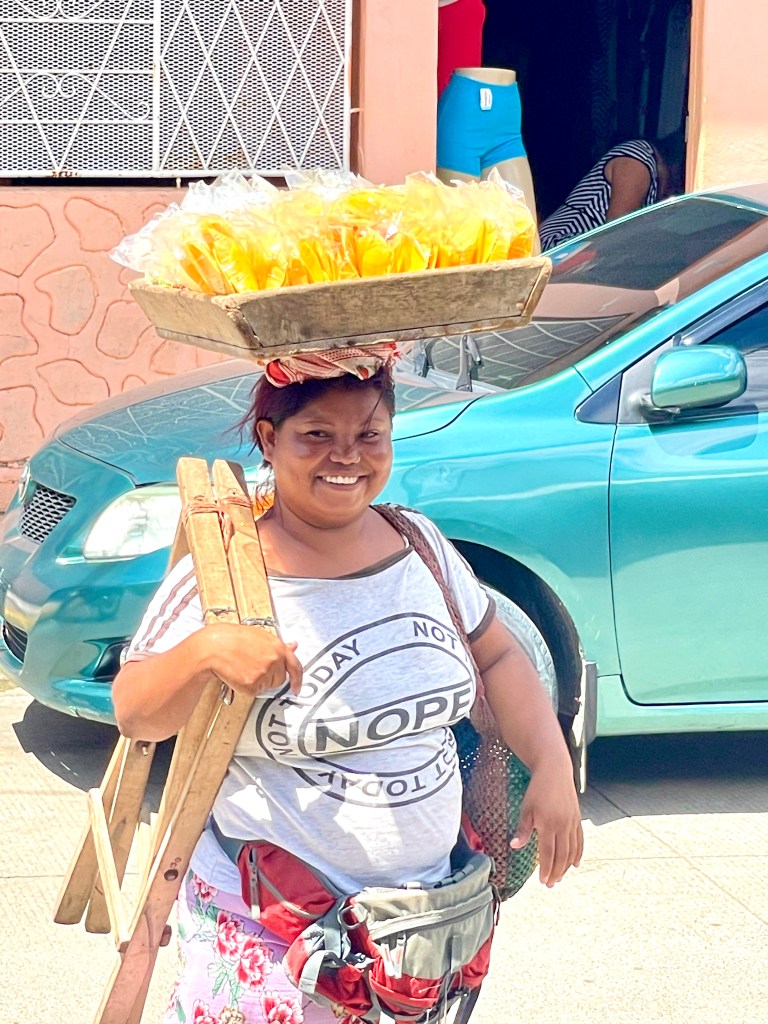
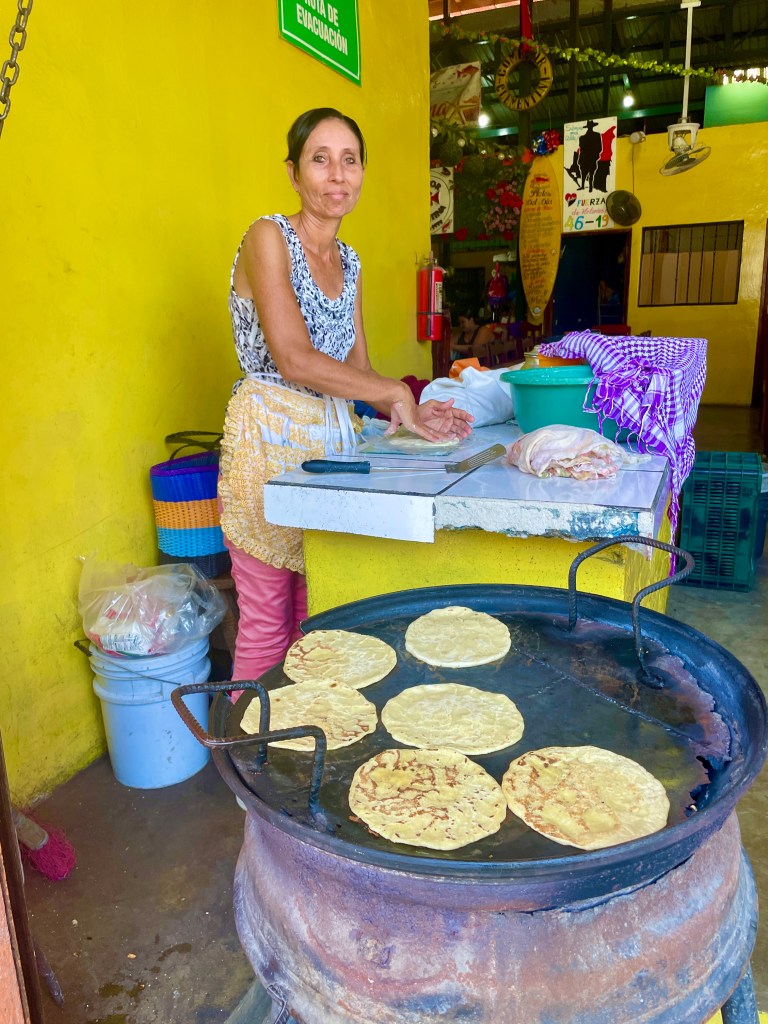
The next couple of days were a blur. We walked the town peeking in shops and enjoying the street markets. Grills were set up on the street where you could buy pollo and rice for about $2-3 bucks. I loved watching the women and men carrying their wares on their heads, the buzz of the street market, and the kindness of the people we talked to along the way. Everyone was friendly and put up with my attempts at speaking Spanish, often teaching me a word or two along the way.

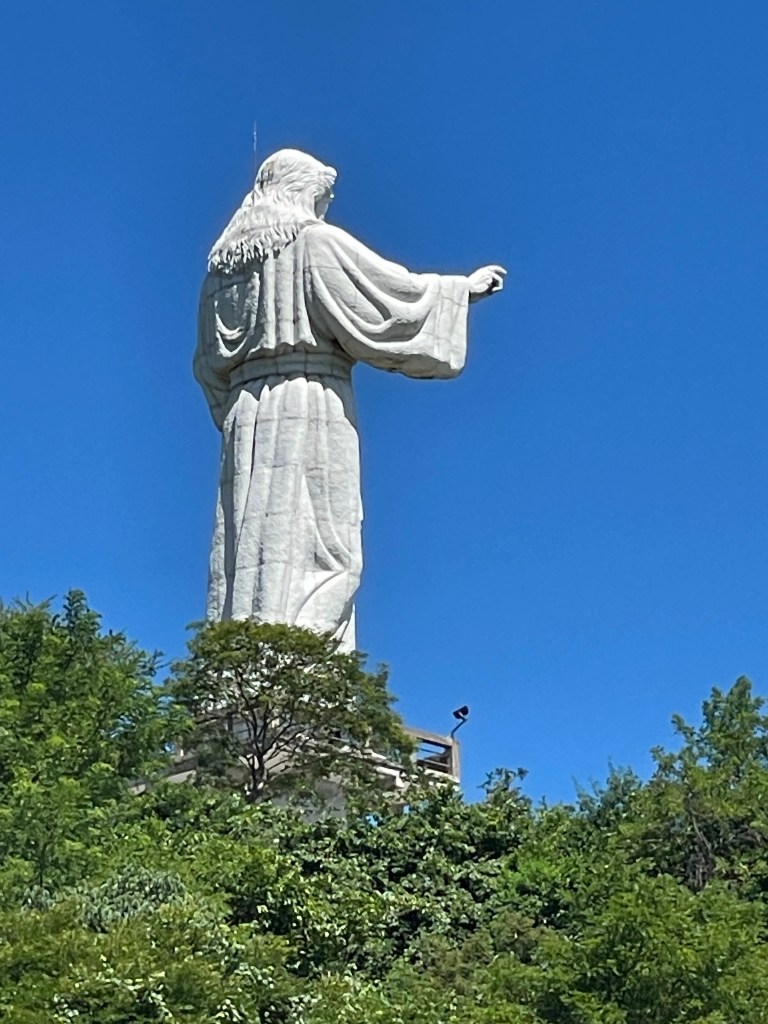
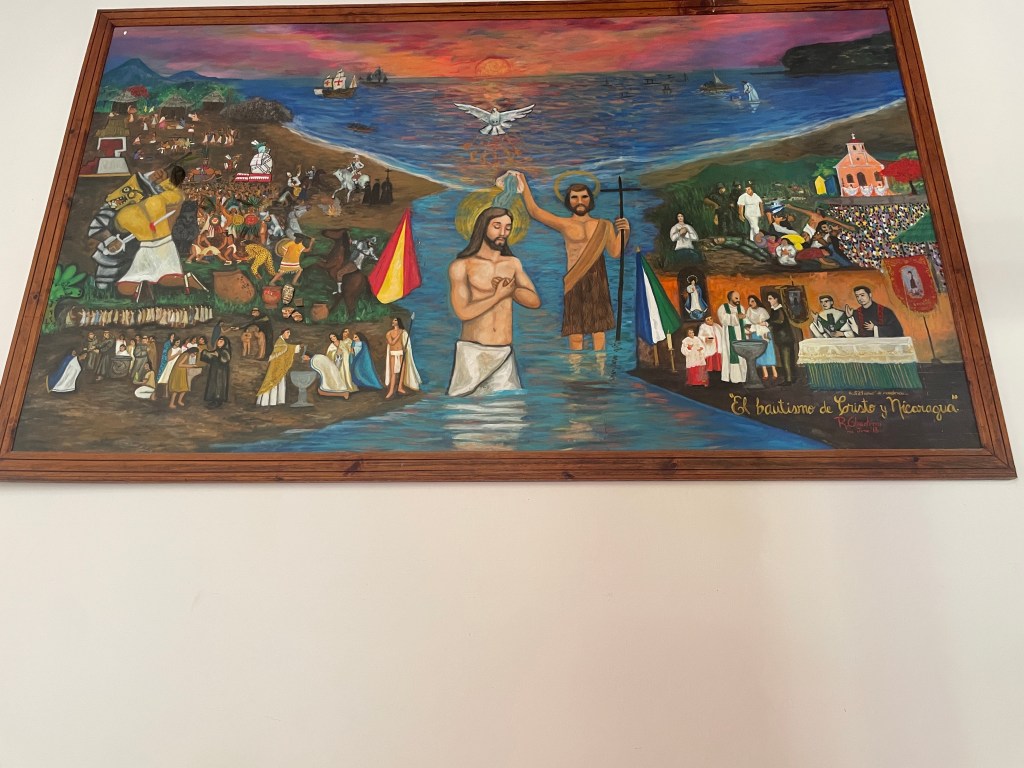
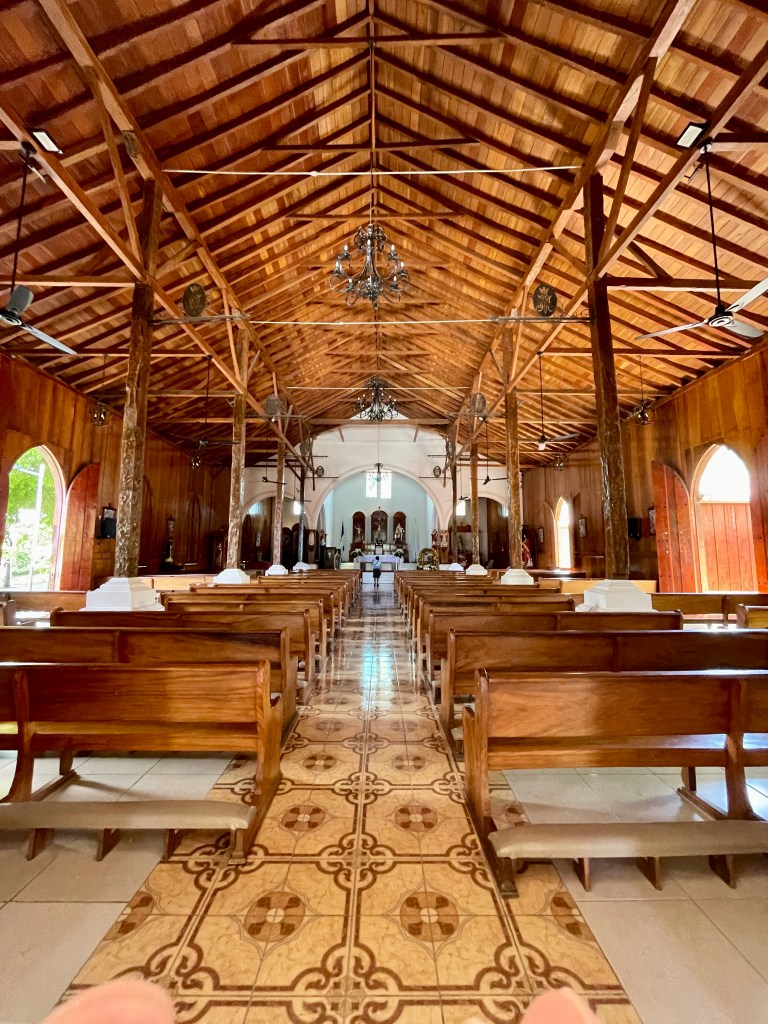
We also visited the local park and church which is incredibly beautiful in its simplicity. In addition, you can’t help but view The Christ of the Mercy which is a colossal statue of Jesus Christ which rises to a height of 134m above sea level and can be seen throughout the town.

While here we took time to look at real estate that is for sale in the area. Take a look at this three-bedroom beauty which was selling for $459,000 with pristine teak woodwork and views that were amazing. One of my favorite was a small villa in a gated pool community which was selling for $140,000 with HOA’s of $400 per month

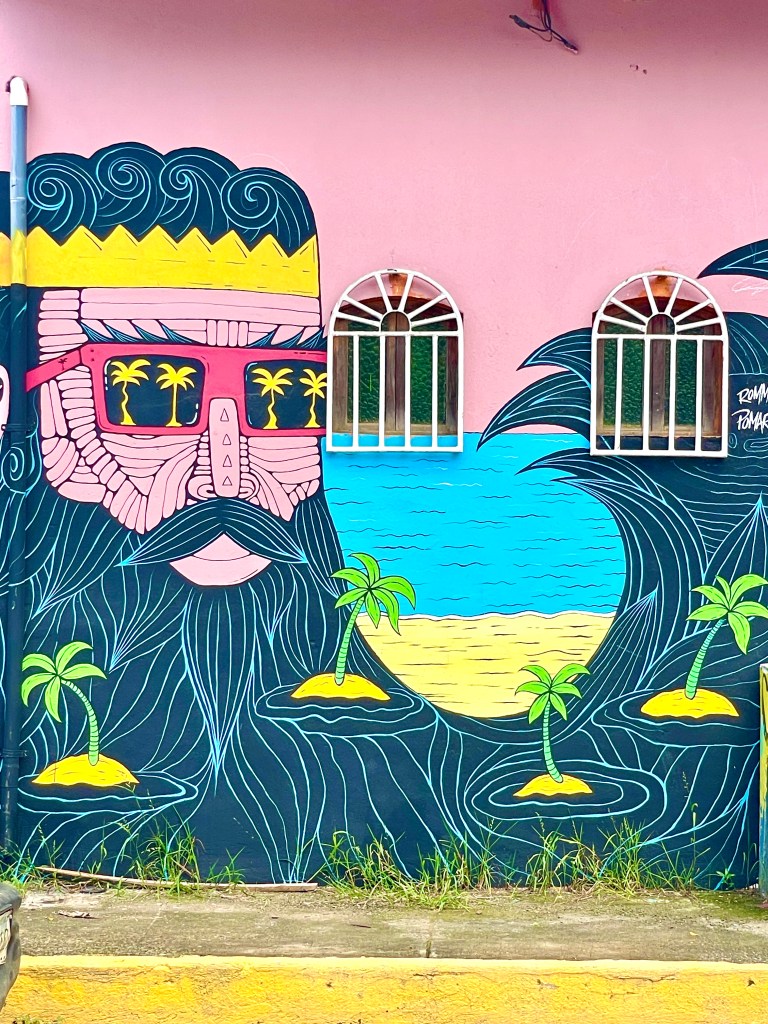
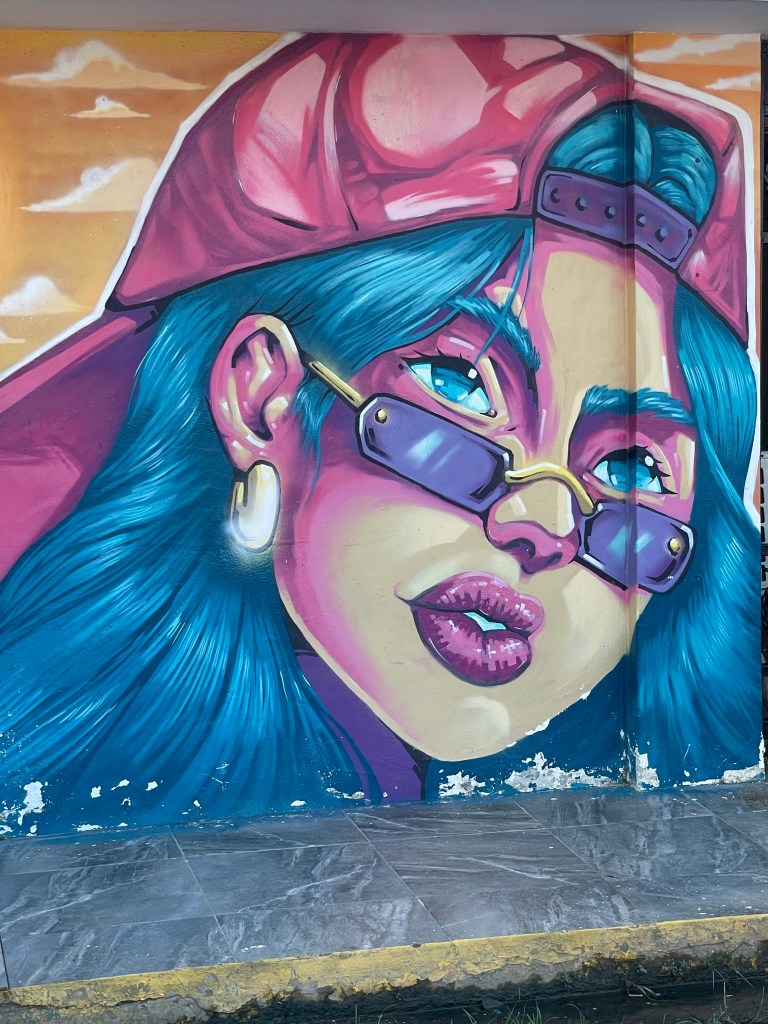
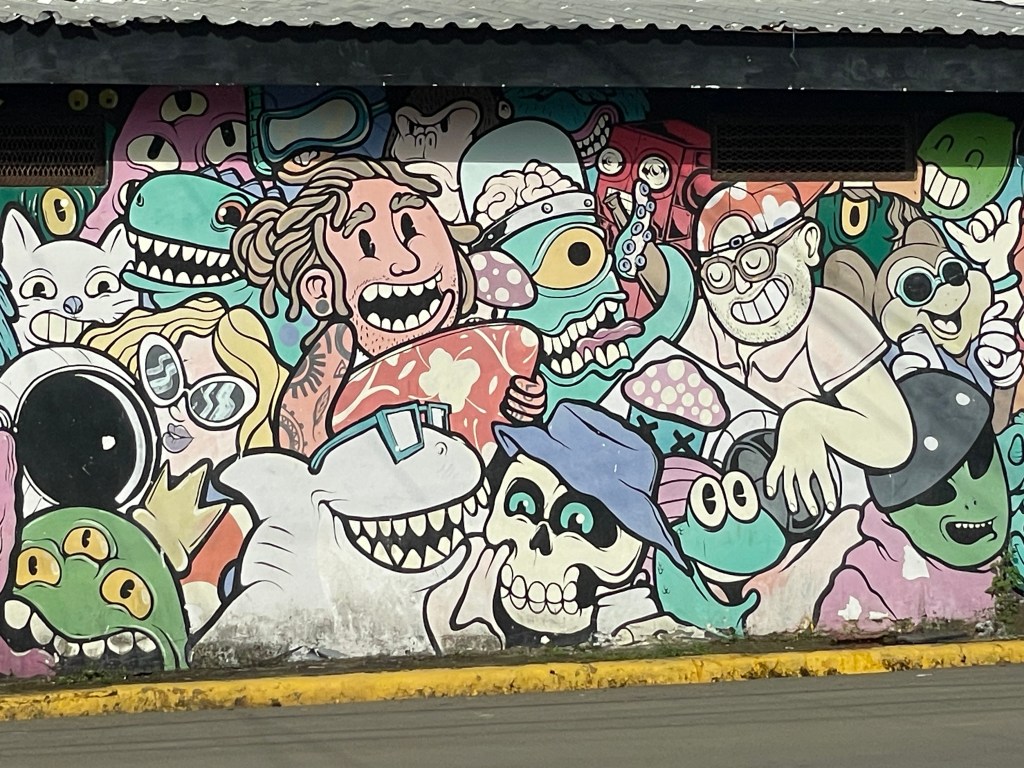
If you know me; you know I love a good mural. From the out-of-this world type of paintings to the murals that can bring tears to your eyes; San Juan del Sur has plenty of talented artists offering up their best.

I loved San Juan Del Sur and who knows I might end up there one day. But for now I leave you with the local high school band practicing on the Main Street of the town.

THE CHURCHES-LIFE OF THE CITY

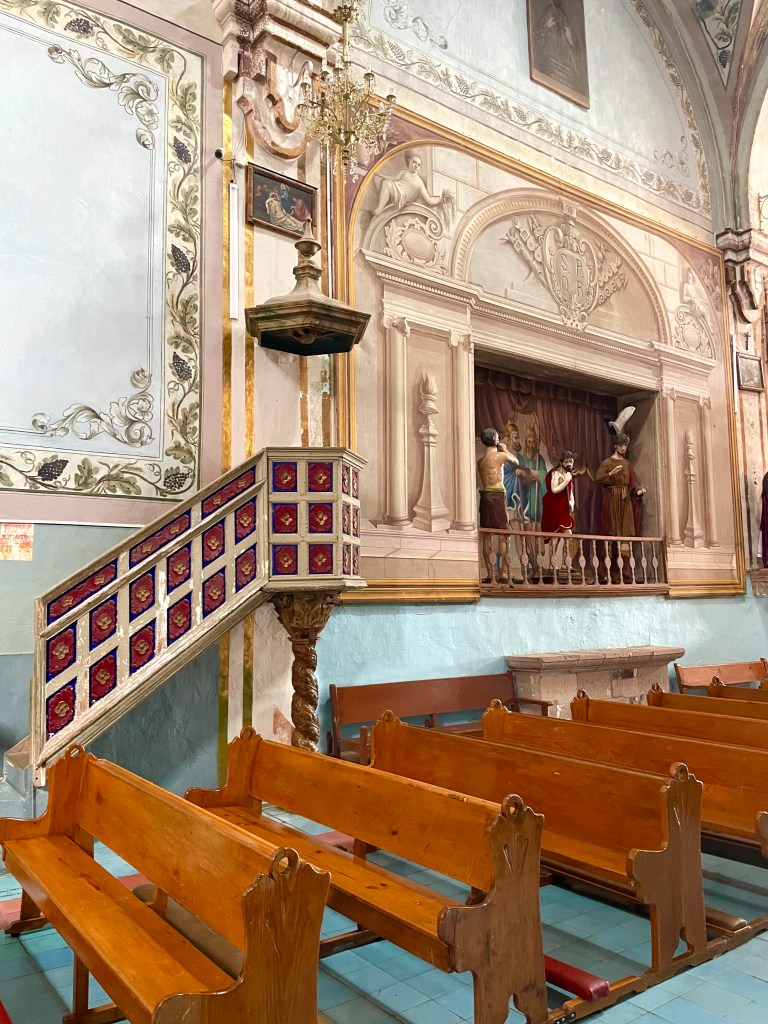
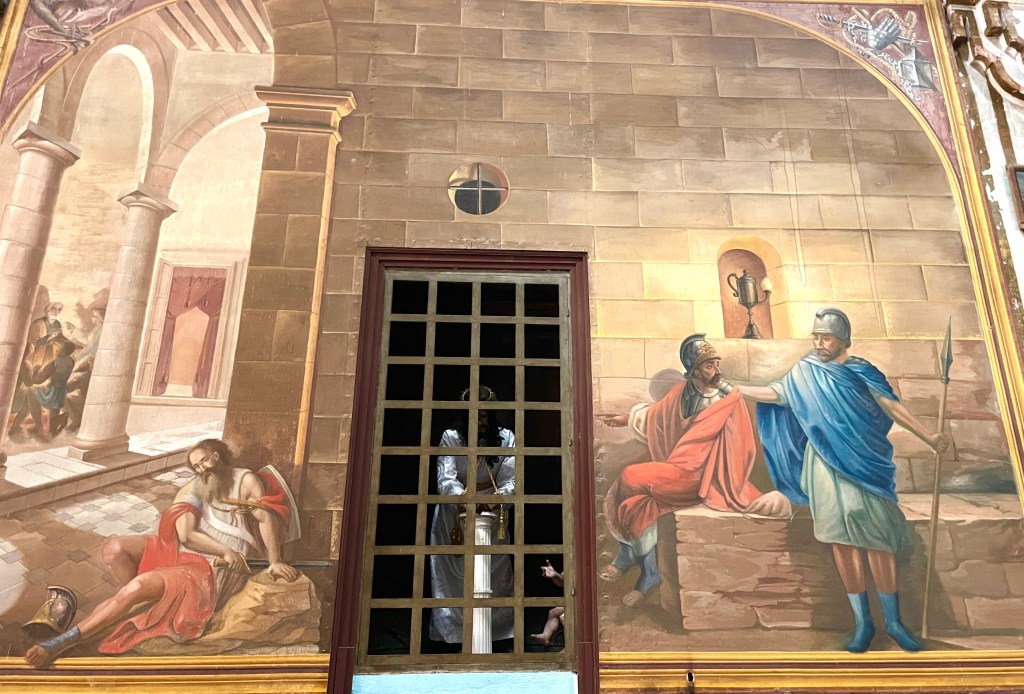
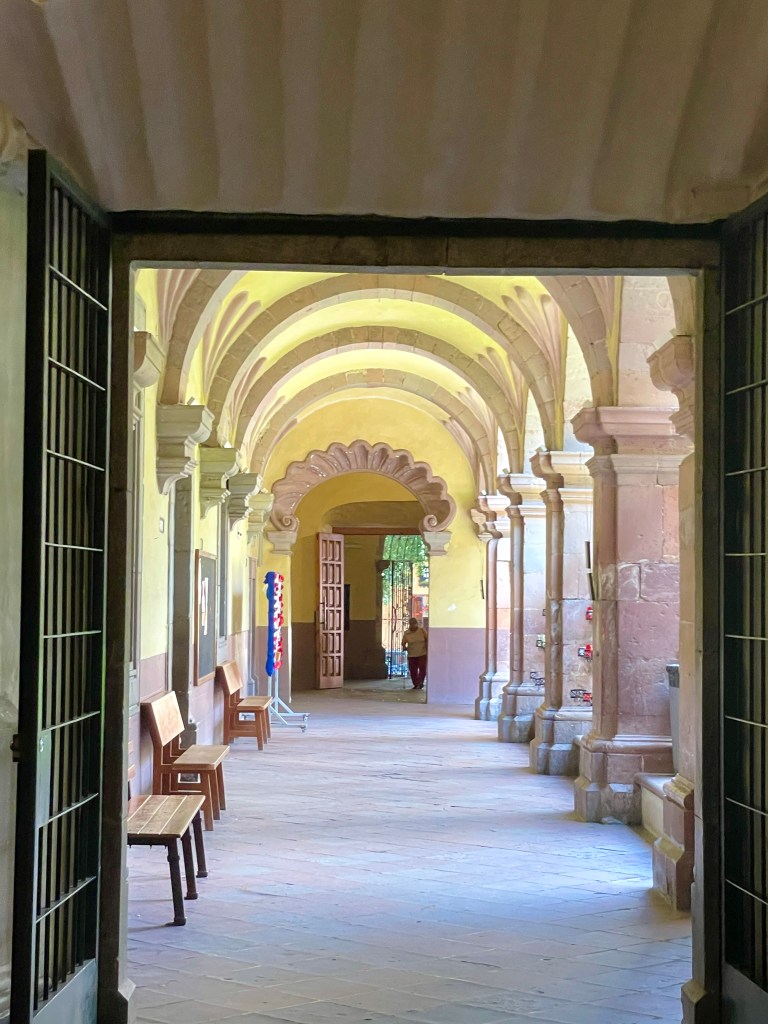
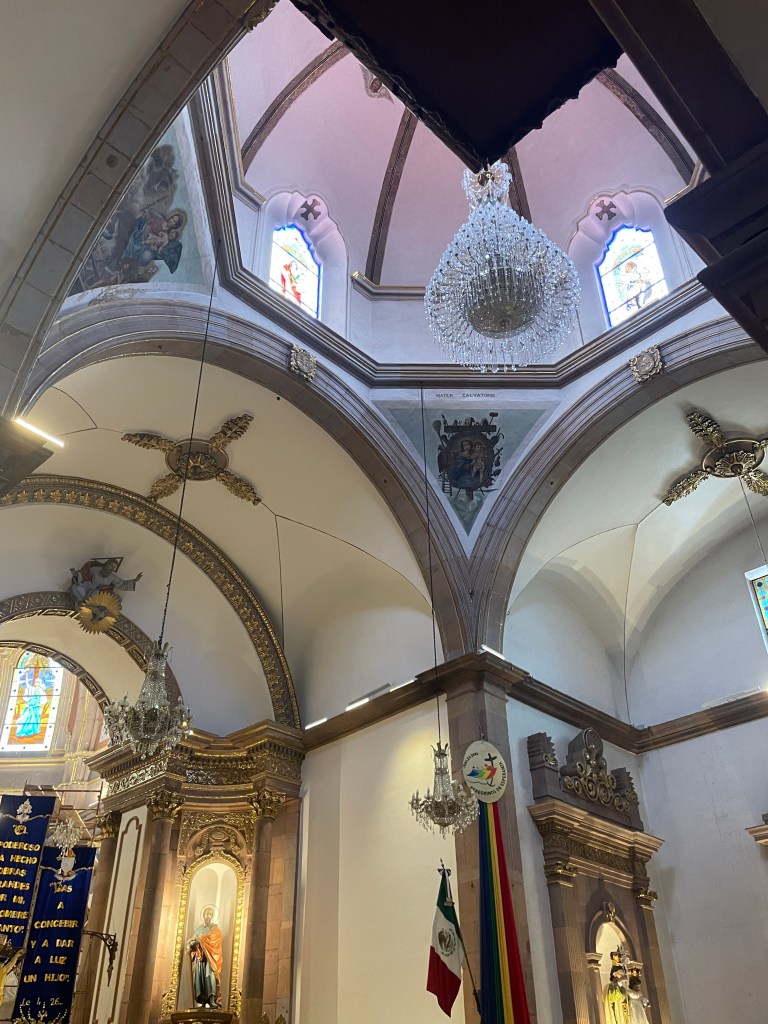
I have been to so many churches since I arrived here. I love the architecture that these old buildings possess. The artwork, murals, painted ceilings, and biblical depictions are all inspiring (okay, a few are frightening) and help us have an insight to those things that drew people to the Catholic Church in earlier times. The thick walls of the church also provide a respite from the heat and also from life’s troubles. Perhaps what I enjoy the most though is just walking in, sitting down, and listening to the music and the chants echo off the walls of the sanctuary. It gives me a sense of peace and serenity that I can carry with me the entire day.

Parroquia de San Miguel Arcangel- San Miguel Allende

With over 40 churches in San Miguel it is difficult to choose a favorite but Parroquia de San Miguel Arcángel is definitely the most well known and perhaps the most beloved of area residents. Towering over the city, the construction of the church began in the 1600’s under the auspices of the Franciscan Friars, after a smaller church from the 1500’s was demolished. The building is a surprising blend of different Neo-Gothic European influences and the resulting Spanish colonization that swept over these lands. This immense church was completed in stages at various points in history but it was when a local master stone mason, Zeferino Gutierrez, began construction of the current facade in 1880 that the Neo-Gothic architecture was put into place. Gutierrez had no drawings to guide him and he designed Parroquia de San Miguel Arcángel after seeing pictures of the great cathedrals in Europe. To think that one man had such vision as to be able to change the entire feel of a city just amazes me.

The interior of the main building is vast. Yet, there are several different less imposing chapels including the Chapel of the Third Order with frescoes throughout which depict the life of St. Francis of Assisi.

The Chapel of the Third Order

Across from Parroquia de San Miguel Arcángel is a city plaza with tall shade trees and park benches. It is here that you can truly feel the vibe of San Miguel and absorb the influence of the city and the locals who surround you. So take a load off…sit…listen to the church bells ring across the valley…and let yourself sink into a nation that still reveres its history and the people who still help to influence it today.

Basílica de Nuestra Señora del Pueblito

Another Church that I fell in love with was located in the town of Pueblito and is known as the Basílica de Nuestra Señora del Pueblito. It is the church that I mentioned in my post about El Cerrito, The Pyramid of Pueblito, and it is the one that you are suppose to be able to hear the sermon from the pulpit all the way up the hill.

This church is much smaller then the one mentioned in San Miguel and it has it’s own special kind of charm that is quaint yet powerful which is evidenced by the faithful who attend daily mass.

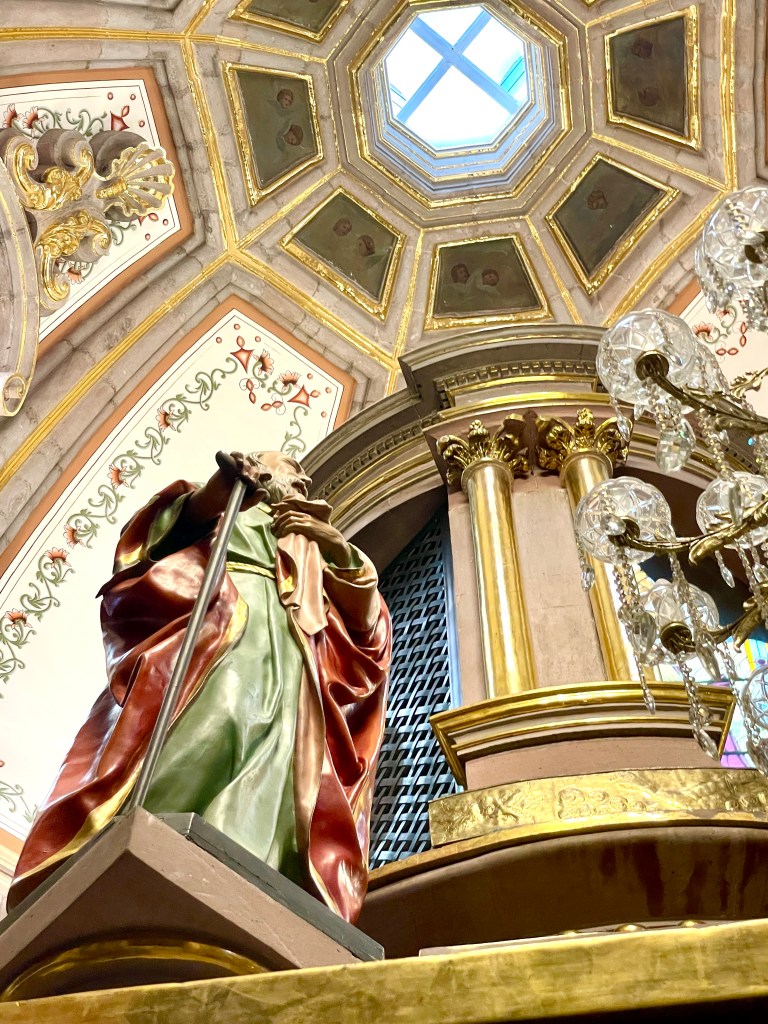
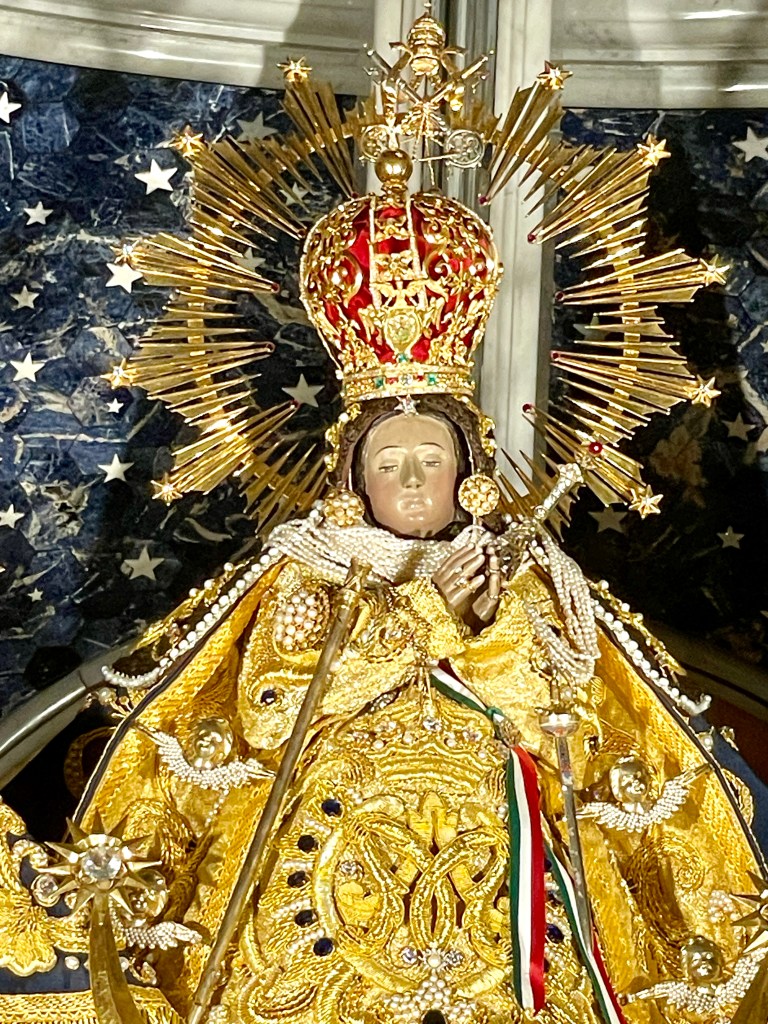
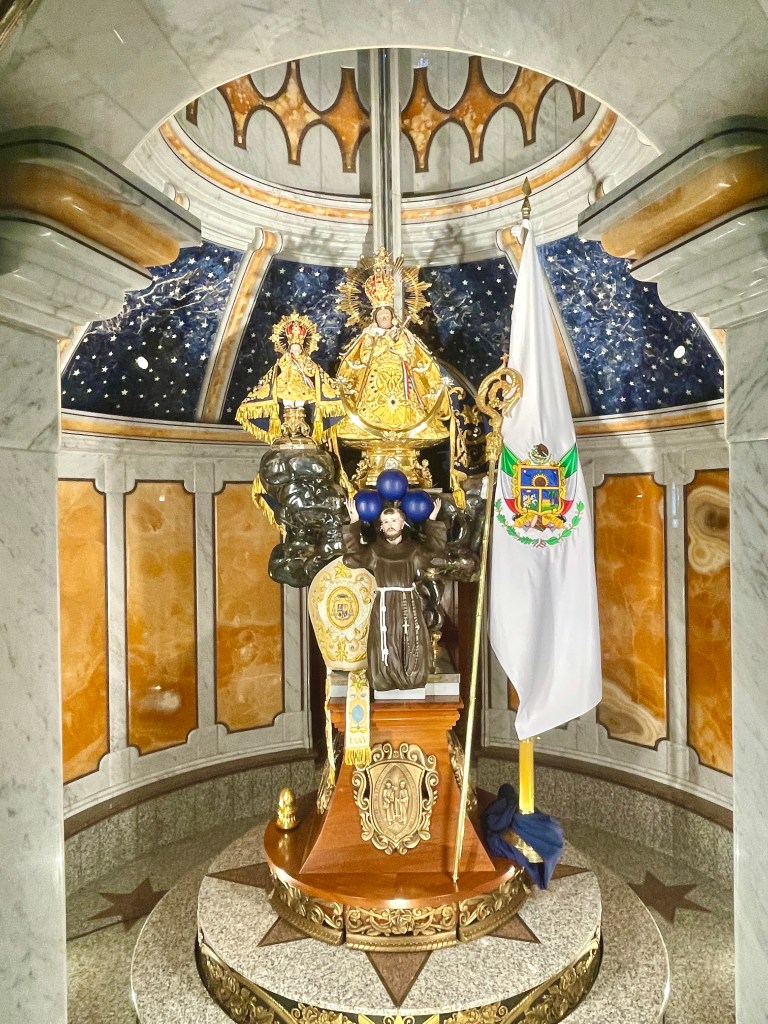
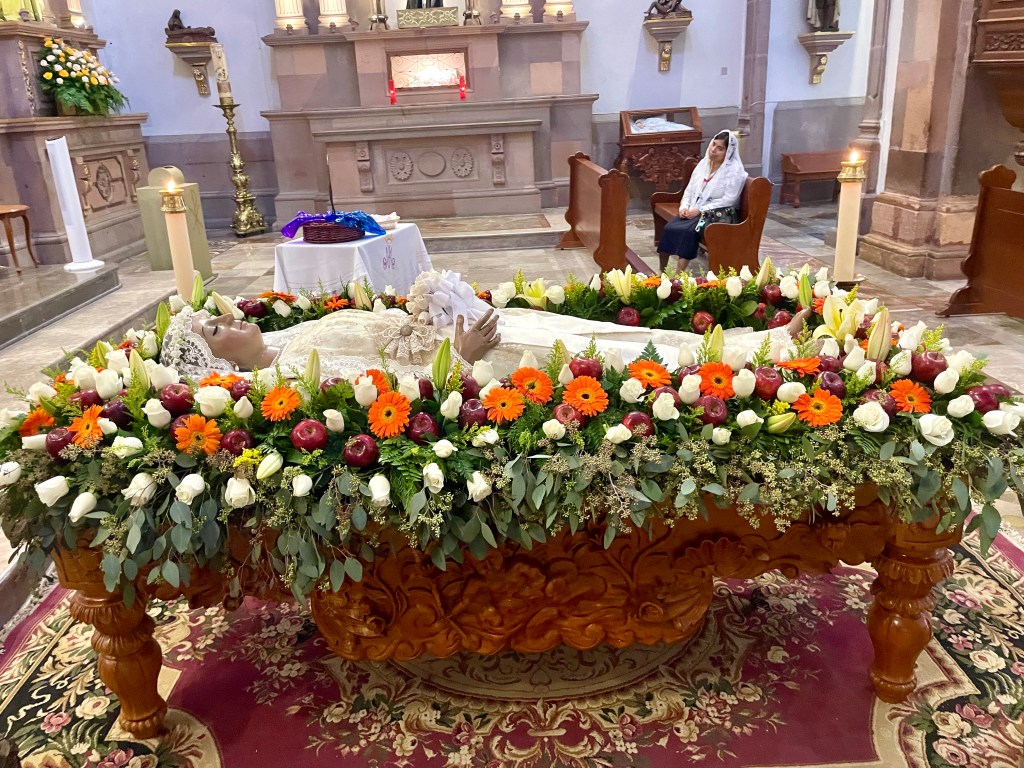
Basílica de Nuestra Señora del Pueblito had its beginnings in 1632 when Friar Nicolas Zamora placed the image of Immaculate Conception near the temple where he built the first adobe structure to house her. Approval for the present day building was granted in 1720 and construction was completed in 1750. Religious festivals for Mary are mainly celebrated in mid-February when the town comes alive. However, when we were there last week, the life-size body of the Virgin, was displayed below the altar where the faithful believed that the next day she would be lifted up to heaven.

While small this church has so much to see and admire its the people whose dedication impressed me. When we were there a painter was hanging off a ladder busy painting the nave while services for the Virgin were ongoing during this week of celebration and the church was being cleaned top to bottom.

I think one of the things that made me aware of the dichotomy of past times and the modern demands of today was this sign I spied within the inner courtyard of the church. I will admit I chuckled out loud. I hope you enjoy it and a smile graces your face too.

The Murals Are Amazing…Just Don’t Look Up!

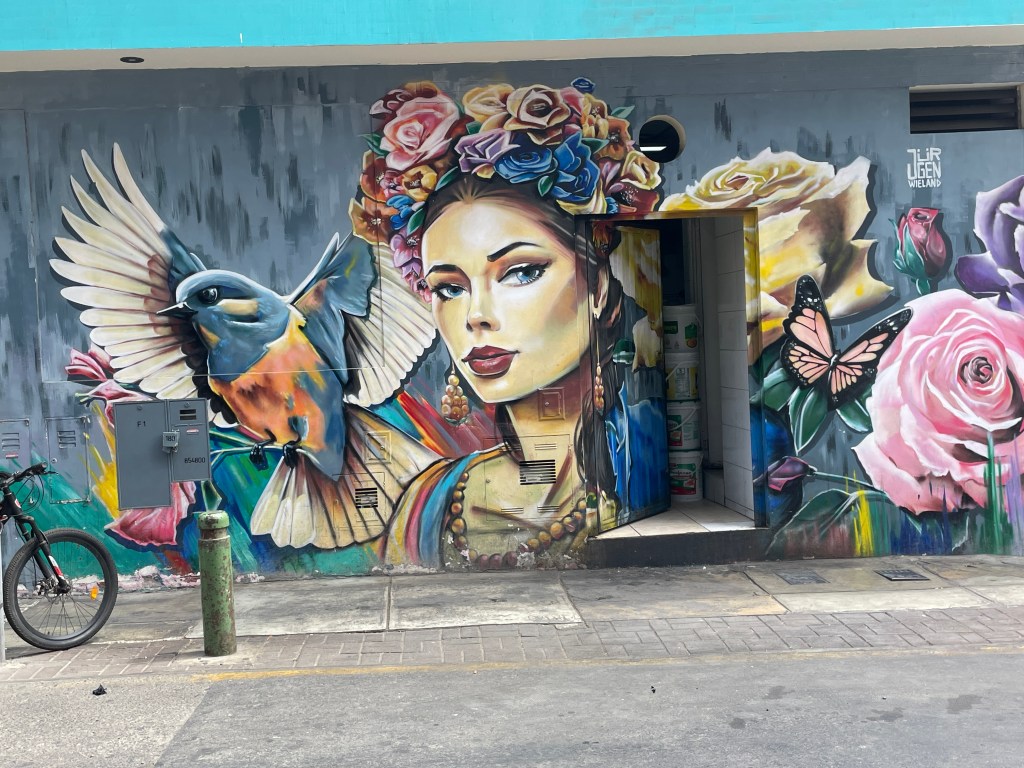
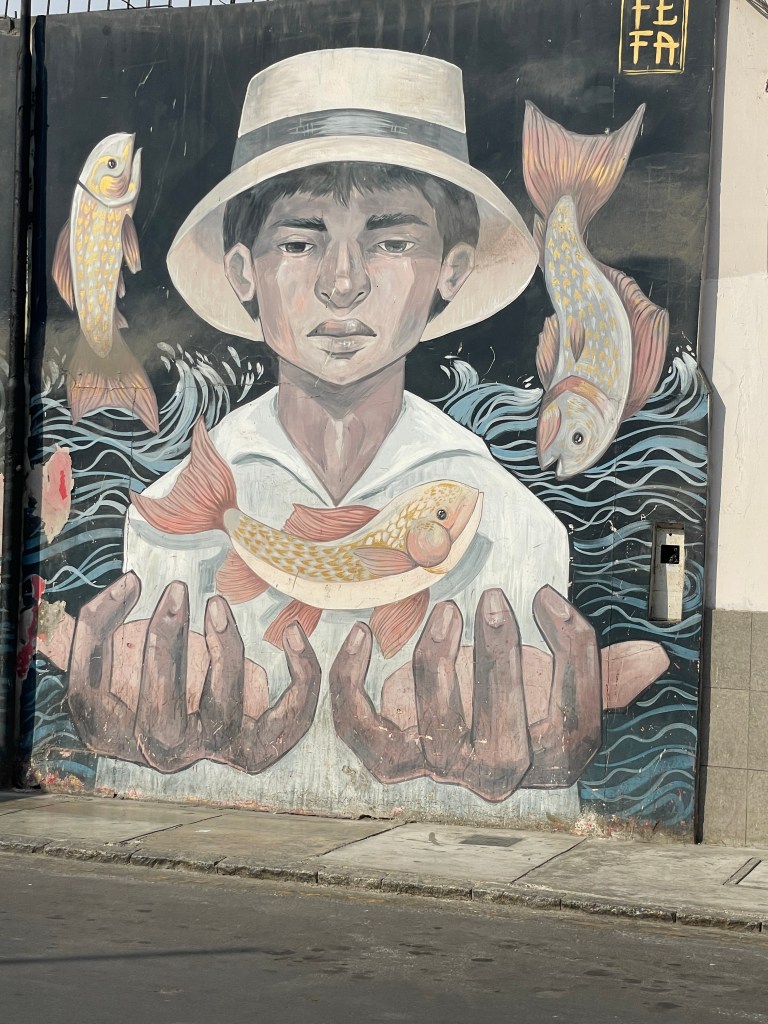
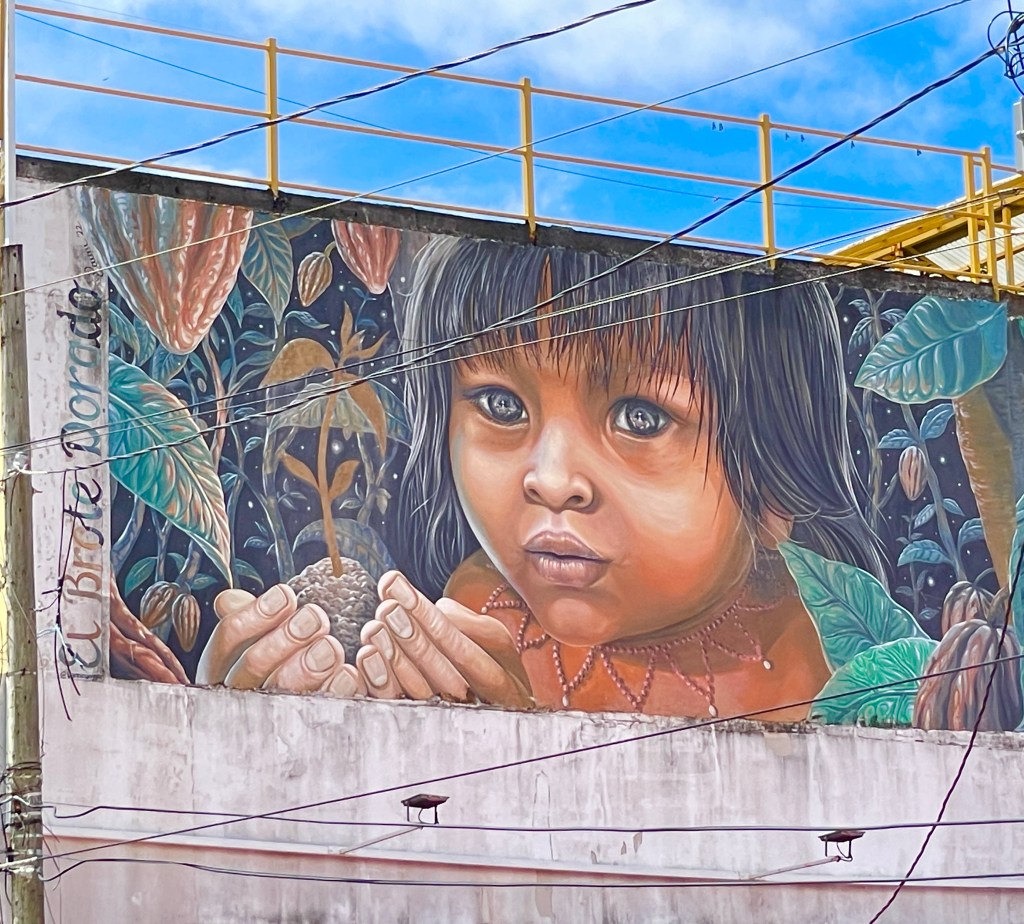
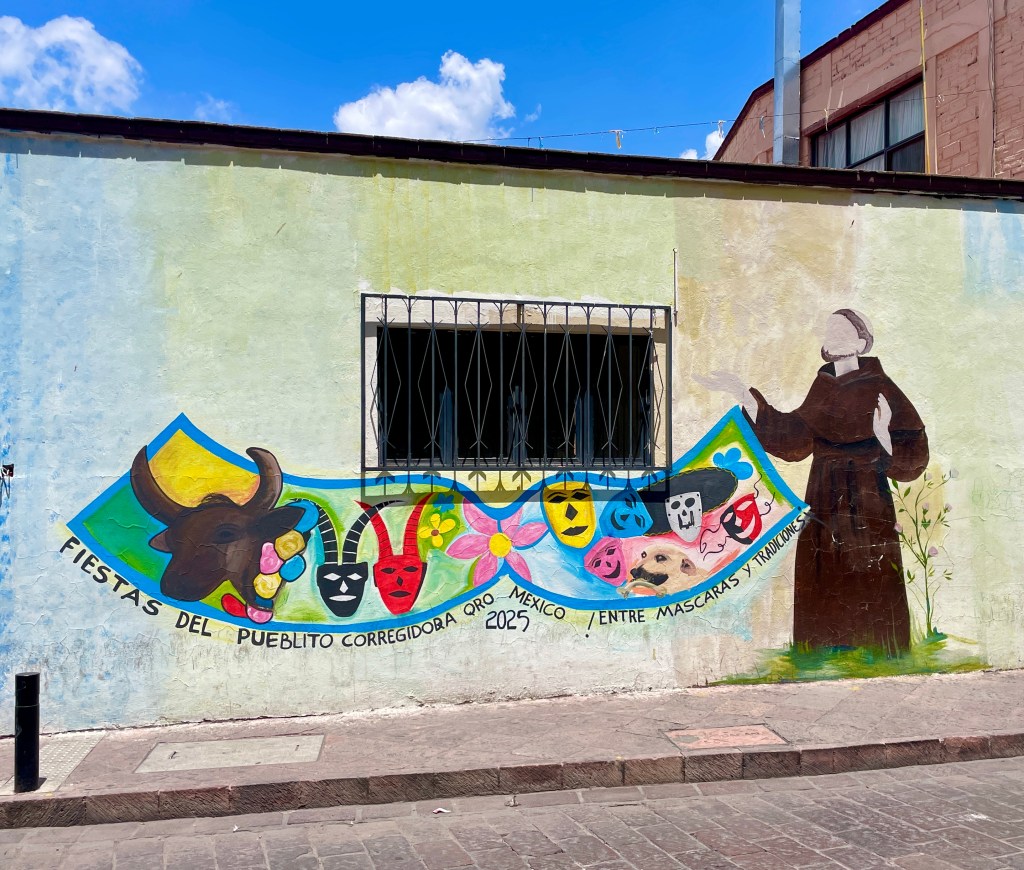
One of the things I have come to appreciate are all the colorful murals that you can find along the streets of Mexico no matter what city you are in. They serve to brighten up a spot as well as act as advertising billboards. The colors that are used are vibrant enough to catch the eye and burn into your brain to the point you can always find the mural again. What’s cool is that the subject matter can be just about anything and what’s more is the murals can be small as an orange crate or as large as a city block. Here are a few examples of the artwork that I have seen during my two months here.

Yet, as beautiful as they are there is one problem with murals which is tied into a significant defect in city planning and a lack of consistent building codes. I will gladly admit this is one of the few things I abhor about Mexico and if I can give you one piece of advice about this country it would be this… never look up …. always keep your eyes on the ground…and stand still if you are gazing at anything higher than your head. Then, hopefully, you should be safe and survive your journey intact.

So here it is the thing I abhor: you have no idea how many times I have been walking along looking up at the steeples and the murals and anything else that has caught my when…WHAMMMM…the side walk ends or the road height changes significantly and down I go! I am surprised I have not ended up in the hospital with a broken ankle. To give you an idea how significant the problem is here are just a few examples of this high/low problem as found on my street alone. And mind you, the driveways leading out of each house, is a different height than that their neighbors. Nothing is uniform… but it should be.

And look at this hole in the sidewalk on my way to the supermercado. It looks exactly like a replica of a category five hurricane that we are shown on the television that comes complete with warnings of imminent death should you not move to higher ground.

So while we in the USA bitch and moan about all the rules and just want government off our backs; I can tell you from experience that there is a good reason for some of regulations. And if, in the future, I don’t blog, I would fancy to say that I was one of those virgin maidens that fell into one of the gigantic holes… never to be heard from again…at least that is how the story goes in my scariest of nightmares.

The Haciendas-Oh My!

Historically, a hacienda is a huge estate brought to this area through the effort of Spanish Colonization. These vast tracks of land covered entire valleys and were responsible for agricultural enterprises and often the forced servitude of indigenous peoples. Today, many of buildings have been turned into upscale hotels and restaurants which are amazing to visit. I have been to a couple since I arrived and today I am going to share them with you.

Hacienda Laborcilla

Nested in the heart of the city of Queretaro; Laborcilla literally took my breath away. Built in the 18th century the hacienda once served as a main house for the family, a school, and even an event hall over the years. Now open to the public as a grand restaurant, the food and the atmosphere are simply magnificent. The gardens are drop dead gorgeous and the menu is divine.

I have to tell you that coffee here in Mexico is truly remarkable and when you order juice is it always fresh squeezed. It is an amazing way to start your day… combined with the basket of fresh pastries that was brought our table almost immediately upon being seated.

For breakfast I had enchiladas suiza which were filled with chicken breast and cheese topped with bacon. It was an amazing desayuno.

But while the food was excellent I will have to say that it is the atmosphere that people come here for. It is a place you will never forget and stunning doesn’t begin to describe it. There are orchids everywhere and butterflies float around your table as your eat. Here is the first impression upon entering.

There were many themed dining rooms throughout Laborcilla and all were amazing to step into with gorgeous Asian, Egyptian and Greek Antiques, as well as reproductions, in every nook and cranny. Just so much to feast on with the eyes and not enough time.

Here is a short video of the Club Room

What I learned from this experience is always say !!!!YES!!!! when someone invites you to breakfast in Mexico because you never know what wonderful things await you.

THE HOTEL MISION GRAND JURIQUILLA

The first former hacienda I visited is now a grand hotel called the Hotel Mision Grand Juriquilla. It’s another 18th century hacienda which has been beautifully restored and now houses a hotel and restaurant. With a historic church on the grounds and landscaping that makes you want to hire their head gardener, Hotel Mision is a place that you can easily call home when traveling. Take a look for yourself.

I have been told that there are so many beautiful historical haciendas throughout the country that I am thinking that I might just make it a goal of mine to visit each and every one. With so much charm and the fact that these amazing buildings just ooze history; visiting a hacienda today is like a trip back in time combined with the elegance of today, which, makes visiting these historic sites land at the top of my bucket list while in Mexico.

San Miguel Allende Mexico- The Photos

One of the things I love about Sam Miguel is the cobblestone streets and the brightly painted homes.They put a smile on your face and make your day feel like it will be nothing less than spicy and sunny. It is just fun to drive and look around town and see the various neighborhoods..

One of the places we ducked into was the Cultural Center and I have plans to re-visit it so I can get a full tour of all that lays within its stone walls. But for now just some lovely photos to give you an idea of the place.

I love visiting the churches and seeing their rounded domes or tall spires no matter where I go. But here in San Miguel there is something about that type of architecture that just reaches in to connect with your very soul.

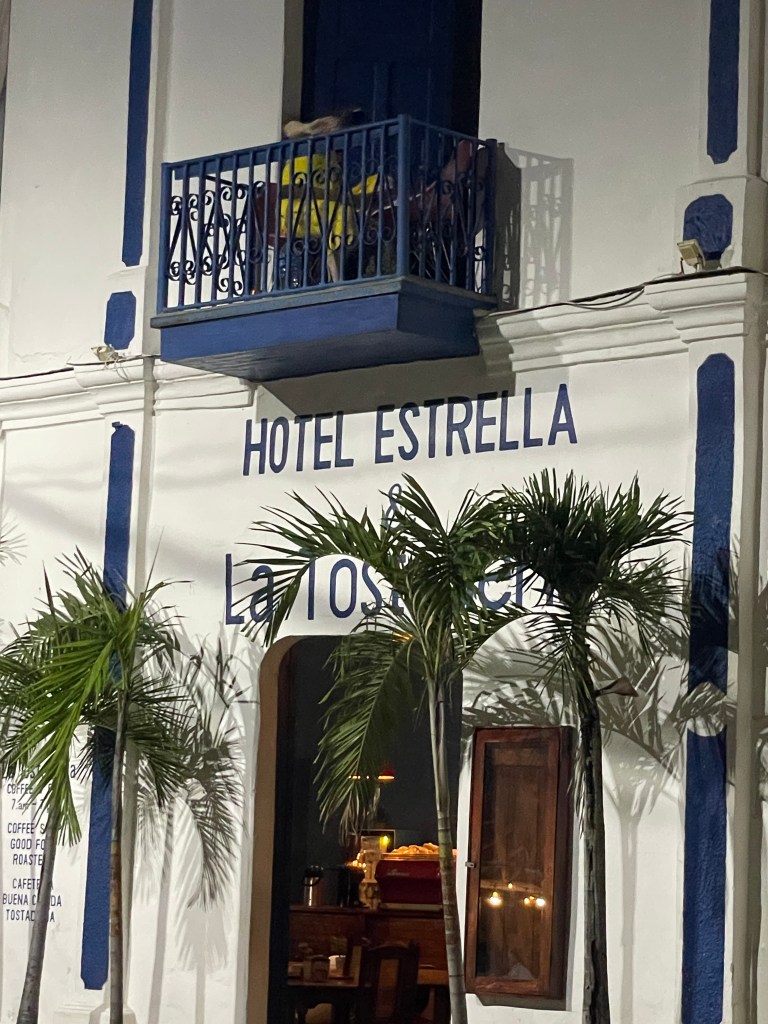
For lunch, Denise took me to this tiny hole-in-the-wall restaurant named Tostevere that served excellent food. The tostadas tasted different than any I have had before….smooth. How a tostada can be smooth with a hint of salt I have no idea…but it was. And the bananas foster dessert with homemade fresh fruit ice cream (maybe guava) topped with lime was amazing. But perhaps the most interesting thing that I had was the Smokey Mezcal which is brewed from the agave plant. The drink was concocted from several juices including cucumber, topped with fresh whipped cream, lime salted rim and then lit on fire with a pice of smokey sage. Sorry, Grandma…I had two!

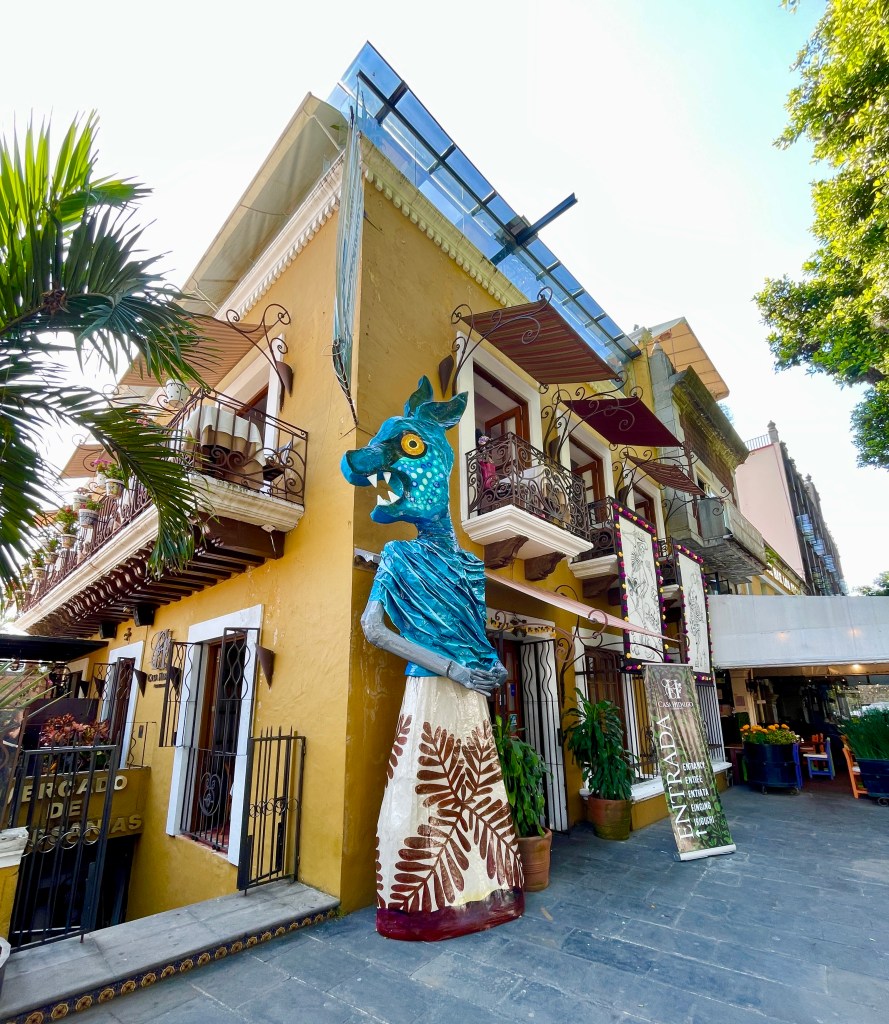
Walking through the town is an experience that you won’t forget. Undoubtedly, you will see Mojigangas, the street puppets, who stroll the town. A few pesos is all it takes to have your picture taken with them. Quaint shops, wonderful food, warm people, lovely outdoor spaces and music that makes you want to get up and dance…these are just a few things you will take away with you when you leave this amazing enclave. And speaking of leaving… I now leave you with some of my favorite pictures of the day including more art, the ring I bought from a jeweler in the park and my $15 ride home on the bus. Wish an airplane was as comfortable as that bus!

If I could afford it, this Roberto Fuentevilla painting would hang in my future living room

Here is the bus. It was a bit expensive because I chose an expensive part of the day to ride it. Television sets and fully reclining extra padded seats for $15. Wish our airplanes were like this!

Oh and one more thing,,, this is what I saw riding home on the bus. I believe it needs a caption. Any Ideas?