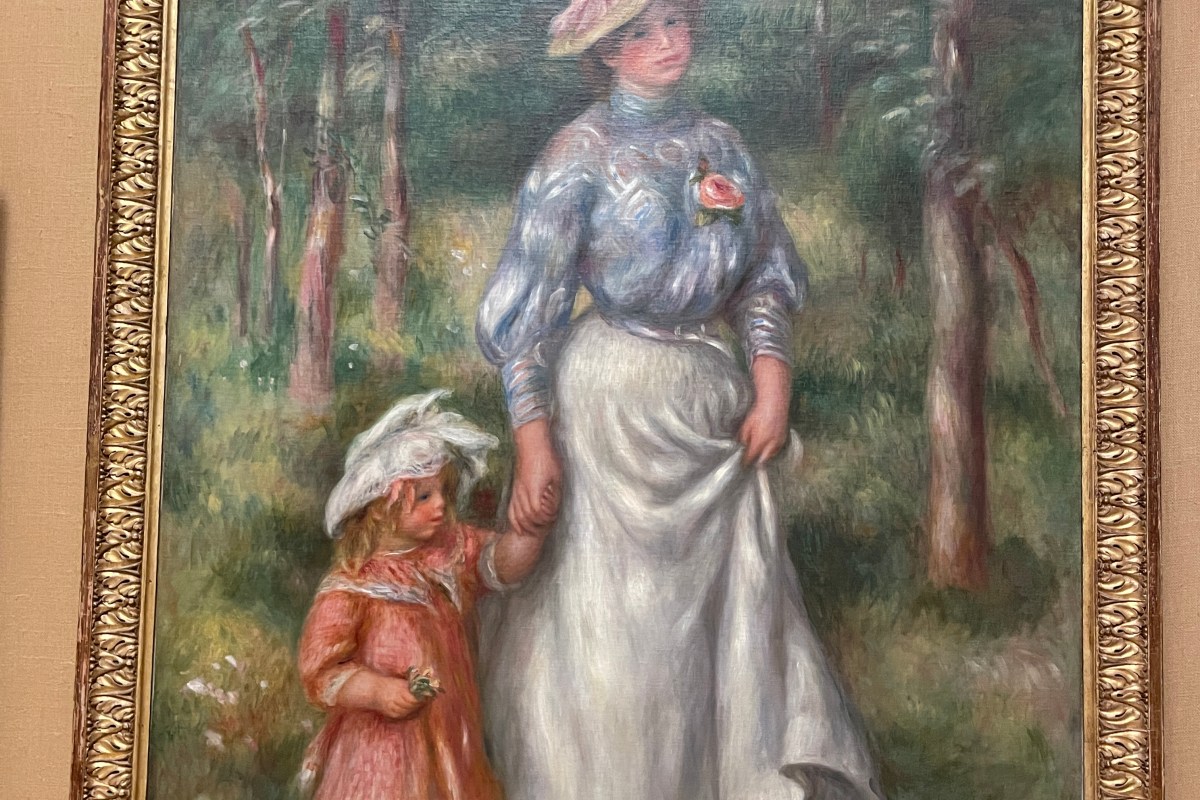
The other day, Michael, took me to one of his favorite museums. Not only is the art magnificent but the architecture and the story behind this collection will also blow your mind.
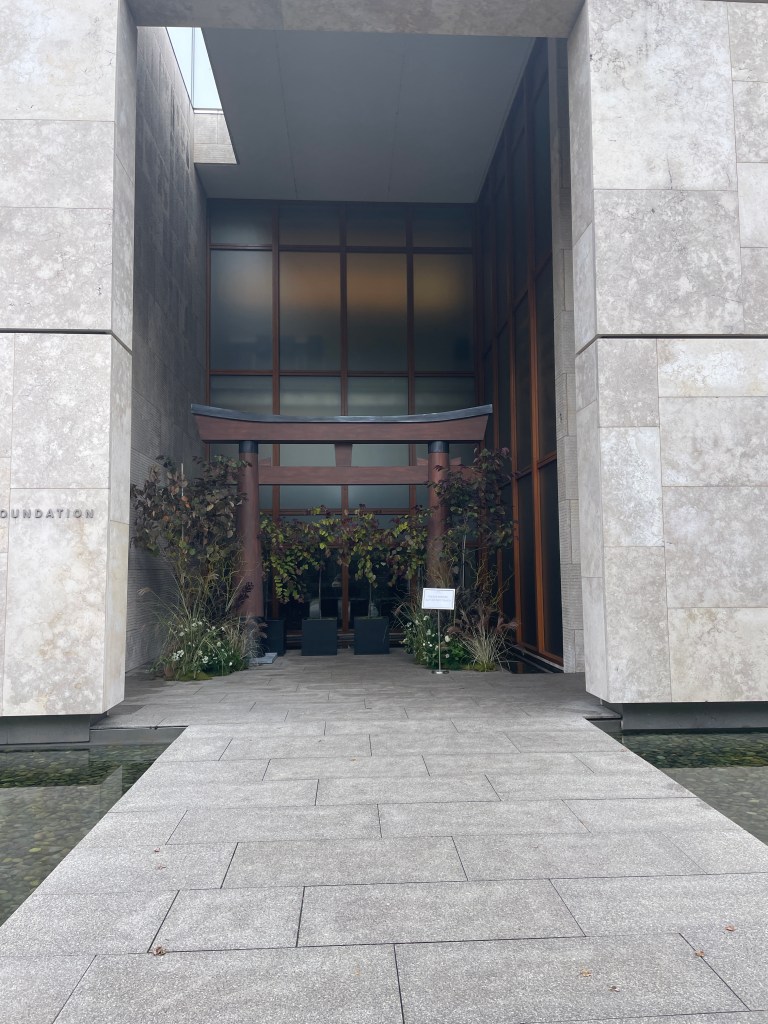
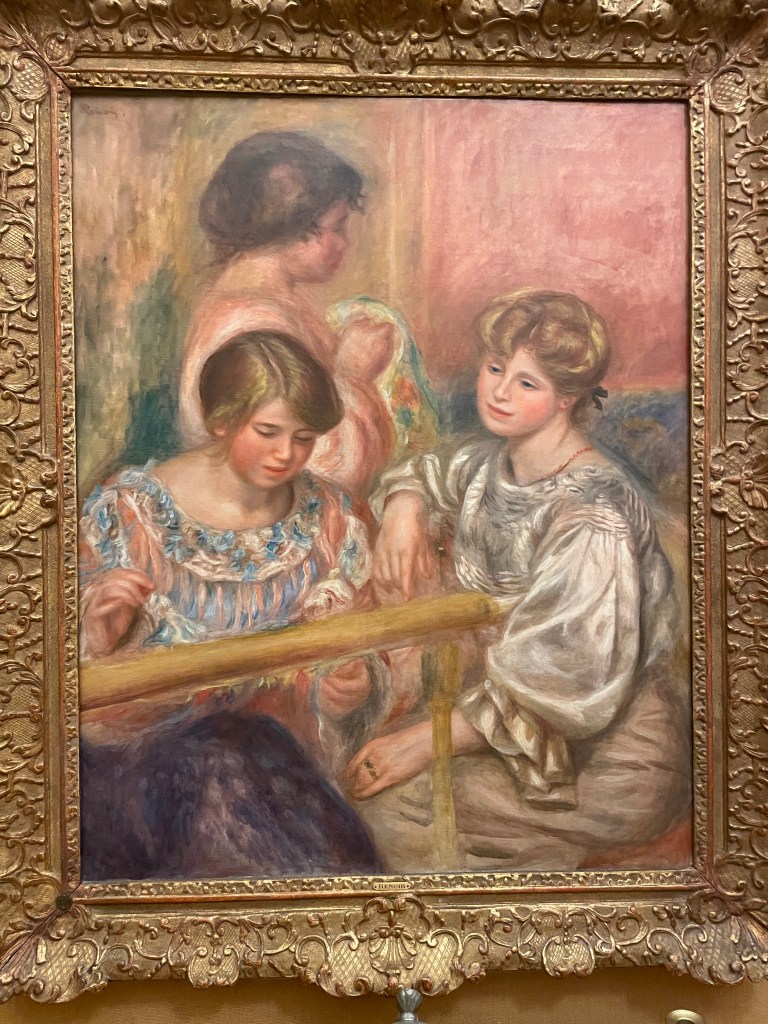
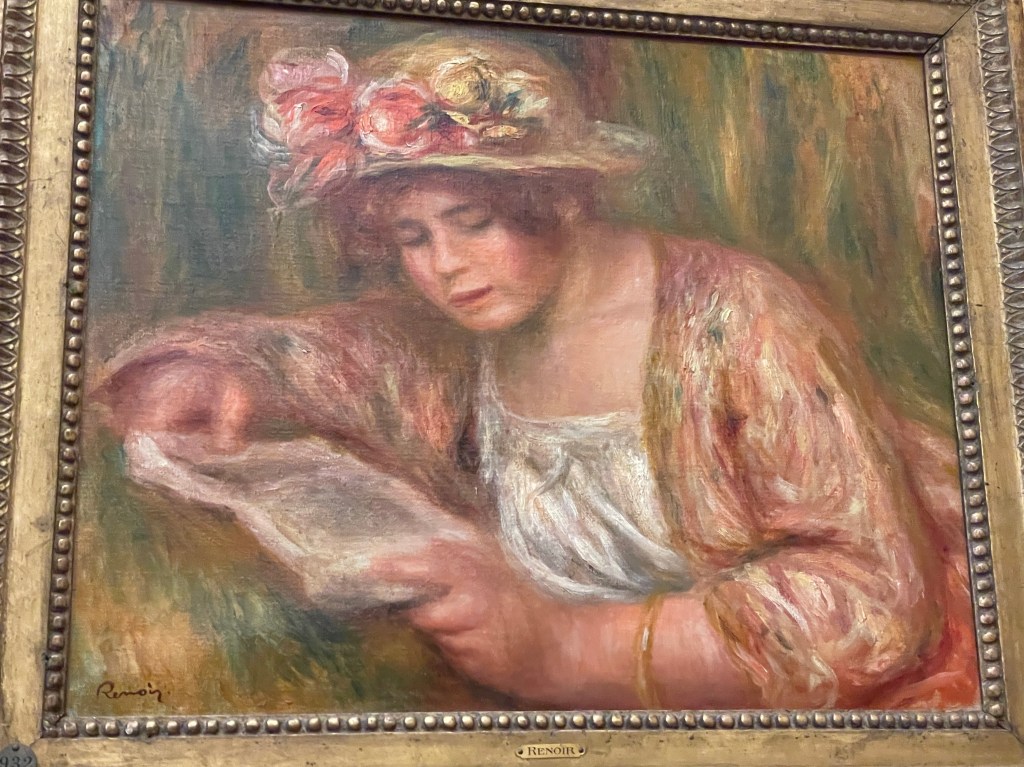
Let me make this clear. This is the collection of ONE man. A man born of working-class parents who put himself through medical school by playing baseball, tutoring fellow students and boxing. A silver spoon baby he was not. As a chemist, he was responsible for developing the medicine that was used to protect infants eyes from blindness if exposed to gonorrhea during birth. It was this discovery that started him on a business career that funded his one-of-a-kind caboodle. Today, the Barnes Foundation holds the largest collection of Renoirs on earth along with many works of the most renown artists in the world.
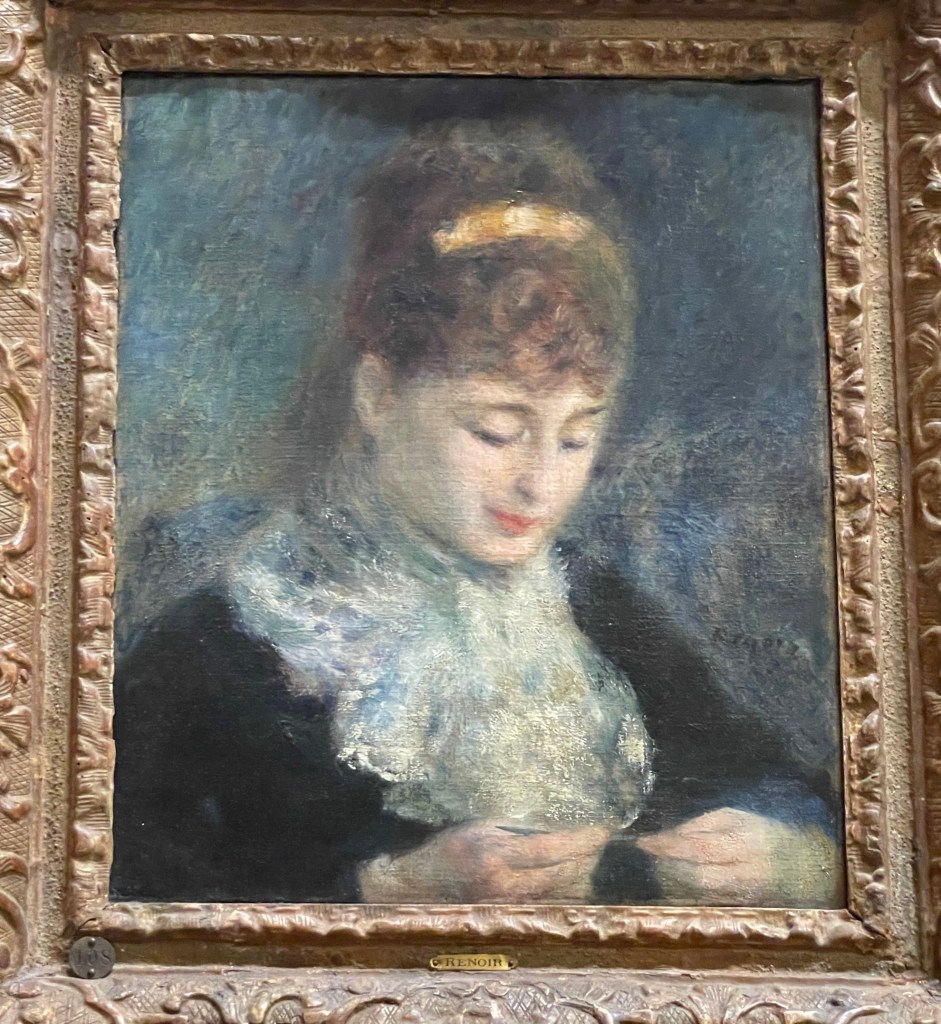
But as important as this assembly is, perhaps, it is the somewhat eccentric Barnes himself who contributed to the arts in ways which continue to influence museums, artists and collectors to this day. For as Barnes created his foundation he carved out a world uniquely his own. Disgusted with modern upper class snobbery and airs, Barnes returned to the roots of the African American Methodist camp meetings and revivals which influenced his youth. These early experiences led him to leaving the seats on his foundation to Lincoln University, a historically black college. In addition, he provided scholarships to young African American musicians and artists in order to develop and elevate African American art. While described as willful and stubborn, Barnes, throughout his lifetime promoted exposure to the arts for the economically disadvantaged and supported those who wanted to explore their artistic potential. This was a man ahead of his time in many realms. But I digress…back to the wonderful works of arts themselves.
Although famous for its Renoirs, the museum also has many Picasso’s hanging on its walls including The Harlequin, several Blue Period paintings, as well as later works of the artist.
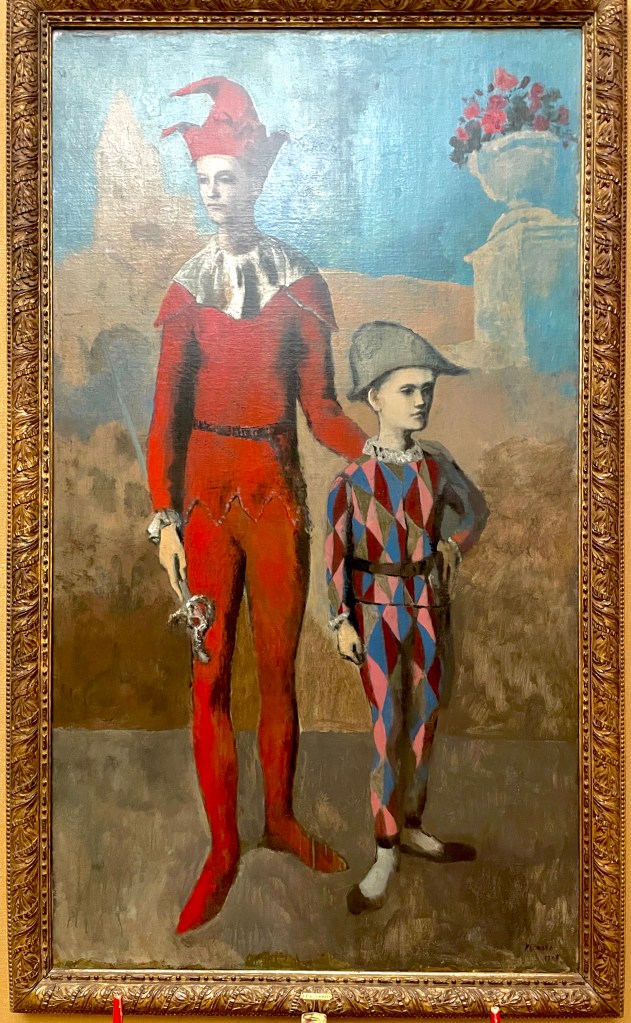
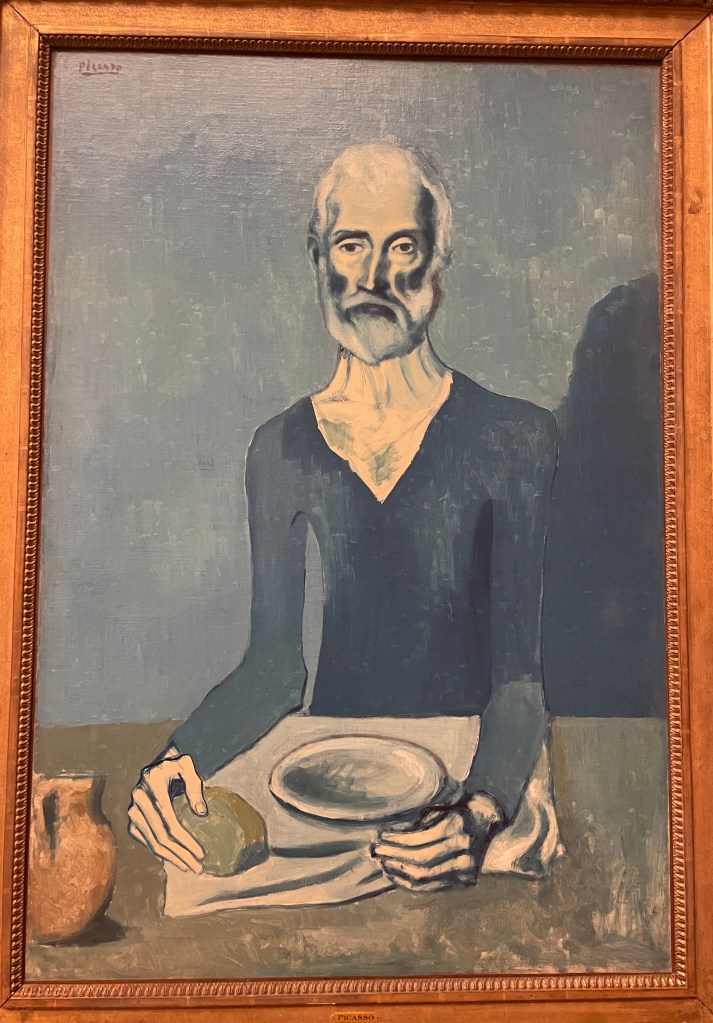
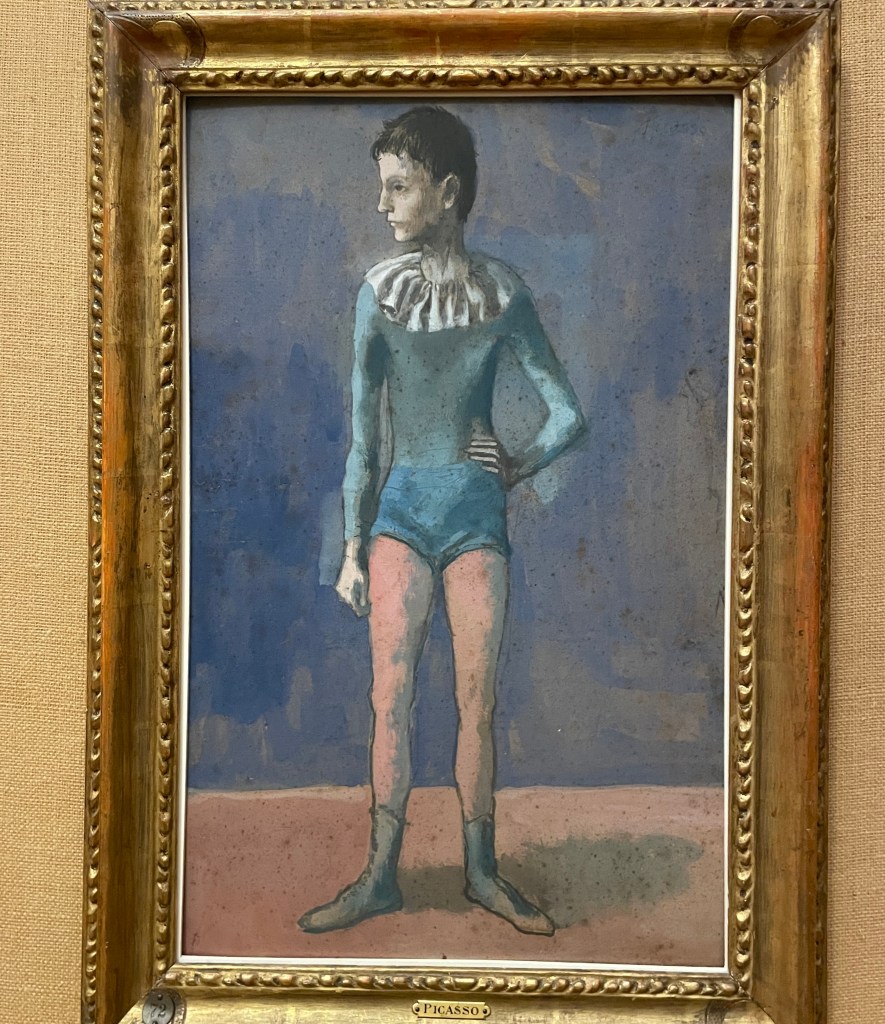
Another fascinating aspect of the building that houses this immense collection is that is required to hang the paintings as they were hung in Barnes own home. As a result, there is no particular rhyme or reason to the displays that are set up. In fact, visitors are required to view them small room by small room in which numerous household furniture items such as desks, trunks and chairs sit beside various artists works giving the whole place a less sterile feeling than typically found in an art museum.
One of my personal favorite paintings was this Monet. Hung in a far left corner of one of the rooms it almost gets lost among the numerous pieces of art on the walls which makes visiting the Barnes like playing a game of hide and seek.
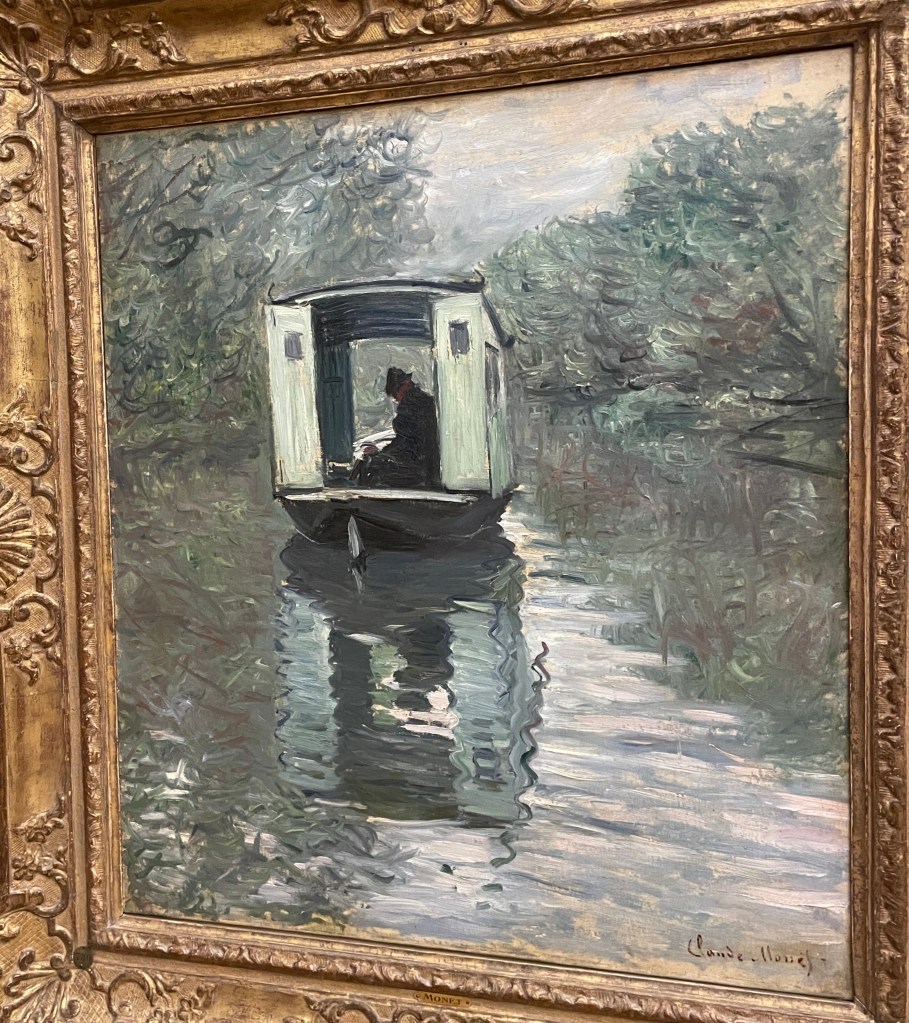
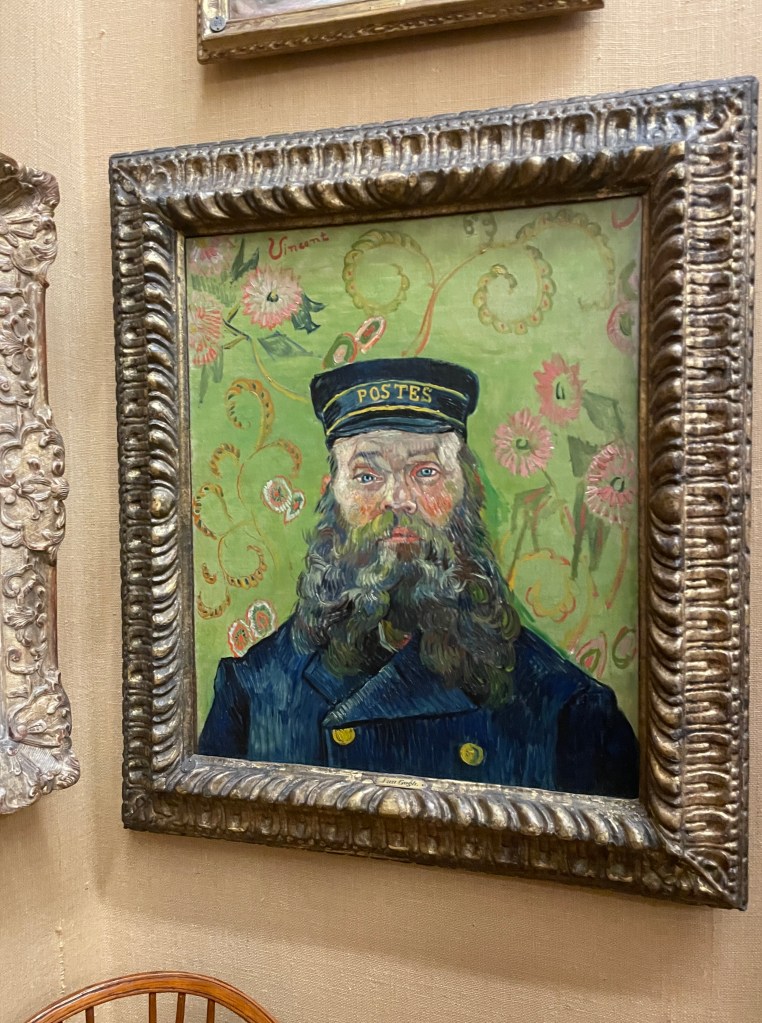
While the Renoirs are the most revered part of this collection the variety of artists that Barnes collected is staggering. Besides a huge assembly of art and jewelry born in Africa and Native American pueblos; you will find the likes of Chardin, Van Gogh, Chirico, Rousseau, Lautrec and Suzanne. Do you know who is who?
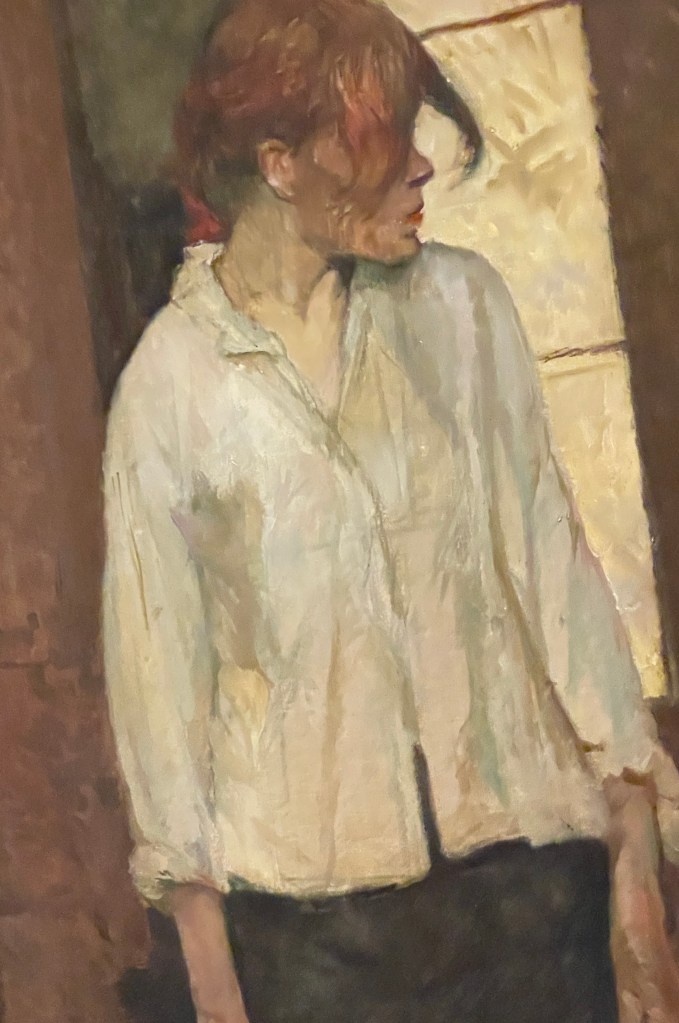
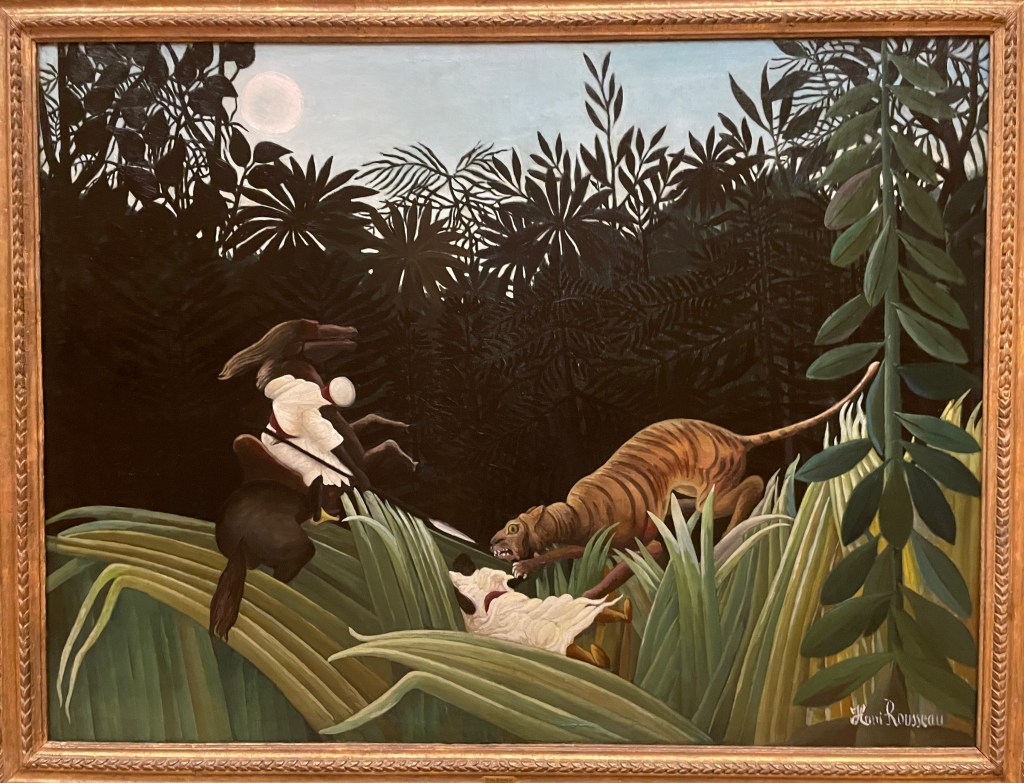
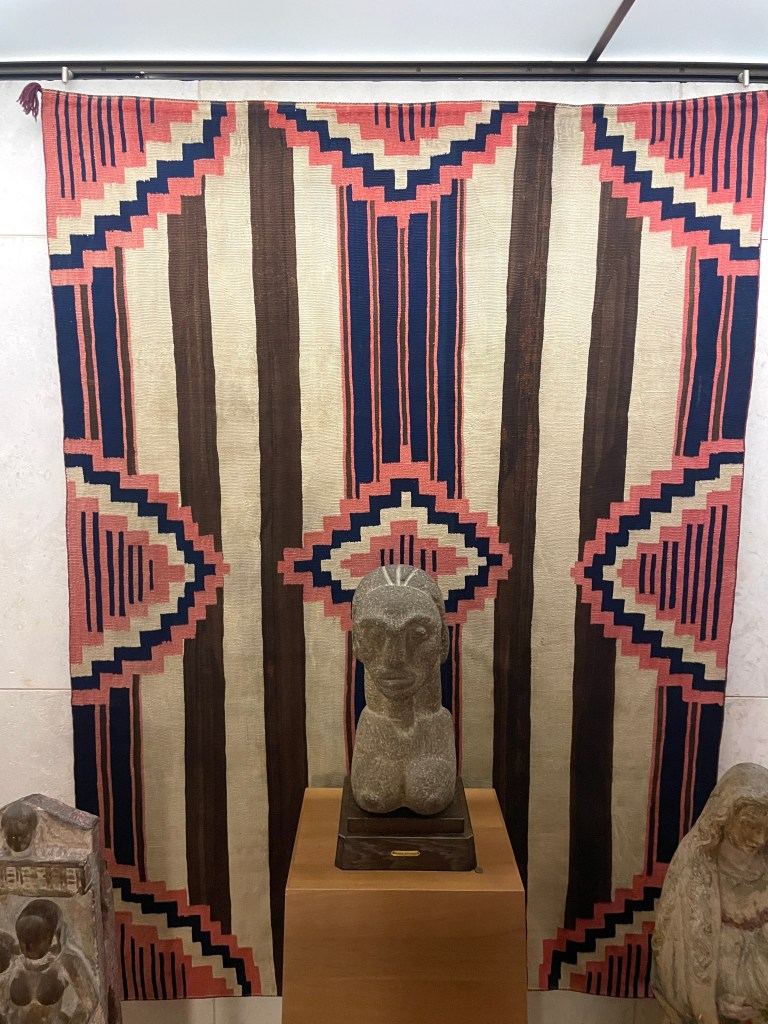
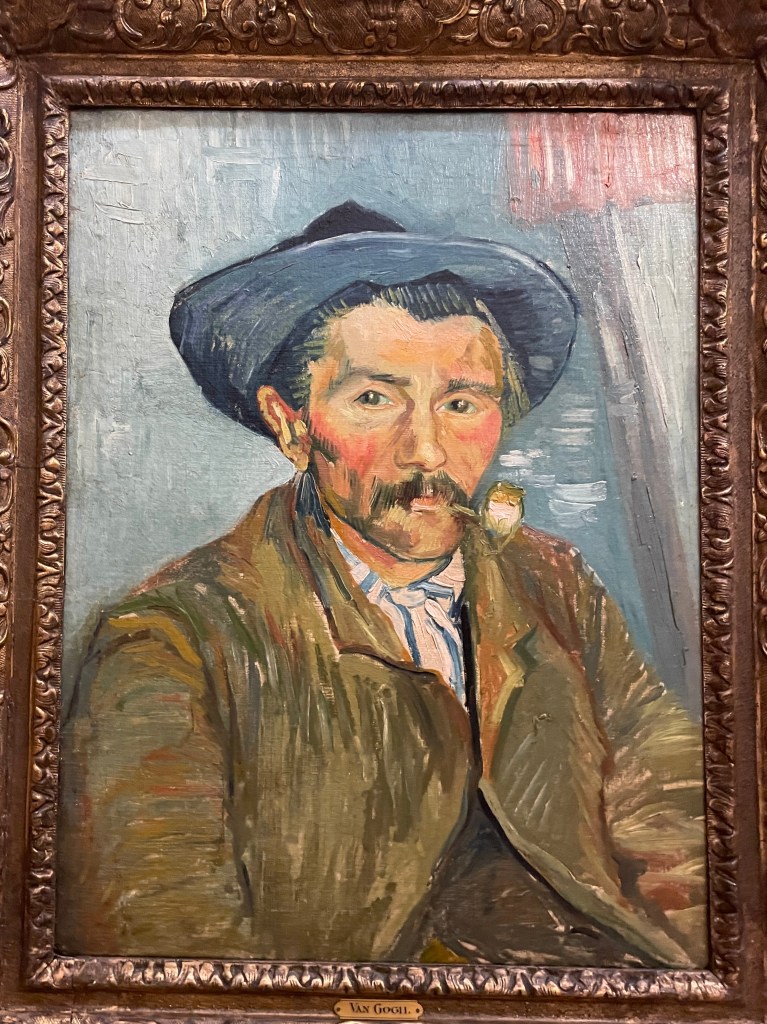
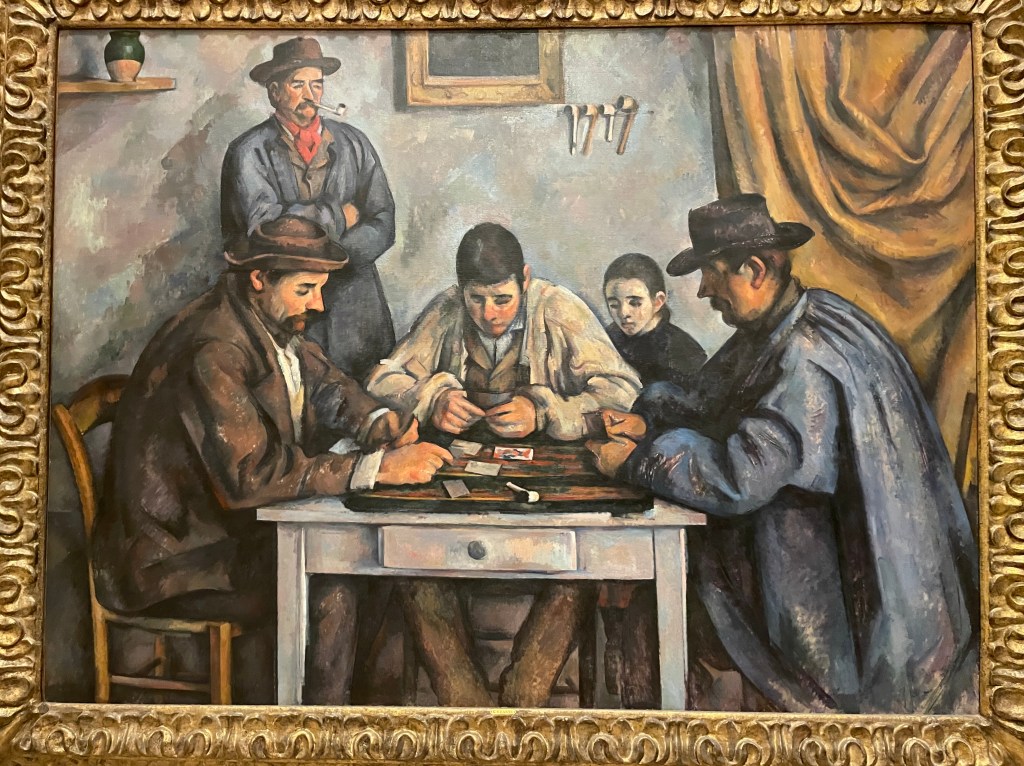
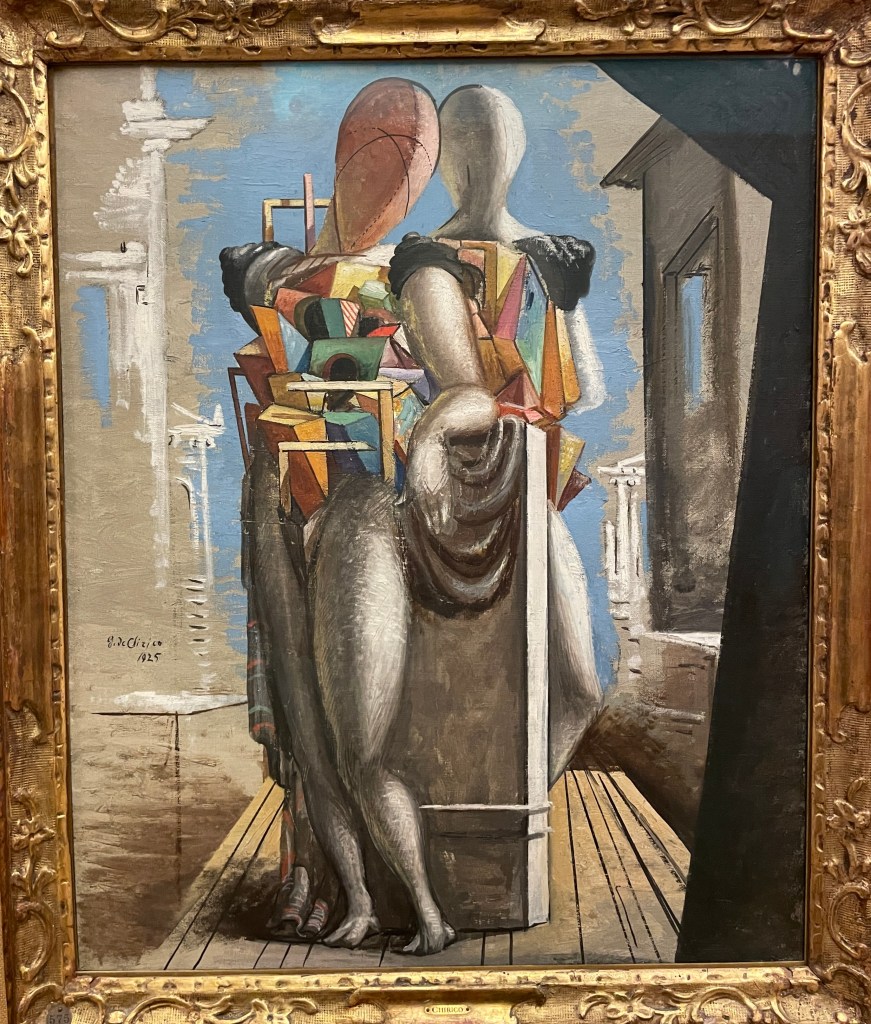
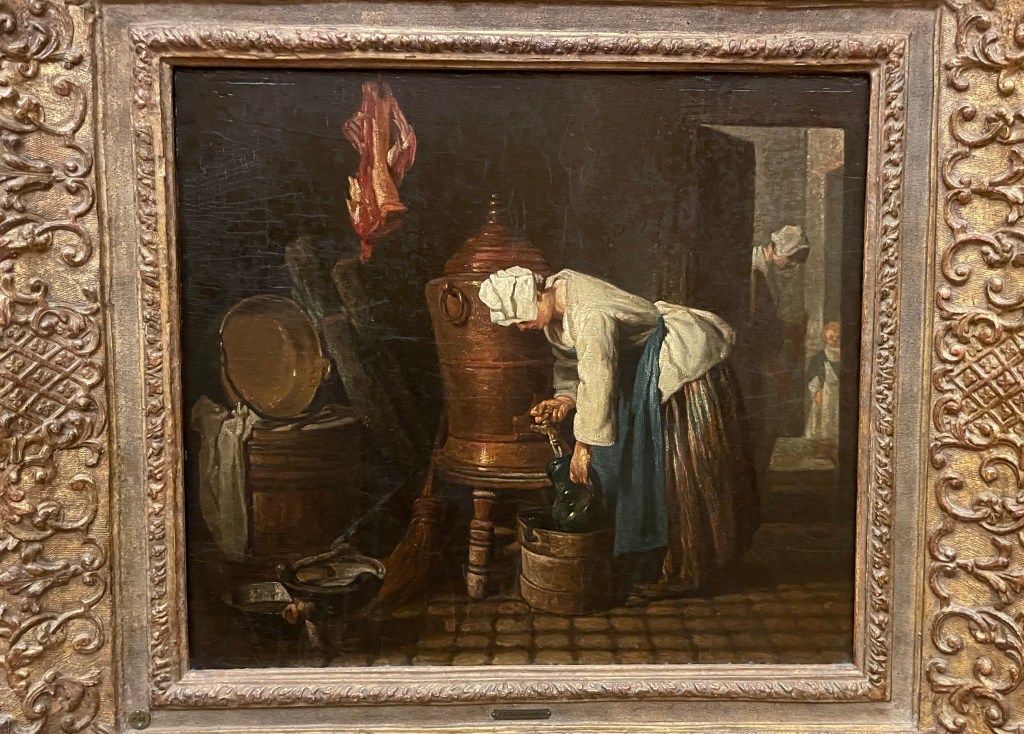
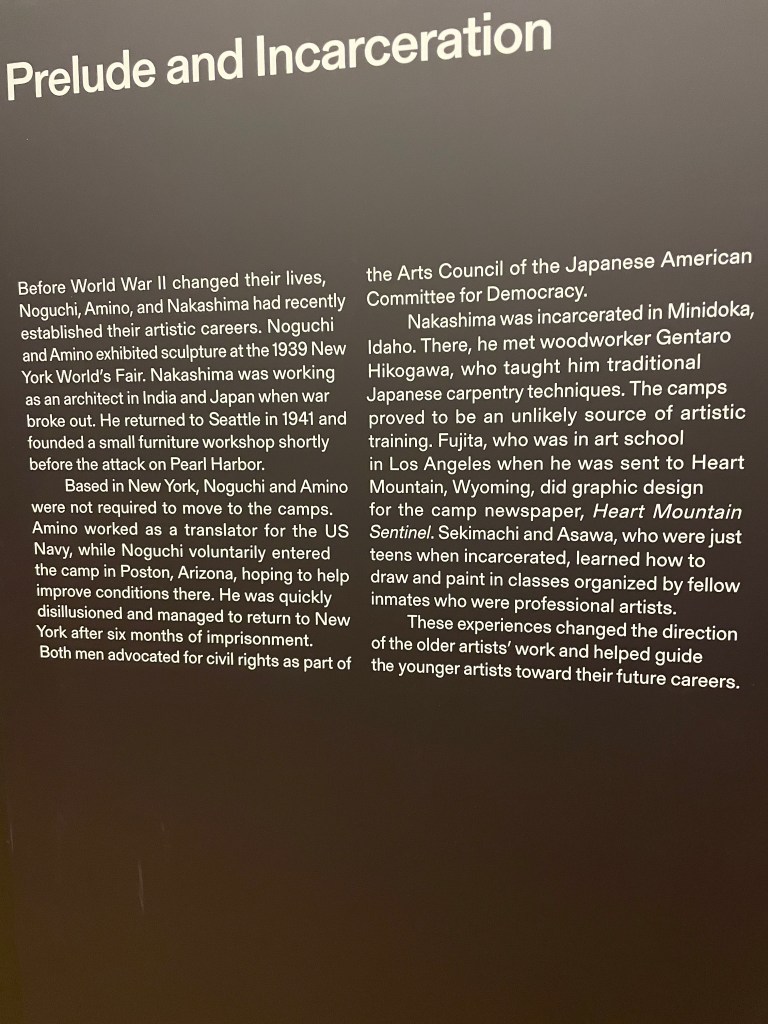
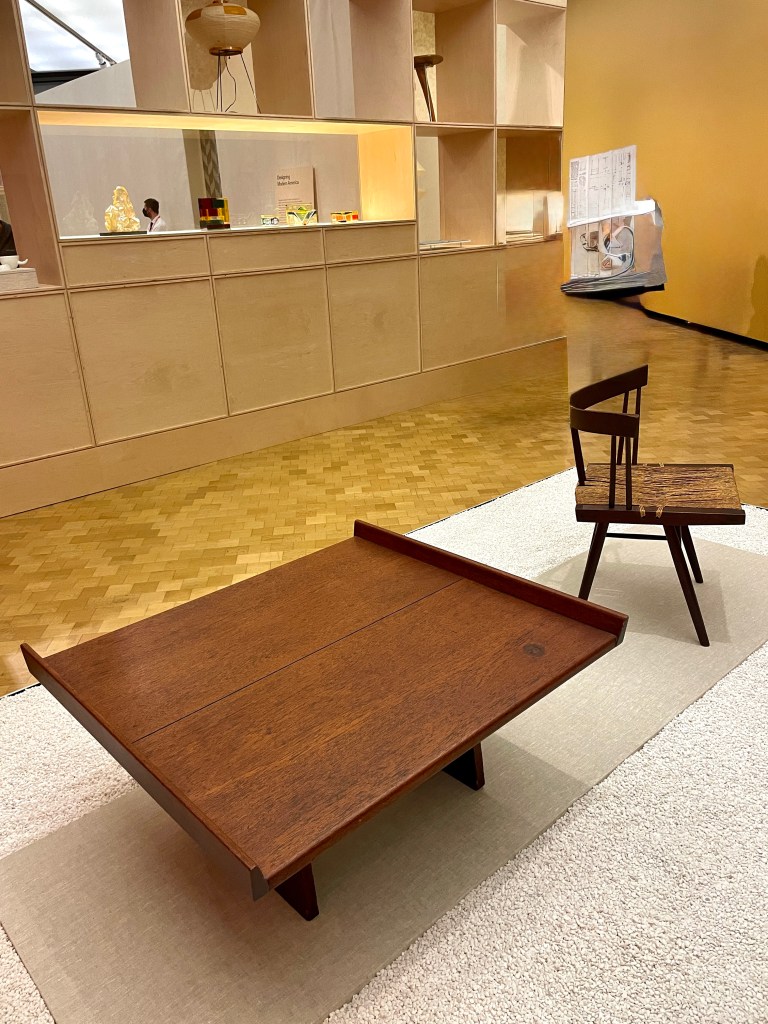
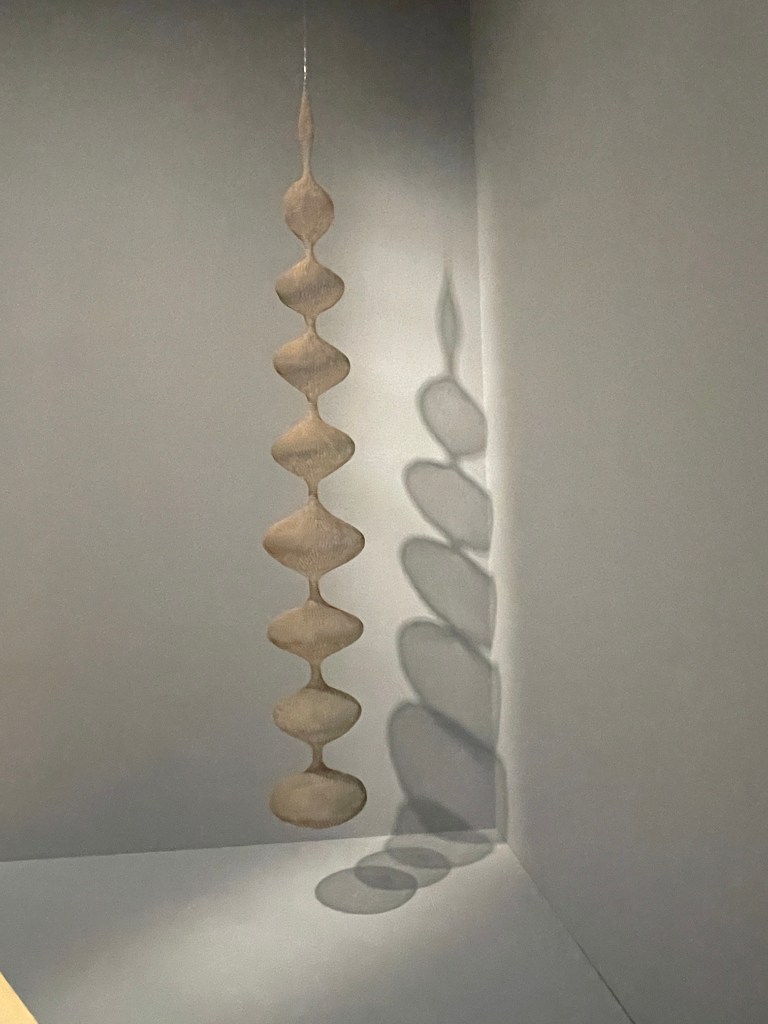
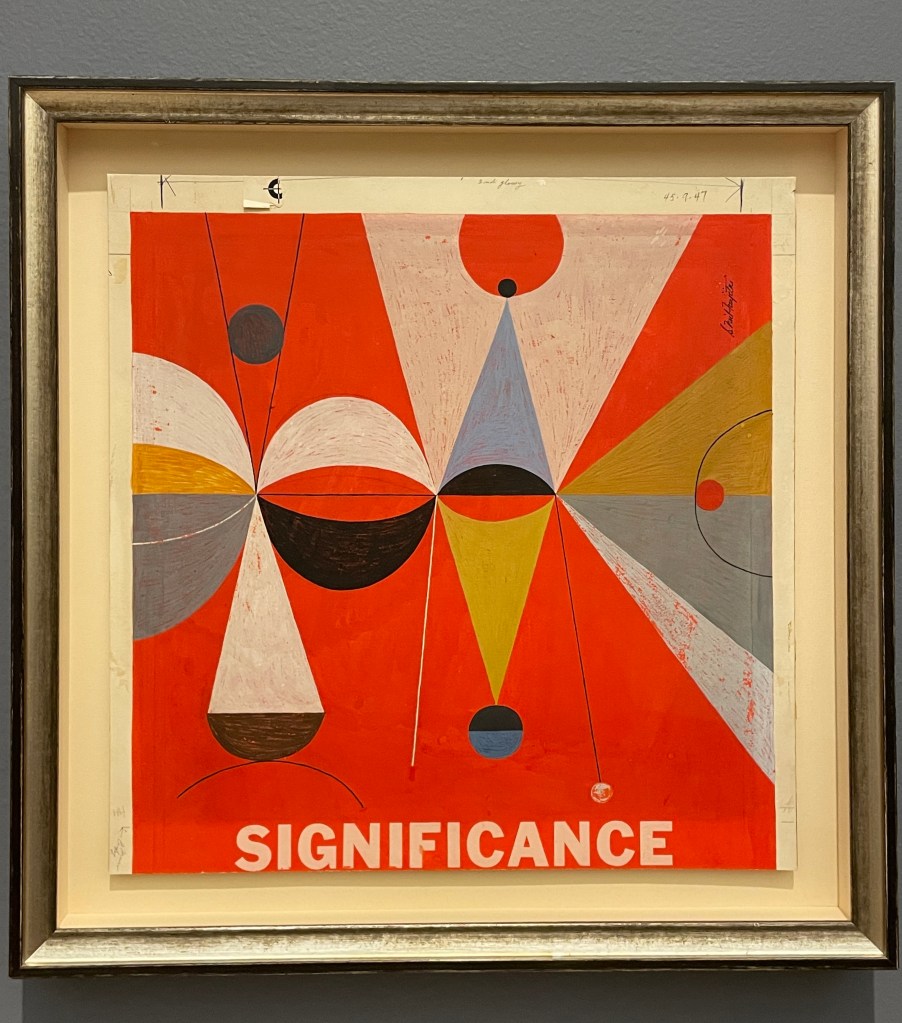
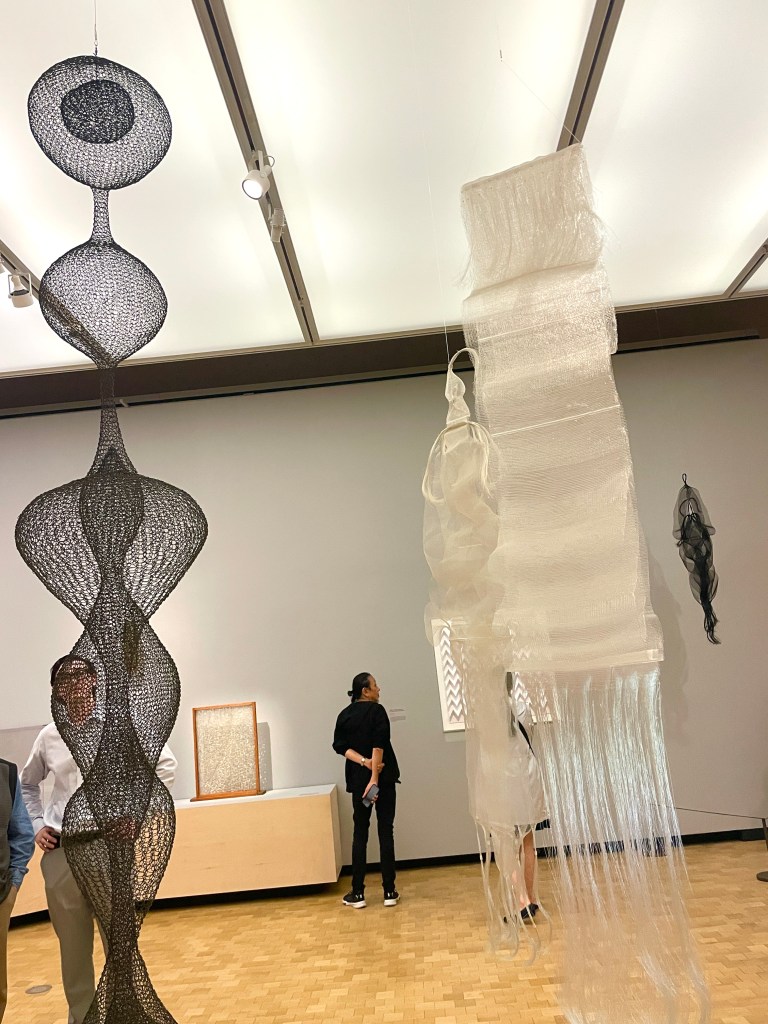
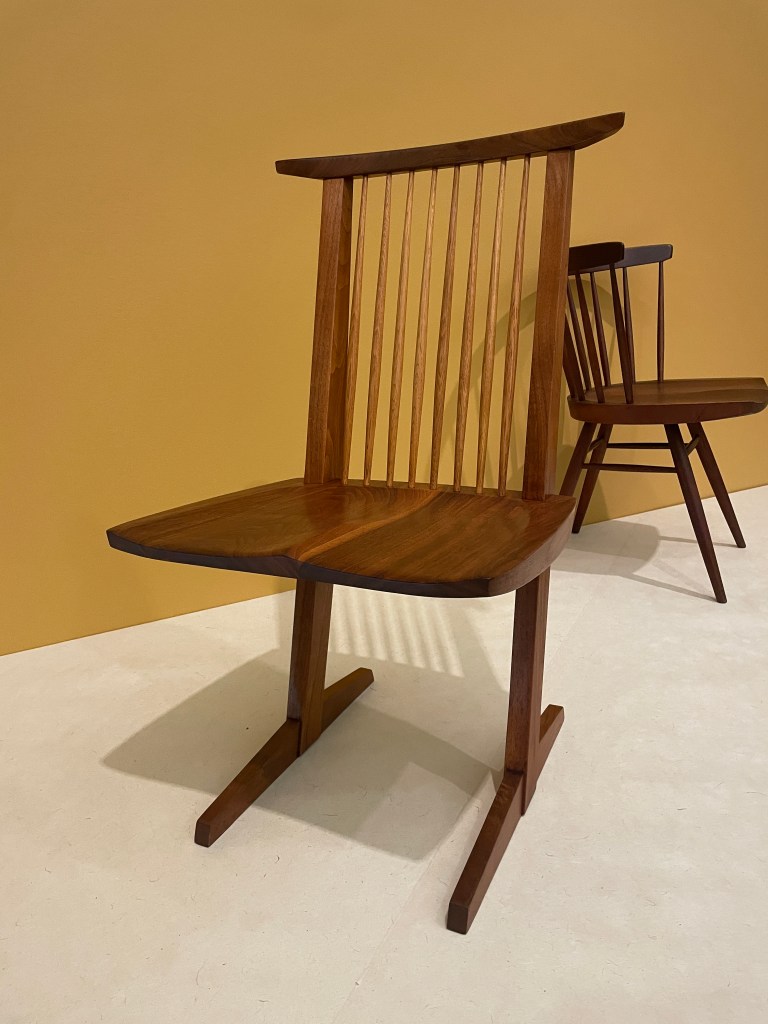
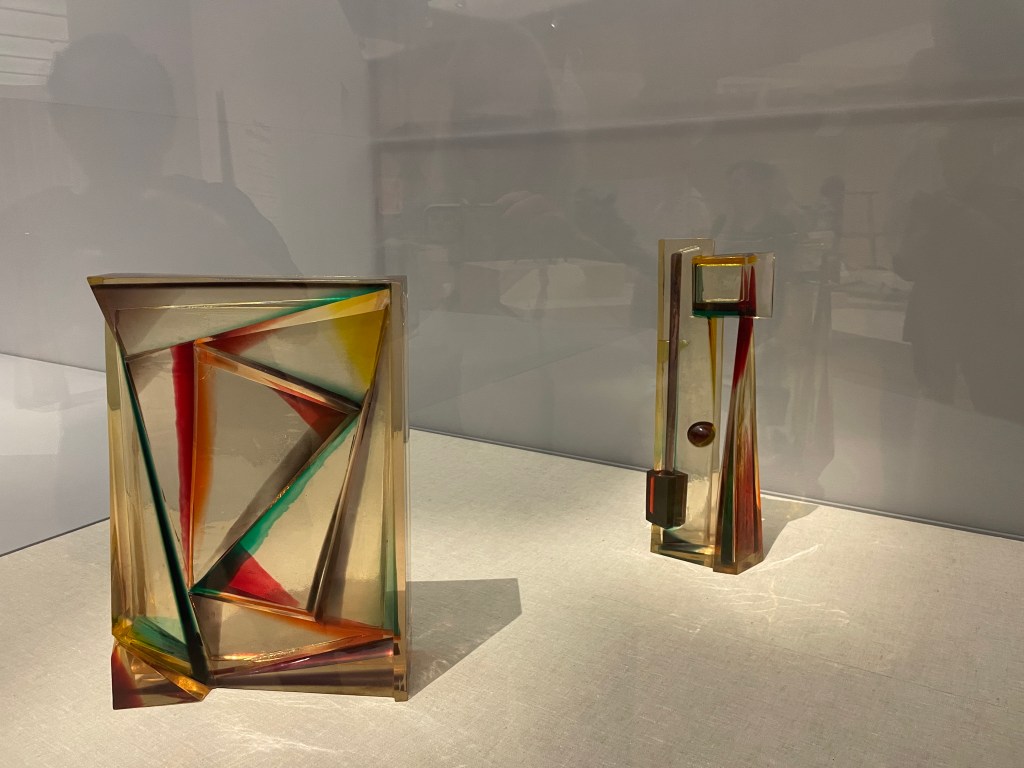
Finally, I would be remiss if I did not mention the temporary exhibit which celebrates those individuals of Asian descent affected and interned during World War II. It is a diverse collection of furniture crafted by the brilliant George Nakashima and features artists such as Awasa and Noguchi. This small offering shouldn’t be missed.
The Barnes Foundation is located at:
2025 Benjamin Franklin Parkway
Philadelphia, PA 19130
215.278.7000
Hours:
Thu–Mon: 11am – 5pm
Members: 10am – 5pm
Closed July 4, Thanksgiving, and Christmas
It is best to reserve your tickets in advance as they often sell out. Guided tours are available as an add on to normal ticket prices and on-line classes are also offered.
A visit to the Barnes Foundation will be worth your time on so many different levels and it may just start you on your way to viewing art with a different perspective than you hold now.

