Lima Peru…One Of The Most Beautiful Cities In The World

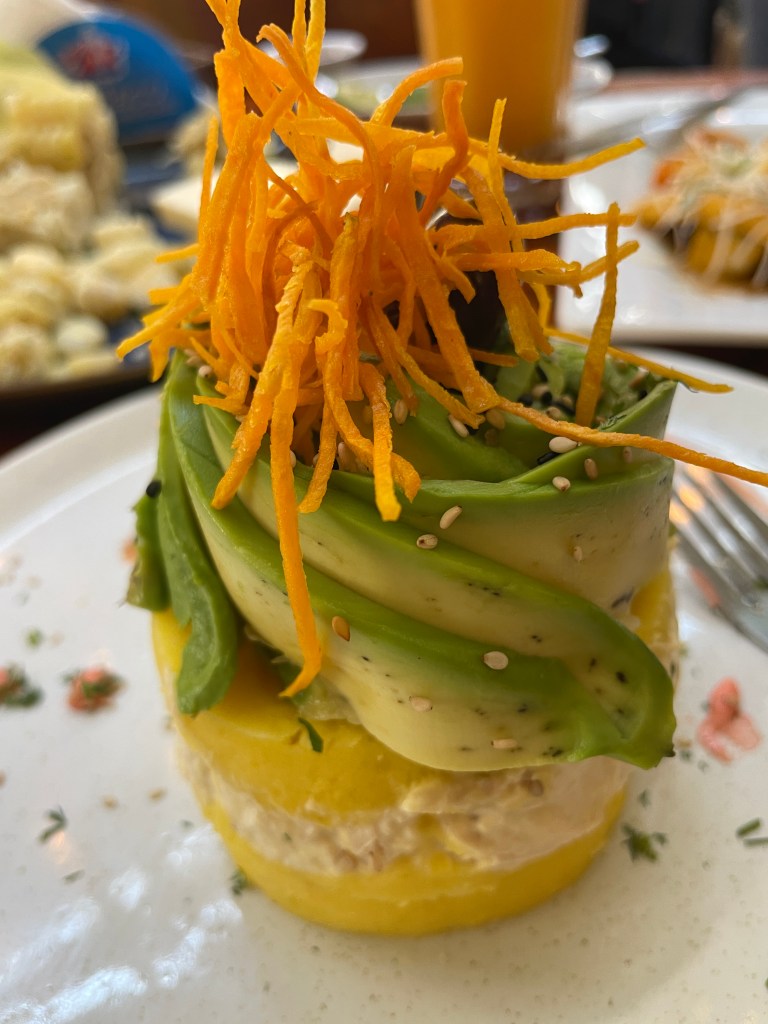
When we decided to visit Lima Pera it came quite a shock to us that it was one of the premier gastronomy delights in the world. After residing here for five days we have also discovered that it is one of the most interesting and beautiful cities in the world blessed with incredible weather and amazing views.

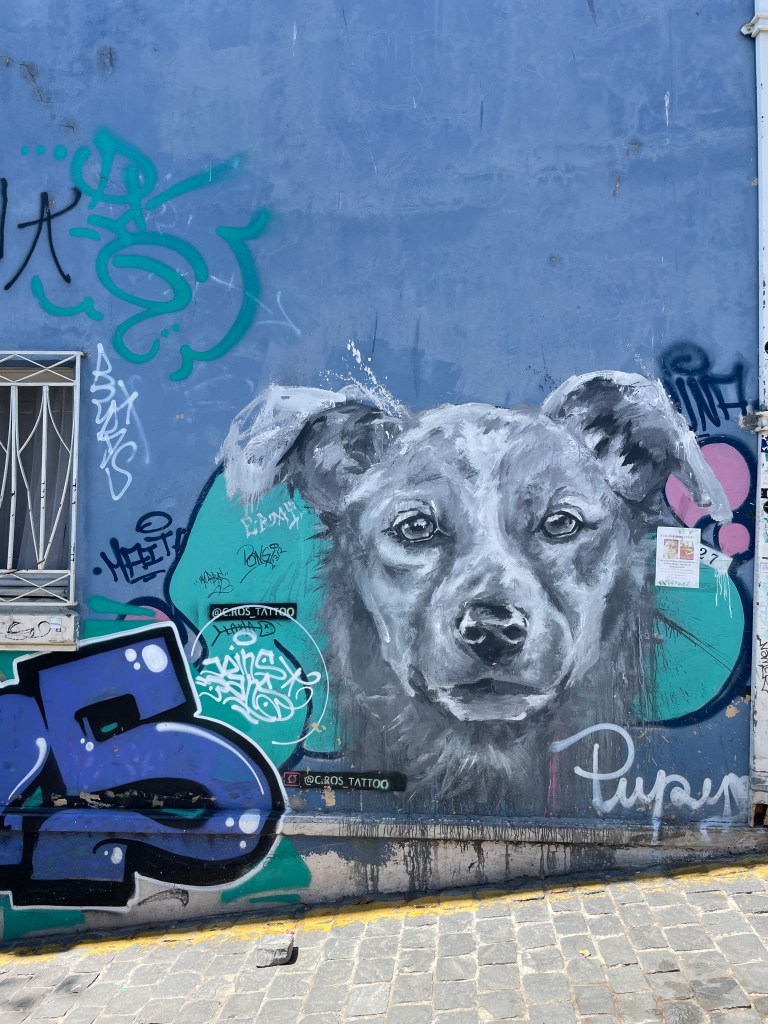
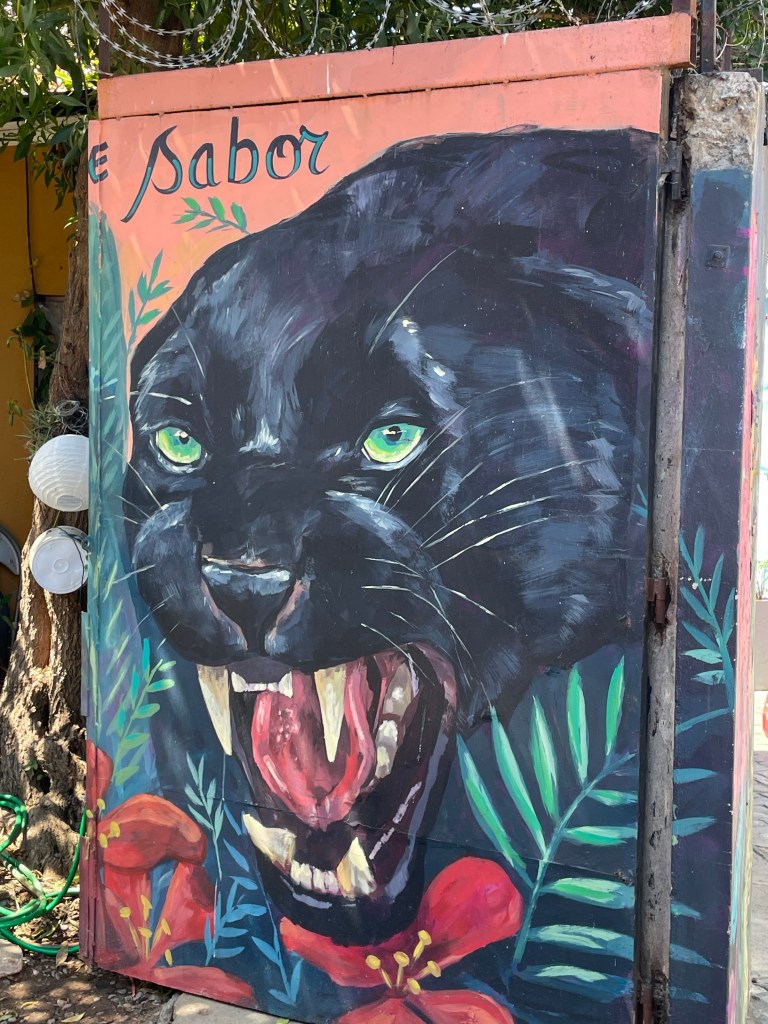
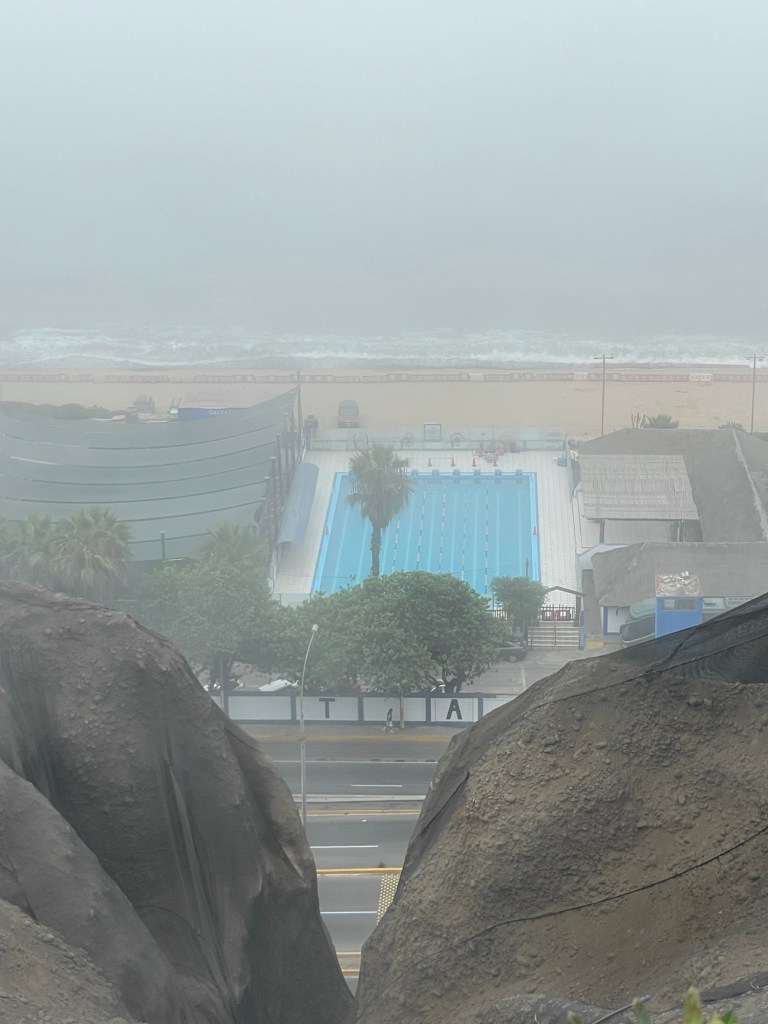
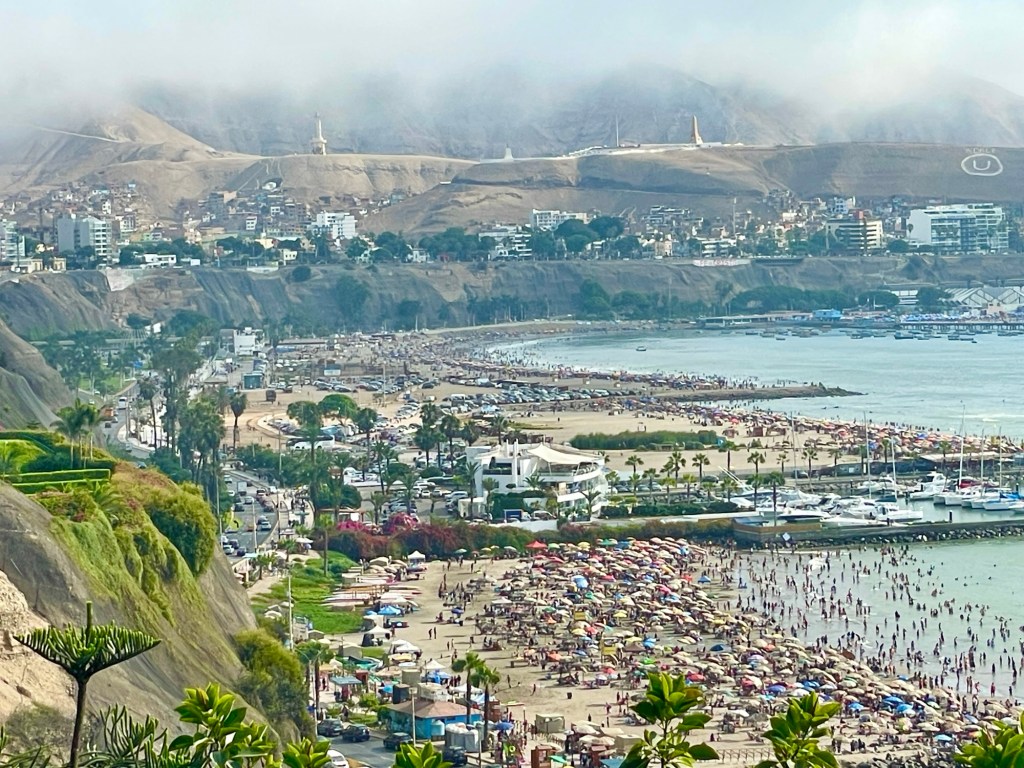
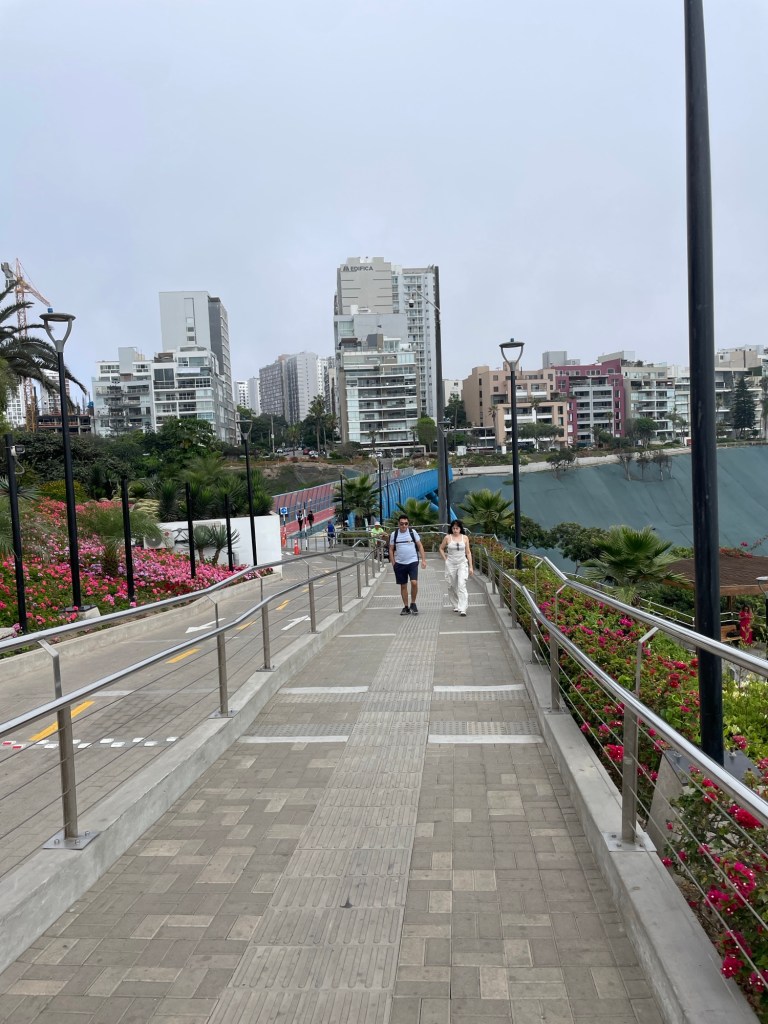
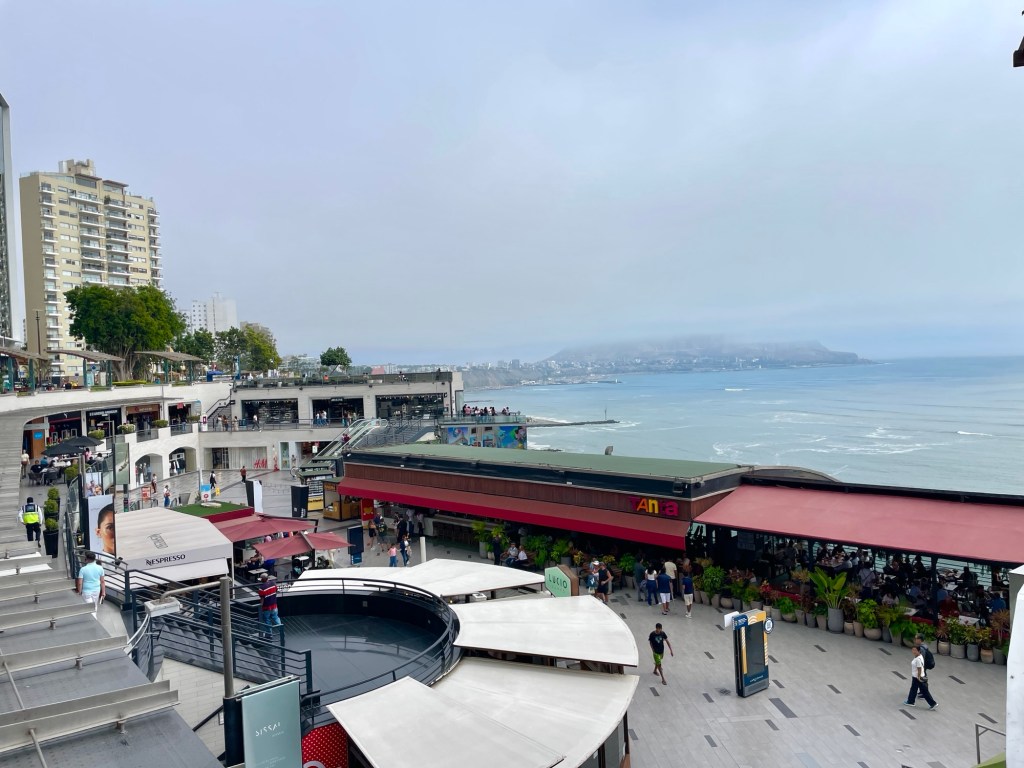
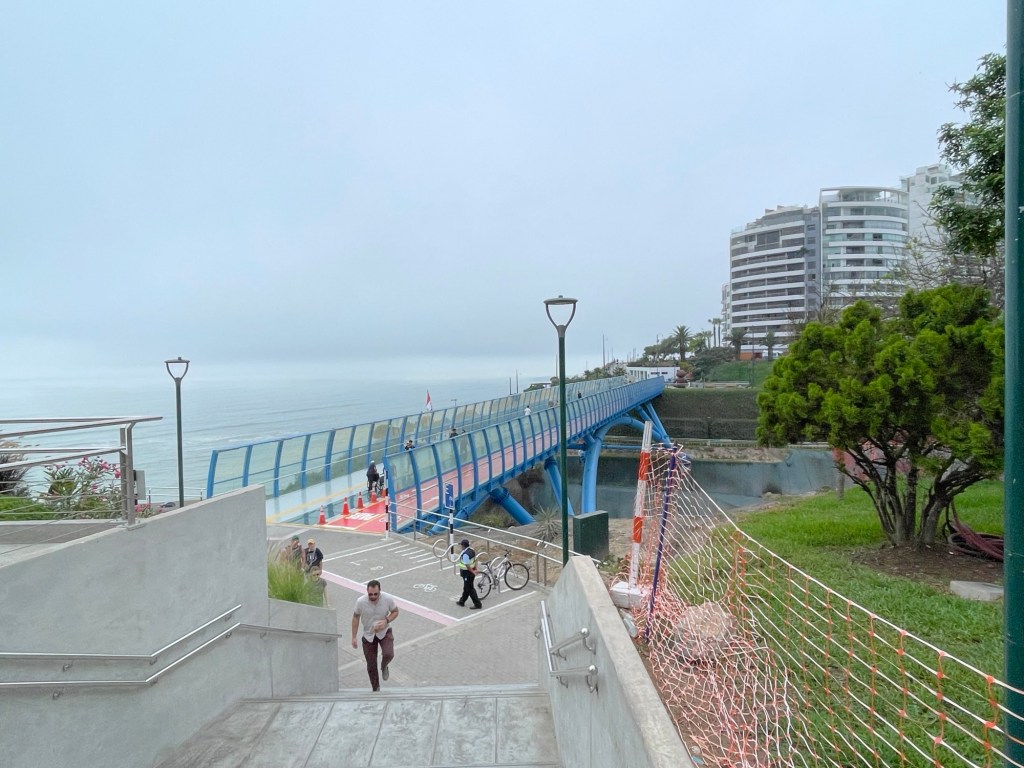
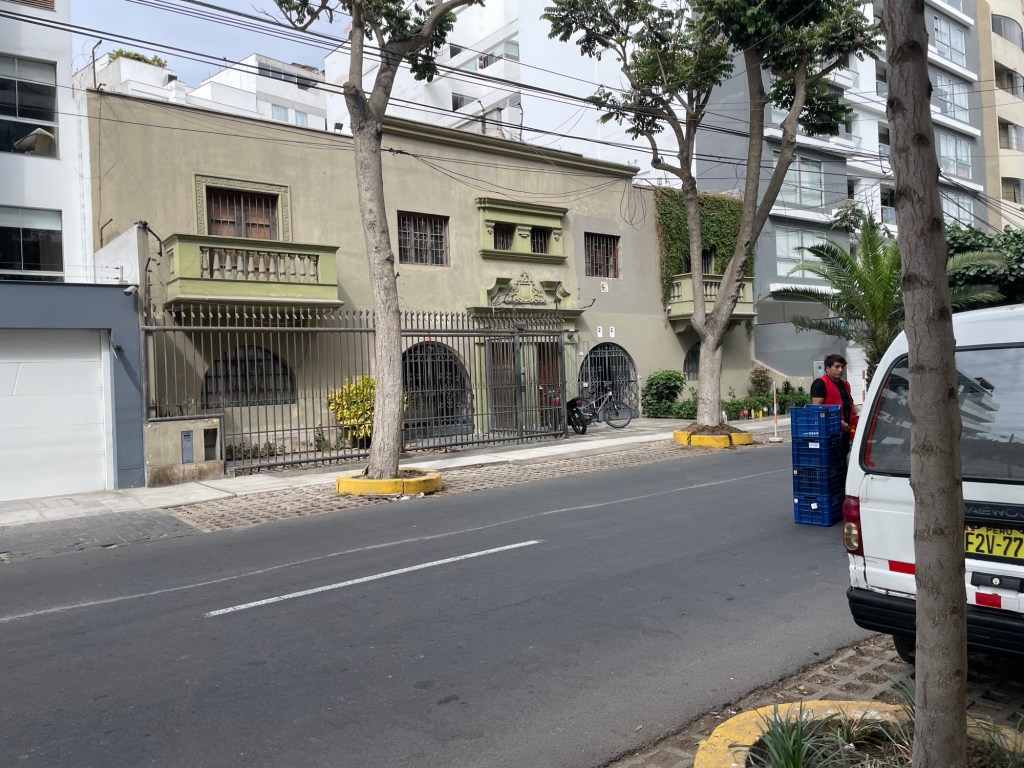
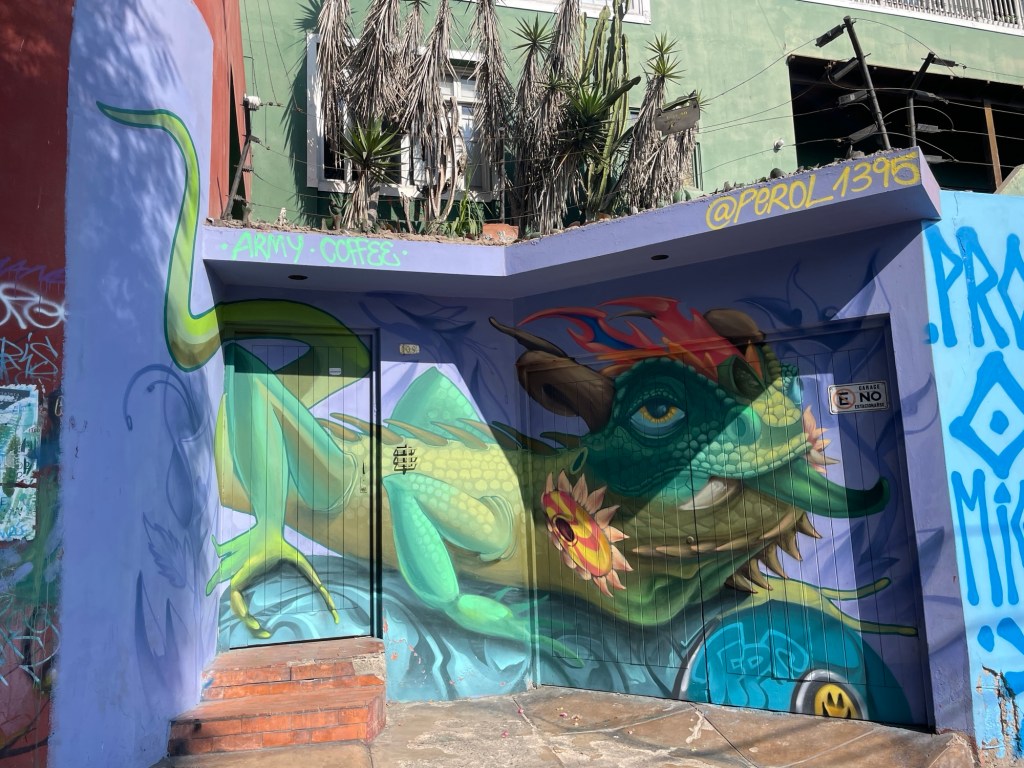
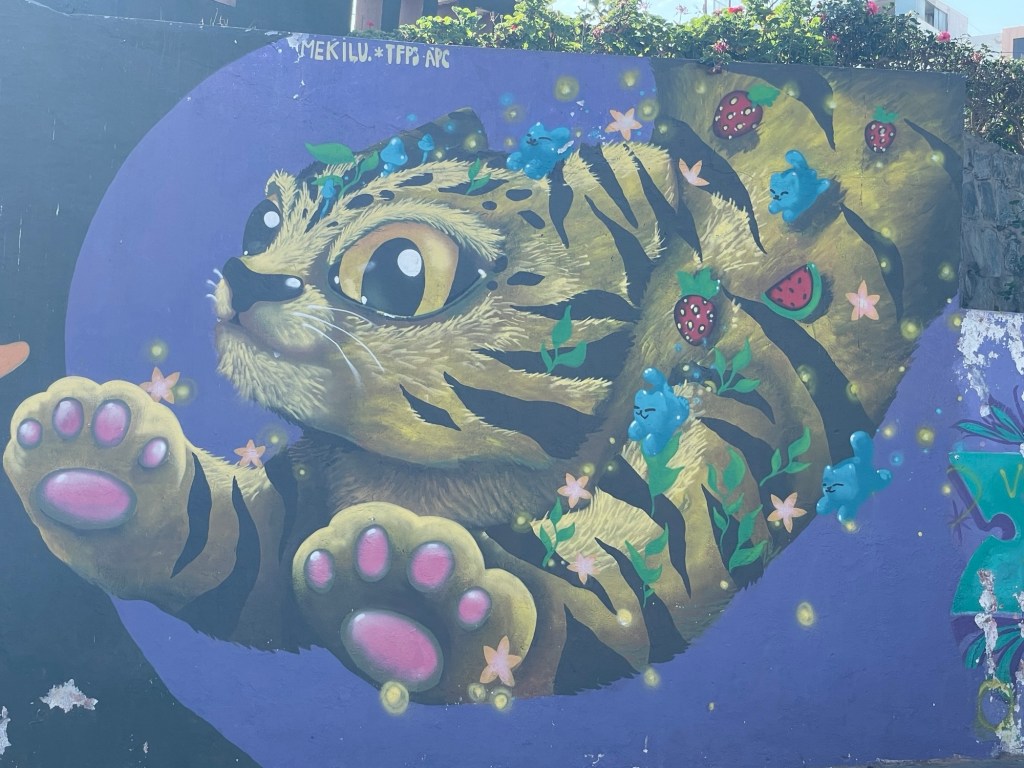
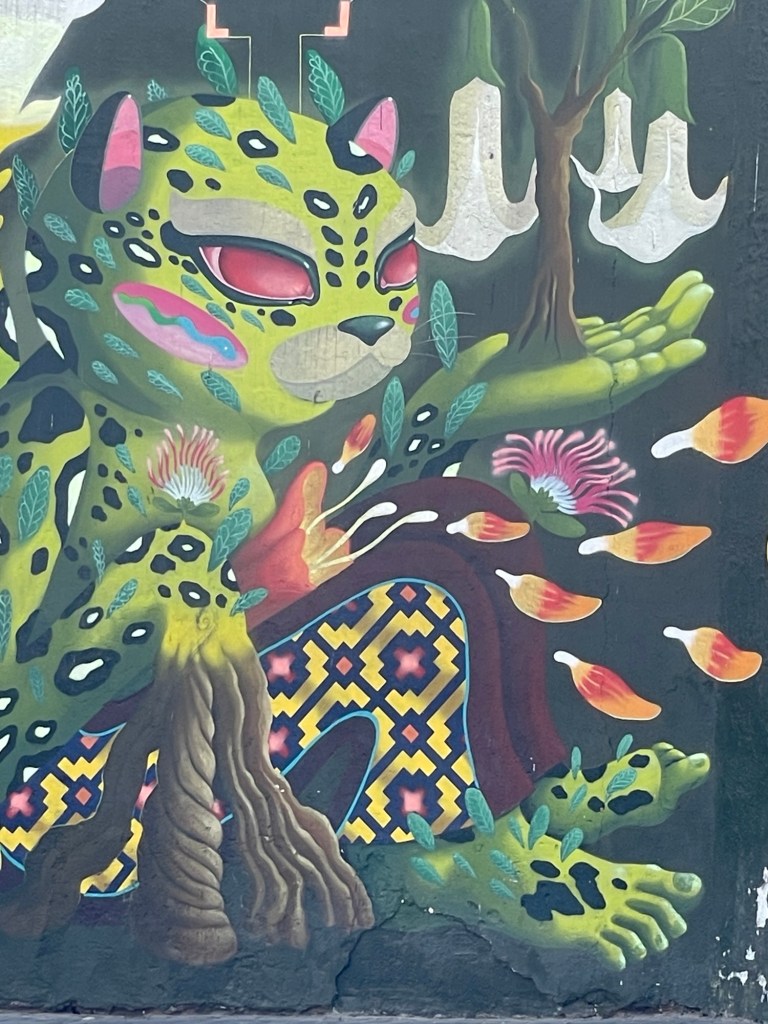
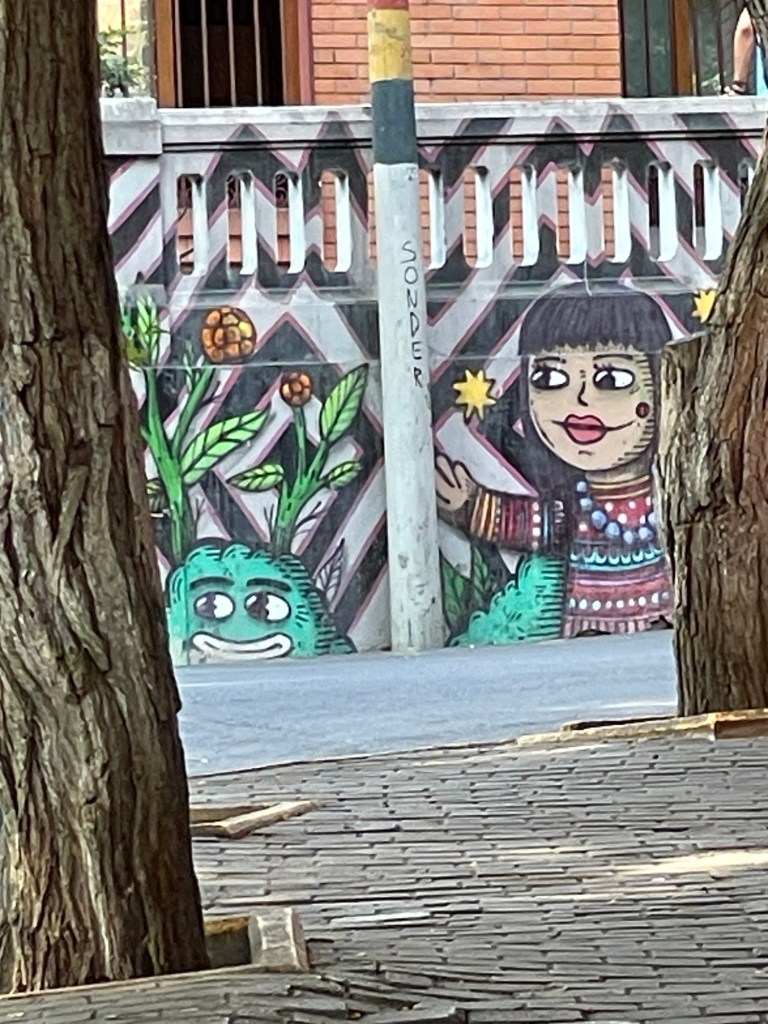
Lima is built high on a cliff and below it runs something akin to the Pacific Coast Highway of California. The city is putting a lot of time and money into this area and while driving you will see all sorts of activities available to locals and tourists alike. From sand volleyball courts, to an Olympic-sized pool, skateboard park, and basketball courts; Lima is working hard to re-make itself into a city for all ages and all interests. Meanwhile, up on the cliffs there are miles of walking trails looking down on the Pacific Ocean, pocket parks, and plenty of new high-rise apartments. Mom and Pop restaurants are everywhere as are local shops. You won’t find the big box stores in these neighborhoods. We are in staying in artsy-artsy neighborhood of Barranco and walk over to Barrio Miraflores everyday utilizing the giant overpass that stretches from one part of one city to the other.

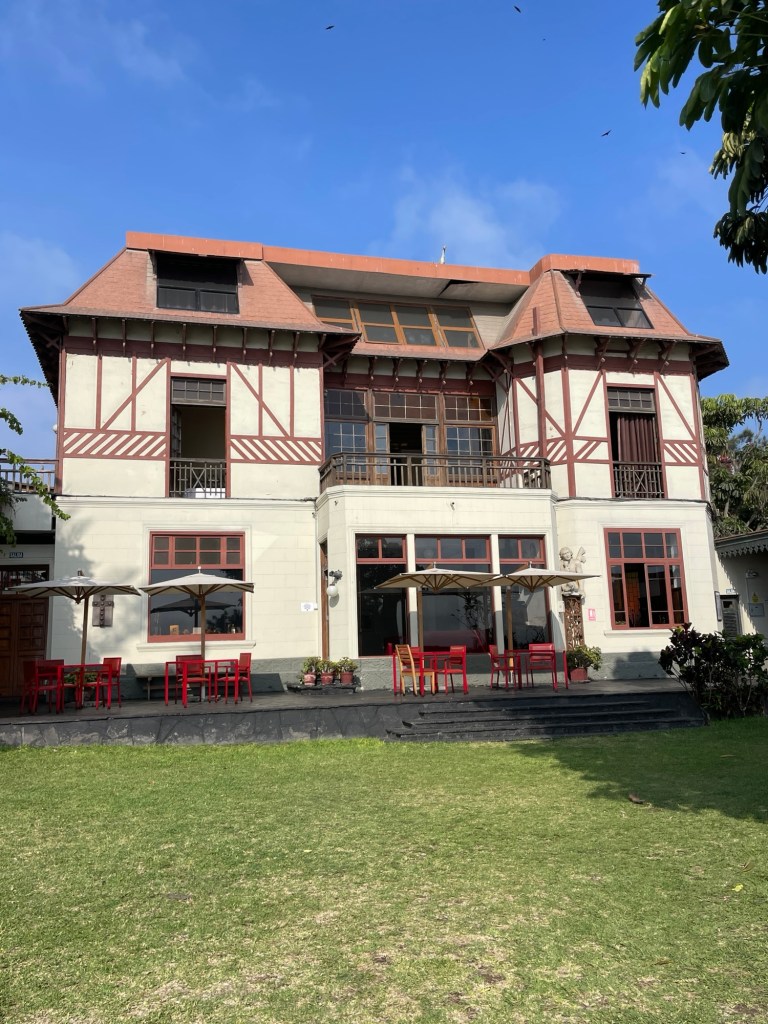
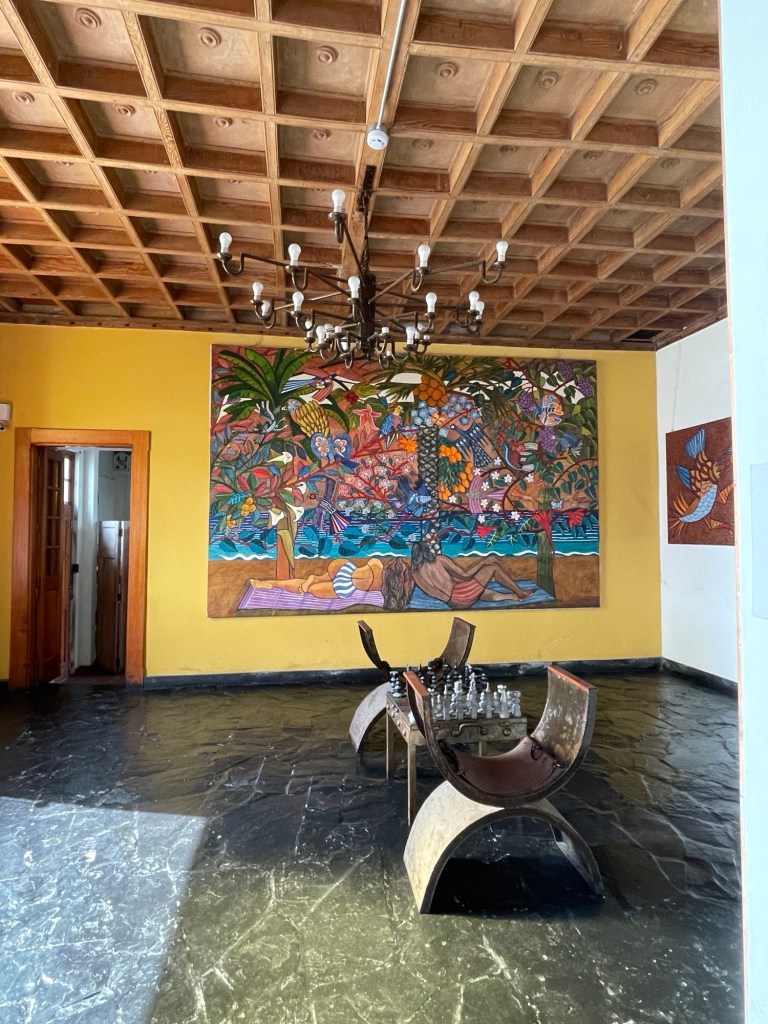
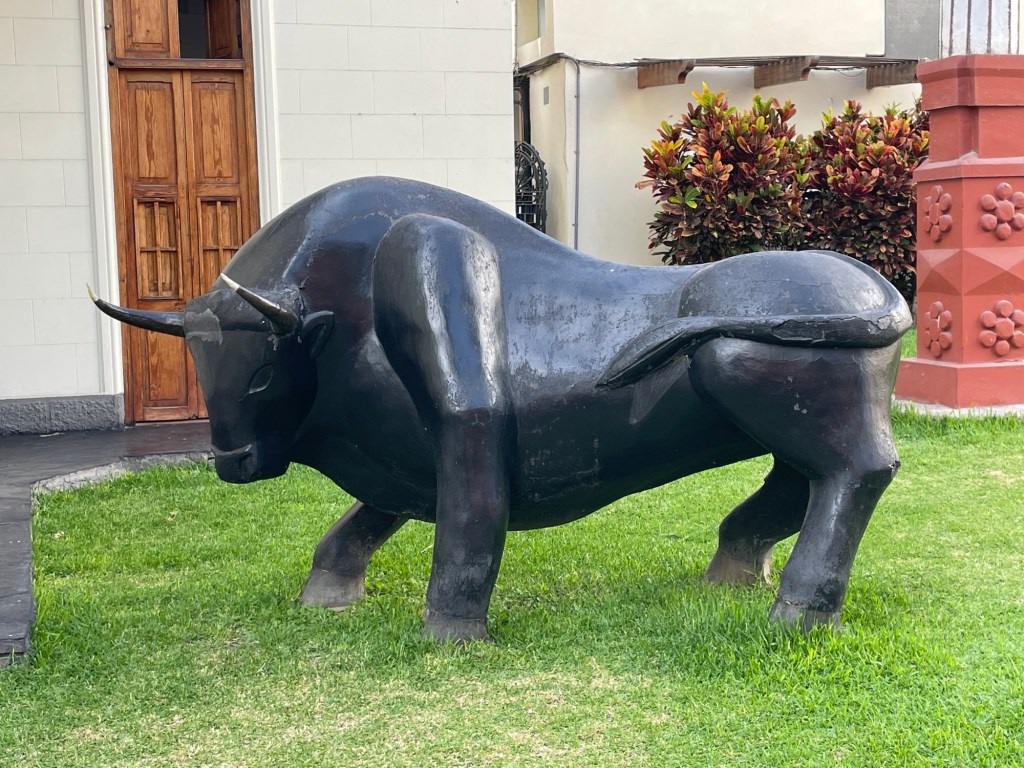
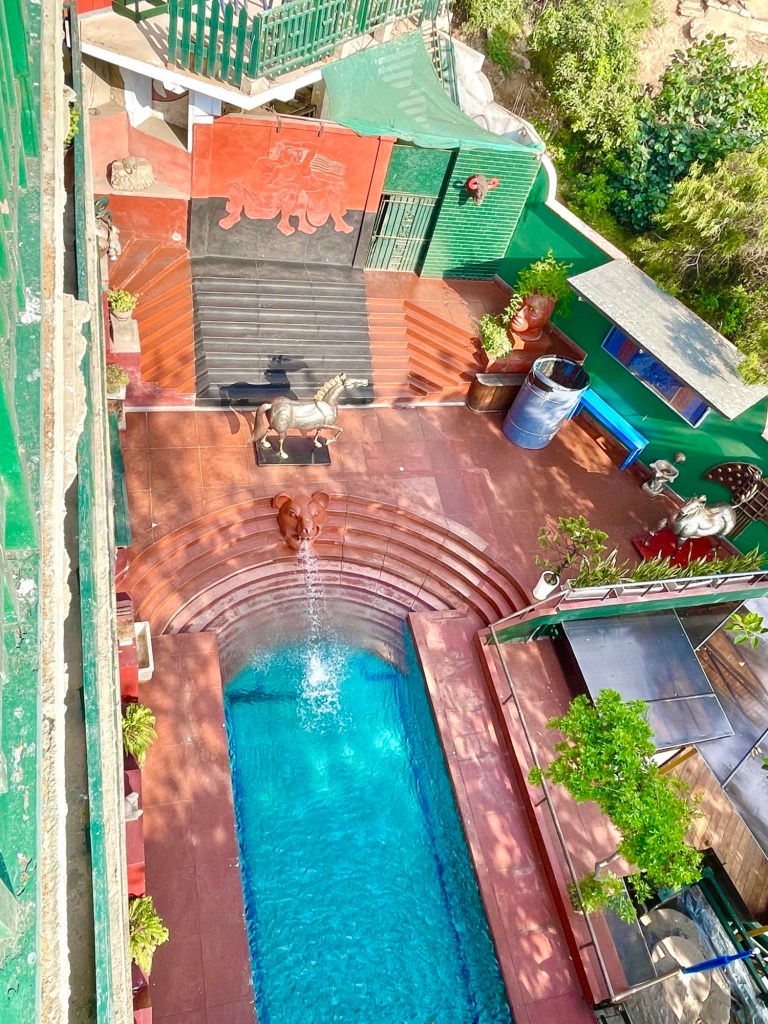
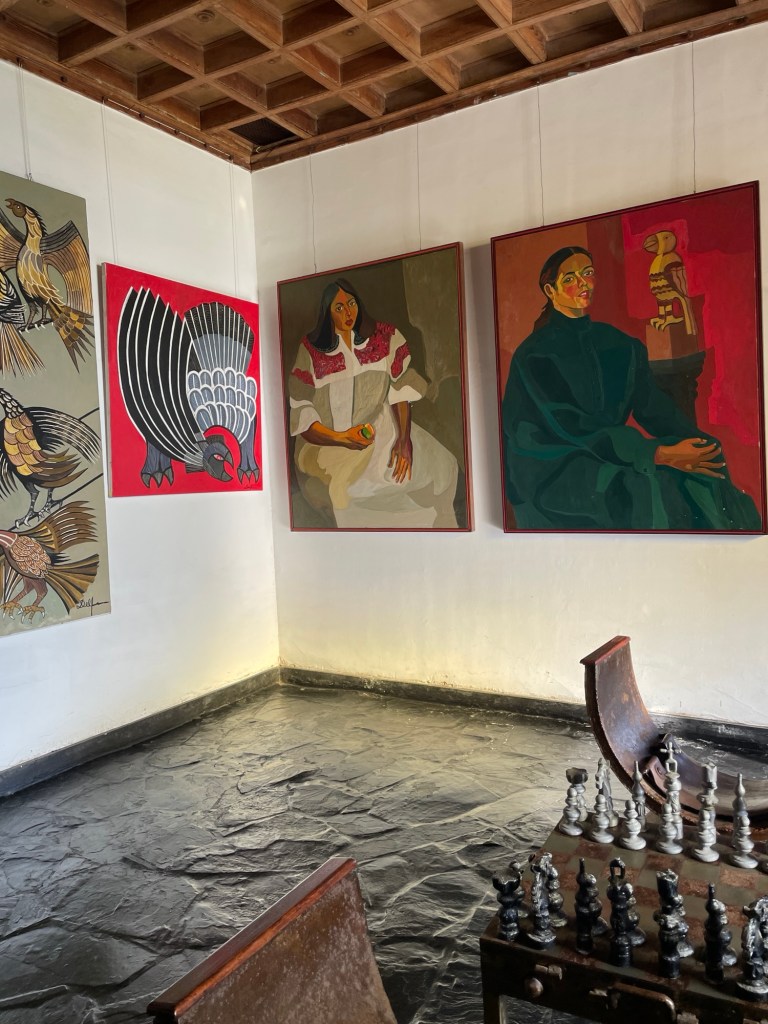
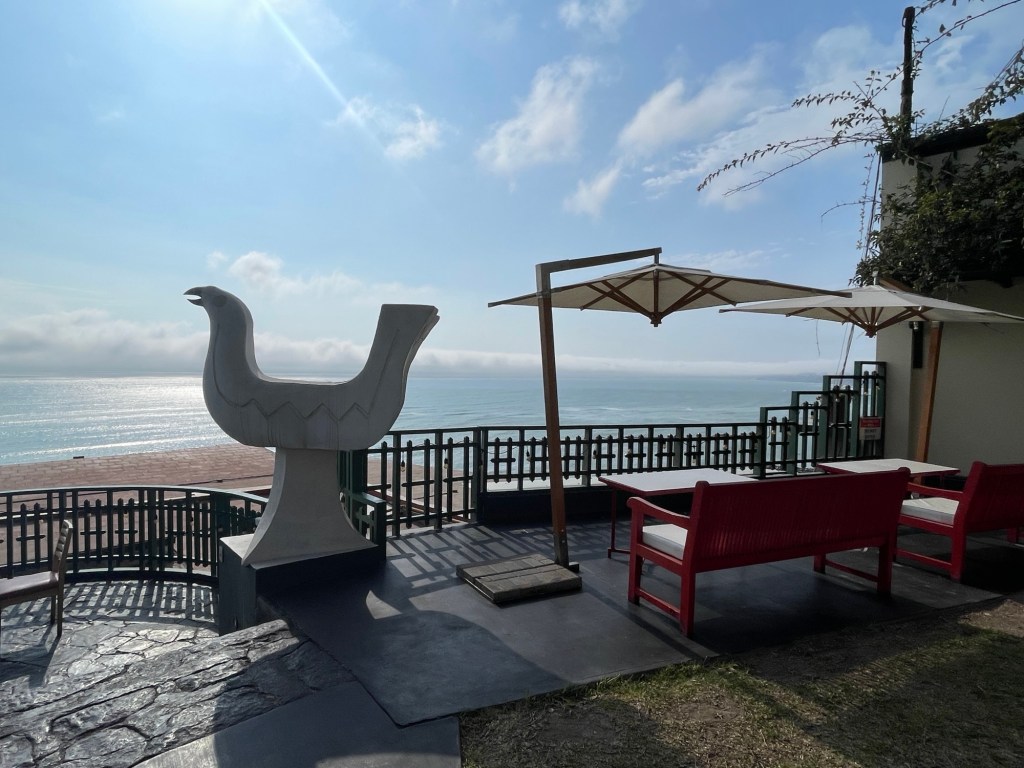
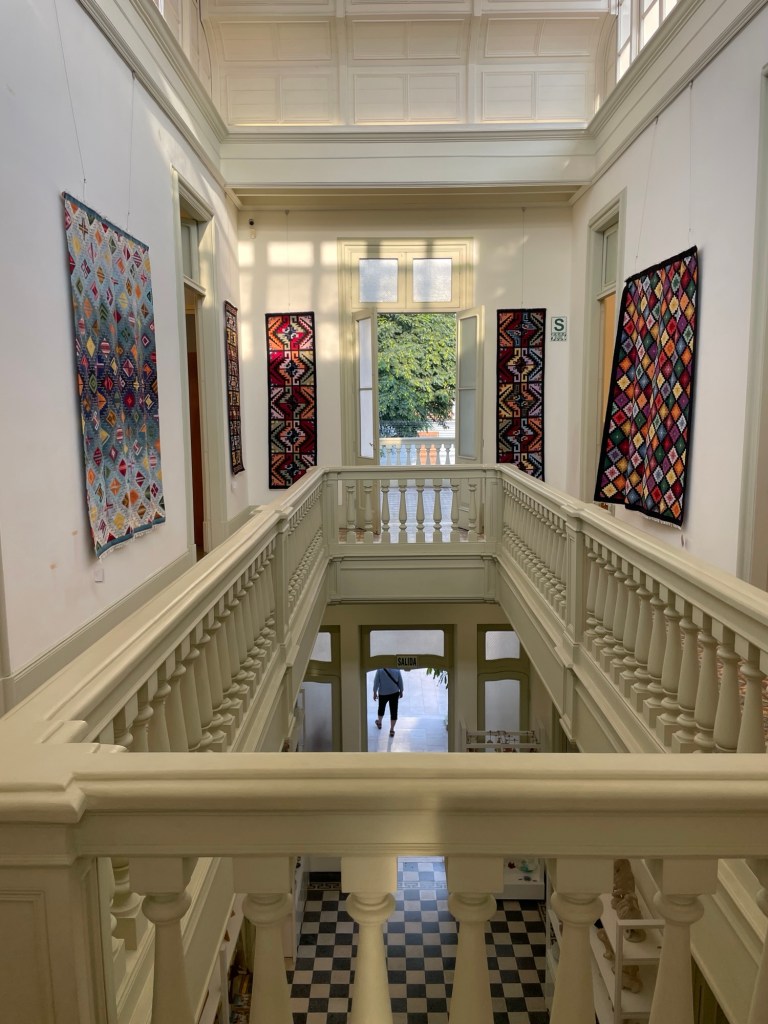
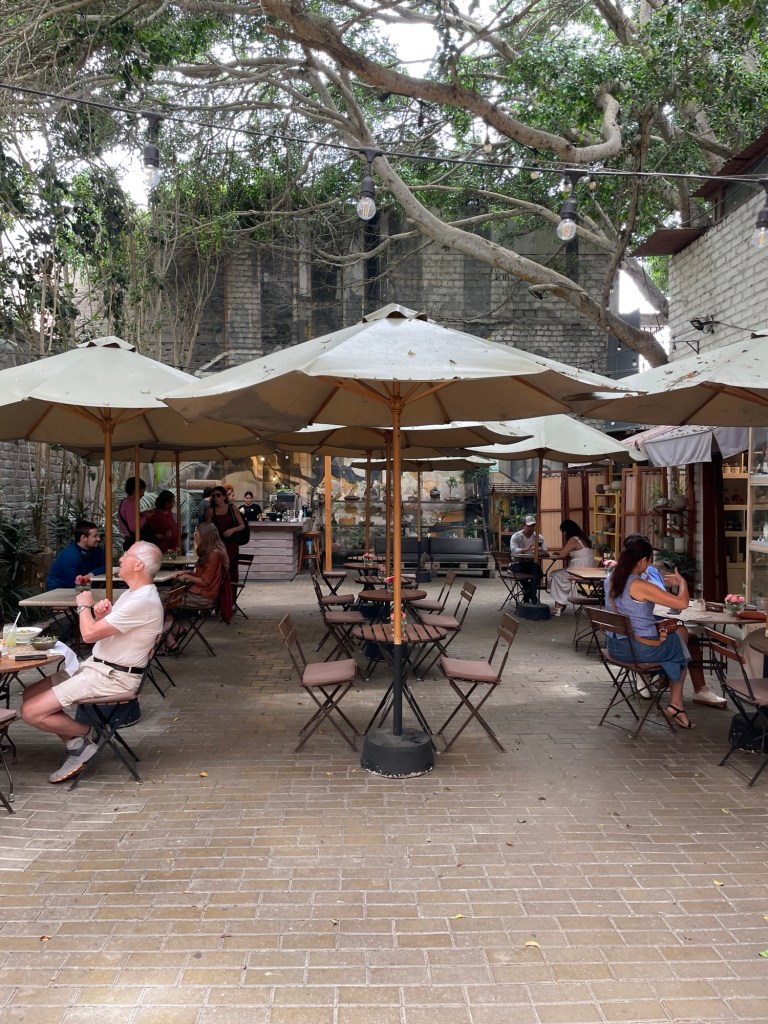
Walking through Barranco the other day we found several gems. One was the Second Home Peru Guesthouse. Once owned by Peruvian sculptor, Victor Delfin, the hotel features his artwork throughout the grounds and has a quaint public bar with outdoor seating overlooking the ocean. It really is a place to get away and relax for an hour or two as you explore the barrio.

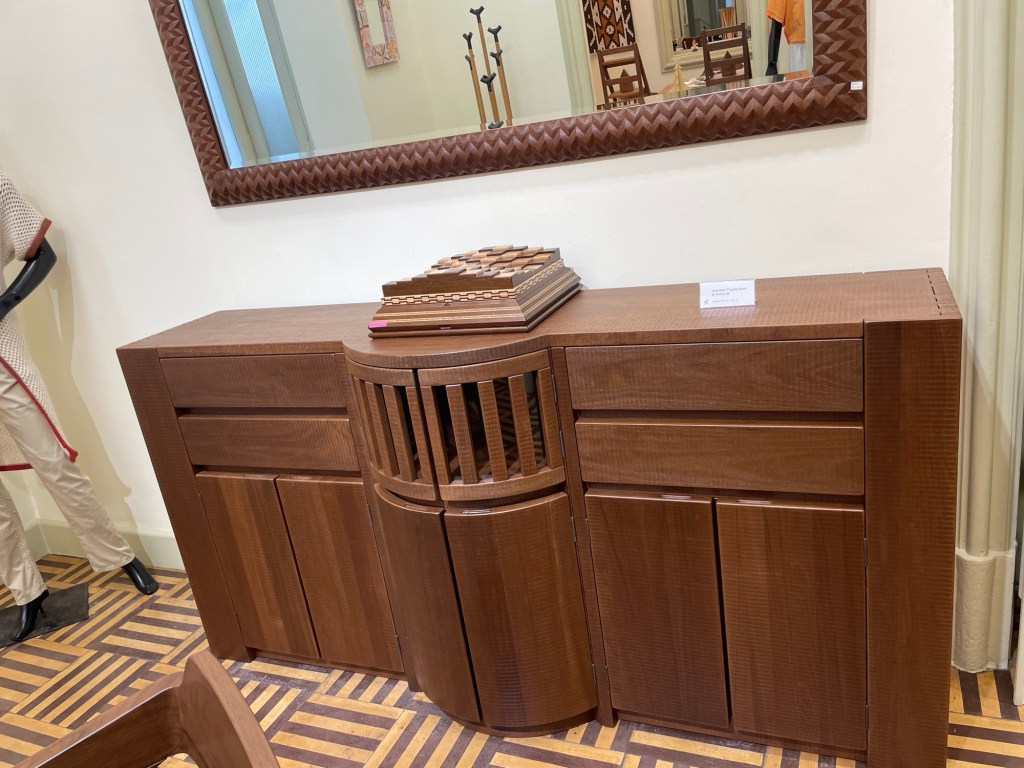
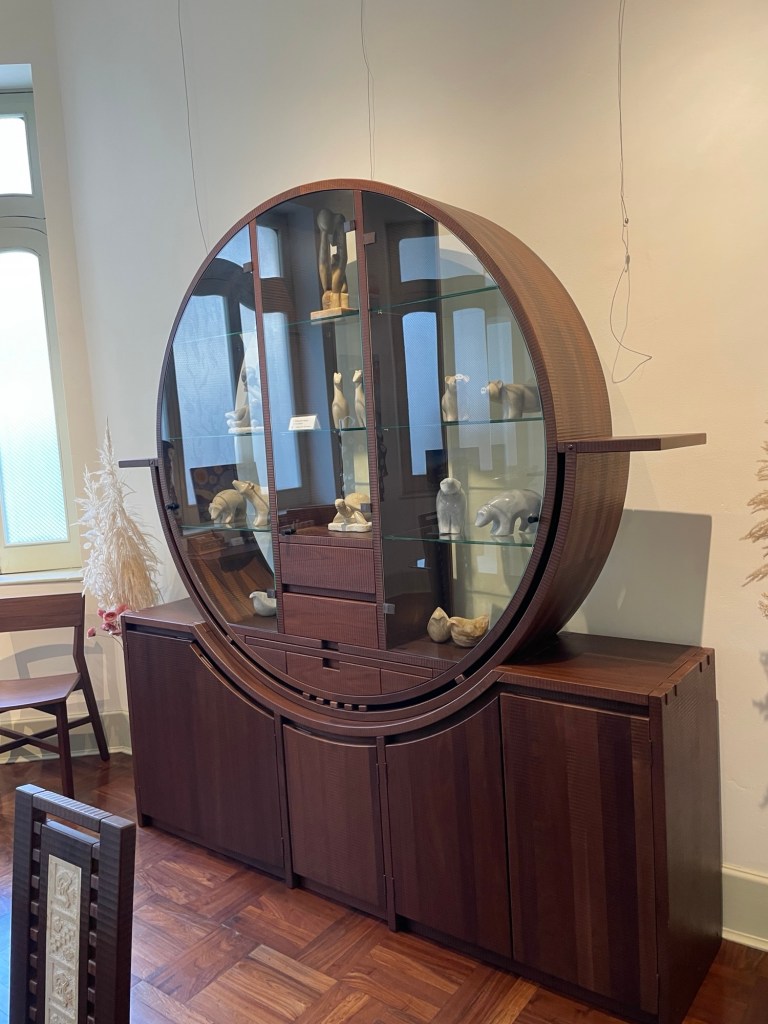
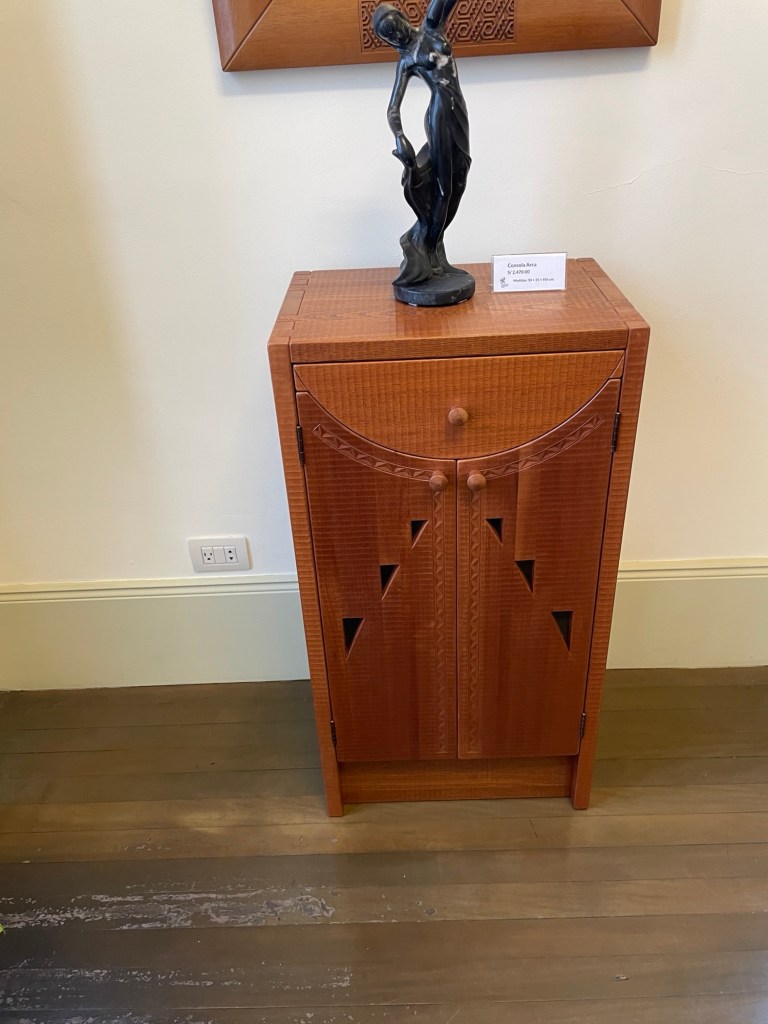
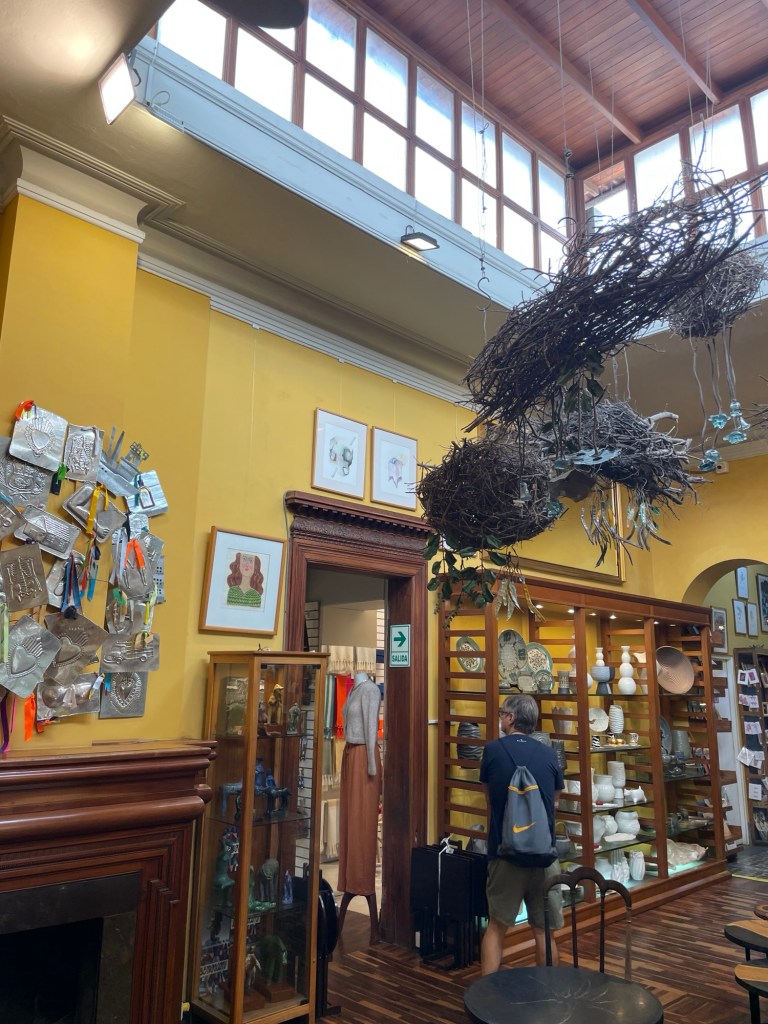
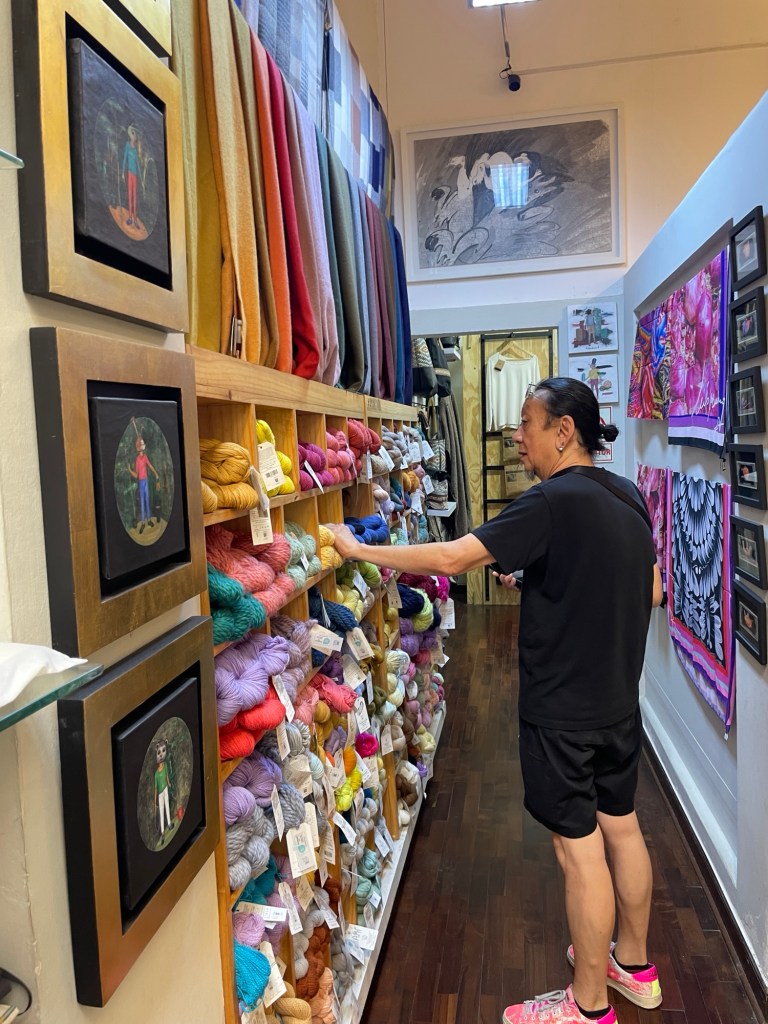
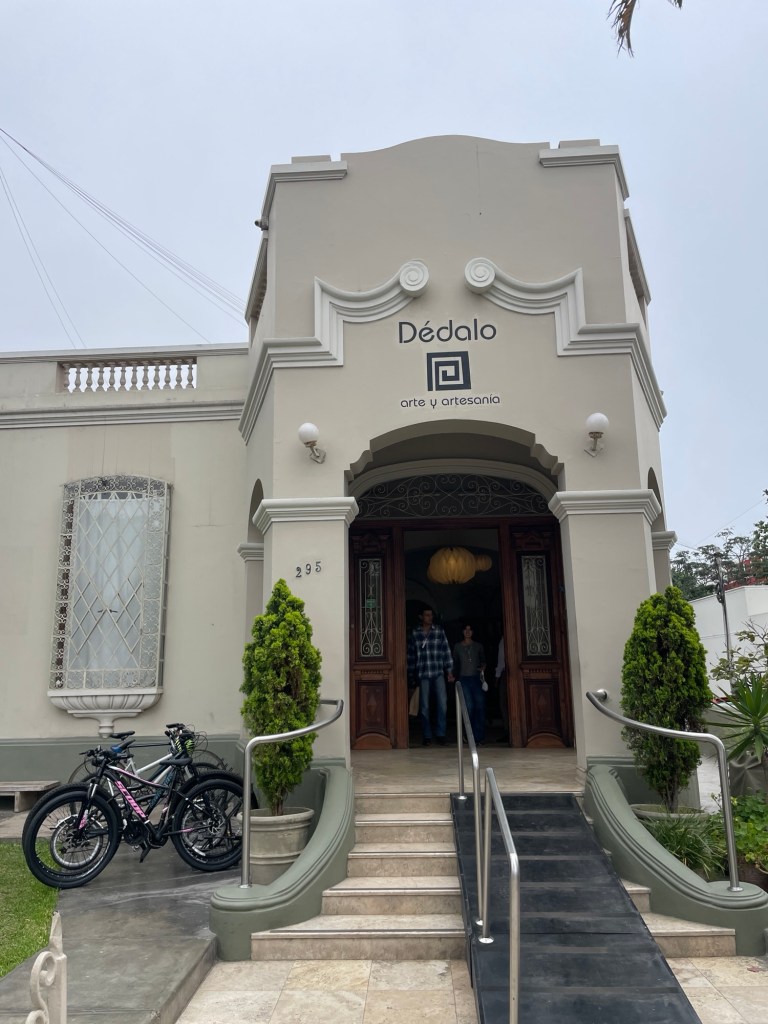
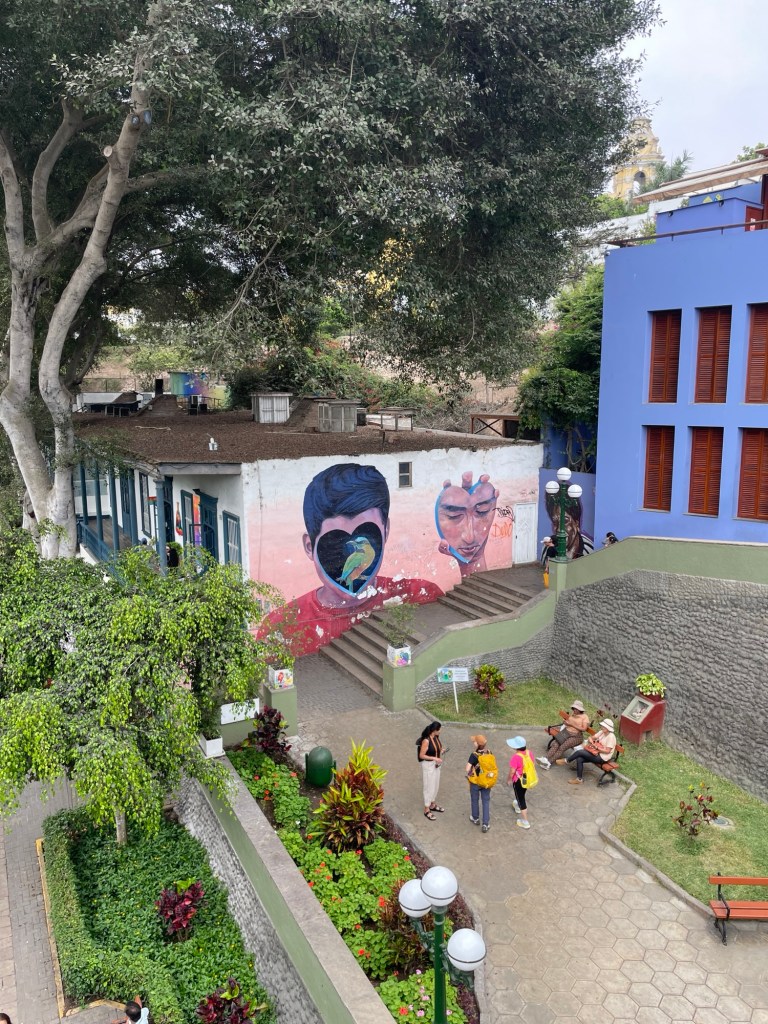
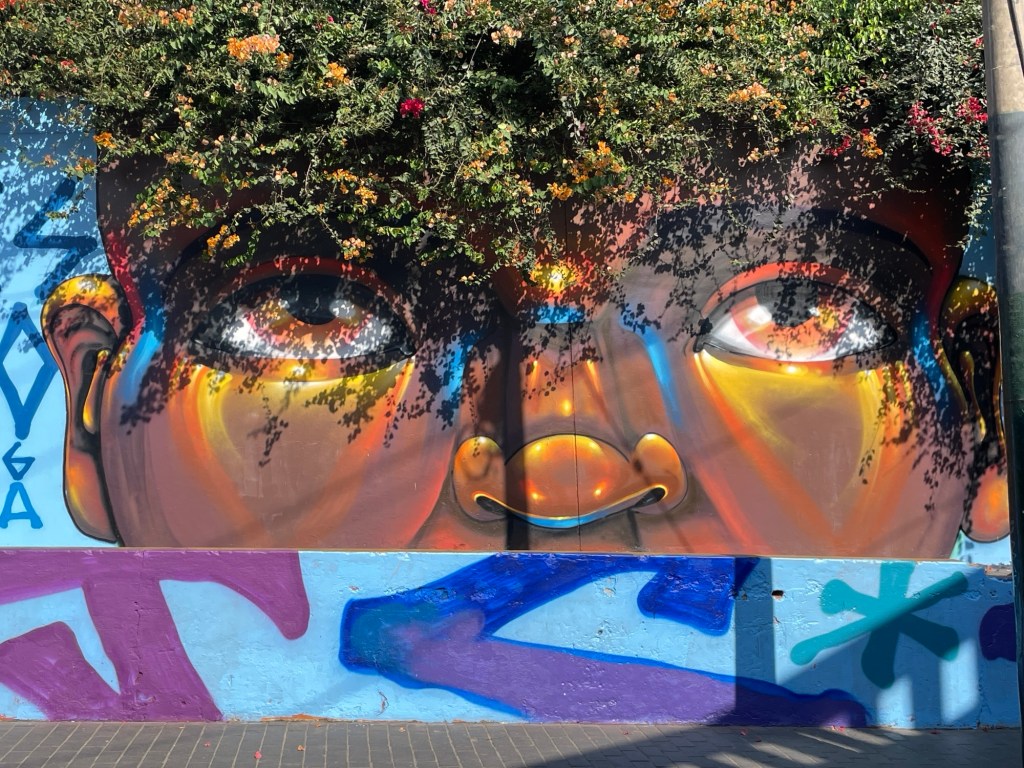
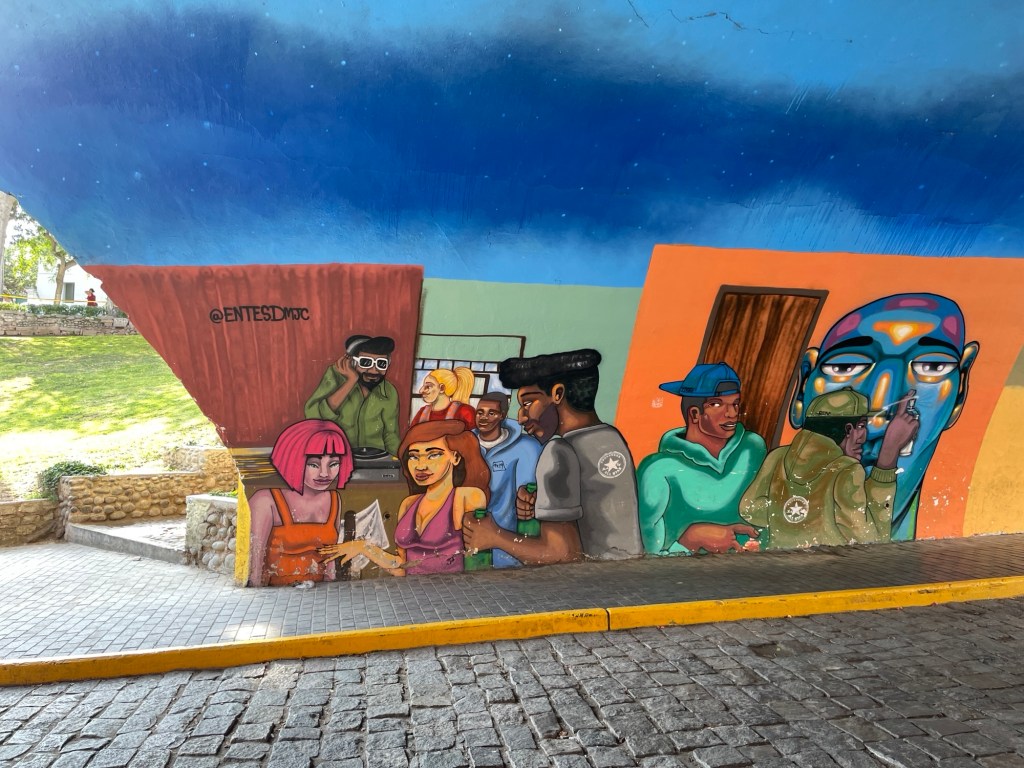
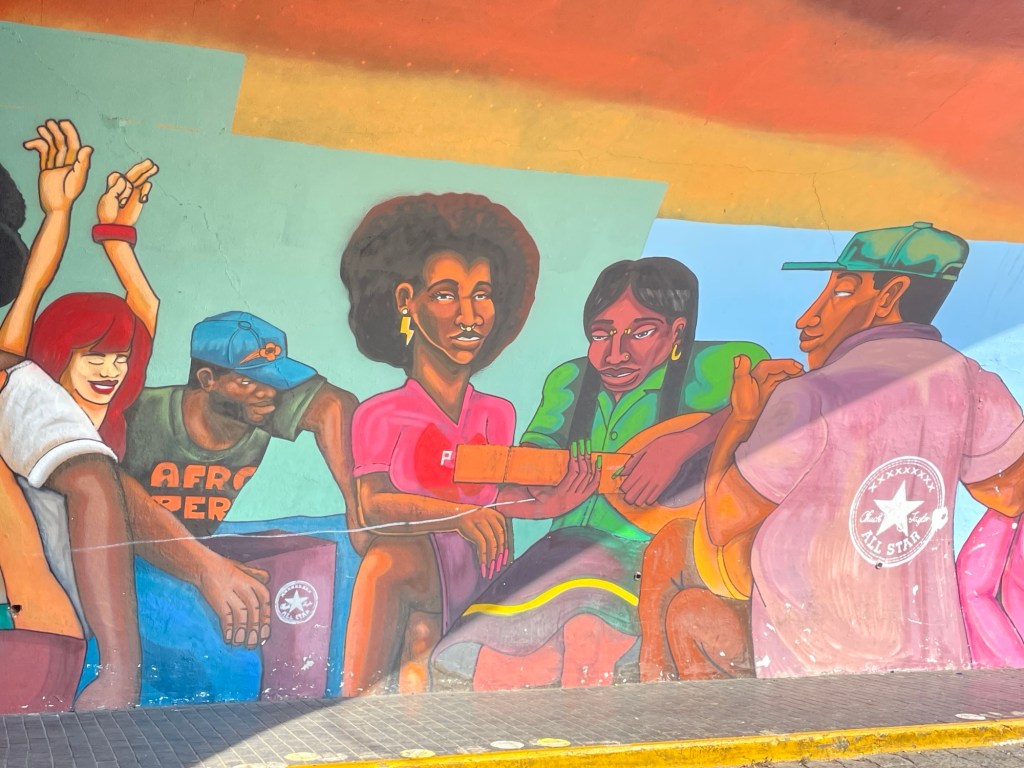
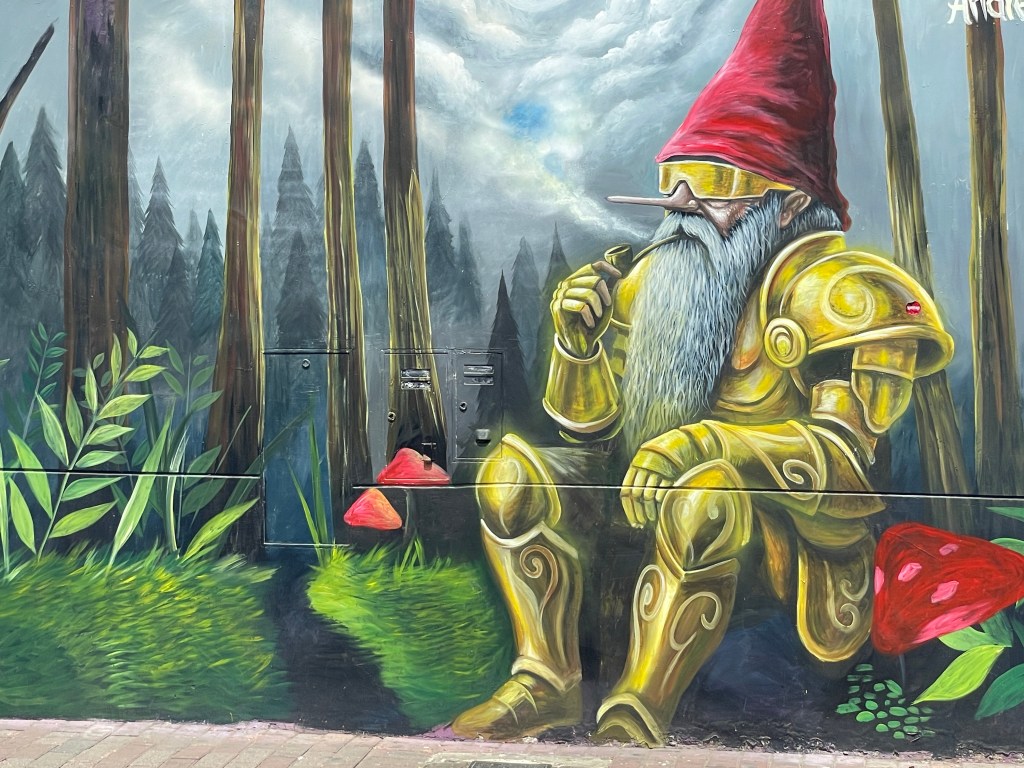
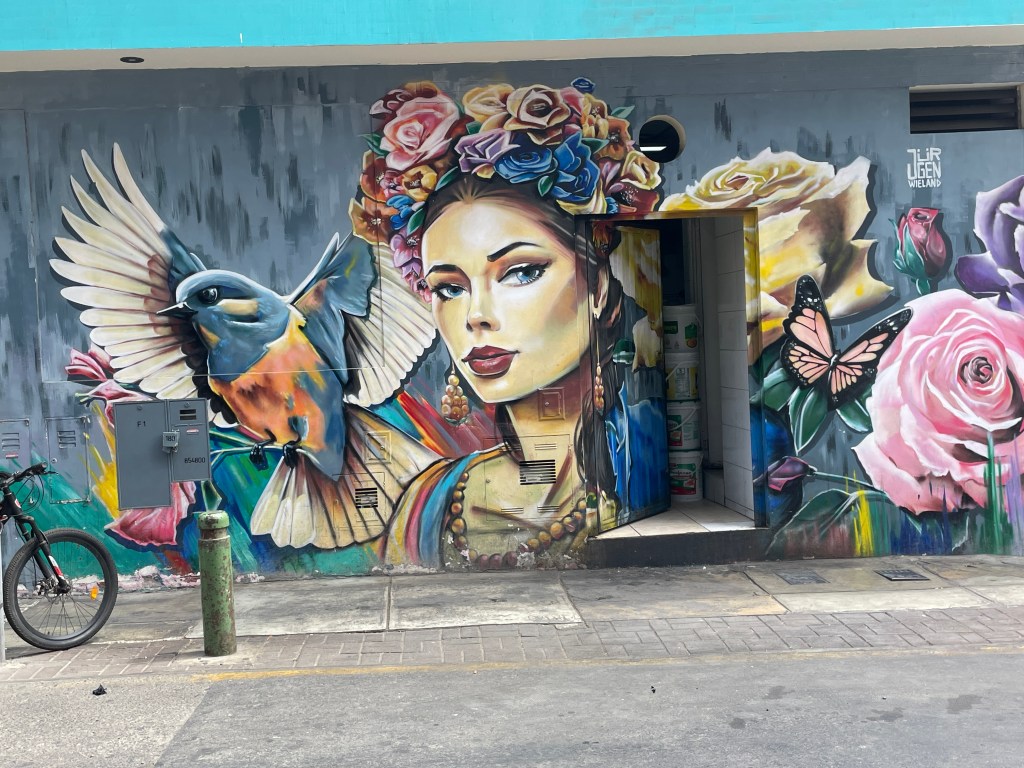
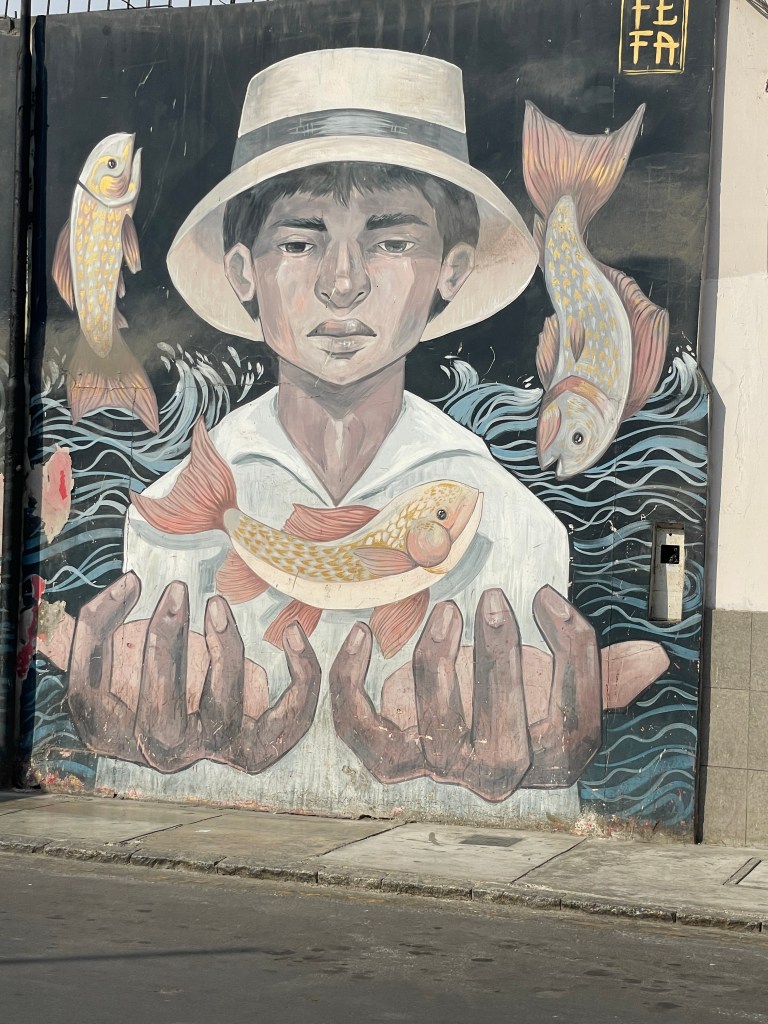
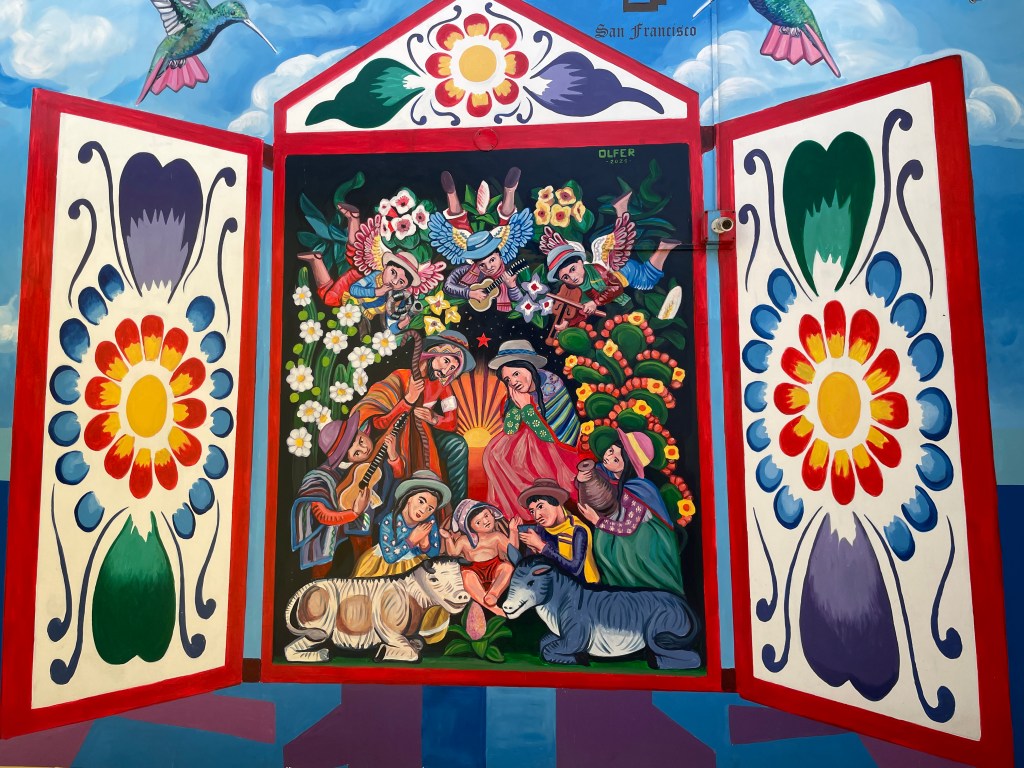
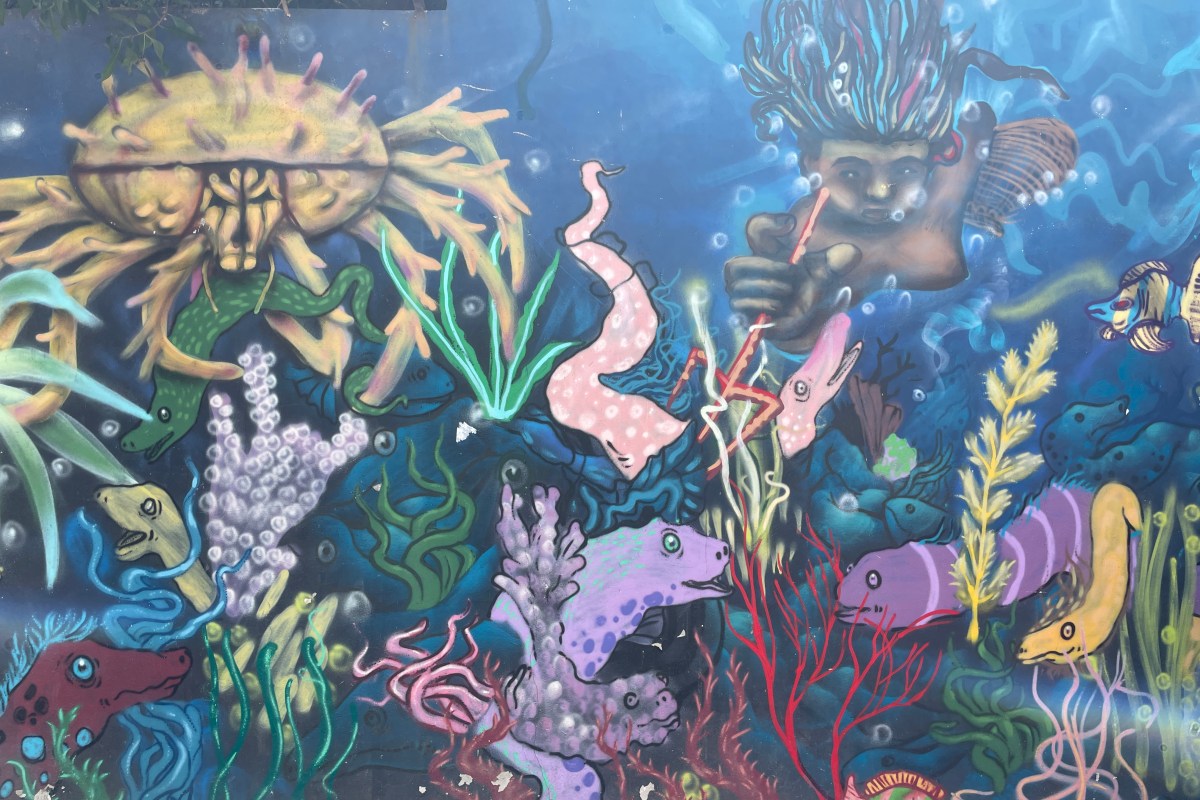
We also found three incredible stores which feature artisans from Peru. It was difficult to take my hands off the smooth beauty of the fine furniture which one can preview at Arteanos Don Bosco. While at tienda Dedalo the ceramics and textiles were a feast for the eyes. Street artist Jade Rivera’s gallery was an explosion of colors and abstract meanings which make those viewing his work stop and contemplate the known and consider what may previously been the unknown. What surprised me the most was that I saw on of his giant murals in Santiago and photographed it only to find postcard copies in the gallery. Walk a little further down the block and you will come to the Mural Bridge….it is truly stunning.

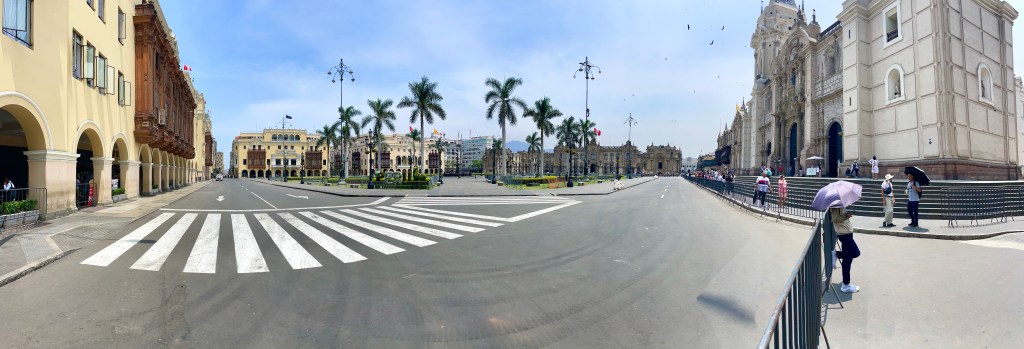
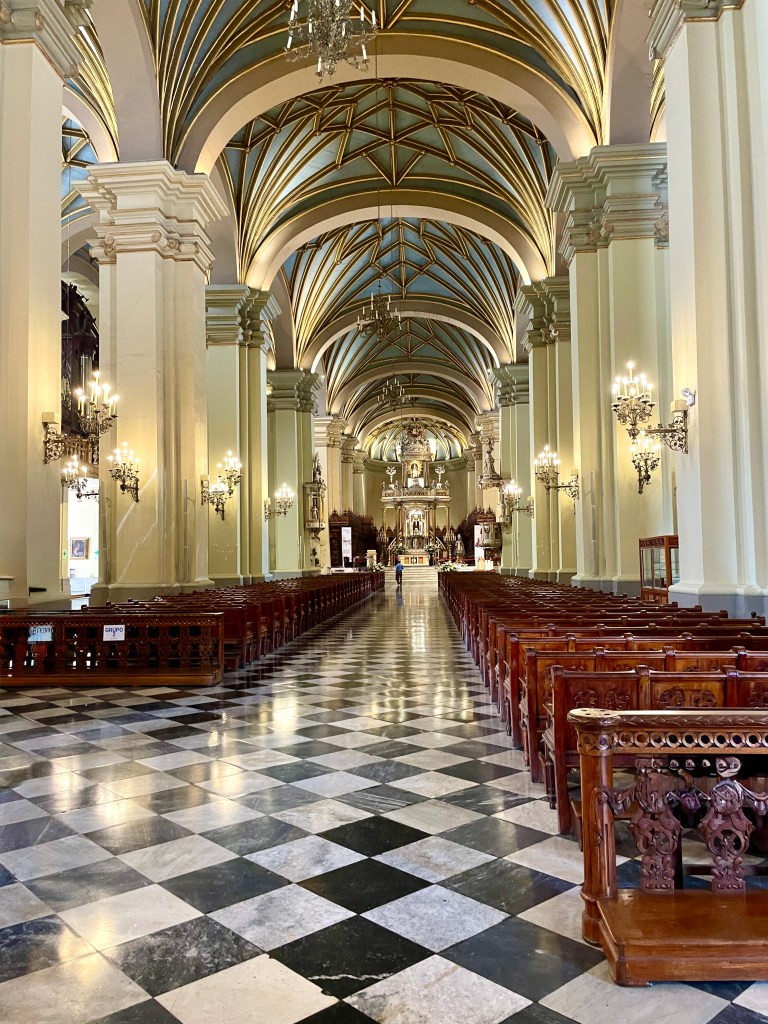
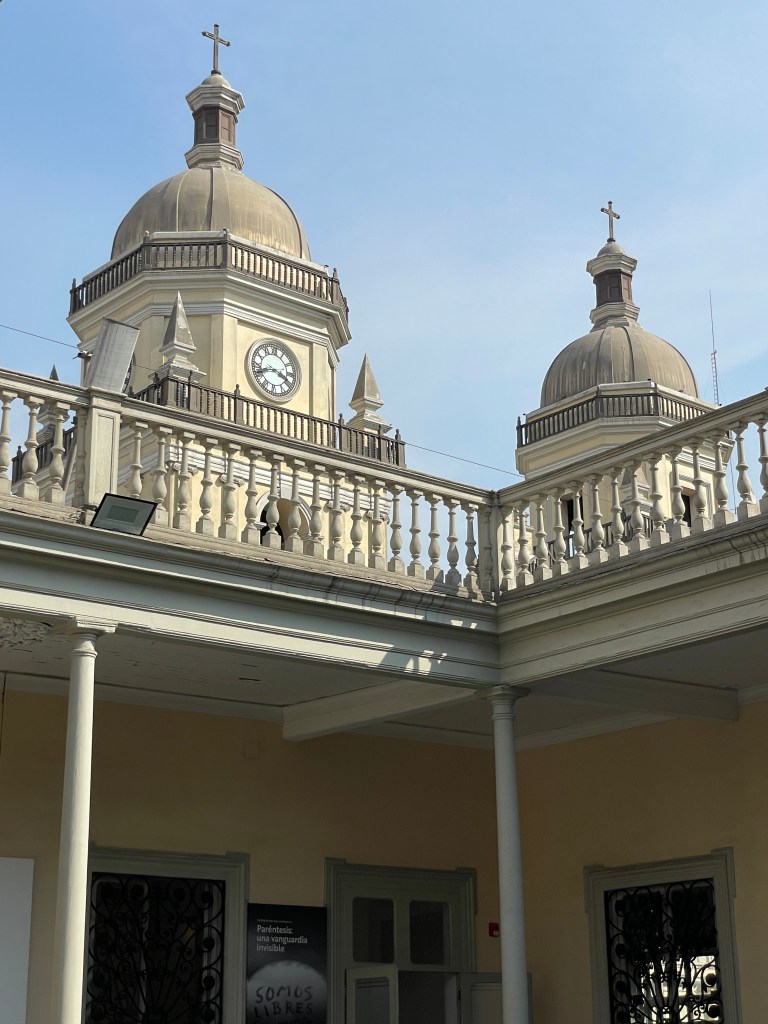
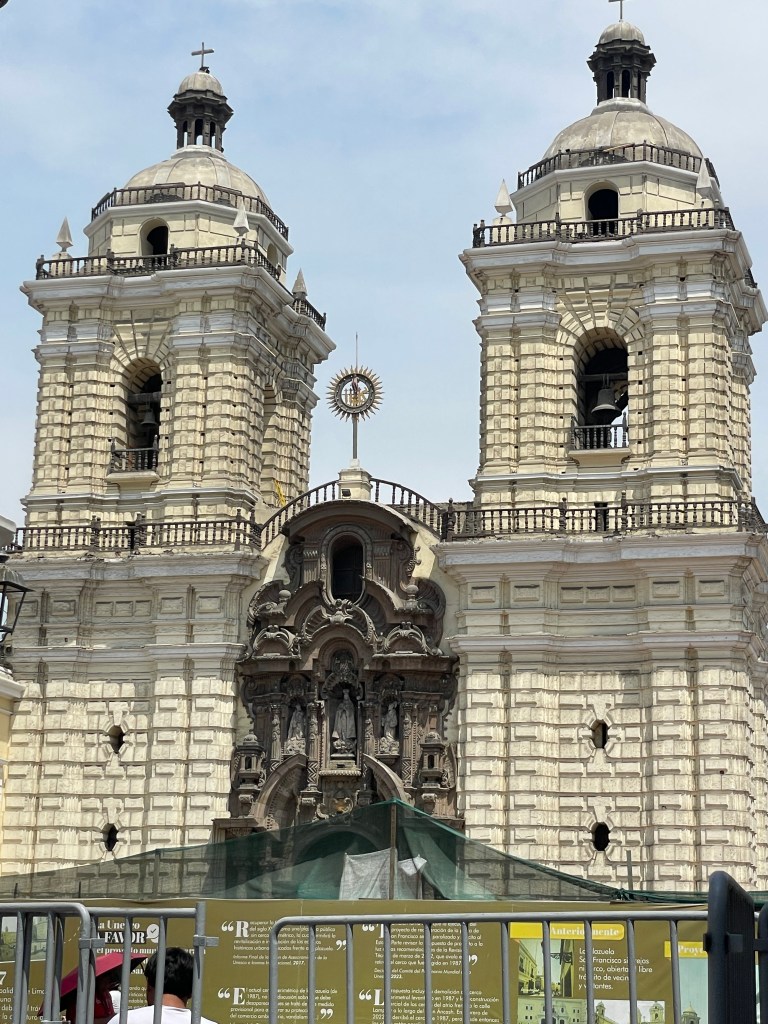
The next day we ubered to the Plaza Mayor which sits in the center of the historic district. Here you can find the Basilica Cathedral of Lima, the Palace. and many more smaller churches and museums within a couple of blocks.

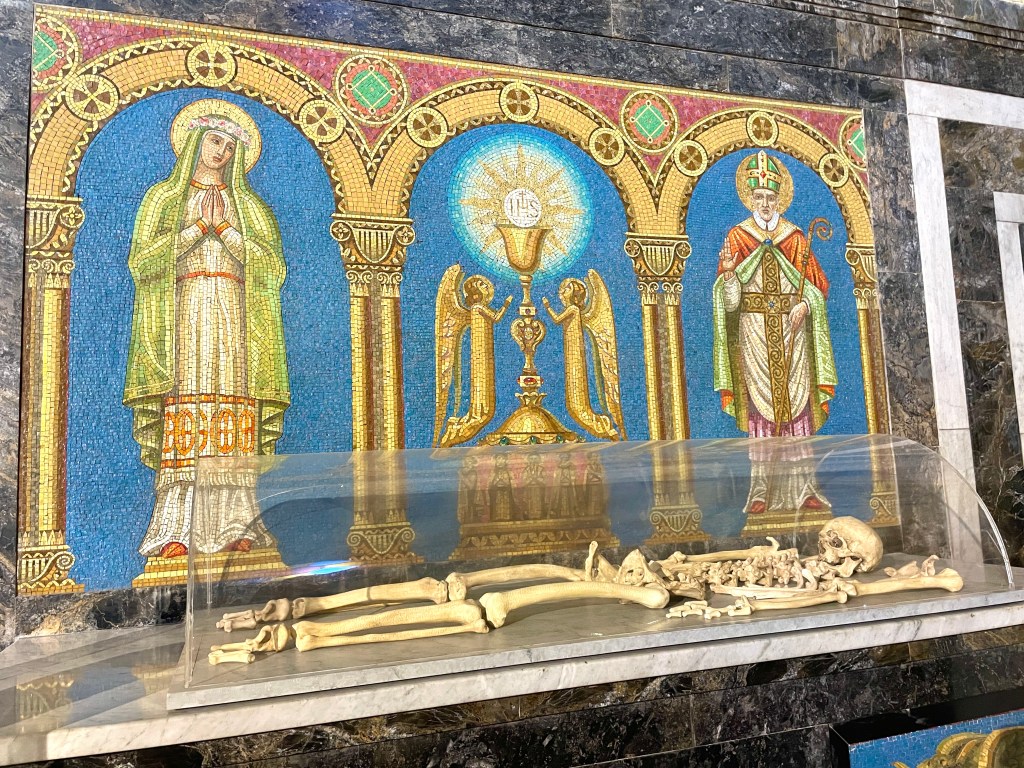
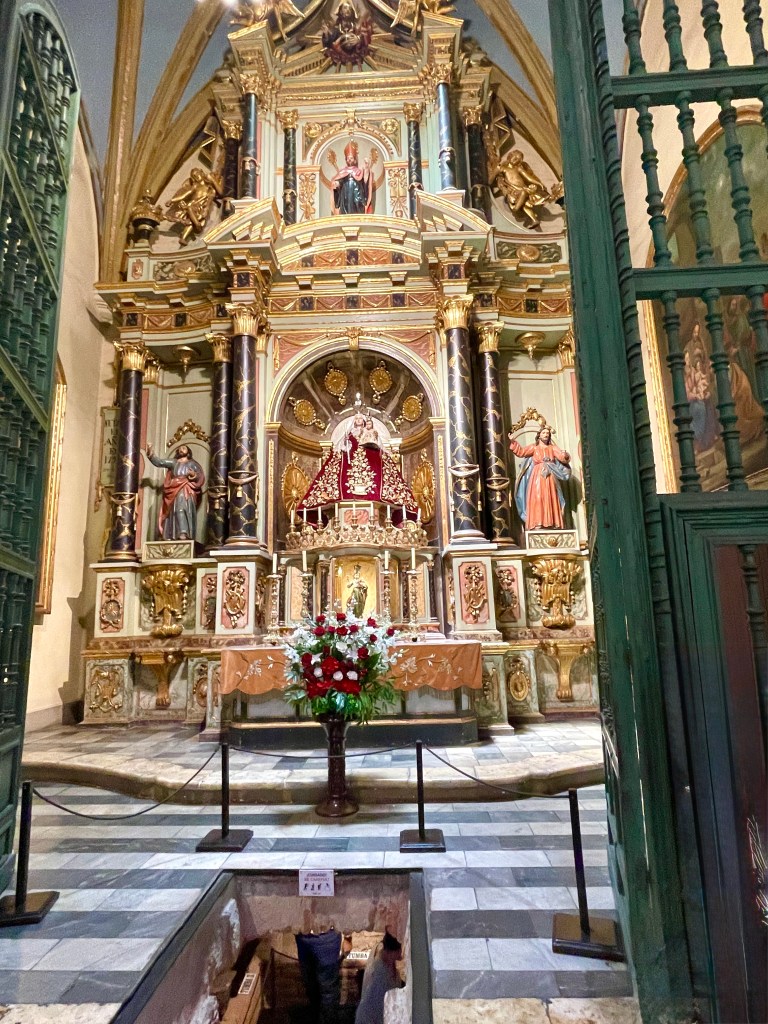
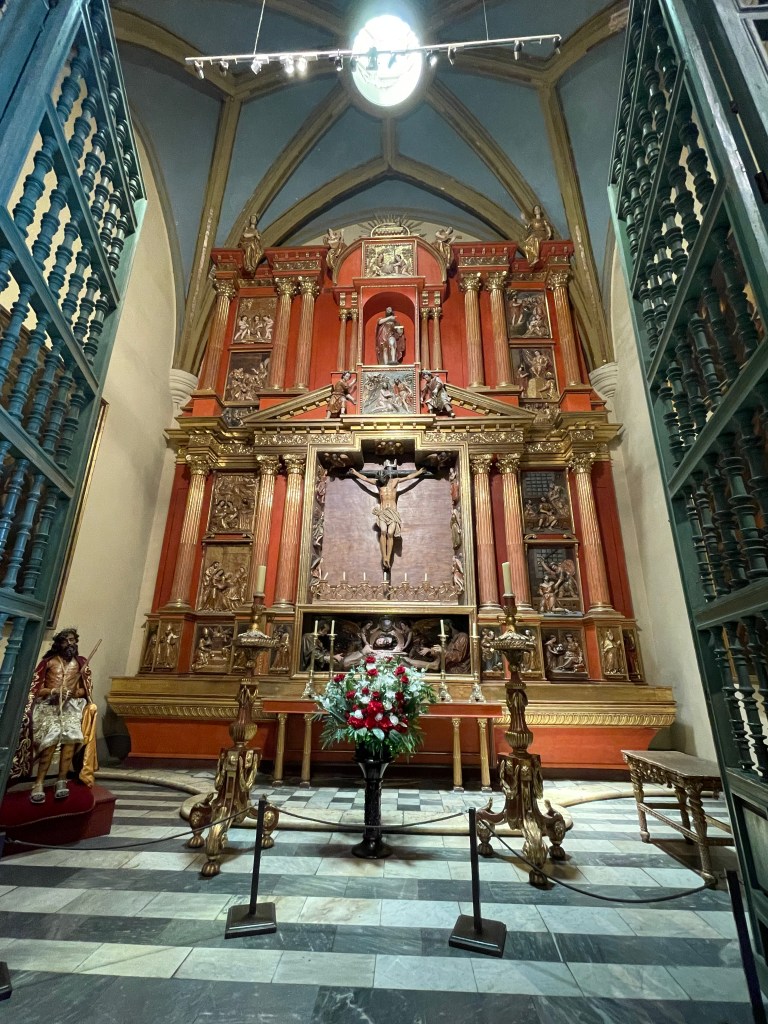
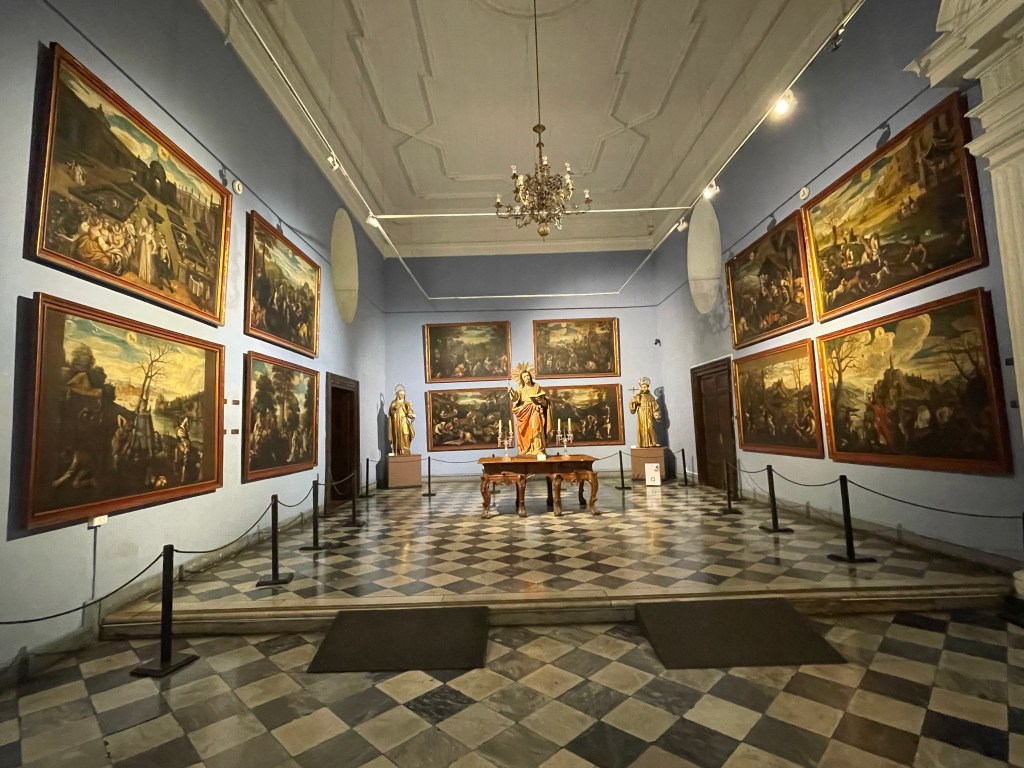
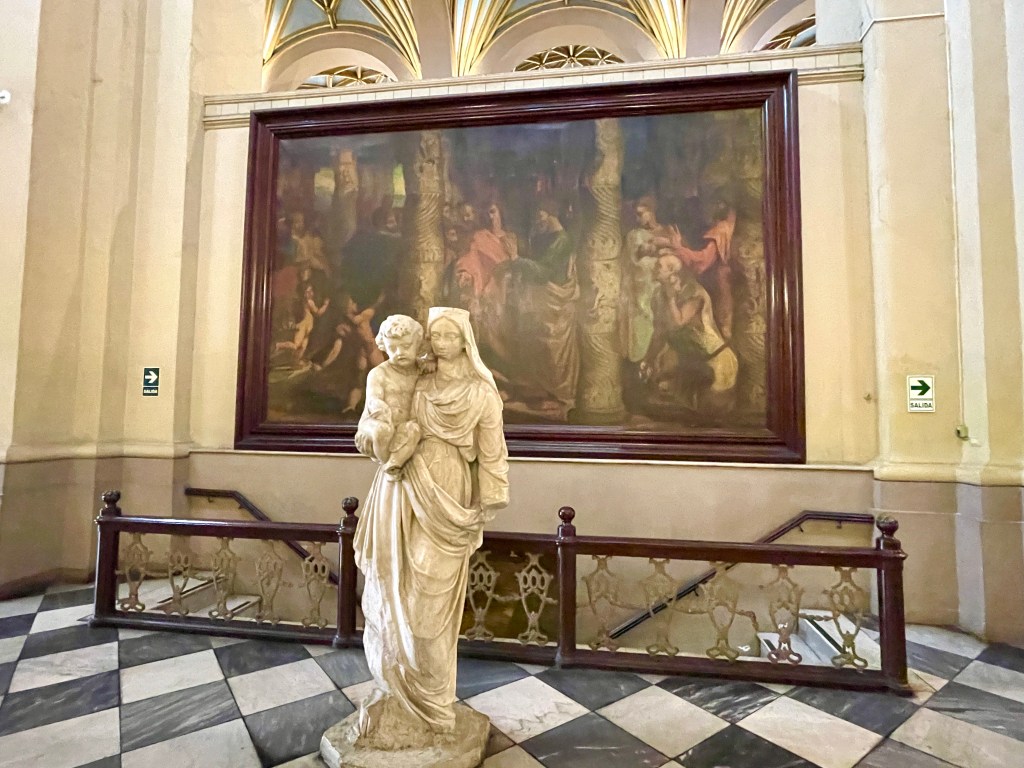
The Cathedral was founded in 1535 but has undergone many renovations since due to earthquakes which damaged the building many times over the years. Inside, there are creepy crypts, thirteen chapels and rooms which house sacred religious art.

Sepulcher Room of Don Francisco Pizarro

After leaving the Cathedral we heard some marching band music and headed over to the Palace where it so happened that the changing go the guard was taking place! What a delightful stumble as I have always tried to attend these and I had no clue that they did such a thing in Lima.
We then headed to lunch and if I can give a piece of advice…don’t eat around the Plaza Mayor. The food is expensive and not particularly good but I have to confess I like the free Pisco sours they had out to get you into a restaurant!

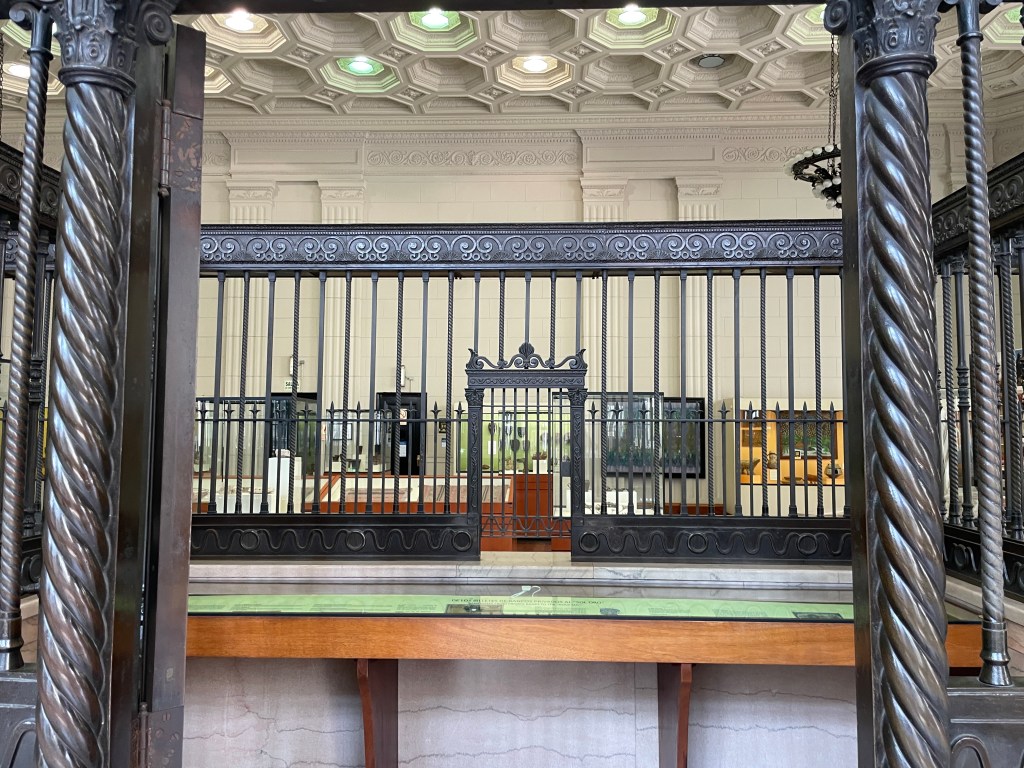
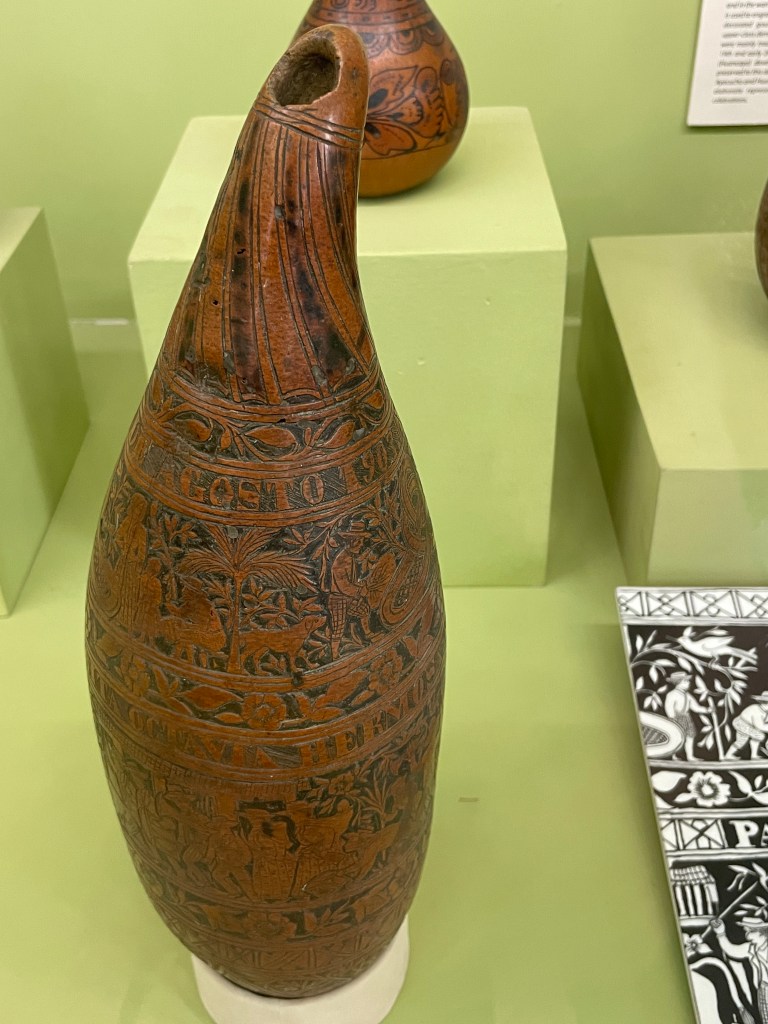
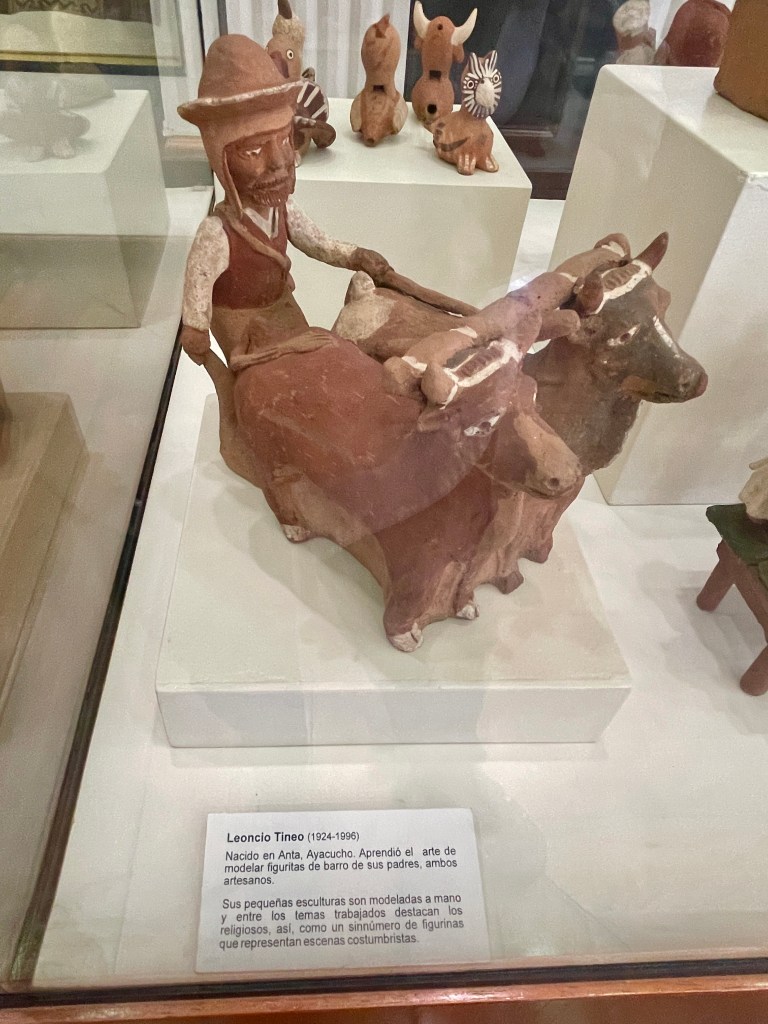
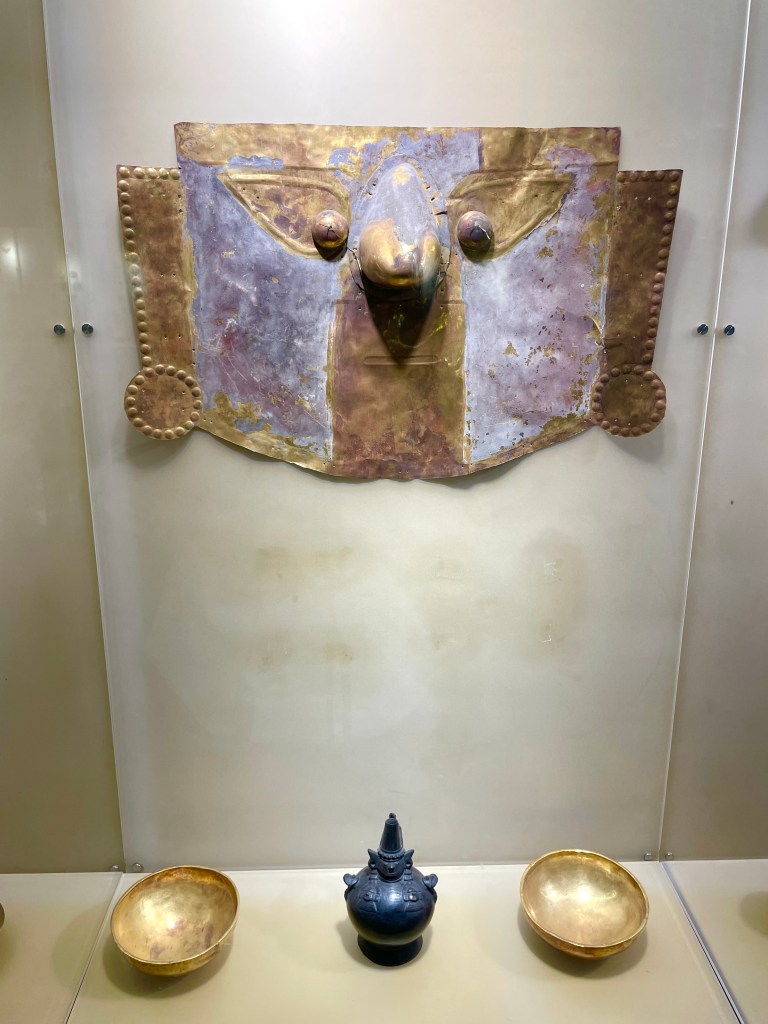
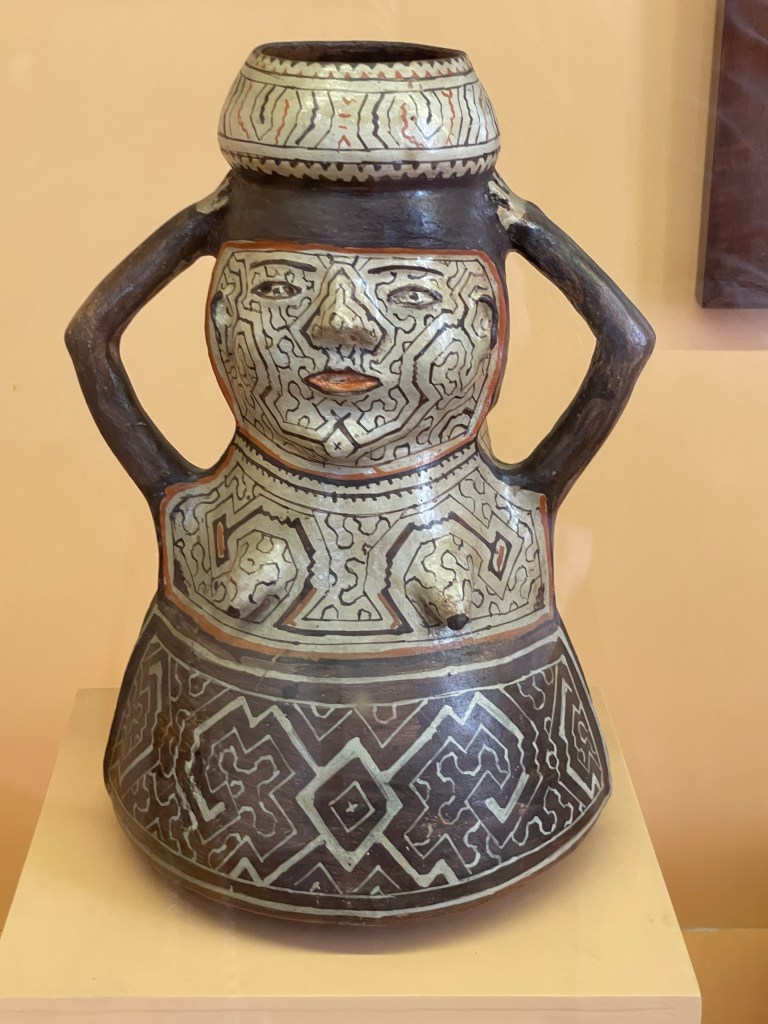
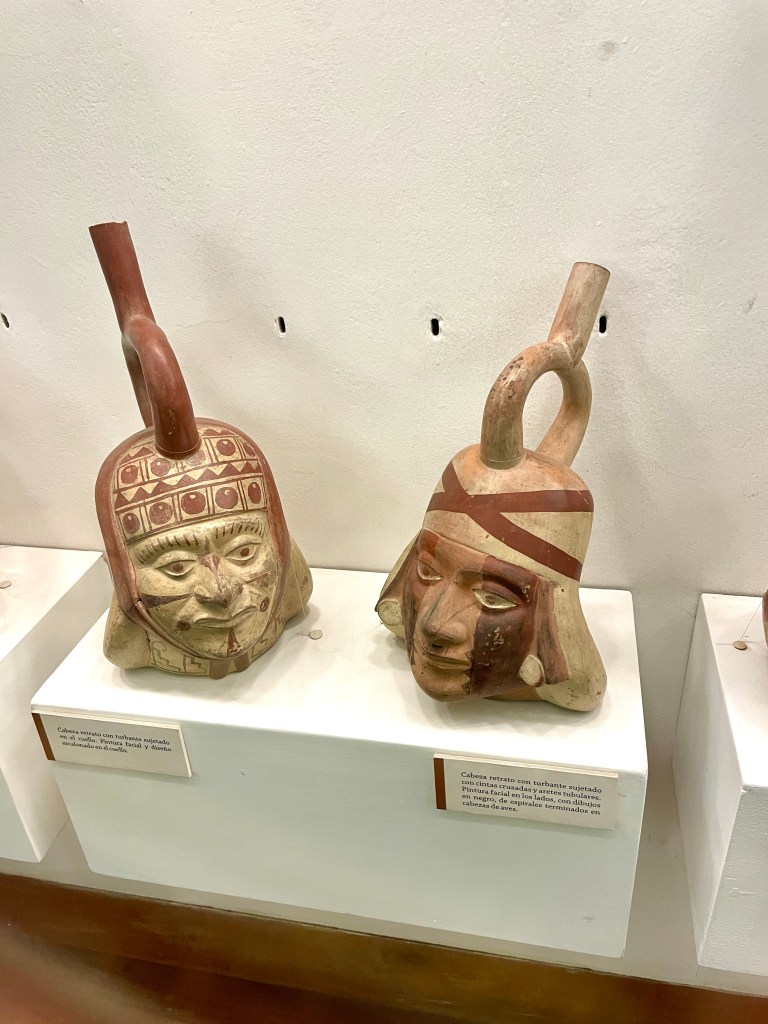
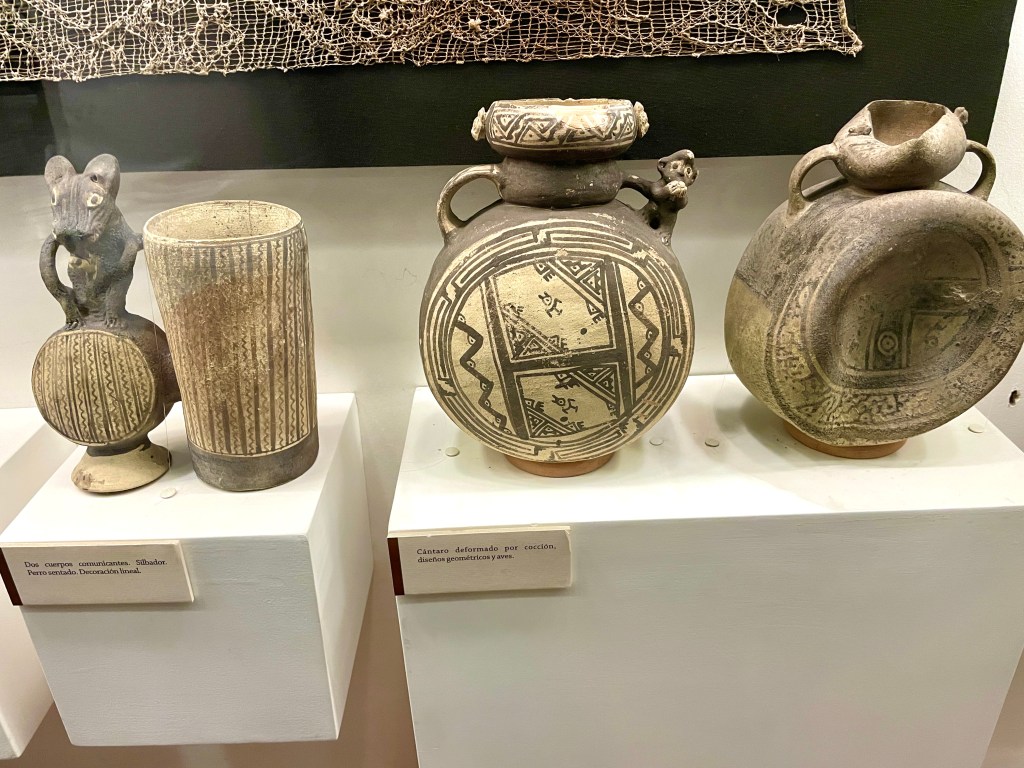
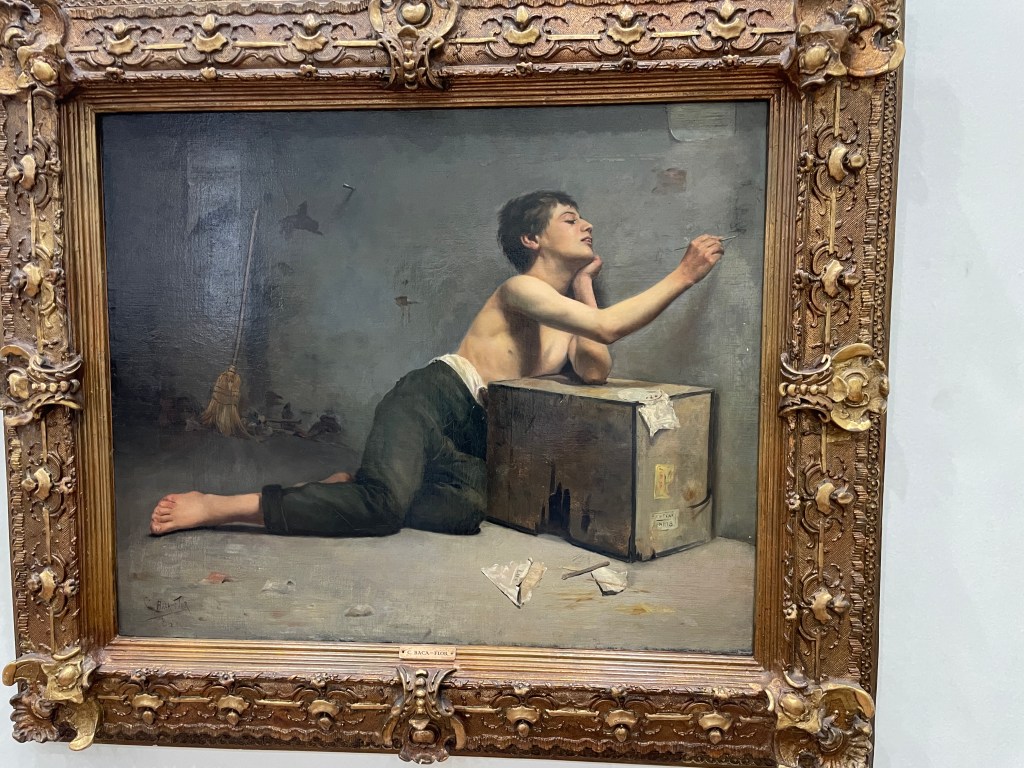
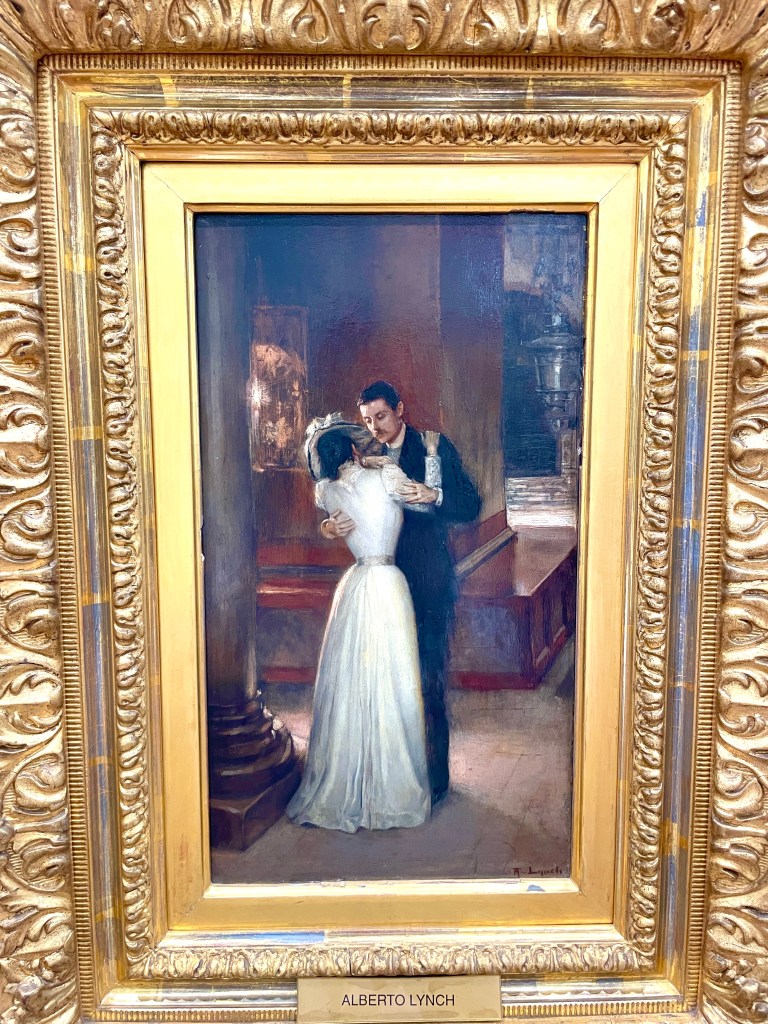
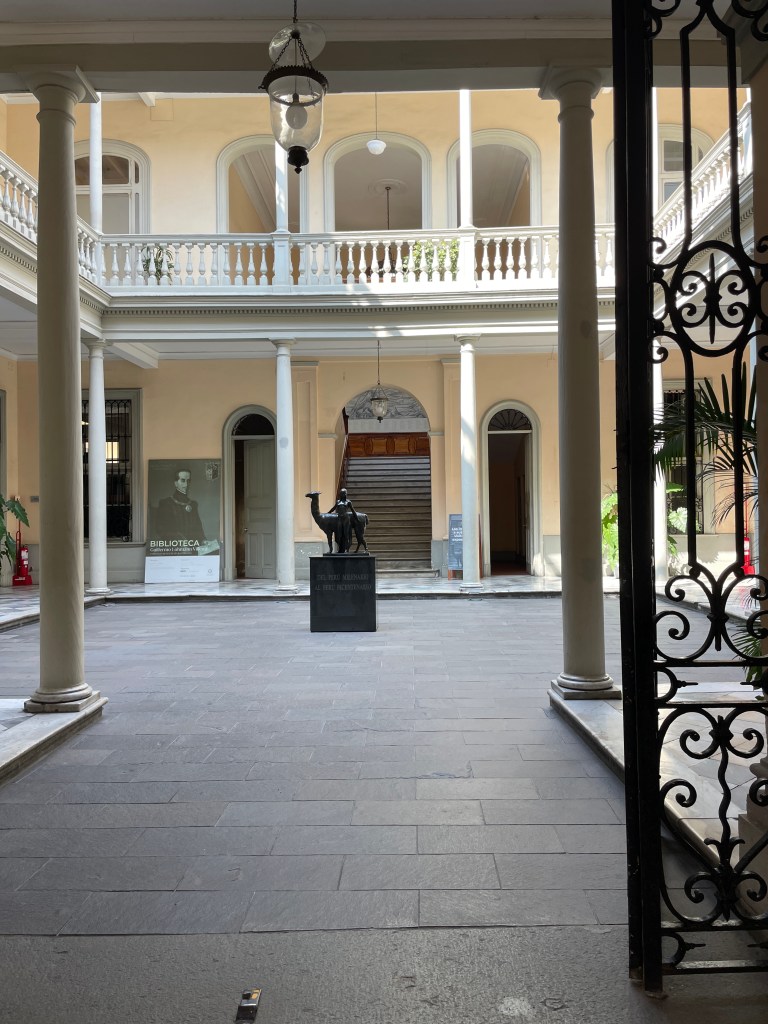
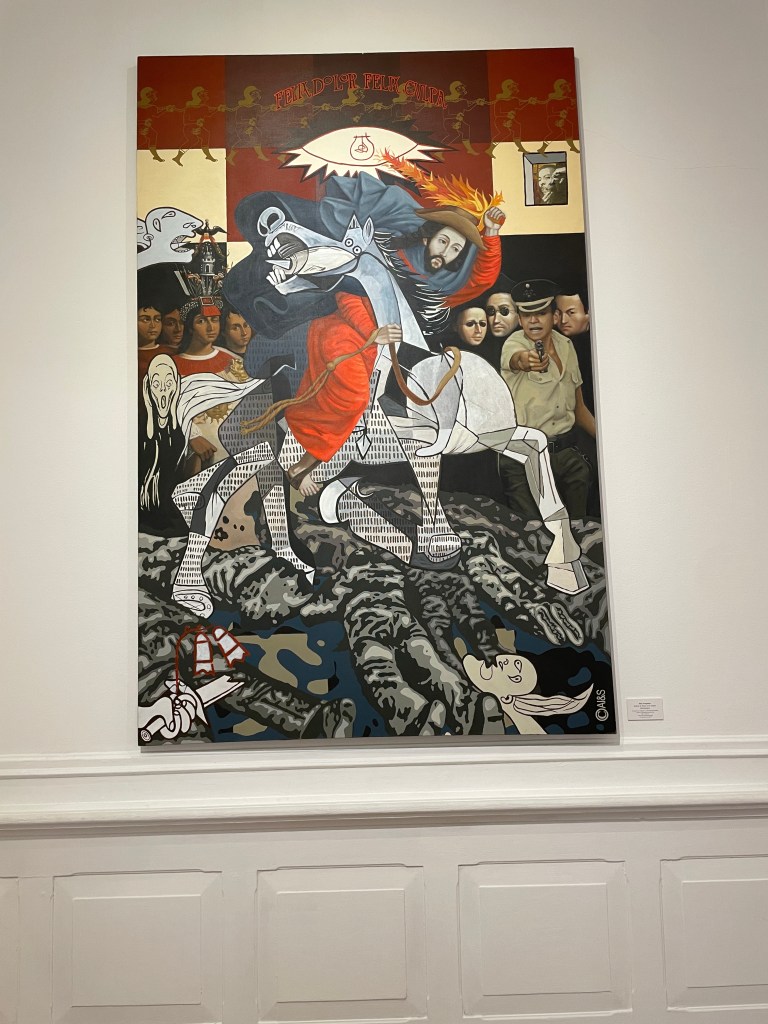
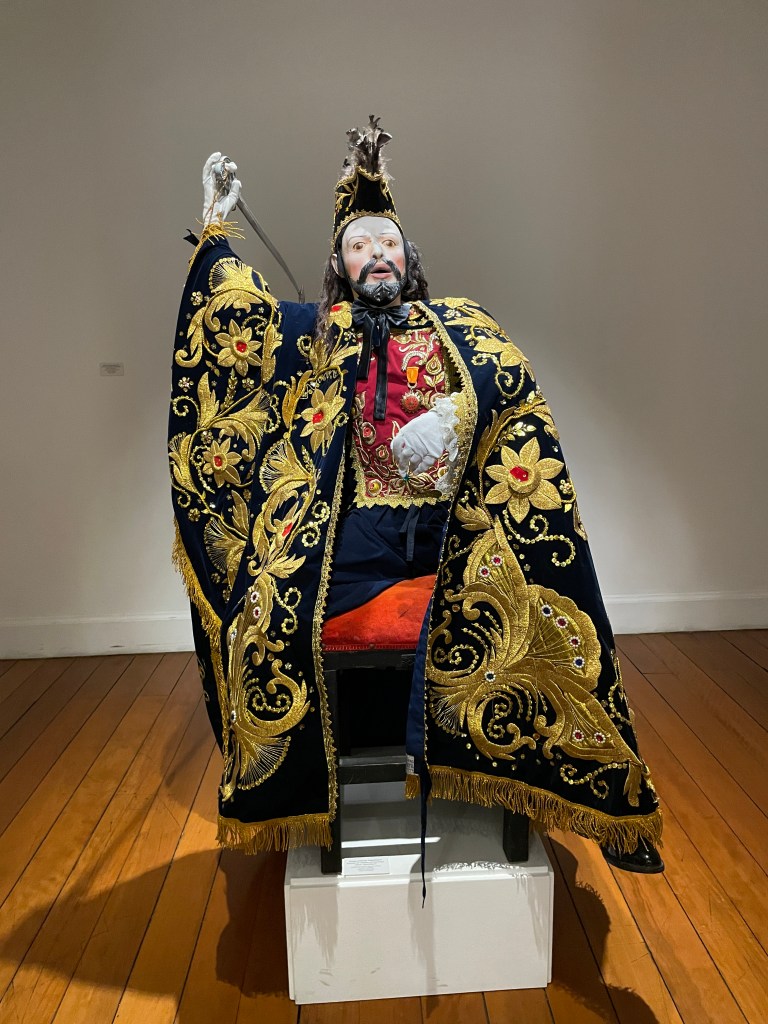
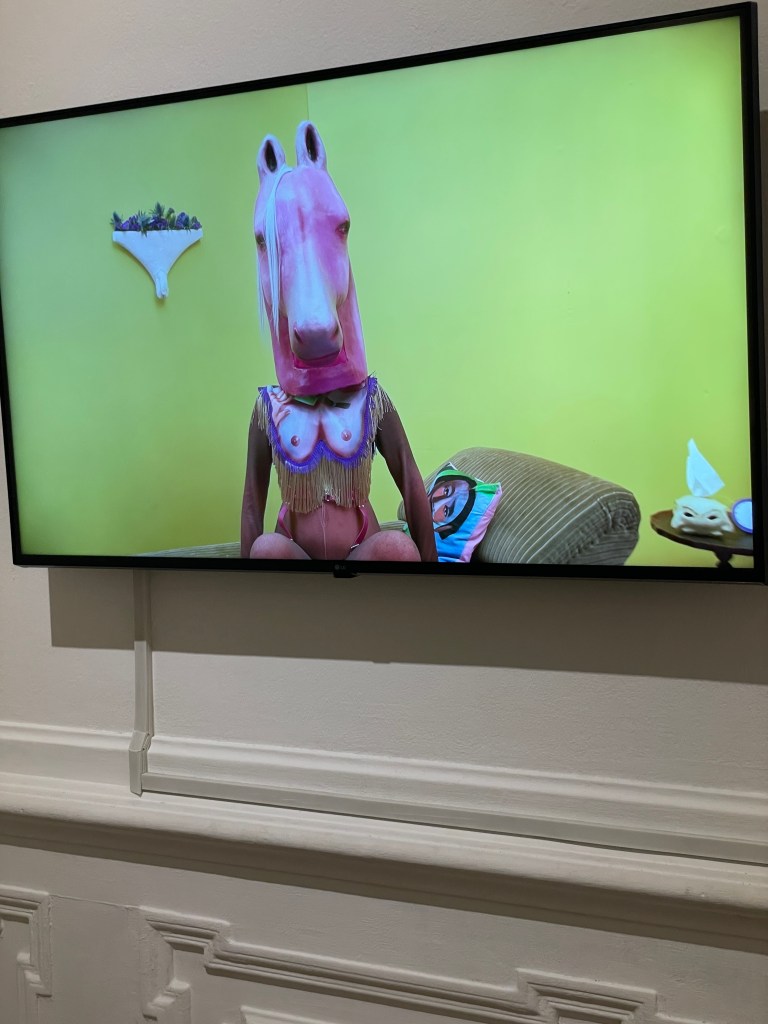
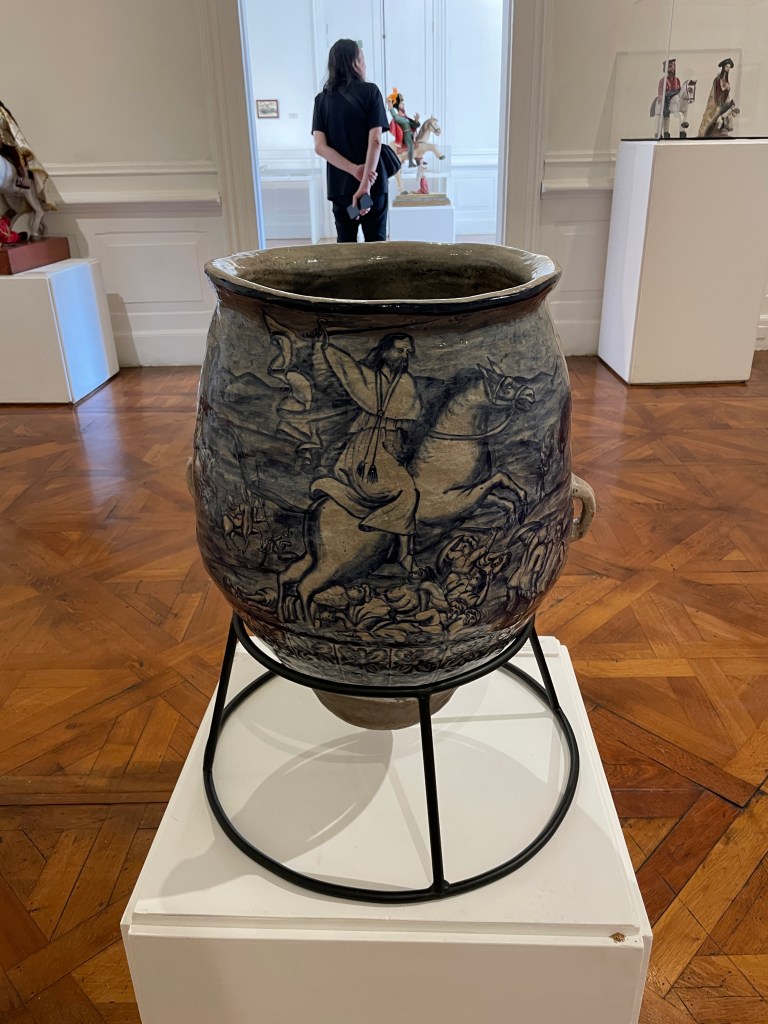
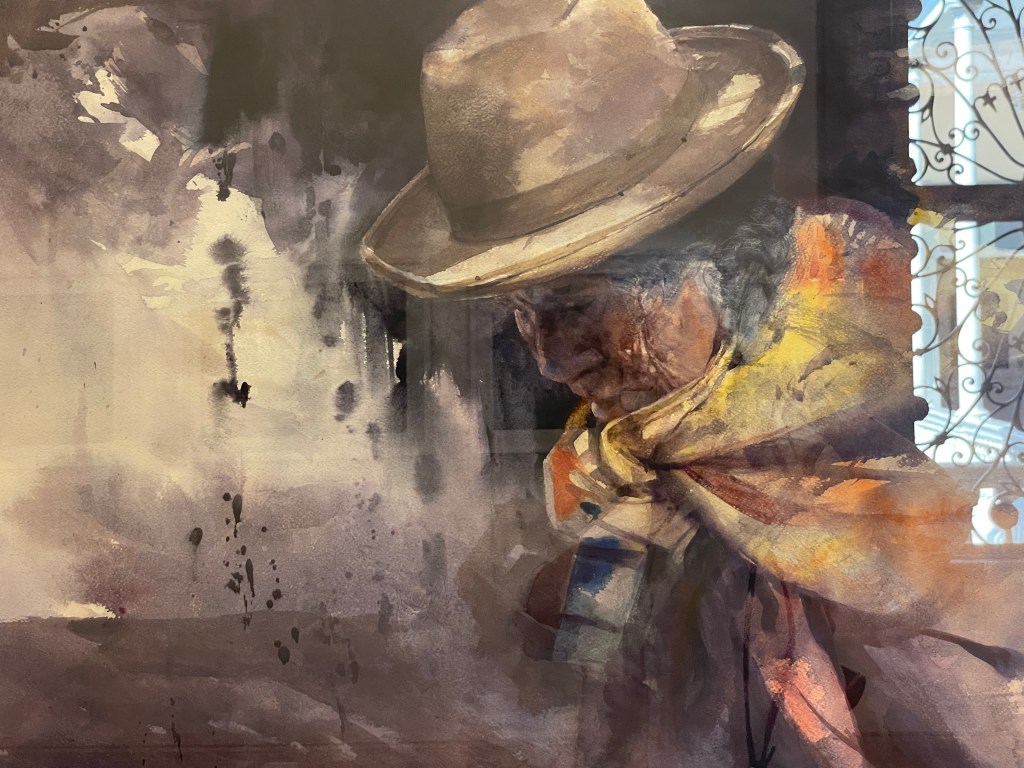
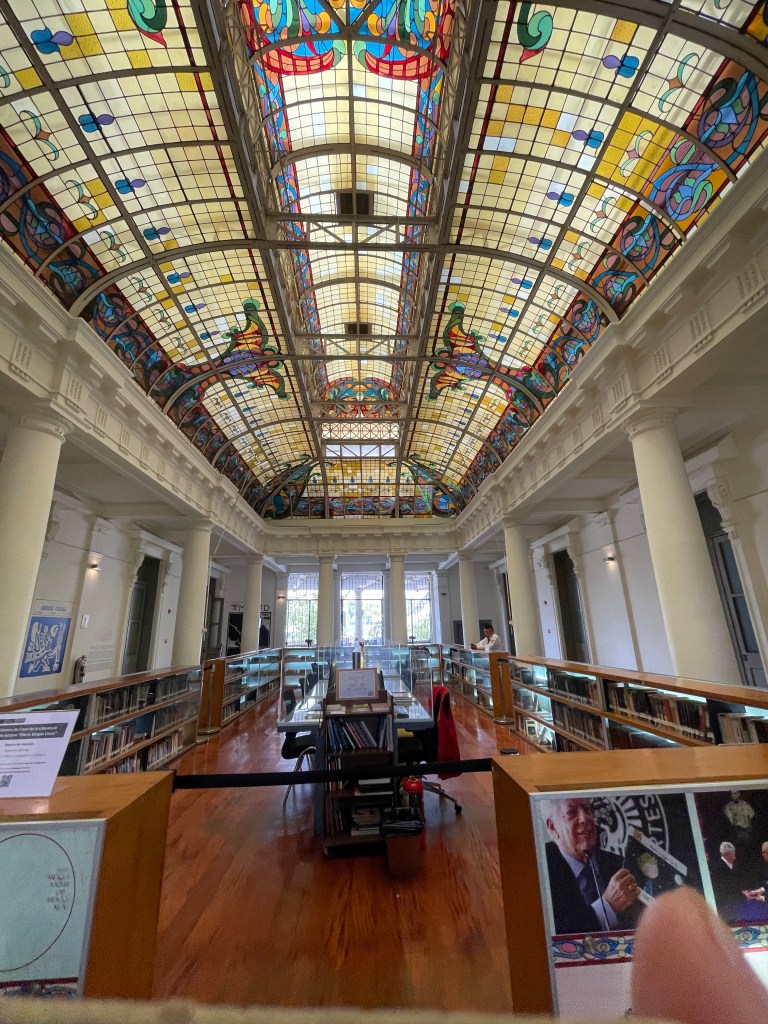
We then stumbled upon the MUCEN also known as the Banco Central De Reserva Del Peru. Housed in an old bank building this museum offers up contemporary art, traditional artwork of the Pre-Columbian peoples of the area and paintings from the 1600-1800’s. It is a great little museum and just perusing the building is worth it. There is no entrance fee.

From there we happened up the Centro Cultural Inca Garcilaso another small museum.

I think it is important to let you know that the smaller ancient churches downtown have limited hours usually from 9-12 and from 5-8 pm. We were disappointed to miss some of these gems and think it is worth the time spent to visit them if you can.

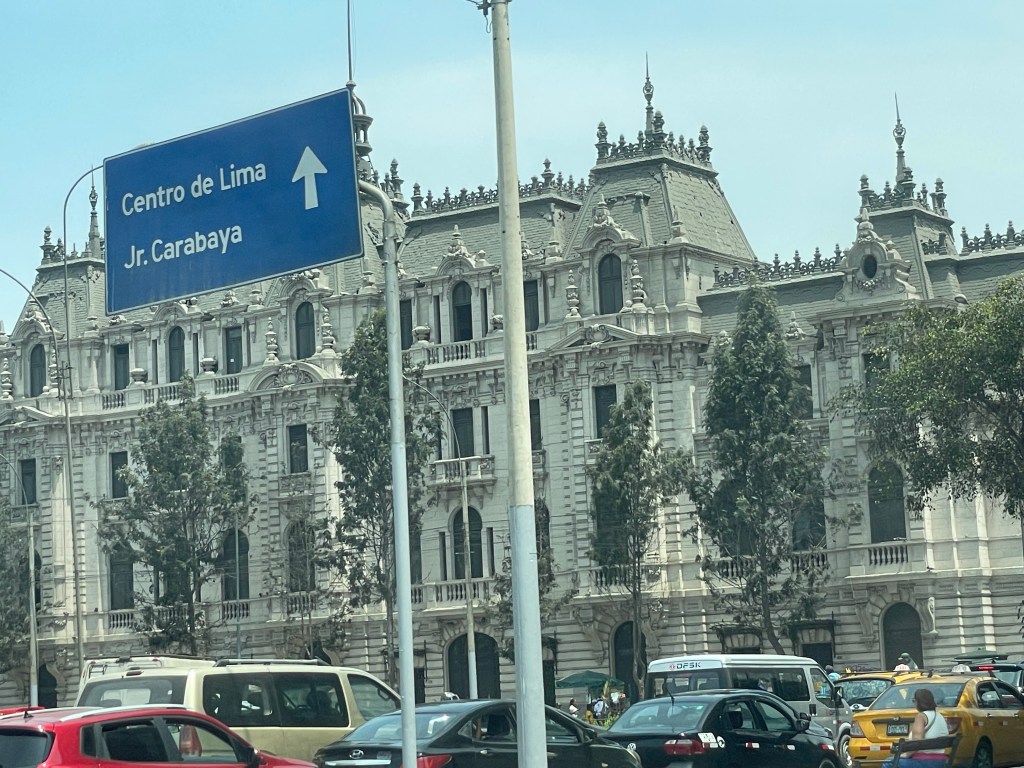
At this point I am just going to dump some photos that I hope you will enjoy. Lima really is an incredible city and it’s a place I will probably return to again and again. Moderate weather, beautiful scenery, a fascinating history, easy walking neighborhoods, and a feeling of safety makes this an ideal place to spend time and explore until your heart is content.

The Most Marvelous Day-Cusco, Peru

The morning started with a massive headache. But what do you expect when you are at 11,100 feet above sea level and altitude sickness is knocking on your door? A few Tylenol later and Michael and I were heading through an ancient wooden door and stepping out into the unknown.

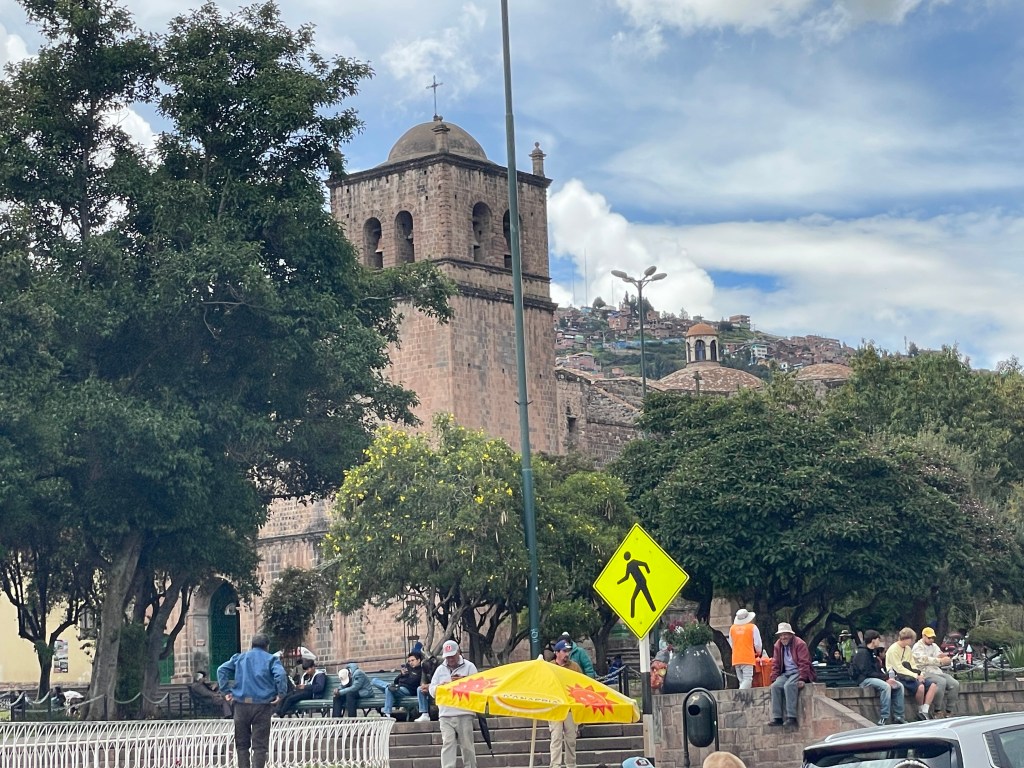
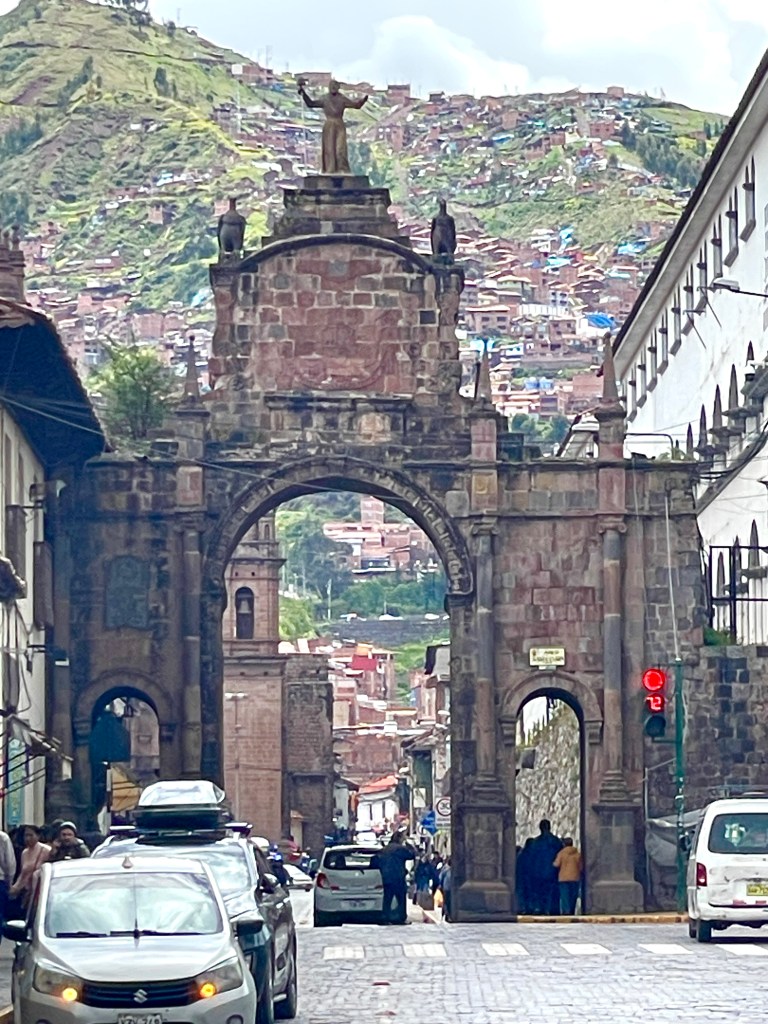
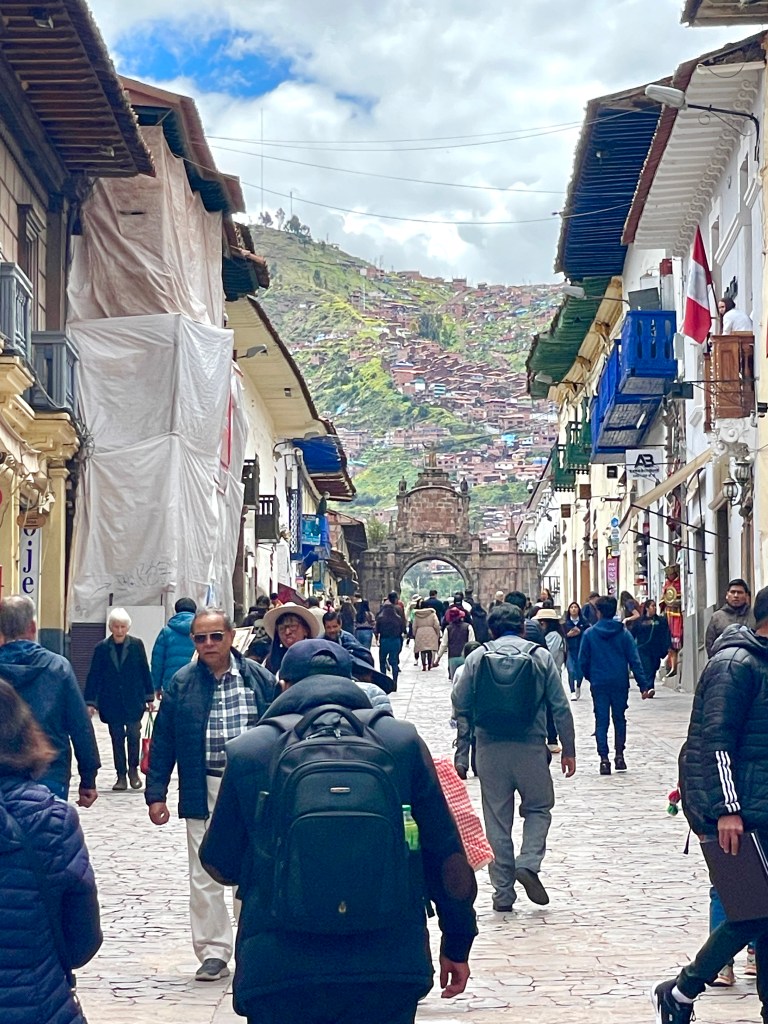
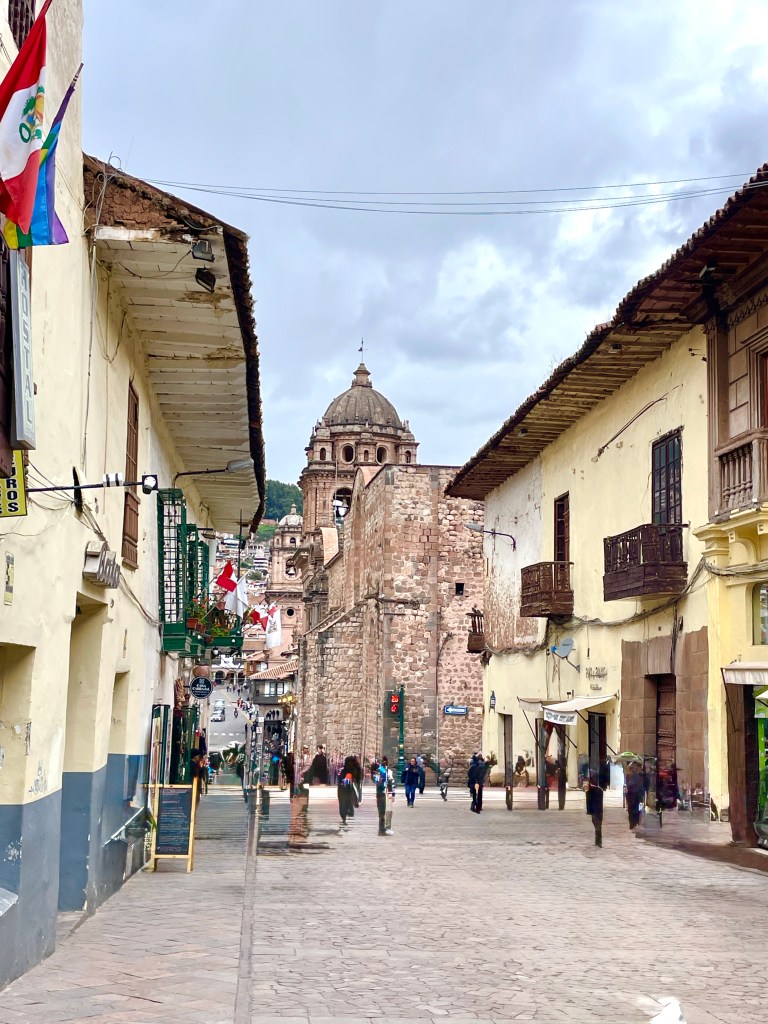
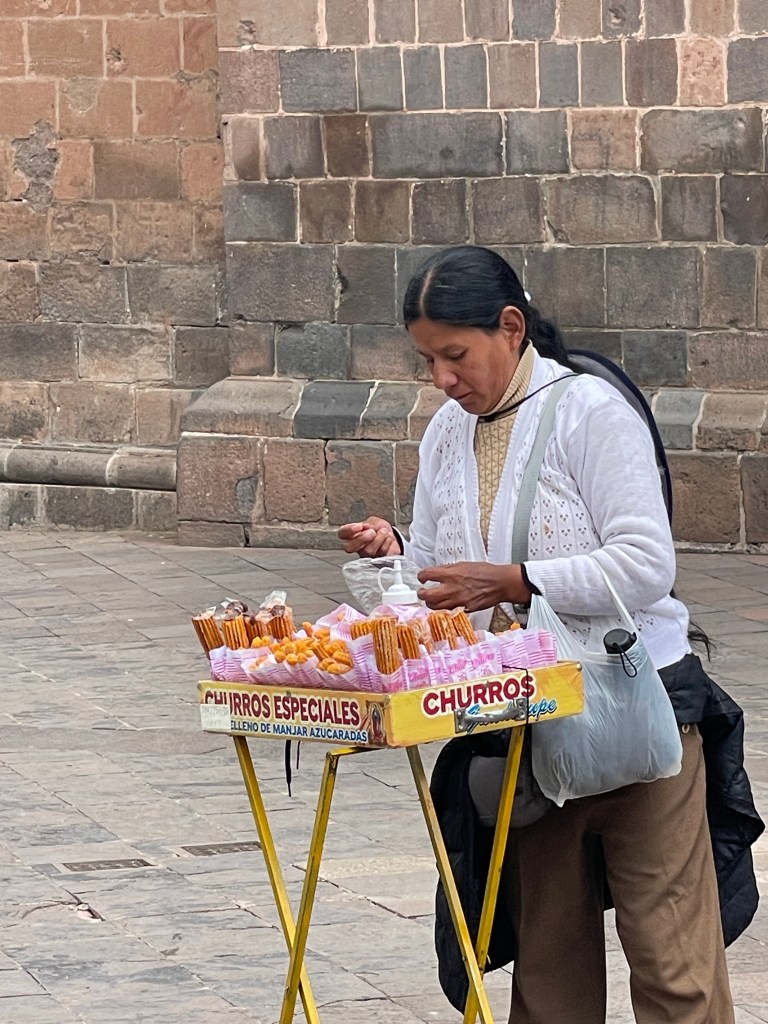
Cusco, Peru is one of the most scenic and authentic towns I have been to in South America. In only five minutes time while walking through the squares it was easy to determine that I absolutely love it here! History seeps from its pores and every corner turned is a new adventure. Yes, it is true that Cusco is a tourist town where all the foreigners hang out before heading to Machu Picchu but despite it all it’s historic center is amazing with small cafes, ancient churches, and coffee houses dotting the area. I only wished I had been around to see its untouched and unspoiled beauty fifty years ago.

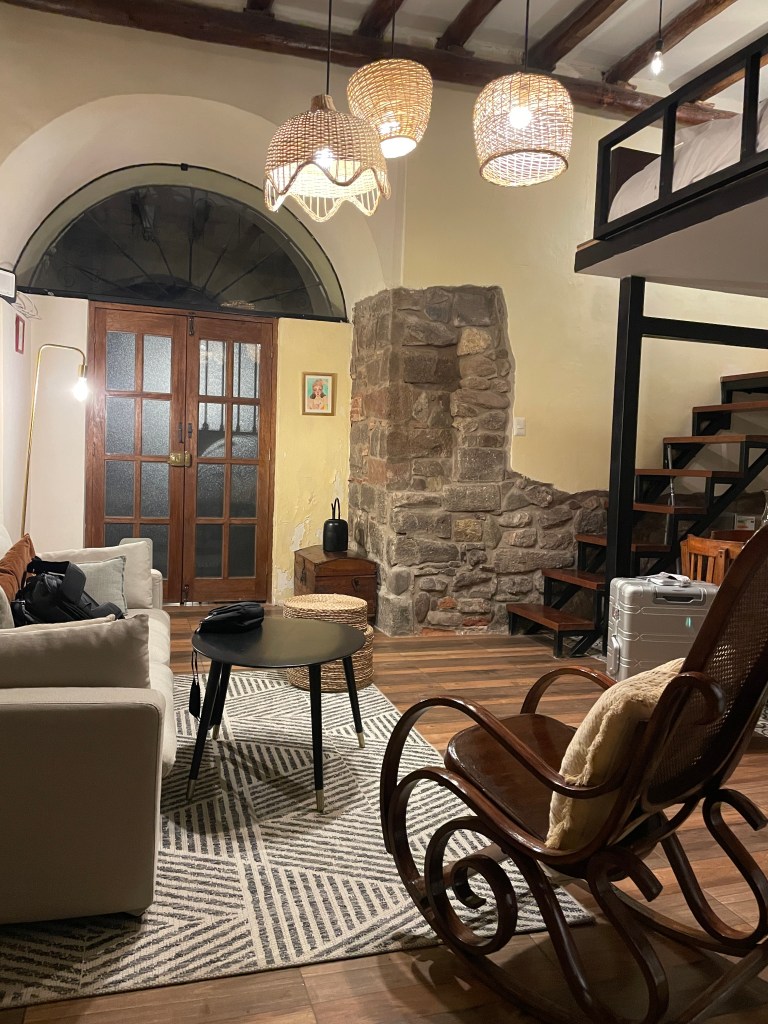
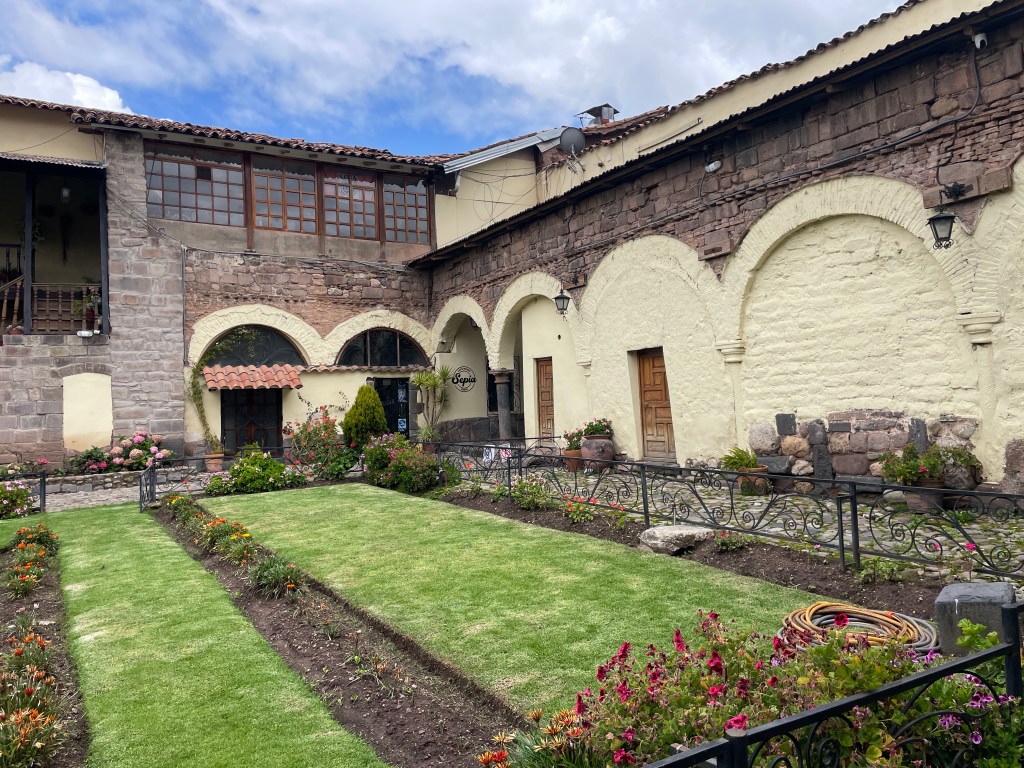
We are staying at an Air b&b called Secret Garden and except for being a bit chilly at night it is everything you could ask for. Set in an historic building it looks like a “typical” hacienda found in Mexico. We were told that for altitude sickness we should drink some coca leave tea which we conveniently located in a kitchen canister. The tea is slightly bitter and I cannot tell you if it helps or not but hey….sometimes you just have to follow the traditions of the area.

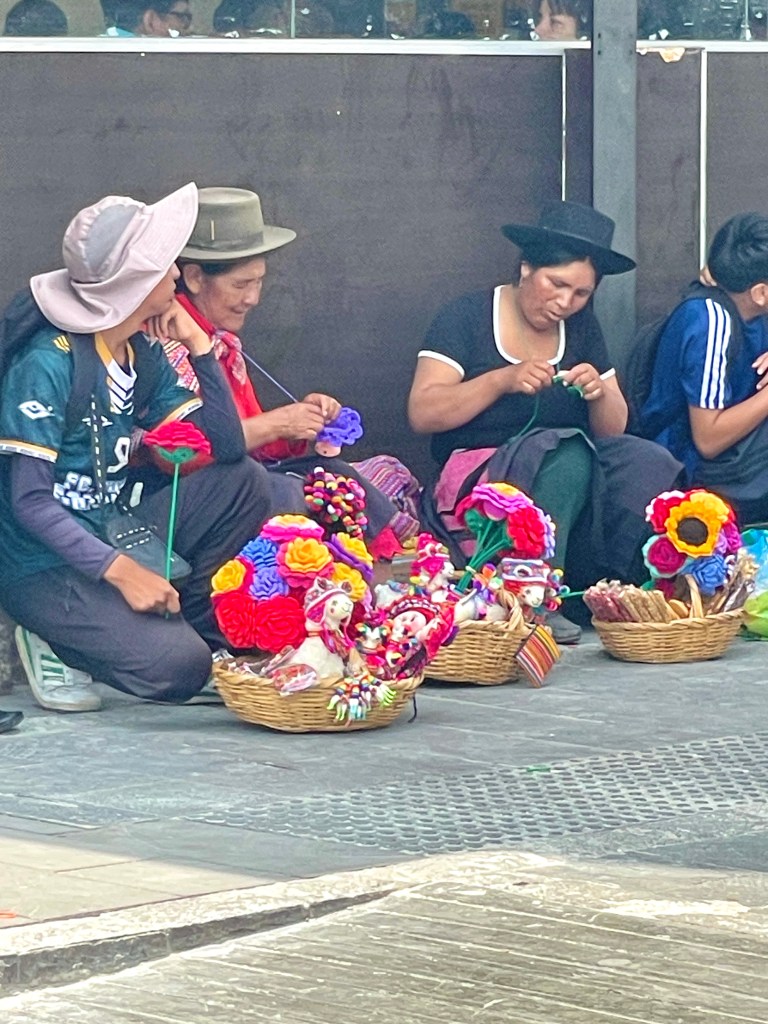
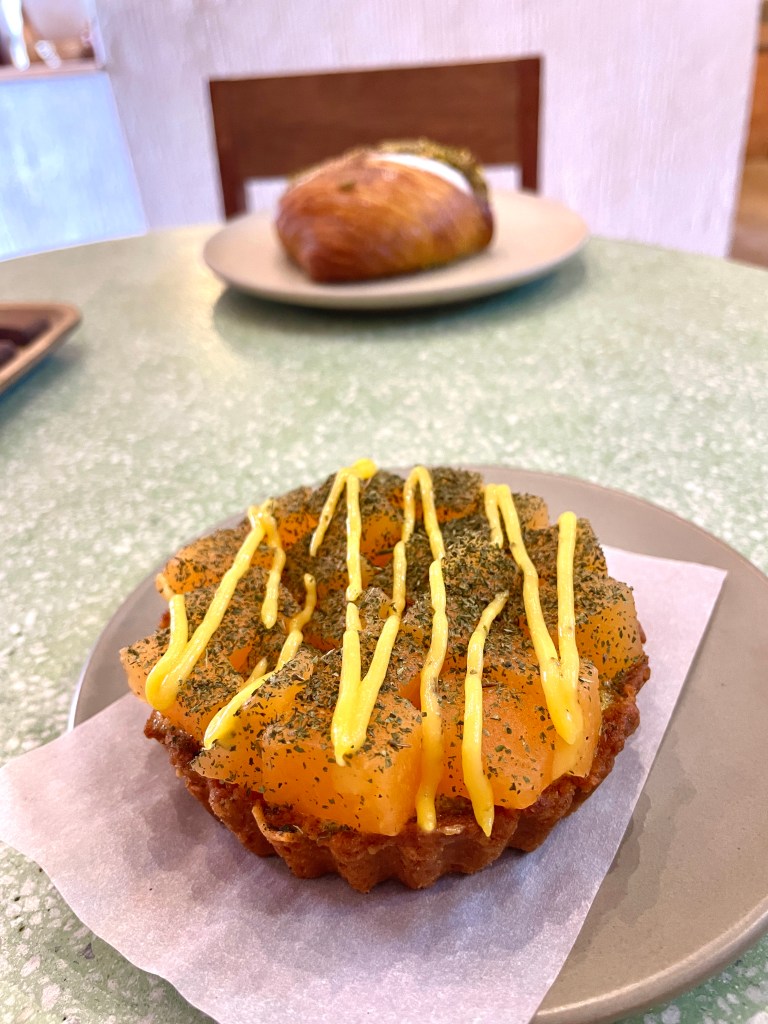
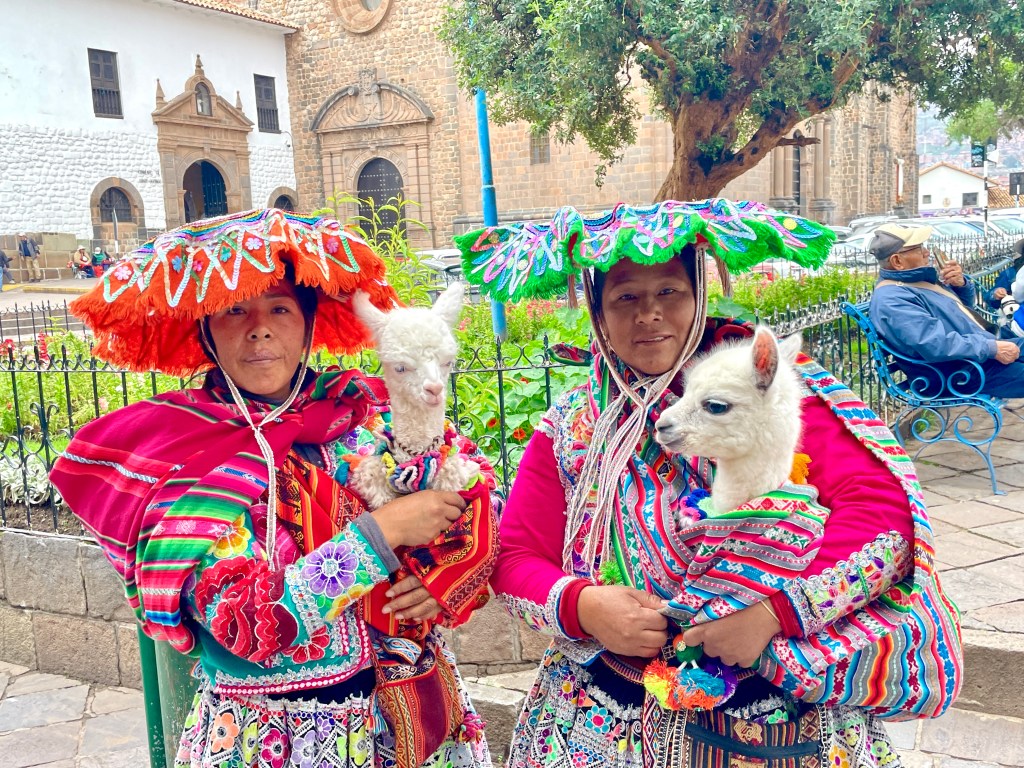
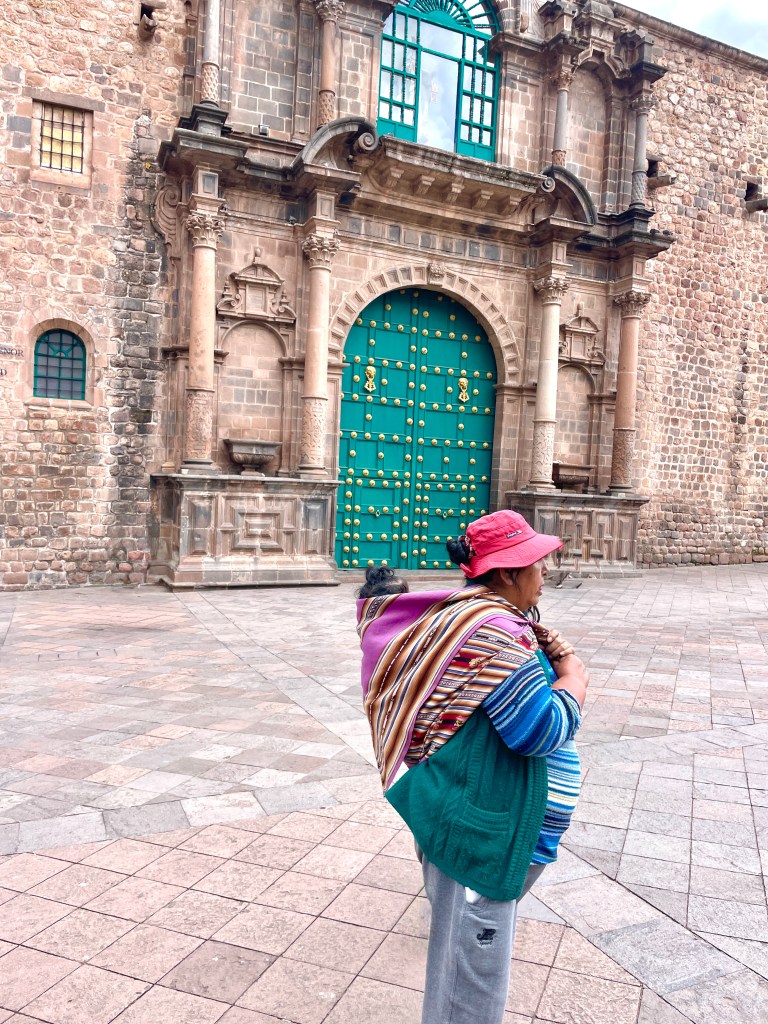
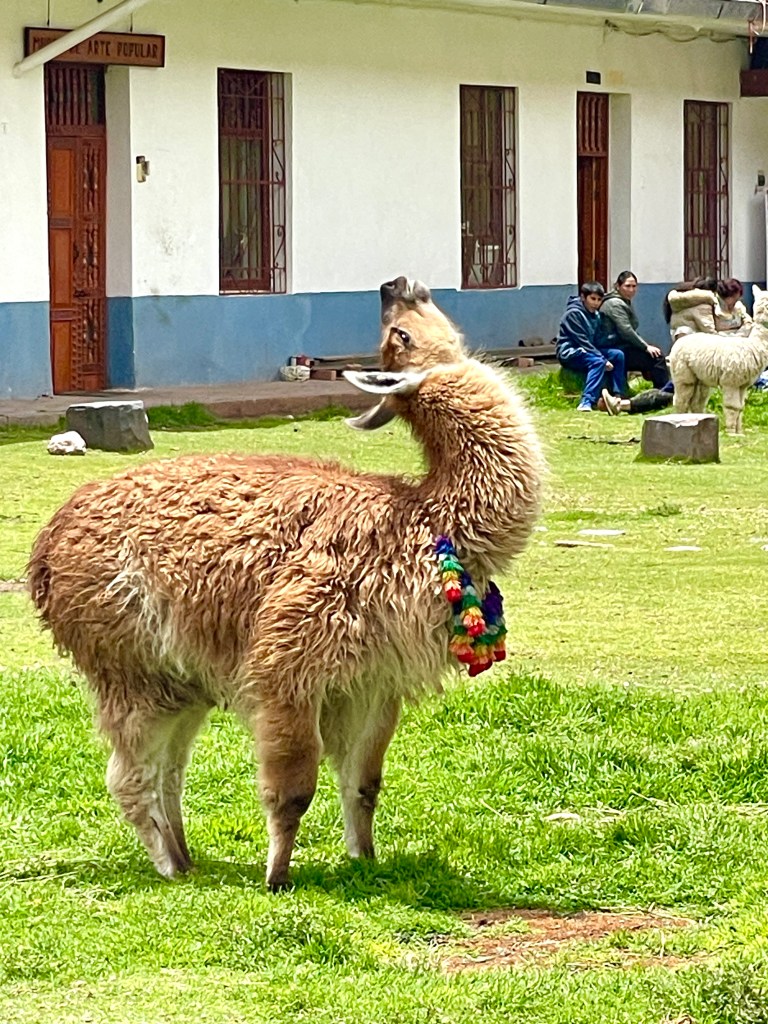
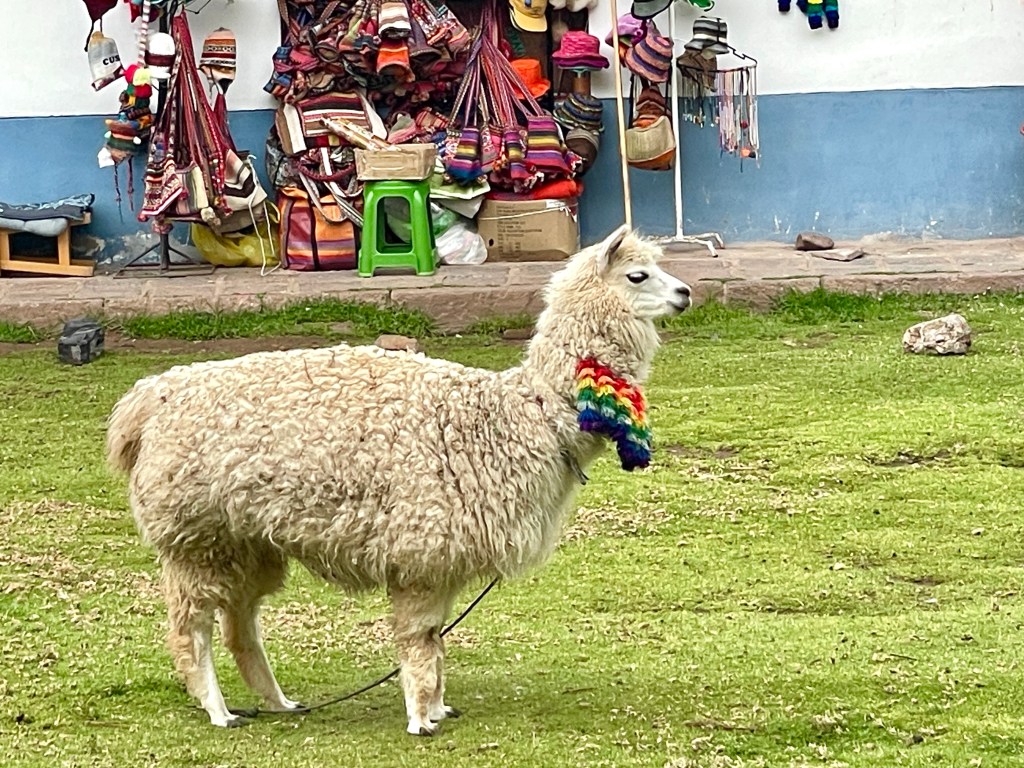
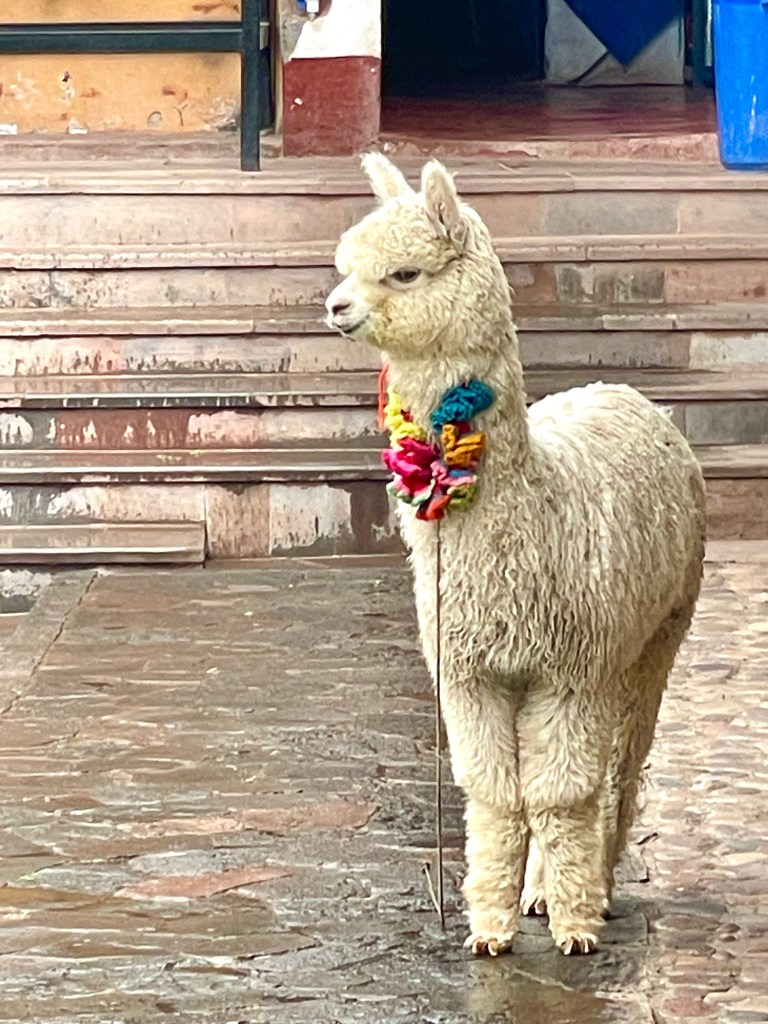
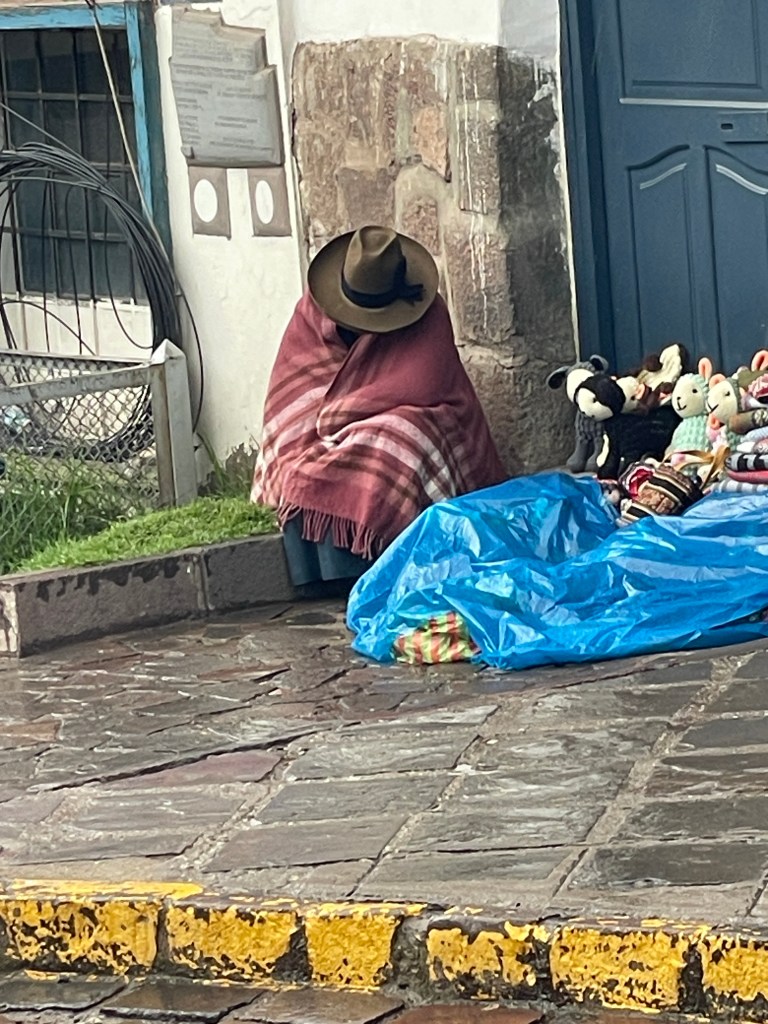
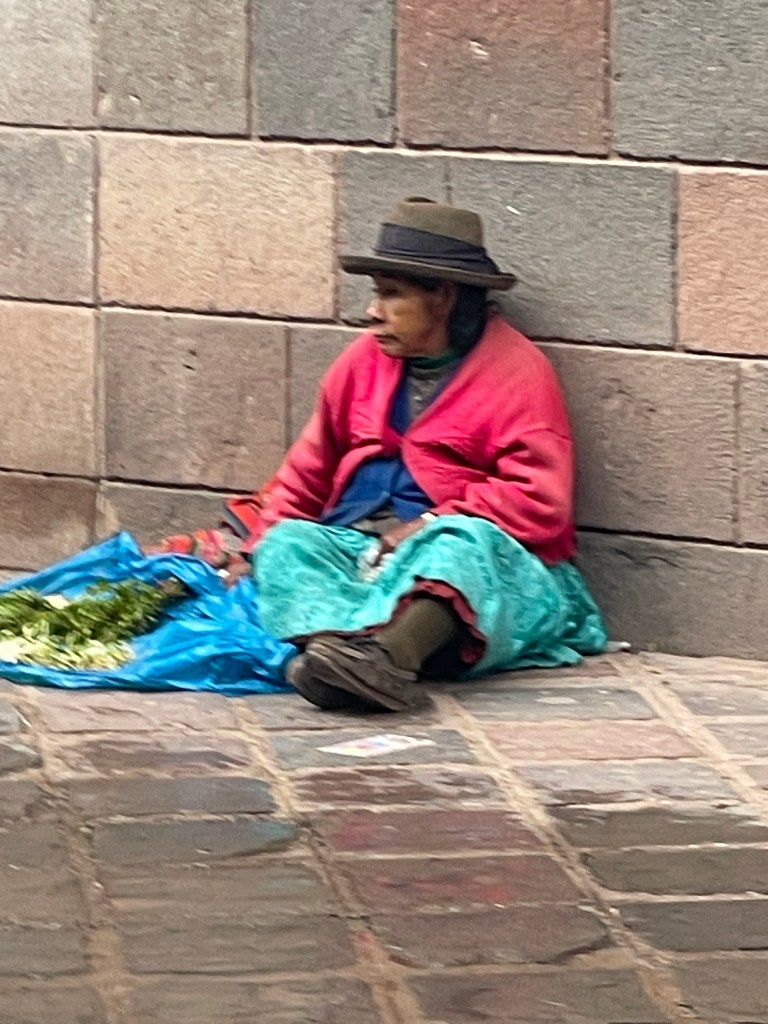
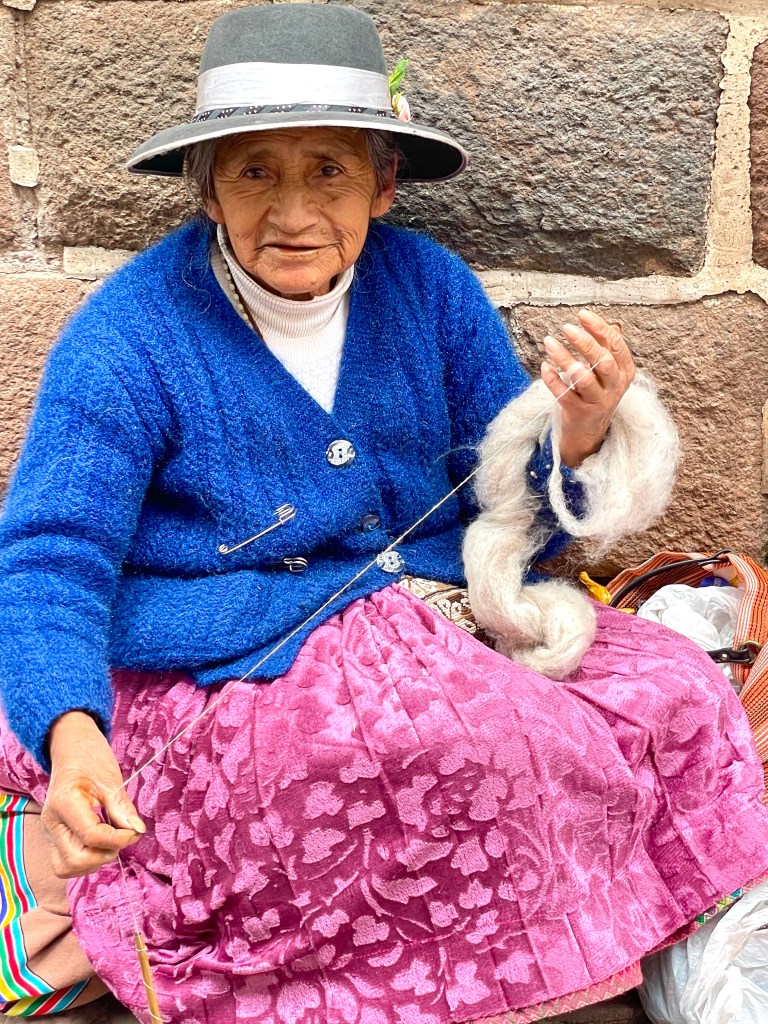
Upon exiting a hoary wooden door we were immediately thrust into the one of the city squares. People, busses and cars hugged the narrow streets as we walked to a small coffee house. I had an amazing gluten free tart made of tumbo fruit which is native to the area. Right outside of the door we saw these ladies and their baby alpacas.

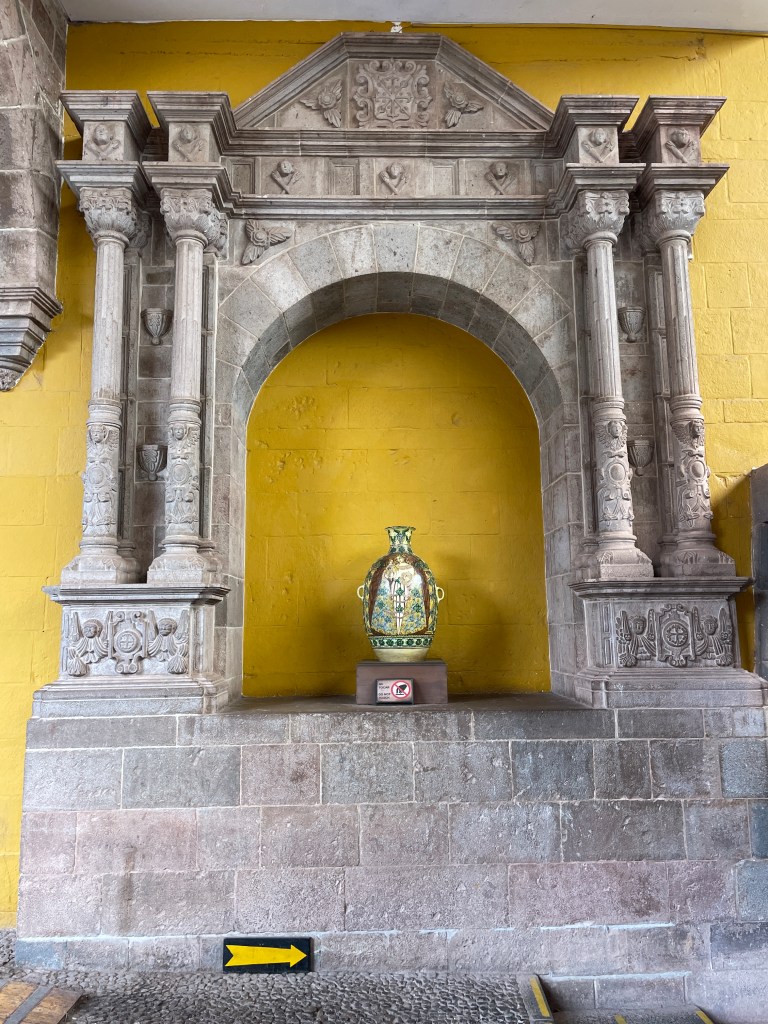
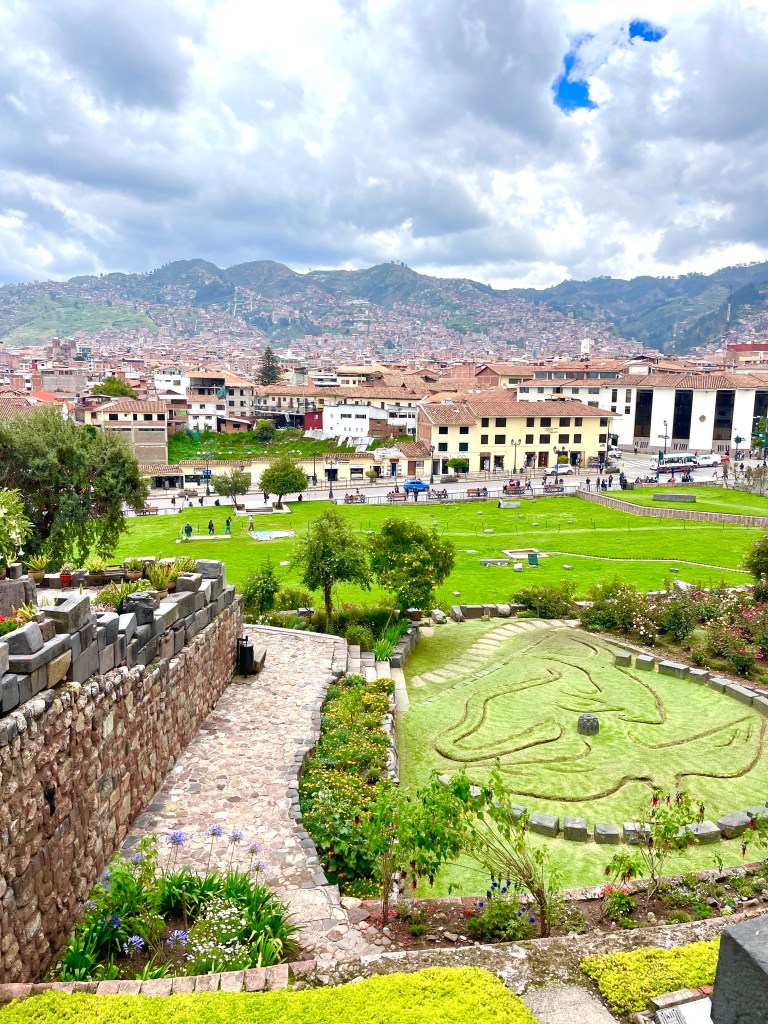
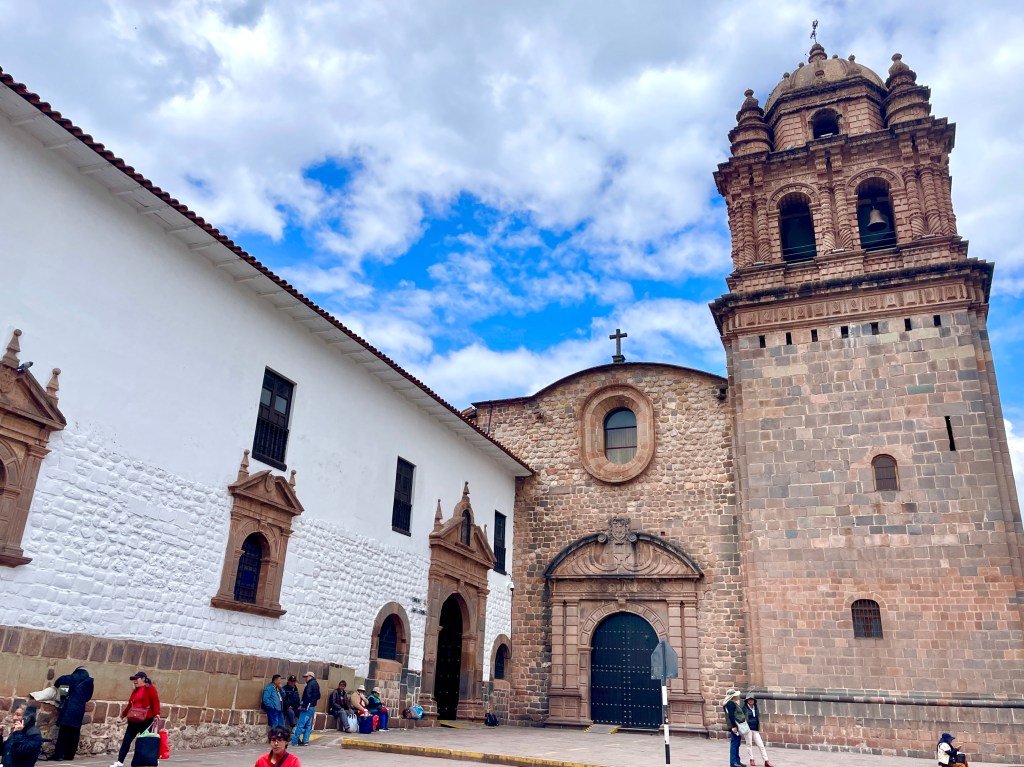
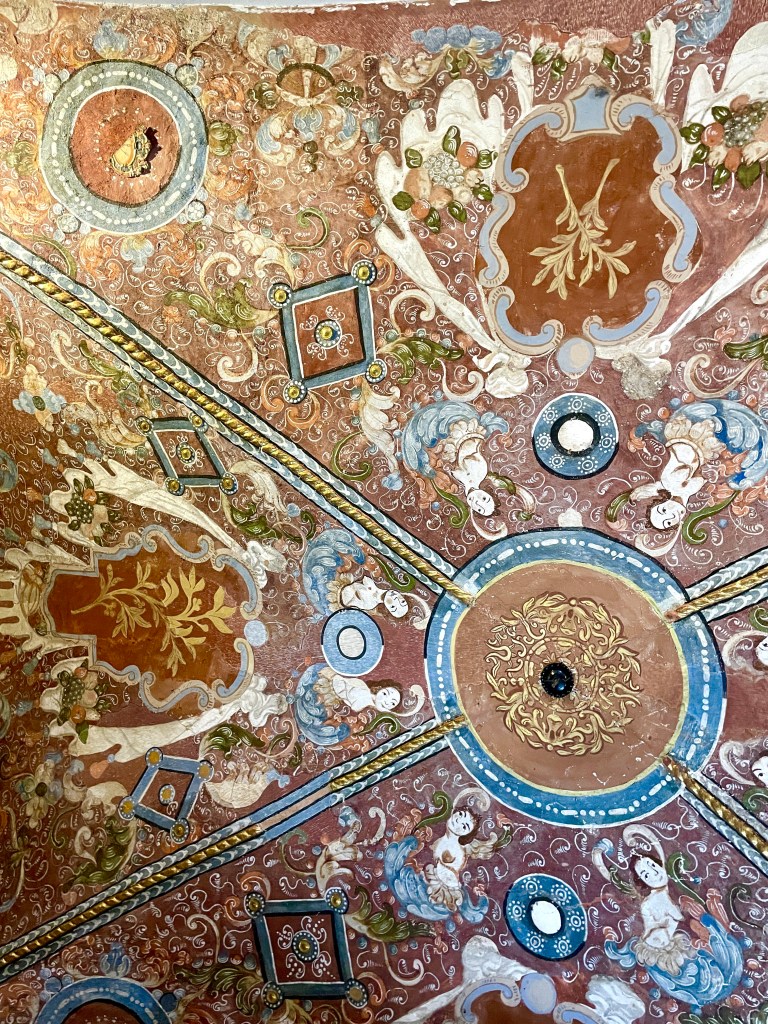
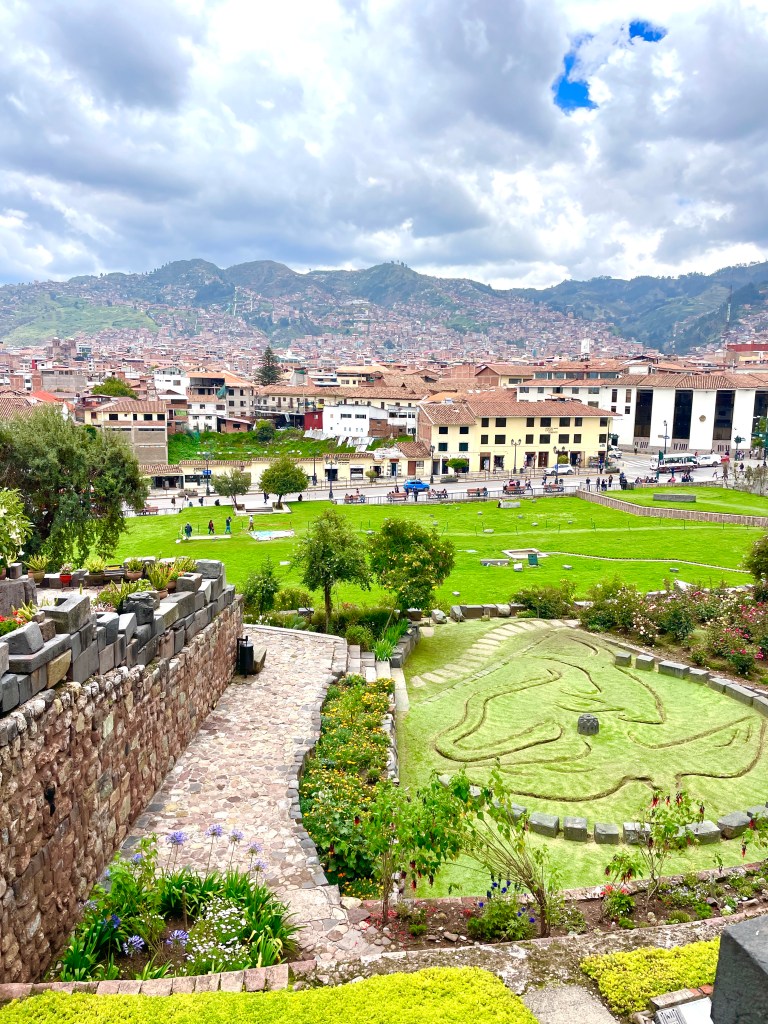
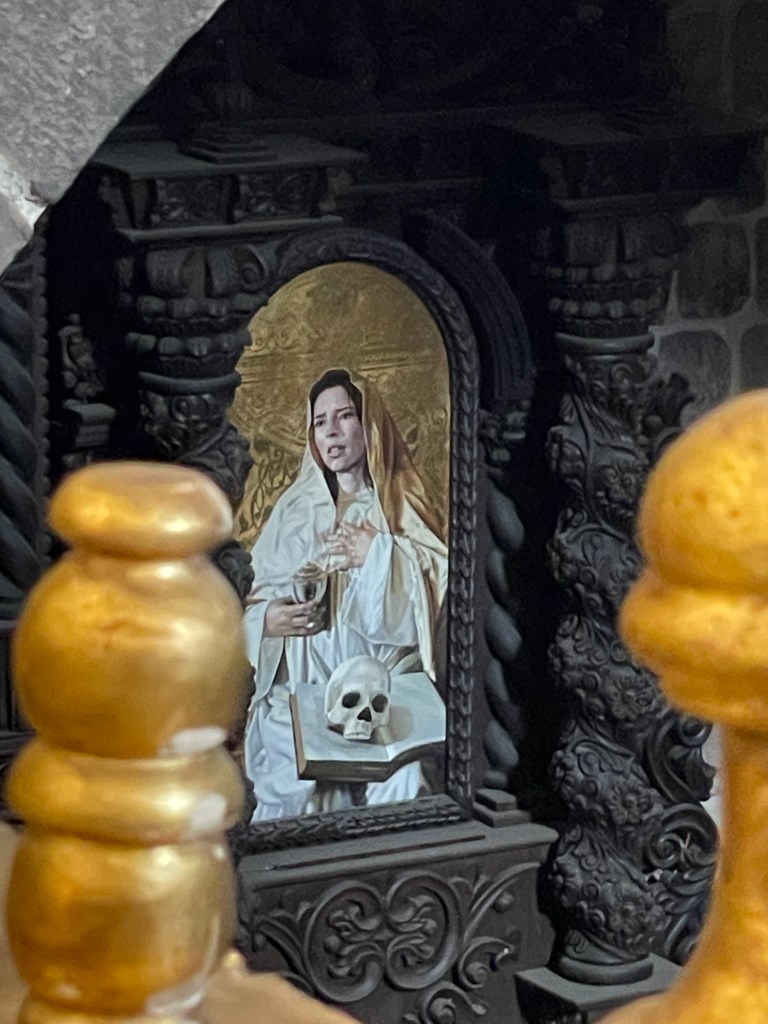
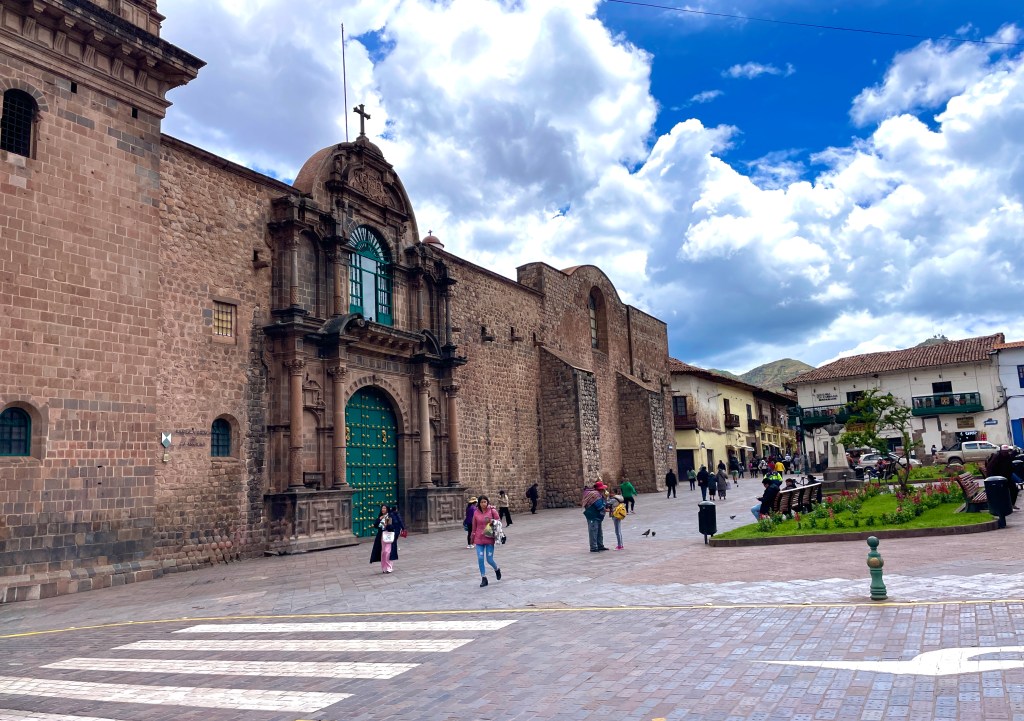
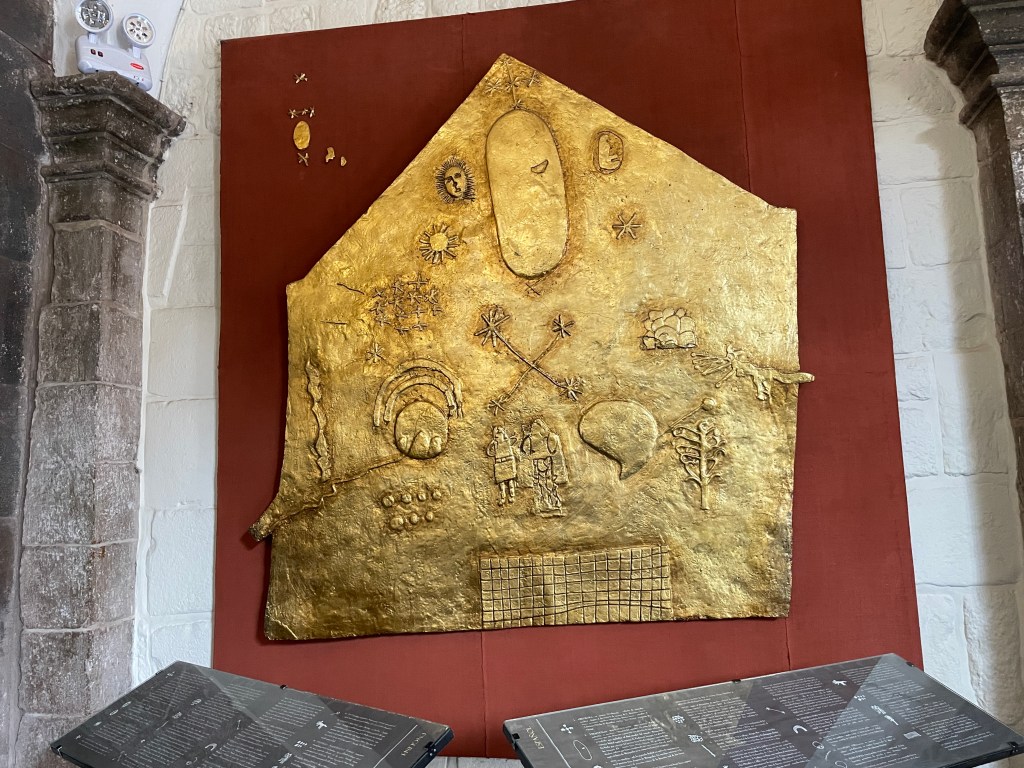
Across the street we paid $20 Sol to enter a museum known as the Qorikancha Archeological Site and Museum; which was once the main temple of the vast Inca Empire built around 1200 AD. The Inca Empire was largest territory in the New World before European conquests began. Qorikancha or the House of the Sun was constructed and according to the Spanish was filled with golden treasures. Eventually, Colonial buildings were added to the Inca land while most of the original buildings were destroyed. The land was given to the Dominican order and the Church and Covent of Santo Domingo. The property has undergone many transformations due to many large earthquakes that have occurred over the past four-hundred years.

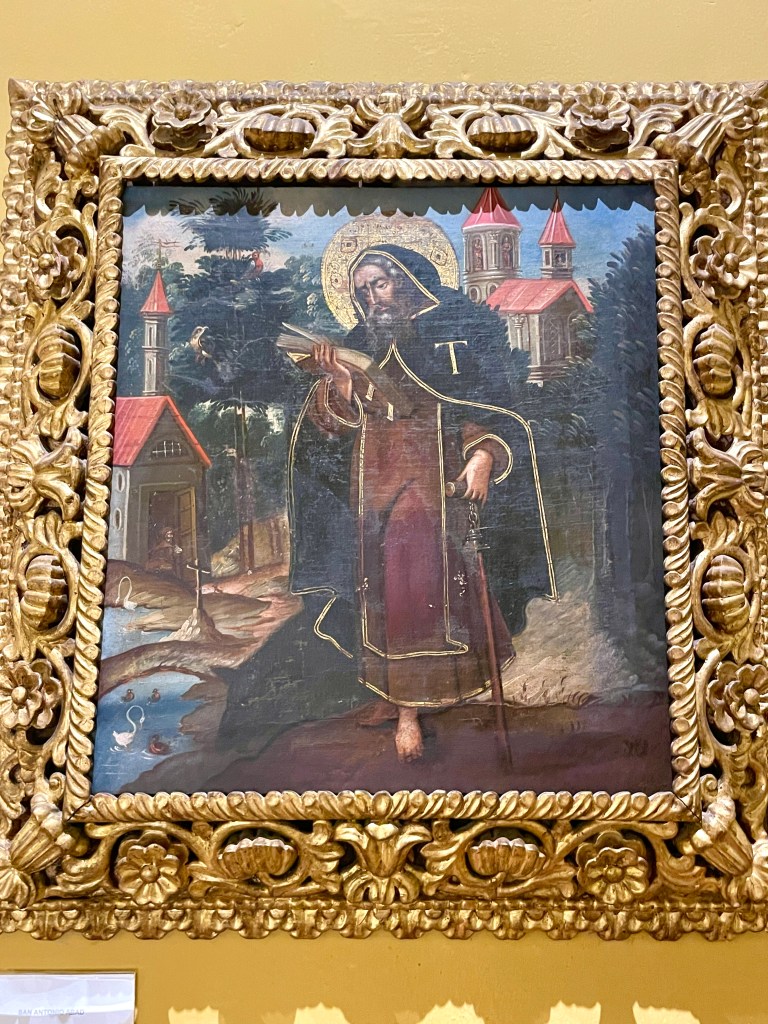
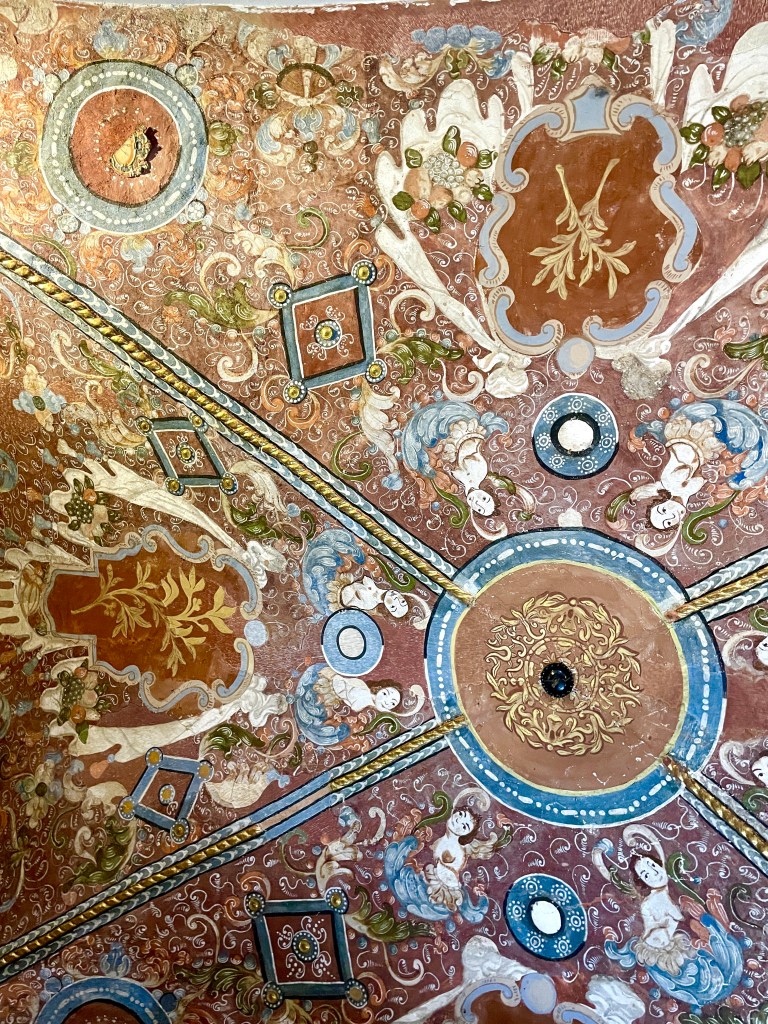
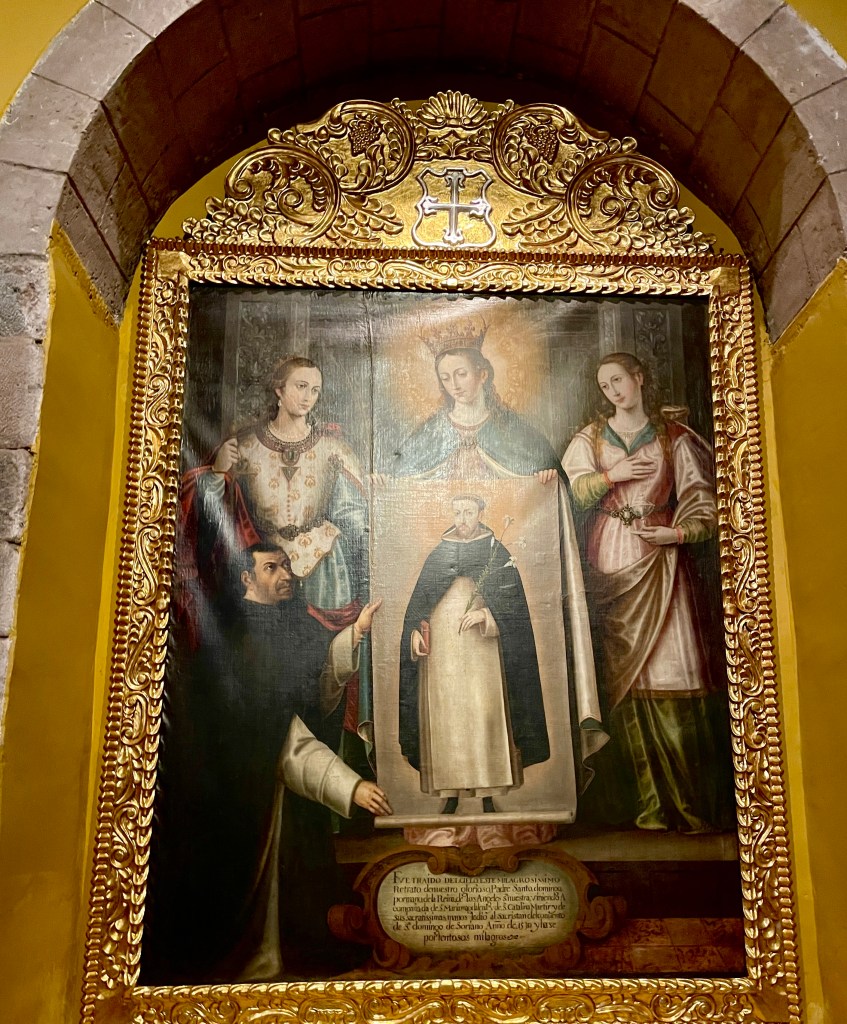
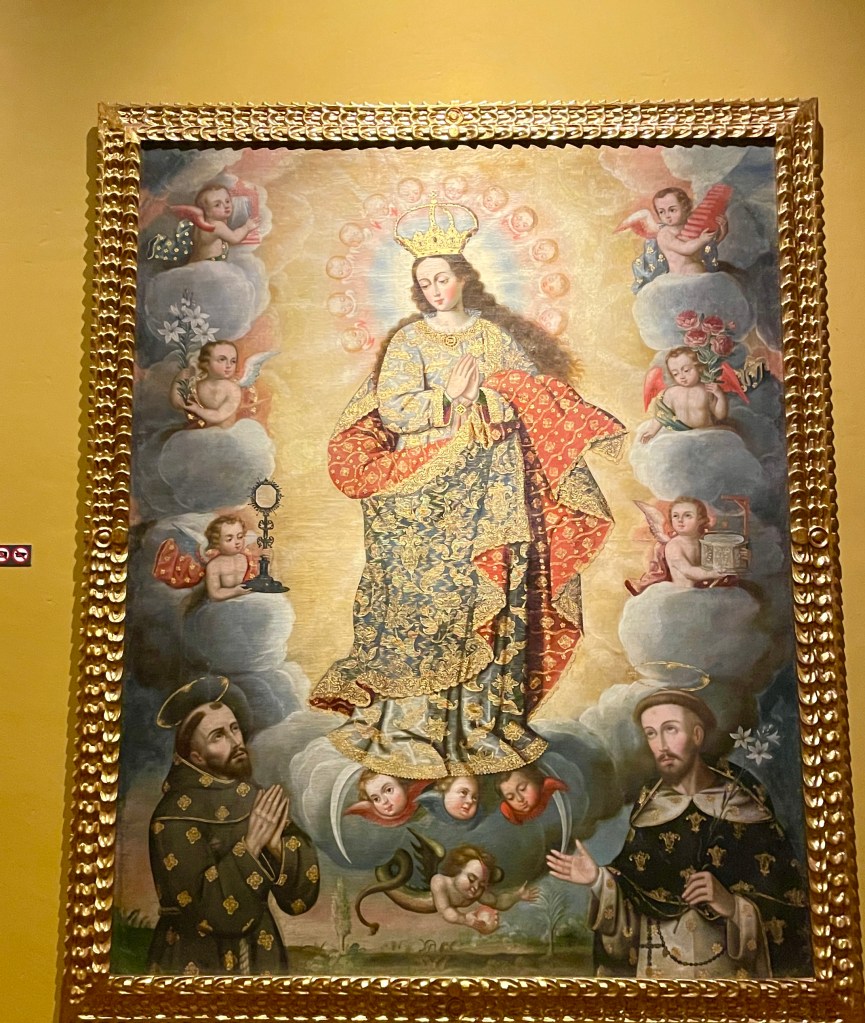
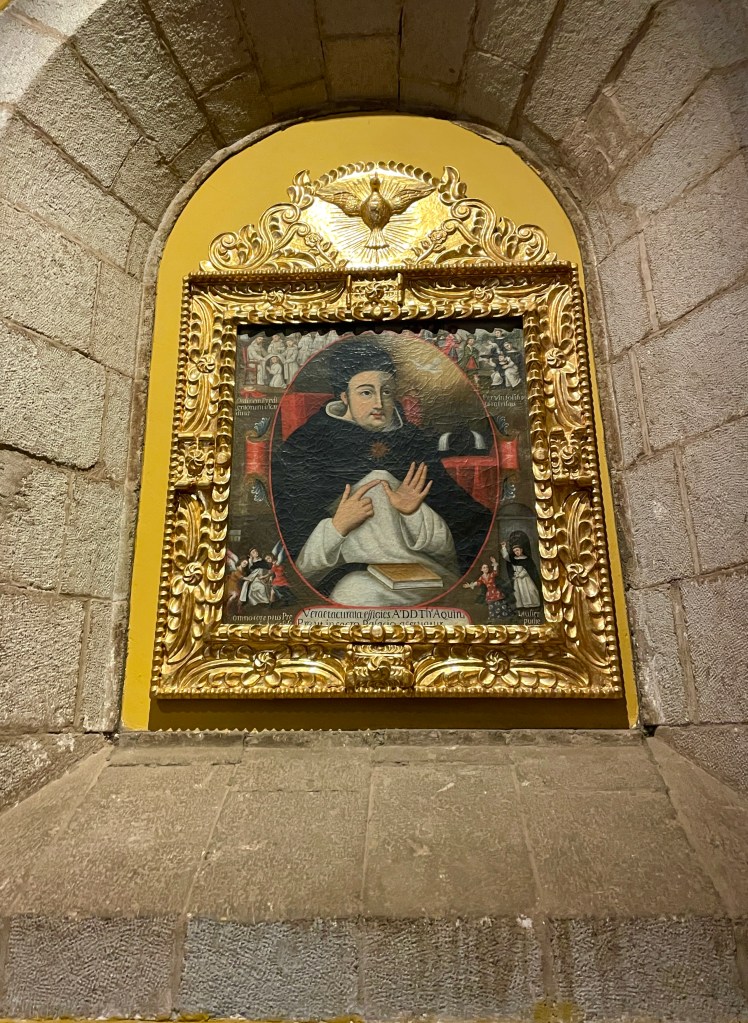
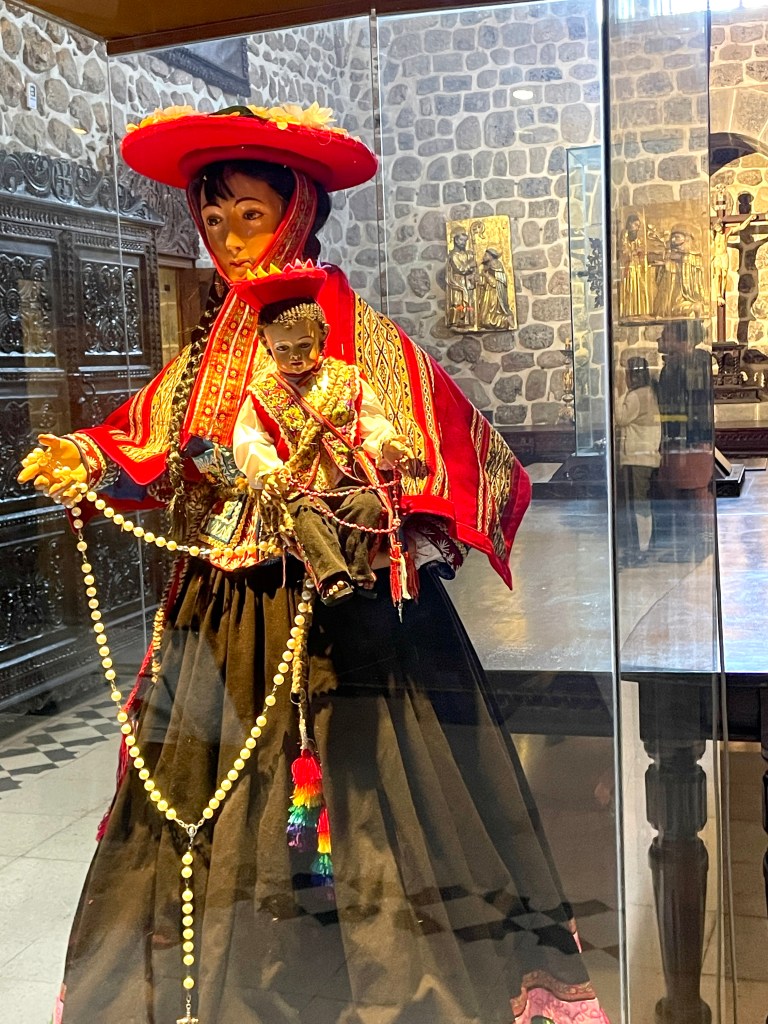
Paintings line the walls of the museum many of which were created by the Cusco School of Colonial Art which employed native traditions of art developed by mostly Indian or mixed race artisans.

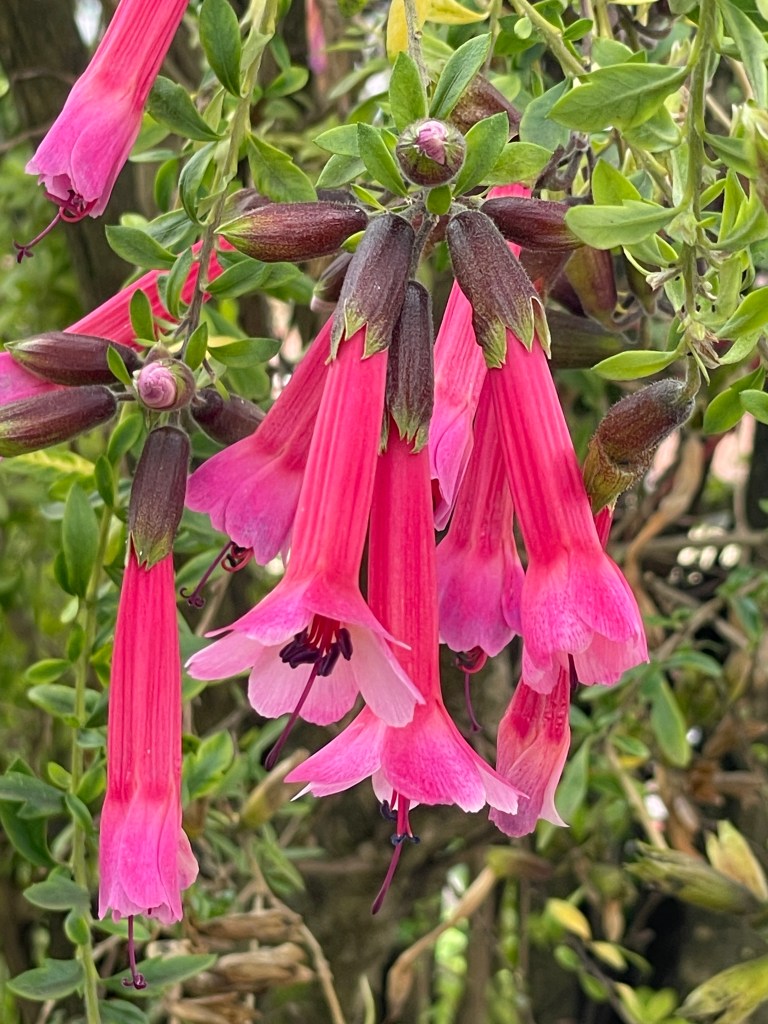
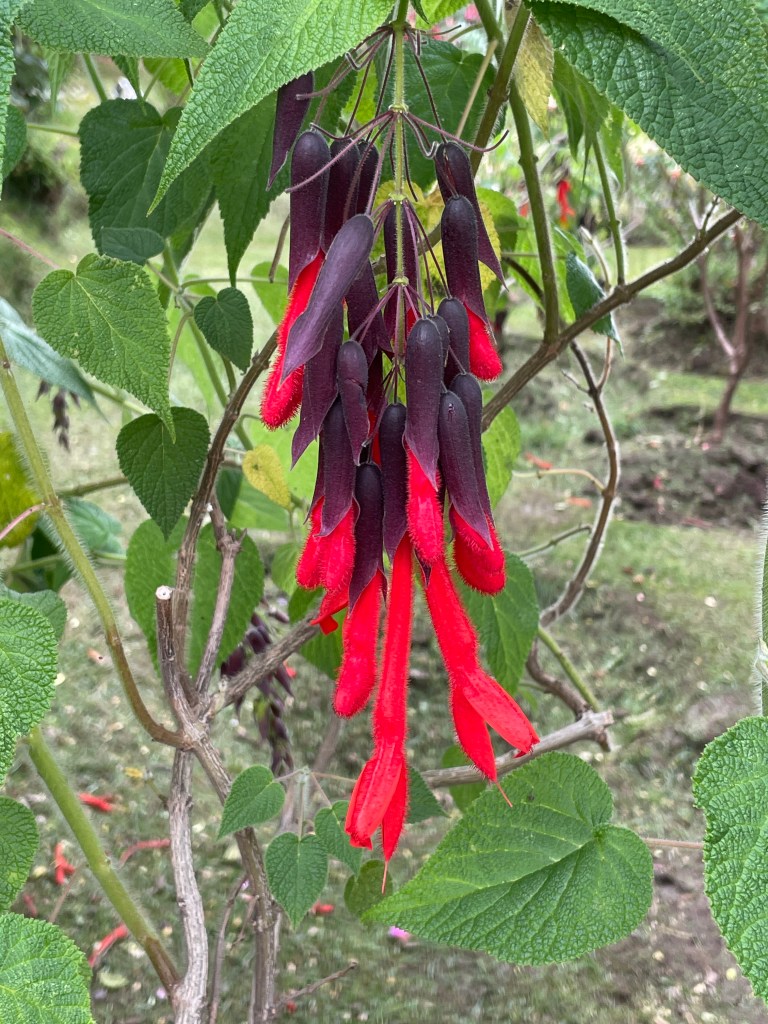
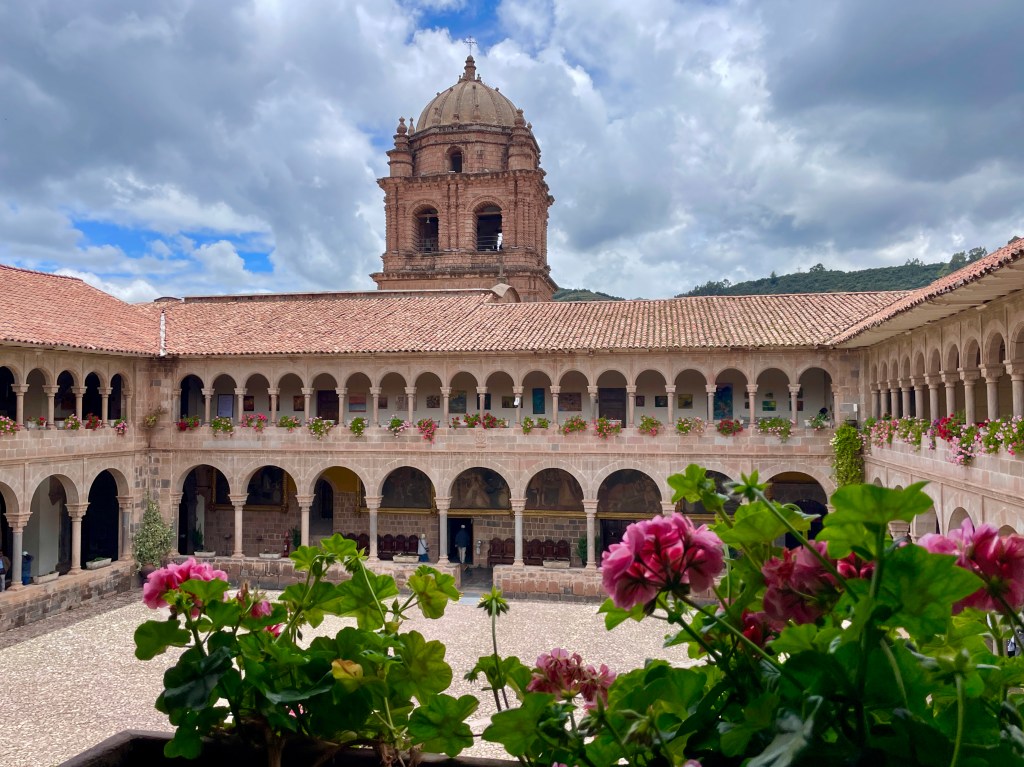
The gardens are spectacular featuring many types of fuschia, trumpet trees, and various native flowers.

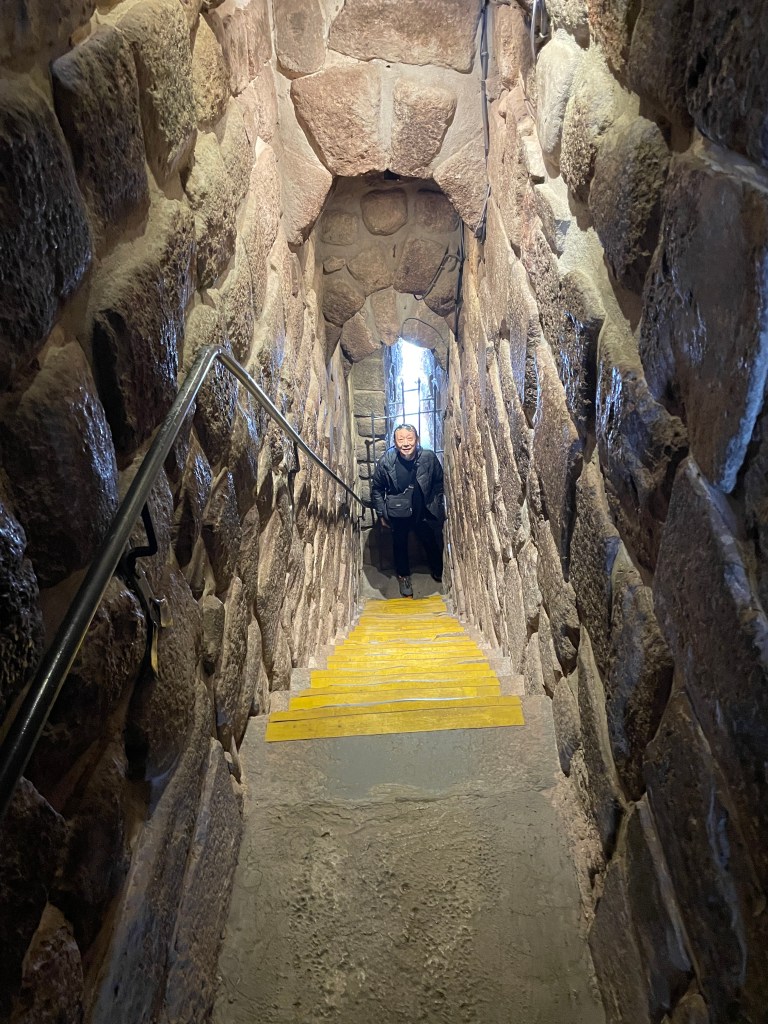
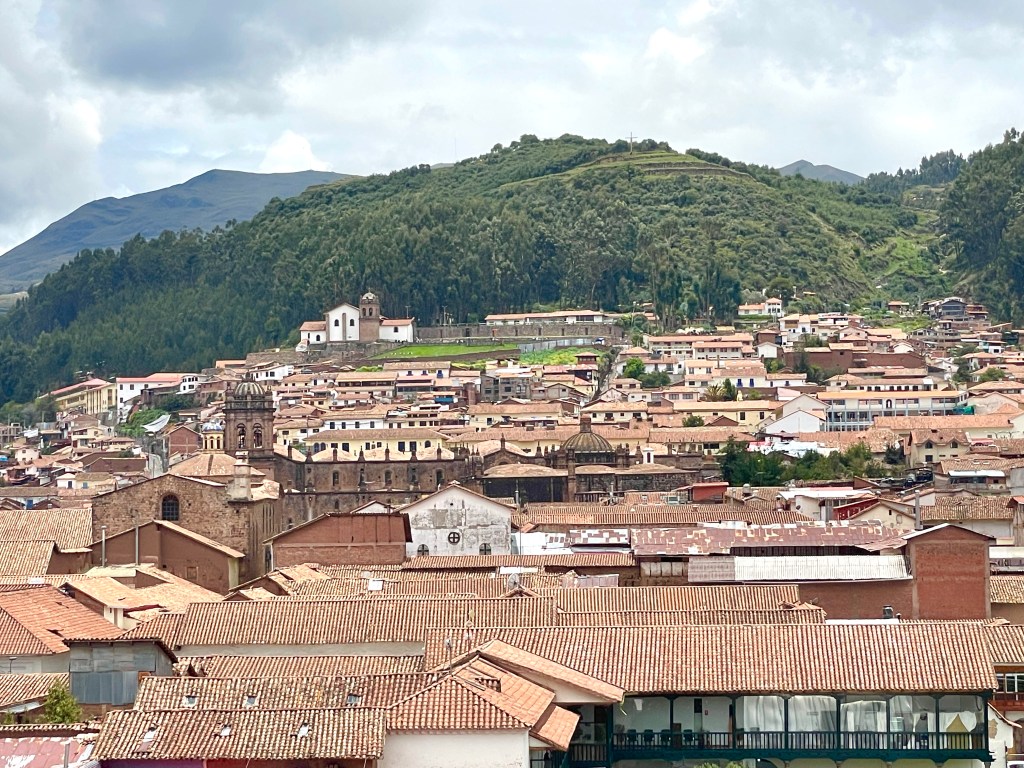
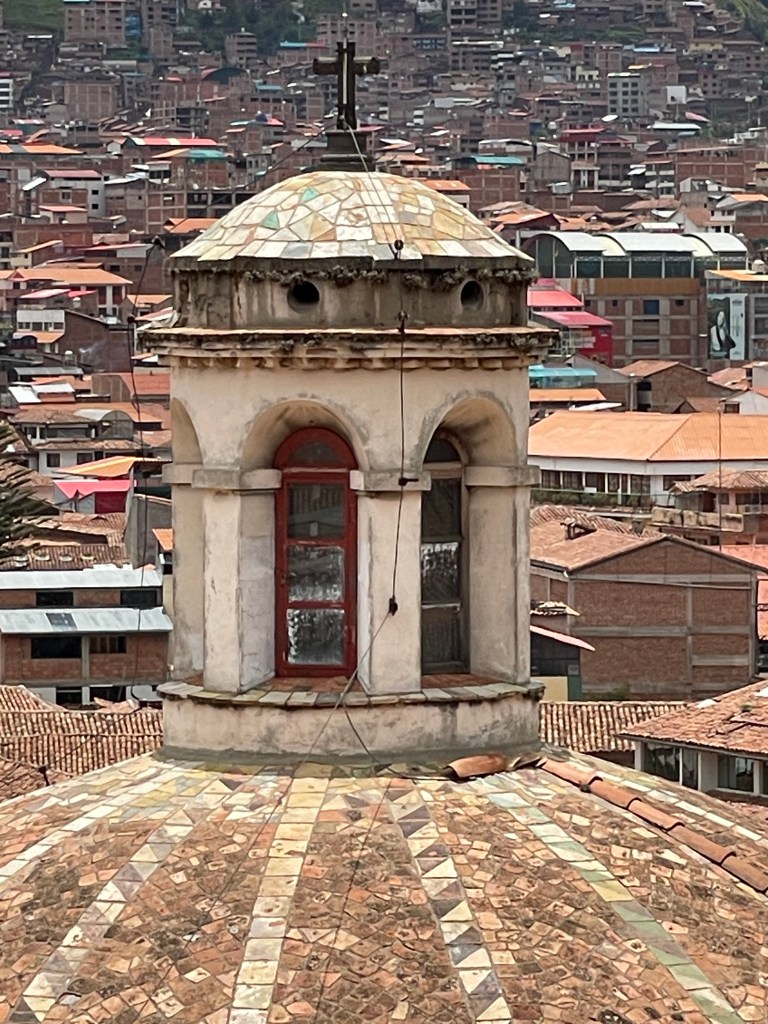
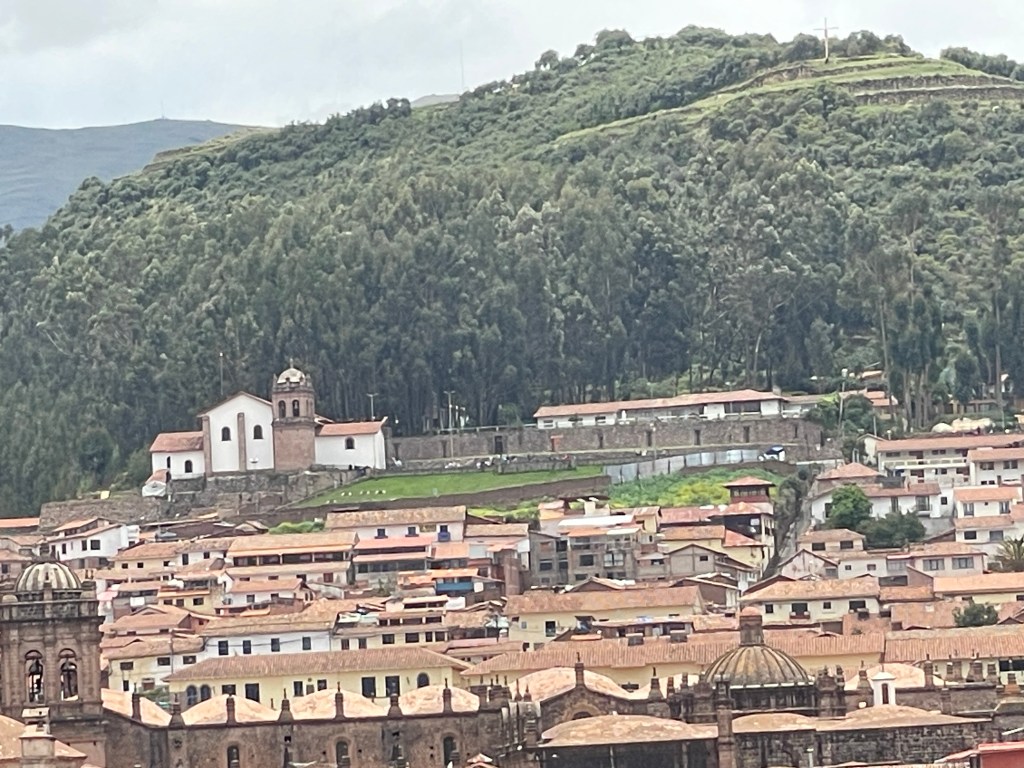
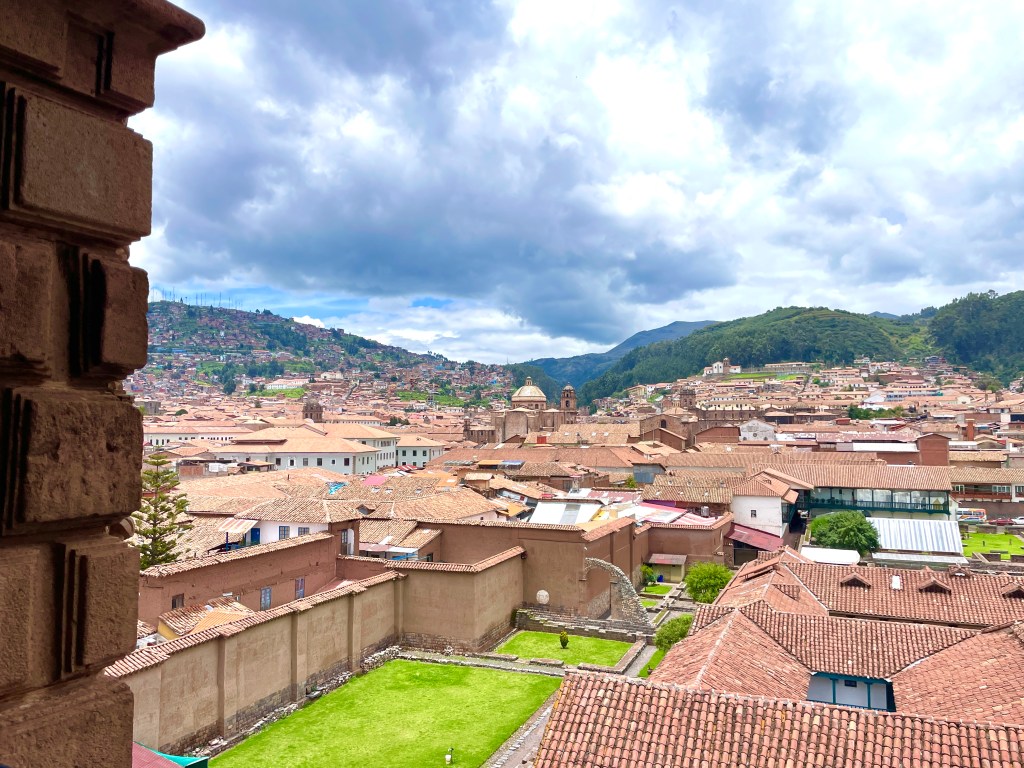
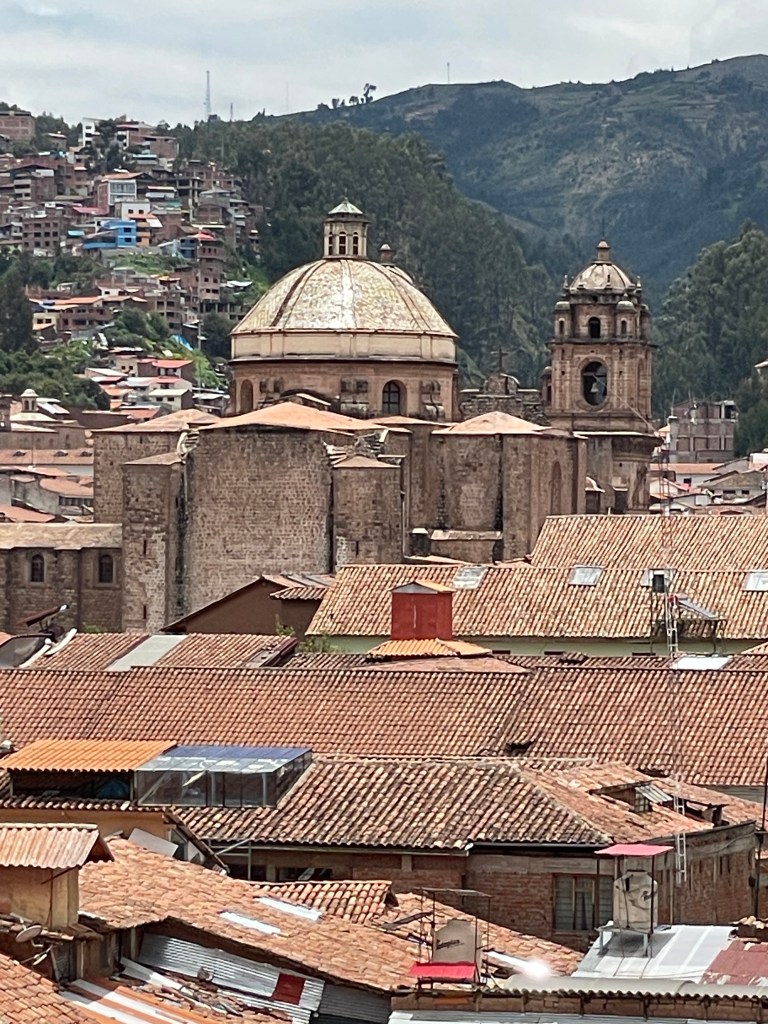
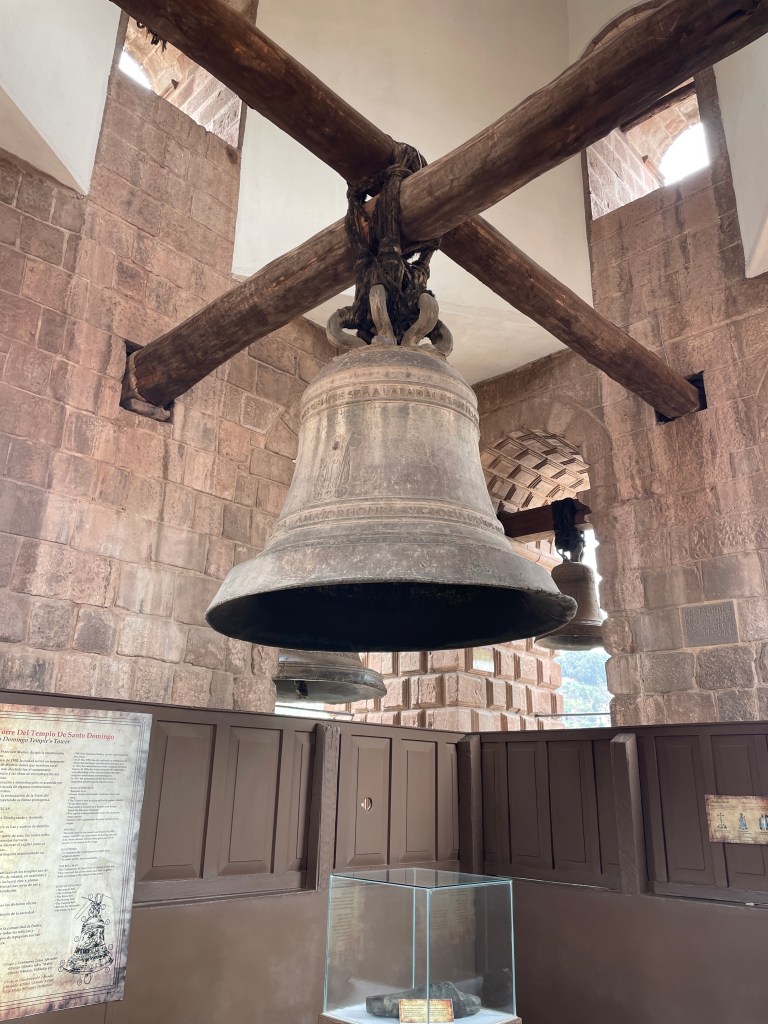
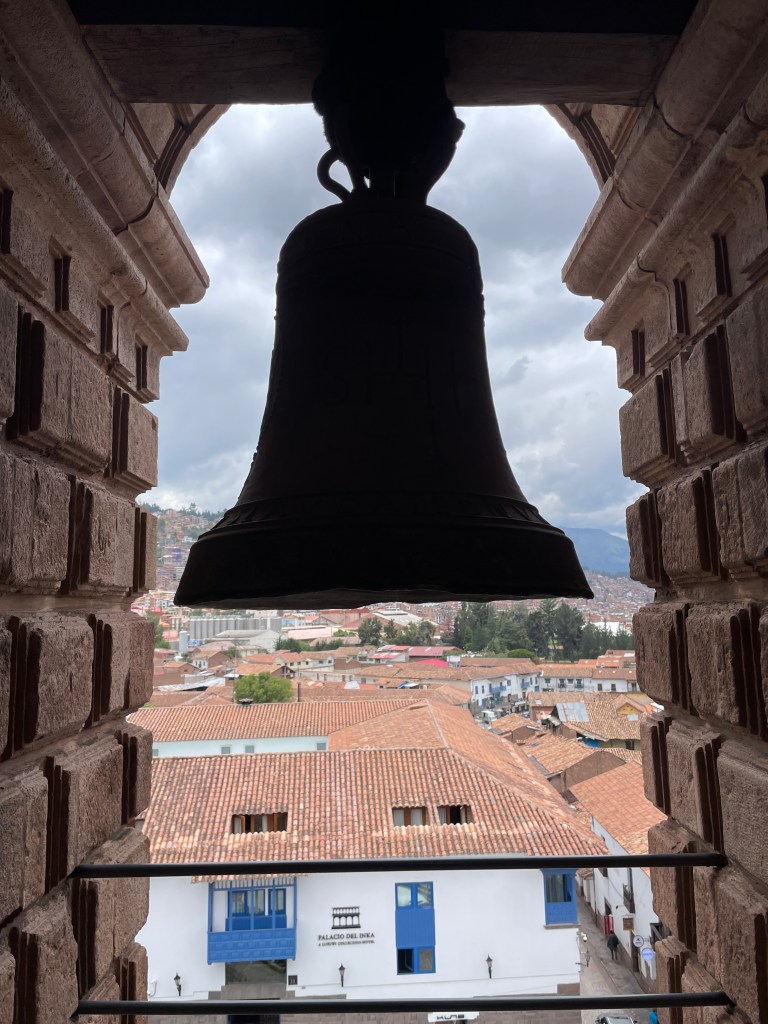
It will cost another $5 Sol (about $1.65 USD) to climb the bell tower but it is something you must do. The passageways are reminiscent of European castles with arrowslits. But the biggest reward is the view that encompasses the entire valley with its many churches and a magnificent convent sitting hillside.

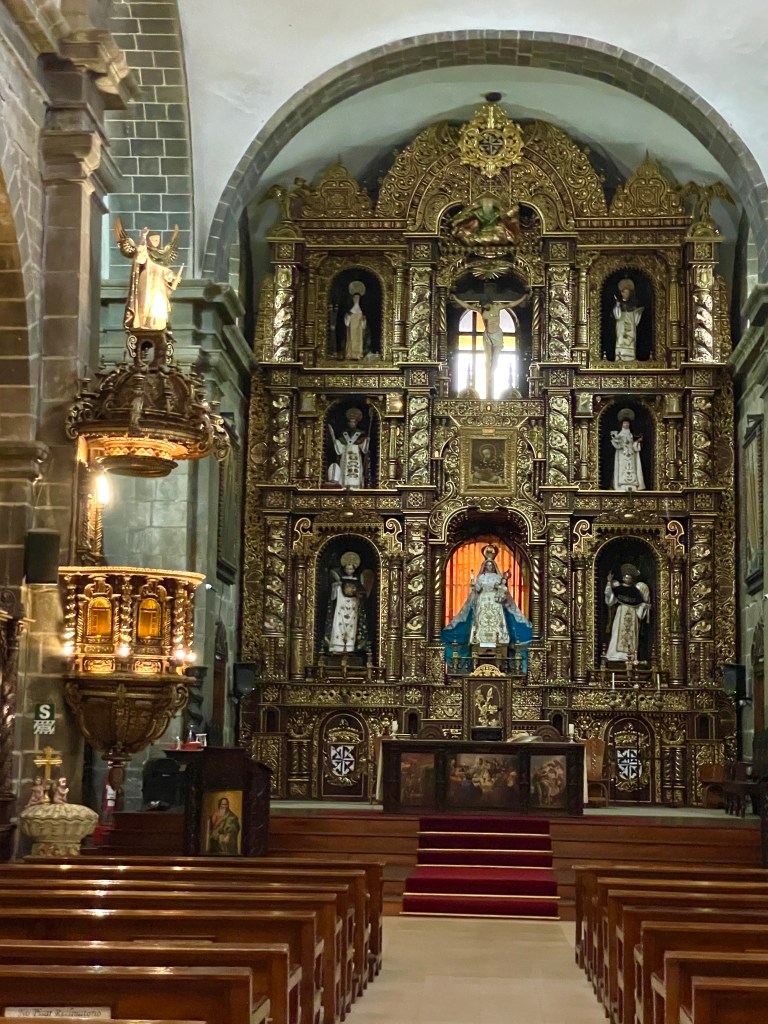
Finally, there is the Colonial Church of Santo Domingo. Built in the 17tht century, its a fusion of Inca masonry and Baroque architecture. It houses various paintings and treasures from the Dominicans.

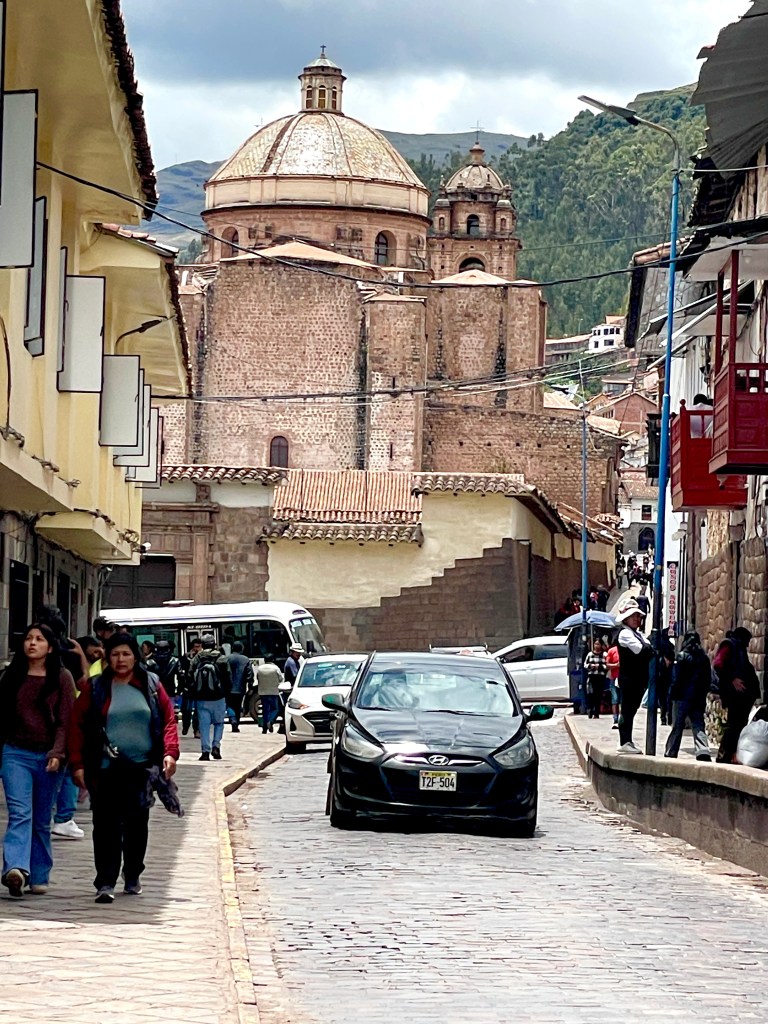
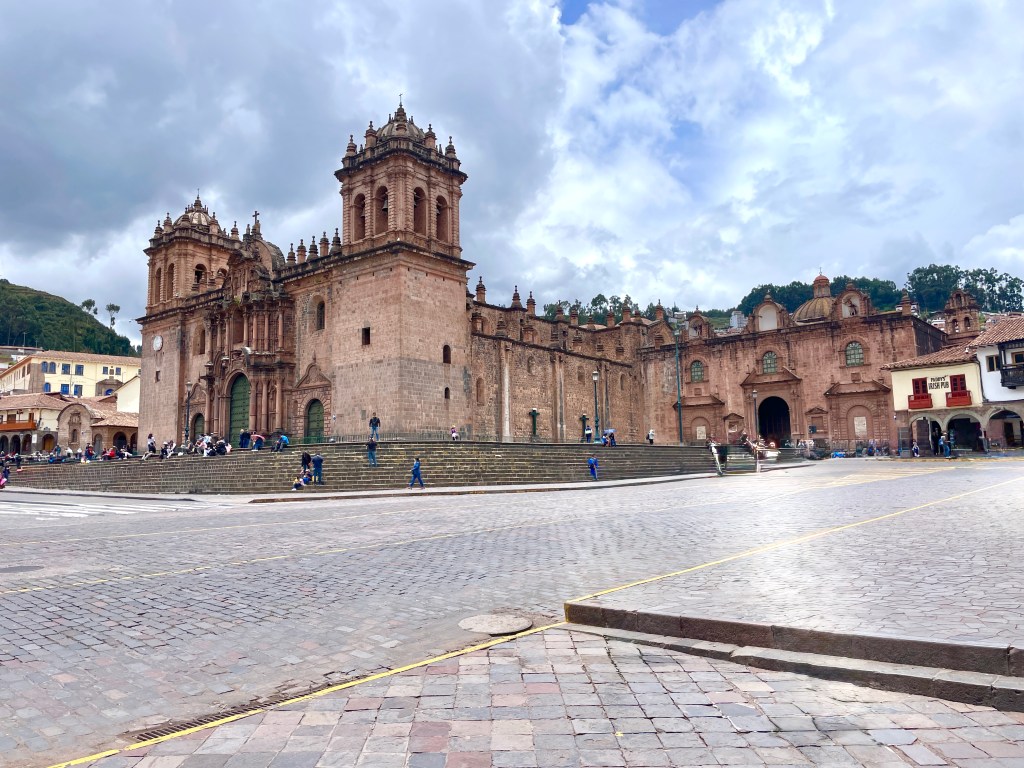
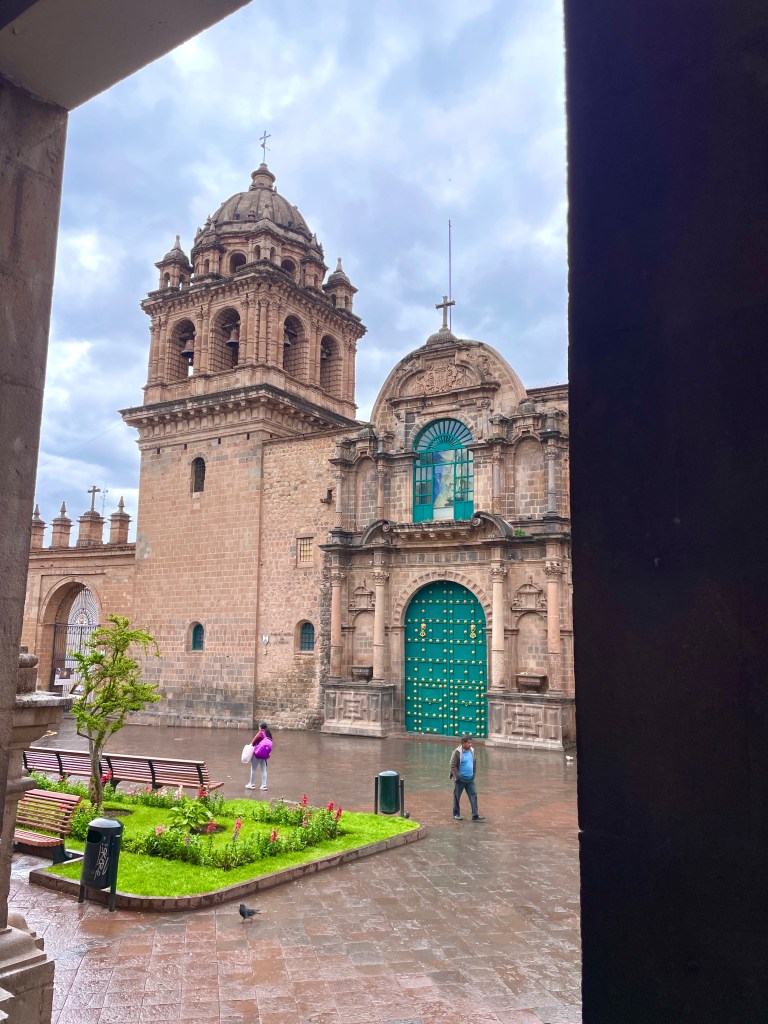
From here we walked the city just enjoying whatever it was we stumbled upon including the Church of the Society of Jesus, Church of La Merced and the Loreto Church. And behind the Church of the Society we encountered a whole different type of animal.

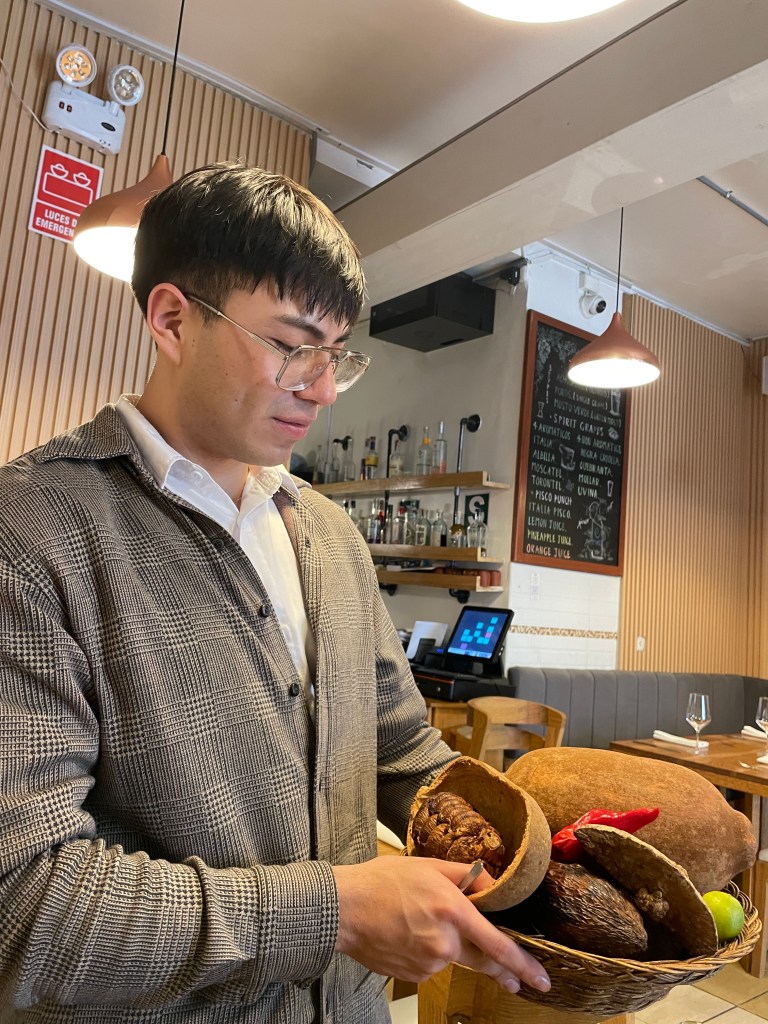
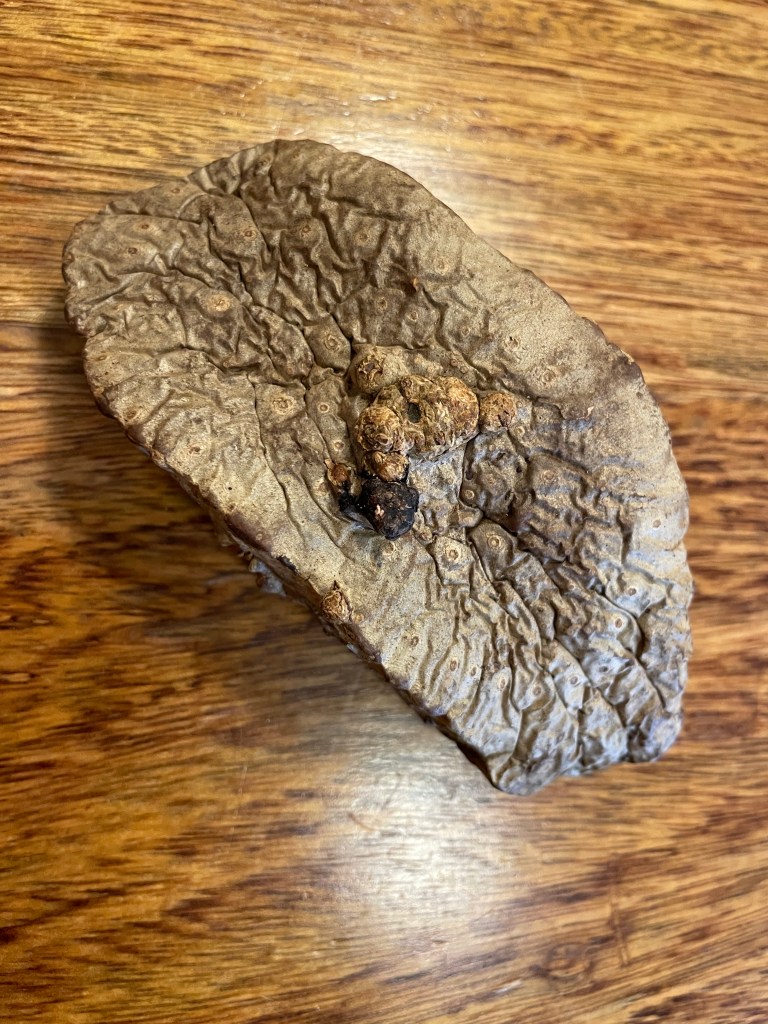
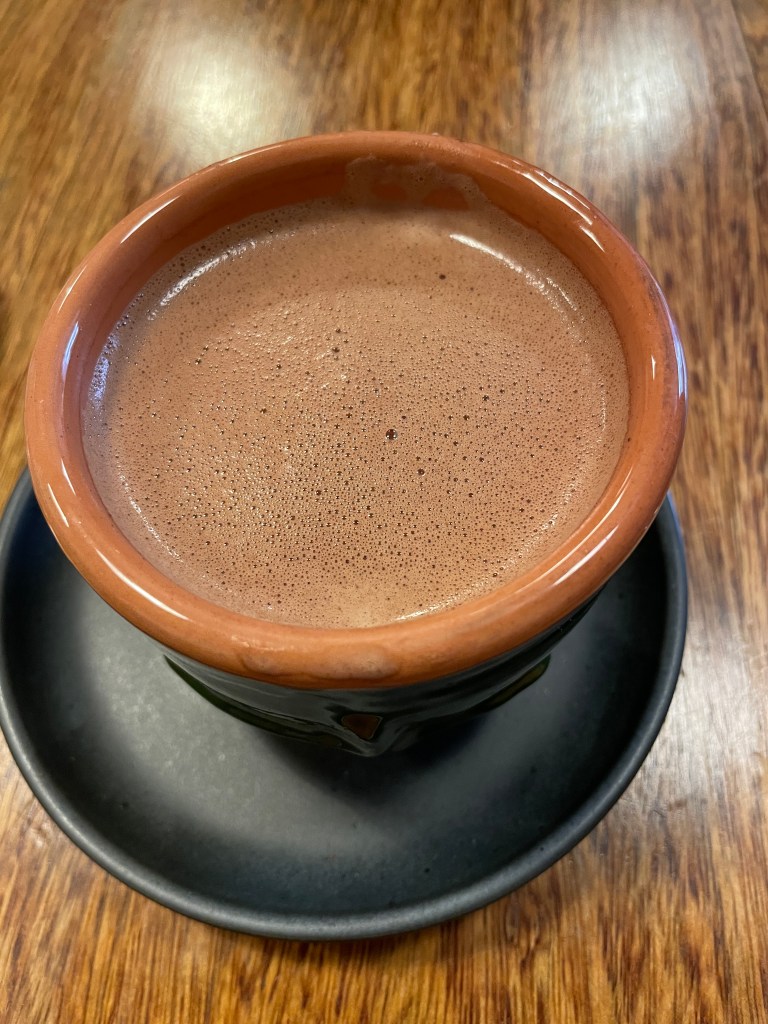
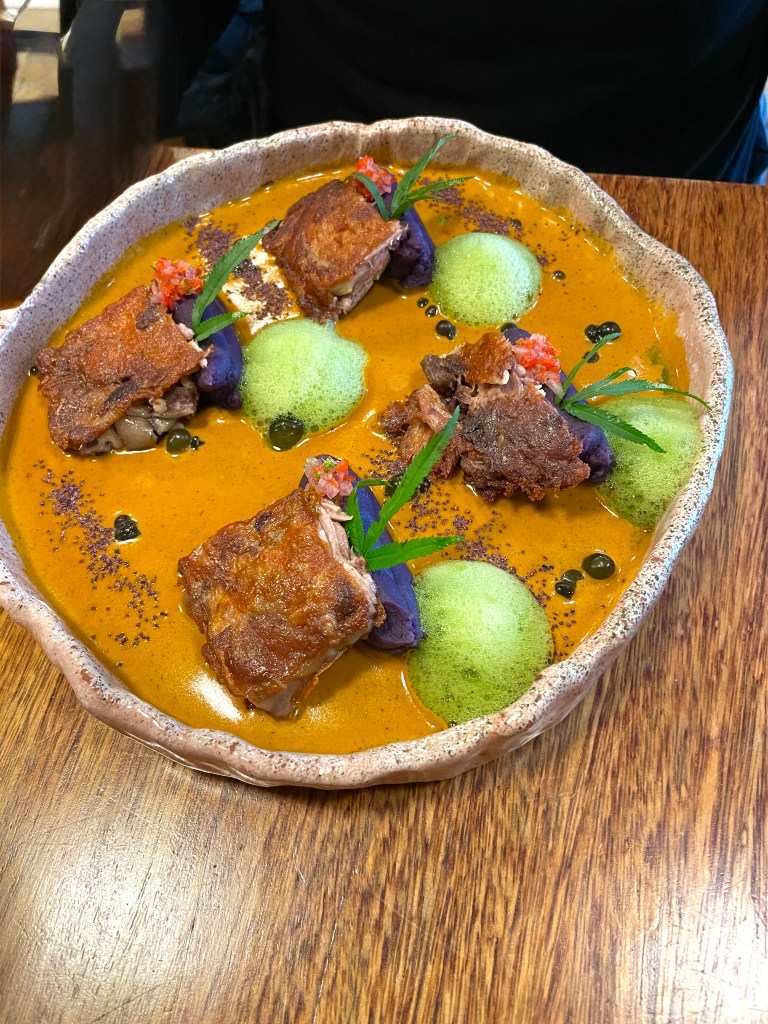
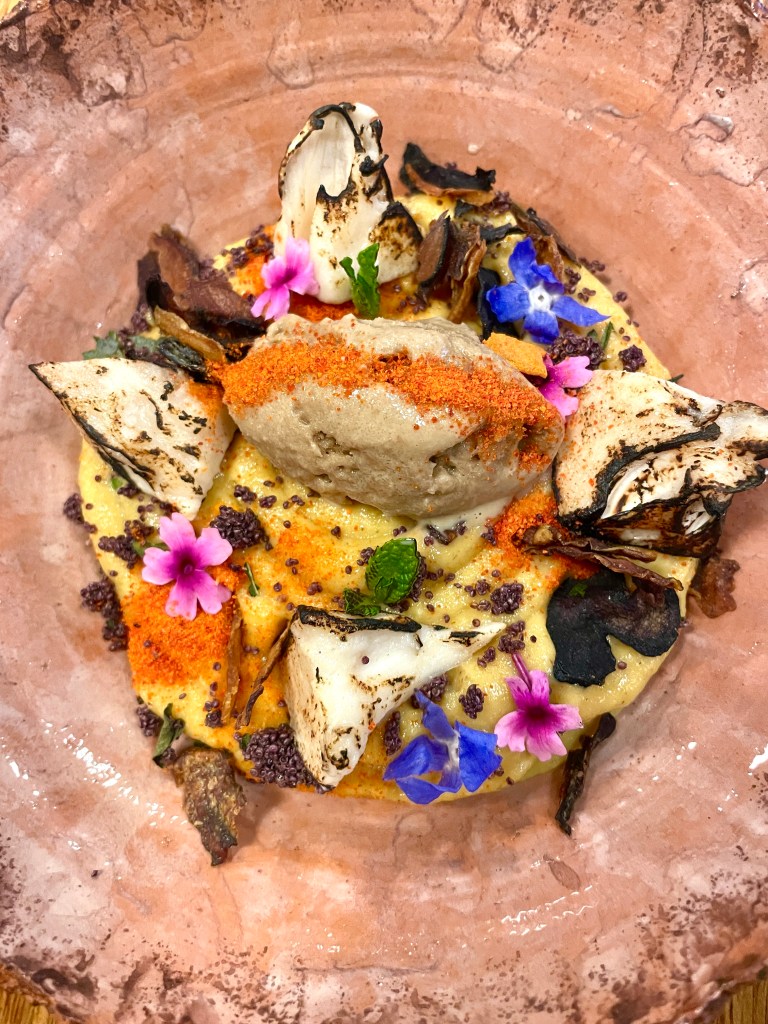
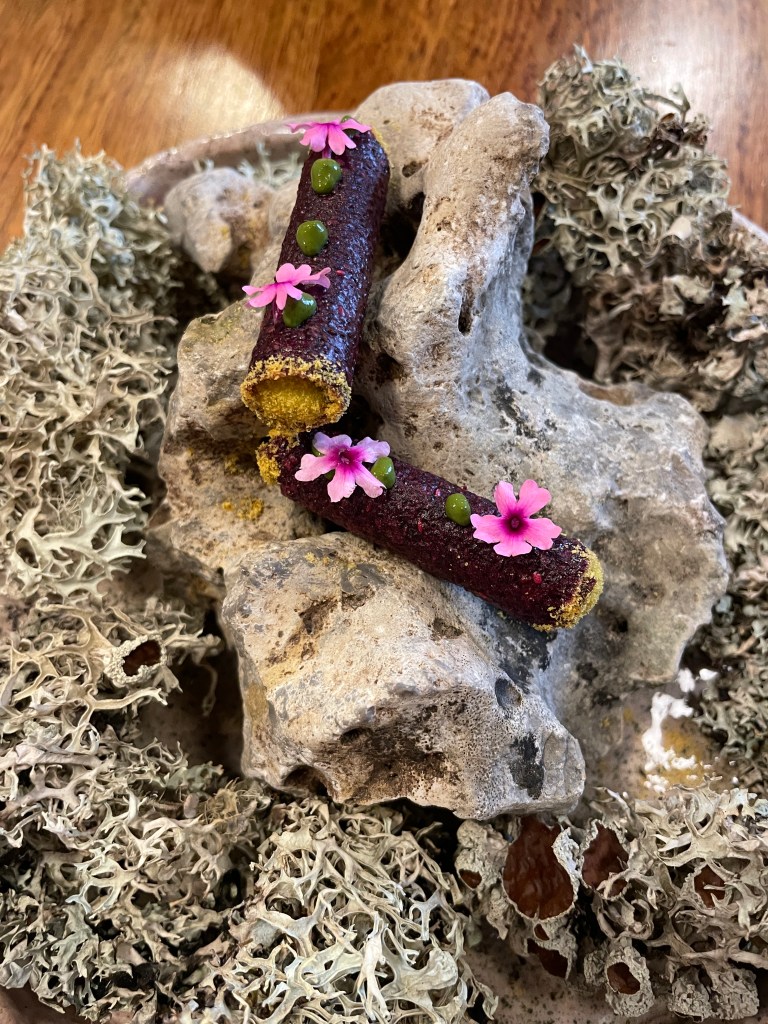
One thing that we didn’t know before arriving in South America is that Peru is one of the world’s best loved and appreciated gastronomy regions in the world. And it hasn’t disappointed. We went to an amazing restaurant called Mare. The waiter did several presentations of the different ingredients that were used in our meal. We dined on Guinea Pig (a very usual flavor but wonderful) and for desert we had almost a custard of Chimoya and passion fruit with chili oxicala chips capped off by homemade coffee ice cream. It was by far the most interesting and yummy desert that I have ever eaten.

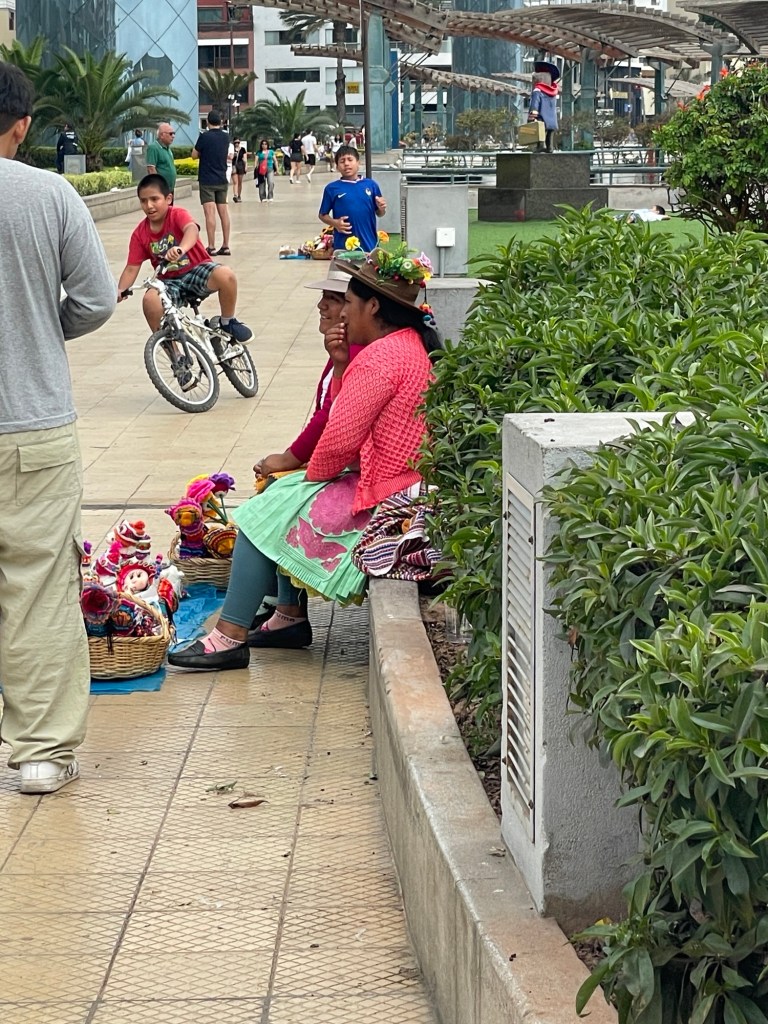
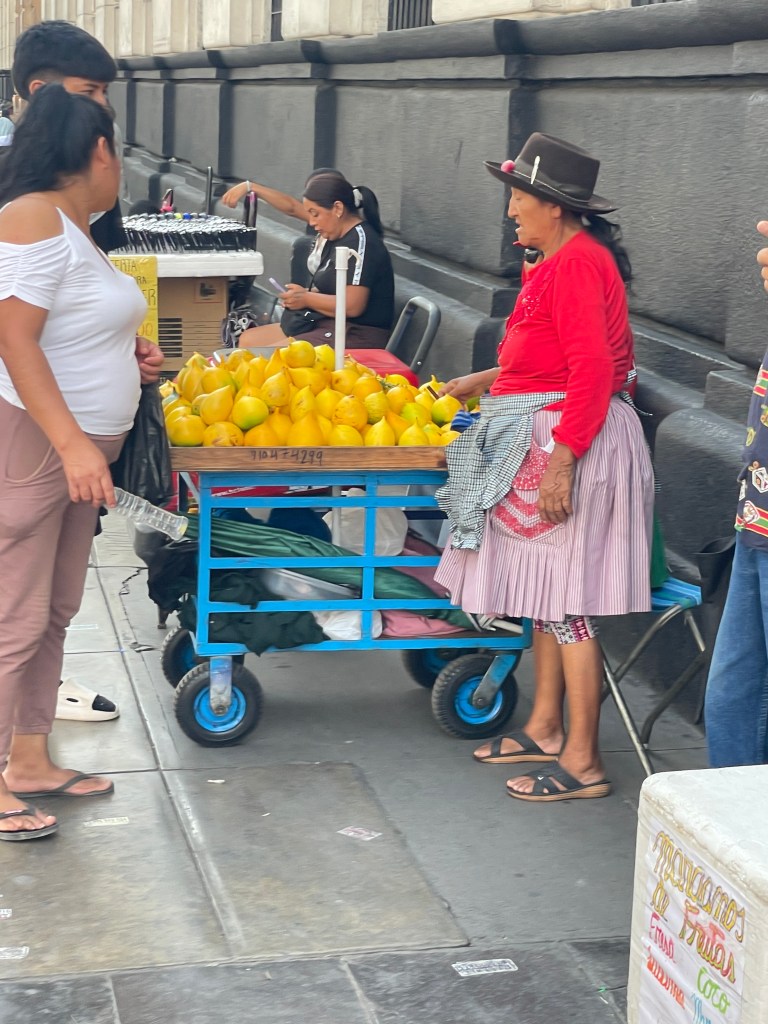
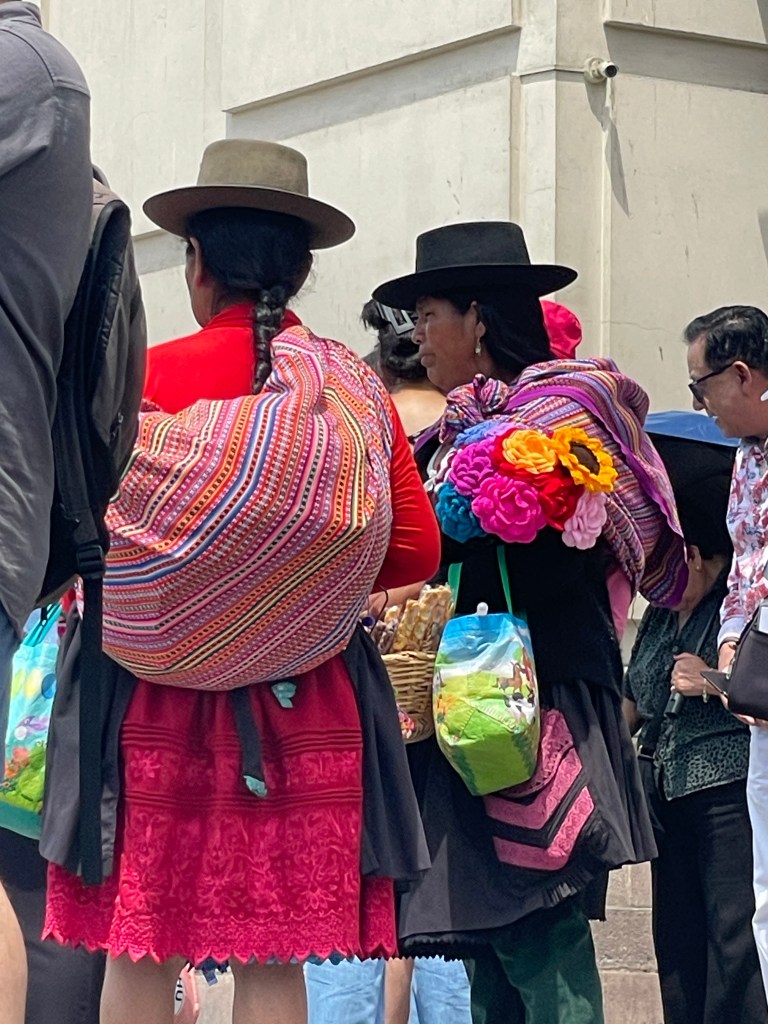
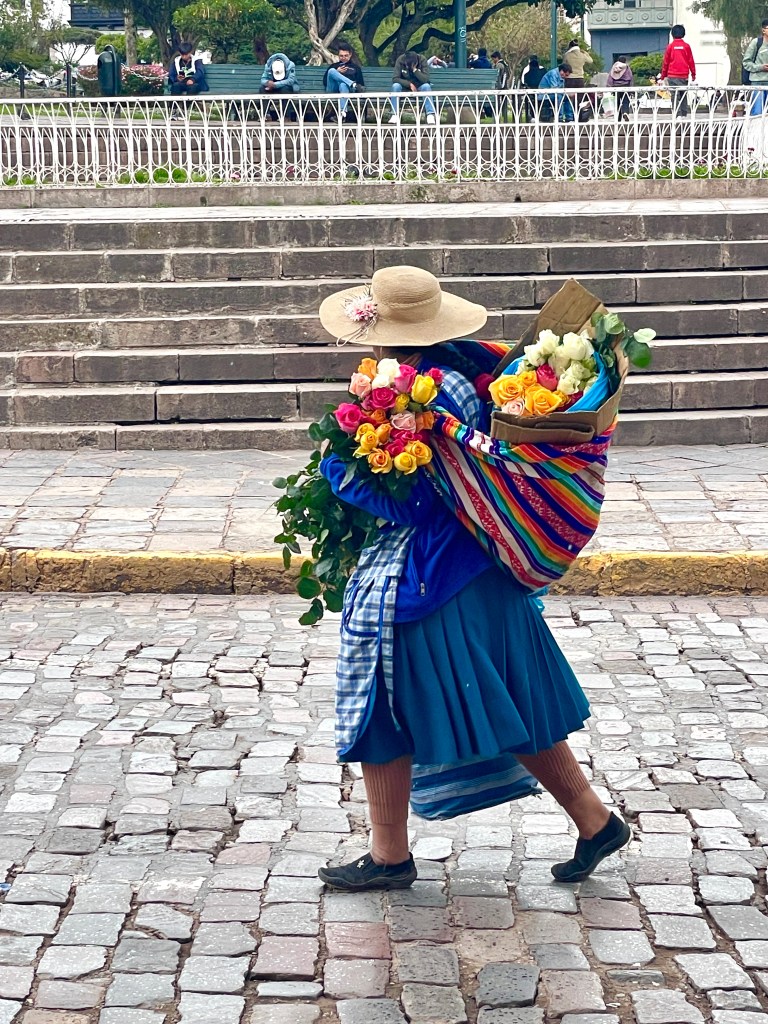
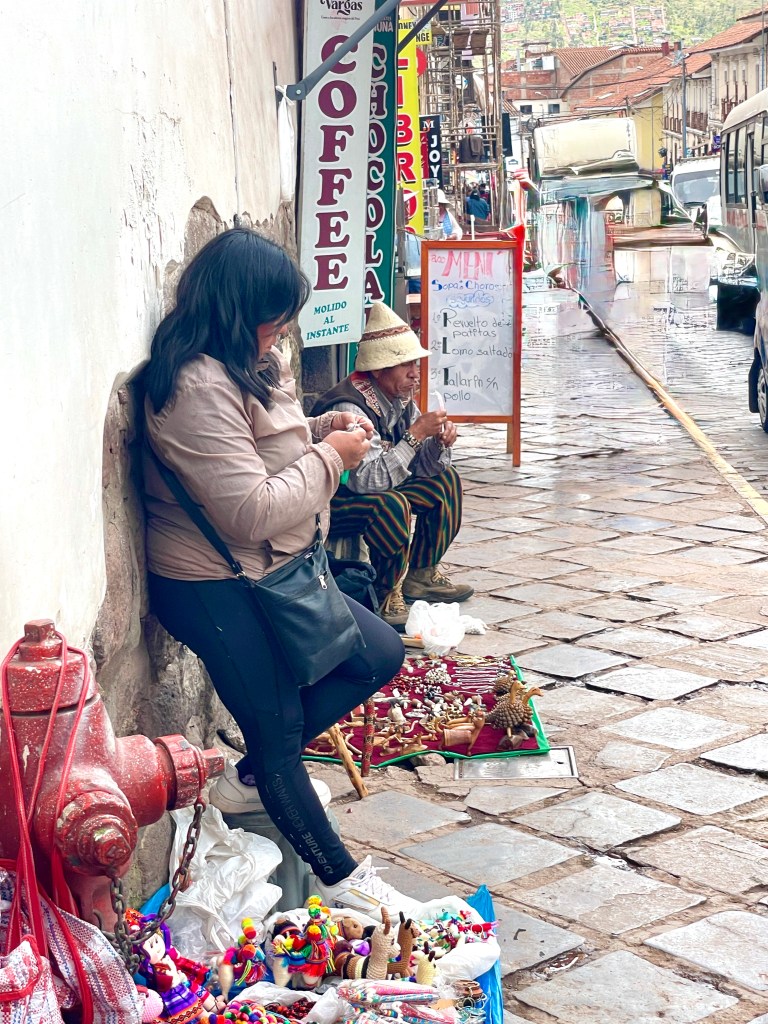
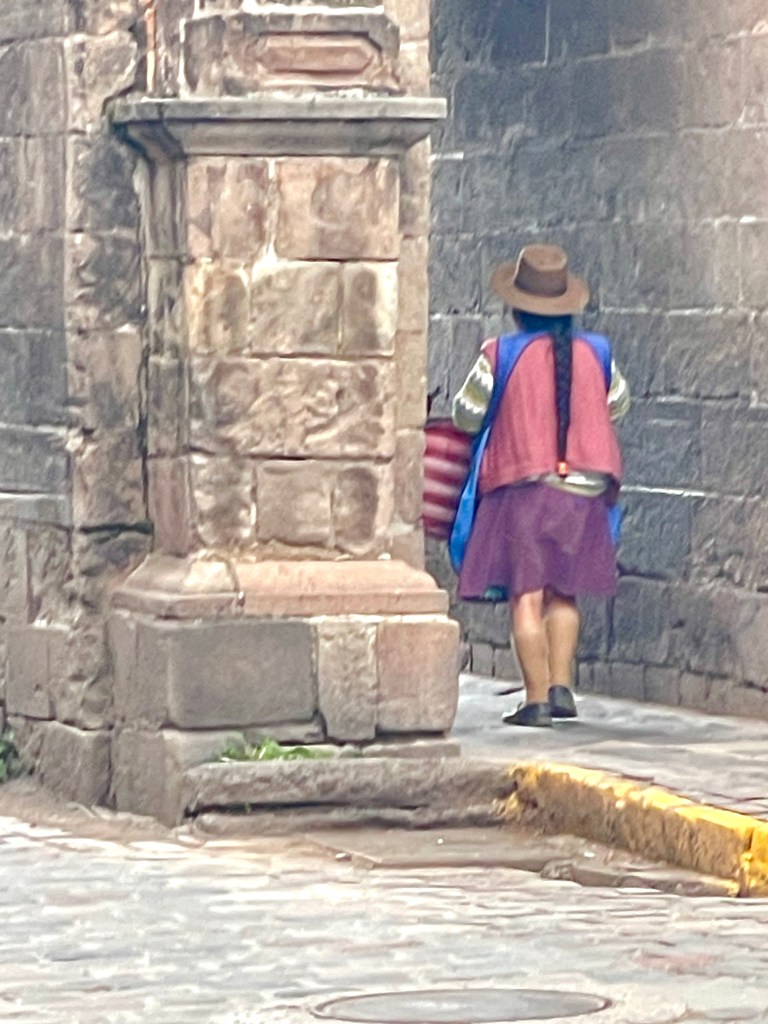
I love the vibrant colors and music of the city. Women in traditional Peruvian dress can still be found everywhere and fireworks shoot off at all times of the day and night in celebration of the saints that are beloved by the town.

Now I leave you with a multitude of pictures that I took throughout the day. Best of all, I can hardly wait for tomorrow so that I can discover all that awaits around each and every corner.

Historic Churches of Santiago Chile

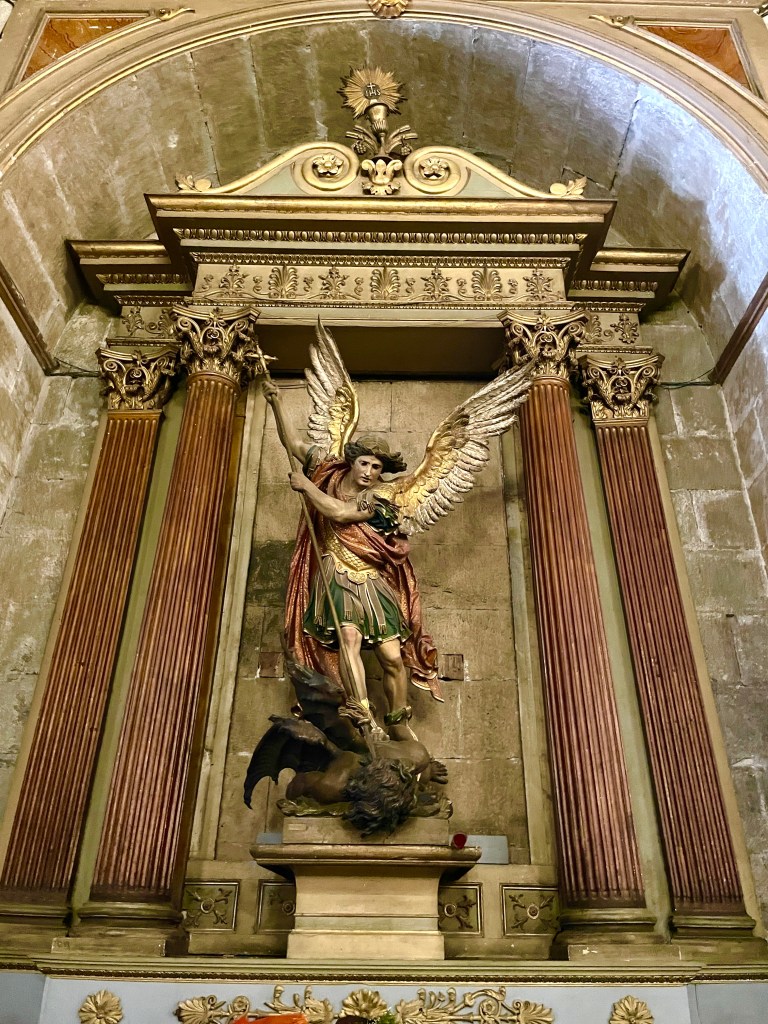
It’s summer here in the Southern Equator but one of the coolest places in the county is Santiago’s historic churches. While not as old as those found in Europe, nevertheless, their history and designs often mimic those found from Latin America’s conquering nations.

IGLESIA DE SAN FRANCISCO

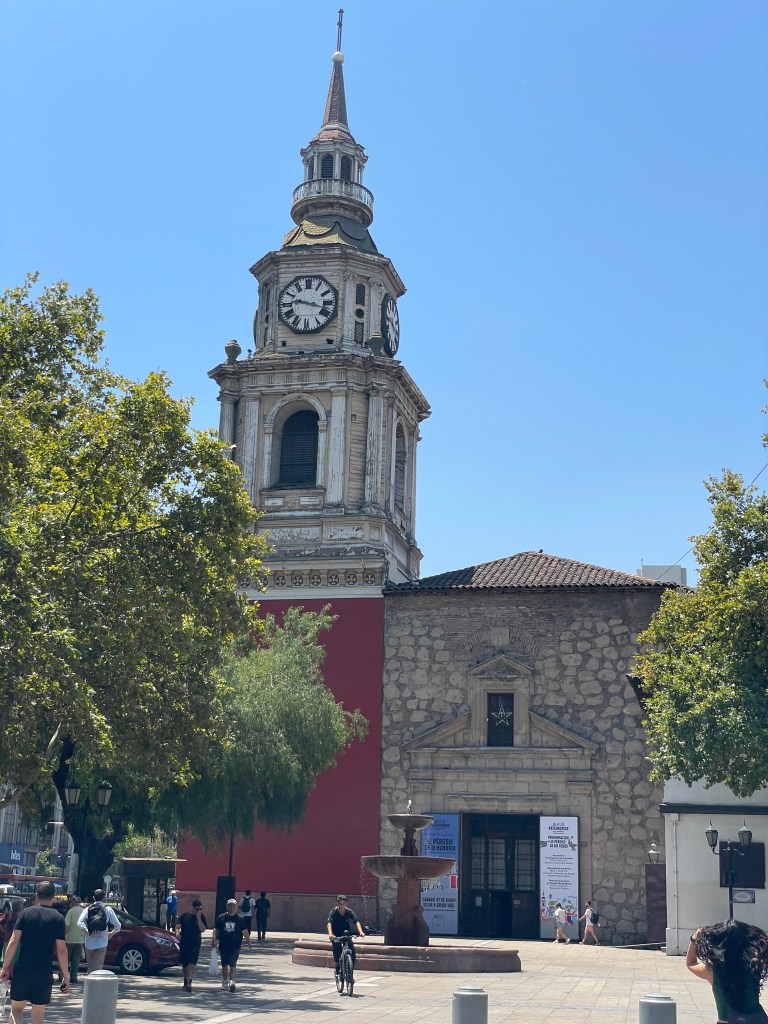
With its red exterior and unusual bell tower, Iglesia De San Francisco looks newer than other churches in the area, but don’t be fooled, as this one of the oldest buildings in the country. What is even more amazing is that it has withstood over 15 earthquakes with a shake value of over 7.0 each time the earth moved.

According to church history, five Franciscans arrived from Peru in 1553 but it was not until 1572 that construction began on the church. Consecrated in 1597 the building was completed in 1618. It lost its bell tower in 1647 and 1730 due to quakes. The current one was constructed in the middle of the 1800’s.

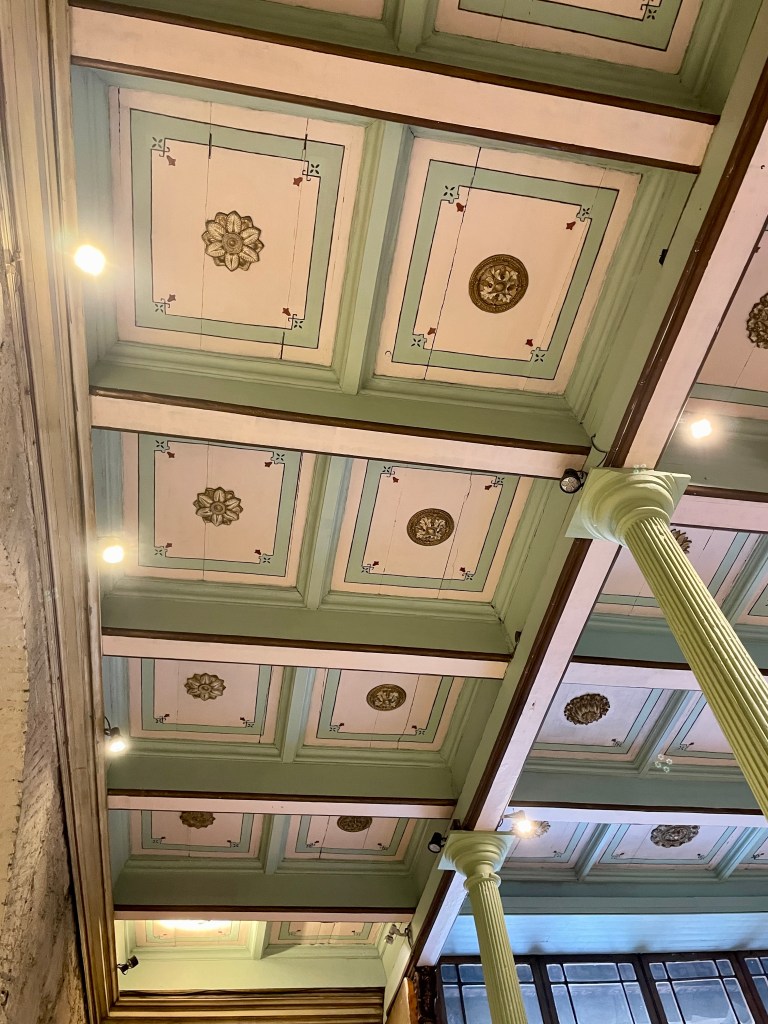
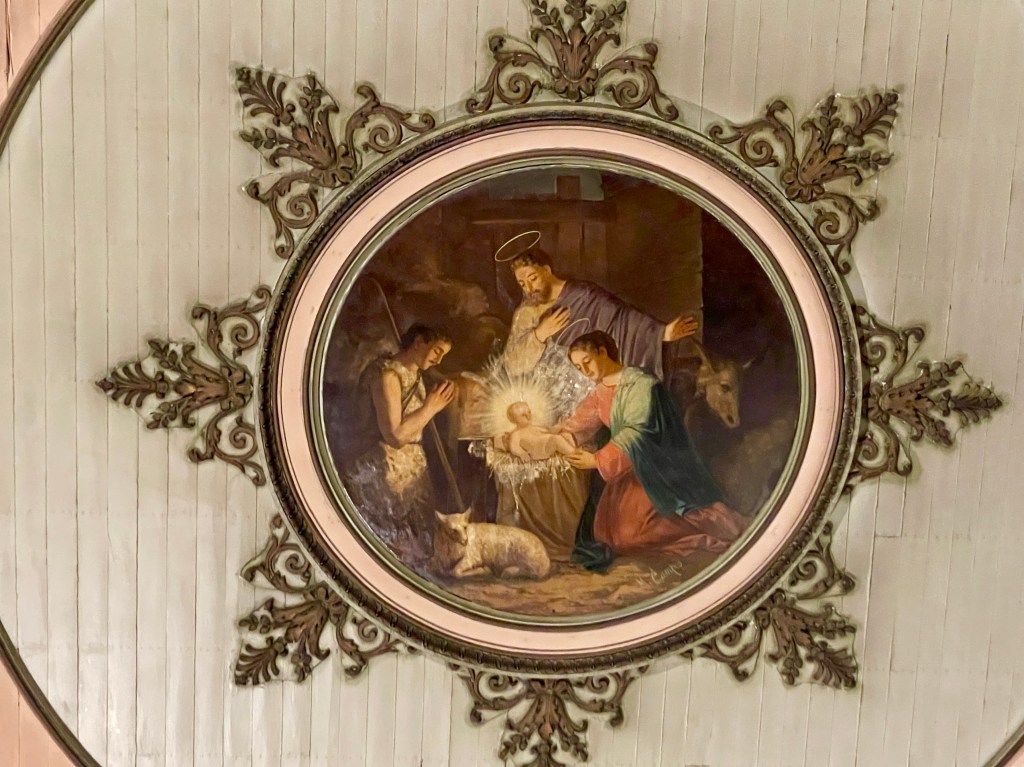
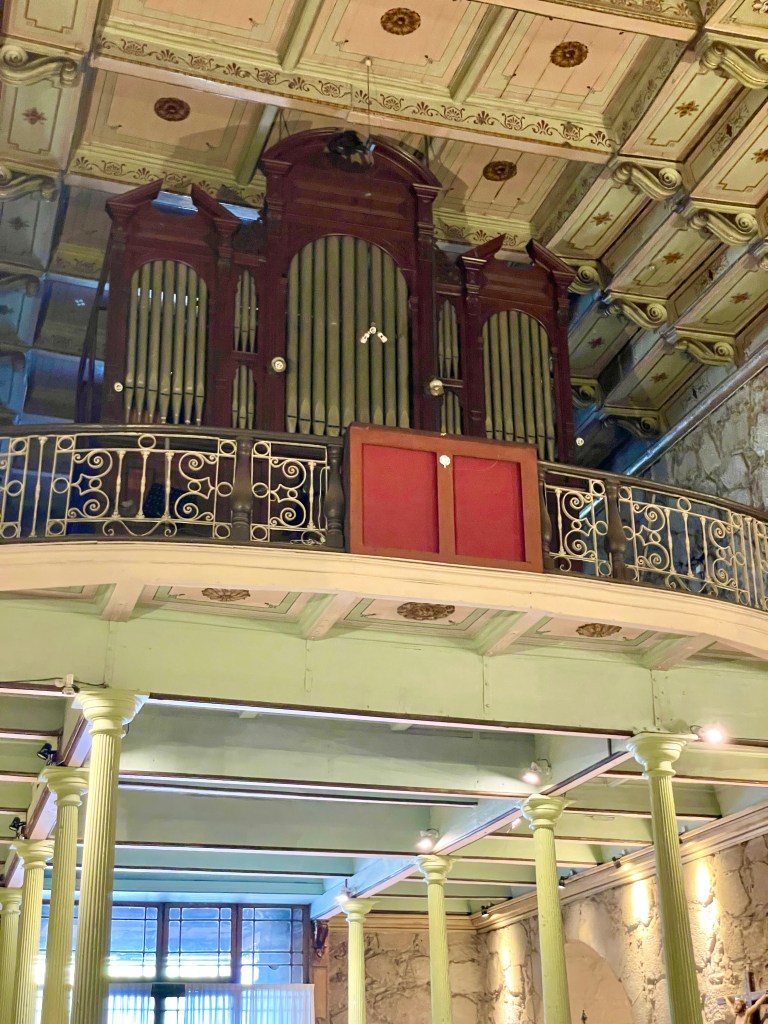
The ceiling of this magnificent building was constructed using a coffered Mudejar style beginning in 1615. You will definitely get a kink in your neck as you look upward.

Iglesia De la Vera Cruz

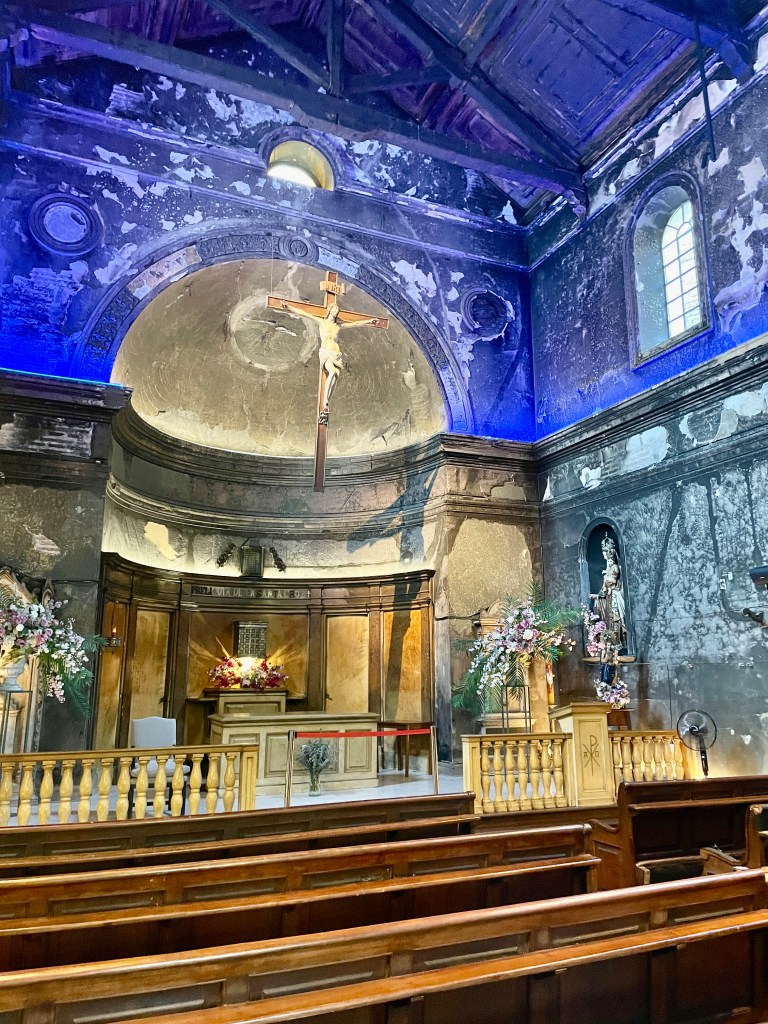
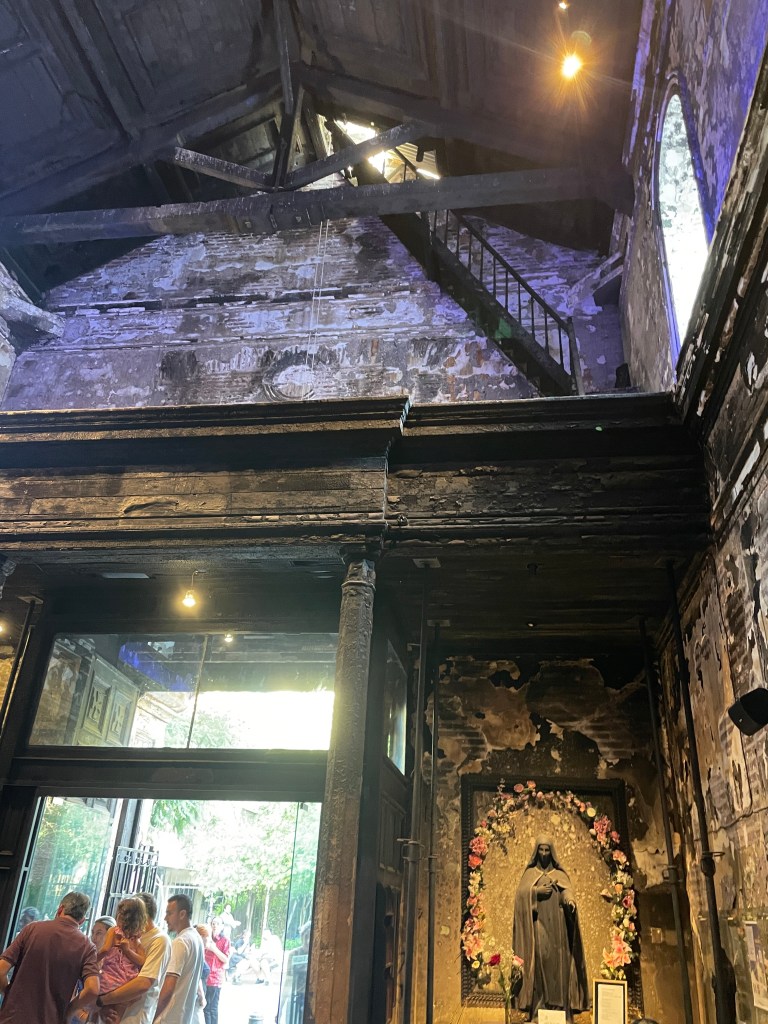
Located in Barrio Lastarria, work on this church began in 1852 and was completed in 1857. The church was suppose to have been built on the site where conquistador Pedro de Valdivia had lived in order to honor his memory but it appears that this location is most likely a myth. This building is a very weird, almost spooky place visit as the inside was burnt out in November 2019 during local riots.

Santiago Metropolitan Cathedral

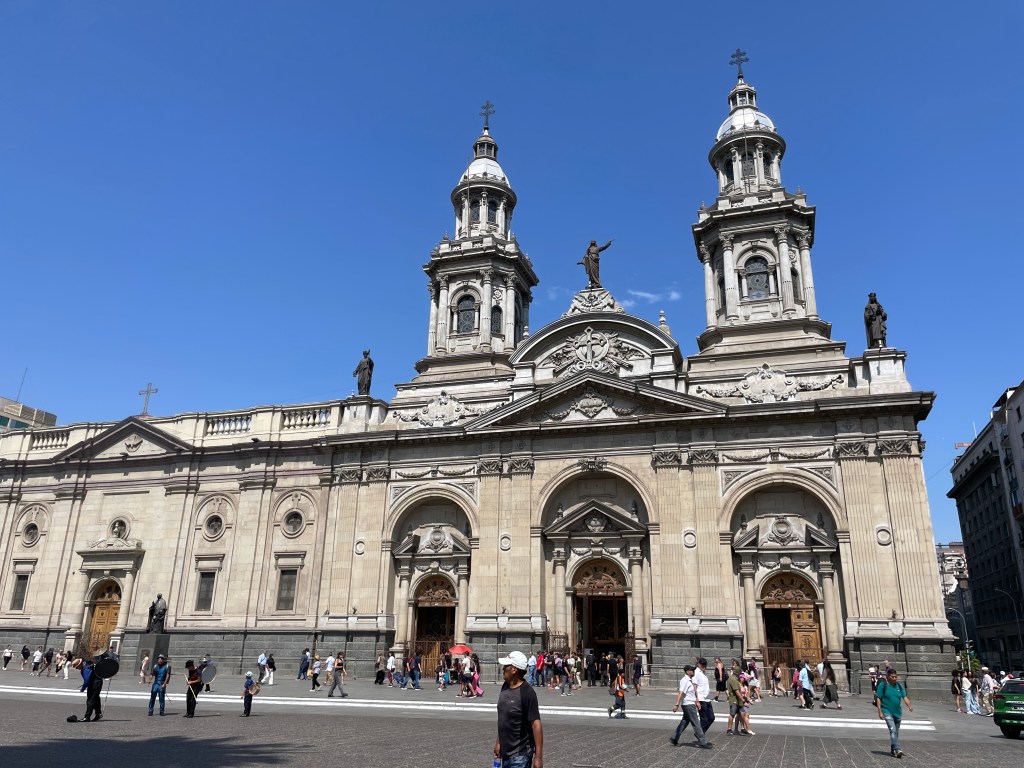
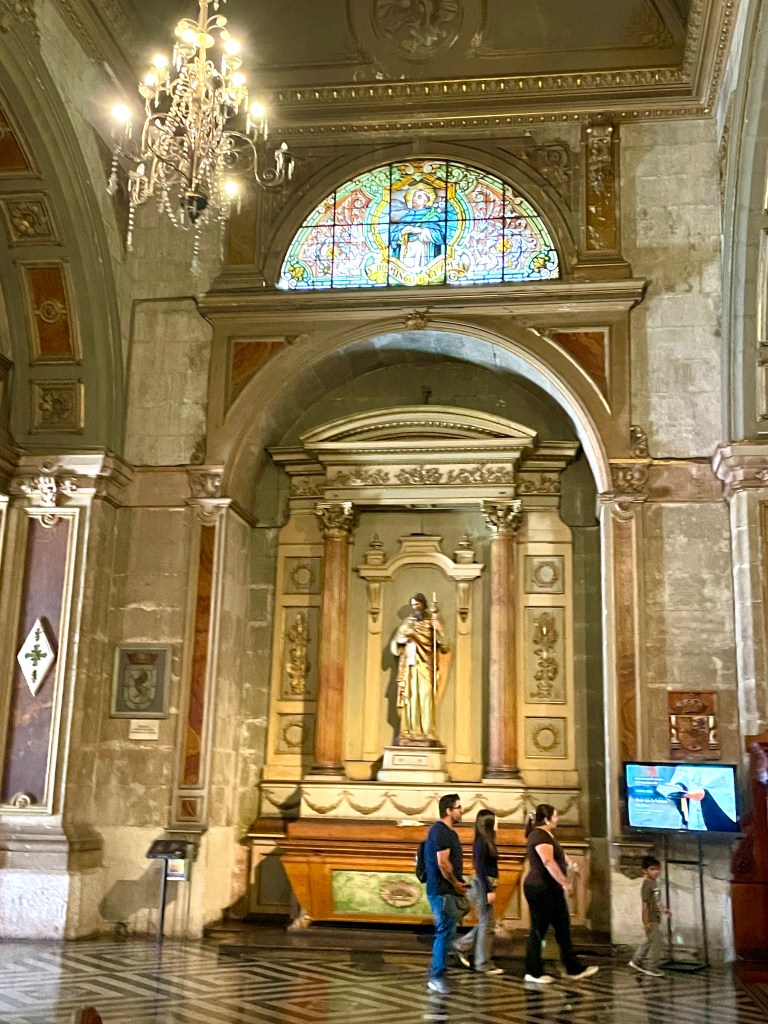
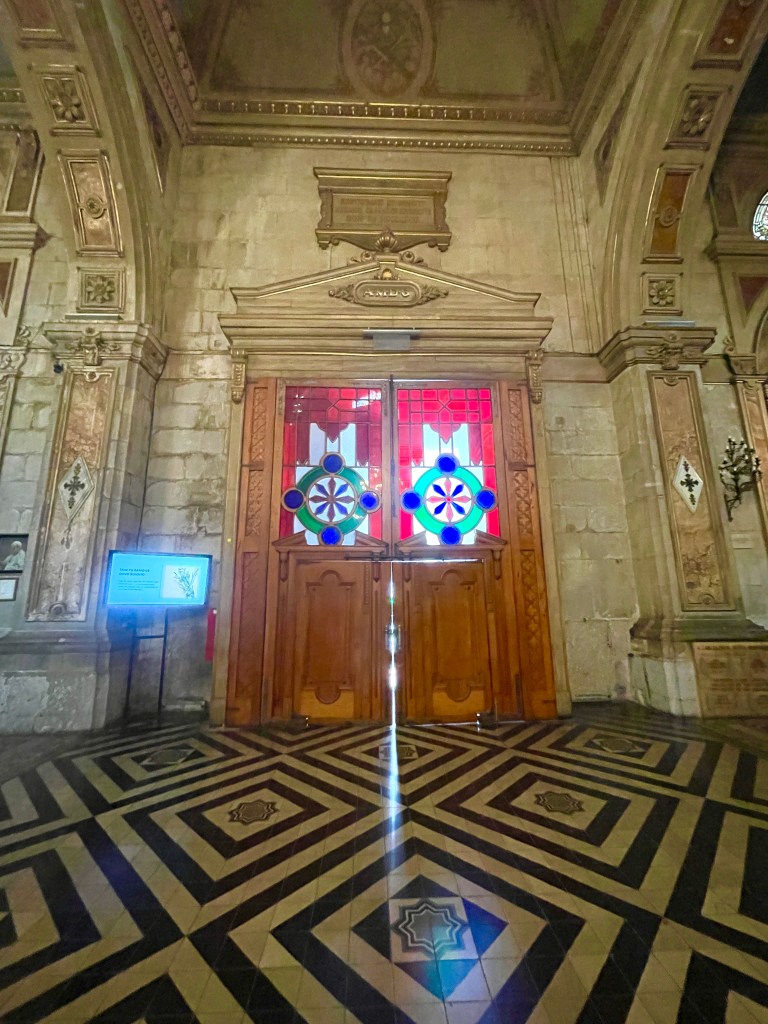
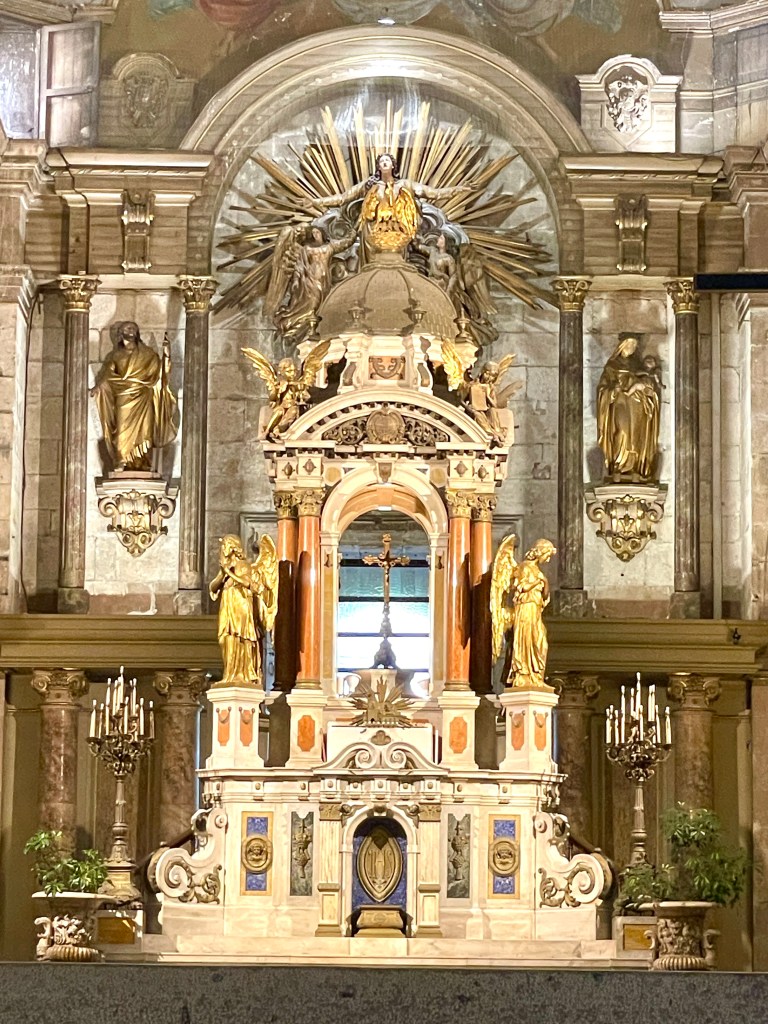
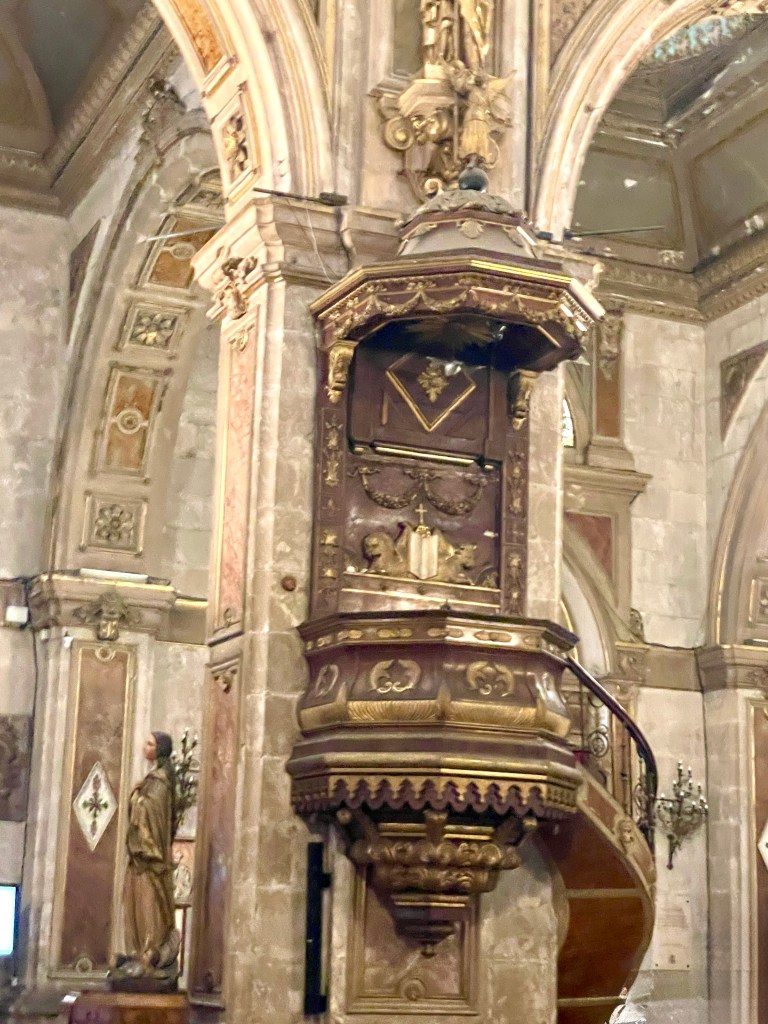
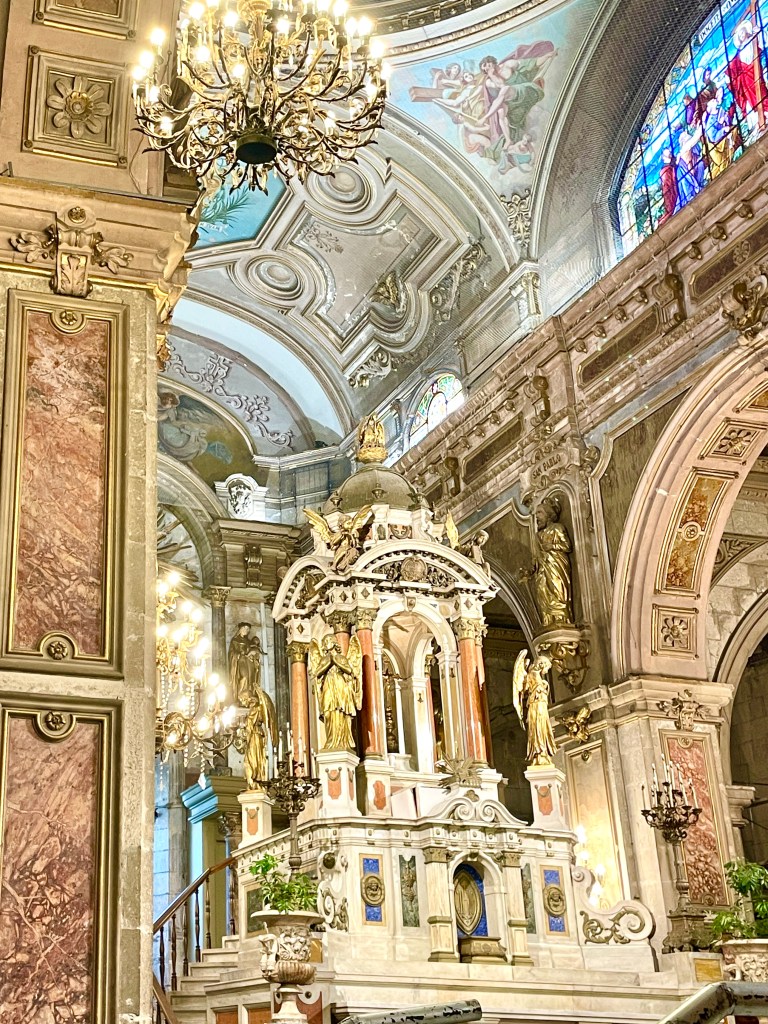
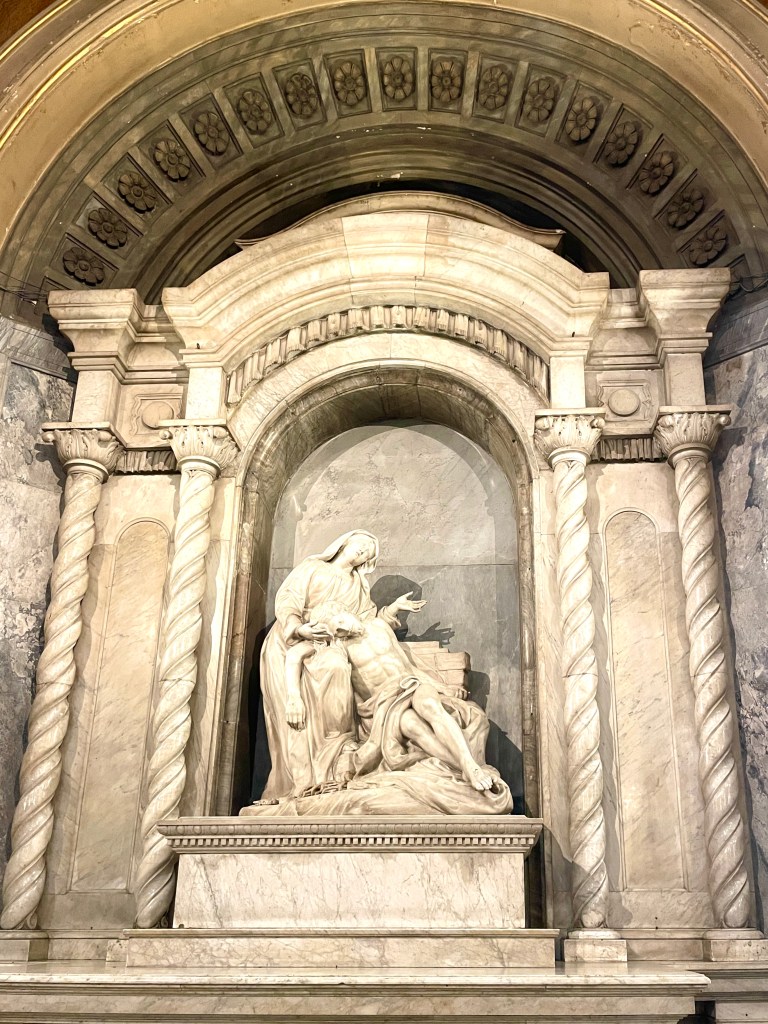
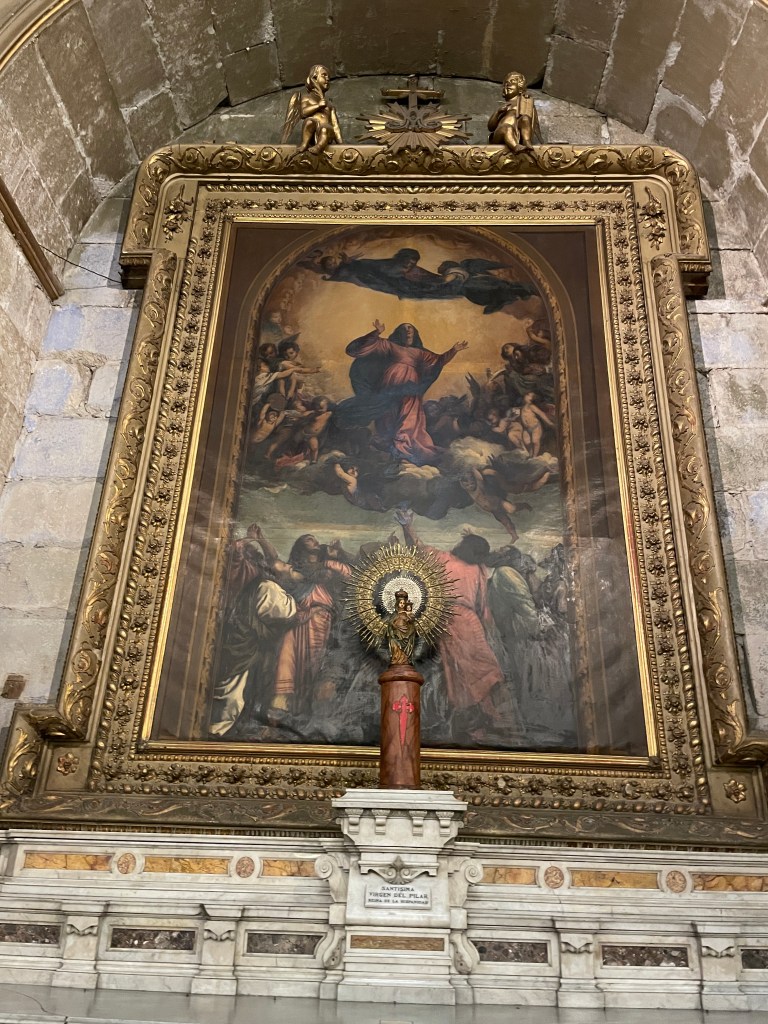
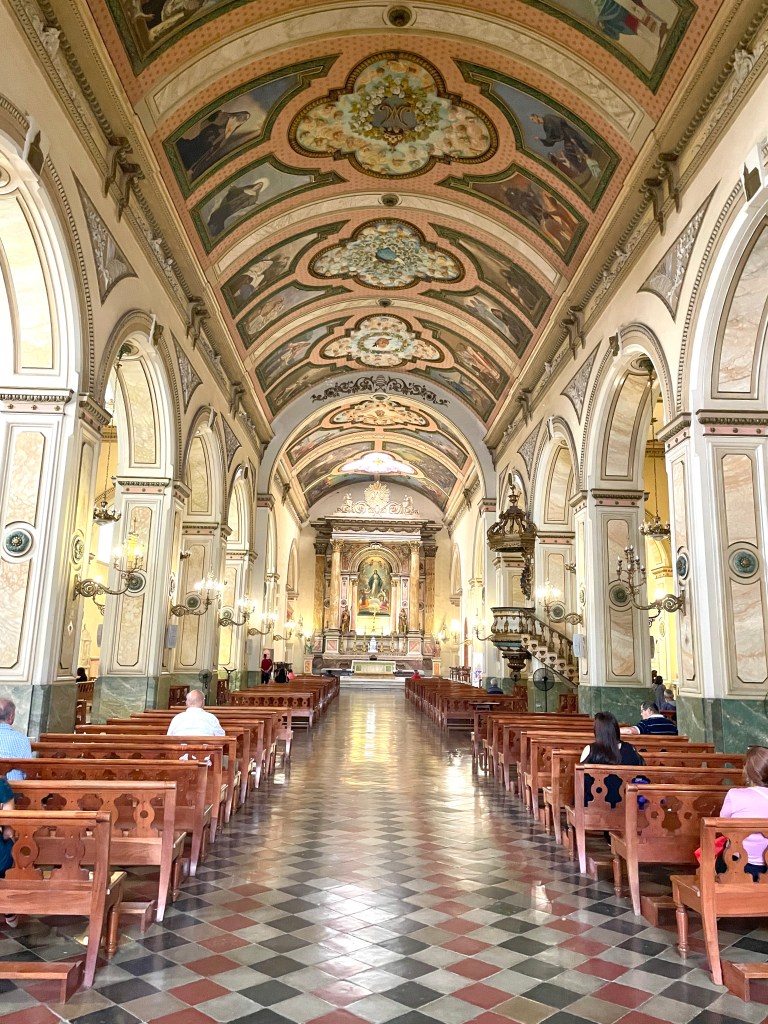
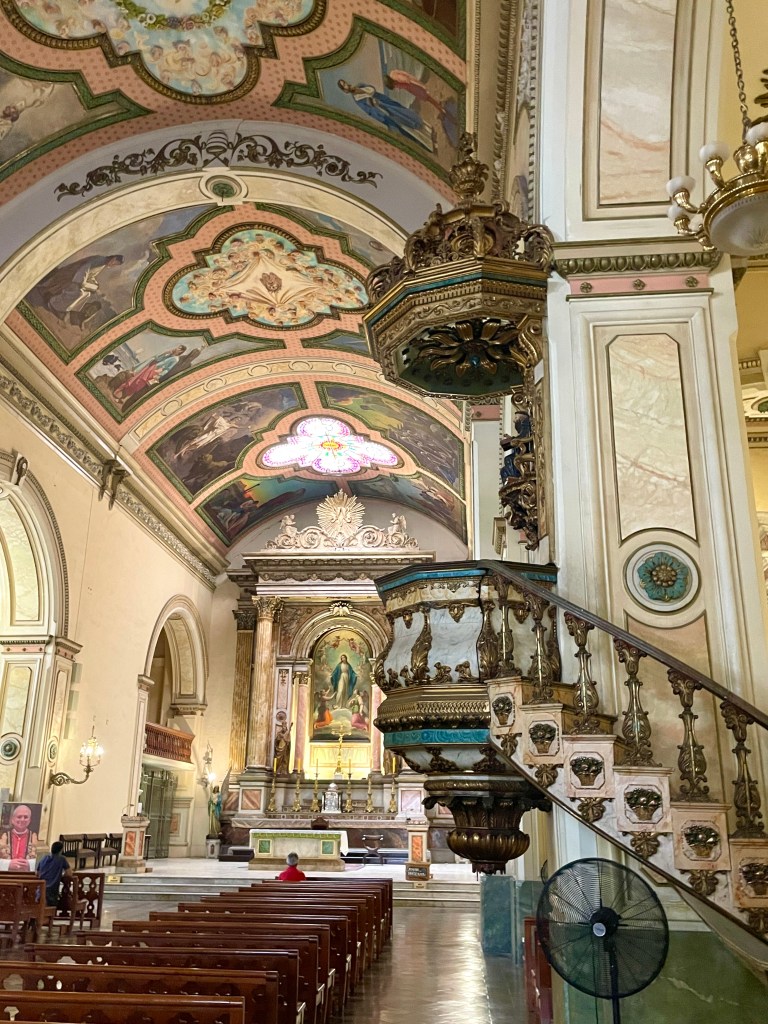
Located in the Plaza de Armas of Santiago the Cathedral is the home of the Archdiocese and the Archbishop of Santiago. This imposing building was built between 1748 – 1906; its present incarnation being the fifth church to have been built on the site… previous ones being lost to earthquakes and a fire. The Cathedral is dedicated to Assumption of the Virgin Mary and is the main church of the city.

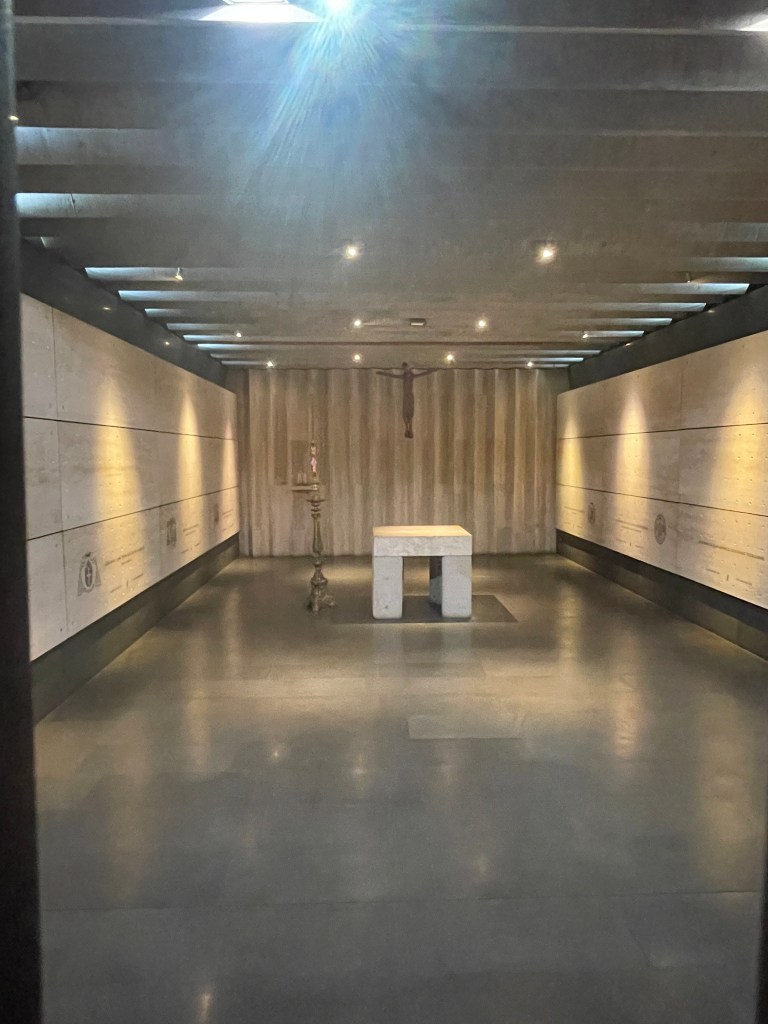
One interesting aspect to the Cathedral is Archiepiscopal crypt which was remodeled recently adding light and depth to the place where most of the Archbishops of Santiago are buried.

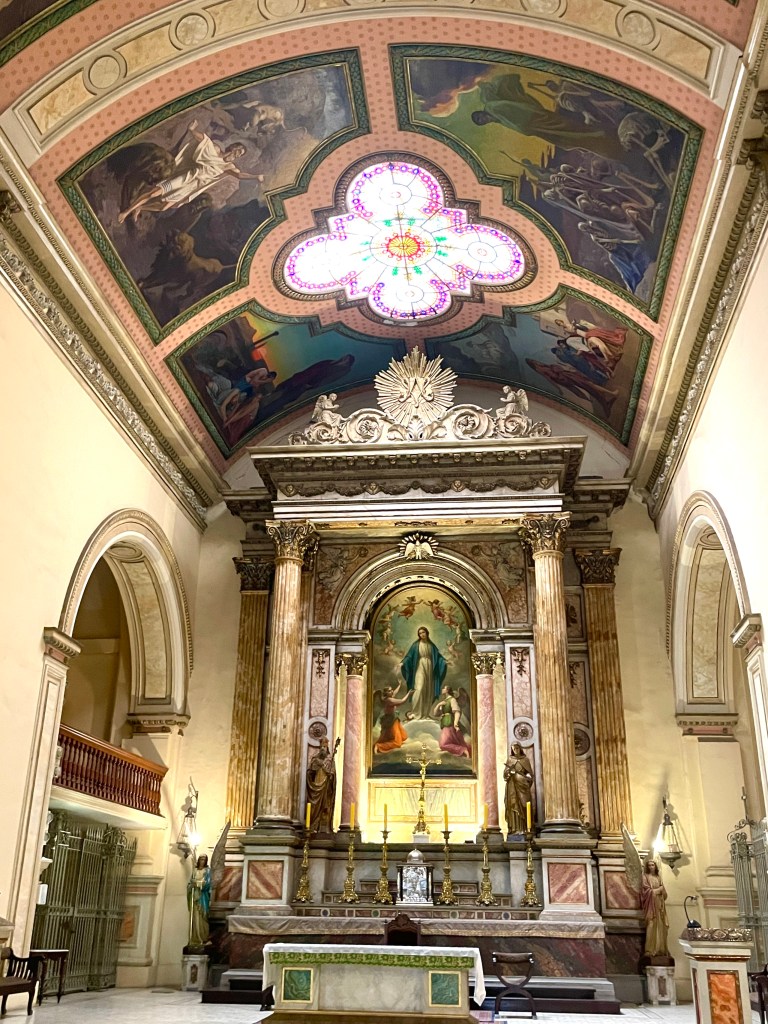
Templo De San AugstinOur Lady of Grace

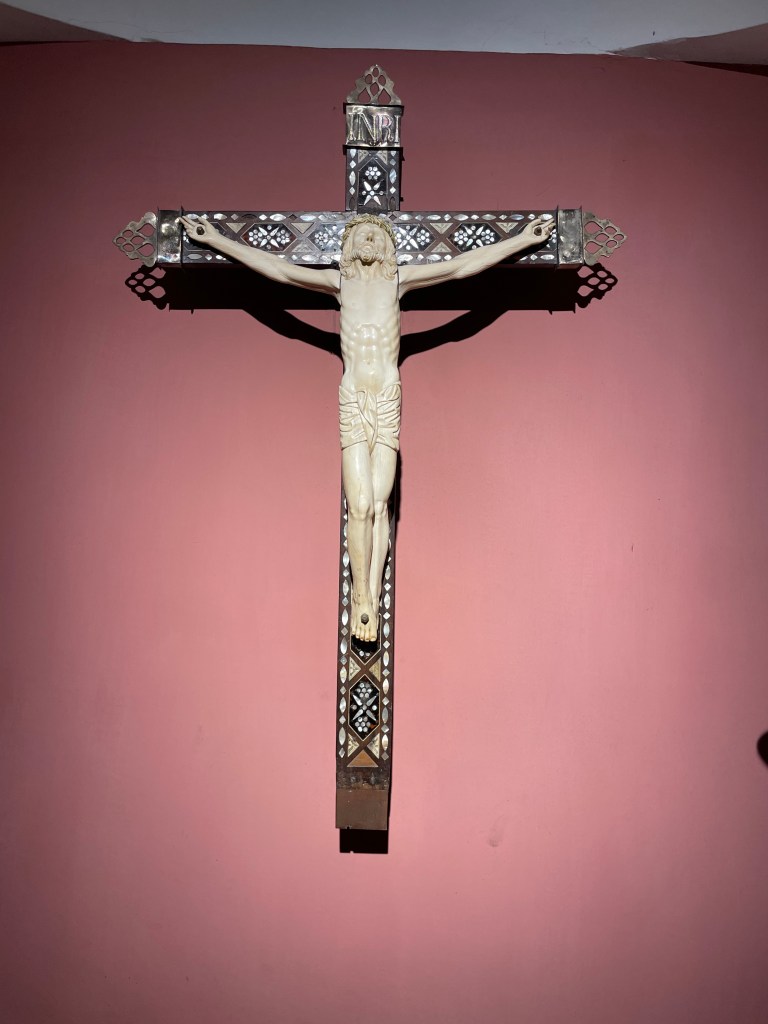
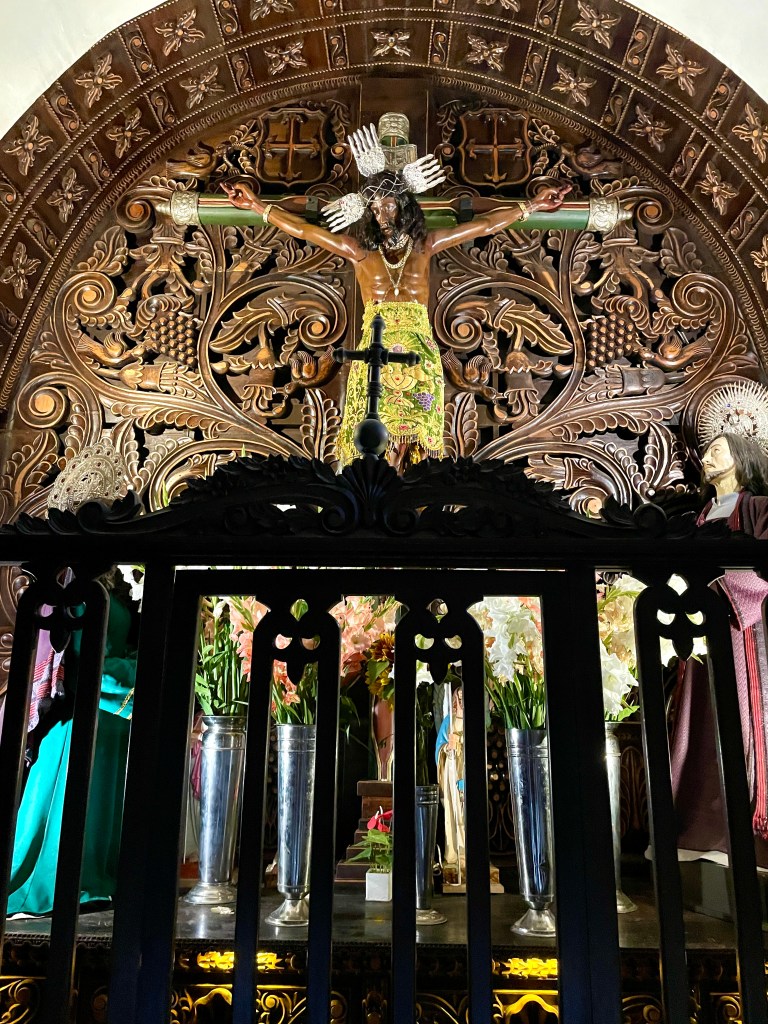
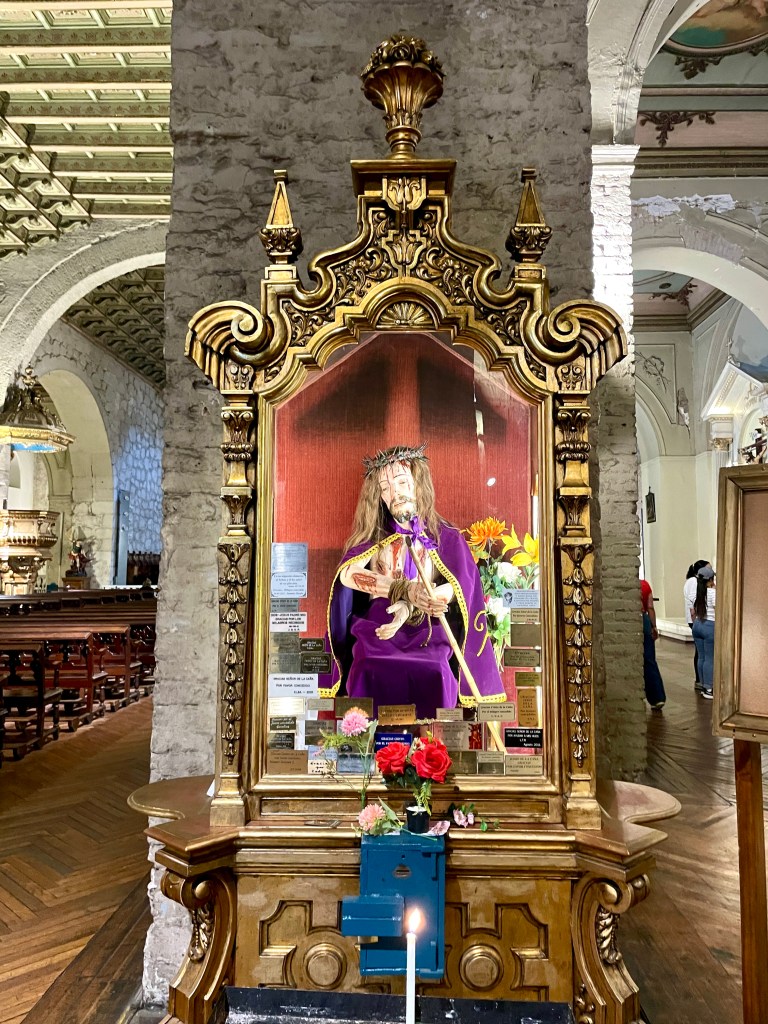
Built in 1625 this beautiful church was the favorite of those that I visited. There is a beautiful wooden carving of Jesus that holds special significance to the area. Until the earthquake of 1647 Jesus wore a crown of thorns upon his head. During the quake it is said that the crown of thorns fell from the head of Jesus and slipped around his neck. When someone tried to put the crown back upon his head it is said that the statue’s face began to bleed and the ground began shaking violently. For this reason the crown remains around the neck of the beloved.

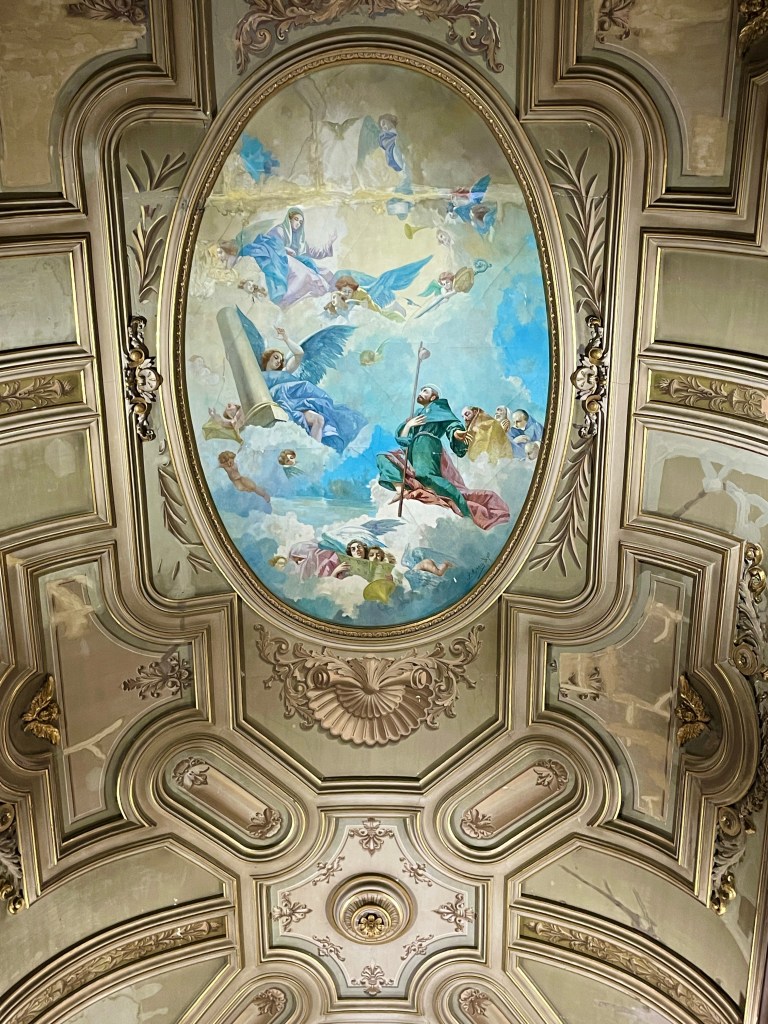
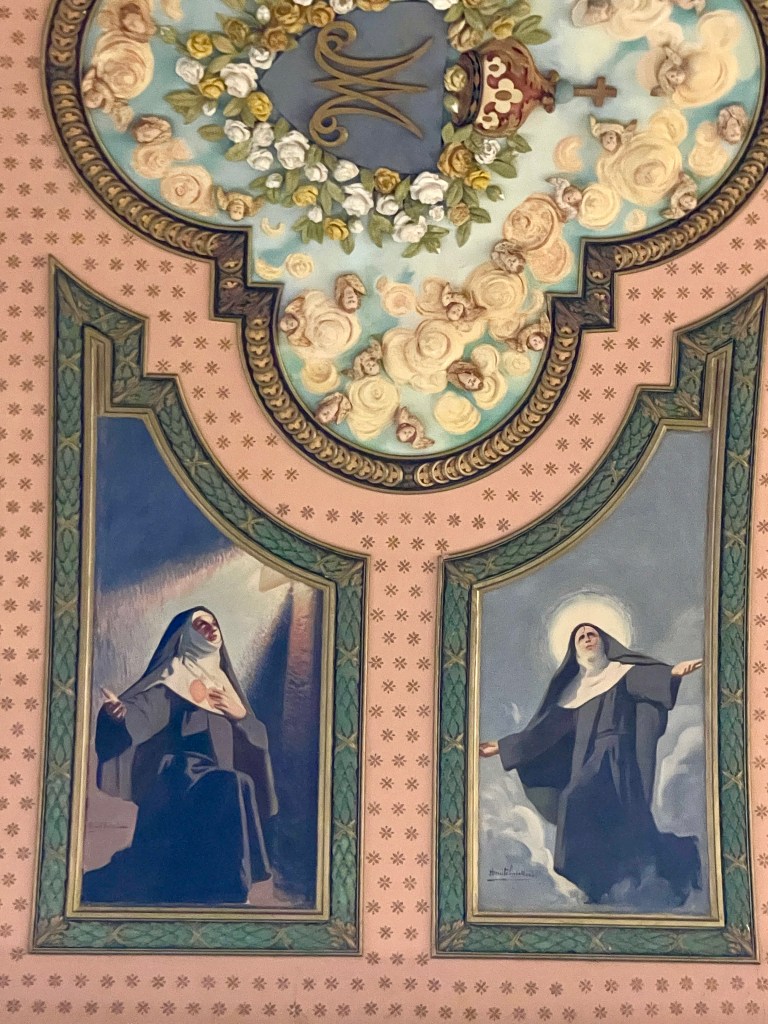
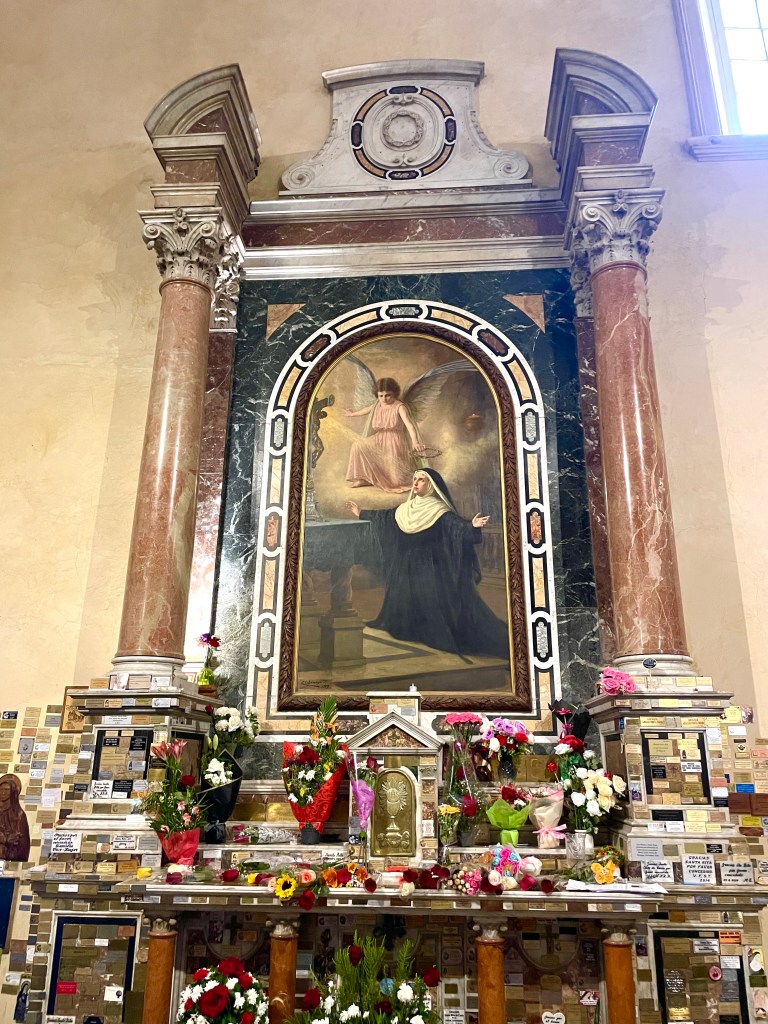
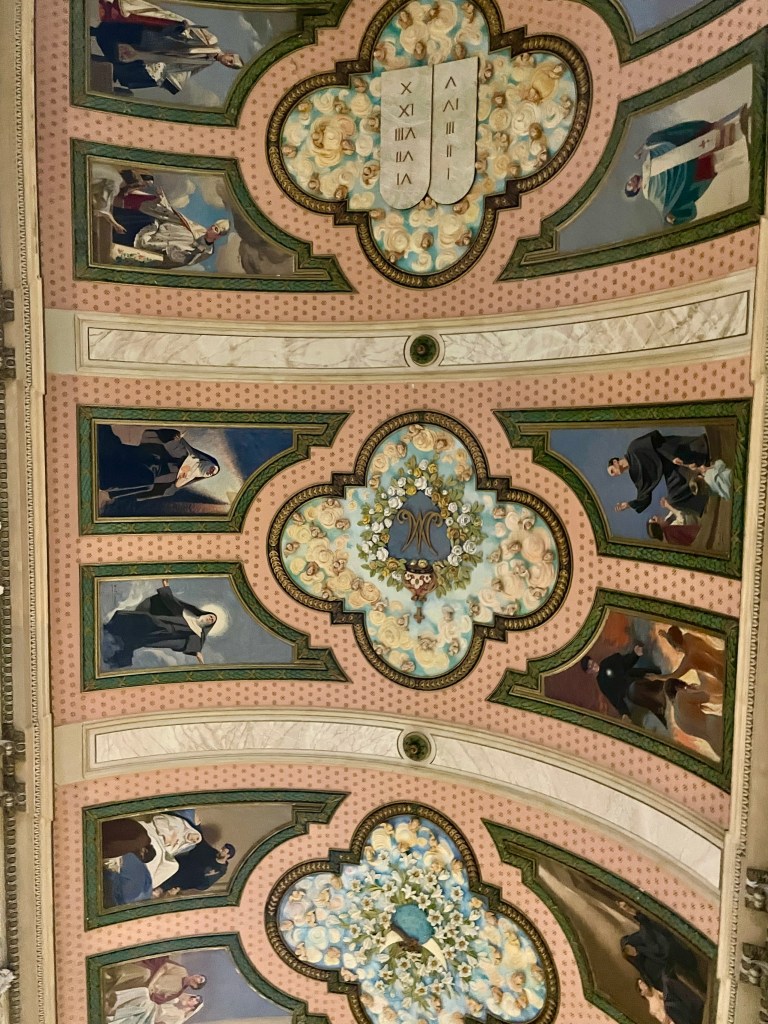
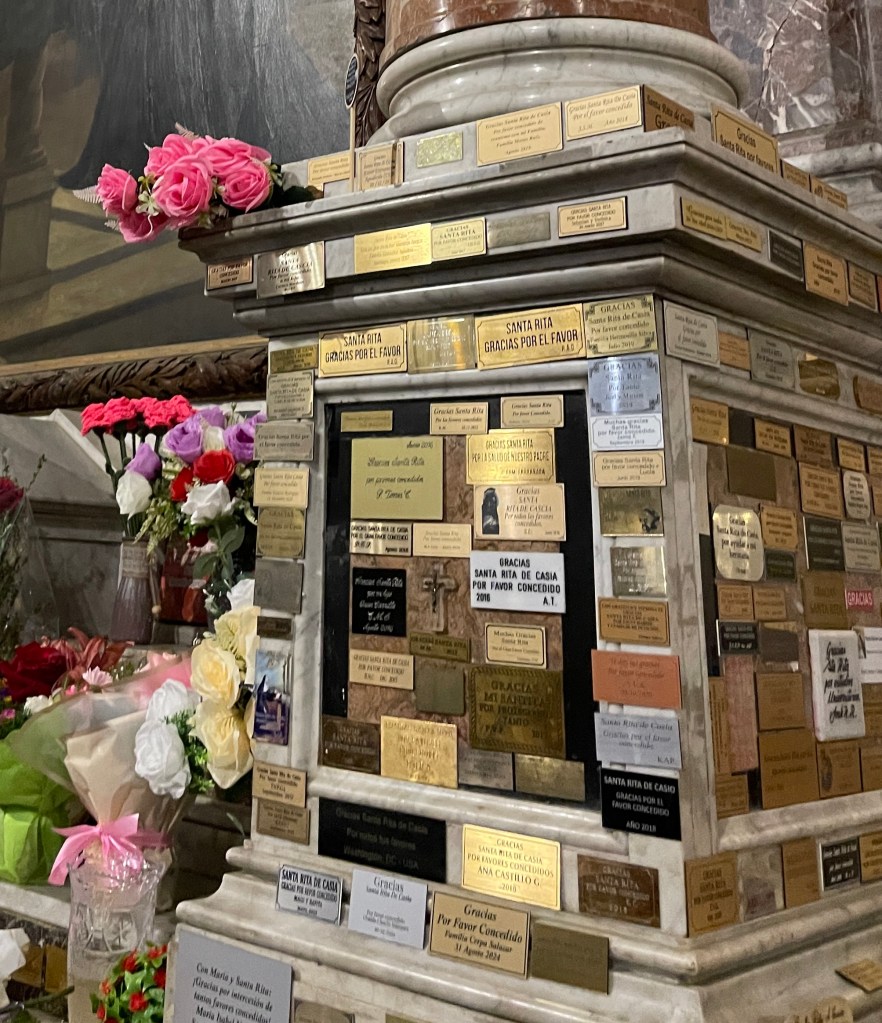
But the thing that I loved most about the church was its congregants devotion to Saint Rita of Cascia whose face graces parts of the ceiling and a wall of the church. Rita was born in the late 1300’s in Italy. She was married young to a man who was known to be a rich adulterer with a sharp tongue and quick temper. Rita endured his physical and mental abuse for the 18 years that they were married while with gentleness and humility taught her husband to be a better man. After her husband died (he was murdered as a result of a long-time feud) she joined a sisterhood of nuns who later became the Augustinains. She was known for her belief in and participation of mortification of the flesh.

Rita is known as the saint of impossible causes. In addition, she is the patron saint of the sick, loneliness, sterility, abuse victims, couple and marriage difficulties, widows, parenthood, bodily ills, and wounds. It was wonderful to see a woman glorified in a religion that often saves glorification and adoration for men. Yeah Rita!