THE CHURCHES-LIFE OF THE CITY

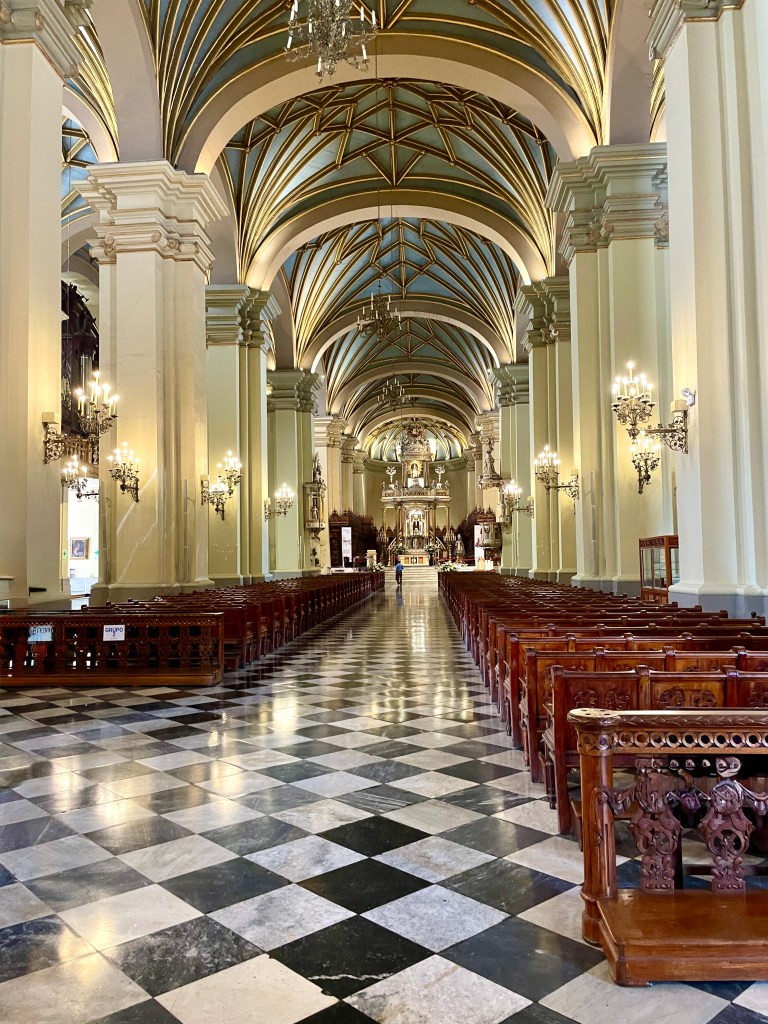
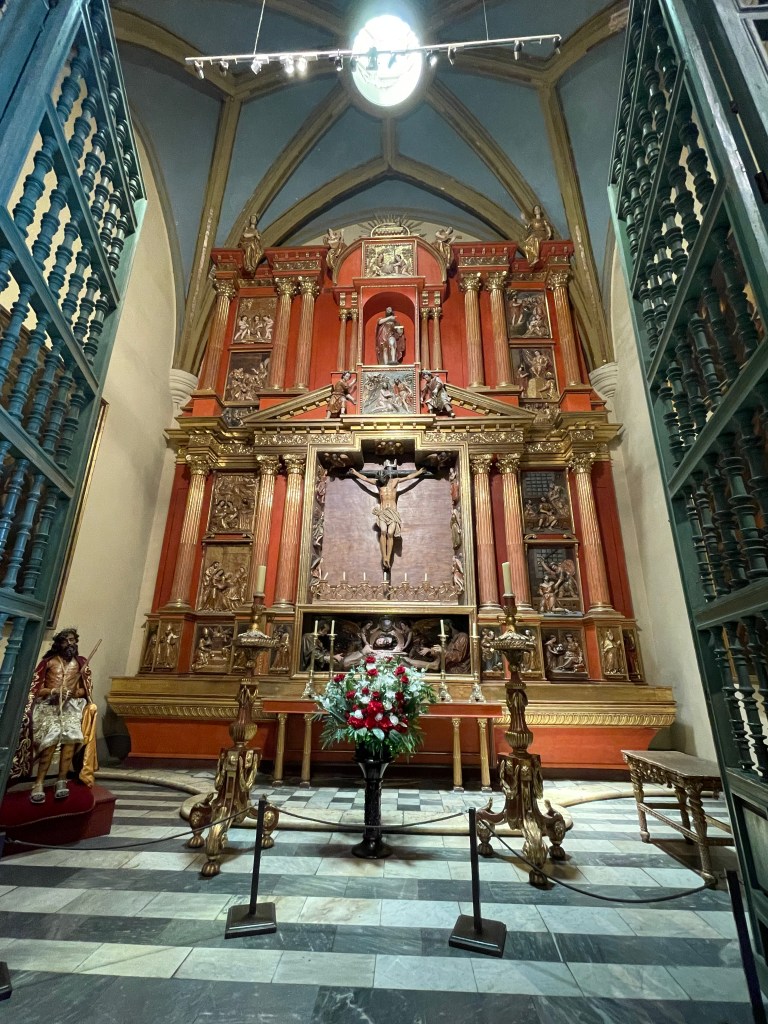
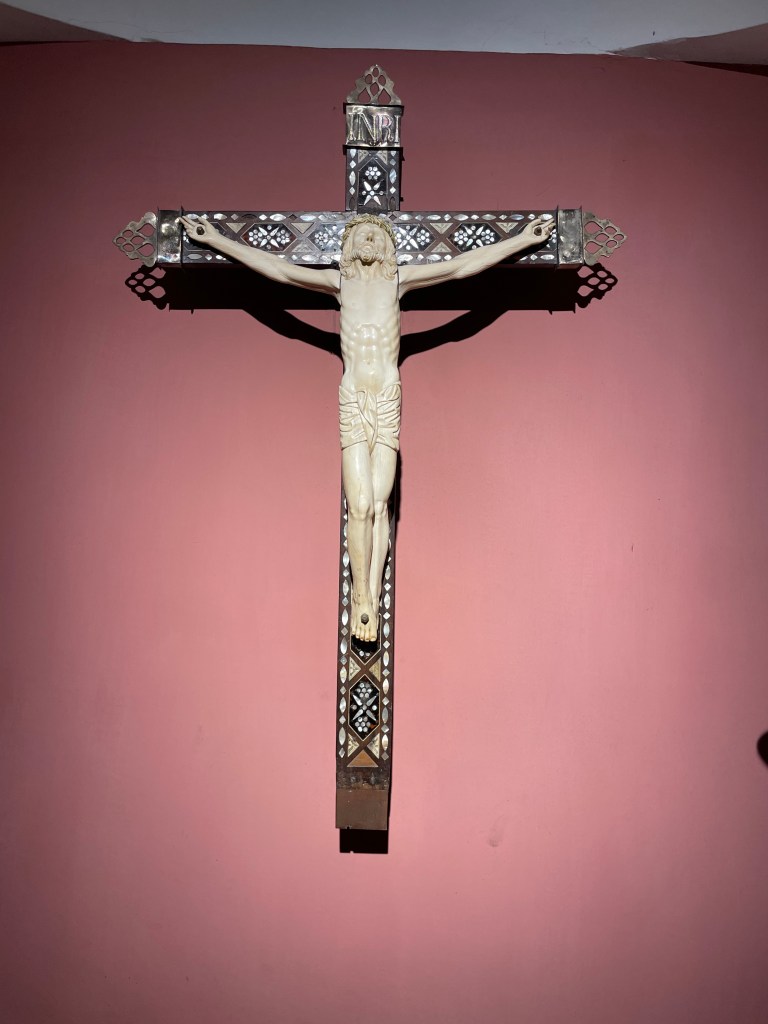
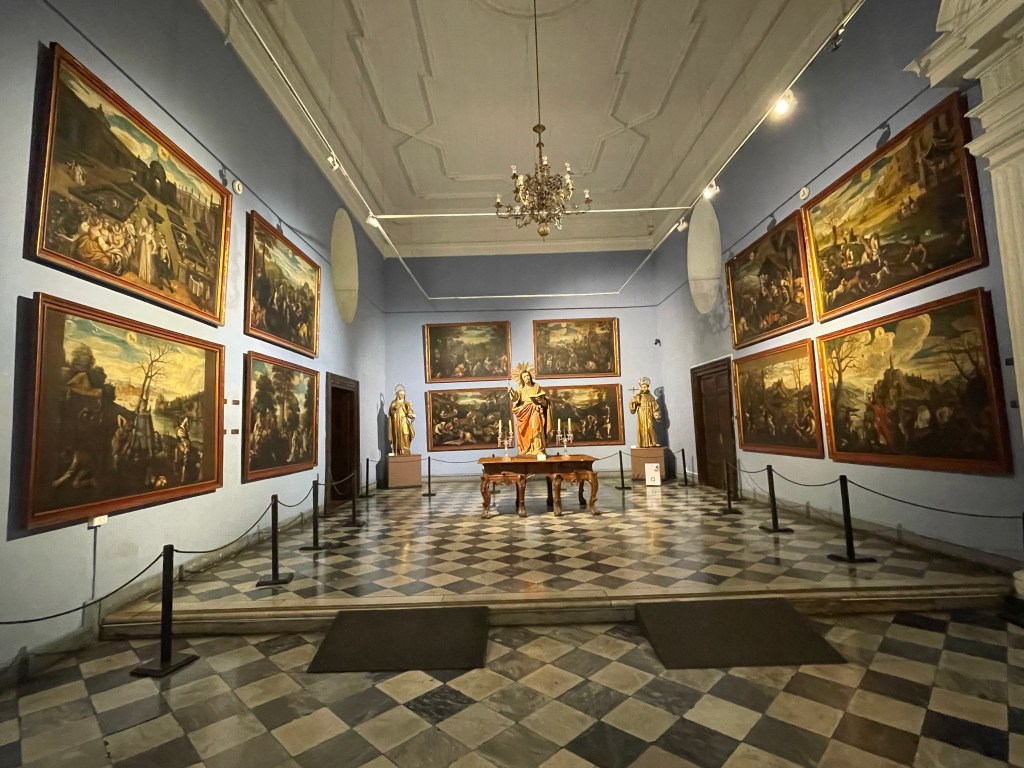
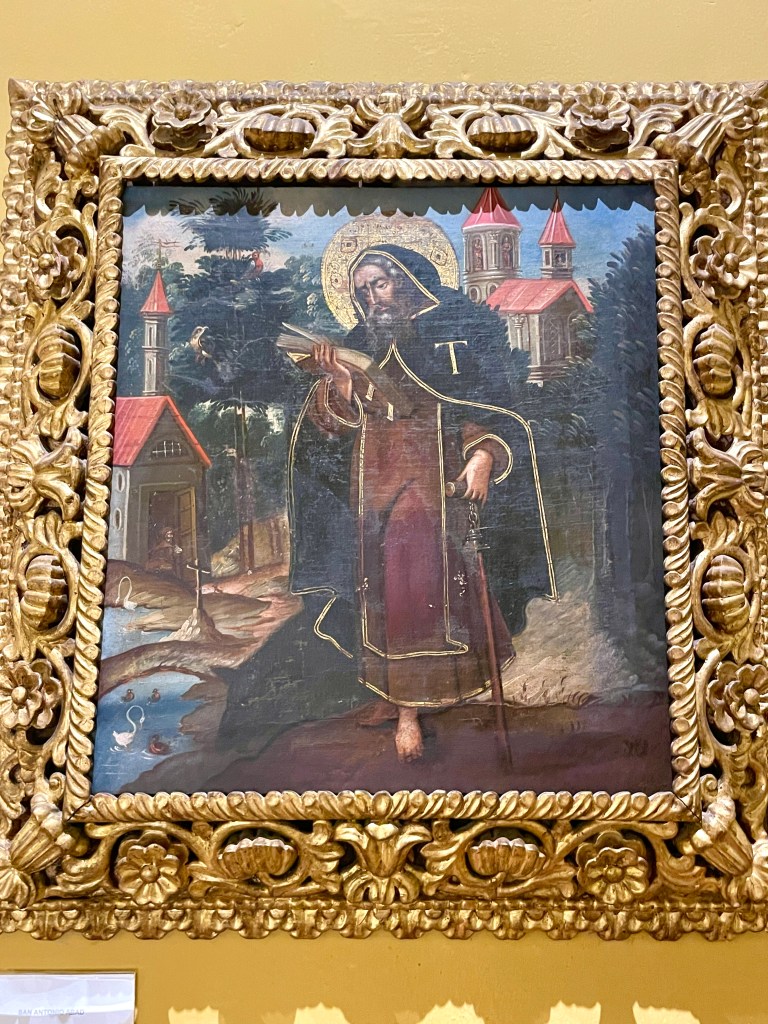
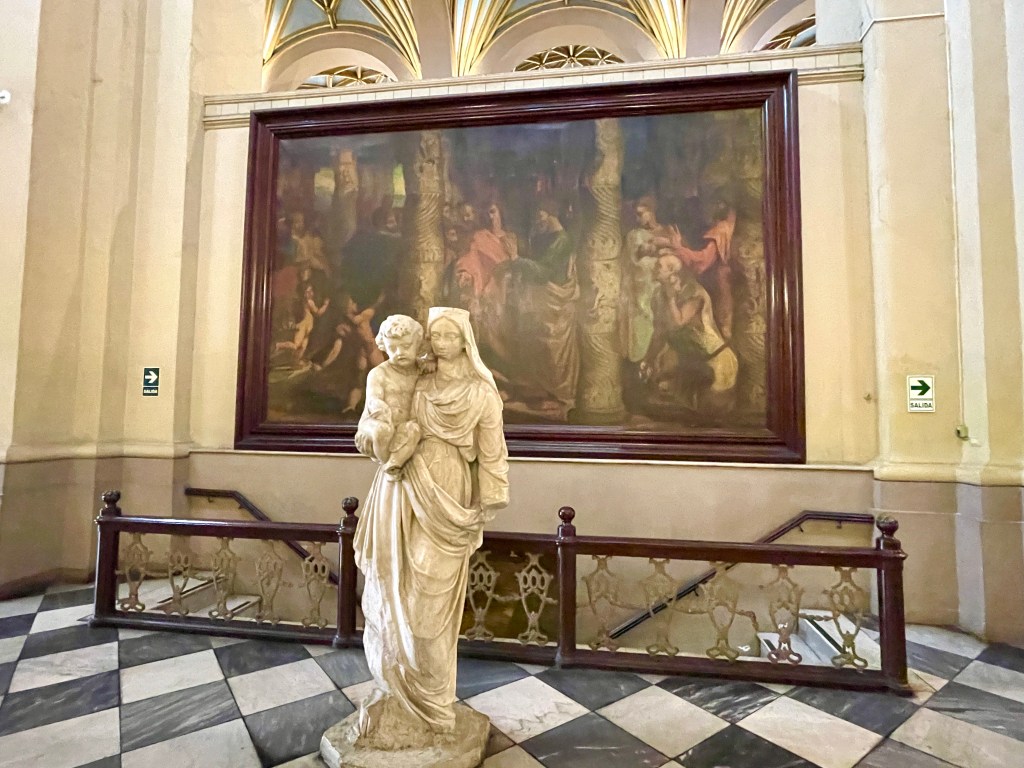
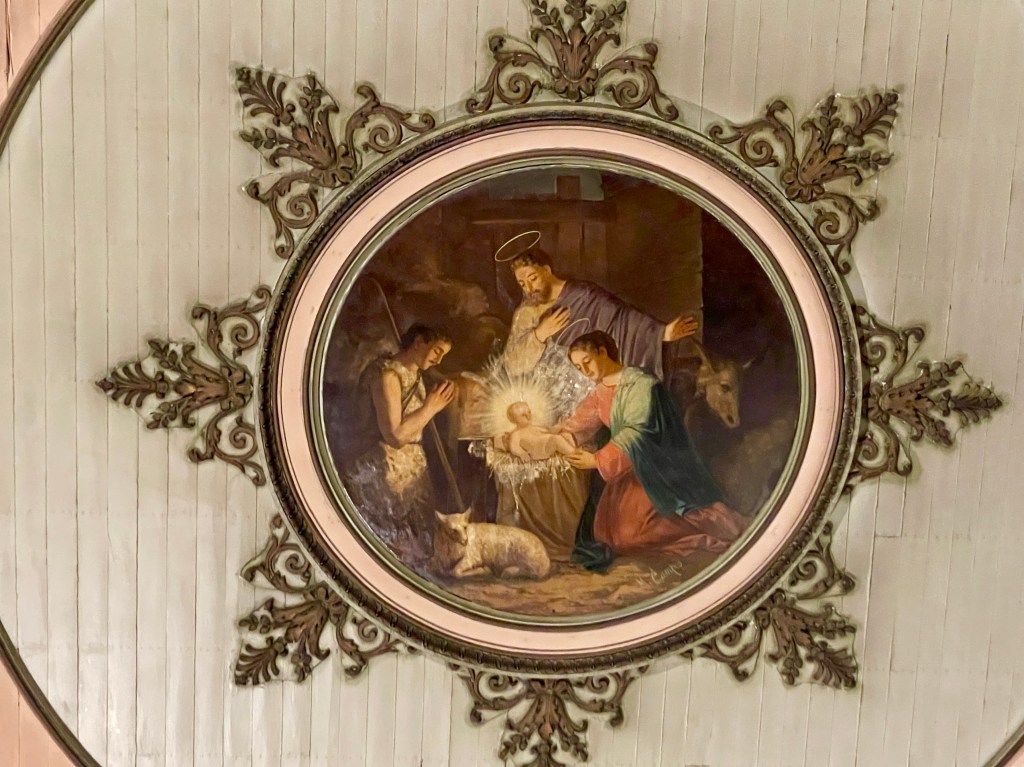
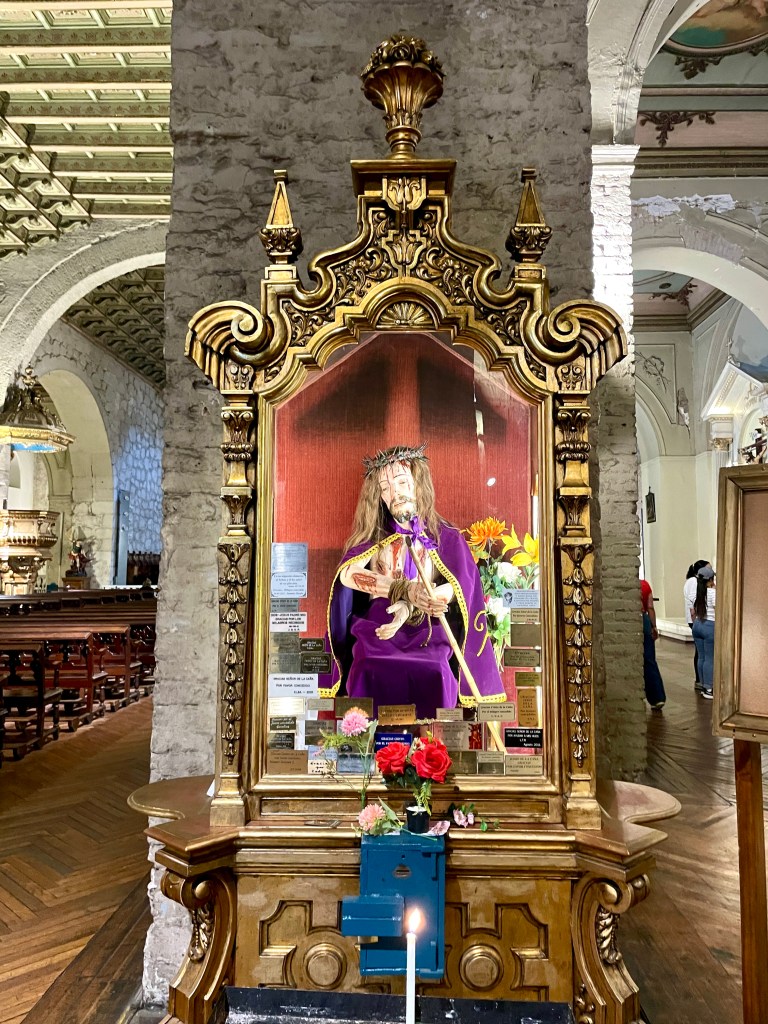
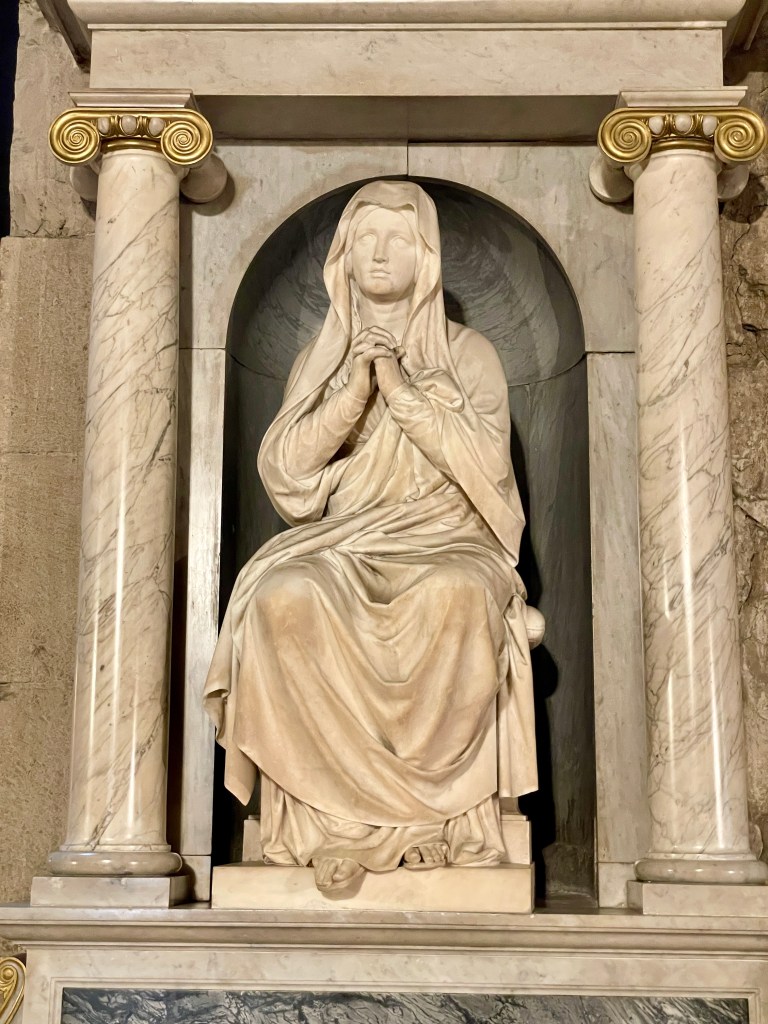
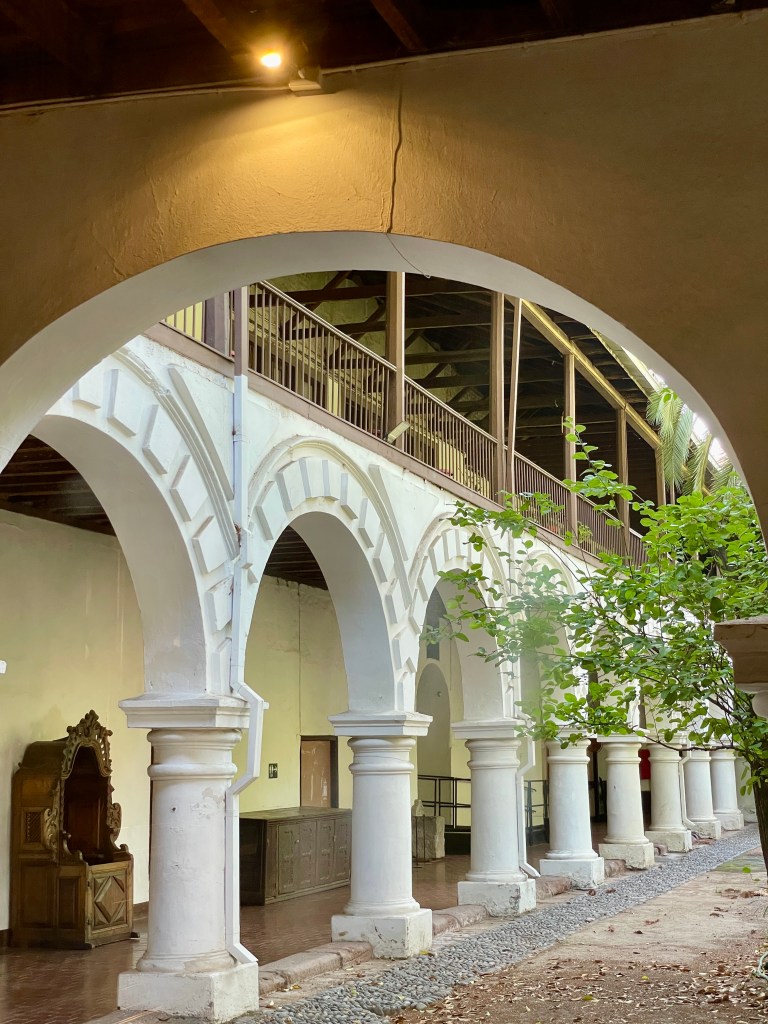
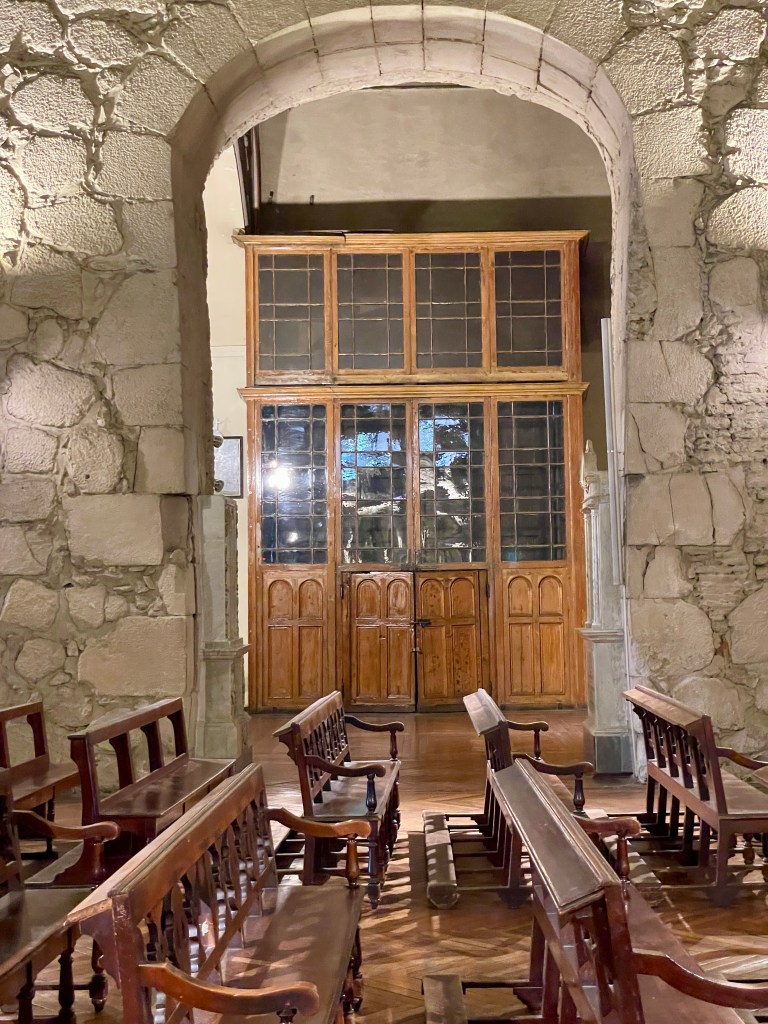
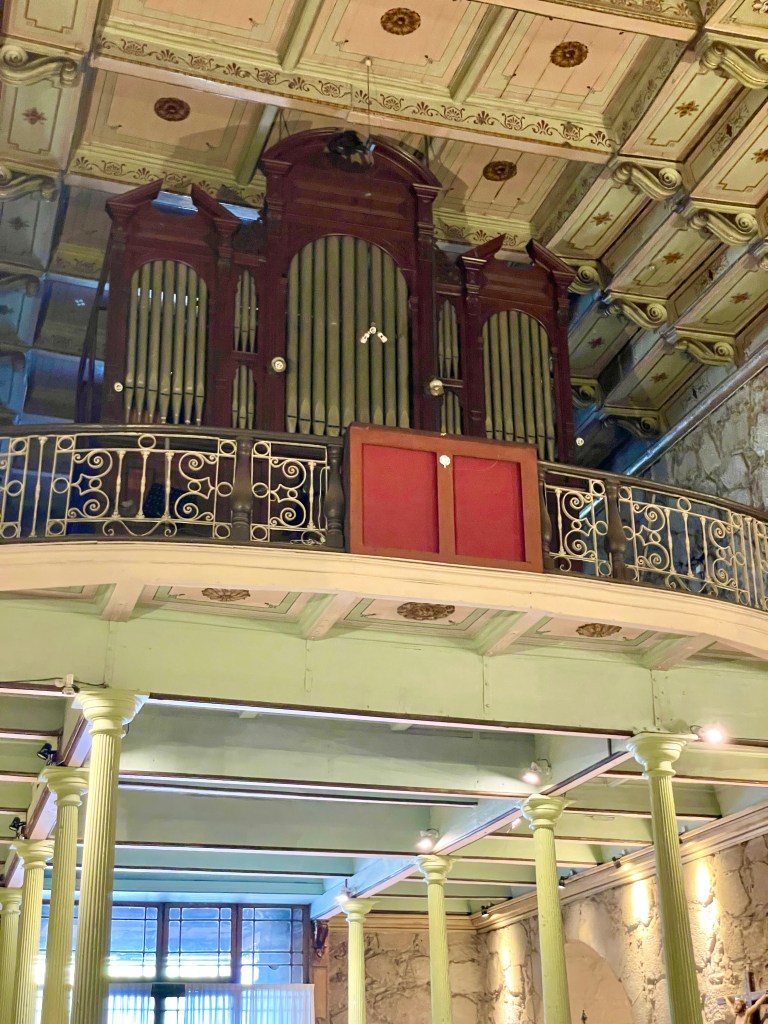
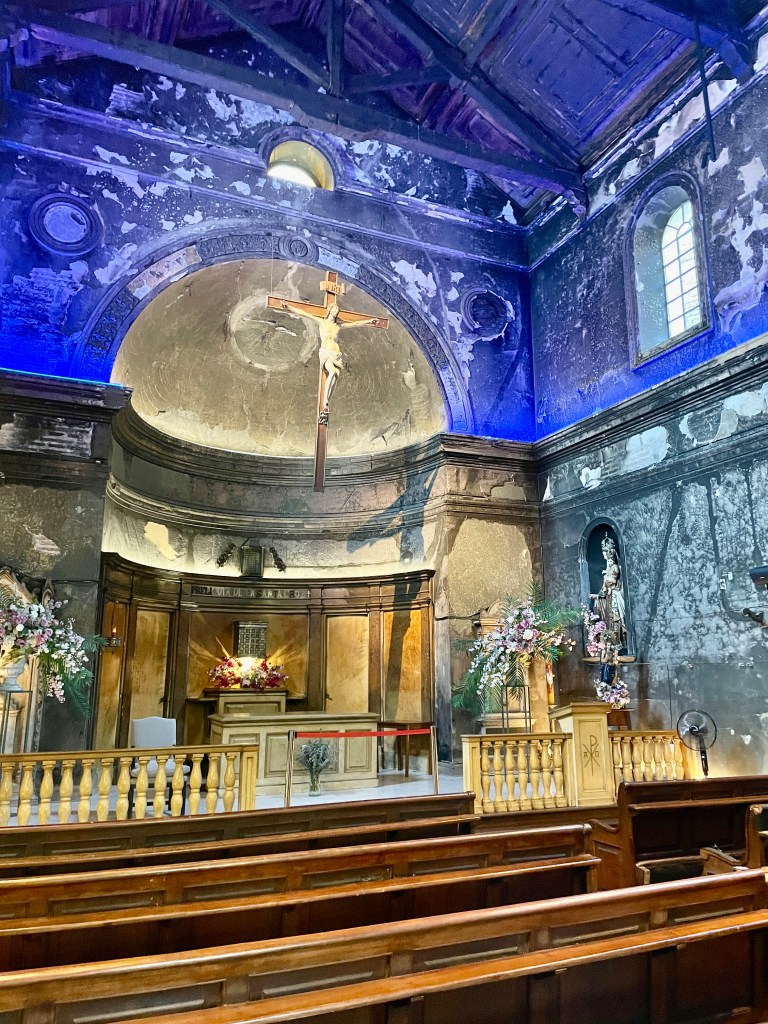
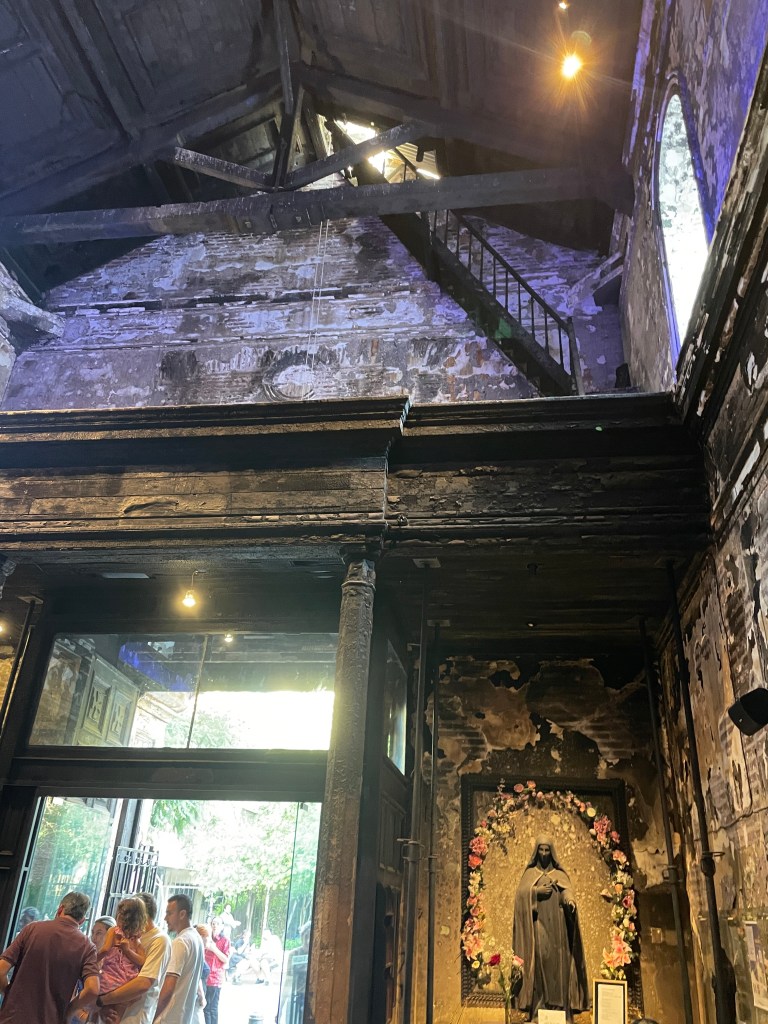
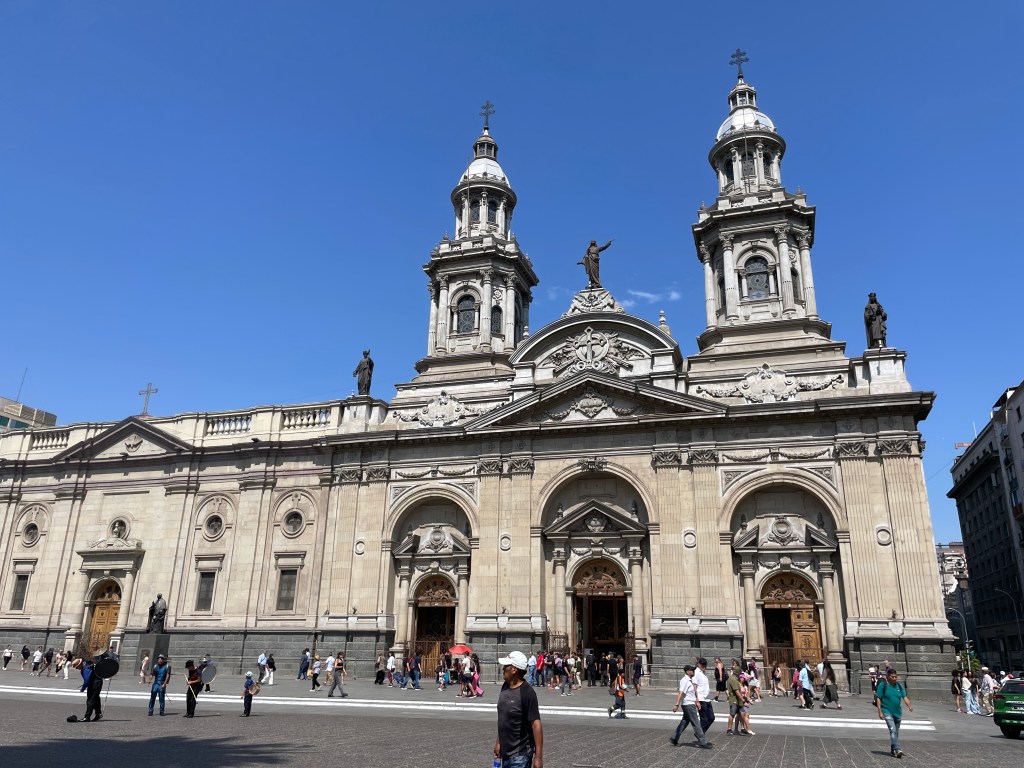
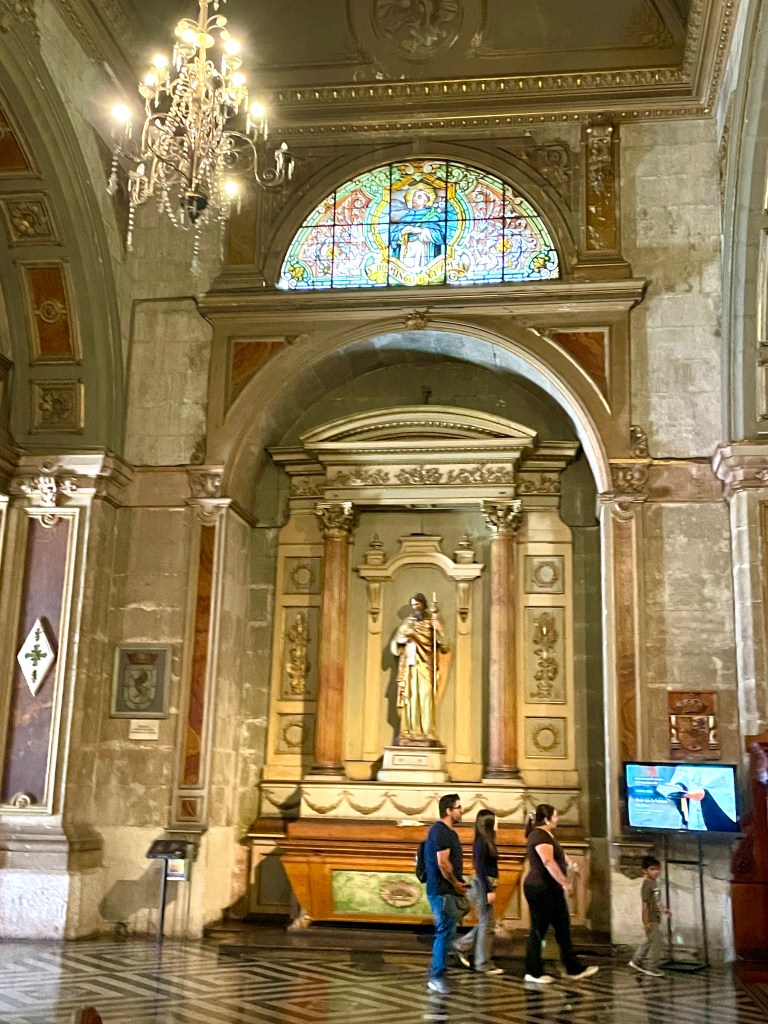
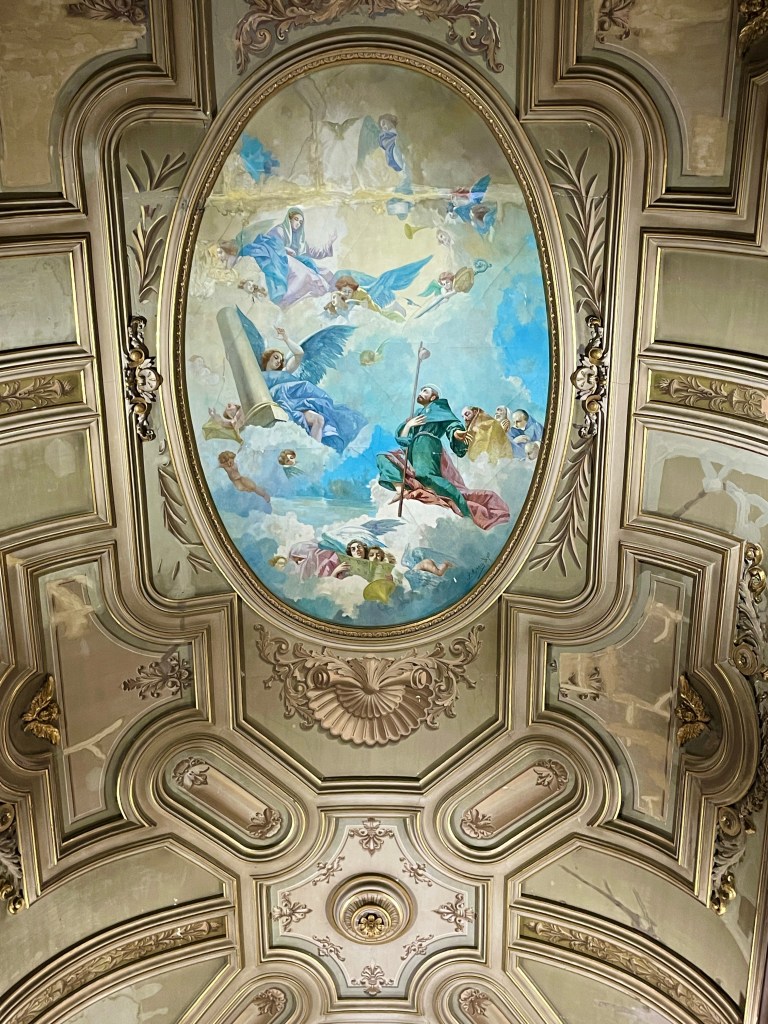
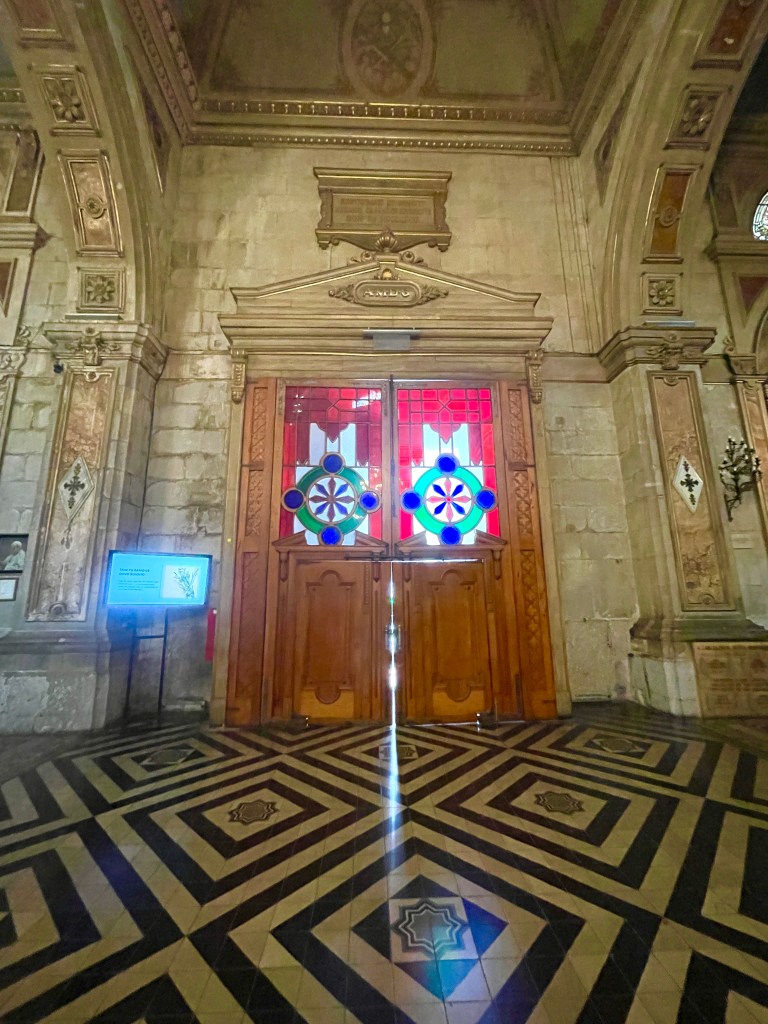
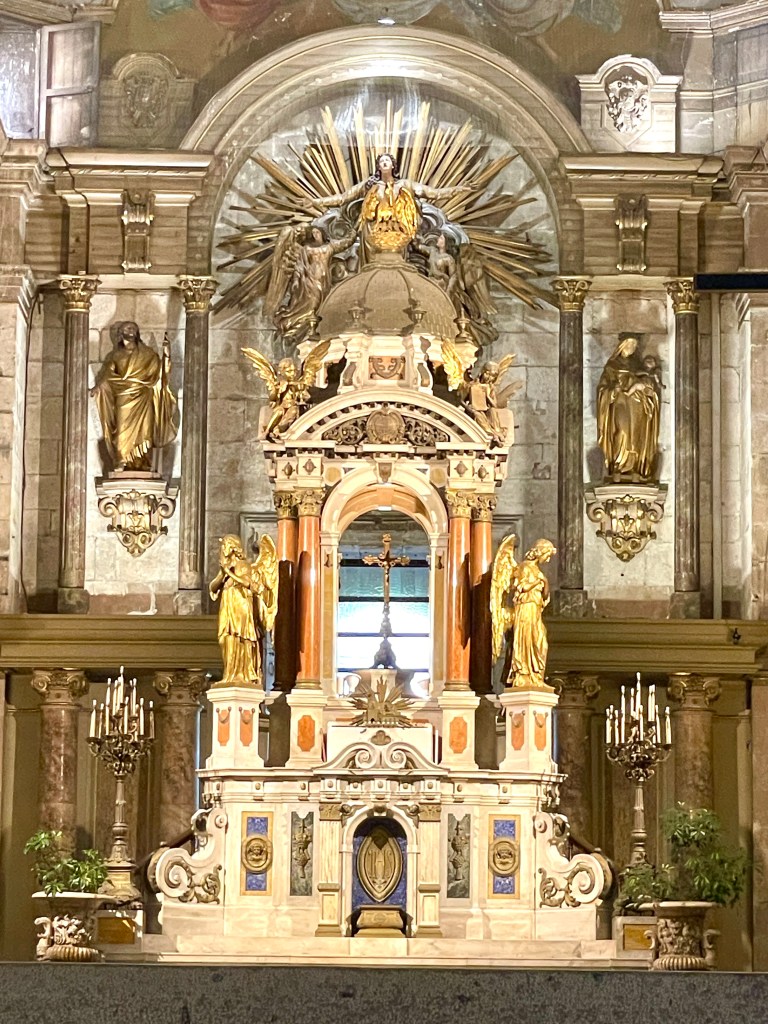
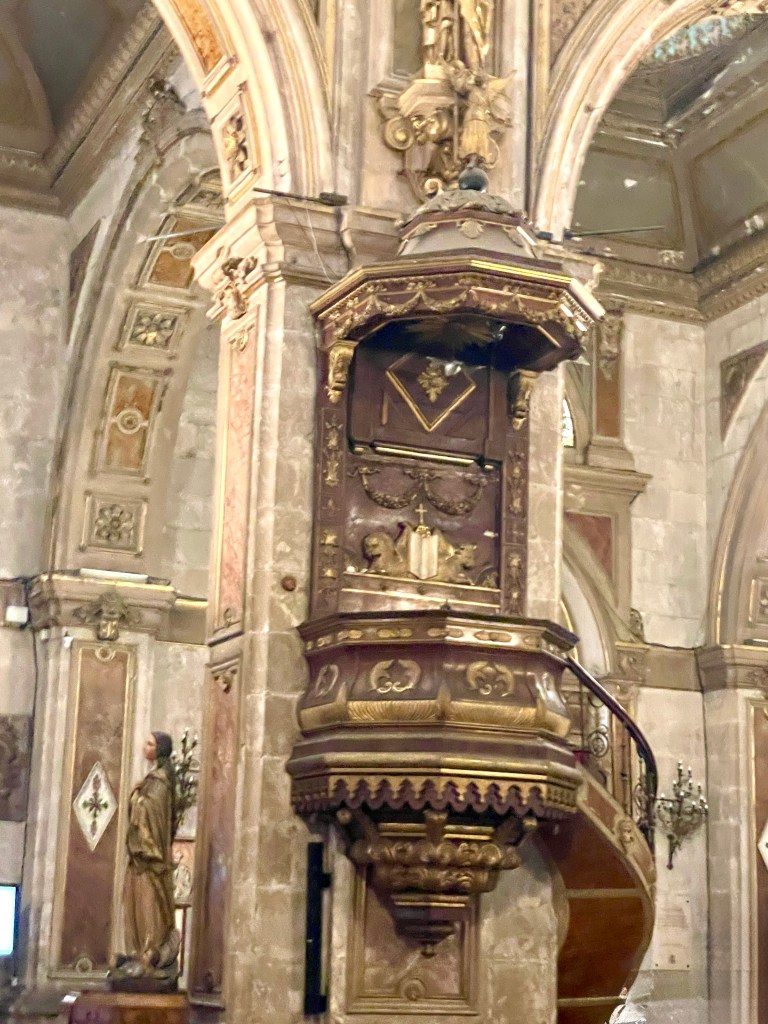
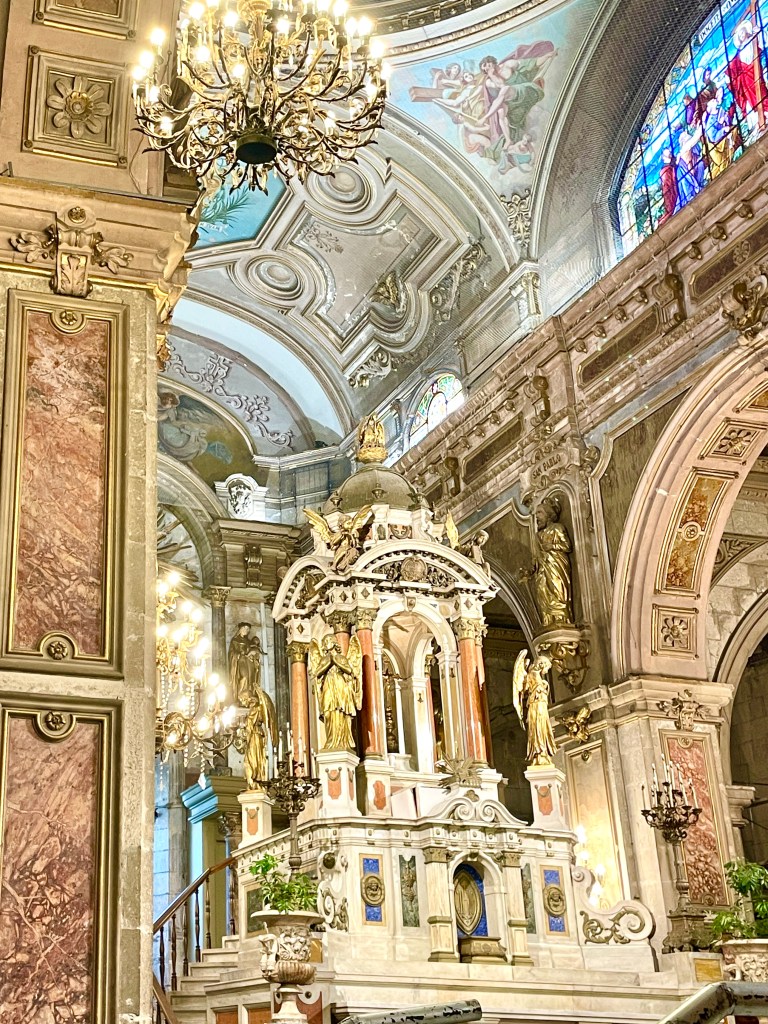
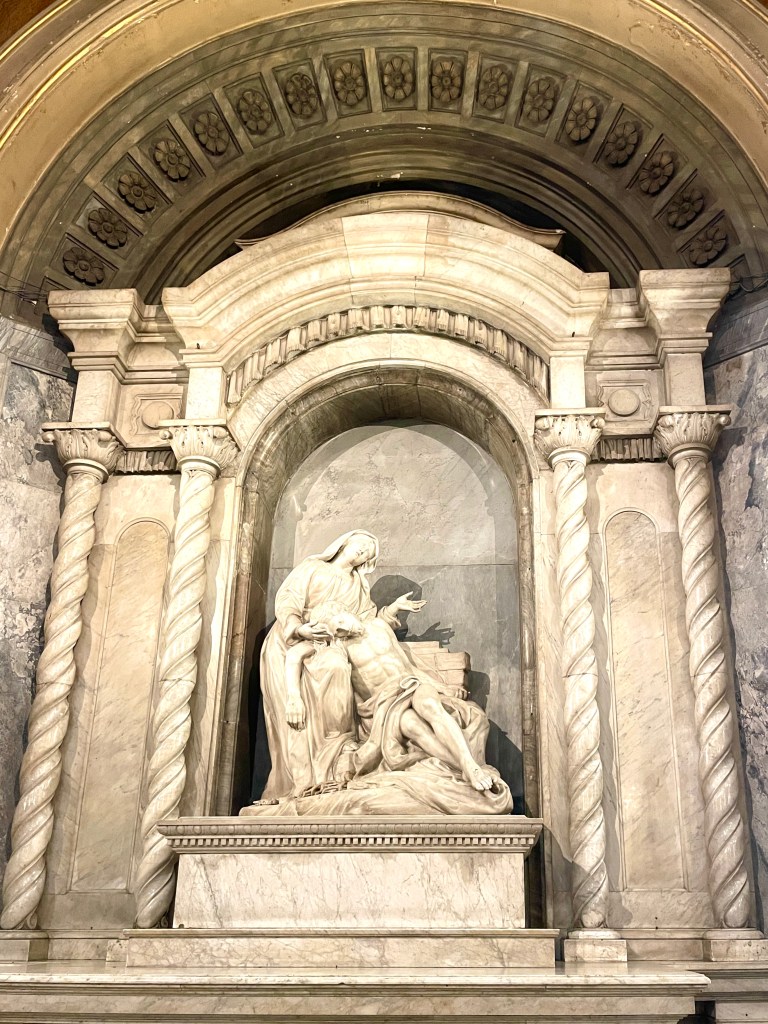
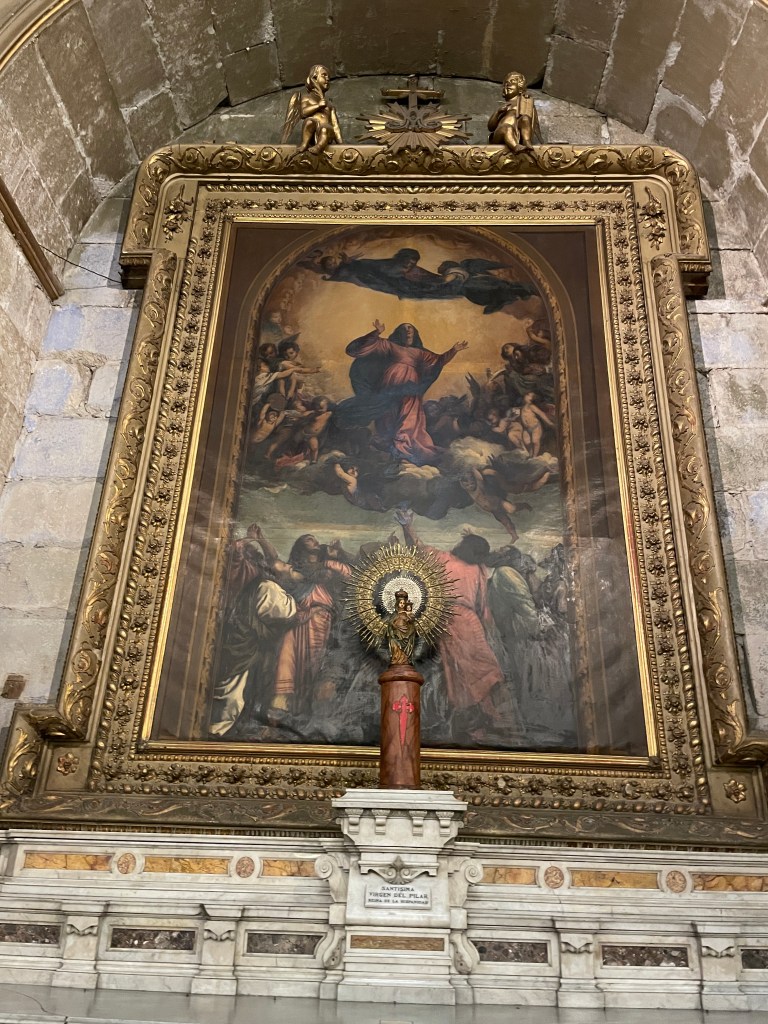
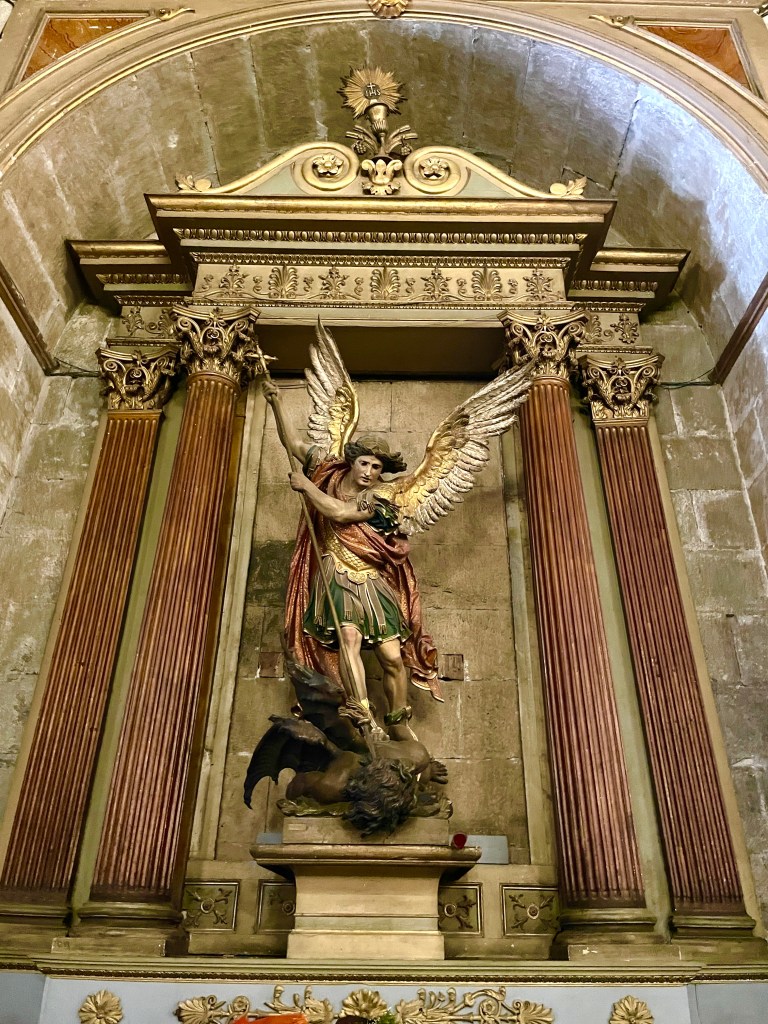
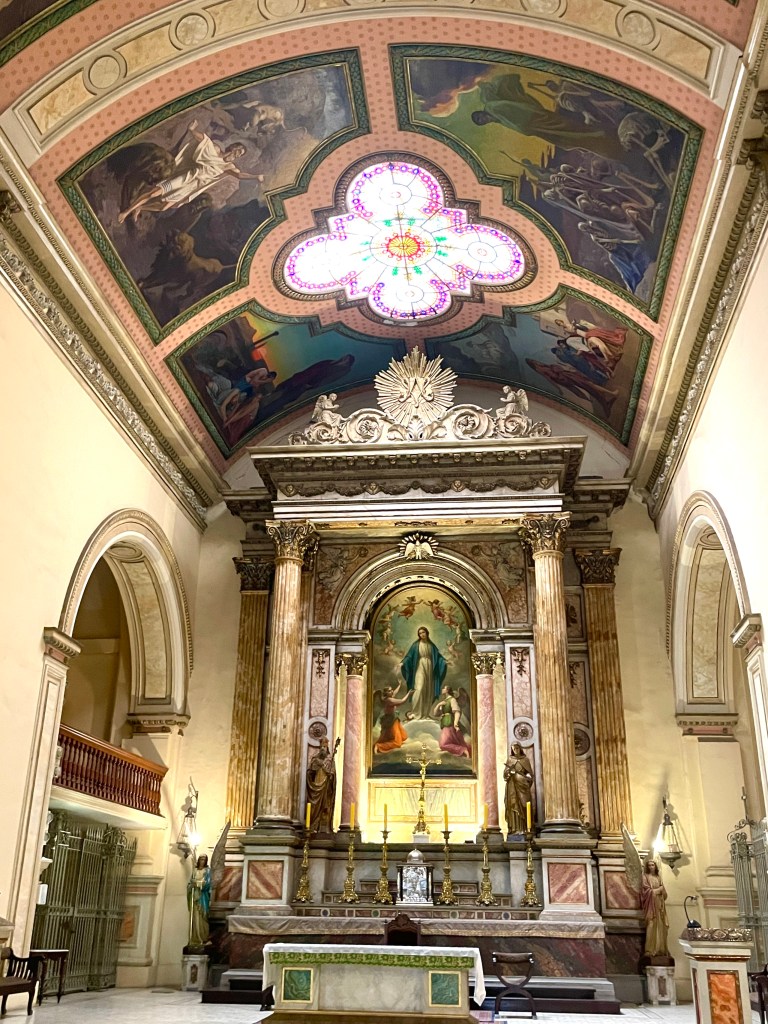
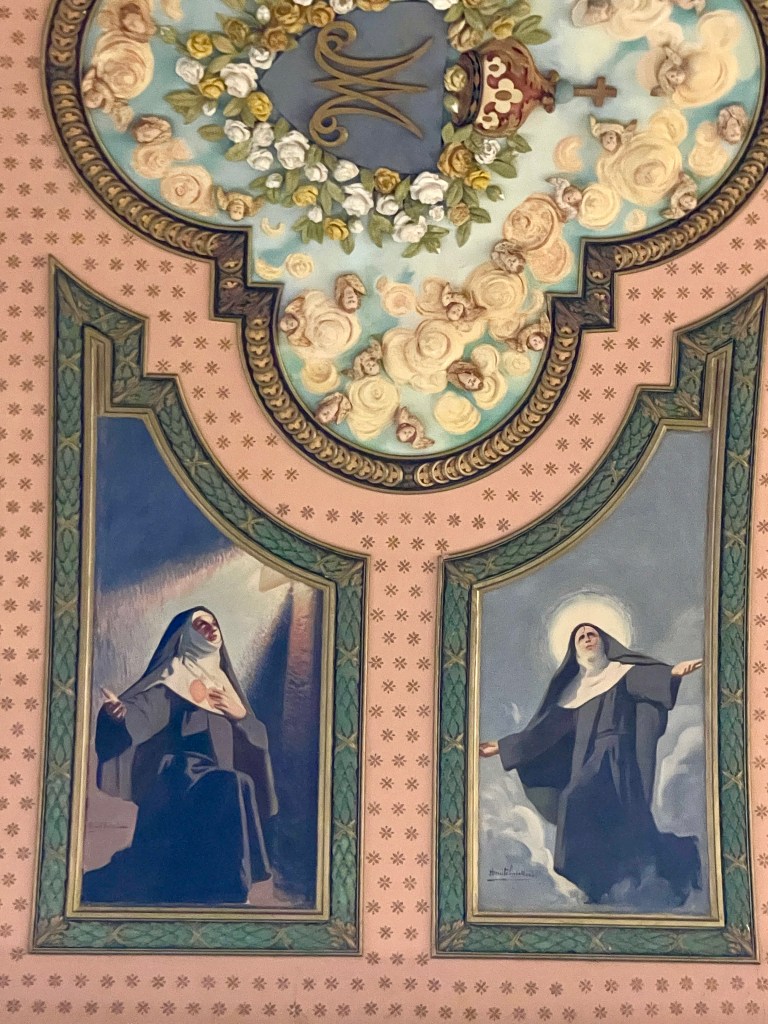
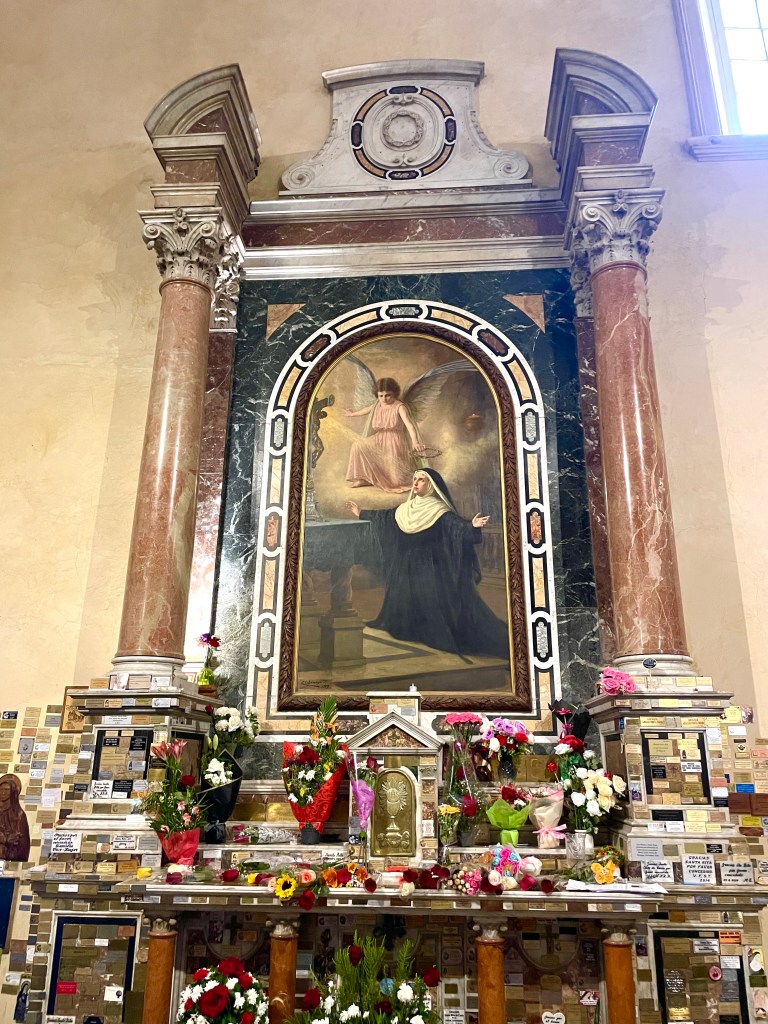
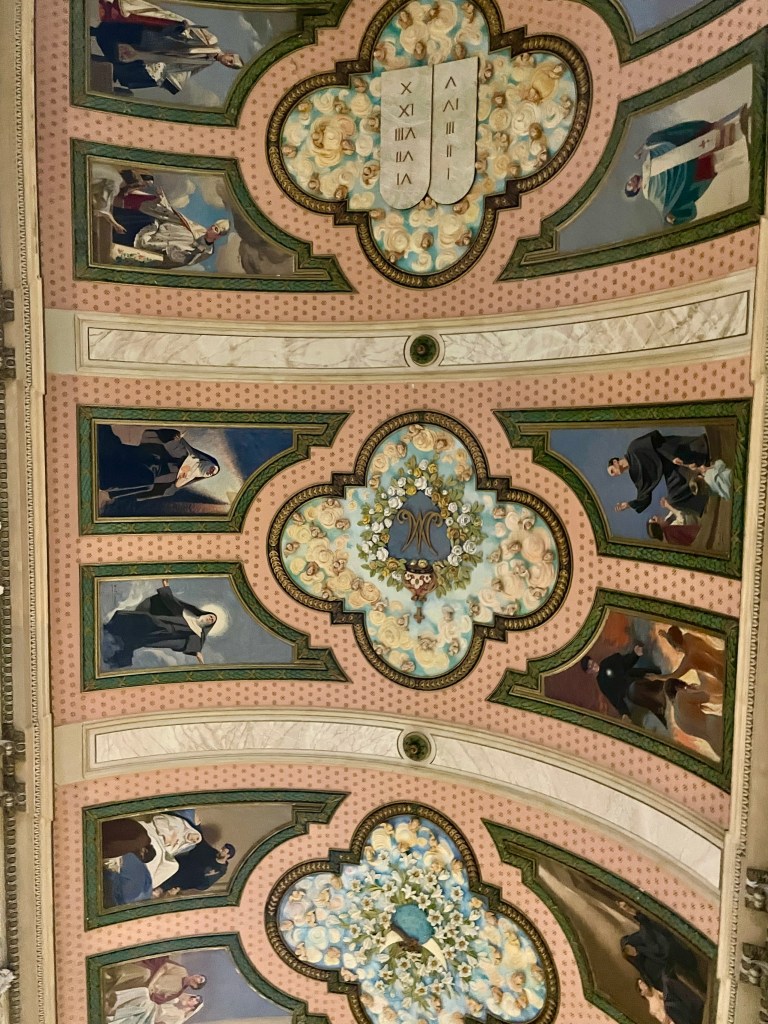
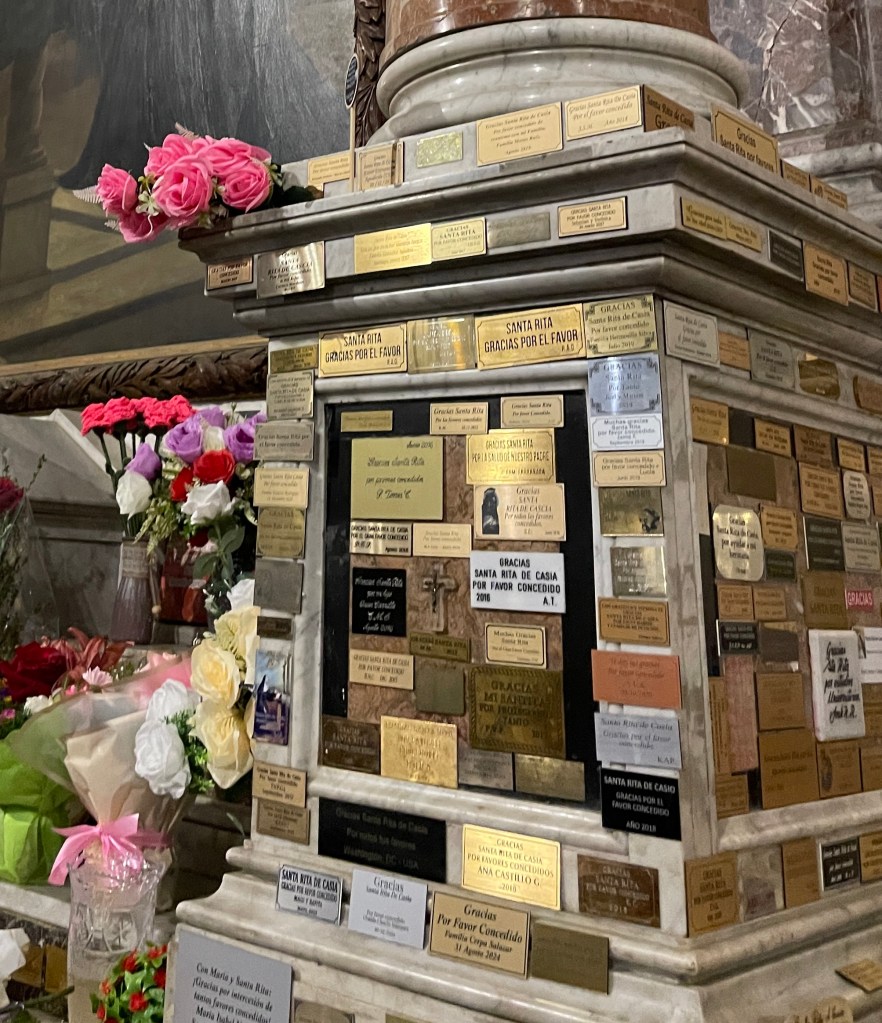
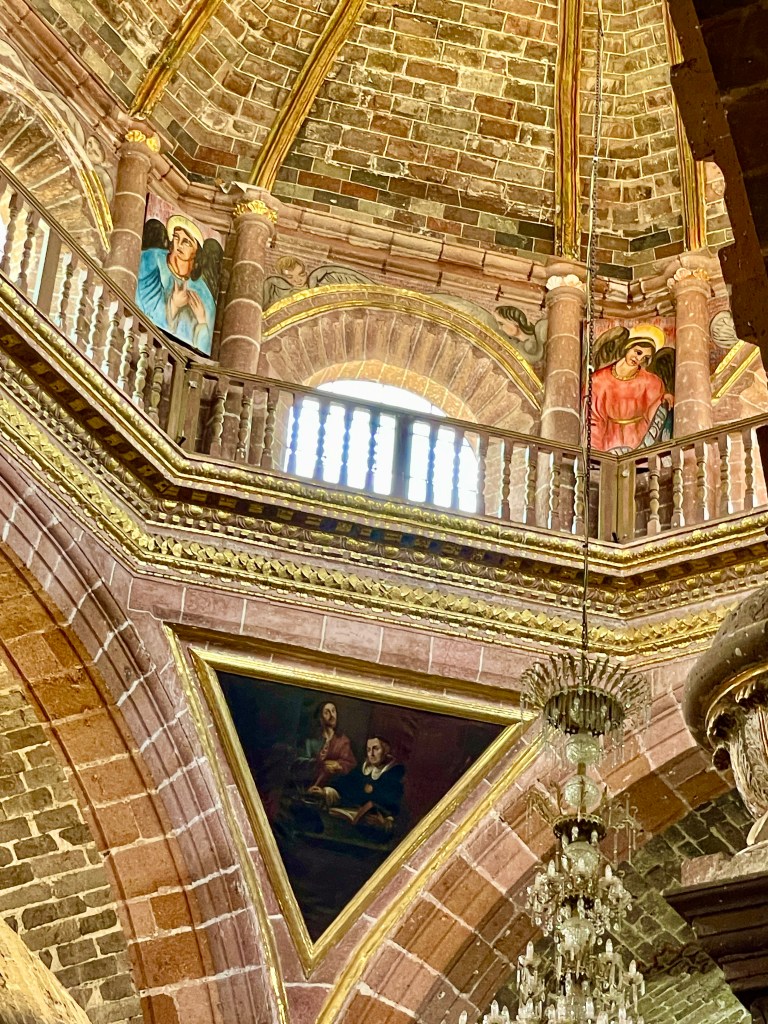
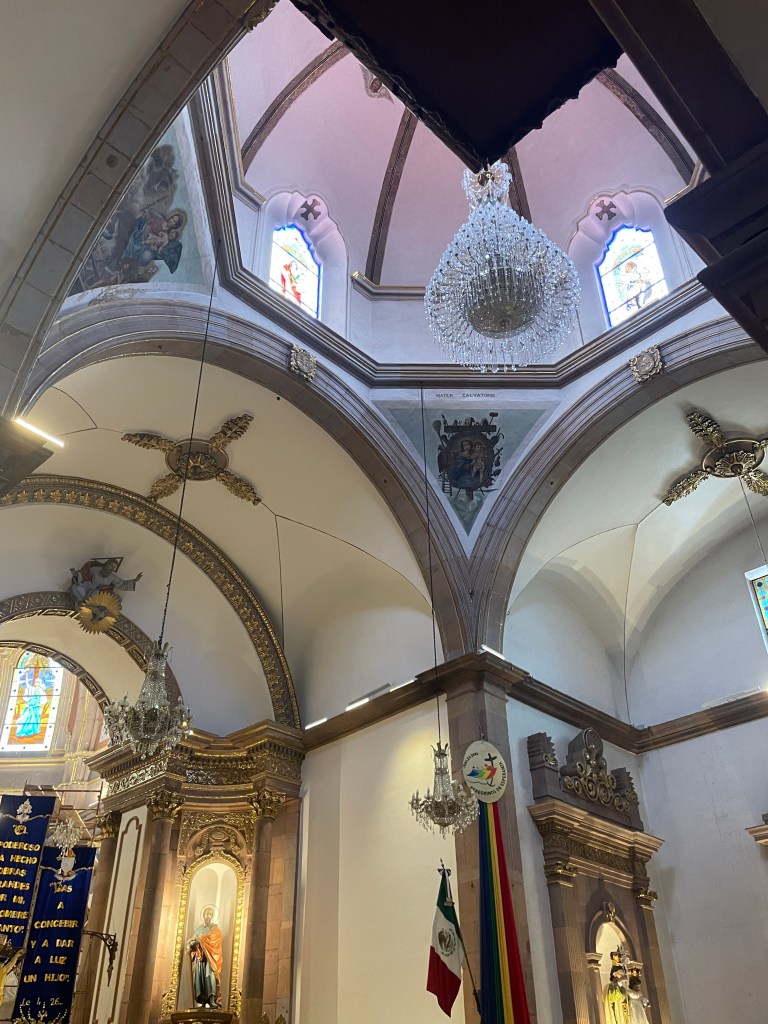
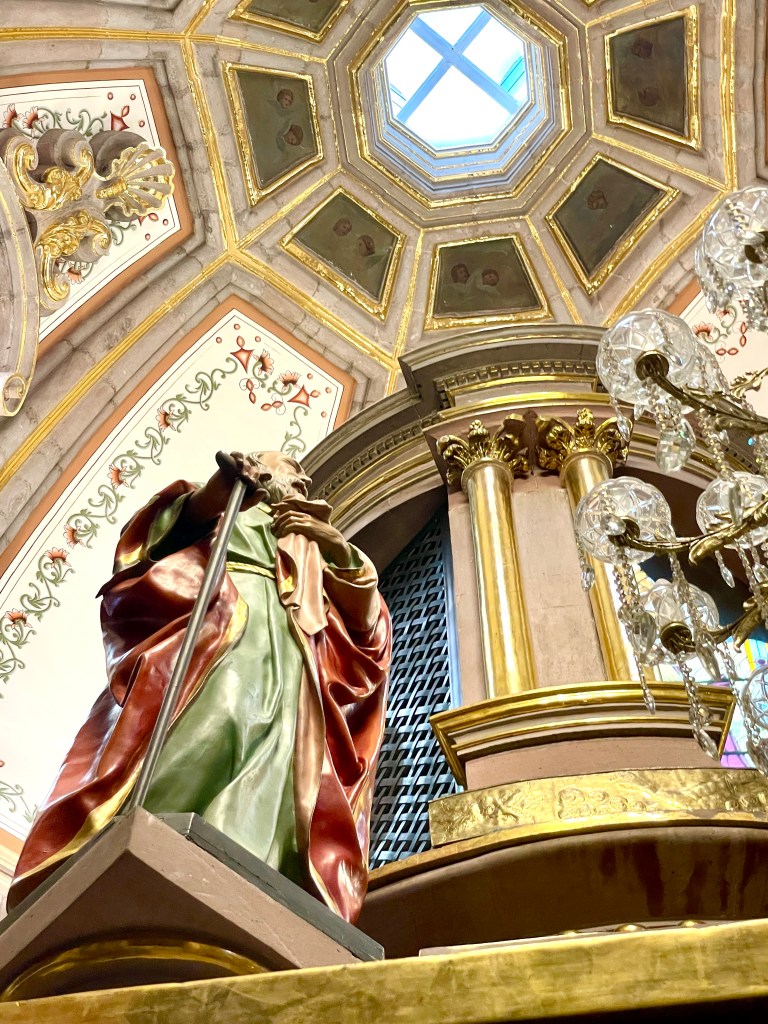
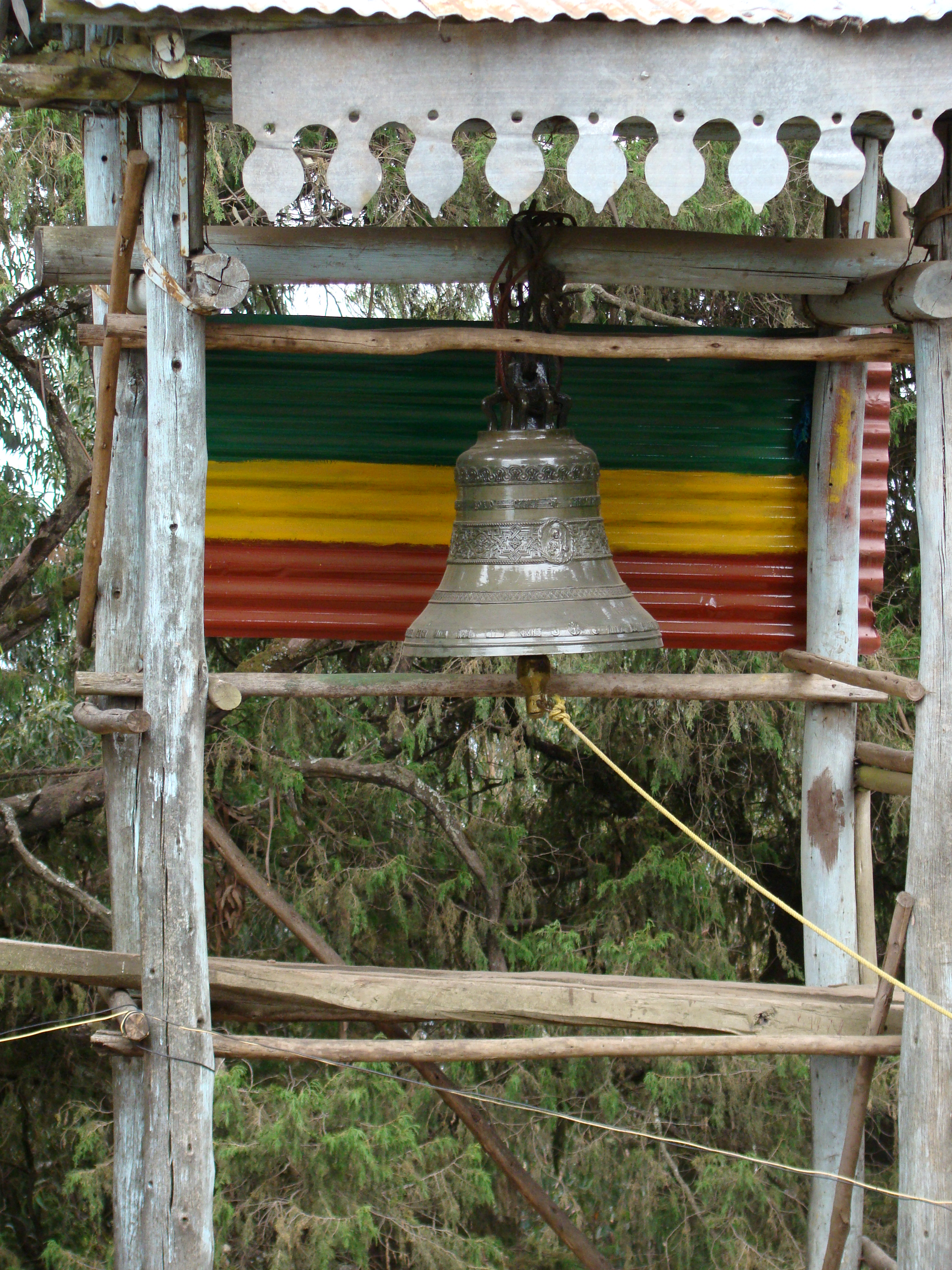
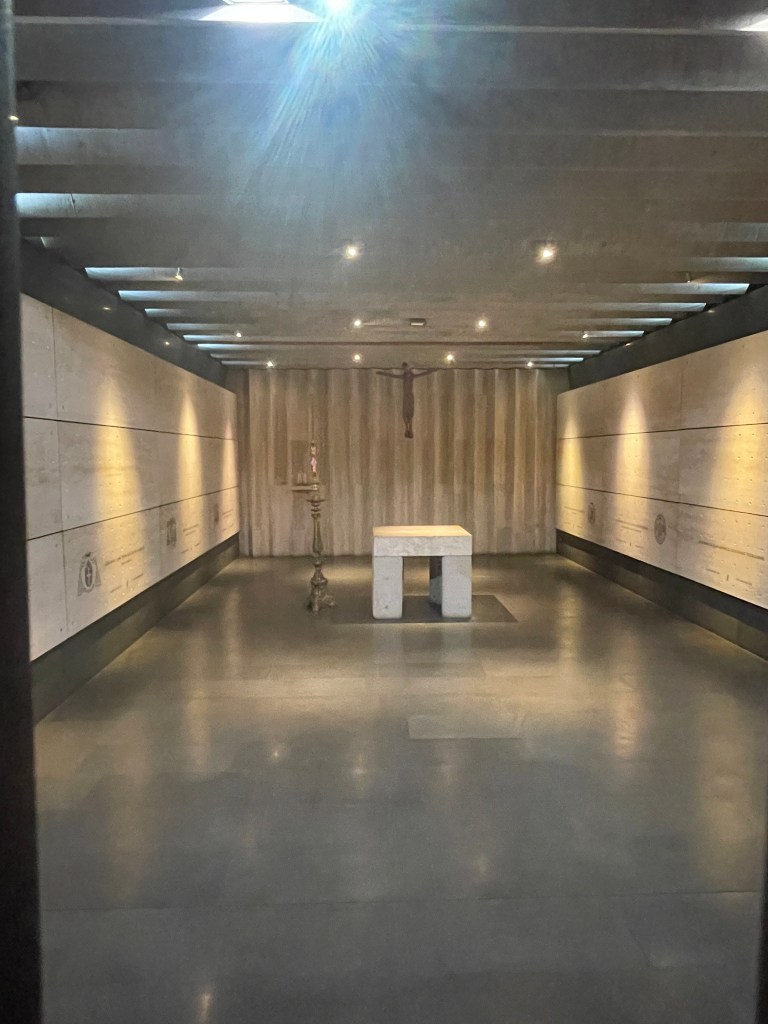
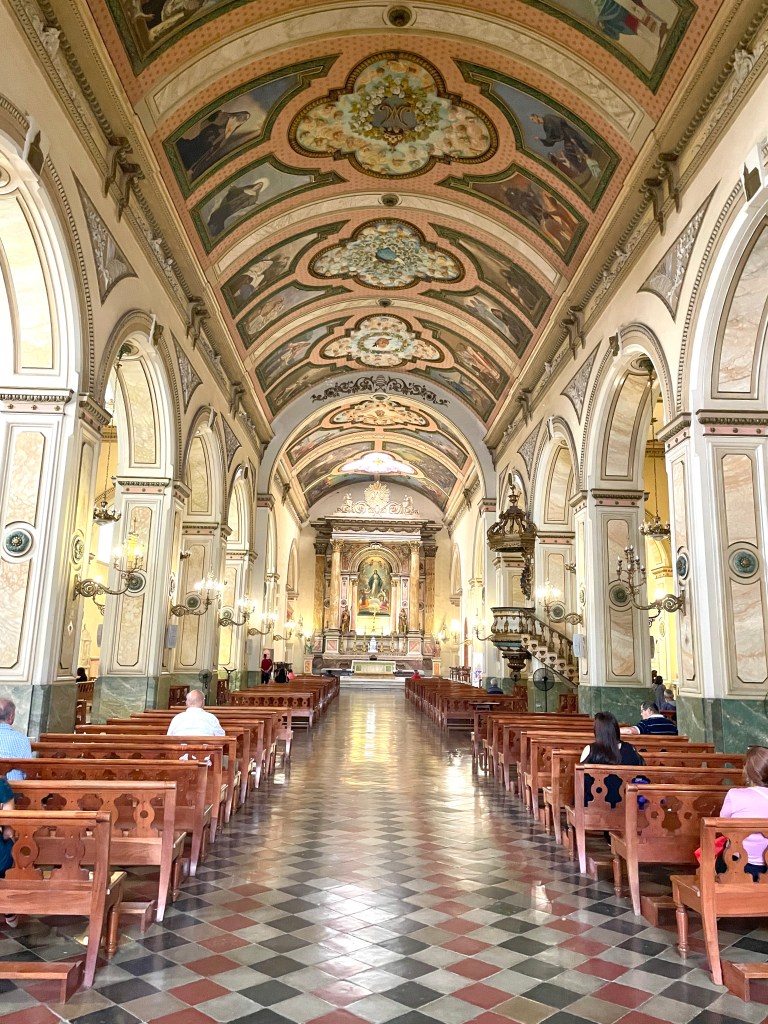
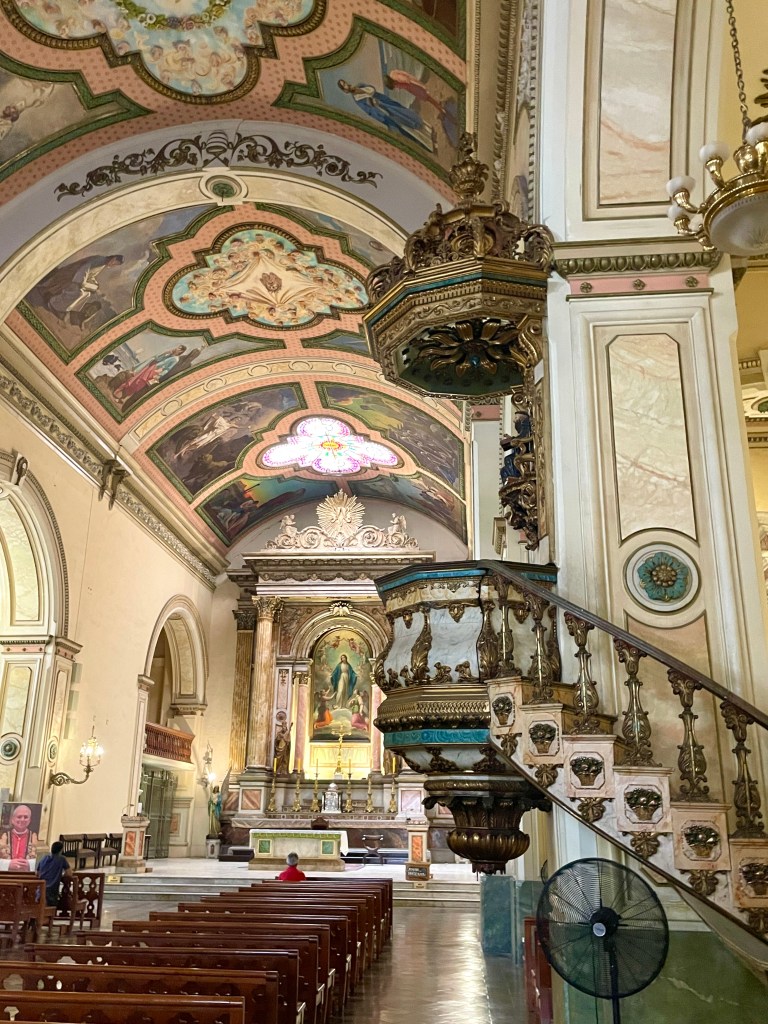
I have been to so many churches since I arrived here. I love the architecture that these old buildings possess. The artwork, murals, painted ceilings, and biblical depictions are all inspiring (okay, a few are frightening) and help us have an insight to those things that drew people to the Catholic Church in earlier times. The thick walls of the church also provide a respite from the heat and also from life’s troubles. Perhaps what I enjoy the most though is just walking in, sitting down, and listening to the music and the chants echo off the walls of the sanctuary. It gives me a sense of peace and serenity that I can carry with me the entire day.

Parroquia de San Miguel Arcangel- San Miguel Allende

With over 40 churches in San Miguel it is difficult to choose a favorite but Parroquia de San Miguel Arcángel is definitely the most well known and perhaps the most beloved of area residents. Towering over the city, the construction of the church began in the 1600’s under the auspices of the Franciscan Friars, after a smaller church from the 1500’s was demolished. The building is a surprising blend of different Neo-Gothic European influences and the resulting Spanish colonization that swept over these lands. This immense church was completed in stages at various points in history but it was when a local master stone mason, Zeferino Gutierrez, began construction of the current facade in 1880 that the Neo-Gothic architecture was put into place. Gutierrez had no drawings to guide him and he designed Parroquia de San Miguel Arcángel after seeing pictures of the great cathedrals in Europe. To think that one man had such vision as to be able to change the entire feel of a city just amazes me.

The interior of the main building is vast. Yet, there are several different less imposing chapels including the Chapel of the Third Order with frescoes throughout which depict the life of St. Francis of Assisi.

The Chapel of the Third Order

Across from Parroquia de San Miguel Arcángel is a city plaza with tall shade trees and park benches. It is here that you can truly feel the vibe of San Miguel and absorb the influence of the city and the locals who surround you. So take a load off…sit…listen to the church bells ring across the valley…and let yourself sink into a nation that still reveres its history and the people who still help to influence it today.

Basílica de Nuestra Señora del Pueblito

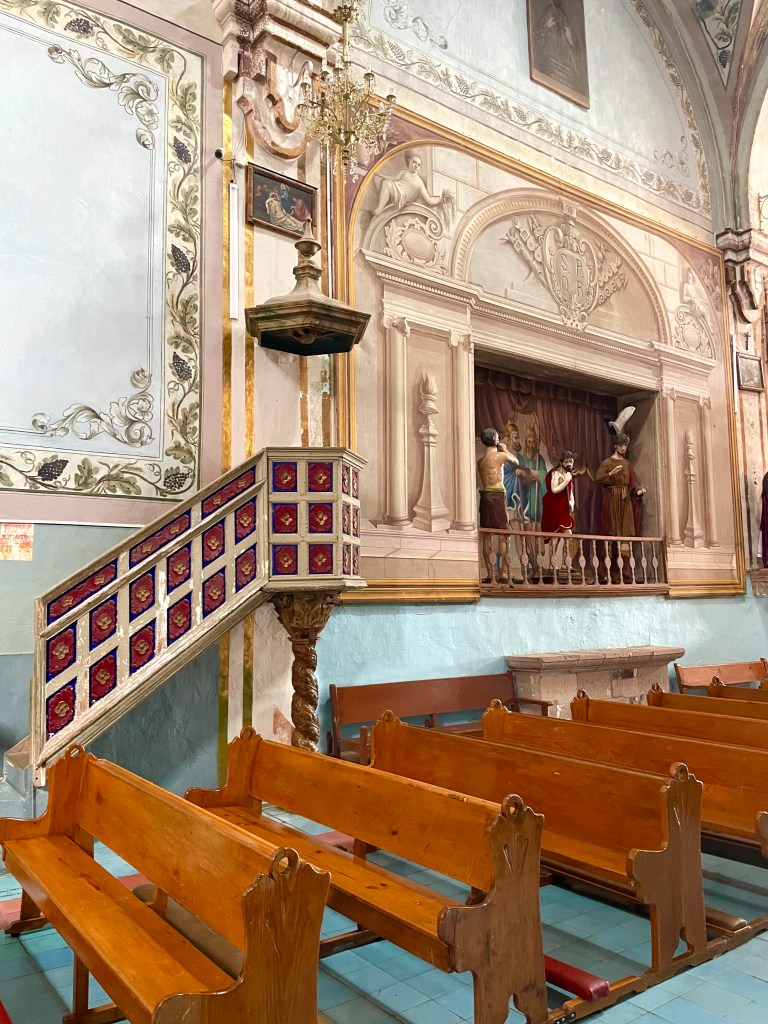
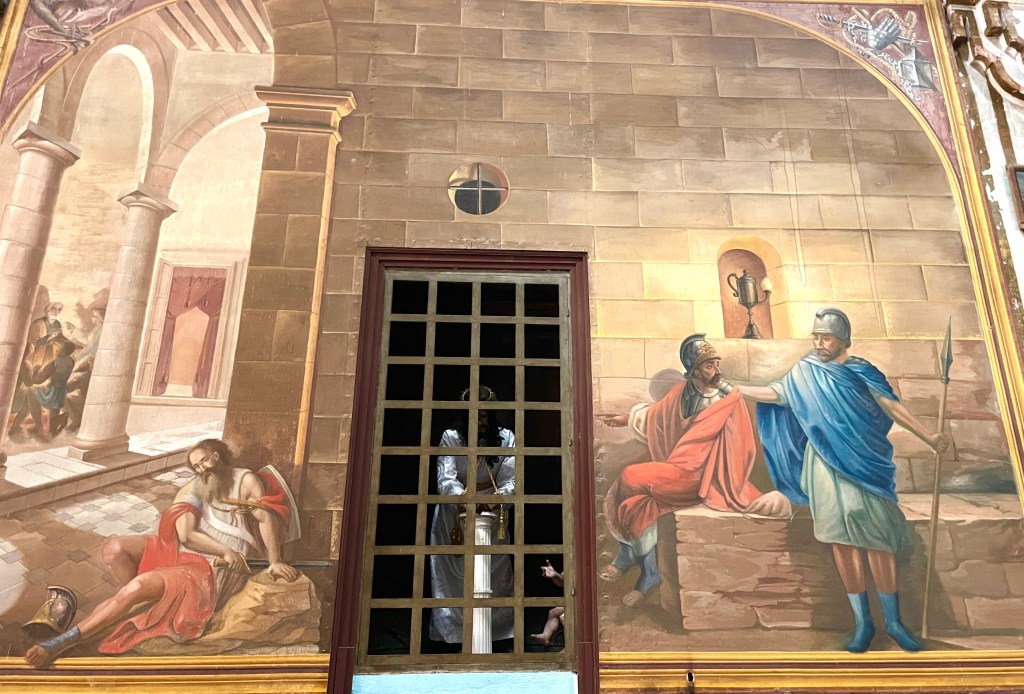
Another Church that I fell in love with was located in the town of Pueblito and is known as the Basílica de Nuestra Señora del Pueblito. It is the church that I mentioned in my post about El Cerrito, The Pyramid of Pueblito, and it is the one that you are suppose to be able to hear the sermon from the pulpit all the way up the hill.

This church is much smaller then the one mentioned in San Miguel and it has it’s own special kind of charm that is quaint yet powerful which is evidenced by the faithful who attend daily mass.

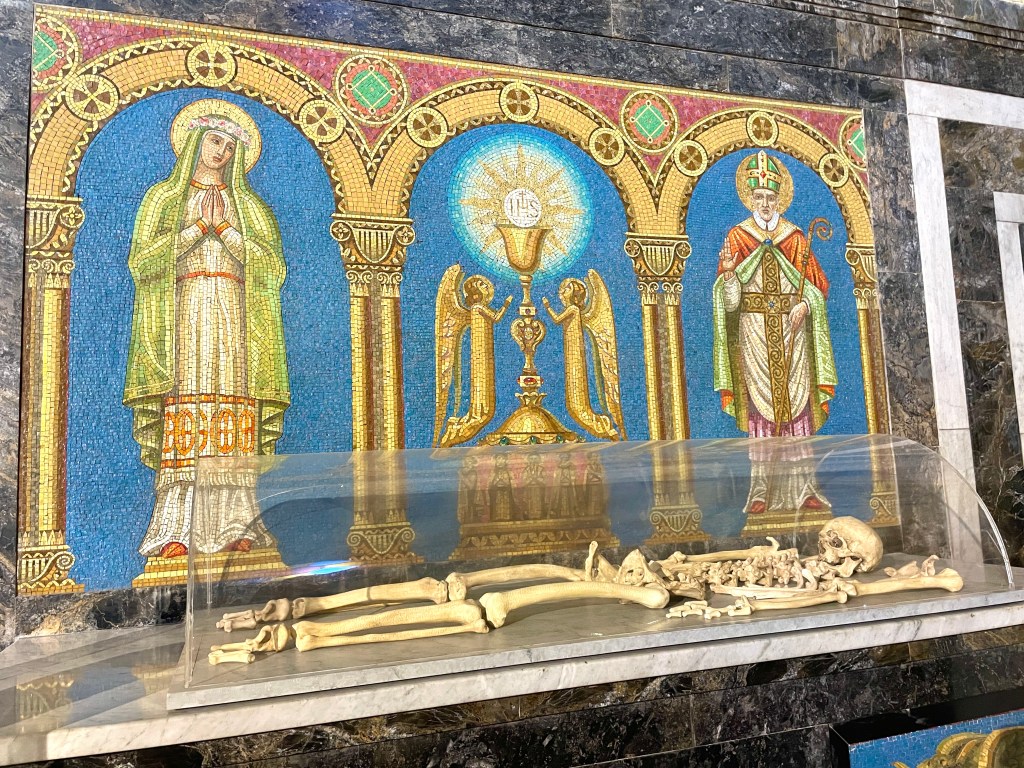
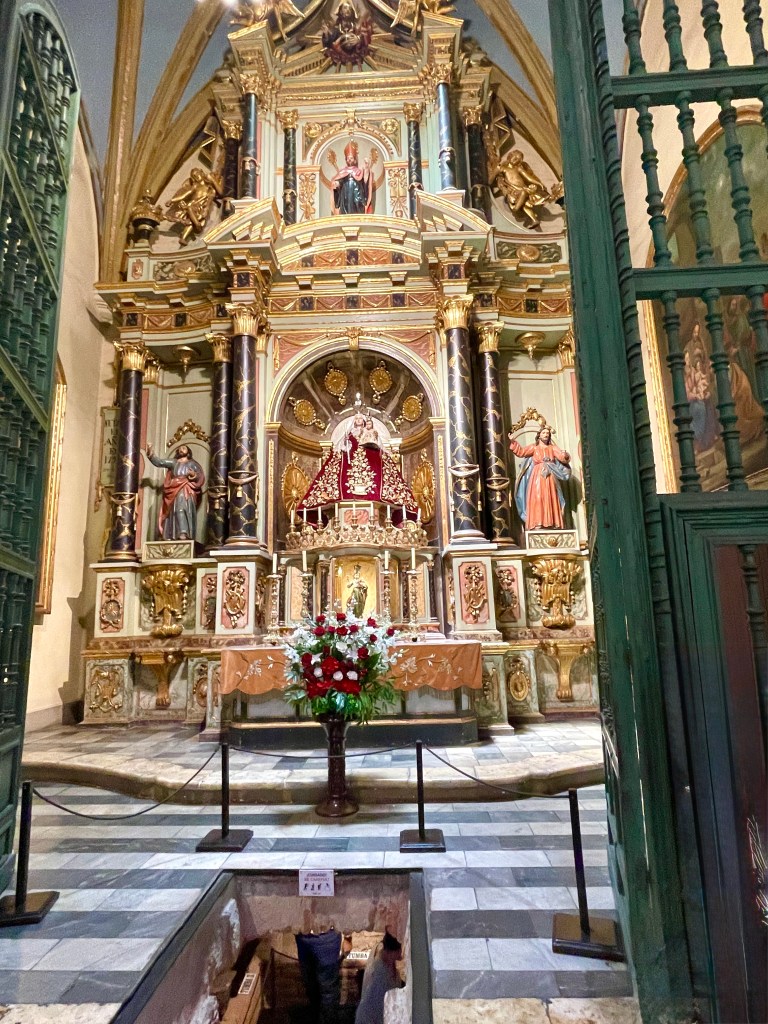
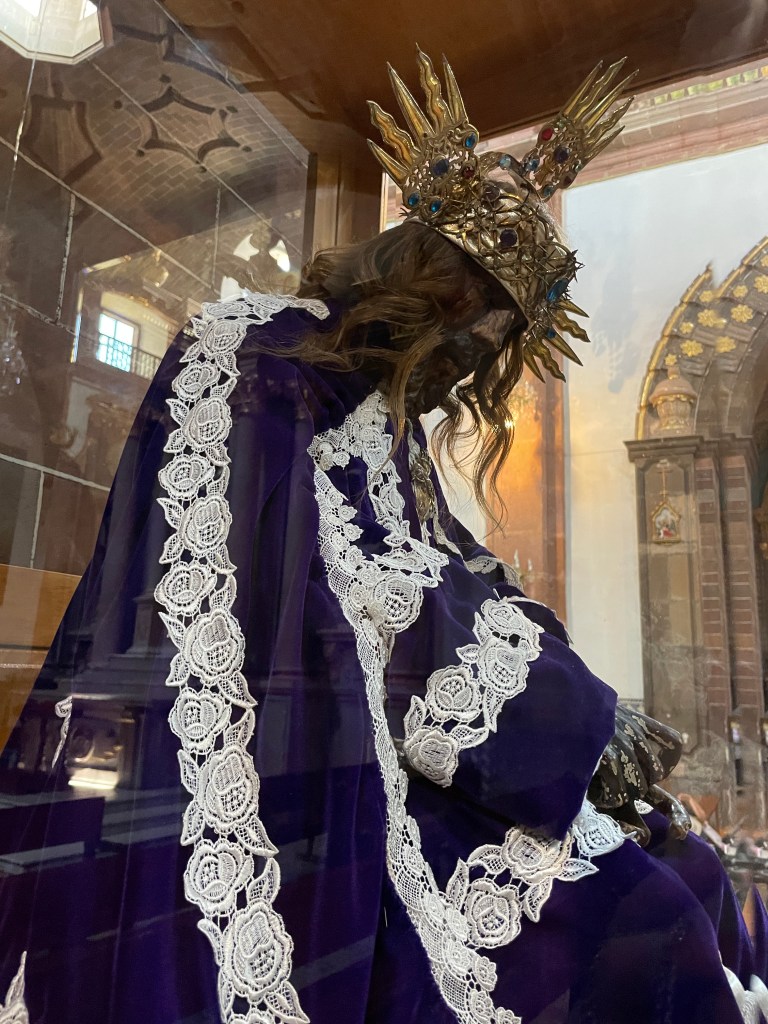
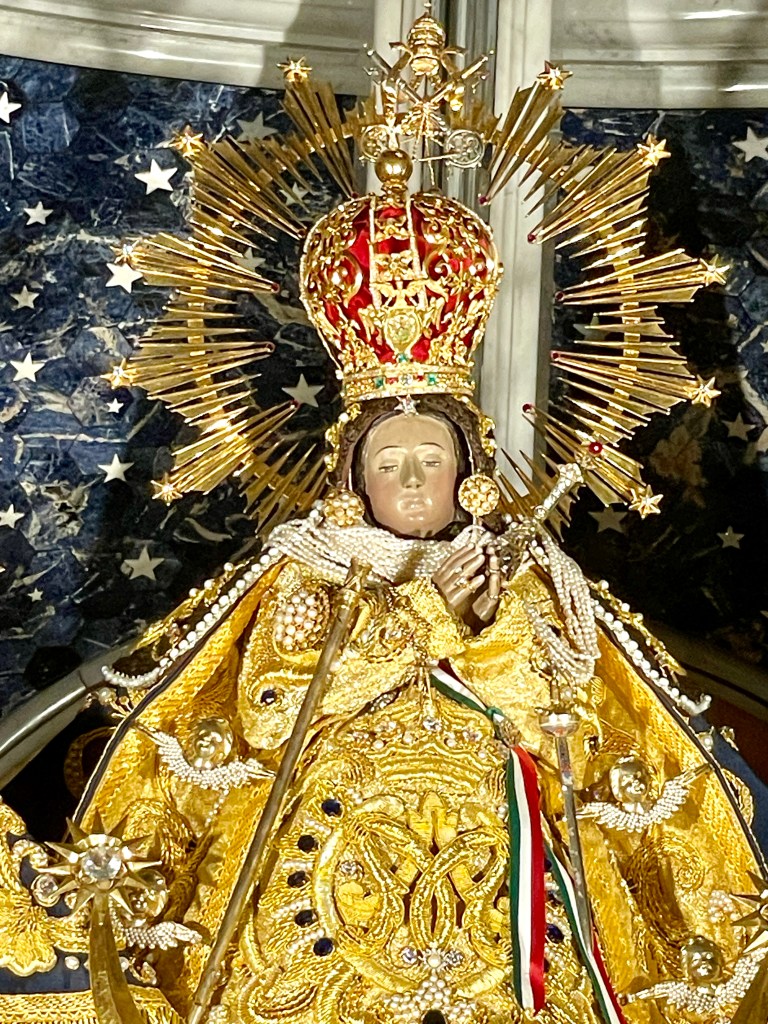
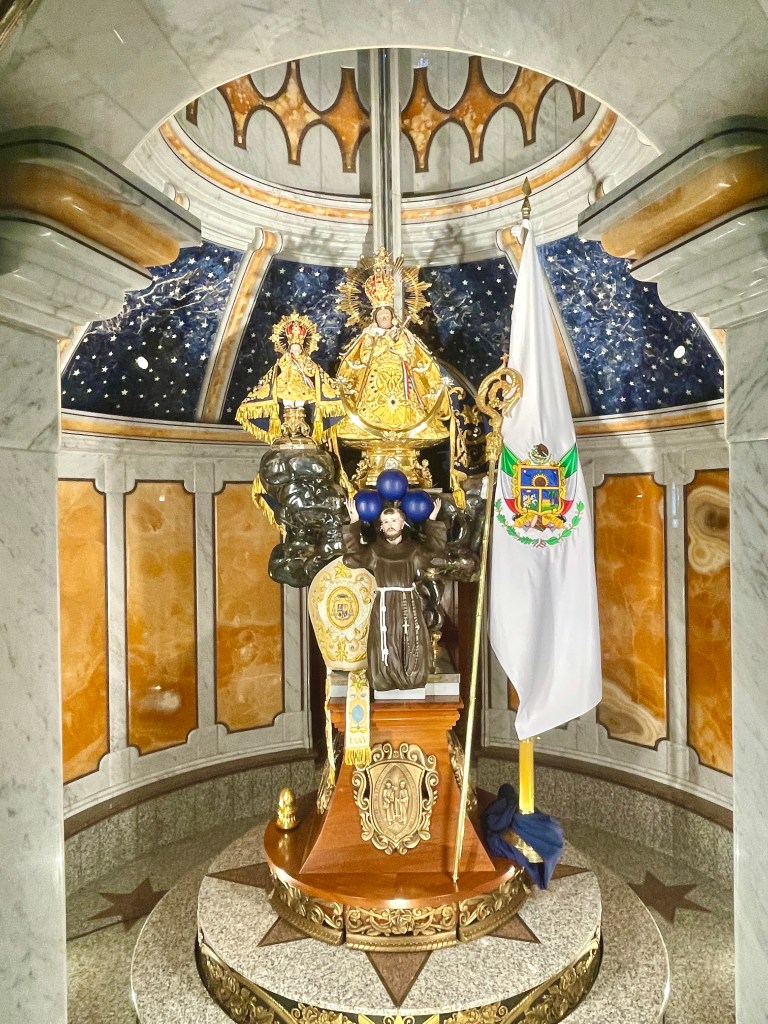
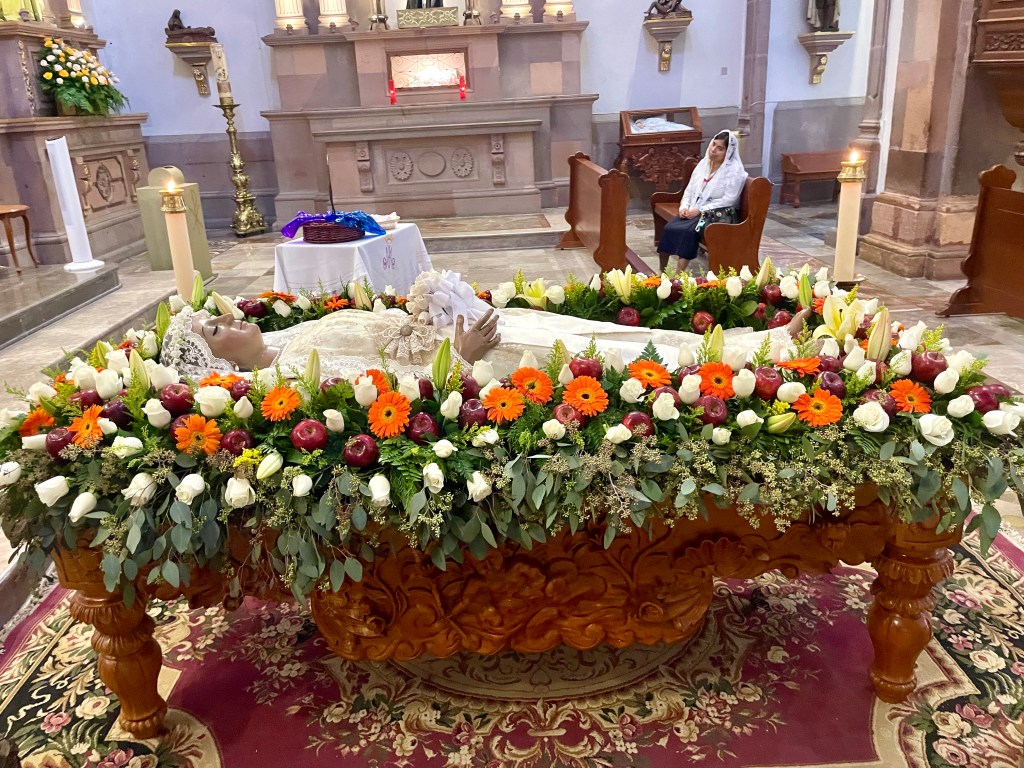
Basílica de Nuestra Señora del Pueblito had its beginnings in 1632 when Friar Nicolas Zamora placed the image of Immaculate Conception near the temple where he built the first adobe structure to house her. Approval for the present day building was granted in 1720 and construction was completed in 1750. Religious festivals for Mary are mainly celebrated in mid-February when the town comes alive. However, when we were there last week, the life-size body of the Virgin, was displayed below the altar where the faithful believed that the next day she would be lifted up to heaven.

While small this church has so much to see and admire its the people whose dedication impressed me. When we were there a painter was hanging off a ladder busy painting the nave while services for the Virgin were ongoing during this week of celebration and the church was being cleaned top to bottom.

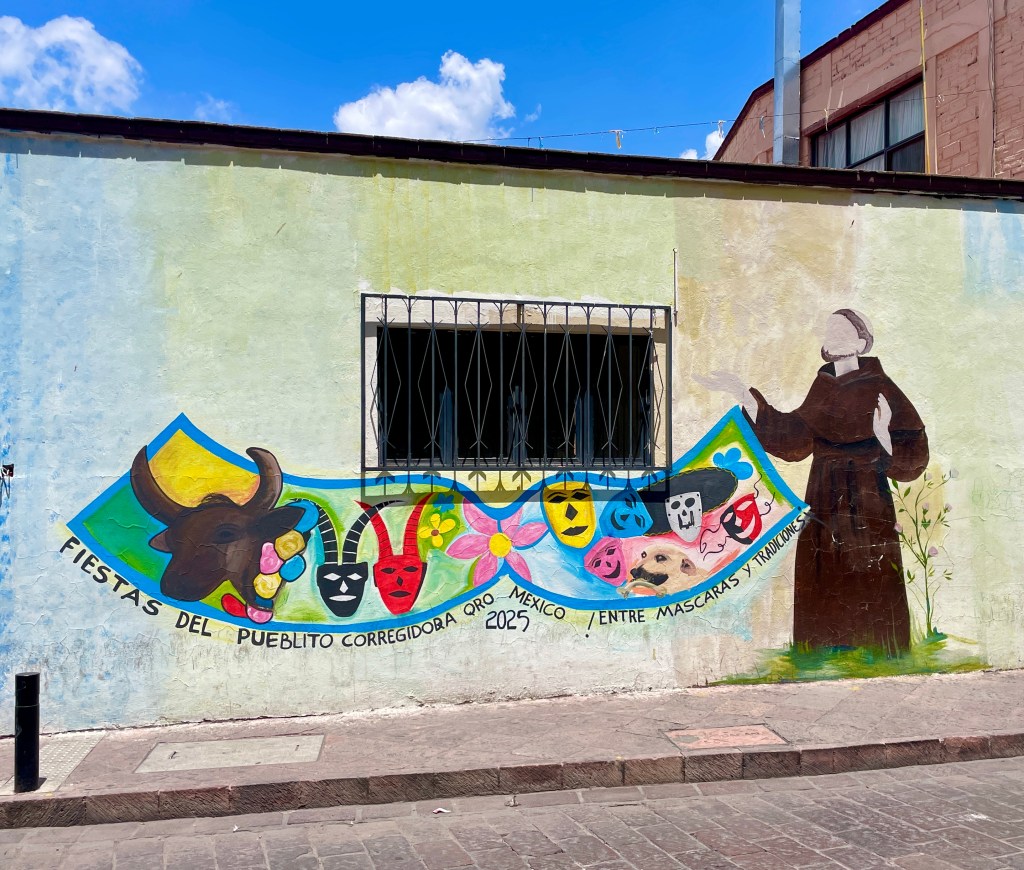
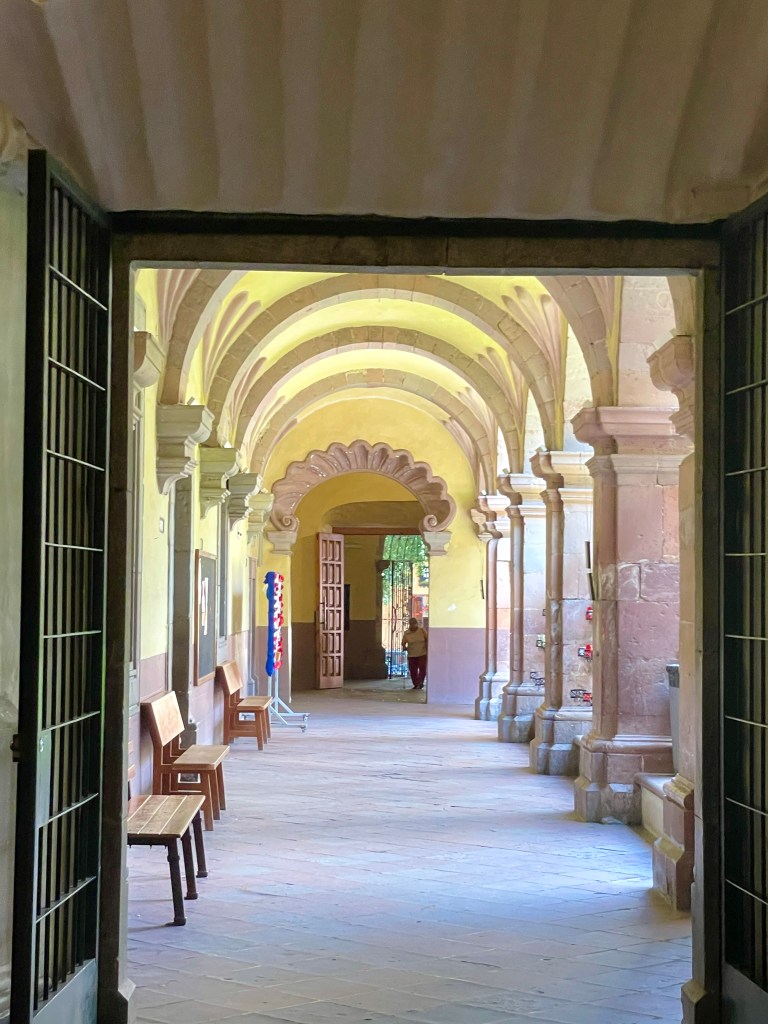
I think one of the things that made me aware of the dichotomy of past times and the modern demands of today was this sign I spied within the inner courtyard of the church. I will admit I chuckled out loud. I hope you enjoy it and a smile graces your face too.

Museum of Contemporary Art-Sydney

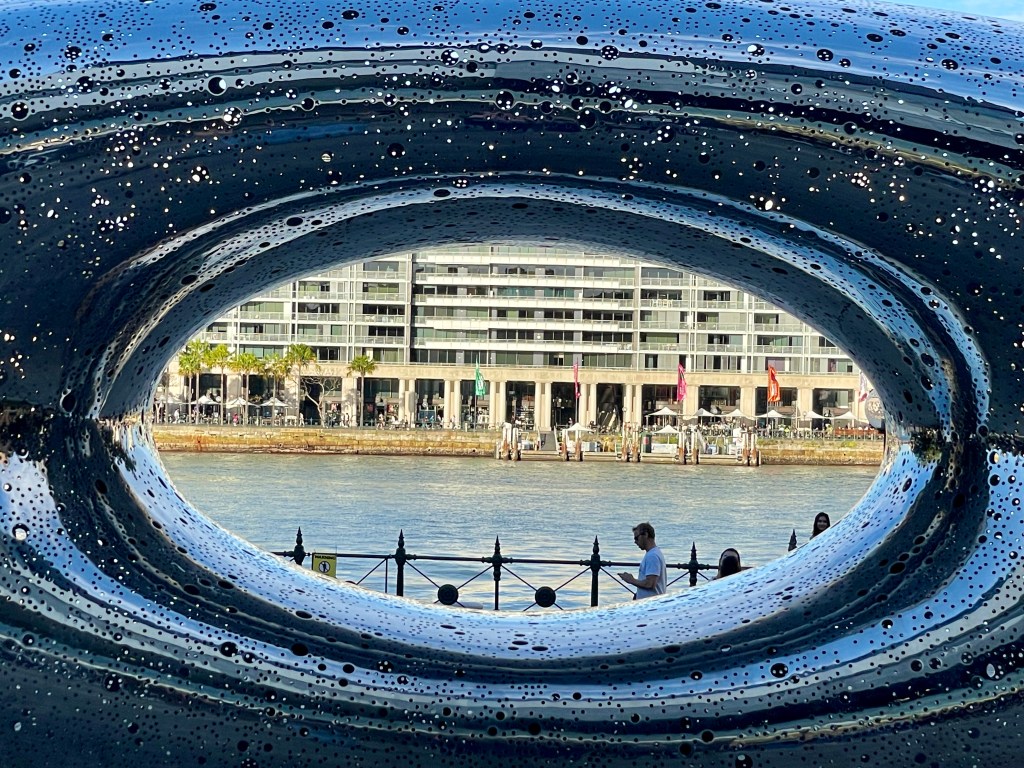
Sitting almost directly across the pier from the Sydney Opera House in the Museum of Contemporary Art or MCA. Filled with diverse art treasures from Australia including paintings, pottery, indigenous pieces and a whole trove of other displays; you won’t be disappointed spending a couple hours of your day here.

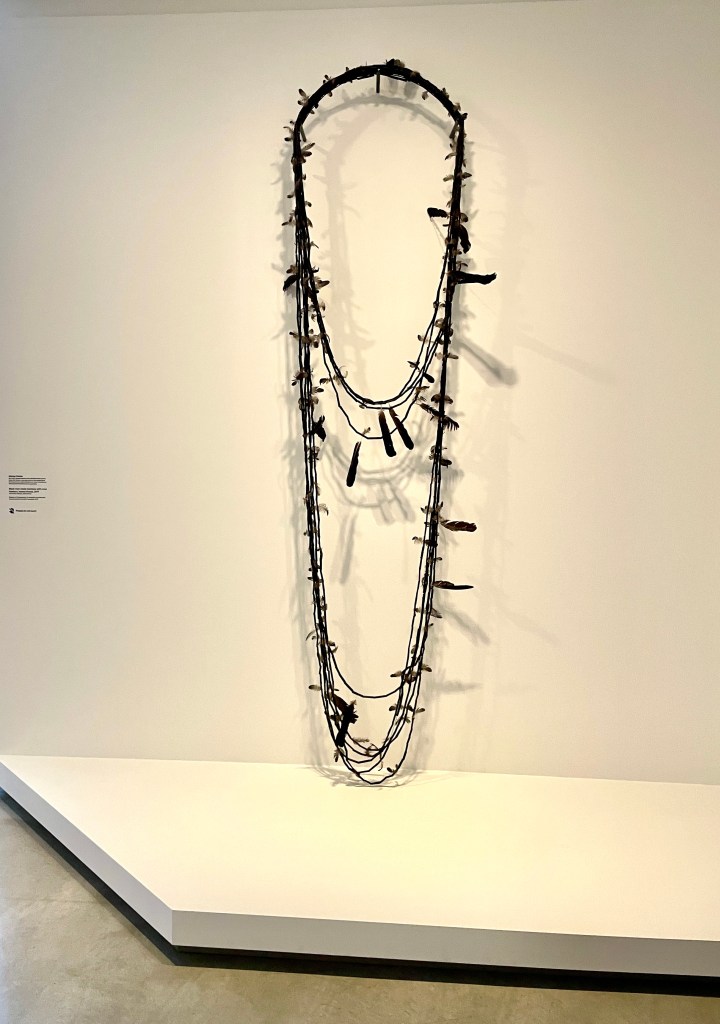
This picture doesn’t do this indigenous necklace justice. Missing from it is the immense length of the piece as well as the different depths that the beading creates when viewing it.

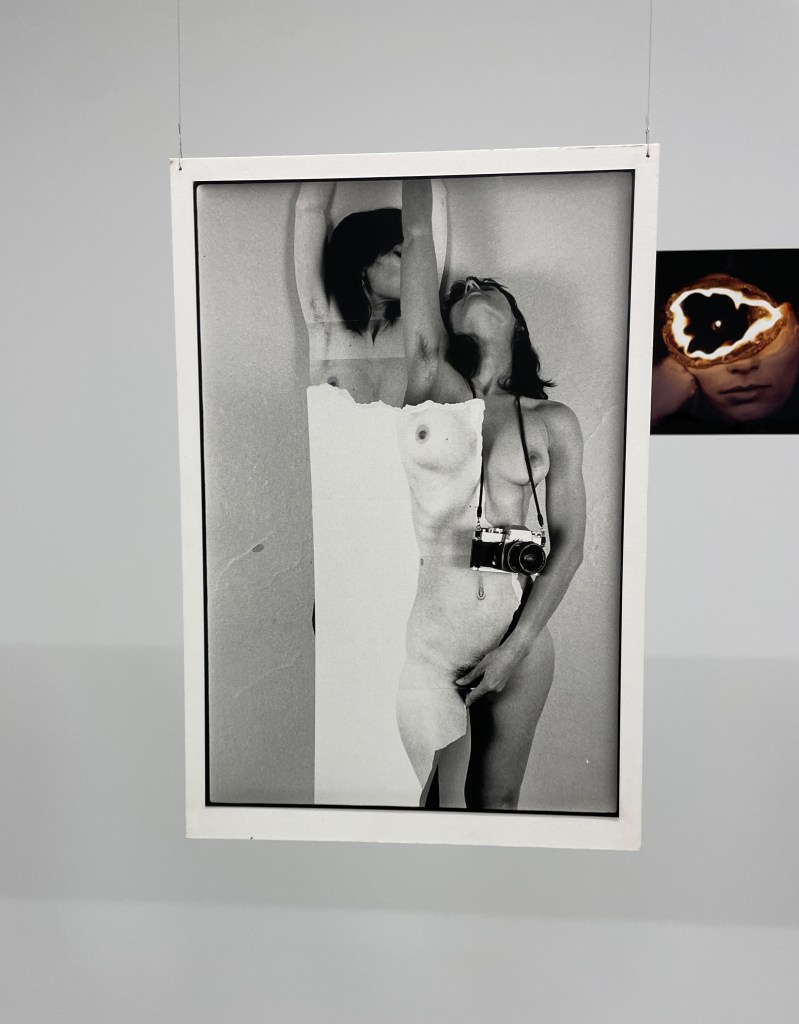
From small displays to pictures that fill entire walls your imagination will certainly be stirred while viewing alll the different genres of art that MCA holds in its collection

MAC has a range of artwork from provocative to “Heck, I could have made that myself” works I found myself contemplating the question “What is art?” This is something my friend Leah and I have discussed many times. She is of the belief that art is art and you can’t put any parameters on it. I, on the other hand, believe that if I could have created it, well then, it certainly can’t be considered art by any stretch of the imagination.

MCA is open 10am-5 pm daily except Tuesdays when the museum is closed. Open all holidays except Christmas on December 25. There is a cafe for casual dining and its a nice place to relax a bit after all the walking.

  • Adults $20
  • Concession $16

Free for MCA Members, under 18s and Australian students.

Museum of Contemporary Art Australia
Tallawoladah, Gadigal Country
140 George Street
The Rocks
Sydney NSW 2000

Getty Center

DSC03996

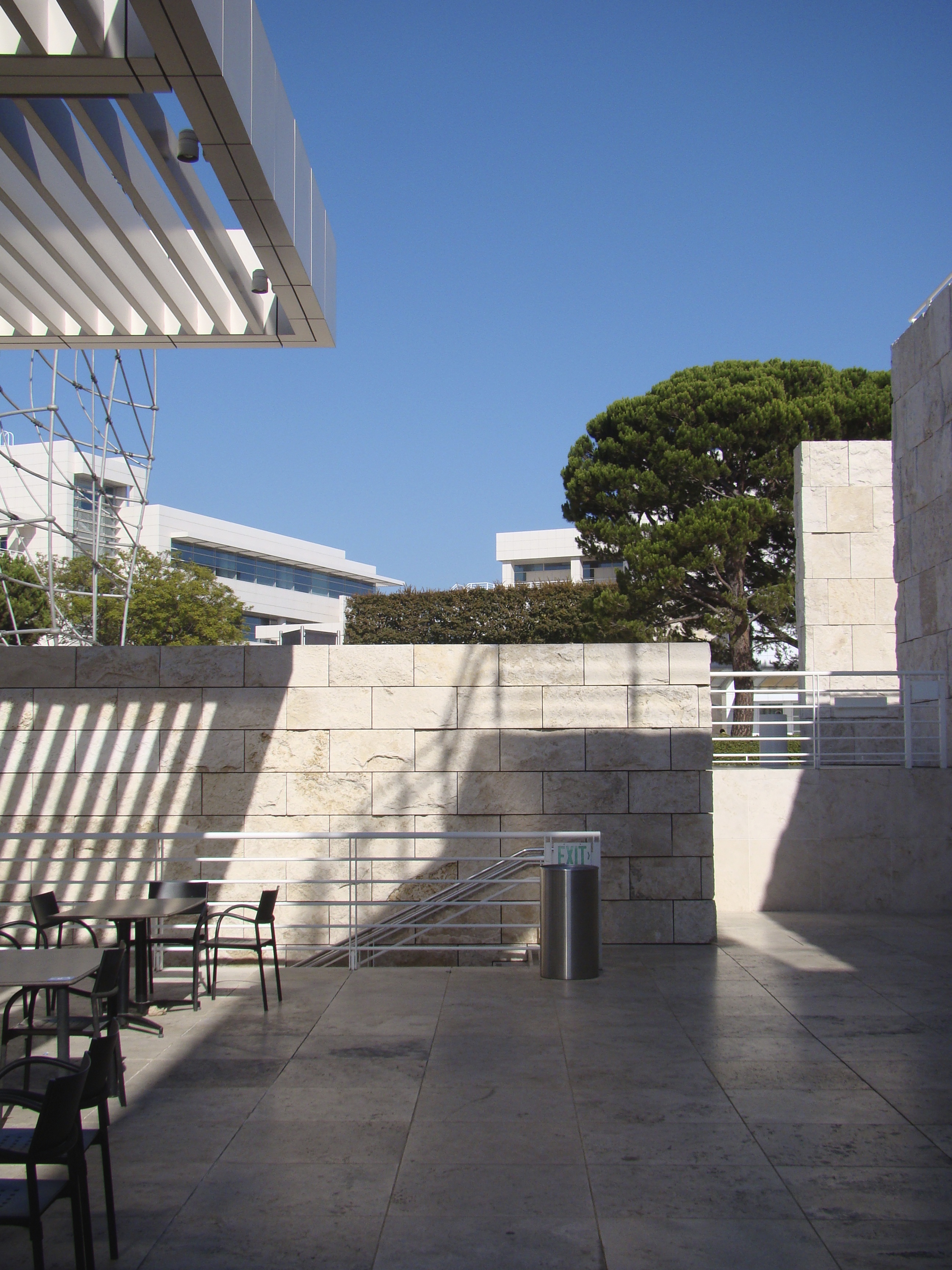
The Getty Center in the Brentwood section of Los Angles is an amazing feat of architecture. Designed to allow maximum viewing along with introspection from all areas; it is a place to go just to enmesh yourself in the soul of a building. Screw the art!

The Getty was built in 1997 and designed by Robert Meier. Bountiful gardens and vistas open up throughout the facility giving visitors a chance to be one with the glory of nature. With outdoor sculptures and numerous lavish fountains dotting the 24 acre complex it makes for a full-scale outdoor art experience.

Of course, the Getty, viewing one of the greatest collections of paintings in the world  by artists such as van Gogh, Rembrandt, and Delacroix; is an amazing experience.

imgres-8

For those with an interest in illuminated manuscripts and old photographs; the Getty Center doesn’t disappoint.   But for the kids, the best part of the trip to the Getty will be riding the tram up the mountain from the subterranean parking garage.
The Getty Center is closed Mondays and on Thanksgiving, Christmas and January 1. Parking is $15. Admission is free. There is also a lovely restaurant that offers expensive food served up with incredible views.


DSC04003

Most Beautiful Covered Bridge-Lucerne, Switzerland

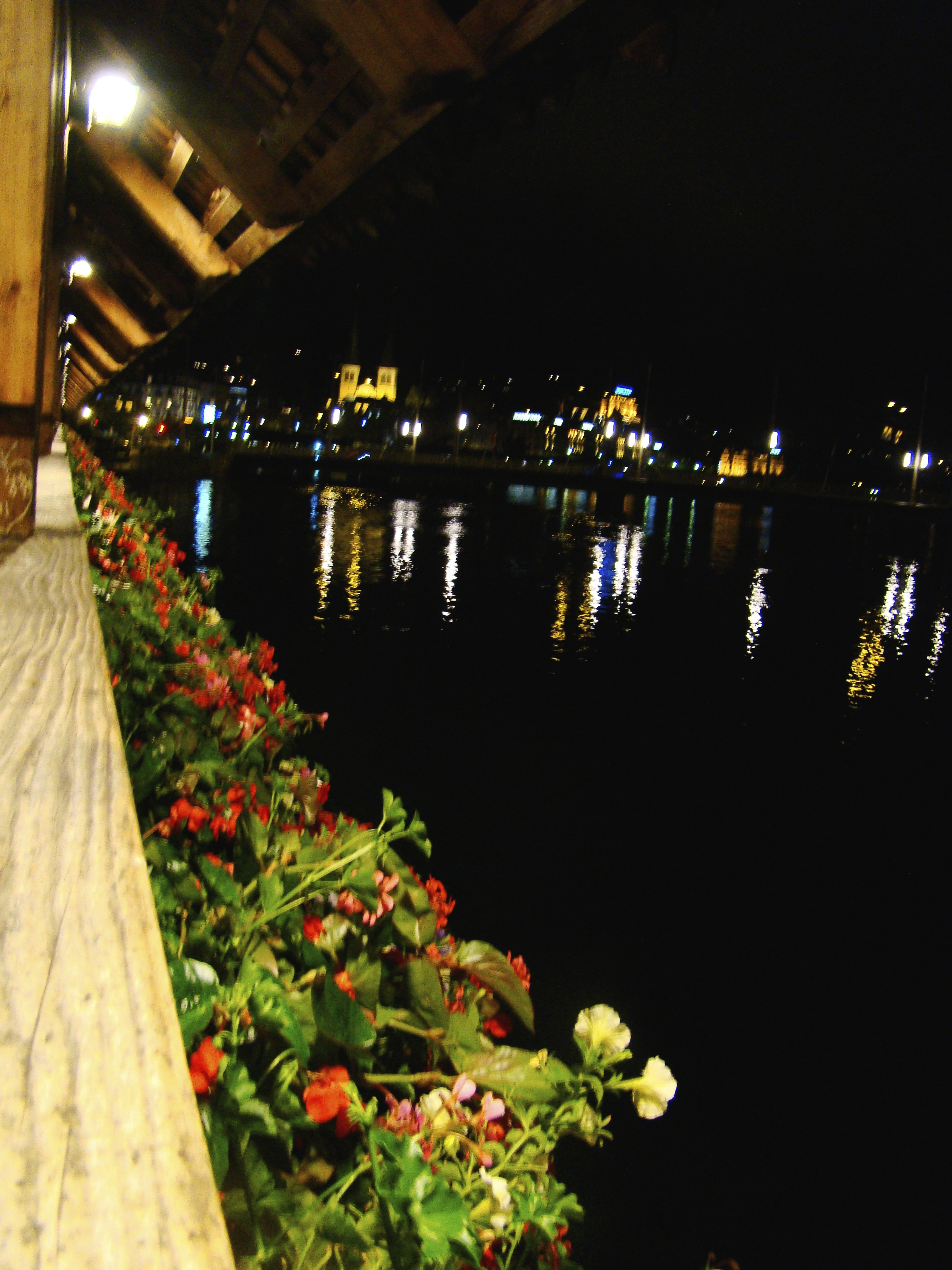
Undoubtedly, the most beautiful covered bridge in the world is located in Lucerne, Switzerland. The Chapel Bridge, is also the oldest covered bridge in Europe as well as the oldest surviving truss bridge in the entire world. Named after nearby St. Peter’s Chapel, the bridge crosses the Reuss River in the heart of old Lucerne and its a landmark that cannot be missed.
The bridge was first constructed in 1333 as a form of protection for the city against enemy attack. In the 17th century, Catholic painter Hans Wagmann, began painting scenes which depicted the city’s history and the Catholic Churches influence on it in the interior triangular frames of the bridge. These works of art have been revered by the inhabitants of the city for centuries, so, in 1993 when a major fire occurred on the bridge and many of these paintings were lost, the city was devastated. Lucerne spent millions of dollars reconstructing parts of the bridge but the missing paintings are obvious and seem to haunt the bridge like a ghost in the night.

DSC06938

Ultimately, the Chapel Bridge is the most beloved symbol of this beautiful old city. Flower boxes line the entire bridge and bustling swans float nearby waiting for hand-outs by the thousands of people who cross it daily.  In addition, there are a few small shops located on the bridge itself selling primarily Swiss products like the world famous Swiss army knives.

When we were planning our trip to Europe, Chapel Bridge was one of our “must-sees” and it was definitely worth the trip. An ancient and beautiful city with a beautifully preserved covered bridge…it doesn’t get much better than this!

Hint: This is a free site. Be sure to take advantage of it by crossing both in daylight and during the night. A nighttime crossing gives Lucerne an entirely different look and vibe with the reflection of the lights off the water. 

DSC07026

DSC07420

A Little Bit Of Asian Culture-Corpus Christi, TX

I love it when you stumble upon a place that is unexpected and it turns out to be a feast for the eyes. The Texas State Museum of Asian Cultures in Corpus Christi is just such a place. Located within walking distance of several of the city’s tourist gems, this hidden treasure celebrates the art and culture of such countries as Koran, Sri Lanka, Thailand and Laos.

DSC07875

Founded in the 1960’s by local Mrs. Billie Trimble Chandler, the museum while small, houses collections of the ordinary as well as the extraordinary. While the museum has amassed a sizable collection of paintings, pottery, textiles and more, it also welcomes traveling exhibits from a variety of Asian countries. The museum also offers educational classes for both locals and tourists alike.

DSC07884

When I was there I saw several intricately embroidered and colorful kimonos on display and the collection of jade from China was vast and diverse. Since I am a collector of Korean Celadon Pottery I appreciated the intricacies of the ones that were shown.  I was also amazed at the berth of the clay Hakata Dolls collection from Japan. How one woman could have collected all of these treasures during her 17 years spent teaching in Japan is beyond me!


One of the biggest assets this small museum has is it’s people. The staff is extremely knowledgable and will spend time pointing out particular pieces and answering any and all questions. Even the hard ones. In fact, I had a question that they staff was unable to answer but researched and emailed me the information that they discovered. Talk about service!

The Texas State Museum of Asian Cultures is located at 1809 N. Chaparral St, Corpus Christi, TX. It is open Tuesday-Saturday 11 a.m.-5 p.m. Entrance fee is $5 per adult and less for students and children. It is about a one hour stop.

Small museums like this are priceless and deserve our support. Stop by…you will be glad that you did!


Valkenburg Caves-Valkenburg, Netherlands

What brought us to the charming town of Valkenburg was my 13th G-Grandfather, Jan Van Valkenburg (1515-1575). It was his home town and I wanted to see it. And we did. It was fabulous. But what touched us more were the caves (Cauberg Cavern-Gemeentegrot/Fluweelengrot ) radiating out beneath the center of the city and did they ever have a story to tell. So we listened.DSC05816

You can enjoy the caves either by guided walking tour or by “train.” I would advise walking. The walk is easy not steep and you will be given plenty of time to ask any and all questions that your heart desires.

As for the history of the caves, the Romans began excavating them 2,000 years ago for use as building material in and around the area and significant buildings still stand today as a testament of its worth. The caves have also been used for centuries as a sanctuary for refugees during the French Revolution and more recent wars.

Be sure to step up close to the walls and you will see limestone littered with fossils and shells proof of an underwater world that existed here 100 million years ago. It is fascinating to see all the “fossil gold” left behind.

Yet,  the real treasure in the caves is the art work left by miners and residents of the town  since  before the 1700’s. Drawn in charcoal and created by the dim light thrown off by candles and later, lanterns, these works of art depict a living history of what was known or imagined by these dedicated artisans.  In addition to the paintings there are also huge statues carved into the walls throughout the entire labyrinth of corridors that run under the city.

But perhaps the most compelling picture is the Liberation of the City by the Americans in on September 17, 1944. It is a tribute to those brave men who worked to reclaim this city from the Germans and deed her once again to its citizens. And below the painting you will find the signatures of some of the soldiers who participated in the liberation.

DSC05866

But perhaps even more astonishing is this fact: that during the 10-day battle the towns 10,000 residents all lived in the caves together while fierce fighting raged in the streets. It gives you pause as you wander with your guide thinking about what it must have been like underneath the city not knowing if you might live or die.

At the end of the tour you will be lead to another set of tunnels in which various eras of artwork are projected onto the walls of the cave creating a living-breathing art show that  surrounds you and disorientates you at some level.Very cool!

DSC05887

While we did not visit during Christmas it is my understanding that a huge Christmas Market is held on weekends during the weeks prior to the holiday. Here you will find crafts and fine works of art offered for sale by local craftsmen.

Entrance fee about 5 Euros

Hint: Wear a jacket as it is chilly deep underground.

St. Mary’s Octagon Church…Mt. Entoto, Ethiopia

It is our last day in Ethiopia. The city has grown tired and tiring after many days of work. We hop a bus headed outside of city. The bus starts climbing the steep mountains that ring the city, spewing black smoke as we make our way for Mt. Entoto the highest peak which overlooks the city of Addis Ababa.

We pass small villages composed of tin shacks, rusted and old. At times one can imagine that the rain seeps into the cracks and the old souls who reside within them. Occasionally we pass by traditional round houses made of sticks or plastered mud. Thatched roofs of cut grass look as if they have been thrown there by the wind.

DSC01619

As we climb further the landscape begins to disappear before our eyes. Where once great forests of eucalyptus trees once stood, only wooden stumps remain. Men hang in the remaining trees cutting the tops and working down. The deforestation is intense, scary and troublesome but understandable. The poor cannot afford gas stoves.

We share the road with small, scruffy donkeys who trot up the steep incline but perhaps the most amazing thing is the donkeys go down with nothing on their backs while old women carry HUGE bundles of sticks on their backs bent-over from the immense weight of their load. It is ironic: donkeys unused and the women used up.

DSC01589

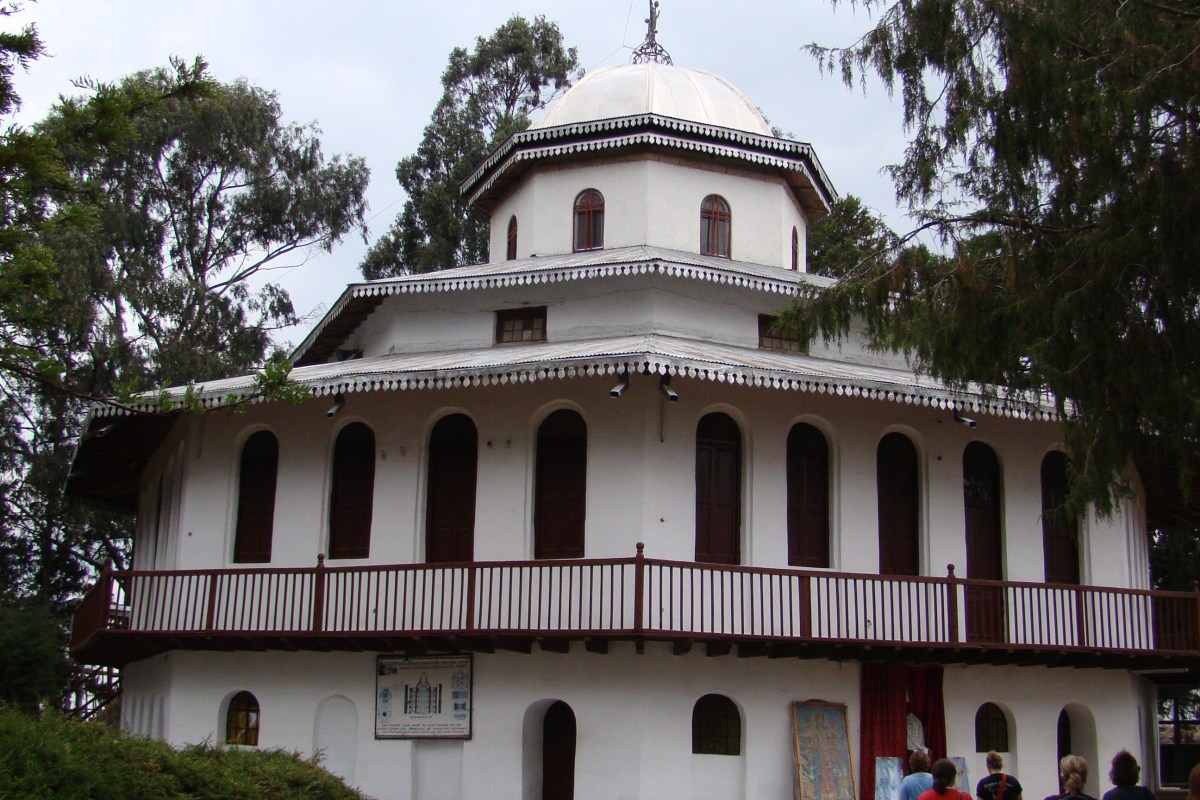
Finally we arrive at our destination on Mount Entoto.  The whitewashed façade of Saint Mary’s octagonal church captures the sunlight  and beams it through the nearby trees.  We pay a local for a tour.

DSC01625

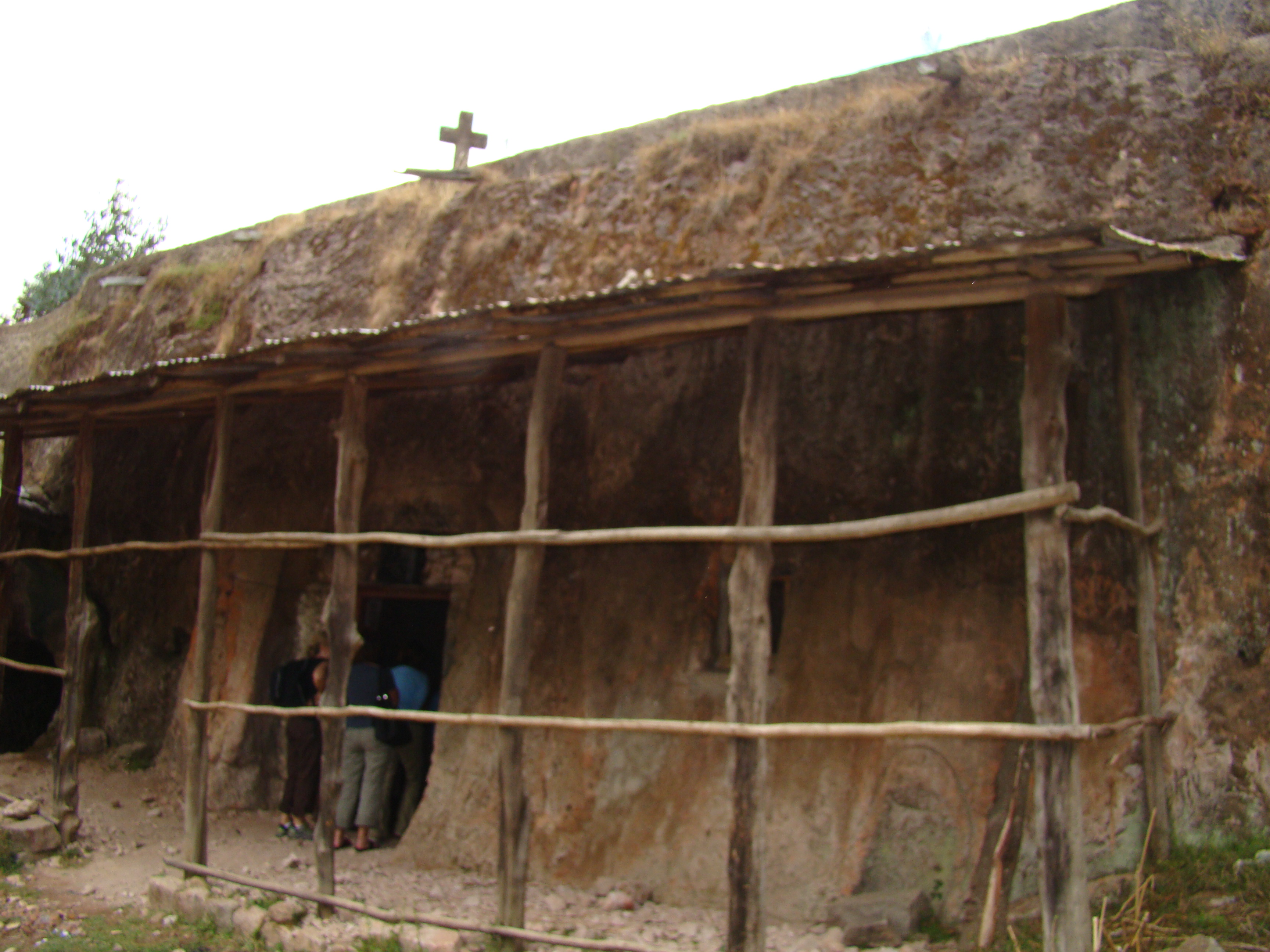
First we view what we are told is the oldest church in Ethiopia which is said to be over 1000 years in age. Built into a hill it is primitive and mysterious.

DSC01645

Then we head over to Saint Mary’s, which was constructed in 1882 by Emperor Menelik for his wife Empress Taitu.  Their coronation was held here in 1889.  As impressive as the church is in its simplicity it’s the inside that captivates us. Bright bold biblical murals line the center of the building. We find paintings depicting the birth of Jesus as well as Jesus healing the blind that are just amazing. Nearby is a museum and the holy spring to which those afflicted with AIDS flock.

This is a spiritual place. A quiet place after all the hustle and bustle of Addis. It is a place where one comes to nourish the soul and replenish the heart. And I am glad we came, because I was not aware how depleted I was after seeing/helping street orphans and families with autism who are ostracized to the point where they are skin and bones unable to secure the help they need. Where autistic people are still chained in place so they cannot run and where they and their families are thrown off buses because they are thought to be “possessed.” And as I sat in the harsh sun I wished that they could be sitting next to me so they could drop their load of misery and worries for just a few minutes and find peace. A peace that is so elusive in a place where the “unloved” and the disabled serve as carpets to be walked upon by the rest of society.

DSC01637