Museo de Arte Moderno-Mexico City

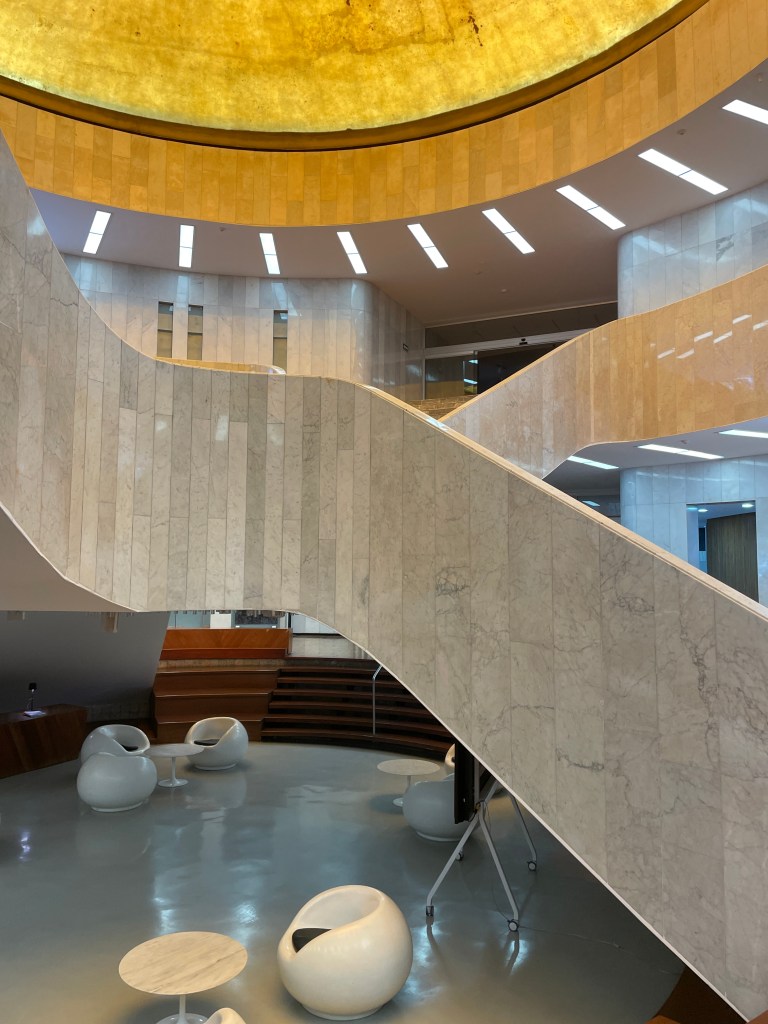
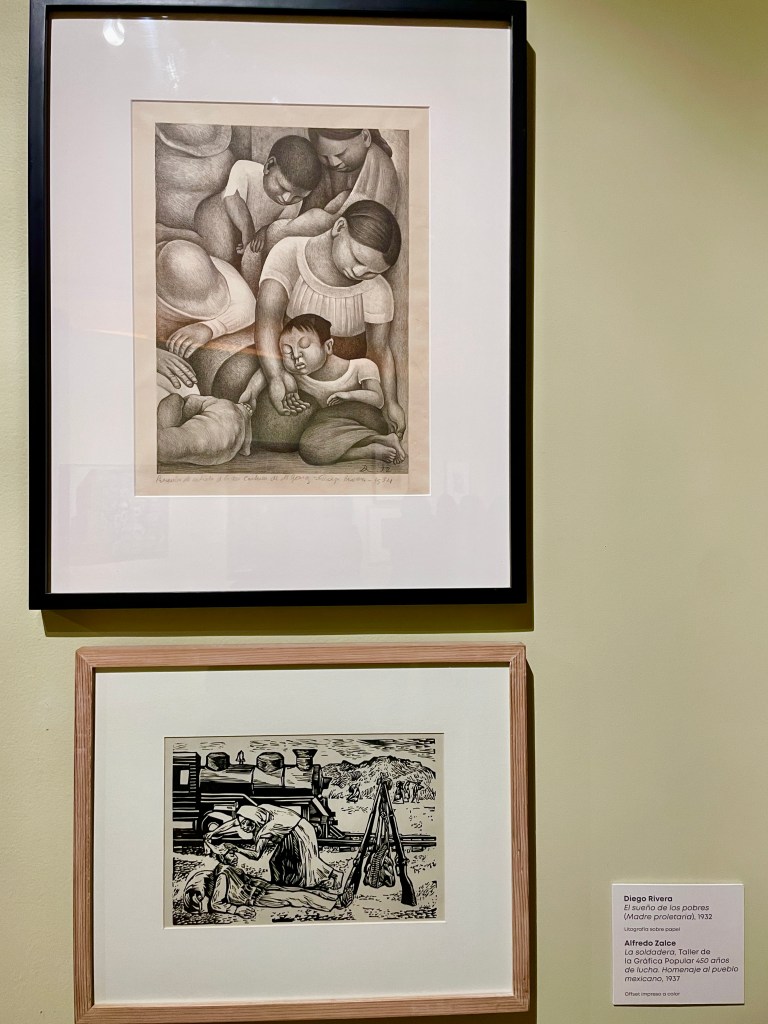
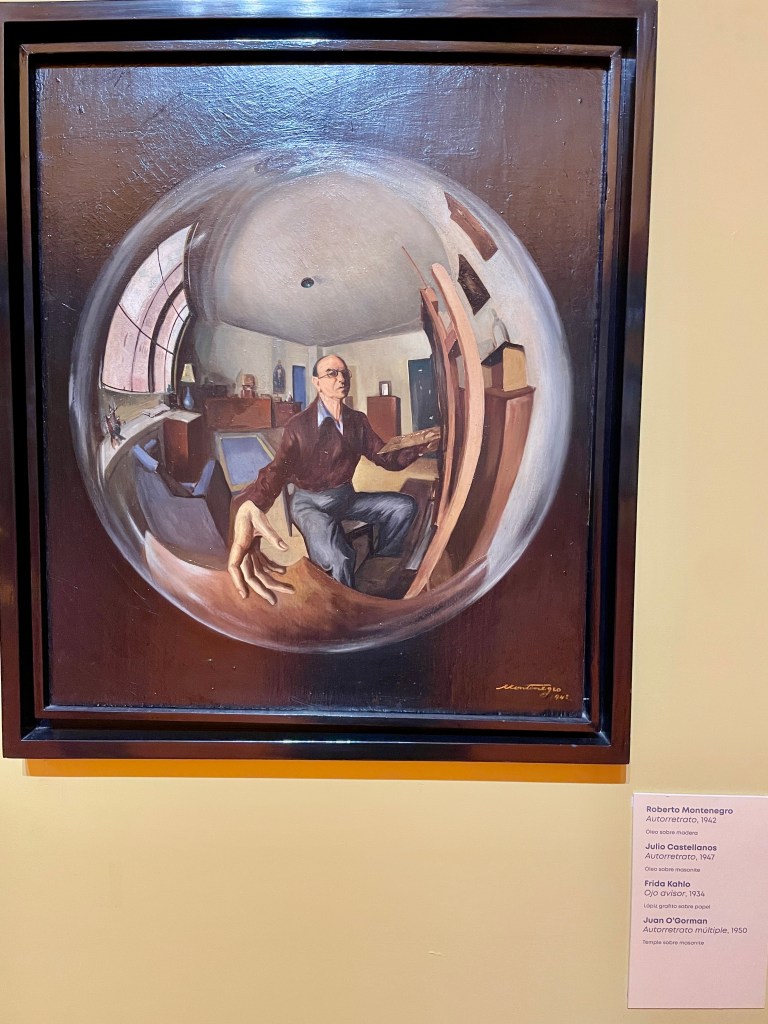
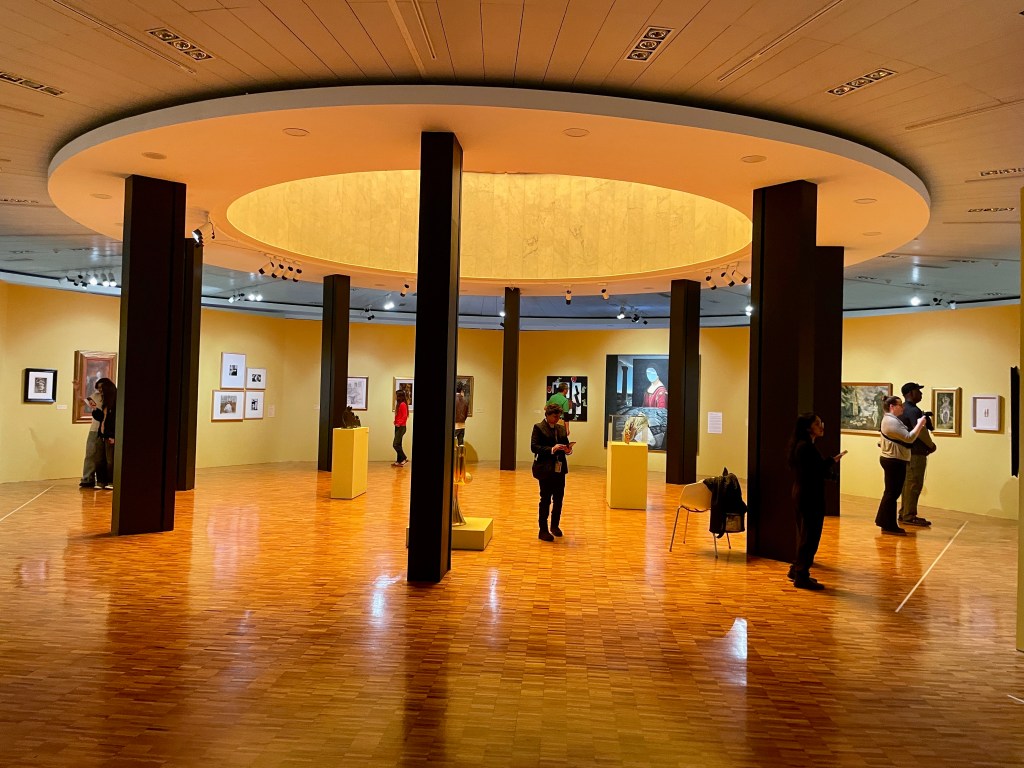
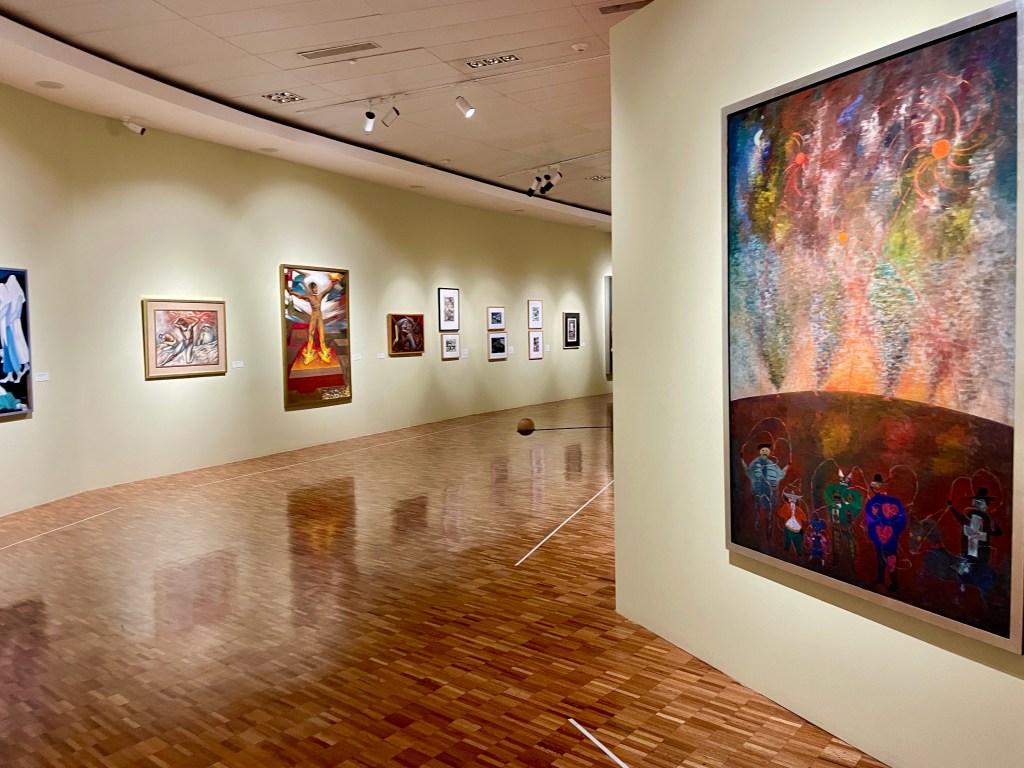
Mexico City has some of the best collection of museums in the world and the Museo de Arte Moderno certainly didn’t dissappoint. It was established in 1964 designed by architests Vazquez, Alcerreca and Salcido. With a focus on Mexican art ,permanent exhibition artists include Kahlo, Jair, Montenegro, Rivera, Loza; just to name a few and features works from 1930 until the present day. With basically four wings and an incredibly beautiful outdoor sculpture garden you will want to give yourself plenty of time to experience the flow between outdoor and in that the building encourages.

The day we got there they were installing a new sculpture and it was amazing to watch the process

As you enter the Museum you are met with gathering areas on both the first and second floors. They are beautifully designed and meant to allow to to view glimpses of all areas of the interior and grounds.

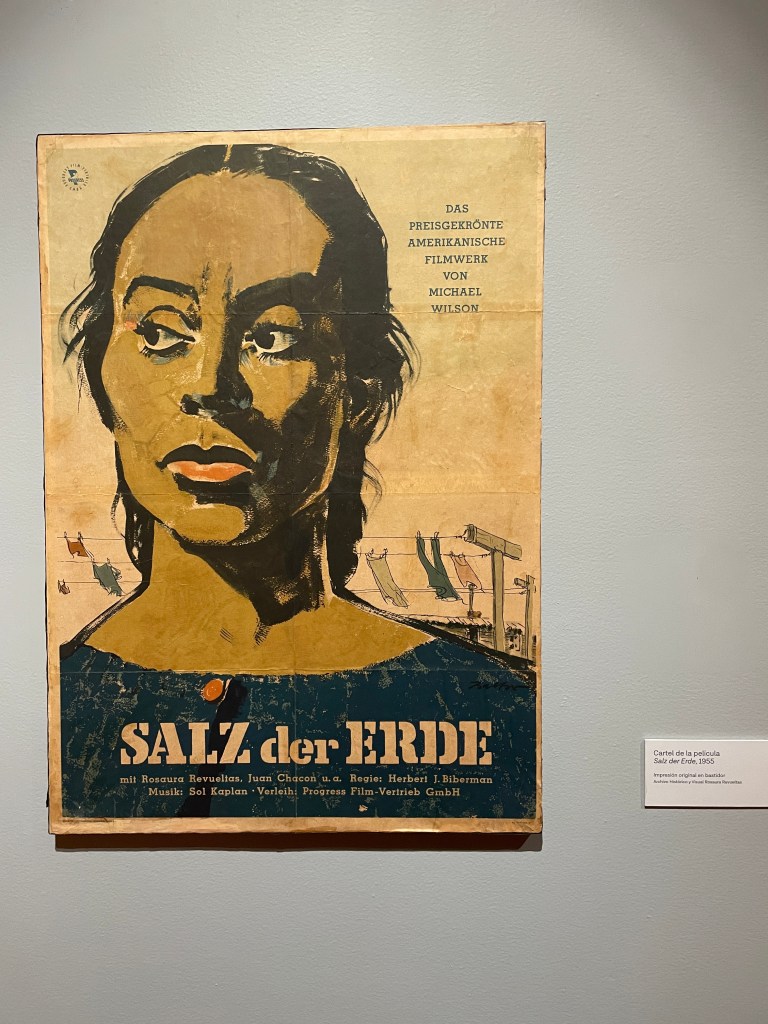
Here are a few of the more famous paintings on display and/or some of my favorites.

The gardens and sulptures just can’t be missed and there is a small outdoor cafe at which you can sip your coffee and view the magnificence all around you.
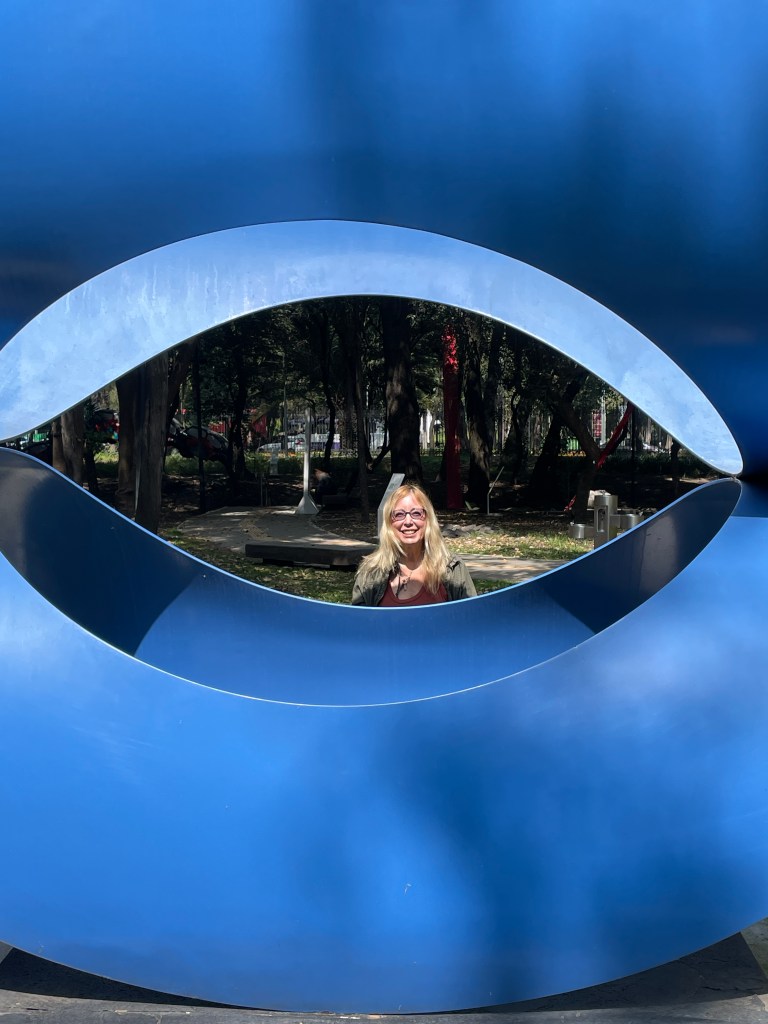
Just a few more pics but I guarantee you that there is so much more to see. As a person who has never been much impressed with “modern art” I can say that I have changed my perception of the genre. It has elements that I can readily identify with as a woman born in the 1960’s and allows for a glance at past history that will hopefully influence the future.
Open Tuesday-Sunday from 10a.-6pm. The cost about 70 pecos with no fees for the disabled and young children. Afterwards, walk throughout the large city park to which many of the museums are connected.

The Least Known Pyramid In All Of Mexico

One of the few temples to survive within a major city is El Cerrito or the Pyramid of Pueblito. Built over 3,300 years ago it is a testament to the wisdom and knowledge of the ancient people of this area. I was lucky enough to visit it early this week.

El Cerrito has a long history as a religious site and complete with altars and various ceremonial buildings. It is believed that a female deity was worshipped here. One of the plazas on the site, known as the Sculptures Plaza, had two alters one on the west and one on the east sides. Human skulls were found here along with pottery from ancient sites located throughout Mexico. Believe it or not, this was once a very colorful place decorated with highly pigmented colors of red (roja), yellow (amarillo), and blue (azul).

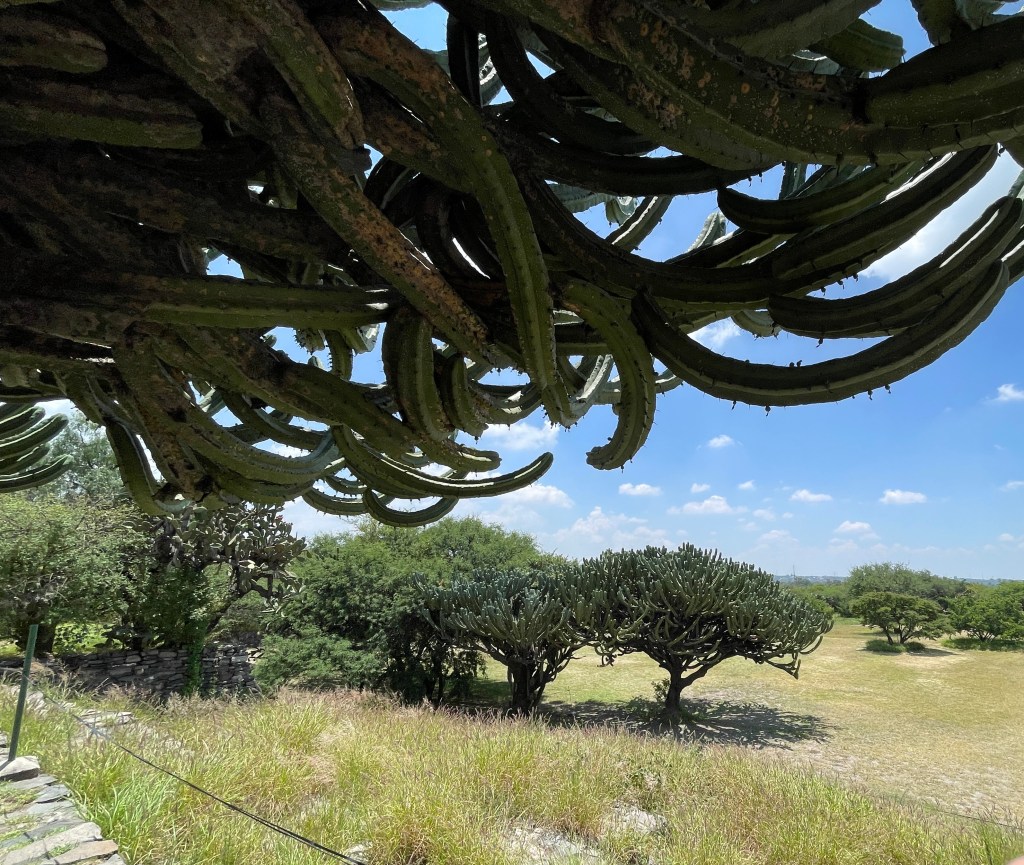
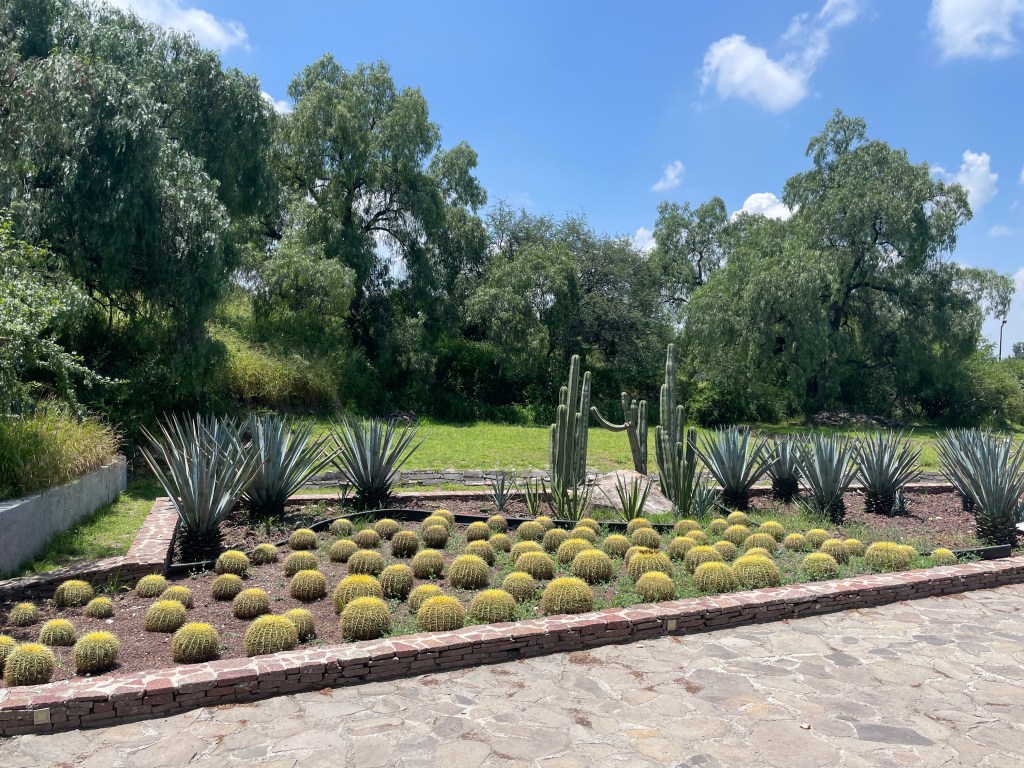
El Cerrito itself was constructed as a step pyramid and was built to resemble a mountain. Unfortunately, it will never be known how tall the temple originally was because in 1887 the Fernandez family built a house at the top of a “hill” shaving at least 2 meters off of the temple. The house was named El Fortin and it remains abandoned at the top of the structure to this day. One cannot blame the Fernandez family for building on top of this important archeological site; for El Cerrito was buried under tons of dirt and covered by trees for centuries until 1941 when the main walls were discovered and work began to preserve the pyramid and try to understand it’s historical importance. And with the very old immense cactus trees that can be found all over the property it is understandable why the temple was hidden for so many years.

For me one of the most amazing things is how the temple is strategically located in order to take advantage of solar alignments and the acoustics of the valley. For instance, as the sun moves across the horizon a beam of sunlight reaching the basement creates a visible sundial on the wall while an analemma pattern is created on the floor which dictates the sun’s seasonal and everyday paths. In spring the equinox creates a time and place where the sun’s beam goes past the vertical sundial and reaches a boundary that lies between the blue and orange tiles on the wall announcing the arrival of the equinox. Further, sound travels directly from and to the temple from the small hamlet of El Pueblito and it is said that you can hear the Catholic priests recite mass.

The Mexican and local government have worked hard to preserve this ancient treasure and there are beautiful walkways and an amazing visitor center on the grounds. The entrance fee is minimal and there is inexpensive parking nearby. This is definitely a great day trip and I would recommend hiring one of the guides whose knowledge of El Cerrito is vast as well as entertaining. Here he is demonstrating to us the echoes of our clapping as they disperse into town.

Museum of Contemporary Art-Sydney

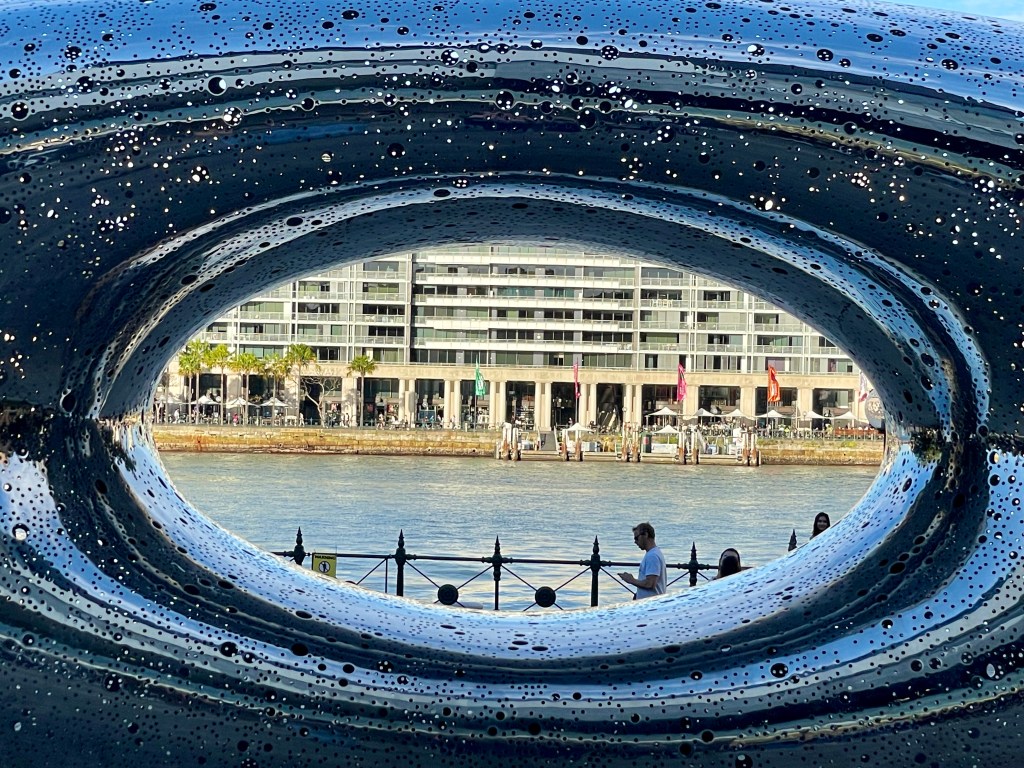
Sitting almost directly across the pier from the Sydney Opera House in the Museum of Contemporary Art or MCA. Filled with diverse art treasures from Australia including paintings, pottery, indigenous pieces and a whole trove of other displays; you won’t be disappointed spending a couple hours of your day here.

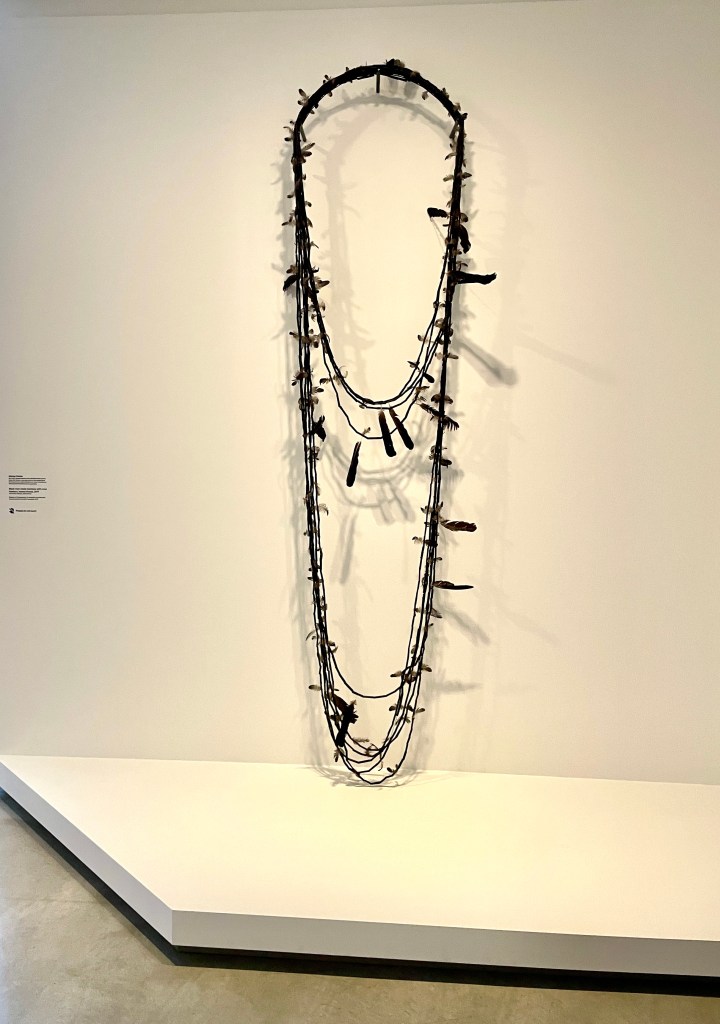
This picture doesn’t do this indigenous necklace justice. Missing from it is the immense length of the piece as well as the different depths that the beading creates when viewing it.

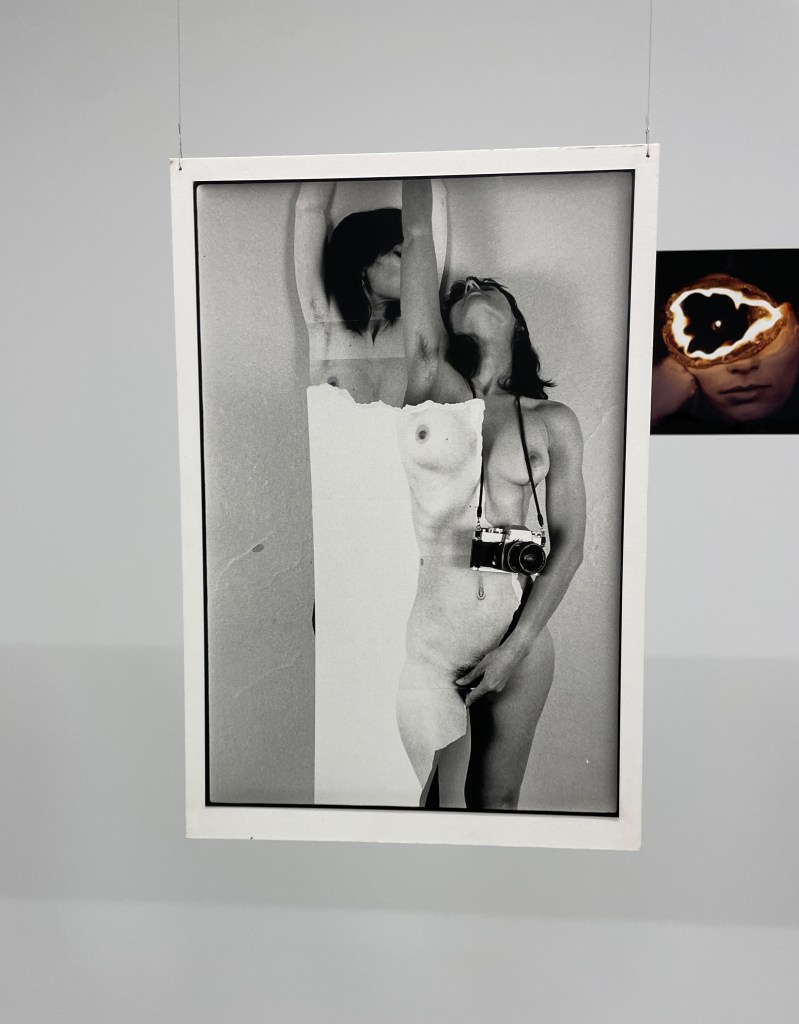
From small displays to pictures that fill entire walls your imagination will certainly be stirred while viewing alll the different genres of art that MCA holds in its collection

MAC has a range of artwork from provocative to “Heck, I could have made that myself” works I found myself contemplating the question “What is art?” This is something my friend Leah and I have discussed many times. She is of the belief that art is art and you can’t put any parameters on it. I, on the other hand, believe that if I could have created it, well then, it certainly can’t be considered art by any stretch of the imagination.

MCA is open 10am-5 pm daily except Tuesdays when the museum is closed. Open all holidays except Christmas on December 25. There is a cafe for casual dining and its a nice place to relax a bit after all the walking.

  • Adults $20
  • Concession $16

Free for MCA Members, under 18s and Australian students.

Museum of Contemporary Art Australia
Tallawoladah, Gadigal Country
140 George Street
The Rocks
Sydney NSW 2000

Western Antique Airplane & Automobile Museum (WAAAM)

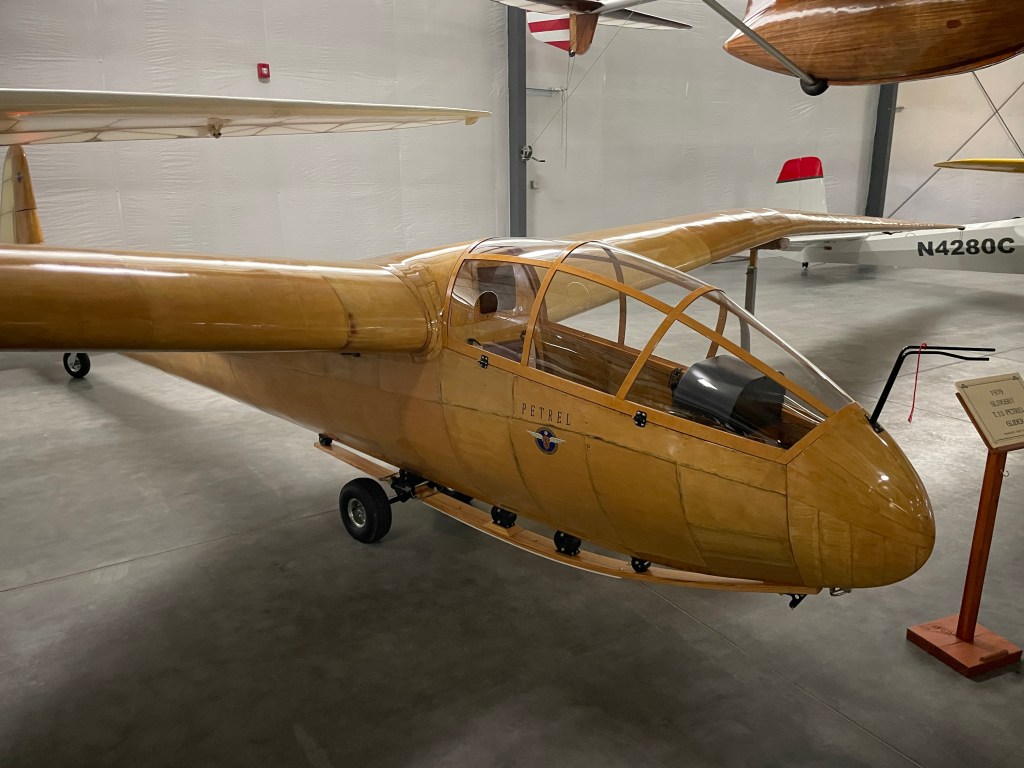
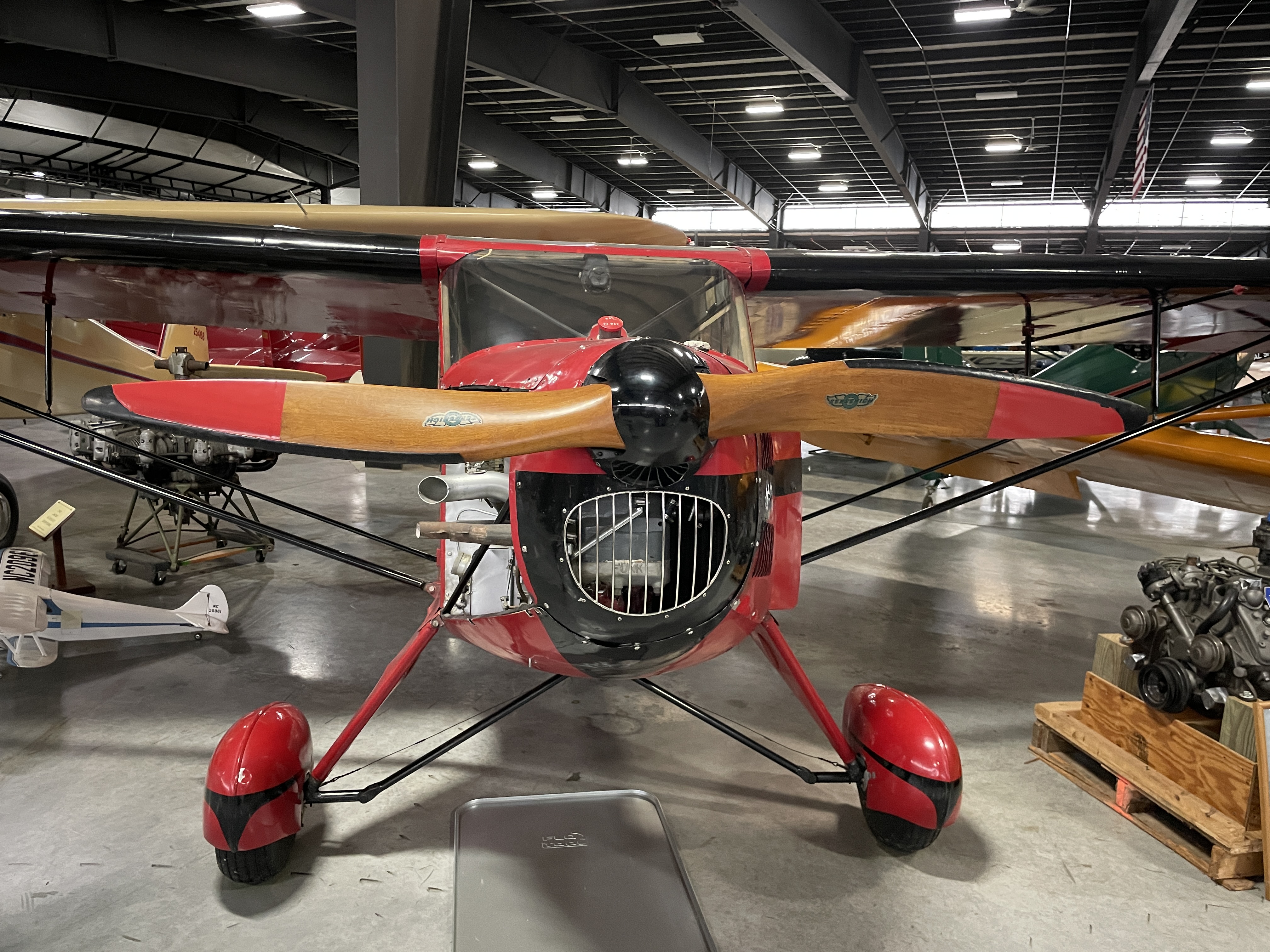
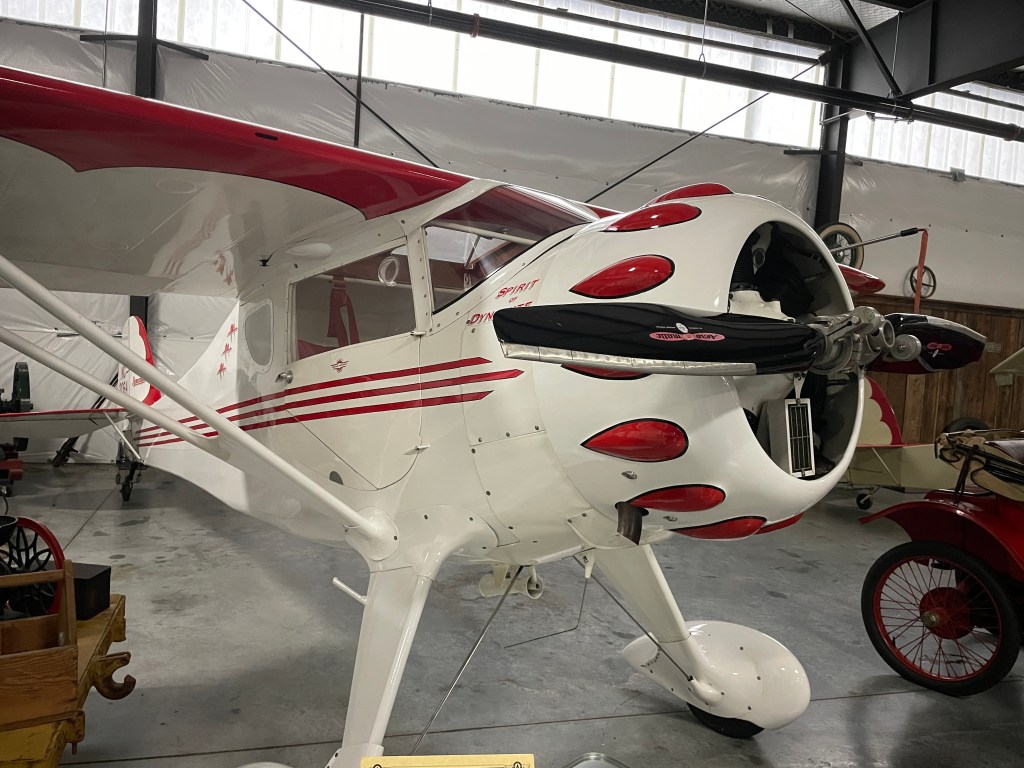
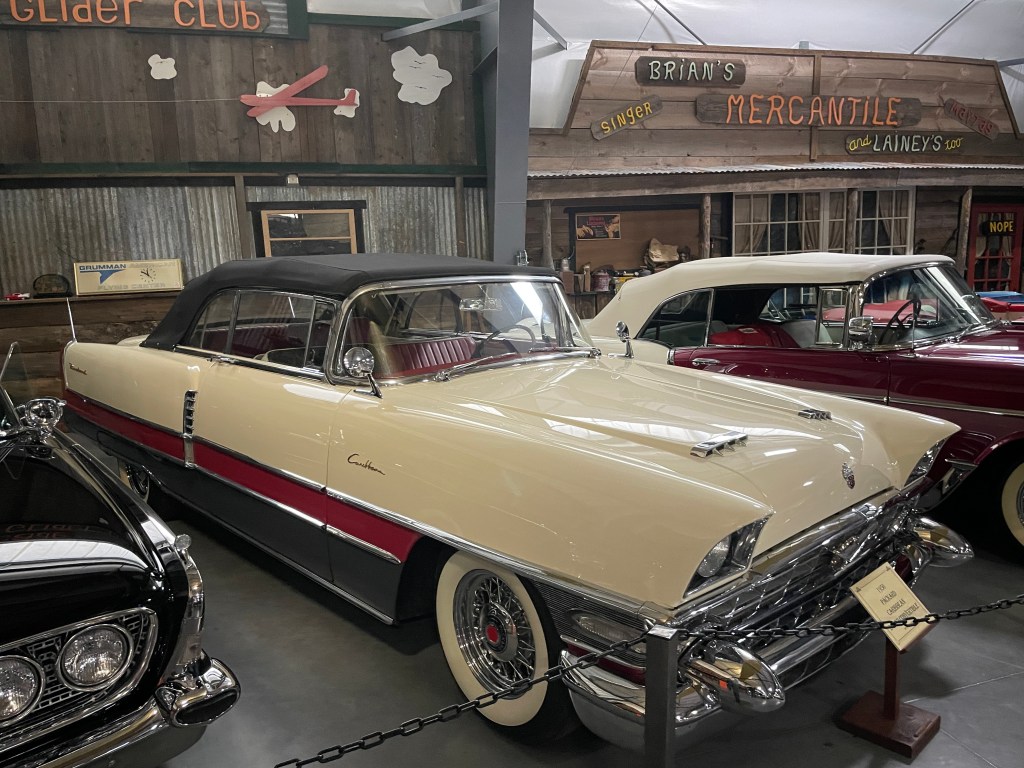
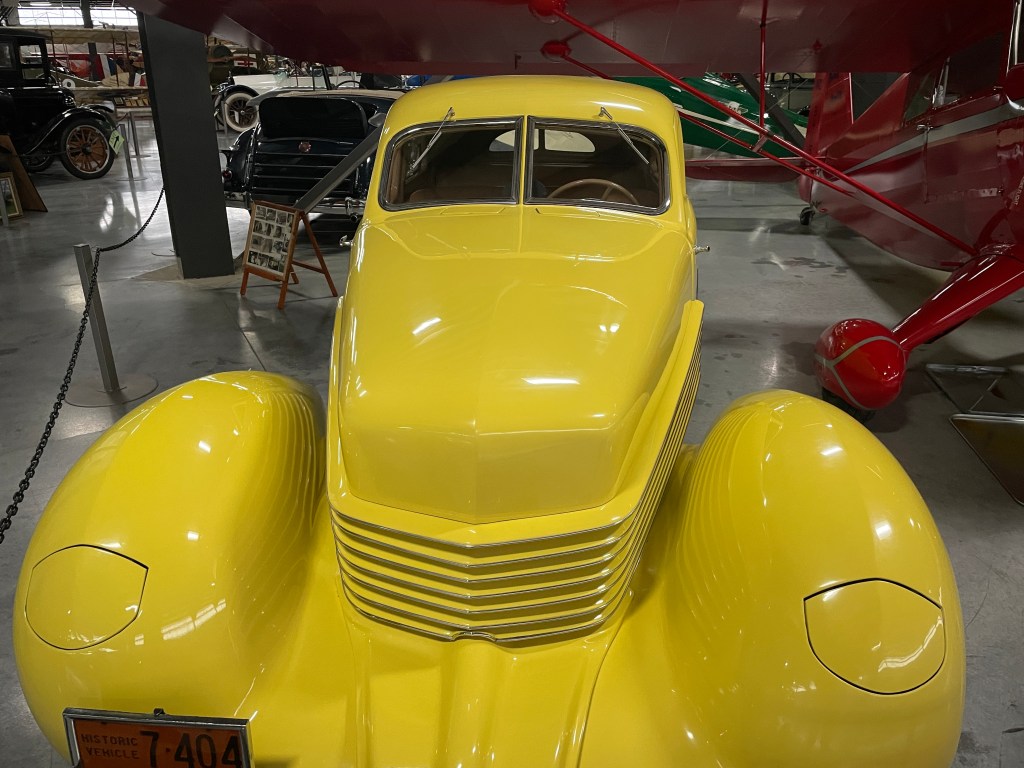
Hidden outside the historic and charming town of Hood River, Oregon, is one of the most interesting museums I have been to in a long time. Consisting of over 3.5 indoor acres of automobiles, airplanes, motorcycles and military equipment; it is easy to spend a couple of hours looking at some of America’s most beloved machines. All the exhibits are in pristine shape and several times a year the doors open so that the autos can hit the road while the planes fly high. With volunteer docents who know all about each and every last vehicle and whom always have plenty of interesting and funny stories to tell; this place is a treasure looking to shine bright on the rainiest of Oregon days. Open 9am-5pm daily. Closed New Year’s Day, Thanksgiving and Christmas. WAAAM is located at 1600 Air Museum Road, Hood River, Oregon. Telephone (541) 308-1600.

WAAAM…This Mighty Museum Will Hit

You Right Between The Eyes

Getty Center

DSC03996

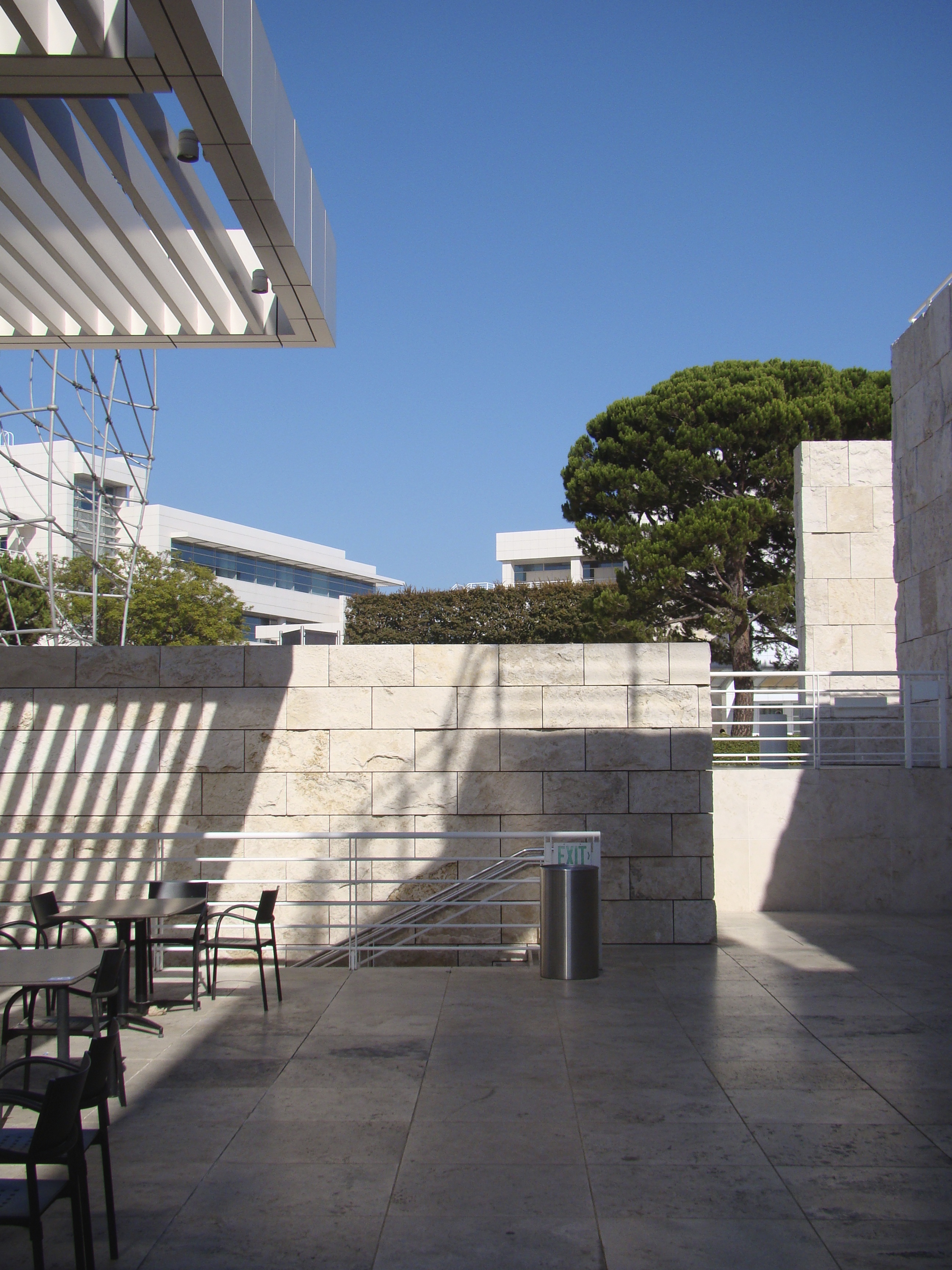
The Getty Center in the Brentwood section of Los Angles is an amazing feat of architecture. Designed to allow maximum viewing along with introspection from all areas; it is a place to go just to enmesh yourself in the soul of a building. Screw the art!

The Getty was built in 1997 and designed by Robert Meier. Bountiful gardens and vistas open up throughout the facility giving visitors a chance to be one with the glory of nature. With outdoor sculptures and numerous lavish fountains dotting the 24 acre complex it makes for a full-scale outdoor art experience.

Of course, the Getty, viewing one of the greatest collections of paintings in the world  by artists such as van Gogh, Rembrandt, and Delacroix; is an amazing experience.

imgres-8

For those with an interest in illuminated manuscripts and old photographs; the Getty Center doesn’t disappoint.   But for the kids, the best part of the trip to the Getty will be riding the tram up the mountain from the subterranean parking garage.

The Getty Center is closed Mondays and on Thanksgiving, Christmas and January 1. Parking is $15. Admission is free. There is also a lovely restaurant that offers expensive food served up with incredible views.


DSC04003

Sharktooth Hill-Bakersfield, CA

DSC00224

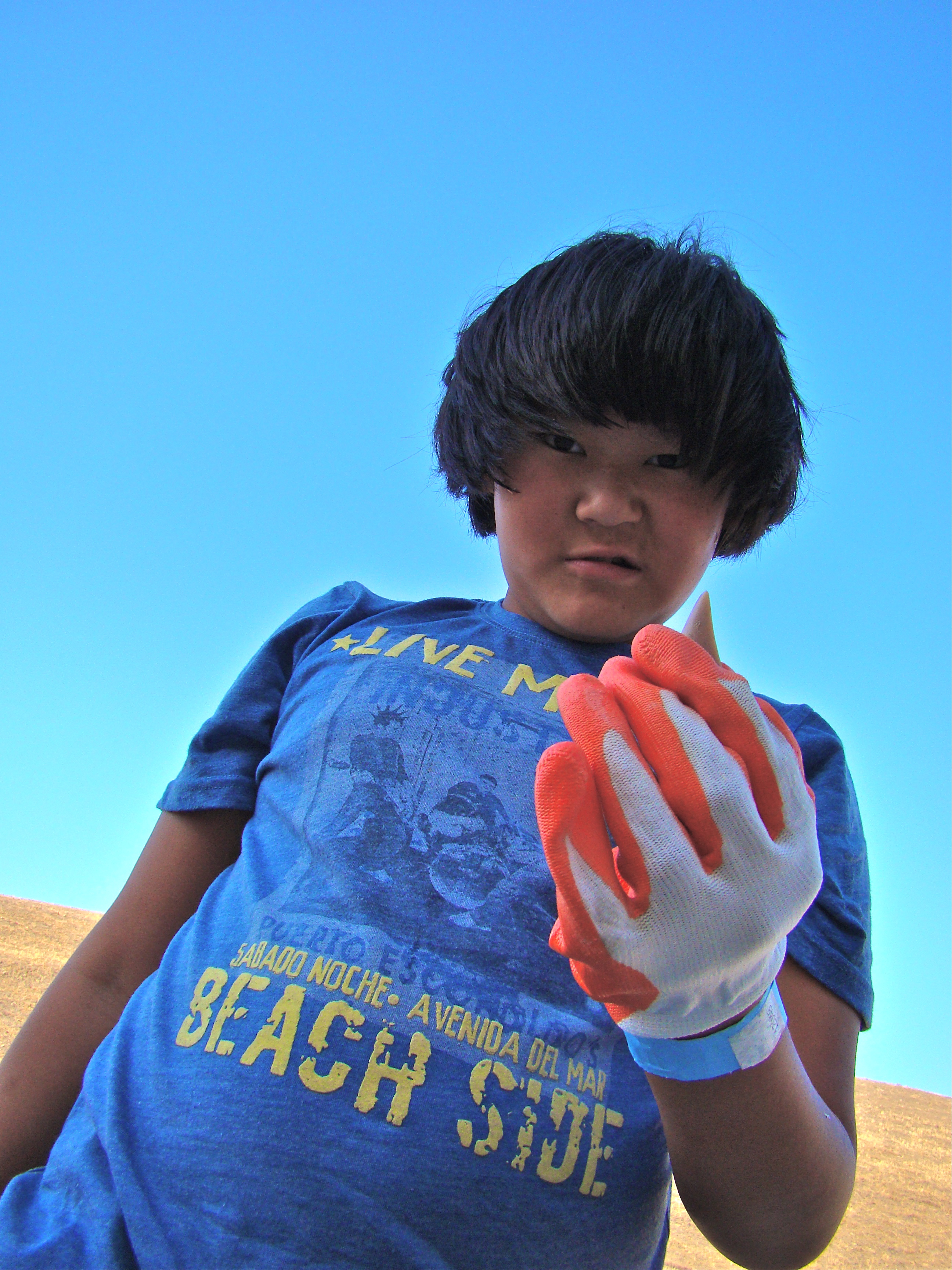
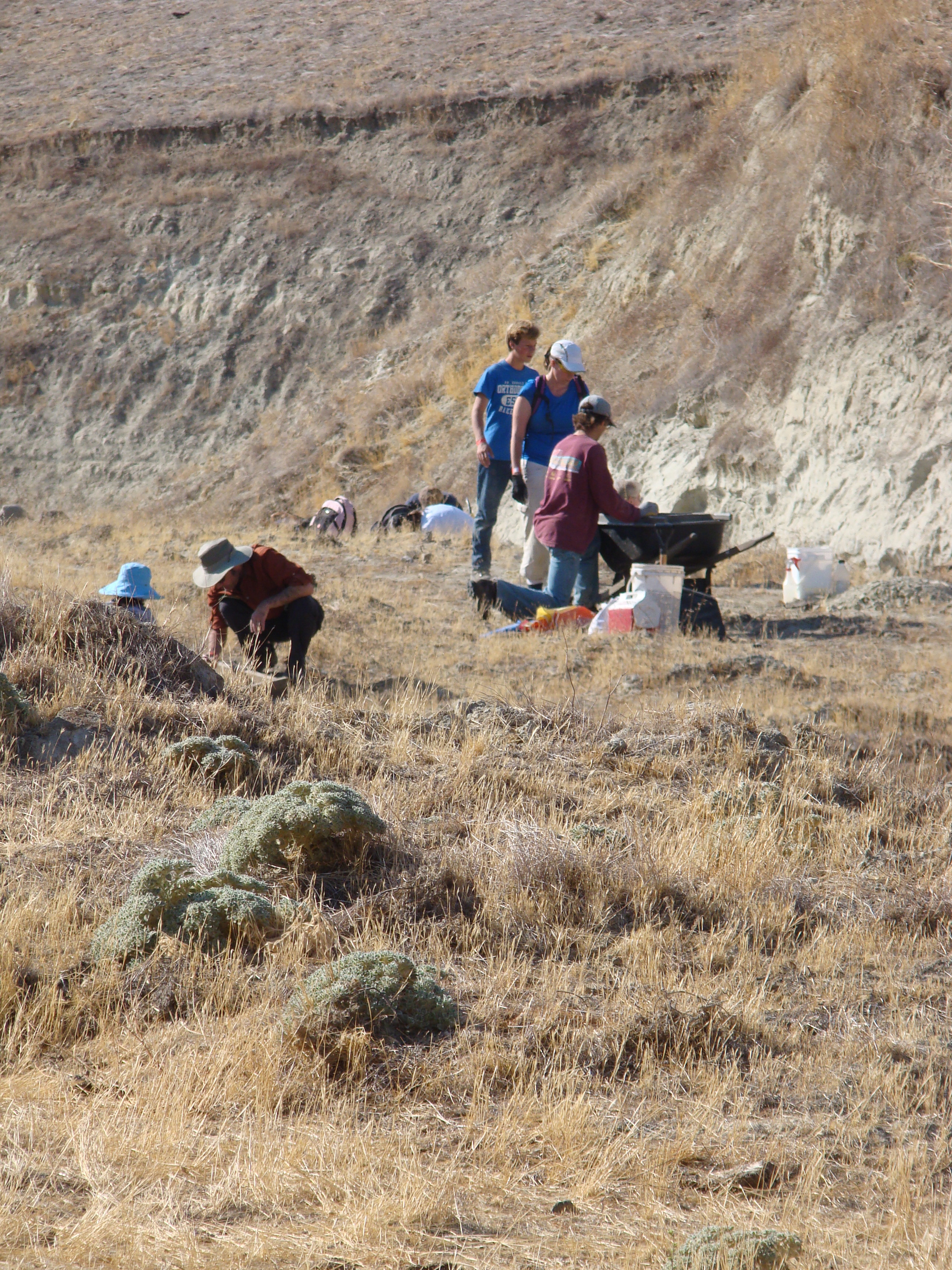
If you want to give your family the experience of digging through the dirt why not head out to Sharktooth Hill? It’s a great place to spend the day and learn about the things that used to lurk in the deep.

Once a vast ocean, the area is home to the largest deposit of Miocene marine fossils in the world. Here you will find vertebrae from whales and marine crocodiles just laying on the ground. Dig a little deeper and you will unearth shark teeth from Mako and extinct tiger sharks. Dolphins, walrus, sea cows and even desmostylus once swam freely here. So did extinct giant turtles, over 20 kinds of water birds and more than 27 species of shark and rays. Mammal finds include the tapir, rhino, and three-toed horses.

Sharktooth Hill is on private property and digs are scheduled. To find out more go to:

http://www.sharktoothhillproperty.com

DSC00237

A couple of things.  First of all before starting out you might want to visit the Buena Vista Museum of Natural History and Science in Bakersfield. The museum houses vast amounts of material brought from the site.  They also have dinosaur casts, animal mounts from around the world and an interactive Science Discovery Center. It is a small museum and they do offer periodic digs at Sharktooth Hill as a fundraiser.

When on a dig be sure to bring plenty of water. It can get hot out in this desolate mountain area. Buckets for sorting and carrying your finds are needed as are hammers. Also you should consider using a mask when digging. In this part of California there is a fungal infection that can develop in the lungs called  Coccidioidomycosis or Valley Fever for short . Valley Fever occurs when freshly dug spores are inhaled and they are plentiful throughout the San Joaquin Valley. While the numbers of people who contract this are low it is of concern especially for those whose immune systems may be compromised.


La Brea Tar Pits – Los Angeles, CA

If you have a dinosaur fanatic living with you in your home then you know how intense this fascination with all things ancient can be. While there are no actual dinosaurs here there are the remains of huge sloths, mammoths, and camels left over from the Ice Age. So while you will not see a T-Rex these other massive creatures are sure to suffice for your dino crazy kid.

DSC00278

The tar pits have been around since the Ice Age. If you are a historian you will discover that the Tongva and Chumash Native people lived in this area. They were unique boatbuilders as they used the tar naturally found in the area to seal the large cracks in their canoes.

The first written account of the tar pits come from the Portola Expedition from Father Crespi describing them as “tar volcanoes” and giving them the name Los Volcanes de Brea.

La Brea is a unique on-site museum and lab in which fossils are consistently being excavated.  You may even be lucky enough to see one being pulled from the muck. After retrieval  you can watch the bones being identified, cleaned and then displayed in the museum’s working glass-encased laboratory. With hands-on exhibits, 3-d films and lectures this is a place for people of all ages. The museum really does an amazing job of presenting fossils in creative ways to educate and keep their visitors entertained.
DSC00280

Yet, one of the most interesting things to do is to just stroll around the grounds. There you will see the tar bubbling up from the ground. The kids spent an inordinate amount of time just watching the slow rise/fall and listening to the POP of the shiny balls/bubbles of tar. Life-sized models of the long-forgotten creatures that once roamed this area can also be spied on the park-like grounds. So pack your lunch and make a day of it. Your family will be glad you did!

DSC00292


DSC00324

La Brea Tar Pits are located at 5801 Wilshire Blvd. in Los Angeles. They are open 7 days a week from 9:30 a.m. until 5 p.m. There is an entrance fee.


Rhonda Spain…Bullfighting and Caves

patrimonio

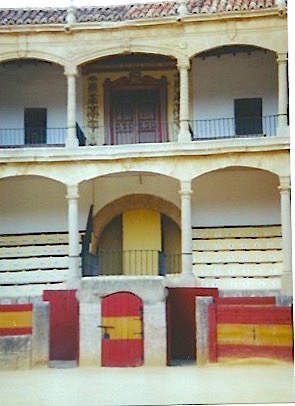
Sometimes in life you walk into a place and can still feel the excitement and pulse from a crowd long departed. The air just sizzles with an electric and anticipatory sort of energy. Rhonda’s Plaza de Toros is just such a place. Completed in 1785 it stands on the western edge of the city and has served as an important entertainment vista for its citizens ever since.

One of my most precious memories is my daughter using her coat to flag her father the “bull.” She whirled and twirled as if in a ballet, sliding this way and that in order to avoid the “horns” of the great beast. She was winning until the bull grabbed her up and tickled her and that was the end of her bullfighting career.

Rhonda Spain 4

Alongside the ring is the Bullfighting Museum which celebrates the sport with elaborate costumes worn by the great fighters, paintings and books. Wall art shows the fighting from differing perspectives, gilded saddles abound and you can read many writings of famous authors who have been enamored with the men who own the ring once they step inside. The famous bullfighting matadors of the Romero family also get their curtain call here.

Another nearby museum is the Bandolero’s Museum which celebrates the Spain’s romanticized bandits. With four galleries of paintings, historical documents and dioramas it is a great small place to get out of the heat on a hot summers day.

The Interpretation Centre of Wine is a treasure for the city of Rhonda. Occupying one of the grand old houses it showcases ancient winemaking to the present day. Included is cork making, information regarding grape varietals, and the school of wine tasting. If you want to learn more about wine and what to look for in a good one this is the place to visit. Best part…a store in which you can buy your favorite to take on a picnic in the nearby hills.

imgres

One of our best “finds” in Spain was the nearby Pileta Caves. While it is somewhat  of a hike to reach them the treasures inside are worth it. We bought tickets at the entrance and were handed a lantern as there is no electricity in the dark and somewhat spooky cave. Walking into the caves is like taking a step back into time.Stalactites and stalagmites abound and are a dazzling but it is the numerous old cave paintings dating from 32,000 BC that are the true treasure.  As you journey through the silent caves, the occasional splash of water breaking the silence, you will see drawings of fish, goats, horses and signs the meaning of which have yet to be determined. This is one place that should not be missed!

Rhonda Spain is one of my favorite stops in the entire country. Romantic, historic and full of culture, museums and great food; it is a place you will never forget and  a city to which you will long to return.

More pictures of Rhonda:

Rhonda Spain 2

Rhonda Spain 1