Cuernavaca, Mexico

One of my favorite adventures in Mexico was our visit to Cuernavaca. While I loved the one-hour drive through the mountains from Mexico City, parts of which reminded me of Colorado or Flagstaff; I did not enjoy my first experience driving in Mexico City. On the one hand, you have to be Mario Andretti and push the peddle to the metal to squeeze into spaces the size of a dime in front of the one hundred cars whose drivers have the same idea as you, but on the other hand, you have to have the patience of a saint to know when to be cautious as you fight twenty-three million city dwellers for your right to be on the road when no one follows what should be common sense traffic rules. Seriously, it’s like being in intense labor ready to deliver while driving…everything is just coming at you at once! But enough of that…let’s head to Cuernavaca.

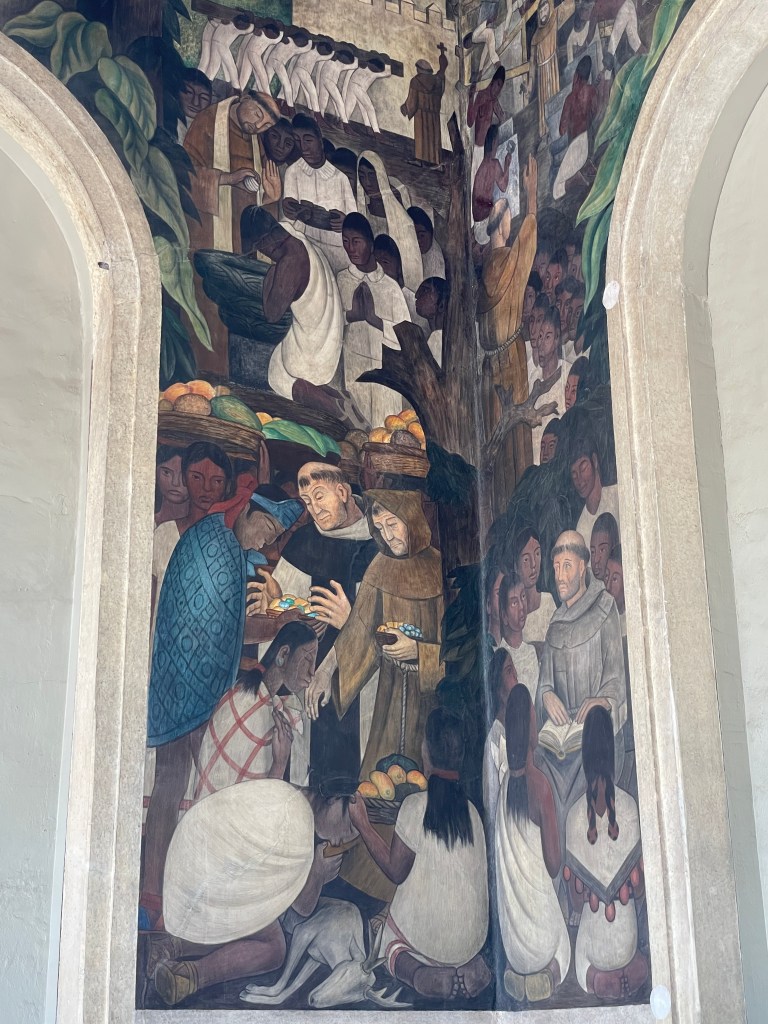
Cuernavaca is the capital of the state of Morelos. What brought us to this place was the Palace of Cortez but what we found was so much more than we ever imagined. Built somewhere between 1523-1528 by the conqueror Hernan Cortez, the palace is the oldest conserved colonial era civil complex within the Americas. And while all that information is interesting what really brought Michael and I here were the Diego Rivera murals that decorate the upstairs floors. Little did we know there was a museum connected to the property which housed more than just the magnificent wall art.
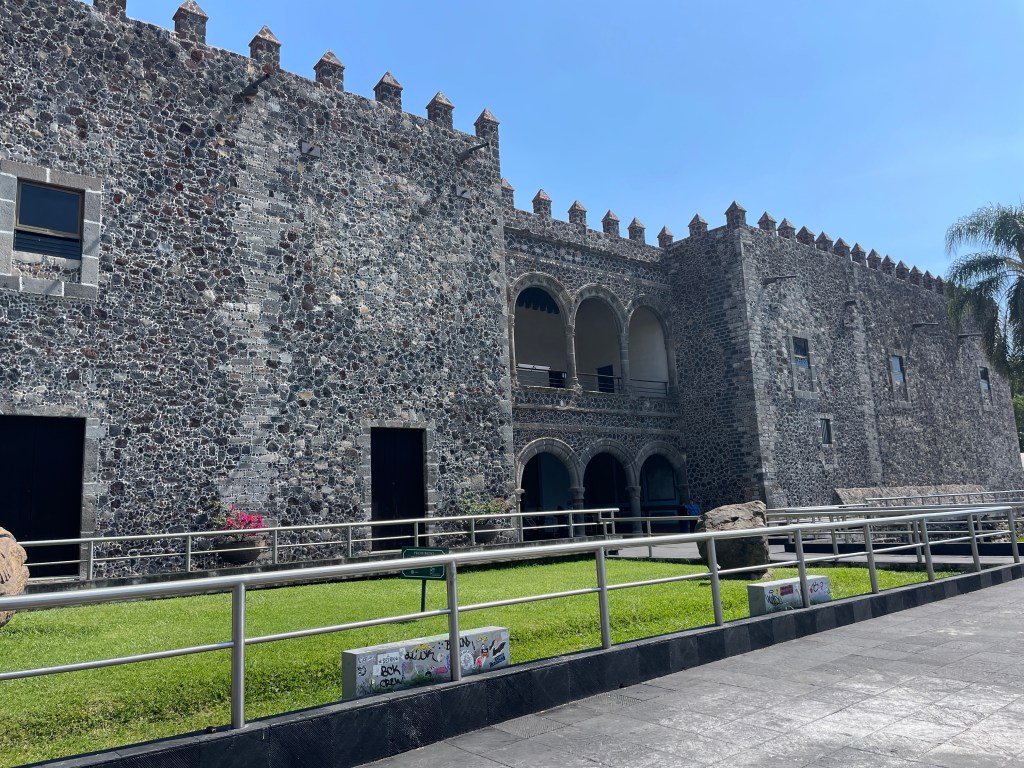
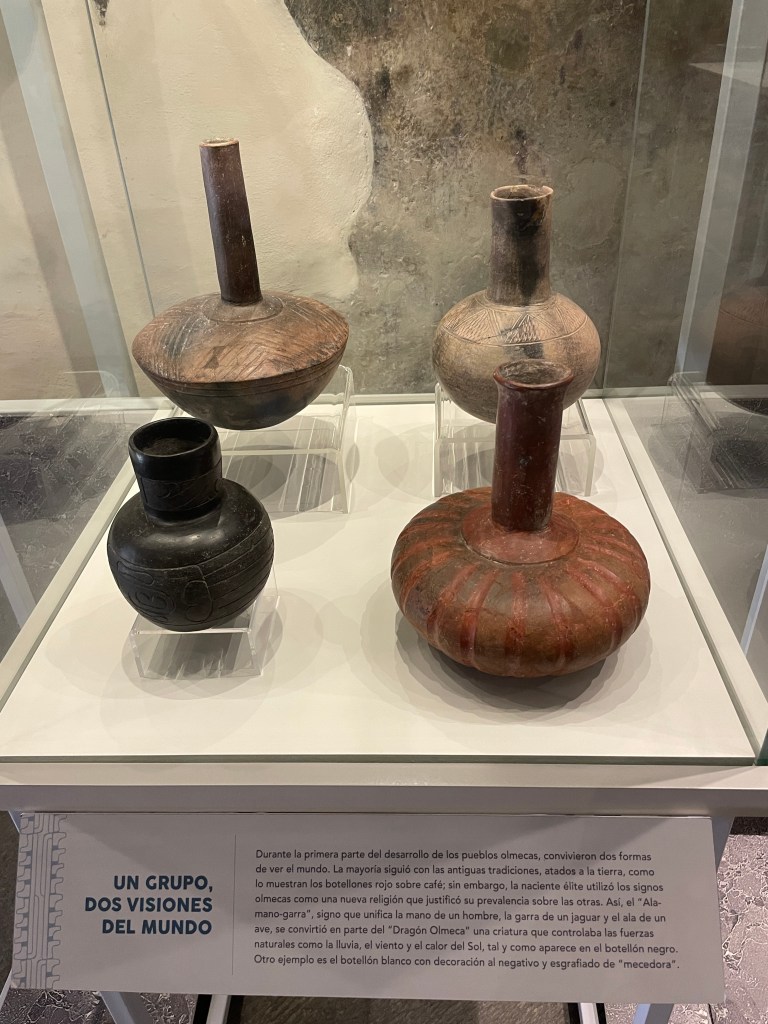
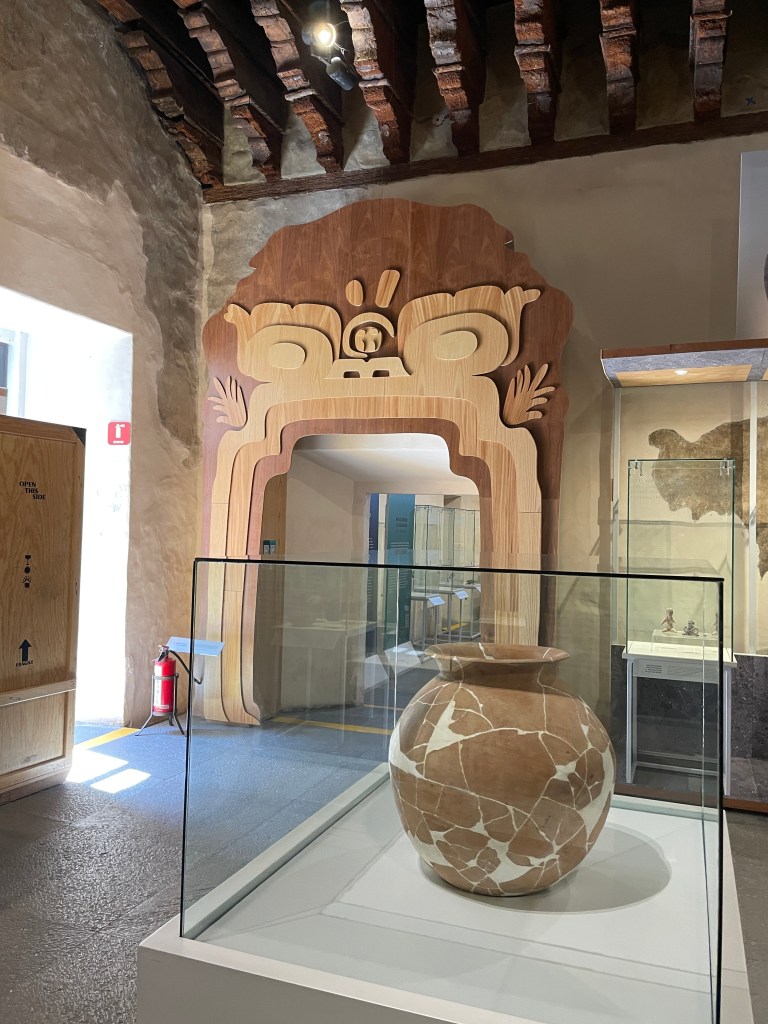
With an entrance fee of about $5 USD it is certainly a bargain in this day of $10-20 fees in the USA. The first floor contains artifacts from the ancient civilizations that flourished in this land. It’s a nice collection for a museum of this size.
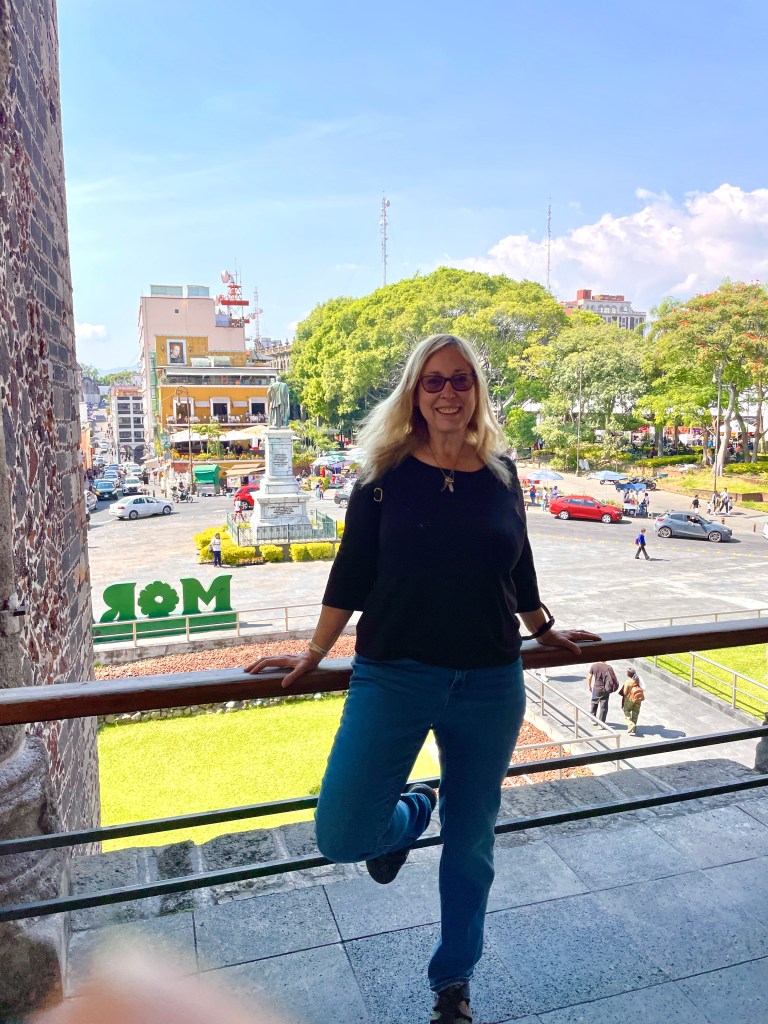
But what we had really come to see involved climbing quite a few steps to the balcony level which includes a magnificent view of the city and the countryside which surrounds it. That alone was almost worth the climb.
But the piece de resistance were the murals and when we turned the corner our breaths were literally taken away and not just from the stair climb! Commissioned by the US Ambassador to Mexico, Dwight Murrow, Rivera himself chose the subject. of the murals…the history of the invasion of Mexico by the Spanish…and he holds nothing back. They are truly spectacular!

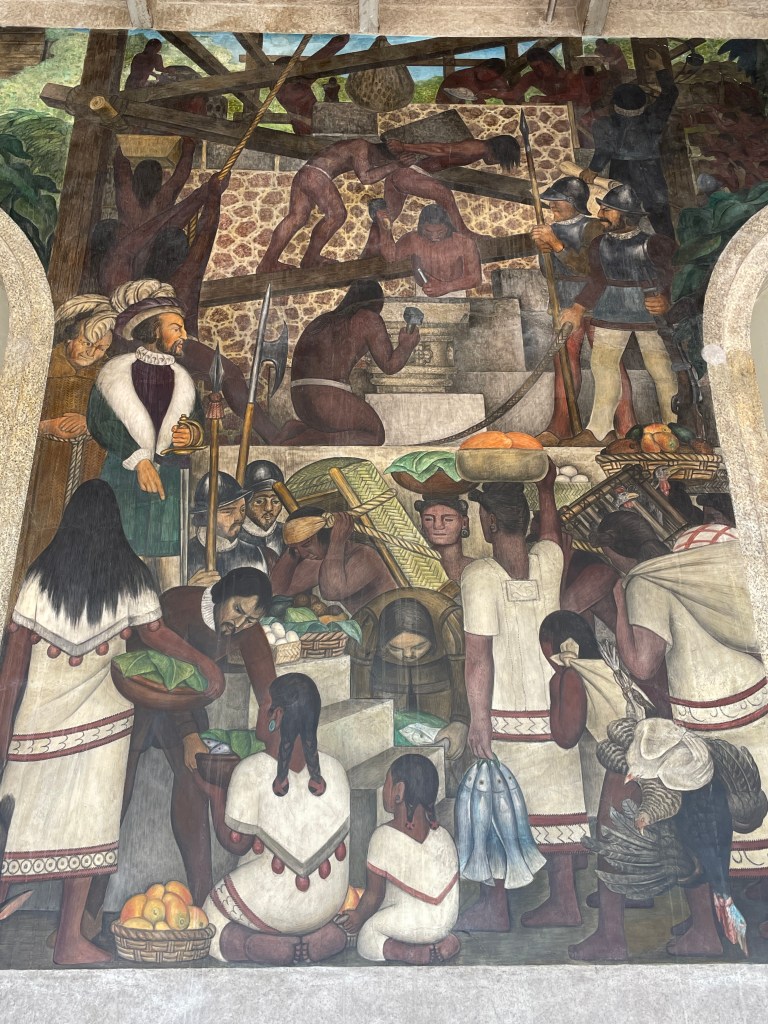
If you are a Diego Rivera fan this is one place you need to check out!

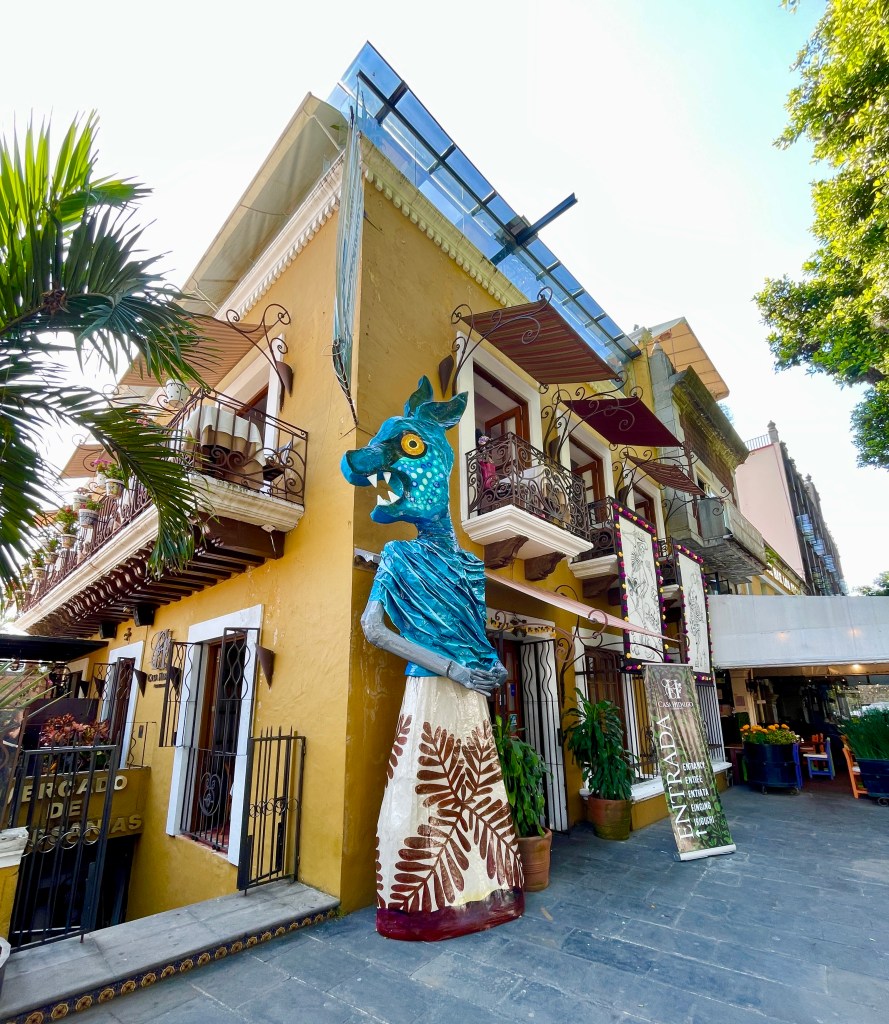
From the Palace of Cortez we walked down the cobble streets, ducking into an alley and surprised ourselves by finding an incredible taco place. I wish I could remember the name but here is the view from the upstairs of the eatery.

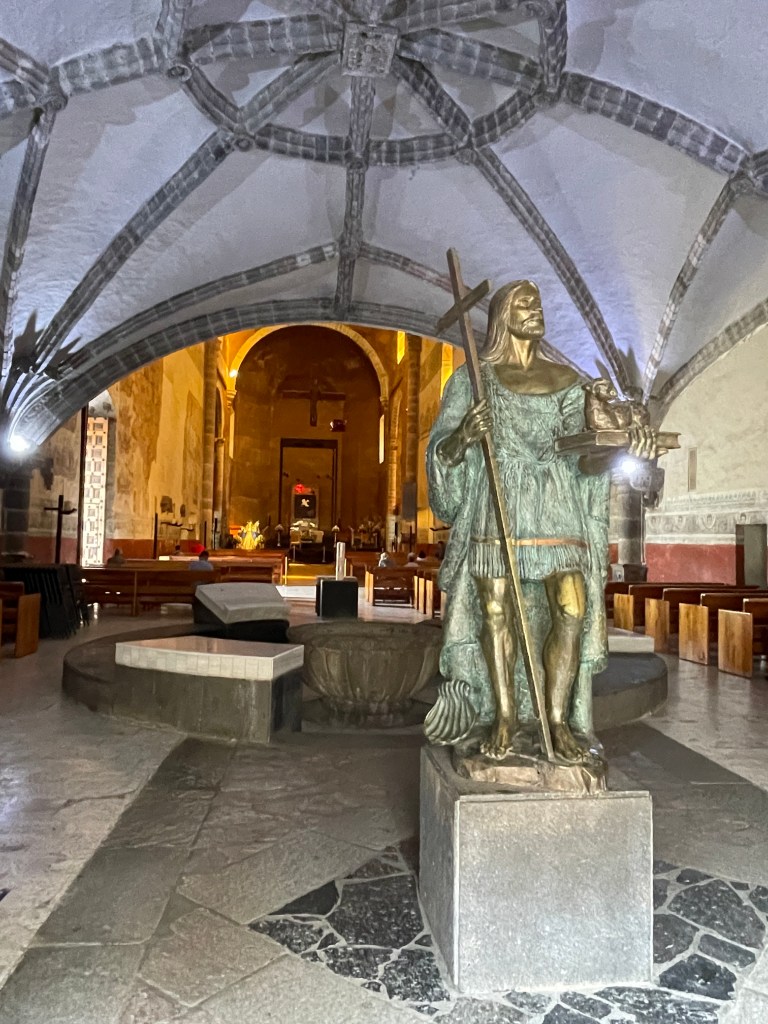
From there we meandered the streets arriving at the Catedral de Cuernavaca also known as the Templo de la Asuncion de Maria. Work was started by the Franciscans using indigenous forced labor in 1526 and the religious complex also houses the Templo de la Tercera Orden de San Francisco (pink) and the Capilla del Carmen (yellow) . At the left side of the Catedral is the Museo de Arte Sacro which showcases close to 100 paintings, sculptures, and religious artifacts from the 16th to 20th centuries.

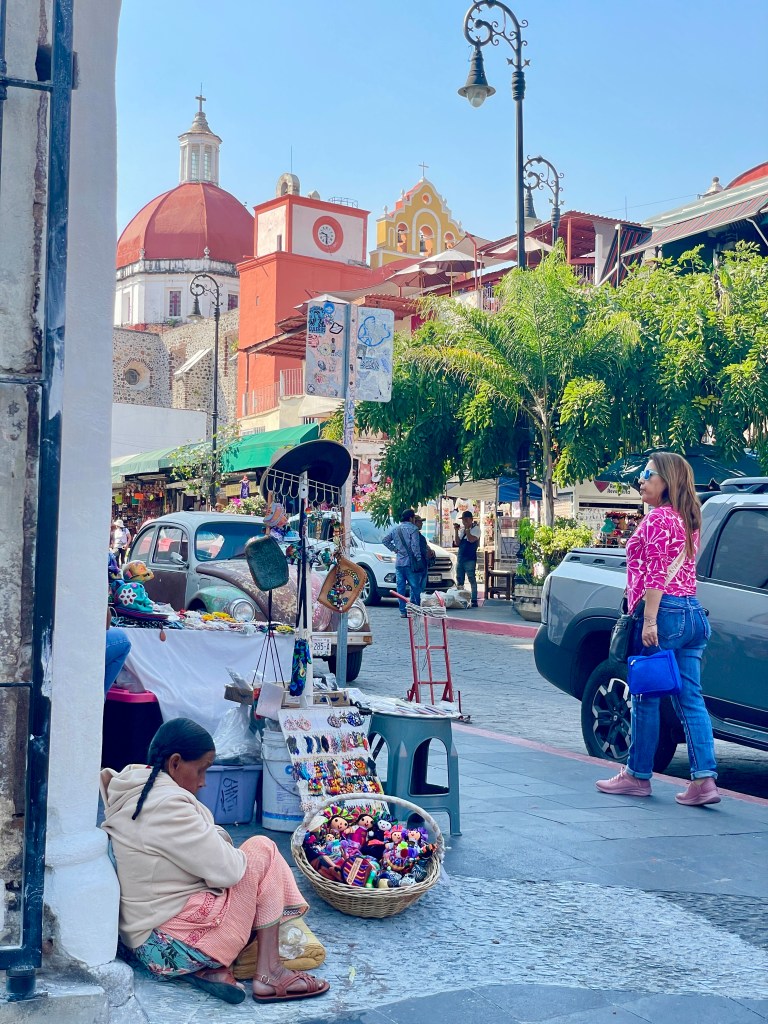
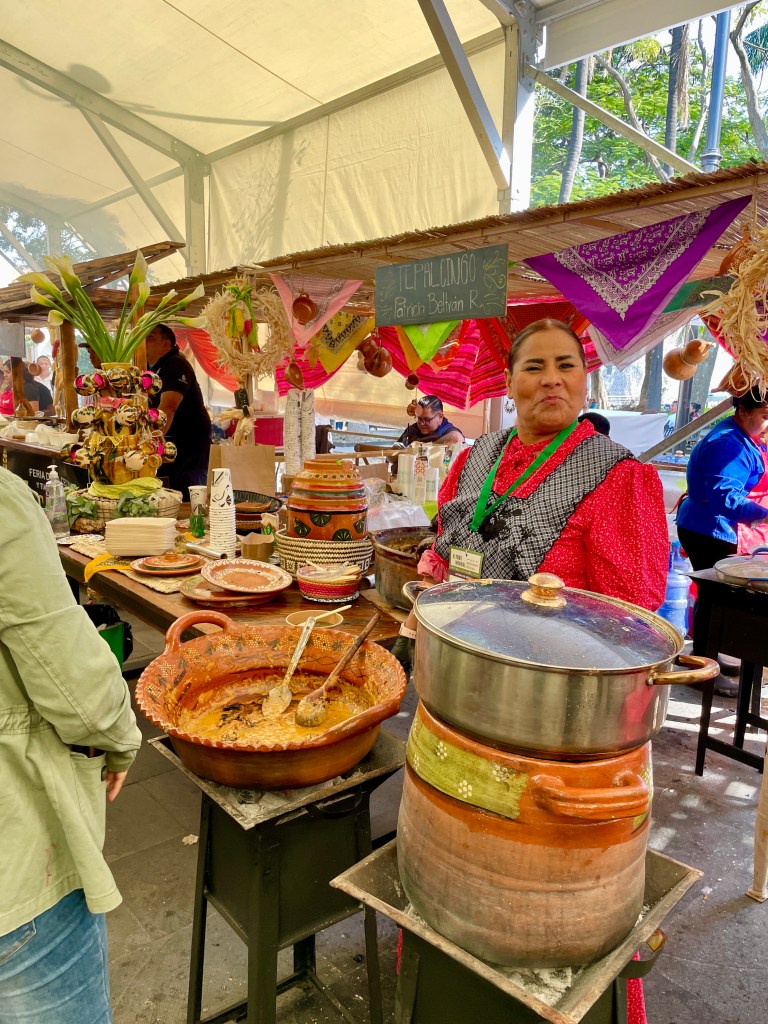
From here we wandered further… passing the theatre and library until we arrived at a food festival in the middle of the historic square. It was fantastic and we enjoyed seeing various regional foods from all over the country. Unfortunately, due to time constraints we missed the UNESCO World Heritage Site known as the Archaeological Zone of Xochicalco

Being drawn further in by all the spices and herbs wafting as we passed by booth after booth was the perfect way to end our day in Cuernavaca. I hope someday you will get to walk the streets of this enchanting city yourself to experience small city charm in a very big way.

The Town Of Oatlands In Central Tasmania

One of the most beautiful towns we accidentally discovered in Tasmania was the town of Oatlands. Sitting about 50 miles north of Hobart it is a spectacular place to stop and explore.

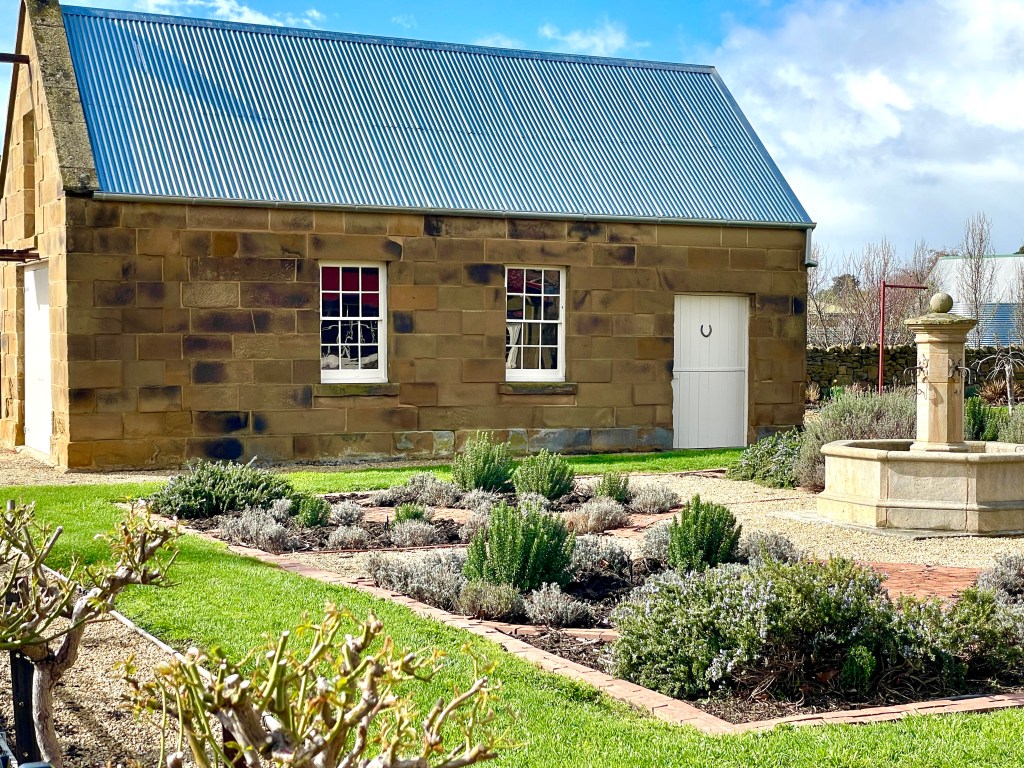
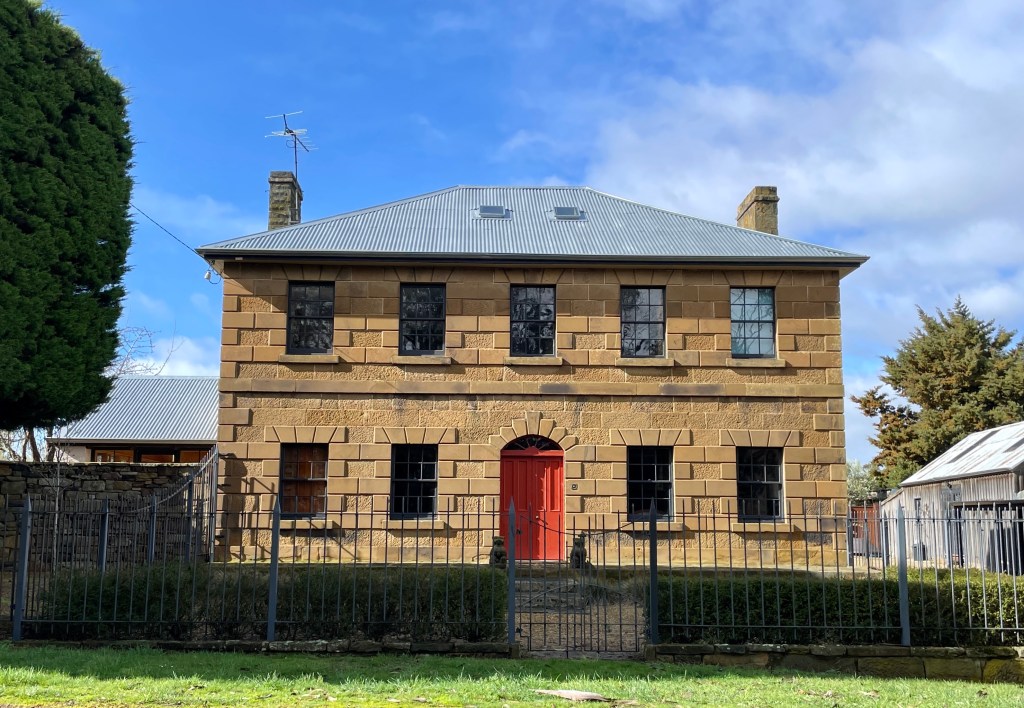
One of merits of his town is its vast collection of colonial sandstone buildings which number over one hundred fifty. Largely built by convict labor in the early 19th century; it was also considered a significant outpost during the Black War which was fought between the Indigenous First Nation People of the area and white settlers.

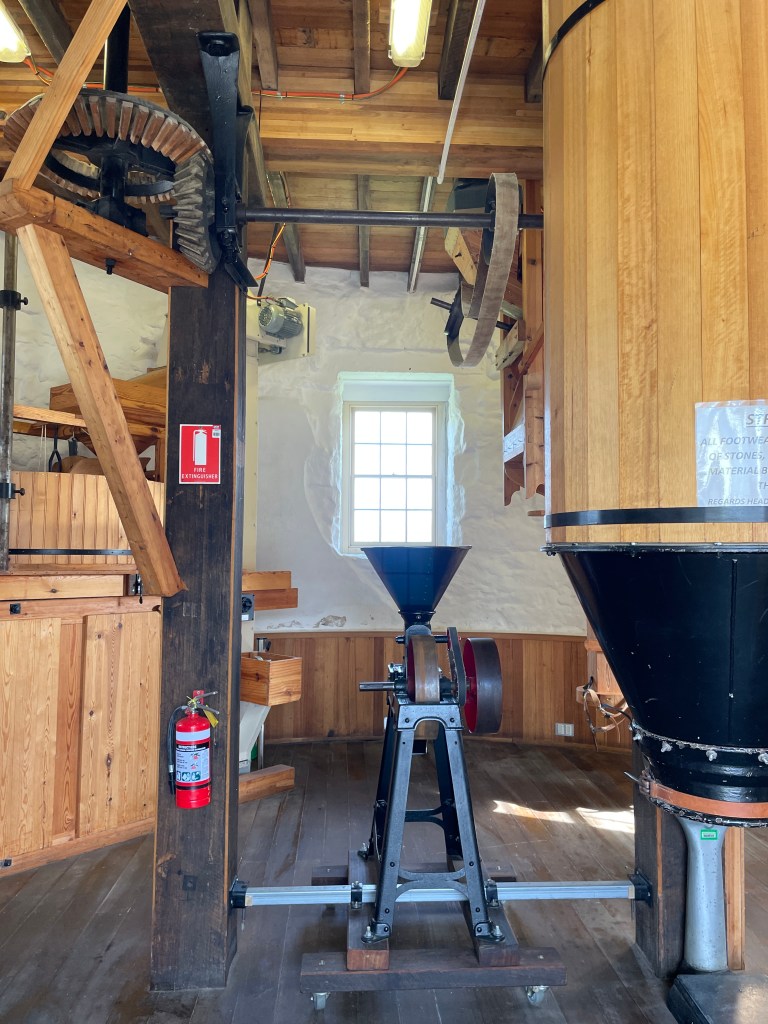
But if you have already heard of Oatlands it is probably due to Callington Mill, the only Lincolnshire style windmill in the whole of Australia. Built in 1837 this mill is a beaut and has been restored to its glory days.

Lake Dulverton, which borders Oatlands is well known for its many hiking paths which criss-cross in various directions. Fishing is another great pastime here and anglers can catch both rainbow and brown trout. The lake is also a bird watchers paradise where you can spot herons, ducks, and watch as black swans glide alongside the “cows” that inhabit the lake.

Oatlands also offers visitors a treasure trove of gardens and topiaries from one end of the town to the other. I was amazed at the different sizes and shapes of living sculptures that dotted the town.

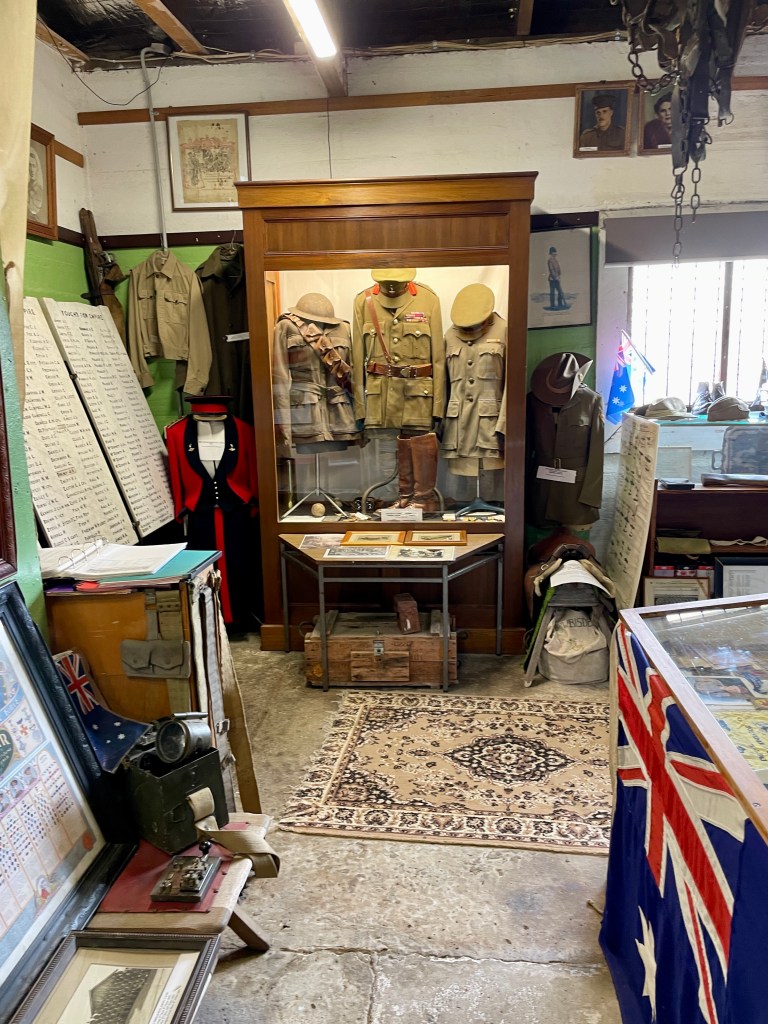
While there we also visited the Oatlands District Historical Museum featuring local memorabilia from the town’s early history to the present. There is also a rather substantial bird egg collection housed within its walls and the docents are eager to share their vast knowledge of the area.

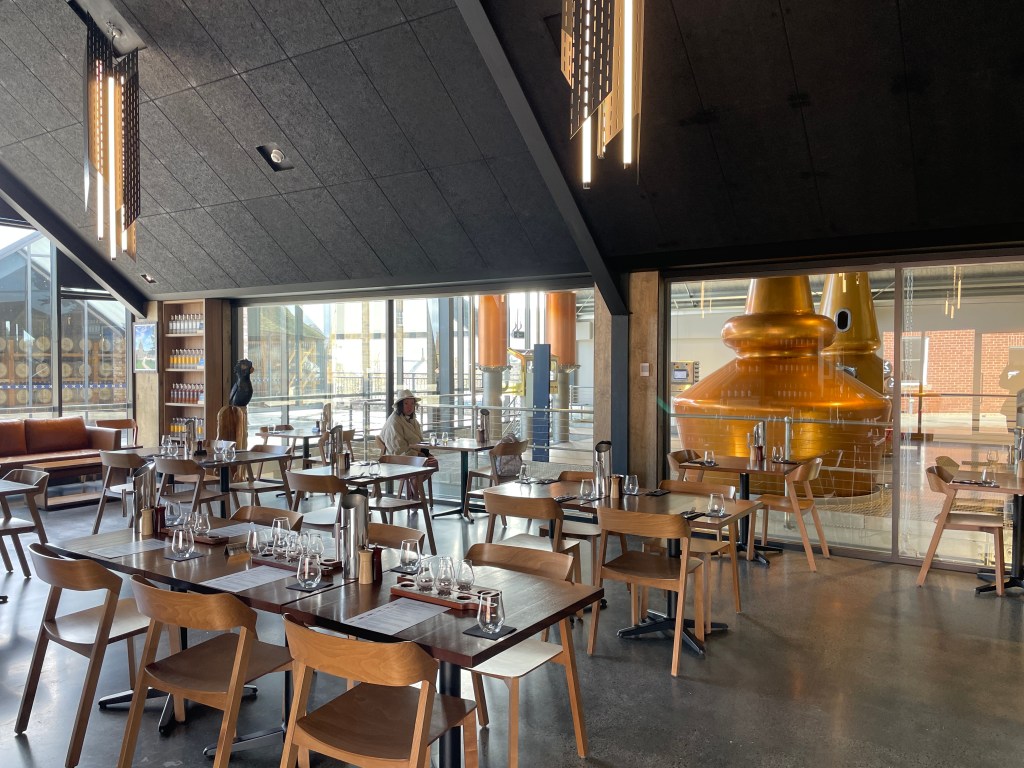
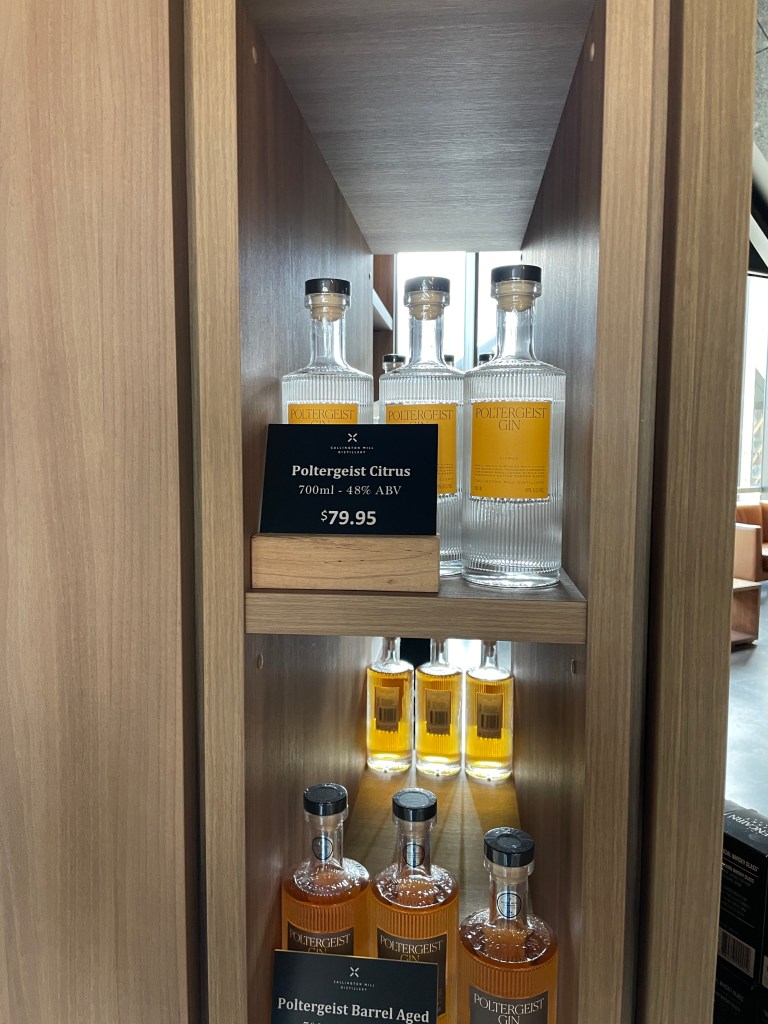
Finally, the Callington Mill Distillery offers an experience that few will forget. Producing both award winning gins and whiskeys; your senses will explode as you indulge in your first taste of Poltergeist Citrus known for its hints of candied fruit, orange, and key lime pie. Yummm. Better yet sit down and enjoy and lunch at their restaurant, The Cellar Door, which serves a variety of farm-to-table meats and produce. After lunch your next course of action is to order a flight of whiskey tastings followed by a self guided tour to learn more about what goes into making these bodacious spirits. Better yet, the facility also offers its own whiskey guides who help guests craft their own unique single malt whiskey complete with an original label.

Oatlands is the type of town that magically draws you in and keeps your enchanted. In short, it is one of the rare places that once you get there you don’t want to leave and its the kind of village where you suddenly find yourself searching for the nearest real estate office with sudden fantasies of finding a place of your own in this idyllic hideaway. Oatlands….is one of Tasmania’s gems… don’t miss it!

Crater Rock Museum-Center Point, Oregon

Going to a rock museum often elicits cries of “How boring. Who wants to look at a bunch of rocks?” This response can often be heard from just about everyone involved. But if you can just corral everyone into the car; after visiting Crater Rock Museum it will become a favorite pastime for your family to just to meander about. And best of all the price for admission is minimal.

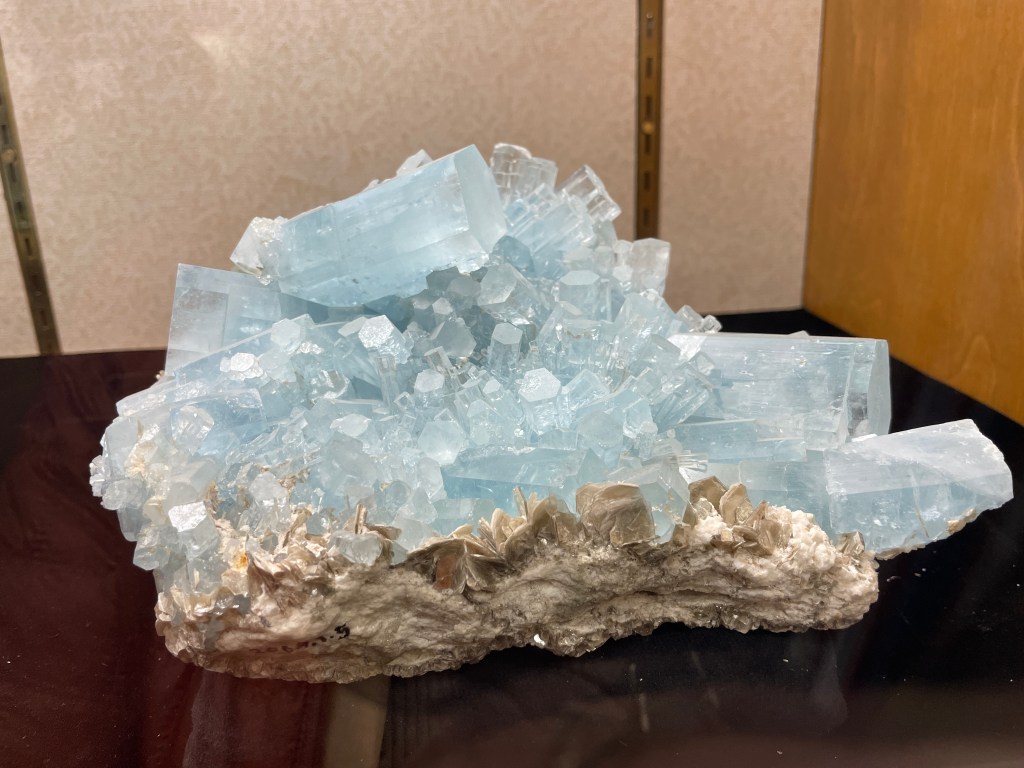
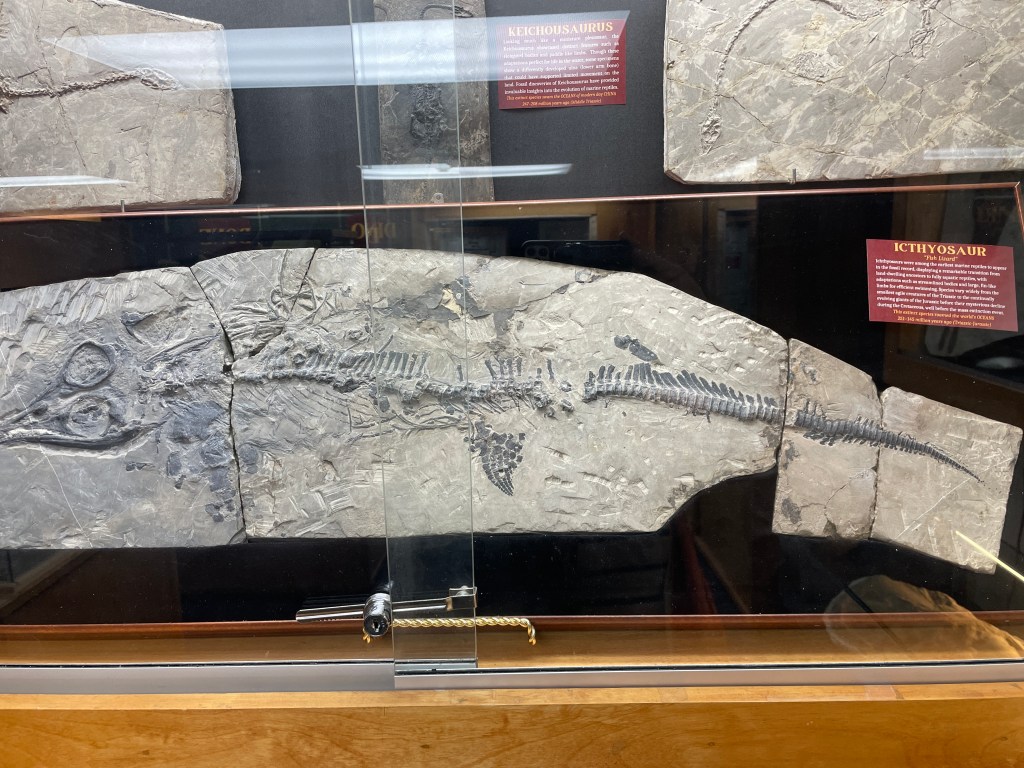
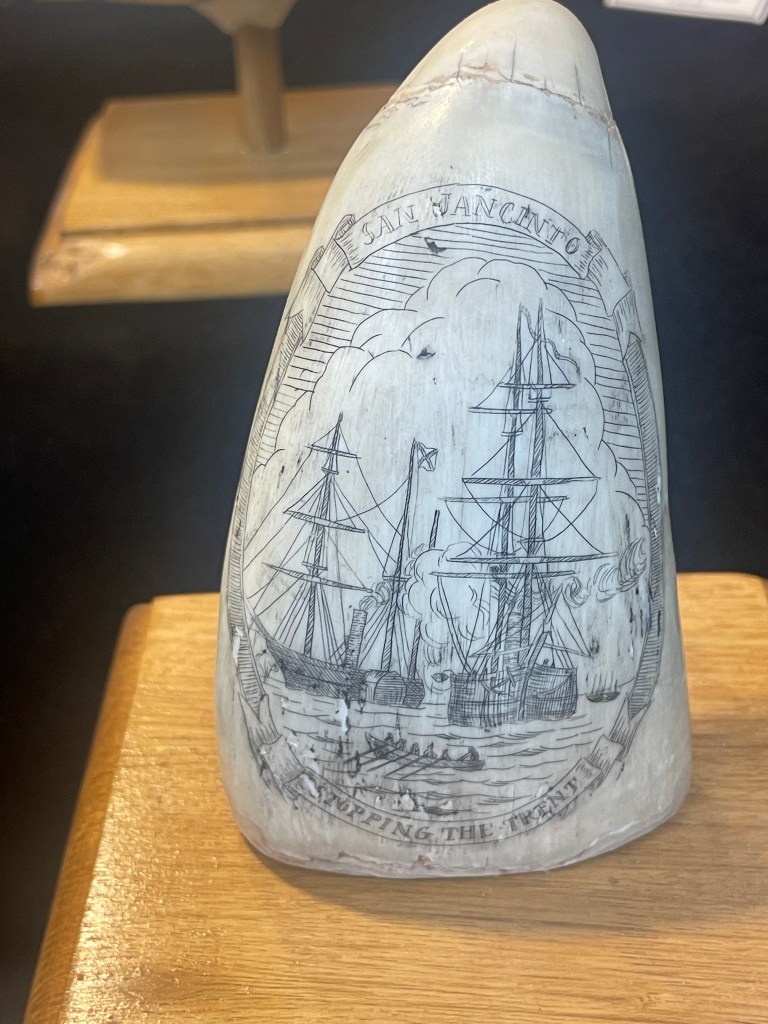
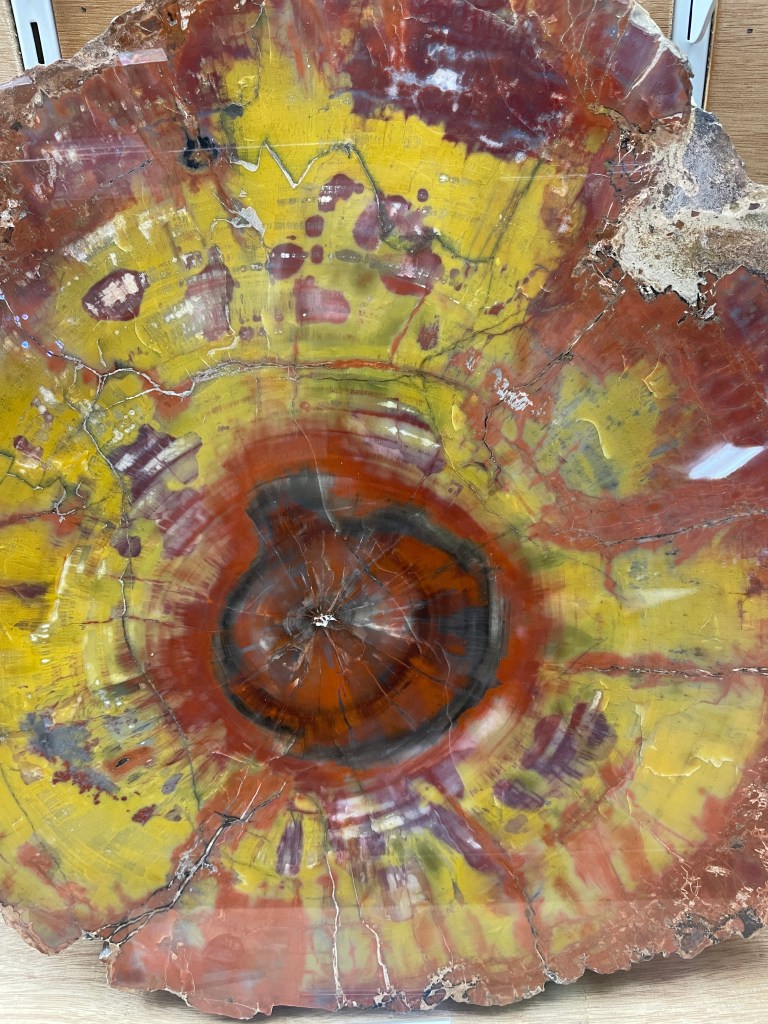
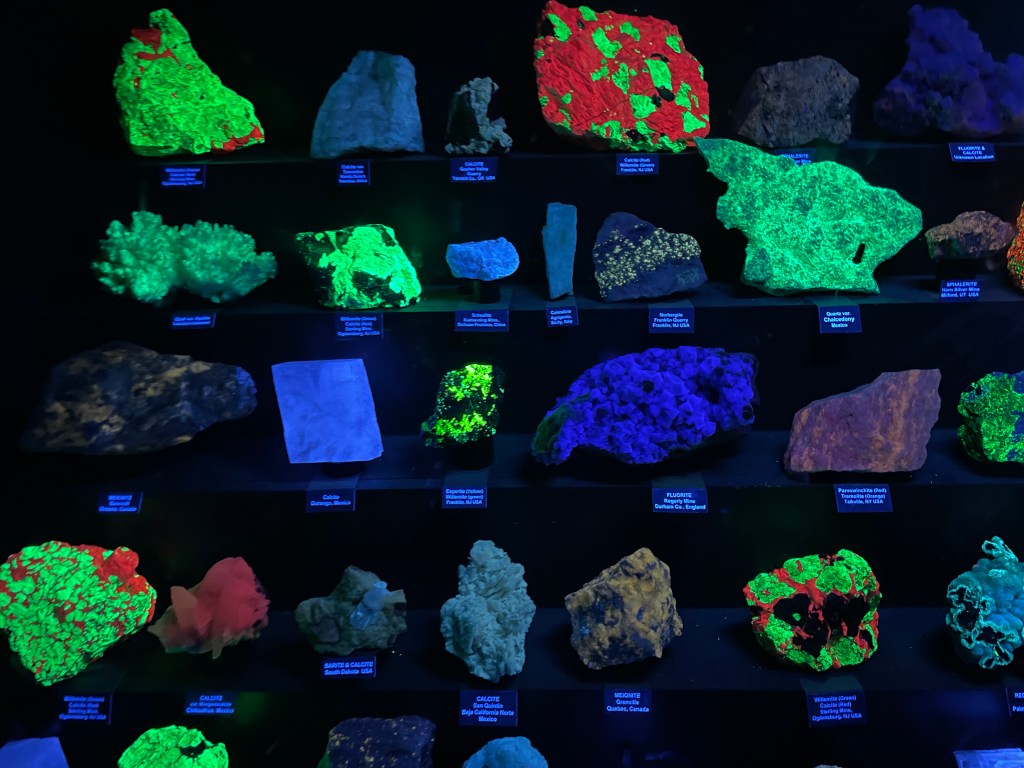
You enter the museum through a gift shop full of rocks, books and other items typical of such places. In fact, the room is so large that at first I thought it was the museum itself. But was I wrong. This collection of rocks, fossils, artwork and gems travels from one exhibit hall to the next. It is a seemingly unending labyrinth that is stuffed to the brim. From local rocks to geology curated from around the world, the species are spectacular and the variety of colors explosive! There is even a black light room which contains a fluorescent mineral display that kept the kids enthralled.

My explanation about this incredible gem of a museum really can’t to it justice so you will just have to look for yourself.

Even more impressive is the museum offers a variety of classes and workshops on such topics as geology, wire wrapping, lapidary, and cabochon. Perhaps one of these hands-on learning opportunities might just be the perfect Christmas gift for someone on Santa’s list!.

The Crater Rock Museum is located at 2002 Scenic Road, Central Point, Oregon.

Phone: (541) 664-6081.

The museum is closed on Sundays and is open a variety of hours throughout the week but mostly between 10 am – 3 pm.

If I had a few hours to kill I certainly wouldn’ miss the finest rock collection on the West Coast. I guarantee that you won’t be disappointed that you made the trip!

Kamp Vught- Herzogenbusch, The Netherlands

The last time we were in Europe I thought it was important for my kids to see for themselves what happened to the Jews, Gypsies, homosexuals, resistance fighters, and another other groups/persons who the Nazi’s targeted for extermination.  So we visited the Herzogenbusch Concentration Camp (Kamp Vught) near the town of Herzogenbusch where the horror of what happened to innocent people could be seen and to a small extent be felt by our kids. It was a lesson that shocked and saddened them. One that has changed them and how they see the world.

Although Kamp Vught is considered to be a transport camp rather than a death camp nonetheless 749 prisoners lost their lives while incarcerated against their will. Of those, 342 were murdered just outside the camp as the Allies were approaching.

The camp was built in 1942/43 with the prisoners being forced to finish the construction themselves. Over 31,000 people were housed here before being transported to the death camps of Auschwitz and Bergen-Belsen between the years 1943-1944.

Today Kamp Vught is a National Monument dedicated to the victims of Nazi atrocities. The interior of the museum has been designed to be a reflective and thoughtful place spread out over several buildings and outdoor areas. The museum itself displays diaries,relics, personal items and the clothing of the persons who were incarcerated or murdered here.

DSC05138

We learned that upon entry to the Kamp each prisoner was given a colored triangle on their gevangenenpak. Jewish prisoners received a yellow triangle, political prisoners and resistance fighters one red, homosexuals a pink triangle, and the ‘criminals’ (illegal butchers and black marketers) a black triangle.

DSC05197

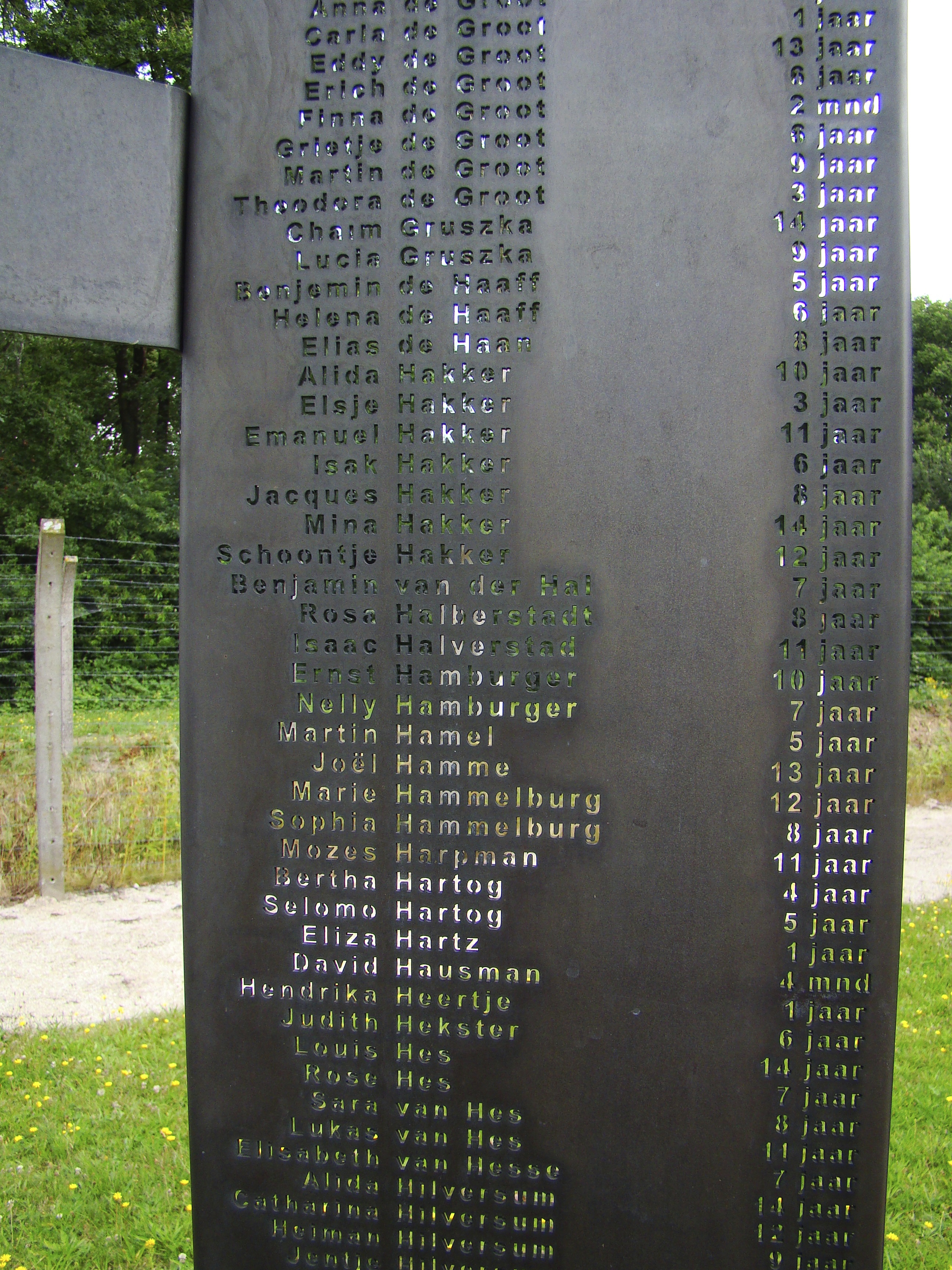
Outside there is monument that stands in honor of the children who were separated from their mothers and sent off to be executed. Standing there, reading list after long list of names, you could just “hear” the cries of parents and children as they were taken away by the guards. As a parent it felt horrific to think that there was nothing you could do to save your own child from extermination.

DSC05169


Below you will see a picture of my sister-in-law as she stood in cell 115. What you cannot see is the tears running down her face as she contemplated the horror that happened in this room on January 16, 1944.  The day before, as a punishment for some drama occurring in the women’s barracks, the Kamp Commander forced 74 women into this tiny windowless room. Fourteen hours later the cell was finally opened and the remaining 64 women were freed. The plaque contains a list of the names of the ten women who suffocated due to lack of oxygen.


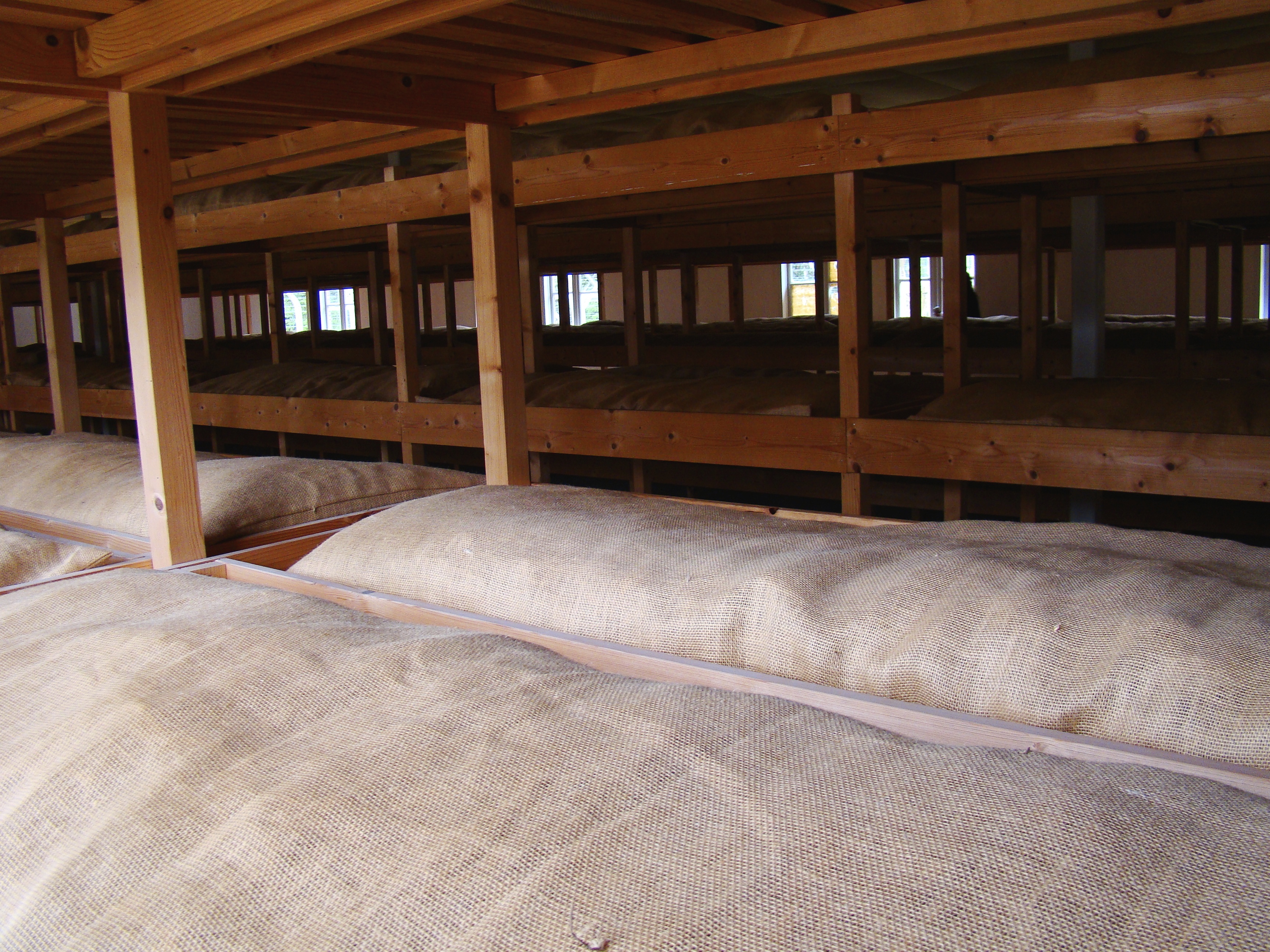
Although most the buildings of this once huge camp are gone a few still remain or were rebuilt. In this one, you can walk down row upon row of narrow bunkbeds, each three beds high, where the prisoners were kept. My nine- year-old daughter was shocked at how small and lumpy the straw mattresses were when she laid down upon them.

DSC05157

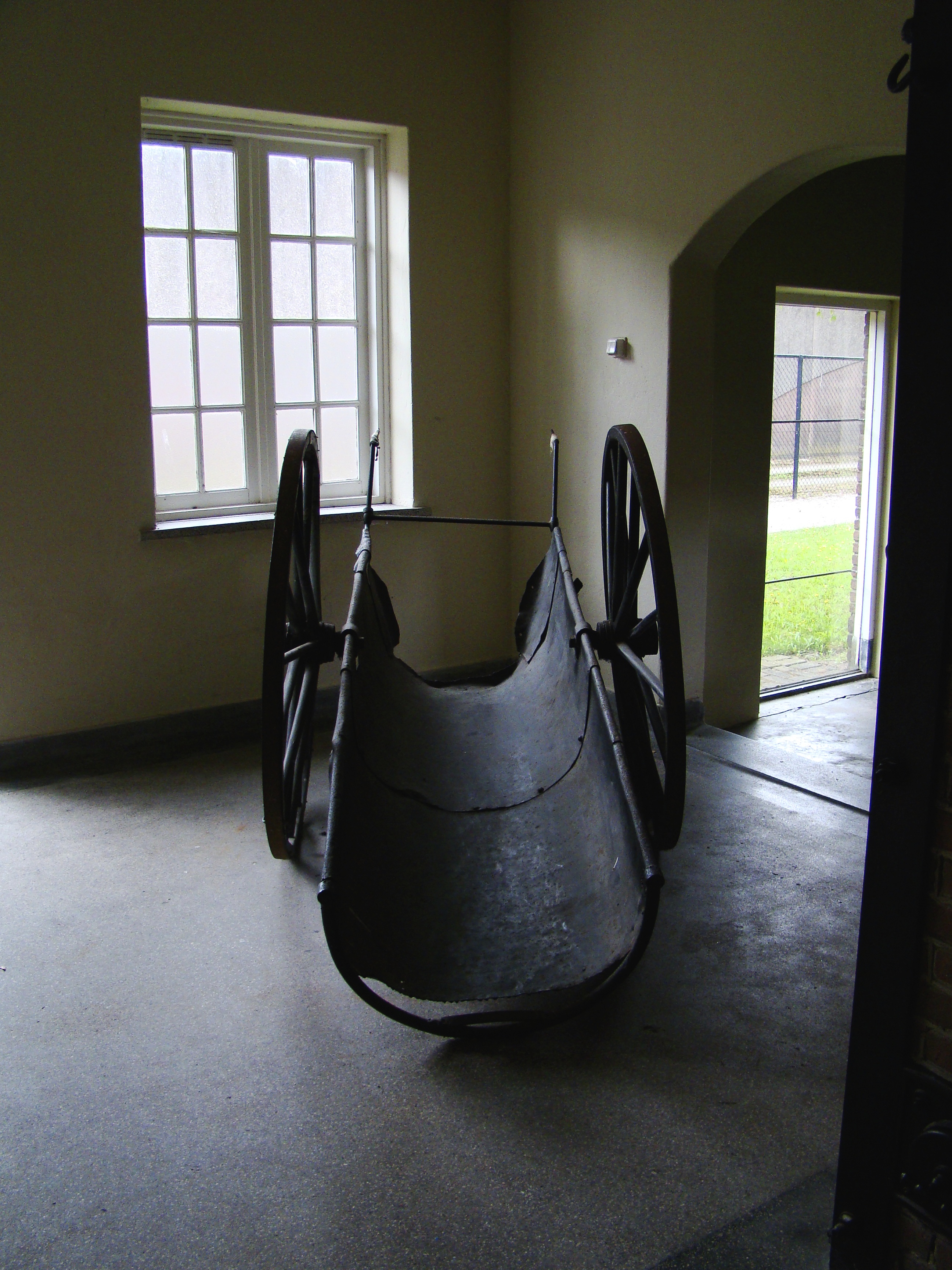
More sobering was the crematorium. The cart that brought the bodies in to be disposed of still stands here a silent testimony to the hundreds of lives lost.

DSC05179

Crematorium_kamp_vught

Guard towers 100 meters apart and barbed wire fence also surround the property giving visitors a small sense of just what these prisoners were seeing and of the future that awaited them.

Near the exit of the museum there is a wall in which guests can reflect on their experience visiting Kamp Vught. This is what my 11 year old son wrote.

DSC05191

This is a painful place to visit but a necessary one. It should serve to remind us of the horrors of war and and the cruelties that humans perpetrate against one another in the hopes that we never do so again. I would like to think that such vivid reminders of  a world gone mad will encourage the visitors of Kamp Vught to work for peace in their own backyards and keep the horrors of these times forever buried in the past never to see the light of day again. But we know that genocide and mass killings still occur all over the world today and with these events a question must be asked that cannot ever be properly answered. That question is WHY?

Kamp Vught is open 10:00-17.00, Sat, Sun 12:00-17:00.
Closed: Monday (October – March). The entrance fee is about 6 euros.


A Day Trip To The Mayan City Of Lamanai- Belize

One of my favorite day trips EVER was the time we joined a small tour headed for the ancient city of Lamanai in Belize.

The first part of the trip was by jeep which covered miles upon miles of rutted roads . This is where we really were able to see and experience life in the back country of Belize. The poverty was immense and all encompassing. Children dressed in rags ran out of their small houses to wave at the strangers passing by with smiles taking up the majority of their sweet small faces. They were delighted to have something to see and break up their day.
100_6032


imgres-4

It was also during this ride that I saw my first ever cashew tree. Colorful cashew apples dressed in yellow and red  hung from narrow branches and swayed in the breeze. A single prized cashew nut protruded from the bottom of this apple which would soon be collected and roasted. The oil from the shell is caustic and can burn the skin so handling the nut is not advised unless you know what you are doing.

100_6054

100_6081

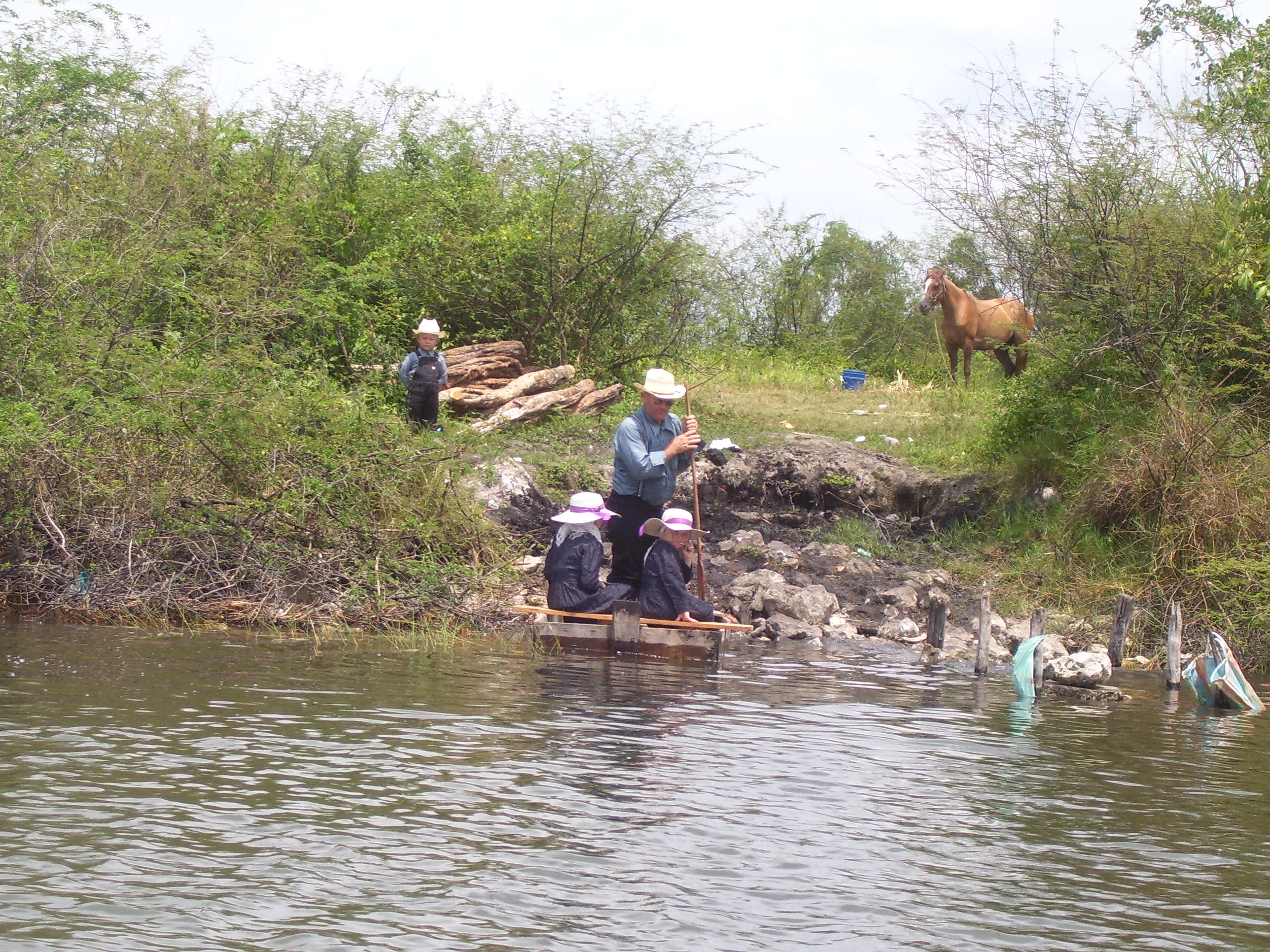
After a two hour ride we finally arrived at the New River where we took a small boat and headed for Lamanai. Along the way we saw crocodiles, jacanas, hawks and many different types of waterfowl. Little boys in dug out canoes were everywhere fishing and delighted to show off their catch from the safety of their boats. As the river meandered along we were surprised when we saw a family of Amish along the river. Seems that there is a colony of the sect living in the area. It was amazing to see people whom I had seen in Pennsylvania Dutch country all the way out in the wilds of Belize.

100_6086

imgres-3

Finally we arrived at Lamanai. Ancient Mayan temples surrounded us but it was the errie  never ceasing cries of the howler monkeys hidden in the trees that got our immediate attention. Never in my life had I heard such loud screams and haunting howls! We watched the monkeys scamper in the trees for a time before heading over to the High Temple.

The High Temple (N10-43) climbs 108 ft from the jungle floor allowing for never-ending views along the river. It was the highest building at Mesoamerica at that time it was completed. Construction began in 100BC and the temple was built over an existing neighborhood that dates back to 300 BC. But it is the opulent Central Stairway that is really the star of this show. It is a tough climb to the top when you are encased in the sticky humidity of the jungle.100_6147 2

The Jaguar Temple (N10-9) was given its name due to the two jaguar masks that lie at its base. It is one of the newer temples and was constructed during the 8th century. One interesting fact is that the niches in the jaguars eyes, ears, nose and cheeks were where the native peoples left offerings to the Jaguar God.
100_6105

In all the site contains 8 Ceremonial Plazas along with five Temples and an ancient harbor. Other original buildings include Stella-9 and The Mask Temple(9N-56). The site also offers a small museum in which pottery and other ancient artifacts from the area are displayed. Even more amazing is that only 5% of Lamanai has been excavated. Oh, the hidden treasures that are waiting to be found. Makes me want to go back to college and study archeology!

This is one trip that I will never forget. While I cannot remember the cost I can say that every penny was worth it!


A Little Bit Of Asian Culture-Corpus Christi, TX

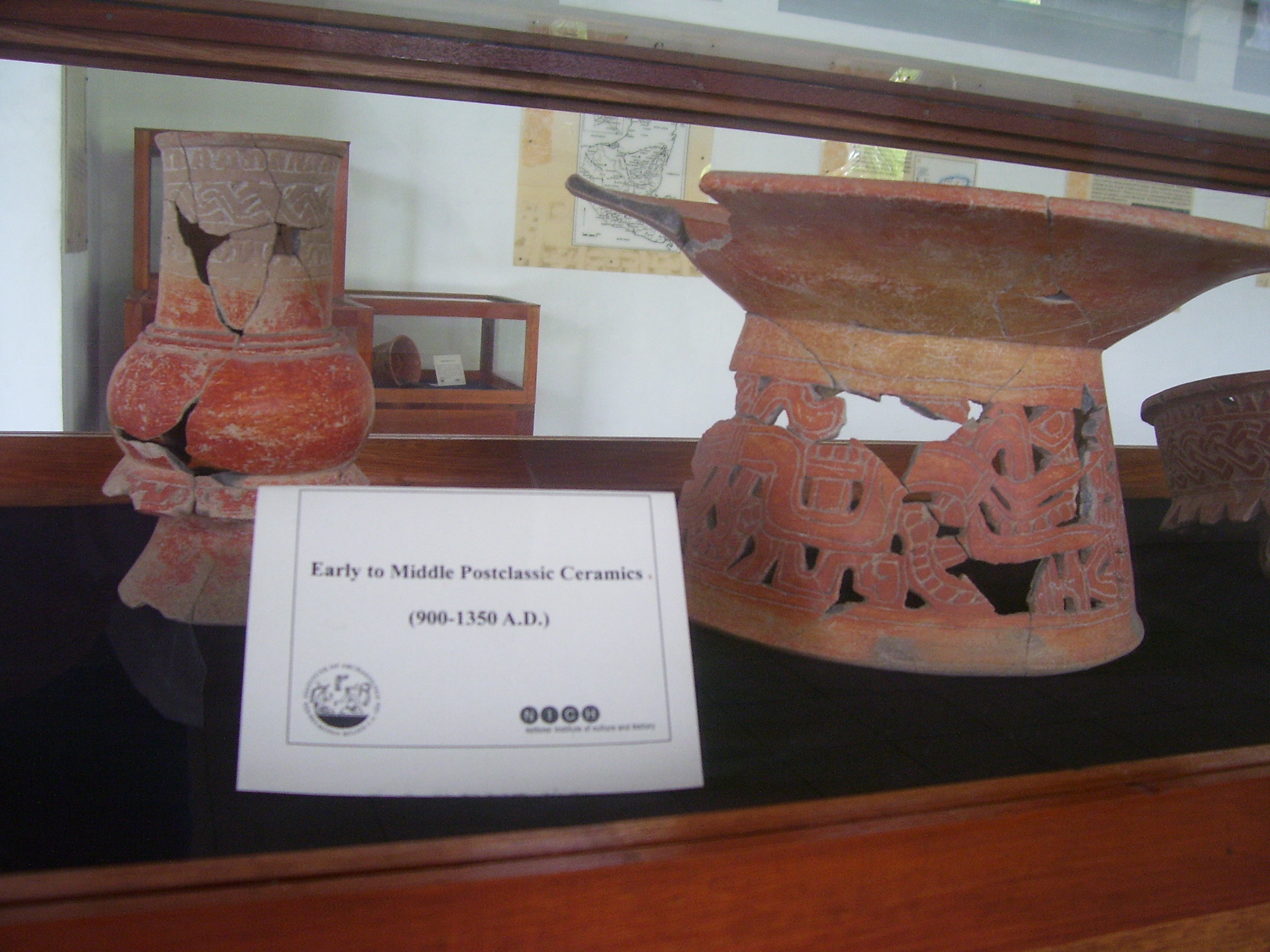
I love it when you stumble upon a place that is unexpected and it turns out to be a feast for the eyes. The Texas State Museum of Asian Cultures in Corpus Christi is just such a place. Located within walking distance of several of the city’s tourist gems, this hidden treasure celebrates the art and culture of such countries as Koran, Sri Lanka, Thailand and Laos.

DSC07875

Founded in the 1960’s by local Mrs. Billie Trimble Chandler, the museum while small, houses collections of the ordinary as well as the extraordinary. While the museum has amassed a sizable collection of paintings, pottery, textiles and more, it also welcomes traveling exhibits from a variety of Asian countries. The museum also offers educational classes for both locals and tourists alike.

DSC07884

When I was there I saw several intricately embroidered and colorful kimonos on display and the collection of jade from China was vast and diverse. Since I am a collector of Korean Celadon Pottery I appreciated the intricacies of the ones that were shown.  I was also amazed at the berth of the clay Hakata Dolls collection from Japan. How one woman could have collected all of these treasures during her 17 years spent teaching in Japan is beyond me!


One of the biggest assets this small museum has is it’s people. The staff is extremely knowledgable and will spend time pointing out particular pieces and answering any and all questions. Even the hard ones. In fact, I had a question that they staff was unable to answer but researched and emailed me the information that they discovered. Talk about service!

The Texas State Museum of Asian Cultures is located at 1809 N. Chaparral St, Corpus Christi, TX. It is open Tuesday-Saturday 11 a.m.-5 p.m. Entrance fee is $5 per adult and less for students and children. It is about a one hour stop.

Small museums like this are priceless and deserve our support. Stop by…you will be glad that you did!


Borax Visitors Center-Boron, CA

For the past 10 years driving along desolate Hwy 58 running between California and Las Vegas out in the Mojave Desert; I have seen the sign for the Boron Museum and promised myself that I would stop “next time.” Well, that “next time” always came and went waiting for the “next time” to appear. This weekend I stopped. I’m glad I did.

It’s a little creepy taking a road to “nowhere.”  While you see the Boran Operations ahead, the road to the museum goes straight past and up a high gravel road to the top where the Borax Visitor Center sits. It’s a strange and lonely drive.

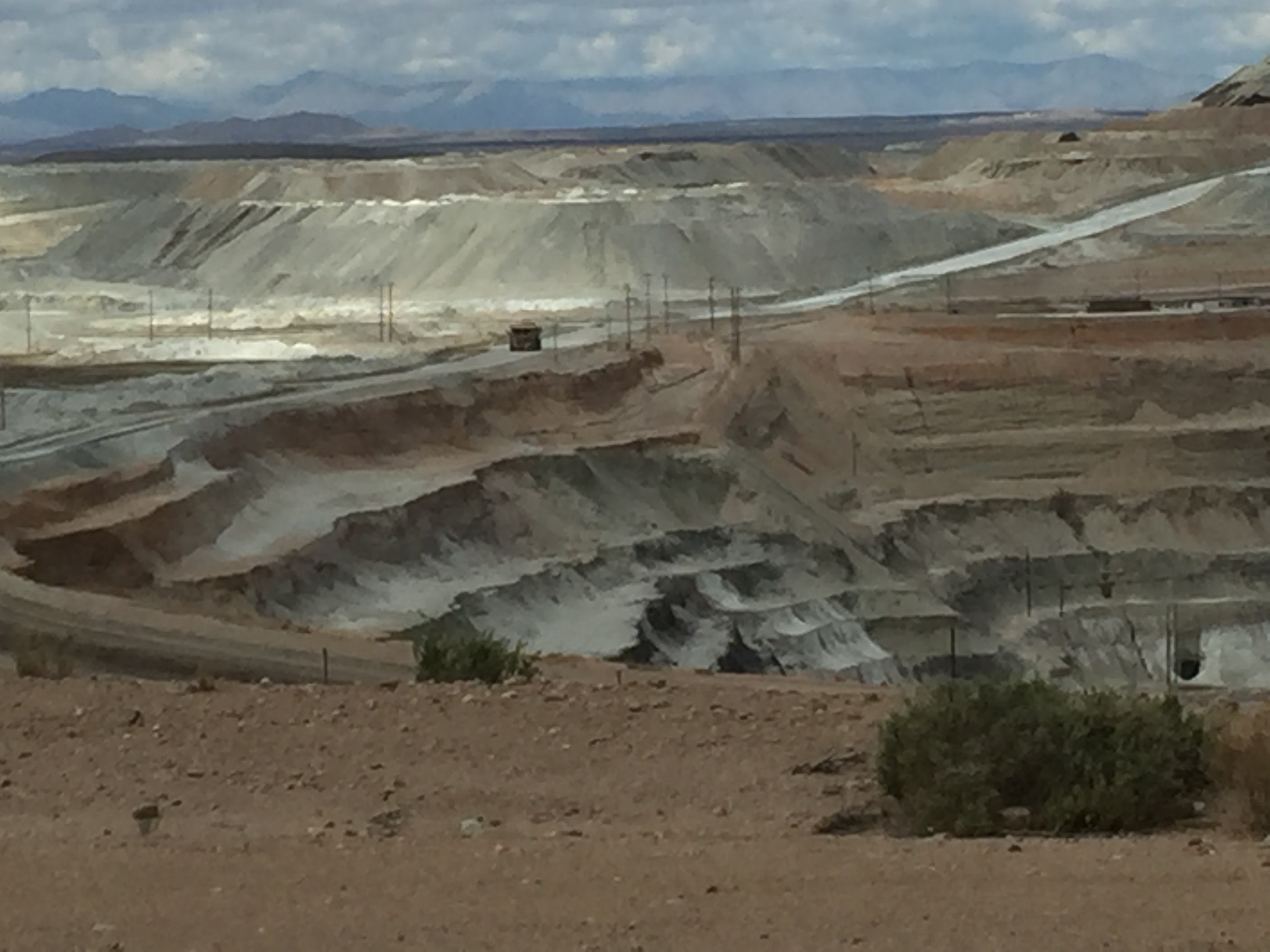
Once there we explored the outside first where a life sized replica of a Twenty Mule Team is hitched up to carts of Borax ready to make the dangerous ride down the mountain and through the high desert. You will also find a 100 ton truck tire, picnic shelter, and the headframe from the original underground mine. Climb the small hill at the back of the center for stunning view of the open pit mine which descends an amazing 850 ft down. Hard to believe this was an underground mine until the 1950’s!

The Borax Visitor’s Center is small but educational. Retired miners act as guides through the mining process and do they ever know their stuff. Ask them any question and they have the answer. From huge rocks of Borate, to displays of all the products that contain borate, and models of the different parts of the plant below; this is the place you want to go to learn all about borate mining.

The only thing I didn’t care for was the short film that was shown in the theatre. While very educational it felt more like a company promotional piece than a sincere desire to teach visitors more about the mining process. But the highlight of it all was the opening of the back curtain to see the vast 2 mile long mine which mines over three million tons of ore every year. It truly is an amazing site.

IMG_6297

IMG_6293

This is one of those short off-road breaks. Give yourself about an hours time to look around, visit the gift shop, view the films and the displays.

Just a few of the products that use borates:

Space Shuttle tiles

Cleaners

Cosmetics

Teflon Cooking Utensils

Sparklers

Fertilizers

Cosmetics

Shower Curtains

Fiberglass

Motor Oils


The Visitors Center is located in Boron, CA and is open seven days a week from 9 a.m.- 4:45 p.m. excluding major holidays. This is a FREE museum and they even give you your own sample of Borax to take home with you!

IMG_6284