
The morning started with a massive headache. But what do you expect when you are at 11,100 feet above sea level and altitude sickness is knocking on your door? A few Tylenol later and Michael and I were heading through an ancient wooden door and stepping out into the unknown.
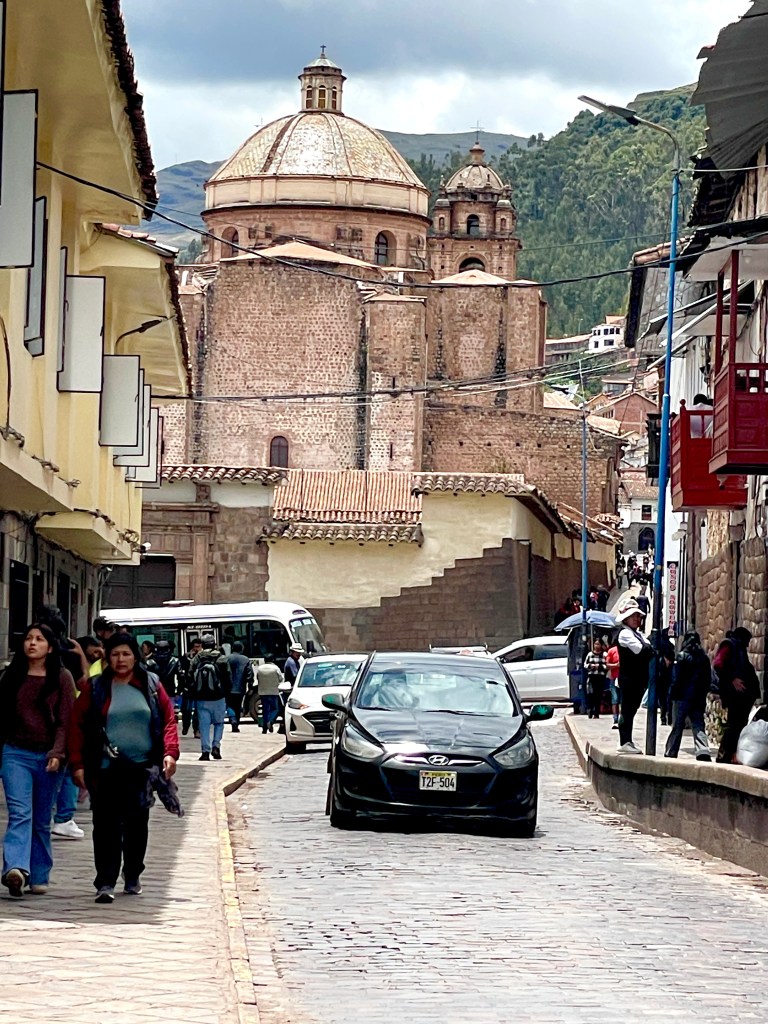
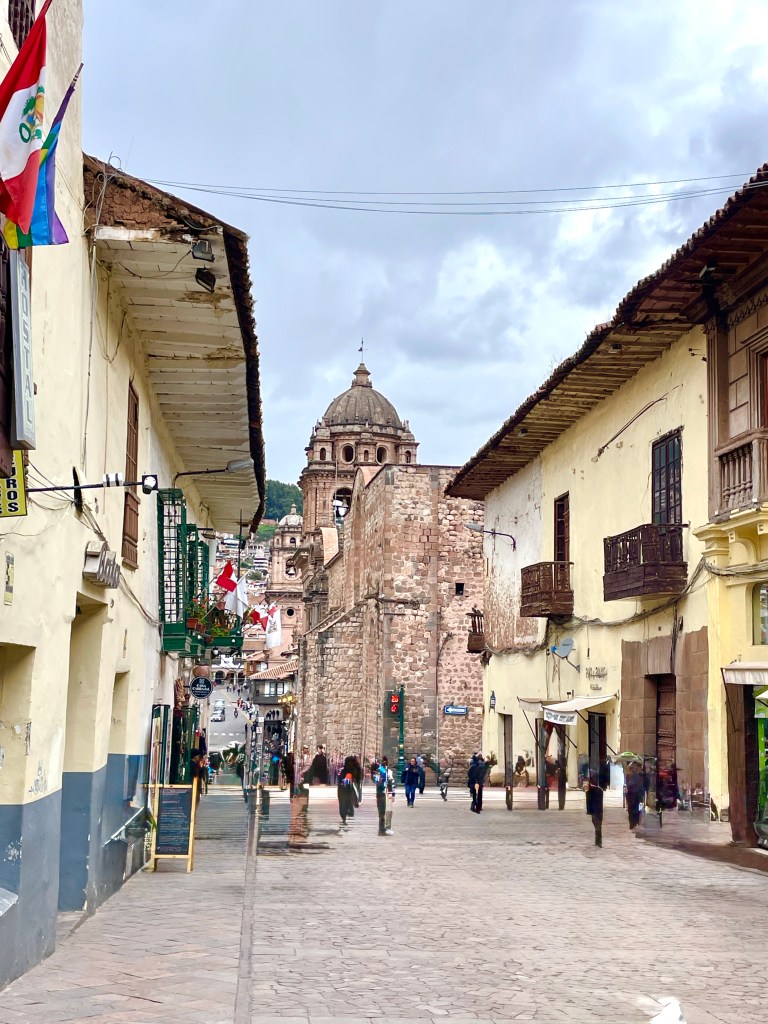
Cusco, Peru is one of the most scenic and authentic towns I have been to in South America. In only five minutes time while walking through the squares it was easy to determine that I absolutely love it here! History seeps from its pores and every corner turned is a new adventure. Yes, it is true that Cusco is a tourist town where all the foreigners hang out before heading to Machu Picchu but despite it all it’s historic center is amazing with small cafes, ancient churches, and coffee houses dotting the area. I only wished I had been around to see its untouched and unspoiled beauty fifty years ago.
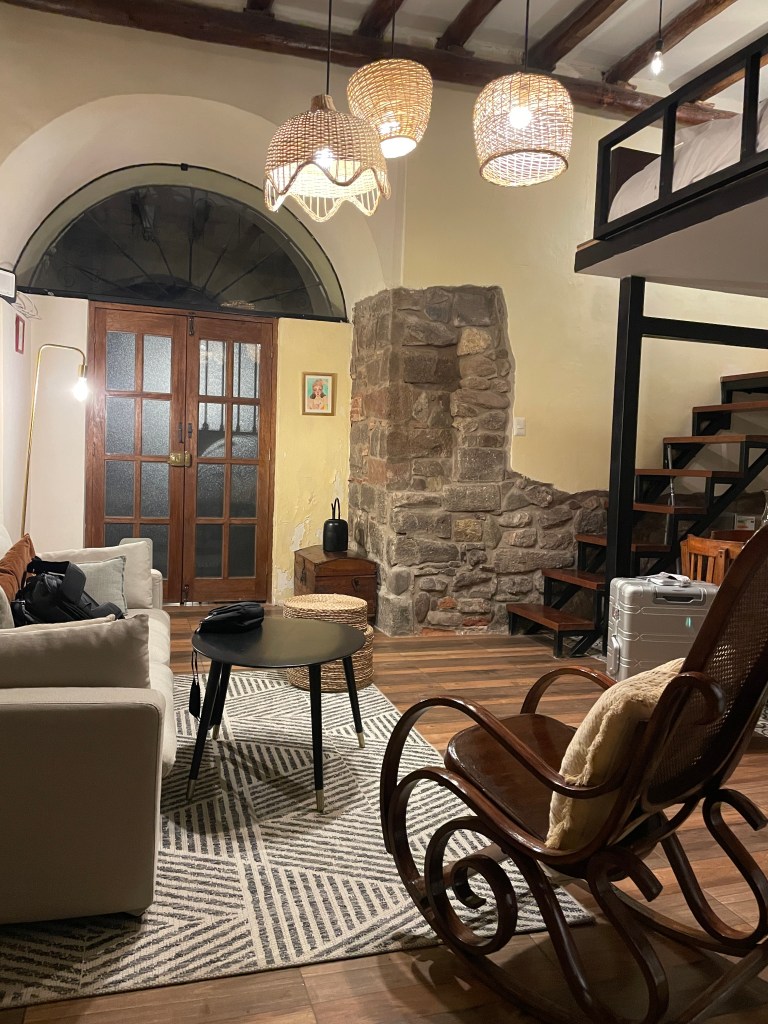
We are staying at an Air b&b called Secret Garden and except for being a bit chilly at night it is everything you could ask for. Set in an historic building it looks like a “typical” hacienda found in Mexico. We were told that for altitude sickness we should drink some coca leave tea which we conveniently located in a kitchen canister. The tea is slightly bitter and I cannot tell you if it helps or not but hey….sometimes you just have to follow the traditions of the area.
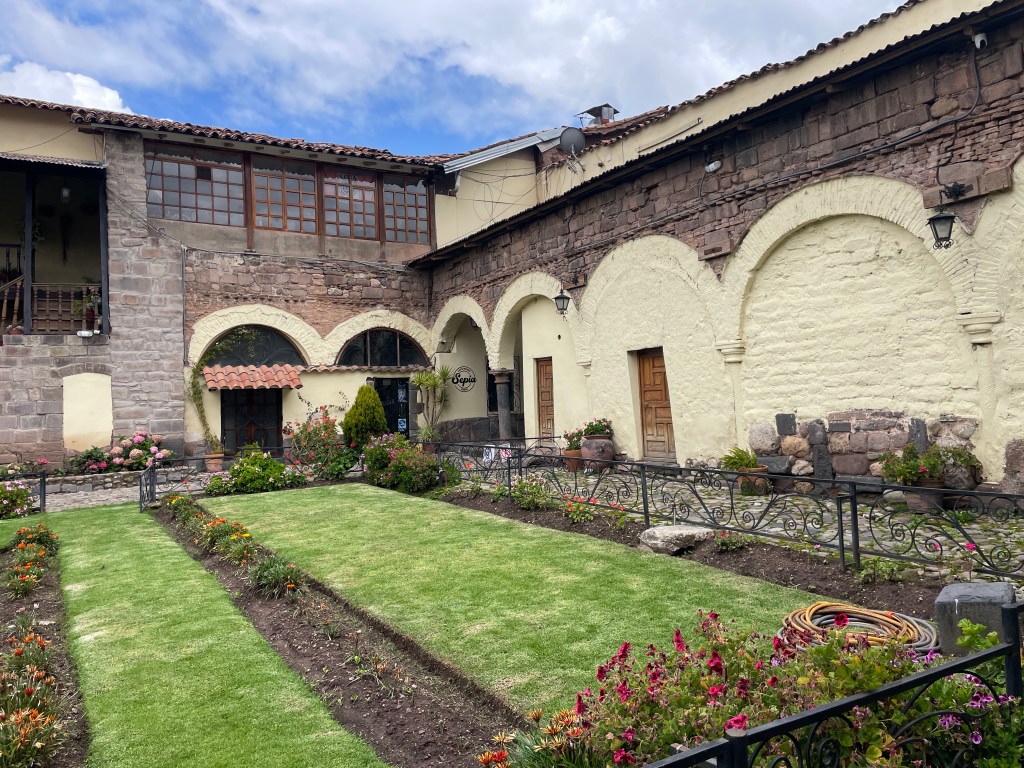
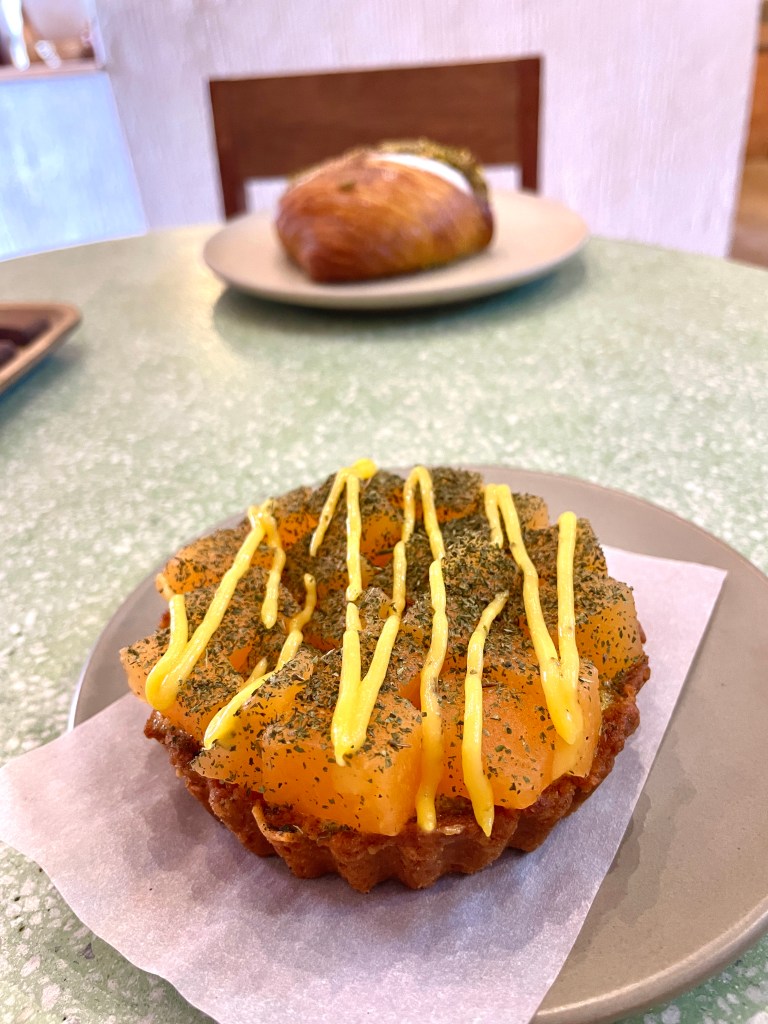
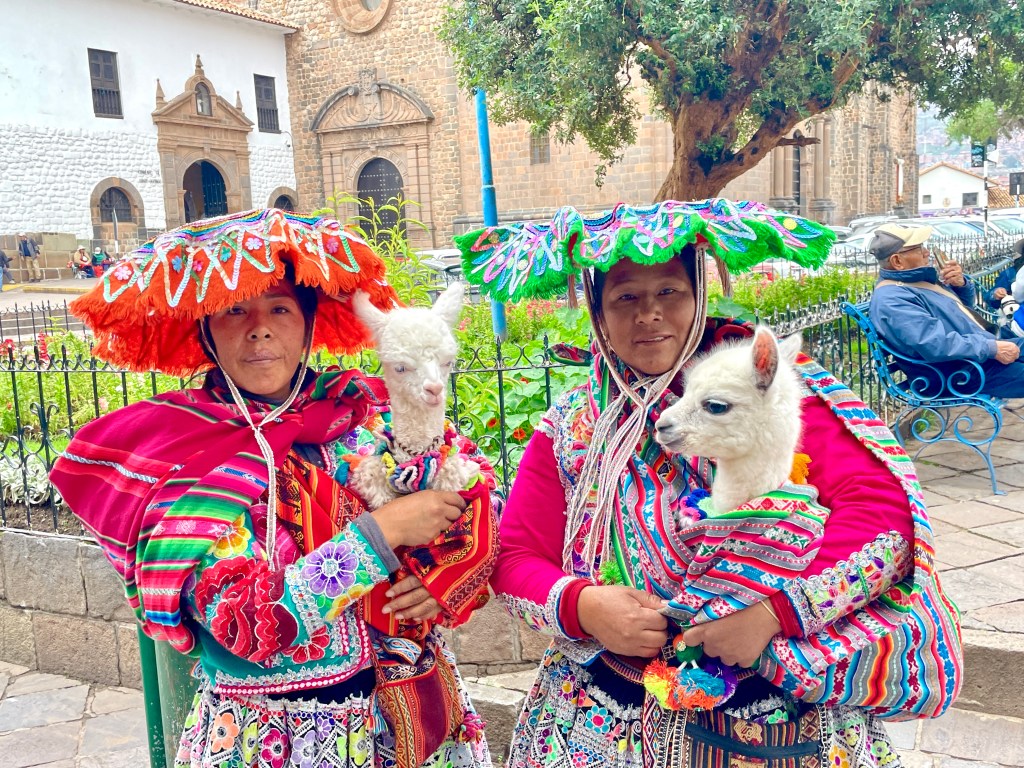
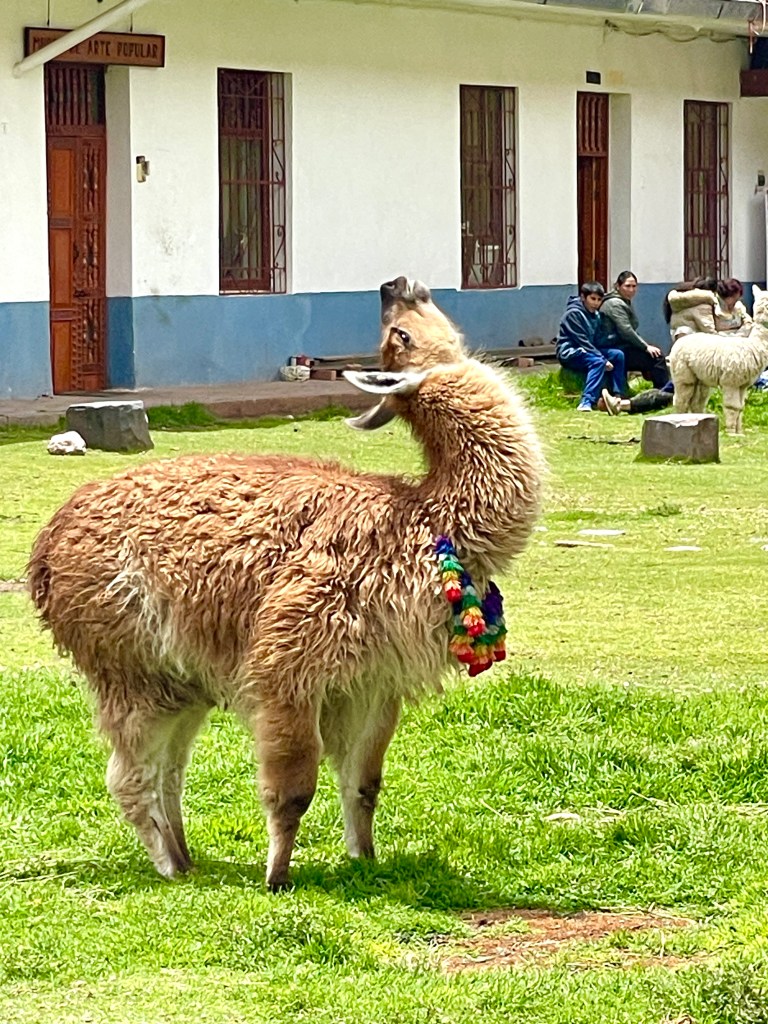
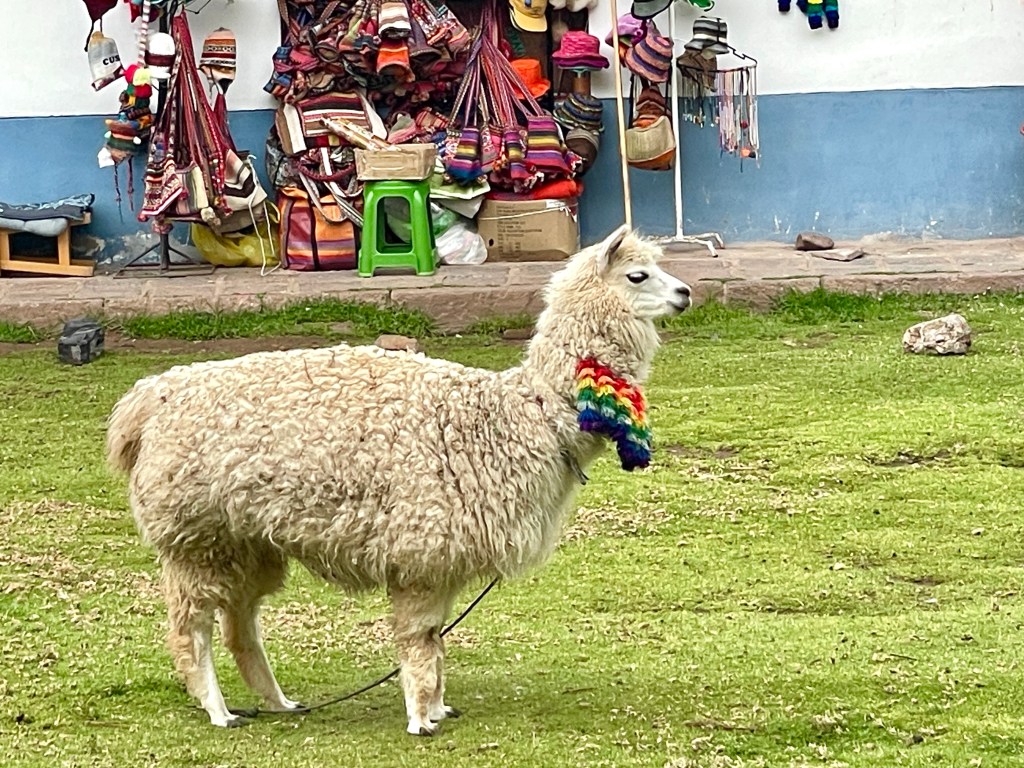
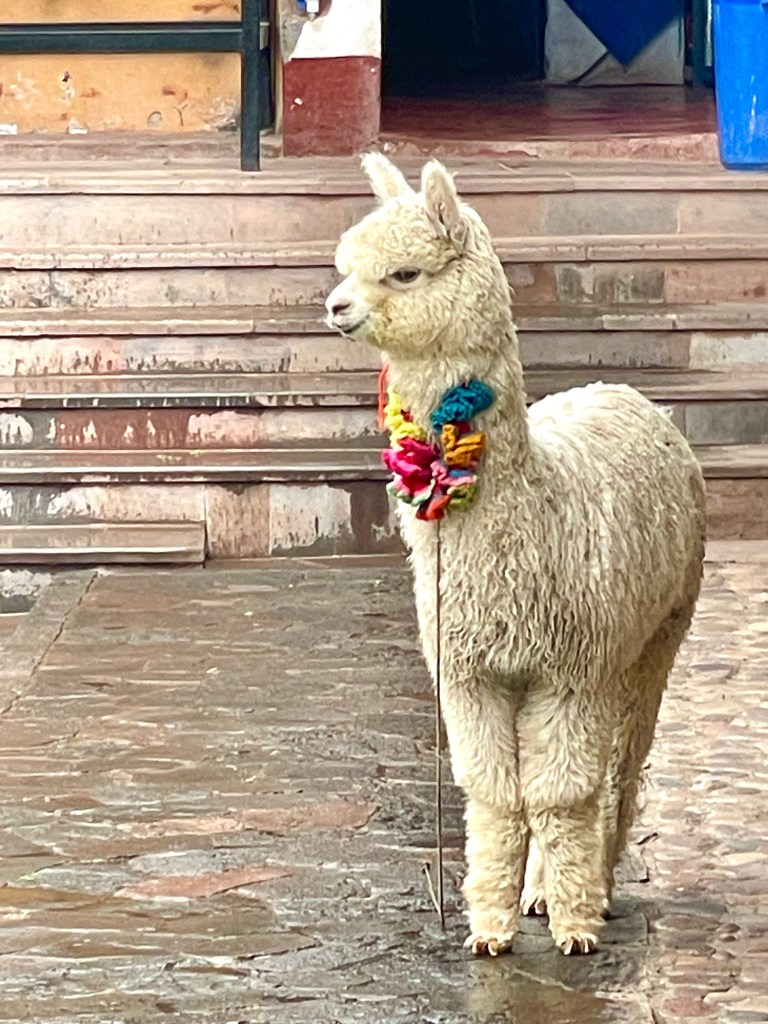
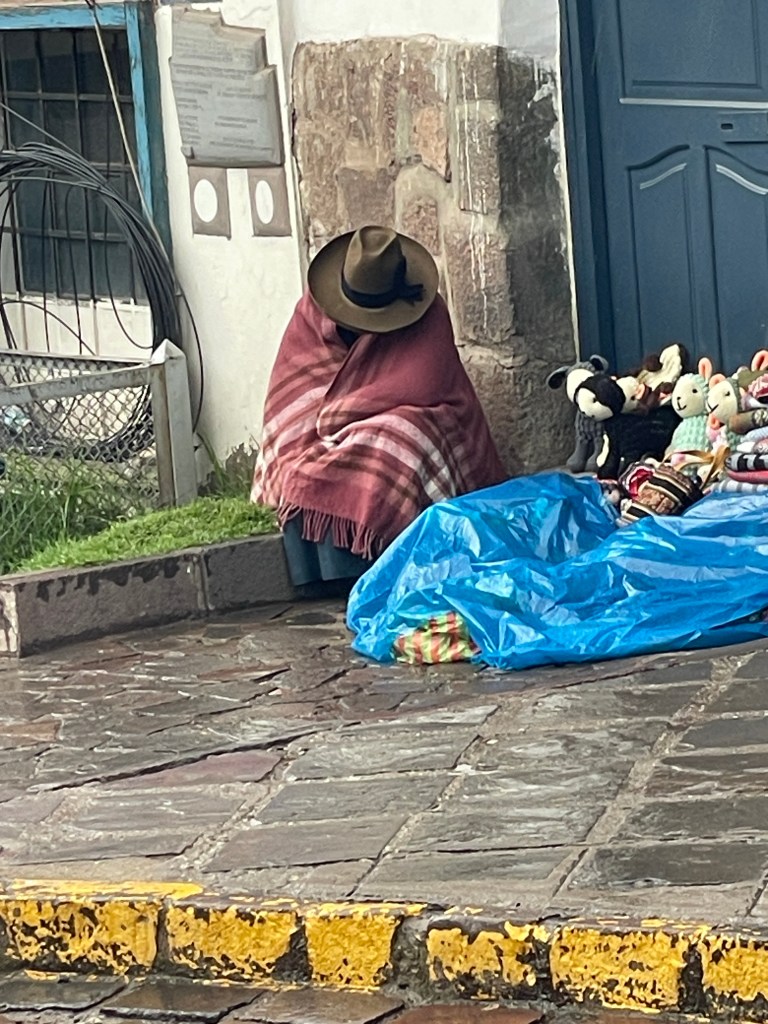
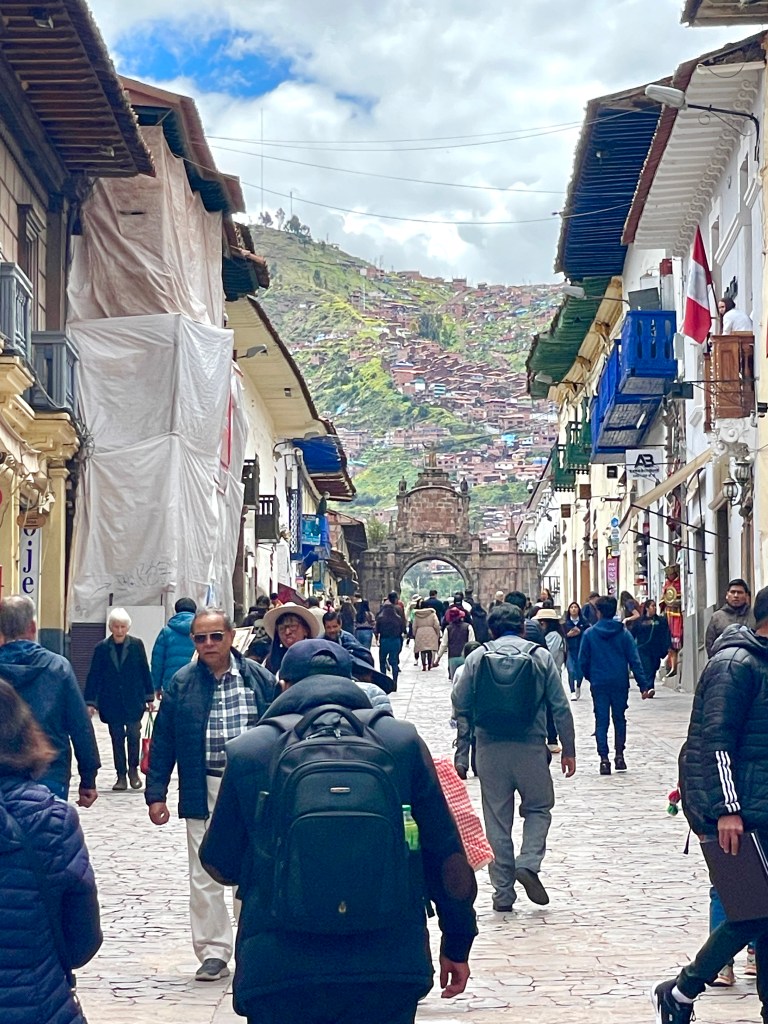
Upon exiting a hoary wooden door we were immediately thrust into the one of the city squares. People, busses and cars hugged the narrow streets as we walked to a small coffee house. I had an amazing gluten free tart made of tumbo fruit which is native to the area. Right outside of the door we saw these ladies and their baby alpacas.
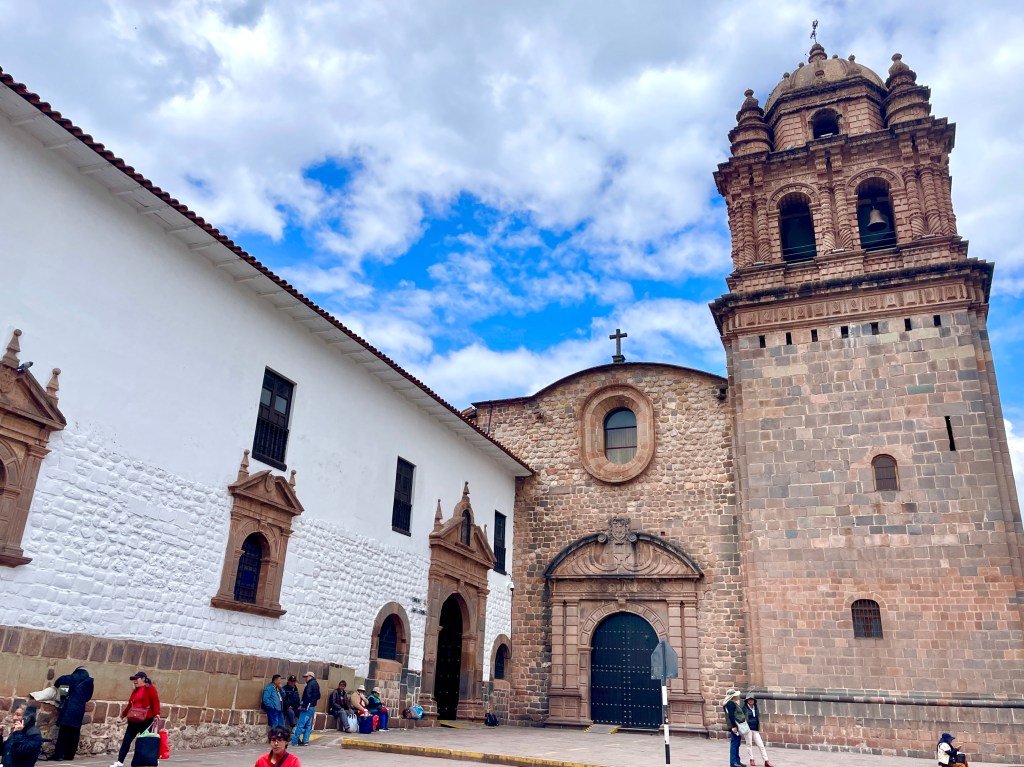
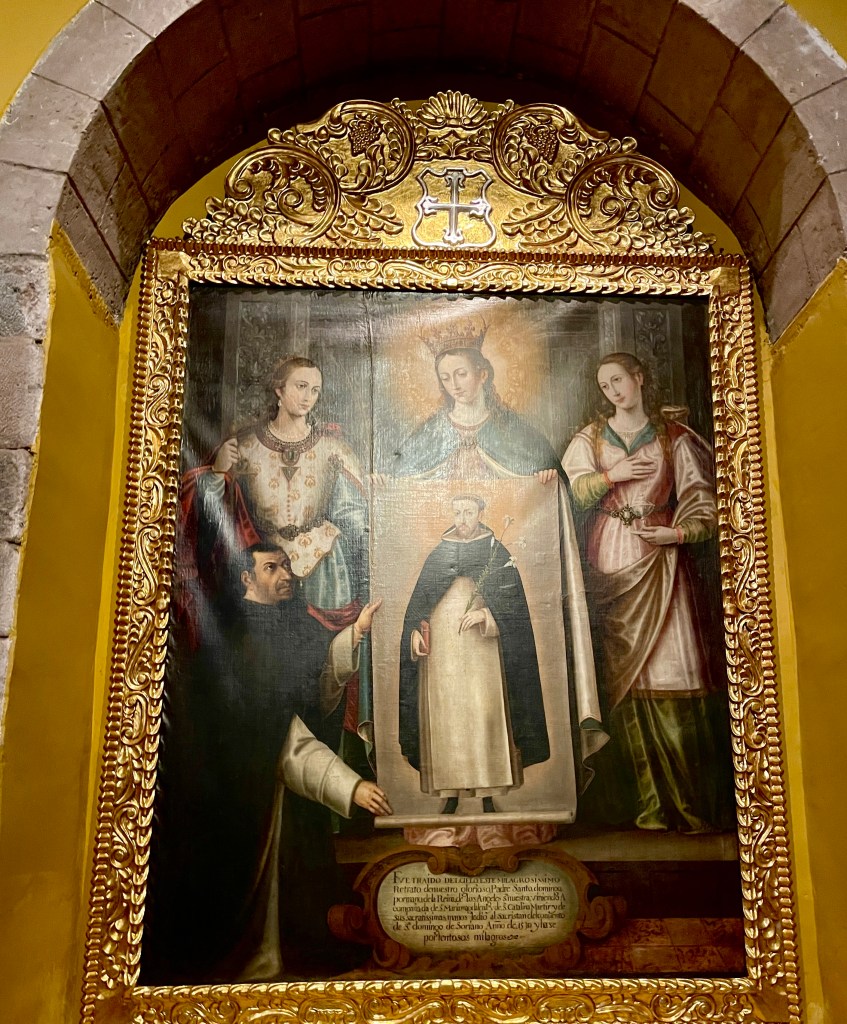
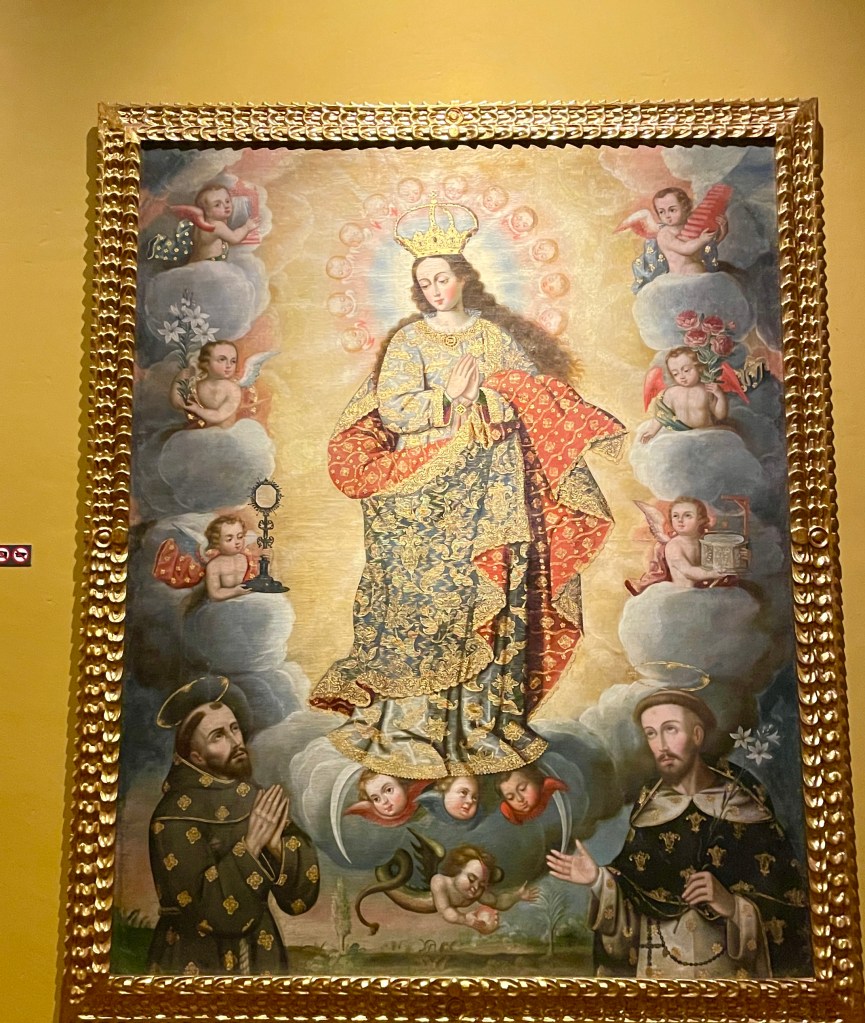
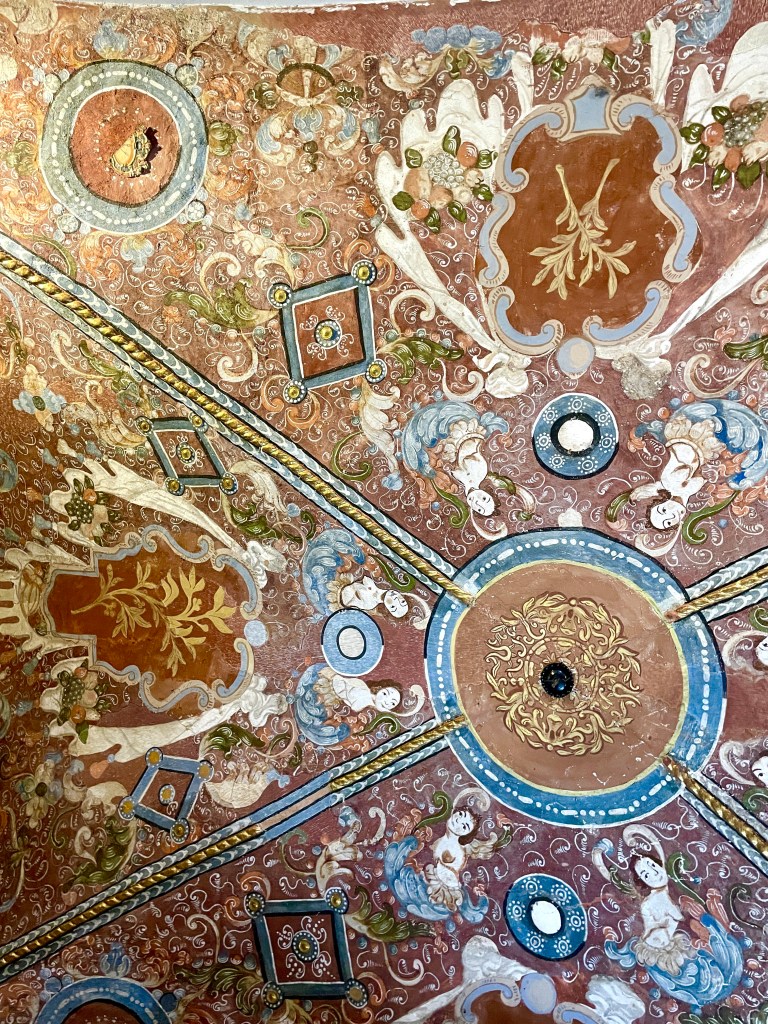
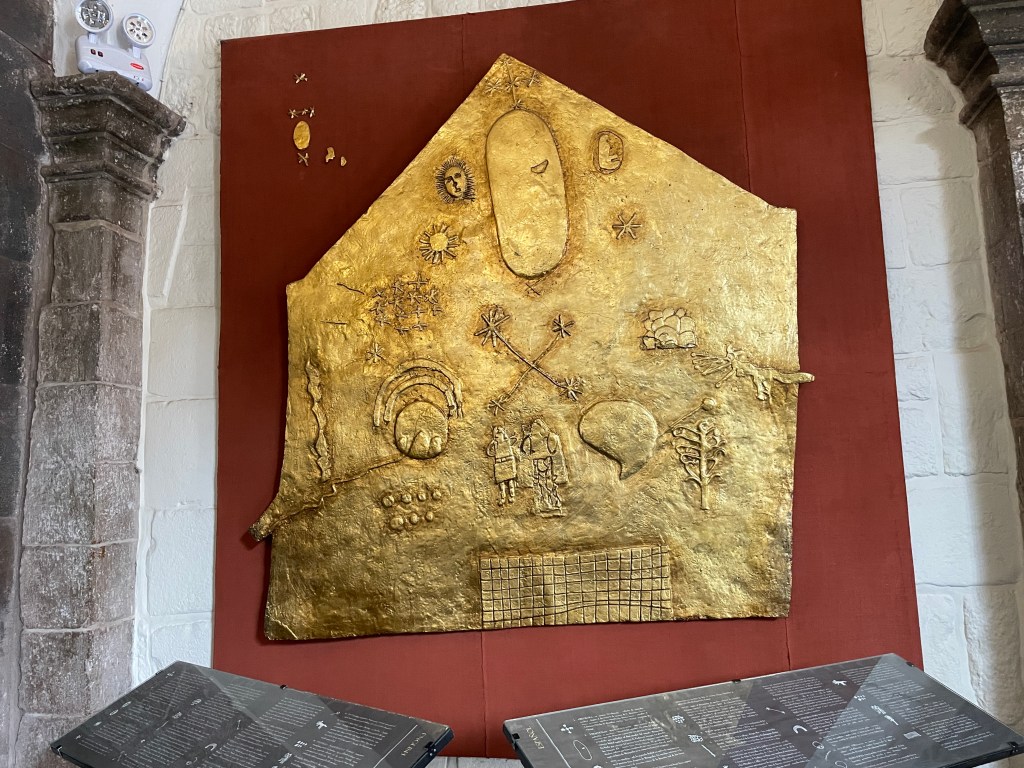
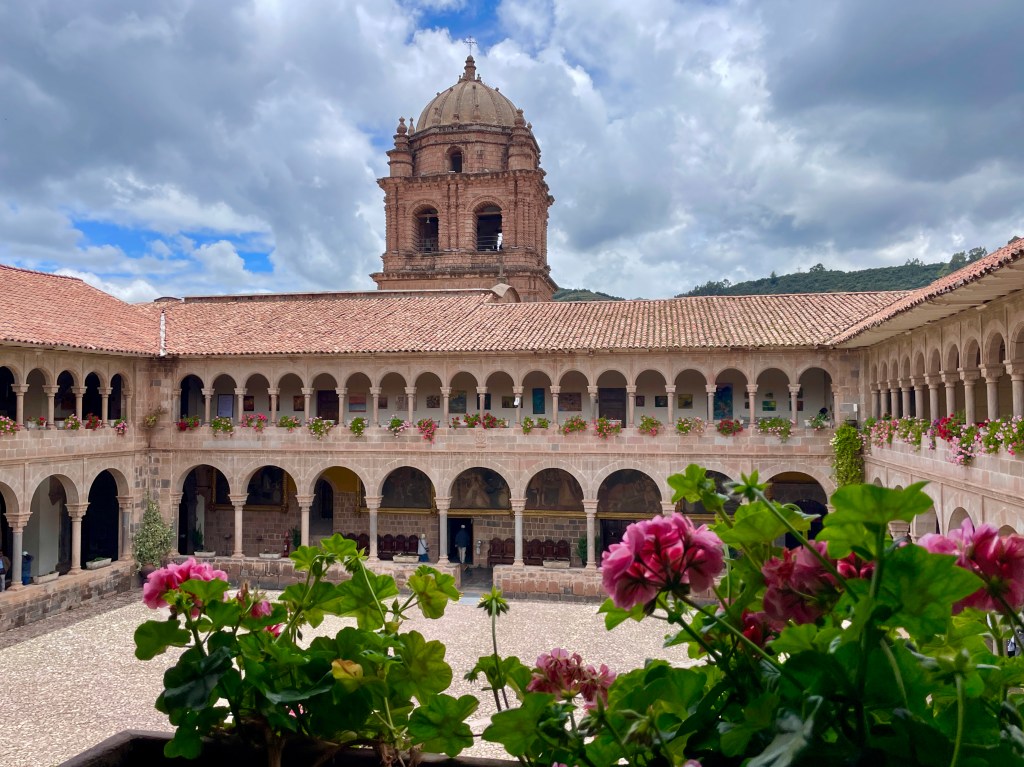
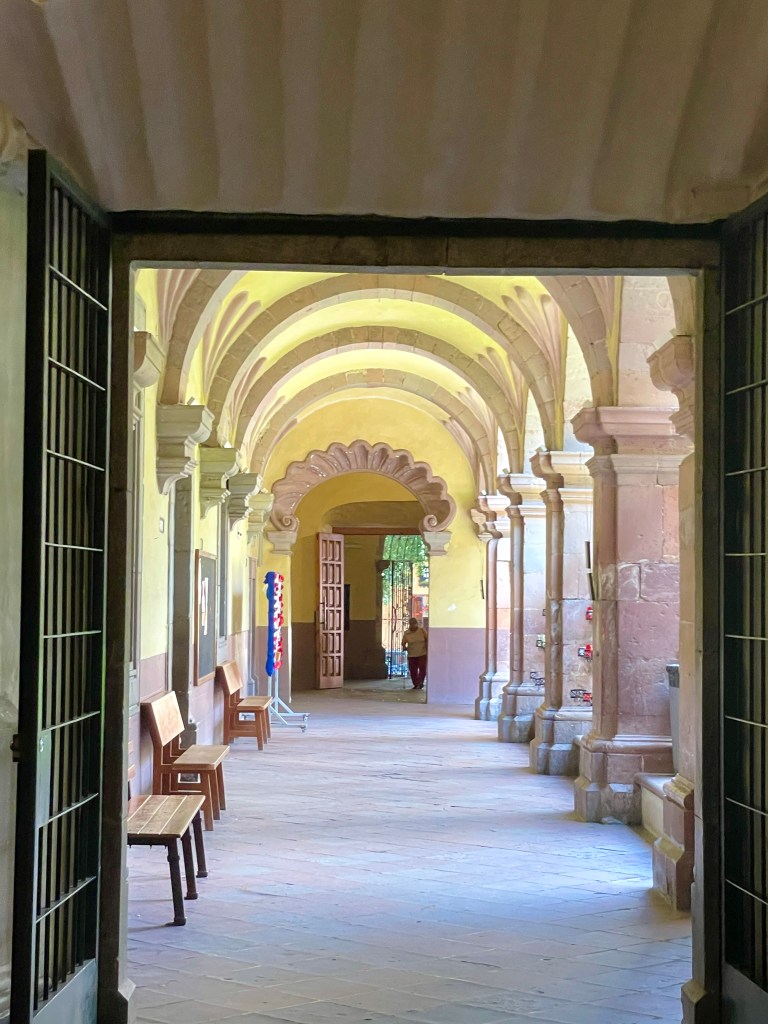
Across the street we paid $20 Sol to enter a museum known as the Qorikancha Archeological Site and Museum; which was once the main temple of the vast Inca Empire built around 1200 AD. The Inca Empire was largest territory in the New World before European conquests began. Qorikancha or the House of the Sun was constructed and according to the Spanish was filled with golden treasures. Eventually, Colonial buildings were added to the Inca land while most of the original buildings were destroyed. The land was given to the Dominican order and the Church and Covent of Santo Domingo. The property has undergone many transformations due to many large earthquakes that have occurred over the past four-hundred years.
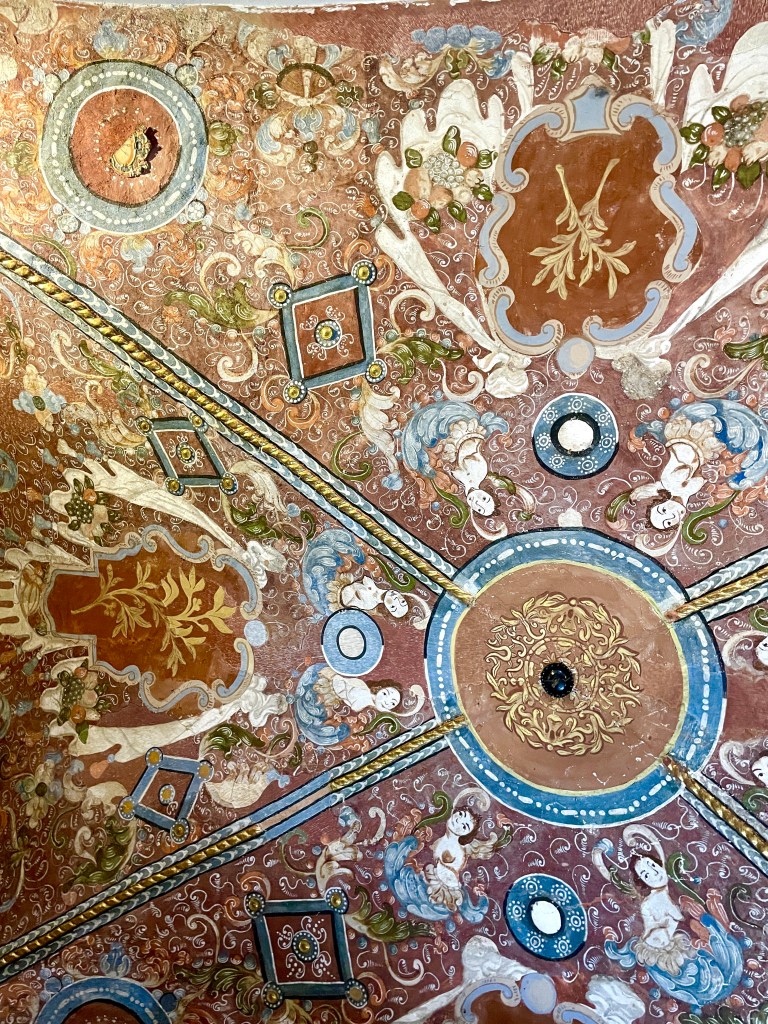
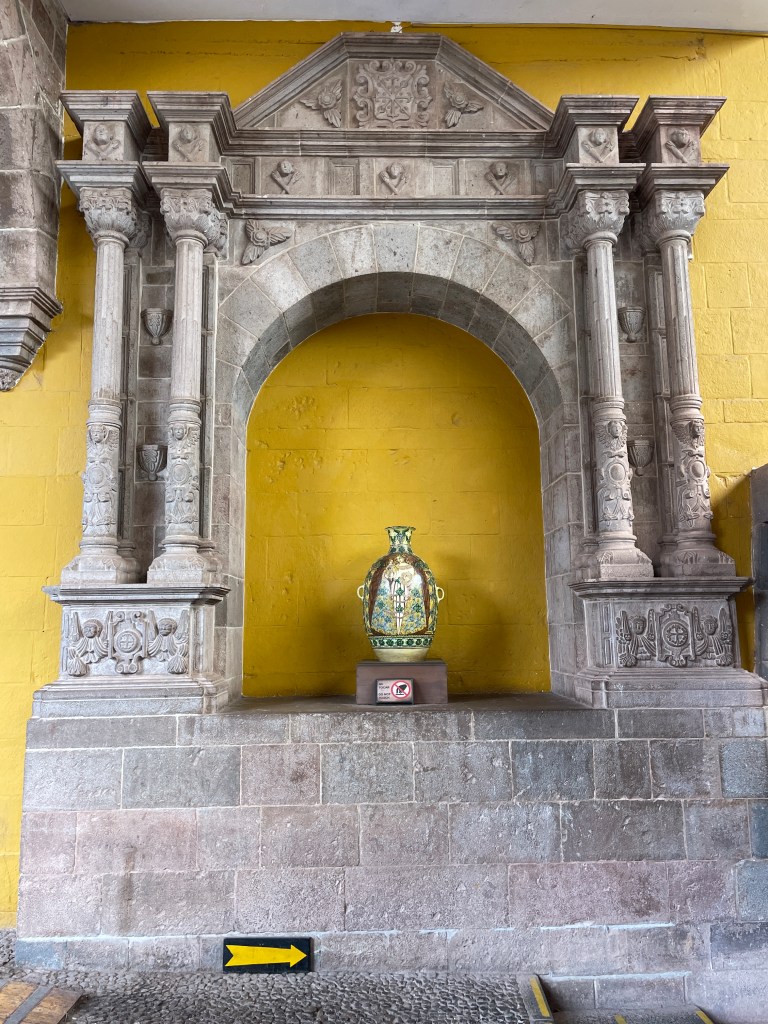
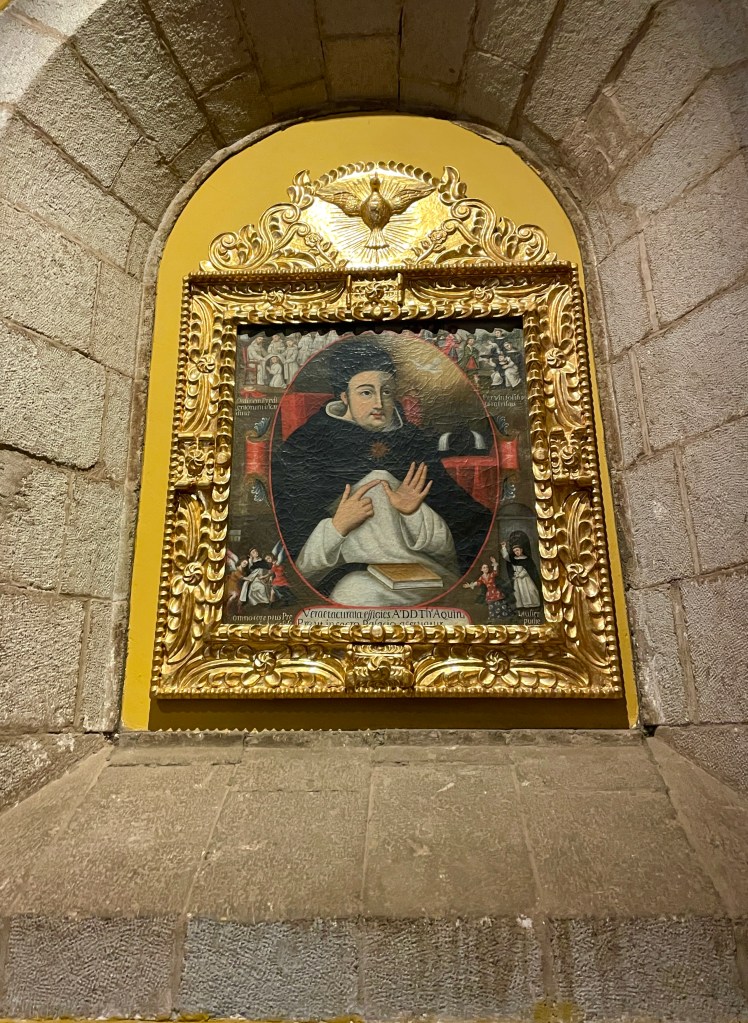
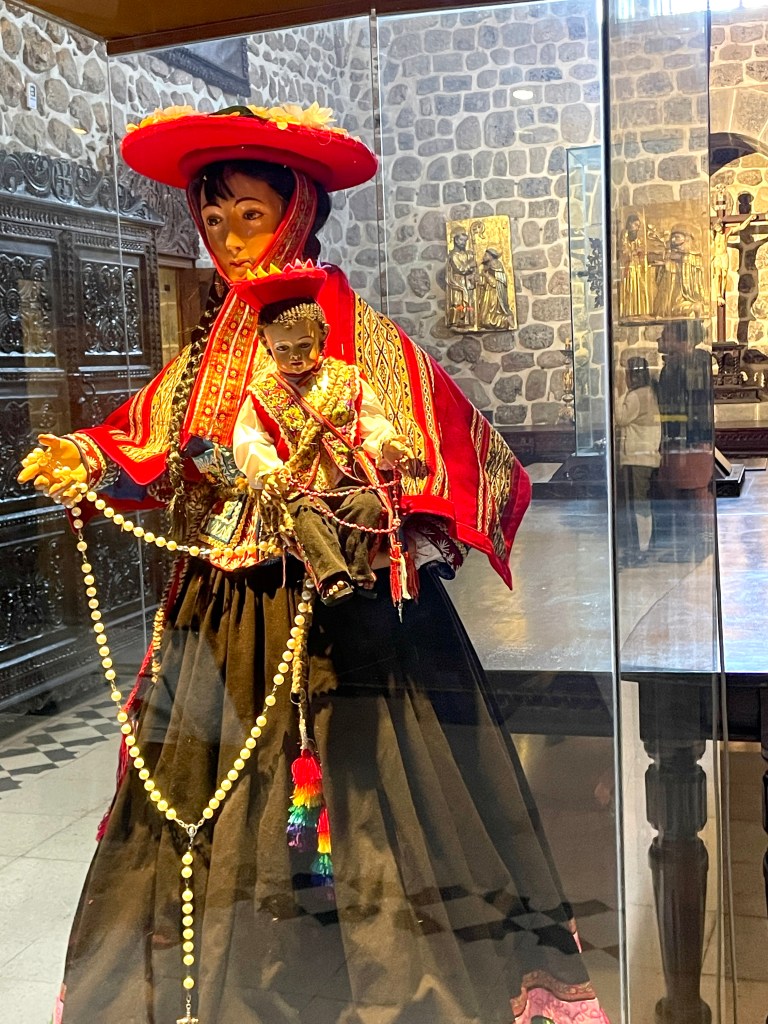
Paintings line the walls of the museum many of which were created by the Cusco School of Colonial Art which employed native traditions of art developed by mostly Indian or mixed race artisans.
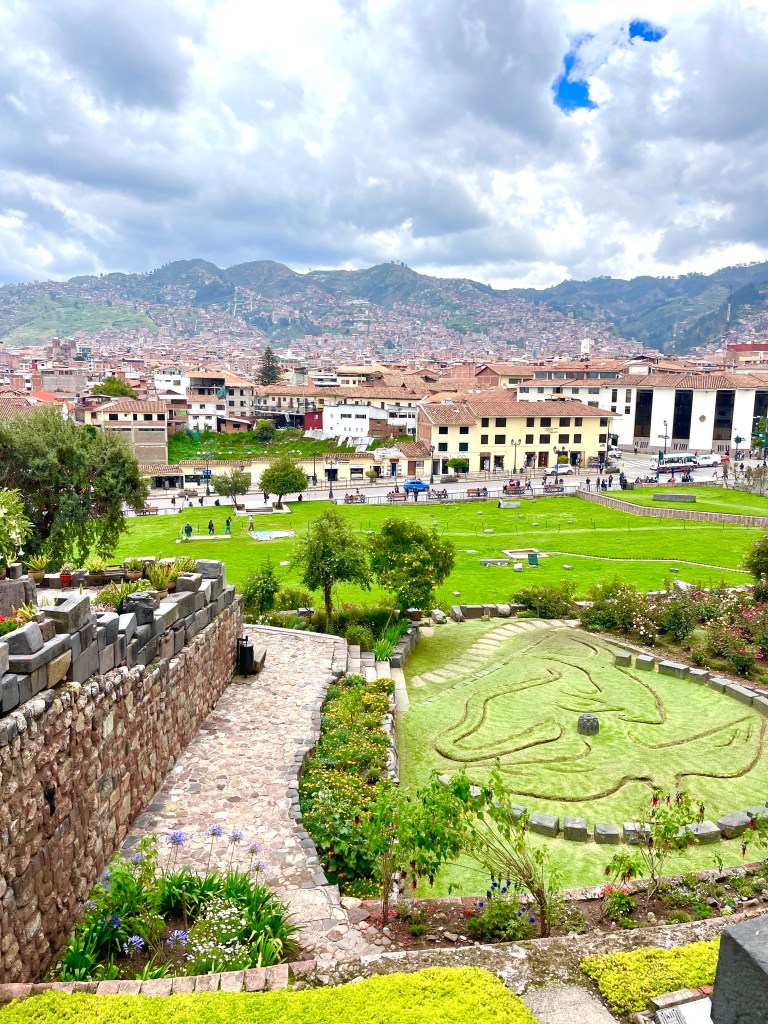
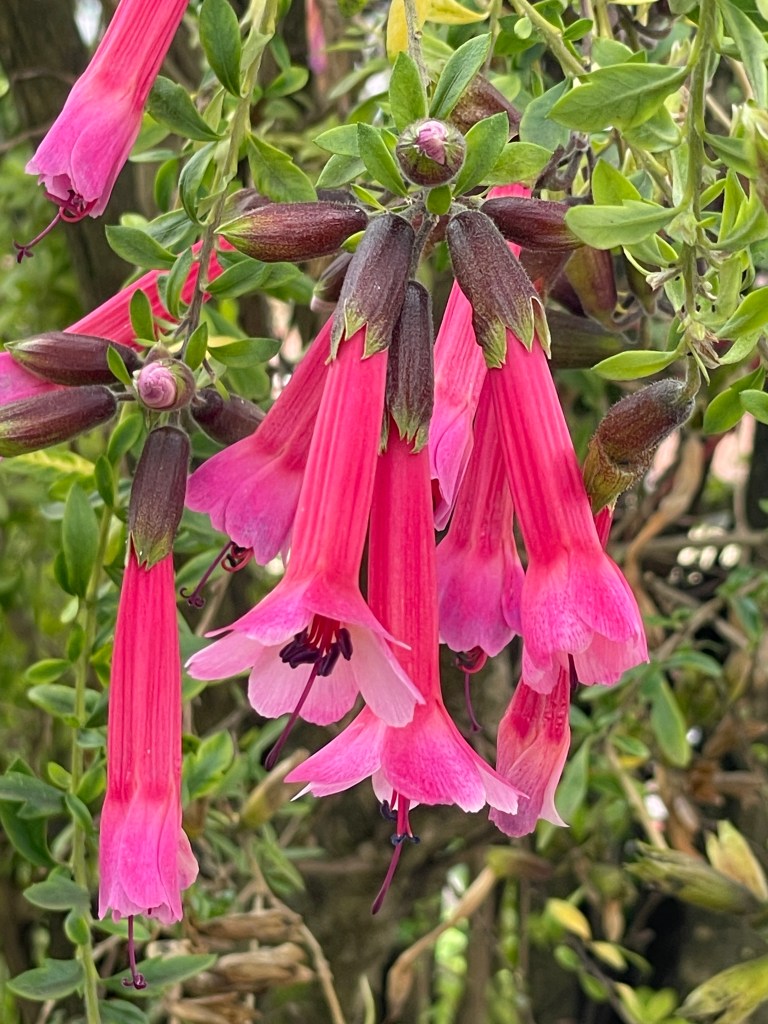
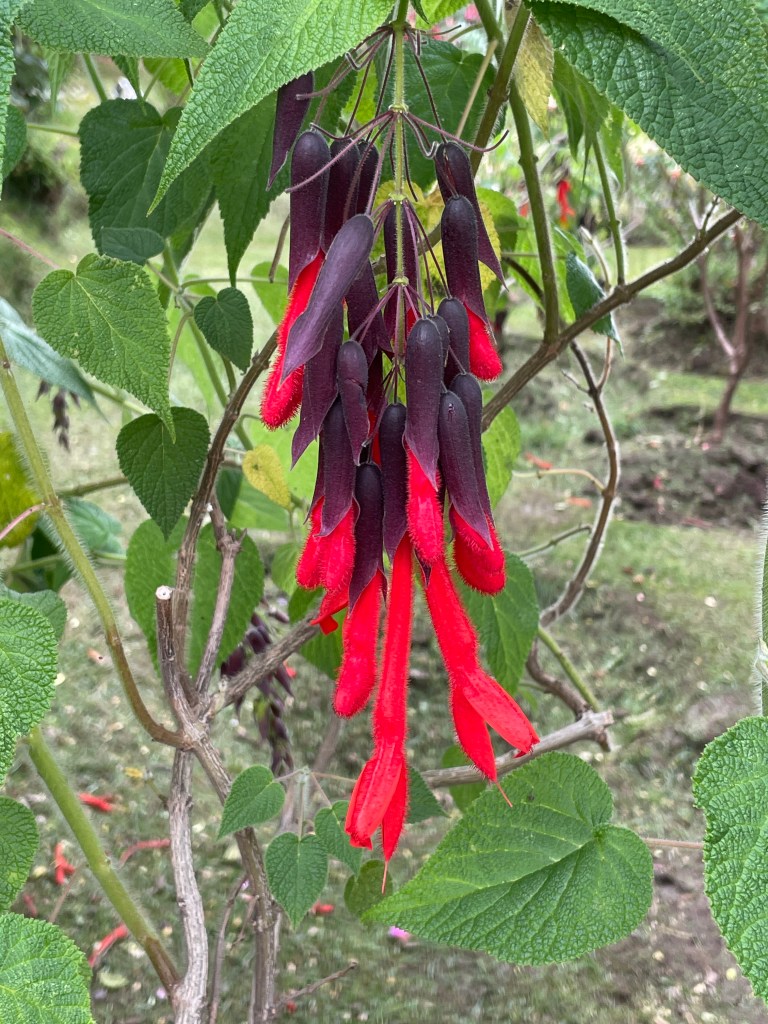
The gardens are spectacular featuring many types of fuschia, trumpet trees, and various native flowers.
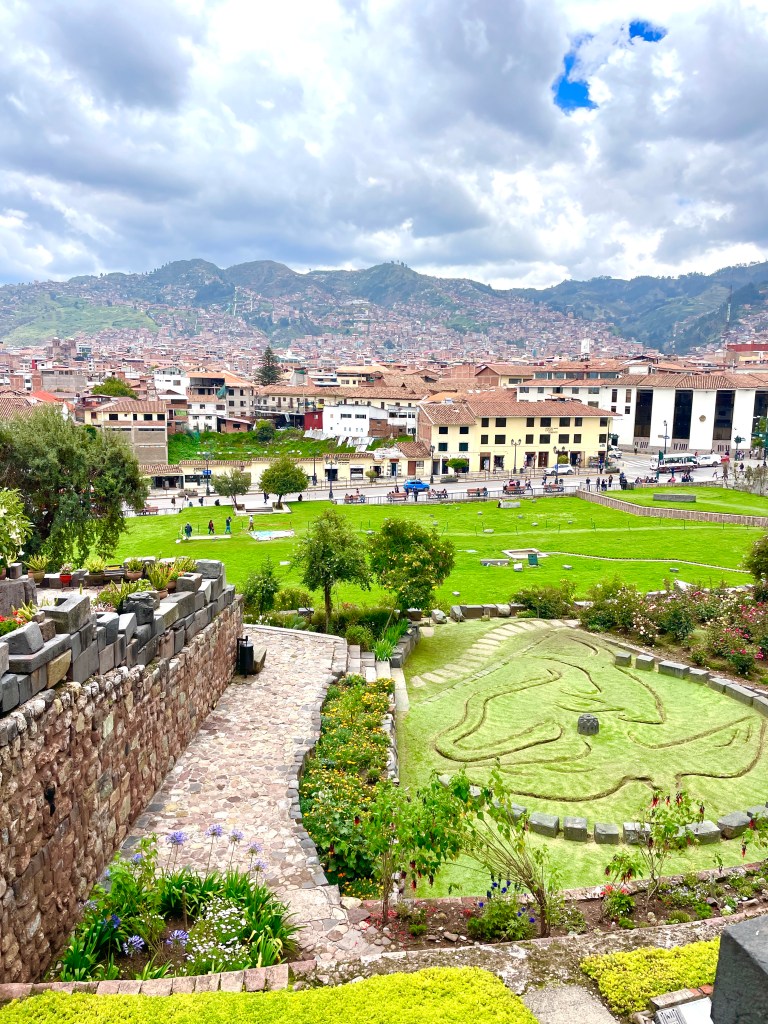
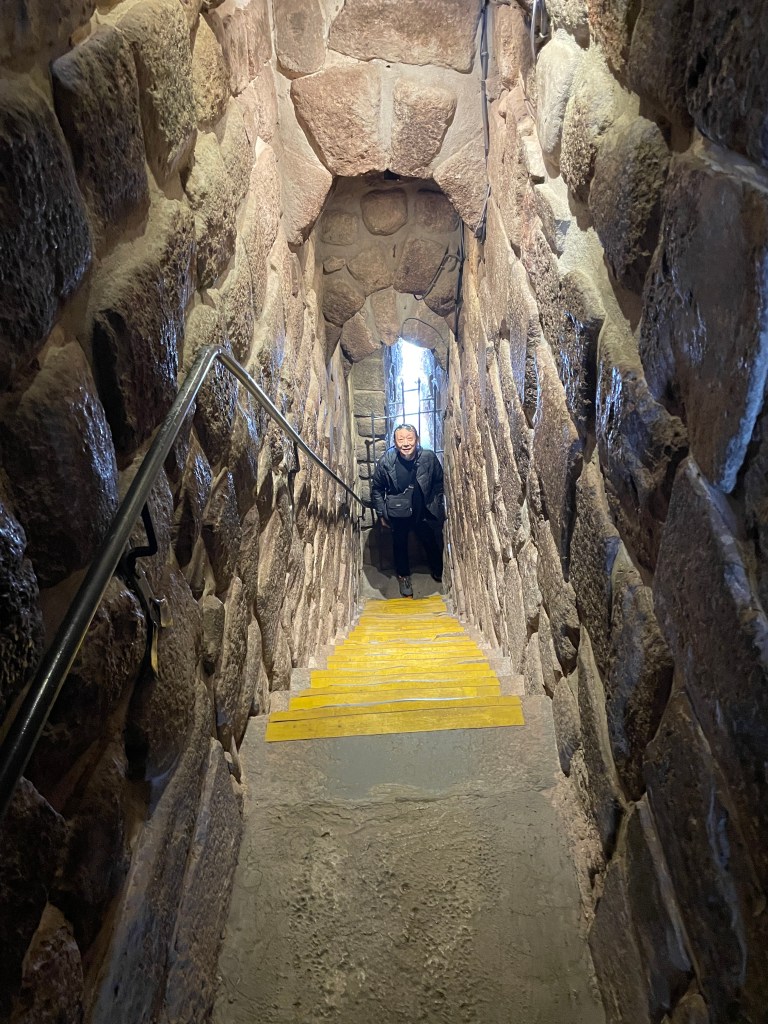
It will cost another $5 Sol (about $1.65 USD) to climb the bell tower but it is something you must do. The passageways are reminiscent of European castles with arrowslits. But the biggest reward is the view that encompasses the entire valley with its many churches and a magnificent convent sitting hillside.
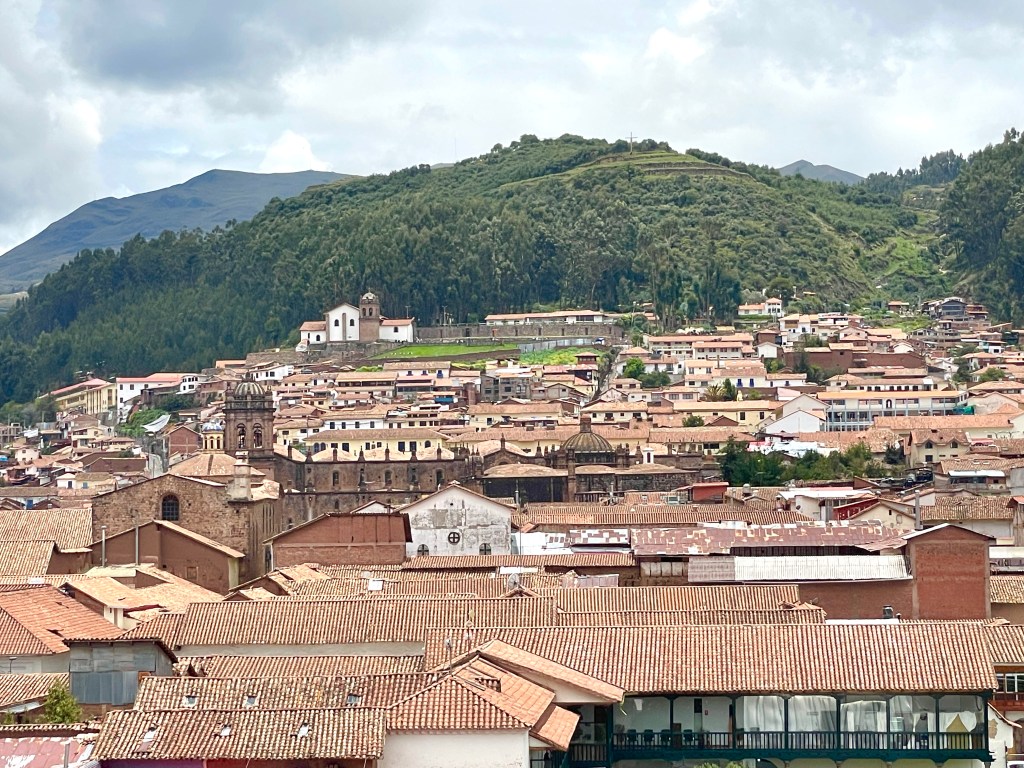
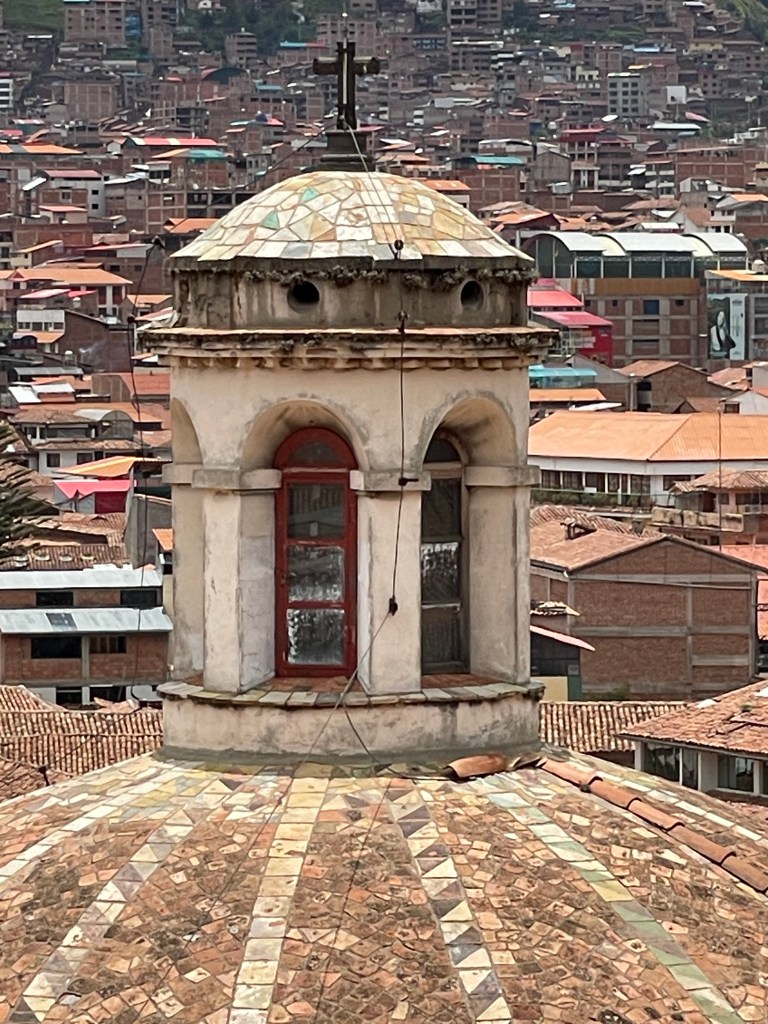
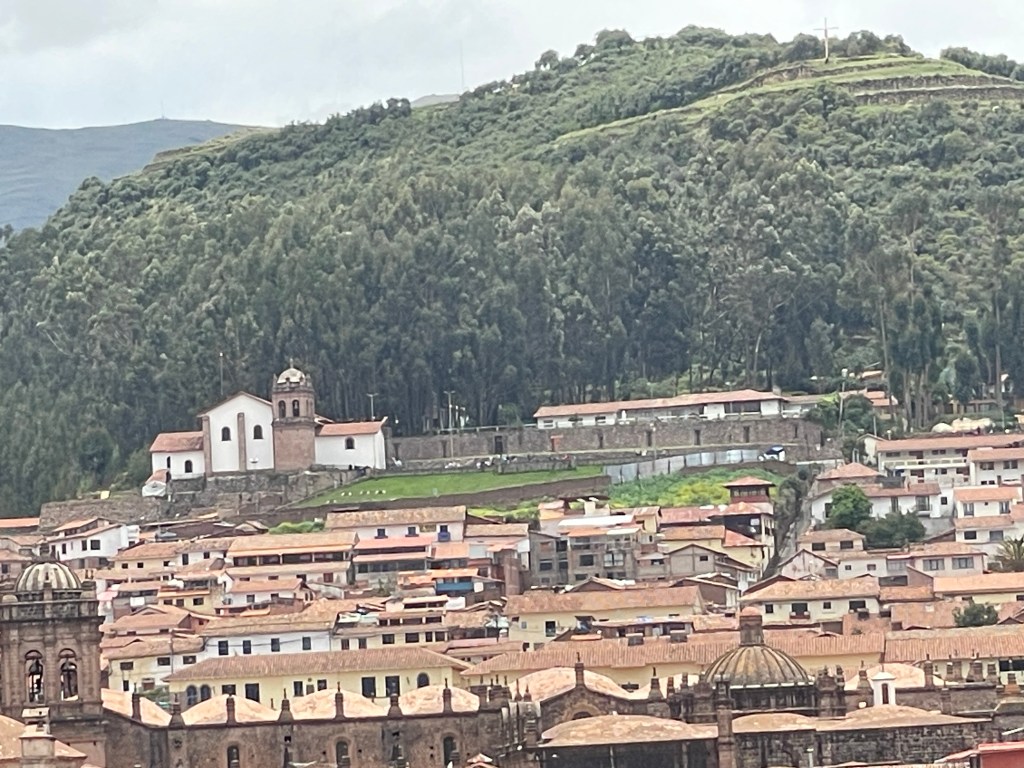
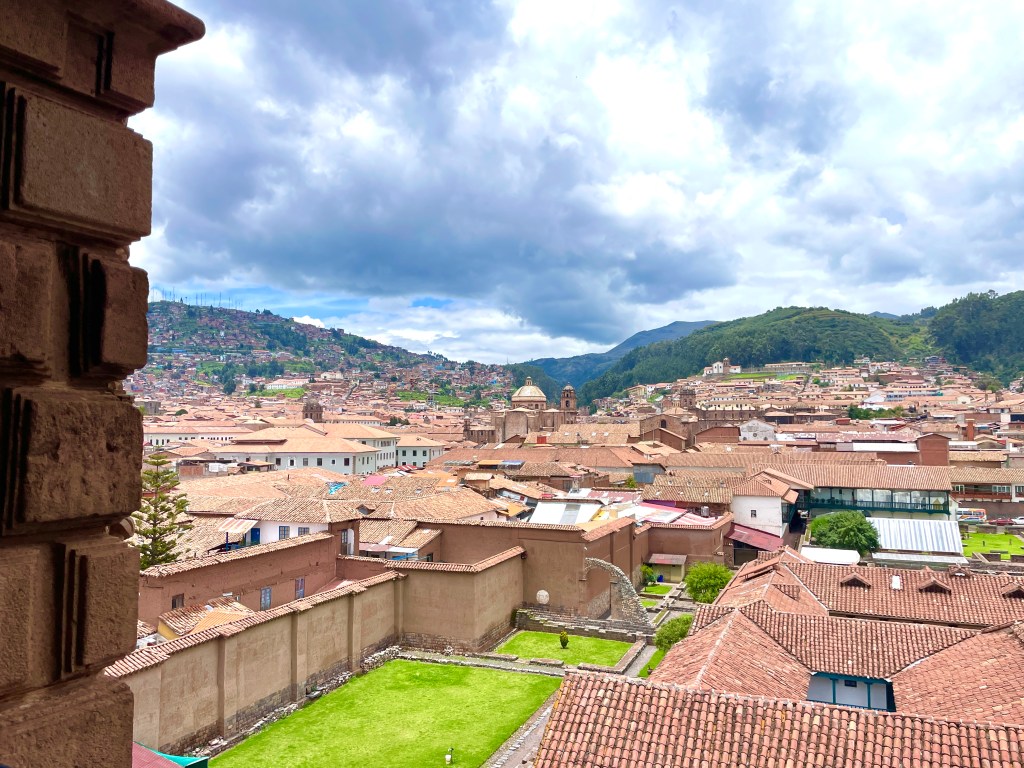
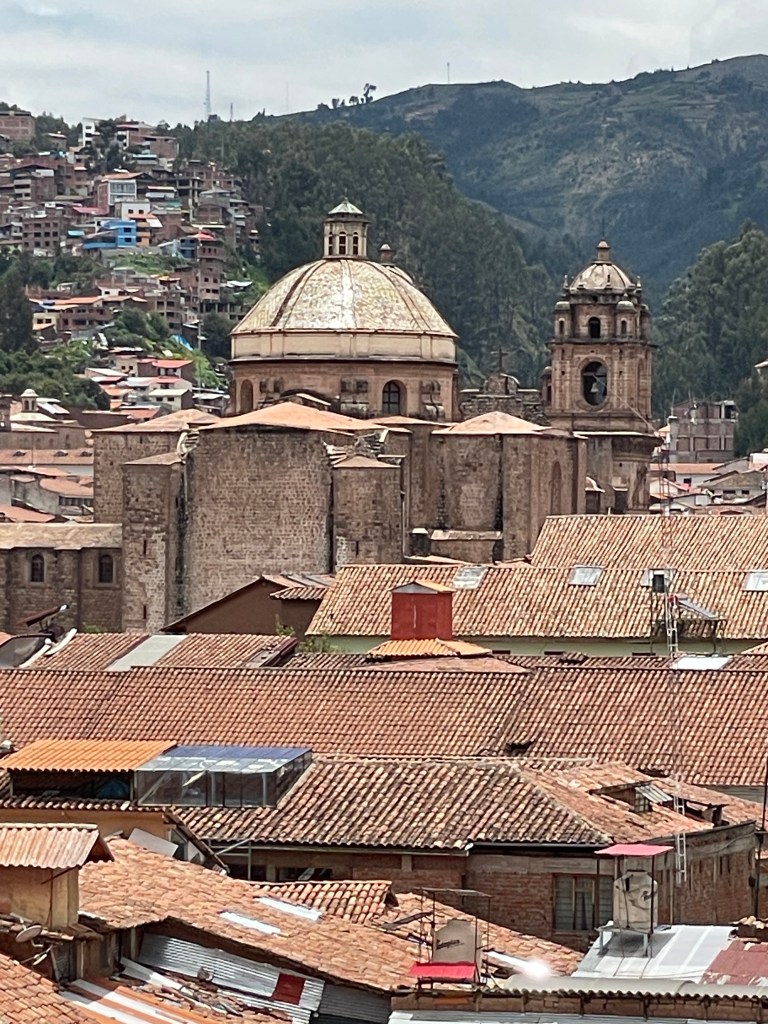
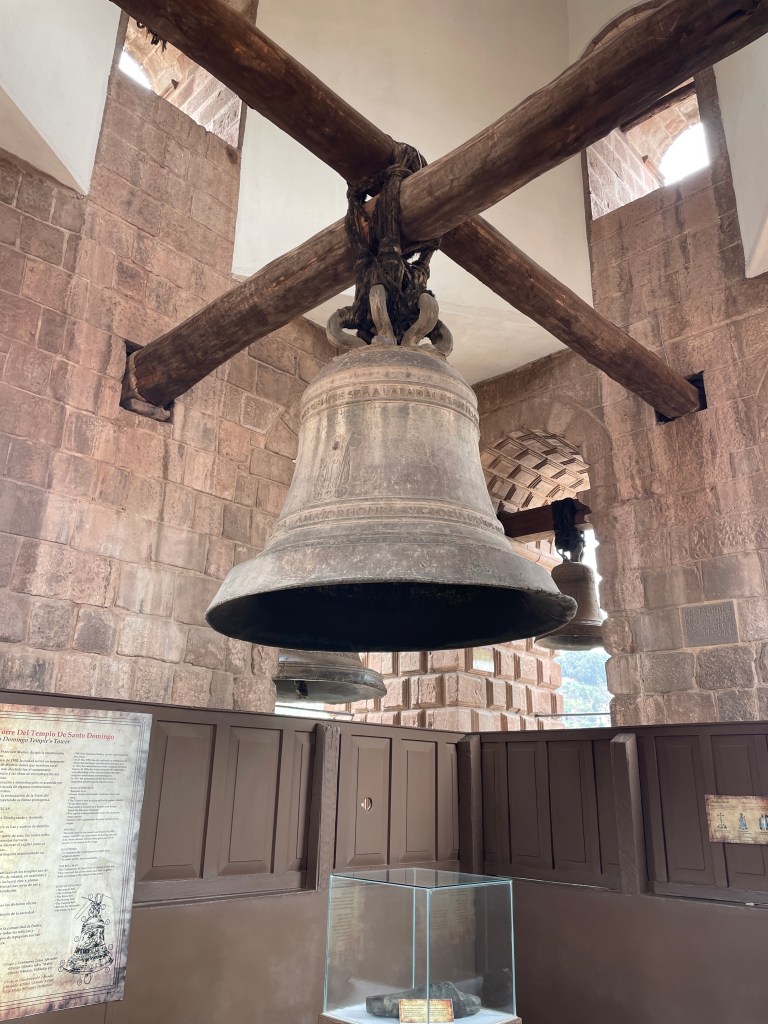
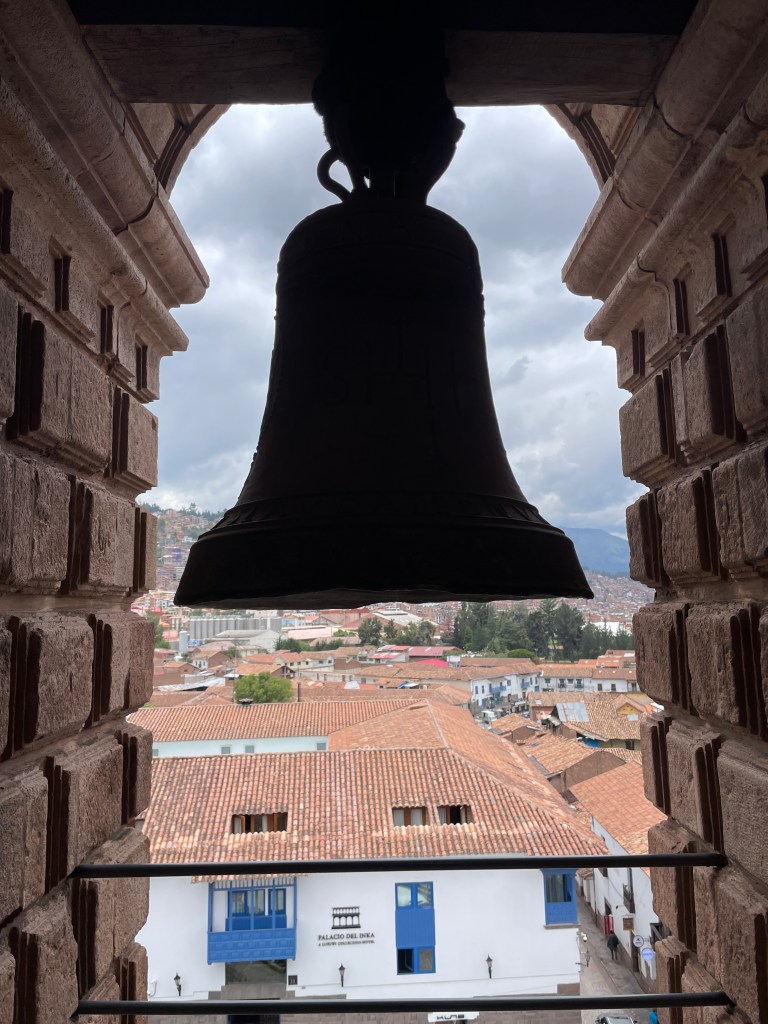
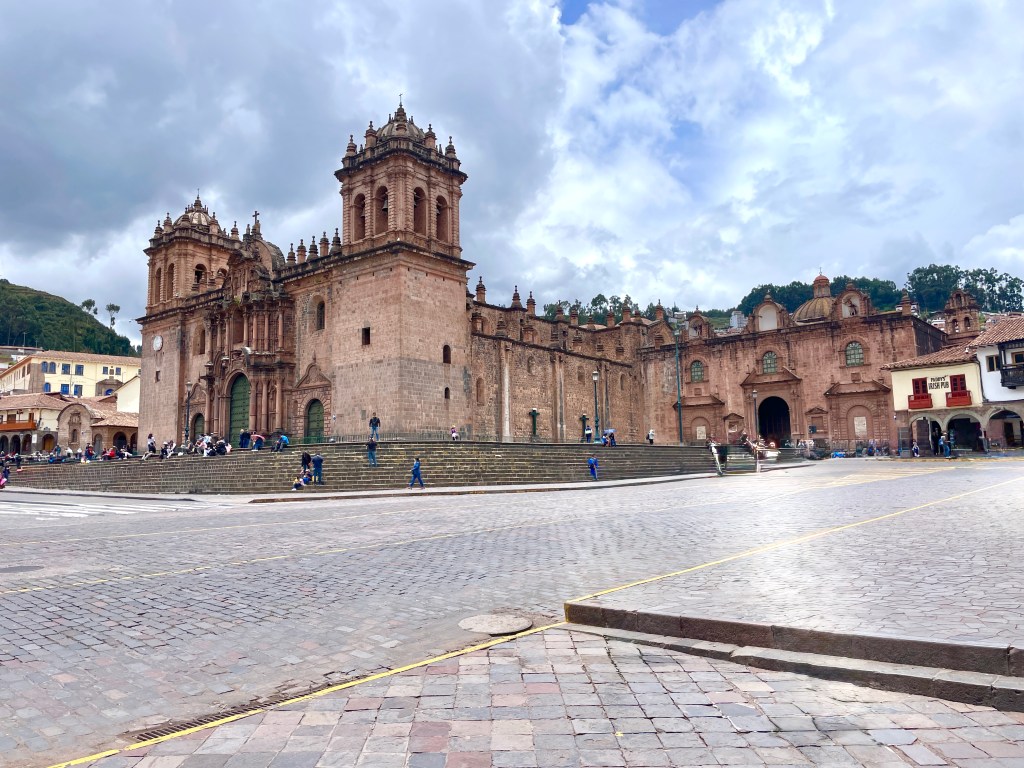
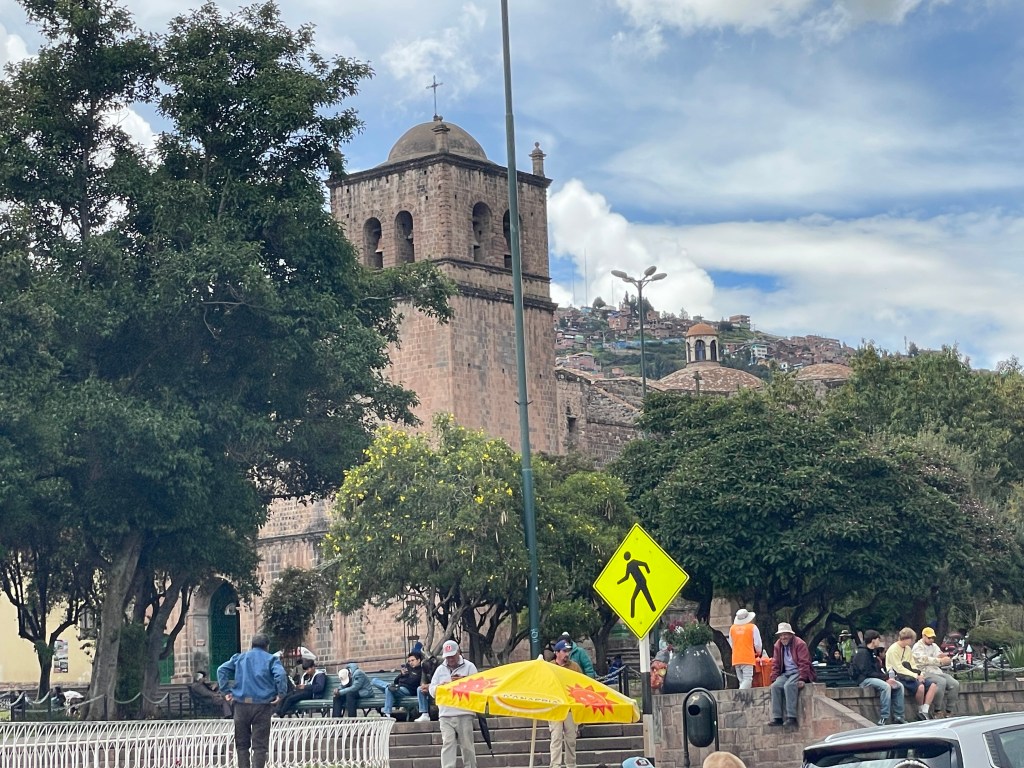
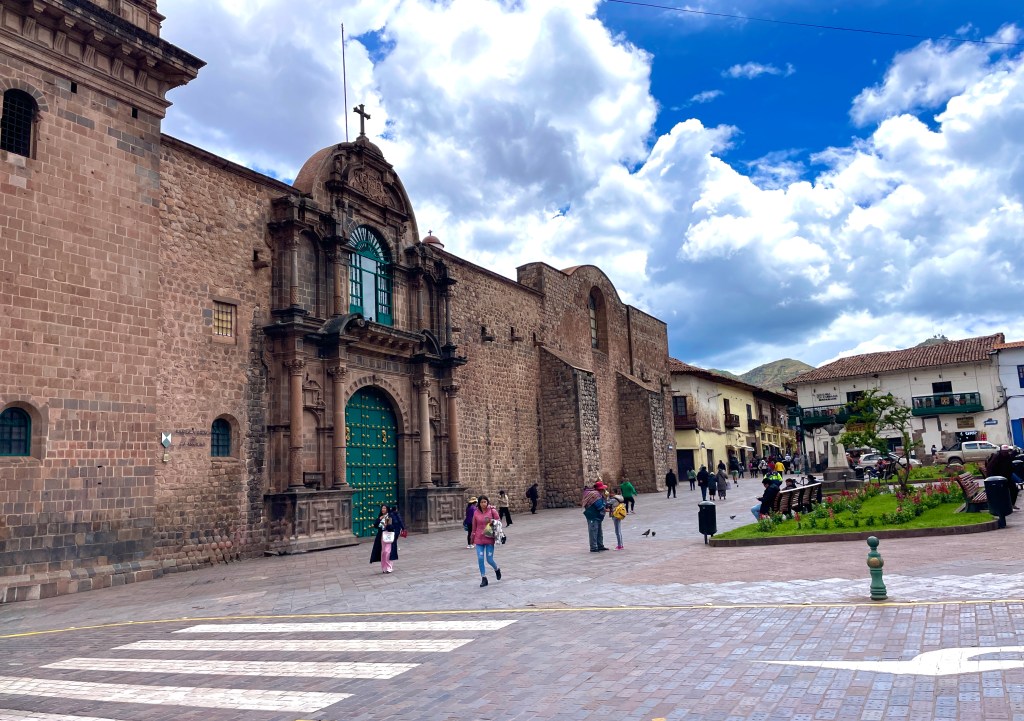
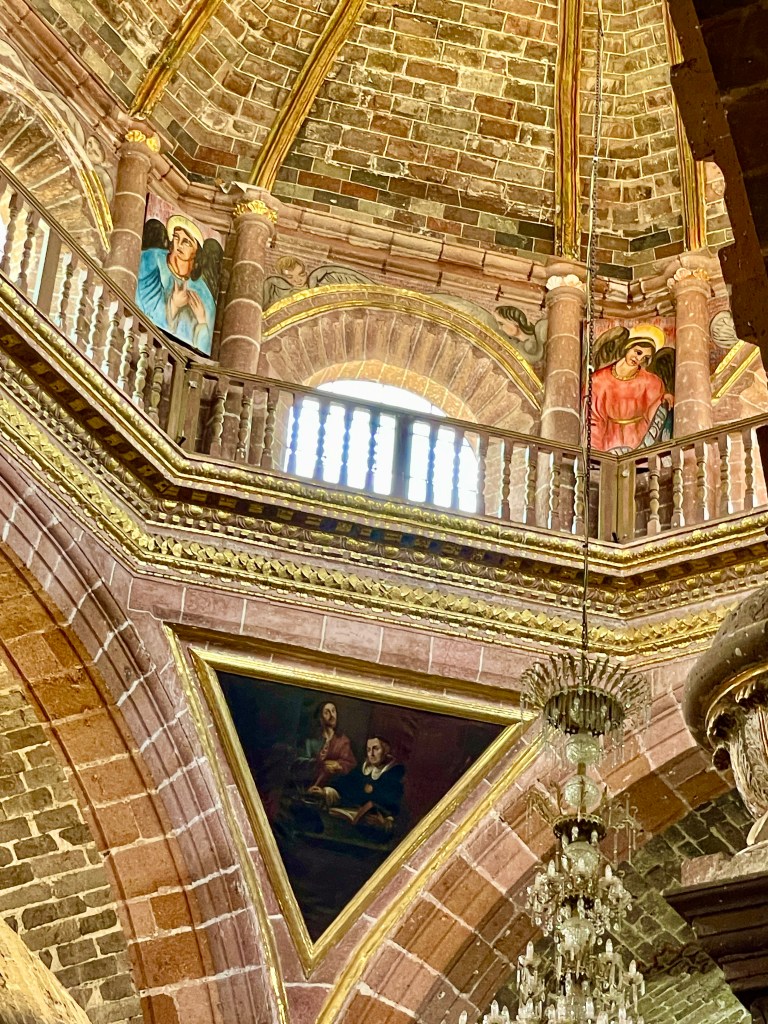
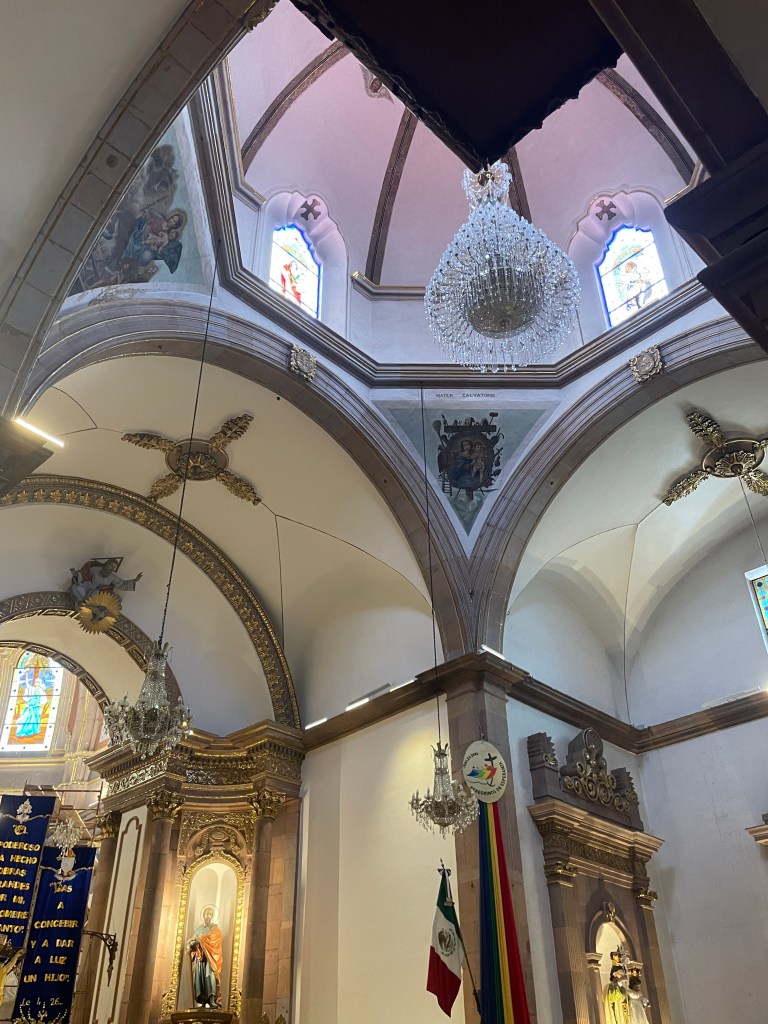
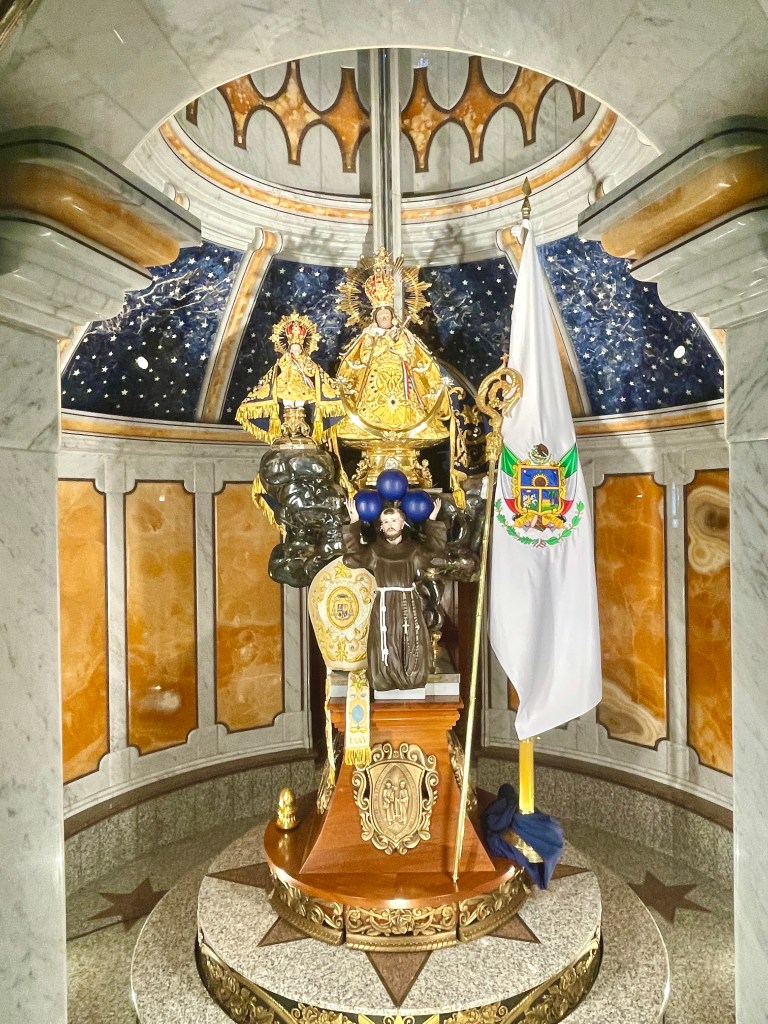
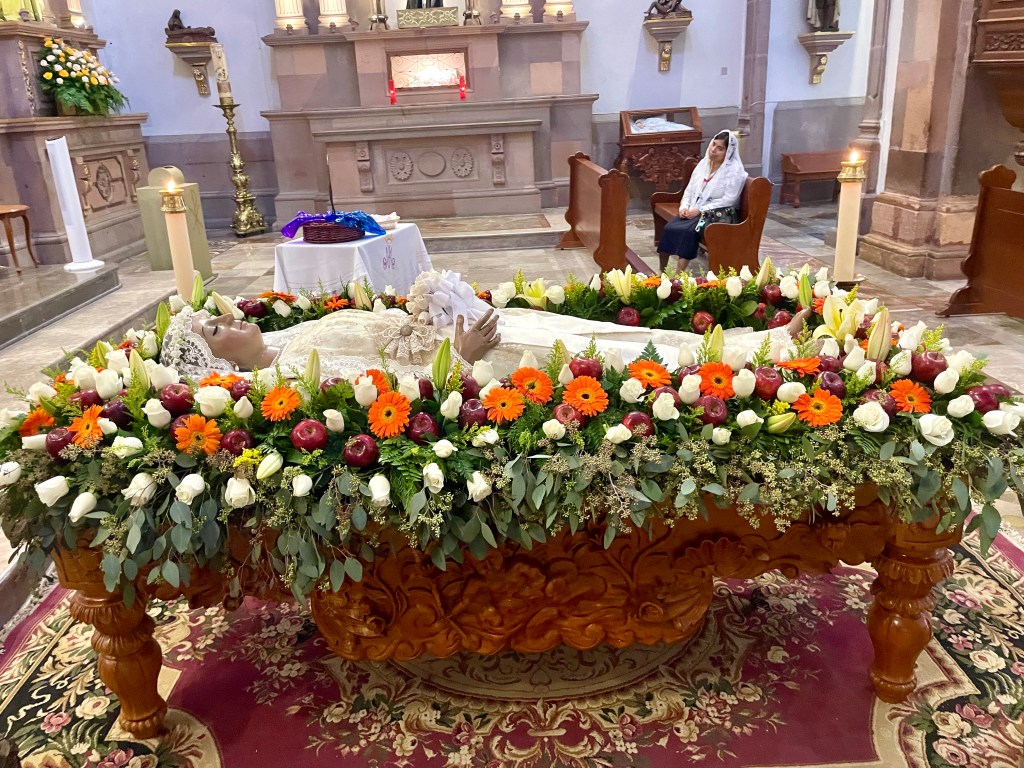
Finally, there is the Colonial Church of Santo Domingo. Built in the 17tht century, its a fusion of Inca masonry and Baroque architecture. It houses various paintings and treasures from the Dominicans.
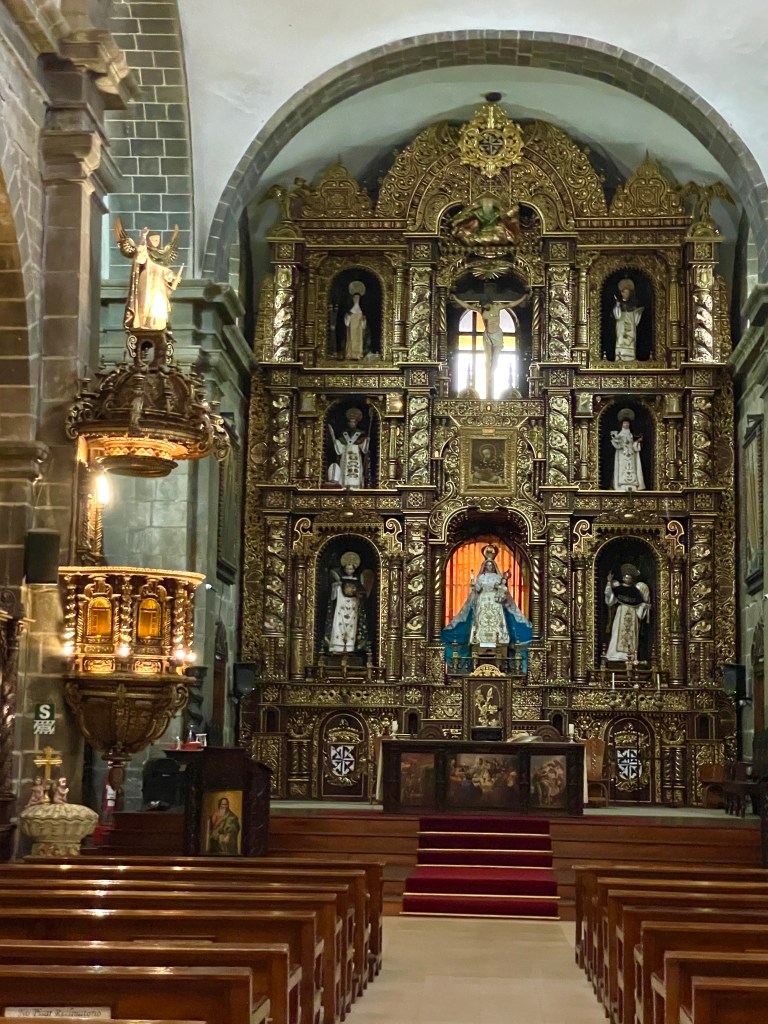
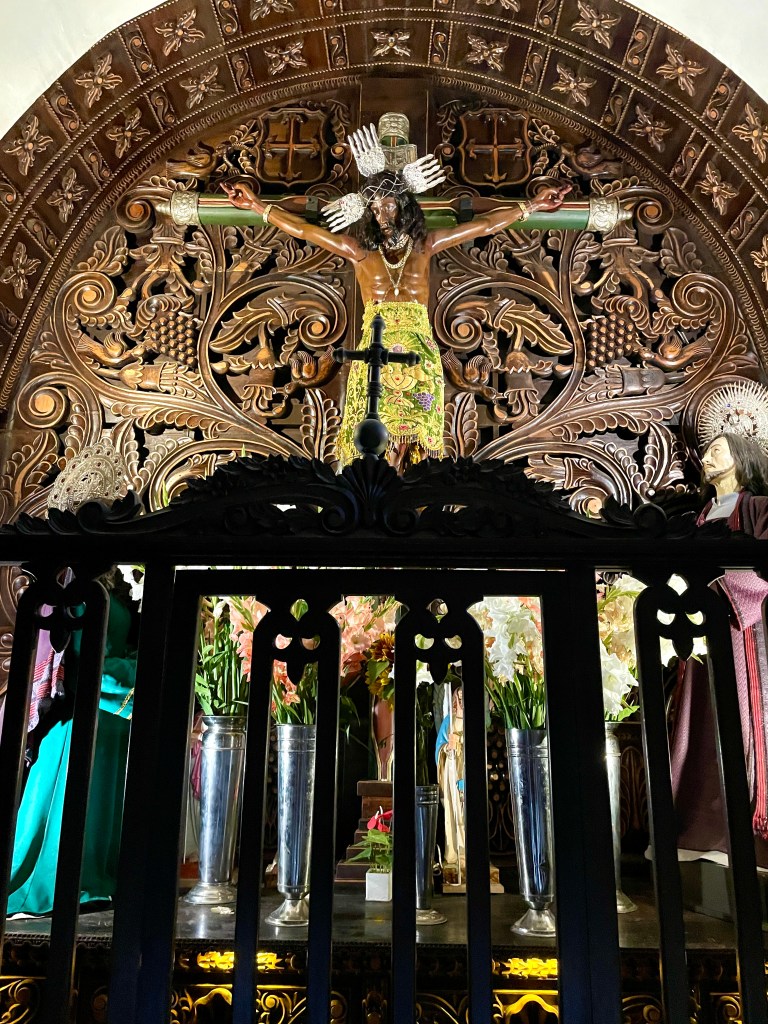
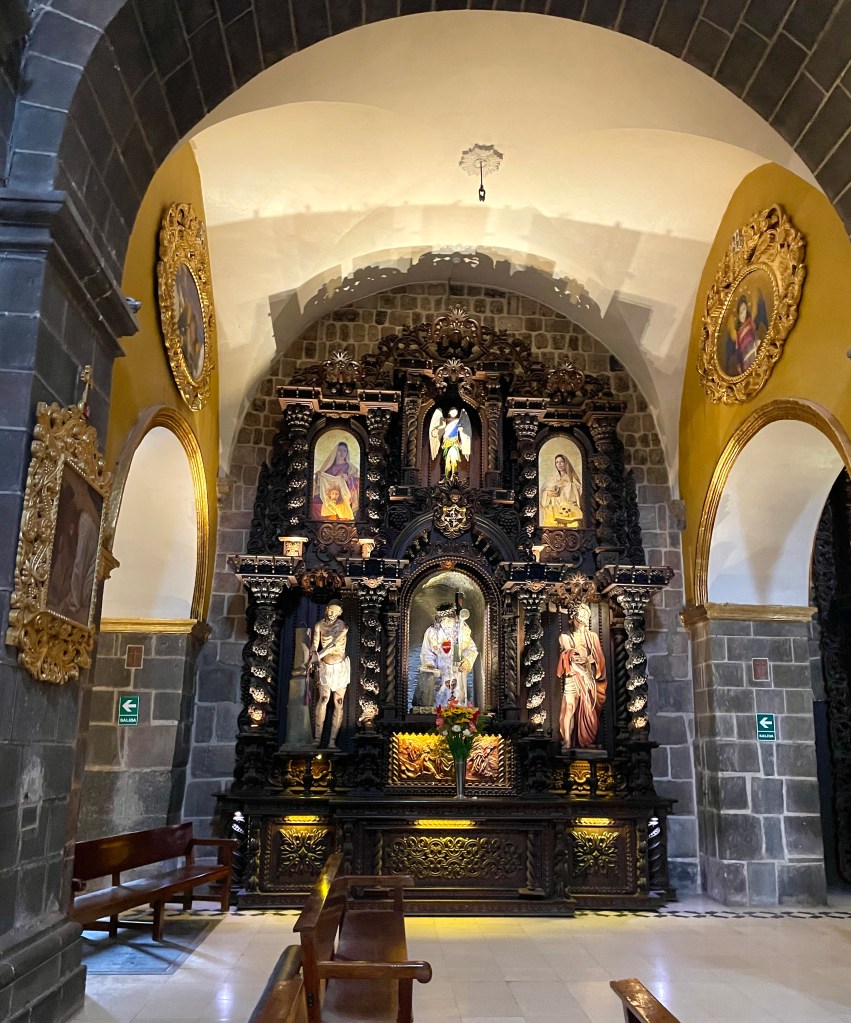
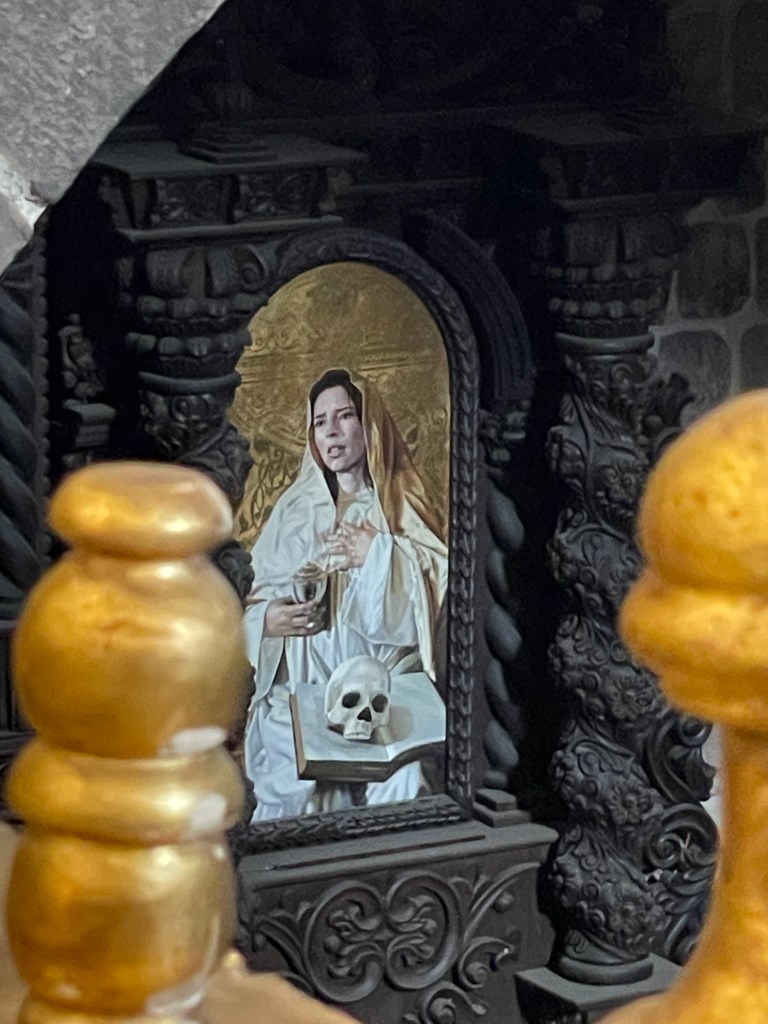
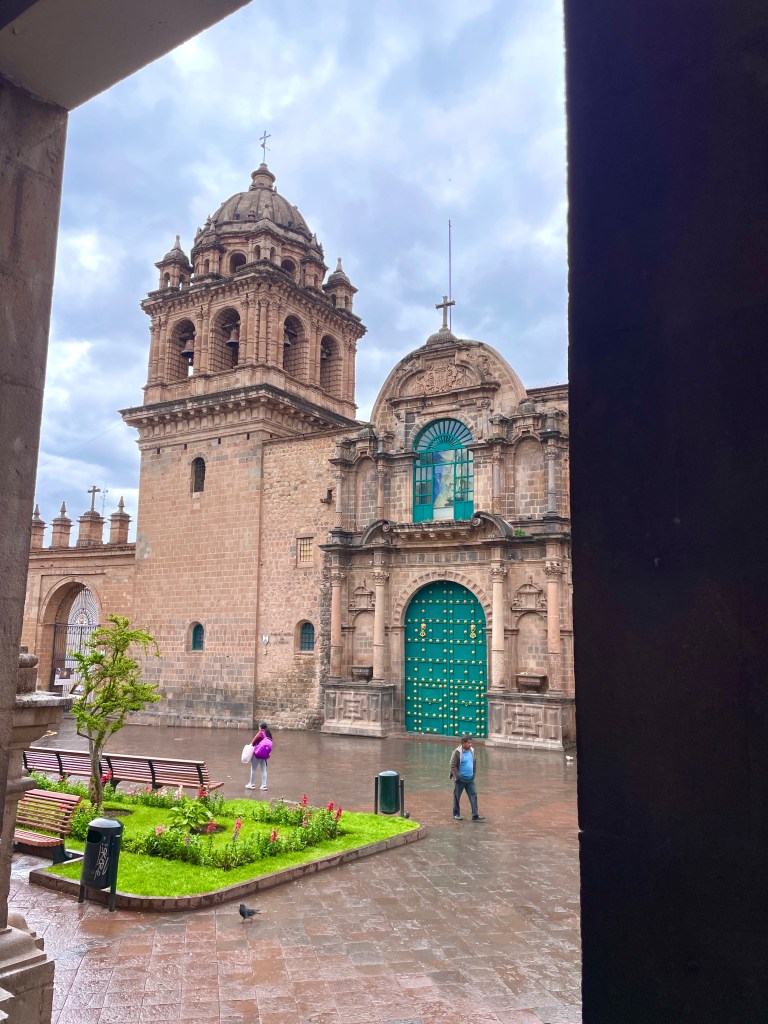
From here we walked the city just enjoying whatever it was we stumbled upon including the Church of the Society of Jesus, Church of La Merced and the Loreto Church. And behind the Church of the Society we encountered a whole different type of animal.
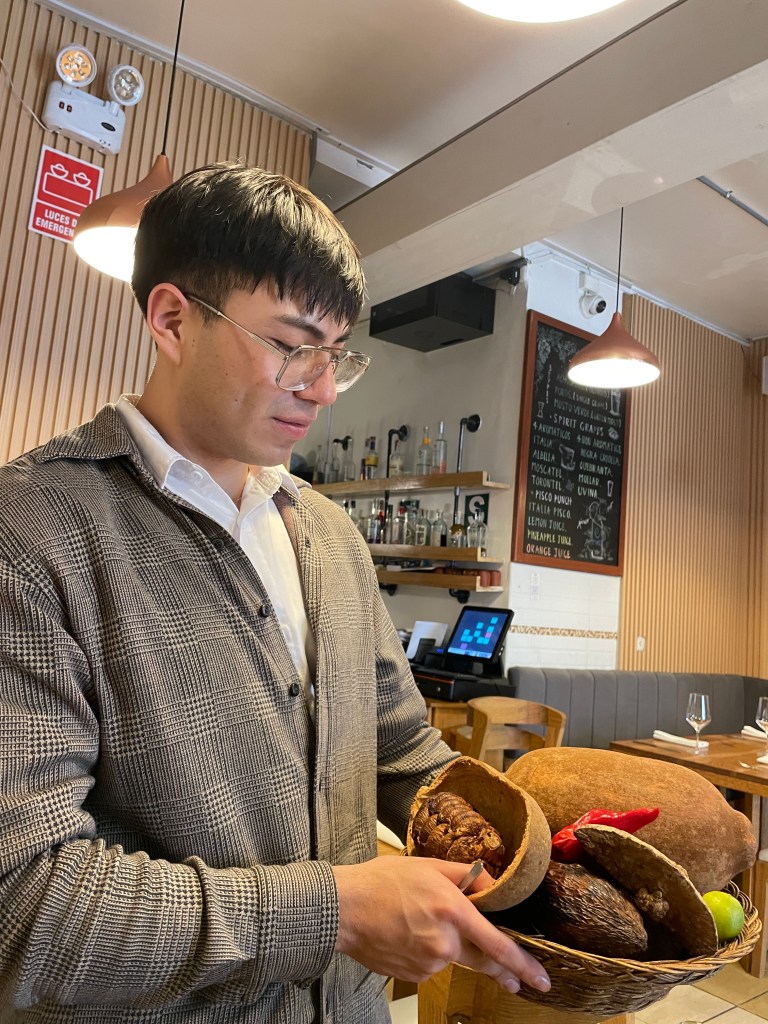
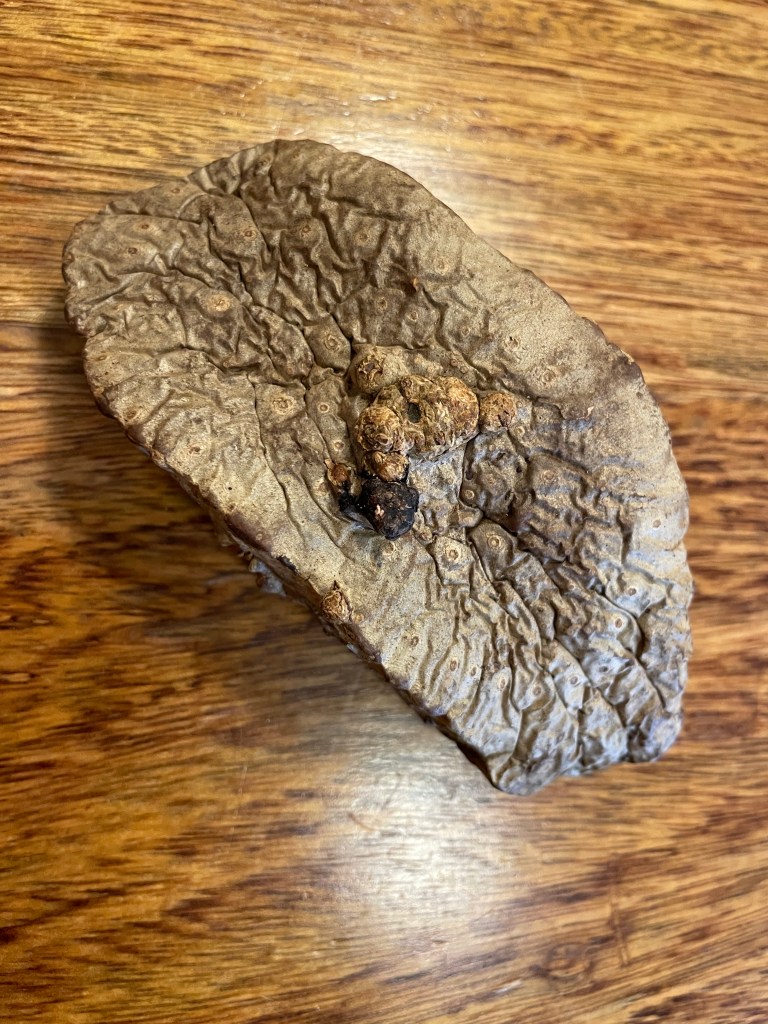
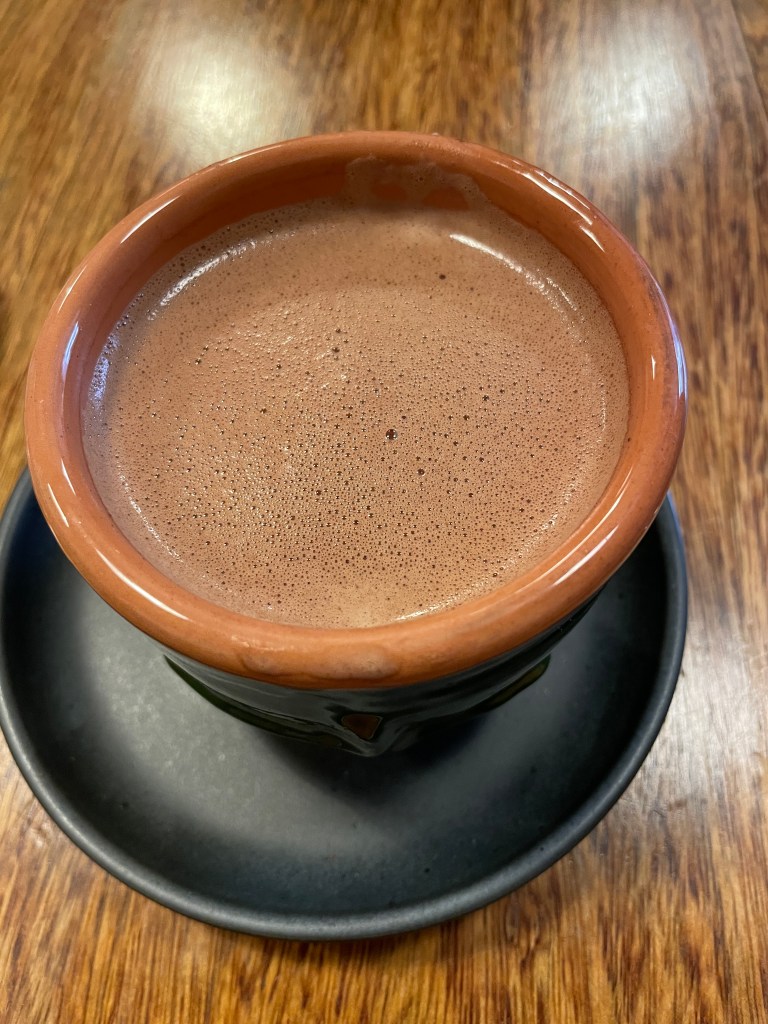
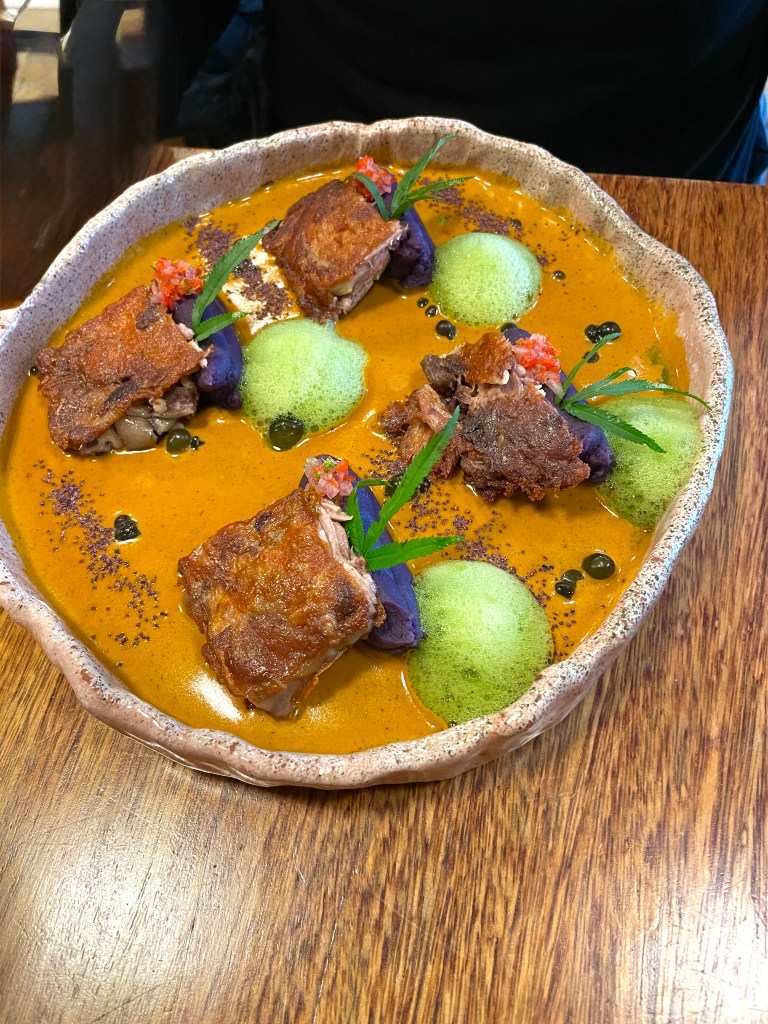
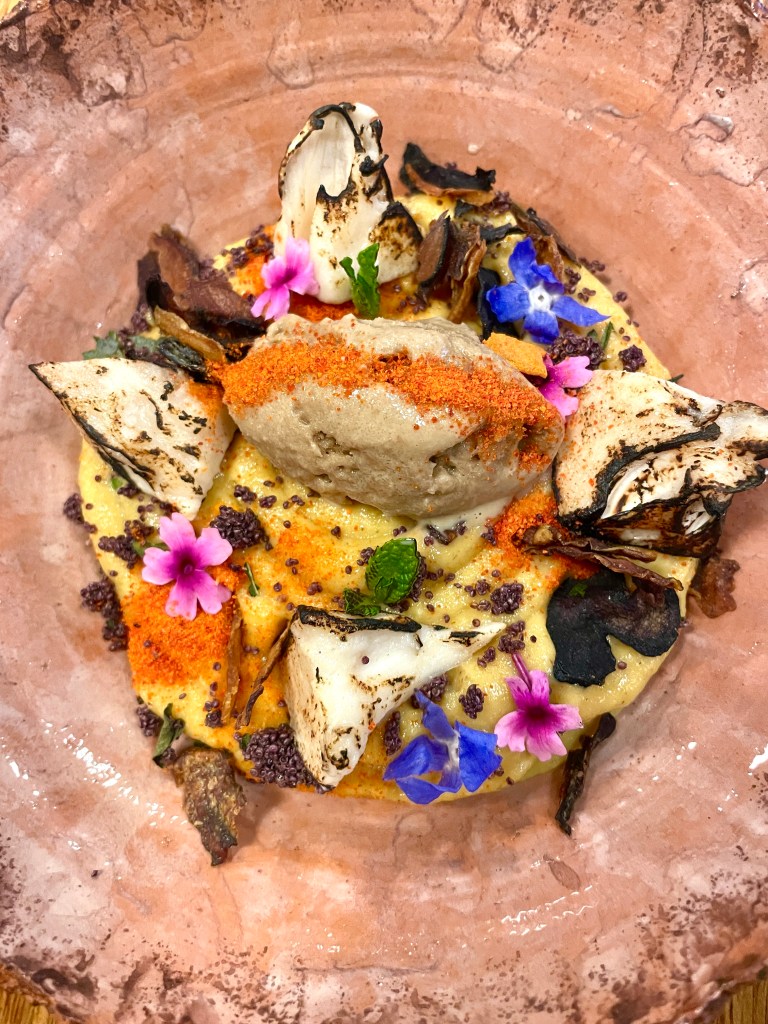
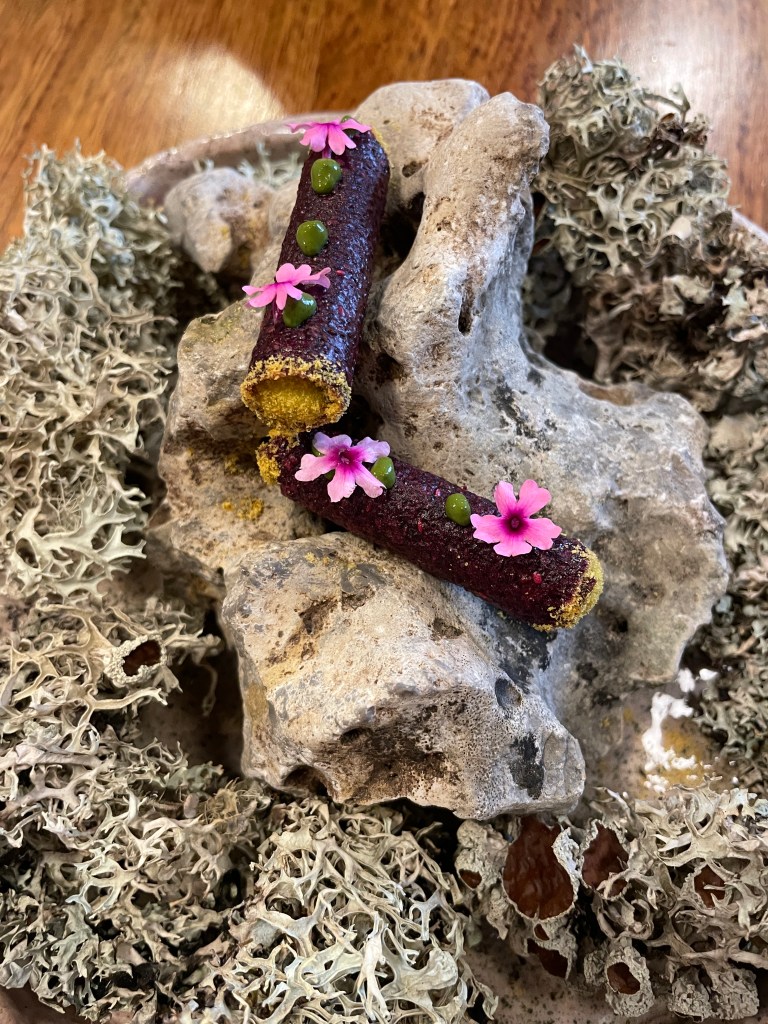
One thing that we didn’t know before arriving in South America is that Peru is one of the world’s best loved and appreciated gastronomy regions in the world. And it hasn’t disappointed. We went to an amazing restaurant called Mare. The waiter did several presentations of the different ingredients that were used in our meal. We dined on Guinea Pig (a very usual flavor but wonderful) and for desert we had almost a custard of Chimoya and passion fruit with chili oxicala chips capped off by homemade coffee ice cream. It was by far the most interesting and yummy desert that I have ever eaten.
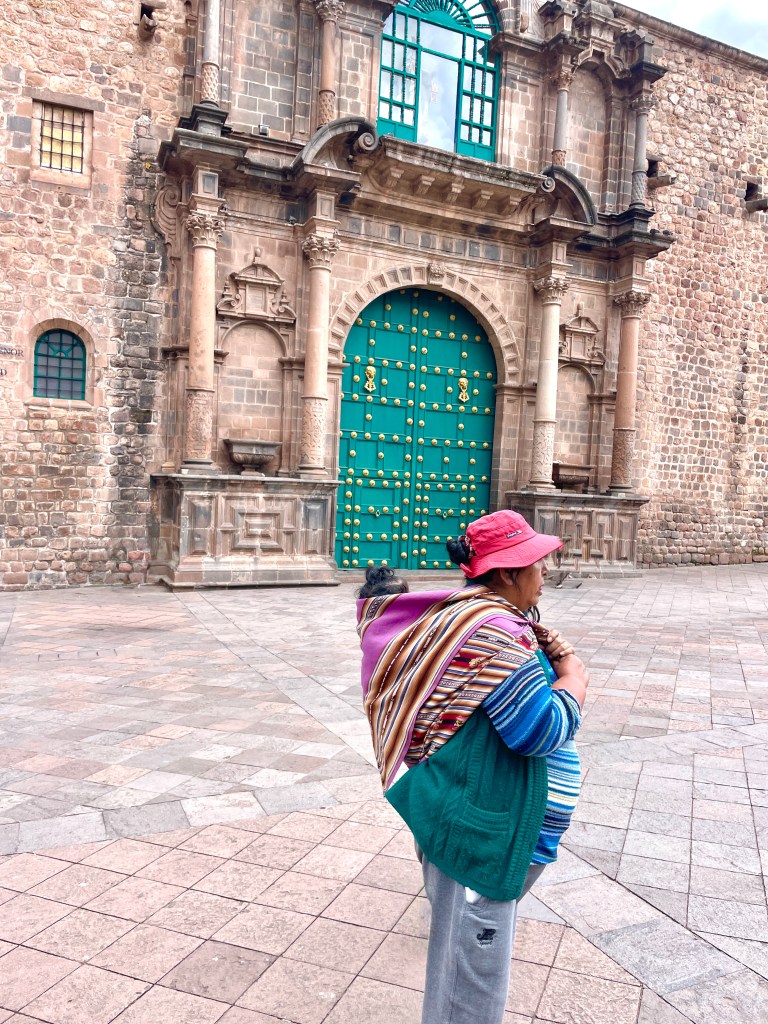
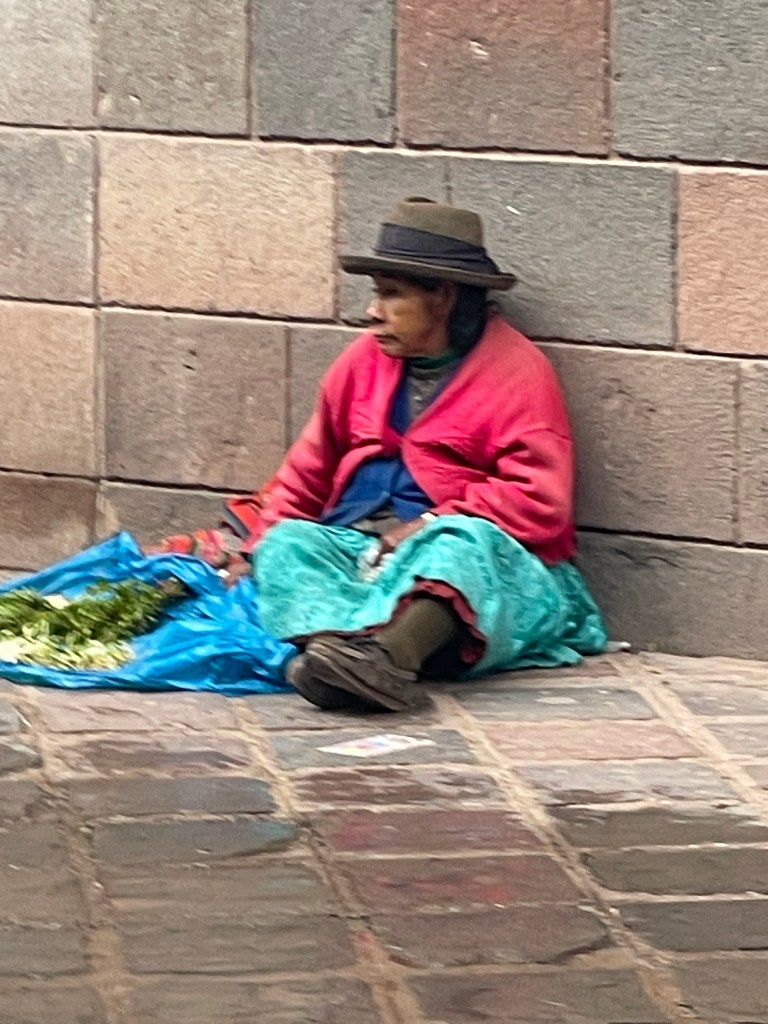
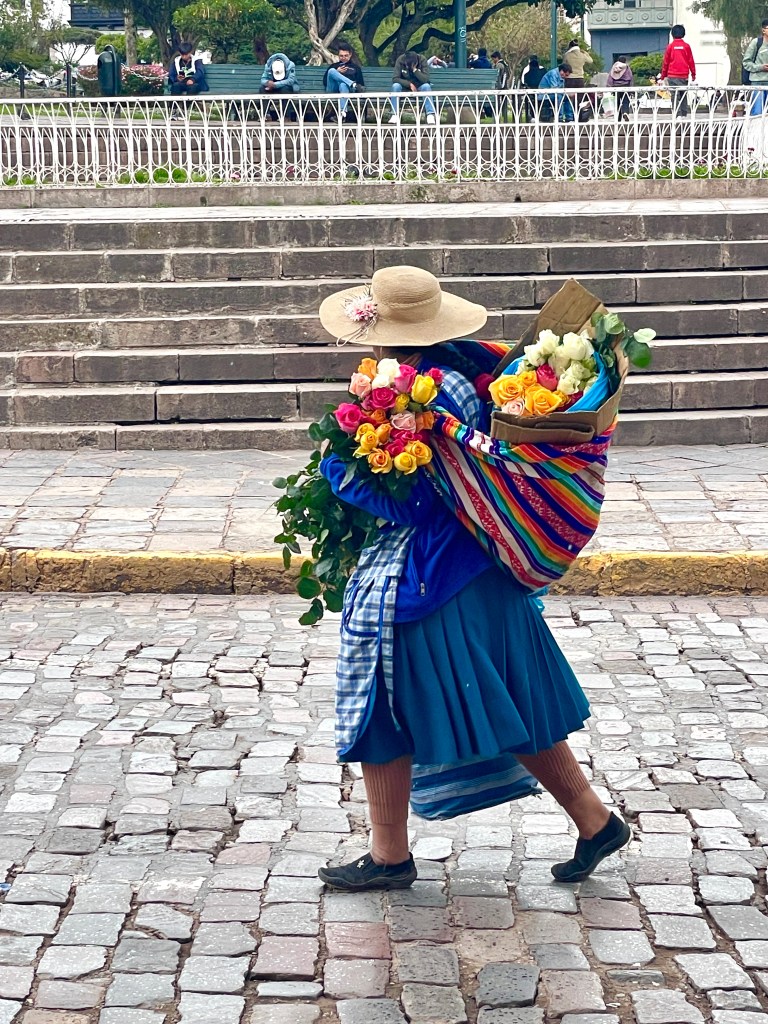
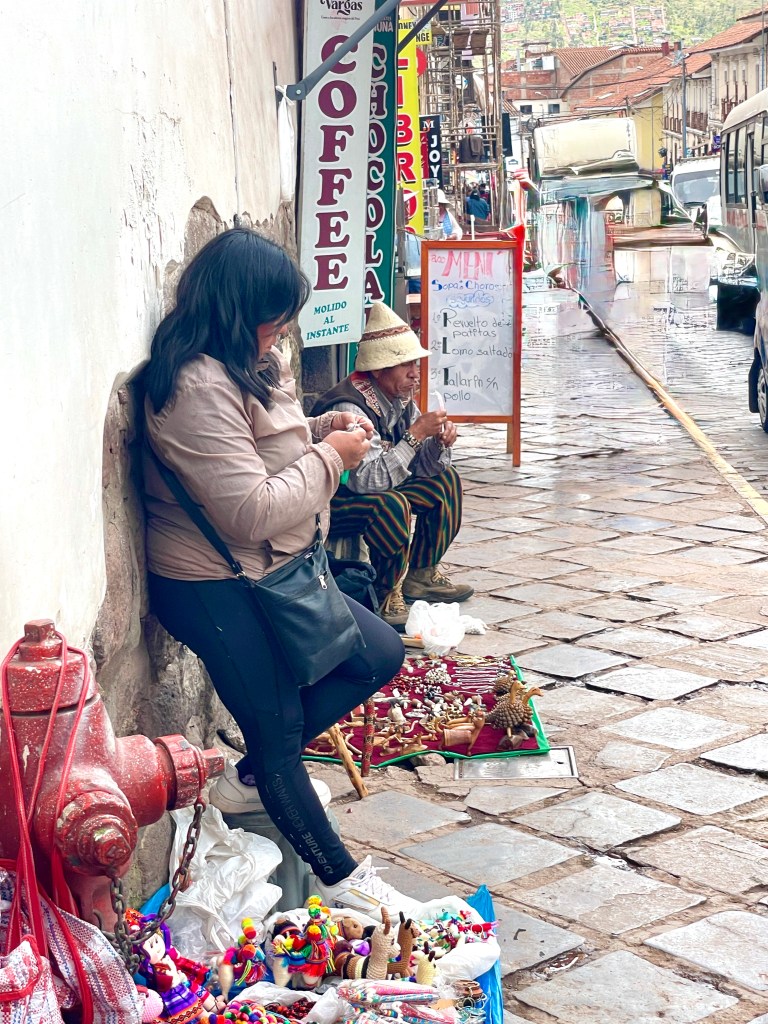
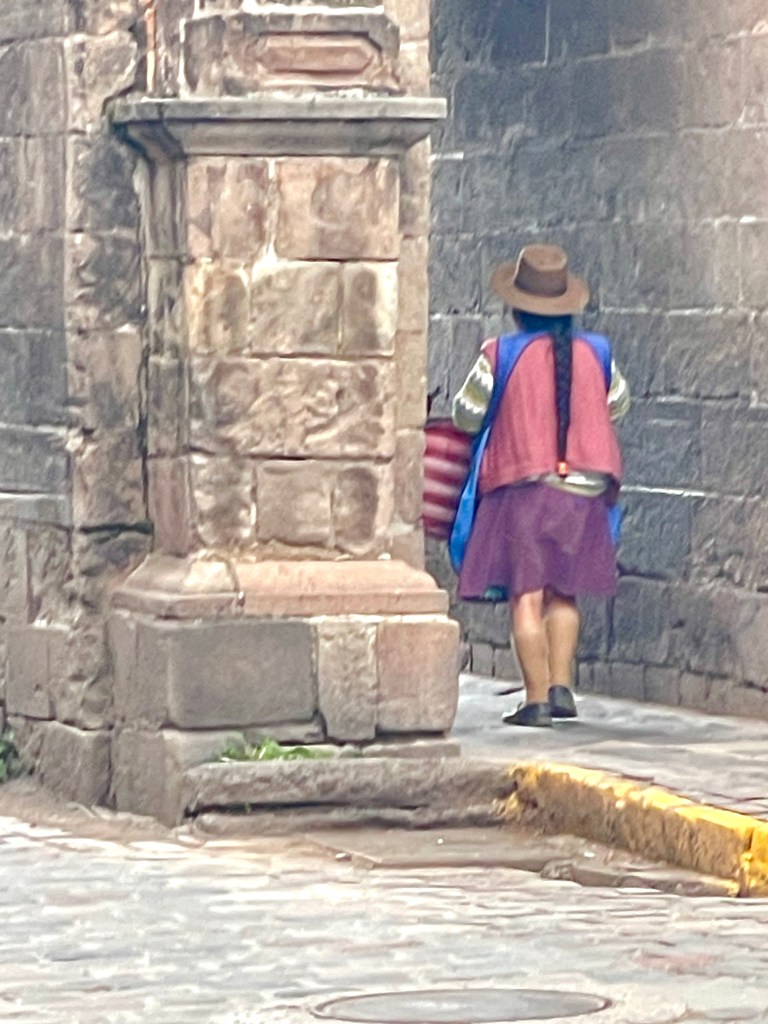
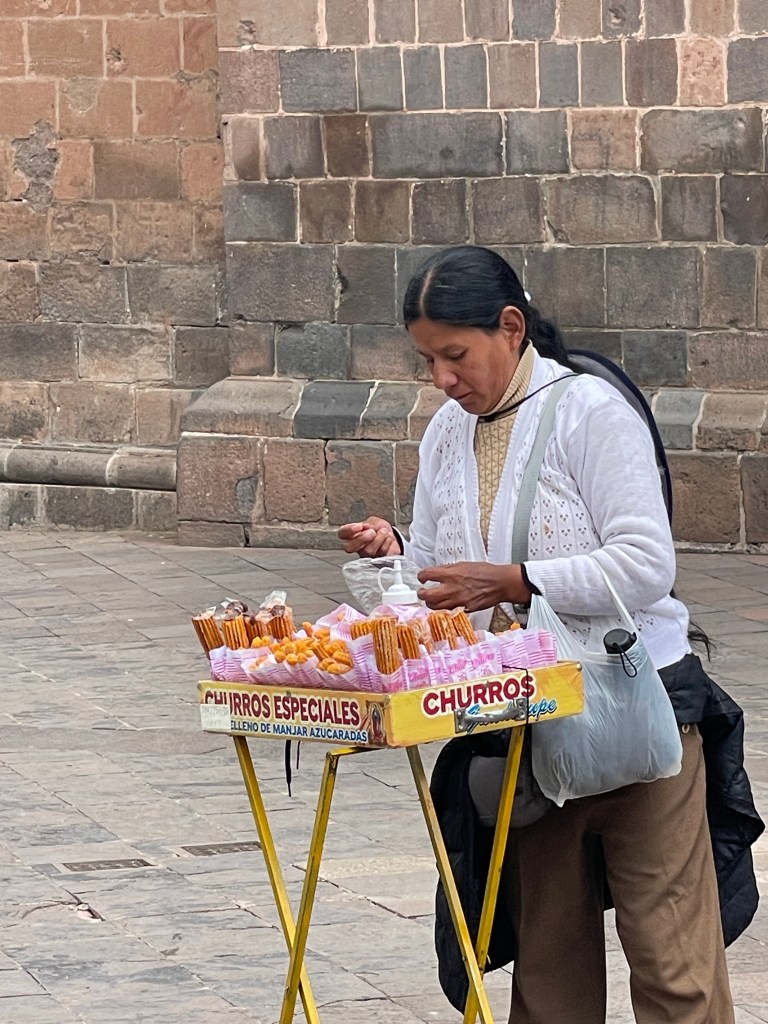
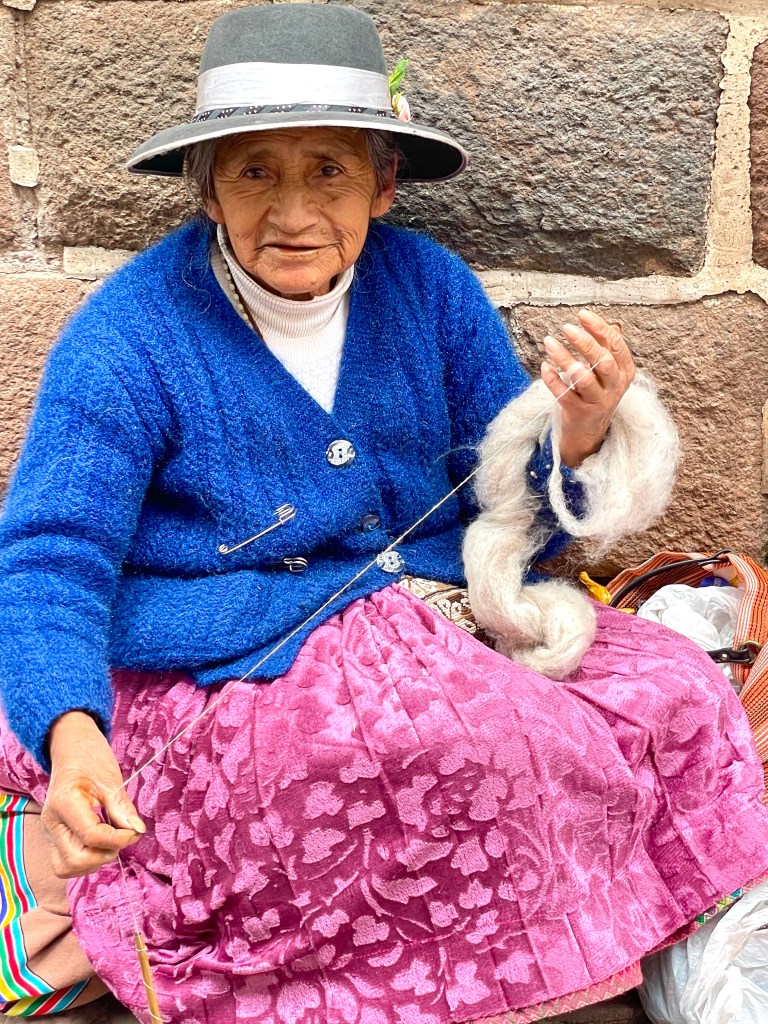
I love the vibrant colors and music of the city. Women in traditional Peruvian dress can still be found everywhere and fireworks shoot off at all times of the day and night in celebration of the saints that are beloved by the town.
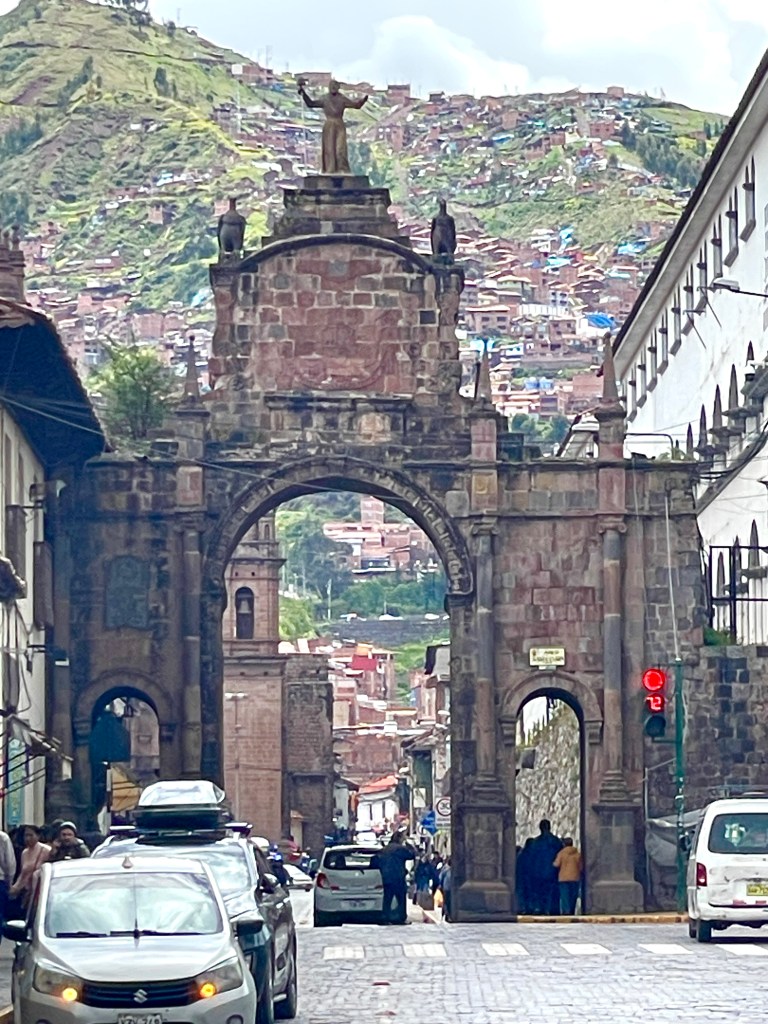
Now I leave you with a multitude of pictures that I took throughout the day. Best of all, I can hardly wait for tomorrow so that I can discover all that awaits around each and every corner.














 You Should Be A Traveling Fool2.com