The Monks Debate-Sera Monastery, Tibet

dsc01371

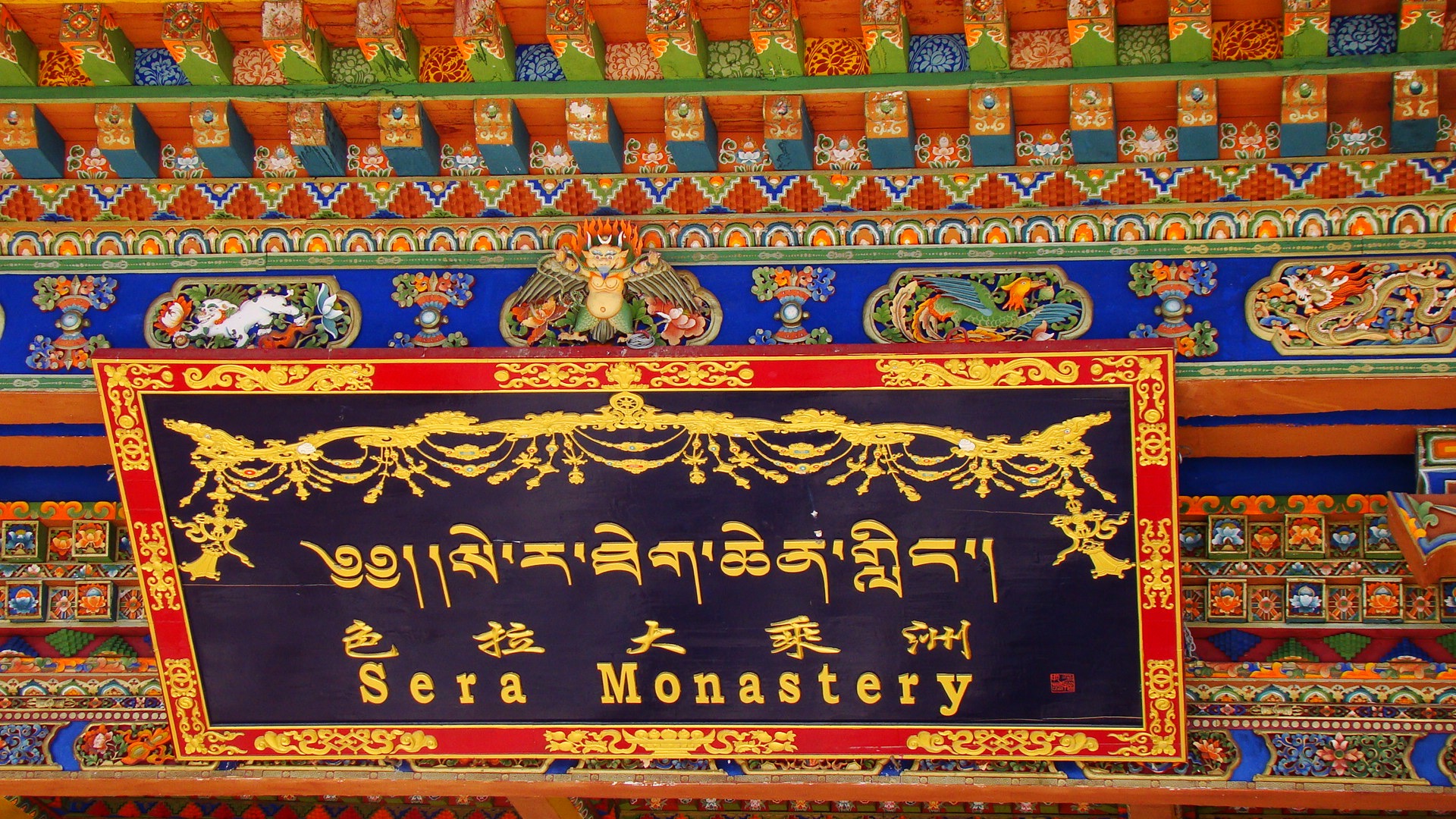
One of the most interesting things I witnessed in Tibet occurred at the Sera Monastery. Sera sits just outside of the city of Lhasa. It is considered to be one of the three great monasteries of the Gelug University Monasteries in the country. Founded in 1419 it was once a huge complex at which over 6,000 monks resided but during the 1959 revolt much of it was destroyed and hundreds of monks were killed.

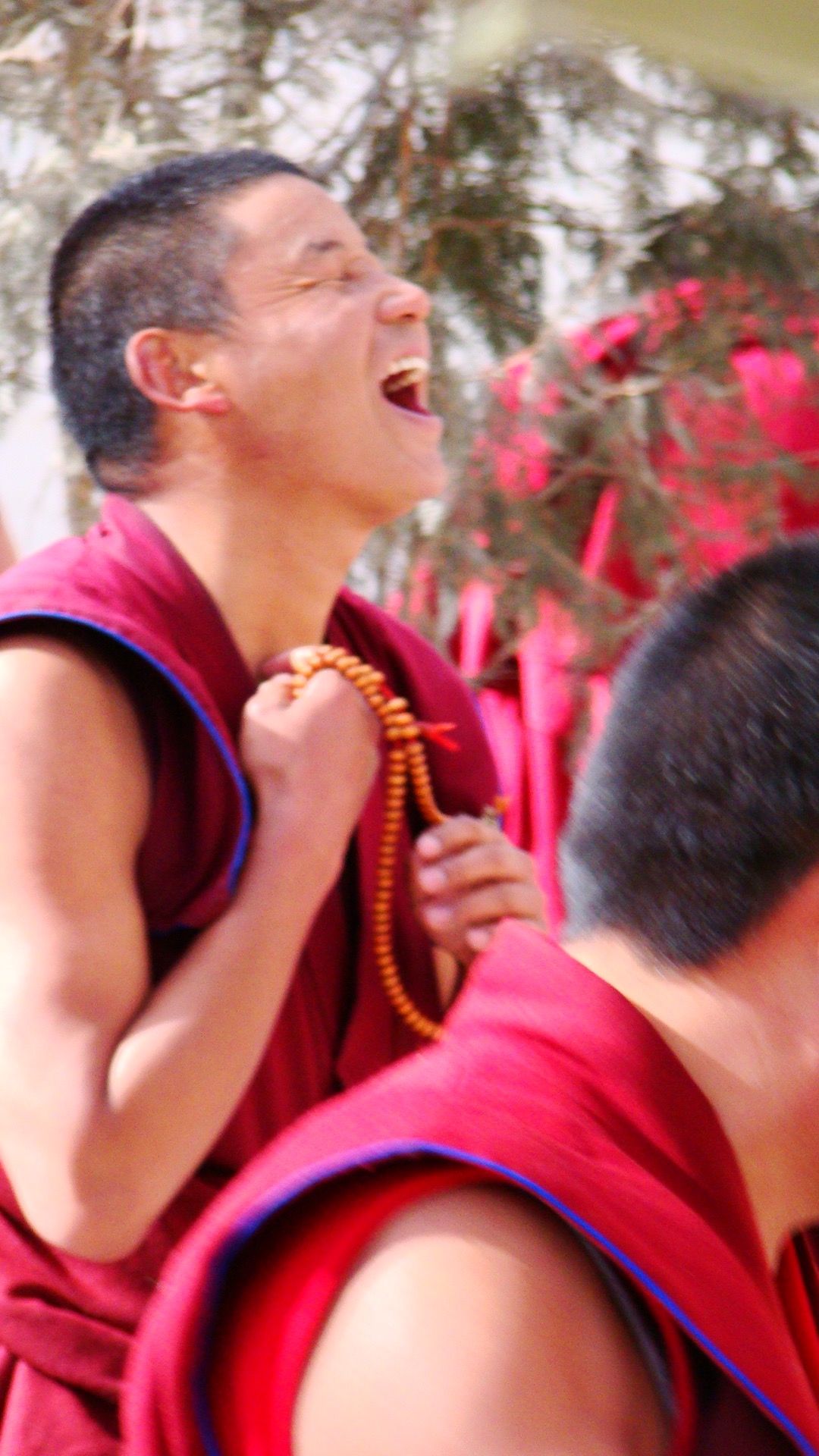
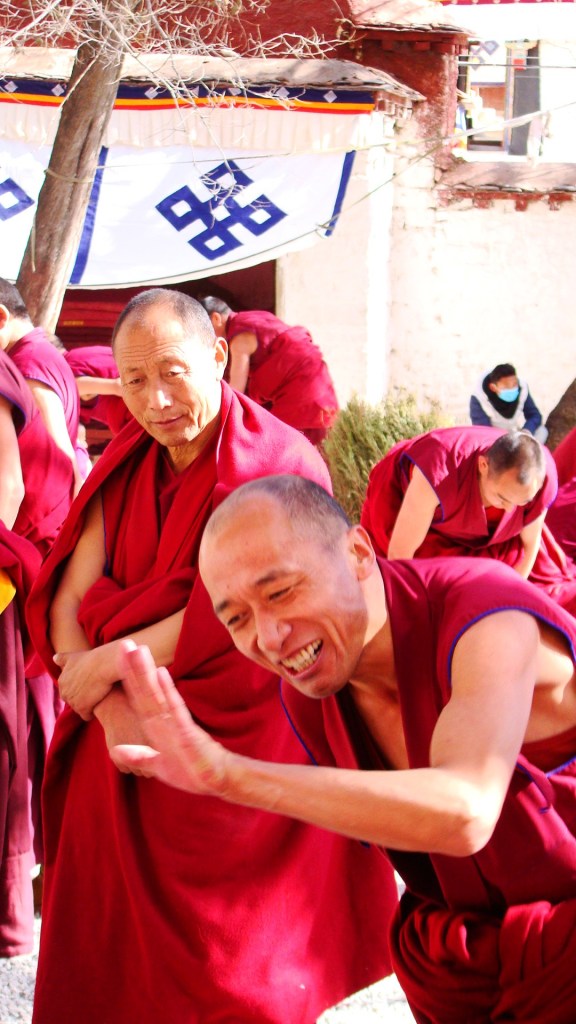
One of the things that this particular monastery is well-known for is the monk debates. The debates occur between the monks and their teachers with a prescribed set of rules. The defender(student) is asked a question regarding Buddhist philosophy by the teacher. His job is make and defend his argument. Meanwhile, the teachers attempt to trap a student into following the wrong line of the argument by creating places in the argument which can confuse the defender. The students sit on the ground, wrapped in their red robes, while asked question after question for hours. The brain power that has to be used is immense and it drained my few working brain cells rather quickly.

This is a startling place because when a question is asked of the student a loud clap is made with the teacher striking his left palm with that of his right. When the question is answered correctly the teachers brings his right hand to his left palm while sliding it down with a slap. With an incorrect answer the palm goes down and slides into the air near the student encouraging him to try again. And all of this isn’t done in a stagnant manner. The teachers arch, sway, jump and make grand body movements as they question the student in an attempt to rattle him. The noise is incredible with the slapping sounds reverberating against the walls of the courtyard and the gravel crunching under kicking feet.

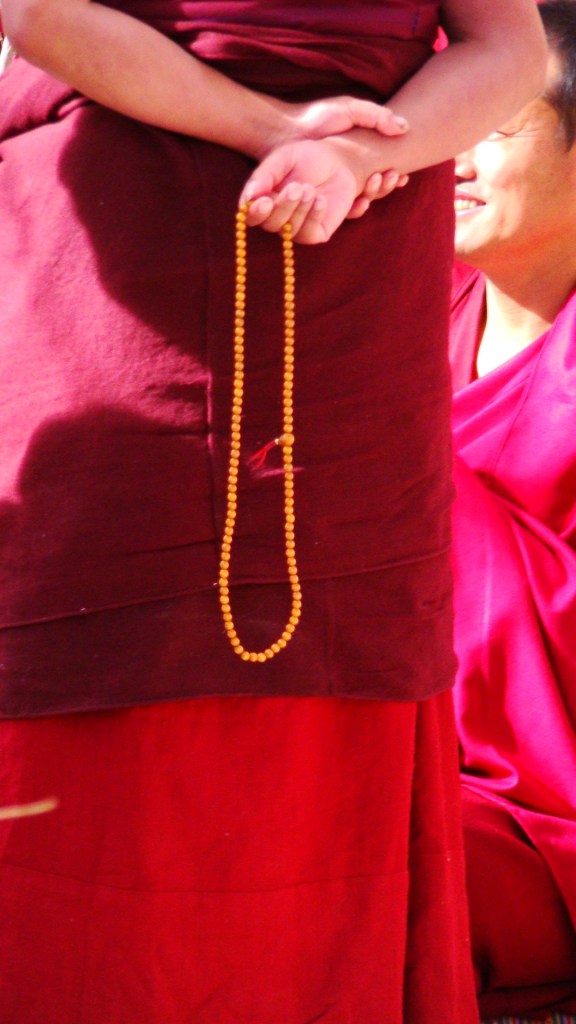
Here are my favorite pictures of our afternoon spent at Sera. This is one of those times that I think I should upgrade so I could show the video I made of this amazing debate. It was one of those once in a lifetime events that makes you happily question the meaning of life for yourself while being thankful that there is no one intimidating you by the slap of a hand.

dsc01481

dsc01457

The Monk’s Debate

Montezuma Castle-Camp Verde, Arizona

anastazi

Let’s get one thing straight right from the get-go. Even though this is referred to as Montezuma Castle, the great Aztec chief himself never lived in this settlement nor contributed to its development; as this Pueblo was built over centuries and then abandoned at least 40 years prior to his birth.

It has been years since I have been to this sacred place that was once home to the Sinagua people but is now the home of  the National Monument that honors them. I still remember the raw feelings of the life force that still swirls throughout the canyon as well as a sense of awe that these native people, who lived so long ago, could design buildings and pottery that were so impressive and long lasting. Descendants of these ancient people live on in the Hopi and other native peoples of the Southwest.

The Castle sits about 90 ft up a sheer limestone cliff and was built over time and occupied from about 1100-1450 AD. though there is archaeological evidence that the Sinagua were in the area since 700 AD.  The main building contains about 20 rooms and is approximately five stories high. It was built within an alcove which allowed it to remain protected from the elements and was placed high enough to avoid the seasonal flooding that occurred on Beaver Creek which lay directly below this village. It is constructed from huge chunks of limestone and from clay obtained from the creek bed beneath the Pueblo. The ceilings were made of thatch that was procured from the Arizona sycamore.

One of the more interesting facts about Montezuma Castle was that it was abandoned for some time due to volcanic eruption of Sunset Crater but was later re-occupied and agricultural production was resumed after the effects of the eruption diminished.

The dwellings and the 860 acres that surround them were declared a United States National Monument in 1906 with the signing of the American Antiquities Act. Early visitors were allowed to climb ladders into the buildings but due to damage from these well meaning visitors the practiced was halted in 1951. Today you can only see Montezuma Castle from viewing platforms or along the 1/3 mile loop trail that winds below the pueblo. However,  it is easy to learn about Sinagua culture and see artifacts from the area at the Visitor Center.

This National Park is located near Camp Verde, Arizona off Interstate 17. It is open from 8 a.m. until 5 p.m. everyday except Christmas.

There is a $10 fee to enter Montezuma Castle and the Tuzigoot National Monument which is valid for 7 days. Children under 15 are free.

HINT: Buy a National Park Pass ($80) which allows access to all National Parks and Federal Recreation Lands for a year for the pass holder + 2 adults. And if you are 62 years of age or older A Senior Pass can be purchased for $10 which allows you and three adults into all the National Parks without incurring additional entrance fees.