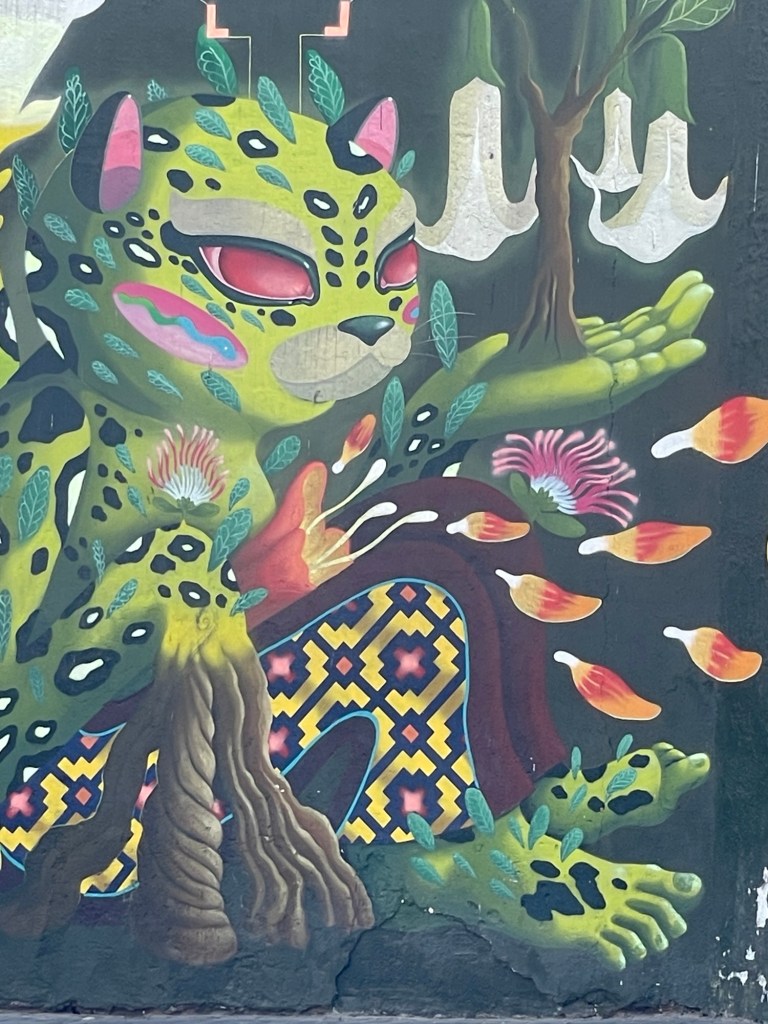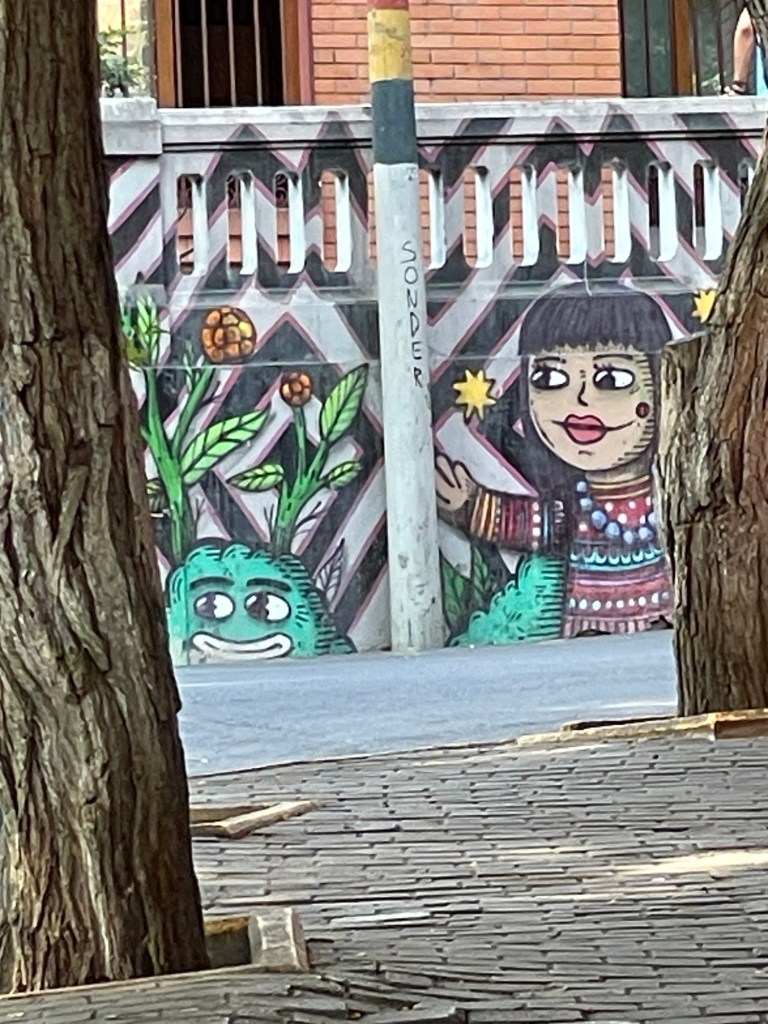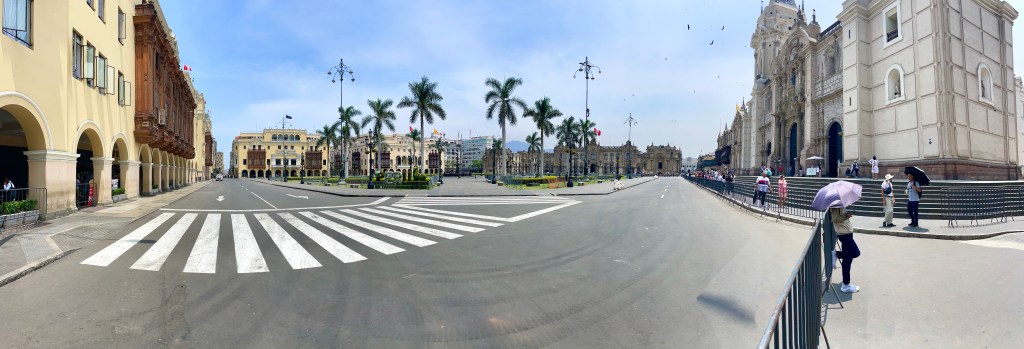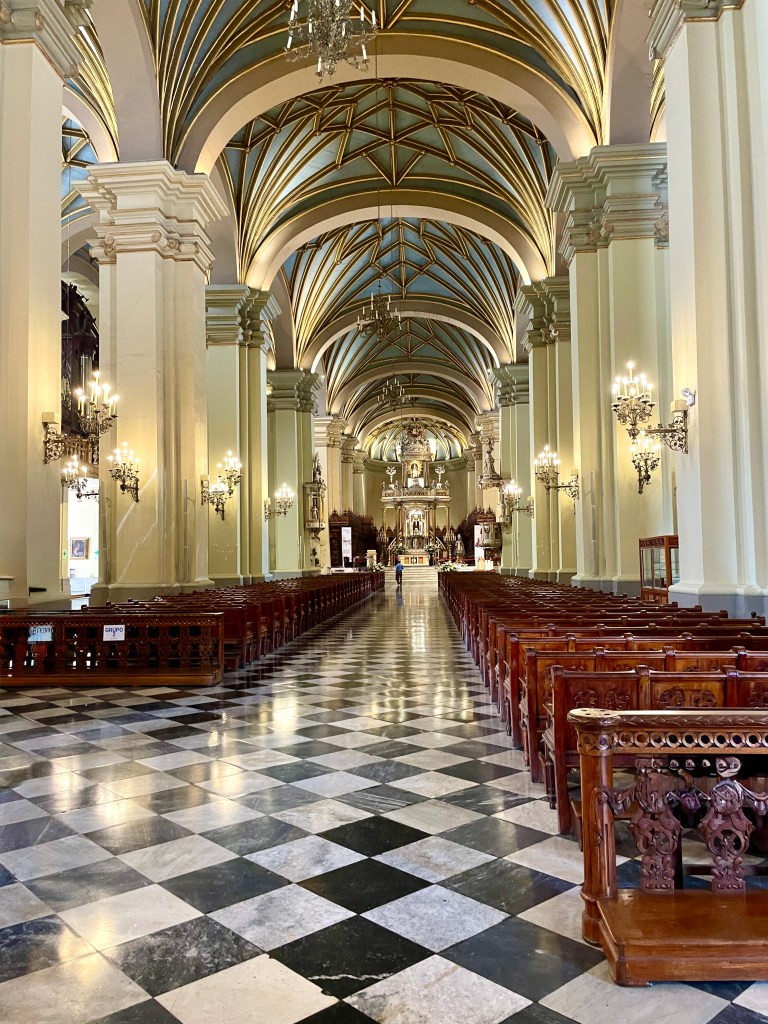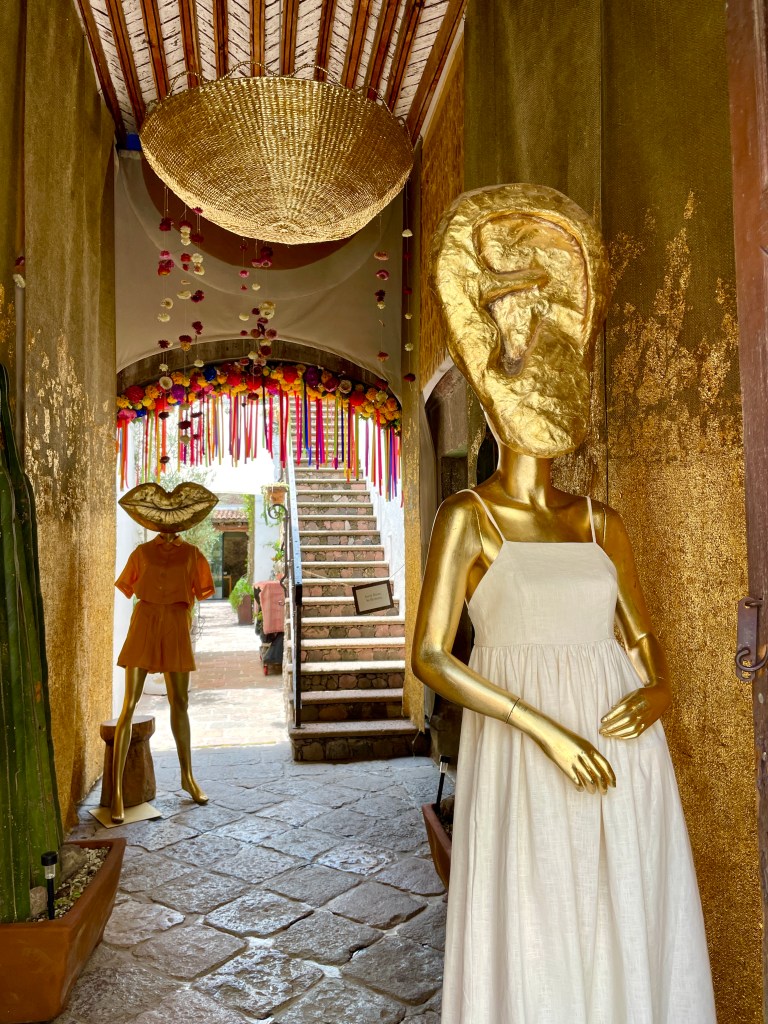
Cuernavaca, Mexico

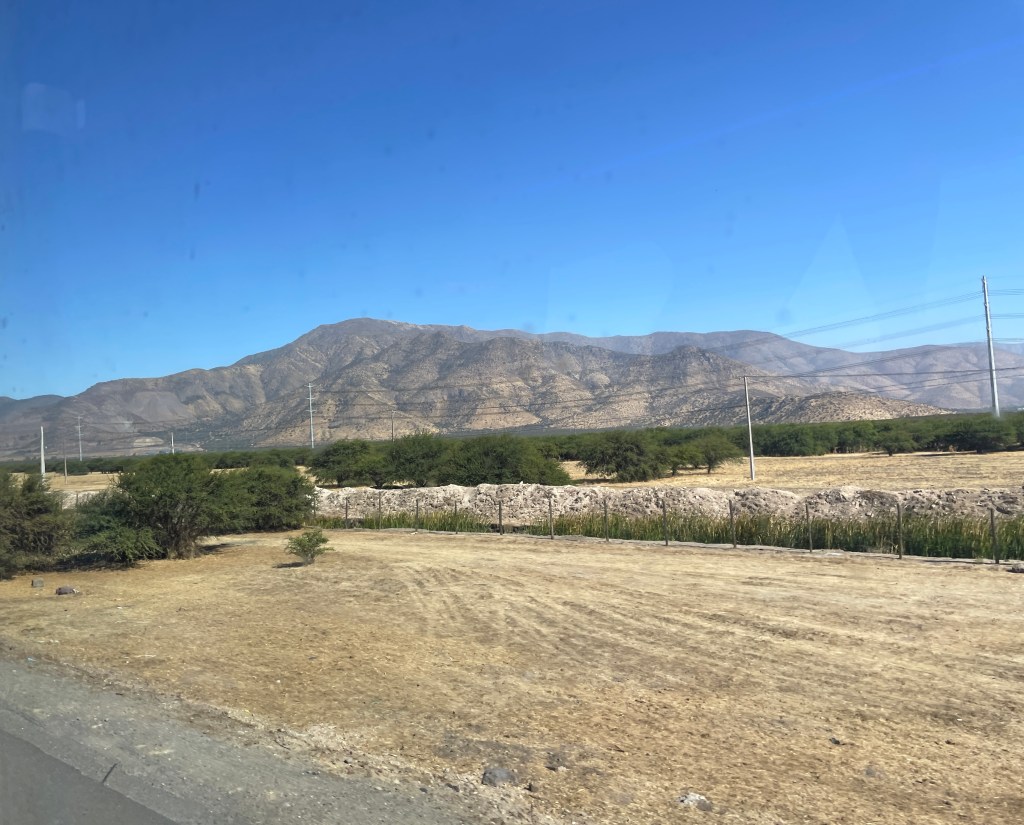
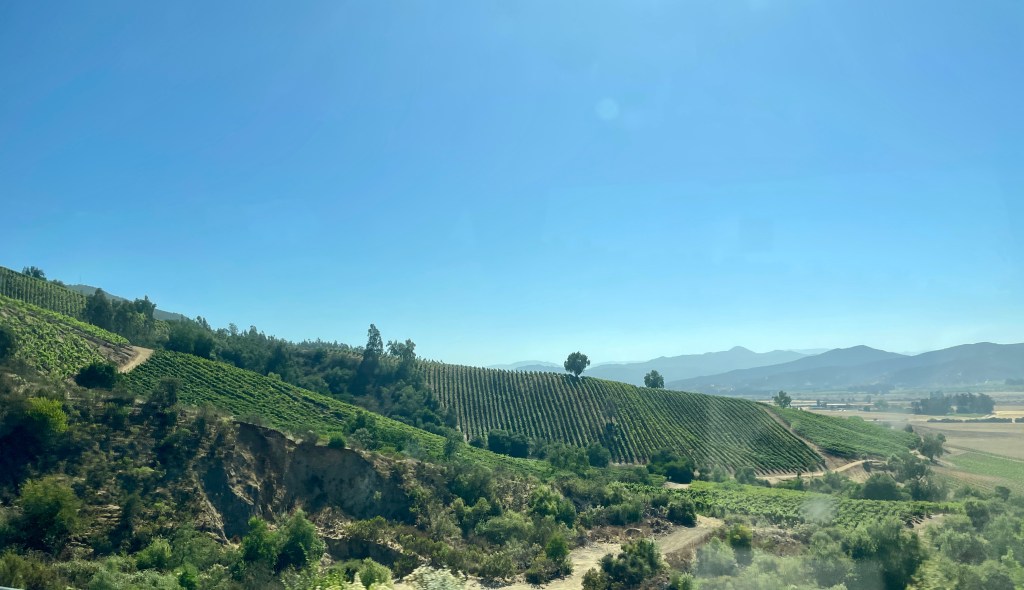
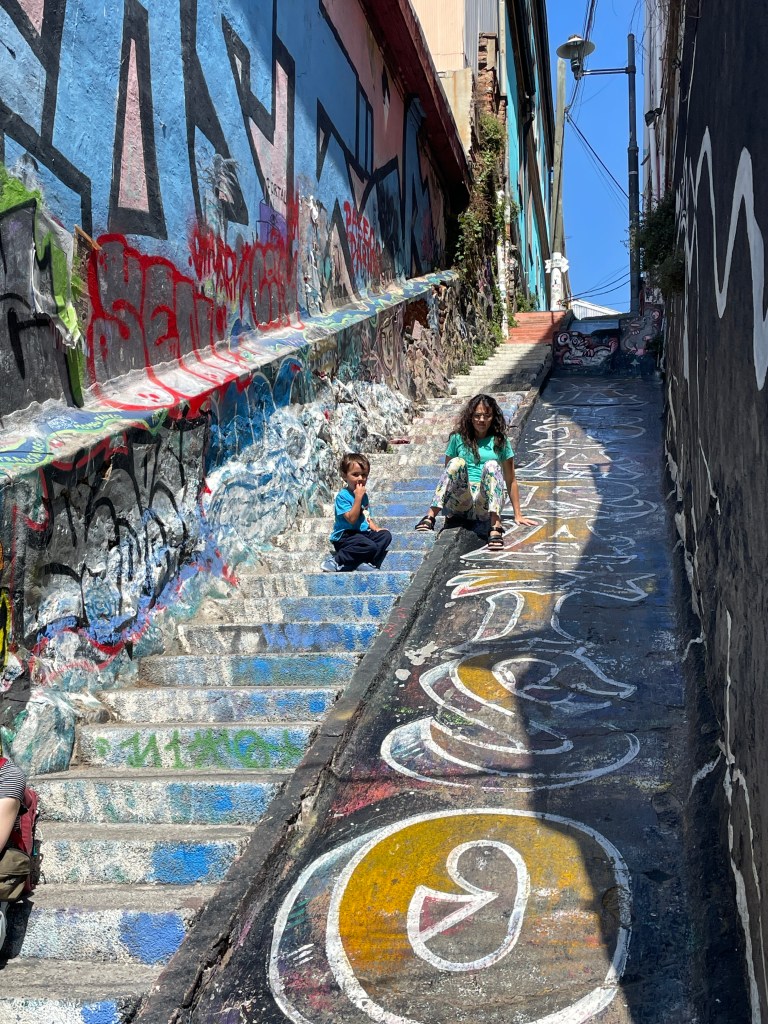
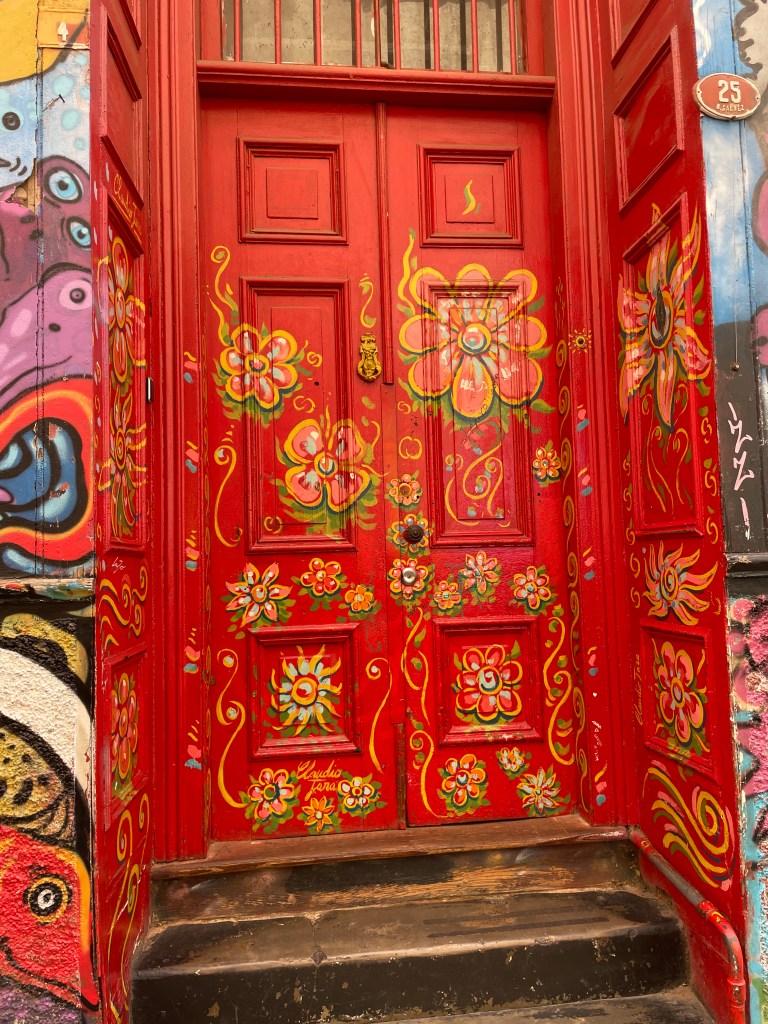
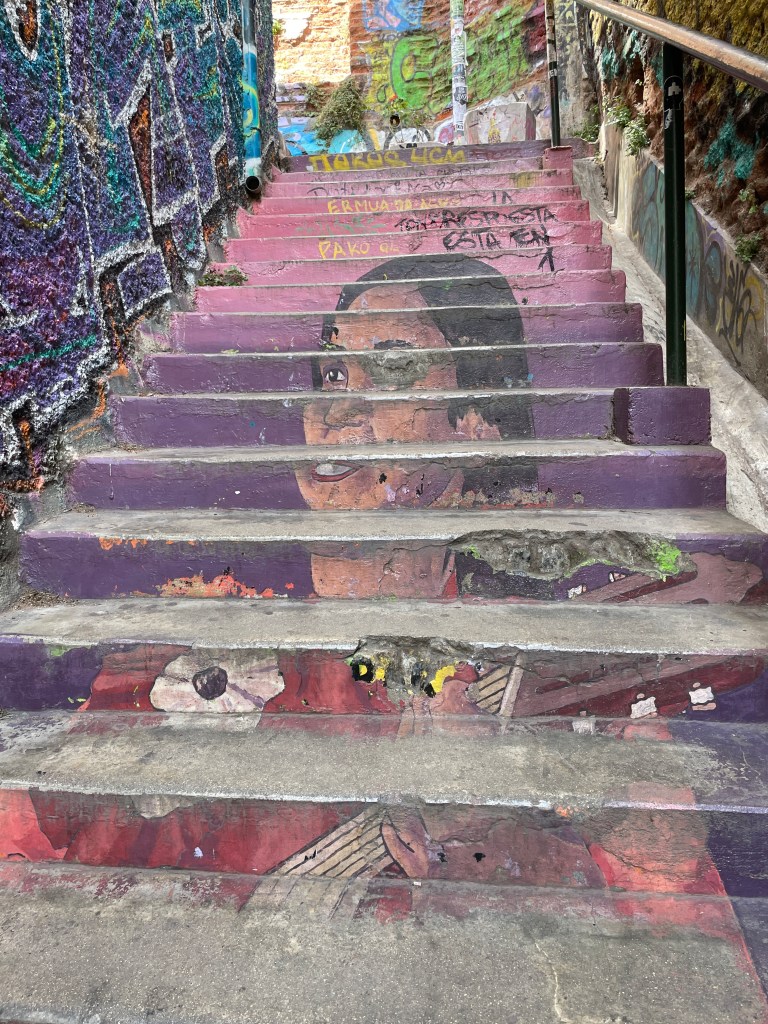
One of my favorite adventures in Mexico was our visit to Cuernavaca. While I loved the one-hour drive through the mountains from Mexico City, parts of which reminded me of Colorado or Flagstaff; I did not enjoy my first experience driving in Mexico City. On the one hand, you have to be Mario Andretti and push the peddle to the metal to squeeze into spaces the size of a dime in front of the one hundred cars whose drivers have the same idea as you, but on the other hand, you have to have the patience of a saint to know when to be cautious as you fight twenty-three million city dwellers for your right to be on the road when no one follows what should be common sense traffic rules. Seriously, it’s like being in intense labor ready to deliver while driving…everything is just coming at you at once! But enough of that…let’s head to Cuernavaca.
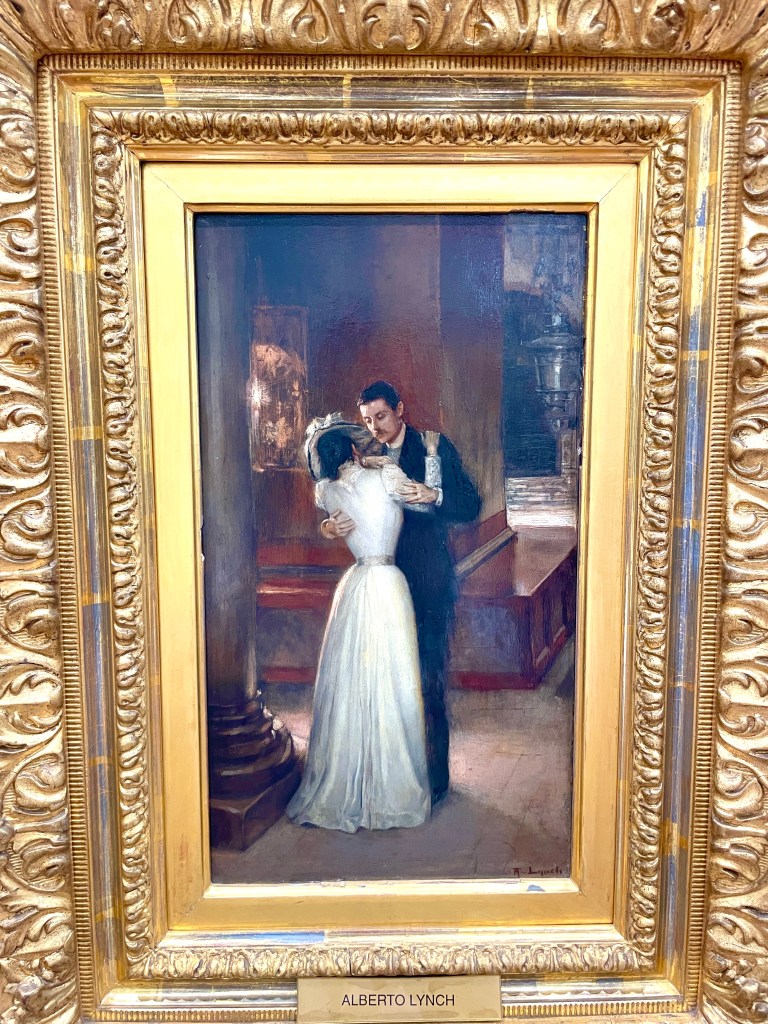
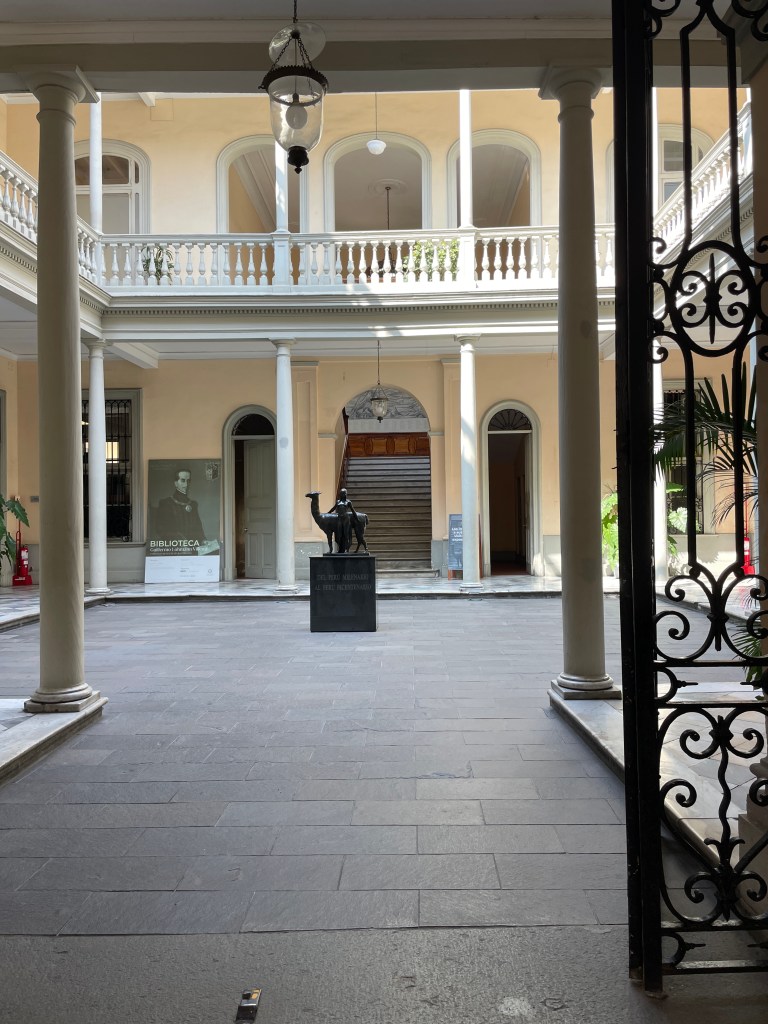
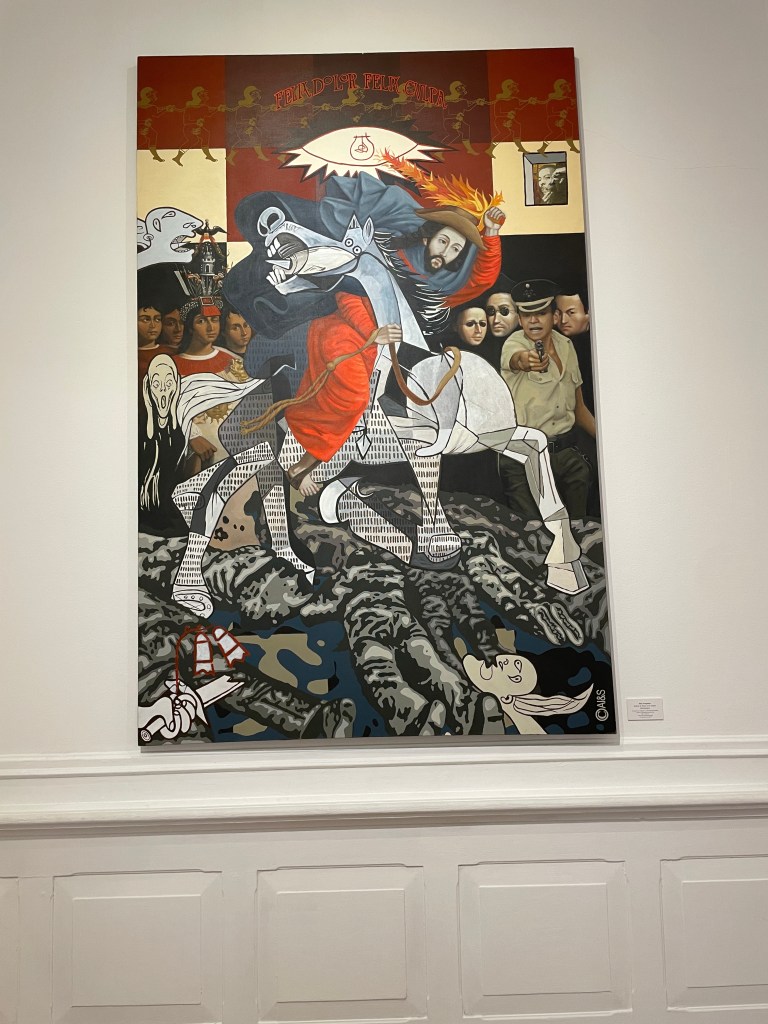
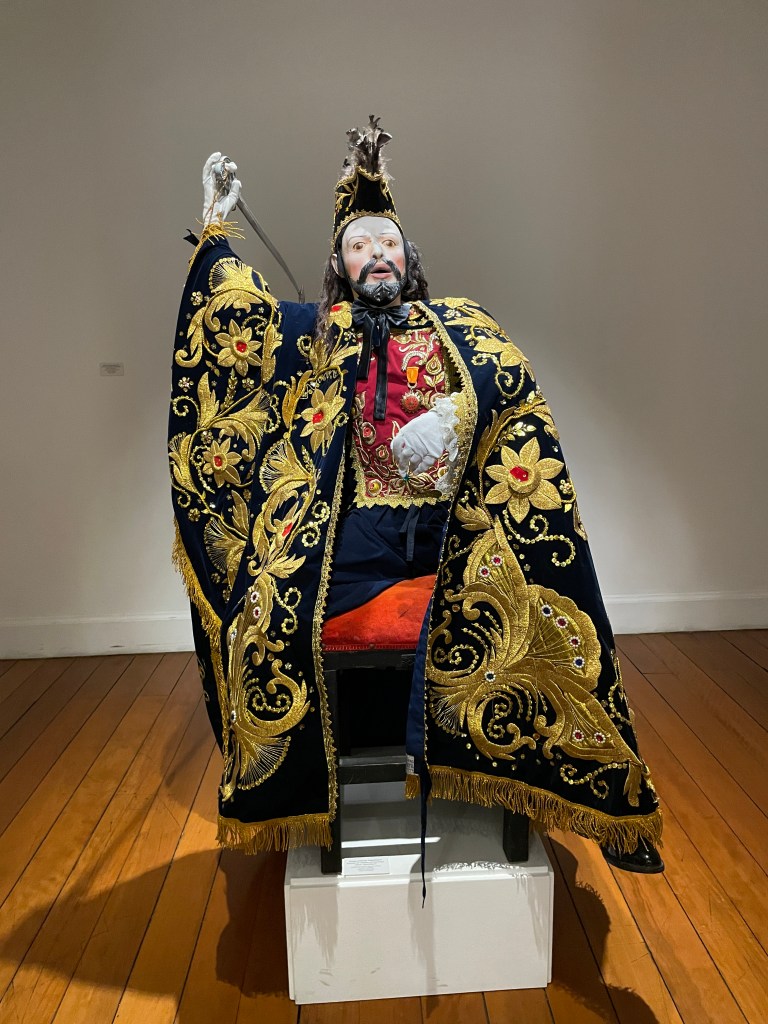
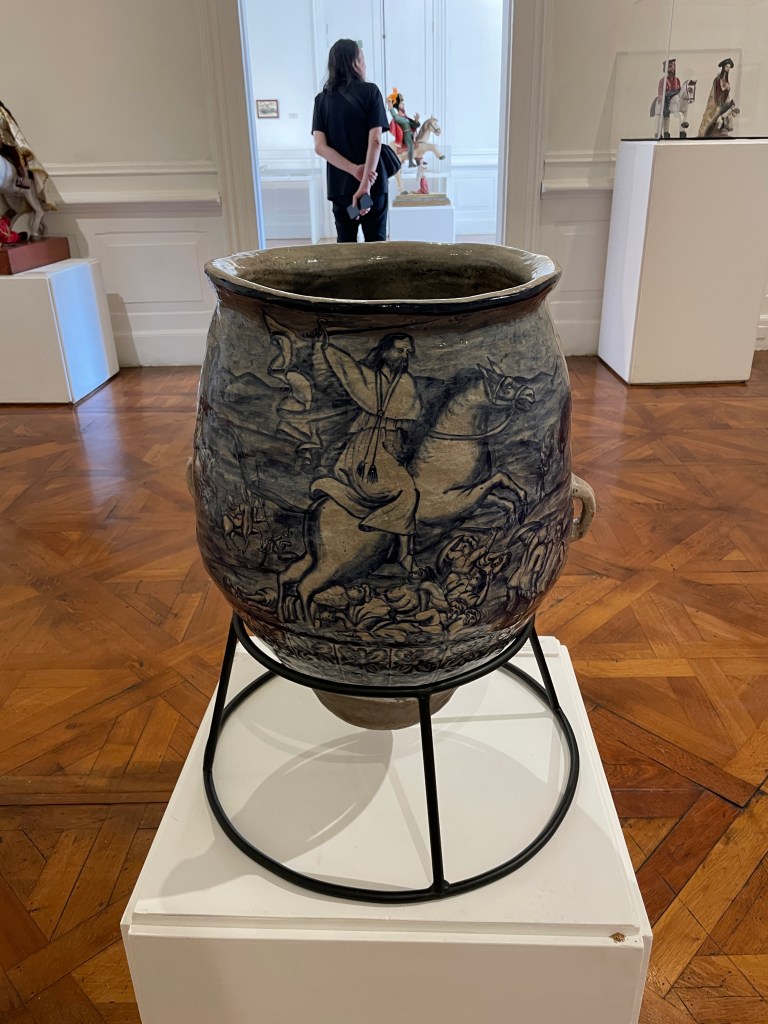
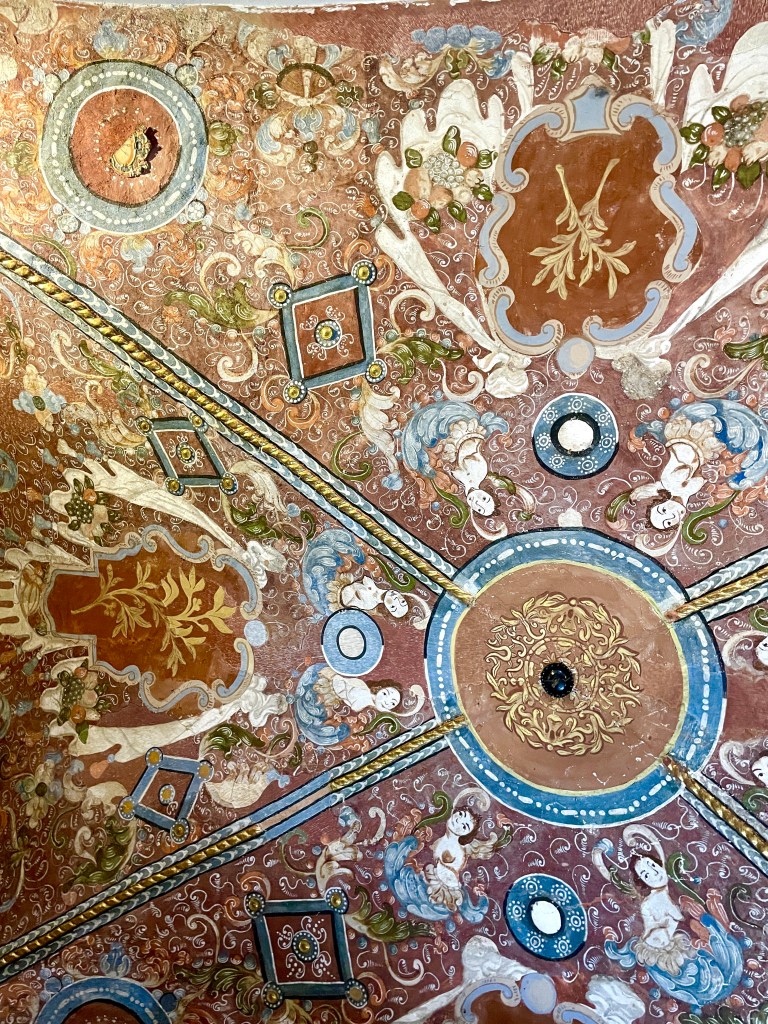
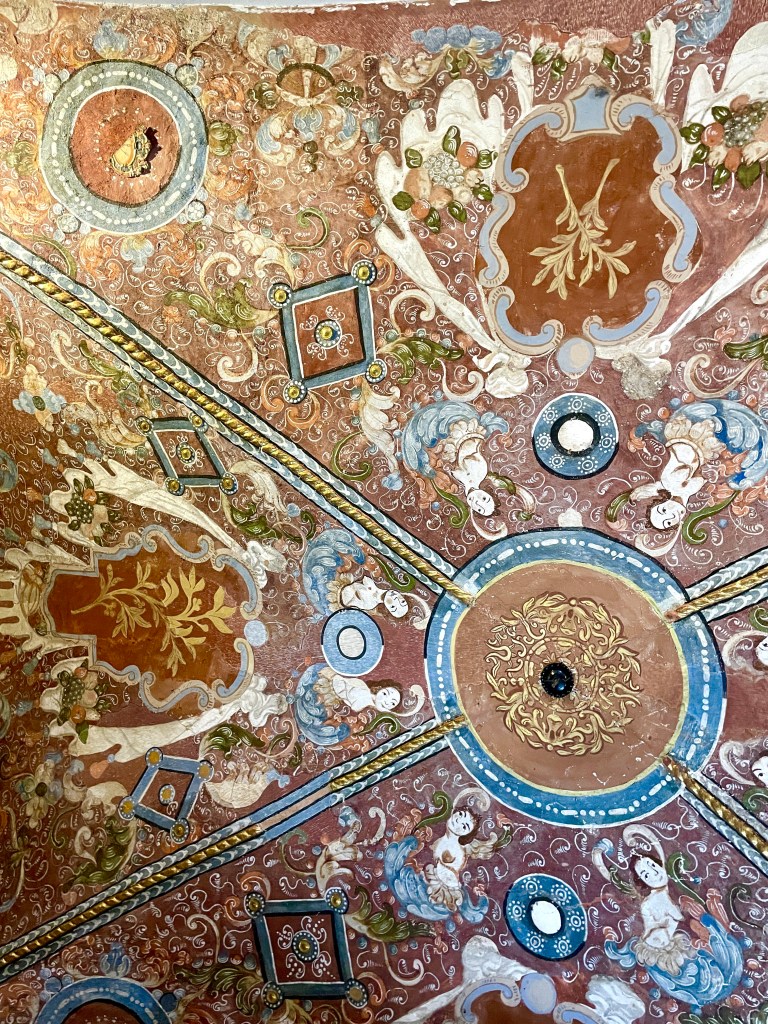
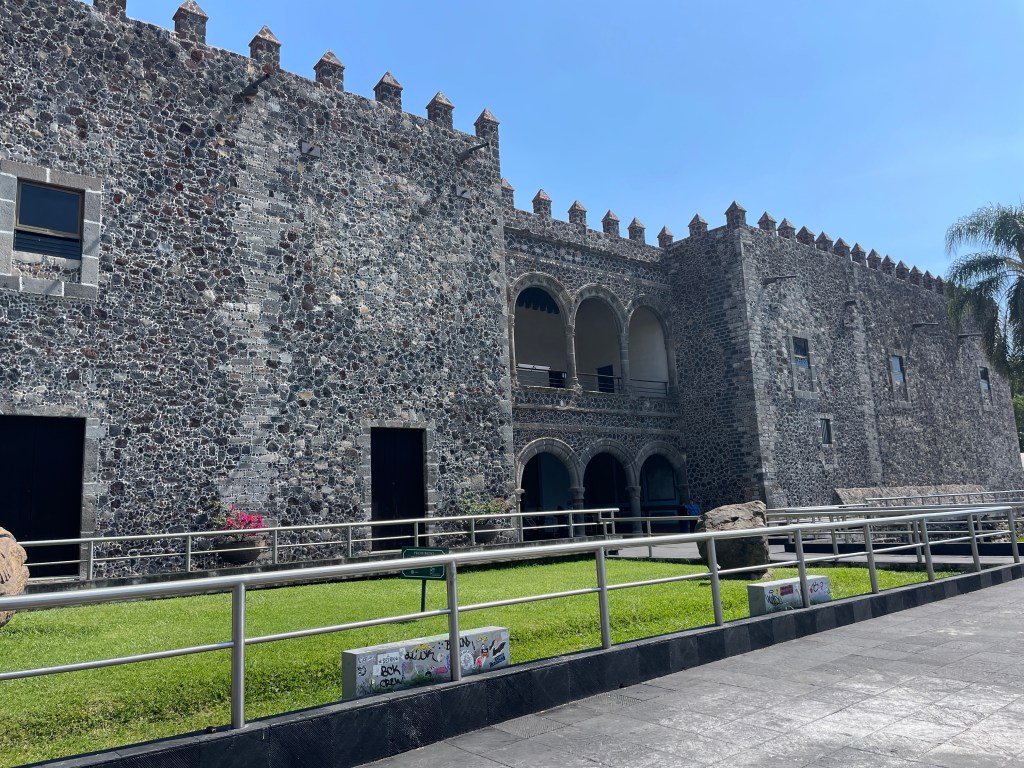
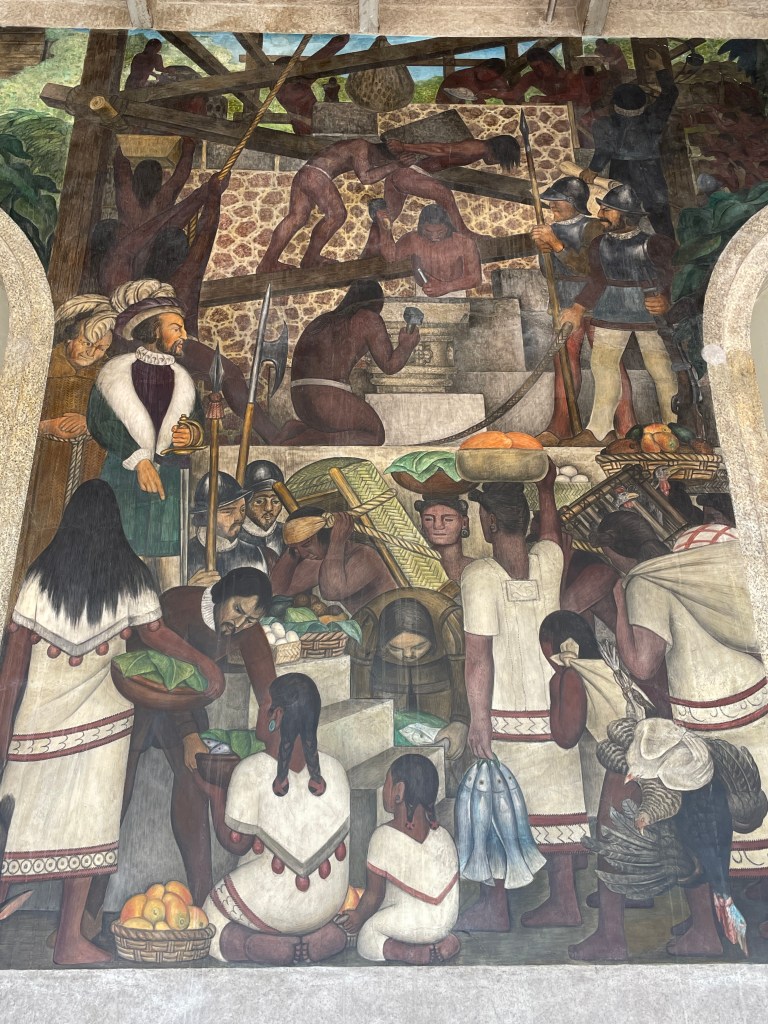
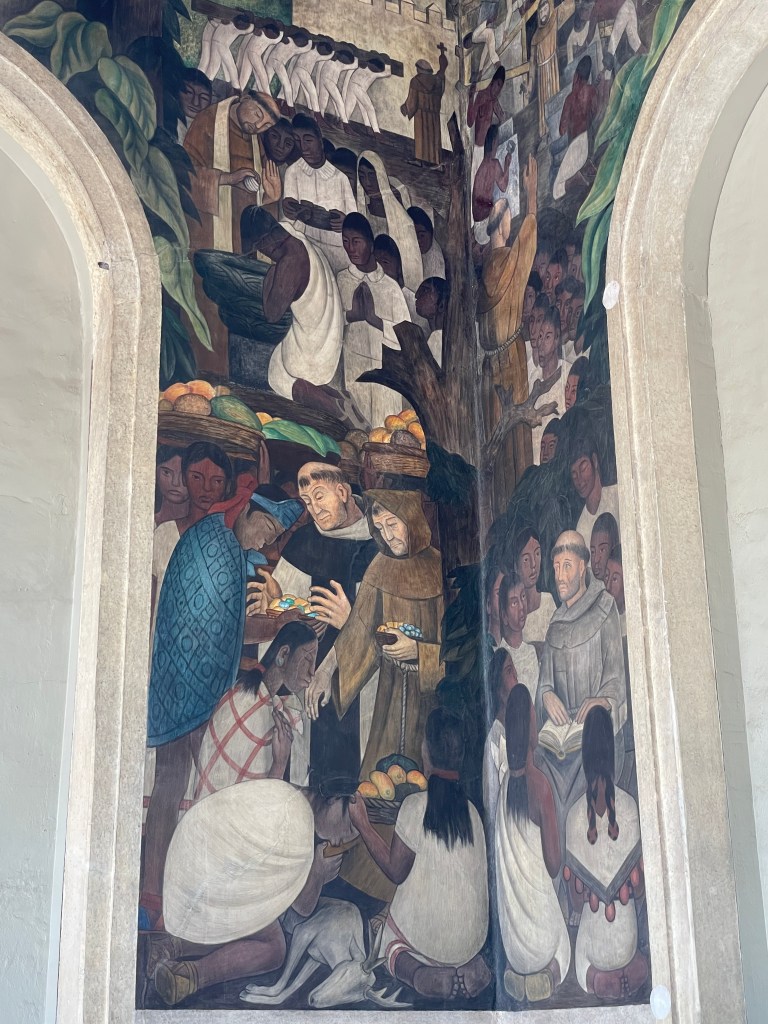
Cuernavaca is the capital of the state of Morelos. What brought us to this place was the Palace of Cortez but what we found was so much more than we ever imagined. Built somewhere between 1523-1528 by the conqueror Hernan Cortez, the palace is the oldest conserved colonial era civil complex within the Americas. And while all that information is interesting what really brought Michael and I here were the Diego Rivera murals that decorate the upstairs floors. Little did we know there was a museum connected to the property which housed more than just the magnificent wall art.

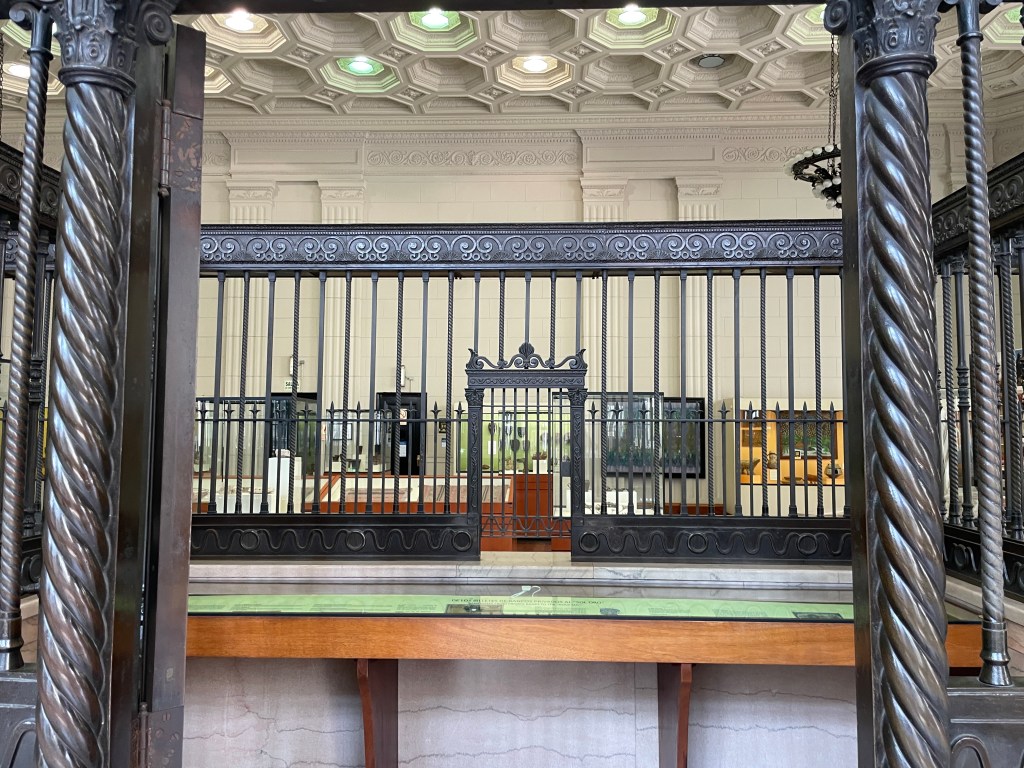
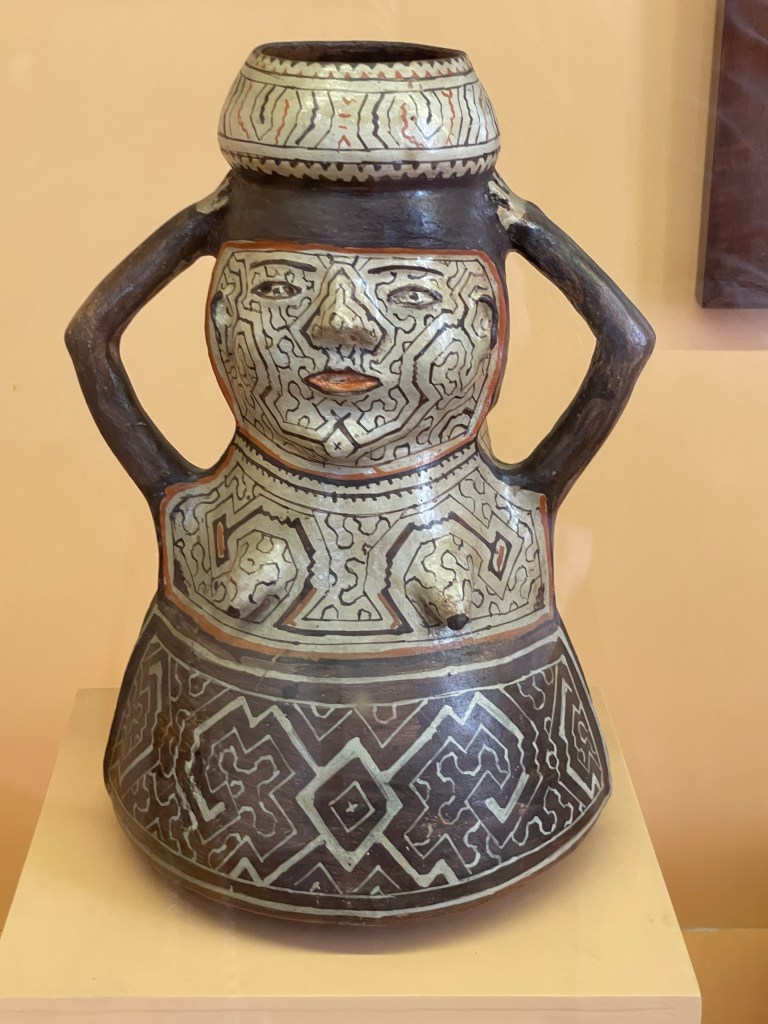
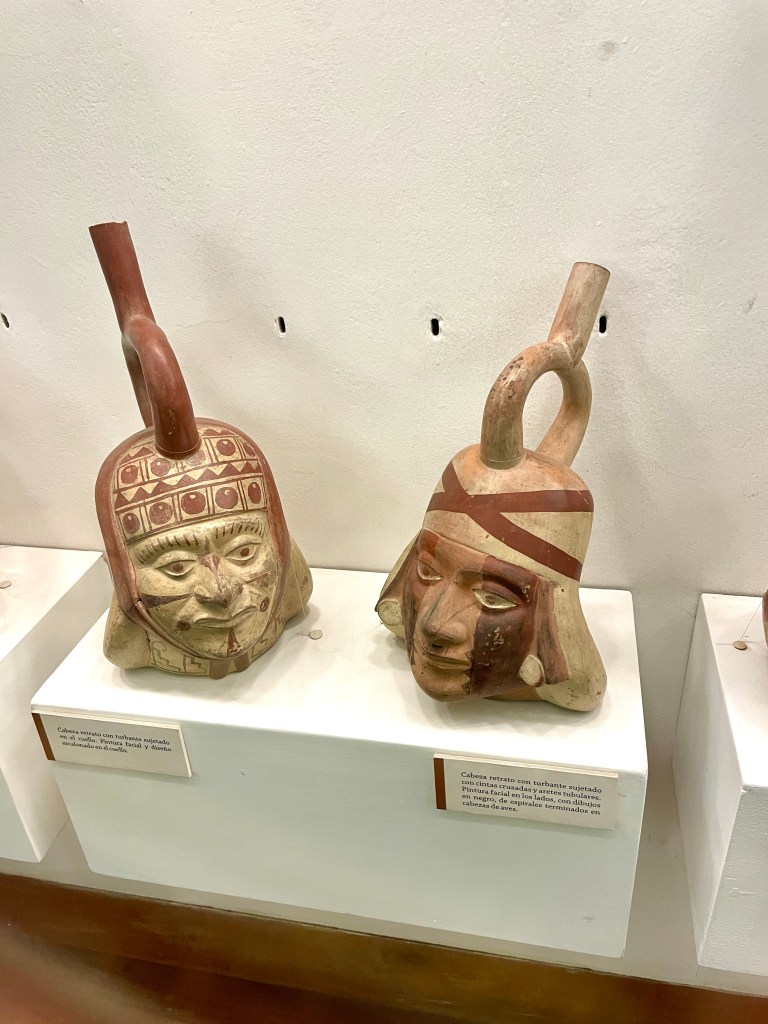
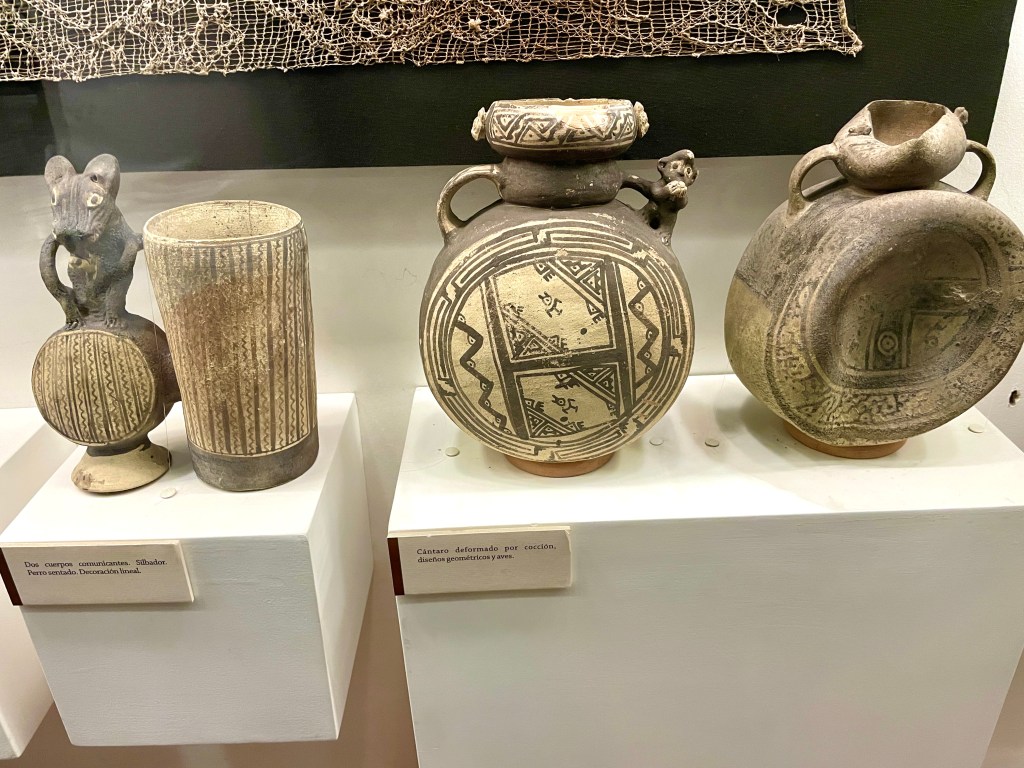
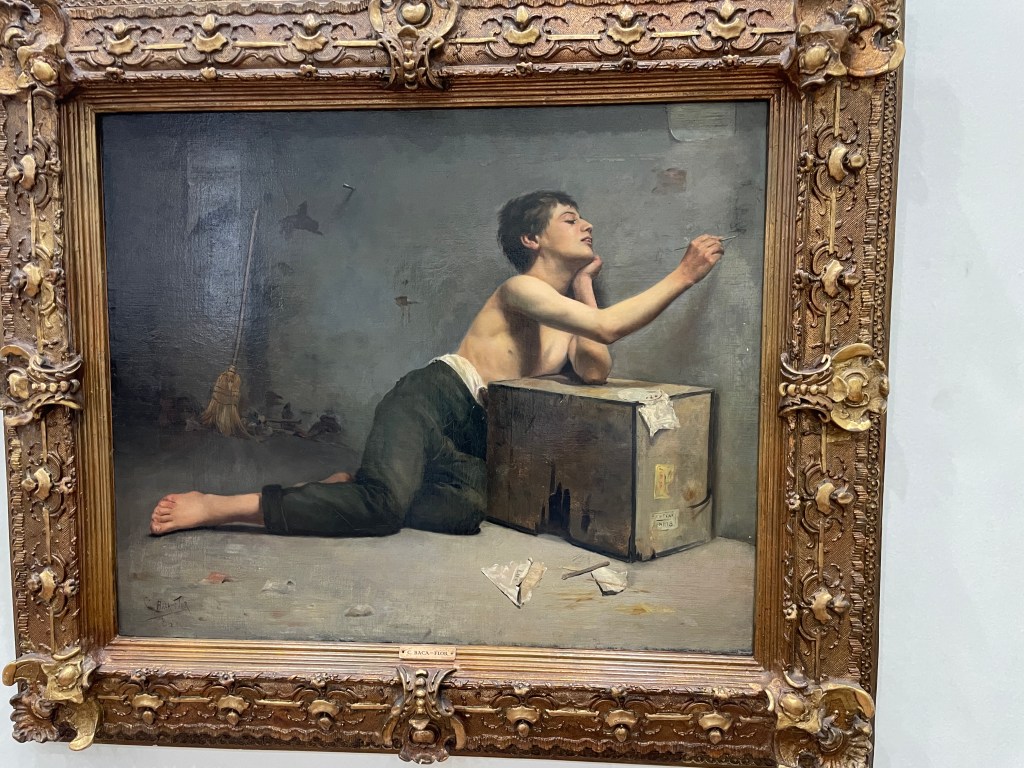
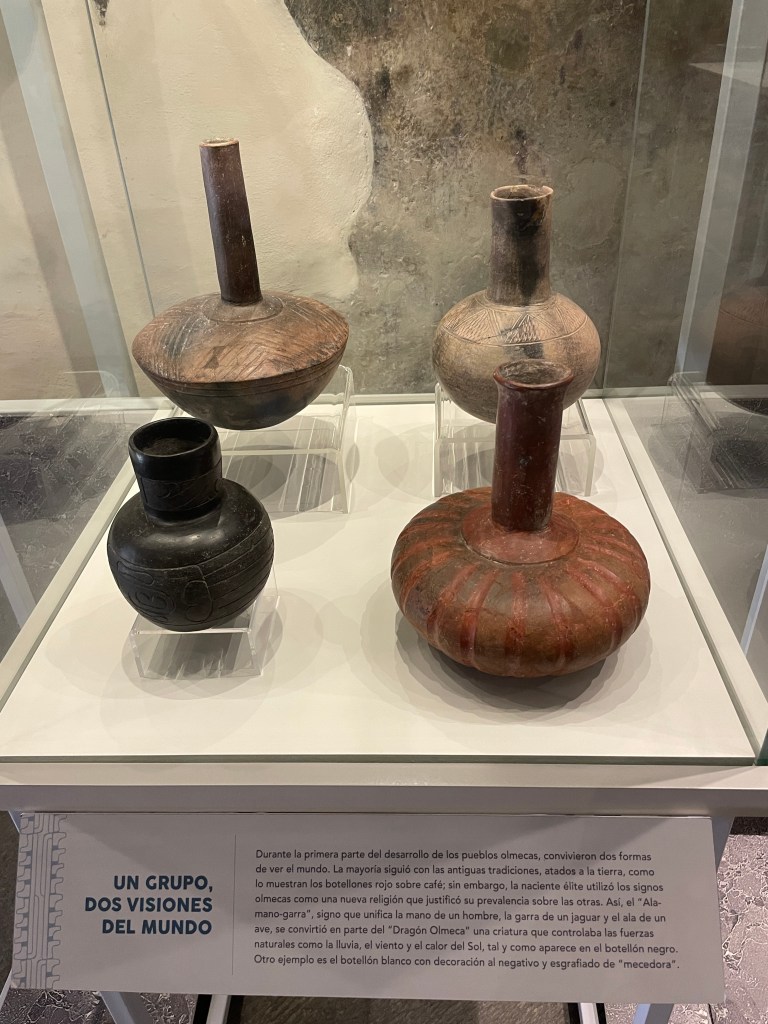
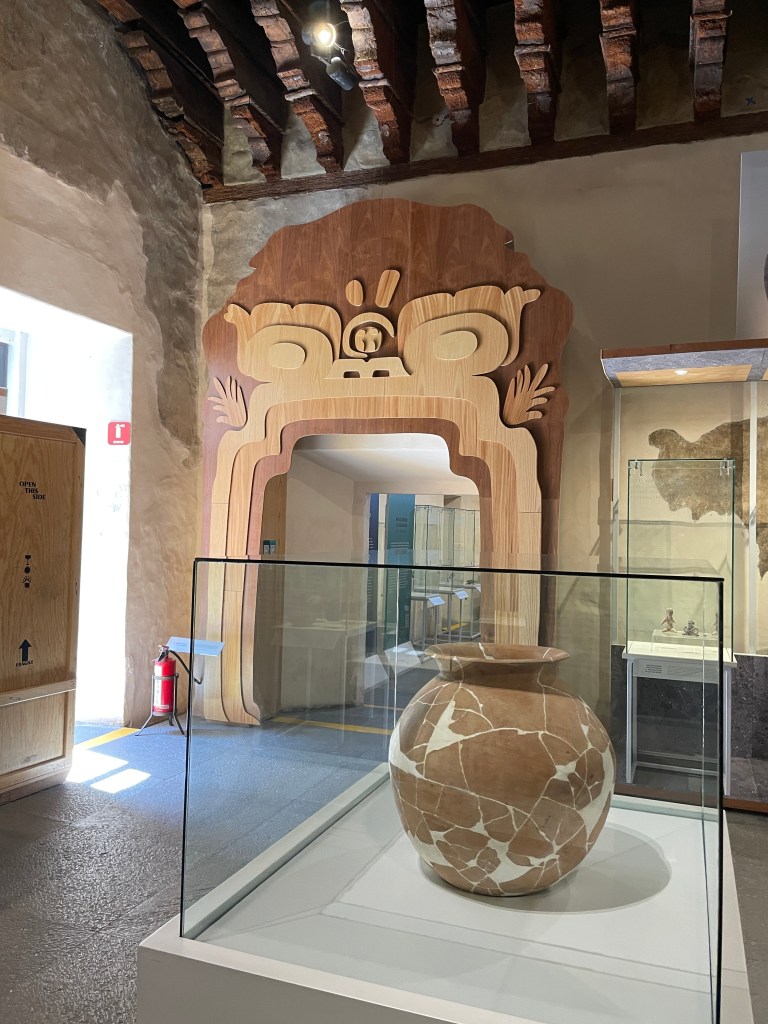
With an entrance fee of about $5 USD it is certainly a bargain in this day of $10-20 fees in the USA. The first floor contains artifacts from the ancient civilizations that flourished in this land. It’s a nice collection for a museum of this size.

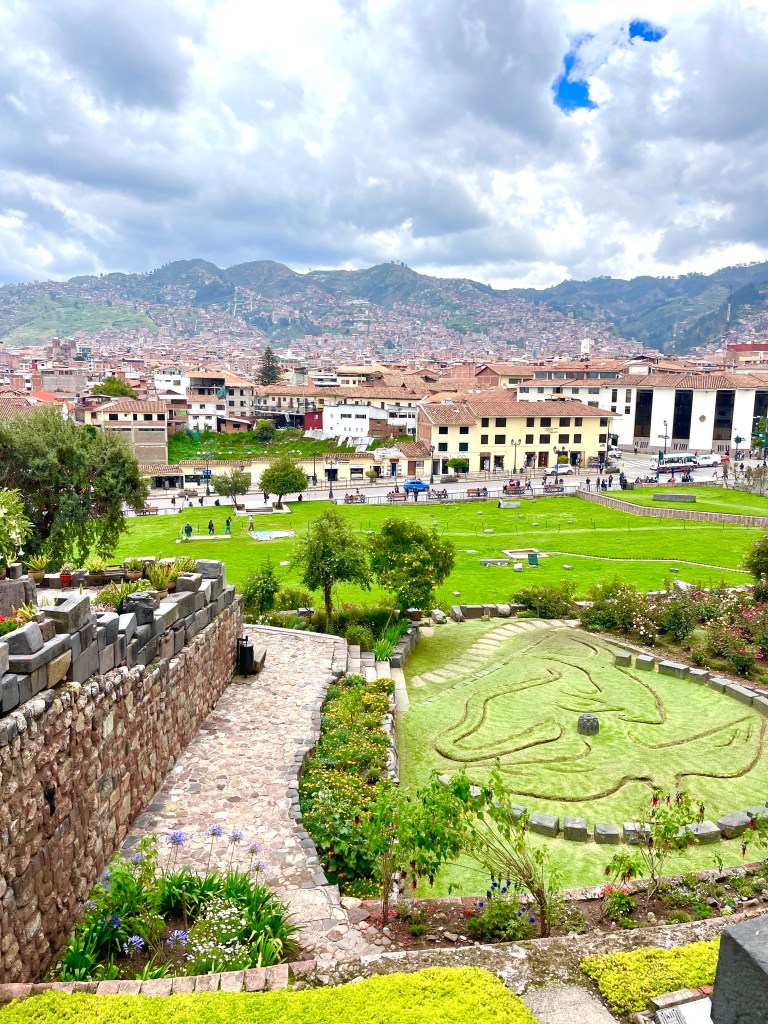
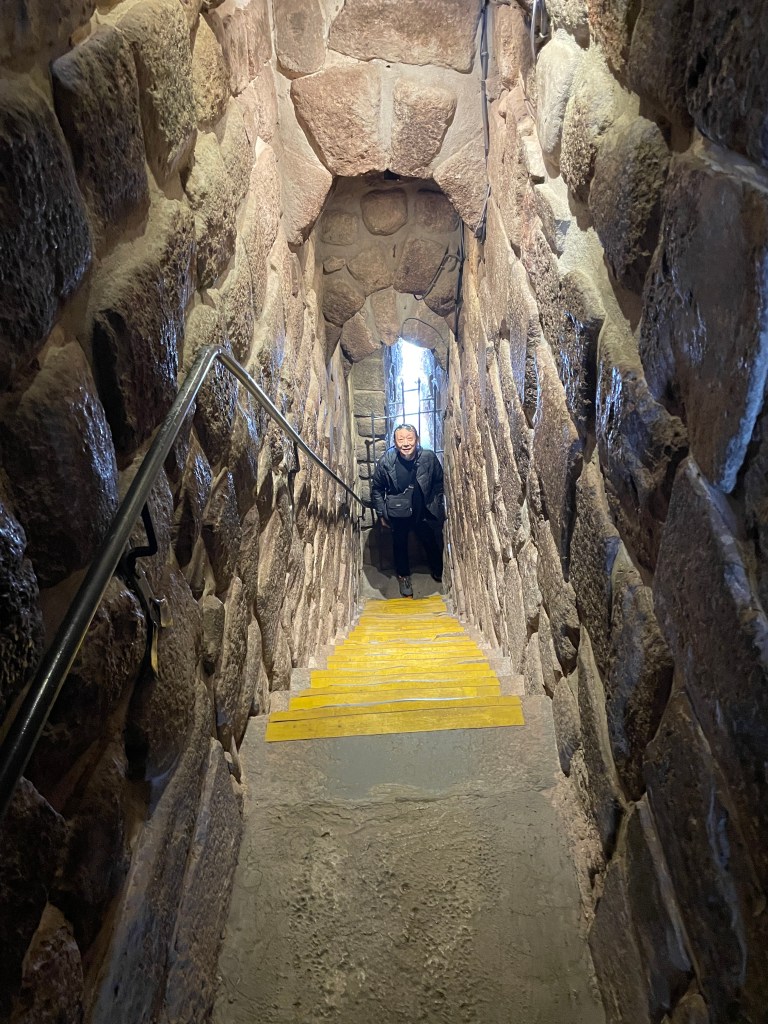
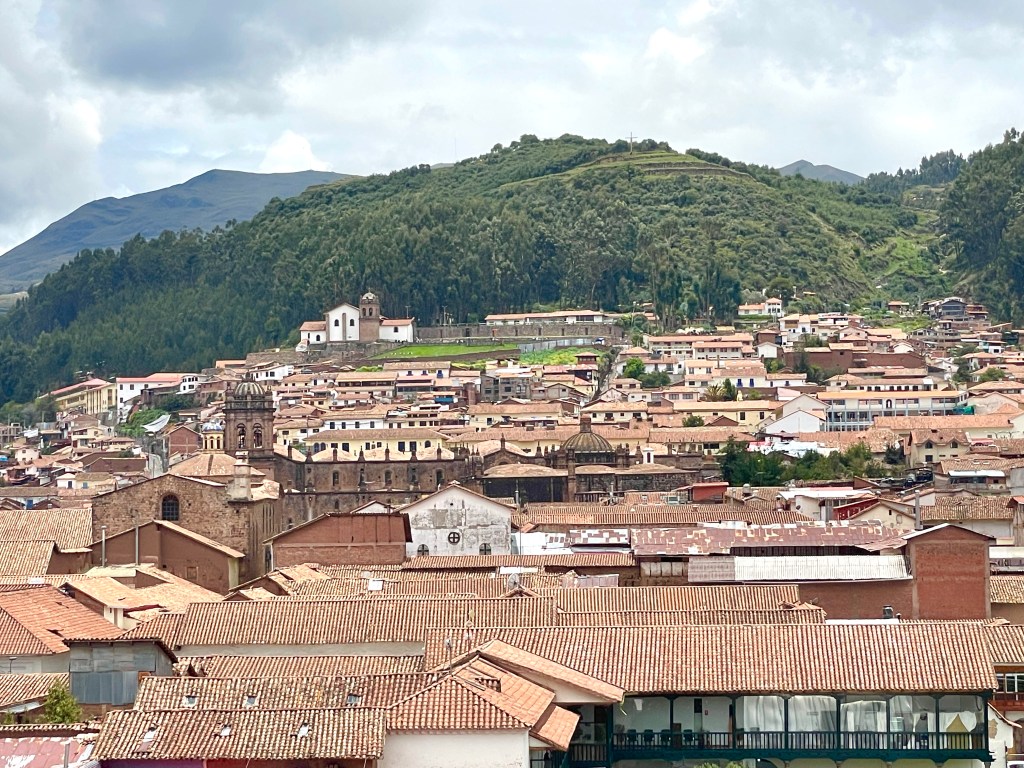
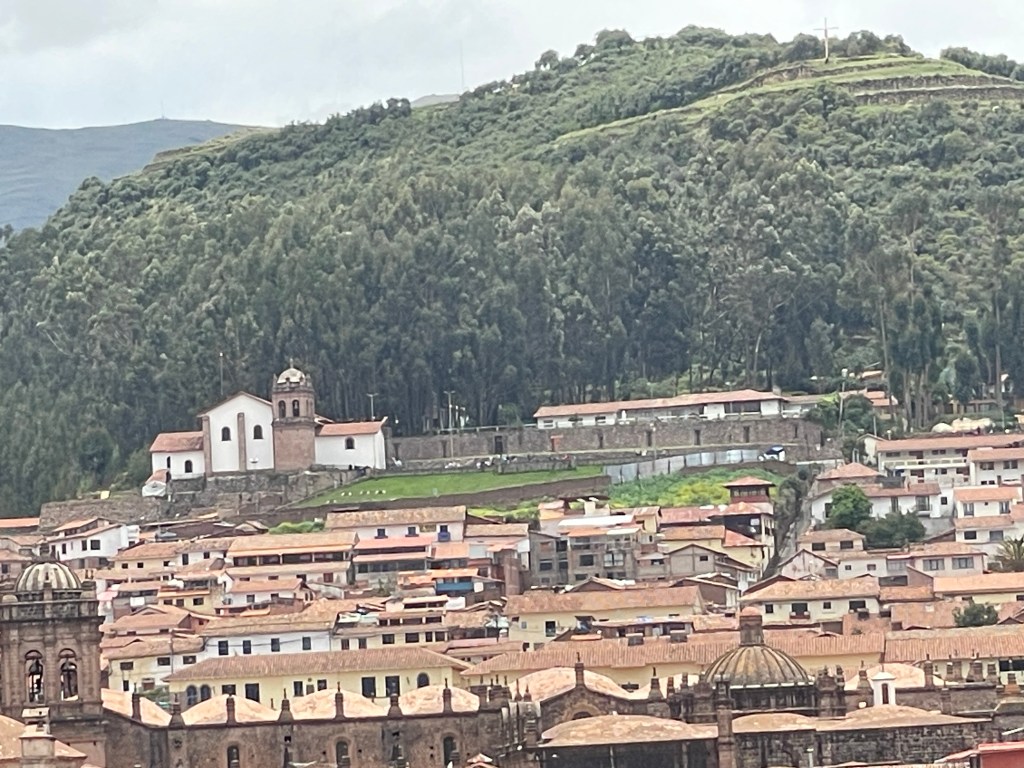
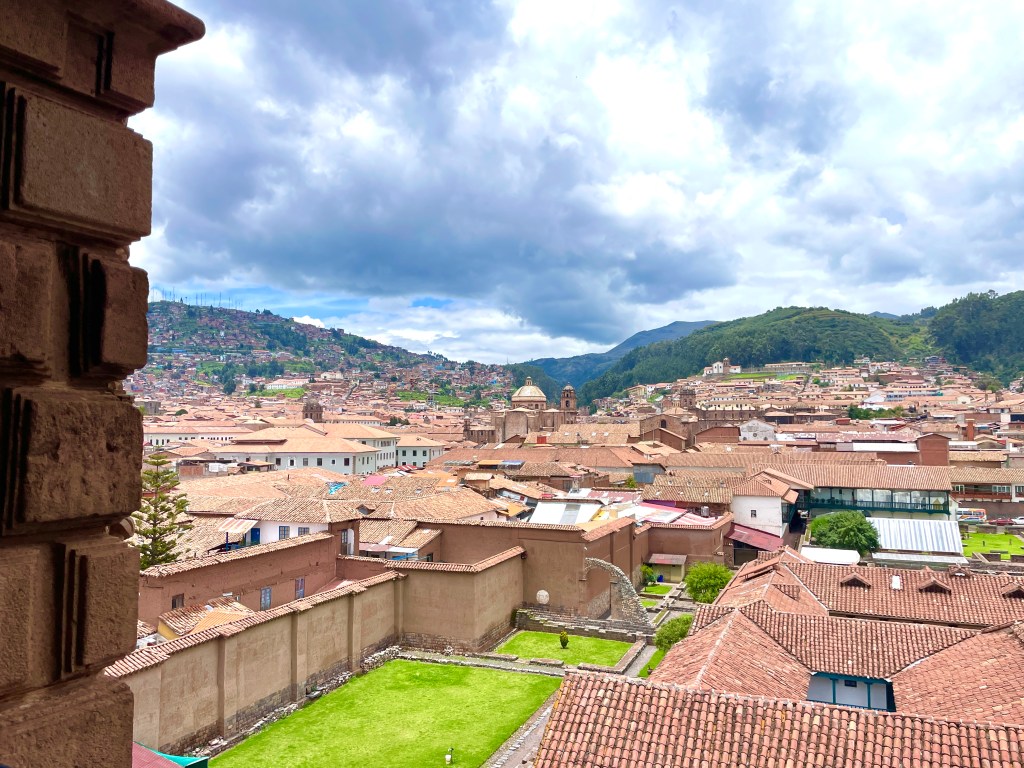
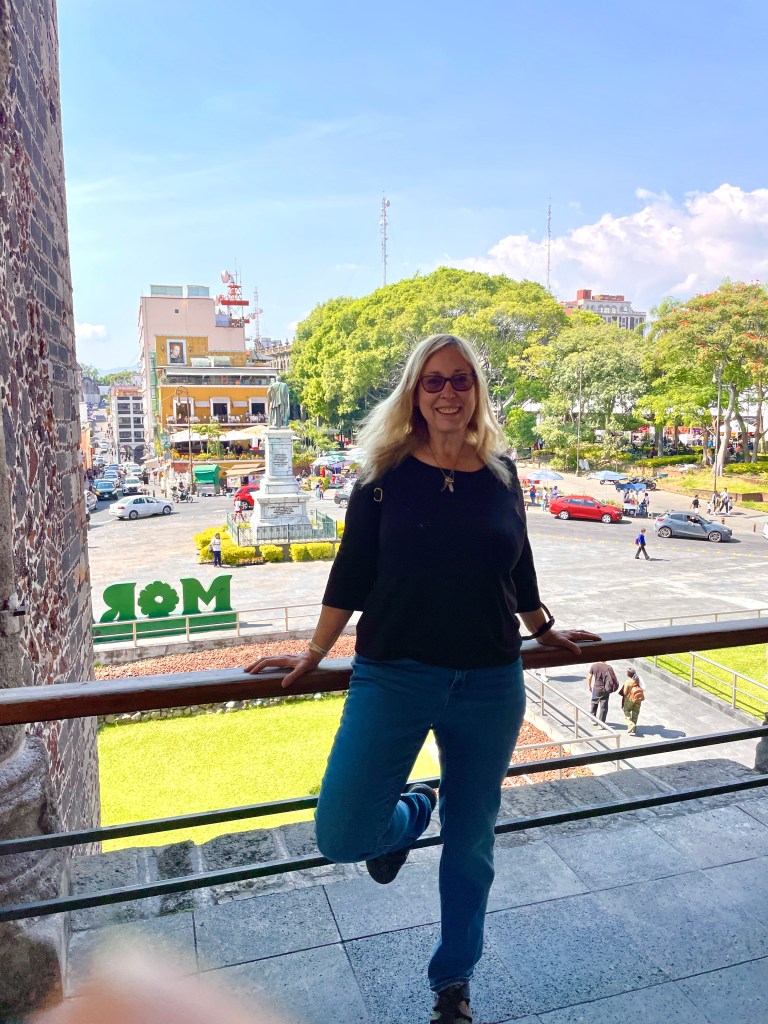
But what we had really come to see involved climbing quite a few steps to the balcony level which includes a magnificent view of the city and the countryside which surrounds it. That alone was almost worth the climb.

But the piece de resistance were the murals and when we turned the corner our breaths were literally taken away and not just from the stair climb! Commissioned by the US Ambassador to Mexico, Dwight Murrow, Rivera himself chose the subject. of the murals…the history of the invasion of Mexico by the Spanish…and he holds nothing back. They are truly spectacular!

If you are a Diego Rivera fan this is one place you need to check out!

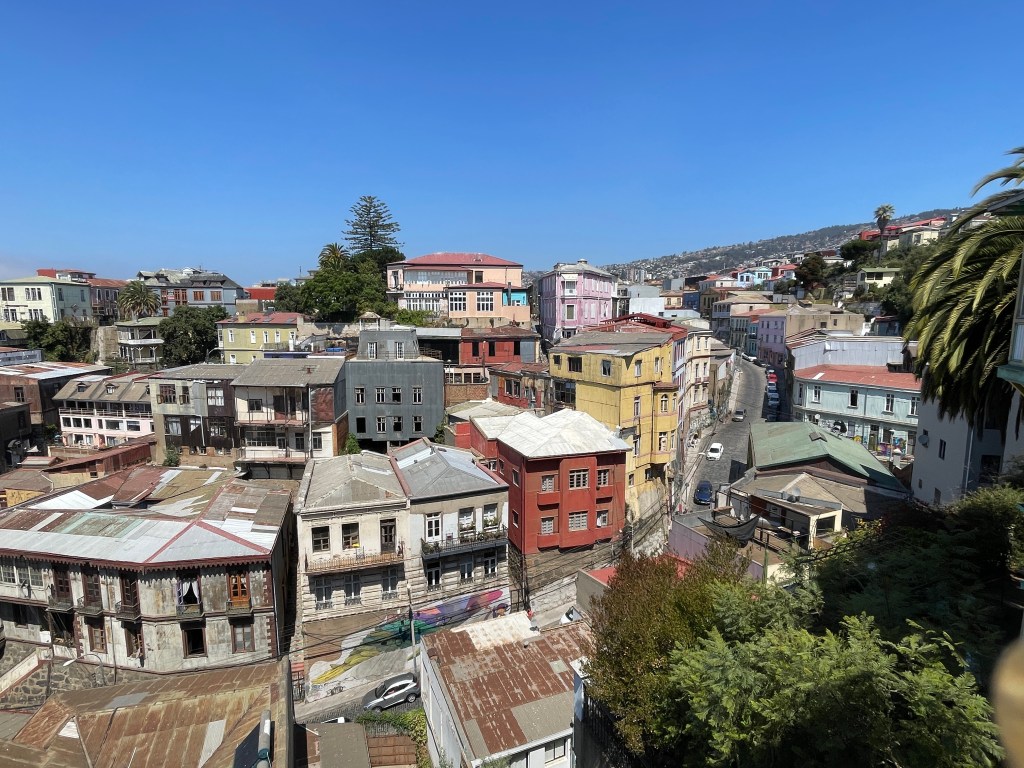
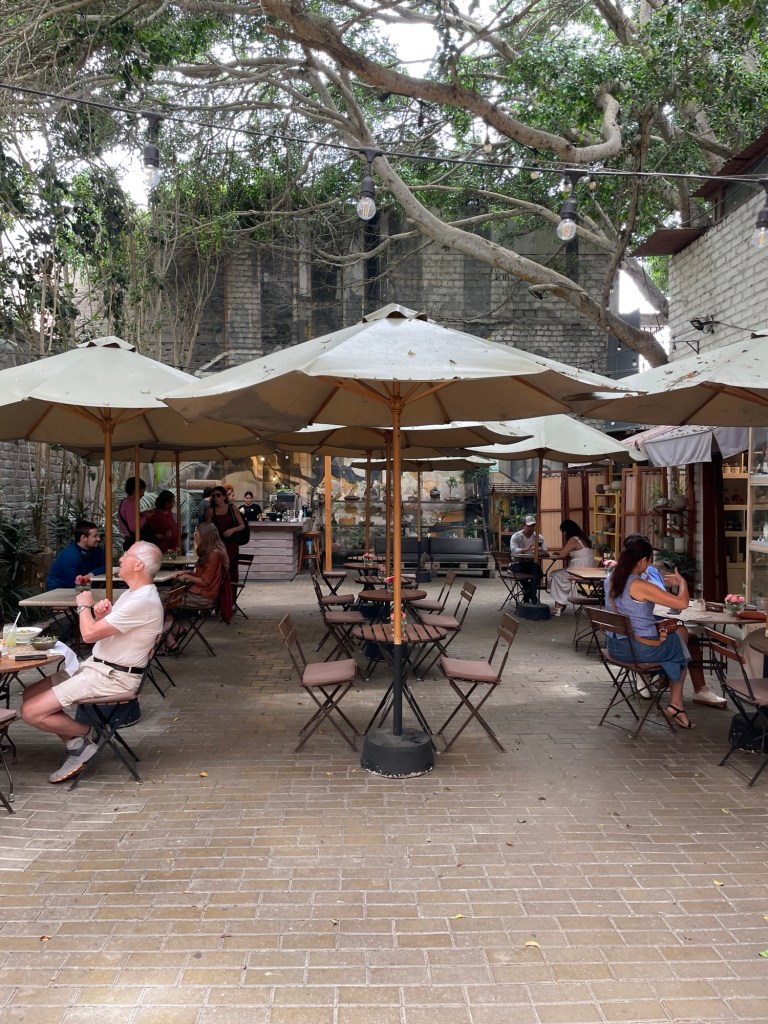
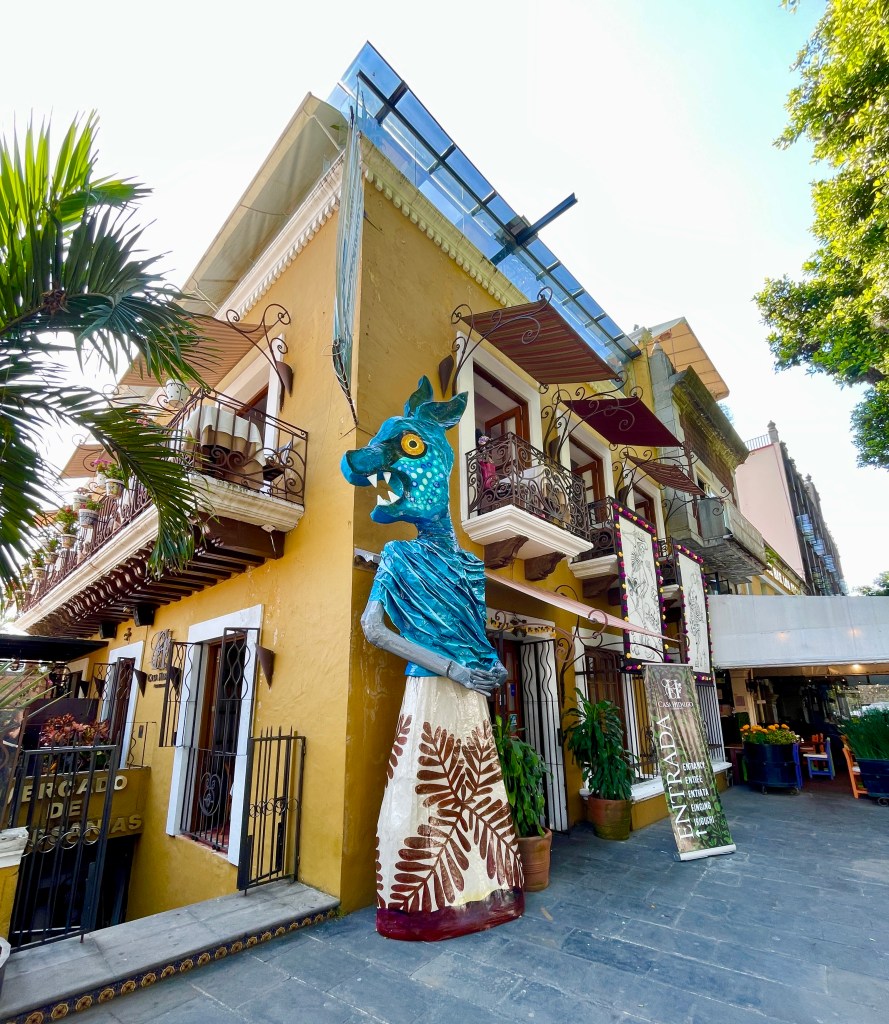
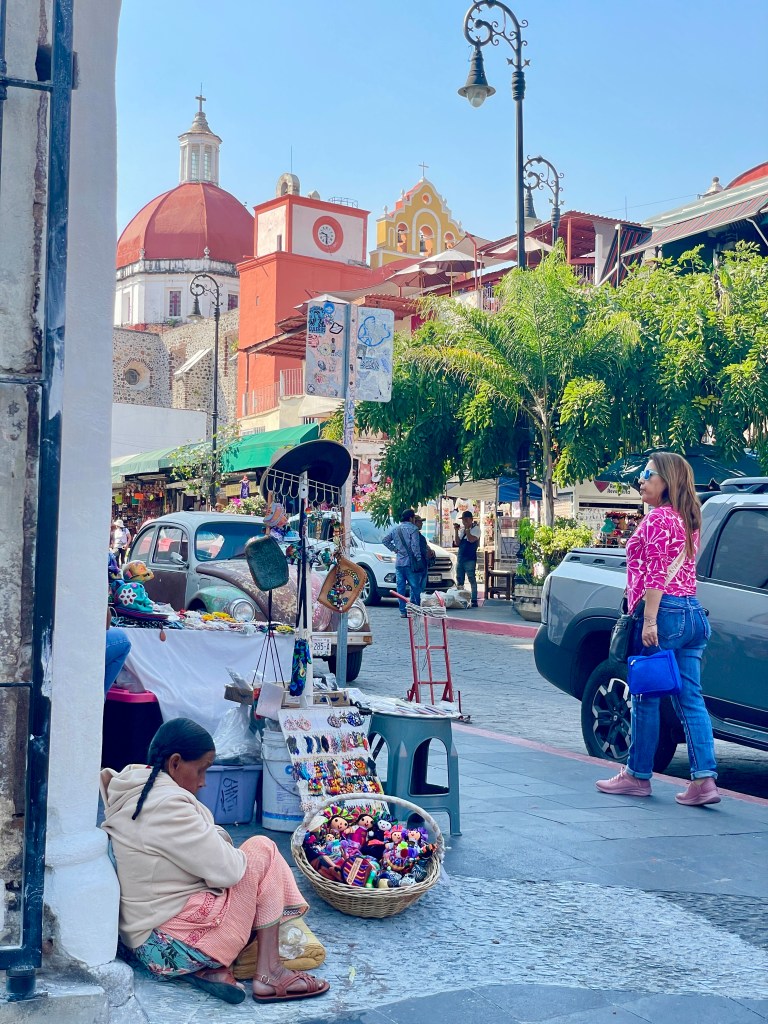
From the Palace of Cortez we walked down the cobble streets, ducking into an alley and surprised ourselves by finding an incredible taco place. I wish I could remember the name but here is the view from the upstairs of the eatery.

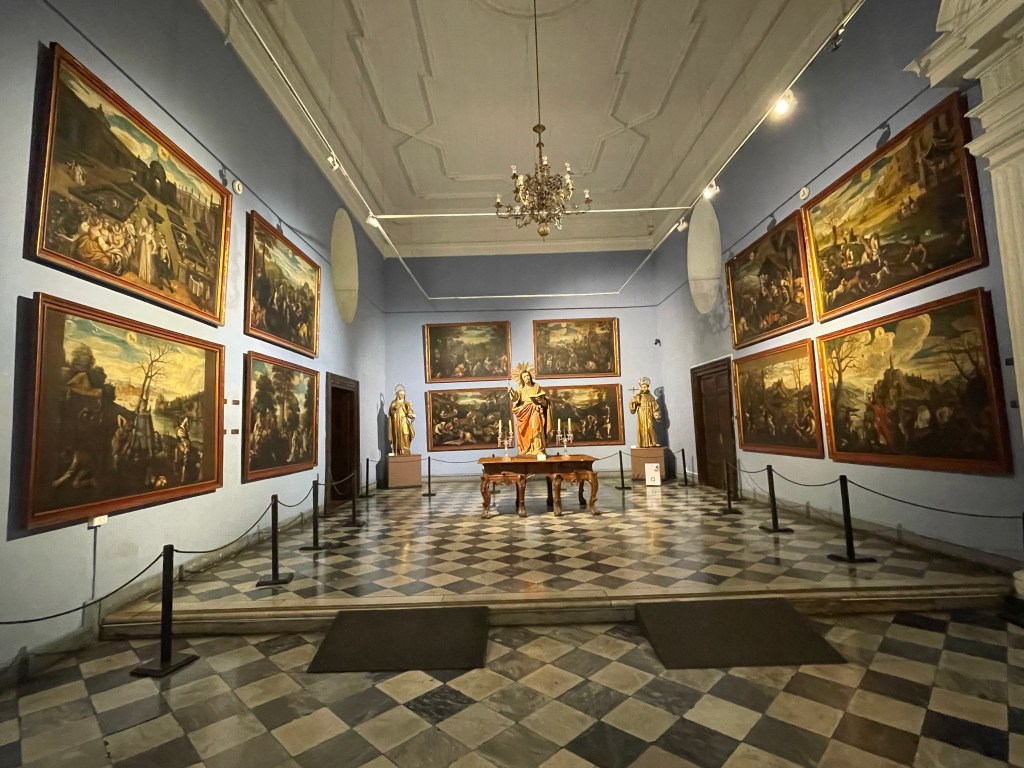
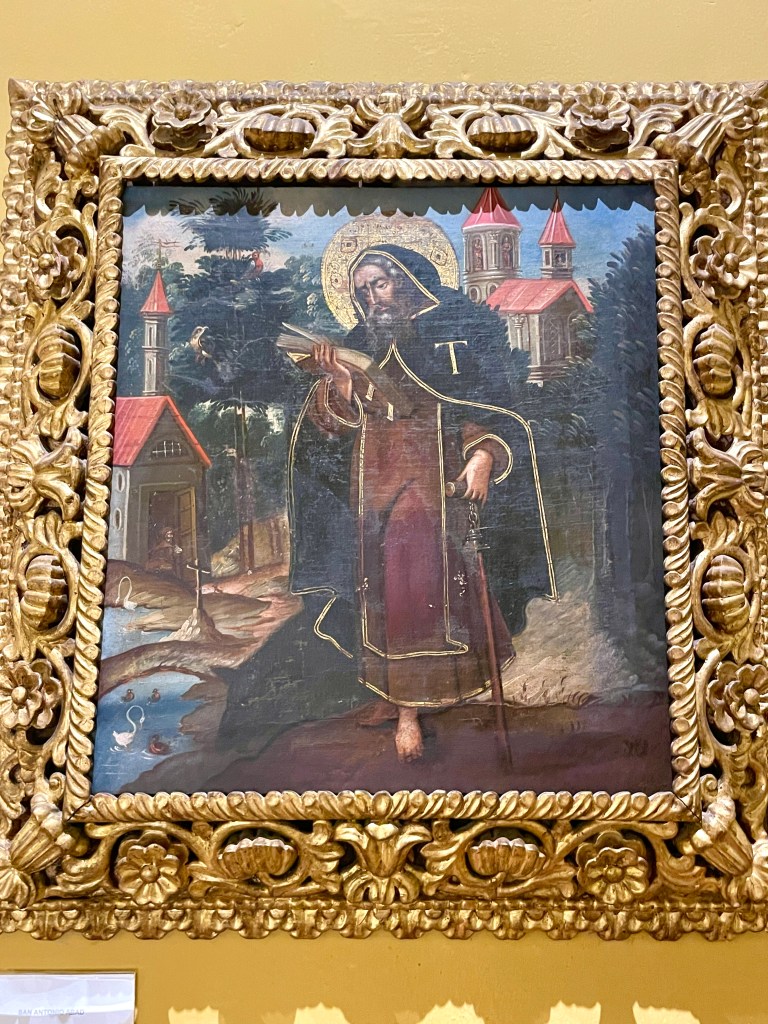
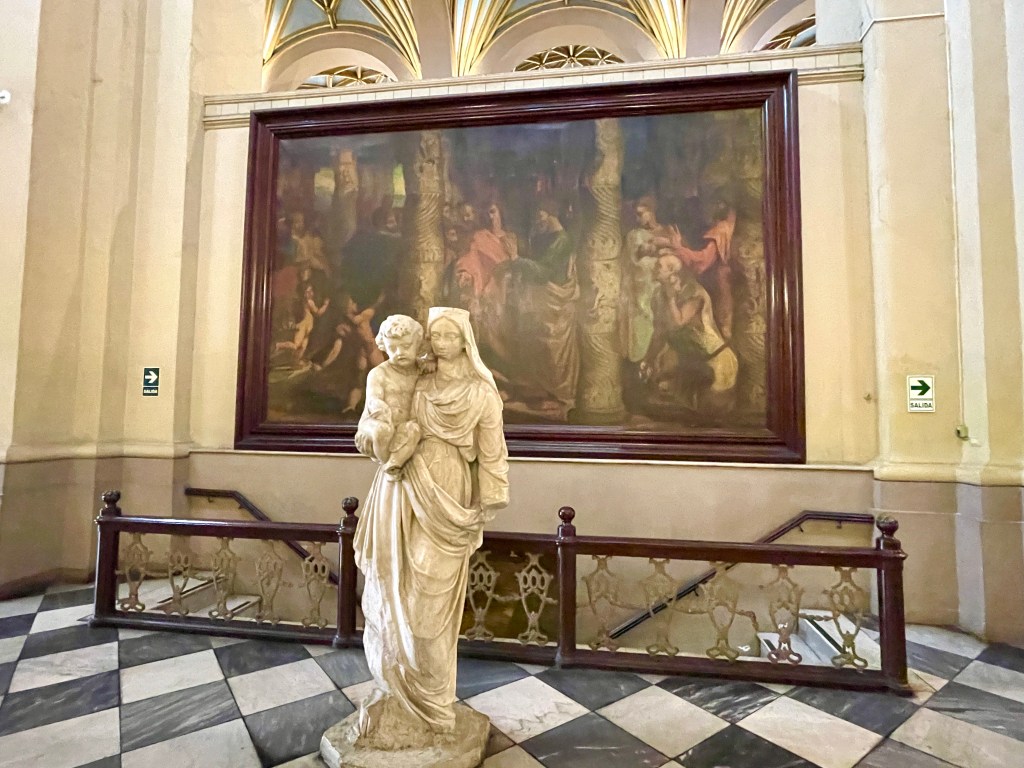
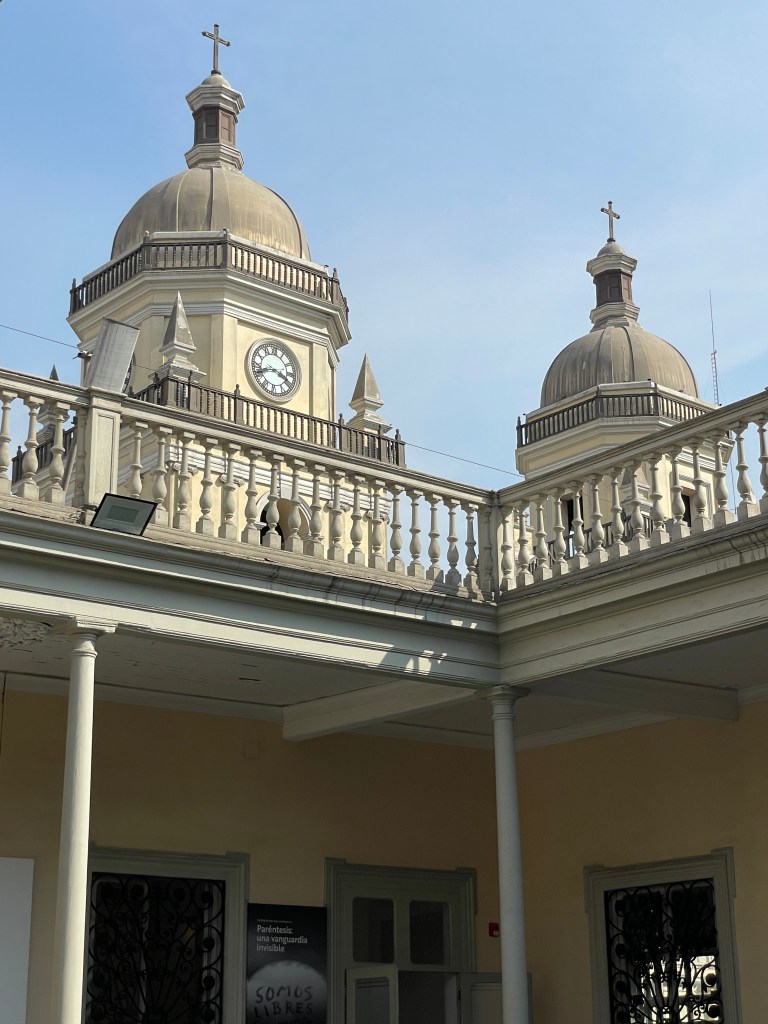
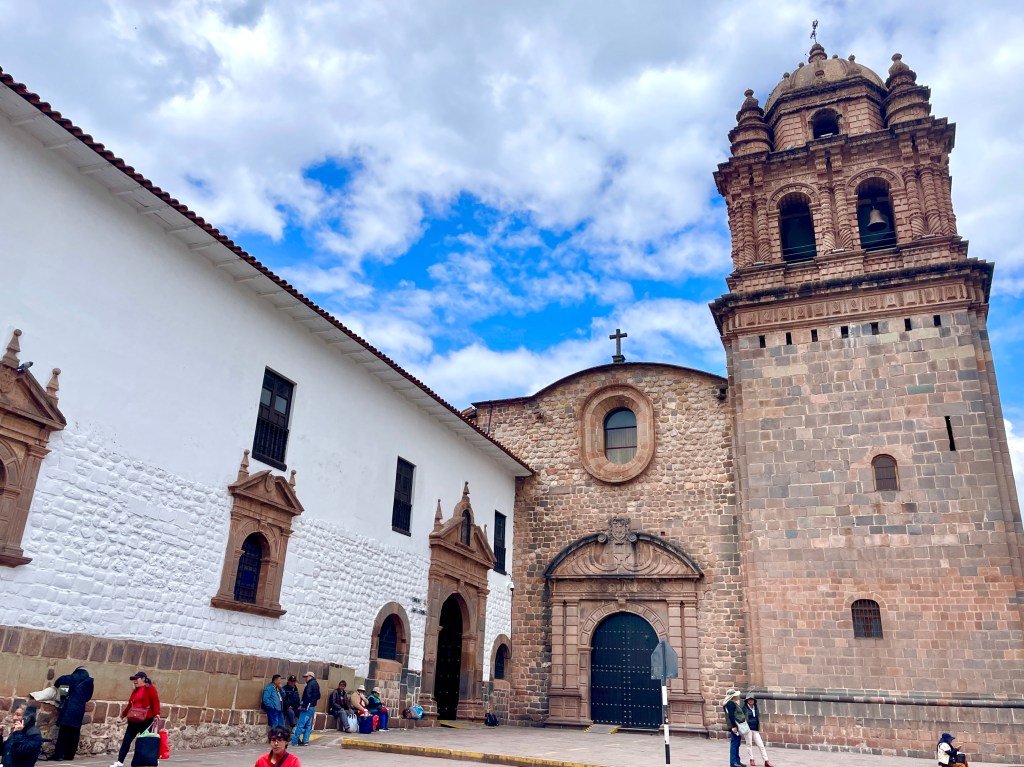
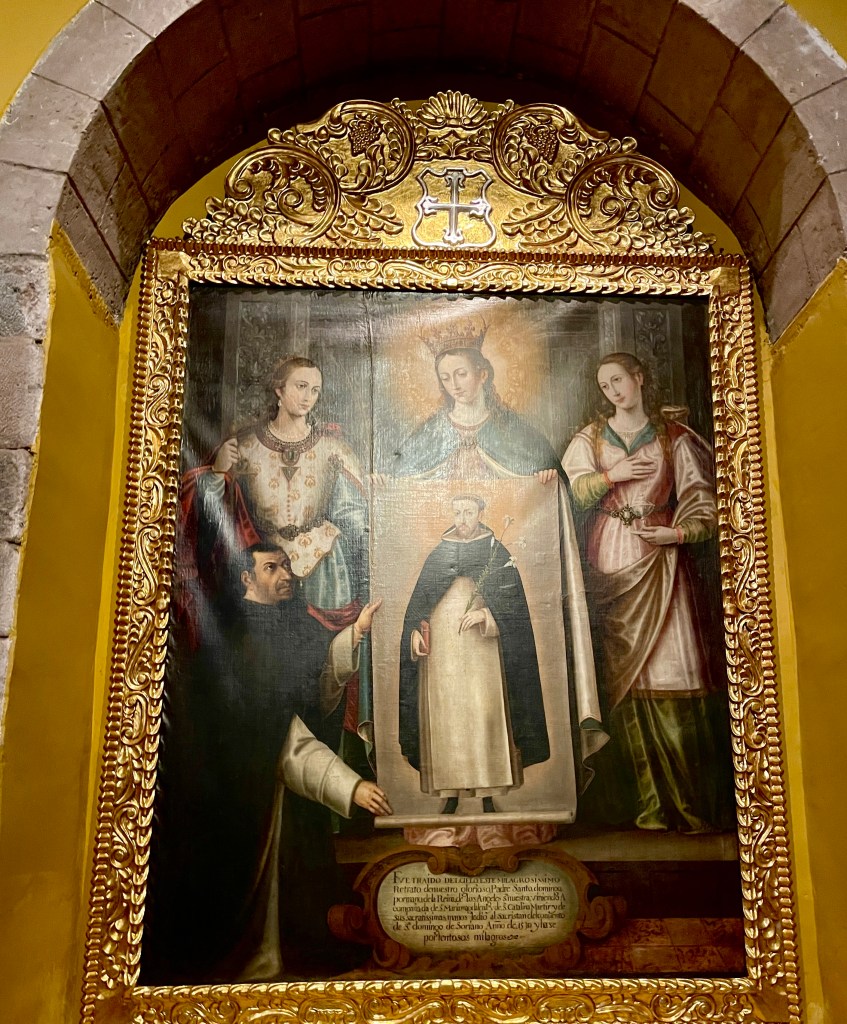
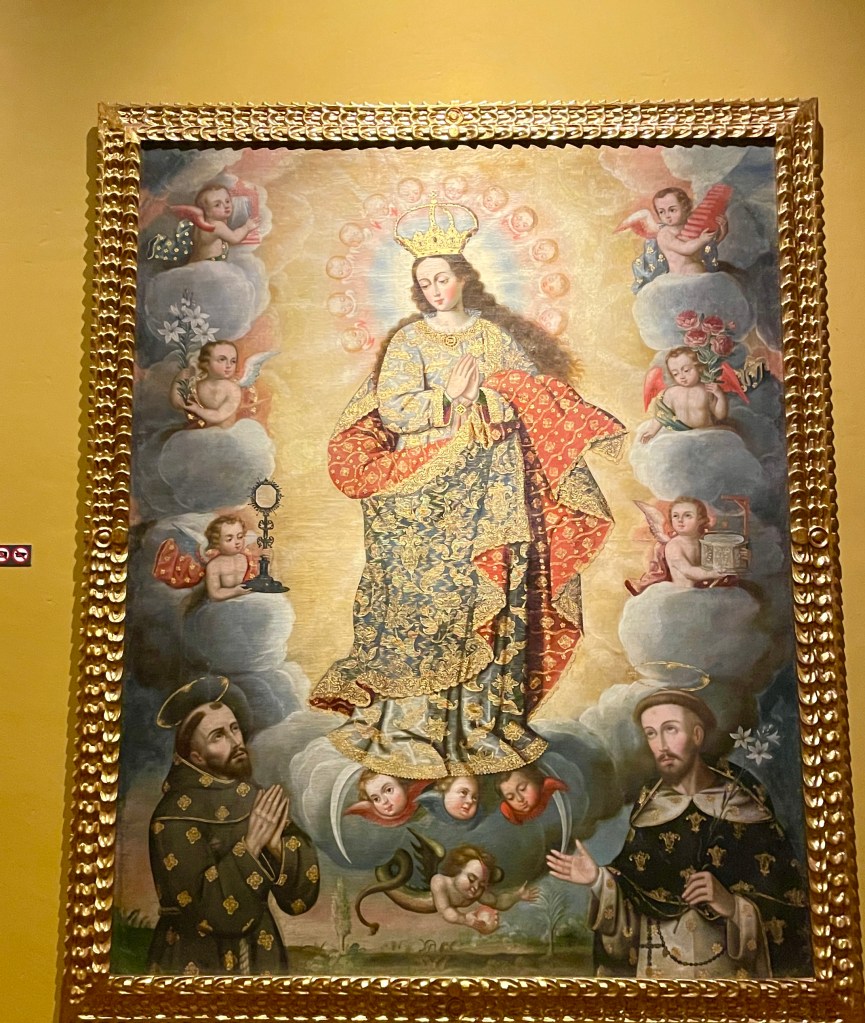
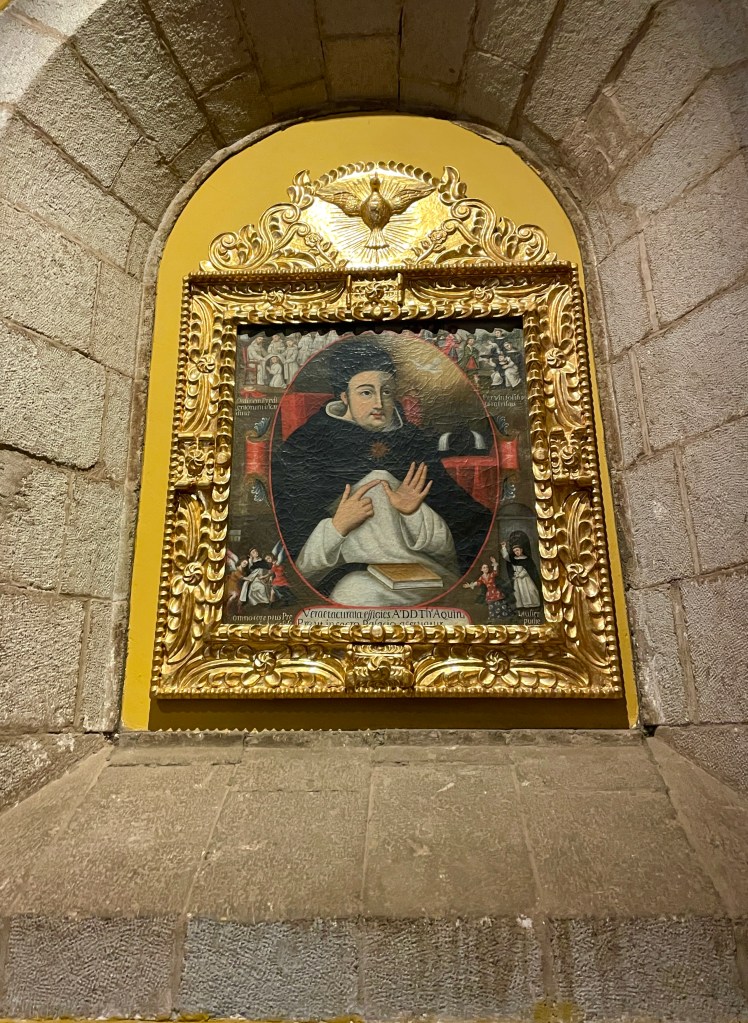
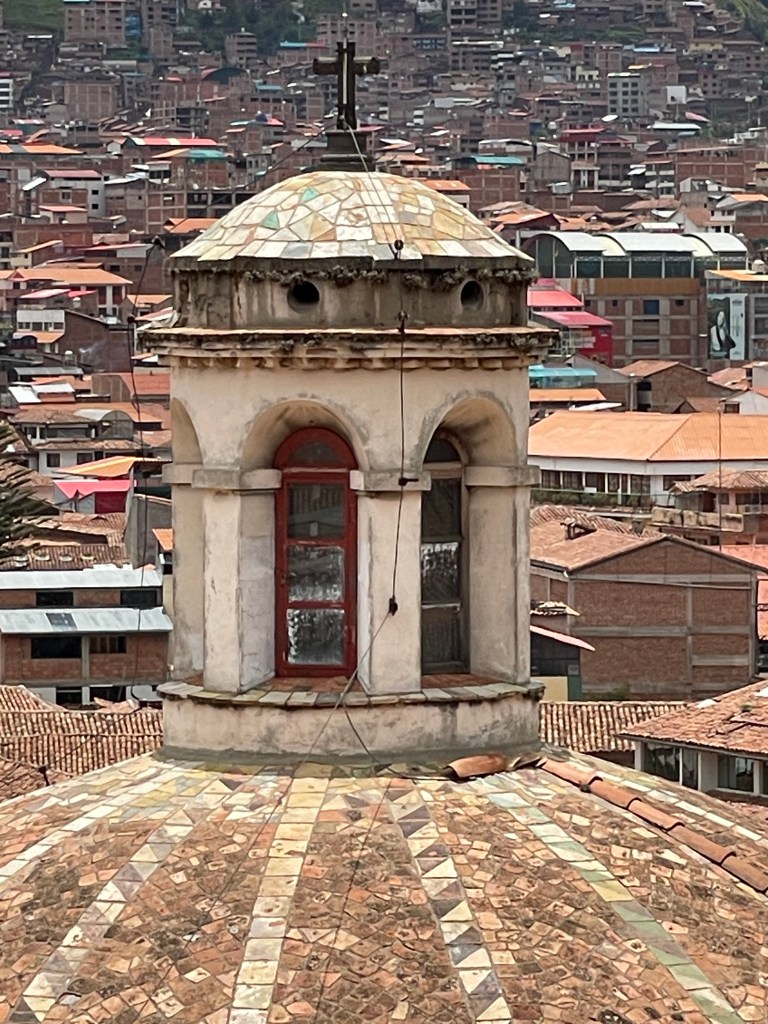
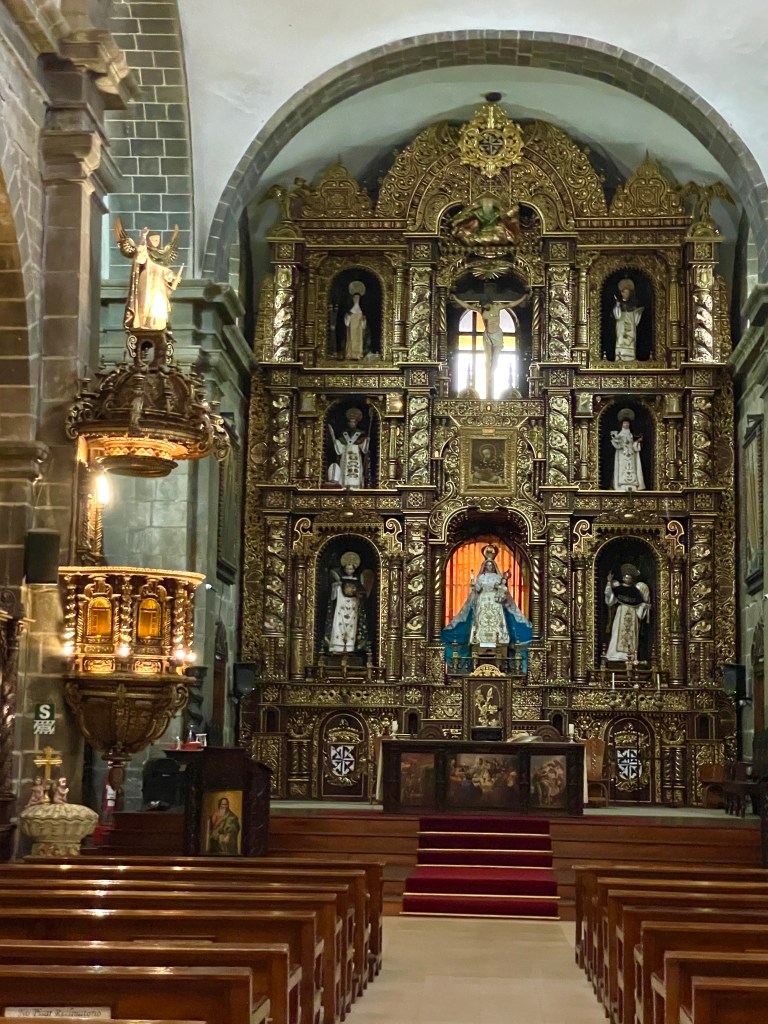
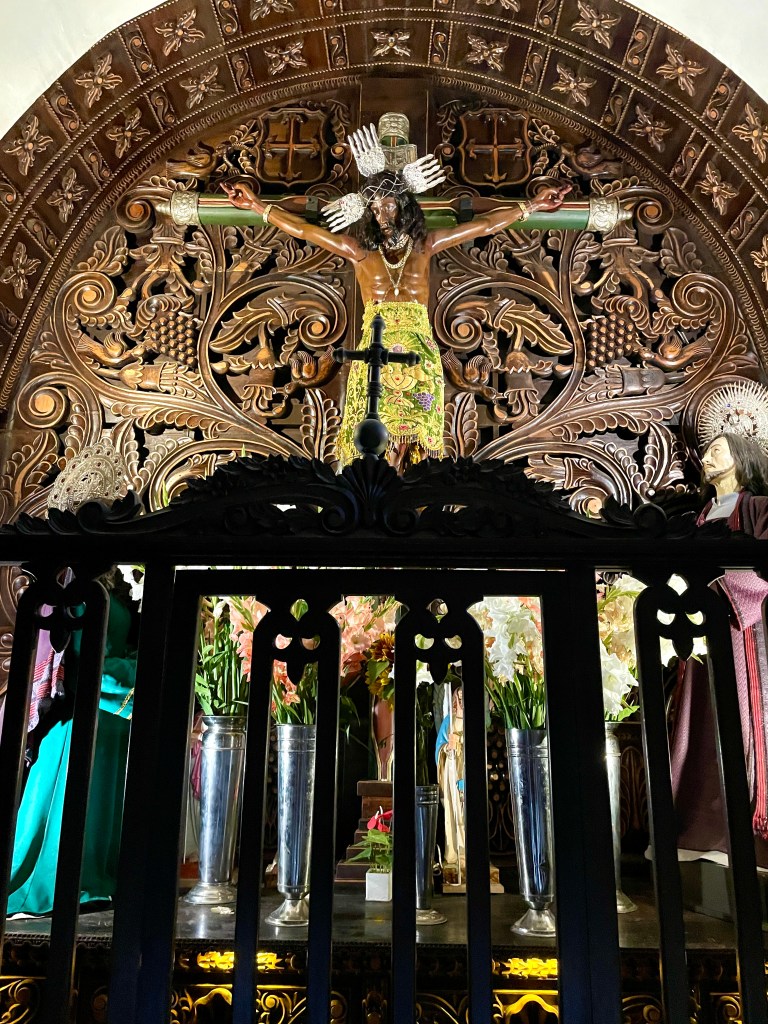
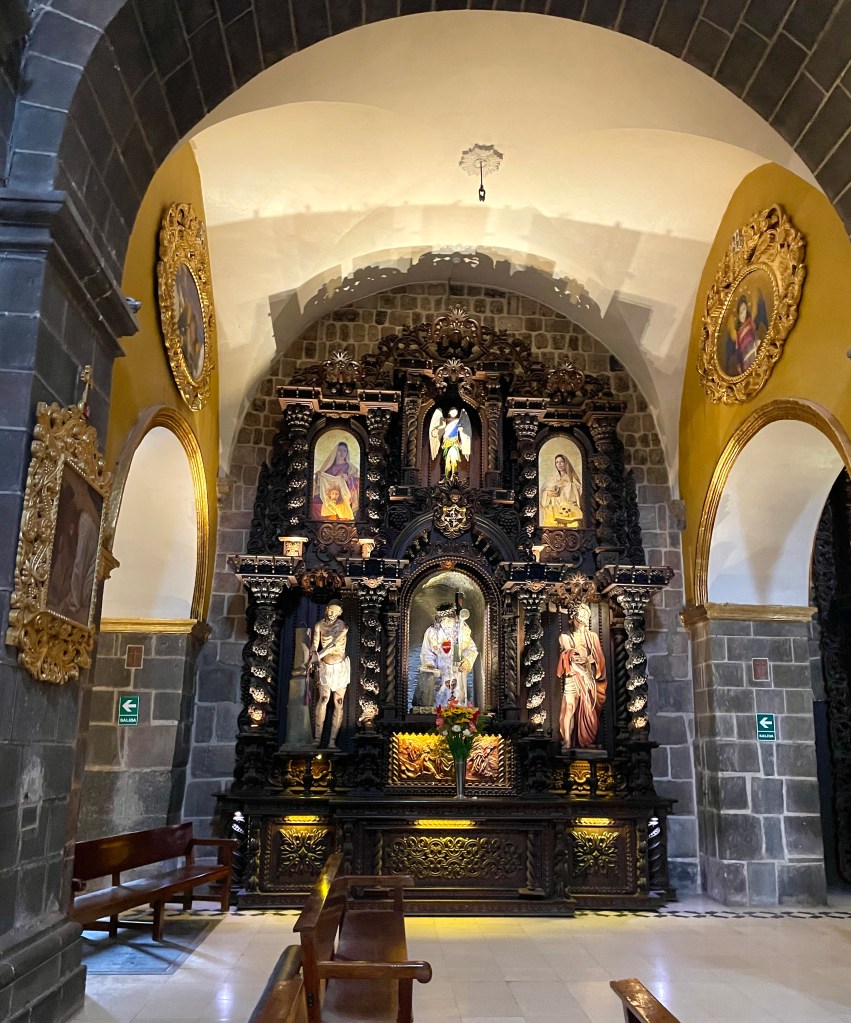
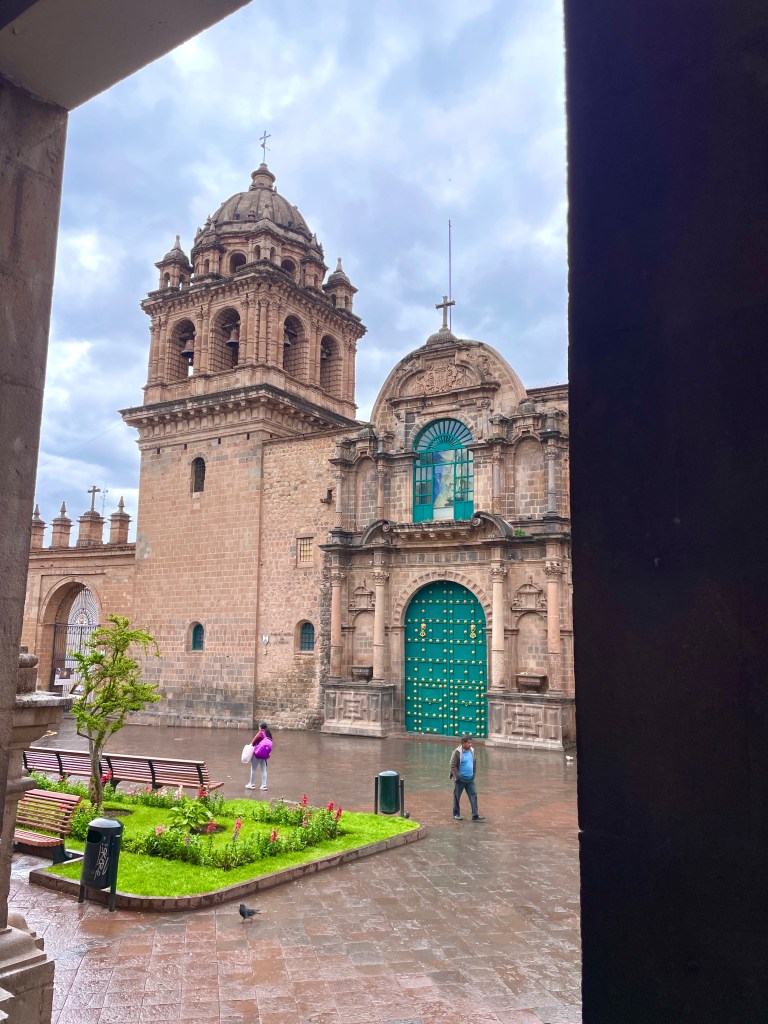
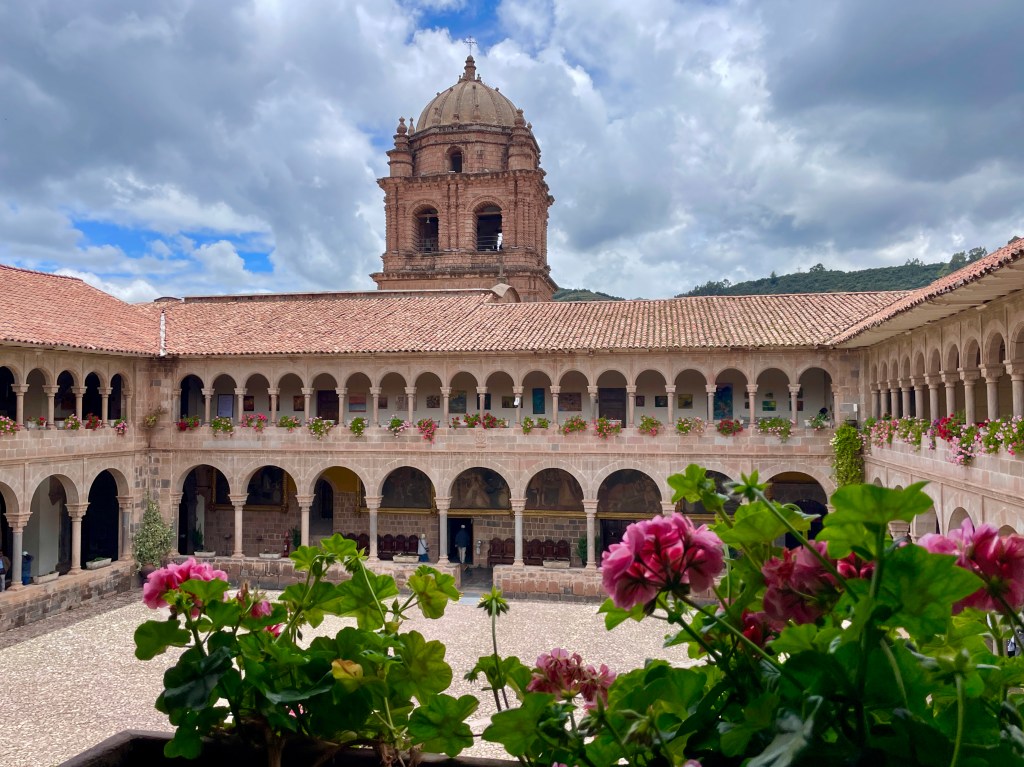
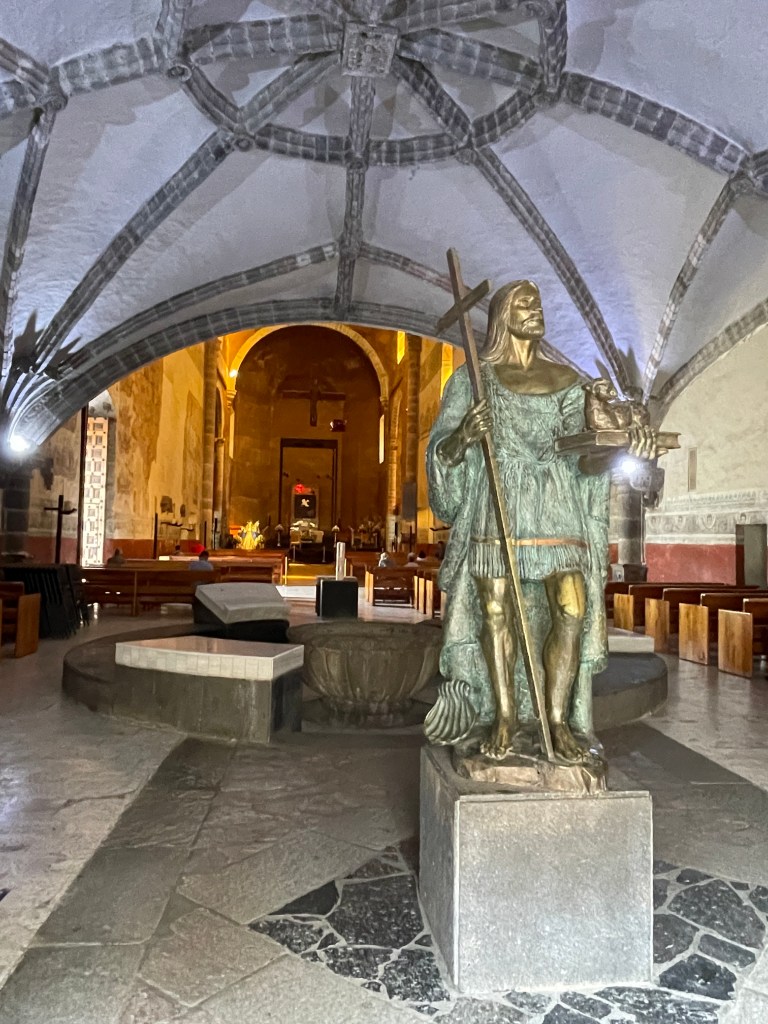
From there we meandered the streets arriving at the Catedral de Cuernavaca also known as the Templo de la Asuncion de Maria. Work was started by the Franciscans using indigenous forced labor in 1526 and the religious complex also houses the Templo de la Tercera Orden de San Francisco (pink) and the Capilla del Carmen (yellow) . At the left side of the Catedral is the Museo de Arte Sacro which showcases close to 100 paintings, sculptures, and religious artifacts from the 16th to 20th centuries.

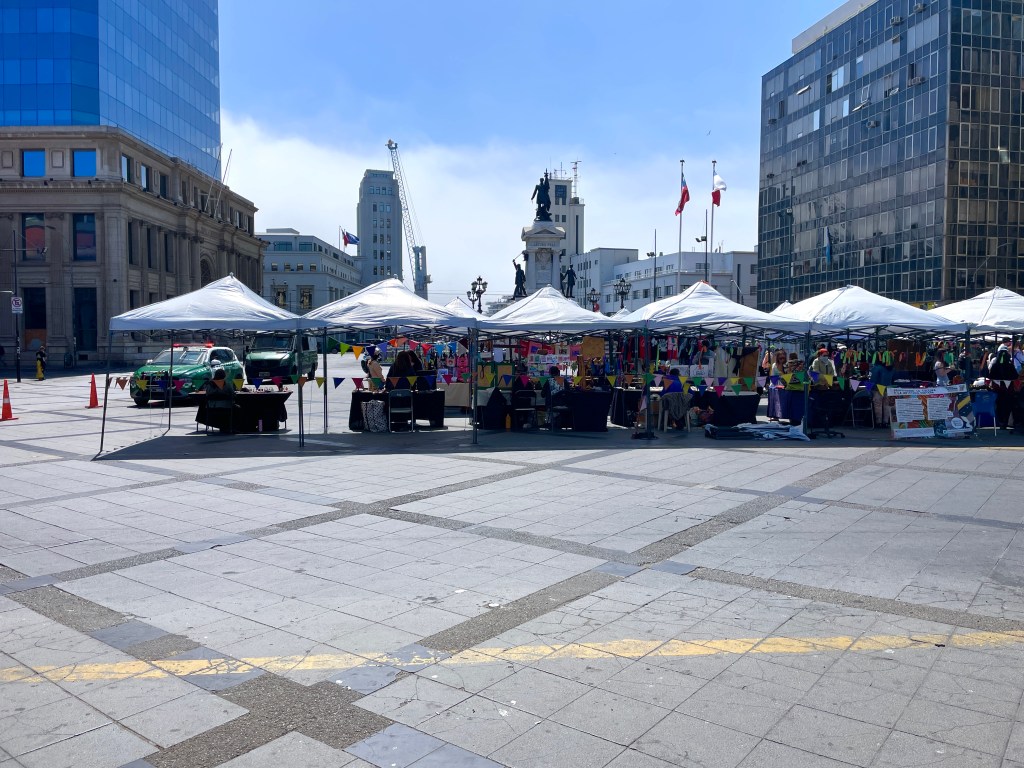
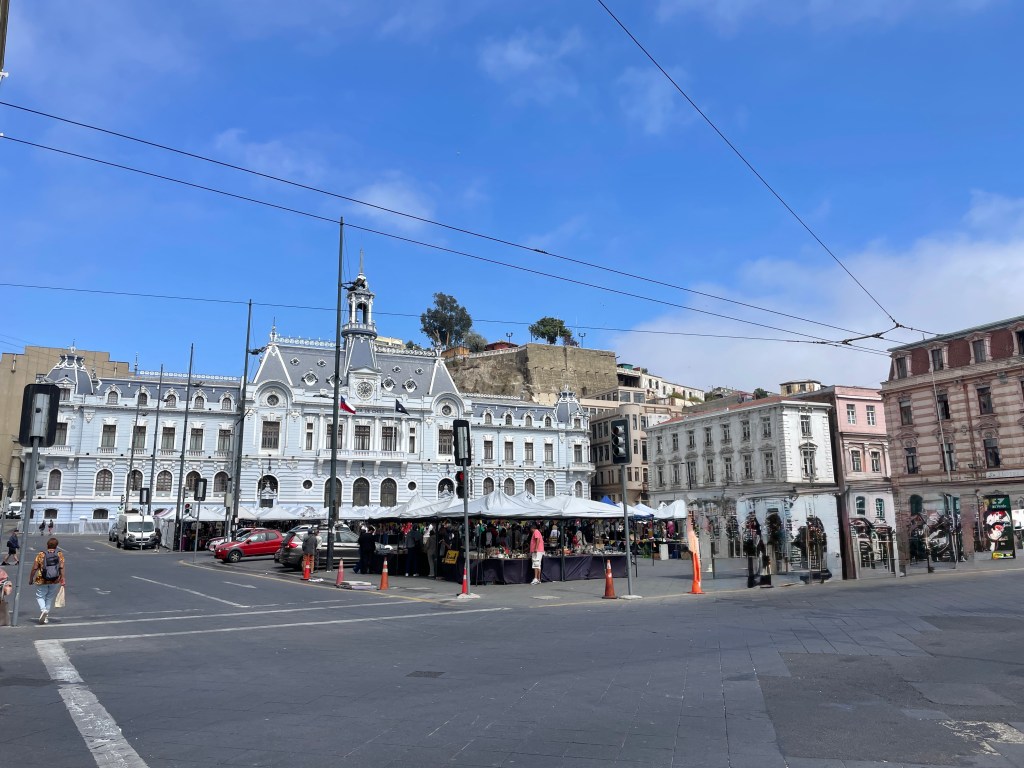
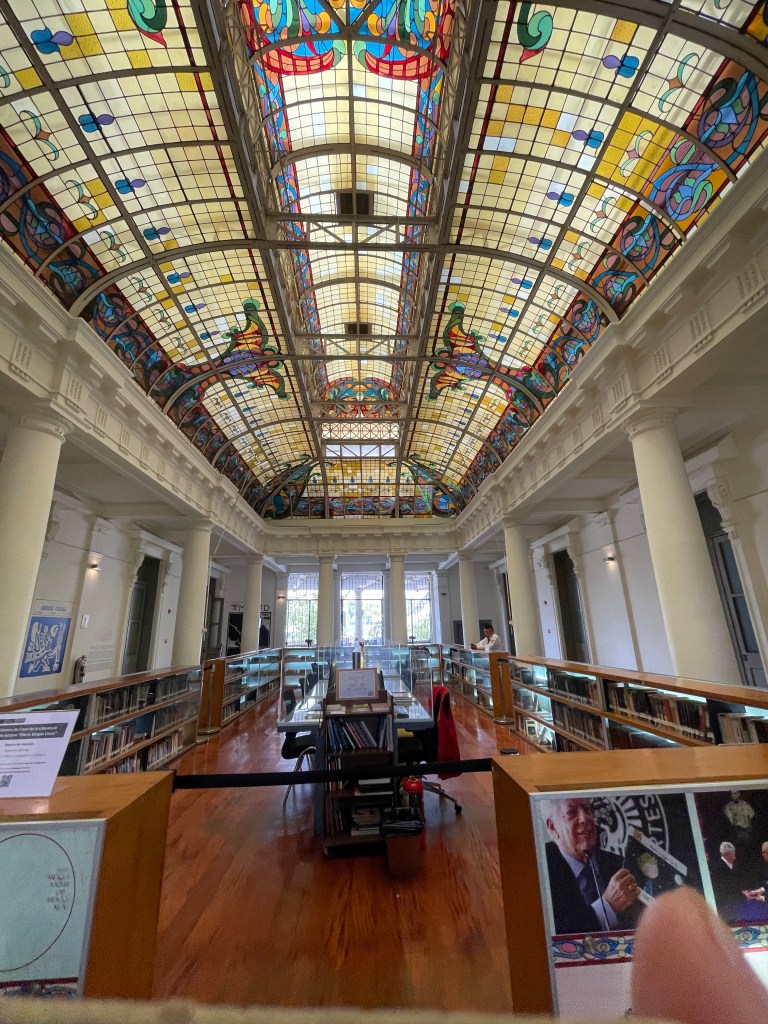
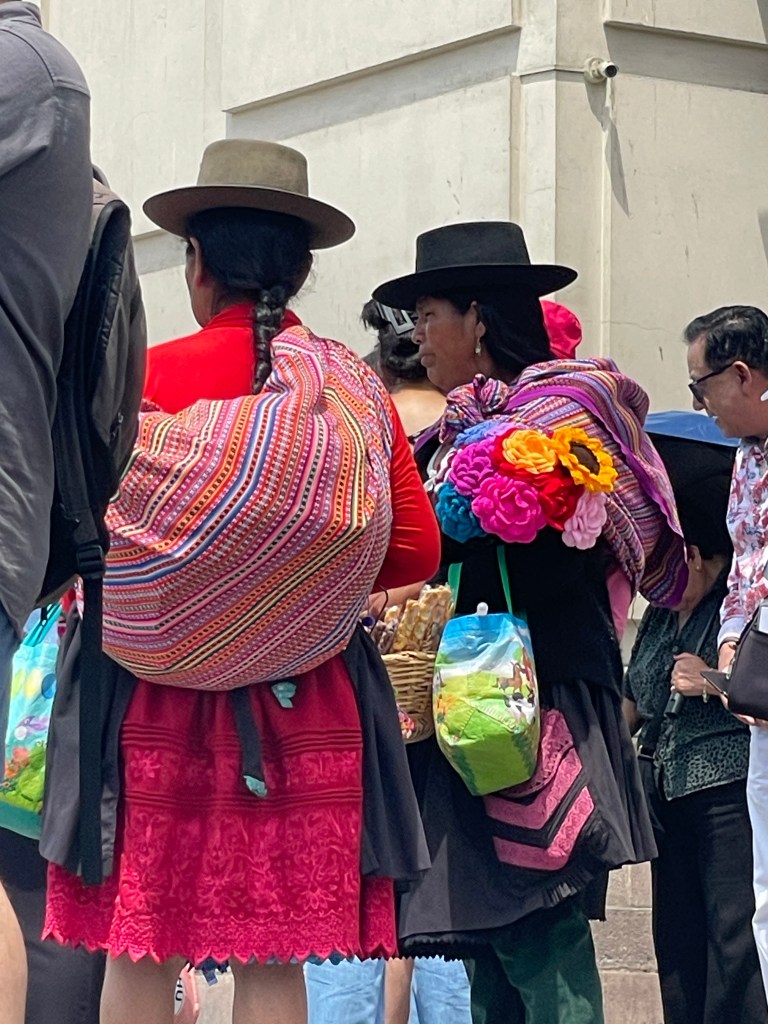
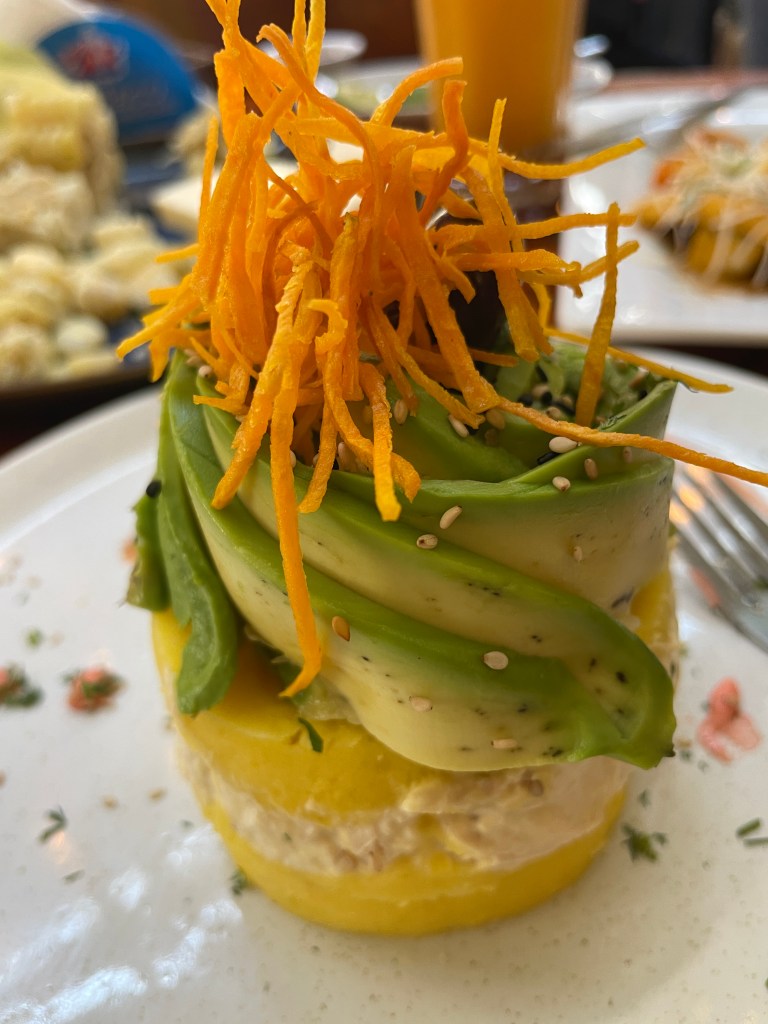
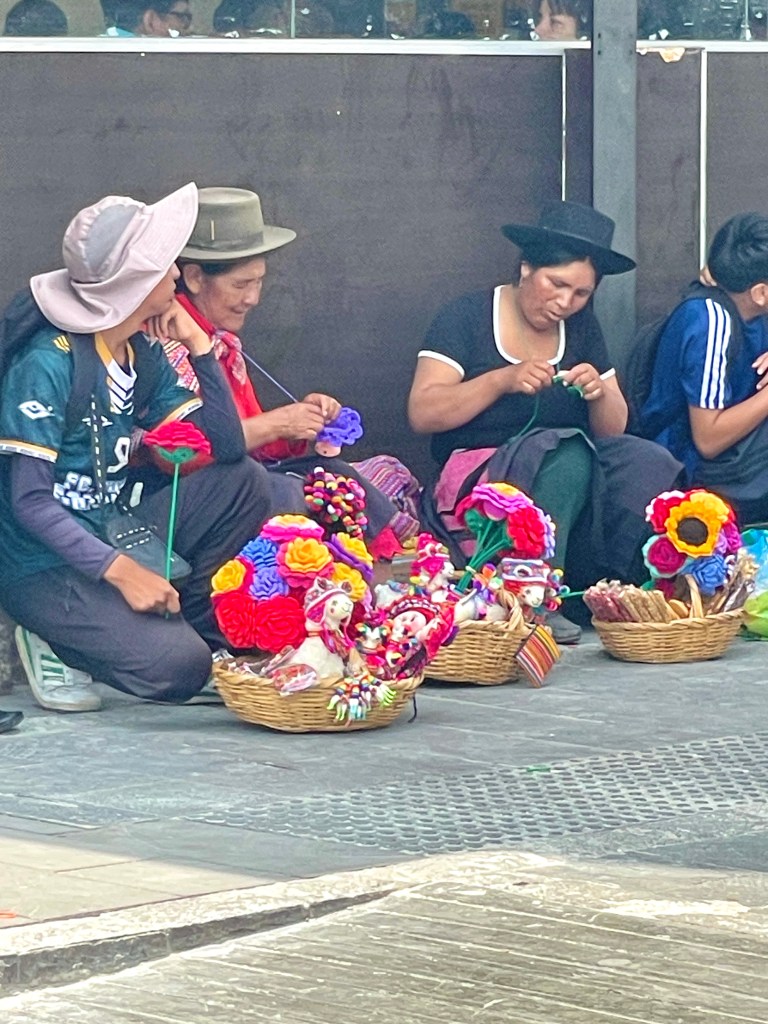
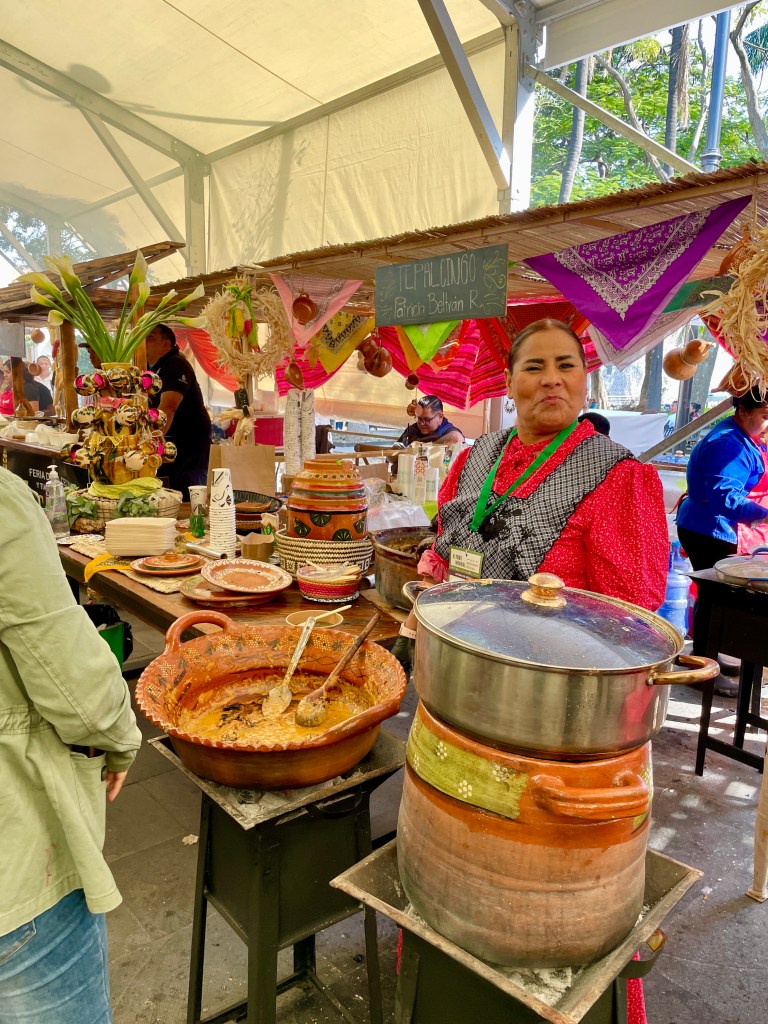
From here we wandered further… passing the theatre and library until we arrived at a food festival in the middle of the historic square. It was fantastic and we enjoyed seeing various regional foods from all over the country. Unfortunately, due to time constraints we missed the UNESCO World Heritage Site known as the Archaeological Zone of Xochicalco

Being drawn further in by all the spices and herbs wafting as we passed by booth after booth was the perfect way to end our day in Cuernavaca. I hope someday you will get to walk the streets of this enchanting city yourself to experience small city charm in a very big way.

Museo de Arte Moderno-Mexico City

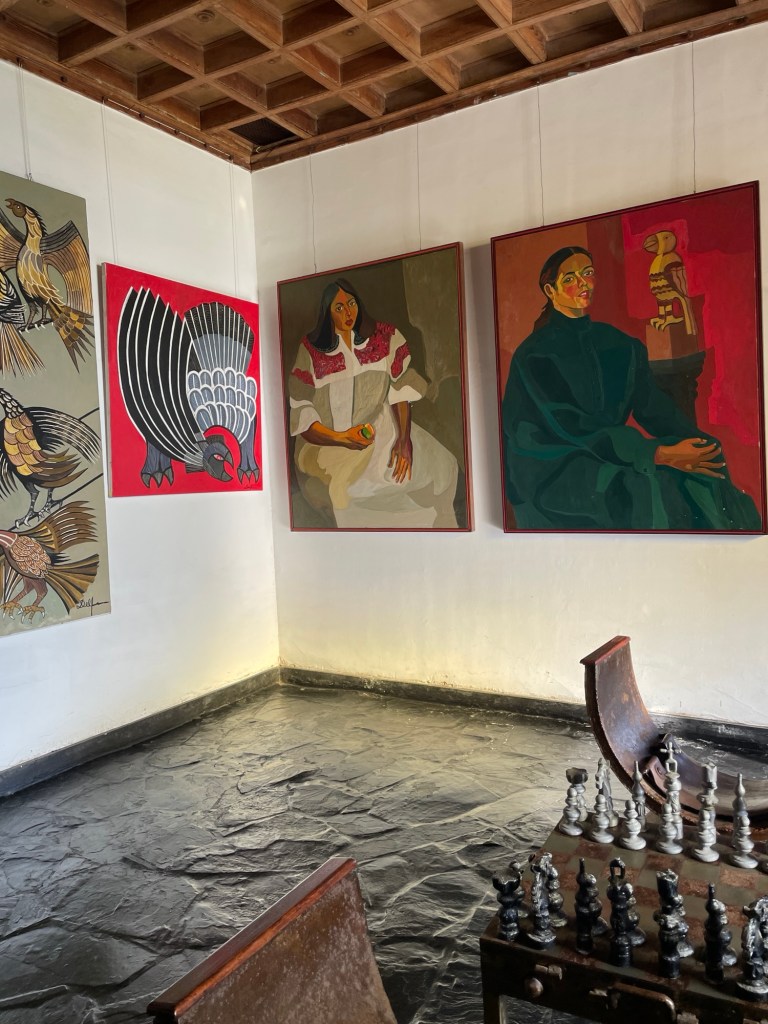
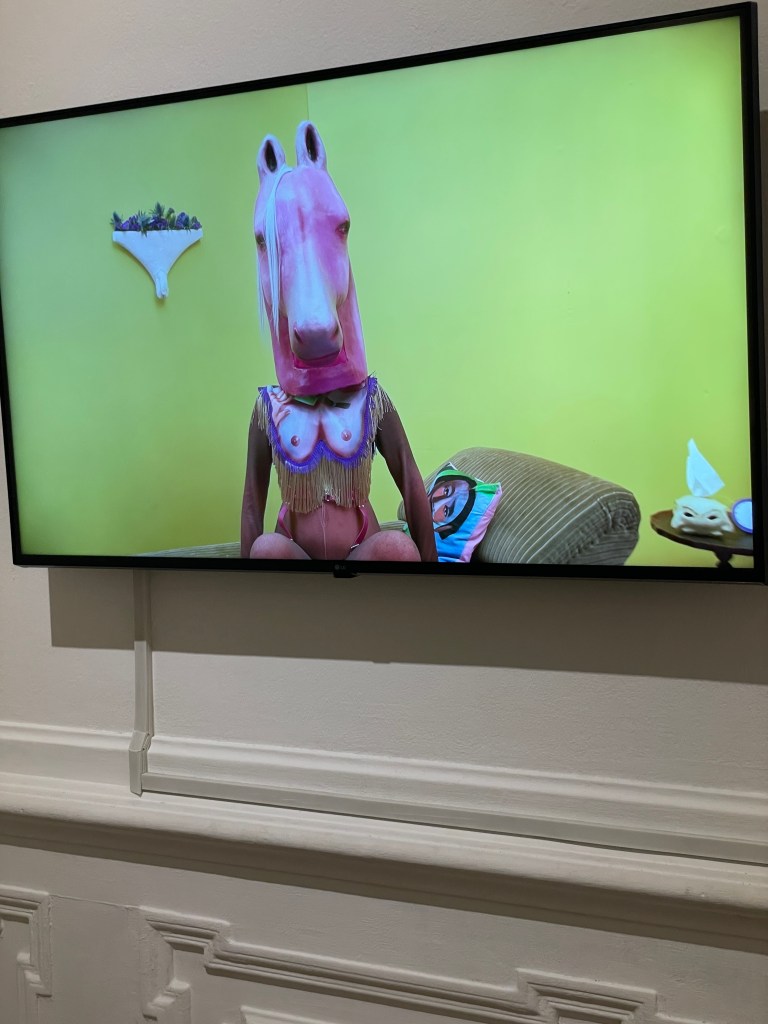
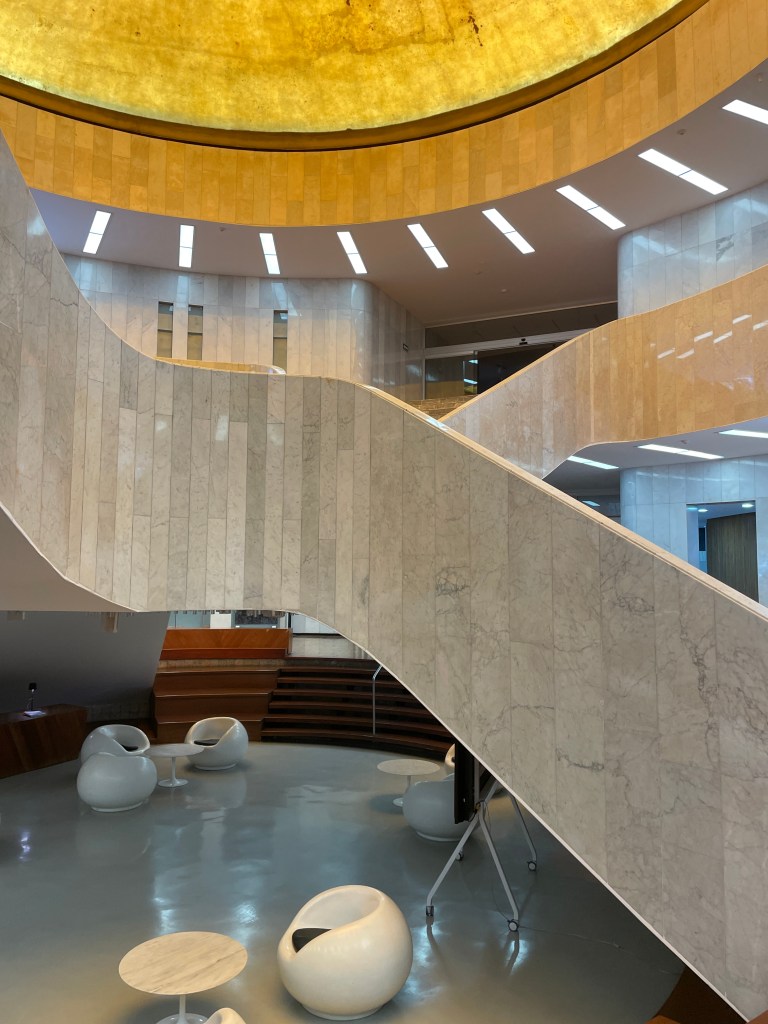
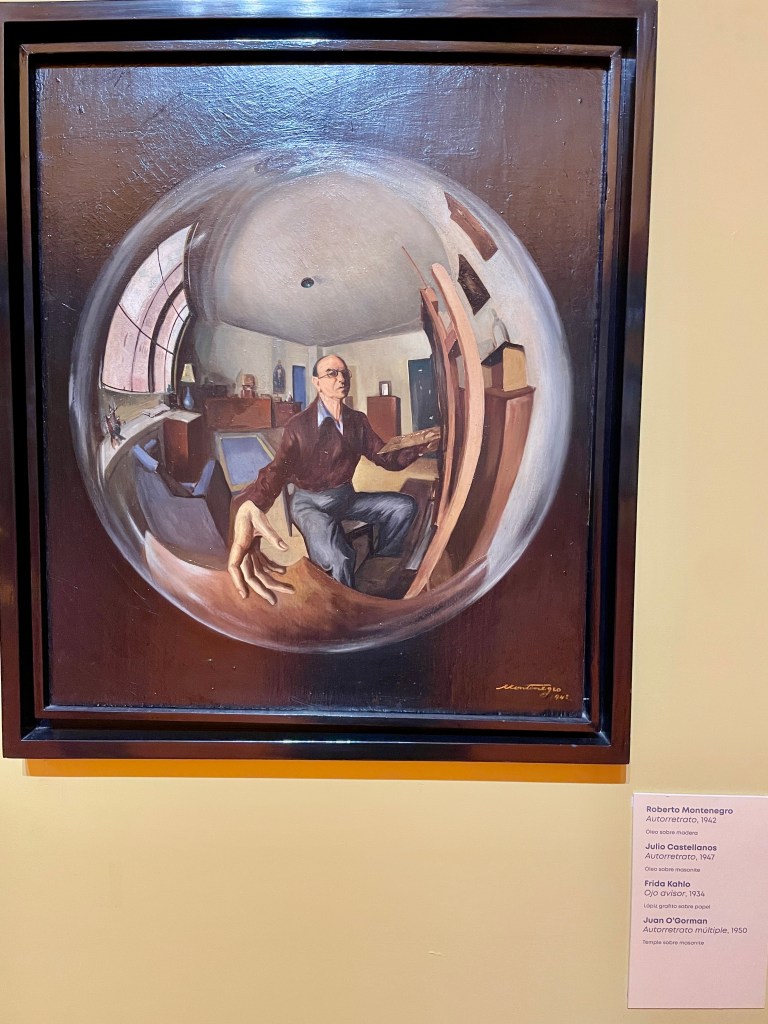
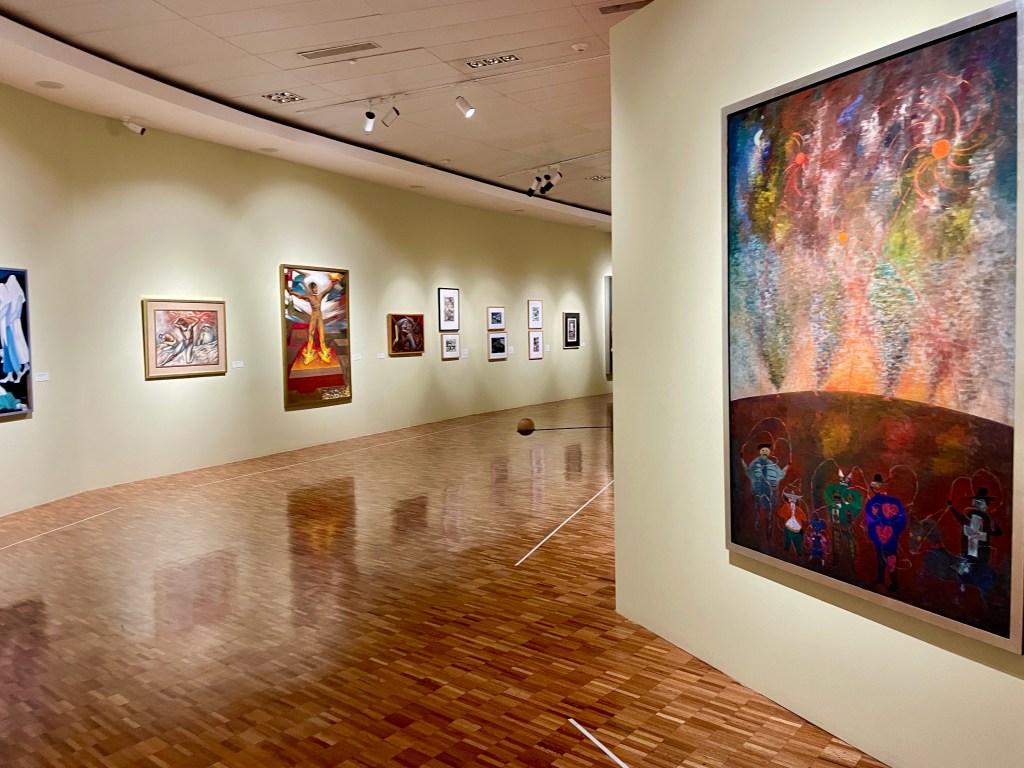
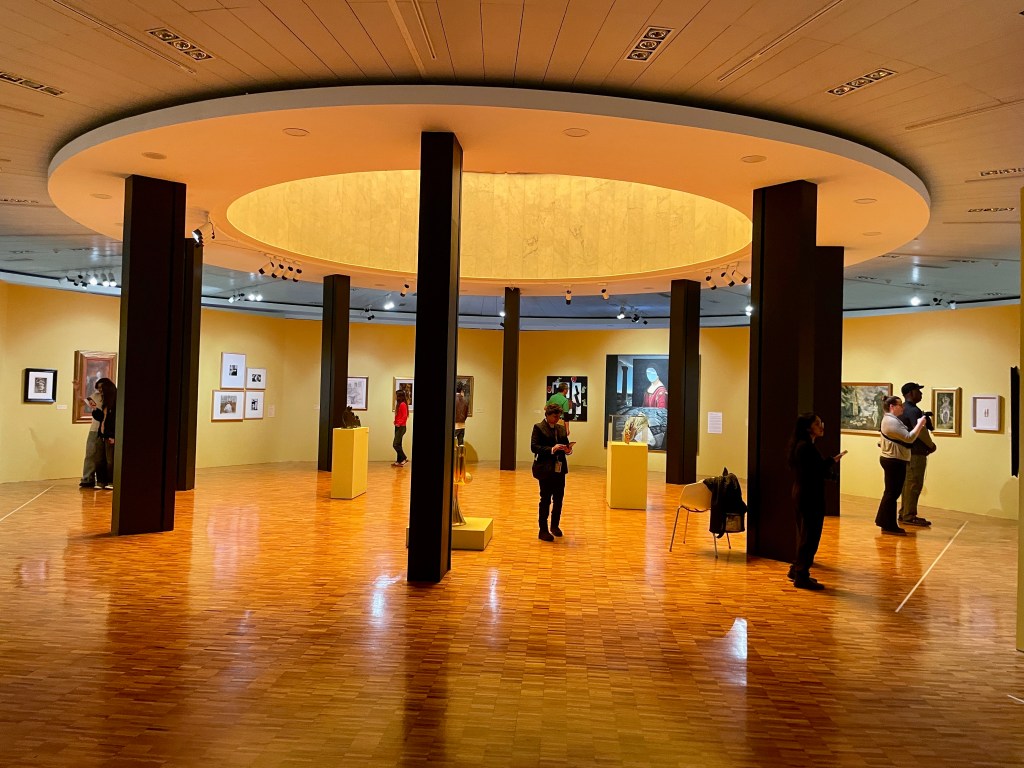
Mexico City has some of the best collection of museums in the world and the Museo de Arte Moderno certainly didn’t dissappoint. It was established in 1964 designed by architests Vazquez, Alcerreca and Salcido. With a focus on Mexican art ,permanent exhibition artists include Kahlo, Jair, Montenegro, Rivera, Loza; just to name a few and features works from 1930 until the present day. With basically four wings and an incredibly beautiful outdoor sculpture garden you will want to give yourself plenty of time to experience the flow between outdoor and in that the building encourages.

The day we got there they were installing a new sculpture and it was amazing to watch the process

As you enter the Museum you are met with gathering areas on both the first and second floors. They are beautifully designed and meant to allow to to view glimpses of all areas of the interior and grounds.

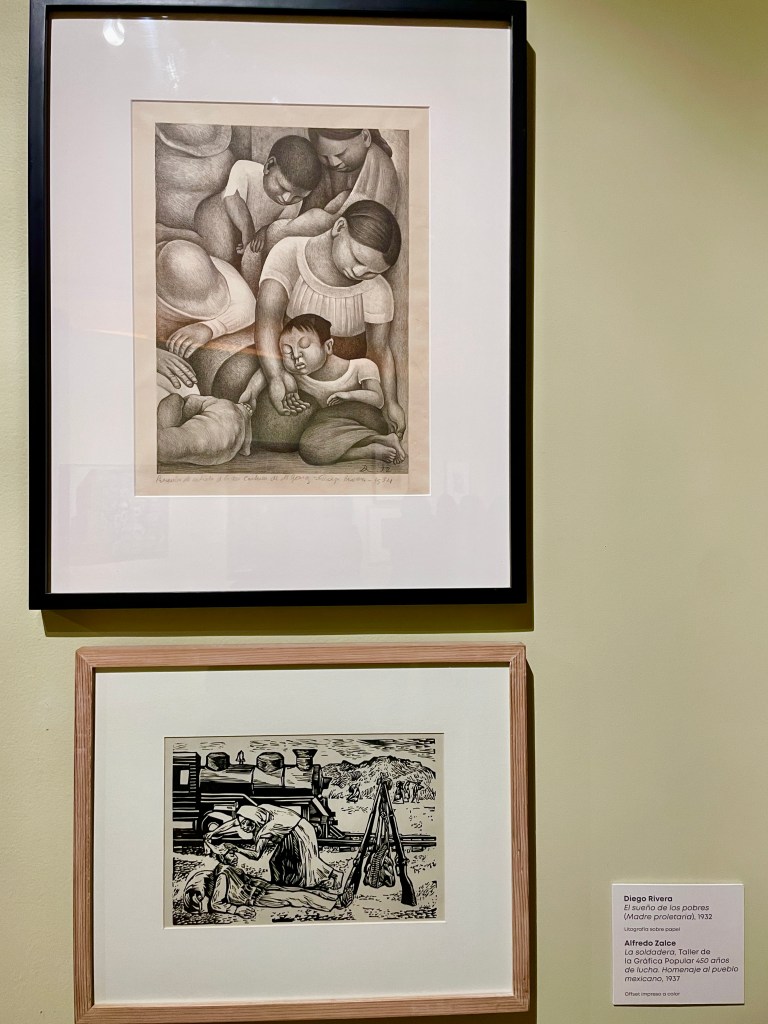
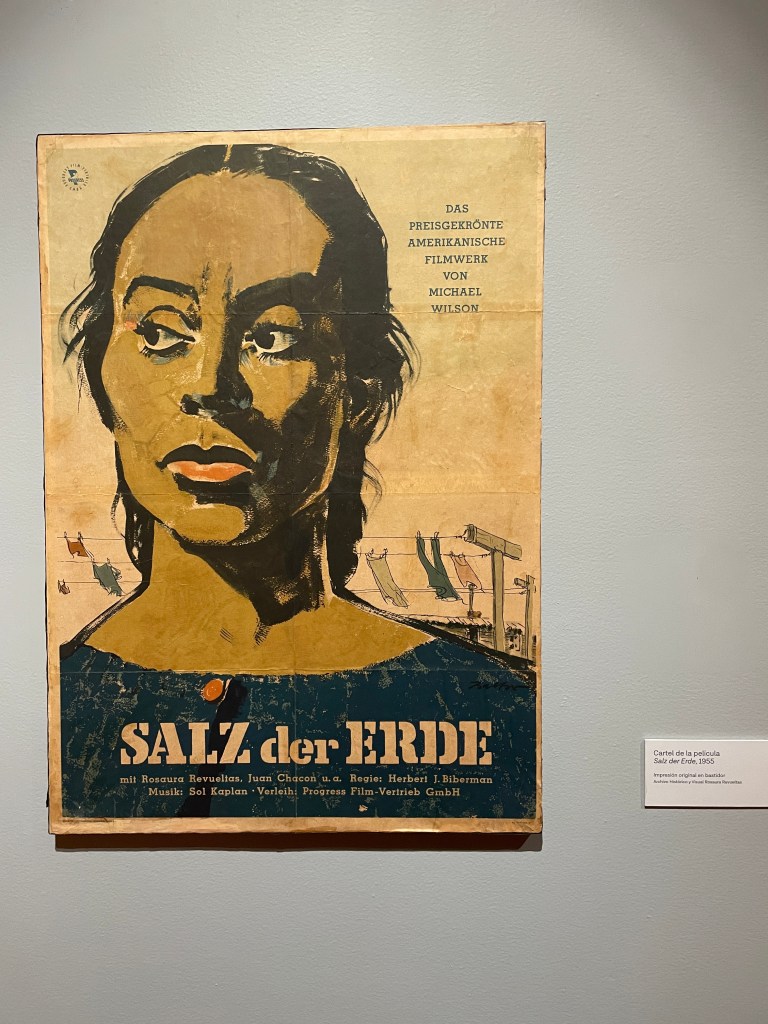
Here are a few of the more famous paintings on display and/or some of my favorites.

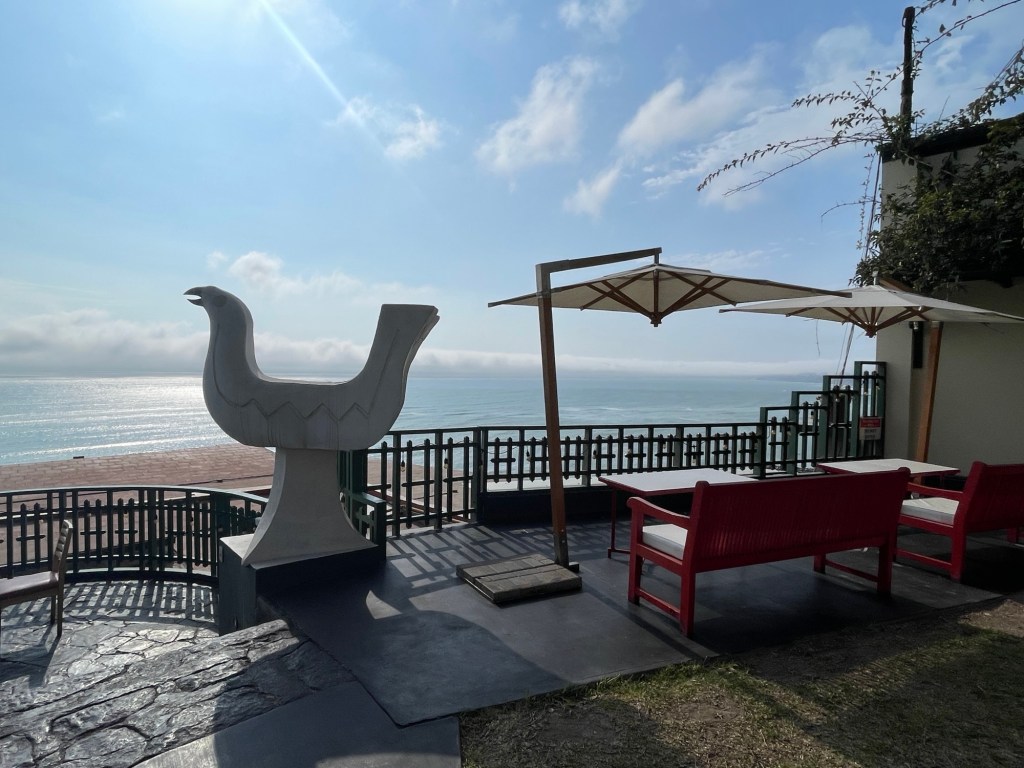
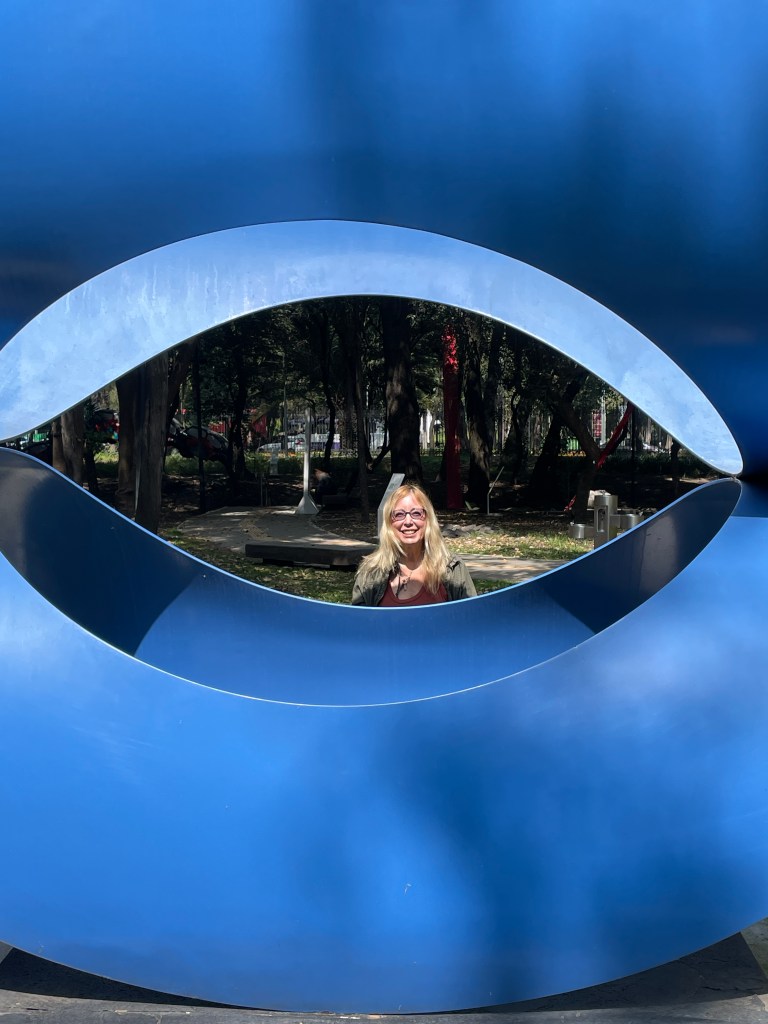
The gardens and sulptures just can’t be missed and there is a small outdoor cafe at which you can sip your coffee and view the magnificence all around you.

Just a few more pics but I guarantee you that there is so much more to see. As a person who has never been much impressed with “modern art” I can say that I have changed my perception of the genre. It has elements that I can readily identify with as a woman born in the 1960’s and allows for a glance at past history that will hopefully influence the future.

Open Tuesday-Sunday from 10a.-6pm. The cost about 70 pecos with no fees for the disabled and young children. Afterwards, walk throughout the large city park to which many of the museums are connected.

The Least Known Pyramid In All Of Mexico

One of the few temples to survive within a major city is El Cerrito or the Pyramid of Pueblito. Built over 3,300 years ago it is a testament to the wisdom and knowledge of the ancient people of this area. I was lucky enough to visit it early this week.

El Cerrito has a long history as a religious site and complete with altars and various ceremonial buildings. It is believed that a female deity was worshipped here. One of the plazas on the site, known as the Sculptures Plaza, had two alters one on the west and one on the east sides. Human skulls were found here along with pottery from ancient sites located throughout Mexico. Believe it or not, this was once a very colorful place decorated with highly pigmented colors of red (roja), yellow (amarillo), and blue (azul).

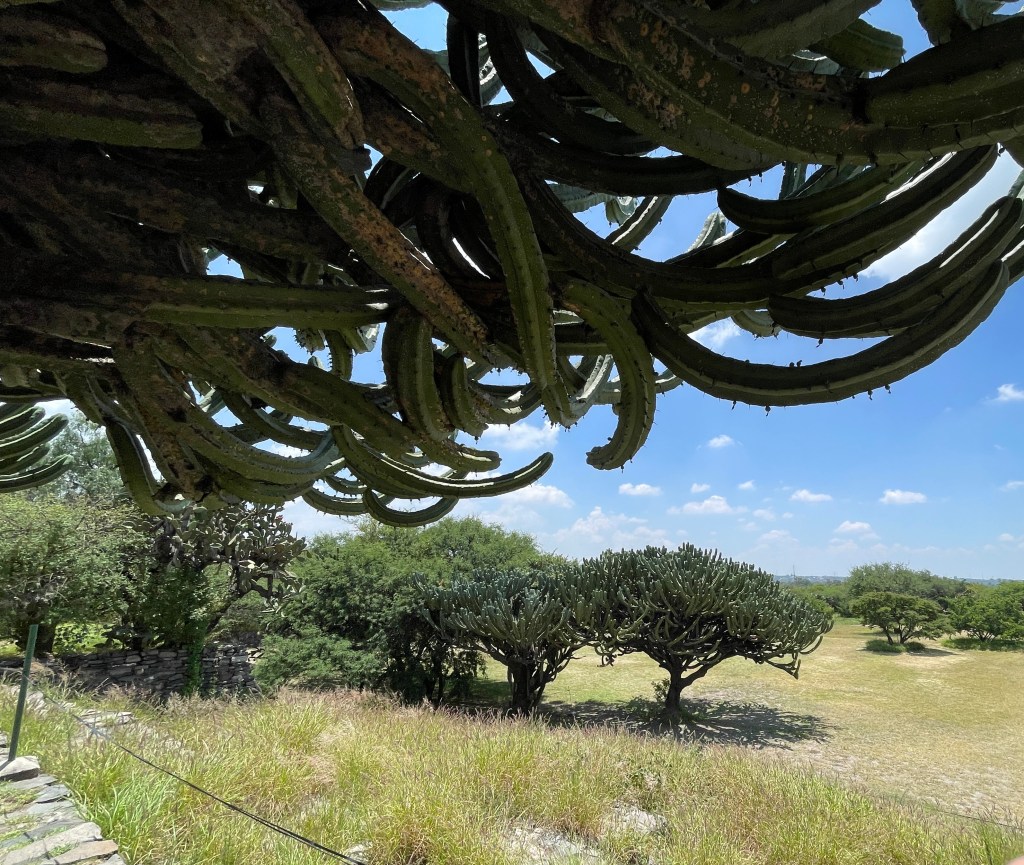
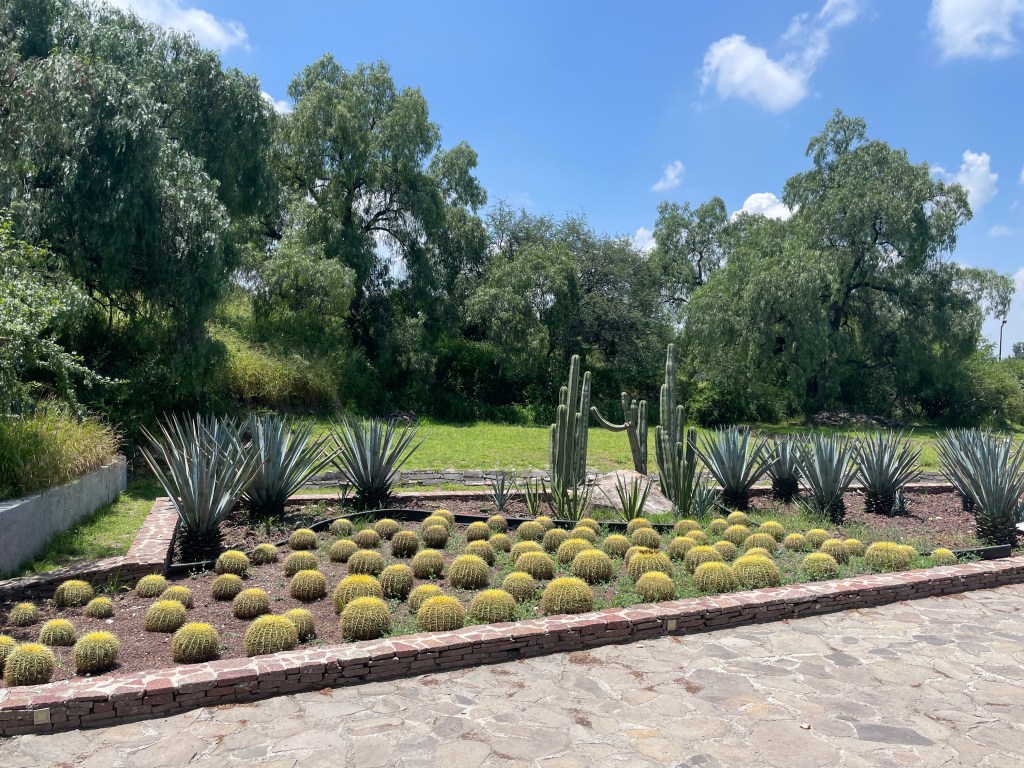
El Cerrito itself was constructed as a step pyramid and was built to resemble a mountain. Unfortunately, it will never be known how tall the temple originally was because in 1887 the Fernandez family built a house at the top of a “hill” shaving at least 2 meters off of the temple. The house was named El Fortin and it remains abandoned at the top of the structure to this day. One cannot blame the Fernandez family for building on top of this important archeological site; for El Cerrito was buried under tons of dirt and covered by trees for centuries until 1941 when the main walls were discovered and work began to preserve the pyramid and try to understand it’s historical importance. And with the very old immense cactus trees that can be found all over the property it is understandable why the temple was hidden for so many years.

For me one of the most amazing things is how the temple is strategically located in order to take advantage of solar alignments and the acoustics of the valley. For instance, as the sun moves across the horizon a beam of sunlight reaching the basement creates a visible sundial on the wall while an analemma pattern is created on the floor which dictates the sun’s seasonal and everyday paths. In spring the equinox creates a time and place where the sun’s beam goes past the vertical sundial and reaches a boundary that lies between the blue and orange tiles on the wall announcing the arrival of the equinox. Further, sound travels directly from and to the temple from the small hamlet of El Pueblito and it is said that you can hear the Catholic priests recite mass.

The Mexican and local government have worked hard to preserve this ancient treasure and there are beautiful walkways and an amazing visitor center on the grounds. The entrance fee is minimal and there is inexpensive parking nearby. This is definitely a great day trip and I would recommend hiring one of the guides whose knowledge of El Cerrito is vast as well as entertaining. Here he is demonstrating to us the echoes of our clapping as they disperse into town.

San Miguel Allende Mexico- The Photos

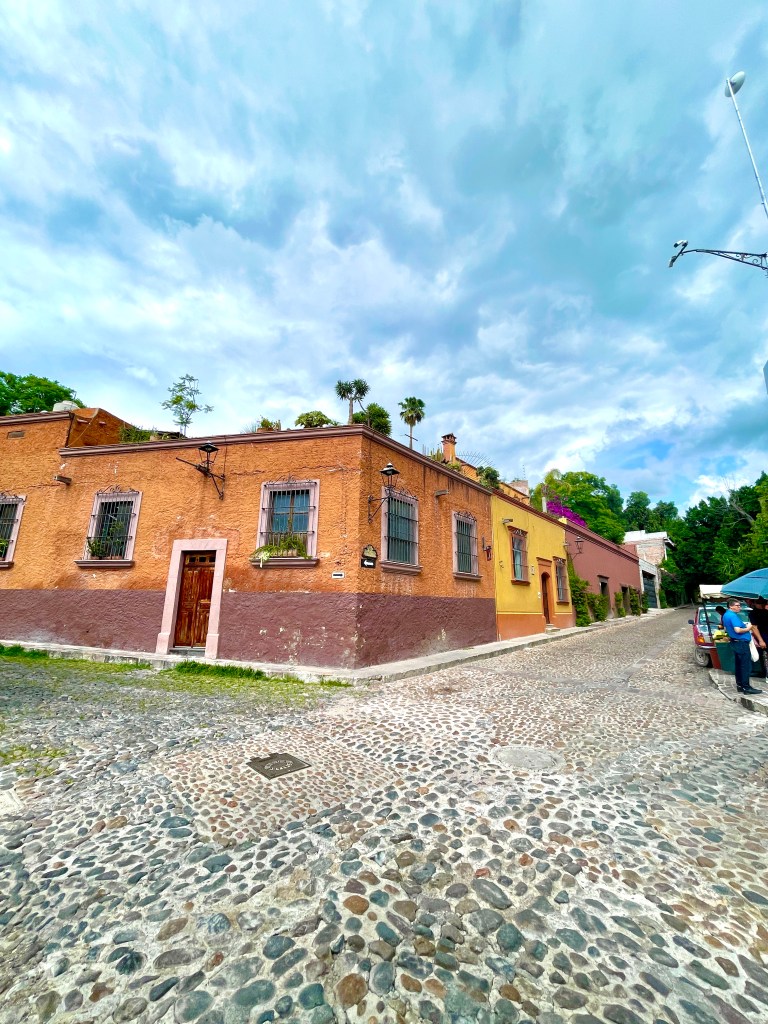
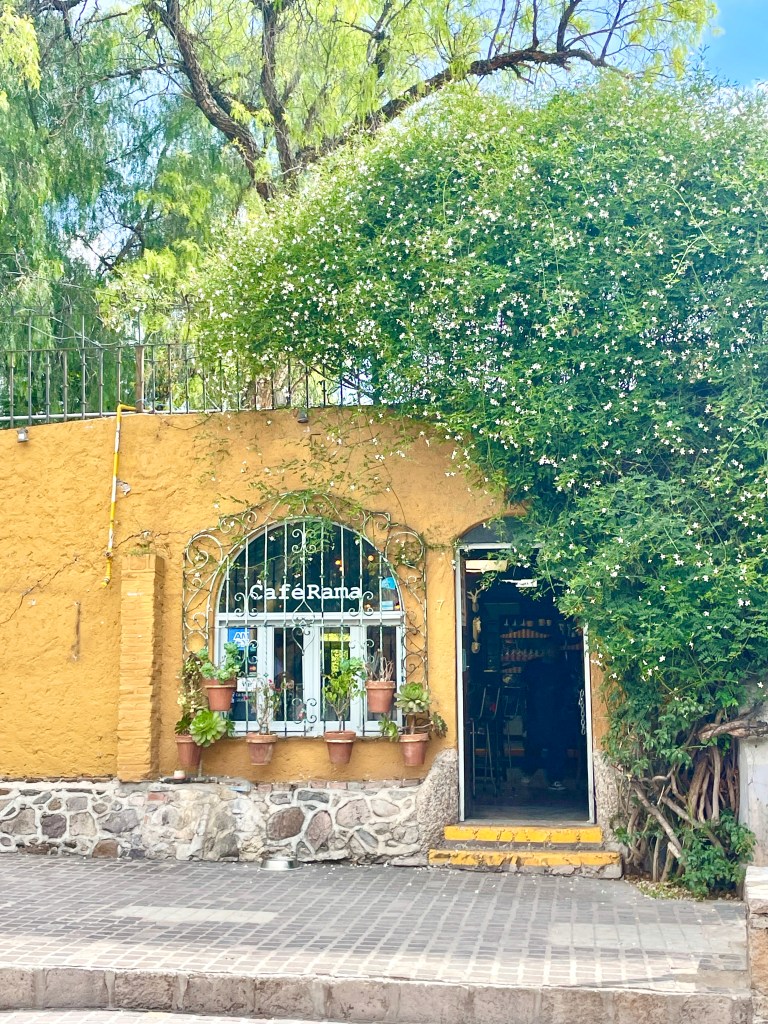
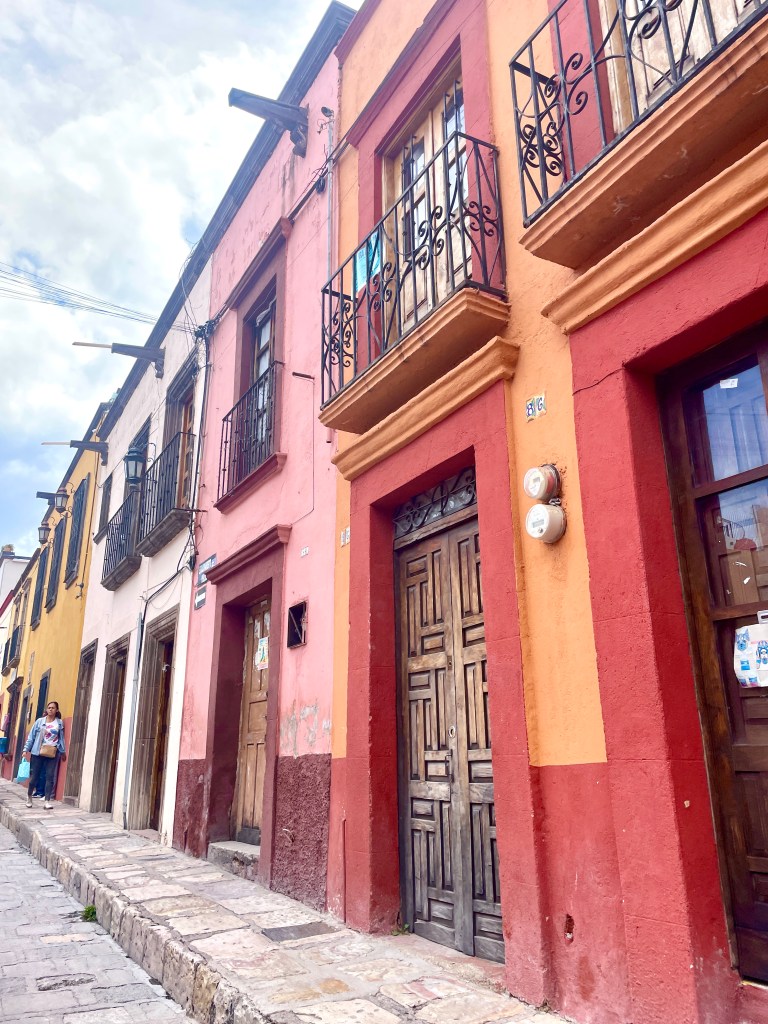
One of the things I love about Sam Miguel is the cobblestone streets and the brightly painted homes.They put a smile on your face and make your day feel like it will be nothing less than spicy and sunny. It is just fun to drive and look around town and see the various neighborhoods..

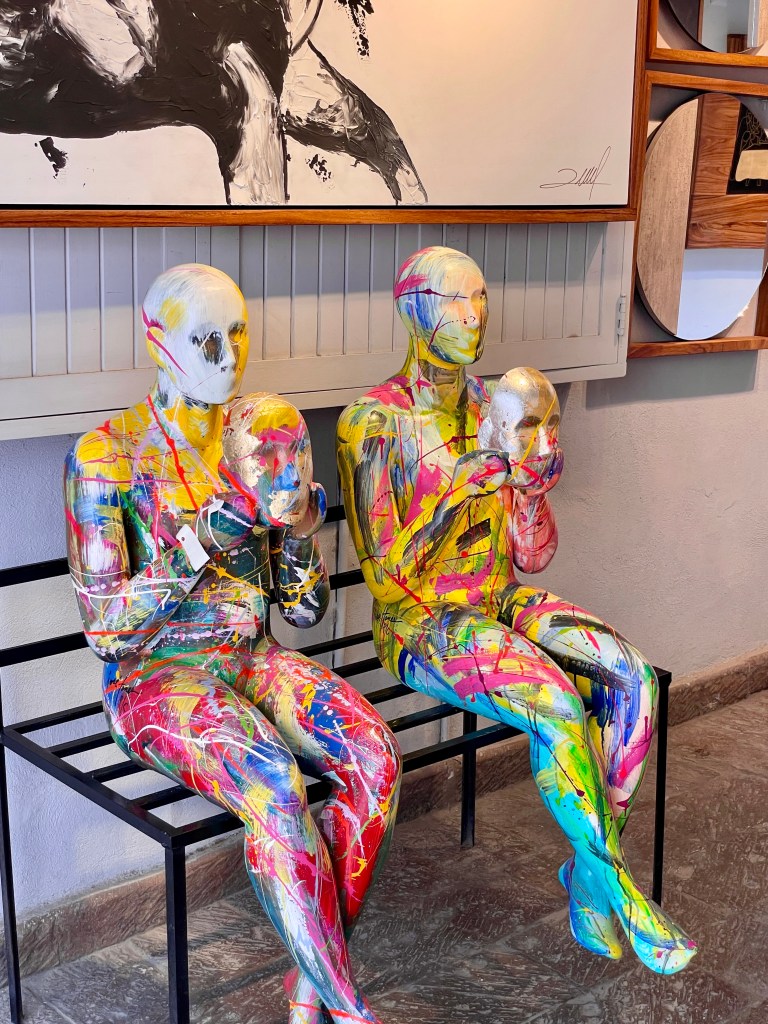
One of the places we ducked into was the Cultural Center and I have plans to re-visit it so I can get a full tour of all that lays within its stone walls. But for now just some lovely photos to give you an idea of the place.

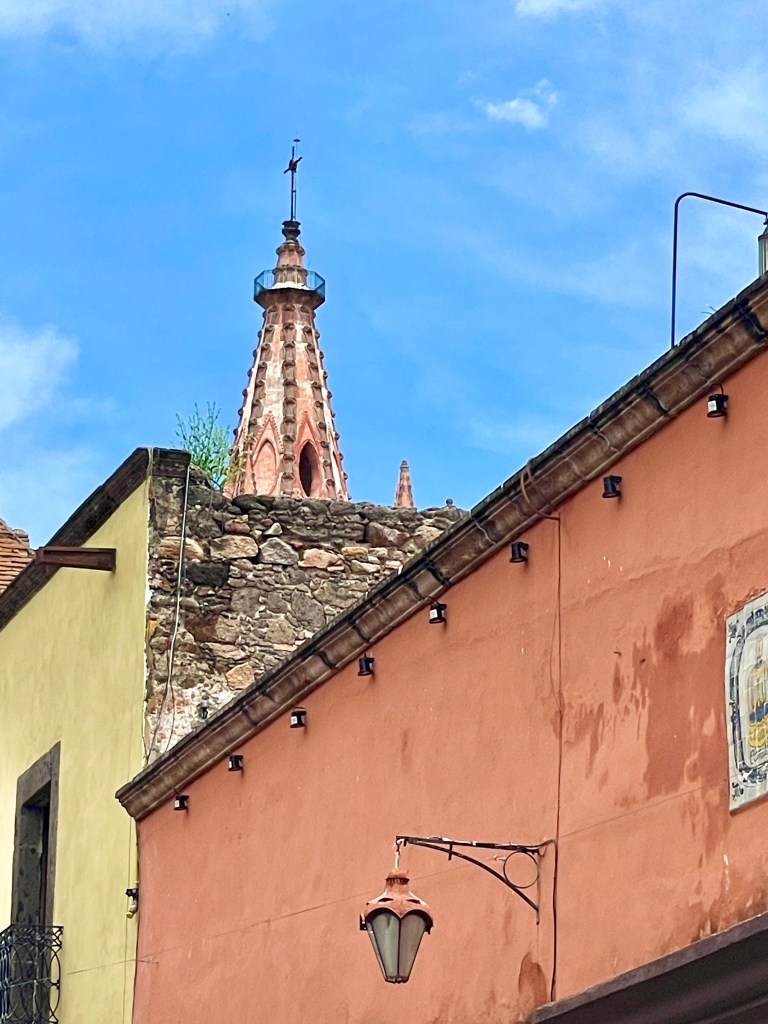
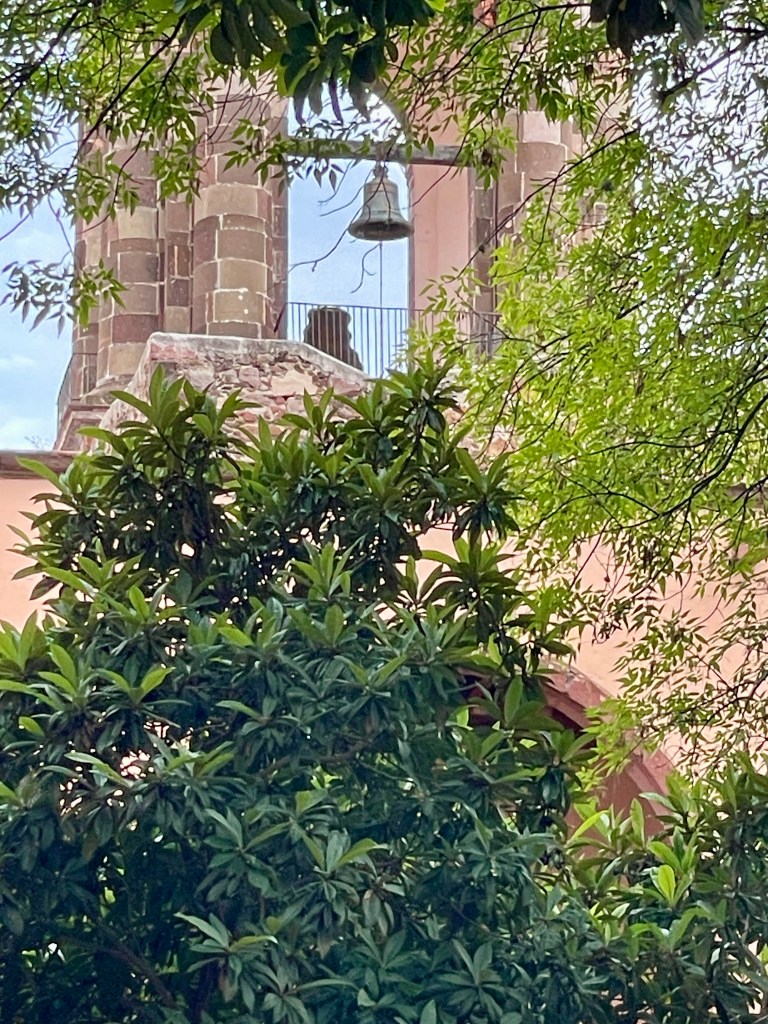
I love visiting the churches and seeing their rounded domes or tall spires no matter where I go. But here in San Miguel there is something about that type of architecture that just reaches in to connect with your very soul.

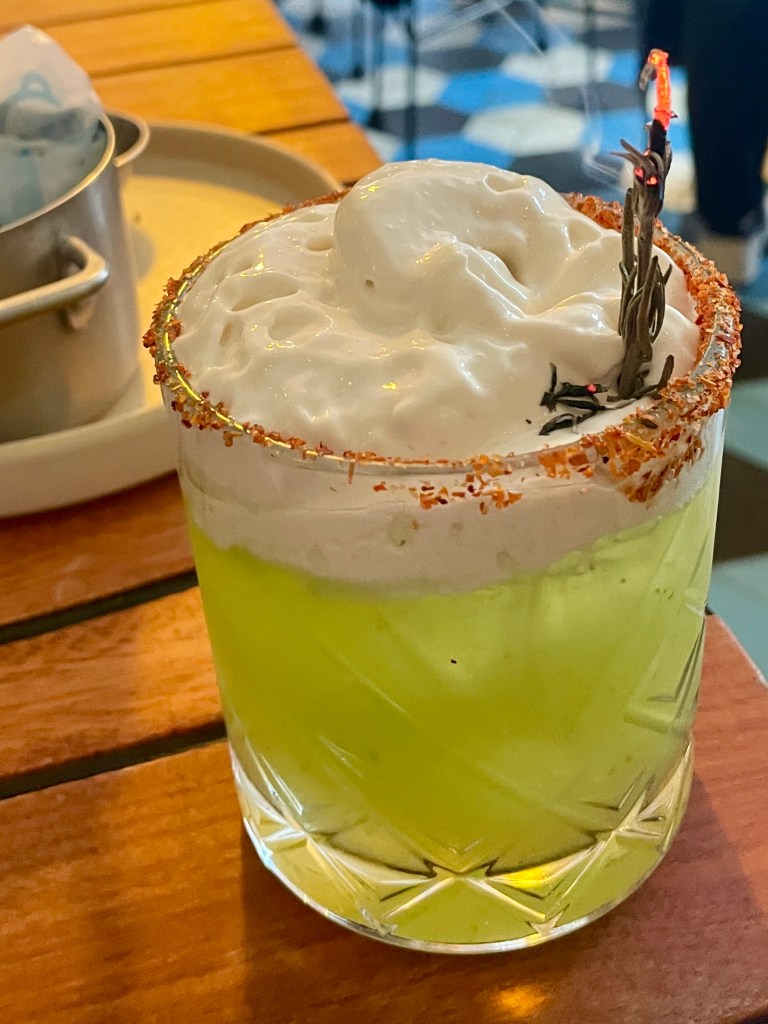
For lunch, Denise took me to this tiny hole-in-the-wall restaurant named Tostevere that served excellent food. The tostadas tasted different than any I have had before….smooth. How a tostada can be smooth with a hint of salt I have no idea…but it was. And the bananas foster dessert with homemade fresh fruit ice cream (maybe guava) topped with lime was amazing. But perhaps the most interesting thing that I had was the Smokey Mezcal which is brewed from the agave plant. The drink was concocted from several juices including cucumber, topped with fresh whipped cream, lime salted rim and then lit on fire with a pice of smokey sage. Sorry, Grandma…I had two!

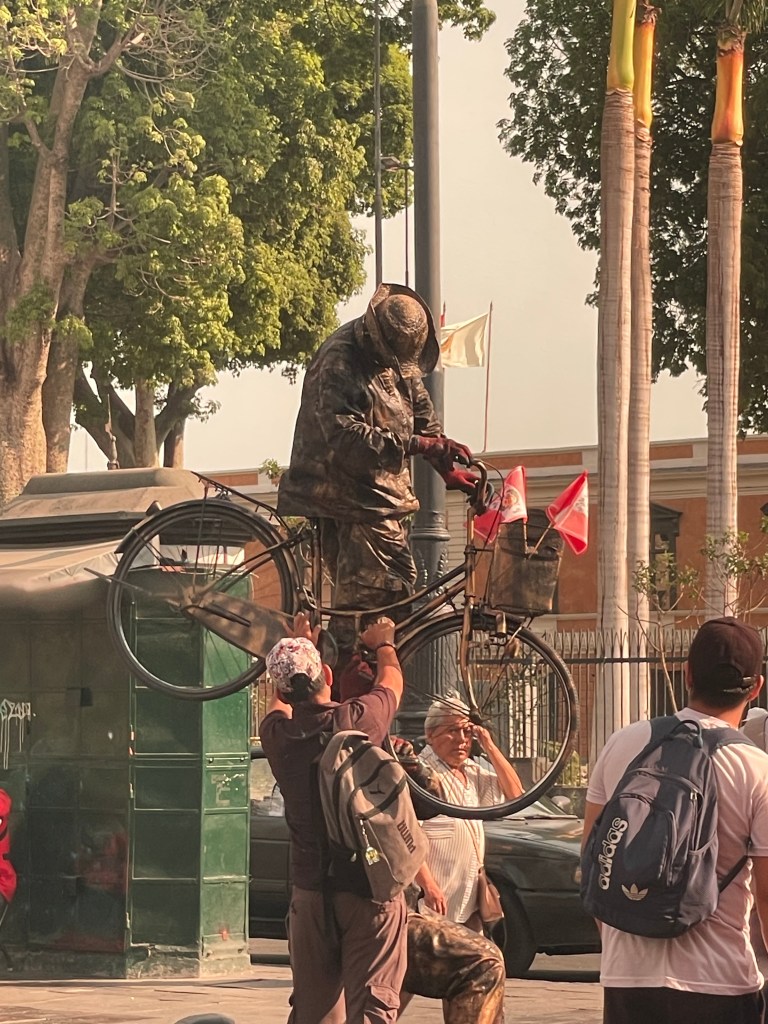
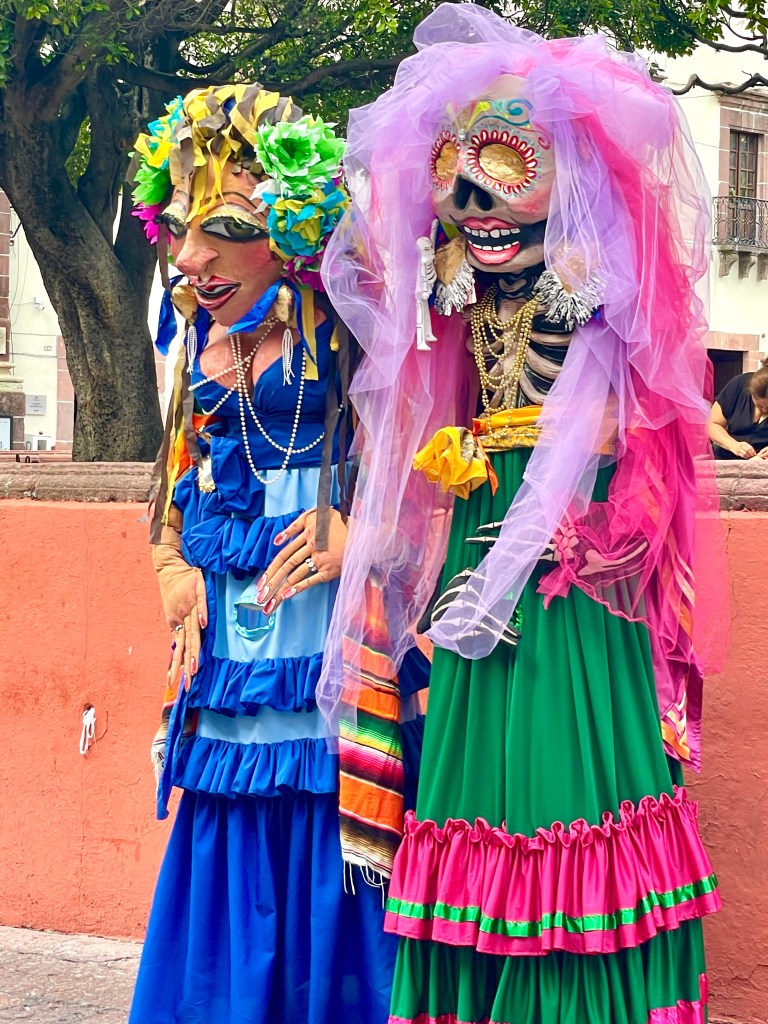
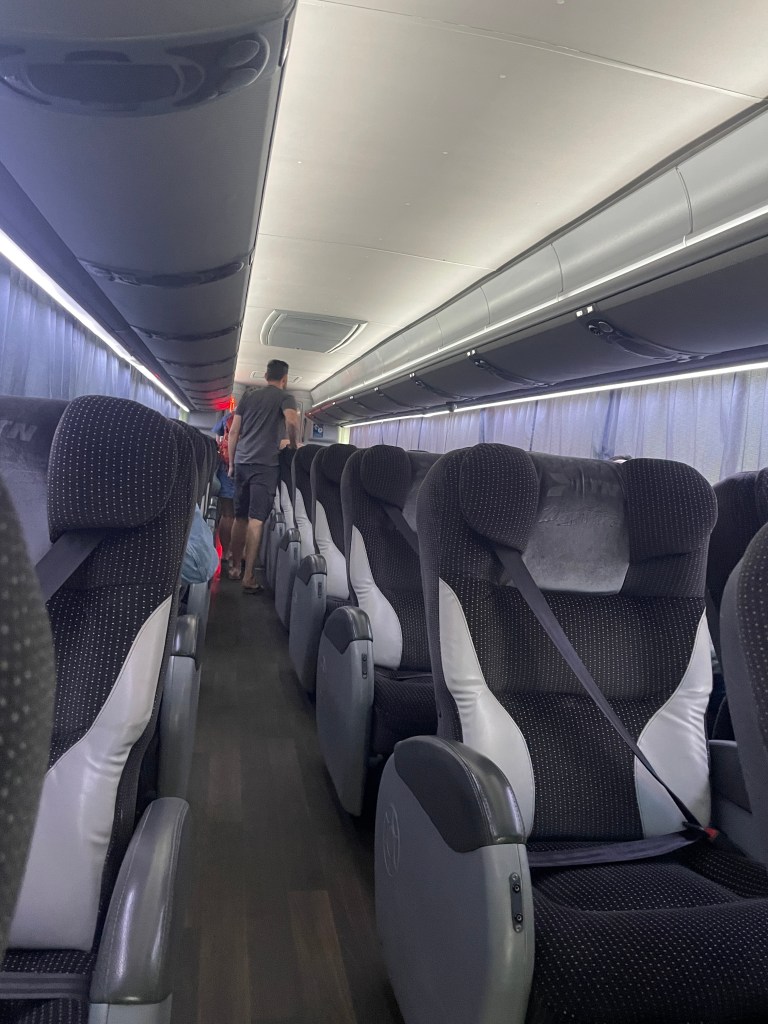
Walking through the town is an experience that you won’t forget. Undoubtedly, you will see Mojigangas, the street puppets, who stroll the town. A few pesos is all it takes to have your picture taken with them. Quaint shops, wonderful food, warm people, lovely outdoor spaces and music that makes you want to get up and dance…these are just a few things you will take away with you when you leave this amazing enclave. And speaking of leaving… I now leave you with some of my favorite pictures of the day including more art, the ring I bought from a jeweler in the park and my $15 ride home on the bus. Wish an airplane was as comfortable as that bus!

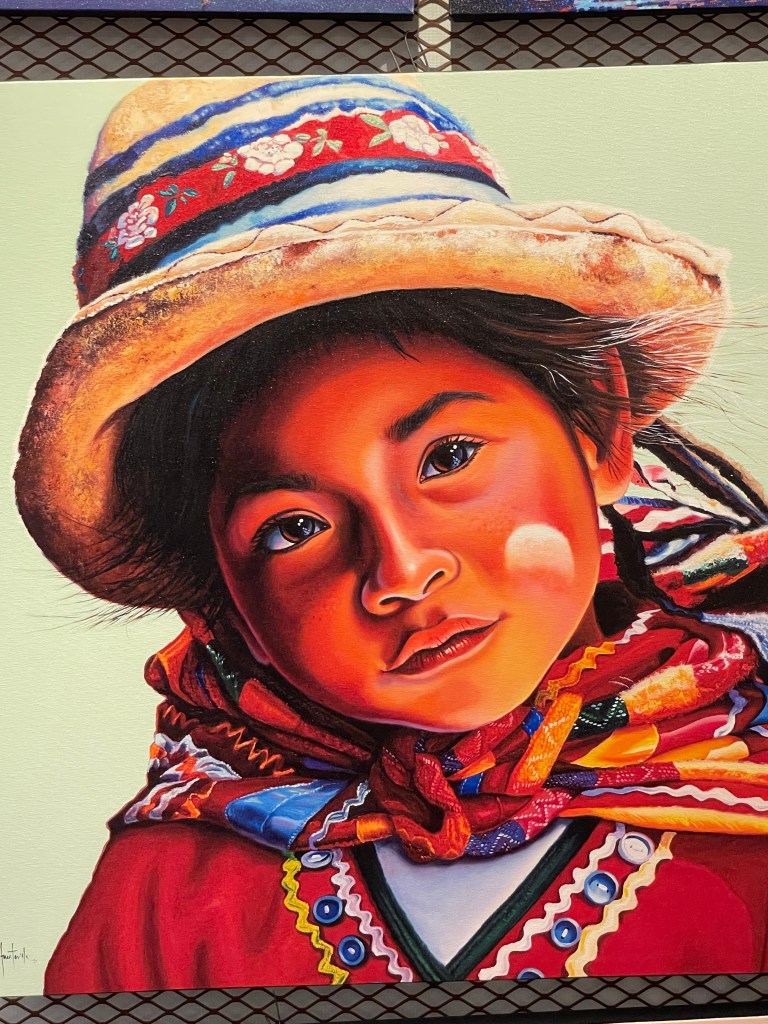
If I could afford it, this Roberto Fuentevilla painting would hang in my future living room

Here is the bus. It was a bit expensive because I chose an expensive part of the day to ride it. Television sets and fully reclining extra padded seats for $15. Wish our airplanes were like this!

Oh and one more thing,,, this is what I saw riding home on the bus. I believe it needs a caption. Any Ideas?

Nisga’a Museum-Laxgalt, ap BC Canada

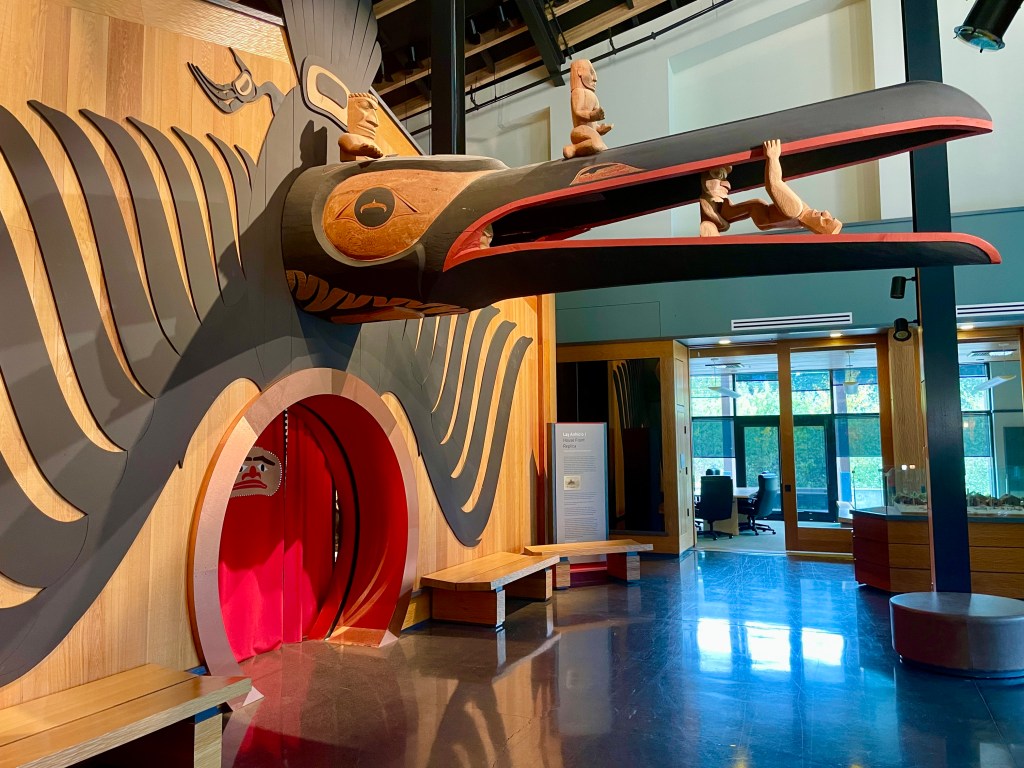
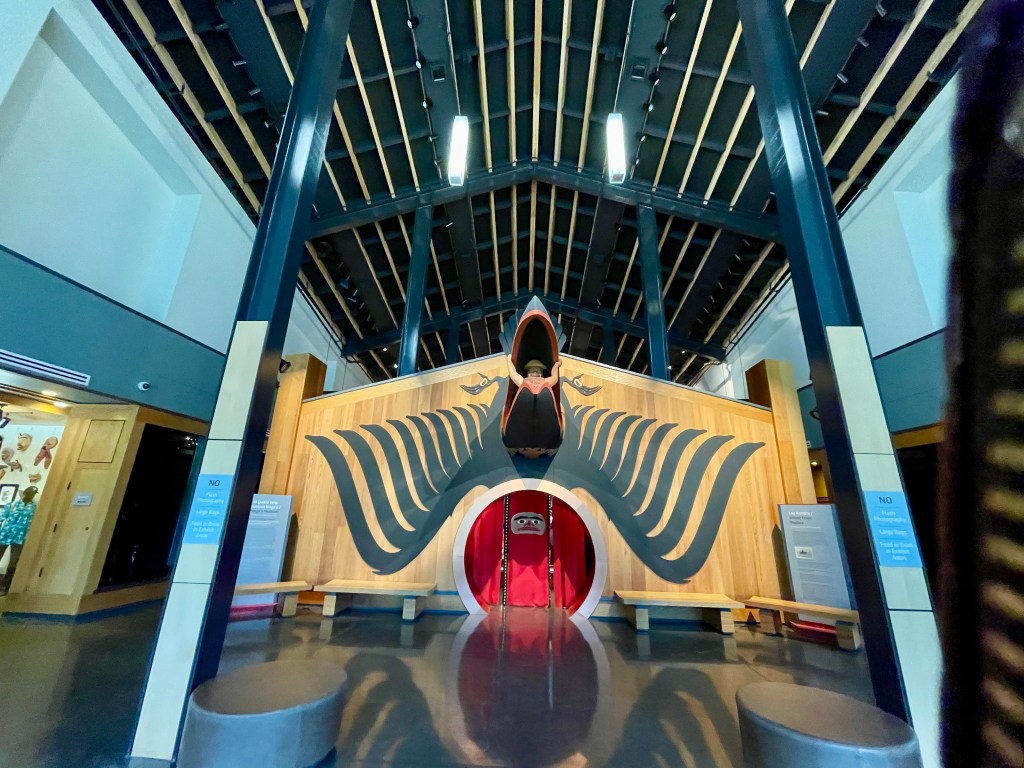
One of the best small museums I have ever visited is the Nisga’a in British Columbia. The architecture of the building which highlights the natural beauty of traditional tribal lands along with the highly curated and informative exhibits will surely take your breath away and give you a new sense of appreciation for traditional First Nation history and practices.

To get to the multiple galleries one enters through a replica of a longhouse. I suggest entering more than once to really get a feeling of what is being conveyed and to be able to experience the feast for your eyes that surrounds you.

The first gallery is known as the Transformation Gallery. Here you will find a huge collection of spirit masks (naxnok) and costumes that were used to the tell the stories of spirits and their role in society.

After exiting this colorful gallery you are directed to the Shaman’s Gallery (Halayt Gallery) which emphasizes the role of the Shaman in society and displays items used to call and direct the supernatural.

The Museum also contains several more galleries which discuss the history of the Nisga’a, the possessions of the people, laws and customs, as well as showcasing daily life of the tribe and individuals roles within it. Headdresses, bentwood boxes and rattles are just a few of the exquisite things that will be seen as you meander through. Be sure to take some time to explore as this is not an educational center to rush through.

One of the best things about this museum is the kindness of staff who will patiently answer or will find the answer to any question you might have. These are individuals who are immensely proud of their culture/heritage and want to be sure that everyone who leaves takes a bit of that appreciation with them.

Finally, be sure to check out the gift shop where local artists have their works on display and where you can also find further information about the indigenous people throughout the region.

There is a small entrance fee. Families pay $22, adults, $8 and children $5. The museum is open from Early May through the end of October on Wednesdays through Sundays from 10 am until 5 pm. It is located at: 810 Highway Drive, Lax̱g̱altsʼapBritish Columbia, Canada. For further information call 1 (250) 633- 3050.

Museum of Contemporary Art-Sydney

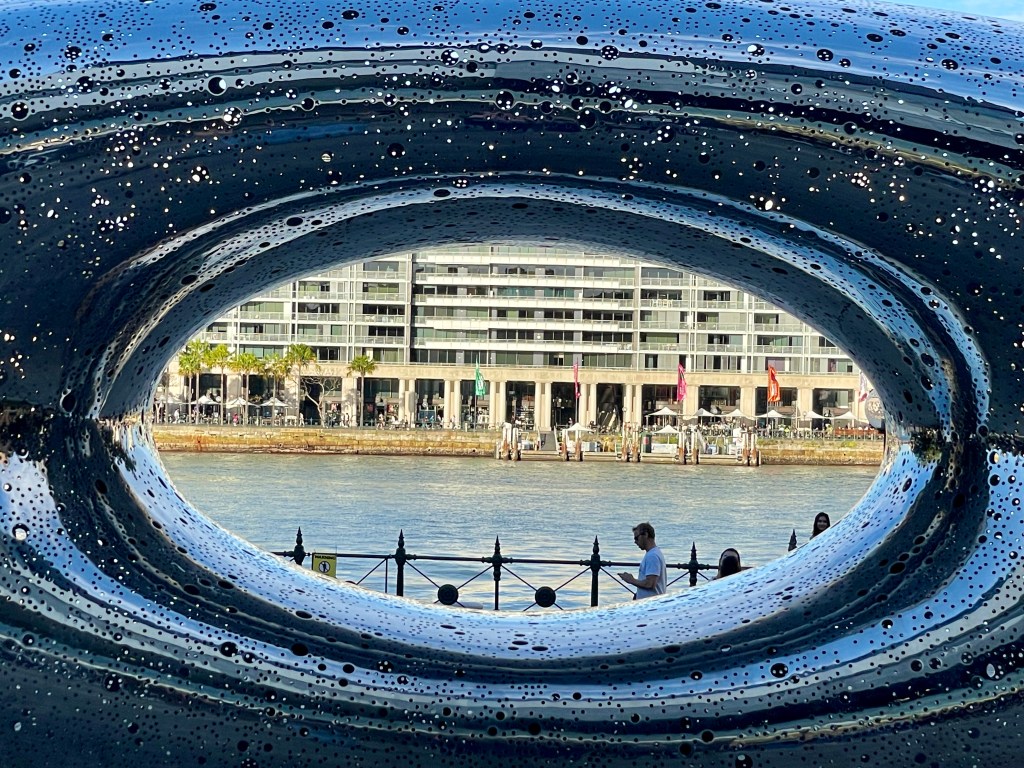
Sitting almost directly across the pier from the Sydney Opera House in the Museum of Contemporary Art or MCA. Filled with diverse art treasures from Australia including paintings, pottery, indigenous pieces and a whole trove of other displays; you won’t be disappointed spending a couple hours of your day here.

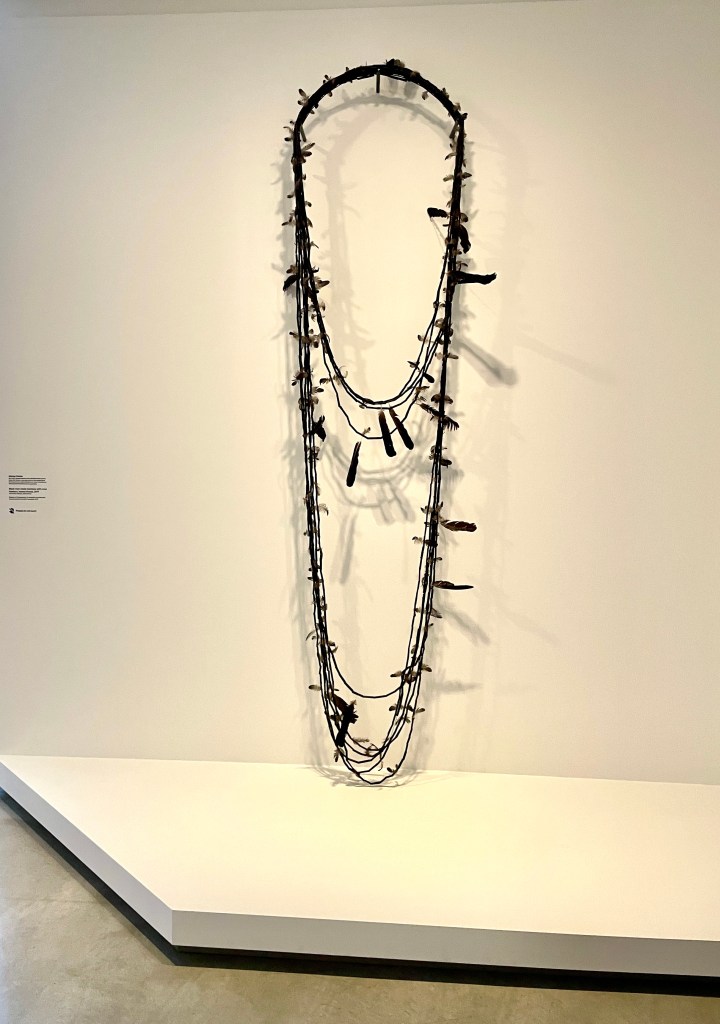
This picture doesn’t do this indigenous necklace justice. Missing from it is the immense length of the piece as well as the different depths that the beading creates when viewing it.

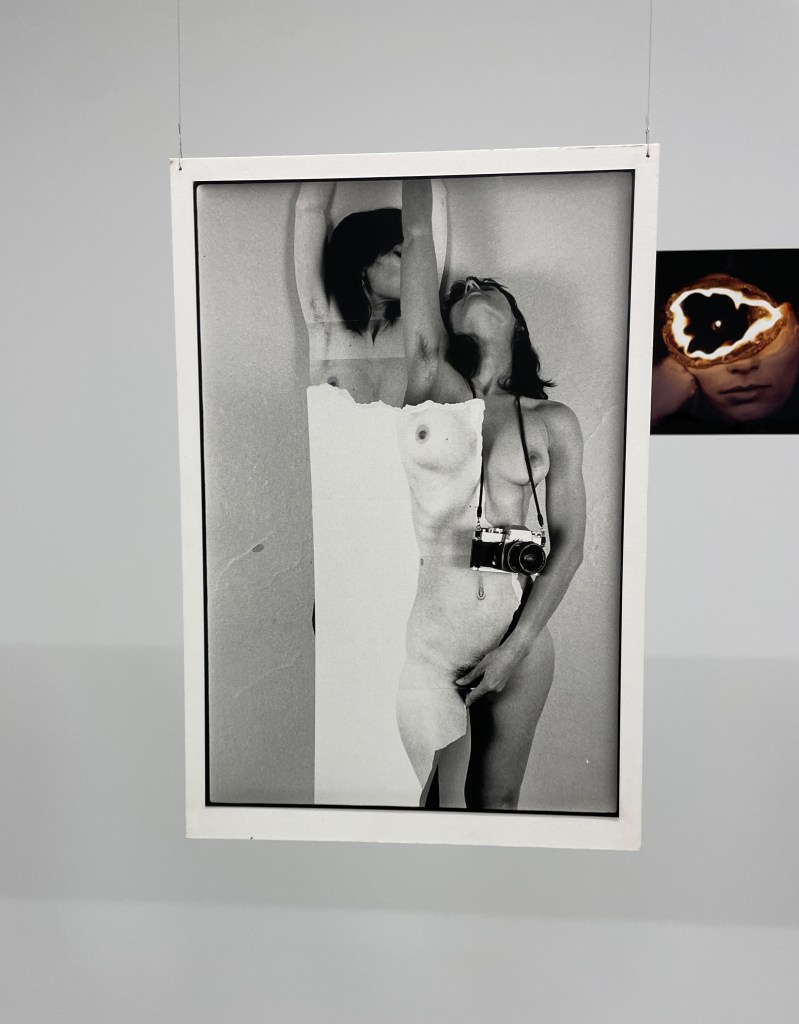
From small displays to pictures that fill entire walls your imagination will certainly be stirred while viewing alll the different genres of art that MCA holds in its collection

MAC has a range of artwork from provocative to “Heck, I could have made that myself” works I found myself contemplating the question “What is art?” This is something my friend Leah and I have discussed many times. She is of the belief that art is art and you can’t put any parameters on it. I, on the other hand, believe that if I could have created it, well then, it certainly can’t be considered art by any stretch of the imagination.

MCA is open 10am-5 pm daily except Tuesdays when the museum is closed. Open all holidays except Christmas on December 25. There is a cafe for casual dining and its a nice place to relax a bit after all the walking.

  • Adults $20
  • Concession $16

Free for MCA Members, under 18s and Australian students.

Museum of Contemporary Art Australia
Tallawoladah, Gadigal Country
140 George Street
The Rocks
Sydney NSW 2000

Western Antique Airplane & Automobile Museum (WAAAM)

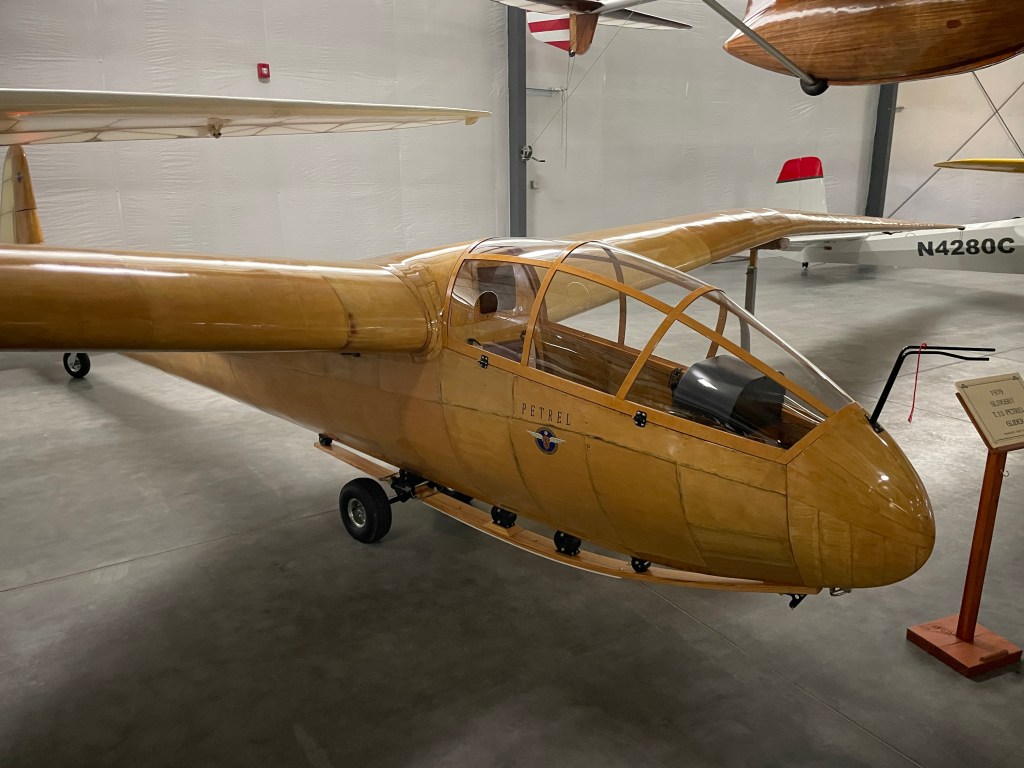
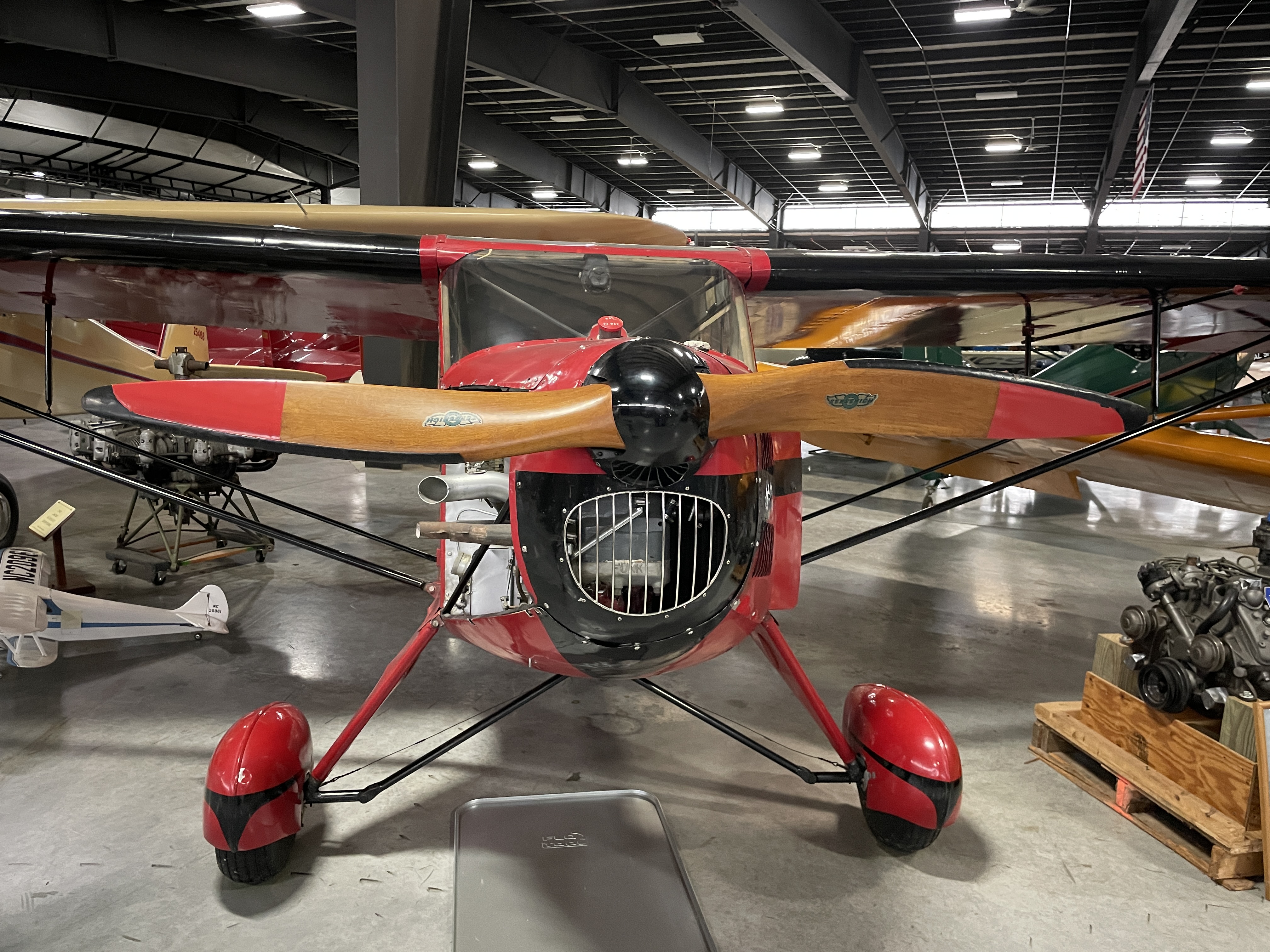
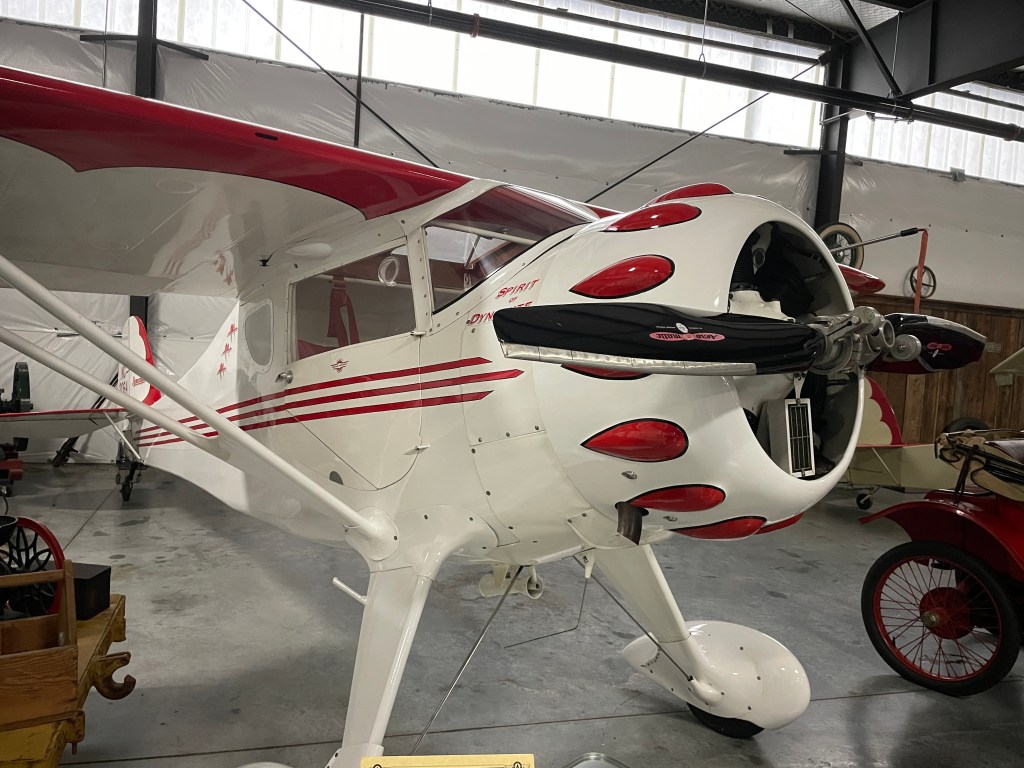
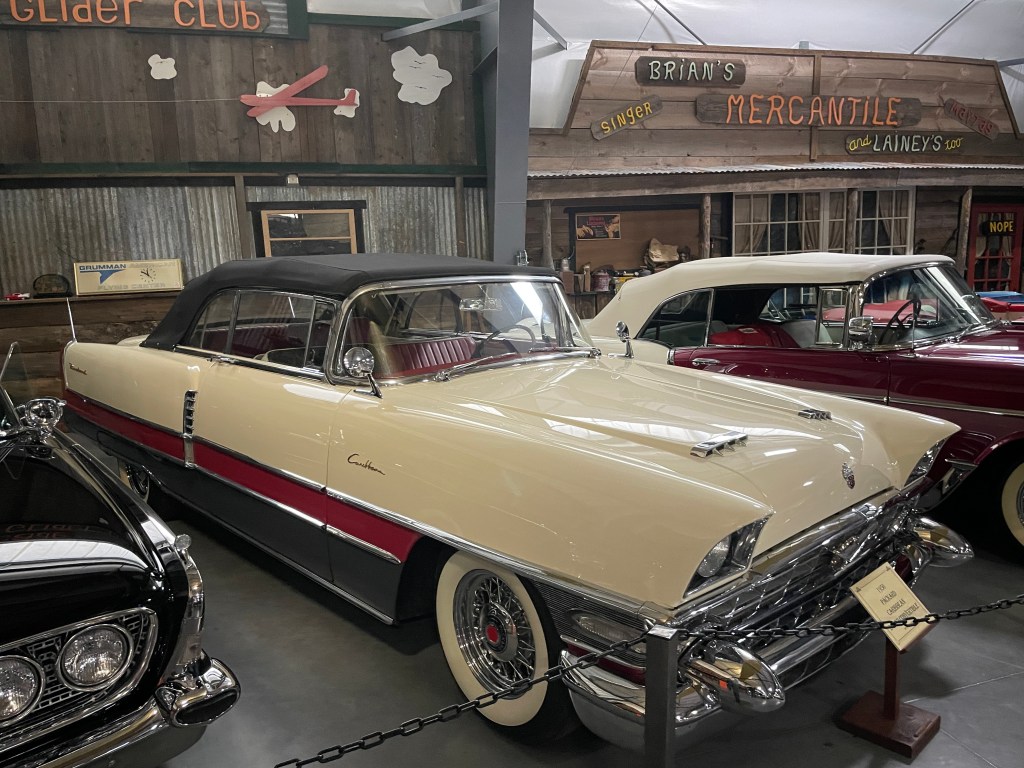
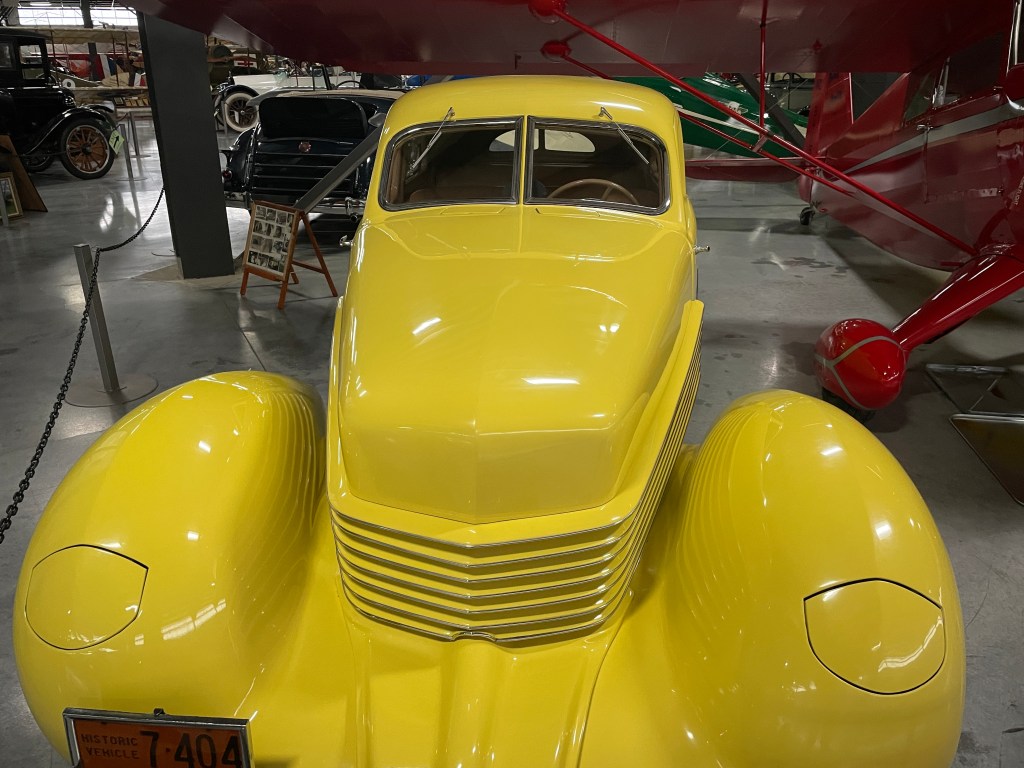
Hidden outside the historic and charming town of Hood River, Oregon, is one of the most interesting museums I have been to in a long time. Consisting of over 3.5 indoor acres of automobiles, airplanes, motorcycles and military equipment; it is easy to spend a couple of hours looking at some of America’s most beloved machines. All the exhibits are in pristine shape and several times a year the doors open so that the autos can hit the road while the planes fly high. With volunteer docents who know all about each and every last vehicle and whom always have plenty of interesting and funny stories to tell; this place is a treasure looking to shine bright on the rainiest of Oregon days. Open 9am-5pm daily. Closed New Year’s Day, Thanksgiving and Christmas. WAAAM is located at 1600 Air Museum Road, Hood River, Oregon. Telephone (541) 308-1600.

WAAAM…This Mighty Museum Will Hit

You Right Between The Eyes

Getty Center

DSC03996

The Getty Center in the Brentwood section of Los Angles is an amazing feat of architecture. Designed to allow maximum viewing along with introspection from all areas; it is a place to go just to enmesh yourself in the soul of a building. Screw the art!

The Getty was built in 1997 and designed by Robert Meier. Bountiful gardens and vistas open up throughout the facility giving visitors a chance to be one with the glory of nature. With outdoor sculptures and numerous lavish fountains dotting the 24 acre complex it makes for a full-scale outdoor art experience.

Of course, the Getty, viewing one of the greatest collections of paintings in the world  by artists such as van Gogh, Rembrandt, and Delacroix; is an amazing experience.

imgres-8

For those with an interest in illuminated manuscripts and old photographs; the Getty Center doesn’t disappoint.   But for the kids, the best part of the trip to the Getty will be riding the tram up the mountain from the subterranean parking garage.

The Getty Center is closed Mondays and on Thanksgiving, Christmas and January 1. Parking is $15. Admission is free. There is also a lovely restaurant that offers expensive food served up with incredible views.


DSC04003

Railtown 1897-Jamestown, CA

IMG_5400

Okay, all you railroad buffs, today we are going on an adventure extraordinaire. It’s time to climb aboard the Railtown 1897 State Historic Park in Jamestown, California. This 26 acre site offers a freight depot with an incredible roundhouse which you can explore until your hearts content.The original turntable still works and there are many passenger cars along with other interesting and rare railroad equipment. But best of all there are several powerful steam engines, including the famous Engine #3, which has appeared in many movies and TV shows including Little House On The Prairie, Gunsmoke, Bonanza and Lassie.

IMG_5409

IMG_5410

Railtown 1897 is a place to venture back to days gone by. It’s a place to bring young and old a like. Here you can climb onto steam locomotives, stroll vintage passenger cars, and walk the floors of the waiting room at the depot.  And if you are really lucky “Grandma Jean” will give you a personal tour of everything you need to know about this unique and exciting State Park including these tidbits:

  1. The drier the steam the more powerful the engine
  2. The taller the wheels the faster it goes

IMG_5435

But perhaps one of the most interesting things about this State Park is the fact that it has a fully functioning engine repair and restoration facility and you can actually watch as they fix the old engines that arrive for an overhaul. That is worth the price of admission alone!

If you want to ride the trains the best time to visit is in the summer for summer time brings wildflower train rides and steam train excursions. From April to October, trains operate every Saturday and Sunday, departing from the Railtown Depot at 10:30 a.m., noon, 1:30 p.m. and 3 p.m. Excursion tickets are $15 for adults, $10 for youth 6-17 and children 5 and under ride for free.

For further information go to:

http://www.parks.ca.gov/railtown

You are going to love this place!

IMG_5420

IMG_5416

IMG_5418

IMG_5465

IMG_5404

Kamp Vught- Herzogenbusch, The Netherlands

The last time we were in Europe I thought it was important for my kids to see for themselves what happened to the Jews, Gypsies, homosexuals, resistance fighters, and another other groups/persons who the Nazi’s targeted for extermination.  So we visited the Herzogenbusch Concentration Camp (Kamp Vught) near the town of Herzogenbusch where the horror of what happened to innocent people could be seen and to a small extent be felt by our kids. It was a lesson that shocked and saddened them. One that has changed them and how they see the world.

Although Kamp Vught is considered to be a transport camp rather than a death camp nonetheless 749 prisoners lost their lives while incarcerated against their will. Of those, 342 were murdered just outside the camp as the Allies were approaching.

The camp was built in 1942/43 with the prisoners being forced to finish the construction themselves. Over 31,000 people were housed here before being transported to the death camps of Auschwitz and Bergen-Belsen between the years 1943-1944.

Today Kamp Vught is a National Monument dedicated to the victims of Nazi atrocities. The interior of the museum has been designed to be a reflective and thoughtful place spread out over several buildings and outdoor areas. The museum itself displays diaries,relics, personal items and the clothing of the persons who were incarcerated or murdered here.

DSC05138

We learned that upon entry to the Kamp each prisoner was given a colored triangle on their gevangenenpak. Jewish prisoners received a yellow triangle, political prisoners and resistance fighters one red, homosexuals a pink triangle, and the ‘criminals’ (illegal butchers and black marketers) a black triangle.

DSC05197

Outside there is monument that stands in honor of the children who were separated from their mothers and sent off to be executed. Standing there, reading list after long list of names, you could just “hear” the cries of parents and children as they were taken away by the guards. As a parent it felt horrific to think that there was nothing you could do to save your own child from extermination.

DSC05169


Below you will see a picture of my sister-in-law as she stood in cell 115. What you cannot see is the tears running down her face as she contemplated the horror that happened in this room on January 16, 1944.  The day before, as a punishment for some drama occurring in the women’s barracks, the Kamp Commander forced 74 women into this tiny windowless room. Fourteen hours later the cell was finally opened and the remaining 64 women were freed. The plaque contains a list of the names of the ten women who suffocated due to lack of oxygen.


Although most the buildings of this once huge camp are gone a few still remain or were rebuilt. In this one, you can walk down row upon row of narrow bunkbeds, each three beds high, where the prisoners were kept. My nine- year-old daughter was shocked at how small and lumpy the straw mattresses were when she laid down upon them.

DSC05157

More sobering was the crematorium. The cart that brought the bodies in to be disposed of still stands here a silent testimony to the hundreds of lives lost.

DSC05179

Crematorium_kamp_vught

Guard towers 100 meters apart and barbed wire fence also surround the property giving visitors a small sense of just what these prisoners were seeing and of the future that awaited them.

Near the exit of the museum there is a wall in which guests can reflect on their experience visiting Kamp Vught. This is what my 11 year old son wrote.

DSC05191

This is a painful place to visit but a necessary one. It should serve to remind us of the horrors of war and and the cruelties that humans perpetrate against one another in the hopes that we never do so again. I would like to think that such vivid reminders of  a world gone mad will encourage the visitors of Kamp Vught to work for peace in their own backyards and keep the horrors of these times forever buried in the past never to see the light of day again. But we know that genocide and mass killings still occur all over the world today and with these events a question must be asked that cannot ever be properly answered. That question is WHY?

Kamp Vught is open 10:00-17.00, Sat, Sun 12:00-17:00.
Closed: Monday (October – March). The entrance fee is about 6 euros.