Museo de Arte Moderno-Mexico City

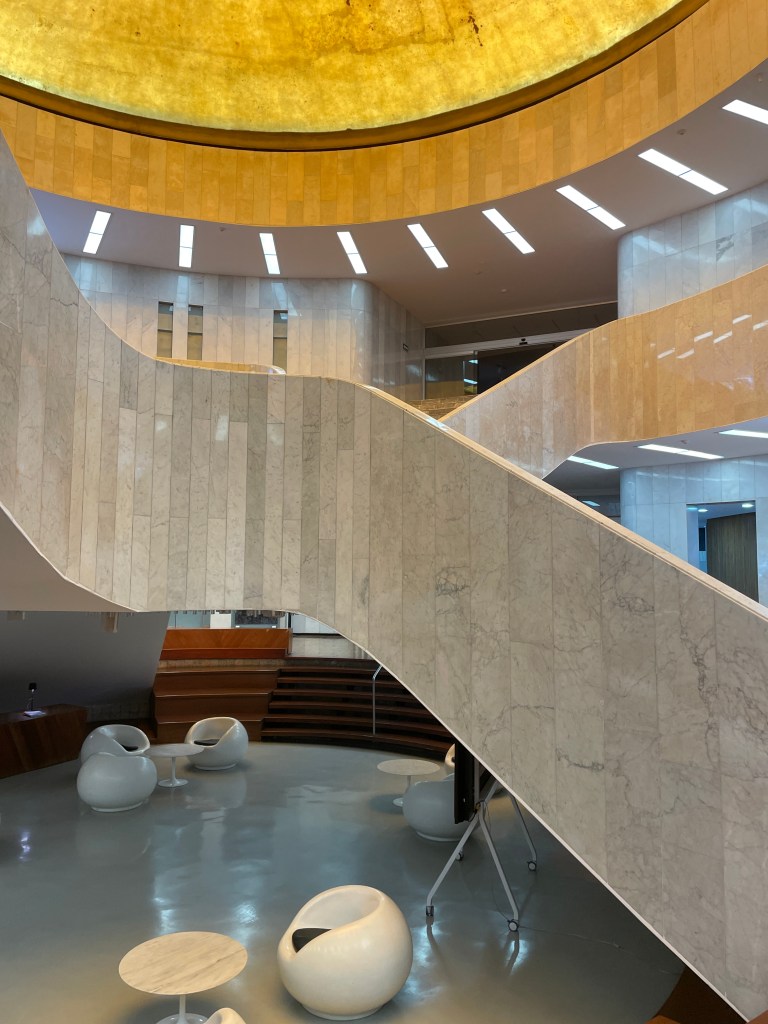
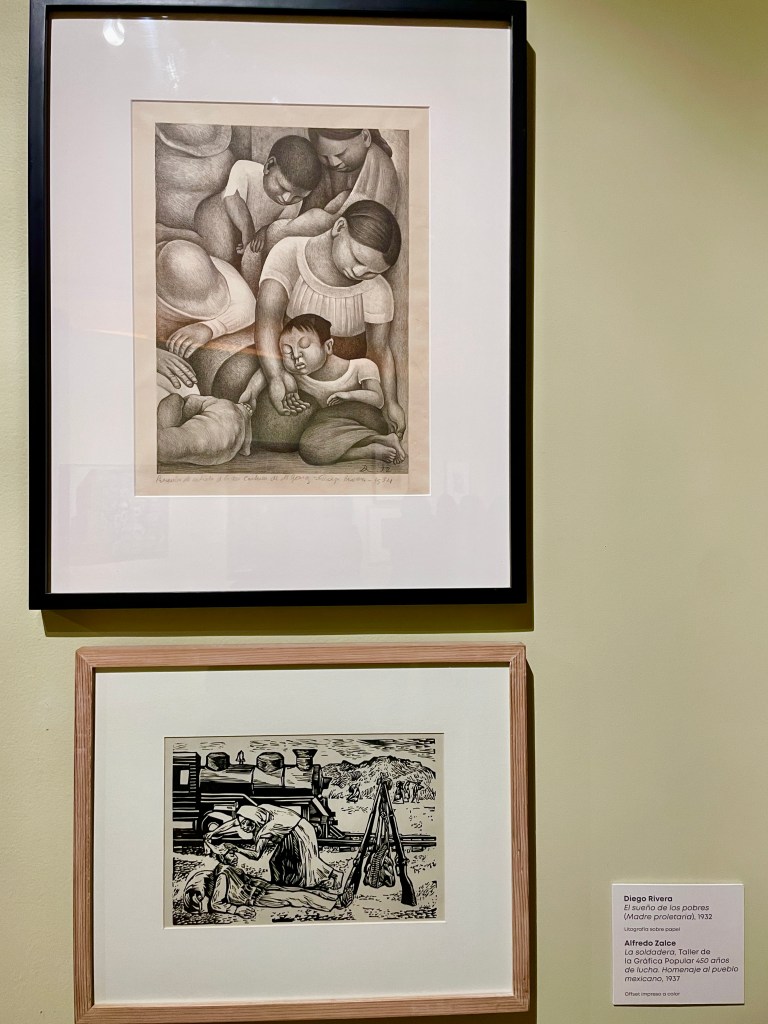
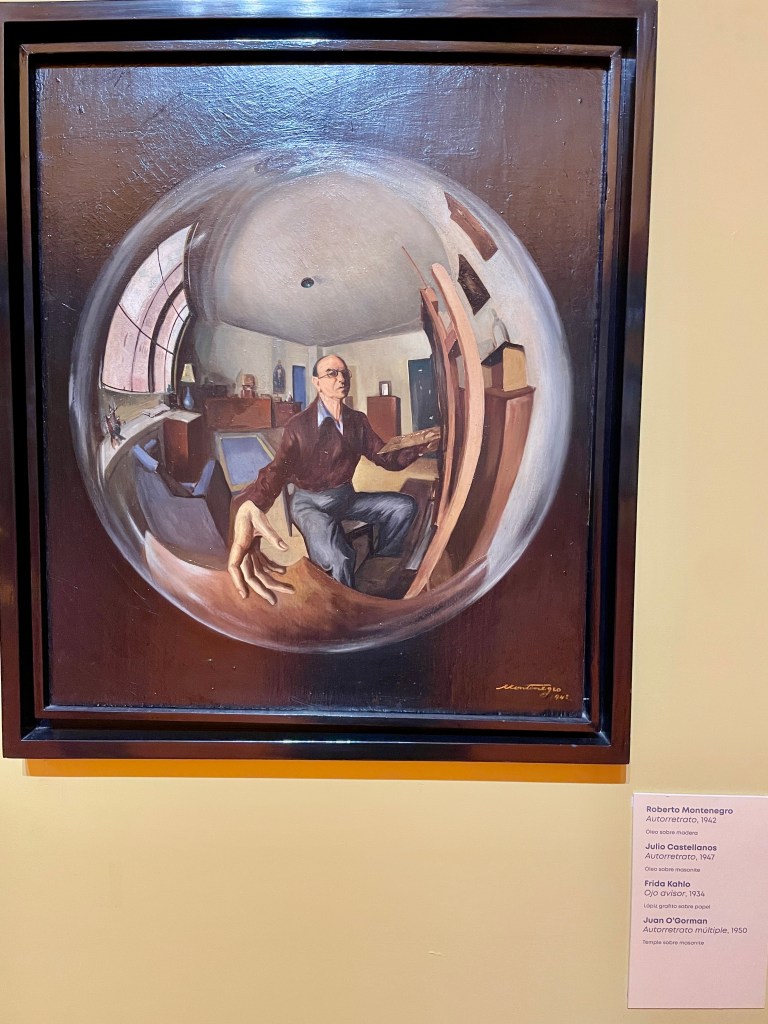
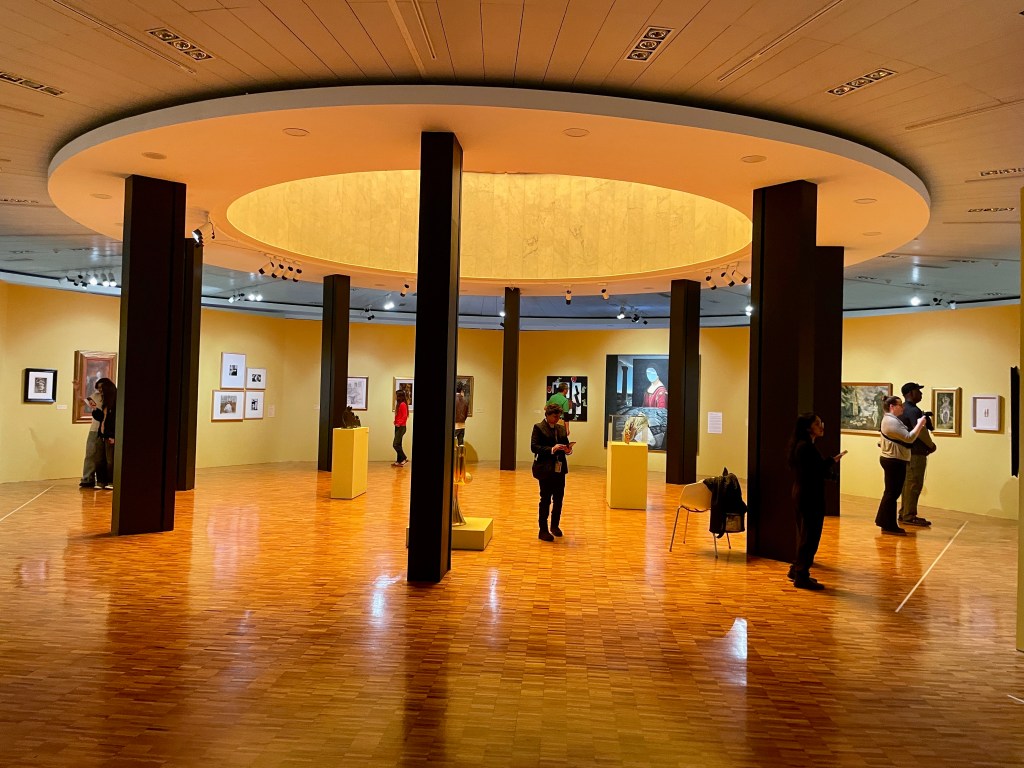
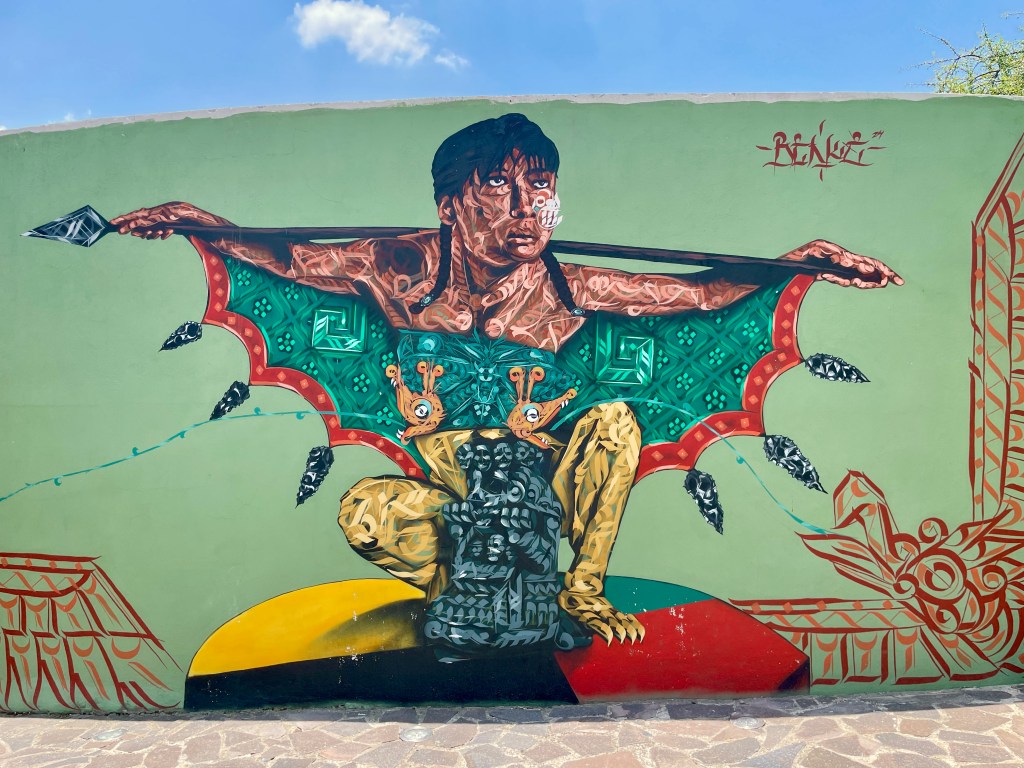
Mexico City has some of the best collection of museums in the world and the Museo de Arte Moderno certainly didn’t dissappoint. It was established in 1964 designed by architests Vazquez, Alcerreca and Salcido. With a focus on Mexican art ,permanent exhibition artists include Kahlo, Jair, Montenegro, Rivera, Loza; just to name a few and features works from 1930 until the present day. With basically four wings and an incredibly beautiful outdoor sculpture garden you will want to give yourself plenty of time to experience the flow between outdoor and in that the building encourages.

The day we got there they were installing a new sculpture and it was amazing to watch the process

As you enter the Museum you are met with gathering areas on both the first and second floors. They are beautifully designed and meant to allow to to view glimpses of all areas of the interior and grounds.

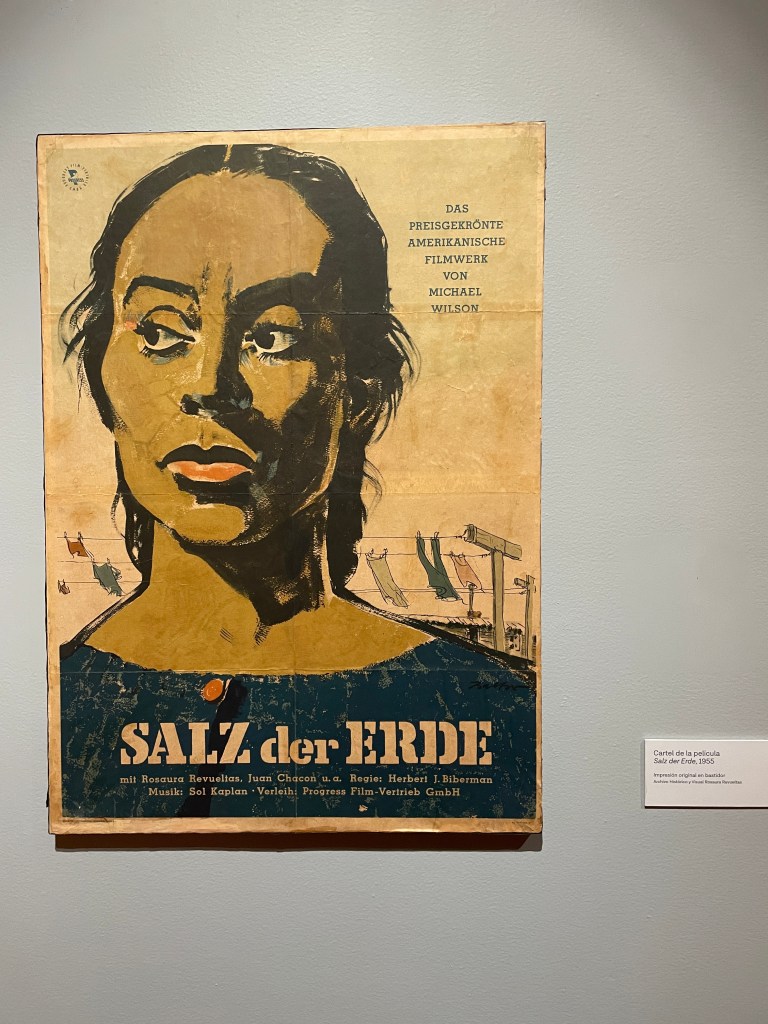
Here are a few of the more famous paintings on display and/or some of my favorites.

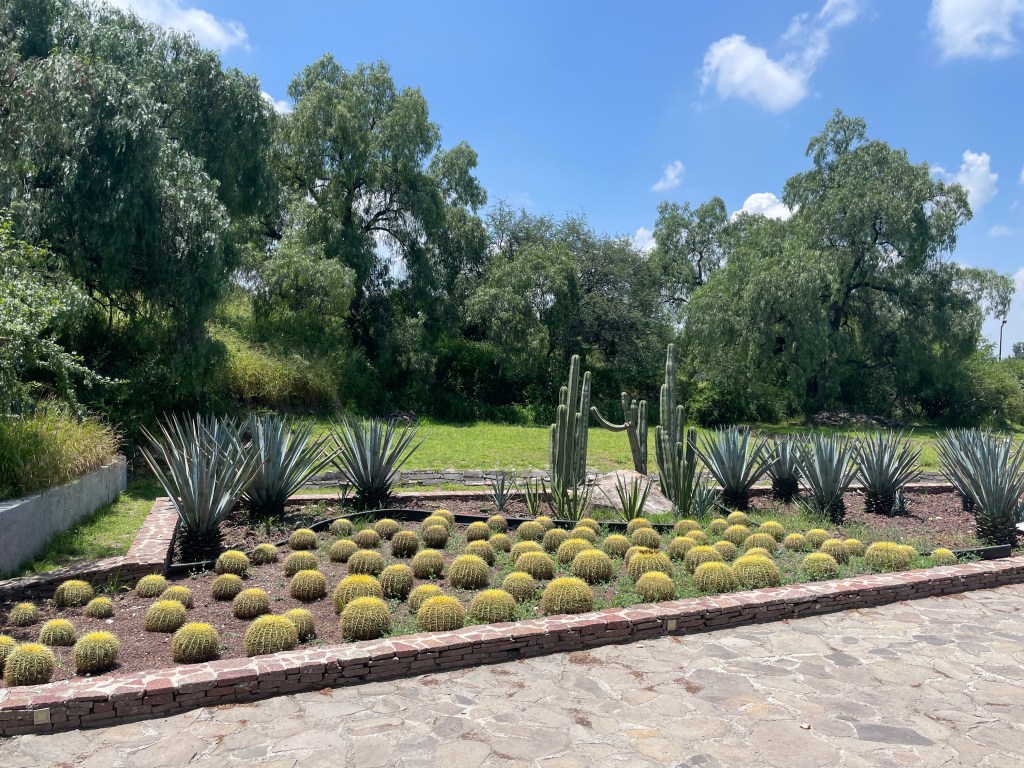
The gardens and sulptures just can’t be missed and there is a small outdoor cafe at which you can sip your coffee and view the magnificence all around you.
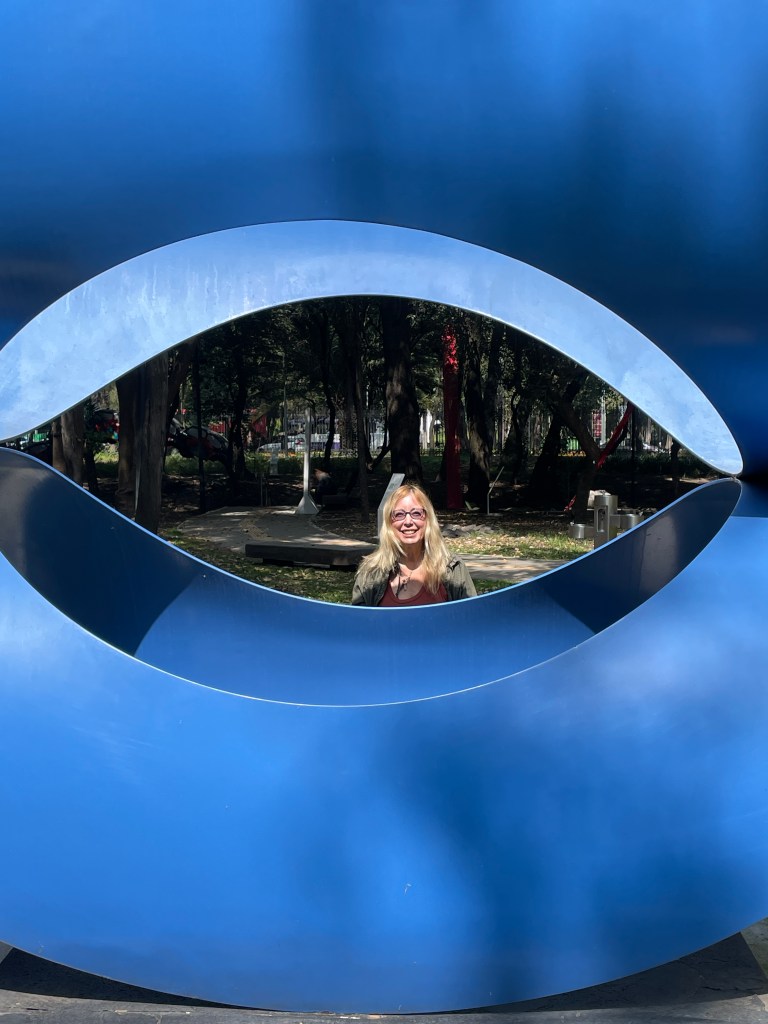
Just a few more pics but I guarantee you that there is so much more to see. As a person who has never been much impressed with “modern art” I can say that I have changed my perception of the genre. It has elements that I can readily identify with as a woman born in the 1960’s and allows for a glance at past history that will hopefully influence the future.
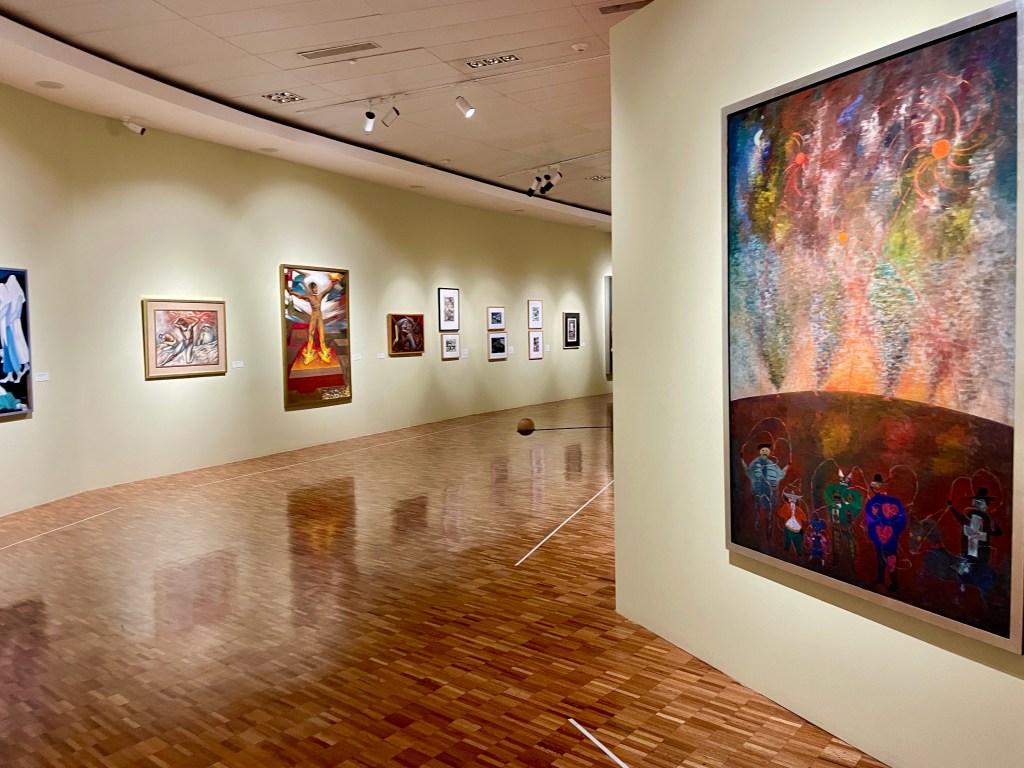
Open Tuesday-Sunday from 10a.-6pm. The cost about 70 pecos with no fees for the disabled and young children. Afterwards, walk throughout the large city park to which many of the museums are connected.

Living In Very Rural Costa Rica

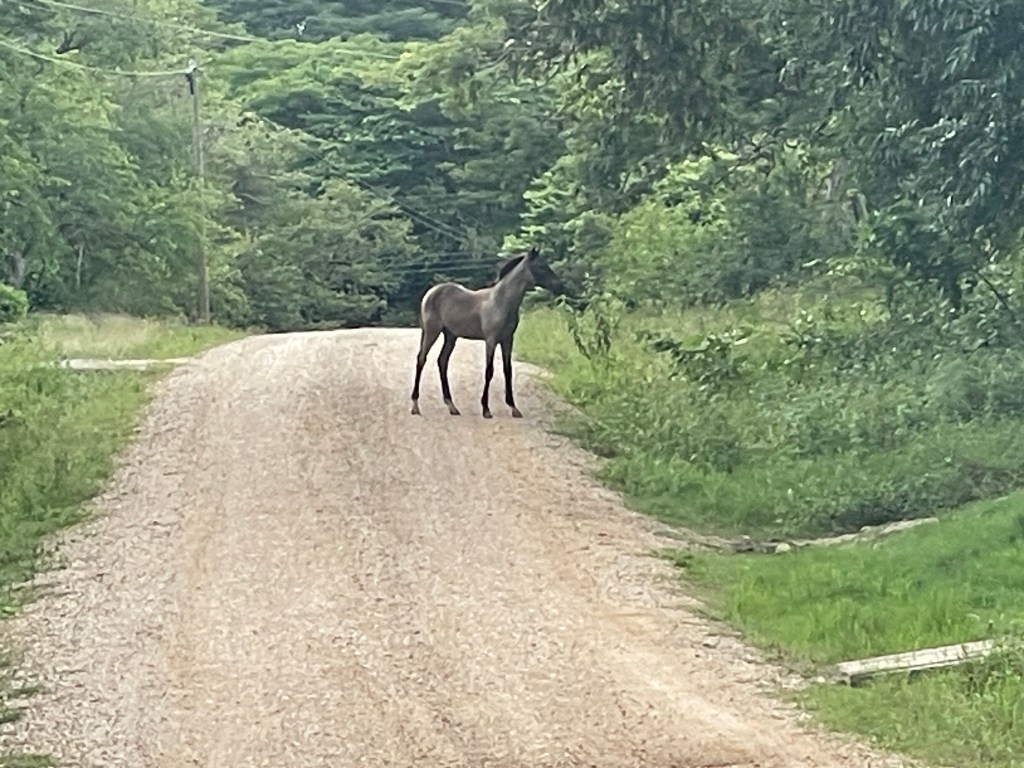
If you have ever dreamed about getting away from in all…come to Costa Rica. Yes, there are resorts and San Jose, but if you really want to get lost, come to rural Guanacaste where the Brahma cows out number humans, the monkey are louder than them, and the nearest town is about twenty-five minutes away by car and 2 days if you are walking.

Yesterday, I went to the very small school down the road to see if anyone there could help me with my Spanish by talking to me a couple of hours a week and I would pay them. No one knows English, which while expected, was disappointing because even with my translator no one understood what I was really wanting. No one had to speak English just be willing to to talk to me in Spanish. If nothing else I proved to be a sizable distraction for the kids who thought my attempts at communicating in Spanish were hilarious!

It is very impoverished here but I am not sure that anyone in the valley is truly aware of it. Everyone waves and smiles, and during my walk today several people waved and answered me back after I yelled out “buenos tardes!” Tonight I plan to go down to the bingo hall and play a game or two as a benefit for a sick child in the village.

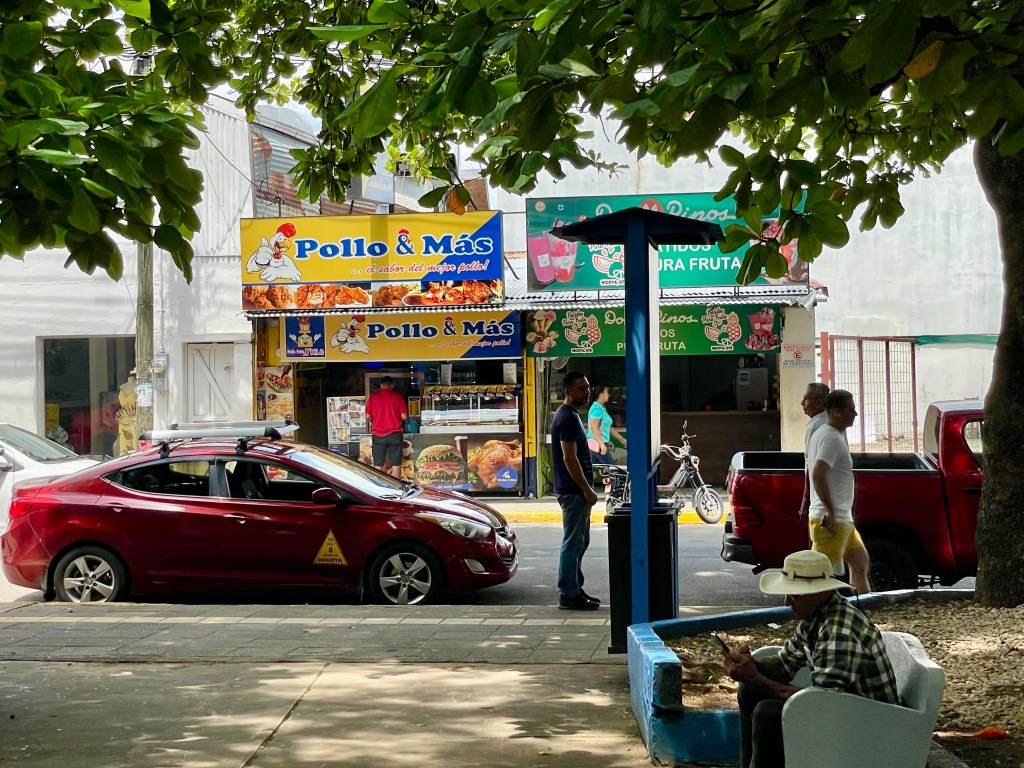
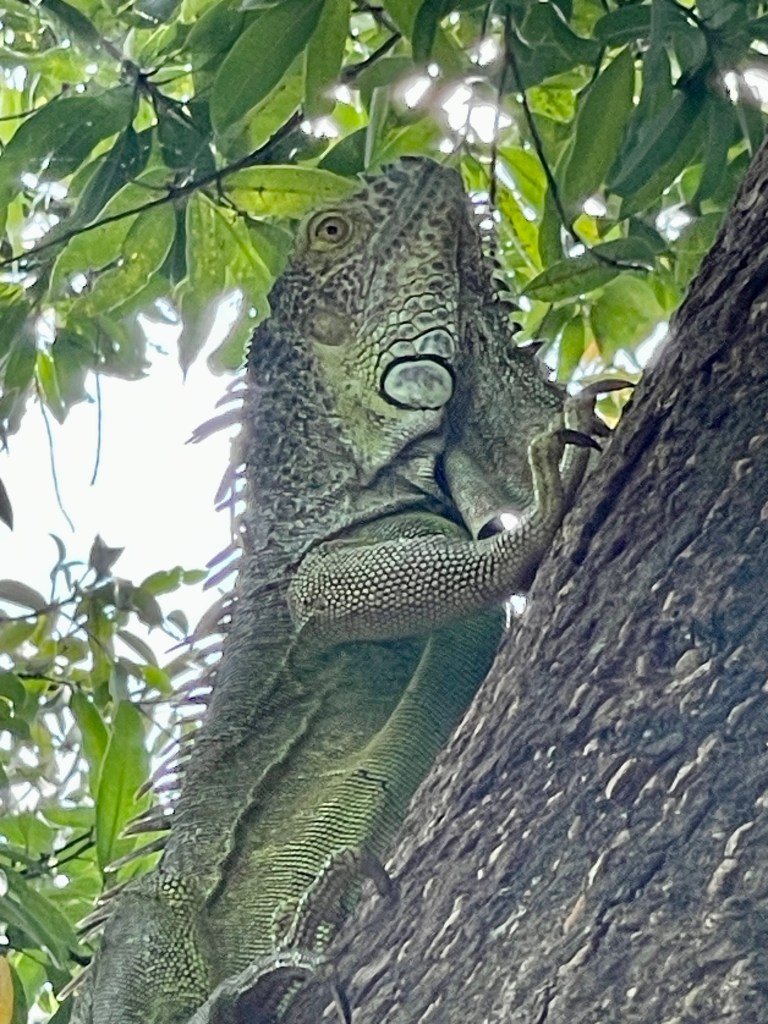
The day before they left my hosts took me into Nicoya which is the nearest “big” town. It has A McDonalds, KFC and Burger King. Sigh. There are three supermarkets and a lovely town plaza full of Iguanas of all colors. I love the orange ones. Food at the supermarkets is expensive and I don’t know how the locals afford to shop. For instance a small sized Wall-Mart shredded cheese is $4 here while at home about $2. I was shocked and my heart went out to all the less-fortunate folks for whom shopping must be a cruel joke.

On Wednesday I took I & E to the airport in San Jose so they could go home to France to visit their first grand baby. I drove their truck…a six speed stick shirt. I was terrified. Why? Because no one seems to follow traffic laws, I had not driven a stick in 25 years, and I was driving in a big city.

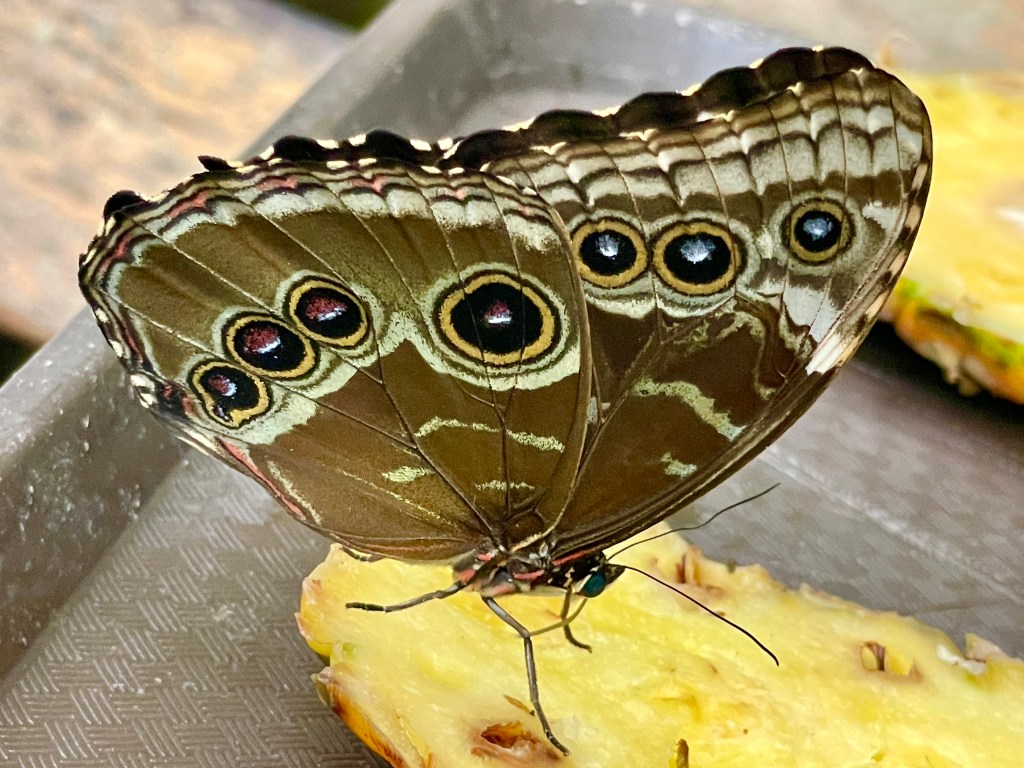
Driving here is arduous. It is about a five-six hour trek from here one way to the airport. I don’t think it is because of the roads per se even though the first thirty minutes is spent dodging potholes the size of small continents along rutted dirt roads. No, I think it takes so long because the trucks NEVER pull over even though there are fifty cars behind them and they are going 30 mph. Add to that road work and tree trimming along the highway and the time it takes to get from here to there increases dramatically. But the scenery if truly spectacular and it was nice passing the ocean and stopping off at the butterfly farm. Unfortunately, the farm had experienced a major crisis two days before I came when birds got into the butterfly pen. Let’s just say I was told that there were numerous casualties inflicted by the invaders.

All in all my stay thus far has been a 180 degree change from my time in Mexico. It is HOT here and so very HUMID. There is no air conditioner which means I am too hot to cook and as a result I have lost 5 pounds. I am also sleeping under mosquito netting thank goodness. Yet despite all of this I developed a massive headache (which I never usually have) and my stomach feels like I have been sailing. I am hoping that I am not coming down with anything and that the tick that bit me is not some disease carrying vampire. Yes, I know, I am sounding like a whiny American and as sick as I am feeling today (now Saturday) I have earned the title. But I know that soon I will be feeling better which will improve the attitude and the whining will cease.

The Least Known Pyramid In All Of Mexico

One of the few temples to survive within a major city is El Cerrito or the Pyramid of Pueblito. Built over 3,300 years ago it is a testament to the wisdom and knowledge of the ancient people of this area. I was lucky enough to visit it early this week.

El Cerrito has a long history as a religious site and complete with altars and various ceremonial buildings. It is believed that a female deity was worshipped here. One of the plazas on the site, known as the Sculptures Plaza, had two alters one on the west and one on the east sides. Human skulls were found here along with pottery from ancient sites located throughout Mexico. Believe it or not, this was once a very colorful place decorated with highly pigmented colors of red (roja), yellow (amarillo), and blue (azul).

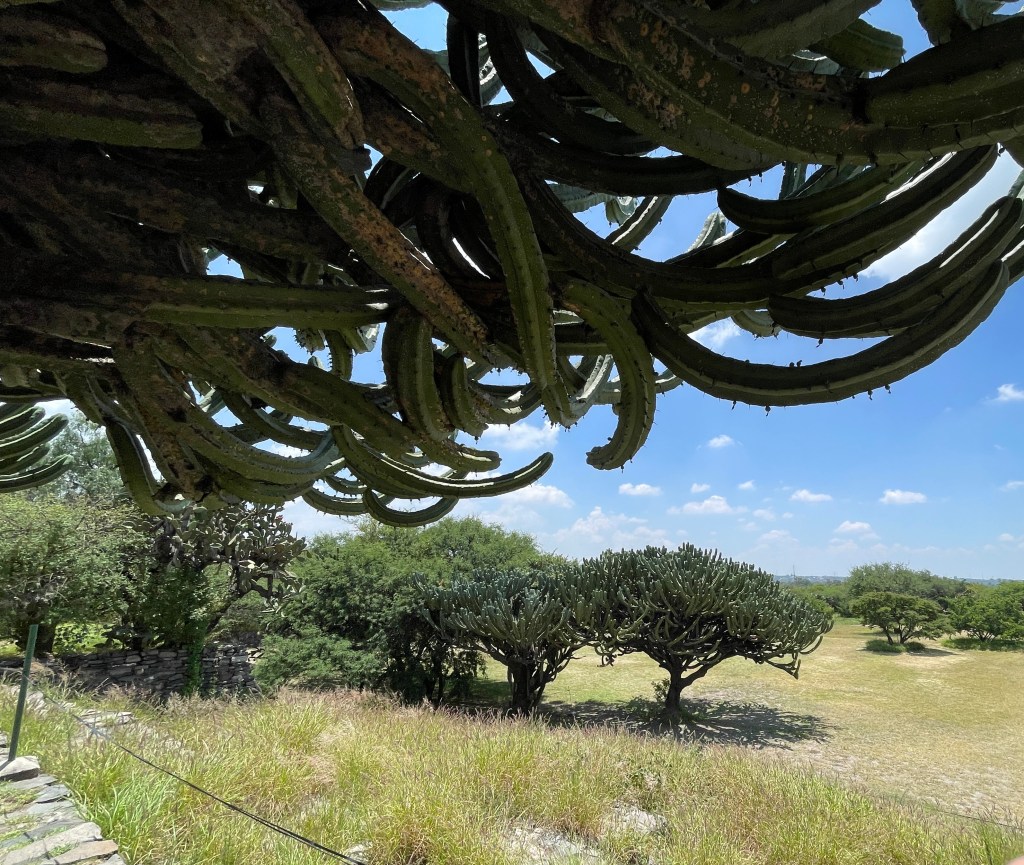
El Cerrito itself was constructed as a step pyramid and was built to resemble a mountain. Unfortunately, it will never be known how tall the temple originally was because in 1887 the Fernandez family built a house at the top of a “hill” shaving at least 2 meters off of the temple. The house was named El Fortin and it remains abandoned at the top of the structure to this day. One cannot blame the Fernandez family for building on top of this important archeological site; for El Cerrito was buried under tons of dirt and covered by trees for centuries until 1941 when the main walls were discovered and work began to preserve the pyramid and try to understand it’s historical importance. And with the very old immense cactus trees that can be found all over the property it is understandable why the temple was hidden for so many years.

For me one of the most amazing things is how the temple is strategically located in order to take advantage of solar alignments and the acoustics of the valley. For instance, as the sun moves across the horizon a beam of sunlight reaching the basement creates a visible sundial on the wall while an analemma pattern is created on the floor which dictates the sun’s seasonal and everyday paths. In spring the equinox creates a time and place where the sun’s beam goes past the vertical sundial and reaches a boundary that lies between the blue and orange tiles on the wall announcing the arrival of the equinox. Further, sound travels directly from and to the temple from the small hamlet of El Pueblito and it is said that you can hear the Catholic priests recite mass.

The Mexican and local government have worked hard to preserve this ancient treasure and there are beautiful walkways and an amazing visitor center on the grounds. The entrance fee is minimal and there is inexpensive parking nearby. This is definitely a great day trip and I would recommend hiring one of the guides whose knowledge of El Cerrito is vast as well as entertaining. Here he is demonstrating to us the echoes of our clapping as they disperse into town.

The Haciendas-Oh My!

Historically, a hacienda is a huge estate brought to this area through the effort of Spanish Colonization. These vast tracks of land covered entire valleys and were responsible for agricultural enterprises and often the forced servitude of indigenous peoples. Today, many of buildings have been turned into upscale hotels and restaurants which are amazing to visit. I have been to a couple since I arrived and today I am going to share them with you.

Hacienda Laborcilla

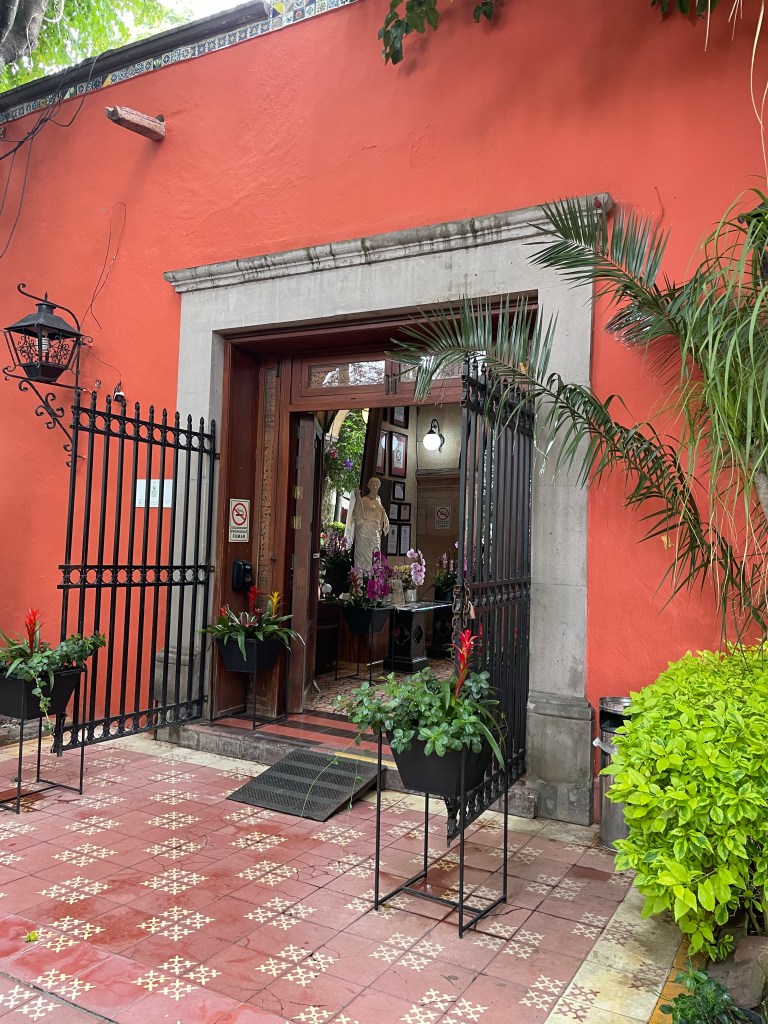
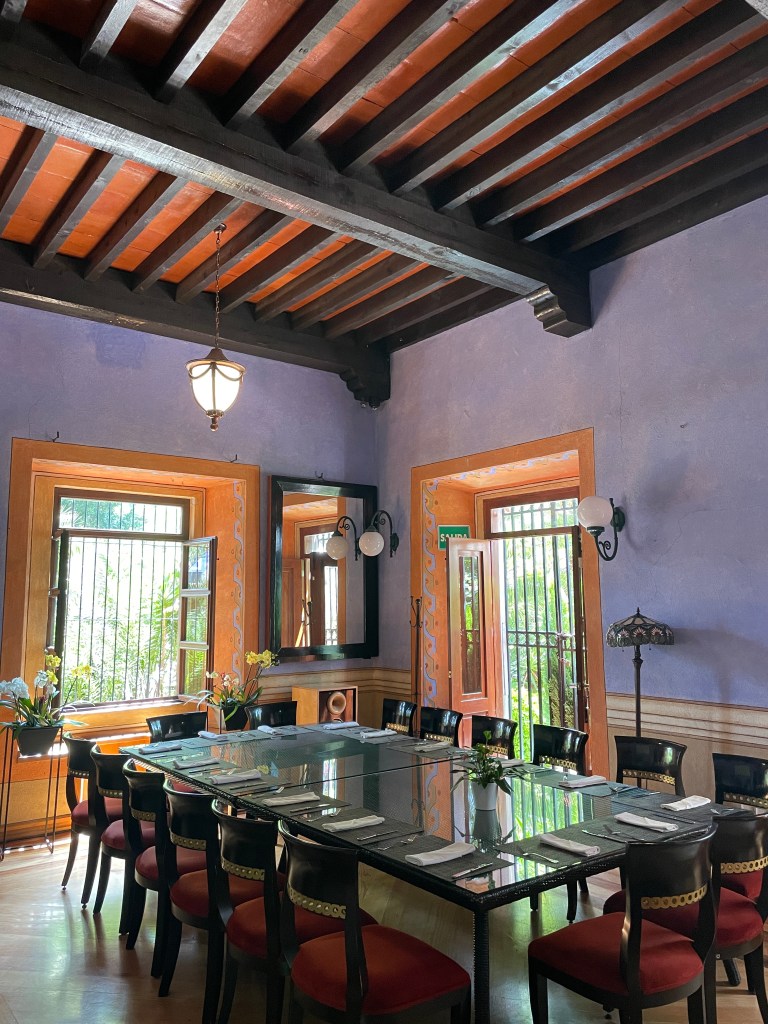
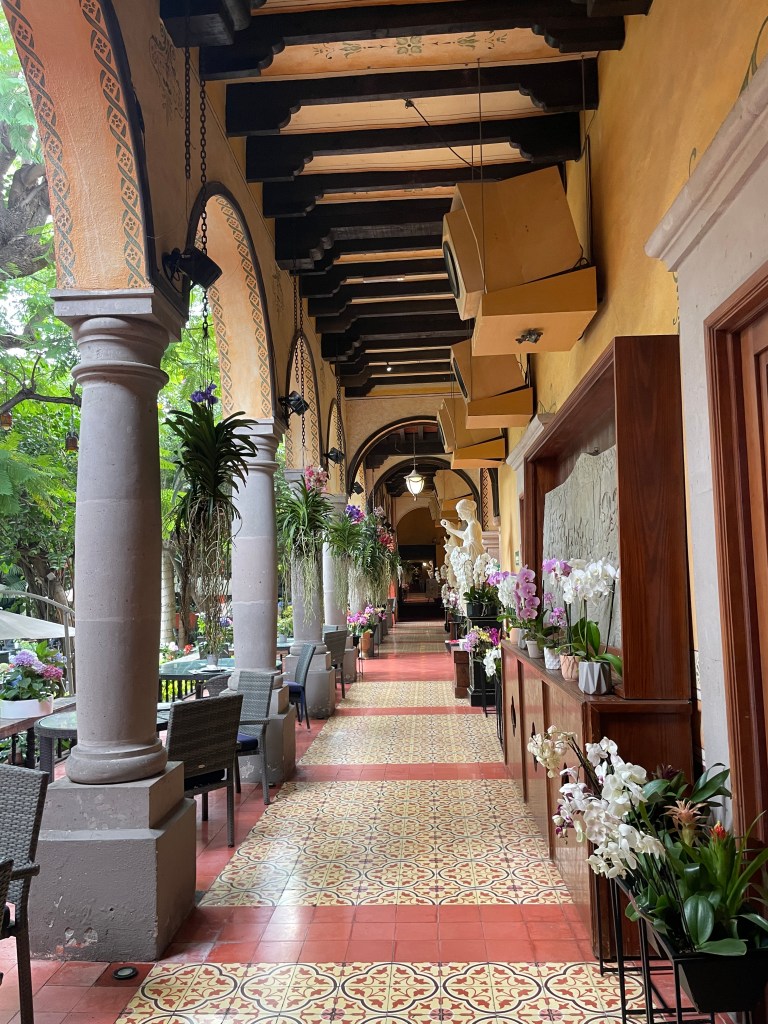
Nested in the heart of the city of Queretaro; Laborcilla literally took my breath away. Built in the 18th century the hacienda once served as a main house for the family, a school, and even an event hall over the years. Now open to the public as a grand restaurant, the food and the atmosphere are simply magnificent. The gardens are drop dead gorgeous and the menu is divine.

I have to tell you that coffee here in Mexico is truly remarkable and when you order juice is it always fresh squeezed. It is an amazing way to start your day… combined with the basket of fresh pastries that was brought our table almost immediately upon being seated.

For breakfast I had enchiladas suiza which were filled with chicken breast and cheese topped with bacon. It was an amazing desayuno.

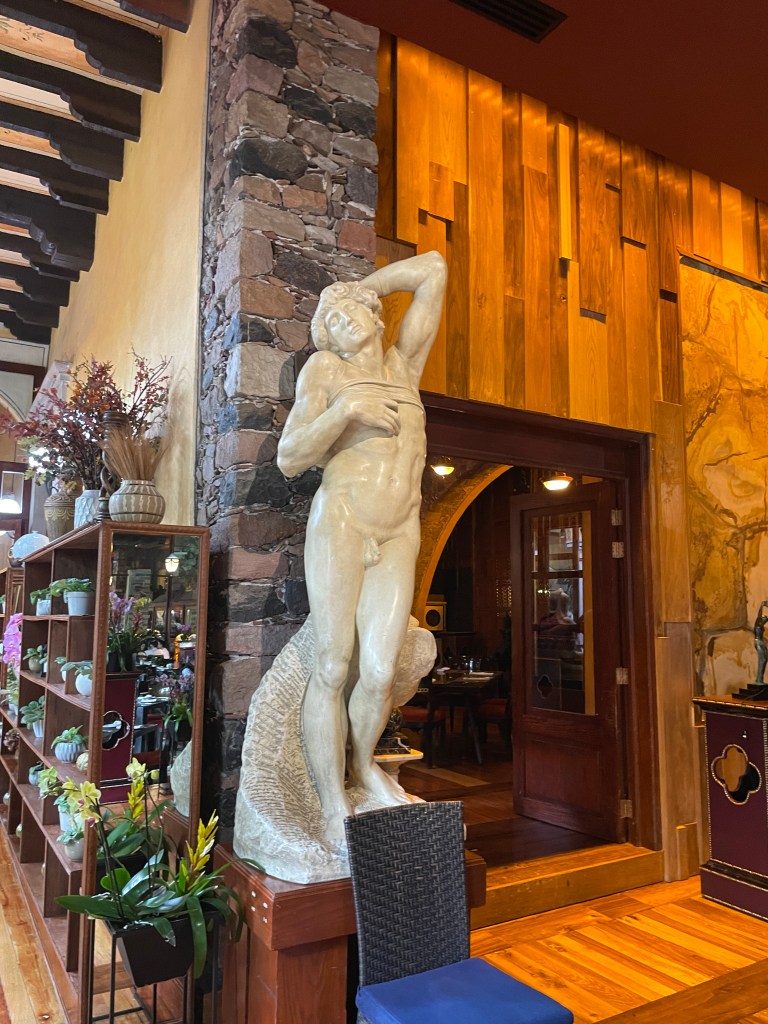
But while the food was excellent I will have to say that it is the atmosphere that people come here for. It is a place you will never forget and stunning doesn’t begin to describe it. There are orchids everywhere and butterflies float around your table as your eat. Here is the first impression upon entering.

There were many themed dining rooms throughout Laborcilla and all were amazing to step into with gorgeous Asian, Egyptian and Greek Antiques, as well as reproductions, in every nook and cranny. Just so much to feast on with the eyes and not enough time.

Here is a short video of the Club Room

What I learned from this experience is always say !!!!YES!!!! when someone invites you to breakfast in Mexico because you never know what wonderful things await you.

THE HOTEL MISION GRAND JURIQUILLA

The first former hacienda I visited is now a grand hotel called the Hotel Mision Grand Juriquilla. It’s another 18th century hacienda which has been beautifully restored and now houses a hotel and restaurant. With a historic church on the grounds and landscaping that makes you want to hire their head gardener, Hotel Mision is a place that you can easily call home when traveling. Take a look for yourself.

I have been told that there are so many beautiful historical haciendas throughout the country that I am thinking that I might just make it a goal of mine to visit each and every one. With so much charm and the fact that these amazing buildings just ooze history; visiting a hacienda today is like a trip back in time combined with the elegance of today, which, makes visiting these historic sites land at the top of my bucket list while in Mexico.

San Miguel Allende – The Art Scene

I had such a wonderful day with Denise in San Miguel that I have decided to create two posts. This one is about the Art / Antique Scene in this lovely town. Tomorrow I will post pictures throughout the city…watch out there are some wild ones! Now onto the arts….

San Miguel became a haven for artists after the end of WWII. Many US soldiers who had a GI Bill came to the area to study and participate in the arts and in doing so they helped to create an artist haven. Much of this growth was attributed to an American named Stirling Dickinson whose connections allowed returning soldiers to attend Escuela Universitaria de Bellas Artes. Over 6,000 students had applied for admission by January 1948 and the San Miguel slowly made its way from near ghost town to the vibrant place that it is today. In 2008 the city was named as a UNESCO Heritage site and five times Condé Nast Traveler has deemed it “the Best Small City in the World.”

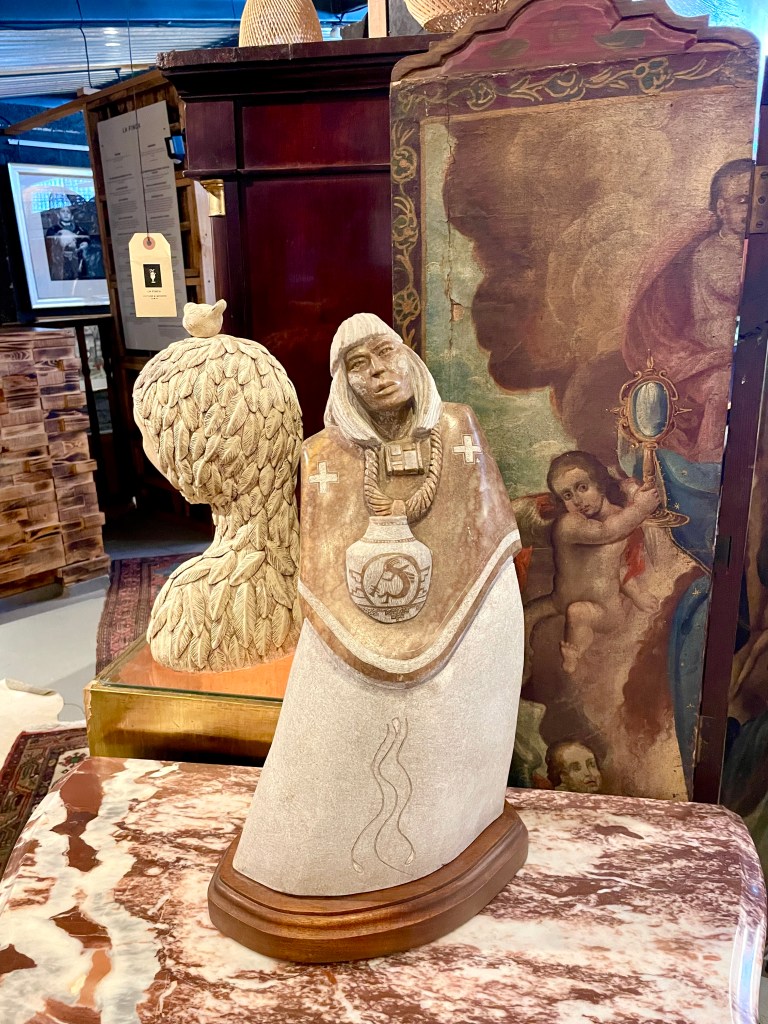
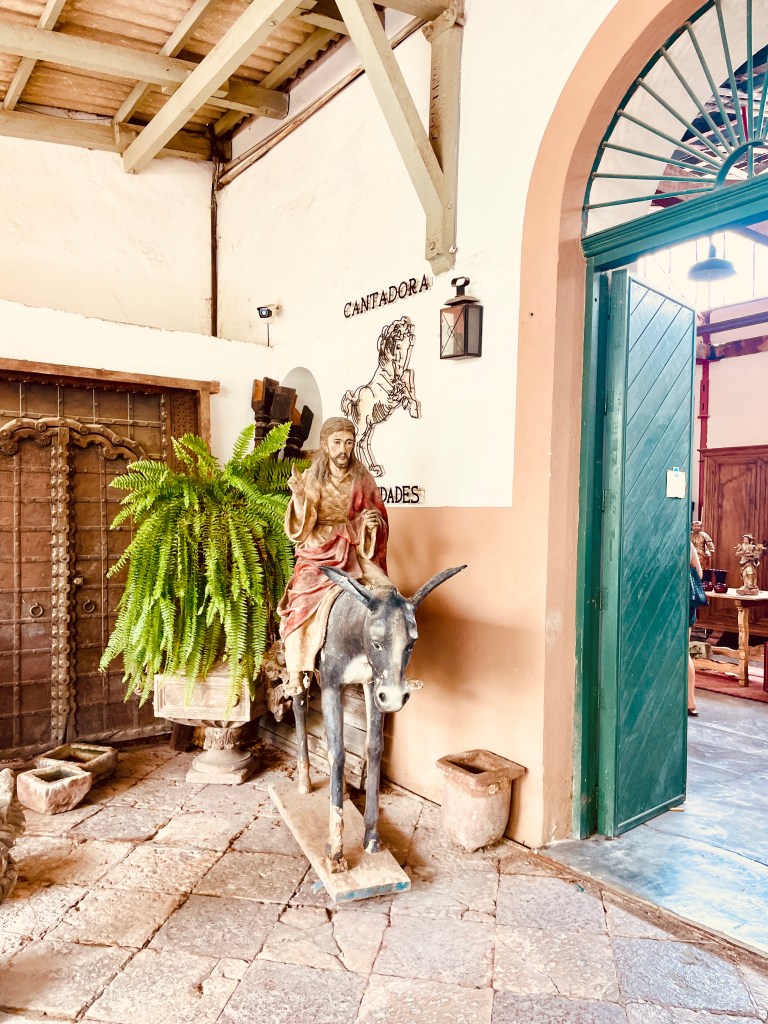
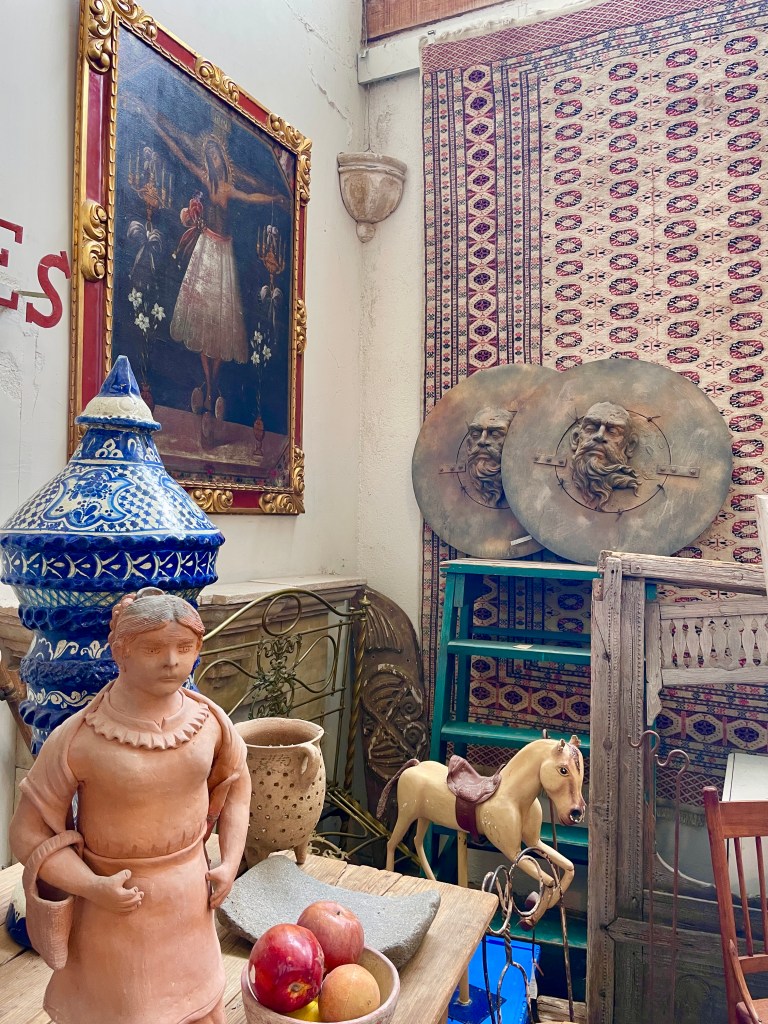
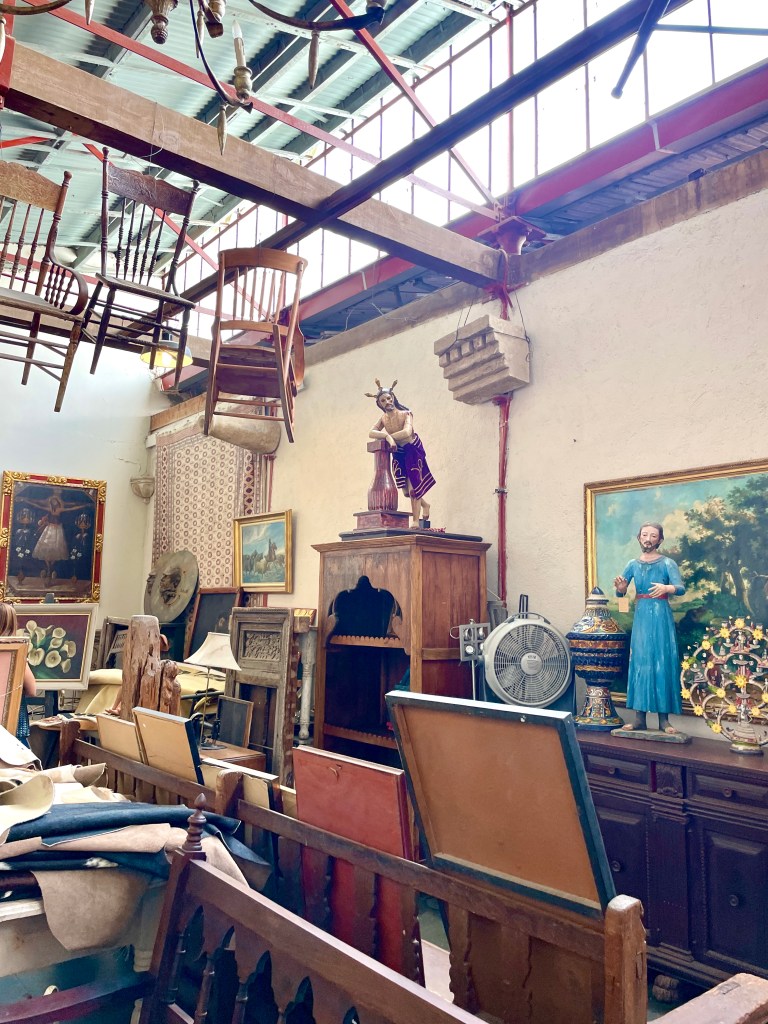
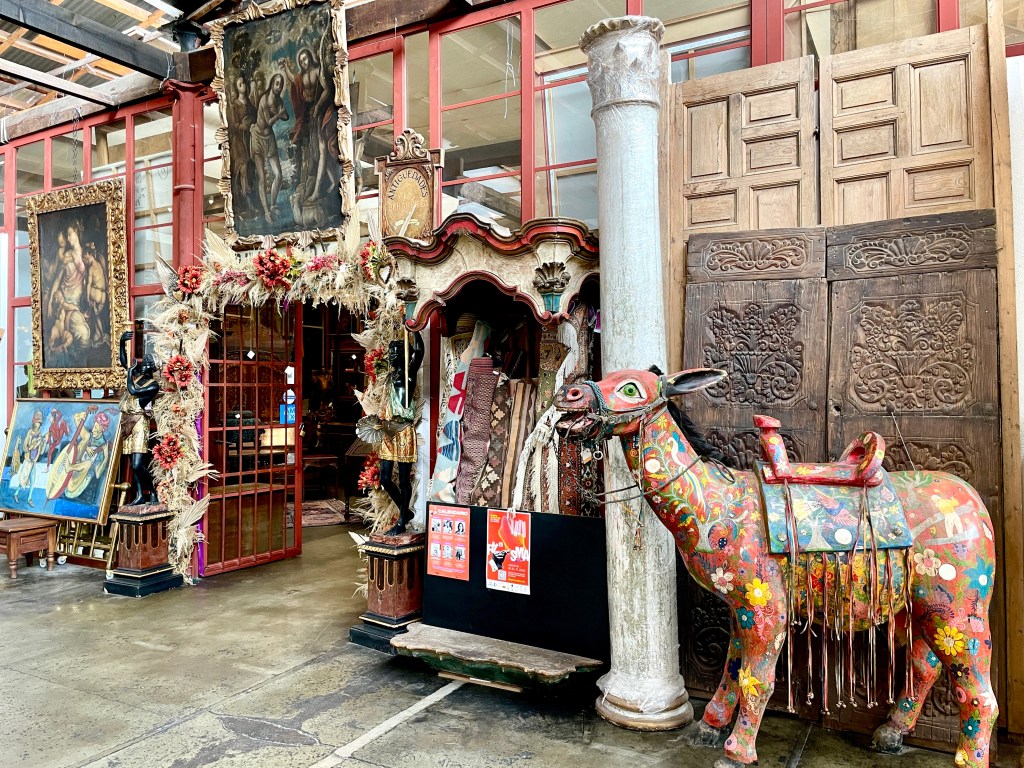
The first place Denise took me to was a consignment store named La Fina that I could have easily roamed through for an entire week. Because San Miguel is such a city of affluent Mexicans and foreigners this shop held treasures beyond belief. I loved the twelve foot high bookcases which towered like skyscrapers along with furniture from all over the world. Take a look….this is my kind of place.

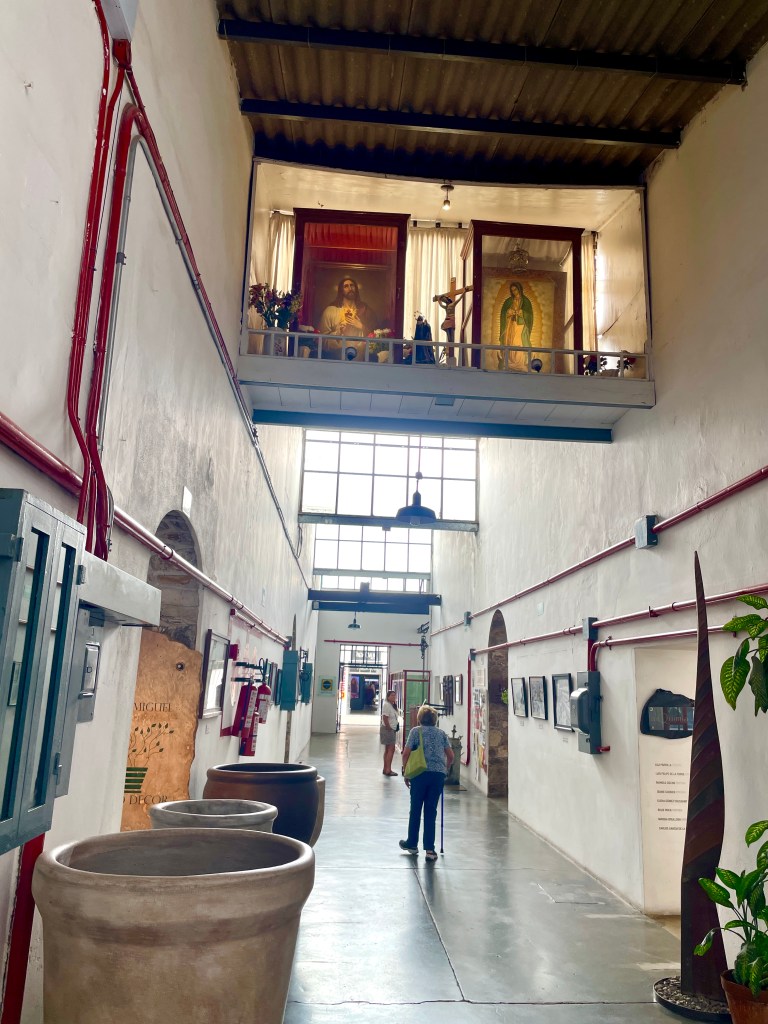
From La Fina we ventured forth to La Aurora which is a former factory repurposed into an art gallery/wine bar/ food haven. The building is magnificent as are the gardens and there is something new to view around every corner. If you love all things artsy this is your place and you might even be able to meet some of the artists as they work in their studios.

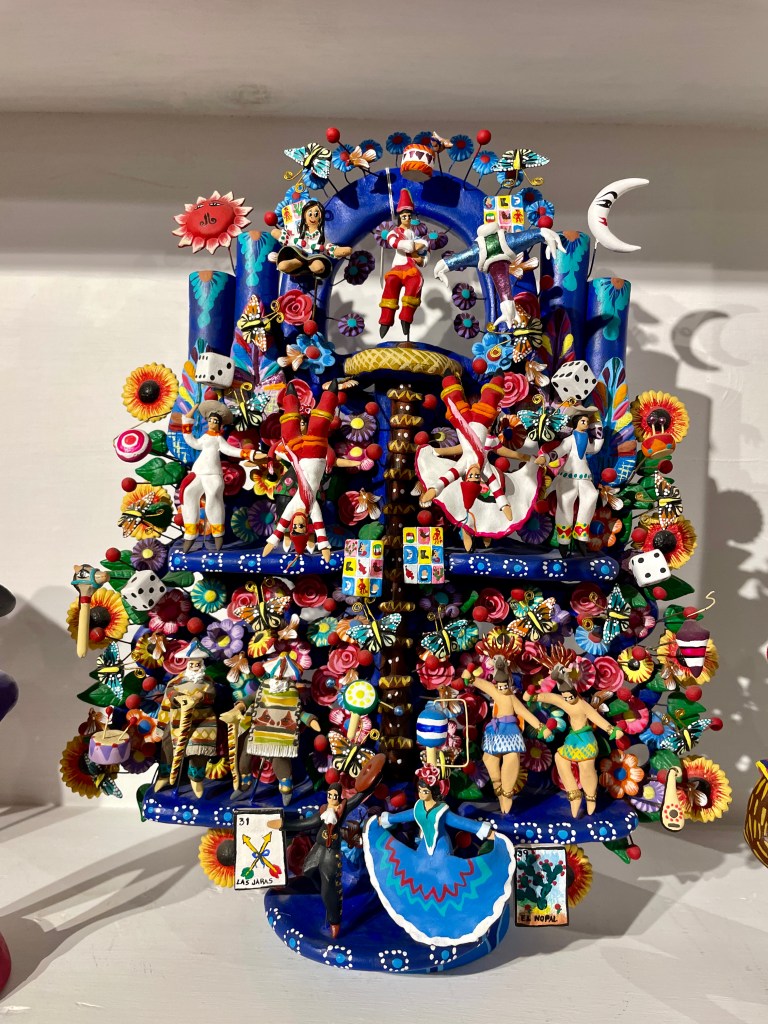
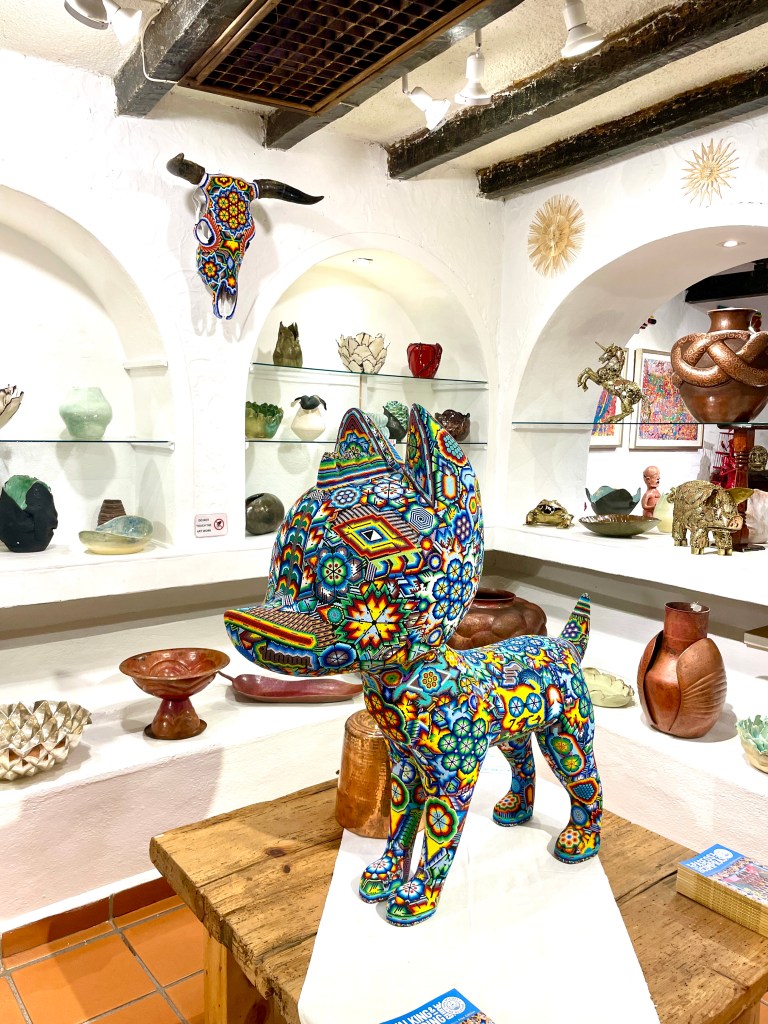
From La Aurora we went deeper into town and visited some small galleries as we walked the streets. I love the beaded work (Huichol art) and the intricacy of these pieces is just amazing. I know I would never have the kind of patience it would take to set each bead into place. Same goes with the Mexican Tree of Life Sculptures which are made of clay usually featuring indigenous people and religious themes.

iThere you go a short tour of some of the best places to visit in San Miguel Allende for art/antiques and just plain wonderful finds. The day was memorable and the items I saw just spectacular. I want to go back again today…want to join me?!

BERNAL, MEXICO- A Quaint Colonial Town

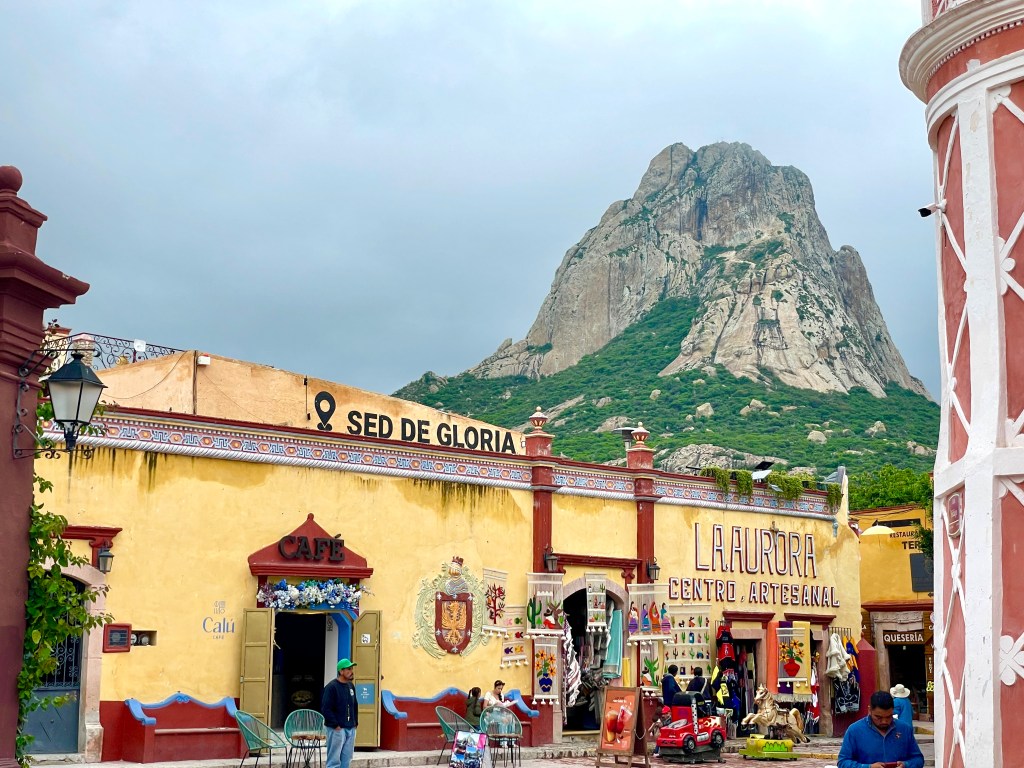
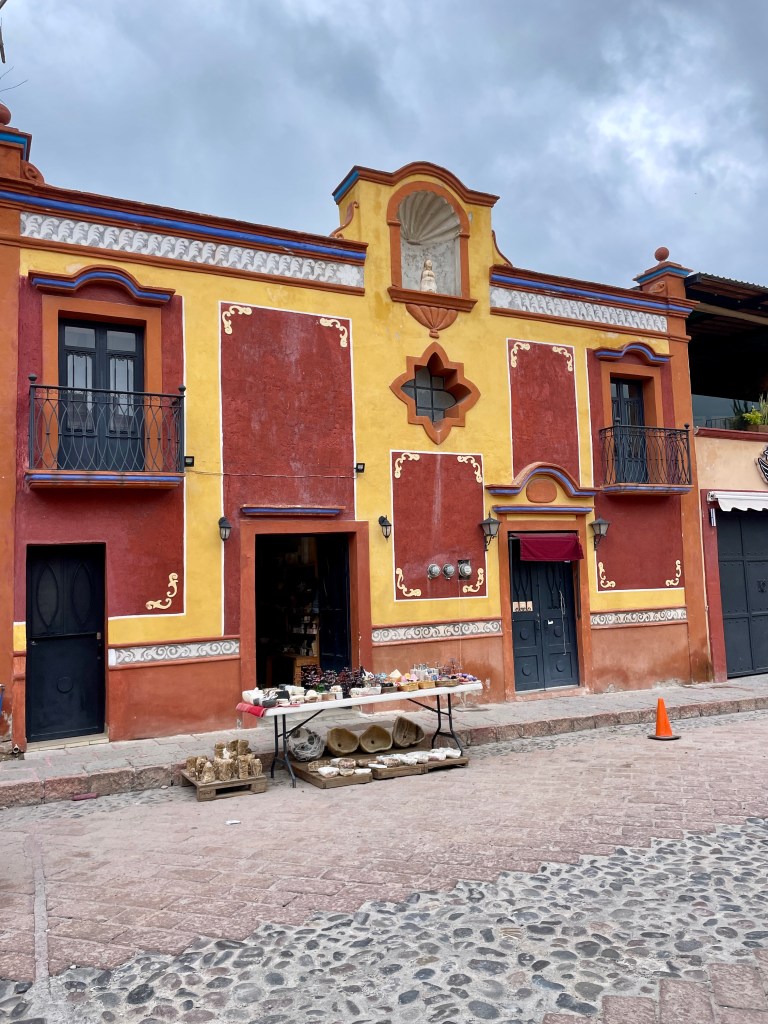
This week I had the good luck to travel to Bernal, Mexico, a small and quaint colonial town about an hour outside of Queretaro. Officially known as San Sebastián Bernal it was founded in 1642 by a Spanish soldier. It is well-known for its monolithic rock which is the third tallest in the entire world and twice yearly during the equinox; pilgrimages are made by the faithful dressed entirely in white to climb the rock which they believe provides healing and luck.

In 2005 the town was also declared a Pueblo Magico due to the magical symbolic stories and history of the town and its famous mountain. Because it is a lone mountain on a fairly flat plain many believe that it is the remnants of a huge meteor that plunged into the earth. One can only get to the top of the mountain with a special permit in hand along with special climbing equipment but for the rest of us the hike goes about half-way to the top. It is a strenuous hike so be prepared.

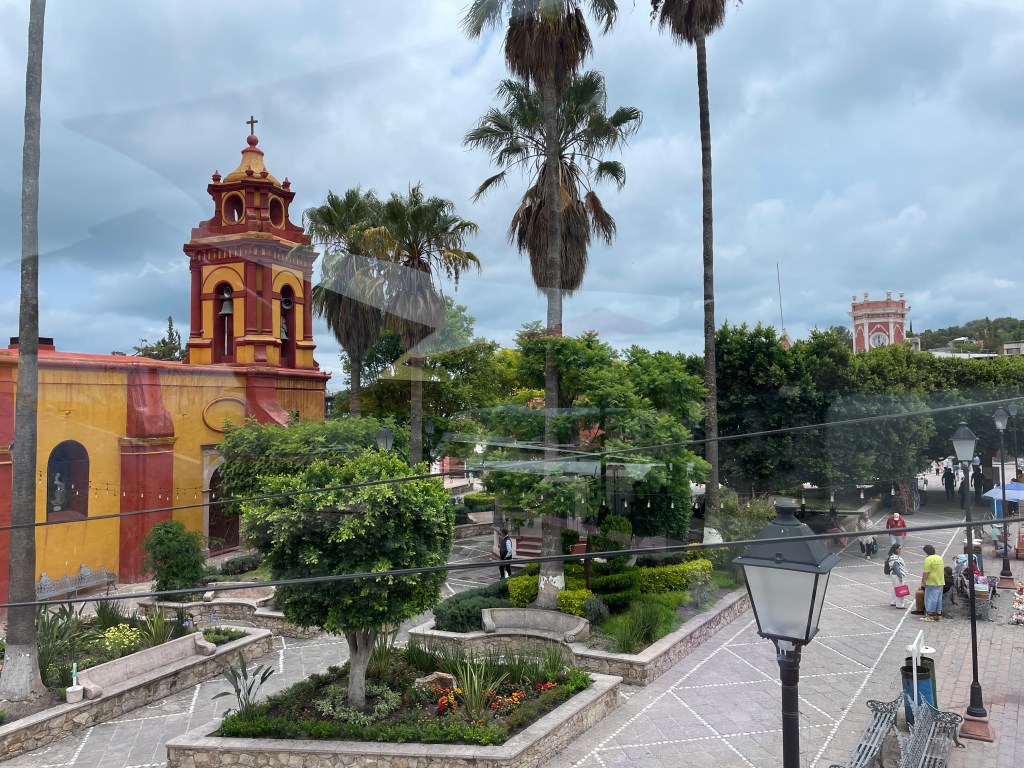
Another site to visit is the Temple of Saint Sebastian the Martyr which is located in the main square. It was built around 1700. The colors are intense and the garden is serene and magical with beautiful flowers and plants popping up near the stone gazebo.

Around the main square you will find many small shops and single vendors dressed in traditional garb that sell various Mexican crafts. I picked up some beautiful scarves for $5 each and you can also find beaded and unique clothing as well. One of the most interesting stores is to visit is the Lucero Ramos Estilo Entice. The woman who owns this amazing place designs and crafts all her own clothing. Her colors are rich and inviting and the styles will compliment any shopper.

There are several good places to eat serving yummy authentic Mexican dishes. One of them has great rooftop views which affords a sky high view of the entire area.

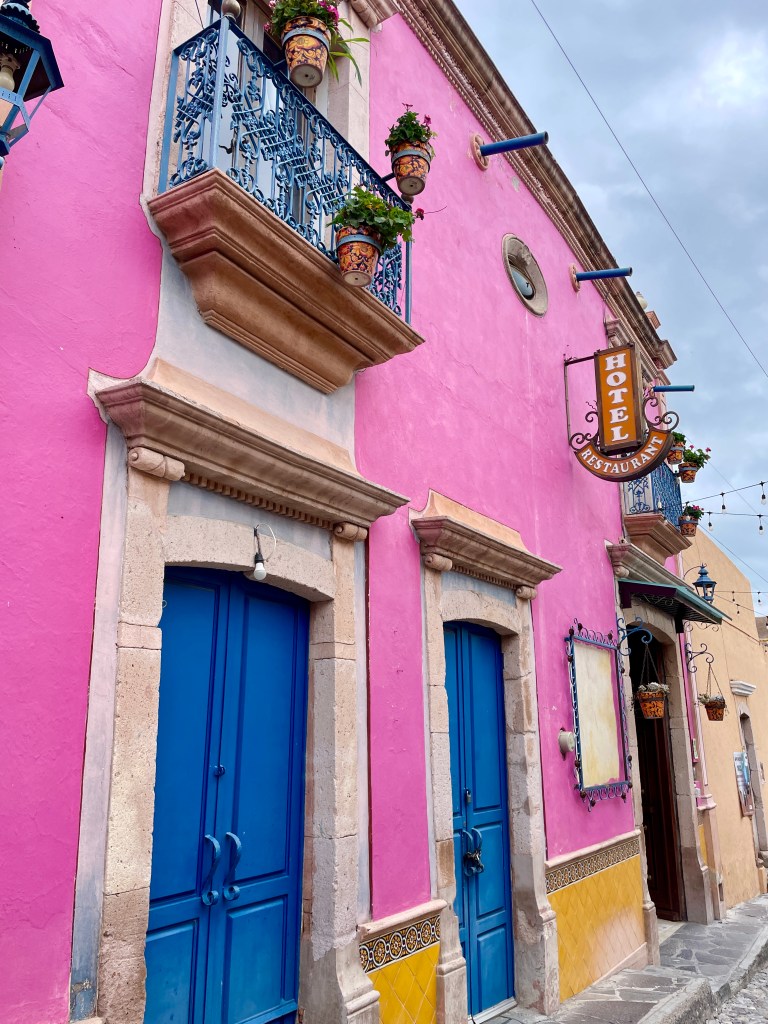
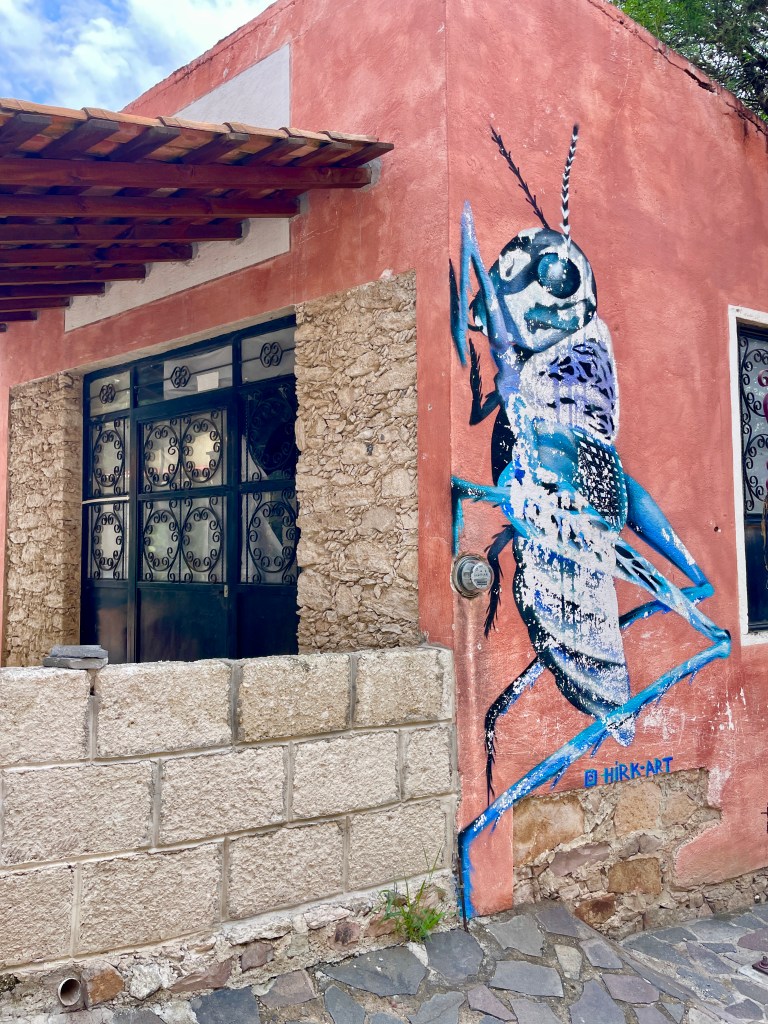
Here are a few more pictures of this gorgeous little town. I can definitely recommend a visit to this quieter region of Mexico which is surrounded by beautiful green hills and plenty of history which I find completely enchanting.

The Town Of Oatlands In Central Tasmania

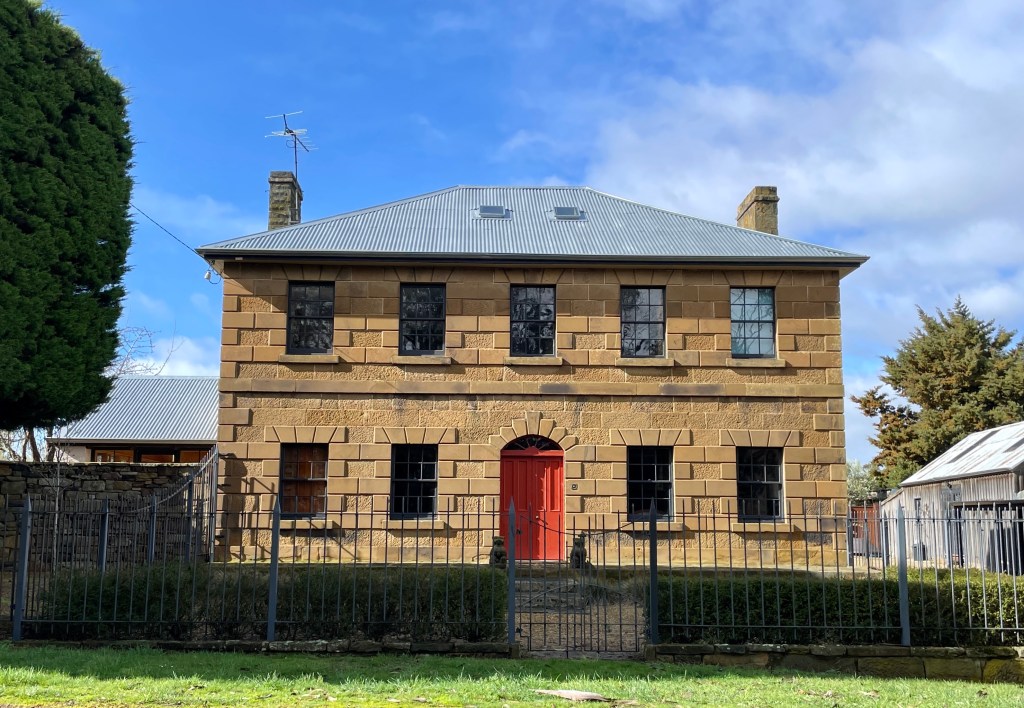
One of the most beautiful towns we accidentally discovered in Tasmania was the town of Oatlands. Sitting about 50 miles north of Hobart it is a spectacular place to stop and explore.

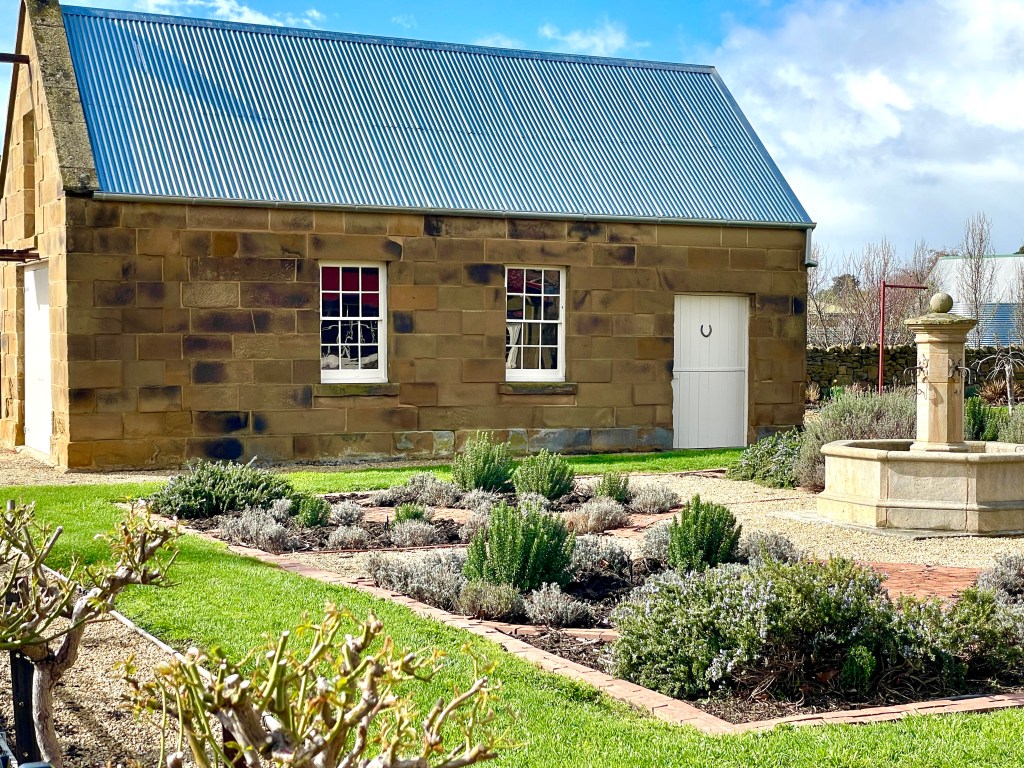
One of merits of his town is its vast collection of colonial sandstone buildings which number over one hundred fifty. Largely built by convict labor in the early 19th century; it was also considered a significant outpost during the Black War which was fought between the Indigenous First Nation People of the area and white settlers.

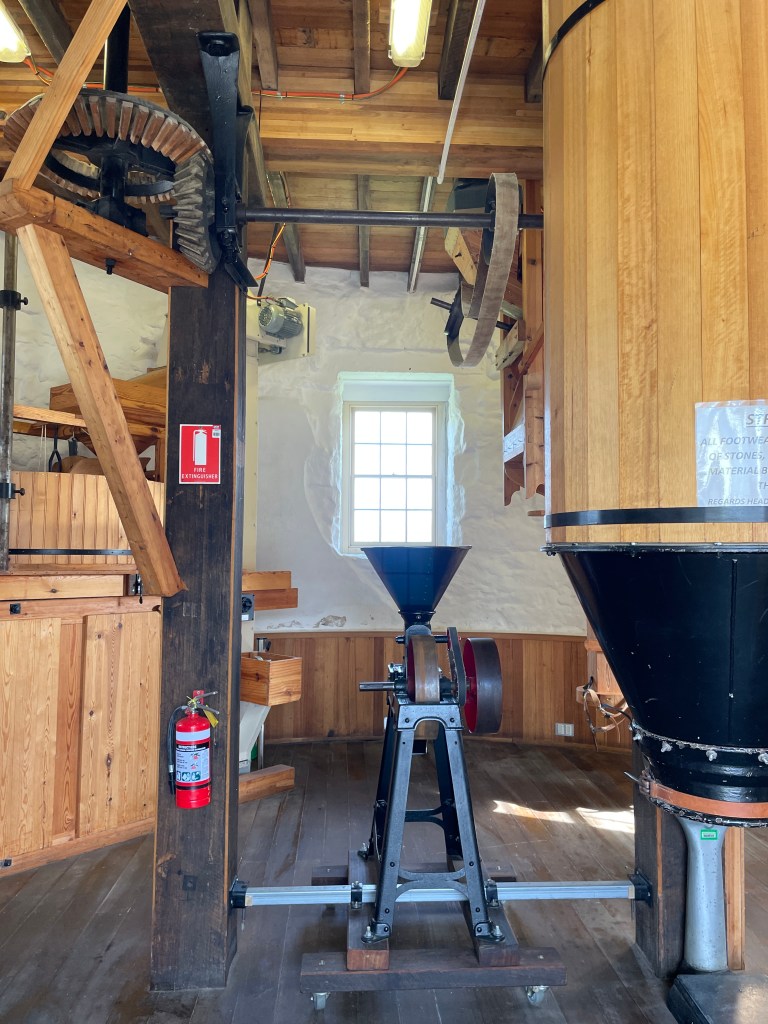
But if you have already heard of Oatlands it is probably due to Callington Mill, the only Lincolnshire style windmill in the whole of Australia. Built in 1837 this mill is a beaut and has been restored to its glory days.

Lake Dulverton, which borders Oatlands is well known for its many hiking paths which criss-cross in various directions. Fishing is another great pastime here and anglers can catch both rainbow and brown trout. The lake is also a bird watchers paradise where you can spot herons, ducks, and watch as black swans glide alongside the “cows” that inhabit the lake.

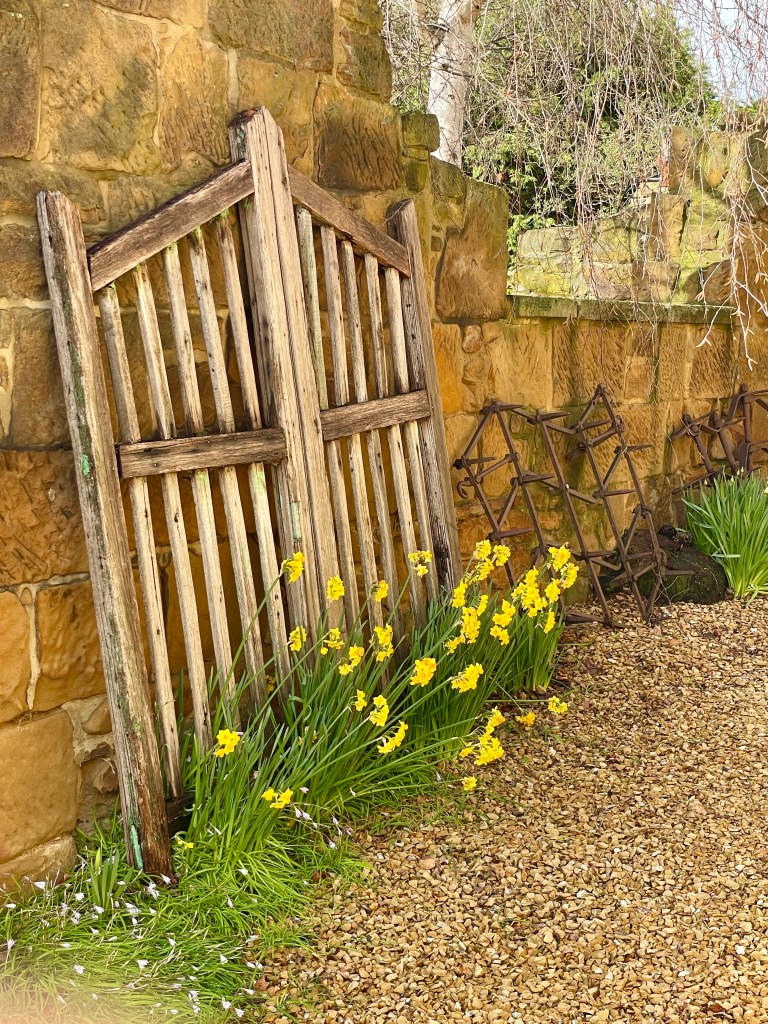
Oatlands also offers visitors a treasure trove of gardens and topiaries from one end of the town to the other. I was amazed at the different sizes and shapes of living sculptures that dotted the town.

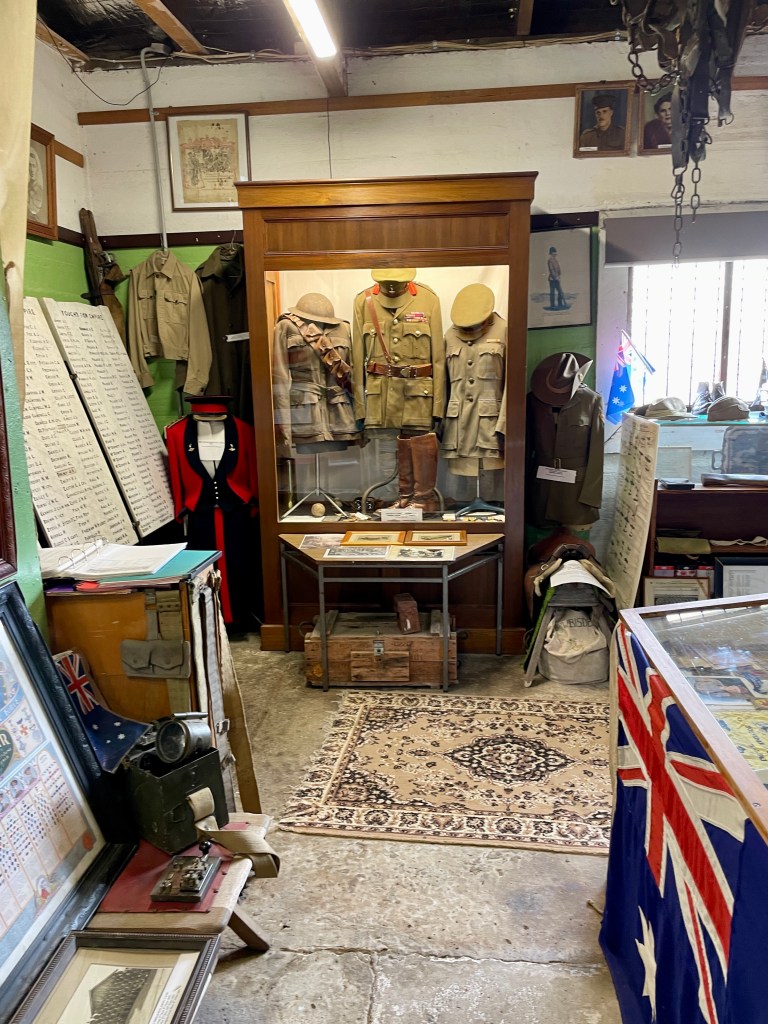
While there we also visited the Oatlands District Historical Museum featuring local memorabilia from the town’s early history to the present. There is also a rather substantial bird egg collection housed within its walls and the docents are eager to share their vast knowledge of the area.

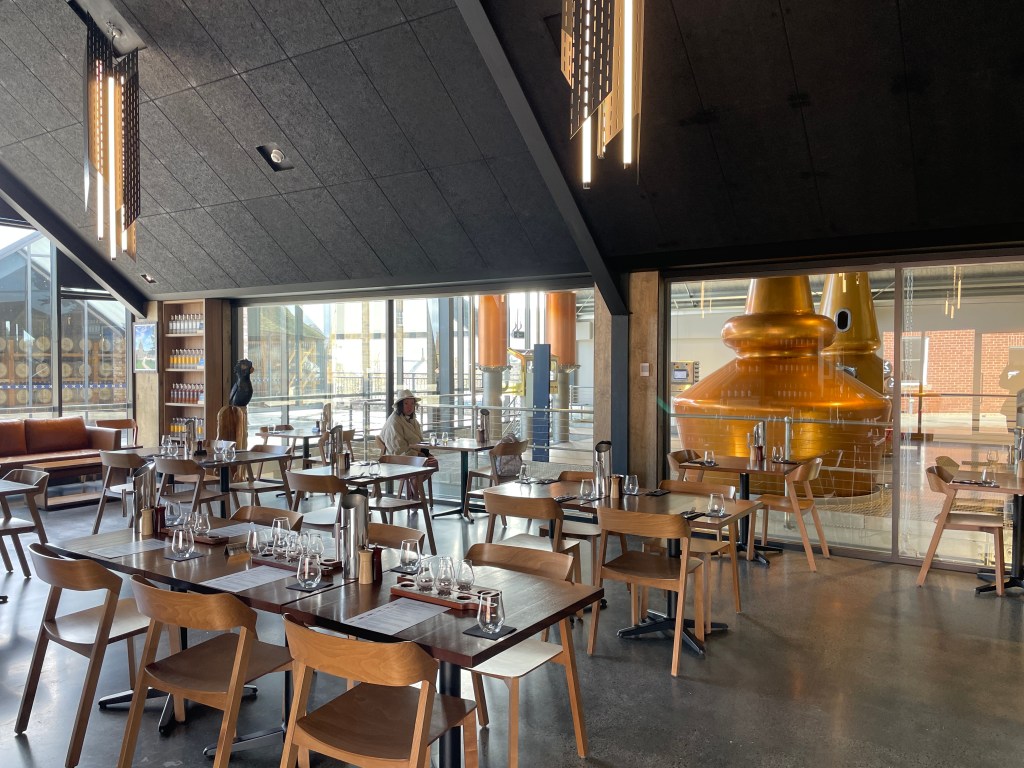
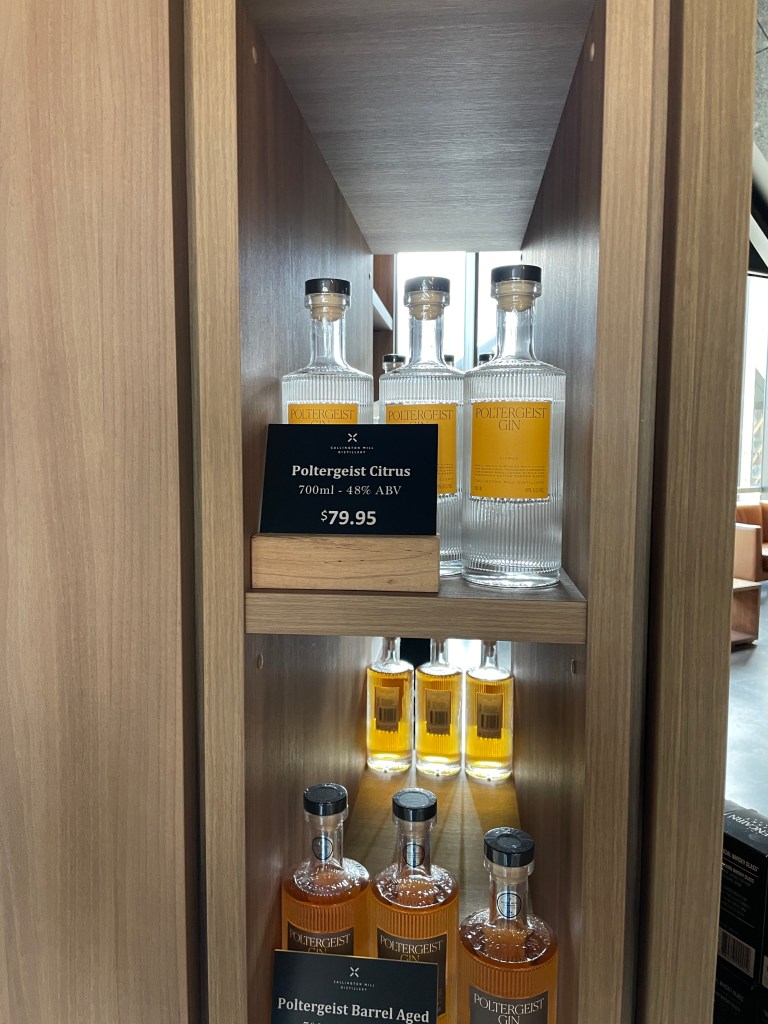
Finally, the Callington Mill Distillery offers an experience that few will forget. Producing both award winning gins and whiskeys; your senses will explode as you indulge in your first taste of Poltergeist Citrus known for its hints of candied fruit, orange, and key lime pie. Yummm. Better yet sit down and enjoy and lunch at their restaurant, The Cellar Door, which serves a variety of farm-to-table meats and produce. After lunch your next course of action is to order a flight of whiskey tastings followed by a self guided tour to learn more about what goes into making these bodacious spirits. Better yet, the facility also offers its own whiskey guides who help guests craft their own unique single malt whiskey complete with an original label.

Oatlands is the type of town that magically draws you in and keeps your enchanted. In short, it is one of the rare places that once you get there you don’t want to leave and its the kind of village where you suddenly find yourself searching for the nearest real estate office with sudden fantasies of finding a place of your own in this idyllic hideaway. Oatlands….is one of Tasmania’s gems… don’t miss it!
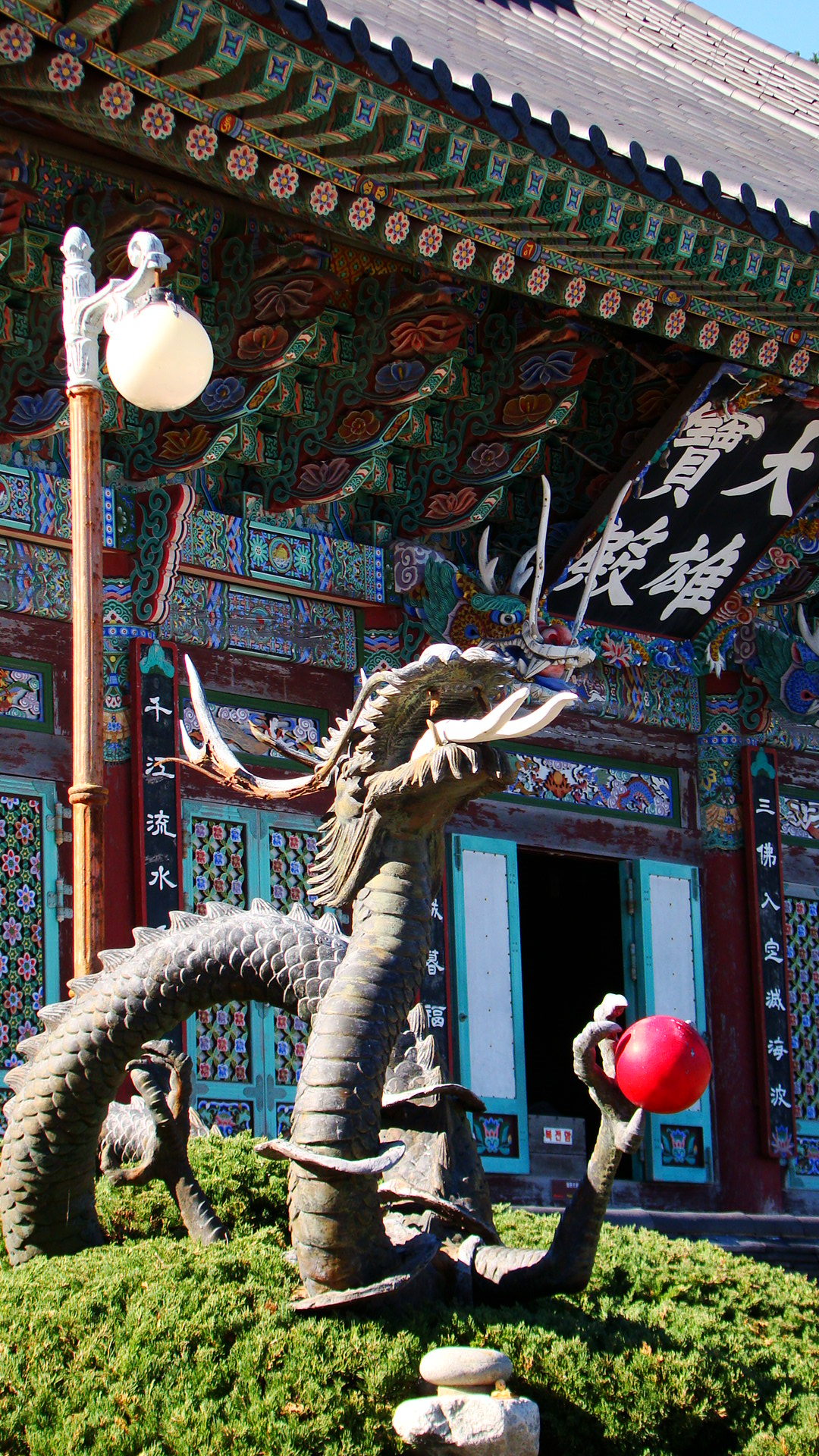
HAE DONG YONG GUNG TEMPLE

Serenity is elusive. We search for it but often come up empty-handed. Some climb mountains. Some listen to the birds. And some search the word over never understanding that they hold it in the palm of their own hand. BUT…let’s face it there are some places that just make it easier to feel that overall peace that we are so desperately looking for. One of those places where it is within reach is Hae Dong Yong Gung Temple in Busan which is also known as the Dragon Temple. After traveling with three children overseas for a week… peace… was what I was seeking.

This temple first came into existence in the mid 1300’s. You can read a little about it. It was destroyed during the Japanese occupation but was rebuilt in 1970. Yes, fairly new but still spectacular.

dsc08311

Our trip started when we took the #9 bus from the subway station. We were dropped off about a 10 minute walk from the temple. This Hae Dong Yong Gong is known as the Zodiac temple and upon entering you see huge marble carvings of each of the astrological signs behind which stands a huge pagoda.

dsc08304

dsc08321

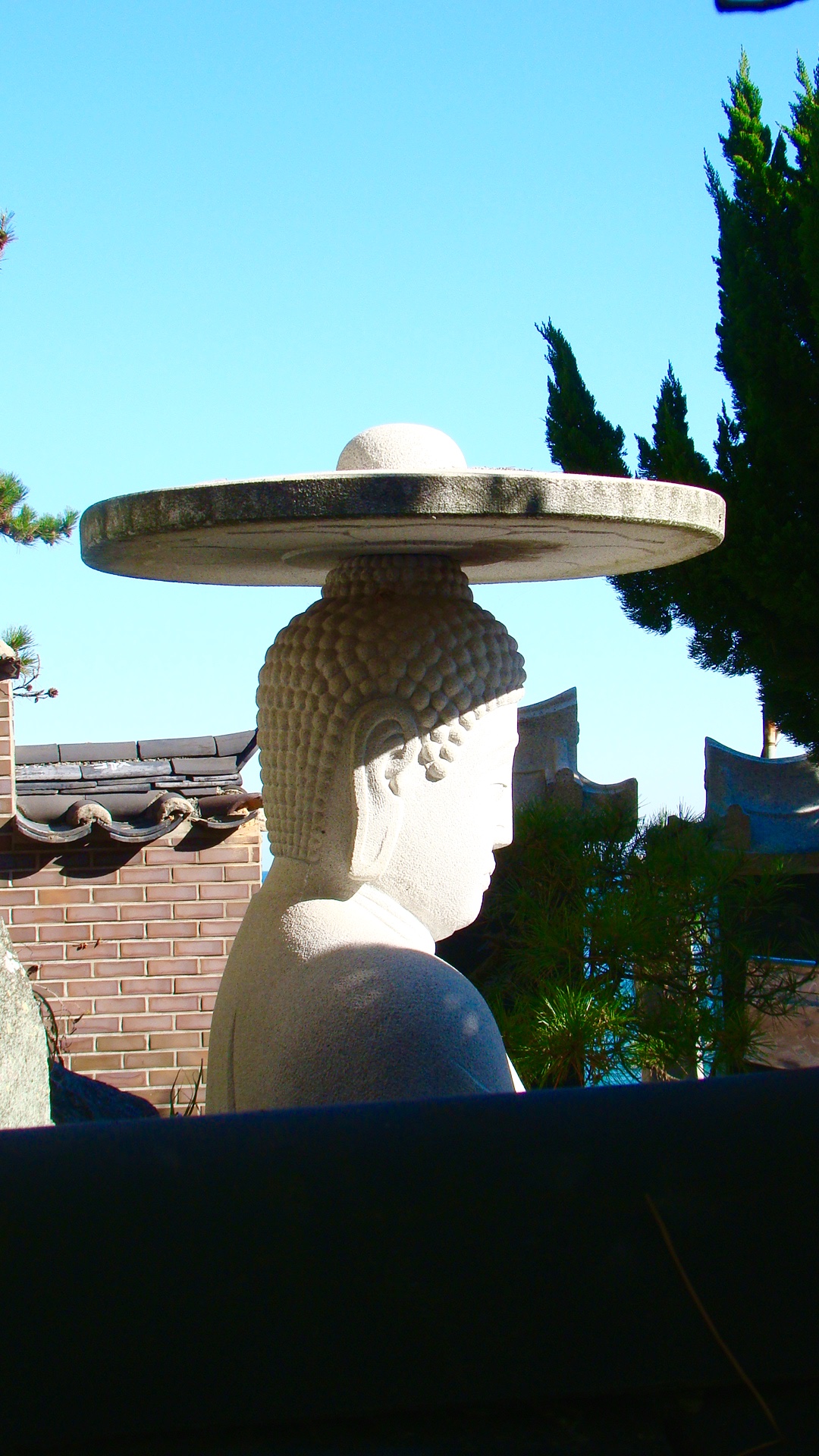
Then comes the interesting trek down smoldering granite stairs where you pass several buddhas. The belief of those who trek here is that “at least one of your wishes will be answered here through your heartfelt prayers.”

dsc08332

dsc08334

We crossed over the bridge where the sea rode waves to just below the cliff. It was amazing.  But frankly I don’t have time to write anymore as I head to Mokpo tomorrow. So instead I will leave you with pictures.

dsc08446


dsc08413

Most Beautiful Covered Bridge-Lucerne, Switzerland

Undoubtedly, the most beautiful covered bridge in the world is located in Lucerne, Switzerland. The Chapel Bridge, is also the oldest covered bridge in Europe as well as the oldest surviving truss bridge in the entire world. Named after nearby St. Peter’s Chapel, the bridge crosses the Reuss River in the heart of old Lucerne and its a landmark that cannot be missed.

The bridge was first constructed in 1333 as a form of protection for the city against enemy attack. In the 17th century, Catholic painter Hans Wagmann, began painting scenes which depicted the city’s history and the Catholic Churches influence on it in the interior triangular frames of the bridge. These works of art have been revered by the inhabitants of the city for centuries, so, in 1993 when a major fire occurred on the bridge and many of these paintings were lost, the city was devastated. Lucerne spent millions of dollars reconstructing parts of the bridge but the missing paintings are obvious and seem to haunt the bridge like a ghost in the night.
DSC06938

Ultimately, the Chapel Bridge is the most beloved symbol of this beautiful old city. Flower boxes line the entire bridge and bustling swans float nearby waiting for hand-outs by the thousands of people who cross it daily.  In addition, there are a few small shops located on the bridge itself selling primarily Swiss products like the world famous Swiss army knives.

When we were planning our trip to Europe, Chapel Bridge was one of our “must-sees” and it was definitely worth the trip. An ancient and beautiful city with a beautifully preserved covered bridge…it doesn’t get much better than this!

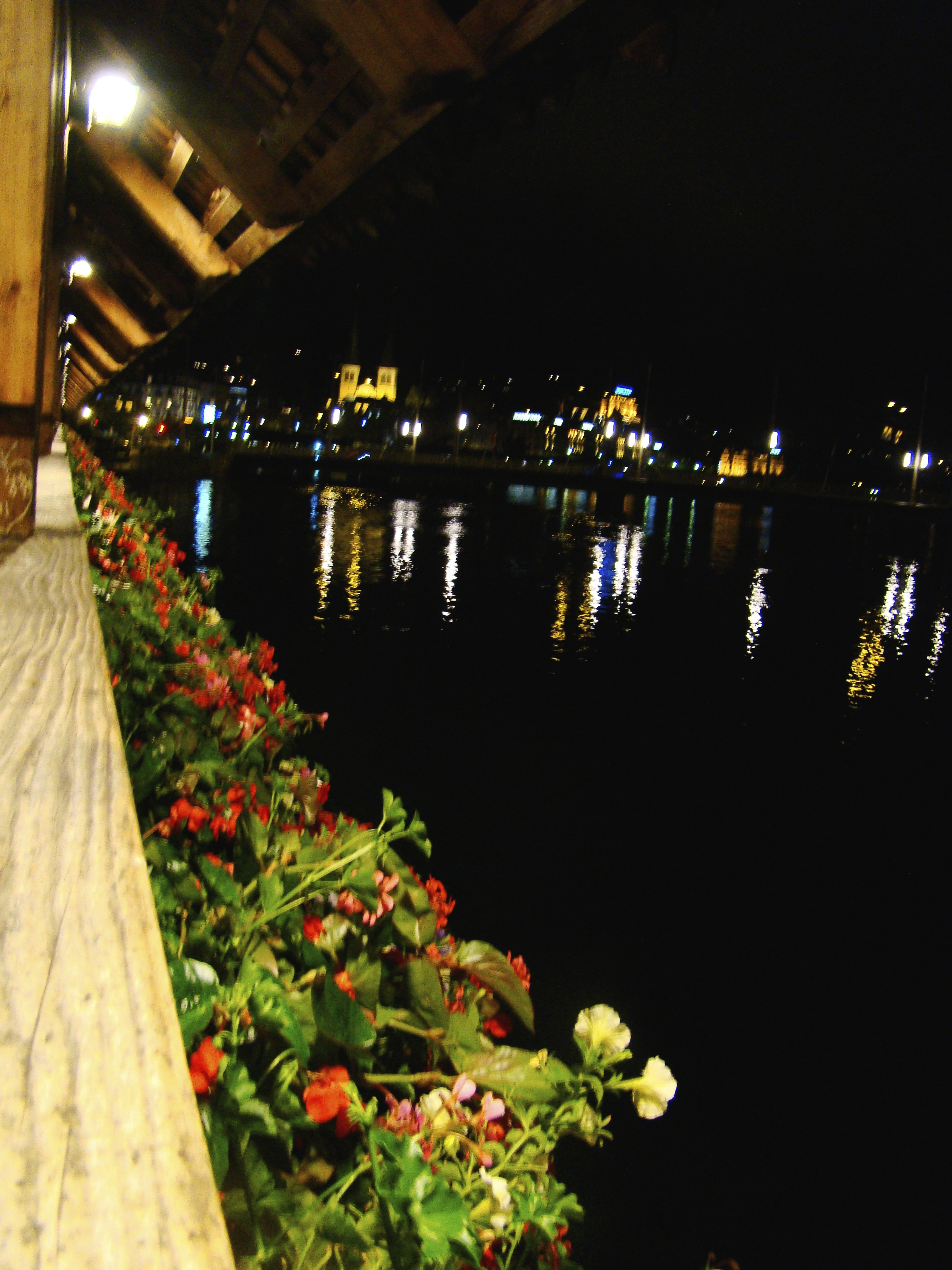
Hint: This is a free site. Be sure to take advantage of it by crossing both in daylight and during the night. A nighttime crossing gives Lucerne an entirely different look and vibe with the reflection of the lights off the water. 

DSC07026

DSC07420

The Best Graveyard-Stirling, Scotland

If you are like me and LOVE, LOVE, LOVE genealogy than you will understand this post. Otherwise, you just might not.

Sometimes the perfect place to visit is the cemetery. Some people talk to loved ones and some take along picnic lunches. I love to look at the stones. Especially the ancient ones. Usually they are a piece of artwork and often the artists behind them have their own story to tell. I take pictures of these headstones and put the pictures of them up on http://www.findagrave.com so people can connect to the relatives in their past. To date, I have contributed over 5,000.

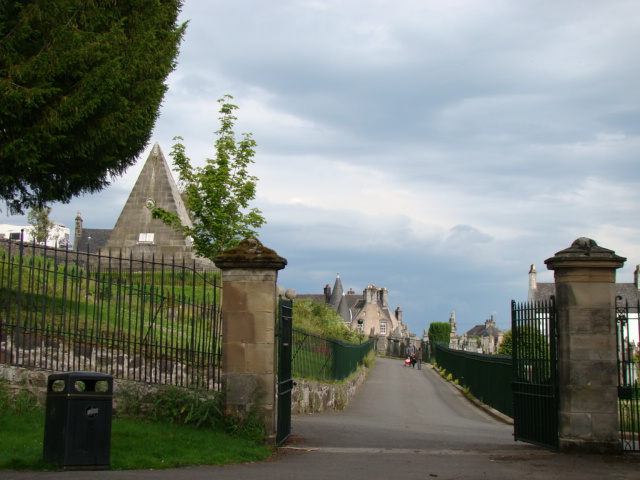
My favorite graveyards happen to be in Scotland. I am going to introduce you to the one in Stirling known as Old Town Cemetery. It’s a great place to go. Sitting atop a hill between the huge Stirling Castle and the Church of the Holy Rude it is the only cemetery in the UK that was laid out to celebrate the establishment of Presbyterianism. It is a vast place containing graves from the 1600’s up until the present. Because it encompasses so many eras you can really see how headstones change with the times.
CHurch of the Holy Rude-Stirling, Scotland

There are many Key Stones contained within the cemetery including Martyr’s Monument which recognizes those who suffered martyrdom in pursuit of religious and civic freedom in Scotland. The Reformer Statues stand in honor of those ministers who fought King Charles who was attempting to establish Episcopal teachings throughout the country. Here you will also find the ornate monuments of local businessmen who carved enormous headstones to honor their families.

DSC07541

But my favorite monuments are the small unique ancient ones. Often devoid of names it is the unusual carvings that capture my fancy. Skulls, ancient symbols…they are all there.

So next time you are visiting a city take a trip to the local cemetery. It usually has a great view and you just might “meet” some interesting people too!