Crater Rock Museum-Center Point, Oregon

Going to a rock museum often elicits cries of “How boring. Who wants to look at a bunch of rocks?” This response can often be heard from just about everyone involved. But if you can just corral everyone into the car; after visiting Crater Rock Museum it will become a favorite pastime for your family to just to meander about. And best of all the price for admission is minimal.

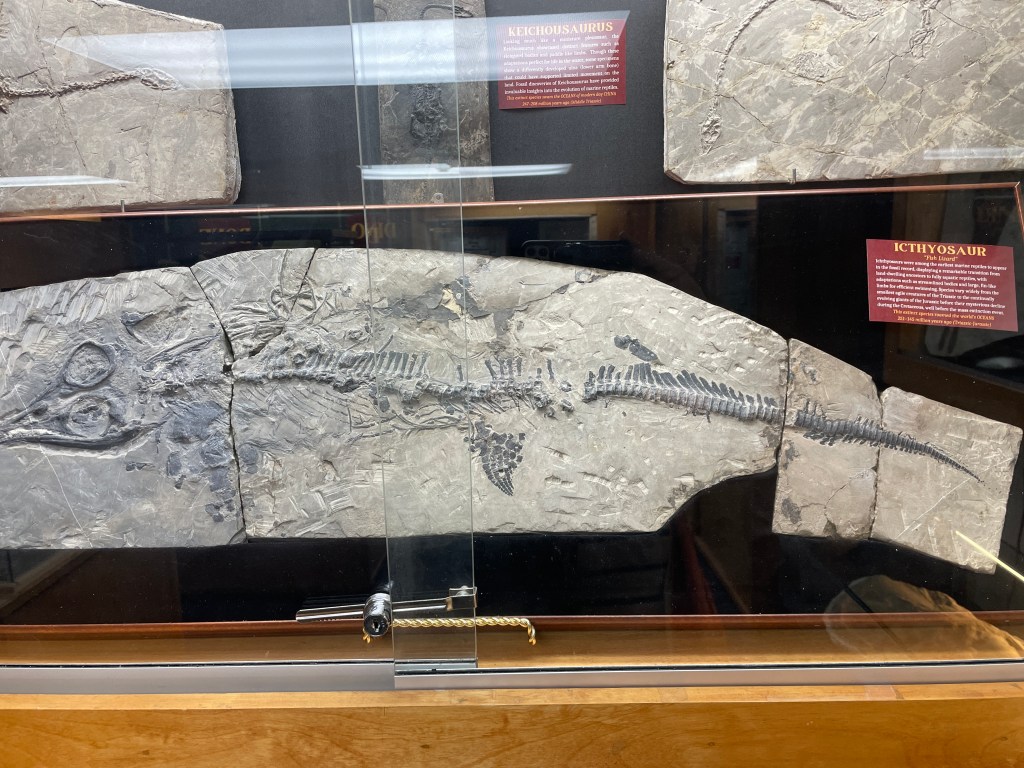
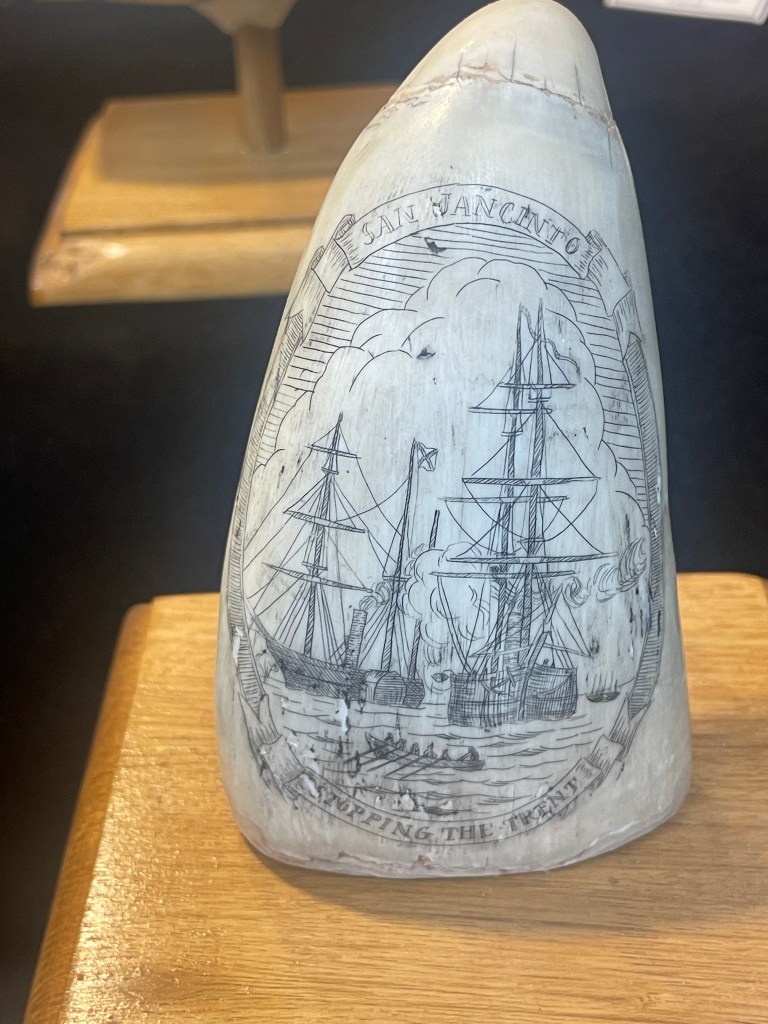
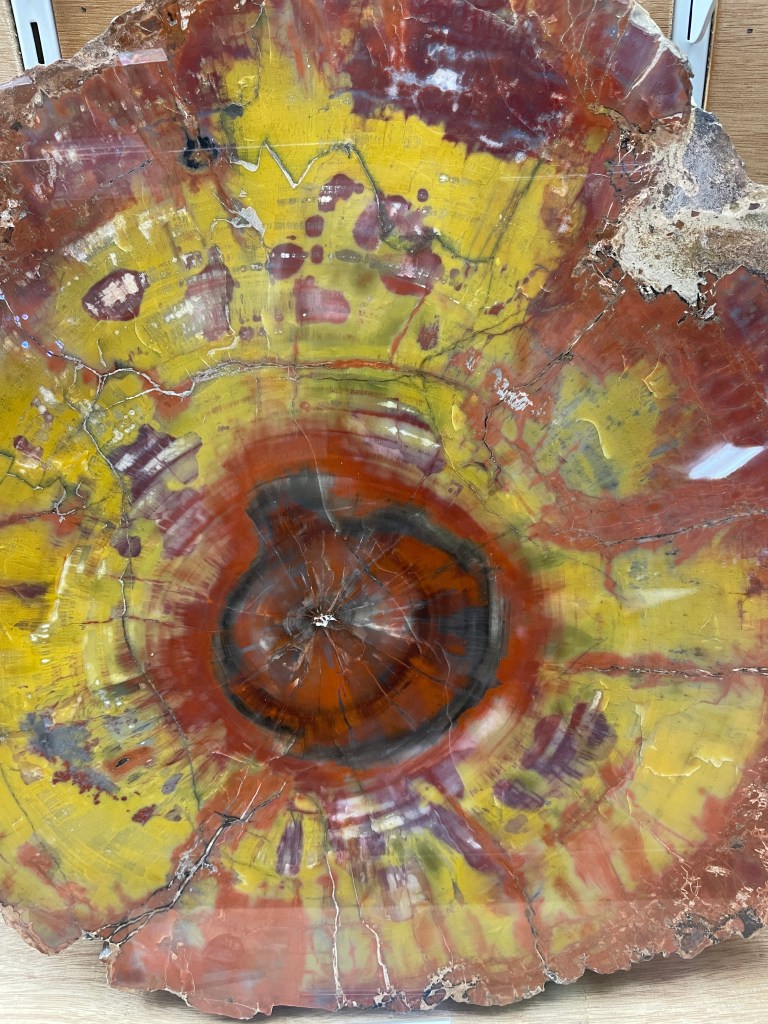
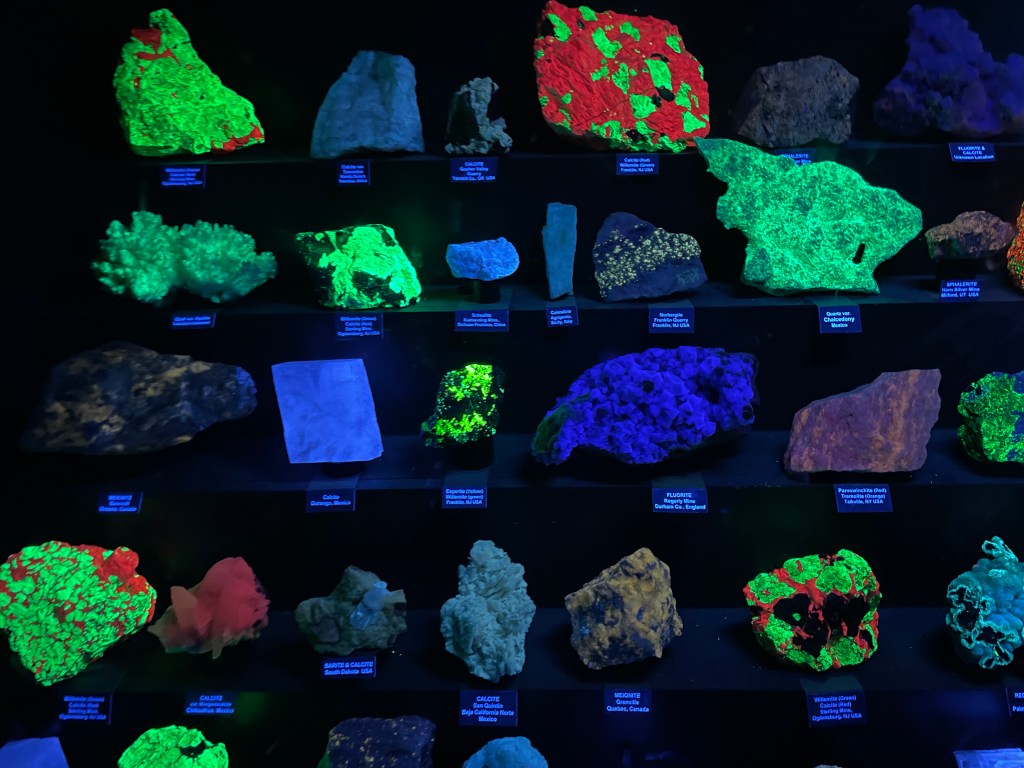
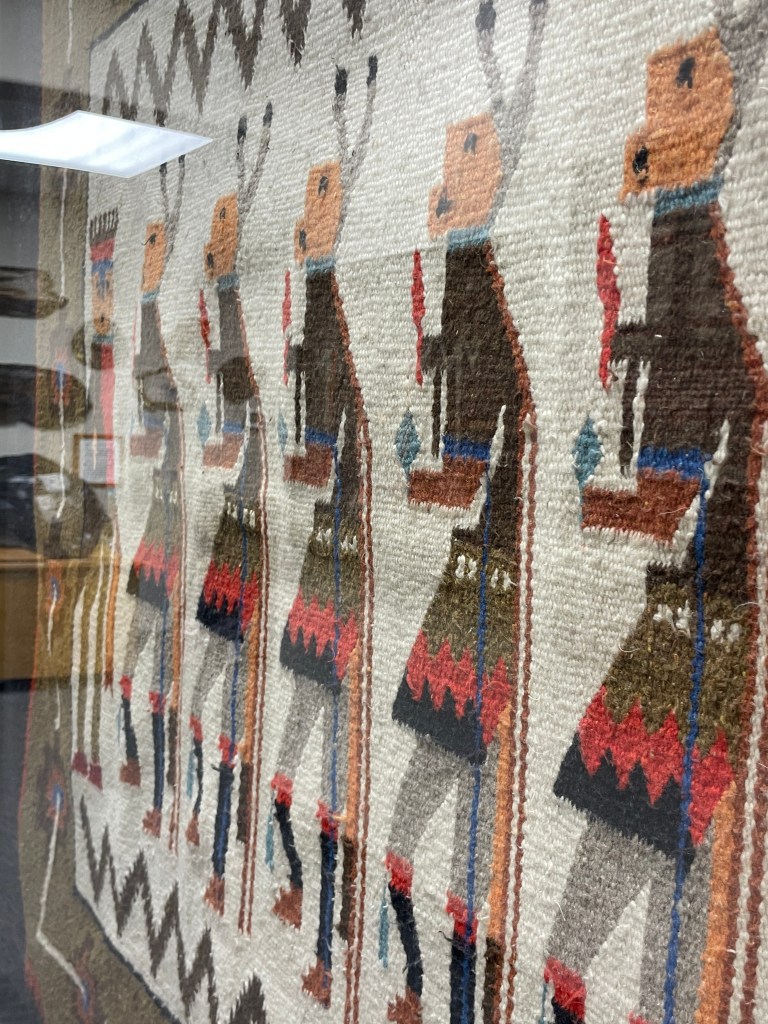
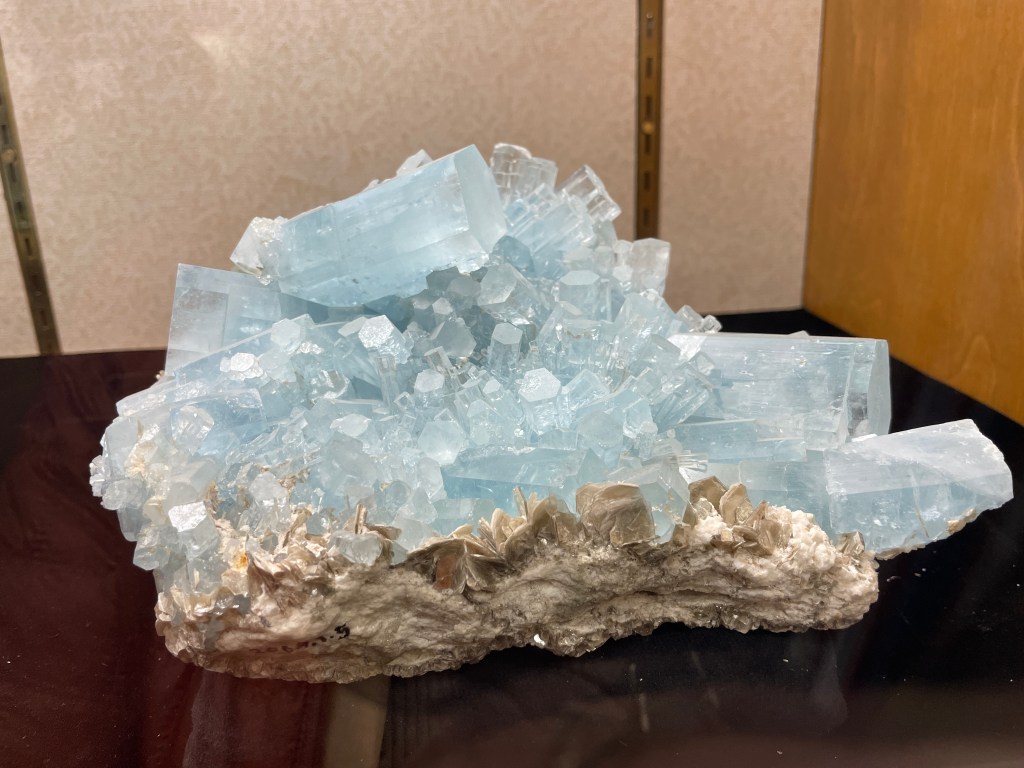
You enter the museum through a gift shop full of rocks, books and other items typical of such places. In fact, the room is so large that at first I thought it was the museum itself. But was I wrong. This collection of rocks, fossils, artwork and gems travels from one exhibit hall to the next. It is a seemingly unending labyrinth that is stuffed to the brim. From local rocks to geology curated from around the world, the species are spectacular and the variety of colors explosive! There is even a black light room which contains a fluorescent mineral display that kept the kids enthralled.

My explanation about this incredible gem of a museum really can’t to it justice so you will just have to look for yourself.
Even more impressive is the museum offers a variety of classes and workshops on such topics as geology, wire wrapping, lapidary, and cabochon. Perhaps one of these hands-on learning opportunities might just be the perfect Christmas gift for someone on Santa’s list!.

The Crater Rock Museum is located at 2002 Scenic Road, Central Point, Oregon.

Phone: (541) 664-6081.

The museum is closed on Sundays and is open a variety of hours throughout the week but mostly between 10 am – 3 pm.

If I had a few hours to kill I certainly wouldn’ miss the finest rock collection on the West Coast. I guarantee that you won’t be disappointed that you made the trip!

Valkenburg Caves-Valkenburg, Netherlands

What brought us to the charming town of Valkenburg was my 13th G-Grandfather, Jan Van Valkenburg (1515-1575). It was his home town and I wanted to see it. And we did. It was fabulous. But what touched us more were the caves (Cauberg Cavern-Gemeentegrot/Fluweelengrot ) radiating out beneath the center of the city and did they ever have a story to tell. So we listened.DSC05816

You can enjoy the caves either by guided walking tour or by “train.” I would advise walking. The walk is easy not steep and you will be given plenty of time to ask any and all questions that your heart desires.

As for the history of the caves, the Romans began excavating them 2,000 years ago for use as building material in and around the area and significant buildings still stand today as a testament of its worth. The caves have also been used for centuries as a sanctuary for refugees during the French Revolution and more recent wars.

Be sure to step up close to the walls and you will see limestone littered with fossils and shells proof of an underwater world that existed here 100 million years ago. It is fascinating to see all the “fossil gold” left behind.

Yet,  the real treasure in the caves is the art work left by miners and residents of the town  since  before the 1700’s. Drawn in charcoal and created by the dim light thrown off by candles and later, lanterns, these works of art depict a living history of what was known or imagined by these dedicated artisans.  In addition to the paintings there are also huge statues carved into the walls throughout the entire labyrinth of corridors that run under the city.

But perhaps the most compelling picture is the Liberation of the City by the Americans in on September 17, 1944. It is a tribute to those brave men who worked to reclaim this city from the Germans and deed her once again to its citizens. And below the painting you will find the signatures of some of the soldiers who participated in the liberation.

DSC05866

But perhaps even more astonishing is this fact: that during the 10-day battle the towns 10,000 residents all lived in the caves together while fierce fighting raged in the streets. It gives you pause as you wander with your guide thinking about what it must have been like underneath the city not knowing if you might live or die.

At the end of the tour you will be lead to another set of tunnels in which various eras of artwork are projected onto the walls of the cave creating a living-breathing art show that  surrounds you and disorientates you at some level.Very cool!

DSC05887

While we did not visit during Christmas it is my understanding that a huge Christmas Market is held on weekends during the weeks prior to the holiday. Here you will find crafts and fine works of art offered for sale by local craftsmen.

Entrance fee about 5 Euros

Hint: Wear a jacket as it is chilly deep underground.

Sharktooth Hill-Bakersfield, CA

DSC00224

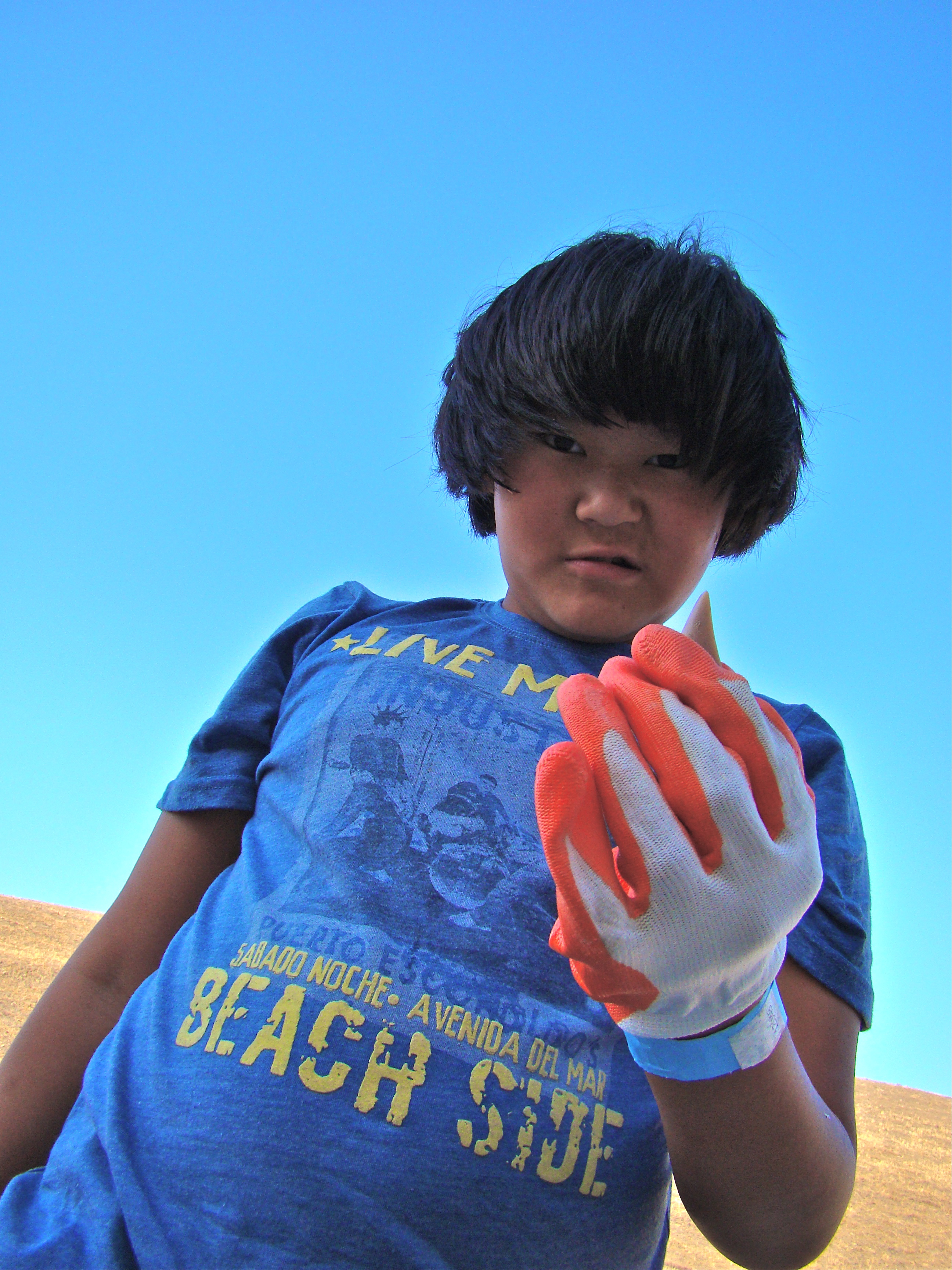
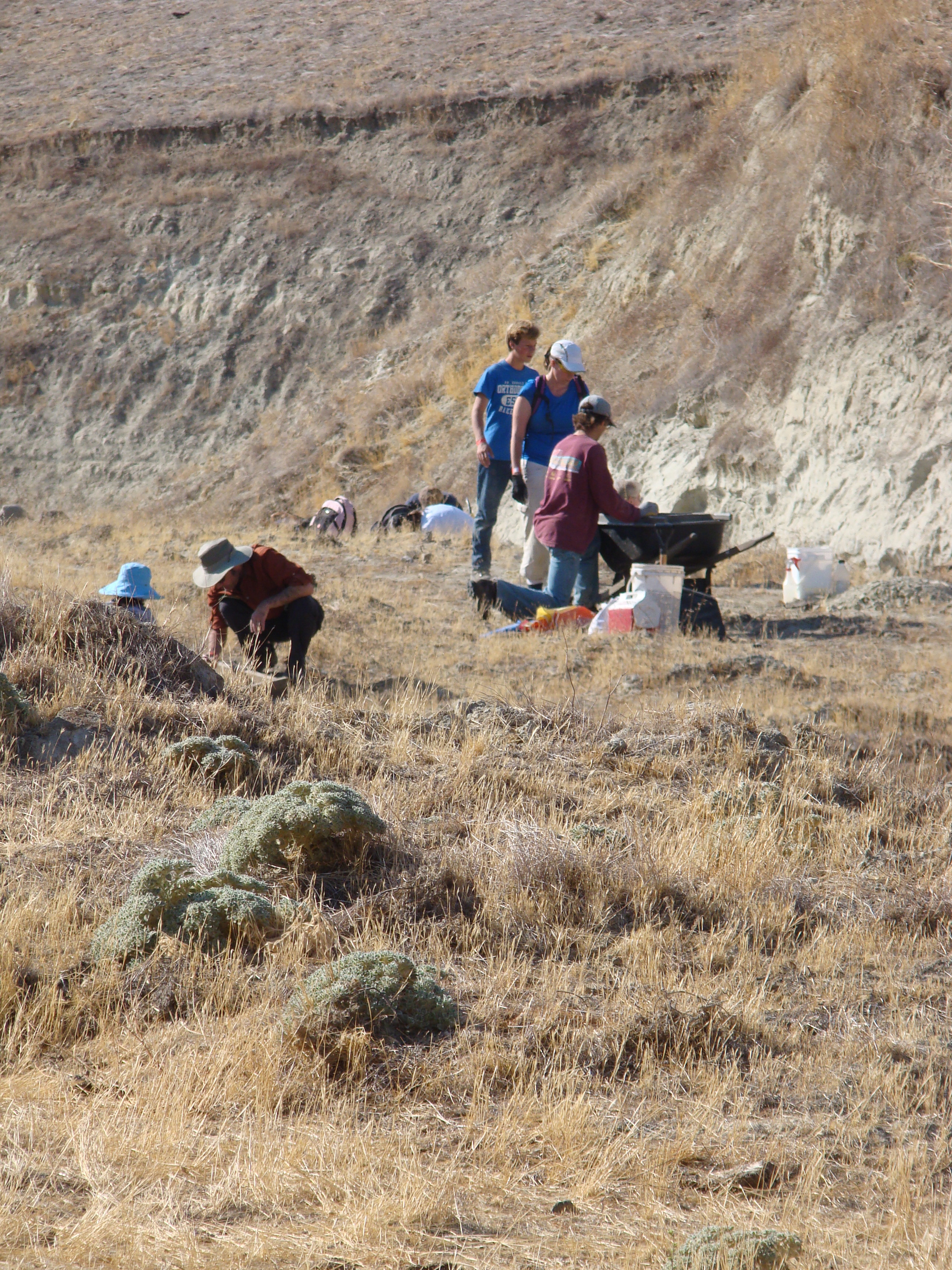
If you want to give your family the experience of digging through the dirt why not head out to Sharktooth Hill? It’s a great place to spend the day and learn about the things that used to lurk in the deep.

Once a vast ocean, the area is home to the largest deposit of Miocene marine fossils in the world. Here you will find vertebrae from whales and marine crocodiles just laying on the ground. Dig a little deeper and you will unearth shark teeth from Mako and extinct tiger sharks. Dolphins, walrus, sea cows and even desmostylus once swam freely here. So did extinct giant turtles, over 20 kinds of water birds and more than 27 species of shark and rays. Mammal finds include the tapir, rhino, and three-toed horses.

Sharktooth Hill is on private property and digs are scheduled. To find out more go to:

http://www.sharktoothhillproperty.com

DSC00237

A couple of things.  First of all before starting out you might want to visit the Buena Vista Museum of Natural History and Science in Bakersfield. The museum houses vast amounts of material brought from the site.  They also have dinosaur casts, animal mounts from around the world and an interactive Science Discovery Center. It is a small museum and they do offer periodic digs at Sharktooth Hill as a fundraiser.

When on a dig be sure to bring plenty of water. It can get hot out in this desolate mountain area. Buckets for sorting and carrying your finds are needed as are hammers. Also you should consider using a mask when digging. In this part of California there is a fungal infection that can develop in the lungs called  Coccidioidomycosis or Valley Fever for short . Valley Fever occurs when freshly dug spores are inhaled and they are plentiful throughout the San Joaquin Valley. While the numbers of people who contract this are low it is of concern especially for those whose immune systems may be compromised.